The Grow Awards 2026 🏆 















Likes
Comments
Share
@LooseLipsSinkShips
Follow
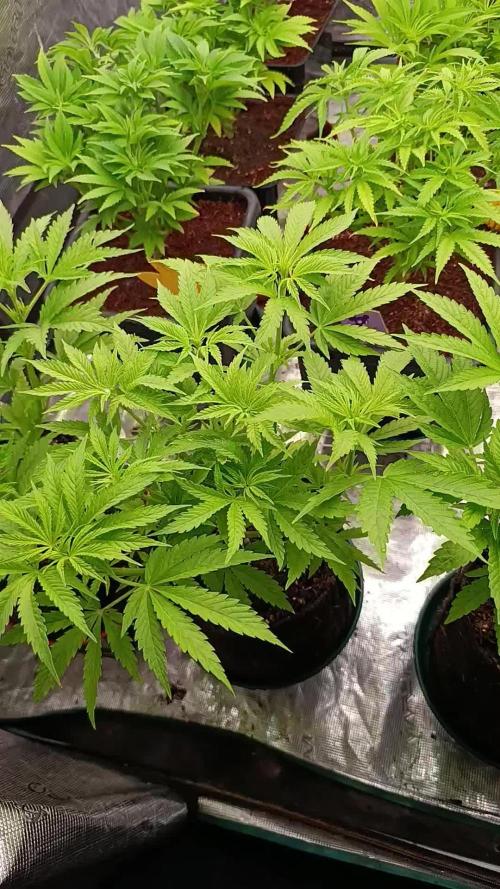
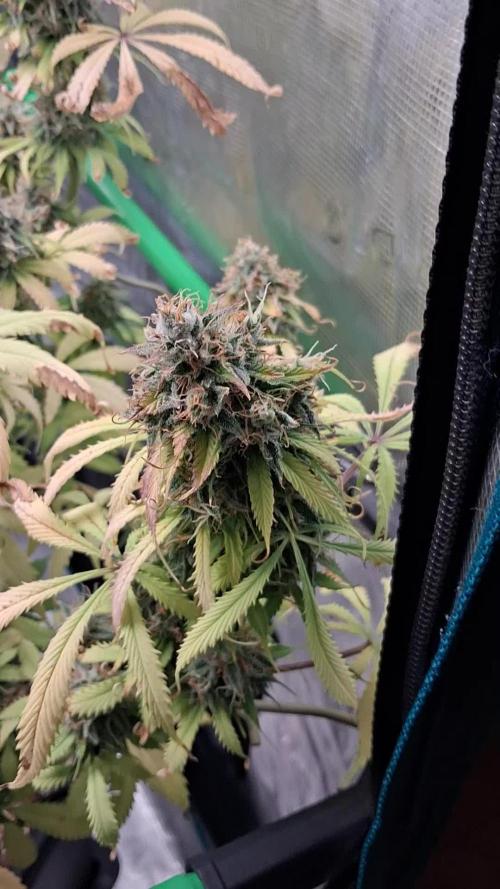
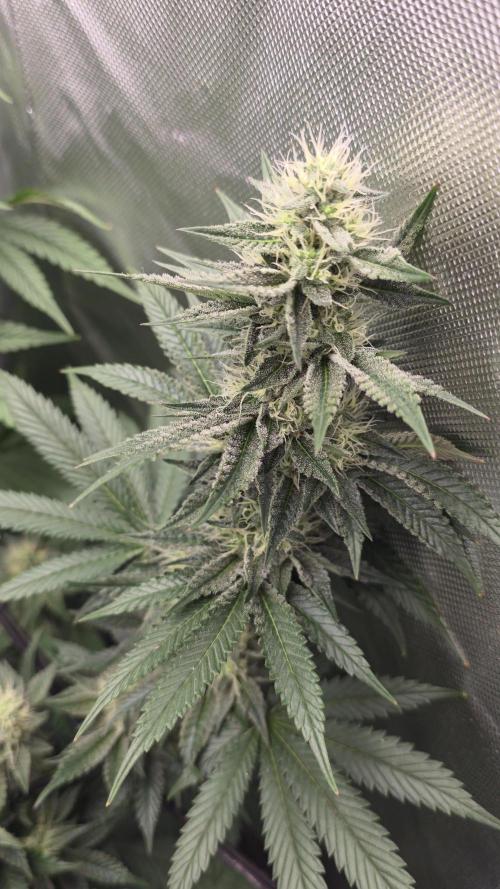
Day 22 the remaining 3 plants have refilled the space they are all showing much more sativa silver haze traits in the leaves now the spiky plant has the most kush looking leaves
The NL pheno doesn't look anything like this anymore and is the slowest in flower
I bent the heads over to create an even canopy
They all look healthy I have allowed the best pheno to take over most of the space by bending its lower branches out

Likes
21
Share
@MicrowGrow420
Follow
Getting a little tight for space, the tobacco and kush has filled the grow space to capacity. The clone i took from the kush has taken well, will be interesting to see what she produces.


Likes
2
Share
@420DeepGrow
Follow
📆 Semana 2
Floración en marcha con estiramiento sano y controlado. Los pistilos ya se hacen visibles y la estructura se abre bien, favoreciendo la luz en los futuros puntos florales. El color se mantiene uniforme y el vigor es estable.
Se inicia Sticky Finger para acompañar el arranque floral sin forzar.
Semana de transición sólida.
Seguimos creciendo fuerte 💪!

Likes
43
Share
@Growshh
Follow
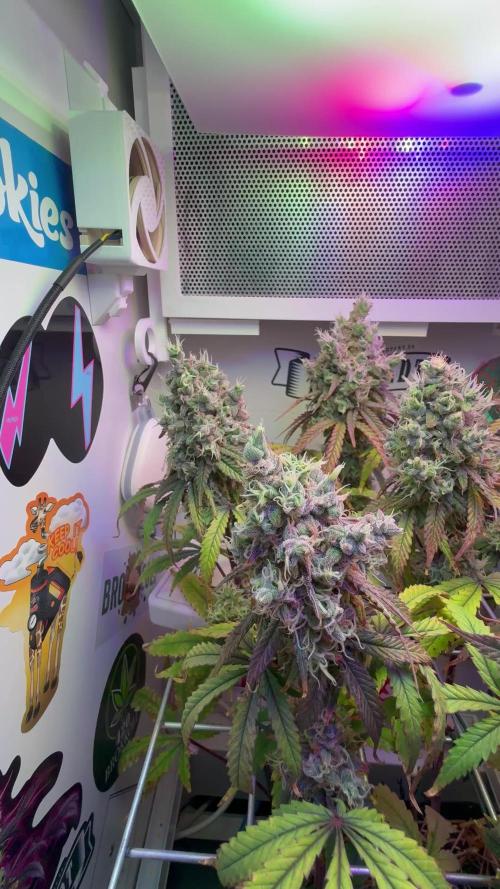
I added another 4 tablespoons of pridelands bloom top dressed after defol. Still watering in brix, green aminos, armor si, calmag and great white everyday till max saturation




Likes
7
Share
@Thomas86
Follow
Got lazy and havn't posted in a few weeks, this is week 12, the plants were quite yellow in the last few weeks and the natural fade came in too making the plants look a bit fucked but the buds are firm and plumping up, the trichs are milky but not much amber, il run it for another week and chop it down then I think, looks like it will yield a bit less than my last grow but really looking forward to smoking and vaping the nugs once dried and cured!😀
Likes
9
Share
@Herbsmanington
Follow
Kings Juice and CBD compassion are developing a nice odour. The Kuchi Diesel is developing a nice diesel scent with a shrubbery type branching, buds all over. The milky dreams is growing some popcorn buds full of trichomes. Jack Lemonade is nice long buds full of trichomes. The moweeto has a particular indica aspect in the leaves grows like a hemp plant and has nice bud development. Gorilla CBD is developing like a shrub, with bud sites all over.


Likes
20
Share
@Slimm
Follow
Having quite a bit of trouble with fading leaves, burning and just can't figure out what is going on. I've top dressed on Saturday to try give her a boost, it looks like potassium deficiency but it also looks a touch like toxicity too... very confusing.... so what I'm going to do is just give water until the end now. 4 weeks ish should be ok and I reckon I can limp her home if shit hits the fan. Hoping its just deficiency and the top dress will fix it. I've not overfed with amendments so I don't understand it really. The buds are still growing no problem and calyx are starting to swell in places... all a bit weird.


Likes
5
Share
@Growerofherb
Follow
Doing great, considering moving indoors to get better light maybe. Because eventually I'll have to keep her on the porch with not direct sunlight
Likes
3
Share
@CheeRz
Follow
It's week seven of flowering, and we are slowly approaching the home stretch. The smell in the tent is mindblowing. Unfortunately, the LCG isn't growing as well as the Purple Punch x Lemon Drizzle. The buds aren't fully mature yet. Let's hope for the best! 🍋🍋🍋🍒🍒🍒

Likes
19
Share
@GermGrowFox
Follow
10. Mai
Es geht weiter. Die Pflanzen haben Jetzt leider eine sehr kalte Woche hinter sich(vermutlich war es auch etwas mutig von mir bei 10 grad die Baby Boom Samen einzupflanzen😅) Ist nicht viel passiert. Habe auch keine weiteren männlichen geschlechtsteile bisher entdecken können. Kontrolliere weiterhin täglich.
Es steht nun eine Sonnenreiche Woche an und ich hoffe auf guten Wachstum


Processing
Likes
88
Share
@No_Clout
Follow
08/08/18 - Day 22 looking good especially after the minor bump in the road, the wire I bought for the LST is doing it’s job for the time being but I will be buying some proper stuff on the weekend. ✌️🏻
10/08/18 - did more LST last night and their responding well except one, I did some minor defoliation of some fan leaves hogging the 💡
11/08/18 - plant #3 is finally getting into feel of the LST and is looking a lot happier, but girl #1 & #2 are just going with the flow and killing it, my first time doing LST like this and I wish I started doing it two harvest ago 😂👌🏻
13/08/18 - watered each plant with 2 litres each 💧plant number #3 has a slight kink in it from the LST it has been a pain for it the main stem has hardly any flexibility but the other two are 👍🏻
Likes
19
Share
@AsNoriu
Follow
So those girls were transfered from main room, theirs veg story you'll find in Checkpoint diary by Sweet Seeds.
In reality they veged for 5 weeks, beans didn't want to sprout, so planted two more. One from first two- didn't make it...
Everything with them postponed a bit and i decided to try out other training method and new version/interpretation of FIMing.
They got 30 hours of darkness, looked sad a bit, but just 3 hours under new sun - they are happy as f@ck again ;)))
Will feed them later today with full range of BioBizz. Will update charts.
Day 6. Girls loved food, no big stretch yet ...
Happy Growing !!!


Likes
13
Share
@J_diaz420
Follow
En algunas #redhotcookies, las más espigadas les pode el cotiledon y el primer nudo para que en el día de transplantes, quitar el espigamiento enterrando bajo el segundo nudo.
El día 20 se hace transplante de 1 a 7 lts, y se procede al primer amarre desde el tallo a la maceta para empezar l.s.t
Likes
Comments
Share
@Bobbo94
Follow
10th week, the smaller Strawberry G was already harvested. 5 grams dry weight. Twig snap two days ago I was out smoked it. Head buzz, Strawberry taste was light and delicious. High lasted about 4 hours. I have a habit of harvesting with hardly any amber so the potency is at its peak.

Processing
Likes
1
Share
@nausicaahime
Follow
everything changed on week 4
grow tent and cob led came to show how a good light is important.
from now til last 2 weeks, only indoor growing
goodbye CFL's, you worked well.
+ LST and ferts (2ml + 0.25)
Defoliation started
Removed branches from 1st node