The Grow Awards 2026 🏆 






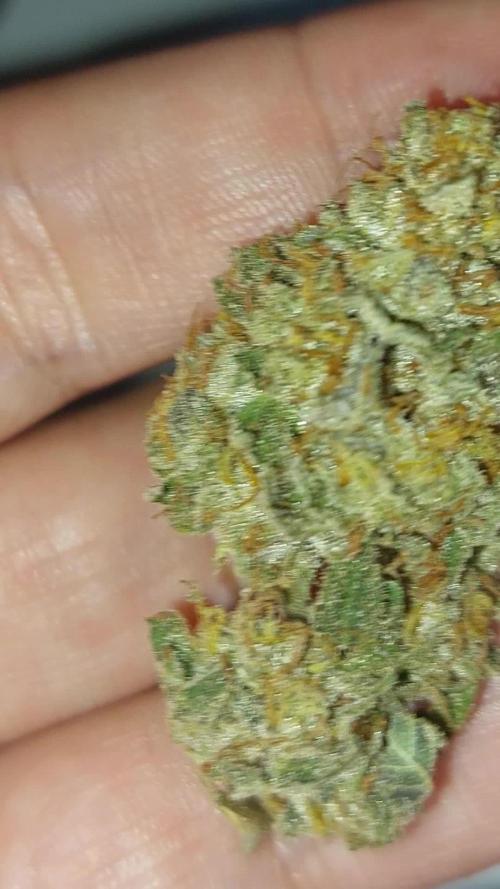





Likes
Comments
Share
@BOMbolenath
Follow
Very easy plant to harvest, didn't have too much leaves, so very easy to take out fan leaves and prepare to dry.

Likes
5
Share
@blockxs
Follow
Bulking quite well, she has a very strong haze smell as already mentioned she is handling everything like a champ, could not wished for a better plant :)
From now on I will only give her PH 6.3 water without any additives. I believe its about 2 weeks until chop chop :)


Likes
17
Share
@FatalFarmer
Follow
December 2nd: Week 6 has started, hopefully last week of veg, defoliating, started feeding Sweet Candy, reducing humidity... more to come
Tuesday night and it's end of week 6 or day 42, they are doing well, about 16 inches tall and bushy but I feel like another week of veg wouldn't hurt, hoping to get them all around 18 inches tall before I flip
Comments and likes appreciated, stay high

Likes
14
Share
@Organnabis
Follow
They're growing nicely. I've managed to solve the fungus gnat issue without pesticides!!
Just waiting for another node or two and will top them both!
Likes
18
Share
@Grow420pice
Follow
Über Ostern jetzt hatten wir sooo gutes Wetter... Ich konnte nicht wiederstehen und hab Sie nach draußen gebracht... Sie liebt es.
Bis dann growmies
🌱💚💪😎
Likes
26
Share
@Buddyman75
Follow
I saw lots of development this week.
I've top dressed with bat guano and alfalfa meal this grow to fortify the soil.
They seem to like the advanced nutrients so far as well.
It's getting a little smelly in the tent💪🏾


Likes
291
Share
@yan420
Follow
🌸🍭✨🍬🌈🍭✨🍬🌸🍭✨🍬🌈
Hi and welcome to a first @KanOrganics
run!
This time I’m running Fantasy Feast (6x regular seeds). Gonna veg them under 24hr light with a mix of LST and topping — might let one go wild for fun.
Still prepping the tent, need to transplant all my tomatoe and paprika plants to free up some pots, gonna sow tomorrow (14.04.25)
🌸🍭✨🍬🌈🍭✨🍬🌸🍭✨🍬🌈
💭❗💭❗💭❗💭❗💭❗💭❗💭
❗Events & thoughts worth noting❗
💭❗💭❗💭❗💭❗💭❗💭❗💭
12.04.25 (GW1) Cleaning old coco coir & prepping pots. Might need to hydrate extra bricks.
This is how I recycle my coco coir — fast, cheap, no BS.
🌿 Harvest plant
✂️ Chop roots small — they stay in for structure (organic perlite)
💦 Hot water rinse — remove salts & dust
🍶 Pre-soak with light feed: Micro 10ml Grow 0ml Bloom 0ml GreenBuzz 10ml Cal-Mag 60ml FPJ 10ml pH down (citric acid)
♻️ Media stays — Roots stay — Back in service.
14.04.25 (GW1) Sow 6x Fantasy Feast ✅
16.04.25 (GW1) did final tent clean up and all set up now ✅📸📸📸
18.04 25 (GW1) All 6 germinated 🎉👌♥️📸
🙏@resi_max
26.04.25 (VW1) using the new Batch of FPJ/FFJ
https://growdiaries.com/diaries/266849-grow-journal-by-yan402
00.04.25 (?W?) Transplant to...WIP, ✅
04.05.25 (VW3) Topped all of them to the same size except #4 which probably won’t make it. #5 is showing classic small pot symptoms, all 6 are droopy so left them to dry a bit,I overwatered them apparently, I'll be repoting tomorrow in bigger pots probably 9l, *repoted in 11l pots✅
30.04.25 (VW2) – Increased TriPartMicro & GreenBuzzBloom 10ml → 15ml
03.05.25 (VW2) – Increased TriPartMicro again 15ml → 20ml
13.05.25 VW4 Increased TriPartMicro to 30ml and GreenBuzzBloom to 20ml.
24.05.25 VW6 increased GreenBuzzBloom to 30ml
01.06.25 VW7 At least 4 are female 🎉🥂
by next week I'll be choosing 2 or 4 to finish off.
05.06.25 VW7 Did a cleanup 📸📸
10.06.25 VW8 kept #1-4, #5 and #6 are going to the balcony with a new diary📸📸
14.06.25 VW8 did a cleanup HST session 📸📸
(VW9)
21.06.25 VW9 Switched lighting to 12 hours.
28.06.25 VW10 Girls a stretching nicely and are eager to show their pistils.
29.06.25 VW11 increased GreenBuzzBloom 30→ 60ml
06.07.25 FW1 TriPart Micro: 50→ 30ml
TriPart Bloom: 0 → 20ml
Home-made FFJ/FPJ (Watermelon + Pumpkin): 10 → 30ml
12.07.25 FW1 GreenBuzzBloom 60 →40ml, TriPart Bloom: 20 → 40ml, fpj 30→60ml
22.07.25 FW3 TriPartMicro 30→20ml , TriPartBloom 60→80ml , GreenBuzzBloom 40→50ml
24.07.25 FW3 Cal-Mag 60→40ml
26.07.25 got thrips but handled them with extra airflow and defoliation.
29.07.25 FW4 GreenBuzzBloom 50→20ml, Home-made FFJ/FPJ (new batch) 60→120ml
04.08.25 FW5 Fantasy Feast #3+4 are showing signs of maturity so I created nutrient schedule #2 just for those two.
05.08.25 FW5 decided to harvest the tops of Fantasy Feast #3+4 for two reasons: no1 I want a "speedy" high, no2 I have thrips in the tent and even though they are under control it doesn't harm to get the tent dryer with more airflow and 2 "half" plants less, 📹
11.08.25 FW6 done harvesting #3+4
12.08.25 FW6 Start feeding #1+2 with nutrient schedule #2
Fantasy Feast #1 wet trimmed: dry trimmed
Pre cure evaluation:
After cure evaluation:
Fantasy Feast #2 wet trimmed: dry trimmed
Pre cure evaluation:
After cure evaluation:
Fantasy Feast #3 wet trimmed:135.9g, dry trimmed: 30g
Pre cure evaluation: Gassy, citrus, spicy, smooth no coughing, hits well for being harvested early, no body high mostly head again because of early harvest probably
After cure evaluation:
Fantasy Feast #4 wet trimmed:179.1g, dry trimmed : 47g
Pre cure evaluation: Similar to #3 but a bit more mellow and with a touch of caramel, also an early harvest.
After cure evaluation:
🌱💦🌱💦🌱💦🌱💦🌱💦🌱
🌿 Day to day tasks & actions 🌿
🌱💦🌱💦🌱💦🌱💦🌱💦🌱
16.08.25 FW6 – Fed 3l of #2 at 50% → 1l runoff
17.08.25 FW7 – Fed 3l of #2 at 50% → 1l runoff
18.08.25 FW7 – Fed 3l of #2 at 25% → 1l runoff
19.08.25 FW7 – Fed 3l of #2 at 25% → 1l runoff
20.08.25 FW7 – Fed 3l of #2 at 10% → 1l runoff
21.08.25 FW7 – Fed 3l of #2 at 10% → 1l runoff
(*RUNOFF reused for tomato plants)
🍶💧🍶💧🍶💧🍶💧🍶
💧 Nutrients in 30L #1 not in use
🍶💧🍶💧🍶💧🍶💧🍶
💧 TriPart Micro:
10 → 15 → 20 → 30 → 40 → 50 → 30 → 20ml
= 0.67ml/L
🍶 TriPart Grow:
0ml
= 0.00ml/L
💧 TriPart Bloom:
0 → 20 → 60 → 80ml
= 2.67ml/L
🍶 GreenBuzz Bloom:
10 → 15 → 20 → 30 → 60 → 40 → 50 → 20ml
= 0.67ml/L
💧 Cal-Mag:
60 → 40ml
= 1.33ml/L
🍶 Home-made FFJ/FPJ (new batch):
10 → 30 → 60 → 120ml
= 4.00ml/L
💧 pH Down:
Citric acid (BuxXtrade) — adjust to ~pH 6.0
📦 TOTAL:
280ml per 30L
🔬 9.33ml/L
🍶💧🍶💧🍶💧🍶💧🍶
🍶💧🍶💧🍶💧🍶💧🍶
💧 Nutrients in 30L #2
🍶💧🍶💧🍶💧🍶💧🍶
💧 TriPart Micro:
10 → 15 → 20 → 30 → 40 → 50 → 30 → 20 → 10ml
= 0.33ml/L
🍶 T.A FinalPart/Ripen: 20ml
= 0.67ml/L
💧 TriPart Bloom:
0 → 20 → 60 → 80 → 0ml
= 0.00ml/L
🍶 GreenBuzz Bloom:
10 → 15 → 20 → 30 → 60 → 40 → 50 → 20ml
= 0.67ml/L
💧 Cal-Mag:
60 → 40 → 20ml
= 0.67ml/L
🍶 Home-made FFJ/FPJ (new batch):
10 → 30 → 60 → 120 → 200 → 100 → 50ml
= 1.67ml/L
💧 pH Down:
Citric acid (BuxXtrade) — adjust to ~pH 6.0
📦 TOTAL: 120ml per 30L
🔬 4.00ml/L
🍶💧🍶💧🍶💧🍶💧🍶
⚙️✂️⚙️✂️⚙️✂️⚙️✂️⚙️
✂️Tools & equipment✂️
⚙️✂️⚙️✂️⚙️✂️⚙️✂️⚙️
✂️ 2× MarsHydro SP3000
⚙️ MarsHydro 150mm ACF Ventilator
✂️ Trotec dehumidifier (big unit)
⚙️ Mini no-name dehumidifier
✂️ Kebab skewers (LST – stainless)
⚙️ Wire + roast skewers (LST assist)
✂️ Scissors (HST)
⚙️ Vacuum (for spills & cleanup)
⚙️✂️⚙️✂️⚙️✂️⚙️✂️⚙️
🌈🍒🍭🍬🌈🍒🍭🍬🌈🍒🍭🍬🌈🍒
🦄Fantasy Feast(@resi_max Seeds)🦄
🌈🍒🍭🍬🌈🍒🍭🍬🌈🍒🍭🍬🌈🍒
Species: Hybrid (Regular)
Genetics: The mother is Unicorn Whip by Dirty Bird Genetics. The father is Charcuterie by Cannarado Genetics.
Effect: Unknown WIP
Flavor: Unknown WIP
Flowering: Estimated 8–10 weeks
Resistance: Unknown — Testing phase
Notes: Expect weird phenos, candy terps, possible outliers
Likes
11
Share
@Chubbs
Follow
420Fastbuds
FBT2309/Week8
What up grow fam. I hope all is good with everyone. Week 8 update on these absolutely stunning girls. They're definitely progressing nicely with the flower sites swelling up. Super frosty and beyond sticky when you happen to touch them. Over all Happy Growing
Likes
8
Share
@EVERYTHINGFRIEDISGOOD
Follow
try to do interesting
if u have any idea or suggestion please share to me on comment

Processing
Likes
52
Share
@HazeyBobby
Follow
The week starts Monday Jan-27, being day 27 of flowering.
Plants are looking very good and healthy, albeit some bigger buds at this stage is missing.
Carried out more minor defoliation, only trimming fan leaves on one side of a bud site in alternate fashion. Strategy is to expose more bud sites to light. Leaves are getting sticky and glistening brightly.
The canopy has a few branches stretching out typical of Sativa genetics. Hoping the bud sites grow bigger soon filling up the space.
Feeding a high EC nutrient mix whilst monitoring run-off EC which remains below feed EC.
Light is maintained at 30cm above the canopy, with daily fertigation at lights on - watering just under 3L per day. Maintaining an average RH in the space at 50%.
---- updates for prior 4 weeks --------------------------------------------------------------------------------------------------------------------------------------------------------------------------------------
-----------------------------------------------------------------------------------------------------------------------------------------------------------------------------------------------------------------------
The week starts Monday, Jan-20 still flowering away.
Bud sites are beginning to take form and the ScrOG setup looks full, ready for the development of some large buds.
Removed a few more leaves from above the canopy which were blocking bud sites below. Also cut small stems (with bud sites) below the canopy from both plants which were unlikely to grow strong. It's now looking clearer below the canopy.
The canopy is still thick with beautiful luscious green leaves typical of an Indica. Run-off EC has been slowly rising over the weeks but still under the feed EC - will be keeping my eyes on this.
Light is maintained at 30cm distance from canopy, with daily fertigation at lights on - watering almost 2.5L per day. Maintaining an average RH in the space at 50%.
-----------------------------------------------------------------------------------------------------------------------------------------------------------------------------------------------------------------------
The week starts Monday, Jan-13 in flowering stage.
The plant is growing thick and fast, with very short node intervals creating a thick canopy.
Carried out substantial defoliation of almost all the big fan leaves and a few little stems that were not likely to make it above the canopy. Avoided defoliating the major cola branches. This encourages the plant not to waste resources on a node which is only going to produce “popcorn” buds.
The plants reacted well to the defoliation and were looking good by the end of the light cycle for the day. The net is completely full and this will be the last week of applying any LST as part of the ScrOG setup.
Light is maintained at 30cm distance from canopy, with daily fertigation at lights on - watering almost 2.5L per day. Lowered the average RH in the space to 50%.
-----------------------------------------------------------------------------------------------------------------------------------------------------------------------------------------------------------------------
The week starts Monday, Jan-06 in flowering stage.
The net is filling up nicely with the ScrOG process being enjoyable - just tucking branches nicely under squares once stretched enough. The Indica dominant strain is really shining with incredible dense growth and thick branches that don't bend as easily as it's Sativa neighbour.
Light is maintained at 30cm distance from canopy.
-----------------------------------------------------------------------------------------------------------------------------------------------------------------------------------------------------------------------
My grow setup includes;
- Secret Jardin DS120W tent (120cm x 60cm x 180cm) placed inside the bedroom. Passive intake of air is from a closed off section of the room where the central heating boiler sits - the intake is warm air (20 degC.) and fairly dry (40% RH) during the winter months.
- Mars Hydro SP250 LED light
- extraction fan - AC Infinity Cloudline T6
- ventilation fans
- aquarium heater
- small oil heater
- small dehumidifier
- 20L Airpots and 3.5L general pots for seedling stage
- Canna Coco substrate and nutrients
- pH and EC/TDS meters
- Thermo/Hygro meter


Processing
Likes
26
Share
@eldruida_lamota
Follow
Como estáis fumetillas, yo estoy flipando, y es que las flores de estas skunks son como rocas, y no solo lo compactas que están si no que están bastante tricomadas, las 3 a cada cual más , lavamos las raíces y ya estarán solo agua, dejemos que termine de florecer y madurar, tampoco hay prisa, ph controlado temperatura ideal, bajamos algo más la humedad, puede que tengamos que tuitear alguna pero estoy evitándolo, se irá viendo estos días, ya nos veremos esta semana que viene un saludo familia y buenos humos.

Likes
7
Share
@Meksi2790
Follow
week 4 plants look nice slight nitrogen def pumped up the dosage on the nutes


Likes
Comments
Share
@deseed_uy
Follow
Muy conforme con el resultado, despues de todo lo que les pasó la verdad quedaron muy bien. Chiquitas y poco, pero buena calidad y bien densos
Likes
6
Share
@KcKush
Follow
* Increased PPM TO 1050
* I’m getting more fruity, citrus smell now. It’s not overpowering just really light. When it rubs on my hands and clothes the residue is more potent.
* The 2 late flowering plants don’t seem to be progressing look the same to me. Maybe they are more on the photo period pheno with sativa dominance.


Likes
3
Share
@Mr_nugs_lover_David
Follow
Beautiful strain so far, hope she was gonna grow a little bigger but she's did get very big,she's starting to produce a very nice smell. Let's see what happens guys.

Likes
34
Share
@LockDownGrow
Follow
Really into the massive stretch now I am having too move the climate control probe and thermostat every day now and these girls will soon cover the WiFi camera too , probably growing around 2 or 3 cm per 24 hours at this stage , " day 4 of week 5 "
The tent is filling up nicely but the fbt7 is a clear winner so far , be is my cock up of snapping the main stem and fixing it ? The ftb7 is double the size of all the other 3 plants and is a very nice little bush , the smoothie has been very consistently healthy and vigorous and is around 22cm now and is one I did not lst , the BlackBerry has finally woken up and is now the same height as the others another plant I didn't lst , the c1 started very vigorously and was strong , them week 3 started too show signs of very early flower , she is now is fully fledged flower at week 5 and looking fantastic , and I was lucky enough too get all the side branches out and bend over the main cola too the netting and has made up for in lst what it lacked in size due too the early flowering ,


