The Grow Awards 2026 🏆
Likes
Comments
Share
@Terp1
Follow
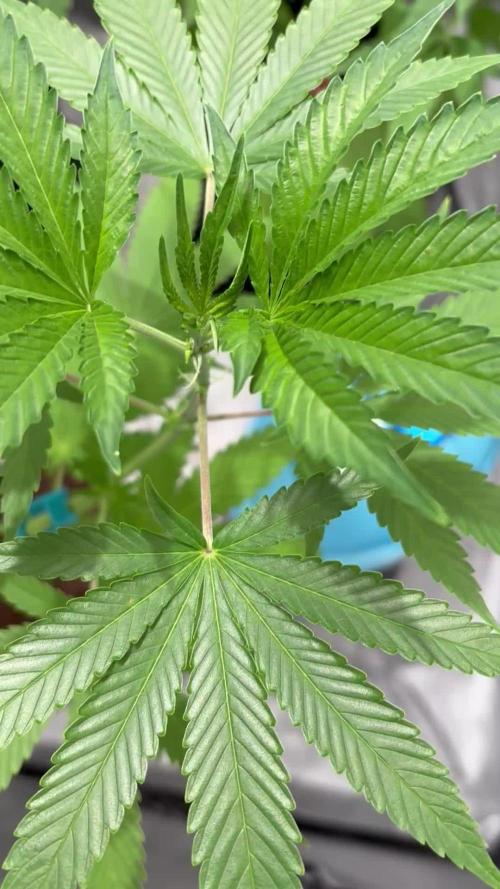
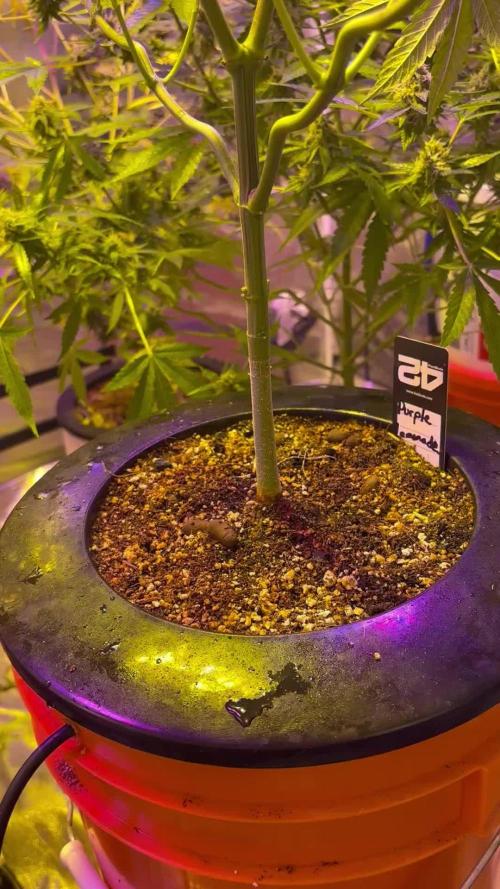
18.01.2024 Tag 79 - Woche 12 / Tag 2 Licht: 40cm – 90% Lichtzyklus: 12/12 Luftfeuchte: 55% Temperatur: 26°C VPD: 1,5 kPa Höhe: Apple Fritter - 45cm Purple Punch - 65cm Gelato - 75cm Bemerkungen: Miss Purple Punch wird jetzt unten ziemlich gelb. Ansonsten sieht sie hervorragend aus. Ich weiß noch nicht, ob es einfach nur Nature oder ein tatsächlicher Mangel ist. Ich beobachte noch und gieße am Wochenende einen Komposttee. Wir werden sehen und es bleibt spannend. Lady Apple Fritter: absolut herausragend die Dame. Die hat einfach keine Probleme und macht ihr Ding großartig! Ich weiß jetzt schon: die werde ich wieder growen. Madame Gelato: unverändert. Steht da wie eine Diva und lässt sich nicht locken. Sie ist nach wie vor weit hinter den Anderen zurück oder braucht einfach nur länger. Kann nur für die Qualität der Buds sprechen… denn das werden definitiv die Größten und Dicksten von den Dreien. Wir werden sehen, wie sie sich weiterentwickelt. ############################################################################################################################################################## 20.01.2024 Tag 81 - Woche 12 / Tag 4 Licht: 40cm – 90% Lichtzyklus: 12/12 Luftfeuchte: 55% Temperatur: 26°C VPD: 1,5 kPa Ich hab die letzten 24 Stunden einen Komposttee, vor allem für die Gelato und Purple Punch, gebraut. - 5 Liter chlorfreies Wasser - 100g Wurm Kompost - etwas Great White Mykorrhiza - das Ganze 24 Stunden lang aktiv belüften (siehe Video) Ich verspreche mir davon, dass einige Nährstoffdefizite an der Purple Punch noch ausgeglichen werden können, vor allem aber, dass es die Gelato nochmal richtig pusht. Der Komposttee wird 1:1 verdünnt mit chlorfreiem Wasser gegossen. Terp 💪😎
Likes
12
Share
@QueenBZA
Follow
This is a flush week, next week we shall be introducing EHG Ripener for the very first time in our grows,does it work? Does it not? We'll find out soon enough boys and girls.
Likes
6
Share
@Viridios
Follow
The Slurricane IX is a beast of a plant to grow, the growth is quick and quite bushy. I would advise to train these plants SCROG..or something.. the stretch is just crazy..im gona say prepare for a 200% + stretch. Thy will easily get out of of control if not managed well. Pest resistance is good, i did not have any bug problems, but i did have a small WPM issue, but it was very crowded in there. Sorted it out by defoliation and a treatment of hydrogen peroxide took care of the problem. Very thirsty plants, at there peak, 9 plants was drinking 110L a week. Very stong smelling plants. Extremely dense flowers covered in a sluricane of trichomes. Harvest of the plant is quite easy, not a very bushy cola..so its a easy trim. Overall a great genetic to grow and a beautiful plants in itself. @InHouseGenetics .. superb. Thank you guys so much for giving us the privilege to grow such amazing genetics. Keep up the great work. Happy growing. 😁 😜
Likes
10
Share
Remo nutes used on my sweet deep grapefruit, only just started grow diary but remo nutes have been doing lovely since I started using them in week 2
Likes
8
Share
12/30 - Dropped the 3x3 net for spacing - Micro dosing Silica and Green Planet through harvest - Sick plants have bounced back and are flowering accordingly - Update concluded 😎😎😎😎 01/01 - First update on the new year!! (2026) if you are reading this, many blessings and prosperity to you and yours - Closing out in the first 30 days of flower - thus far all running accordingly - dropped the light intensity down to 50 for offset heat index down to 71 degrees, humidity around 50-60% 01/03 - Thus far all is rolling right a;ong - Feedings are increasing from once every three days to once a day between clean water and nute feeds - ran out of Cane Molasses subbed with light brown sugar - Trichomes are setting in nicely - water temps for feeds are between 52 and 65 degrees.
Likes
41
Share
@Growing88
Follow
Sono felicissimo,abituato alle hps e cmh e non riuscivo ad ottenere grandi risultati, con una hps 600 watt massimo 450 grammi,con un led 730 ho fatto 1500 grammi,waooo😍😍😍
Likes
1
Share
Nearly ready to be chopped, start flushing and will chop in about a week or 1,5 week
Likes
22
Share
Week 4, May 2 to 8/20**********Days 22 to 28 from germination********* Fighting pH with numbers of 7.1 still coming out after putting in 4.5 for days and never given over 6.1 from the start?? Its time to rule out the damn pots as the issue because there is simply nothing else left......coco with perlite flushed from the start.....feed never over 6.1?????? How is run off staying so high even after several waterings of 4.5pH. They are only three weeks when this issue became apparent. I had cut slits in the bottom of the pots to aid in further drainage???? I transplanted the Fast Buds girls into 3 gal plastic pots. They are fighting the pH issues more than the other girls and will I pick on the weaker ones.......unfortunately its these ones. Plus since GSC is a longer running strain In this grow I figured these girls may have the most time to make up from any shock. GSC went well and she came out of the fabric pot well and into the new one. They were both exactly 10” across so I cut the whole fabric pot in half with razor knife while holding together. First girl fell right down in and went okay!!!! Cool👍👍👍 GSC2 on the other hand had more of an F U attitude about it all😡 Followed the same process but she didn’t’ come right apart nicely like the first one. She fought one side of the pot and in hind sight I should have cut a plus symbol or star pattern in the bottom of the pot rather than just the one slice.......It wouldn’t give right on the bottom of the pot on one side. When it finally did the roots came up from the bottom and she was flipped inside the medium..........basically worst case scenario 🤬🤬🤬 So what can you do.......you show her some extra love❤️ and talk softly to her😚 and promise to make her healthy👊 and strong💪 and never to hurt her agian😍😍🤞 Little more detail......... May 2/20 - Day 22 - 2L feed for each girl with CalMag @ 0.5ml, Vitathrive, Sensyzime, Piranha, Voodoo, Dual Fuel @ 1ml = 625ppm and 5.0pH - runoff numbers: - GSC 590ppm with 7.3pH - GSC2 580ppm with 7.2pH - why so high damn it?? May 3/20 - Day 23 - 6L mixed with Vitathrive, VeloKelp, Sensyzime @ 2ml, Piranha, Voodoo @ 1ml = 165ppm and 5.0pH - 3L given to each girl. - GSC girls have perked up the last three days. - GSC2 is getting wider but not taller. - Runoff numbers: - GSC - 725ppm and 6.9pH - GSC2 - 650ppm and 6.8pH - thinking that cheap fabric pots are the issue with high pH I am going to transplant two of the four girls into plastic pots and see how that goes. - GSC transplant went well. - GSC2 transplant not so well.......she caught the edge coming out of the old pot and her root mass became all twisted😞😞😞 May 4/20 - Day 24 - dry out day and leave them alone after being so shook up yesterday. May 5/20 - Day 25 - gave a small plain water feed of 2L each with ph to 5.0 - water and left them alone again today. May 6/20 - Day 26 - Feed day again. 1.5L each for each girl with Dual Fuel, Vitathrive @ 1ml, CalMag, VeloKelp @ 0.5ml = 675ppm and 5.1pH - the girls are working through it......just give them time. May 7/20 - Day 27 - simple feed today with VeloKelp @ 1ml and Sensyzime @ 2ml = 165ppm and 5.0pH - each girl given 1L. - GSC is looking like she is fighting back and starting to see her increase in size. - GSC2 is also coming along because her dying leaves are also starting to perk up. - Did some some stem twisting on GSC to help strengthen her stock. May 8/20 - Day 28 - Dry out day - The girls are doing well with the Kelp and while they are not much bigger they look healthier! - GSC2 low branches are not sitting in soil anymore👍 Cheers Growmies........have a great week!!!!!
Likes
7
Share
@Ambz_1990
Follow
So been to product earth n got a heck load of seeds ready for my next run! Autos! These ladies are lookin lovely considering I just watered em n ditched for the weekend! O give em the love and they show me the appreciation right back! Dunno how long I got left cuz they all different strains so I'm in different feeds and end feeds and flush soon so it's to get real here
Likes
78
Share
Day 16 - 11/14: I'm starting to suspect that this seed was actually the 2nd Cali Snow seed from my other diary... When I germinated them I put them separated but on the same cloth. At one point the LSD rolled over into the Cali Snow seeds but I was PRETTY sure I knew which one it was. Looking at how the two seedlings are similar in their stunted growth compared to the big buy in the middle who's right on schedule. I think THAT might be the real LSD-25 but I might have to wait a few weeks before I figure it out 😂 You can see it's definitely struggling but it is still growing along. Let me know if you know what is going on with it! Still just using a spray bottle for the soil around the plants using plain water a couple times a day. I will start a light water Molasses/Water feeding starting next week most likely. DAY 19 - 11/17: Just got back from a day or so out of town. Left her well watered with her dome on to help with moisture loss. Left the Veg half of my LED on so not full power but still a great bit of progress when I got back today. It was struggling as a seedling (Why I think it might be the California Snow seed that switched places) but when it hit the first node, regular growth took over. Will give them all a dark period tonight to give them a break from the 36 or so hours of light they've had when I was away. Still just letting the FoxFarms Ocean Floor do the feeding with plain waterings with a spray bottle. Will start to feed the soil Molasses/Water mixes by the end of the week or as soon as I feel the little plants and handle a pour feed compared to gentle spray. Thanks for stopping by! Like, Follow, and I follow back on IG: @GlazedGrow 💪
Likes
4
Share
Just cruising along. Not sure why some look like they will be very tiny, but at least one looks like it will be of a decent size.
Likes
4
Share
@SamDo
Follow
Hey growers, welcome back! This week marks week fourteen of the Pineapple Upside Down grow, and things are looking really good inside the tent. It’s been a smooth, steady week — no drama, no surprises, just solid, consistent growth. The plant has fully bounced back from the previous weeks and is showing great vitality. The new apexes have stretched out beautifully, filling the canopy in a balanced way. Every leaf looks healthy, rich in color, and there’s not a single sign of deficiency or stress. Environmental conditions have stayed right on target — temperature and humidity are stable, keeping the VPD in the sweet spot. The setup’s running quietly and efficiently, and it feels like the system has found its perfect rhythm. It’s been one of those weeks where you don’t really have to do much — just keep an eye on the parameters, enjoy how she’s developing, and let nature do the work. Watching her push out new growth every day is honestly the best part of the process. So yeah, a calm and satisfying week overall. The Pineapple Upside Down is thriving, and we’re right on track for the next stage. That’s it for this week’s update, growers. Thanks for following along — see you next week for a new chapter in the grow. Until then, peace and happy growing!
Likes
24
Share
@Suprmoux
Follow
Day 109 Its time to harvest the Juicy Zkittlez from seedsman 😇😇. I loved doing this project and it was my first try with my training on an autoflower, it was really motivating. A compact and frosty circle of heads, I couldn't have asked for better. So heavy that I had difficulty holding it with one hand for photos. Training : She received my hand manipulation training from the 8th day. I cut the head on day 19 to have my base on a manifold and work more quickly on my 4 main branches. Then I continued my training as much as possible to develop the structure before installing the scrog. I made a summary of photos on week 5 of flowering to see the evolution. Harvest I harvested almost 11 ounce , 10 ounce and 23 g. My training was based on quality and I'm really not disappointed with the minimum amount of nutrients she received. And it wasn't perfect for the first try with my new equipment.
Likes
21
Share
@cal917
Follow
Water was @PH level 6.4 and ppm was 300. Plants seem slightly stunted from transplant. I may have transplanted a day late. Can anyone tell me what they think about the plant in the back left. Its blue dream same as the plant in the green fabric pot? Light is a lil over 50% power at 24 inches from canopy. I still see a little leef curling/cupping???
Likes
19
Share
Yellow butterfly came to see me the other day; that was nice. Starting to show signs of stress on the odd leaf, localized isolated blips, blemishes, who said growing up was going to be easy! Smaller leaves have less surface area for stomata to occupy, so the stomata are packed more densely to maintain adequate gas exchange. Smaller leaves might have higher stomatal density to compensate for their smaller size, potentially maximizing carbon uptake and minimizing water loss. Environmental conditions like light intensity and water availability can influence stomatal density, and these factors can affect leaf size as well. Leaf development involves cell division and expansion, and stomatal differentiation is sensitive to these processes. In essence, the smaller leaf size can lead to a higher stomatal density due to the constraints of available space and the need to optimize gas exchange for photosynthesis and transpiration. In the long term, UV-B radiation can lead to more complex changes in stomatal morphology, including effects on both stomatal density and size, potentially impacting carbon sequestration and water use. In essence, UV-B can be a double-edged sword for stomata: It can induce stomatal closure and potentially reduce stomatal size, but it may also trigger an increase in stomatal density as a compensatory mechanism. It is generally more efficient for gas exchange to have smaller leaves with a higher stomatal density, rather than large leaves with lower stomatal density. This is because smaller stomata can facilitate faster gas exchange due to shorter diffusion pathways, even though they may have the same total pore area as fewer, larger stomata. Leaf size tends to decrease in colder climates to reduce heat loss, while larger leaves are more common in warmer, humid environments. Plants in arid regions often develop smaller leaves with a thicker cuticle and/or hairs to minimize water loss through transpiration. Conversely, plants in wet environments may have larger leaves and drip tips to facilitate water runoff. Leaf size and shape can vary based on light availability. For example, leaves in shaded areas may be larger and thinner to maximize light absorption. Leaf mass per area (LMA) can be higher in stressful environments with limited nutrients, indicating a greater investment in structural components for protection and critical resource conservation. Wind speed, humidity, and soil conditions can also influence leaf morphology, leading to variations in leaf shape, size, and surface characteristics. Small leaves: Reduce water loss in arid or cold climates. Environmental conditions significantly affect gene expression in plants. Plants are sessile organisms, meaning they cannot move to escape unfavorable conditions, so they rely on gene expression to adapt to their surroundings. Environmental factors like light, temperature, water, and nutrient availability can trigger changes in gene expression, allowing plants to respond to and survive in diverse environments. Depending on the environment a young seedling encounters, the developmental program following seed germination could be skotomorphogenesis in the dark or photomorphogenesis in the light. Light signals are interpreted by a repertoire of photoreceptors followed by sophisticated gene expression networks, eventually resulting in developmental changes. The expression and functions of photoreceptors and key signaling molecules are highly coordinated and regulated at multiple levels of the central dogma in molecular biology. Light activates gene expression through the actions of positive transcriptional regulators and the relaxation of chromatin by histone acetylation. Small regulatory RNAs help attenuate the expression of light-responsive genes. Alternative splicing, protein phosphorylation/dephosphorylation, the formation of diverse transcriptional complexes, and selective protein degradation all contribute to proteome diversity and change the functions of individual proteins. Photomorphogenesis, the light-driven developmental changes in plants, significantly impacts gene expression. It involves a cascade of events where light signals, perceived by photoreceptors, trigger changes in gene expression patterns, ultimately leading to the development of a plant in response to its light environment. Genes are expressed, not dictated! While having the potential to encode proteins, genes are not automatically and constantly active. Instead, their expression (the process of turning them into proteins) is carefully regulated by the cell, responding to internal and external signals. This means that genes can be "turned on" or "turned off," and the level of expression can be adjusted, depending on the cell's needs and the surrounding environment. In plants, genes are not simply "on" or "off" but rather their expression is carefully regulated based on various factors, including the cell type, developmental stage, and environmental conditions. This means that while all cells in a plant contain the same genetic information (the same genes), different cells will express different subsets of those genes at different times. This regulation is crucial for the proper functioning and development of the plant. When a green plant is exposed to red light, much of the red light is absorbed, but some is also reflected back. The reflected red light, along with any blue light reflected from other parts of the plant, can be perceived by our eyes as purple. Carotenoids absorb light in blue-green region of the visible spectrum, complementing chlorophyll's absorption in the red region. They safeguard the photosynthetic machinery from excessive light by activating singlet oxygen, an oxidant formed during photosynthesis. Carotenoids also quench triplet chlorophyll, which can negatively affect photosynthesis, and scavenge reactive oxygen species (ROS) that can damage cellular proteins. Additionally, carotenoid derivatives signal plant development and responses to environmental cues. They serve as precursors for the biosynthesis of phytohormones such as abscisic acid () and strigolactones (SLs). These pigments are responsible for the orange, red, and yellow hues of fruits and vegetables, while acting as free scavengers to protect plants during photosynthesis. Singlet oxygen (¹O₂) is an electronically excited state of molecular oxygen (O₂). Singlet oxygen is produced as a byproduct during photosynthesis, primarily within the photosystem II (PSII) reaction center and light-harvesting antenna complex. This occurs when excess energy from excited chlorophyll molecules is transferred to molecular oxygen. While singlet oxygen can cause oxidative damage, plants have mechanisms to manage its production and mitigate its harmful effects. Singlet oxygen (¹O₂) is considered a reactive oxygen species (ROS). It's a form of oxygen with higher energy and reactivity compared to the more common triplet oxygen found in its ground state. Singlet oxygen is generated both in biological systems, such as during photosynthesis in plants, and in cellular processes, and through chemical and photochemical reactions. While singlet oxygen is a ROS, it's important to note that it differs from other ROS like superoxide (O₂⁻), hydrogen peroxide (H₂O₂), and hydroxyl radicals (OH) in its formation, reactivity, and specific biological roles. Non-photochemical quenching (NPQ) protects plants from damage caused by reactive oxygen species (ROS) by dissipating excess light energy as heat. This process reduces the overexcitation of photosynthetic pigments, which can lead to the production of ROS, thus mitigating the potential for photodamage. Zeaxanthin, a carotenoid pigment, plays a crucial role in photoprotection in plants by both enhancing non-photochemical quenching (NPQ) and scavenging reactive oxygen species (ROS). In high-light conditions, zeaxanthin is synthesized from violaxanthin through the xanthophyll cycle, and this zeaxanthin then facilitates heat dissipation of excess light energy (NPQ) and quenches harmful ROS. The Issue of Singlet Oxygen!! ROS Formation: Blue light, with its higher energy photons, can promote the formation of reactive oxygen species (ROS), including singlet oxygen, within the plant. Potential Damage: High levels of ROS can damage cellular components, including proteins, lipids, and DNA, potentially impacting plant health and productivity. Balancing Act: A balanced spectrum of light, including both blue and red light, is crucial for mitigating the harmful effects of excessive blue light and promoting optimal plant growth and stress tolerance. The Importance of Red Light: Red light (especially far-red) can help to mitigate the negative effects of excessive blue light by: Balancing the Photoreceptor Response: Red light can influence the activity of photoreceptors like phytochrome, which are involved in regulating plant responses to different light wavelengths. Enhancing Antioxidant Production: Red and blue light can stimulate the production of antioxidants, which help to neutralize ROS and protect the plant from oxidative damage. Optimizing Photosynthesis: Red light is efficiently used in photosynthesis, and its combination with blue light can lead to increased photosynthetic efficiency and biomass production. In controlled environments like greenhouses and vertical farms, optimizing the ratio of blue and red light is a key strategy for promoting healthy plant growth and yield. Understanding the interplay between blue light signaling, ROS production, and antioxidant defense mechanisms can inform breeding programs and biotechnological interventions aimed at improving plant stress resistance. In summary, while blue light is essential for plant development and photosynthesis, it's crucial to balance it with other light wavelengths, particularly red light, to prevent excessive ROS formation and promote overall plant health. Oxidative damage in plants occurs when there's an imbalance between the production of reactive oxygen species (ROS) and the plant's ability to neutralize them, leading to cellular damage. This imbalance, known as oxidative stress, can result from various environmental stressors, affecting plant growth, development, and overall productivity. Causes of Oxidative Damage: Abiotic stresses: These include extreme temperatures (heat and cold), drought, salinity, heavy metal toxicity, and excessive light. Biotic stresses: Pathogen attacks and insect infestations can also trigger oxidative stress. Metabolic processes: Normal cellular activities, particularly in chloroplasts, mitochondria, and peroxisomes, can generate ROS as byproducts. Certain chlorophyll biosynthesis intermediates can produce singlet oxygen (1O2), a potent ROS, leading to oxidative damage. ROS can damage lipids (lipid peroxidation), proteins, carbohydrates, and nucleic acids (DNA). Oxidative stress can compromise the integrity of cell membranes, affecting their function and permeability. Oxidative damage can interfere with essential cellular functions, including photosynthesis, respiration, and signal transduction. In severe cases, oxidative stress can trigger programmed cell death (apoptosis). Oxidative damage can lead to stunted growth, reduced biomass, and lower crop yields. Plants have evolved intricate antioxidant defense systems to counteract oxidative stress. These include: Enzymes like superoxide dismutase (SOD), catalase (CAT), and various peroxidases scavenge ROS and neutralize their damaging effects. Antioxidant molecules like glutathione, ascorbic acid (vitamin C), C60 fullerene, and carotenoids directly neutralize ROS. Developing plant varieties with gene expression focused on enhanced antioxidant capacity and stress tolerance is crucial. Optimizing irrigation, fertilization, and other management practices can help minimize stress and oxidative damage. Applying antioxidant compounds or elicitors can help plants cope with oxidative stress. Introducing genes for enhanced antioxidant enzymes or stress-related proteins over generations. Phytohormones, also known as plant hormones, are a group of naturally occurring organic compounds that regulate plant growth, development, and various physiological processes. The five major classes of phytohormones are: auxins, gibberellins, cytokinins, ethylene, and abscisic acid. In addition to these, other phytohormones like brassinosteroids, jasmonates, and salicylates also play significant roles. Here's a breakdown of the key phytohormones: Auxins: Primarily involved in cell elongation, root initiation, and apical dominance. Gibberellins: Promote stem elongation, seed germination, and flowering. Cytokinins: Stimulate cell division and differentiation, and delay leaf senescence. Ethylene: Regulates fruit ripening, leaf abscission, and senescence. Abscisic acid (ABA): Plays a role in seed dormancy, stomatal closure, and stress responses. Brassinosteroids: Involved in cell elongation, division, and stress responses. Jasmonates: Regulate plant defense against pathogens and herbivores, as well as other processes. Salicylic acid: Plays a role in plant defense against pathogens. 1. Red and Far-Red Light (Phytochromes): Red light: Primarily activates the phytochrome system, converting it to its active form (Pfr), which promotes processes like stem elongation and flowering. Far-red light: Inhibits the phytochrome system by converting the active Pfr form back to the inactive Pr form. This can trigger shade avoidance responses and inhibit germination. Phytohormones: Red and far-red light regulate phytohormones like auxin and gibberellins, which are involved in stem elongation and other growth processes. 2. Blue Light (Cryptochromes and Phototropins): Blue light: Activates cryptochromes and phototropins, which are involved in various processes like stomatal opening, seedling de-etiolation, and phototropism (growth towards light). Phytohormones: Blue light affects auxin levels, influencing stem growth, and also impacts other phytohormones involved in these processes. Example: Blue light can promote vegetative growth and can interact with red light to promote flowering. 3. UV-B Light (UV-B Receptors): UV-B light: Perceived by UVR8 receptors, it can affect plant growth and development and has roles in stress responses, like UV protection. Phytohormones: UV-B light can influence phytohormones involved in stress responses, potentially affecting growth and development. 4. Other Colors: Green light: Plants are generally less sensitive to green light, as chlorophyll reflects it. Other wavelengths: While less studied, other wavelengths can also influence plant growth and development through interactions with different photoreceptors and phytohormones. Key Points: Cross-Signaling: Plants often experience a mix of light wavelengths, leading to complex interactions between different photoreceptors and phytohormones. Species Variability: The precise effects of light color on phytohormones can vary between different plant species. Hormonal Interactions: Phytohormones don't act in isolation; their interactions and interplay with other phytohormones and environmental signals are critical for plant responses. The spectral ratio of light (the composition of different colors of light) significantly influences a plant's hormonal balance. Different wavelengths of light are perceived by specific photoreceptors in plants, which in turn regulate the production and activity of various plant hormones (phytohormones). These hormones then control a wide range of developmental processes.
Likes
21
Share
@Smokey89
Follow
So we are in week 2 of flower I ran out of Dutch pro and my hydro shop didn't have any in stock so I had to swap to canna 450ml A&B I've also added some bud blood. So today I did some defoliation to anything below my scrog net and tucked some of the bigger fan leaves to expose the new bud sites. I also raised my light a few inches to allow the ladies to grow into it. 21/5/21 The girls are growing fast I did some defoliation 2 days ago and I had to repeat today 26/5/21 Took some fan leaves off that where blocking bud sites only a small handful needed to be removed, I gave them a feed ppm 946 ph 6.3, bud sites are looking nice and healthy I've got plenty of air flow throughout my tent, have yet to notice any aroma but still very early days. That's all for now gays and gals happy growing and pleasant smoking ;)