The Grow Awards 2026 🏆 















Likes
Comments
Share
@Wastent91
Follow
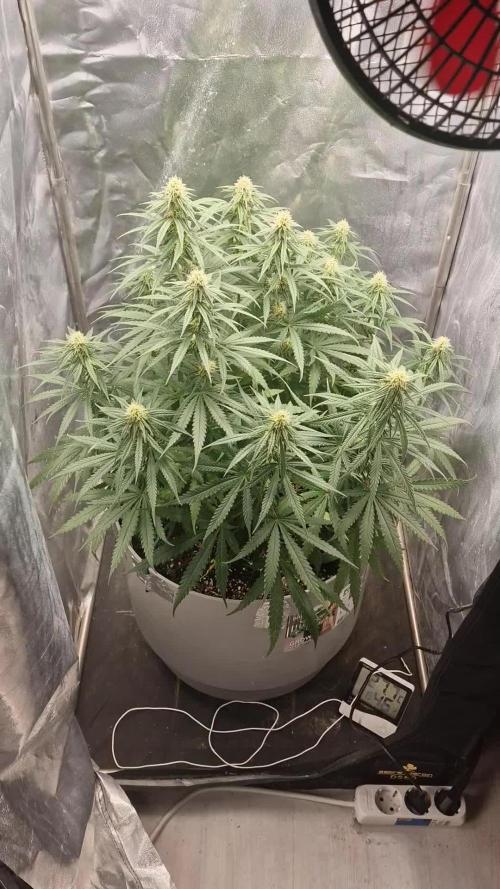
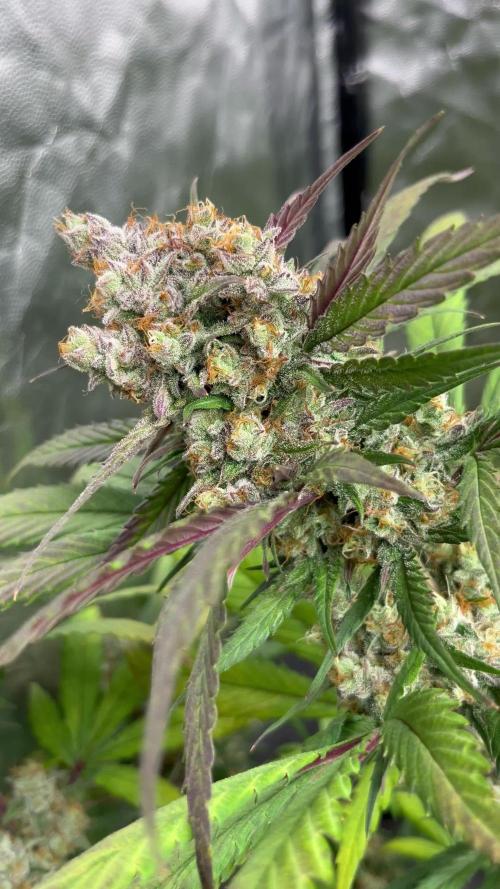
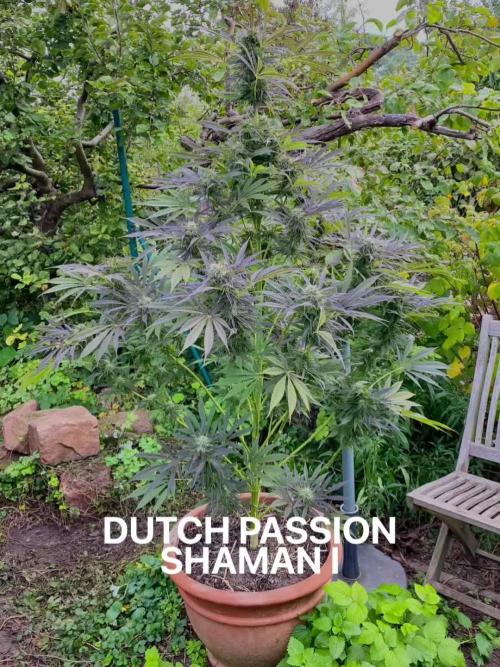
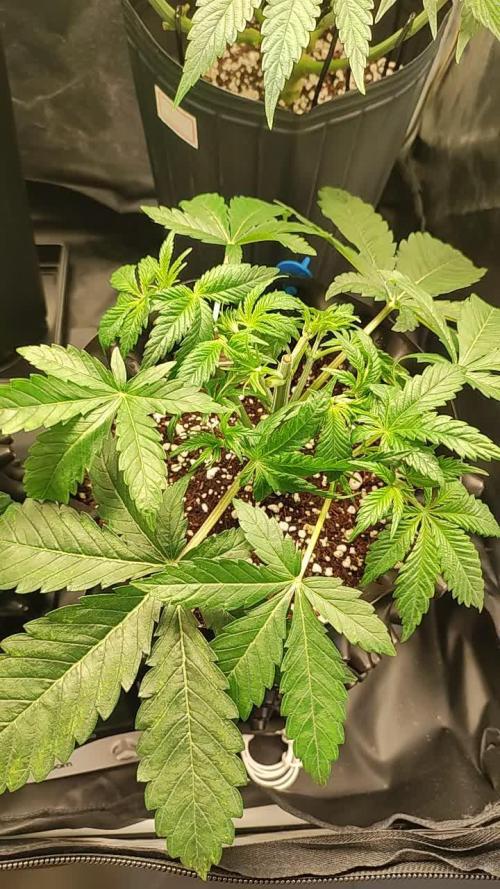
Sono orgoglioso di poter dire che questa è una delle migliori genetiche che abbia mai coltivato! L unica cosa è stata un po la struttura dei rami un po esili, rispetto all enorme peso delle cime che hanno raggiunto in fioritura, resina in quantità enorme, ma soprattutto a livello terpenico è davvero qualcosa di eccezionale che non fumavo da un sacco di tempo, e forse nn ho mai fumato in vita mia! Ringrazio tutti voi che mi seguite assiduamente è tutto grazie a voi che ora posso produrmi la migliore erba medica del mondo nella mia umile casa, senza dover andare in posti in cui la mia medicina è fornita dalla criminalita organizzata, il mio paese è davvero una tristezza, spero davvero che un giorno le cose cambino anche qua, ma è una speranza vana che succeda nel prossimo immediato futuro... Ma non prendiamoci male in questi discorsi, è fate una buona fumata anche per me, come io farò per voi! Un buon 420 a tutti! 💪😸

Likes
36
Share
@nonick123
Follow
Día 9 (10/06) N/A
Día 10 (11/06) N/A
Día 11 (12/06) Llueve mucho. Humedad alta por aquí. Eso les favorece
Día 12 (13/06) Se empiezan a desarrollar las hojas verdaderas a una buena velocidad! Todo en marcha! 💨
Día 13 (14/06) Riego ligero 100 ml sólo H20 EC 0,5 en previsión del trasplante en el día 15 de la planta
Día 14 (15/06) Se nota que estamos en el día 14 desde germinación y la mayoría de las plántulas van viento en popa!
Día 15 (16/06) Hoy procedemos a trasplantar a las chicas a su maceta intermedia de 6,5 litros
Se prepara con 5,5 Litros (85%) de sustrato PRO-MIX HP BACILLUS+MYCORRHIZAE + 1 Litro de Insect Frass (15%) + 65 gramos de Earth Vibes Super Soil (10 g/L substrato)
Se llena la maceta de sustrato con las manos (limpias) y rompiendo los trozos más gruesos, para que el sustrato esté aireado y esponjoso, sin presionar
Se coloca una maceta vacía de 1L para que quede la forma perfecta de la maceta donde están las plántulas (ver fotos)
Se espolvorea la parte proporcional de la probeta de microorganismos sobre el agujero de trasplante
Se saca la plántula de su maceta actual (bonitas raíces 😍) y se coloca en la maceta final
Se riega muy lentamente hasta percolación profunda con H2O EC 0,5 pH 6,5
Se coloca mulch (acolchado) de paja para evitar traspiración excesiva y cuidar a los microorganismos del suelo
A ver como reacciona al trasplante!
💦Nutrients by Lurpe Solutions - www.lurpenaturalsolutions.com
🌱Substrate PRO-MIX HP BACILLUS + MYCORRHIZAE - www.pthorticulture.com/en/products/pro-mix-hp-biostimulant-plus-mycorrhizae


Likes
6
Share
@ManikShamanik
Follow
Not much has happened since last update 2 weeks ago (expect growth obviously). She is growing well and with ease.
Only problem was that one branch snapped a little bit. Had to support it to another branch with binding thread. No visible damage other than the slightly snapped branch.
Happy growing everyone

Likes
12
Share
@BeHappyNtoke
Follow
Man I can not wait til she finishes drying and curing she smells amazing I will be trying to reveg her so I can hopefully try my hand at her again this time in a huge pot she definitely deserves it
Processing
Likes
24
Share
@ElChicoDelaWeed
Follow
14 días desde EASY START.(4 semillas,1 venía solo la cáscara de un lado)
Maceta RQS 10L.
-EASY BOST ORGANIC NUTRITION.(preparación del suelo con 50g en 10 litros de sustrato con perlita)
-EASY COMBO BOOSTER PACK.
-En la 2ª semana riego las 4 plantas con agua mezclada con la pastilla EASY GROW BOOSTER (la dividí en 4 trozos para la semana 2,3,4 y 5 diluyendo en 1L. de agua la mezcla).
-Las 3 que están en vaso de plástico para la próxima semana le voy añadir al vaso uno granos del EASY BOOST ORGANIC que no le mezclé cuando las planté).
👌

Likes
2
Share
@Ziocannabis
Follow
Avrei potuto aspettare ancora una settimana per averne 1/4 ambrati, ma preferisco l’effetto Bomba😝, perciò lo tolta con tricomi Opachi
È molto forte come odore, nonostante L’aspiratore sia costantemente acceso , ma non al massimo, troppo rumore per via del tubo( appena possibile ne prendo uno nuovo e insonorizzato )
Non ne ha fatta molta e ne ero consapevole,ma ora che ho nuovamente la Led Marshidro Evo da 480 watt montata, torneranno i precedenti risultati gusto qualità e quantità
Ora ne mancano 3 da tagliare ma aspetterò con calma, visto che posso iniziare ad usare la mia terapia
Un buon proseguimento a tutti Voi
18/10 tolto tutto più tardi anche quest’ultima che da sul rosa è wow!!! quella che sta asciugando sa di frutta..agrumi!!
Sono rimasto molto soddisfatto ( una la sto già fumando) dalla Papaya cookies e la rifarò
Ora ho le gorilla glue appena nate


Likes
9
Share
@Gogogorman1
Follow
Slow and steady. Used different training methods on each of the 3 plants


Likes
15
Share
@JUNGLE_B4RNS
Follow
Hello fellows growers ✌️
First week of flowering, plants started their stretch after 5 days of 12/12 lights cycle. And some plants showing their first white pistils. I gonna start to cut some shoots at the bottom of the plants, I already know these small ones won’t reach the top. And will start to unplug some few big fan leaves, that are covering shoots just below the canopy to give them some light.
✅New Growers Tips ✅
✅Switch to 12/12 light flowering cycle when your lights are half way to the ceiling.
✅Stick on your Veg. nutrients to give them Nitrogen to support the stretch and avoiding any dieback situation (plants yellowing from the bottom, moving their Nitrogen to save the top) around week 4 of flowering.
That’s all for this week folks 😉
Stay tuned 👍


Processing
Likes
4
Share
@Buurman
Follow
BAM 💥
Exploding with buds, way nicer plants then on my first try with these gorillas.
Even tho they are in the shadow of the ginormous green cracks, that have vegged for over a month longer, these baby’s are doing magnificent.
Huge frosty buds that look like they are gonna get a whole lot bigger in the coming weeks.

Likes
56
Share
@Comfrey
Follow
Dutch Passion Shaman
Eine aufregende und intensive Woche liegt hinter uns! Lange lasse ich die beiden nicht mehr stehen, Nebeltau und sehr hohe Luftfeuchte haben beiden Pflanzen etwas zugesetzt. Das tägliche Absuchen ist nun unerlässlich, ich finde regelmäßig neue Stellen an Blütenstielen, die sich im späteren Verlauf zu Fäulnis entwickeln würden. Die betroffenen Stellen befinden sich dort, wo ich während der Regenperiode entlaubt habe. So habe ich den Verdacht, dass ich die Blätter zu nahe am Stiel geschnitten habe. Denn dort, wo etwas mehr Blattstiel stehen blieb, sind die Stengel weiterhin gesund. Insgesamt empfinde ich die beiden als sehr robust und widerstandsfähig, vor allem wenn man bedenkt, dass dieser Sommer und Herbst immer wieder feucht bis nass war. Dennoch sollte man in dieser letzten Phase wachsam bleiben und die Pflanzen wirklich gründlich absuchen. So blieb der Verlust durch Blütenfäule sehr gering. Mit Hilfe einer Taschenlampe zum Ausleuchten von schattigen Bereichen, etwas Aufmerksamkeit und Liebe zu den schönen Pflanzen, werde ich ein sehr zufrieden stellendes Ergebnis in der Trockenkammer aufhängen können.
Der Duft der beiden Shamaninnen hat sich intensiviert. Sie sind noch einmal deutlich frostiger geworden und schön ölig-harzig. Nachdem ich bereits Probeblüten getrocknet und vaporisiert habe, sowie mehrmals einen starken Cannabistee aus den Blüten gebrüht und getrunken habe, bin ich mir sicher, dass ich nun jederzeit beruhigt ernten und eine ausgewogene Wirkung erwarten kann. Es ist ein klares aktivierende Sativa High, dass mich fröhlich und kommunikativ stimmt aber nie laut wird, selbst bei sehr hoher Dosierung im Tee. Die Wirkung setzt jeweils langsam ein. Auf ein fröhliches Gähnen folgt ein Hallo-Wach-Kick und ein langanhaltendes High, dass mich sanft zurückkommen lässt.
Danke für‘s vorbeischauen und das Interesse an meinen Shamaninnen. 💚

Likes
290
Share
@Ferenc
Follow
I decided to place in the tent after 6 weeks. I did LST as well. So it will be half outdoor half indoor.
Basically I planted a Auto outside but I can see it ain't gonna be a good yielder. So I should wait till autumn and also that time there is much less sun so I would not have nothing on it. I dont wanna take a risk for nothing so better to boost artificially and have better yield.
Day 46: I needed to.cut back she was wilt stressed in the new environment. I removed almost all the fan leaves.

Likes
19
Share
@adam_pawloski87
Follow
Another fun strain to run from Fastbuds, Bruce banner was amazing at a total of 83 days , came out with some thick dense resiny coated buds , an very sweet smell! Has very tight buds with tight stems so it would def be better to tie her down an open her up for some LST ! I highly recommend y’all trying Bruce Banner out , you won’t be disappointed!!

Likes
10
Share
@Bncgrower
Follow
One more week and this is the last one before switching to 12/12h, I decided to clean a few more sheets and I'm sure it will recover very quickly..
Happy growing! ✌️🌱🌿🍁

Likes
99
Share
@BudXs
Follow
Autos are growing slower than I hoped, but it doesnt matter, lots of time for them to finish before the unrooted clones hit the 12/12 flip
Low humidity causing me to foliar spray the bigger plants daily. Clones looking good, mothers in veg looking good, all is good


Likes
Comments
Share
@Kannisho
Follow
At this stage we are delighted with the development of these wonderful plants, and Colombia's #1 award-winning nutrition demonstrates its high standard.
Likes
226
Share
@Kitties_and_Colas
Follow
8/01/21:
😹Week 3!!! We decided to low-stress train one if the Big Bud plants 🌱 and top/mainline another (at node #2), all 3 plants are being fed lightly this week with FF Grow 5ml/gal and 10ml/gal of the their guano solution...we've gotten very off-lable with how we use the Fox Farm trio but it seems to be working ok..all 3 seem to love their new veg space... thanks for reading, will update midweek! 😽❤️💡🌱
~_~_~_~_~_~_~_~_~_~_~_~_~_~_~_~_~_~_~_~_~_~_~_~_~_~_~_~_~_~_~_~_~_~_~_~_~_~_~_~_~_~_~_~_~_~_~_~_~_~_~_~_~_~_~_~_~_~_~_~_~_~_~_~_~_~_~_~_~_~_~_~_~_~_~_~_~_~_~_~_~_~_~_
08/04/21:
😼We removed to bottom set from the mainlined plant and we're low stressing the other 2 plants.. our goal is to keep 1 mother from this bunch and start with clones asap 😽


Likes
11
Share
@YourBro
Follow
🤤🤤🤤 Finishing flowering... Five days gave her Overdrive💪💪 , and the last two days - already started with flushing with Flawless 💦
The buds became STONE 🗿🗿 The most of the trichomes became MILKY 😍😍
The smell has intensified 👃 All the time before this week I felt a SOUR 🍋🍏 smell, and literally, this week I felt that a VERY SWEET 🍓 aroma was added, and sour and sweet mixed in a FRUITY mix 🍌🍊🍇🍋
The last two days the baby has become ALL SUGAR 🤤🤤, just like a very sweet candy. Just a VERY-VERY SWEET 😁😁
The final week is ahead - the week of flushing 💦💦