The Grow Awards 2026 🏆 







Likes
Comments
Share
@MR_PUUF_K93
Follow
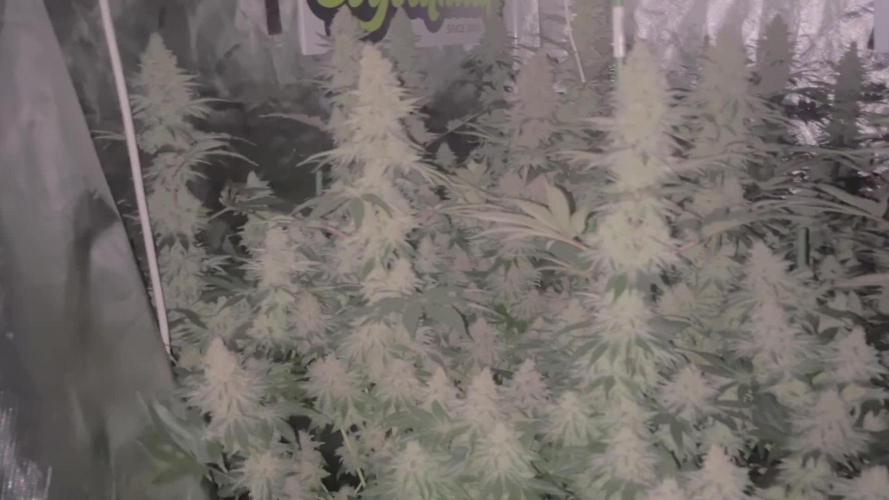
Están creciendo bien! he aumentado la potencia de la pantalla a casi el 50%. Estaban en 25%. Están comiendo muy bien y asimilando el producto de lujo.
Dos de las tres ZKITLLEZ salieron con un solo cotiledón una de ellas está bien y la otra está mutante jeje. La otra nació sana con sus dos cotiledones y va perfecta.
🌴💚😎
Las Runtz dos de ellas no salieron y tuve que germinar dos mas un poquito más tarde🤦🏽 La única que salió bien está de lujo! 😄
Y las banana green están tirando como si no hubiese un mañana han salido perfectas y germinaron muy bien!☀️😃🤟🏼
🛑Esta semana empezaré a echarle el Tripart de Terra acuática, en el enraizamiento he utilizado deeppeer underground, Rhino Skin y 1GR de Bactohemp por 1L de agua.


Likes
51
Share
@Chumpkilla
Follow
11/20/23 - Day 14 - Today the box flipped to Veg state. I made the decision in the software yesterday, its take effect the next day at the light on schedule.
The system will do a couple of things now that it's in Vegetative mode.
Lights will remain at 18Hrs On/6hours Off, however the intensity will slowly creep from 30% intensity to 100% within a couple of days.
Air Temp will remain the same at 79deg. F
Humidity will go down to 50%
Water temp and PH will remain the same, 64.5deg. F and 6.0Ph
Because I have it all hooked up for Auto water. It started the first video about 1 min after lights on. It drained the water, refilled it. After it refilled it, it turned on the air stone, started the water temp cool down, and it slowly over the next 30 minutes delivered nutes, and finished it off with balancing the PH. All of this was done on its own. I DID NOTHING. Other than verify because why not. I sat back and watched the system work.
This time around with everything hook up for auto I really am not doing much. The hardest part of this grow so far is not opening the door while the light is off.
the rest of the week I don't expect to do much. I will update daily with pictures and things that I am noticing.
This is an Auto strain. I am a little worried about growing an Auto in this box. usually, I can control the growth utilizing the lights because I'm space limited. This time the plants going to flip to flower on its own. I'll need to make sure I am training and cropping early on.
11/24/23 - Day 18 - Everything is starting to get aggressive in there. I say that because the new nodes are growing out of new nodes on the top. It's like its packed full of plant and it all wants to come out at the same time. The leaves have more serrated Leafs than I have seen on any of the other strains I have grown. Ill post a picture of the last time I grew this strain. I did it in Coco Coir. It will be cool to see the differences.
11/25/23 - Day 19 - The Leaves are all reaching up, and the plant is growing so fast! Its such a bushy plant.
Likes
17
Share
@Cannaguy
Follow
The bud structure on this plant is amazing, the buds developed to create nice tight golf ball sized nugs which are coated in trichomes. The smell inside of the jar has a little musk behind it, followed by the sweet smell of candy peaches which is also reflected in the taste.


Likes
5
Share
@StoneyMelony
Follow
Overview of my grow:
Tent: Secret Jardin DS120 4 x 4 (120 cm by 120 cm)
Lights: 2 x 120 Watt CTlite c4 clusterled
Climat: Trotec Dehumidifyer 240 watt- 10L/24h
Filter: Prima Klima carbon filter PK2600
fan: 2 x Secret Jardin 20watt osc. fan
Pots: Gronest 4 x 11 liter airpots
Water : automated water system
PH: bluelab
Nutrients: Plagron cocos A + B
Plagron PK 13/14
ATA cal/mag
Epsom salt
Week 10 She is doing great, she is getting a little bit of foxtails, it is in my opinion beatifull. i wacht closely because i'm near to the end. I love the smell of this plant it is so nice and jummy 😀 candy and lemon also she is very sticky 😋

Likes
5
Share
@Green_Blood
Follow
Things are moving along.
Just maintaining the environment, dropped the humidity and temps down. as these flowers bulk and starting to ripen up.
Dropped temps to 74 during day and 68 during night and keeping humidity around 48%
The aromas are developing and become very concentrated and more complex.

Processing
Likes
77
Share
@MissFlowerPower420
Follow
Delilah is doing good , lil bit cockeyed but I can forgive her due to all that she has battled thru .

Likes
28
Share
@TeamQuality420
Follow
Very happy ladies.
WEEKLY GOALS :
---------------------------
- pluck the whole room !!!
- stake all large spudz that need may need support for down the road .
- run a cleaner through my lines ( which switching over to auto pots , I want these ladies to have a clean line of path for ALOT of drinking 🚰)
- take any shoots that are too far barried in the canopy to flower correctly.
I really had to sit on my hands and let these girls grow

Likes
136
Share
@CocoTheClown
Follow
Week 7 / Day 49 Flower begins today 29/12/2021.
EC - EC has been 1.2 inflow all of this week, but runoff has been around 1.6-1.7. Although I am using less than half of what mills suggest of A&B but full strength stimulants, like I have to the whole grow, since I have introduced the Ultimate PK at 2ml/L the girls have both began to burn pretty bad mainly at the tops. I have done 4l per plant of a 1.1EC solution with half of the suggested (1ml/L) of the PK to see if that can stop the burn getting worse. I also dropped the base nutes by 5ml too. Hopefully this mini “flush” will stop it progressing.
Once EC is stable / burn stops I will watch closely and up base nutes again to higher EC or higher PK if required but from what I can tell it’s very strong stuff compared to the rest of the Mills line.
Multifeeding - 20% Runoff every feed, 3 x per day, 2L per feed. 6.0pH.
“LST” - again, the ties have been left on as it does not seem to affect the plants. If that changes then I will remove it as I am liking the density I am getting lower down due to light getting deeper than usual.
The buds are definitely growing in size daily which makes me believe it is nute burn mentioned above and not lockout as if it was the symptoms would be far worse, plus the top is the most effected part of the girls indicating a recent change is the reason for the burn and the lower stuff is barely affected.
I will be keeping EC to 1.1-1.2 again all this week, and only adjusting PK & base nutes if the girls seem hungry as I really don’t wanna make the burn worse or get to a point where it effects the buds.
Hopefully just another 14 or so days maximum till chop, can’t wait to see what these turn out like. Both girls are covered in trichomes from top to bottom and dense throughout.
Just want these girls to finish up and power through this burn till the end and hopefully doesn’t hurt the girls too much!
🙏🏻🤙🏻💚
Likes
24
Share
@Pierrougarou21
Follow
Salut Salut
la quatrieme semaine c est passé sans rencontrer aucun probleme . Nous rentrons dans la 5eme semaines avec des plantes saines et vigoureuses.
Un thé de compost sera donné . Ajout de photo et video de la préparation et de l oxygénation du thé
Likes
2
Share
@Ribemarti
Follow
Estamos ya en la fase final, dia 55 de floracion, ya no regare con abonos, ahora los ultimos 10 dias con agua,las plantas estan muy sanas y estan cargadisimas de resina, los cogollos estan duros como piedras, parece que habra una buena cosecha y huelen muchisimo estas plantas


Likes
18
Share
@BlueSmokeFarms
Follow
Bud sites are producing black/purple spot in leaves. Bud growth is producing as the days go by. Really excited with this being my first grow
Nitrogen boost really helped with the deficiencies. Plants are starting to look really heathy... Prunes lower colas that weren't stretching past the canopy and receiving energy so more energy can be used towards the top buds


Processing
Likes
22
Share
@Wicked_Stix
Follow
All the plants are building buds. This herercane has big pistils just like the jack herer parent. Hoping the sugar cane brings some elevated frost to it. Gave them a little beastie bloomz. I cut them off the maxigro today since the leaf tips are burning. Other than that everything is going smooth.
Likes
48
Share
@pifflestikkz
Follow
Day 57
26/08/24 Monday
Feed today using de-chlorinated tap water pH 6.
Day 59
28/08/24 Wednesday
De-chlorinated tap water pH 6 only today, 1.5L with little to no run off.
Day. 61
30/08/24 Friday
Another feed today using de-chlorinated tap water pH 6 with Plagron products.
Picture and videos now 📸💚
Day 63
01/09/24 Sunday ( end of week)
De-chlorinated tap water pH 6 only today. 2L no run off but moist container all around.
She's now full flower mode 💪💚
Likes
10
Share
@FrenchOG
Follow
We’re coming along very nicely.
Start of flush has started m/
Let her rip billy boy.

Likes
5
Share
@Elmike
Follow
La croissance des fleurs on considérablement ralenti cette semaine. Par contre je vois par les branches qui commencent à plier qu'elle continue à prendre beaucoup de poids. Forte odeur d'un mélange skunky, fruité, boisé et sucré. Dans la vidéo cette semaine, je vous présente aussi mon Bruce banner et mon fruity OG kush.
Likes
3
Share
@Comfrey
Follow
This week I continued with LST and while I bend down my Kush on day 39, the stem bent over. I could fix it and within some days the plant repaired the injury quite well. At the end of the week I was surprised how good she handled this big stress. This is not the most beautiful of my plants but I love her like the other ones. 😍

Likes
6
Share
@masterofsmeagol
Follow
4/13 10TH planet is doing phenomenal under those aerogarden lights. I'll wait a little bit then I'll bring them over with the others. I'm comparing the growth to the growth of the mk ultra and the chem dog as they are of a more similar age. I watered the 2 mk ultra and the chem dog #4. The others looked alright so I'll check later on. The three in the middle will probably be culled. The may recover but if they don't it doesn't really matter. I'll have what I need. I'm super excited for this season. I shouldve done more 10th planet. The "kush" seedlings are starting to take off. The leaves are finally starting to get bigger and they are developing new growth.
WENT BACK OVER AT 1:30. PLANTS WILL NEED TO BE WATERED IN THE MORNING. ONE PLANT WAS DOWN TO 199 GRAMS BUT IT HAS A LITTLE LESS SOIL IN THE CUP. THEY ARE GROWING AT A MORE RAPID PACE AND I DONT WANT TO INTERRUPT THAT. OTHER CUPS WERE LOW BUT NOT READY TO BE WATERED. I THINK EITHER WAY IT WOULD BE FINE BUT IM ERRING ON THE EDGE OF CAUTION. I MAYBE SHOULDVE WATERED THE DRY ONE BUT HINDSIGHT IS 20/20 AND I KIND OF WANT THEM TO BE ON A SIMILAR SCHEDULE. I GRABVED A TACK AND CHECKED THE DRAIMAGE IN THE BOTTOM. I ADDED A FEW MORE HOLES OB THE BOTTOM SIDE. I MAY JUST HAVE TO JUNK THAT MIDDLE ROW OF 3 I STRESSED BY DOING EXACTLY WHAT THE LIGHT MANUAL SAID TO DO. OH WELL I PLANNED FOR THAT WITH THE 2 MK ULTRAS AND THE CHEM DOG #4. ALL ARE DOING GREAT. SOME OF THE SOECIAL AND PINK KUSH ARE GETTING THEIR TERTIARY SET OF LEAVES SO THEY ARE PULLING OUT AND GOING TO TOWN. THE ITHER ONES (MK ULTRA, CHEM DOG, 10TH PLANET) THAT DIDNT GET STRESSED SEEM TO BE GROWING AT A FASTER RATE. I THINK I MIGHT TRY AN AUTO THIS YEAR. I HAVE A FEW BEANS. ILL THINK ABOUT IT BUT IT WOULD BE NICE TO HAVE FRESH WEED HALF-WAY THROUGH THE SUMMER.
4/14 WATERED ALL THE KUSH WITH A SHOT GLASS. THEY WERE VERY DRY. ONE WAS IN THE 180'S. I FOUND THAT ONE OF THE PLANTS THAT WAS STINTED HAS FALLEN OVER AND WAS LIMP AGAINST THE CUP. I IMMEDIATELY REMOVED TGE TWO SEEDLINGS THAT WERE BY FAR THE WORST AND I ASSUMED I WAS LOSING. I TOOK THE PEAT PELLET OUT AND THE TAPROOT HAD BARELY PENETRATED ONE AND HADN'T PENETRATED IT AT ALL ON THE OTHER ONE. IM NOT USING THOSE PEAT PELLETS AGAIN. ITS WIERD. I'VE NEVER HAD THIS PROBLEM BEFORE. PLANTS SEEM TO BE DOING GOOD. IM CONSIDERING STARTING ANOTHER SEED OR TWO. MAYBE AN AUTO.
Edit. I added mykos amd happy happy frog to the 10th planet in the solo cups. They are already to the top. I watered them with a shot glass of water amd some mykos.
4/15 I added soil to the top of the cup on kush plants and watered them with a shot glass. It seems like I may need to up the water as it's only lasting about a day. I'm seeing some slight stretching but I have no idea why. They are just seedlings and it's a 150watt hps light! Last year I used 2! I think they needed to stay under the cfl's a little longer and thatci nightve stressed them prematurelyremoving some helmet heads. Or maybe they are having problems breaking through the pear netting. I'll tell you one thing im NEVER using peat pellets again. I have other seeds and autos I could start if needed. I have what i need but if I lose a few more I'll be pissed. Maybe better to startca couole more. Those 10thvplanet are doing amazing and blowing past everything else. They look so healthy. I'm going to download a light meter on dad's iPhone and get some readings with all the different lights today.
4/16 I was able to download a FREE app for a light meter. Apple has one bit you have to pay for readings of any of the "good" lights. I had a very hurried morning and didn't take any pictures. That one special kush that was burned like the other two I threw away (or damaged when I removed the helmet head) is starting to look like it has some NEW growth. I've kept it but a little ways away from the others. I weighed all cups and they didn't seem to need water. I AGAIN packed dry soil into a cup to get a reading. Still 200. When they get within 10 grams of dry weight I'll water them. I measured and found I had the light further away than it should be. I lowered it to approx 3ft from the top of the canopy. I'll try to map the area and see what I'm getting for results. Then I'll plug in my L.E.D and see what I get. I only lowered the light because readings (that may be inaccurate) say it's not enough and two years ago when I used this light i used two. That is unnecessary I think for seedlings. I'm just trying to get them through seedling phase intact so I can move to veg and switch my light. Transplantvinto one gallons. This is where patience comes in. I'm sure everything will be fine. I just am a worrier.
4/17 I used that light meter to check the ppfd. It says it should be between 100-200 but it was only reading at like 65 and this was after I lowered the light. I'd need to go down a ways to get anywhere close. I tried to check my l.e.d and that was low so I can switch back fine. Especially with the light meter app. However the plants seem to be doing better and have tertiary leaves so I'm hesitant to change things when they seem like they are having a growth spurt. I may take the 2 mk ultras and put them with 10th planet since they are doing so good. Won't let me upload pictures. WATERED ALL THE KUSH WITH A SHOT GLASS.
EDIT: WENT BACK OVER AND USED THE PHONE APP METER ON THE LATEST IPHONE. I LOWERED THE LIGHT RO A LITTLE UNDER THREE FEET. THAT GAVE ME ABOUT 100-120 ON THE HOTTEST SPOT AND LESS FURTHER AWAY OBVIOUSLY. IM TAKING THIS WITH A GRAIN OF SALT. I MEASURED ME 100 WATT LED AND WITH BOTH SWITCHES ON I CAN REACH OVER 100 EASY FROM FAIRLY FAR AWAY. ILL BE MONITORING GROWTH AND DECIDING HOW TO MOVE FORWARD FROM THERE. I TOOK THE DOMES OFF THE 19TH PLANET BUT THE LEAF TIPS STARTED TO CURL. THE NEED TO BE HARDWNED OFF. THE CFL WAS TO CLOEE AND BRIGHT BUT MORE SO WAS THE RH OF THIS BUILDING WHICH IS PRACTICALLY NOTHING. ILL HAVE TO MOCE THEM WITH THE OTHERS. UNTIL THEN I POKED HOLES WITH A TAC ALL OVER THE DOME. THAT WAY IT CAN VENT A LITTLE BIT. I'LL SLOWLY ACCLIMATE UT TO THE LOW RH INDOORS BEFORE THE GO TO THE 100RH OUTDOORS LOL.
4/18 Didn't water this morning because things were over 20grams dry weight. Came back around one and weighed and most were within the 20 grams. One was under 200. I can see more growth since the light adjustment but I still see some stretching. But I've seen noticeable growth in a short period. I'm contemplating waiting to see what happens for a few days or to just switch to my l.e.d using my meter as a guide. Even though the box tells you how far to hang it. I'm bringing the aerogarden over to the grow tomorrow. I have a few more as well. I'm going to check that with the light meter and am considering putting the mk ultras and maybe the chem dog under that. I mean those are doing great. I poked more holes in the dome and have been exposing the plants to low rh and increased light. They don't have immediate effects anymore. I have the domes popped open too. They are gett9ng acclimated. Realistically I'm wondering if I should just pop more 10th planet or mk ultra or an auto but looking through my other diaries things will be fine. I worry to much and I usually grow clones. Outdoors. Plus most of my stuff was stolen so I'm making use of things the best I can. My money is going into good soil. I also checked the temperature at the hottest spot under the light and it was 80 degrees. This is telling my I can't really lower my light anymore. I've got some thinking to do.
EDIT: 10th Planet has done well all day without a humidity dome in this extremely low rh. I'm going to bring them and the aerogarden to the grow tomorrow. I have my l.e.d setup to test. I plan to use the light meter to see what is closest to the correct ppfd. A lot of it will be gut feeling too. I'm interested to see the reading on the new aerogarden bulbs. Those seedlings are doing awesome.
4/19 Didn't water this morning I don't think. I was hurried. Got back and found one seedling that had been growing some bigger leaves just flat on the cup. Luckily I had noticed it drooping (should've watered) and picked up a straw on the way home. It weighed 180 grams. Everything was low and I MAY have watered yesterday bit I don't think so. With this hps so close its bringing the temp up to 80. I checked the cfl aerogarden lights. Wow are those bright! I had to raise them to get in range. I put the mk ultra and chemdog under the aerogardeb light. It's about 300 bit it has a couple hot spots that bring it up to like 4k-5k. The 10th planet's loved it though and did great. I held my hand over the plants and it seemed ok. Now for the hps light and the pink kush and special kush #1. I put my tatu 100 watt (1000 watt equivelant lol) 248ns above the seedlings I had just watered. Since that hps dried everything out so much I gave them 2 shot glasses. I'll keep monitoring things. I feel like this is the best bet for me. If I fuck something up I'll have to pop more 10th planet and mk ultra ect. But I've got to make sure things are in the right range. If it stretches a little I'll just have to repot it a little sooner than the others. When they outgrow the solos they go to 1 gallon. Tomorrow I'm picking up AT LEAST a bag of fox farm ocean forest so I'll be ready for transplant when necessary. I need to get all my pots together and bring the other hps to my cousin to fix. However when they get bigger I might just use the l.e.d AND the hps if I had too.

