The Grow Awards 2026 🏆 









Likes
Comments
Share
@PEAKYPLANTERS
Follow
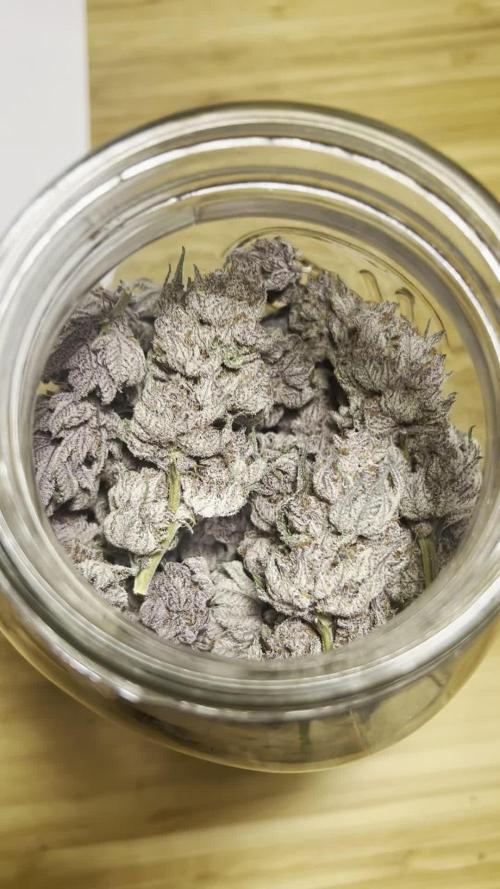
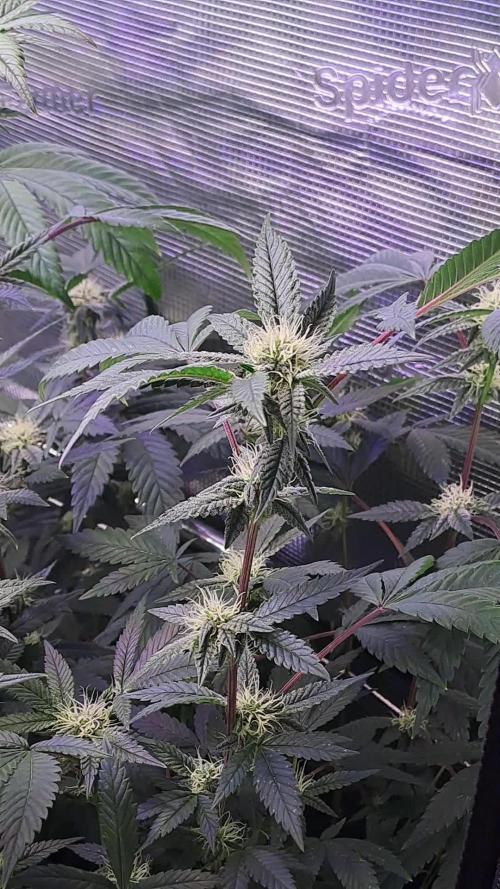
Welcome back, brother farmers! Let's continue to develop a good root system and then repot in a few weeks
Plants with excellent vigor that grow without problems

Likes
6
Share
@potatolord111
Follow
She's growing nice. The temperatures and sun are not good but it grows good under this cricumstances

Likes
8
Share
@StoneyApple
Follow
I harvested them on day 58.
A very sticky job.
The branches were hung upside down for 10 days at 17 °C and 60% RH. After that, everything was jarred up, where it will now cure over the next few weeks.
Overall, I’m very happy with this run. Aside from a few minor issues, everything went smoothly.
Processing
Likes
3
Share
@mr_smooke
Follow
Here we are on day 28.
On day 23 i spoted Spider Mites. Next day i been spray leavs whit neem oil, for now SM are gone i hope they will not come back. Been spoteted on some leavs some def. I think that is mg, ca.
She coming along nicely😁🤩🤘✌️

Likes
119
Share
@DogDoctorOfficial
Follow
Hello, my green connoisseur! The moment we've all been eagerly awaiting has arrived—the Harvest Report for our botanical queen, Jealousy, in the Power Buds competition. This has been a journey filled with anticipation, and now, we stand on the shores of botanical triumph.
Jealousy, in her final act, bestowed upon us a generous yield of 195 grams of dry bud. It's like a cornucopia of green abundance, a testament to the meticulous care and strategic decisions made throughout this green saga. Each nugget is a jewel, a culmination of weeks of growth, love, and dedication.
But the story doesn't end there. Jealousy, in her love for the trim bin, gifted us a beautiful golden pollen. This precious powder, transformed into ash via the French Cannoli style. Also gave me a Charas/Finger Ash ball. It's like capturing the essence of the plant in a tangible form—a botanical relic that encapsulates the spirit of our green empress.
Now, let's talk about the auditory symphony that accompanied the harvest. The sound, reminiscent of a tree making timber, is like nature's applause for the bountiful harvest. It's the soundtrack to a successful cultivation venture, a melody that resonates through the grow room, echoing the grand finale of this green symphony.
The drying process, carried out over two weeks with a temperature of 17°C and humidity at 58%, is like the slow and methodical crafting of a fine wine. Each day, the buds undergo a transformative journey, evolving from freshly harvested flowers to dried and cured masterpieces.
And now, the pièce de résistance—the preservation of terps with the Grove Bag featuring Terploc technology. It's like locking the aromatic essence of Jealousy in a time capsule, ensuring that every toke carries the full spectrum of flavors and aromas. The anticipation for the smoke report is palpable, as the strawberry candy profile promises an exquisite sensory experience.
Reflecting on this entire journey, from germination to harvest, it's like turning the pages of a botanical epic. The decisions, the challenges, and the moments of sheer joy have shaped the destiny of our green empress. It's a narrative that will be retold, shared, and cherished in the annals of our horticultural adventures.
As we conclude this harvest report, let's extend our heartfelt thanks and shout-outs to Zamnesia, Plagron, Grow Diaries, and the vibrant community. Your support and contributions have been the guiding lights on this extraordinary green expedition.
To my fellow contestants and growers, may your own harvests be as abundant, flavorful, and joyous as this one. Here's to the culmination of our shared green dreams, the thrill of the harvest, and the anticipation of what lies ahead. Stay green, stay inspired, and keep cultivating those dreams!
With true love comes happiness. Always believe in yourself and always do things expecting nothing in return, with an open heart. Be a giver, and the universe will respond in ways you can’t even dream of .
Friendly reminder: all you see here is pure research and for educational purposes only.
Genetics - Jelousy @Zamnesia
Nutrients @Plagron
Light - @viparspectra P2000
Room size - 3x3 - 0,9x0,9

Processing
Likes
103
Share
@MG2009
Follow
09/13/2018
Nutes up to 2/3strength, going up to full at next reservoir change. She is putting on nice growth, had to raise light due to leaf burn, but only one leave affected, I think I will flip to flowering next week. She has 9fingered leaves but in veg she's very Indica like, hopping she has more sativa like flower stretch.🙏
Topped and lite defoliation.
Likes
10
Share
@Skinnytalls420
Follow
Day 1-12/12/21 placed seed into water for 24hours! Day 2-13/12/21 I placed the seed on a paper towel! Day 4-15/12/21 seed is in soil and in tent! Day 6-17/12/21 seeds are coming out showing first signs of leaf!!!

Likes
11
Share
@kauilmayel1996
Follow
Creo que me gustan mucho las semillas automáticas
no son plantas muy grandes pero si son rápidas y con buena pinta
El equipo de fast buds me sorprendió
buena genética
yo pensando que serían las más pequeñas y una gorila glue está con unos cogollos bastante chonchos y cristalinos
super feliz con mis pequeñas auto...
happy grow a todos!

Likes
34
Share
@BOMbolenath
Follow
The plant is developing well after pruning. its branches grew well. I removed the first node as they were small.


Likes
9
Share
@Mitchgriffin1337
Follow
It was really fu doing this grow, it’s my very first grow and it seemed to turn out great. Thanks for all the feedback everyone.
Likes
49
Share
@masterofsmeagol
Follow
8/15 Yesterday the girls finally got some sun. They're flowering. Like crazy. I do need to do an application of BT once this rain stops. It just started up again. Went back over and things were dry. I decided to hold off watering until tomorrow when I feed.
8/16 Watered the 50 2 gallons, 10 1 gallon, and the rest about 1.5 gallons. I fed a pint to the ten, 2.5 pints to the 30 and 2.5 pints to the FIMMed bluecheese that looked hungry. This way I can tell if they can handle larger doses. I'd like to keep it as small and simple as possible. Gave me a fright this morning when a sheriff pulled in while I was feeding. He was on his way to a neighbors but it looked like he was just admiring things lol. I'm all legals there's no problem there. I put off spraying BT last night because dad had a couple ppl drinking and I didnt want to interact with them. Plus it was to early. The sun hadn't crested the barn yet. At least now u know what time to go spray. I'm finding some lady bugs and I killed my FIRST aphid of the season. I still have caterpillar holes in some leaves though so I might as well hit them with the BT (even though I actively hunt them). No one ever said growing cannabis is easy. Oh and my soil must be BANGING because I found some mushrooms growing in it and like a mycelium web which is awesome.
8/17 This was a quick morning due to an upcoming doctor's appointment. Removed some grass that had grown on the tar from spilt soil as it had diseases on it. I don't want that spreading to my plants. I have one blueberry cheese that I FIMed with four cola's that doesn't have as many leaves and has dropped a few leaves but looking at ot from the other side it doesnt look as open. I know that these girls are transitioning and this is the time I lose leaves. However some plants still seem totally green with no problems despite flowering. I'm wondering if it's a specific phenome thing. I also noticed that the caterpillars are still there and this morning would've been a great time to apply BT but I didn't have time and since I upped the feed I didnt want to do two things at once and have a problem and not know what it is.
8/18 Rained overnight. Plants were soaked. It's not raining now. Plants are definitely overwatered. I'm losing a few more leaves that are yellowing on the bottom interior of a couple plants. Some of it could be from the transition to flower ir the large amount of rain we've been getting. At least my drainage is really good. I need to pull the fence out and co soder cutting a pallet I. Half to better utilize space. I know I say this stuff all the time and I'm not sure it NEEDS to be done. What DOES need to be done sooner rather than later is to apply BT. I can see the damage from them. It's not bad but I want to avoid botrytis as much as possible so those pillars have got to go. Otherwise I've never had plants this healthy and it's been a real ahotty season. Boy those 10th planet's are all mice and green and healthy looking. I'm really looking forward to flowering these strains and see what they can do. I'm already greatly impressed with what I've experienced so far. UPDATE: Wasn't raining earlier then it Rained off and on but just a light steady rain that plants love but it's 3:30 now and it's pouring. Guess I won't be applying BT tonight. We need some sunshine but unfortunately I can't control the weather. Just sitting here thinking I was wondering about using Plant Doctor preventatively just due to the steady rain but I noticed mushrooms growing in my soil and since I haven't not9ced any type of fungal problem I'll revisit that idea another time. Polycarbonate roof or even some form clear plastic and a rough frame of pvc or extra lumber. Theoretically I believe I could move them all indoors for a little bit if need be but that would he a huge pain in the ass. Honestly I've got great drainage and my watering seems pretty good so I might be alright doing nothing. We shall see knock on wood.
8/19 Plants were soaked this A.M. I took a video and uploaded it (which takes forever). It's sunny though today and after the sun comes out after a period of rain the plants grow like crazy. Everything is flowering nicely. I think I can go to the end of October. I talked to a lady today that said she'd already harvested some of her peanut butter breath clones. It's my buddies mom and if you look back at one of my diaries NY mendo breath was done in September. These girls have a ways to go but the are explosively flowering which is good. It's easy to tell which strain is which. Pheno's vary but the flowers on the plants are easy to distinguish from one another. I've also never had plants stay this healthy green this long! Previously I'd have multiple pests, wpm and maybe septoria at this point. I think I've upped my game. Knock on wood. My worst problem now is worrying when to spray BT for the miner caterpillar problem. I have wasps, lady bugs and a shit ton of birds from the 3 bird feeders. I see them dart in and out of my cage. Chances are I'll spray BT tonight and take some pictures if it's nice out.
8/20 The sun is finally out. Bags are still heavy. Looks like it Rained again. I found caterpillar shit so I REALLY need to get that BT applied. I also saw minor damage to a budsite on a low hanging branch. Looks like those fucking earwigs bur I'm probably being paranoid. I also had to remove the rope that I was using to support "the big cheese" because with all this wind and rain it "rubbed" against the stem and caused an injury. I don't need that now anyway with the trellis up. Bids are developing rapidly and stacking up nicely. I have a couple plants that aren't as green as the others bit it may be do to all the rain we've been getting. I think I need to increase the volume of liquid i give my plants when I feed. Next feed I'll be doing at LEAST a quart. Due to my w8fes illness I haven't been able to spend as much time there as I should. No fungal stuff "YET". I have seen some leaves that show the plants have been over watered. Drainage is good though. I forgot to upload the video from this morning and it's uploading super slow so I'm gonna have to upload it tomorrow
8/21 Awesome. Went to town and left without going to my doctors appointment. Good job man. 👏 ANYWAY....My phone was dead when I went to town so I coukd only upload one video. I'll have to do the others later. I mixed up a batch of bt 1 tablespoon with half gallon of water (as that's what this hand mister holds. I went around the cage and sprayed every angle. Then I went to each individual plant and sprayed while spreaking the branches to make sure I got the interior. I used almost the entire half gallon so I'm hoping this will help. Bags were heavy but doesn't take them long to dry out. I'm wondering if the yellowing that is moving up (on the small purple punch and the one in the tote) is because they need more nutes, they're transitioning to flower and really stacking up or because they've been over watered with all this rain. Opinions are more than welcome. I'll check the girls tonight and if the are wet enough I'll feed and at a higher volume. If they aren't ill wait till they get their full water.
MY WIFE WAS HAVING AN "MEDICAL PROBLEM AND SO ON THE WAY TO THE DOCTORS I CHECKED THE PLANTS. THE 10TH PKAMETS WRRE DROOPING. I QUICKLY MIXED UP ENOUGH TO FEED EVERYTHING AT LEAST A GALLON AND THEN GAVE THE ONES THAT WERE THE WORST LIKE AN EXTRA HALF GALLON. JUST ENOUGH TILL WE GET OUT OF THE ER THEN I'LL GIVE THEM THE OTHER HALF OF WATER AND ILL FEED THEM. AT LEAST MY WIFE IS OK. UPDATE: Took my wife to the hospital. They did a shit ton of nothing which is par for the course. However, luckily for me (yeah right) I got back early enough to give the plants another half gallon of water each and then I fed increasing the volume to 2.5 pints (upping the big bloom to 3 tsps per gallon) but I ran out of feed on the last plant. I only mixed up two gallons and it was super dark so thar one container plant will need to be fed tomorrow I guess. This is masterofsmeagal signing off to fucking FINALLY get stoned!

Likes
5
Share
@AshleeMoon
Follow
Went to travel in the 6th and 7th week without photos.A pity.
The plants are growing very fast and are very crowded now.


Processing
Likes
15
Share
@Messypies
Follow
amazing growth this week from all 3 plants. The peanut butter cookies is recovering from the transplant. Both the auto cheese and auto cinderella jack have both started to show signs of flowering and have bushed out incredibly well. The pbc has had its first top done and has started growing 2 extra nodes.
07/08/2020 - training has been done on all the autos. They have recovered extremely well and seem to not be slowing down. Finally starting to see the type of flowers I have been striving for. After a semi unsuccessful first grow, this has been a huge relief. Both autos are now showing signs of going into flower so I will try to stop LST unless any unruly branches form.
The peanut butter cookies has now started to fully recover from the transplant and topping. Will now allow this to flourish and grow as big as it wants as both autos should be done before its too big (hopefully)


Likes
11
Share
@Nookandplant42o
Follow
Big resinous and compact buds, strong smell of the tent its elongated stems are the buds on top getting fatter every week I hope to be surprised with this girl her looks are beautiful great coloring and leaves to go where I need to let her gain more weight and the amber colors are necessary in trichomes, feeding well and requiring more water than the others, even without pure water 😚


Likes
3
Share
@PrinceOfHerbs
Follow
The plants are growing very well, the flowers already look very compact and many pistils are forming.
The plant was extremely lollypopped.
The Bullz Eye had unfortunately twittered minimally and 3-4 pollen sacs had already opened (under the net) these were all removed as well as nearby flowers
Flowering day: 21


Likes
58
Share
@Wastent91
Follow
So are you guys okay? You know so much to me! My situation as a grower is growing and many possibilities are opening up for me for new fantastic projects, to which the first thing for me is the mega-passion that I have for these girls, who at the same time give me fun, well-being, social life, introspection, meditation, high if necessary, I would really do everything for her if I lived in a country where this is legal, but unfortunately I can't and you don't know how much I envy people in America who can freely grow and show their results on Instagram and many other social networks that I hate but in So if people follow you you can even survive this, this can't be done in Italy, I can only live on the sidelines and I'll be happy in my only experience of myself producing the best possible weed on the planet where I am! Apart from this rant, I wanted to say that the new grow box is the intelligent ventilation system that regulates the air in relation to the humidity and temperature in the box, I must say that for me it is a huge leap in quality that I am sure will also be reflected on my girls! Thanks for everything Mars Hydro you are my source of pride and happiness for trusting me that I can have the same professional home tools as anyone else on this planet who wants good and natural weeda! Mars hydro = excellent quality in everything! For now, the light is set to 50 x one hundred, we'll see later how the girls develop and we'll make some adjustments, thanks to Barney 's farm for the opportunity to test yuor seeds! I love yuo GD i love yuo all! Buon 420 a tutti! 😼😋😽😻💖🧑🌾🌱🌿🌲💨😝
Likes
13
Share
@Pierrougarou21
Follow
5 eme de Flo
27/01 Photos de nuit cela fait deux jours que je rentre trop tardivement pour prendre des photos avec de la lumière, comme je suis entré dans la semaine 5 depuis deux jours je ne pouvais pas attendre plus pour faire la mise a jour
Likes
2
Share
@Luuciano78
Follow
En la primera etapa de vegetación el resultado considero que es muy bueno ya que es mi primera vez.
