Likes
Comments
Share
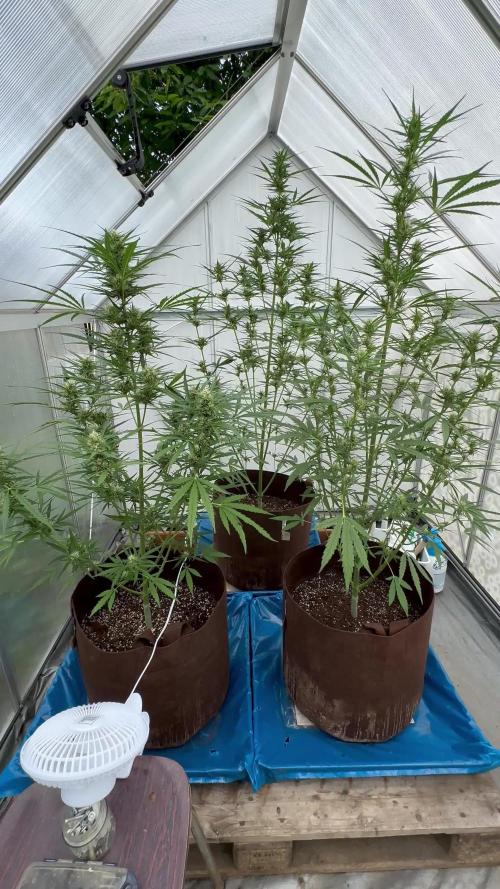
Day 15 and things are rolling right along.Ive just been giving ph water until the pots are dry.Noticing a lot of growth last few days and they are looking good.Ive decided to go from the 24 hour straight to 20 hours on 4 off light schedule.I have never really noticed much of a difference with auto flower from 18/6,20/4,and 24 hours on the light schedule.I think it is best for the equipment to give them a short rest time.I do like the consistency of the environment with 24 hours during the winter time though :)
Likes
34
Share
Yellow butterfly came to see me the other day; that was nice. Starting to show signs of stress on the odd leaf, localized isolated blips, blemishes, who said growing up was going to be easy! Smaller leaves have less surface area for stomata to occupy, so the stomata are packed more densely to maintain adequate gas exchange. Smaller leaves might have higher stomatal density to compensate for their smaller size, potentially maximizing carbon uptake and minimizing water loss. Environmental conditions like light intensity and water availability can influence stomatal density, and these factors can affect leaf size as well. Leaf development involves cell division and expansion, and stomatal differentiation is sensitive to these processes. In essence, the smaller leaf size can lead to a higher stomatal density due to the constraints of available space and the need to optimize gas exchange for photosynthesis and transpiration. In the long term, UV-B radiation can lead to more complex changes in stomatal morphology, including effects on both stomatal density and size, potentially impacting carbon sequestration and water use. In essence, UV-B can be a double-edged sword for stomata: It can induce stomatal closure and potentially reduce stomatal size, but it may also trigger an increase in stomatal density as a compensatory mechanism. It is generally more efficient for gas exchange to have smaller leaves with a higher stomatal density, rather than large leaves with lower stomatal density. This is because smaller stomata can facilitate faster gas exchange due to shorter diffusion pathways, even though they may have the same total pore area as fewer, larger stomata. Leaf size tends to decrease in colder climates to reduce heat loss, while larger leaves are more common in warmer, humid environments. Plants in arid regions often develop smaller leaves with a thicker cuticle and/or hairs to minimize water loss through transpiration. Conversely, plants in wet environments may have larger leaves and drip tips to facilitate water runoff. Leaf size and shape can vary based on light availability. For example, leaves in shaded areas may be larger and thinner to maximize light absorption. Leaf mass per area (LMA) can be higher in stressful environments with limited nutrients, indicating a greater investment in structural components for protection and critical resource conservation. Wind speed, humidity, and soil conditions can also influence leaf morphology, leading to variations in leaf shape, size, and surface characteristics. Small leaves: Reduce water loss in arid or cold climates. Environmental conditions significantly affect gene expression in plants. Plants are sessile organisms, meaning they cannot move to escape unfavorable conditions, so they rely on gene expression to adapt to their surroundings. Environmental factors like light, temperature, water, and nutrient availability can trigger changes in gene expression, allowing plants to respond to and survive in diverse environments. Depending on the environment a young seedling encounters, the developmental program following seed germination could be skotomorphogenesis in the dark or photomorphogenesis in the light. Light signals are interpreted by a repertoire of photoreceptors followed by sophisticated gene expression networks, eventually resulting in developmental changes. The expression and functions of photoreceptors and key signaling molecules are highly coordinated and regulated at multiple levels of the central dogma in molecular biology. Light activates gene expression through the actions of positive transcriptional regulators and the relaxation of chromatin by histone acetylation. Small regulatory RNAs help attenuate the expression of light-responsive genes. Alternative splicing, protein phosphorylation/dephosphorylation, the formation of diverse transcriptional complexes, and selective protein degradation all contribute to proteome diversity and change the functions of individual proteins. Photomorphogenesis, the light-driven developmental changes in plants, significantly impacts gene expression. It involves a cascade of events where light signals, perceived by photoreceptors, trigger changes in gene expression patterns, ultimately leading to the development of a plant in response to its light environment. Genes are expressed, not dictated! While having the potential to encode proteins, genes are not automatically and constantly active. Instead, their expression (the process of turning them into proteins) is carefully regulated by the cell, responding to internal and external signals. This means that genes can be "turned on" or "turned off," and the level of expression can be adjusted, depending on the cell's needs and the surrounding environment. In plants, genes are not simply "on" or "off" but rather their expression is carefully regulated based on various factors, including the cell type, developmental stage, and environmental conditions. This means that while all cells in a plant contain the same genetic information (the same genes), different cells will express different subsets of those genes at different times. This regulation is crucial for the proper functioning and development of the plant. When a green plant is exposed to red light, much of the red light is absorbed, but some is also reflected back. The reflected red light, along with any blue light reflected from other parts of the plant, can be perceived by our eyes as purple. Carotenoids absorb light in blue-green region of the visible spectrum, complementing chlorophyll's absorption in the red region. They safeguard the photosynthetic machinery from excessive light by activating singlet oxygen, an oxidant formed during photosynthesis. Carotenoids also quench triplet chlorophyll, which can negatively affect photosynthesis, and scavenge reactive oxygen species (ROS) that can damage cellular proteins. Additionally, carotenoid derivatives signal plant development and responses to environmental cues. They serve as precursors for the biosynthesis of phytohormones such as abscisic acid () and strigolactones (SLs). These pigments are responsible for the orange, red, and yellow hues of fruits and vegetables, while acting as free scavengers to protect plants during photosynthesis. Singlet oxygen (¹O₂) is an electronically excited state of molecular oxygen (O₂). Singlet oxygen is produced as a byproduct during photosynthesis, primarily within the photosystem II (PSII) reaction center and light-harvesting antenna complex. This occurs when excess energy from excited chlorophyll molecules is transferred to molecular oxygen. While singlet oxygen can cause oxidative damage, plants have mechanisms to manage its production and mitigate its harmful effects. Singlet oxygen (¹O₂) is considered a reactive oxygen species (ROS). It's a form of oxygen with higher energy and reactivity compared to the more common triplet oxygen found in its ground state. Singlet oxygen is generated both in biological systems, such as during photosynthesis in plants, and in cellular processes, and through chemical and photochemical reactions. While singlet oxygen is a ROS, it's important to note that it differs from other ROS like superoxide (O₂⁻), hydrogen peroxide (H₂O₂), and hydroxyl radicals (OH) in its formation, reactivity, and specific biological roles. Non-photochemical quenching (NPQ) protects plants from damage caused by reactive oxygen species (ROS) by dissipating excess light energy as heat. This process reduces the overexcitation of photosynthetic pigments, which can lead to the production of ROS, thus mitigating the potential for photodamage. Zeaxanthin, a carotenoid pigment, plays a crucial role in photoprotection in plants by both enhancing non-photochemical quenching (NPQ) and scavenging reactive oxygen species (ROS). In high-light conditions, zeaxanthin is synthesized from violaxanthin through the xanthophyll cycle, and this zeaxanthin then facilitates heat dissipation of excess light energy (NPQ) and quenches harmful ROS. The Issue of Singlet Oxygen!! ROS Formation: Blue light, with its higher energy photons, can promote the formation of reactive oxygen species (ROS), including singlet oxygen, within the plant. Potential Damage: High levels of ROS can damage cellular components, including proteins, lipids, and DNA, potentially impacting plant health and productivity. Balancing Act: A balanced spectrum of light, including both blue and red light, is crucial for mitigating the harmful effects of excessive blue light and promoting optimal plant growth and stress tolerance. The Importance of Red Light: Red light (especially far-red) can help to mitigate the negative effects of excessive blue light by: Balancing the Photoreceptor Response: Red light can influence the activity of photoreceptors like phytochrome, which are involved in regulating plant responses to different light wavelengths. Enhancing Antioxidant Production: Red and blue light can stimulate the production of antioxidants, which help to neutralize ROS and protect the plant from oxidative damage. Optimizing Photosynthesis: Red light is efficiently used in photosynthesis, and its combination with blue light can lead to increased photosynthetic efficiency and biomass production. In controlled environments like greenhouses and vertical farms, optimizing the ratio of blue and red light is a key strategy for promoting healthy plant growth and yield. Understanding the interplay between blue light signaling, ROS production, and antioxidant defense mechanisms can inform breeding programs and biotechnological interventions aimed at improving plant stress resistance. In summary, while blue light is essential for plant development and photosynthesis, it's crucial to balance it with other light wavelengths, particularly red light, to prevent excessive ROS formation and promote overall plant health. Oxidative damage in plants occurs when there's an imbalance between the production of reactive oxygen species (ROS) and the plant's ability to neutralize them, leading to cellular damage. This imbalance, known as oxidative stress, can result from various environmental stressors, affecting plant growth, development, and overall productivity. Causes of Oxidative Damage: Abiotic stresses: These include extreme temperatures (heat and cold), drought, salinity, heavy metal toxicity, and excessive light. Biotic stresses: Pathogen attacks and insect infestations can also trigger oxidative stress. Metabolic processes: Normal cellular activities, particularly in chloroplasts, mitochondria, and peroxisomes, can generate ROS as byproducts. Certain chlorophyll biosynthesis intermediates can produce singlet oxygen (1O2), a potent ROS, leading to oxidative damage. ROS can damage lipids (lipid peroxidation), proteins, carbohydrates, and nucleic acids (DNA). Oxidative stress can compromise the integrity of cell membranes, affecting their function and permeability. Oxidative damage can interfere with essential cellular functions, including photosynthesis, respiration, and signal transduction. In severe cases, oxidative stress can trigger programmed cell death (apoptosis). Oxidative damage can lead to stunted growth, reduced biomass, and lower crop yields. Plants have evolved intricate antioxidant defense systems to counteract oxidative stress. These include: Enzymes like superoxide dismutase (SOD), catalase (CAT), and various peroxidases scavenge ROS and neutralize their damaging effects. Antioxidant molecules like glutathione, ascorbic acid (vitamin C), C60 fullerene, and carotenoids directly neutralize ROS. Developing plant varieties with gene expression focused on enhanced antioxidant capacity and stress tolerance is crucial. Optimizing irrigation, fertilization, and other management practices can help minimize stress and oxidative damage. Applying antioxidant compounds or elicitors can help plants cope with oxidative stress. Introducing genes for enhanced antioxidant enzymes or stress-related proteins over generations. Phytohormones, also known as plant hormones, are a group of naturally occurring organic compounds that regulate plant growth, development, and various physiological processes. The five major classes of phytohormones are: auxins, gibberellins, cytokinins, ethylene, and abscisic acid. In addition to these, other phytohormones like brassinosteroids, jasmonates, and salicylates also play significant roles. Here's a breakdown of the key phytohormones: Auxins: Primarily involved in cell elongation, root initiation, and apical dominance. Gibberellins: Promote stem elongation, seed germination, and flowering. Cytokinins: Stimulate cell division and differentiation, and delay leaf senescence. Ethylene: Regulates fruit ripening, leaf abscission, and senescence. Abscisic acid (ABA): Plays a role in seed dormancy, stomatal closure, and stress responses. Brassinosteroids: Involved in cell elongation, division, and stress responses. Jasmonates: Regulate plant defense against pathogens and herbivores, as well as other processes. Salicylic acid: Plays a role in plant defense against pathogens. 1. Red and Far-Red Light (Phytochromes): Red light: Primarily activates the phytochrome system, converting it to its active form (Pfr), which promotes processes like stem elongation and flowering. Far-red light: Inhibits the phytochrome system by converting the active Pfr form back to the inactive Pr form. This can trigger shade avoidance responses and inhibit germination. Phytohormones: Red and far-red light regulate phytohormones like auxin and gibberellins, which are involved in stem elongation and other growth processes. 2. Blue Light (Cryptochromes and Phototropins): Blue light: Activates cryptochromes and phototropins, which are involved in various processes like stomatal opening, seedling de-etiolation, and phototropism (growth towards light). Phytohormones: Blue light affects auxin levels, influencing stem growth, and also impacts other phytohormones involved in these processes. Example: Blue light can promote vegetative growth and can interact with red light to promote flowering. 3. UV-B Light (UV-B Receptors): UV-B light: Perceived by UVR8 receptors, it can affect plant growth and development and has roles in stress responses, like UV protection. Phytohormones: UV-B light can influence phytohormones involved in stress responses, potentially affecting growth and development. 4. Other Colors: Green light: Plants are generally less sensitive to green light, as chlorophyll reflects it. Other wavelengths: While less studied, other wavelengths can also influence plant growth and development through interactions with different photoreceptors and phytohormones. Key Points: Cross-Signaling: Plants often experience a mix of light wavelengths, leading to complex interactions between different photoreceptors and phytohormones. Species Variability: The precise effects of light color on phytohormones can vary between different plant species. Hormonal Interactions: Phytohormones don't act in isolation; their interactions and interplay with other phytohormones and environmental signals are critical for plant responses. The spectral ratio of light (the composition of different colors of light) significantly influences a plant's hormonal balance. Different wavelengths of light are perceived by specific photoreceptors in plants, which in turn regulate the production and activity of various plant hormones (phytohormones). These hormones then control a wide range of developmental processes.
Likes
14
Share
Gave me a couple nanners. She also has a couple balls early on. To be expected with old sour cuts though.
Likes
26
Share
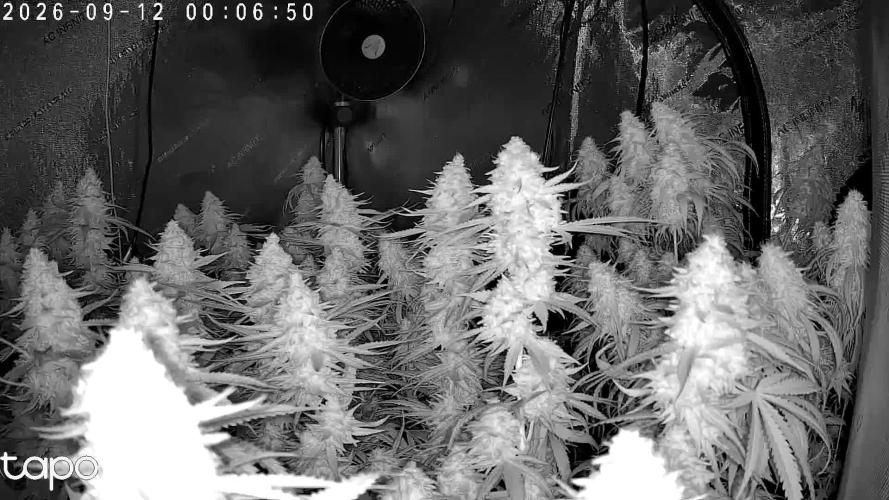
Dear Growers , Welcome to Week 9 or Flower week 6 // Day 63 from Kannabia Baby Boom Auto . Incase of Moving to a New Home . I Decided to skip some Weeks from every Diarie of the 12x12 Automatic Project . Everything should be Normal in the next Weeks . Whether you're a beginner or an expert, you are warmly invited to join, ask questions, and share your own experiences along the way! Project Setup & Conditions: • Brand/Manufacturer: Kannabia Seeds • Tent: 222cmx150cmx150cm • Light: 2x 720 Watt Full Spectrum • Humidity: 50% • Soil: Narcos Organix Mix • Nutrients: Narcos Products • pH Value: 6 If you want Germinitation results like mine , check out Kannabia Seeds with my link [https://www.kannabia.com/de?ref=61966] and grab the germination device or the strains I used . Trust me – it’s worth it for sure ! Get another 20% Discount at all products using the code [GGD] at the Checkout . Stay curious and keep up Growing —we look forward to welcoming you back for the next chapter soon!
Likes
14
Share
@GRow_M8s
Follow
Week 5 temperature increased to 30c and RH reduced to 55%. We decreased the distance of the light from 50cm to 35cm. We ve seen a big stretch this week. We increased the dose of the base nutes and we applied topping and HST( super cropping) last week in 2 of the 3 crystal meth. In the rest of the plants we plan to only use defoliation. Crystal meth and Fastberry appear to be the most mature in the tent even though they are different phenos. Gorilla glue (2x the same pheno) with jack 47 (4x the same pheno) are following. Cream mandarin XL (x4 same pheno) are the tallest plants and they just started to burst pistils. Girl scout cookies are the least mature plants.
Likes
88
Share
@Roberts
Follow
Gorilla Jealousy F1 is starting her first week. She stretched a bit, but I don't think it is anything to worry about. She is looking really good, and she should find the solution over the next week. She will be moved into my photoperiod room once I get it cleaned, and set back up. Thank you Seedsman,and Spider Farmer. 🤜🏻🤛🏻🌱🌱🌱 Thank you grow diaries community for the 👇likes👇, follows, comments, and subscriptions on my YouTube channel👇. ❄️🌱🍻 https://www.seedsman.com/?a_aid=Mrsour420. This is my affiliate link to seedsman. Thank you Happy Growing 🌱🌱🌱 https://youtube.com/channel/UCAhN7yRzWLpcaRHhMIQ7X4g
Likes
31
Share
If anyone has any advice on how to improve this grow please comment below. thanks for checking out my diary! End of week 3/Day 27: ive been flushing alot before giving nutrients to the plant and it seems to be working, plant health is slowly improving again! Started LST a few nights ago and my plant has lost its christmas tree shape :'D the canopy is more flat and more light is getting to all growth on the plant so im happy! I started giving some rhizotonic near the stem to help with the plant being stressed. it definitely helped make big roots too! So excited to try some buds! another month or so yet :) Day 28 - 20/10/19 LST is amazing! i have almost all the growth getting a decent amount of light! im going to enjoy shaping the plant over the next week or so! Day 31 - 23/10/19 Still doing a light LST, most of the canopy is getting enough light now and the main stem is still growing more nodes. After getting some advice from a grower with the same model of light as me i now know i can hang my light a lot closer to the plants. im going to get rope rachets hooked up in the next week so i can adjust hang height. I also got an indoor chilli starter kit and planted jalapeño, cayenne and habanero seeds in some nice small terra cotta pots :) and i posted a few pictures to show the setup :) just cant wait until the whole tent looks more like a garden hahah :) 12 hours later - Added a video to show progress Day 32: 24/10/19 woke up this morning and the quick one grew upwards out of the LST :) the top has developed and looks more like an industrial weed plant now which is really exciting! ive been following a water schedule and accidentally gave a few more hours of rest to the plants last night and they have stopped drooping more or less. Re-lst'd the plant so all growth is receiving light and measured the space between the plant and grow light. its about 60cm/24Inches away which will do fine. Quick one is 18cm with LST, if i measure the stem itself its about 21-22cm tall - about 9 inches. Other than that the chillis will take up to 2 weeks to germinate, ive been keeping the moisture up around them with a mix of Rhizotonic/Water (1ml/1L) and also sprayed some on the soil as ive found it actually helps seeds germinate quicker with more strength or life in them. Will update soon for week 5 and considering the smoke is so bad in my town you get an urge not to smoke it i am so excited to be near the finish line :) roll on medicine!
Likes
2
Share
@Kachi
Follow
First day of the 4th week. The autopot system was initiated for CBD3 and CBD4, as their roots reached the bottom of the pot. The reservoir was prepared and adjusted to a pH of 5.8. Now, the plants take control of their water needs. CBD5 will be submerged in water the following day, C22. The air pump operates on the light cycle (18 hours on, 6 hours off). A magnesium deficiency was detected. Several sprays with Epsom salt were applied. 3.5 grams per 1 liter.
Likes
7
Share
Salut les Growmies, l'installation du filet à 80 cm fait des merveilles. Les plantes sont toutes ultra vigoureuses. Le stretch va être difficilement géré. Mais comme un enfant j’attends avec impatience le résultat de cette chasse. Demain soir je lance l'opération Clones et sauvegarde des phénotypes. 11/01/2026 Derniers jours de la deuxieme semaines depuis le switch en 12/12. Je viens de decouvrir que la Tiger Paws #1 a créé des couilles . Je lui laisse une journee de chabce et je vais voir commznt les choses évoluent sinon la Tiger Paws #2 et la Velvet Cream #1 sont juste magnifiques et tres vigoureuses Sincèrement
Likes
13
Share
Dane, We all should help one another. Human beings are like that. We should live by each other’s happiness - not by each other’s misery. We don’t want to hate and despise one another, share the Joint. And mother earth is rich and can provide for everyone. We can Grow enough Happiness, In this paradise, there is room for everyone. We only exist to bring joy into the world and The way of life can be free and beautiful, but we have lost the way. Grow High and Give the world A smile. At the end we own nothing more then all our memories, lets make them amazing for everyone, nothing to loose only everything to win. A last kiss goodby, a second one, softer and long as a sign, that you are woth it. That Everyone worth who loved and give. Enought Hippie Talk, now have a nice day and an even better grow, thx for watching by. the buds looking soooooooo good already.
Likes
13
Share
@Loulou
Follow
Lots of growth this week Bkackberrys taking off so had to raise other plants hoping she dont take up too much room Blueberry still hasn't shown what sex it is yet so waiting on hopefully her to show
Likes
9
Share
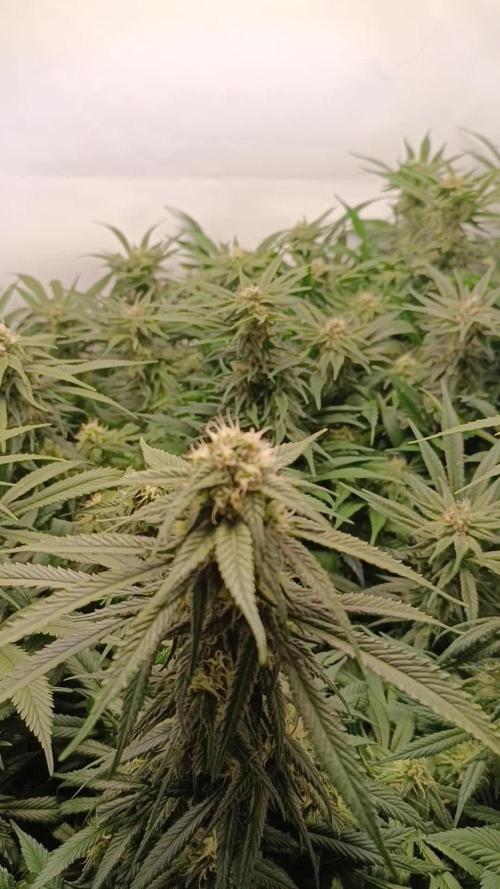
Buds are getting dense very strong smell from touch have to get another and separate the three unfortunate the buds are not turning purple on either plants but great grow otherwise
Likes
2
Share
Loving how these girls are growing Fastbuds mystery #1 finally catching up, and may possibly in the end being a better producer than the RQS plant, which is surprising to me because of how badly I stunted this plant. Got me curious how good this plant could’ve been
Likes
11
Share
Will report back with a smoke report, but this thing smells incredible and budded extremely well. Didn't have much of any issues with pests. Got a BIG 4' plant from only super soil in a 5-gallon fabric pot. Tons of resin. Very impressed with these automatic genetics from Pride of the Lion Seeds... and I'll definitely be growing another one of them in the spring.
Likes
2
Share
@Fyno_TH
Follow
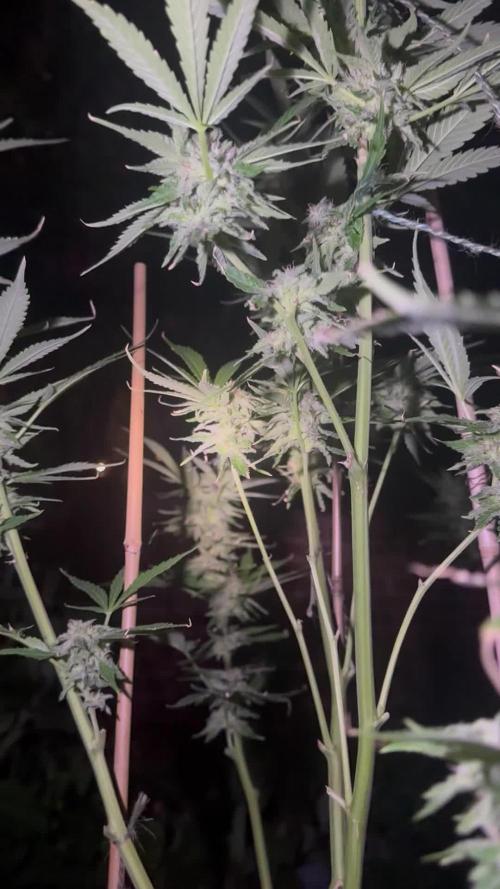
The plant is now focusing 100% on bud development and trichome production
Likes
15
Share
She is transitioning to flower. Started to add bloom nutes this week.
Likes
2
Share
Nesta fase, vou fazer regas A todas as semanas, ligeiramente mais concentrado em bat guano para apoiar a floração. 21/07/2025 - Rega A 24/07/2025 - Rega com agua mineral, livre de cloro com Ph 6.3. 27/07/2025 - Rega com agua mineral, livre de cloro com Ph 6.3
Likes
126
Share
@nonick123
Follow
Día 42 (27/02). Riego 1,25 Litro H20 + Wholly Base 2,5 ml/l + Solid Green 1,5 ml/l + Rise Up 0,5 ml/l de Gen1:11 TDS 898 PPMs - pH 6,5 (mínimo ajuste con pH+ para subirlo desde 6,2) Plantas sedientas con un intervalo de riego cada 4 días. A partir de ahora regaré cada 3 días Día 43 (28/02) Las ramas crecen muy rápido y se van colocando para recibir el máximo posible de luz. Es impresionante su evolución día a día! Día 44 (29/02) Han crecido 17 cm desde que cambié a 12/12. Alucinante! 😍😍😍 Día 45 (01/03) Riego 1,25 Litro H20 + Wholly Base 2,5 ml/l + Solid Green 1,5 ml/l + Rise Up 0,5 ml/l de Gen1:11 TDS 891 PPMs - pH 6,25 Añado un poco de substrato al top y a los bordes de la maceta antes de regar, porque se ha compactado ligeramente. Día 46 (02/03). Las plantas siguen su crecimiento imparable. 3 cm al día 😍 💦Nutrients by Gen1:11 - www.genoneeleven.com 🌱Substrate PRO-MIX HP BACILLUS + MYCORRHIZAE - www.pthorticulture.com/en/products/pro-mix-hp-biostimulant-plus-mycorrhizae 🎚️Controlled by TrolMaster TCS-1 Tent-X System Main Controller - https://www.trolmaster.com/Products/Details/TCS-1