


Green House Seeds - First Time




Mix
Carolina Soil

Indoor
Room Type
LST
weeks 4, 6-7
Transplantation
weeks 6
SoG
weeks 6
Topping
weeks 6
Defoliation
weeks 6
12-12
weeks 6-7
4 liters
Pot Size
0.3 liters
Watering
Start at Harvest
G
Germination1y ago
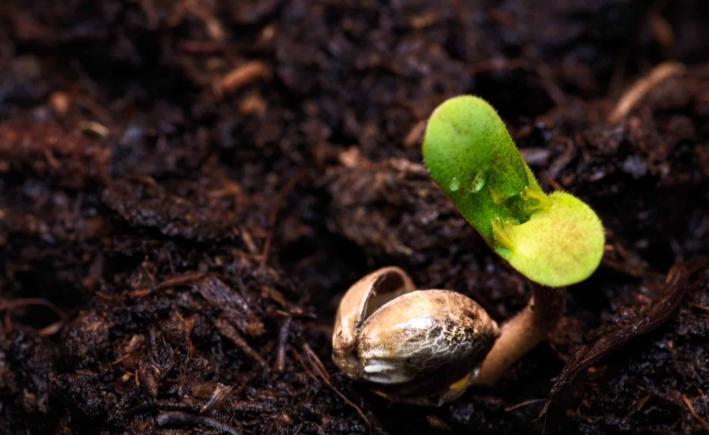
Elemental Faster germination ever.
7 likes
1 comment
Share
Used method
Paper Towel
Germination Method
1
Week 1. Vegetation1y ago
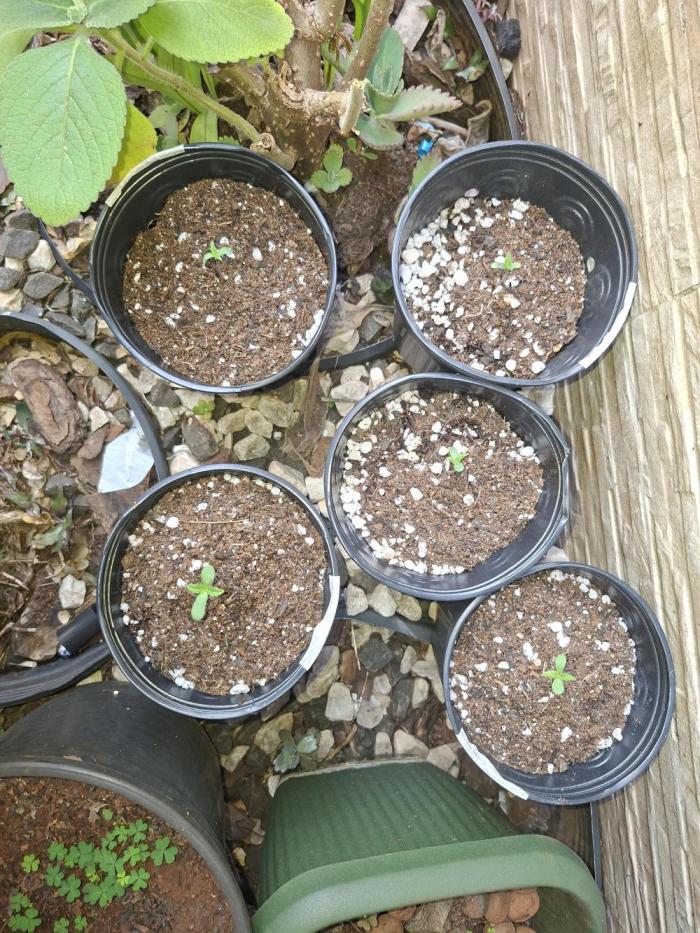
4 cm
Height
11 hrs
Light Schedule
30 °C
Day Air Temp
7.0
pH
1 liters
Pot Size
Elemental Happening again.
5 likes
1 comment
Share
2
Week 2. Vegetation1y ago
10 cm
Height
24 hrs
Light Schedule
28 °C
Day Air Temp
7.0
pH
1 liters
Pot Size
Nutrients 1
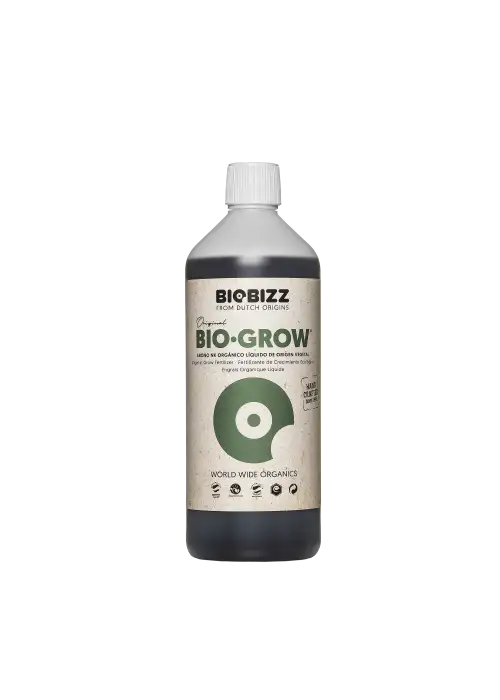
Bio-Grow
1 mll
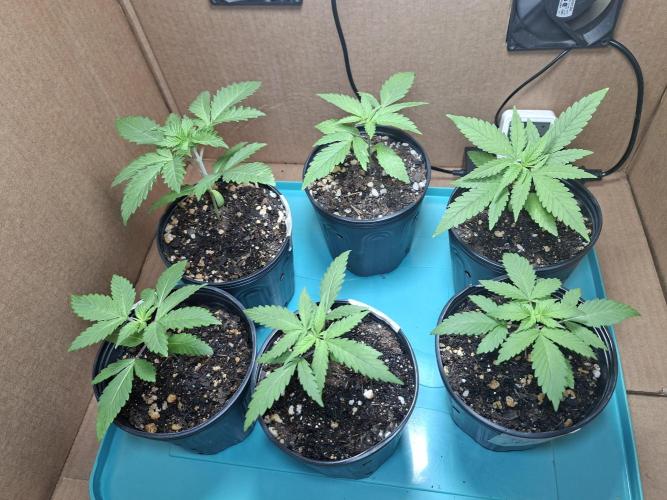
Elemental So far, so good
September 10 - Topped
5 likes
comments
Share
3
Week 3. Vegetation1y ago
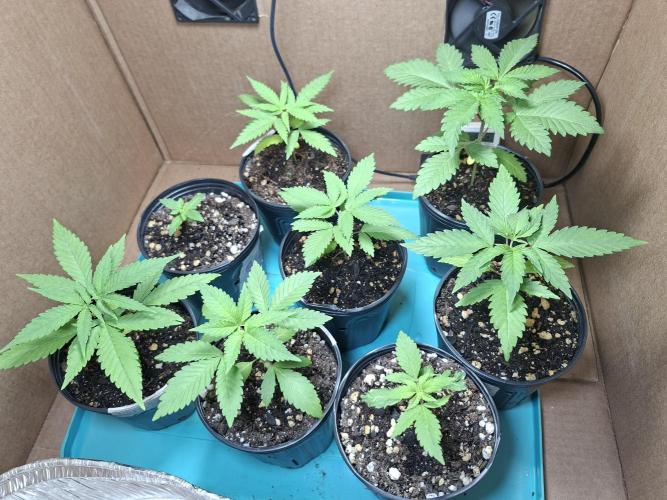
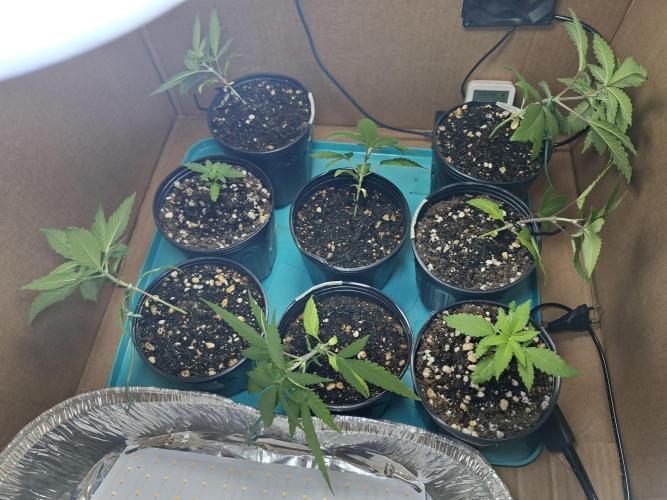
15 cm
Height
24 hrs
Light Schedule
28 °C
Day Air Temp
7.0
pH
1 liters
Pot Size
Nutrients 1
Bio-Grow
1 mll
Elemental Germination Aug/19
Topped Sep/10
LST Sep/13
2 likes
comments
Share
4
Week 4. Vegetation1y ago
15 cm
Height
24 hrs
Light Schedule
28 °C
Day Air Temp
7.0
pH
70 %
Air Humidity
1 liters
Pot Size
Nutrients 1
Bio-Grow
2 mll
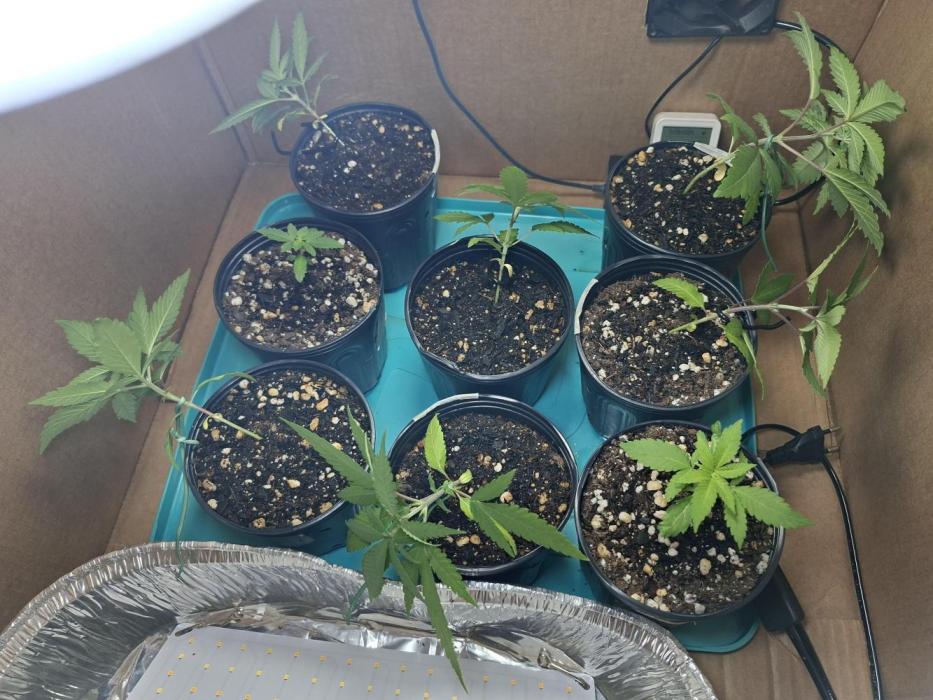
Elemental Today starts 4th week. LST on girls.
3 likes
comments
Share
Used techniques
LST
Technique
5
Week 5. Vegetation1y ago
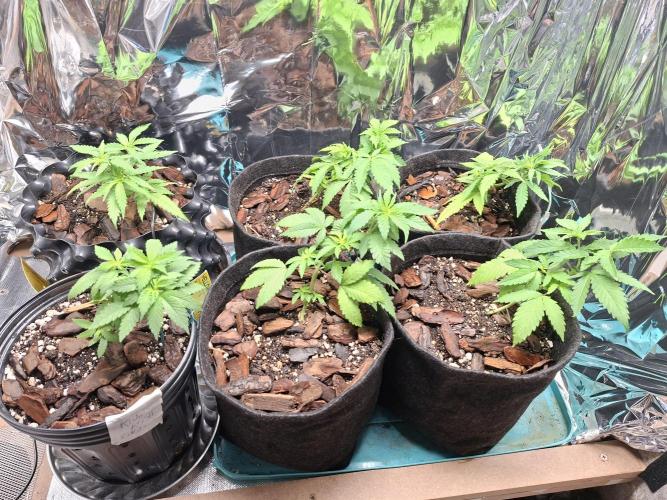
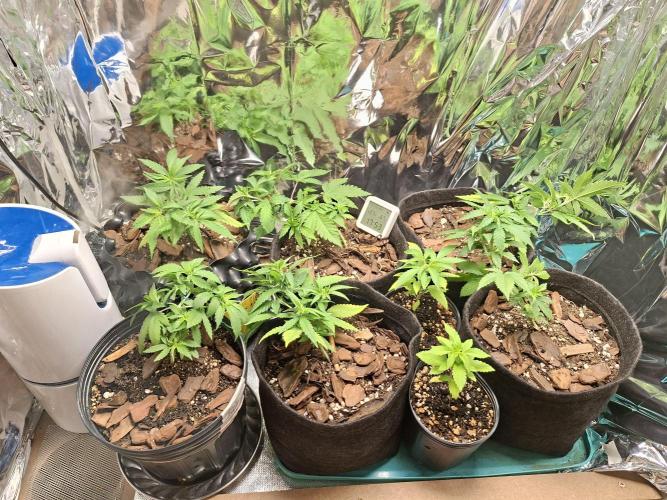
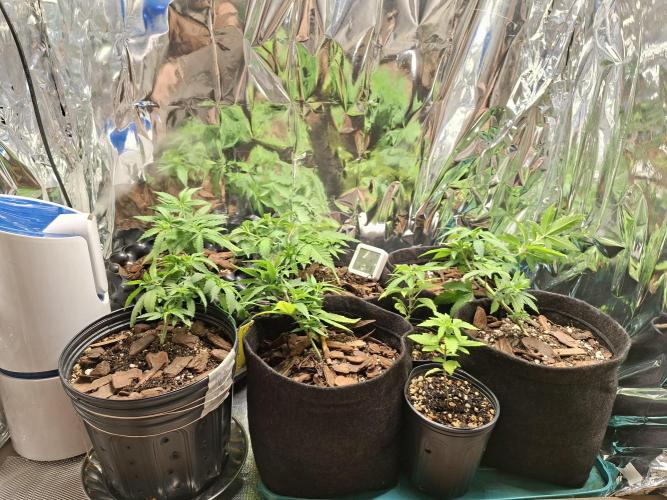
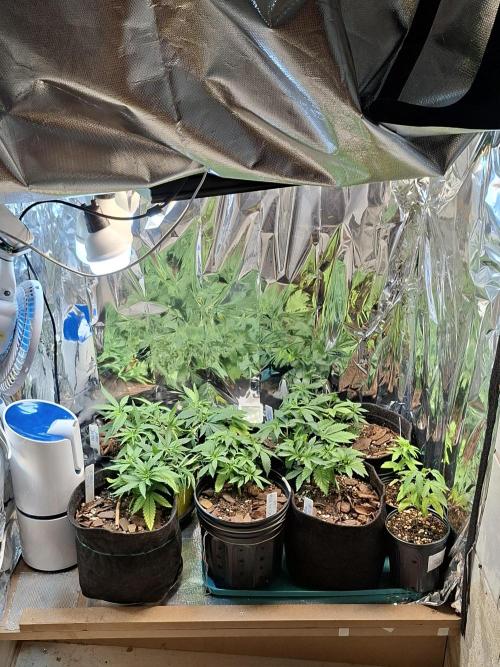
15 cm
Height
19 hrs
Light Schedule
28 °C
Day Air Temp
7.0
pH
70 %
Air Humidity
4 liters
Pot Size
Nutrients 1
Bio-Grow
2 mll
Elemental Germination 19/08
Topped 10/09
LST 13/09
Transplant 27/09
2 likes
comments
Share
6
Week 6. Flowering1y ago
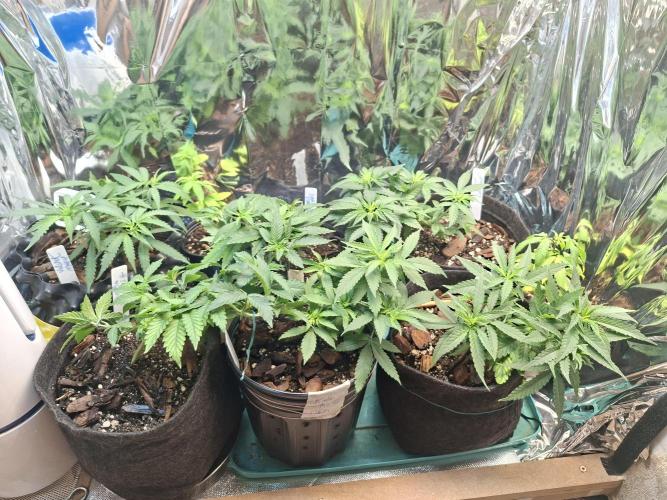
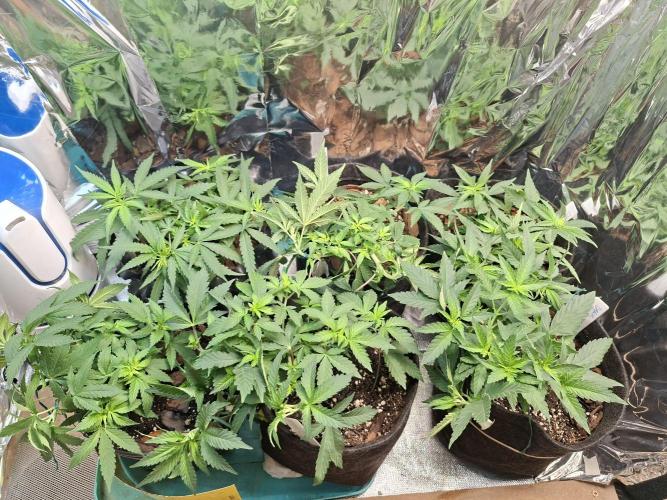
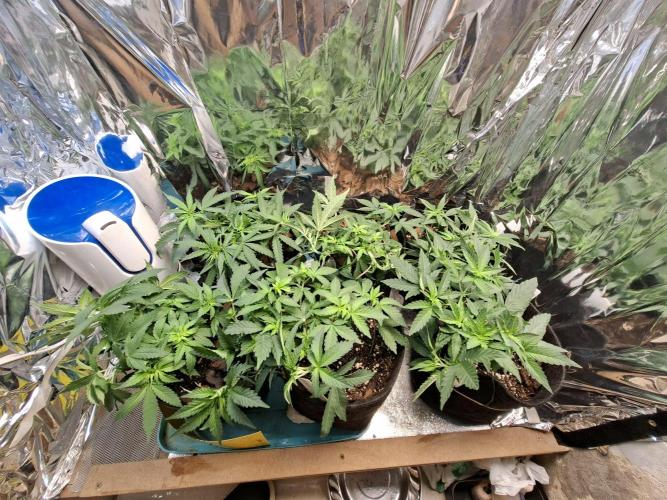
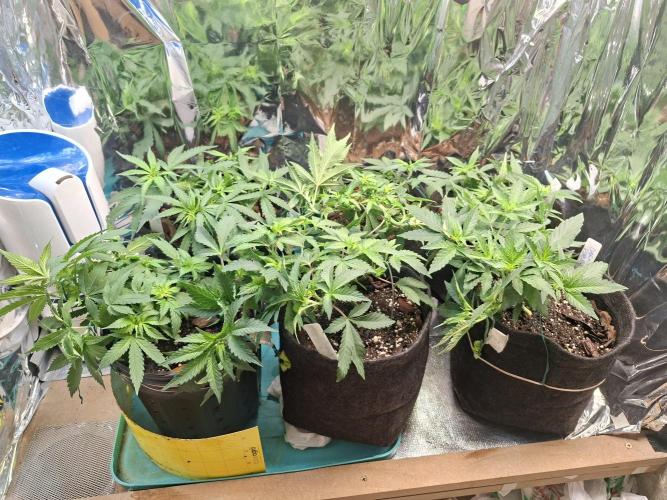
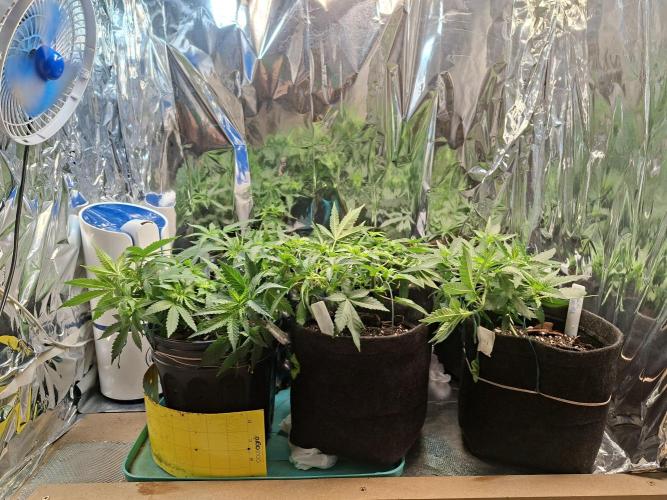
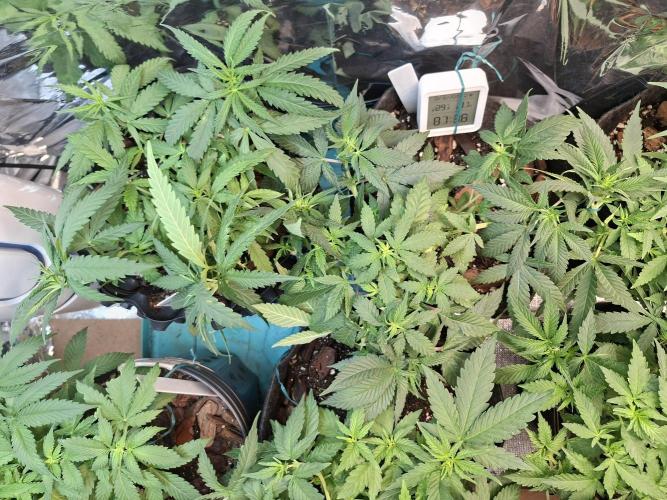
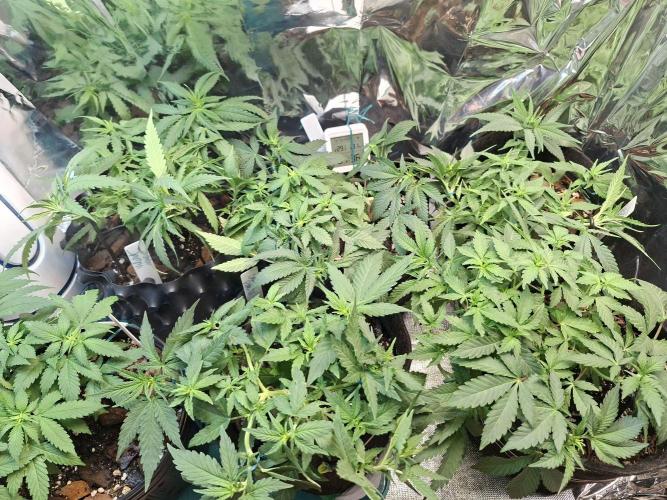
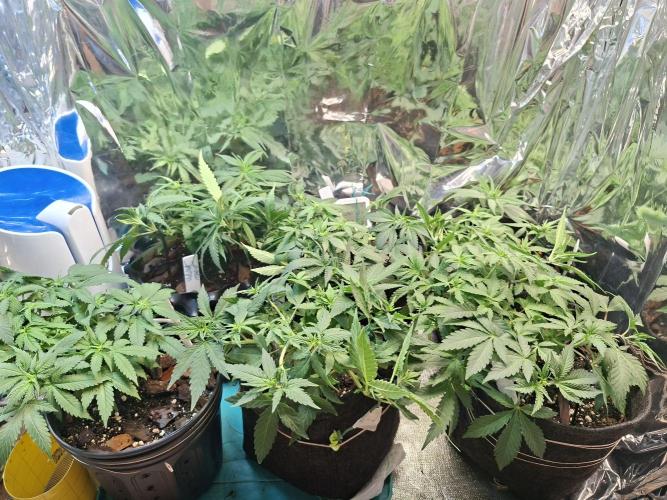
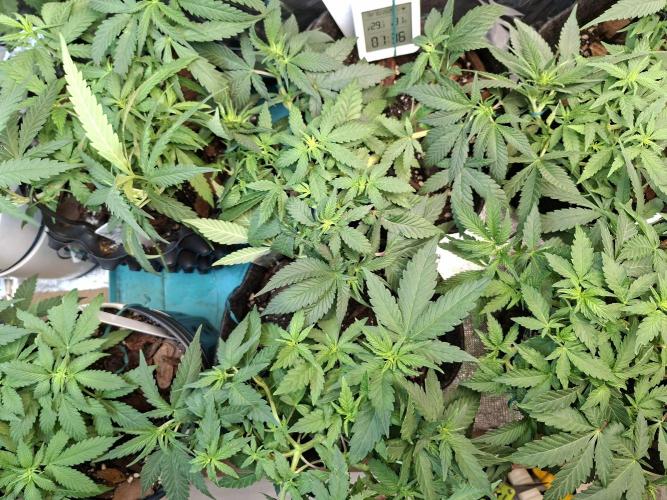
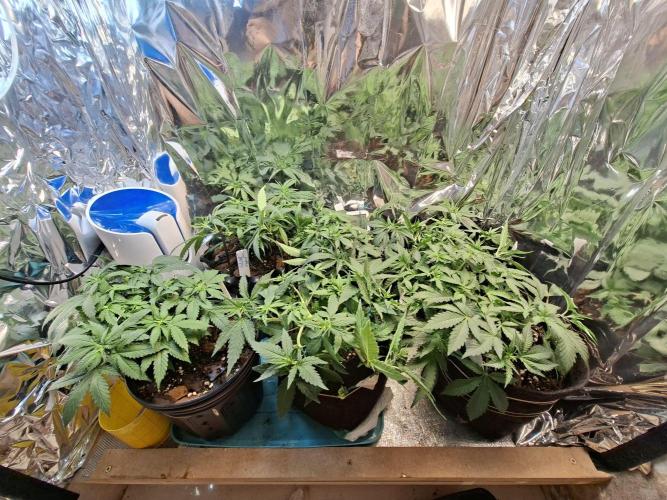
25 cm
Height
12 hrs
Light Schedule
28 °C
Day Air Temp
7.0
pH
70 %
Air Humidity
4 liters
Pot Size
Nutrients 1
Liquido + Fosfato
4 mll
Elemental 0.1) General Observation
The entire cultivation was conducted with constant monitoring and precise adjustments of light intensity (DLI and PPFD), temperature, and humidity, ensuring ideal conditions at each stage of development.
1) Substrate and Nutrients
The cultivation was carried out using mineral water with balanced pH throughout the cycle.
Vegetative phase: fertilization with BioGrow.
Flowering: feeding with Flowermind.
The soil mix was composed of 50% reused substrate, rich in nutrients from the previous cultivation, and 50% new soil (proportion 70/15/15), resulting in a balanced and fertile base.
2) Germination – August 19
The seeds were germinated using mineral water + hydrogen peroxide in individual gelatin cups. They remained in the liquid solution for 24 hours, followed by 24 hours in complete darkness on paper towels moistened with the same water, inside the same container. The cups were opened only every 12 hours in a low-light environment.
All seeds successfully germinated.
The seeds with roots approximately 2 cm long were transferred to 1-liter pots, with gradual addition of substrate as the seedlings grew, preventing stem tipping.
3) Seedling Phase
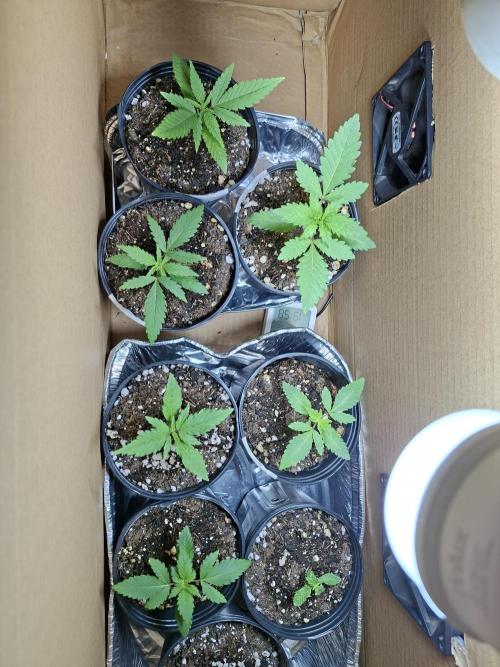
a) Conducted under 35W and 50W lamps inside a customized cardboard box, equipped with coolers and an exhaust fan for temperature control.
b) Application of FORT (rooting agent) in one watering, after the appearance of the first set of five-pointed leaves.
4) Topping – September 10
The first apical cut was made to encourage greater branching and a more balanced distribution of energy.
5) LST (Low Stress Training) – started on September 13
Training began three days after topping, with gradual tying down of the branches to promote canopy opening and better light penetration.
6) Transplant – September 27
Transplant performed into 4-liter pots, with light watering and gradual adaptation to the new substrate base.
7) Start of Flowering (Switch to 12/12) – October 6
The photoperiod was adjusted to 12 hours of light and 12 hours of darkness, marking the official start of the flowering phase.
8) Defoliation – October 10
Strategic removal of large fan leaves to improve air circulation, optimize light distribution, and stimulate bud development.
4 likes
1 comment
Share
Used techniques
LST
Technique
SoG
Technique
Topping
Technique
Defoliation
Technique
12-12
Technique
Transplantation
Technique
7
Week 7. Flowering1y ago
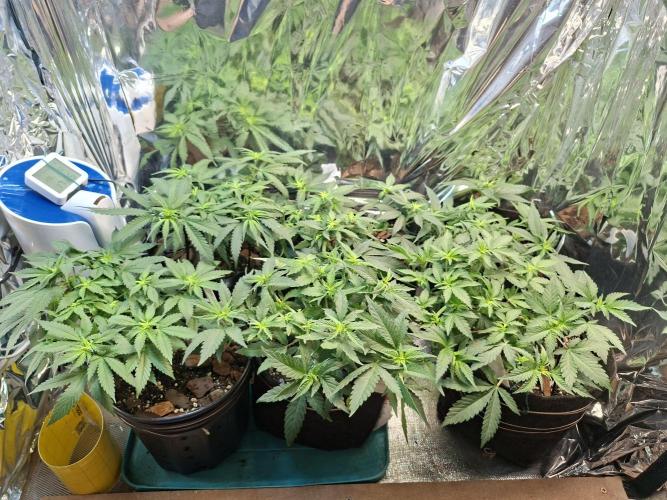
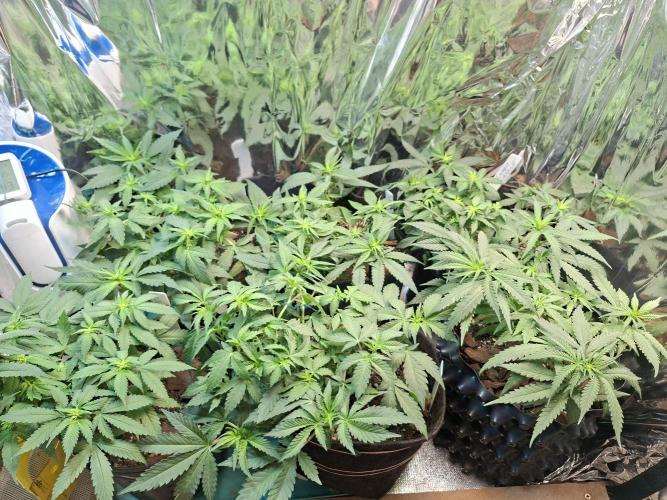
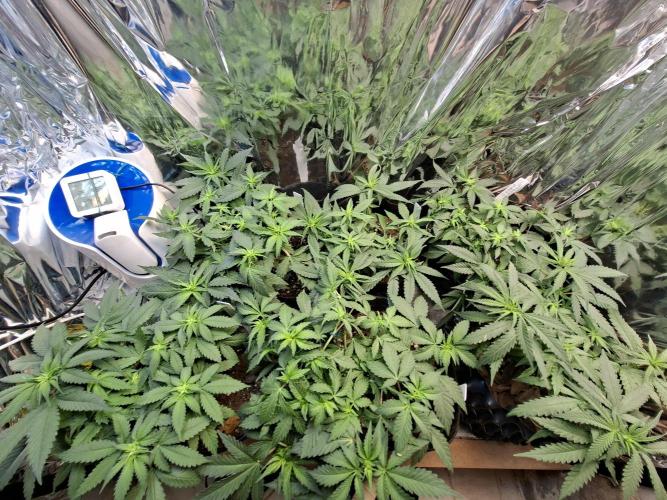
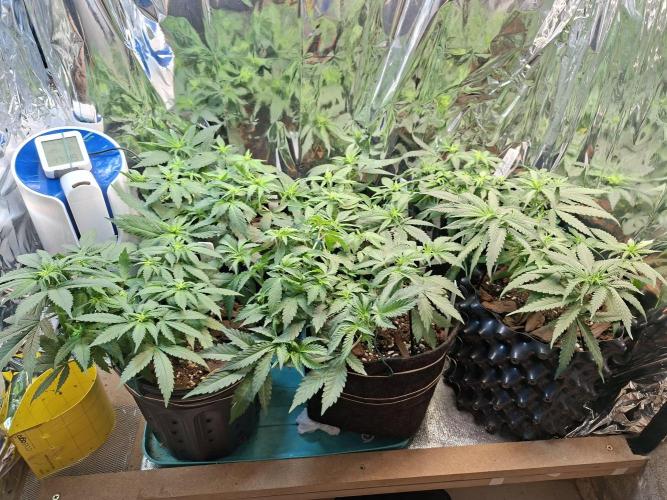
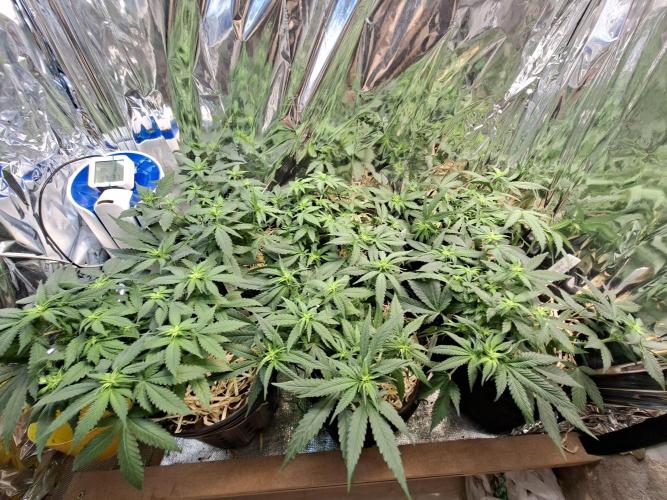
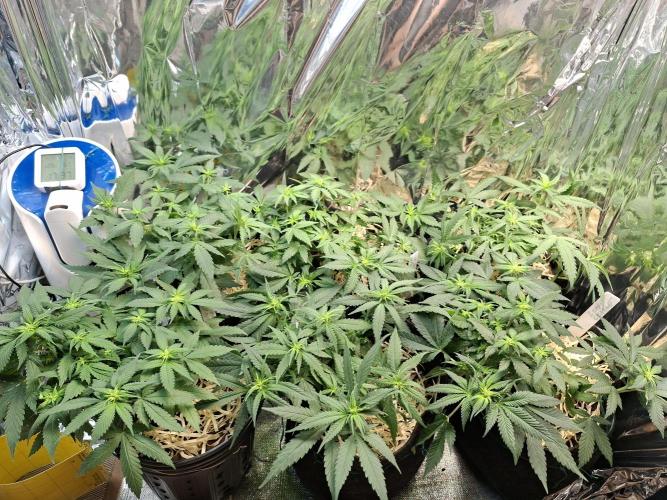
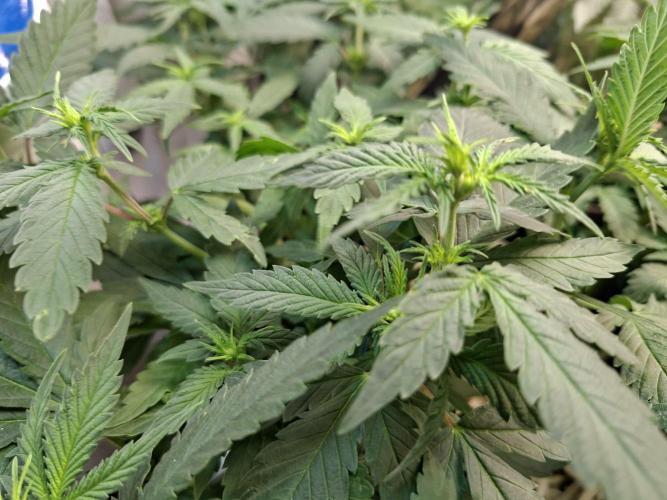
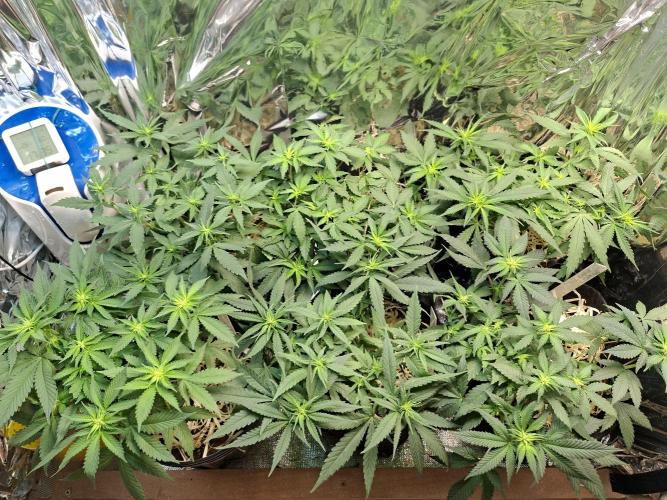
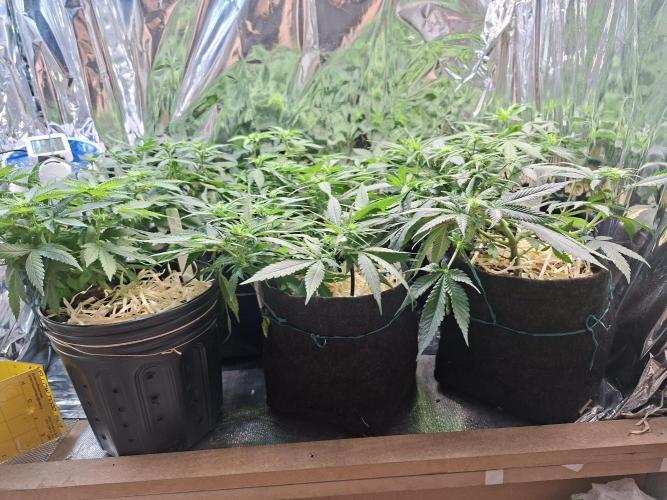
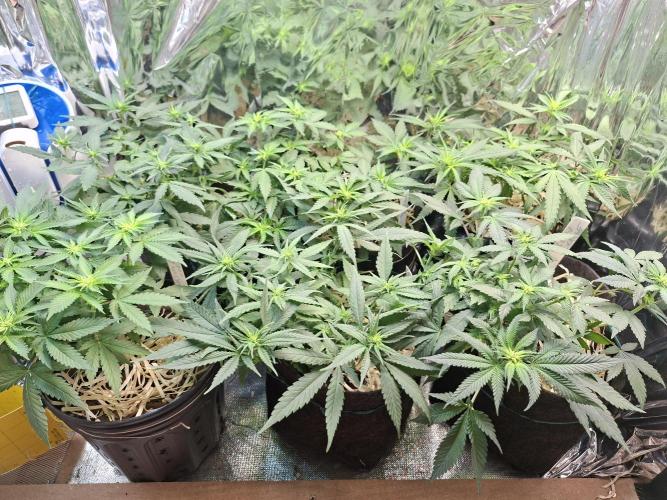
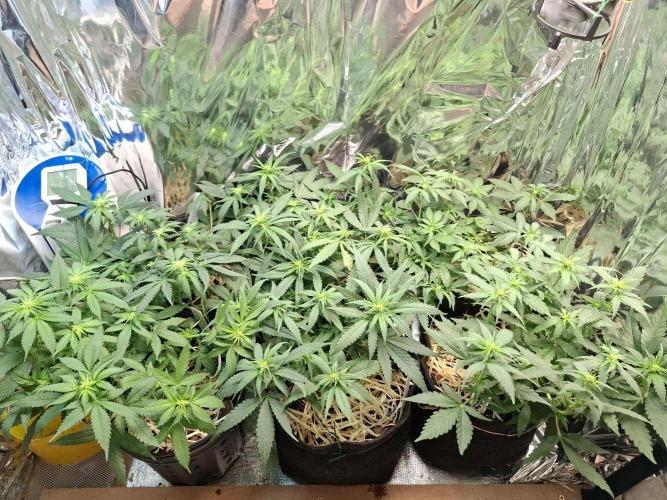
25 cm
Height
12 hrs
Light Schedule
31 °C
Day Air Temp
7.0
pH
Weak
Smell
70 %
Air Humidity
25 °C
Night Air Temp
4 liters
Pot Size
45 cm
Lamp Distance
Nutrients 1
Liquido + Fosfato
4 mll
Elemental 0.1) General Observation
The entire cultivation was conducted with constant monitoring and precise adjustments of light intensity (DLI and PPFD), temperature, and humidity, ensuring ideal conditions at each stage of development.
1) Substrate and Nutrients
The cultivation was carried out using mineral water with balanced pH throughout the cycle.
Vegetative phase: fertilization with BioGrow.
Flowering: feeding with Flowermind.
The soil mix was composed of 50% reused substrate, rich in nutrients from the previous crop, and 50% new soil (ratio 70/15/15), resulting in a balanced and fertile base.
2) Germination – August 19
The seeds were germinated using mineral water + hydrogen peroxide in individual gelatin cups. They remained in the liquid solution for 24 hours, followed by 24 hours in complete darkness on a paper towel moistened with the same water, inside the same container. The cups were opened only every 12 hours, in a low-light environment.
All seeds successfully germinated.
The seeds with roots approximately 2 cm long were transferred to 1-liter pots, with gradual addition of substrate as the seedlings grew, preventing stem tipping.
3) Seedling Phase
a) Conducted under 35W and 50W lamps inside a customized cardboard box, equipped with coolers and an exhaust fan for temperature control.
b) Application of FORT (rooting agent) in one watering, after the appearance of the first set of five-pointed leaves.
4) Topping – September 10
The first apical cut was made to encourage greater branching and a more balanced distribution of energy.
5) LST (Low Stress Training) – started on September 13
Training began three days after topping, with gradual tying of the branches to promote canopy opening and better light penetration.
6) Transplant – September 27
Transplant performed to 4-liter pots, with light watering and gradual adaptation to the new substrate base.
7) Start of Flowering (Switch to 12/12) – October 6
The photoperiod was adjusted to 12 hours of light and 12 hours of darkness, marking the official start of the flowering phase.
2 likes
comments
Share
Used techniques
LST
Technique
12-12
Technique
8
Week 8. Flowering1y ago
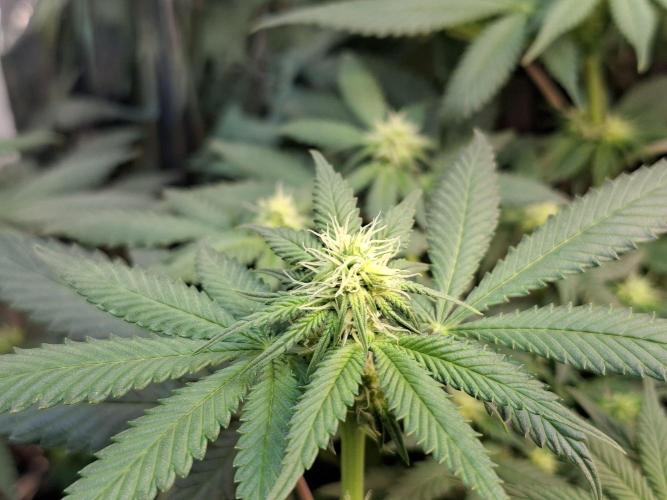
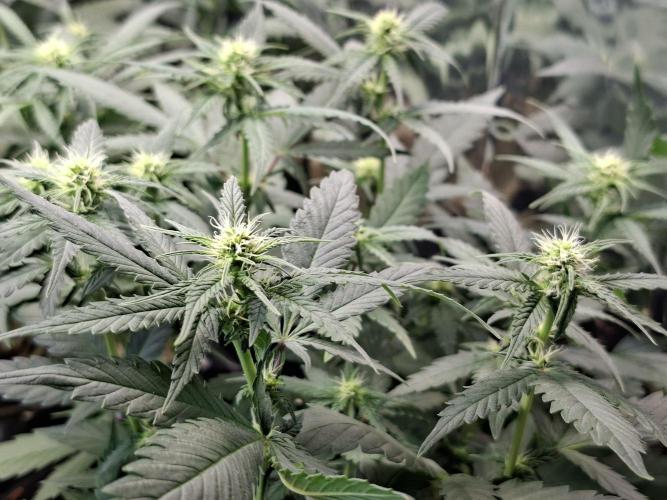
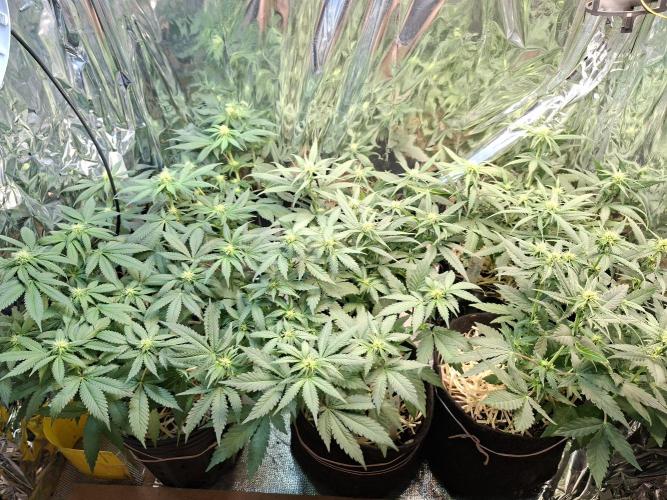
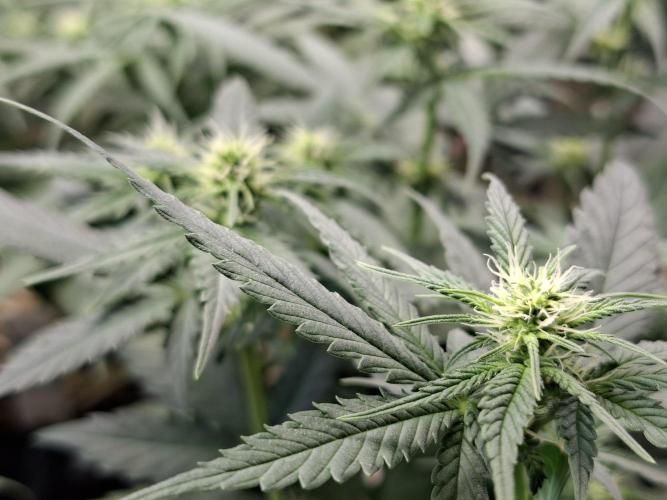
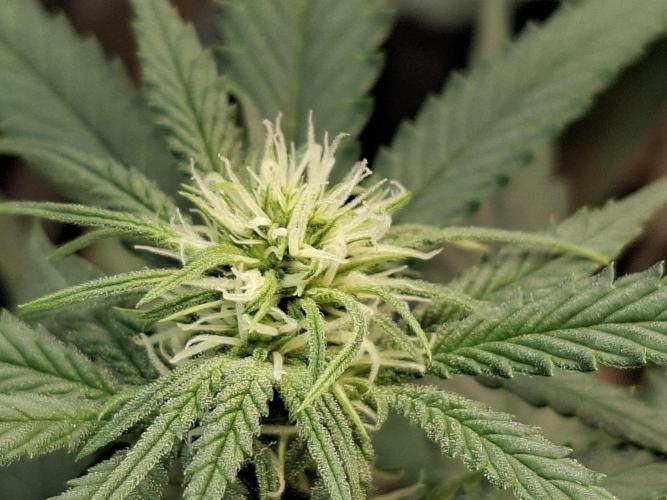
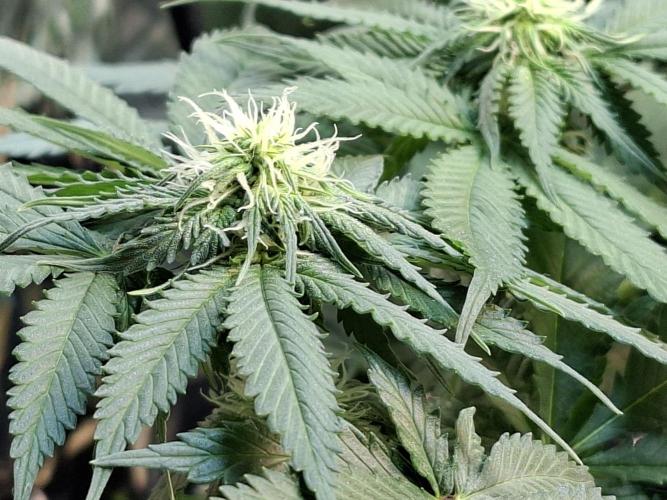
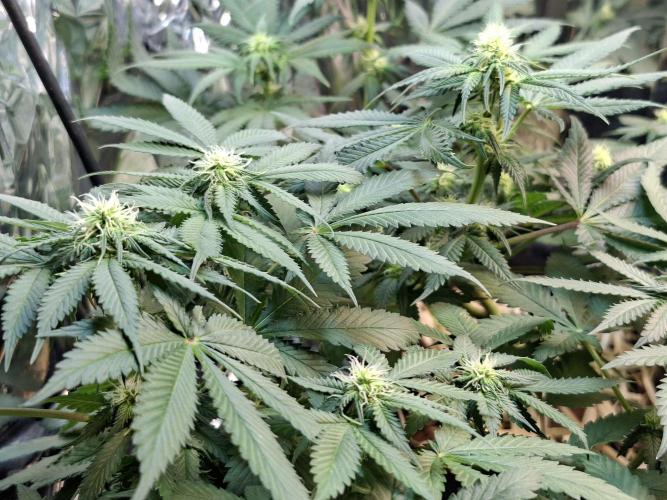
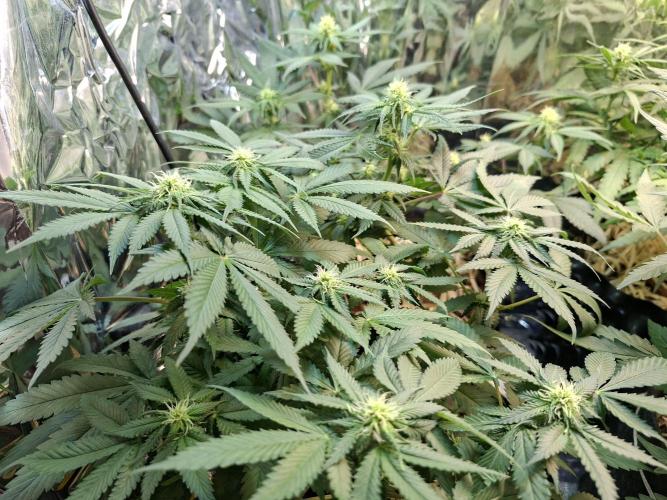
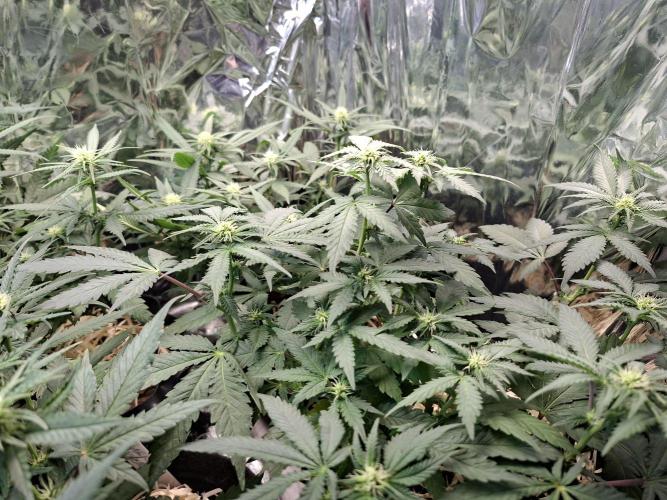
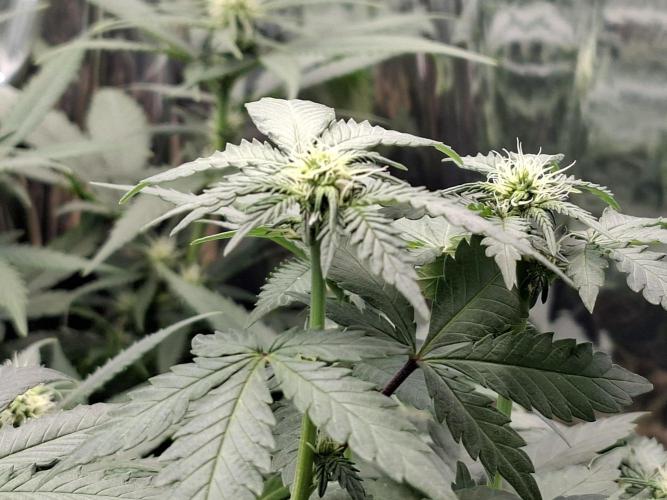
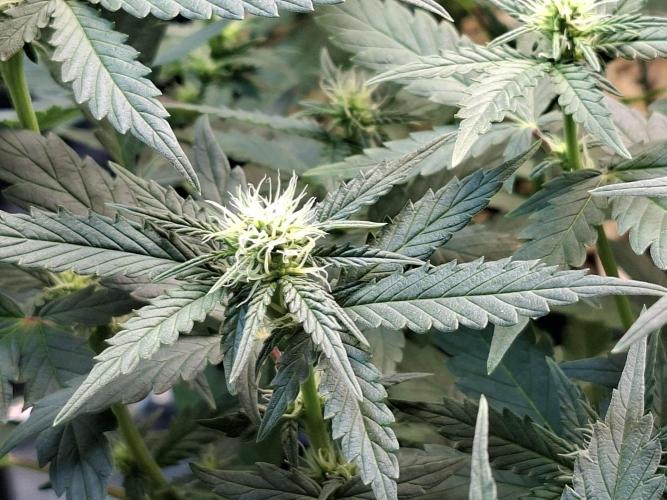
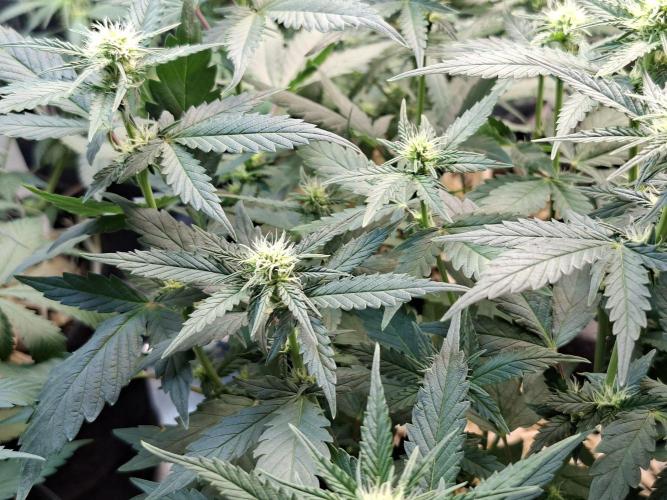
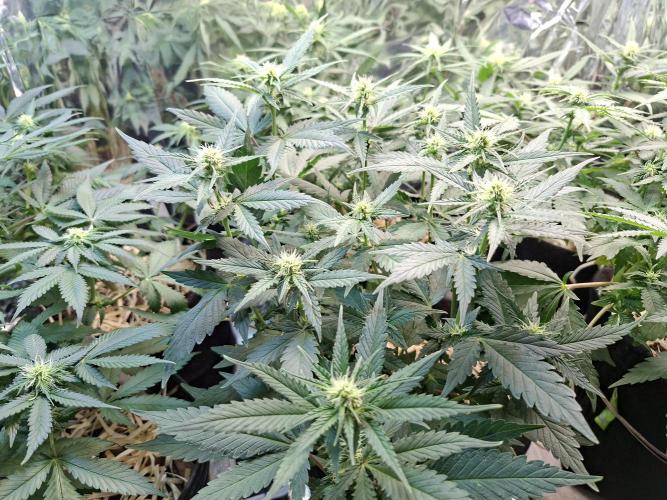
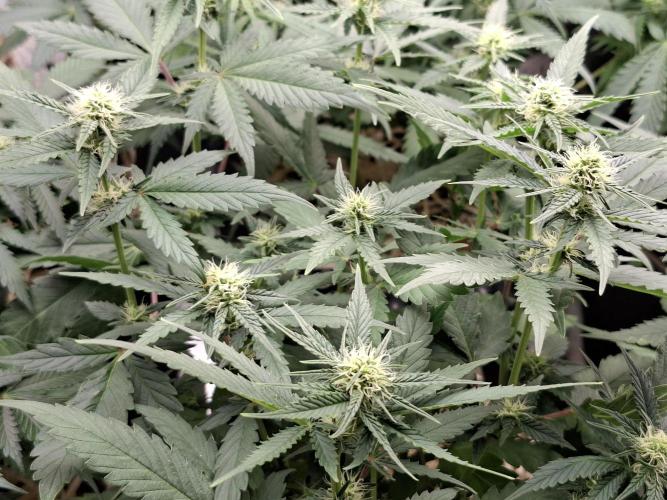
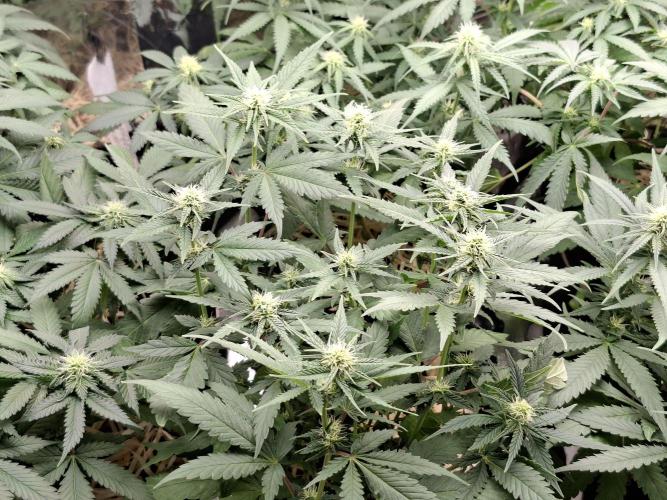
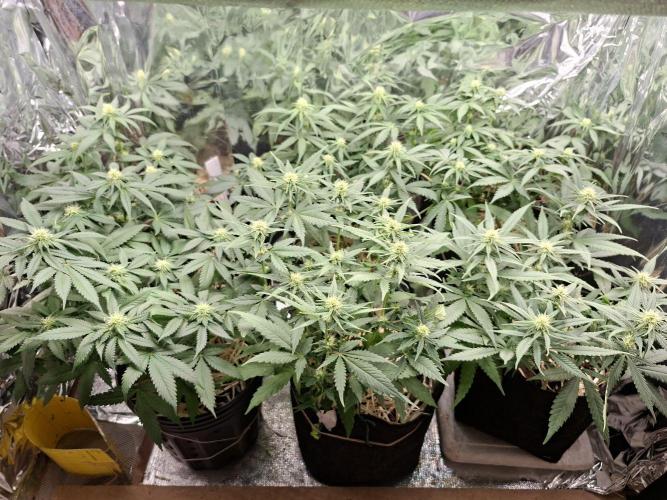
30 cm
Height
12 hrs
Light Schedule
28 °C
Day Air Temp
7.0
pH
Weak
Smell
60 %
Air Humidity
22 °C
Night Air Temp
4 liters
Pot Size
40 cm
Lamp Distance
Nutrients 1
Liquido + Fosfato
4 mll
Elemental So far, so good.
Flowering happening.
23/10 Little defoliation.
3 likes
1 comment
Share
9
Week 9. Flowering1y ago
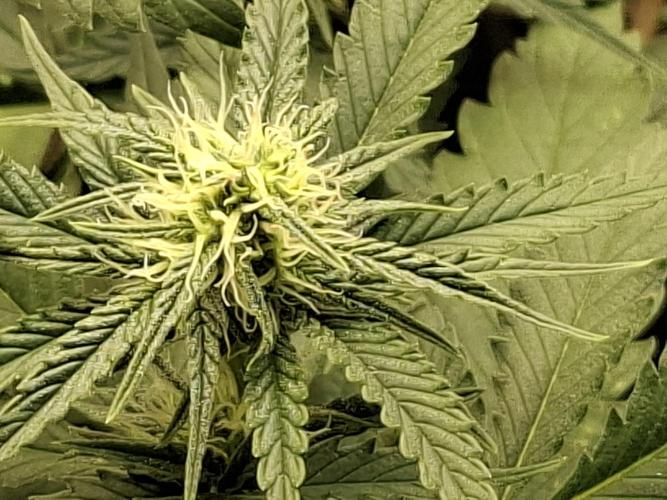
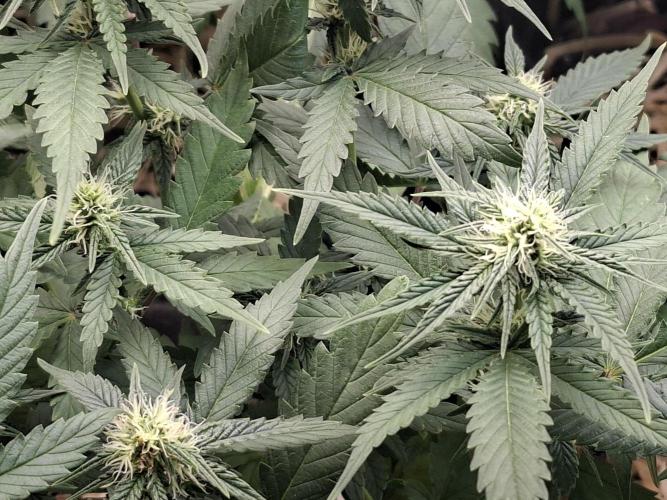
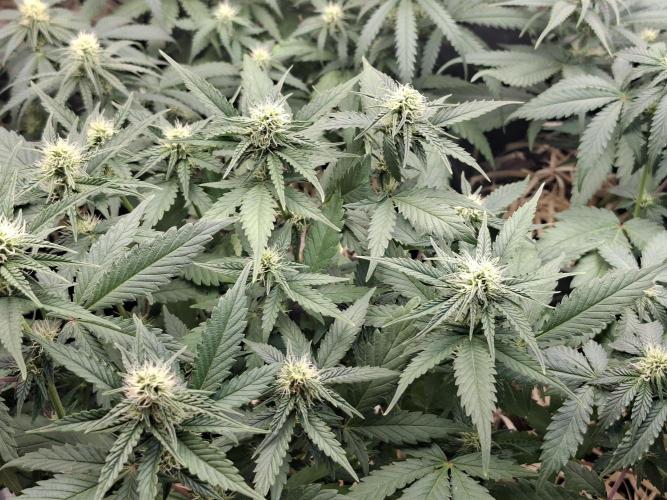
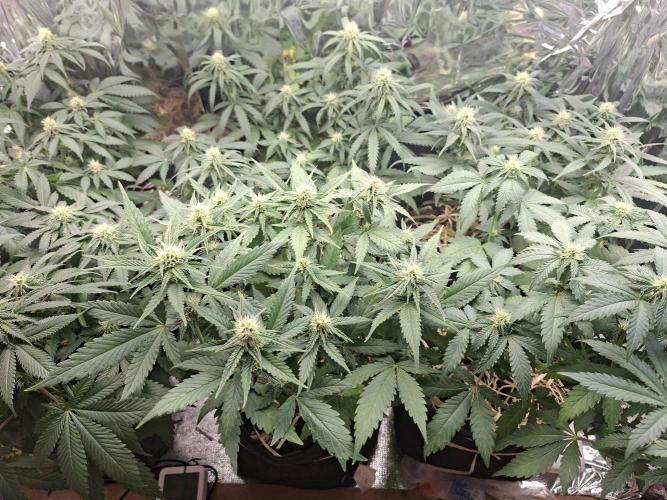
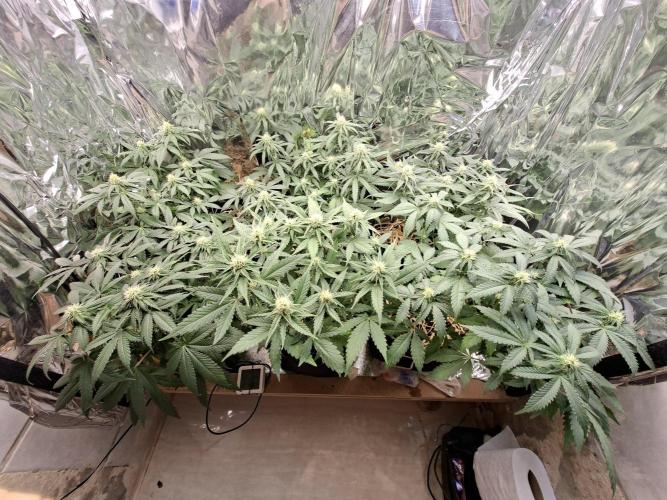
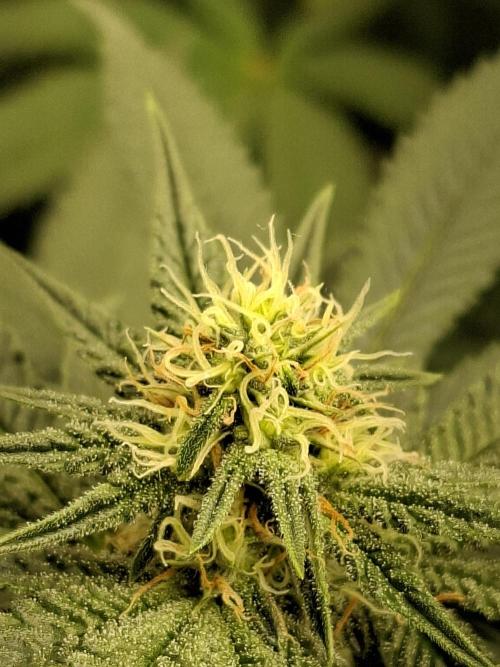
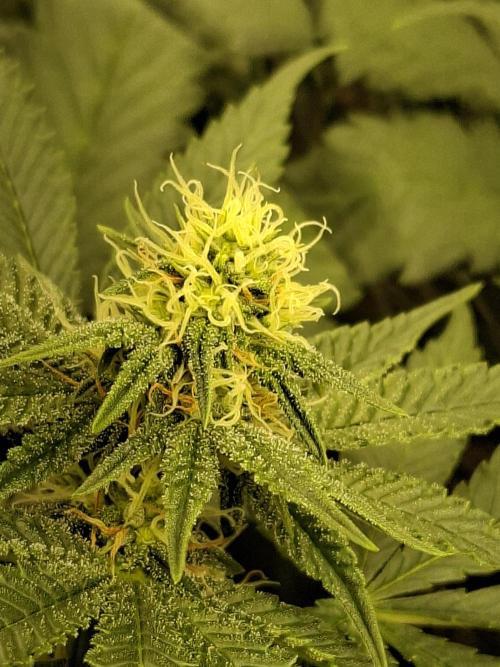
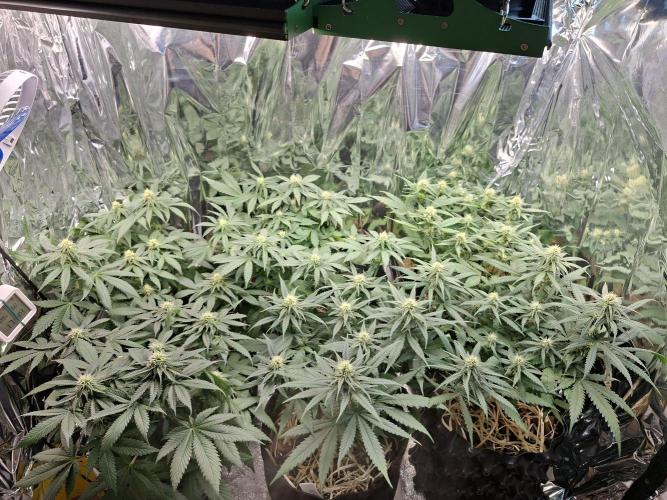
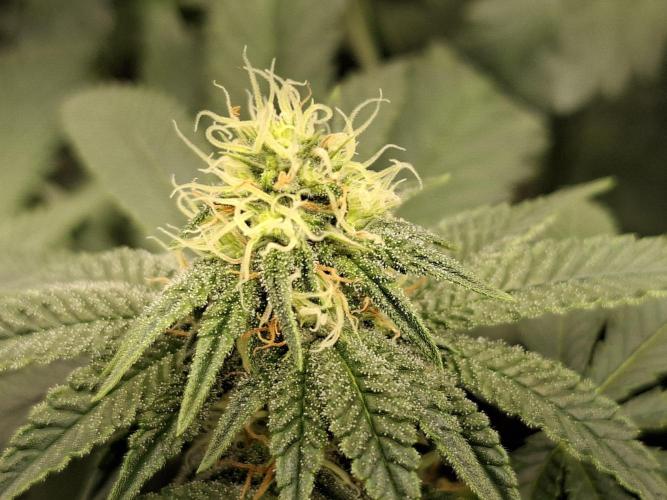
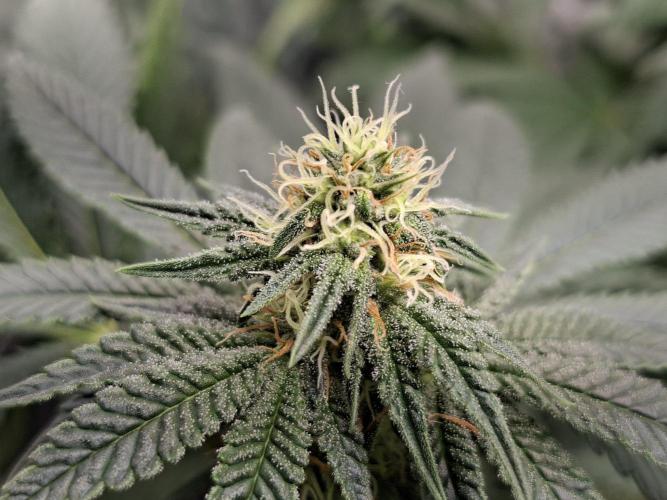
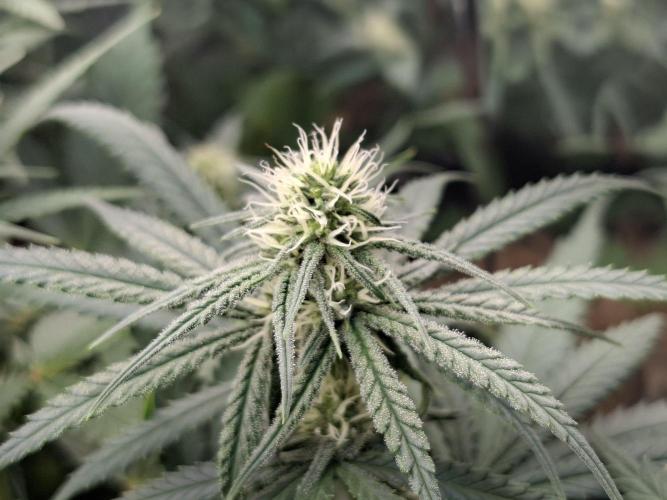
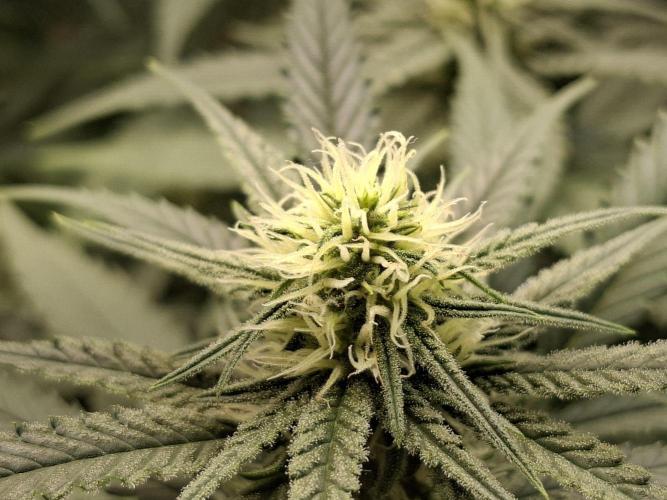
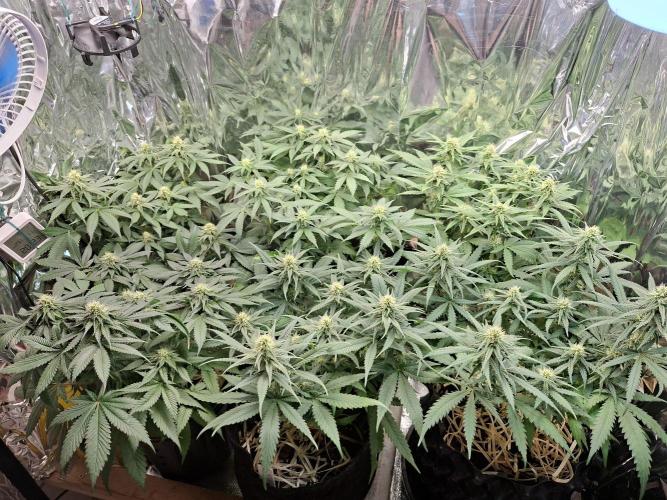
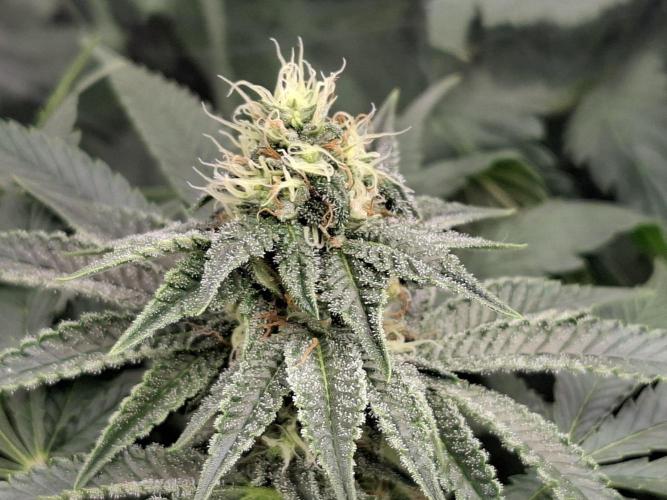
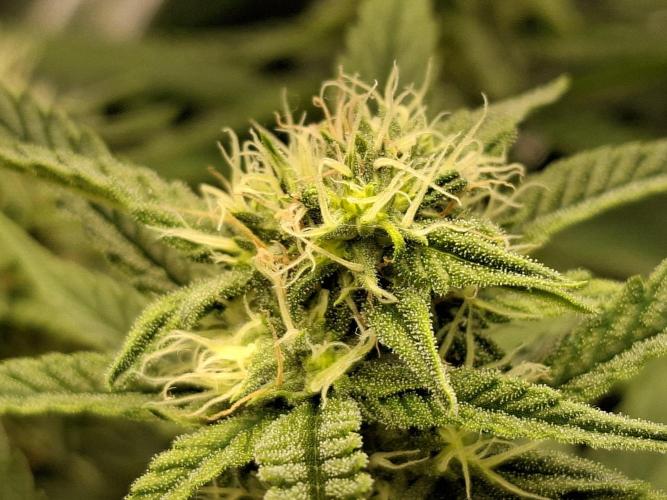
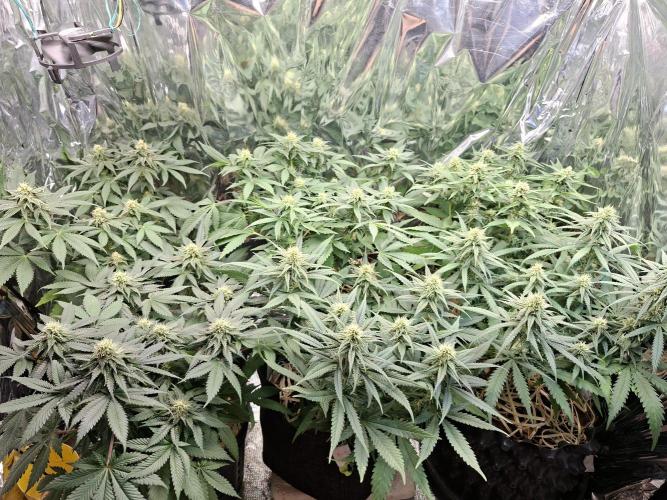
35 cm
Height
12 hrs
Light Schedule
29 °C
Day Air Temp
7.0
pH
Normal
Smell
60 %
Air Humidity
25 °C
Night Air Temp
4 liters
Pot Size
0.2 liters
Watering Volume
35 cm
Lamp Distance
Nutrients 1
Liquido + Fosfato
4 mll
Elemental It's working fine.
4 likes
comments
Share
10
Week 10. Flowering1y ago
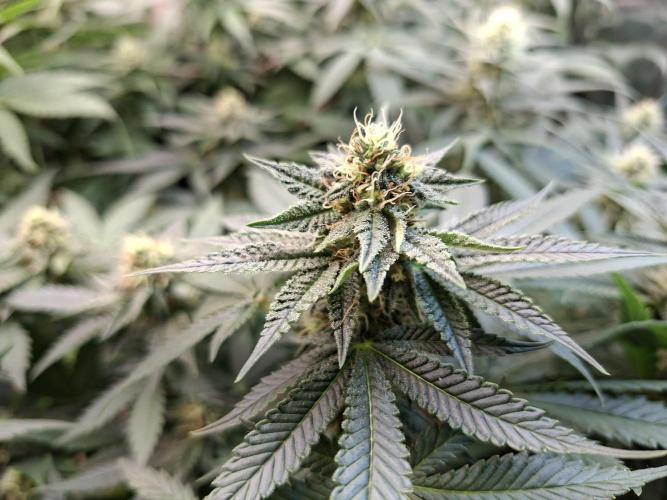

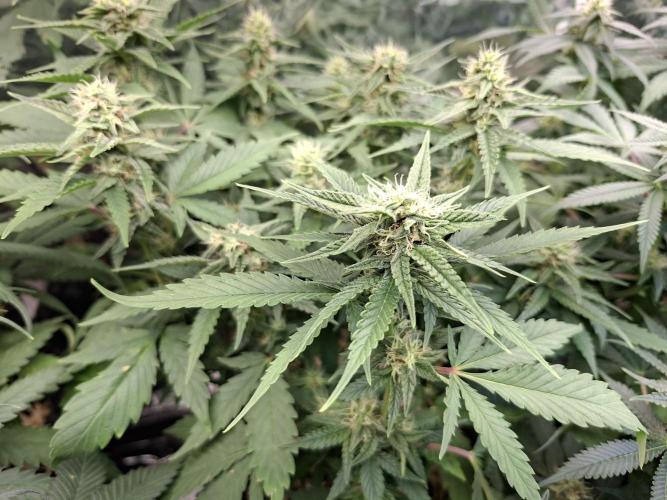
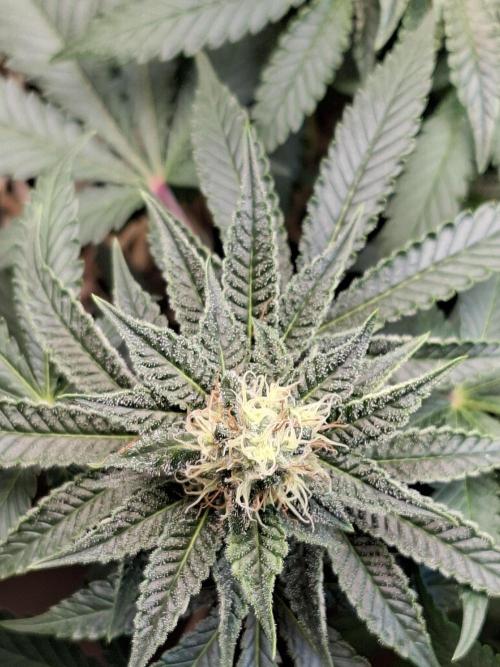

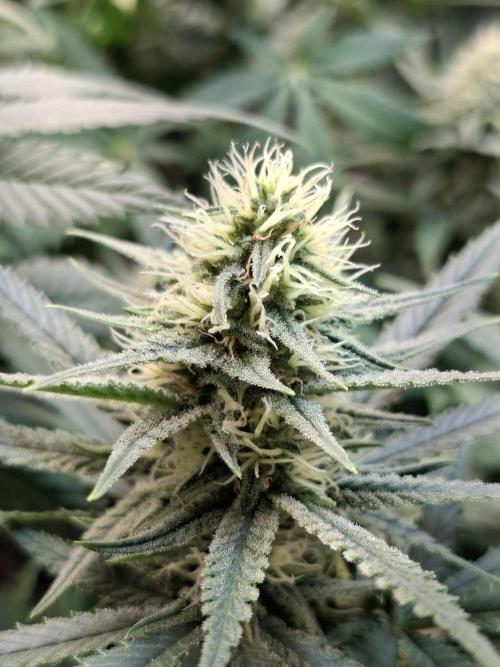
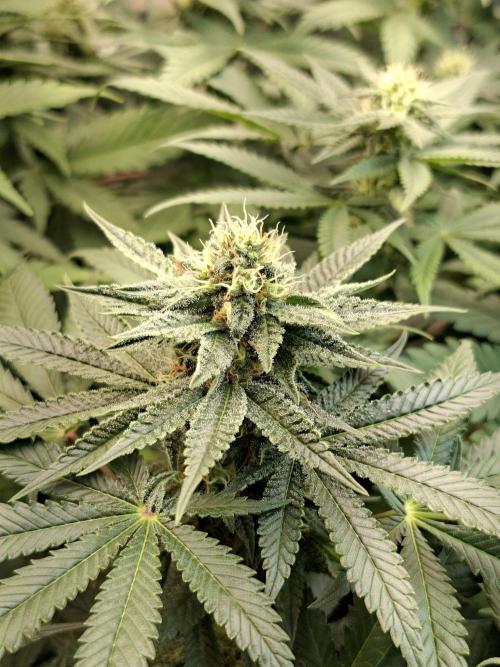

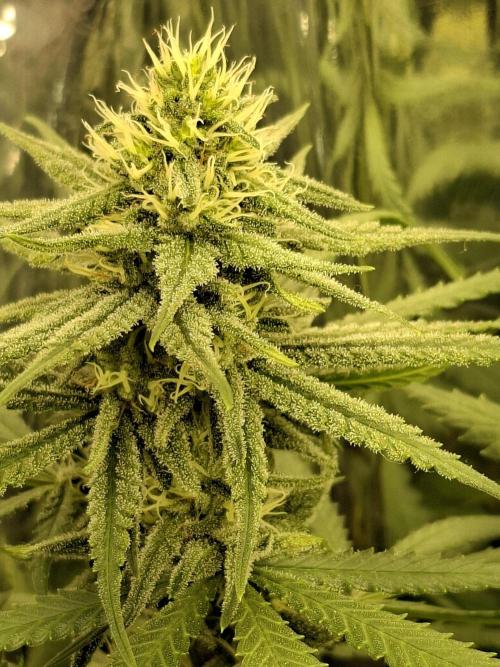
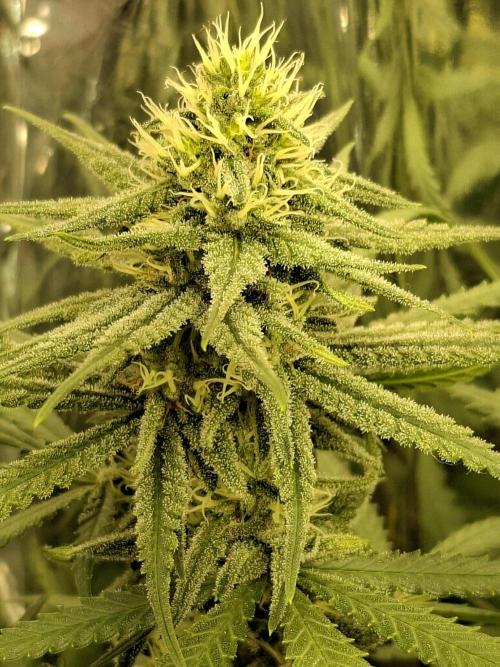
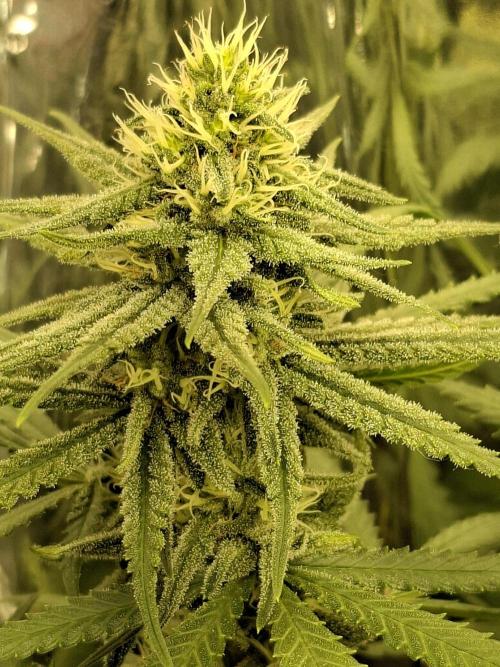

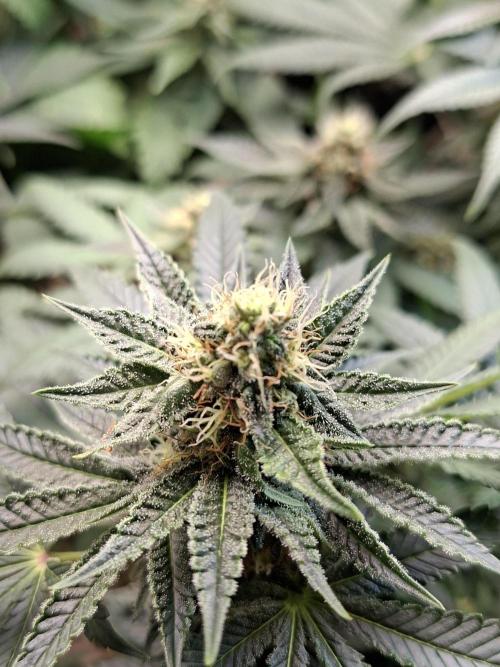


35 cm
Height
12 hrs
Light Schedule
29 °C
Day Air Temp
6.3
pH
Normal
Smell
60 %
Air Humidity
25 °C
Night Air Temp
4 liters
Pot Size
0.5 liters
Watering Volume
30 cm
Lamp Distance
Nutrients 1
Liquido + Fosfato
4 mll
Elemental So far, so good.
5 likes
comments
Share
11
Week 11. Flowering1y ago


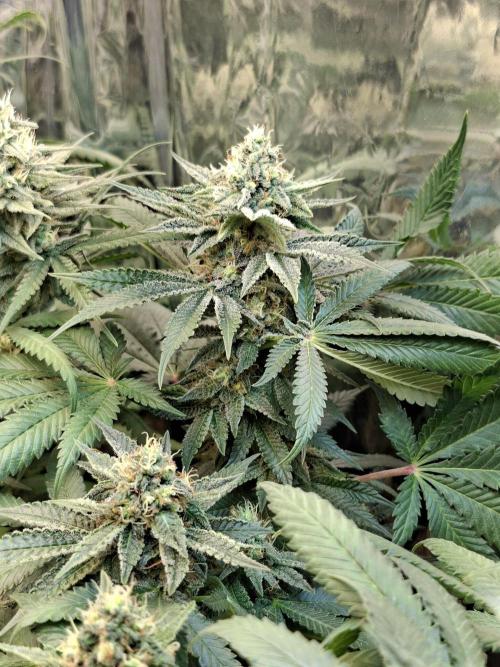

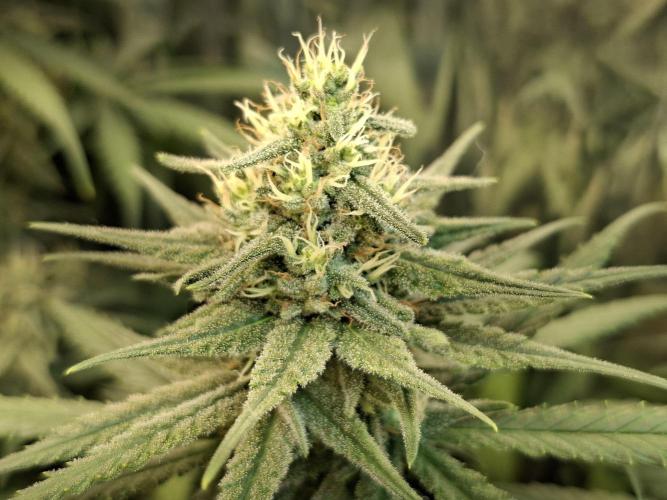

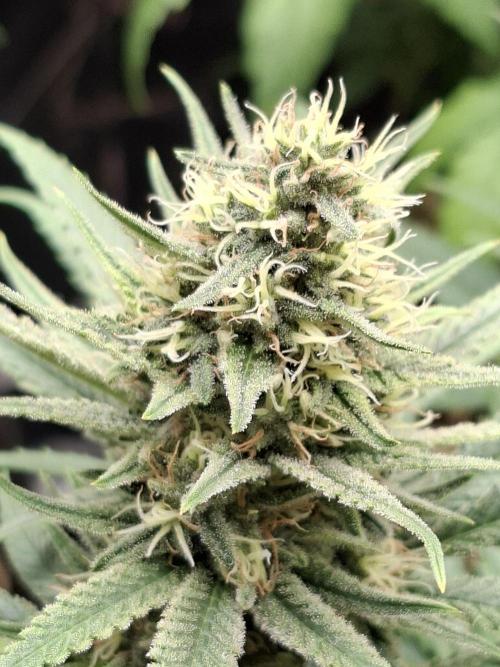
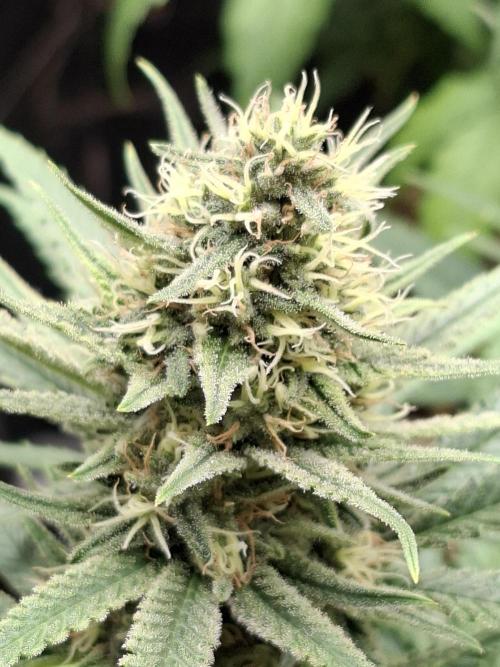
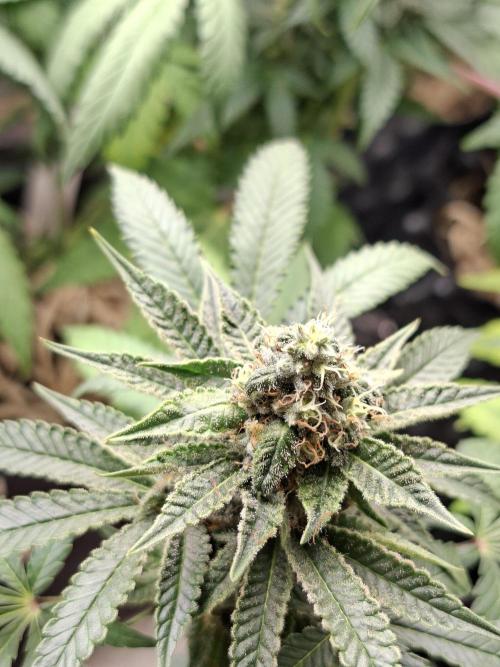
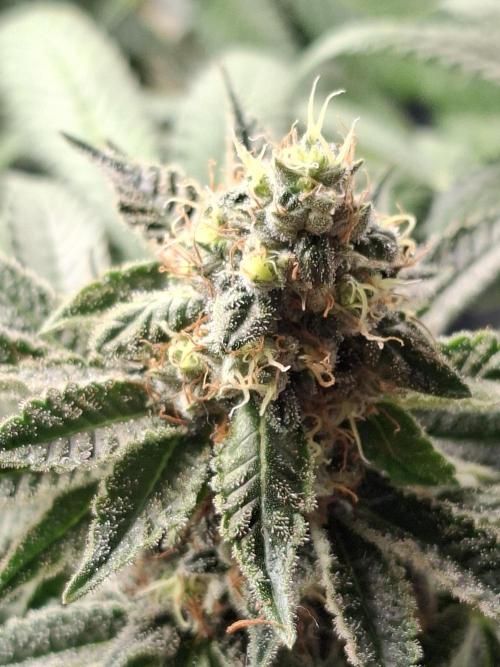
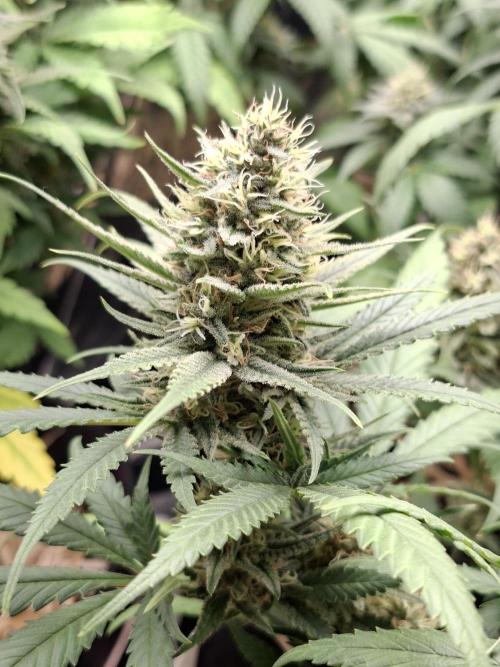
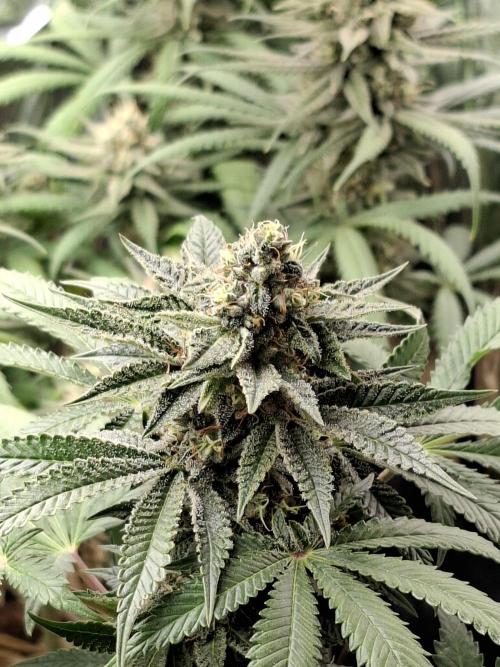
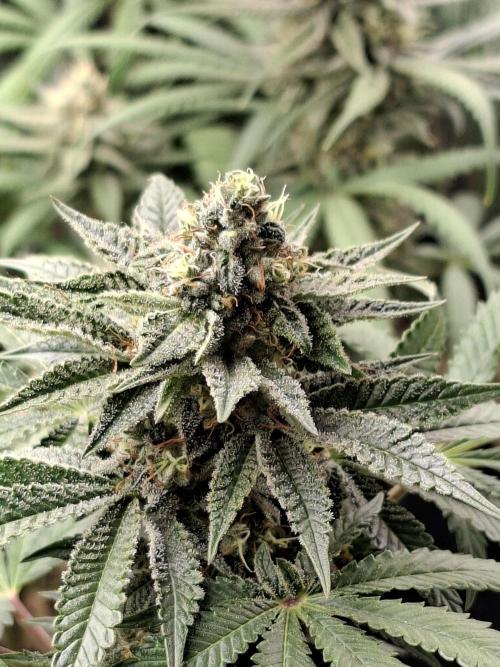
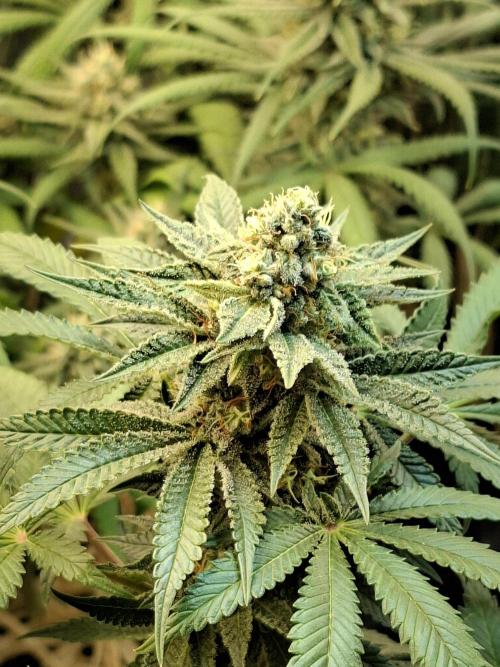
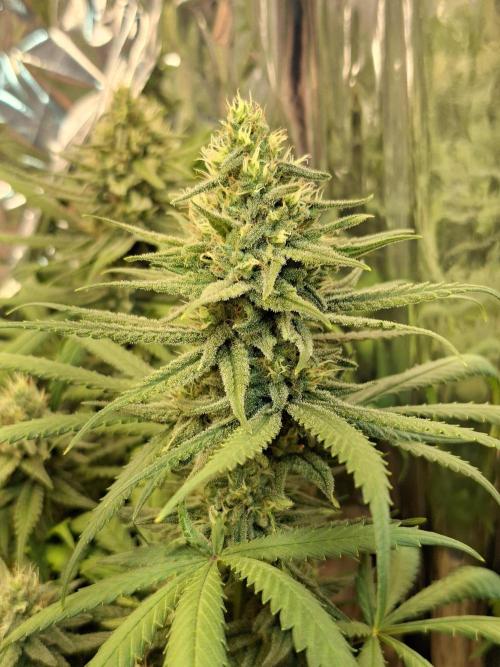
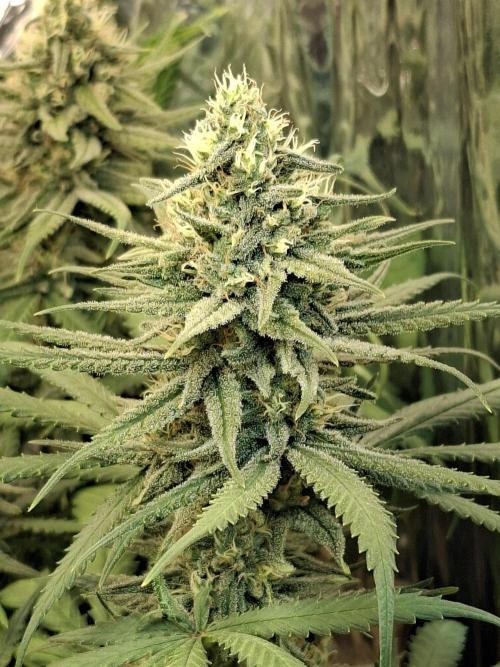
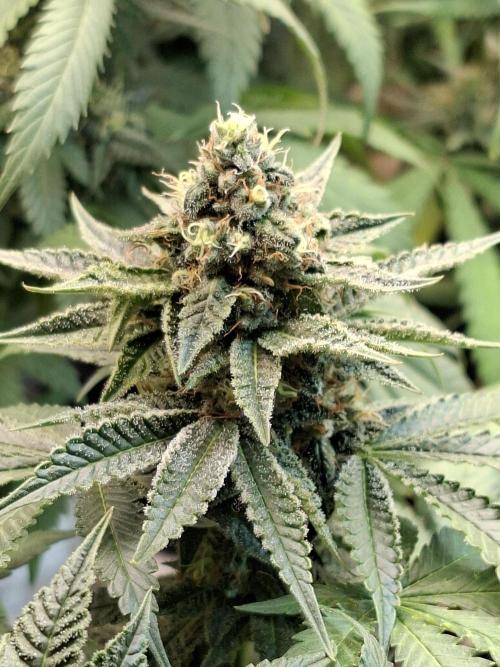
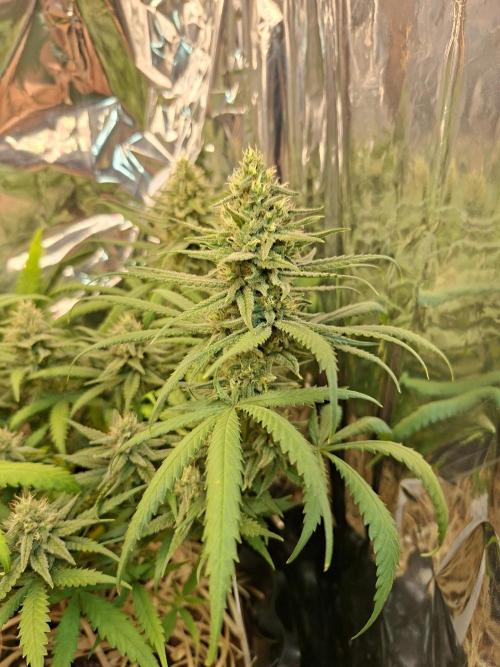
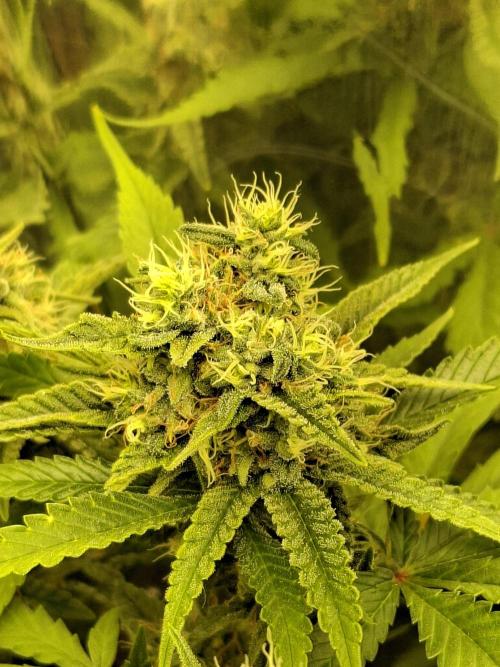
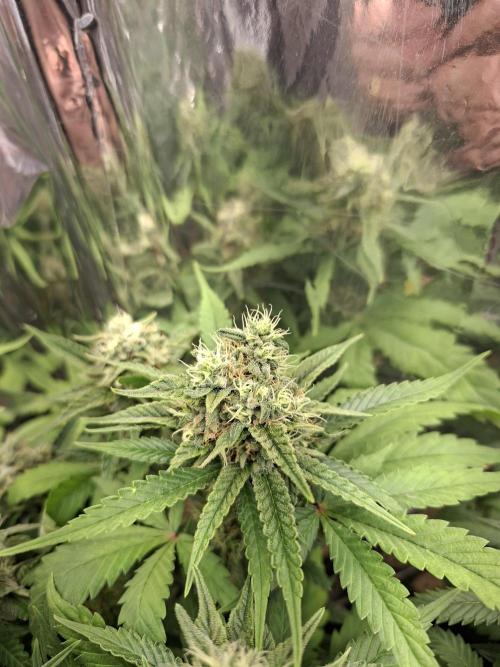
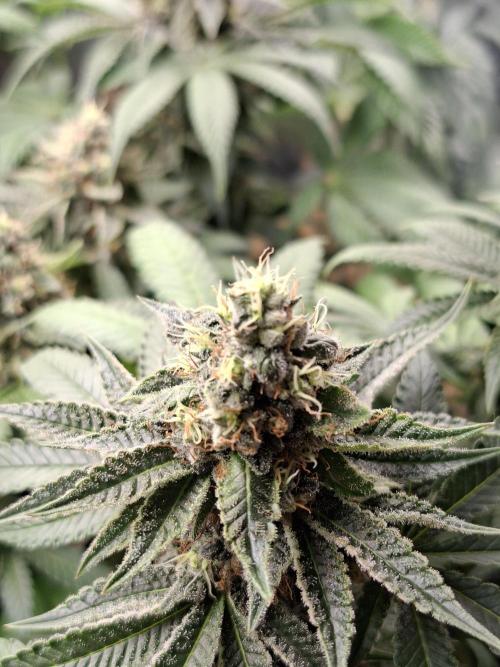
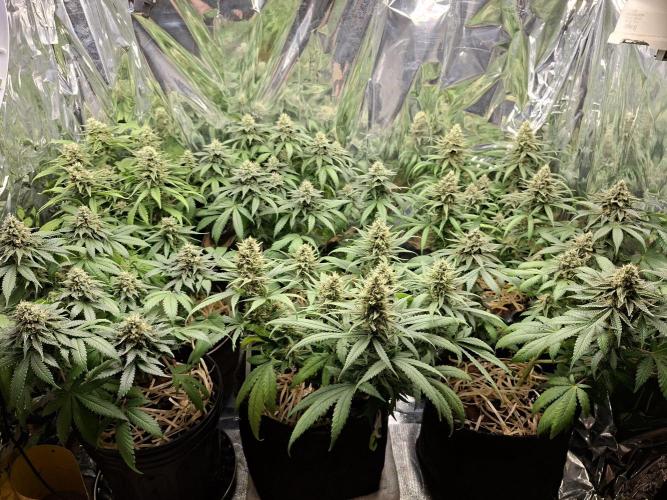
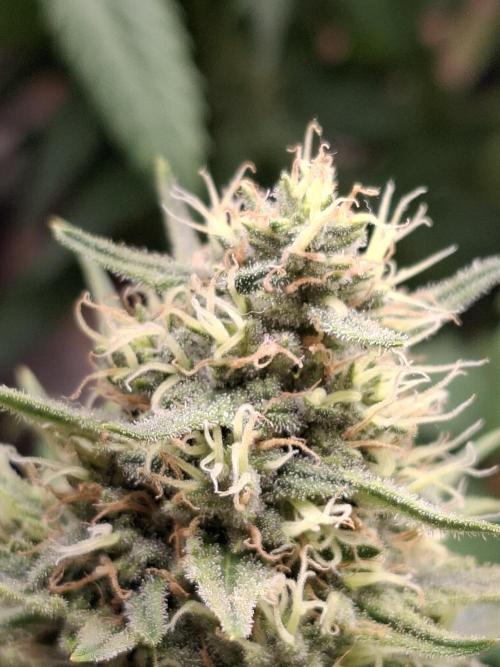
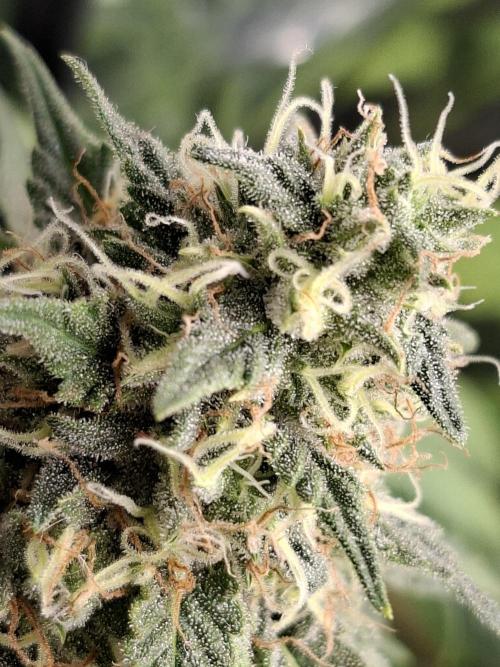
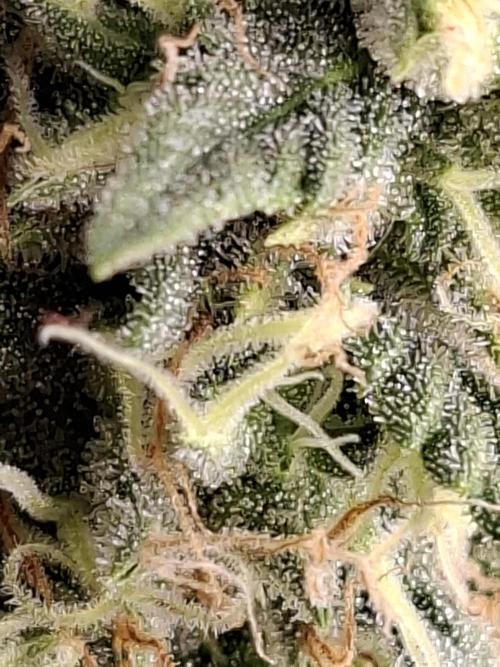
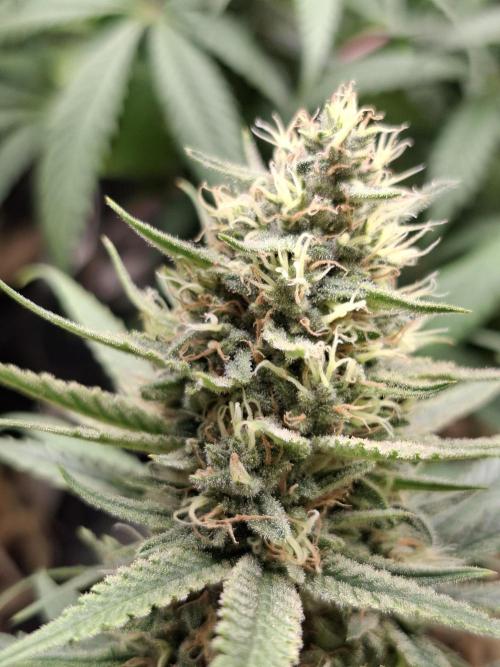
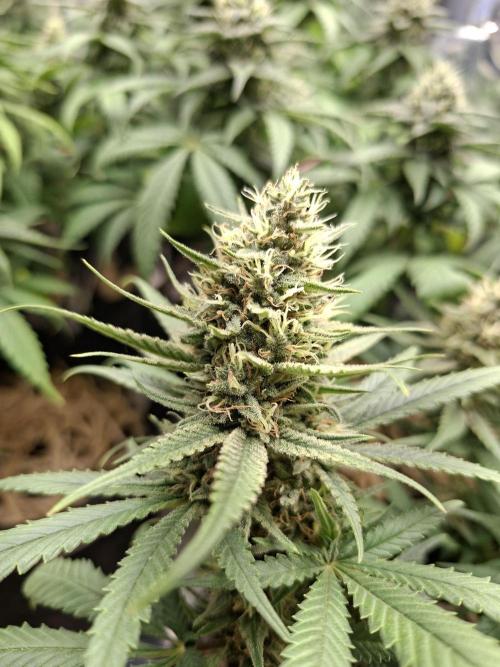
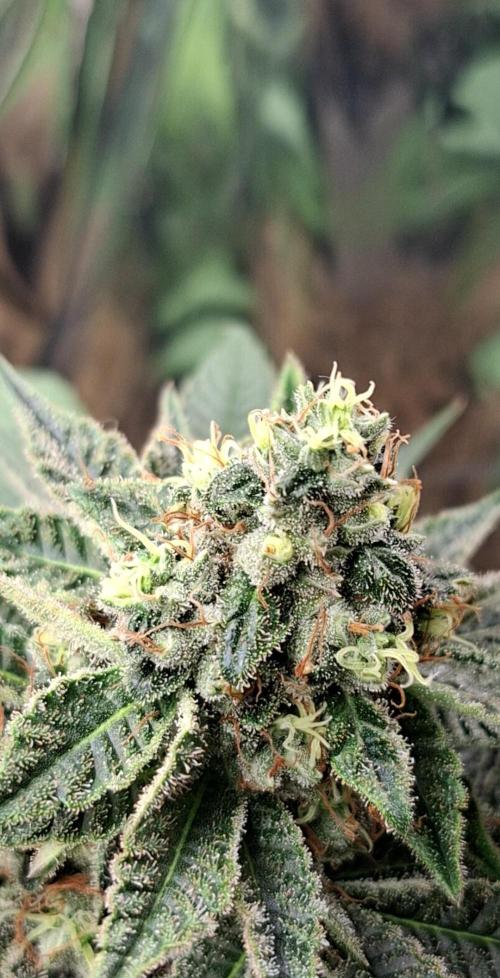
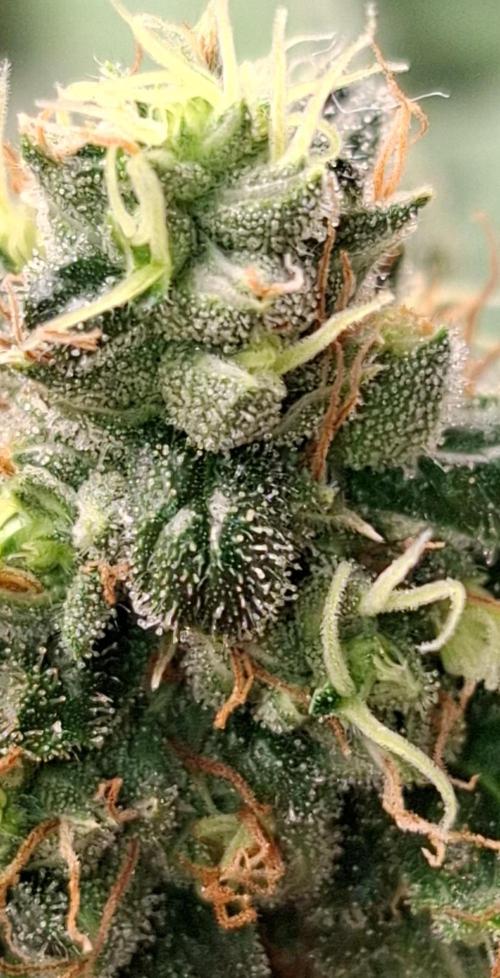
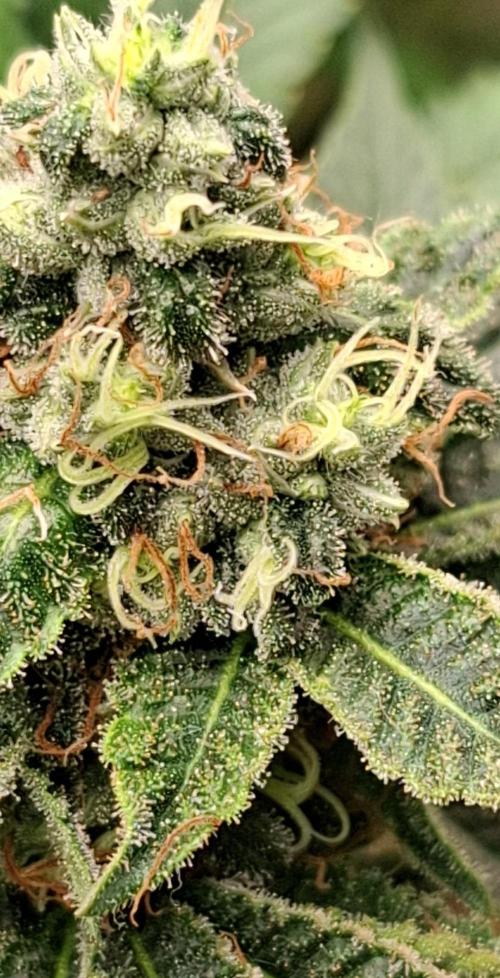
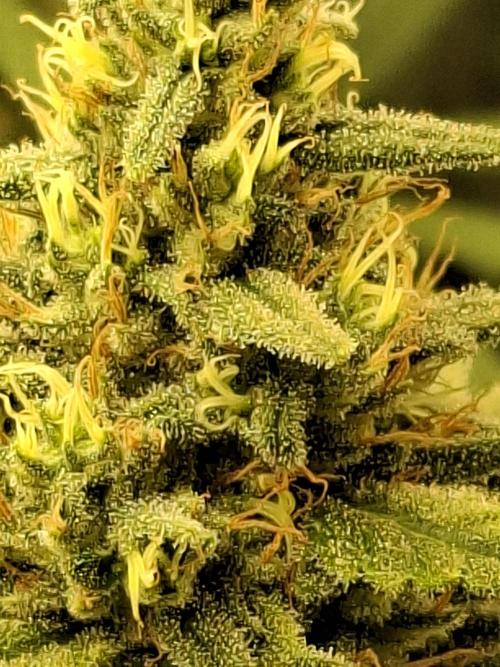
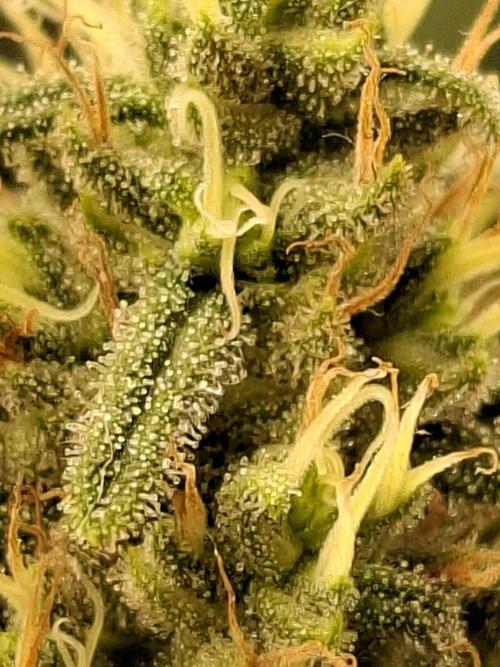
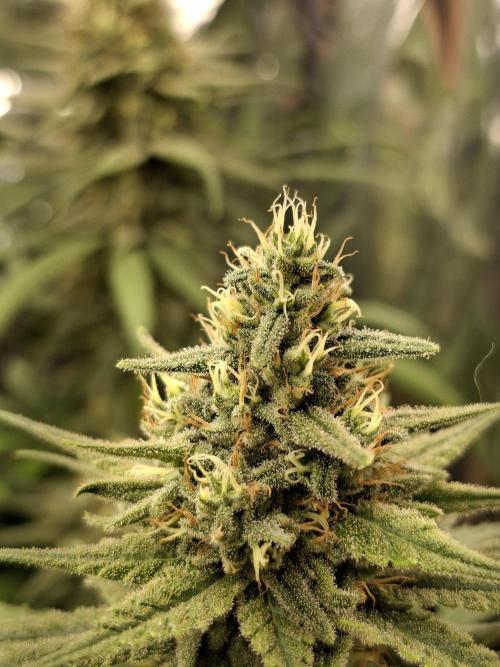
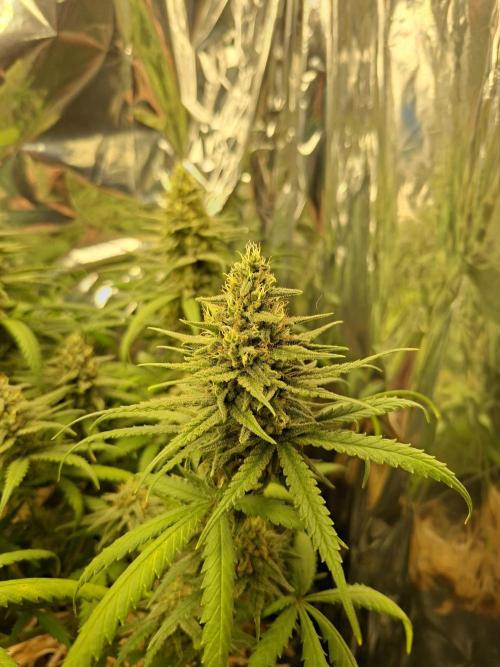
35 cm
Height
12 hrs
Light Schedule
29 °C
Day Air Temp
6.3
pH
Strong
Smell
50 %
Air Humidity
25 °C
Night Air Temp
4 liters
Pot Size
0.5 liters
Watering Volume
30 cm
Lamp Distance
Nutrients 1
Liquido + Fosfato
4 mll
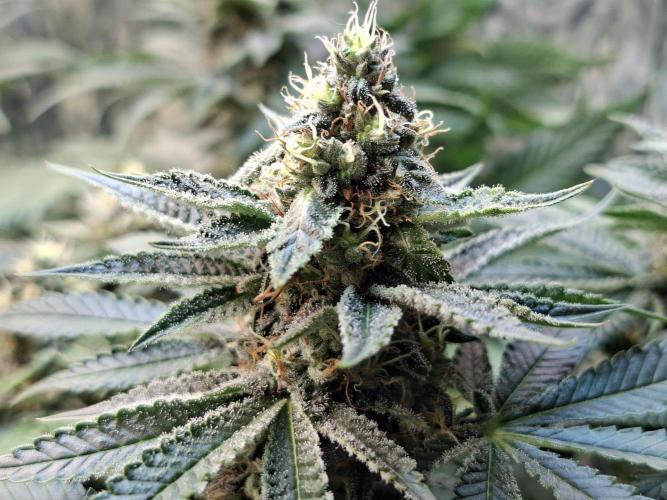
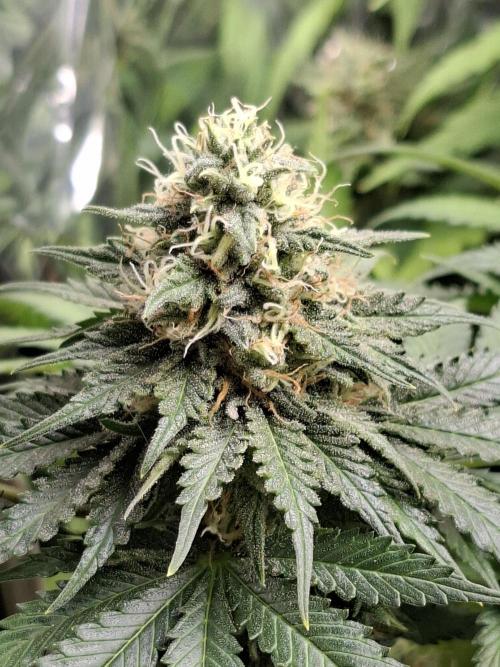
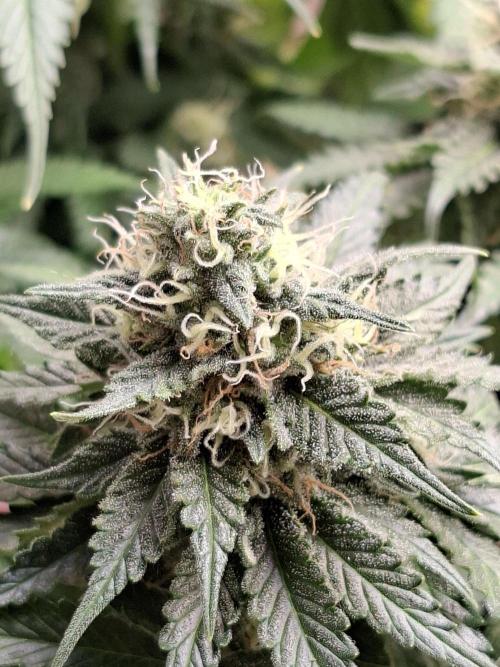
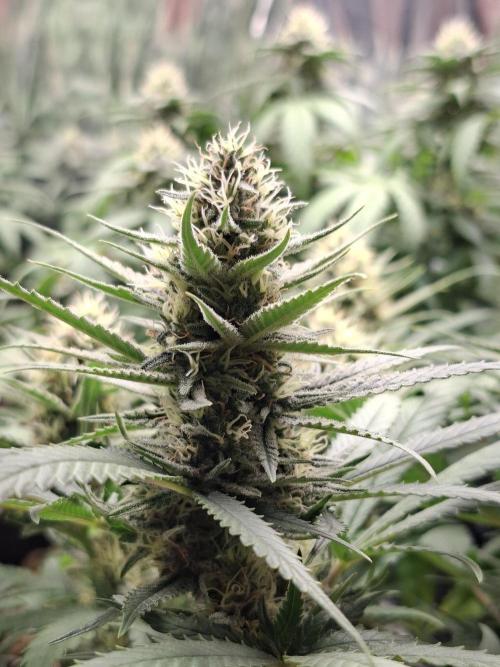
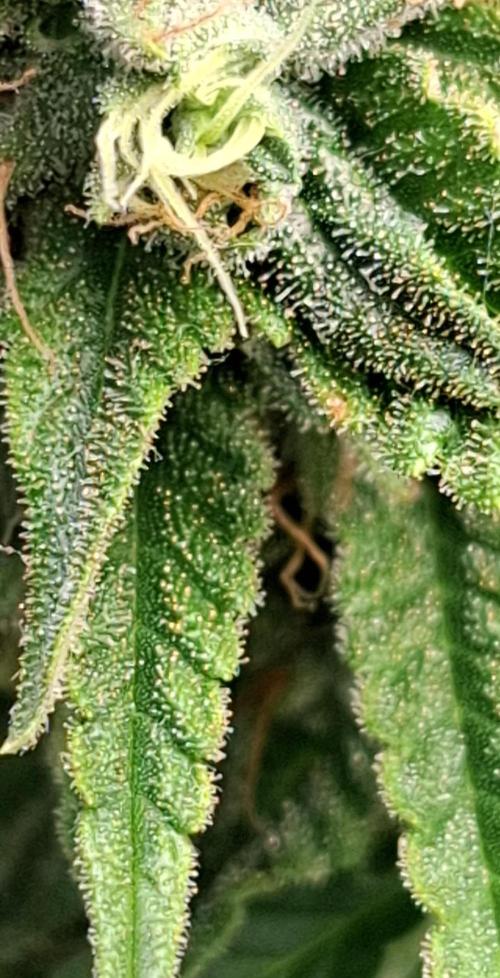
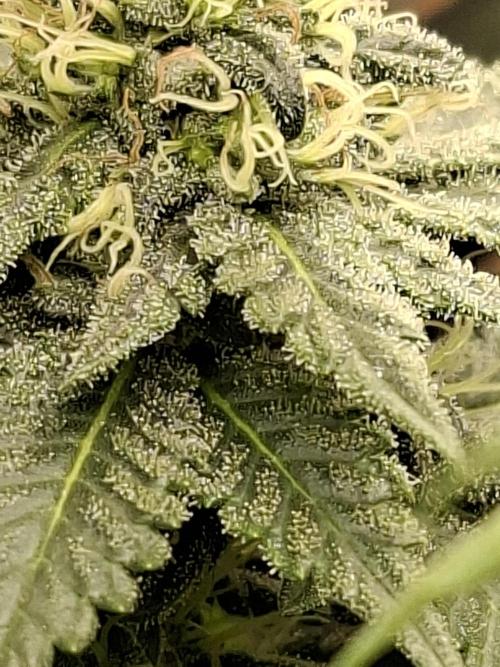
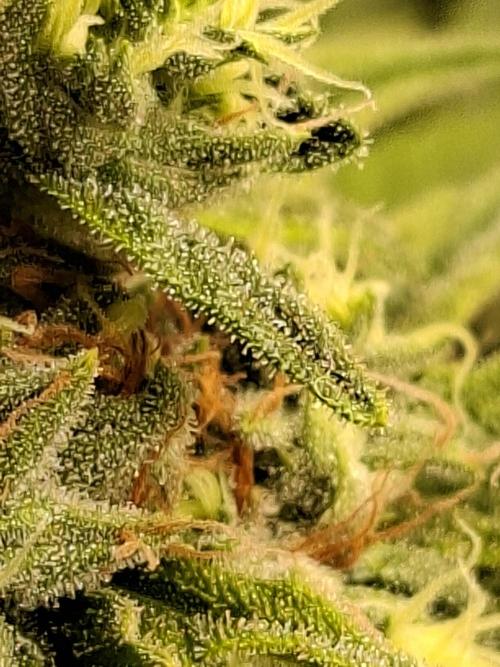
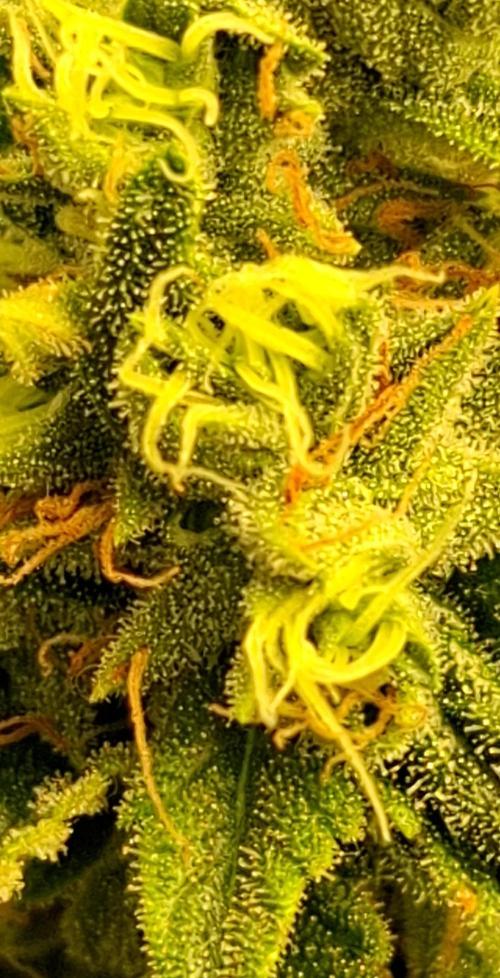
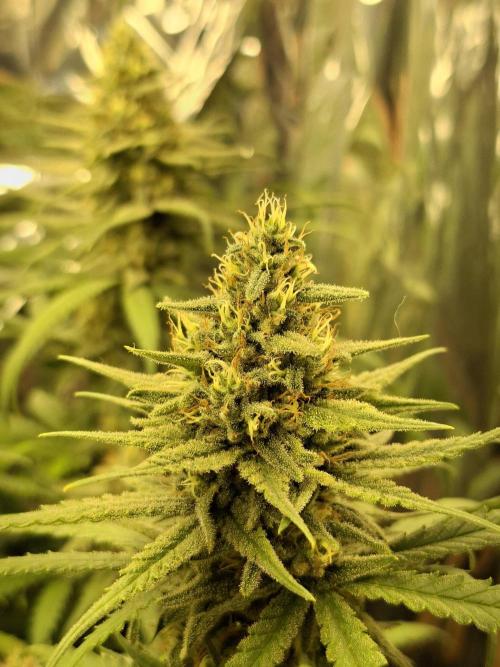
Elemental Second dose of banana tea on November 10th.
The broth was thick.
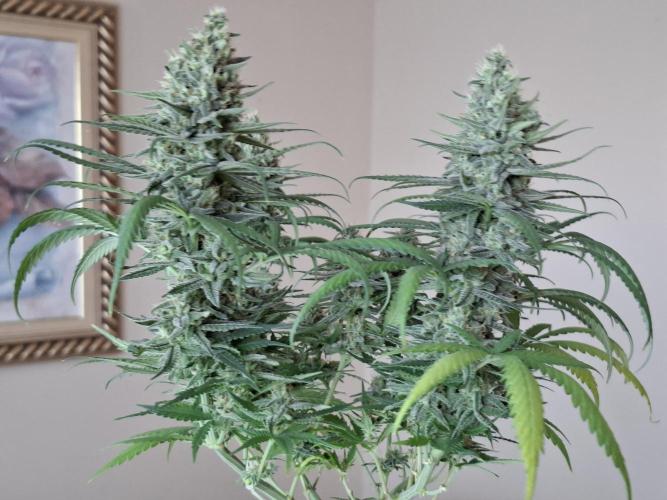
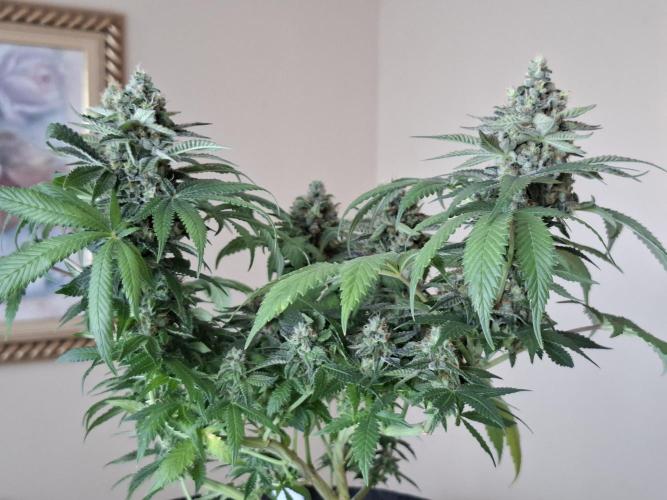
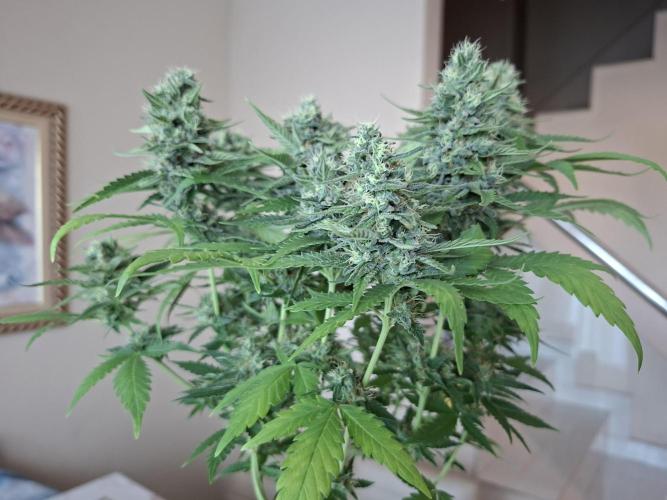
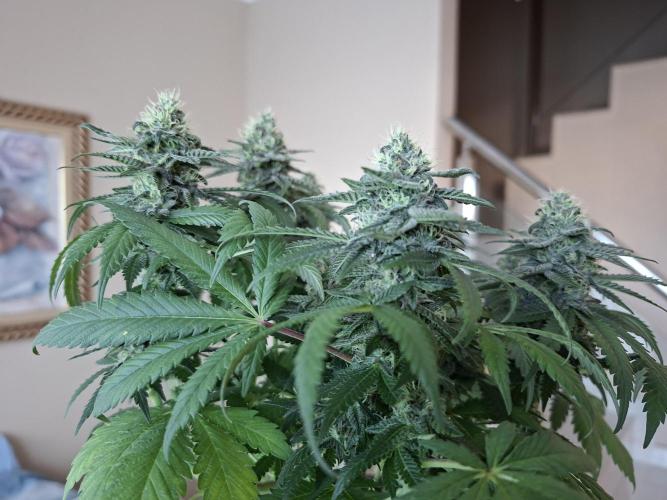
The buds are fattening up beautifully.
6 likes
comments
Share
12
Week 12. Flowering10mo ago
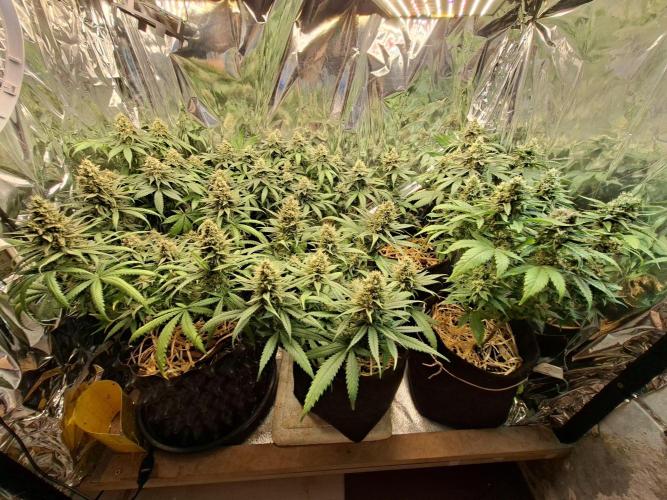
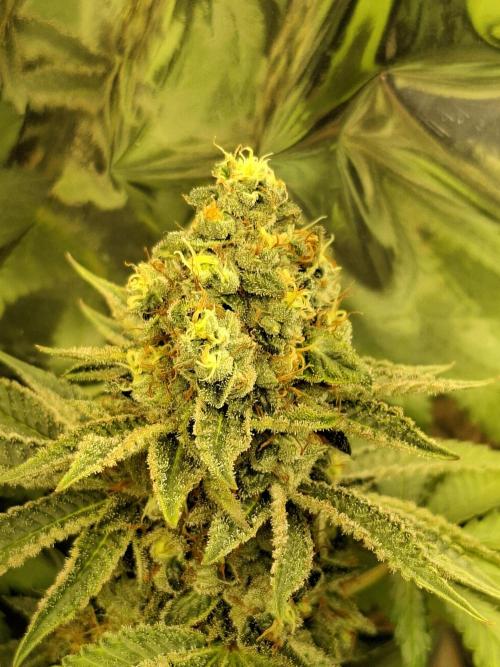
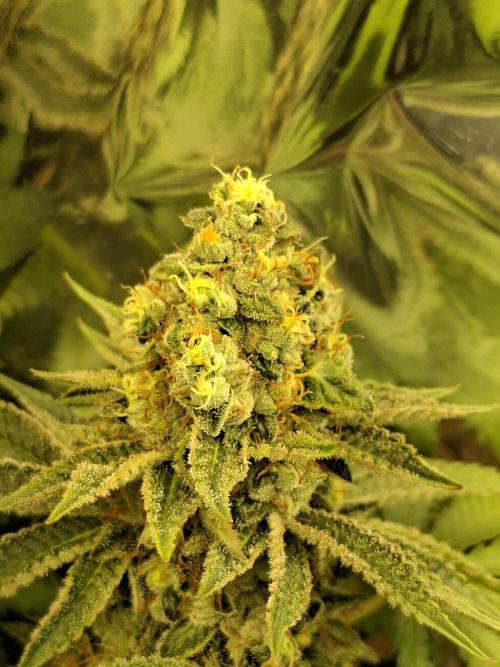
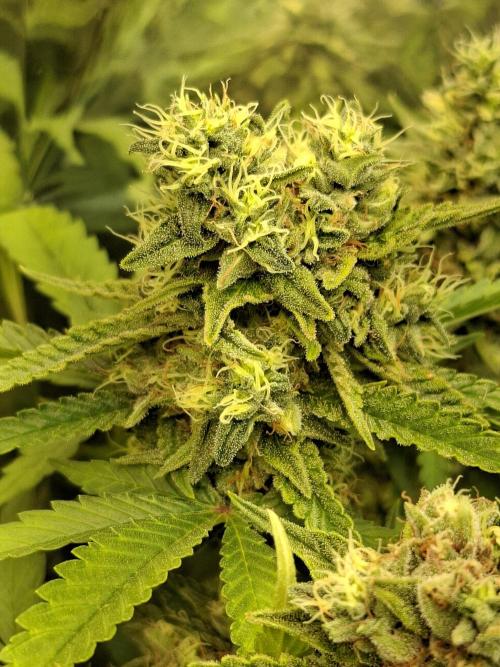
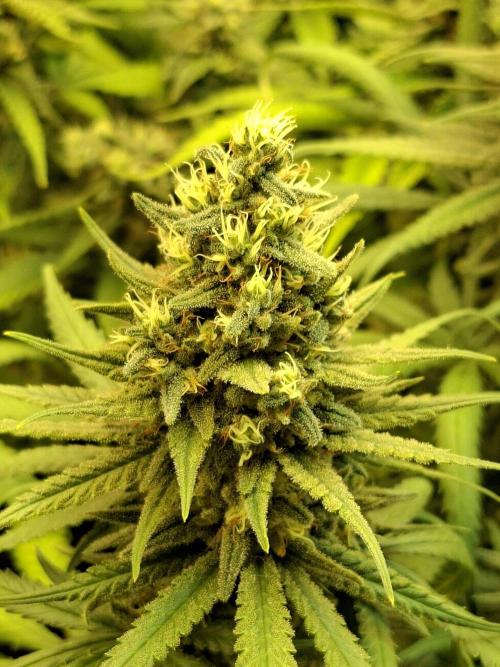
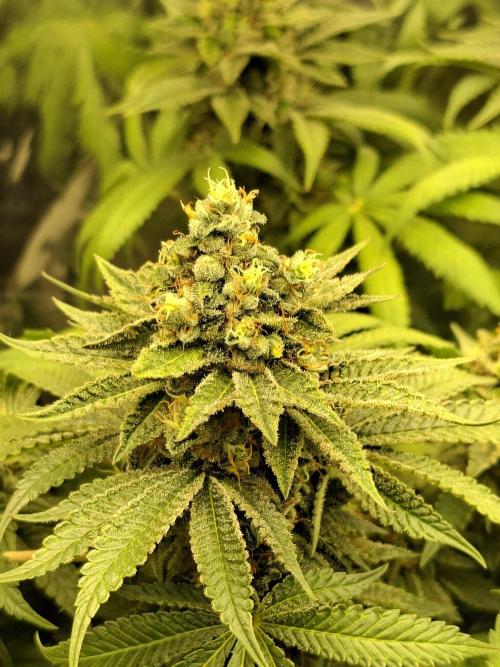
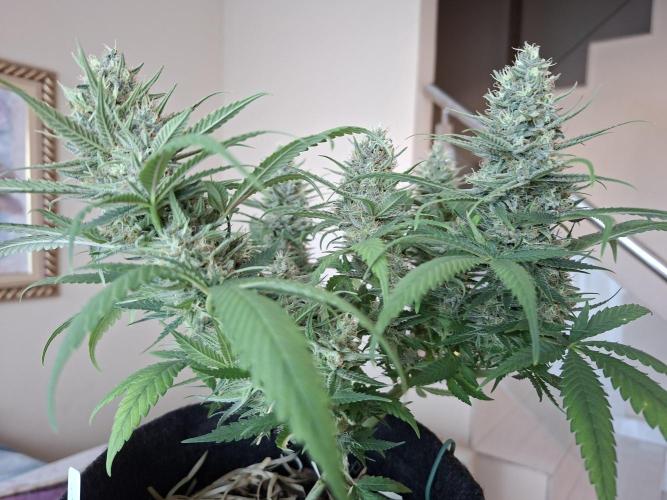
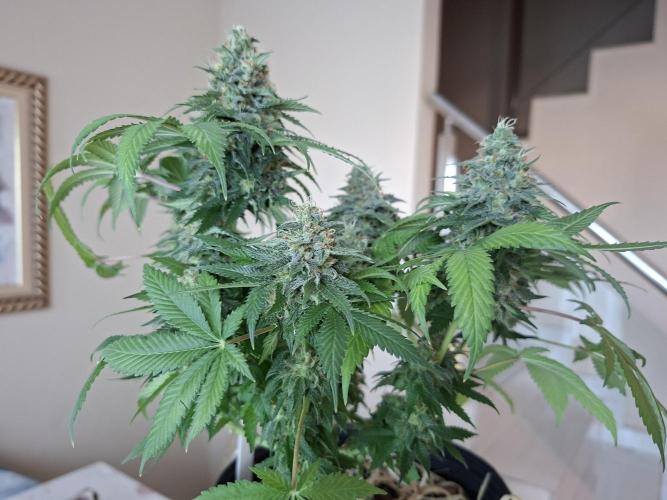
35 cm
Height
12 hrs
Light Schedule
29 °C
Day Air Temp
6.3
pH
Strong
Smell
70 %
Air Humidity
25 °C
Night Air Temp
4 liters
Pot Size
0.3 liters
Watering Volume
30 cm
Lamp Distance
Nutrients 1
Liquido + Fosfato
4 mll
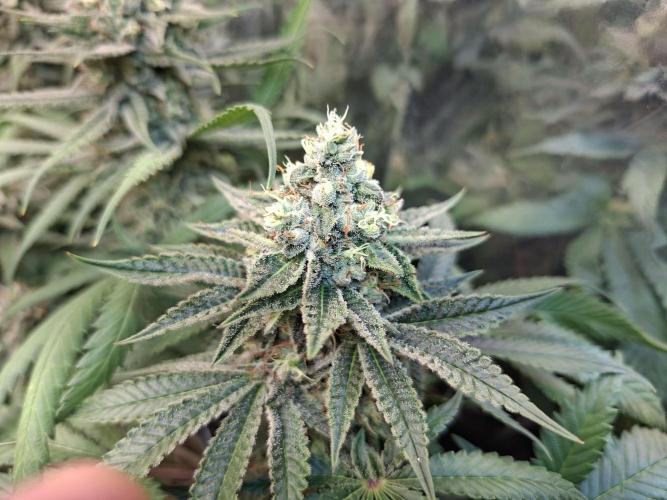
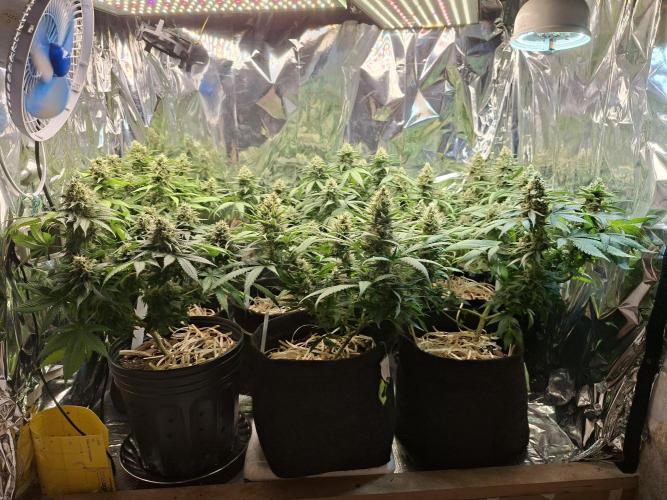
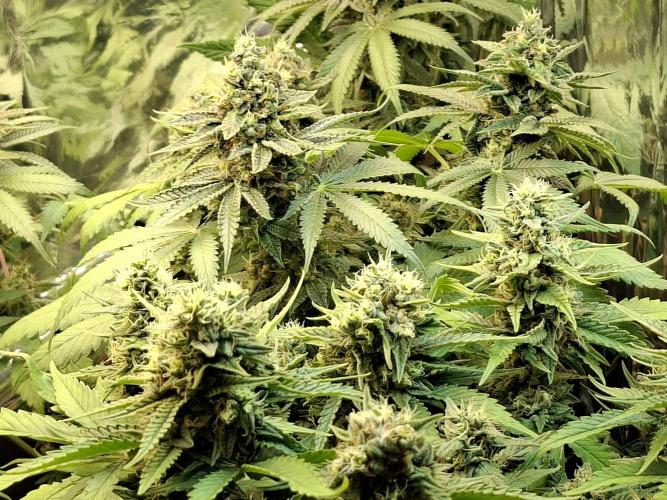
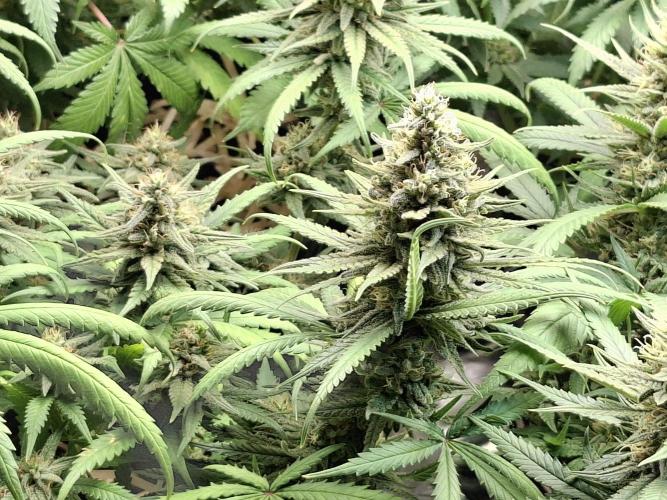
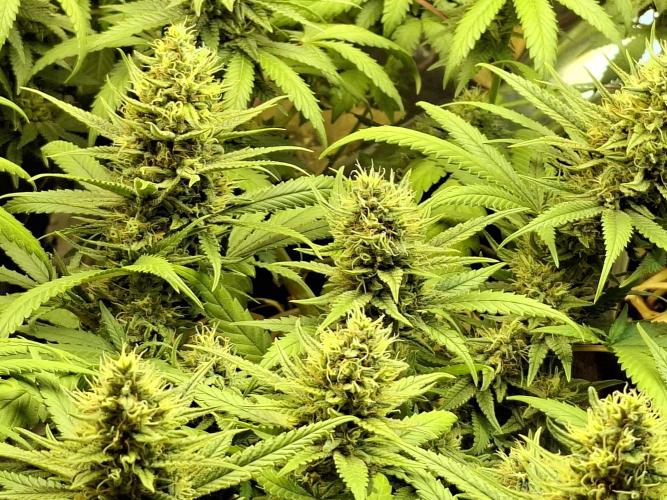
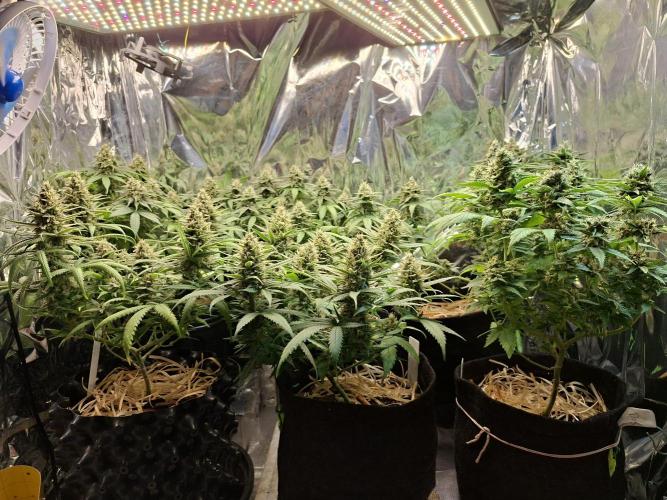
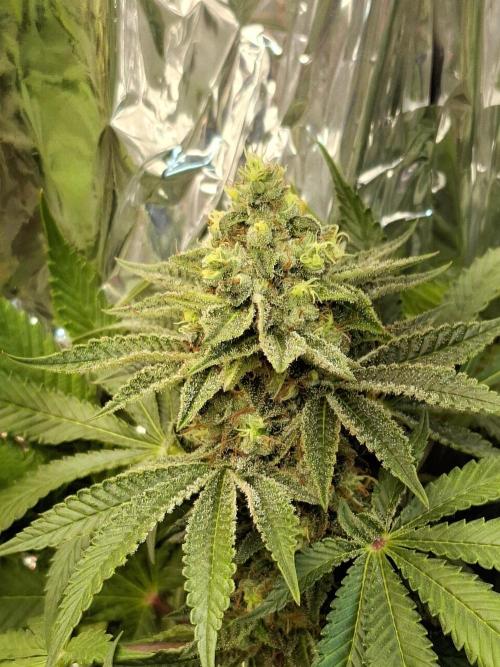
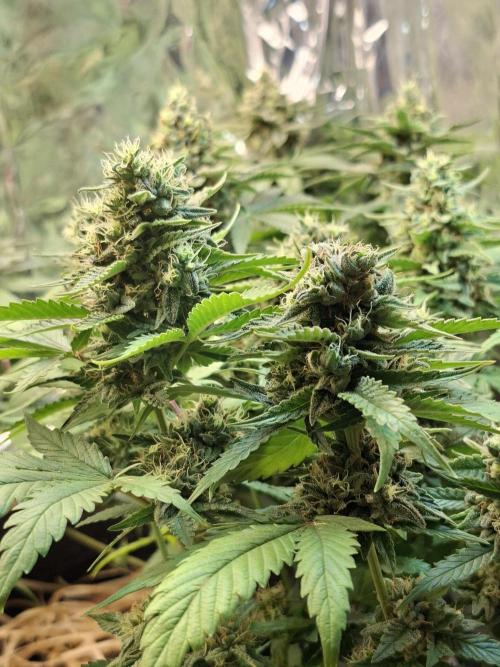
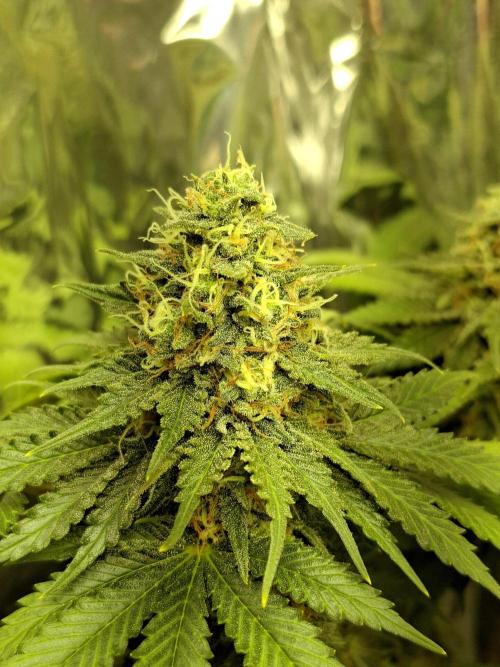
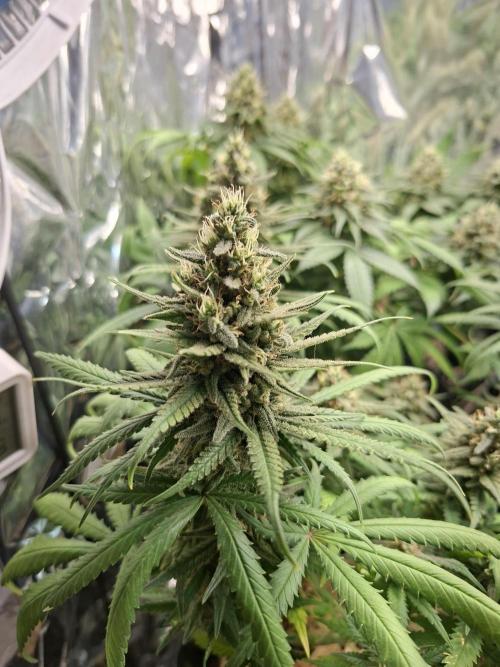
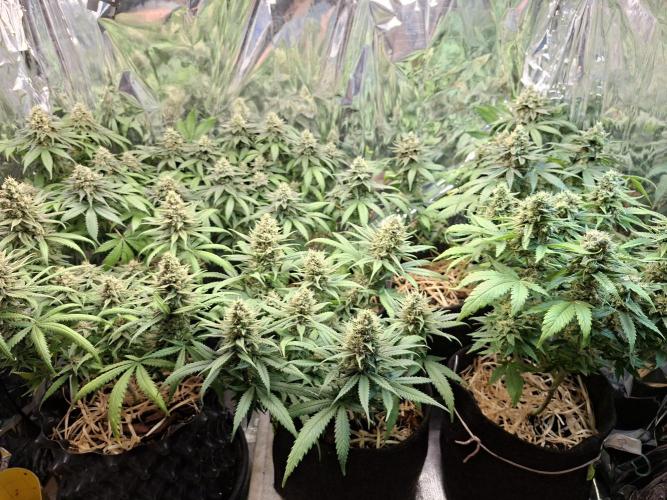
Elemental Air umidity is getting high, I'm a little concerned about mold. I took some leaves. Let's try getting to achieve more 15 days till chop it.
4 likes
3 comments
Share
13
Week 13. Flowering10mo ago
35 cm
Height
12 hrs
Light Schedule
29 °C
Day Air Temp
6.3
pH
Strong
Smell
70 %
Air Humidity
25 °C
Night Air Temp
4 liters
Pot Size
0.3 liters
Watering Volume
30 cm
Lamp Distance
Nutrients 1
Liquido + Fosfato
4 mll
Elemental Winter is coming.
3 likes
comments
Share
14
Week 14. Harvest10mo ago
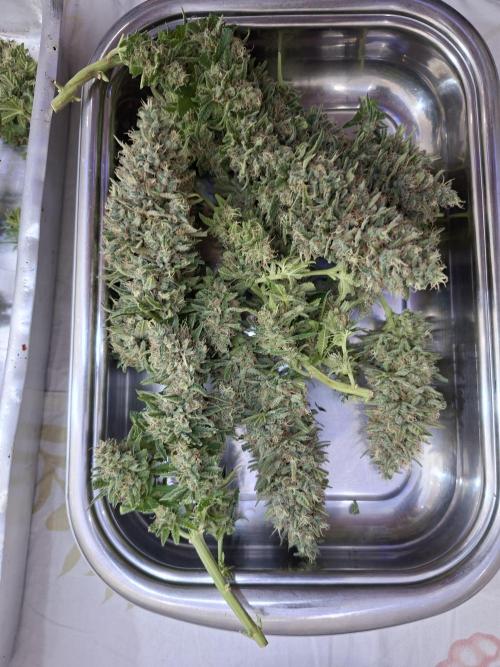
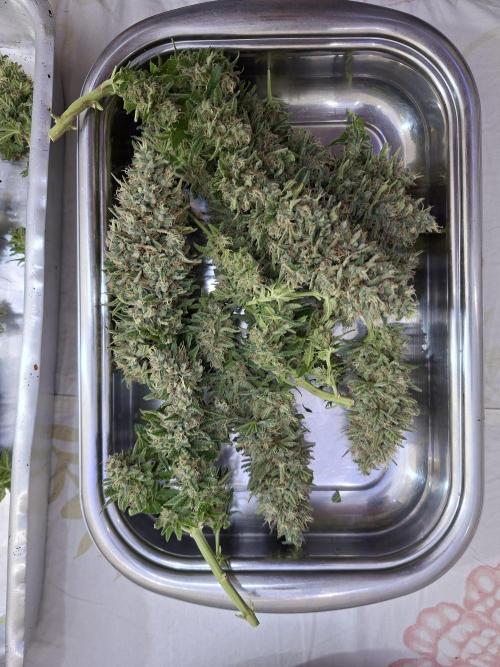
Happy Harvest Day!


10/10
Rated
General consideration: 3 out of 6 plants were already at the harvest point, the other 3 were coming in ' but since I would need the grow space for drying, I chose to harvest the 6.
Velvet Moon was incredible, hard and chunky buds. Lives up to its name, very covered in trichomes.
Show more
Original
Spent 98 days
Ger Veg Flo Har
Easy
Difficulty
Height
Day air temperature
Air humidity
PH
Light schedule
Night air temperature
Pot size
Lamp distance
Elemental Okay.
1 like
comments
Share
Equipment Reviews


14
Week 14. Harvest10mo ago
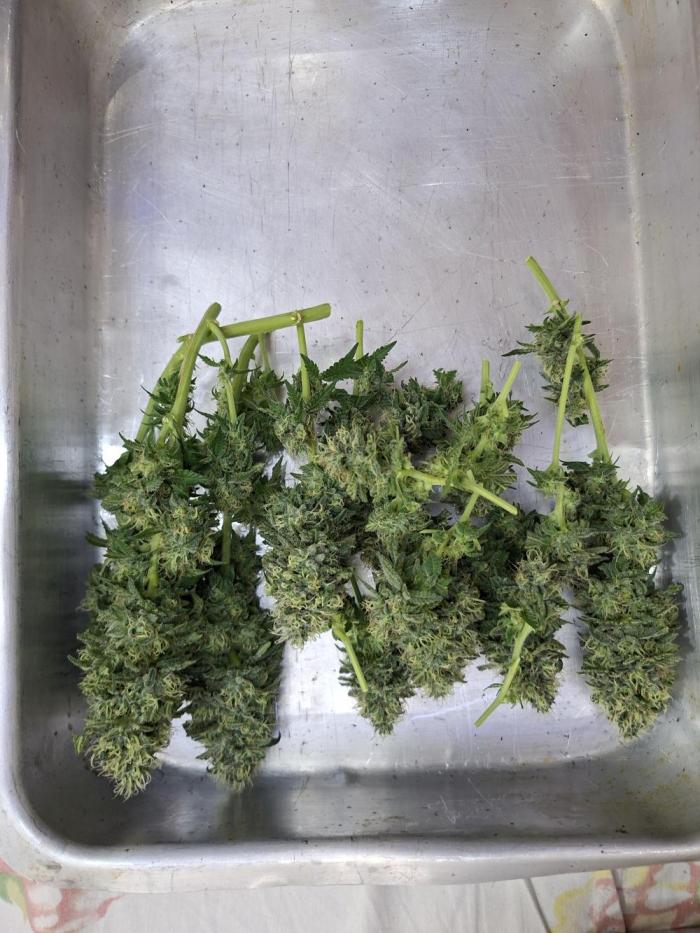
Happy Harvest Day!
10/10
Rated
General consideration: 3 out of 6 plants were already at harvest point, the other 3 were coming in ' but since I would need the grow space for drying, I chose to harvest the 6.
Incredible plant, the smell of ripe fruit is wonderful
Show more
Original
Spent 98 days
Ger Veg Flo Har
Height
Day air temperature
Air humidity
PH
Light schedule
Night air temperature
Pot size
Lamp distance
Elemental Okay.
1 like
comments
Share
Equipment Reviews
14
Week 14. Harvest10mo ago
Happy Harvest Day!
10/10
Rated
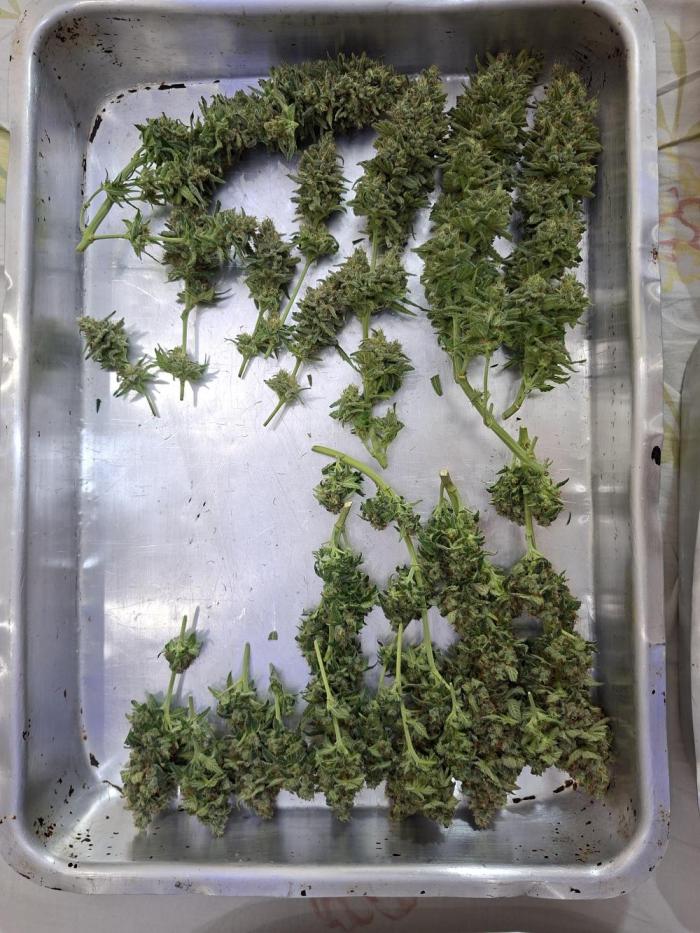
General consideration: 3 out of 6 plants were already at the harvest point, the other 3 were arriving ' but since I would need the grow space for drying, I chose to harvest the 6.
Wonderful smell of orange/Fanta. Buds covered in trichomes, beautiful color and shape.
Show more
Original
Spent 98 days
Ger Veg Flo Har
Height
Day air temperature
Air humidity
PH
Light schedule
Night air temperature
Pot size
Lamp distance
Elemental Okay.
2 likes
comments
Share
Equipment Reviews
14
Week 14. Harvest10mo ago
Happy Harvest Day!
10/10
Rated
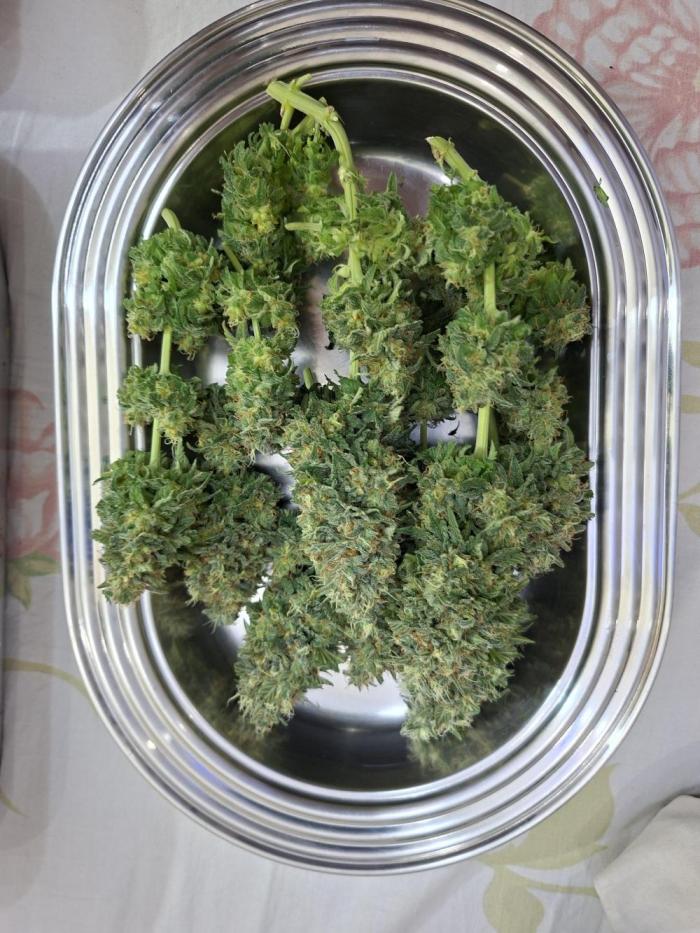
General consideration: 3 out of 6 plants were already at the harvest point, the other 3 were coming in ' but since I would need the grow space for drying, I chose to harvest the 6.
It surprised me. It was in the smallest pot, appearance still not ripe. But it yielded a lot. Really a lot. Very fragrant plant and hard as a rock.
Show more
Original
Spent 98 days
Ger Veg Flo Har
Height
Day air temperature
Air humidity
PH
Light schedule
Night air temperature
Pot size
Lamp distance
Elemental Okay.
1 like
comments
Share
Equipment Reviews
14
Week 14. Harvest10mo ago
Happy Harvest Day!
10/10
Rated
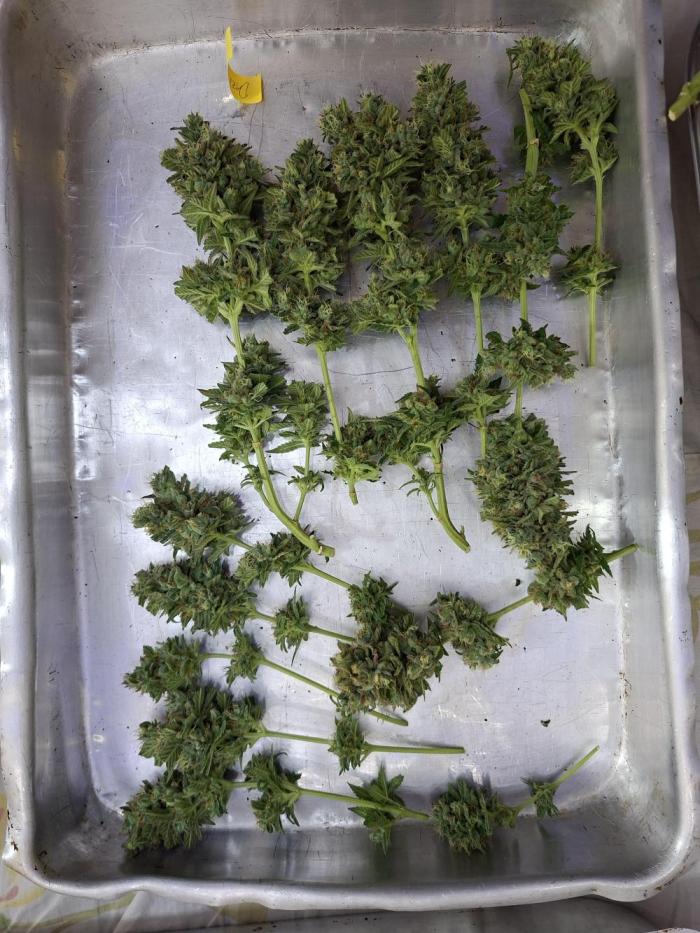
General consideration: 3 out of 6 plants were already at the harvest point, the other 3 were arriving ' but since I would need the grow space for drying, I chose to harvest the 6.
The plant stood out for its internodal distance and the eruption of the buds, even somewhat misshapen.
Wait for drying and curing for more substantial opinions.
Show more
Original
Spent 98 days
Ger Veg Flo Har
Height
Day air temperature
Air humidity
PH
Light schedule
Night air temperature
Pot size
Lamp distance
Elemental Okay.
1 like
comments
Share
Equipment Reviews
14
Week 14. Harvest10mo ago
Happy Harvest Day!
10/10
Rated
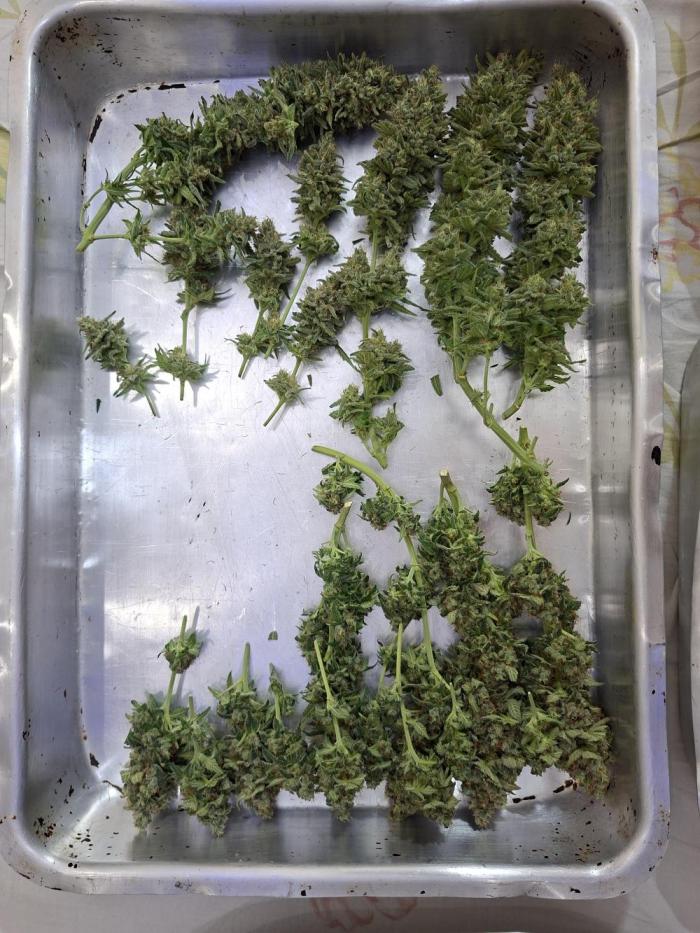
General consideration: 3 out of the 6 plants were already at the harvest point, the other 3 were arriving ' but since I would need the grow space for drying, I chose to harvest the 6.
This was the one that needed the most time to finalize its final result.
But, considering this, a very interesting plant apparently the one that delivered the largest amount of buds, needed more time for fattening, but I think it will be an excellent result.
Show more
Original
Spent 98 days
Ger Veg Flo Har
Easy
Difficulty
Height
Day air temperature
Air humidity
PH
Light schedule
Night air temperature
Pot size
Lamp distance
Elemental Okay.
2 likes
comments
Share
Equipment Reviews

the end.
Enjoying this diary? Follow for more updates!

Prefer the old Diary view?
Go back to the old Diary view