


Cookies Feminizada Fotoperiodica


Cookies Fotoperiodica Feminizada
Mexicanas Seeds Company.

Contr
Voltek
Controllers

Coco Coir
Fibra de

Greenhouse
Room Type
Transplantation
weeks 1-2, 4
LST
weeks 1-2, 4
Topping
weeks 1-2, 4
12-12
weeks 4
45 liters
Pot Size
Start at Harvest
1
Week 1. Flowering7mo ago
12 hrs
Light Schedule
24 °C
Day Air Temp
6.2
pH
Weak
Smell
1100 PPM
TDS
60 %
Air Humidity
21 °C
Solution Temp
25 °C
Substrate Temp
18 °C
Night Air Temp
35.02 liters
Pot Size
4.01 liters
Watering Volume
Nutrients 3
Grow
1.5 mll
Bloom
2 mll
Micro
1.5 mll
Mexicanasseeds Physiological Management Report: Cookies Variety (Mexican Seeds)
Strategy: Metabolic optimization through staggered reduction of Nitrogen and final mobilization of Nitrates.
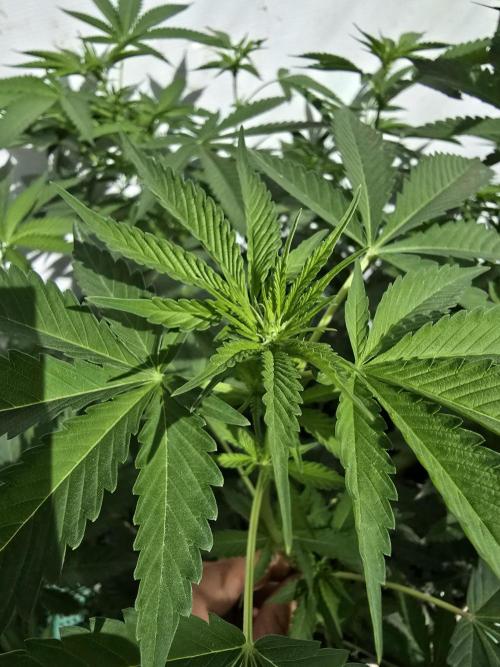
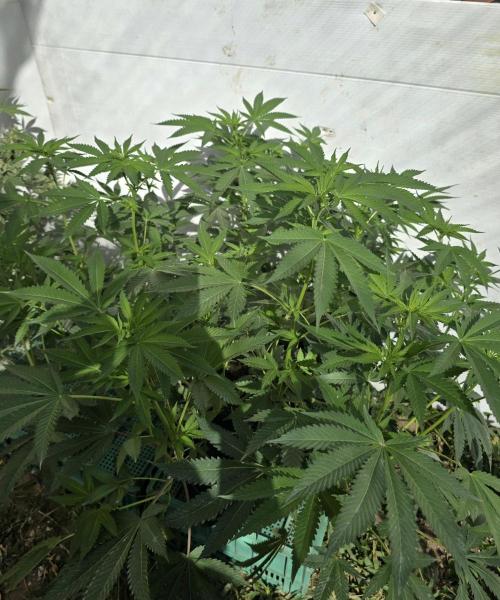
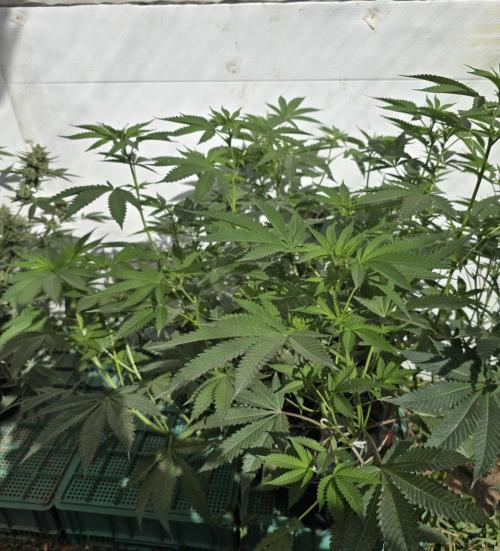
First week of flowering (Stretch I) We start the transition with a balanced N:K ratio. The primary goal is to support the initial stretch without promoting excessive vegetative growth. The plant maintains a compact architecture, prioritizing the formation of close nodes to maximize future flowering sites.
11 likes
1 comment
Share
Used techniques
LST
Technique
Topping
Technique
Transplantation
Technique
2
Week 2. Flowering7mo ago
140 cm
Height
12 hrs
Light Schedule
24 °C
Day Air Temp
6.2
pH
Normal
Smell
1100 PPM
TDS
60 %
Air Humidity
21 °C
Solution Temp
25 °C
Substrate Temp
18 °C
Night Air Temp
35.02 liters
Pot Size
4.01 liters
Watering Volume
Nutrients 3
Grow
1.5 mll
Bloom
2 mll
Micro
1.5 mll
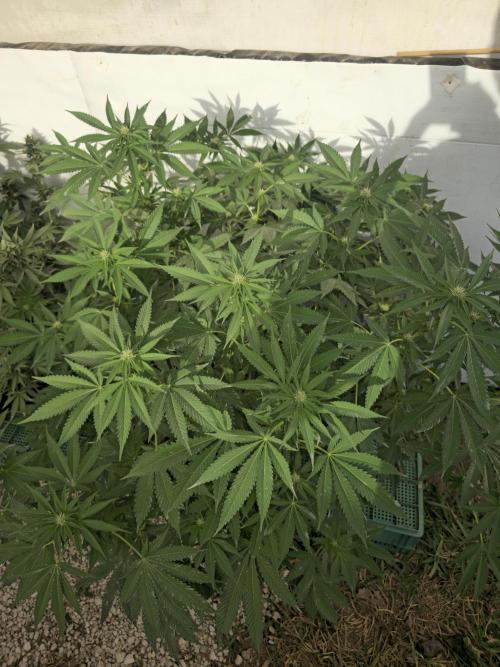
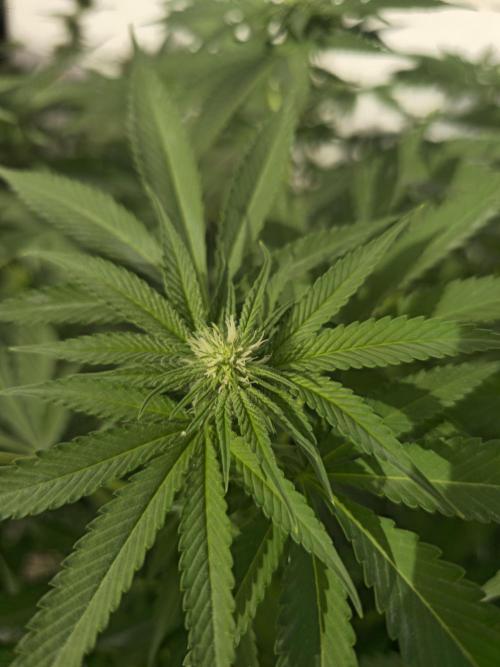
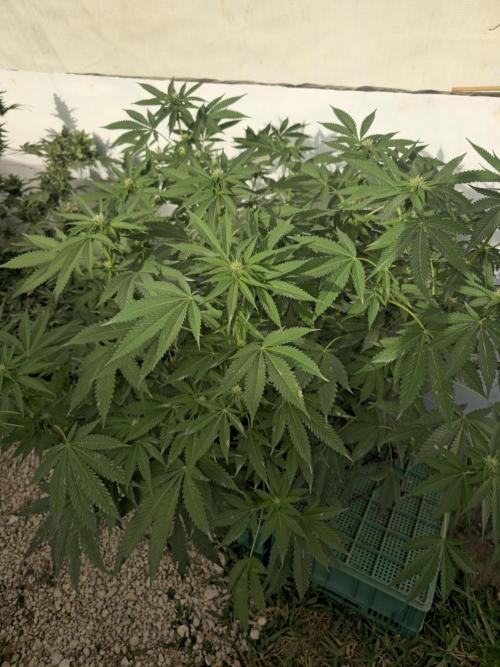
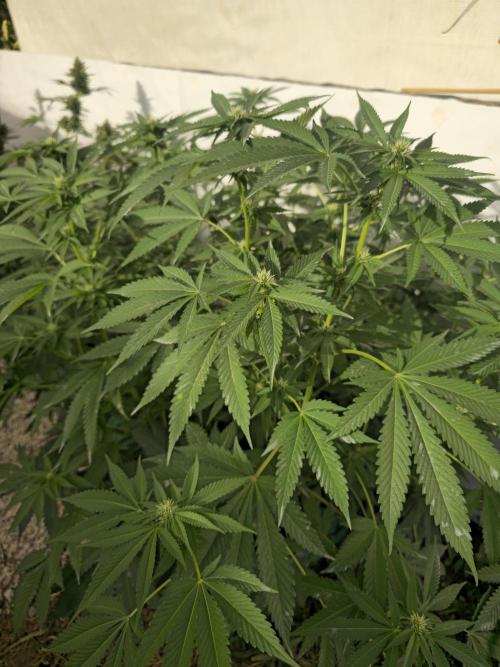
Mexicanasseeds Second week of flowering (Stretch II) We're entering the defining phase. The demand for Phosphorus and Potassium starts to rise slightly, but we keep Nitrogen stable to ensure that the photosynthetic "machinery" is at a hundred for what's coming. There are no signs of stress and the plant is preparing for the formation of the first buds.
7 likes
comments
Share
Used techniques
LST
Technique
Topping
Technique
Transplantation
Technique
3
Week 3. Flowering7mo ago
160 cm
Height
12 hrs
Light Schedule
24 °C
Day Air Temp
6.2
pH
Normal
Smell
1100 PPM
TDS
60 %
Air Humidity
21 °C
Solution Temp
25 °C
Substrate Temp
18 °C
Night Air Temp
35.02 liters
Pot Size
4.01 liters
Watering Volume
Nutrients 3
Grow
1.5 mll
Bloom
2 mll
Micro
1.5 mll
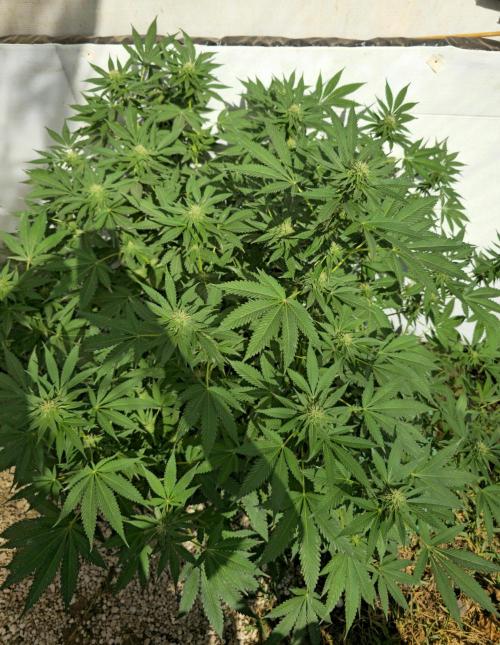
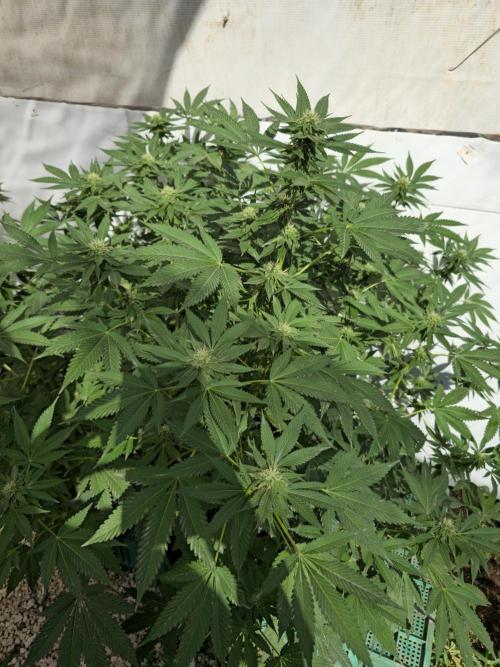
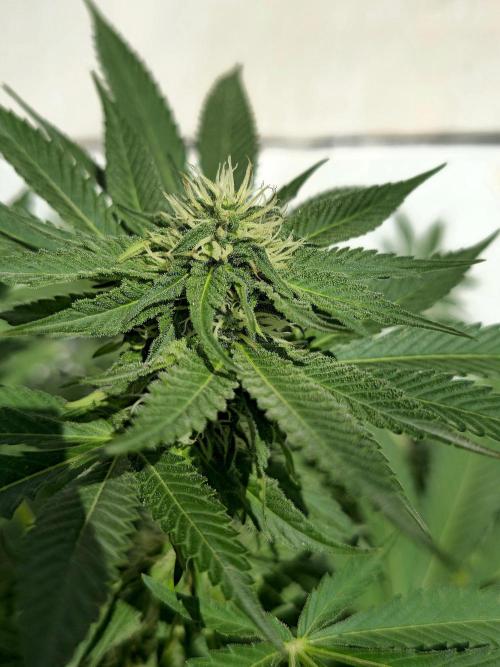
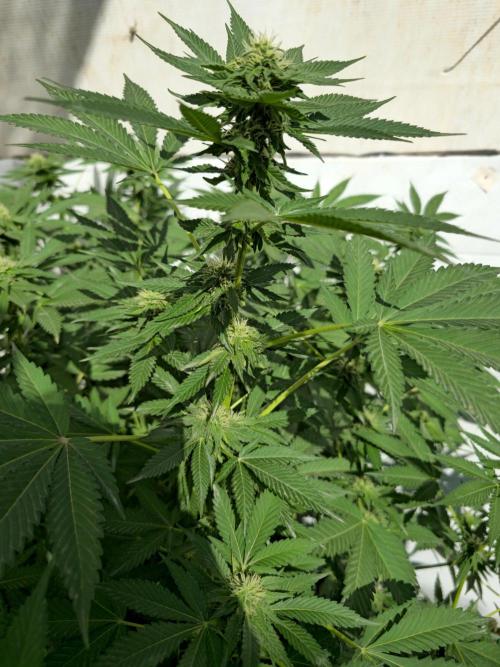
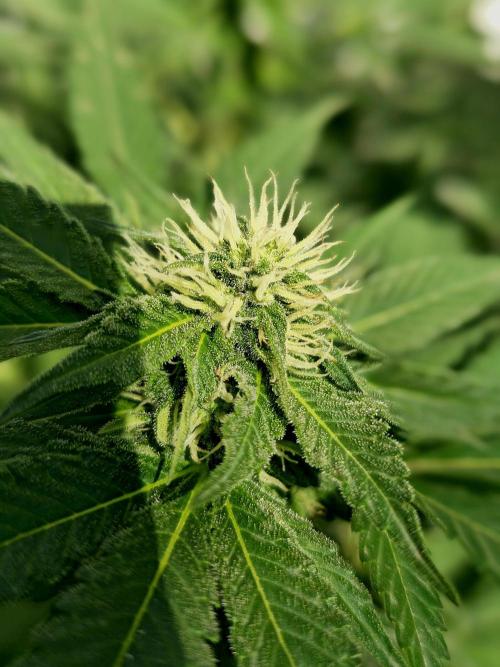
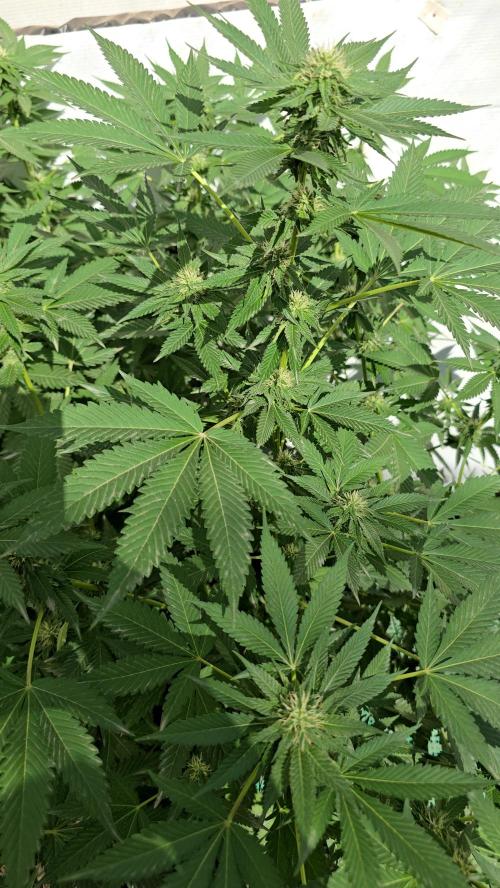
Mexicanasseeds Third week of flowering (Button Formation) We start the gradual reduction of Nitrogen. The N:K ratio is now leaning towards Potassium. Physiologically, this indicates to the plant that the leaf generation phase has ended. By lowering the nitrate pressure, energy begins to shift towards the development of primary inflorescences.
6 likes
comments
Share
4
Week 4. Flowering7mo ago


160 cm
Height
12 hrs
Light Schedule
24 °C
Day Air Temp
6.2
pH
Strong
Smell
1100 PPM
TDS
60 %
Air Humidity
21 °C
Solution Temp
25 °C
Substrate Temp
18 °C
Night Air Temp
35.02 liters
Pot Size
4.01 liters
Watering Volume
Nutrients 3
Grow
1.5 mll
Bloom
2 mll
Micro
1.5 mll
Mexicanasseeds Fourth week of flowering (Fattening I) Phase of maximum metabolic activity. The P:K ratio is dominant. The plant focuses on cell filling and the expansion of the calyxes. The reduction of Nitrogen continues precisely to avoid "stretching" and ensure that the stems remain sturdy and capable of supporting the weight of the flowers.
9 likes
comments
Share
Used techniques
LST
Technique
12-12
Technique
Transplantation
Technique
Topping
Technique
5
Week 5. Flowering7mo ago


160 cm
Height
12 hrs
Light Schedule
24 °C
Day Air Temp
6.2
pH
Strong
Smell
1100 PPM
TDS
60 %
Air Humidity
21 °C
Solution Temp
25 °C
Substrate Temp
18 °C
Night Air Temp
45.01 liters
Pot Size
6.02 liters
Watering Volume
Nutrients 3
Grow
1.5 mll
Bloom
2 mll
Micro
1.5 mll
Mexicanasseeds Fifth week of flowering (Resin Production) Trichome synthesis becomes the priority. The Nitrogen ratio is now minimal compared to Potassium. This controlled N deficiency acts as a biotic stress trigger that enhances the Mevalonic Acid pathway, forcing the plant to produce more secondary metabolites (terpenes and cannabinoids) as a protective mechanism.
15 likes
3 comments
Share
6
Week 6. Flowering7mo ago
160 cm
Height
12 hrs
Light Schedule
24 °C
Day Air Temp
6.2
pH
Strong
Smell
1100 PPM
TDS
60 %
Air Humidity
21 °C
Solution Temp
25 °C
Substrate Temp
18 °C
Night Air Temp
45.01 liters
Pot Size
6.02 liters
Watering Volume
Nutrients 3
Grow
1.5 mll
Bloom
2 mll
Micro
1.5 mll
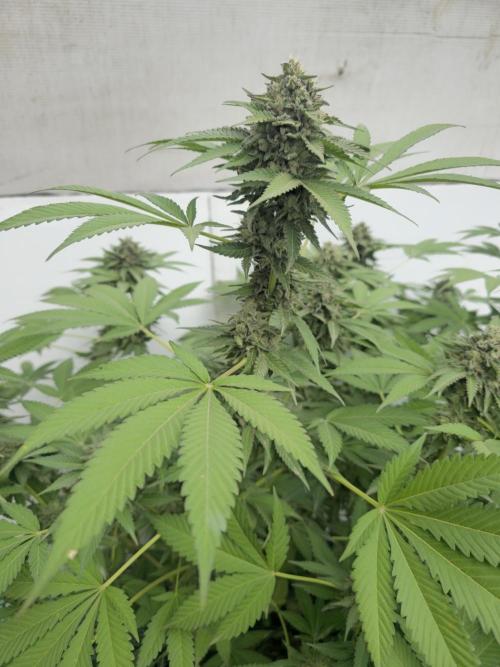
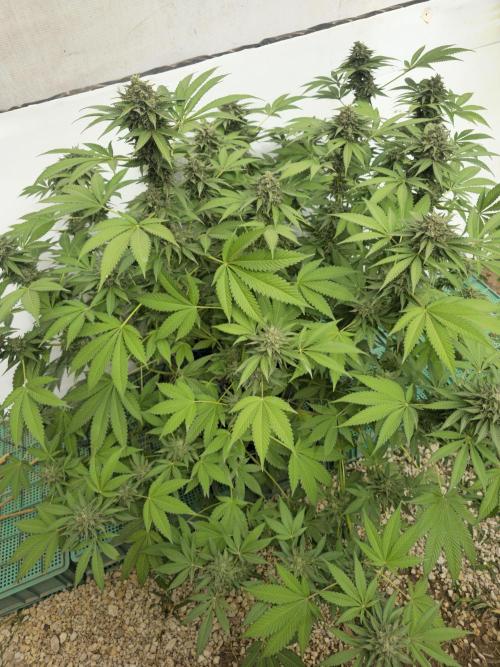
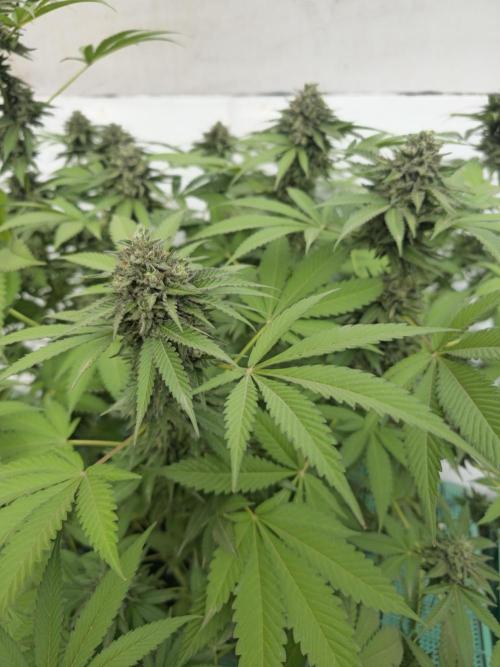
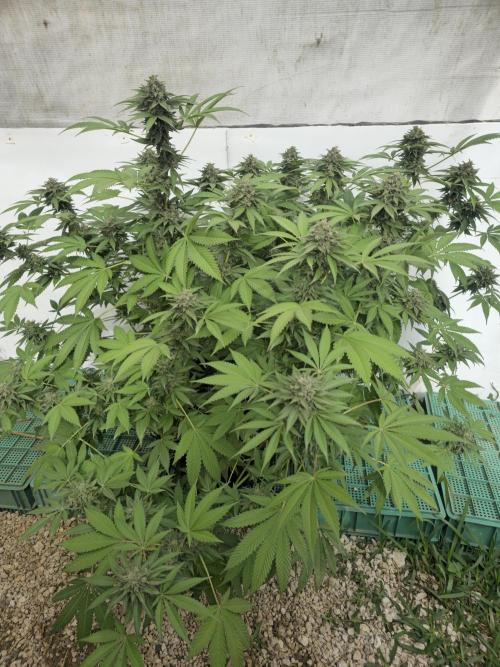
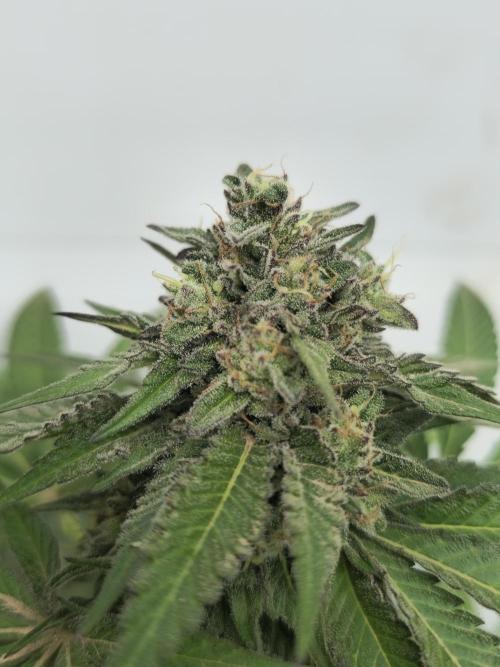
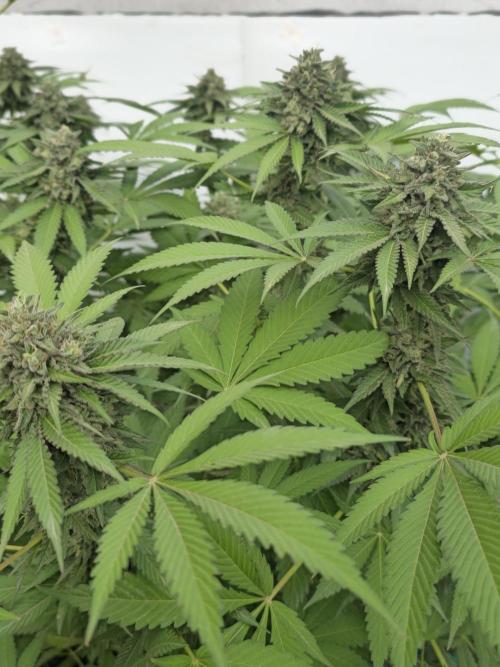
Mexicanasseeds Sixth week of flowering (Nitrate Mobilization - Addition of Mo) Critical moment: We integrate 0.5 ppm of Molybdenum. At this stage, Mo activates the function of nitrate reductase to catalyze the conversion of accumulated nitrates in the vacuoles towards the synthesis of amino acids and proteins. We aim to cleanse the tissue of residual nitrogen salts, redirecting all that chemical energy towards the final density of the flower.
20 likes
2 comments
Share
7
Week 7. Flowering6mo ago
160 cm
Height
12 hrs
Light Schedule
24 °C
Day Air Temp
6.2
pH
Strong
Smell
1100 PPM
TDS
60 %
Air Humidity
21 °C
Solution Temp
25 °C
Substrate Temp
18 °C
Night Air Temp
45.01 liters
Pot Size
6.02 liters
Watering Volume
Nutrients 3
Grow
1.5 mll
Bloom
2 mll
Micro
1.5 mll
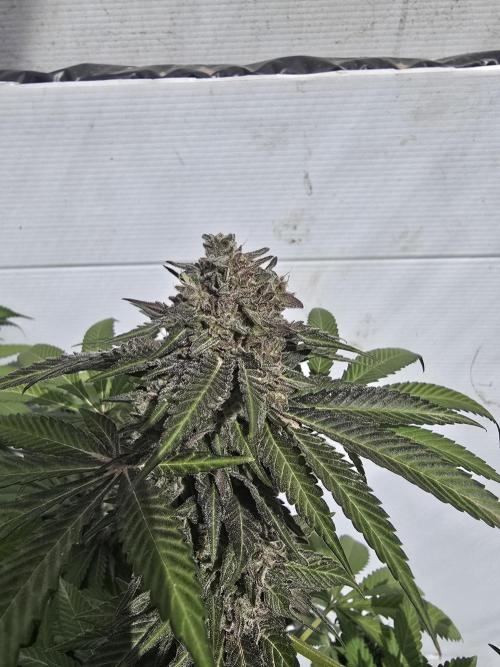
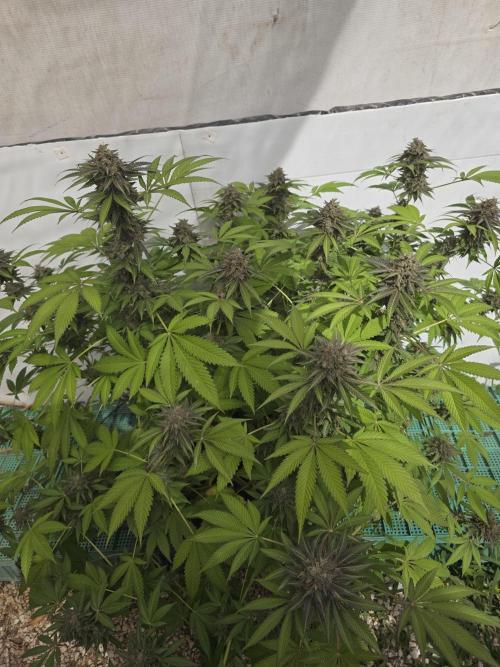
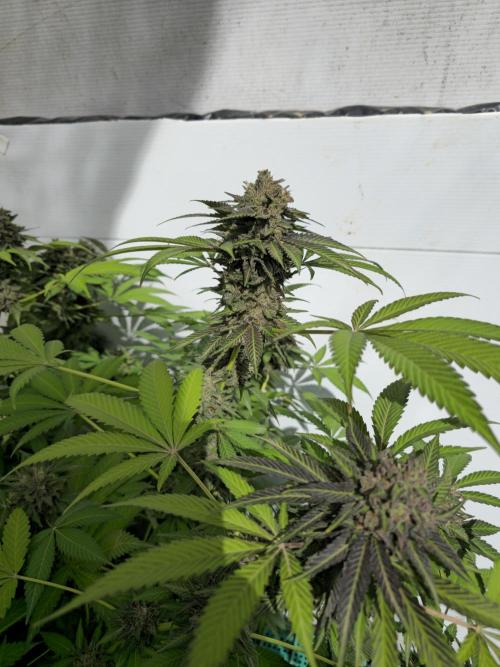
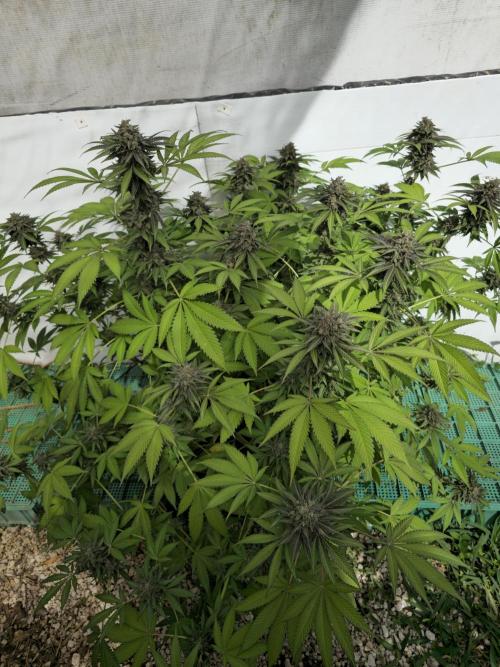
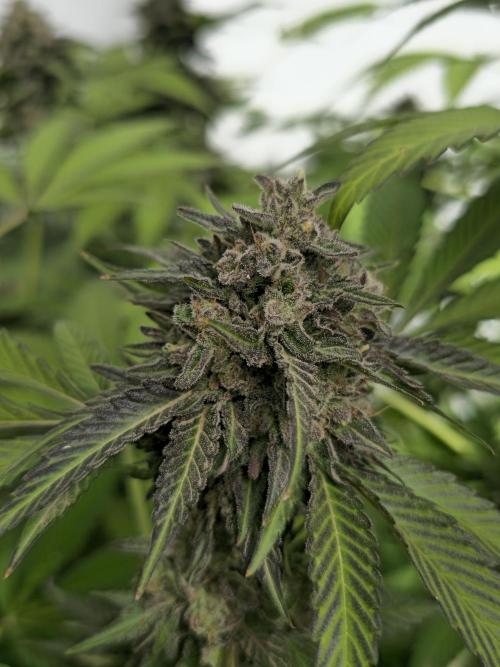
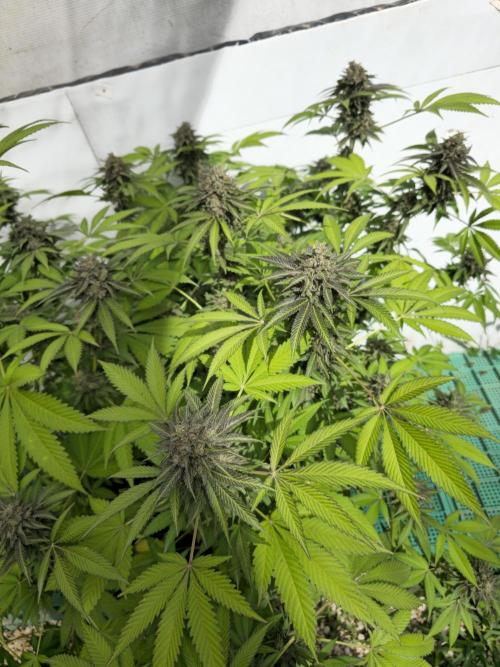
Mexicanasseeds Seventh week of flowering (Ripening and Peak of K) The plant enters its closing phase with a practically null Nitrogen ratio. Molybdenum continues to work on the assimilation of organic nitrogen. Induced and healthy senescence is observed, where energy is concentrated exclusively on finishing the flowering. The structure remains firm and the aromatic profile reaches its peak thanks to the absence of interference from excess Nitrates, revealing the beautiful hidden tones that are always trapped beneath the green color of chlorophyll.
16 likes
1 comment
Share
8
Week 8. Flowering6mo ago
160 cm
Height
12 hrs
Light Schedule
24 °C
Day Air Temp
6.2
pH
Strong
Smell
1100 PPM
TDS
60 %
Air Humidity
21 °C
Solution Temp
25 °C
Substrate Temp
18 °C
Night Air Temp
45.01 liters
Pot Size
6.02 liters
Watering Volume
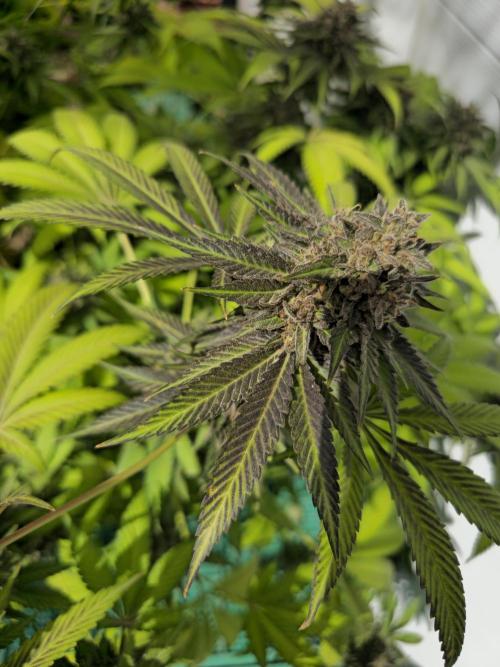
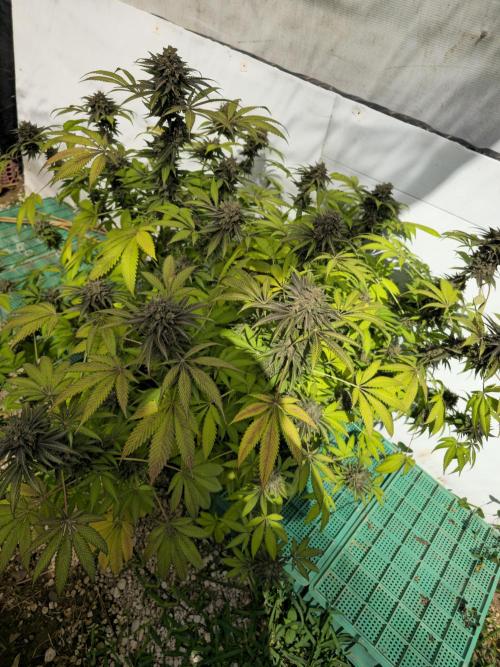
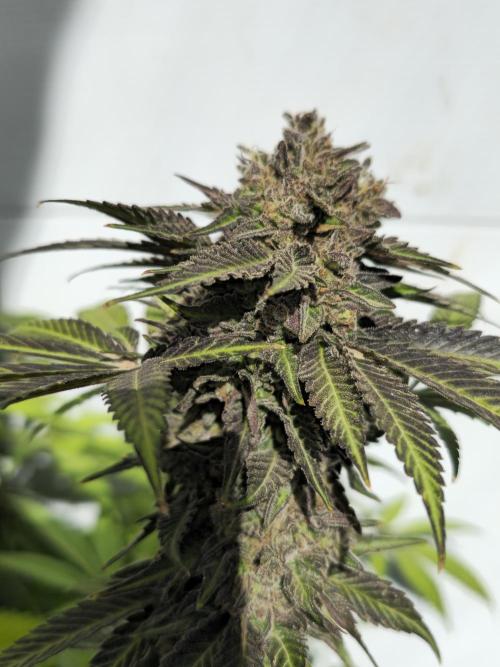
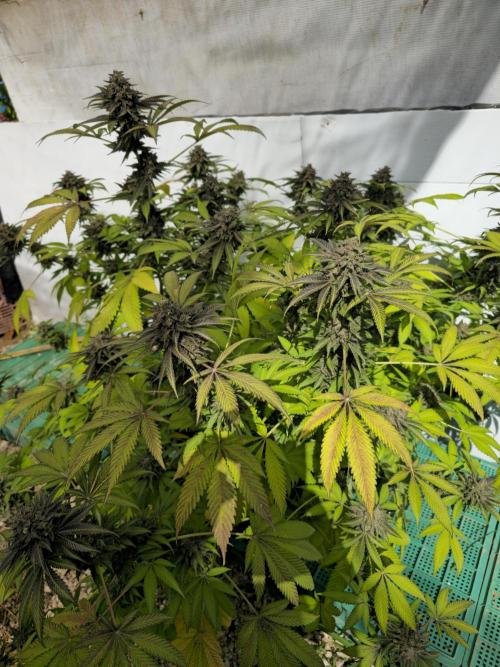
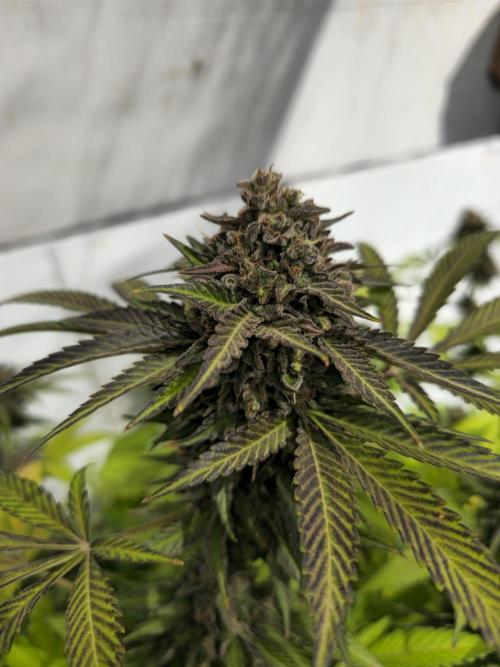
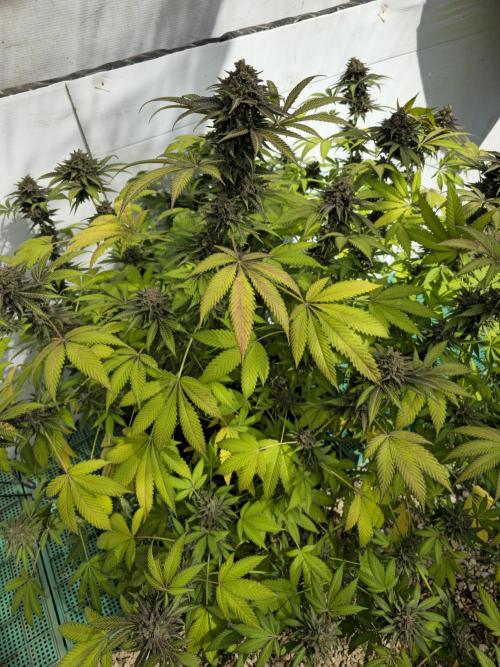
Mexicanasseeds Ripening Phase and Antioxidant Protection (Week 8)
Phenological State: Eighth week of flowering (High-density hybrid).
Programmed Senescence Strategy: A specific nutritional transition has been implemented to induce programmed senescence, focusing on nutrient translocation and the effective removal of residual nitrates in plant tissue.
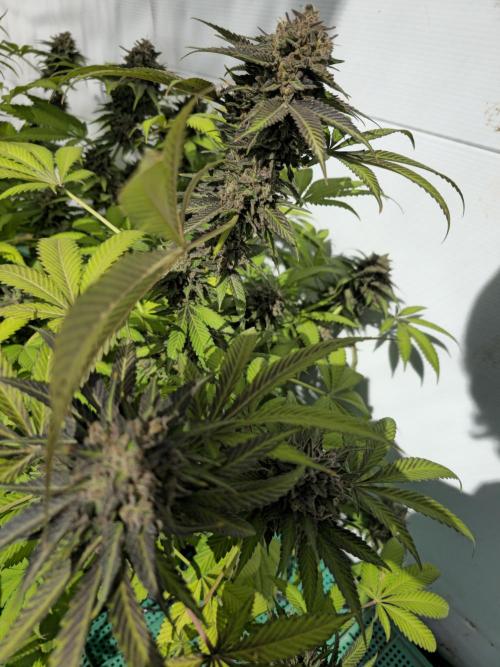
Structural Development: The integration of bioavailable Silicon into the program has resulted in significantly more compact flower structures and stems with greater mechanical strength compared to previous crops.
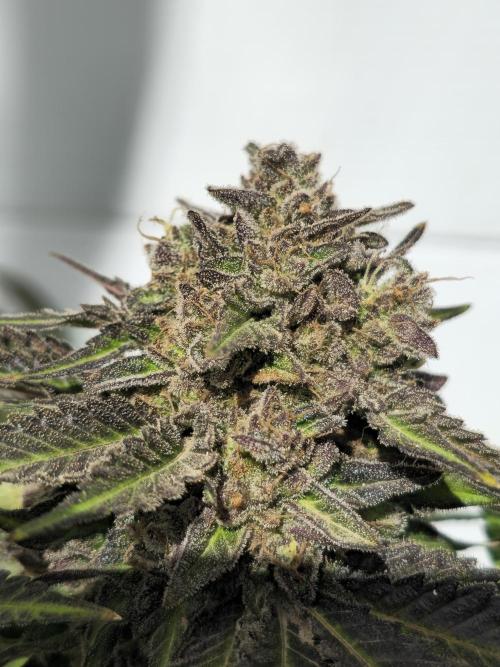
Trichome Protection Protocol: During this week, irrigation has been carried out exclusively with reverse osmosis water (250 ppm ascorbic acid + 100 ppm citric acid). This antioxidant load acts to protect glandular trichomes from premature oxidation caused by water stress and leaching of salts, and potassium silicate was used as a buffer to calibrate the pH at 5.5.
Visual Analysis: Optimal ripening is observed with exceptional resin preservation, confirming that floral architecture and metabolic health are at their peak before the end of the cycle.
22 likes
1 comment
Share
9
Week 9. Harvest6mo ago
Happy Harvest Day!

10/10
Rated
Arquitectura Floral y Densidad
Las flores exhiben una morfología sumamente compacta, resultado directo del manejo de Silicio biodisponible (manteniendo el buffer de 33 a 49 ppm de Si real) que reforzó las paredes celulares durante la fase de engorde.
Brácteas y Cálices: Se observa una estructura de cálices hinchados y superpuestos, característica del linaje Cookies, con una relación cáliz-hoja muy favorable que facilita un manicurado limpio.
Resistencia Mecánica: Gracias a la translocación de azúcares y al uso de hidratos de carbono, las flores mantienen una dureza estructural que evita la pérdida de volumen tras la deshidratación.
Expresión de Tricomas y Resina
El análisis visual confirma que se alcanzó el punto óptimo de maduración antes del corte:
Cobertura Glandular: Las flores están literalmente "nevadas" por una densidad masiva de tricomas capitado-pedunculados.
Preservación de Cannabinoides: La protección con Ácido Ascórbico y el control de la ruta del Ácido Salicílico evitaron la oxidación prematura. Los tricomas presentan una coloración predominantemente lechosa con destellos ámbar, indicando el pico máximo de THC y una degradación mínima hacia CBN.
Coloración y Senescencia Secundaria
Perfil Antociánico: Se aprecian matices púrpuras y lavanda profundos entrelazados con el verde bosque de los cálices. Esta coloración es producto de una senescencia programada exitosa, donde el escalonamiento gradual del Nitrógeno (basado en Saloner & Bernstein) permitió que la planta degradara la clorofila para revelar pigmentos secundarios (antocianinas) como respuesta al estrés abiótico controlado.
Pistilos: Los estigmas muestran un tono naranja cobrizo intenso, completamente retraídos hacia el interior del cáliz, confirmando la madurez fisiológica total al momento de la cosecha.
El resultado final muestra un equilibrio perfecto entre la biomasa y el rendimiento de metabolitos secundarios. Al no exceder los 160 mg/L de N en la solución nutritiva
Show more
Translate
Spent 57 days
Ger Veg Flo Har
600 g
Bud wet weight per plant
1
Plants
1.6 m²
Grow Room size
Easy
Difficulty
Height
Day air temperature
Air humidity
PPM
PH
Light schedule
Solution temperature
Night air temperature
Substrate temperature
Pot size
Mexicanasseeds Harvest: Day 63 - Optimal Harvest
Nutritional Dynamics and Translocation of Metabolites
The success of this cycle relies on the strict execution of the gradual scaling of Nitrogen (N). Following the findings of Saloner & Bernstein (2021), we reduced the N supply as flowering progressed to avoid antagonism with the synthesis of secondary metabolites.
Sweet Spot of N: By keeping the N flow below 160 mg/L and finishing close to 0-50 ppm during the ripening phase, we managed to "turn off" the energy investment in foliar biomass.
Translocation of Sugars: This programmed N deficiency induced a massive translocation of carbohydrates from the fan leaves to the inflorescences. The plant, upon detecting low nitrate availability, prioritized the mevalonic acid pathway and the MEP/DOXP pathway, maximizing the biosynthesis of cannabinoids and terpenes instead of structural amino acids as documented in the article by Saloner and Bernstein.
Analysis of Glandular Trichome Status
The decision to harvest on day 63 was based on a micro-morphological analysis of the trichomes:
Chromatic Maturity: A 90% presence of milky (opaque) trichomes and 10% amber trichomes was observed. This ratio is the point of maximum THC concentration thanks to the application of 250 ppm of Ascorbic Acid as an antioxidant in the last week, just before the enzymatic degradation to CBN.
Structural Integrity: Thanks to the contribution of bioavailable Silicon (maintaining the buffer of 40-49 ppm of Silicon), the heads of the glandular trichomes showed superior mechanical resilience, preventing premature breakage and oxidation of the essential oils.
Metabolic Health and Antioxidant Protection
The implementation of the Ascorbic Acid protocol (250 ppm) and Salicylic Acid (70 ppm) in the final stretch was decisive:
Neutralization of ROS: Ascorbate acted as a potent systemic antioxidant, neutralizing the Reactive Oxygen Species (ROS) generated by high radiation and heat from the outside, preserving the transparency and purity of the resin.
Defense Priming: Salicylic acid kept the SAR pathway active, ensuring that the plant's immune system remained alert against opportunistic pathogens during the controlled water stress period (dry-backs) prior to harvest.
The floral architecture shows an exceptional density of calyxes, characteristic of the Cookies lineage, with a resin coverage that confirms impeccable management of abiotic stress and mineral nutrition based on scientific evidence.
32 likes
11 comments
Share
11 comments
Sort by
popularity
popularity
newest
oldest

fabialien071 commented4mo ago
excellent grow, I would like to try the genetics to grow it in water. greetings 👽✨️🍃
like 1

Mexicanasseeds commented4mo ago
@fabialien071, We greatly appreciate your interest. Growing these genetics in hydroponic systems is undoubtedly the best way to observe their maximum metabolic potential, especially due to the precise response they show to author nutrition protocols and induced elicitation.
I take this opportunity to inform you that we are currently in discussions with the administrative team at @GrowDiaries to formally integrate our varieties into their global database. The goal is to establish an official presence that will allow us to coordinate promotions, dynamics, and cultivation tournaments directly within the platform in the near future.
We invite you to stay tuned for our updates to be among the first to participate in these projects. Best regards. 👽✨
like 1
fabialien071 commented4mo ago
@Mexicanasseeds, thank you very much! I’m really interested in trying out genetics from fellow Mexicans. I’ll be keeping an eye on @GrowDiaries to be one of the first to get the seeds and start my grow diary. Thanks for the consideration. 💥🔥👽🇲🇽🌮
Best regards.
likes
squalino commented6mo ago
beautiful plant congratulations
like 1
Mexicanasseeds commented6mo ago
@squalino, thank you very much my friend, we'll soon share new projects
likes 2
squalino commented6mo ago
@Mexicanasseeds, so I wish you good luck with your new project!
like 1
squalino commented6mo ago
beautiful plant congratulations
like 1
Mexicanasseeds commented6mo ago
@squalino, thank you very much, my friend. I will upload new content very soon.
likes

Daw33d41 commented4mo ago
Look stunning! Perfect
like 1

Bogsquatch commented5mo ago
Wow so beautiful 🙌
like 1

Growfather1 commented6mo ago
Great job mate 👏👏
like 1

the end.
Enjoying this diary? Follow for more updates!

Prefer the old Diary view?
Go back to the old Diary view