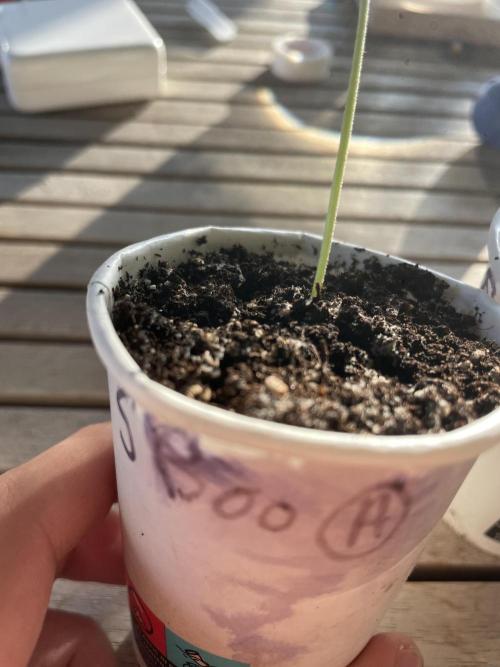
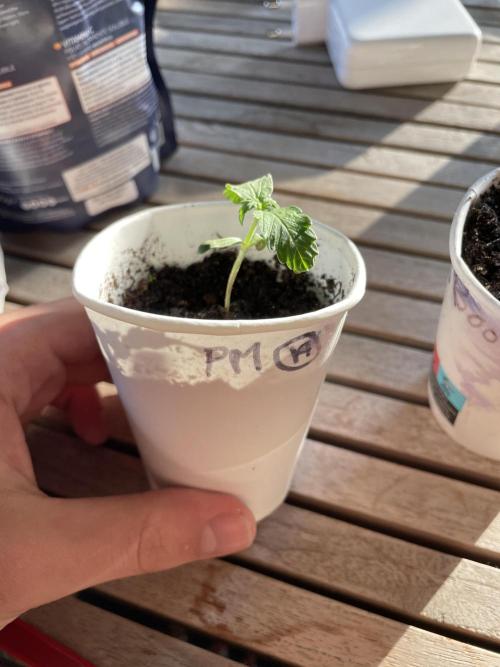
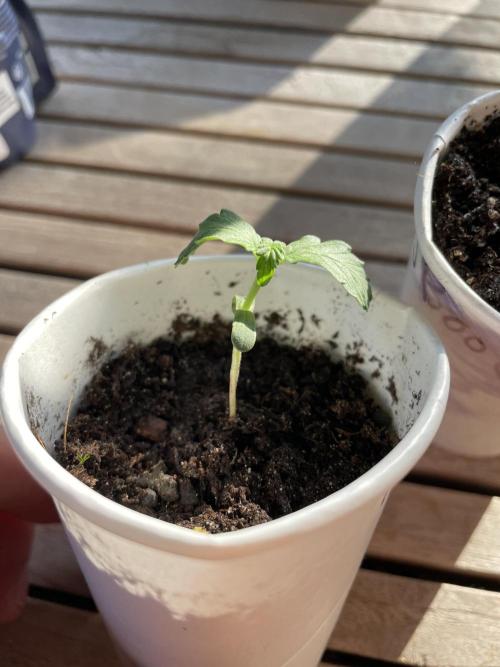
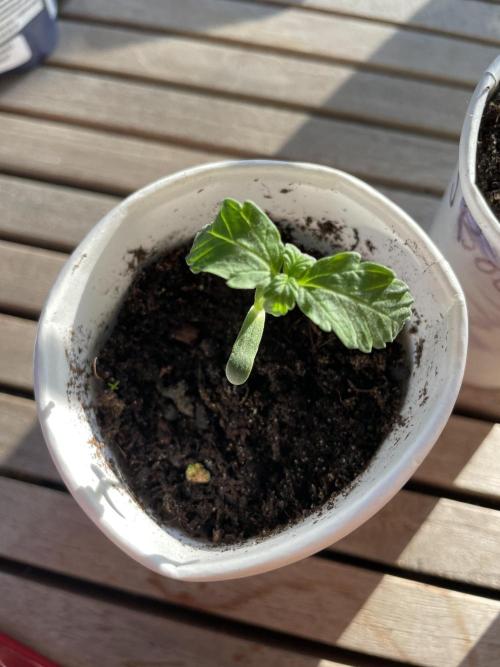
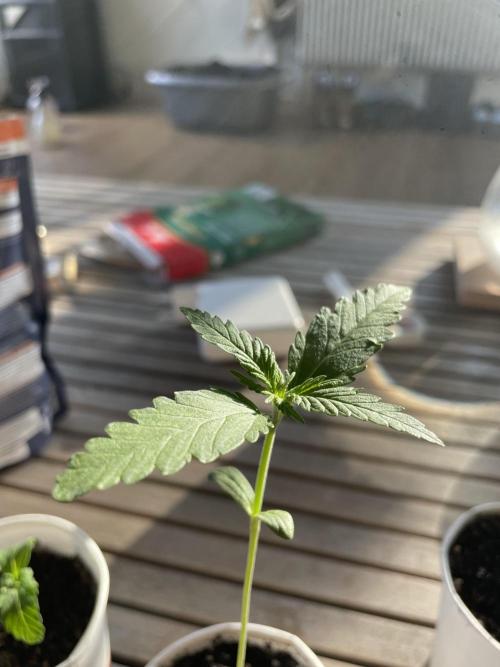
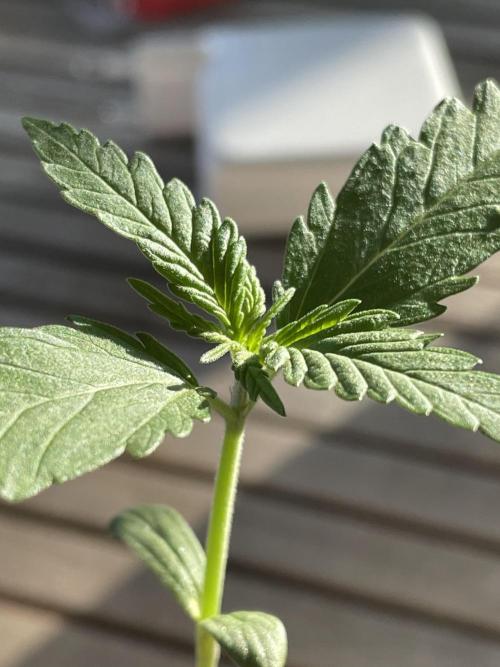
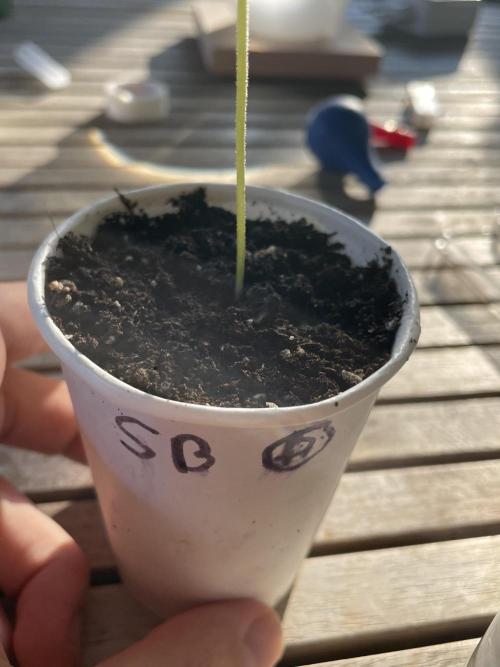
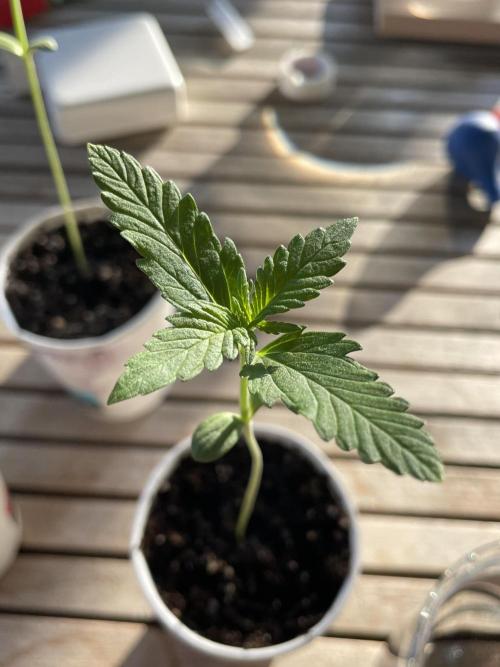
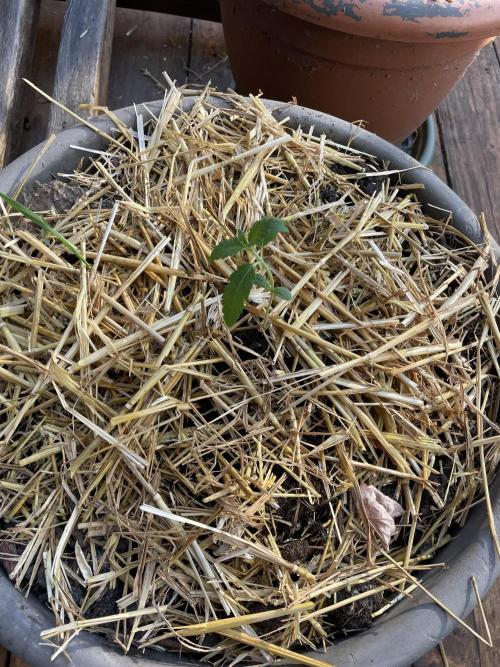
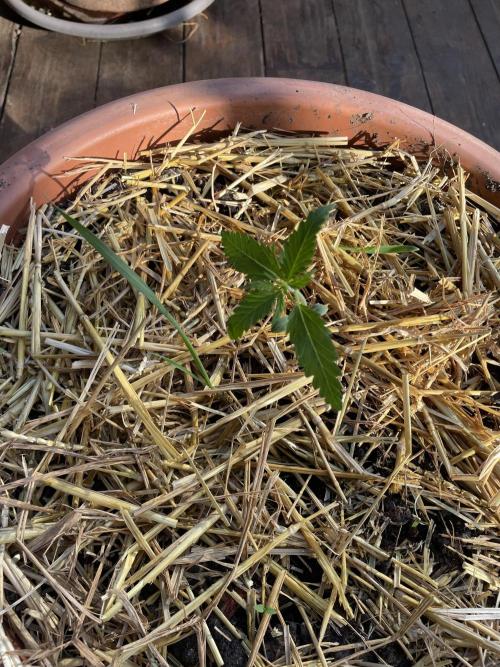
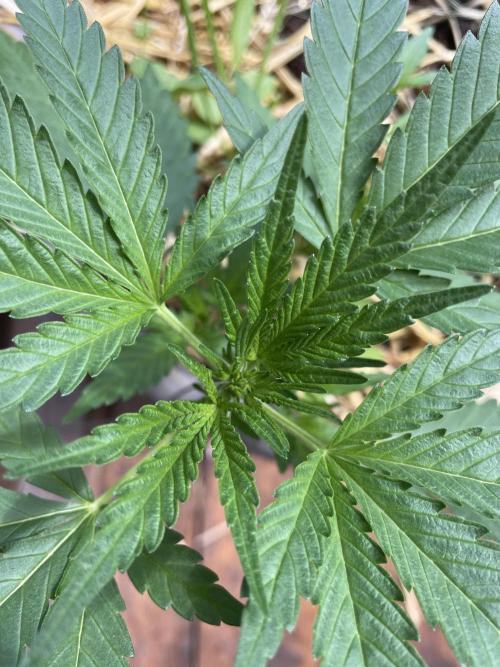
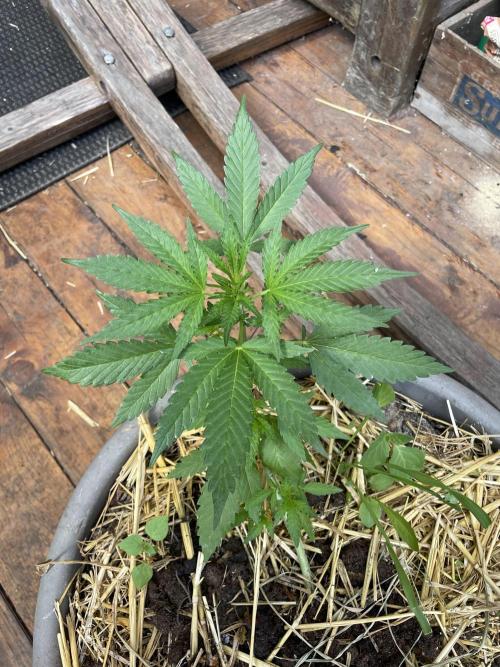
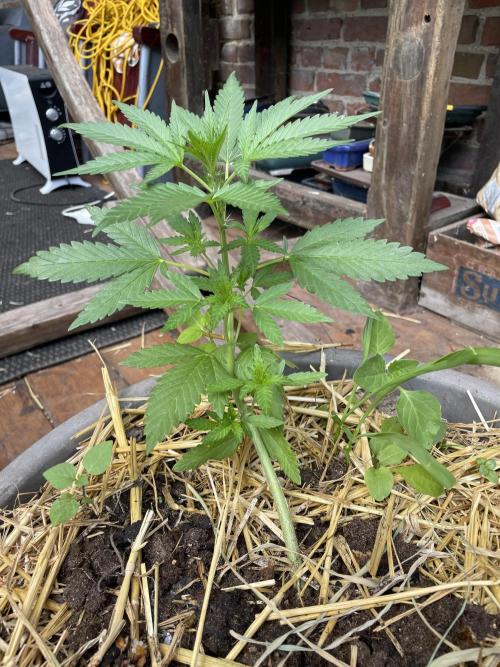
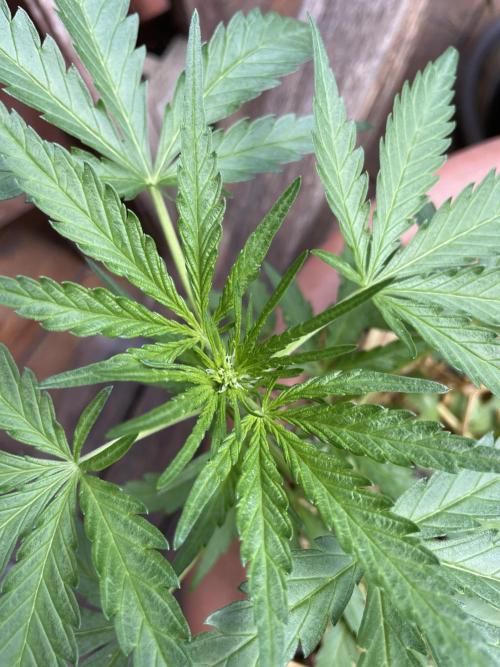
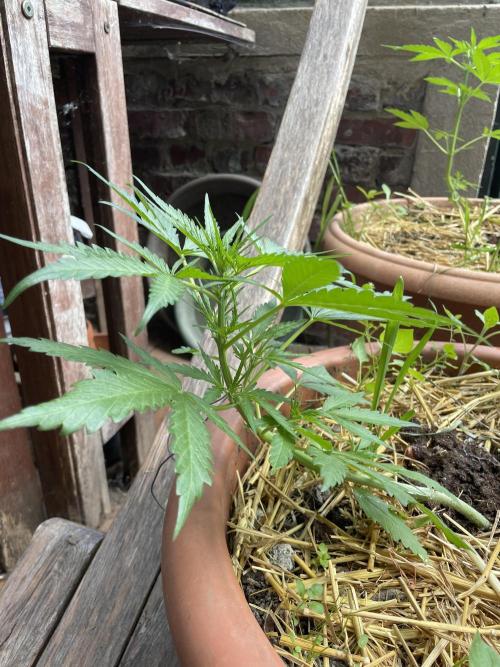
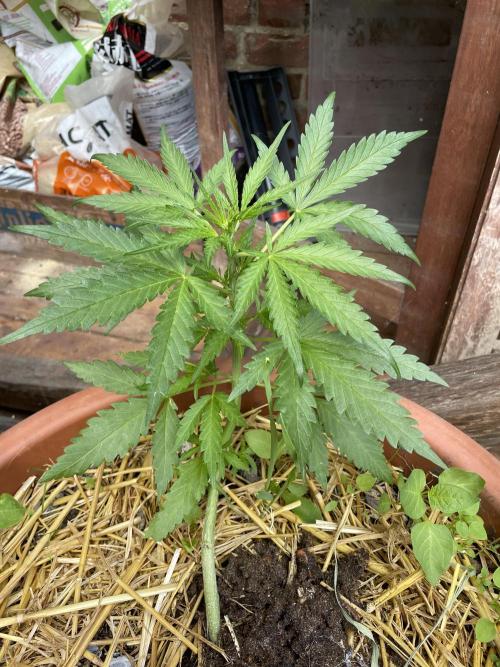
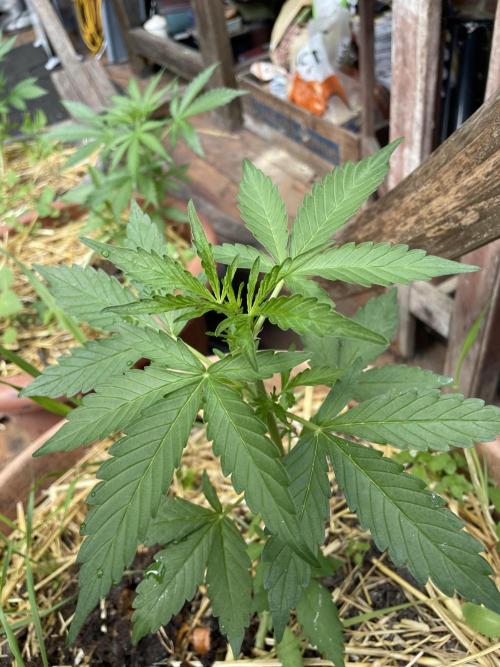
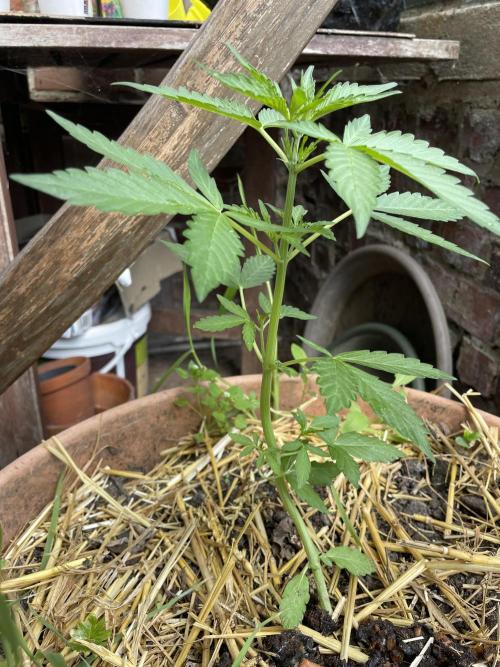
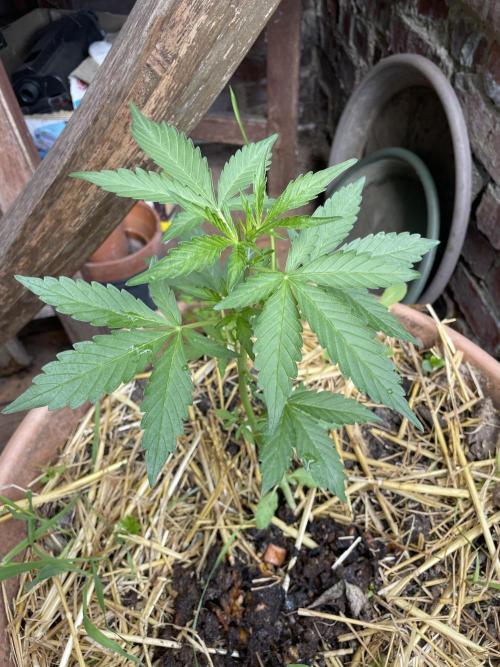
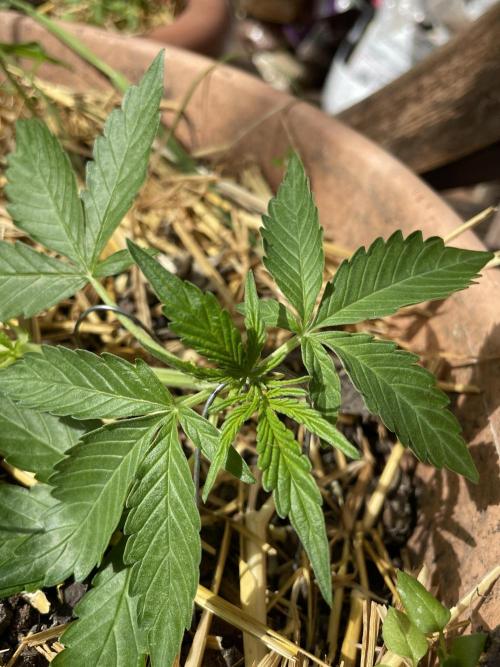
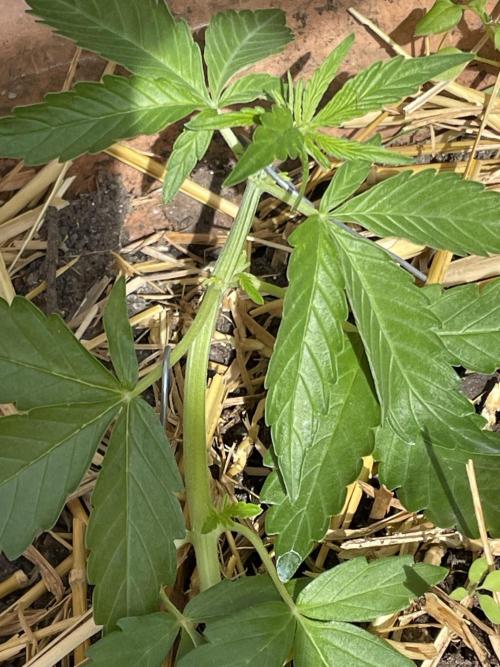
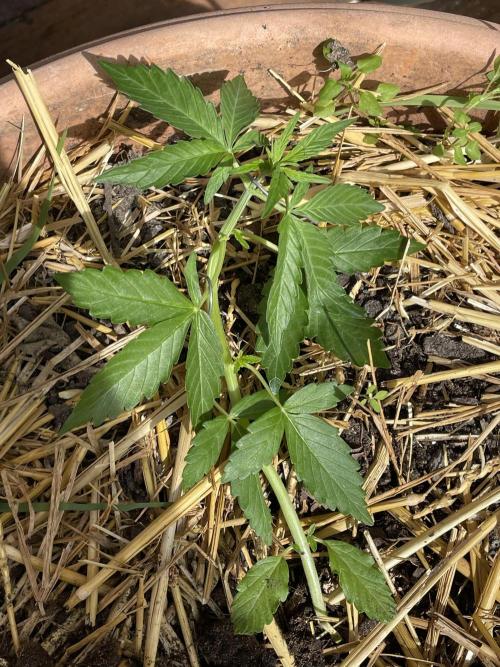
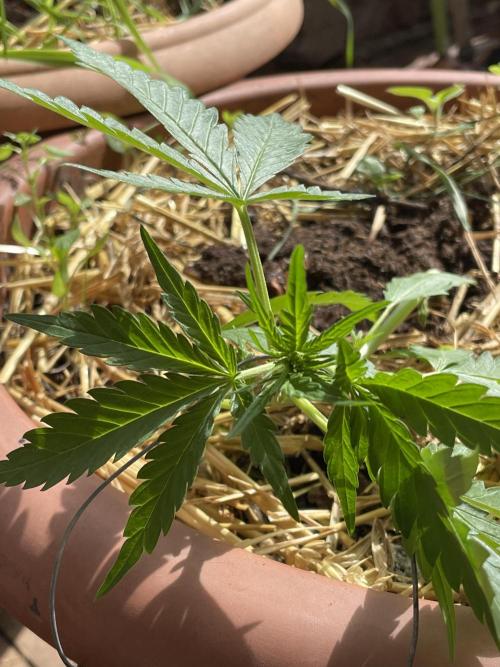
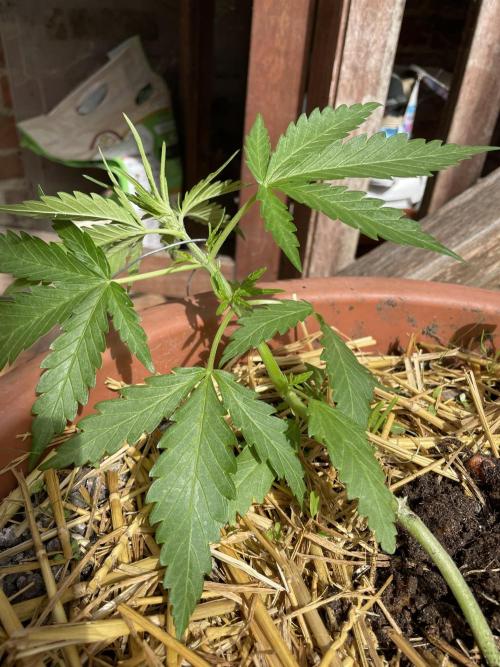
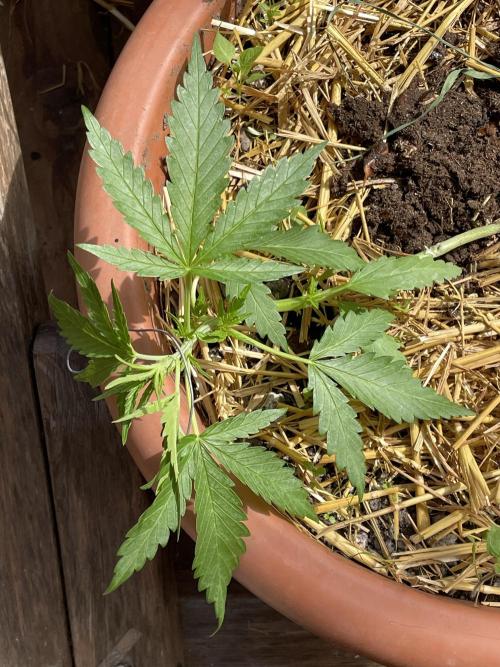
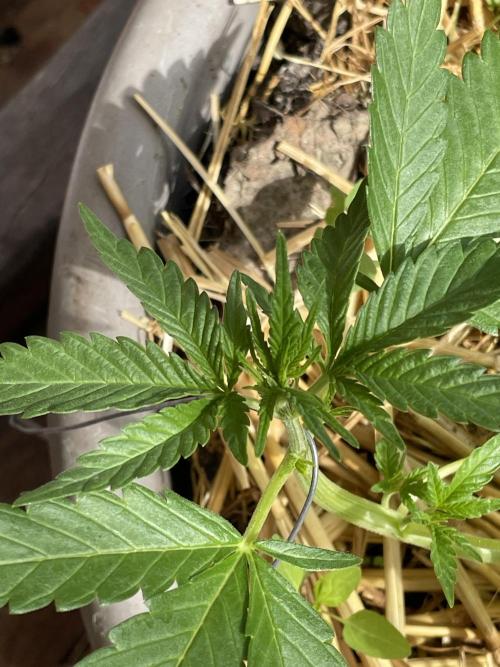
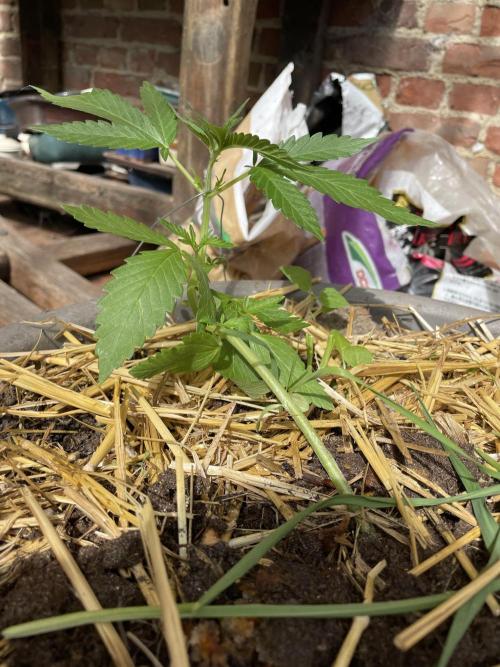
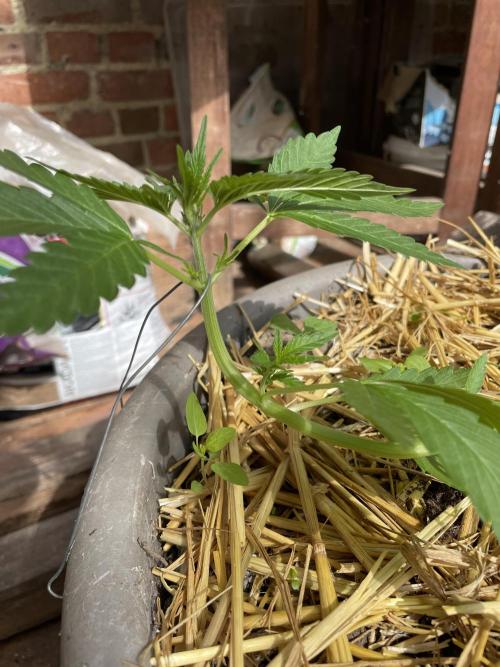
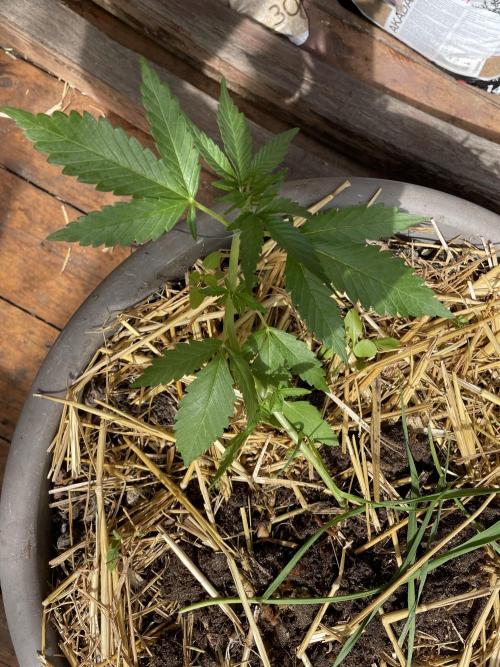
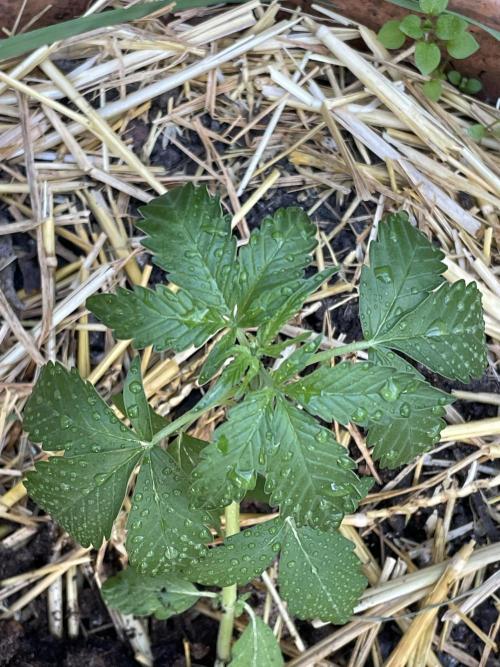
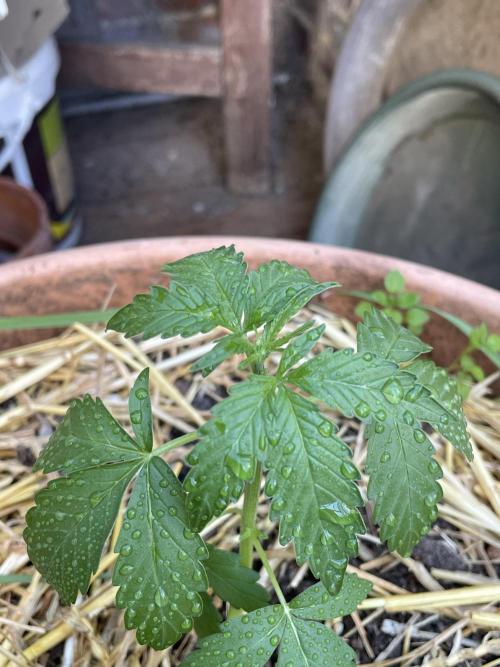
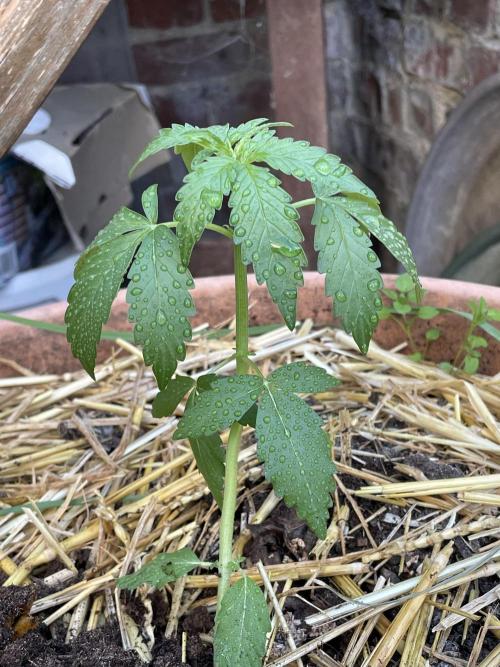
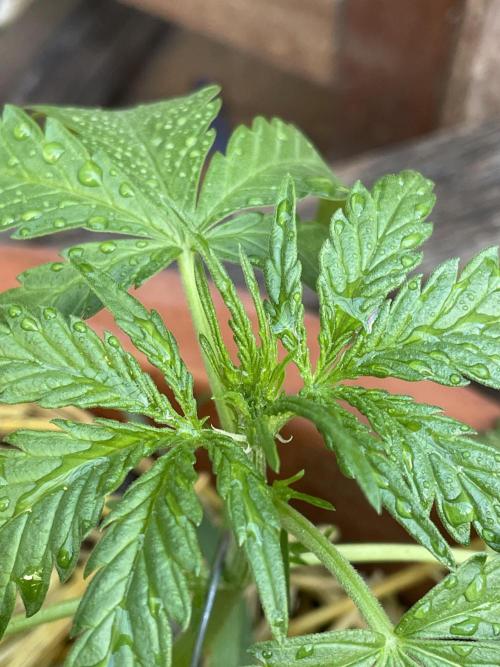
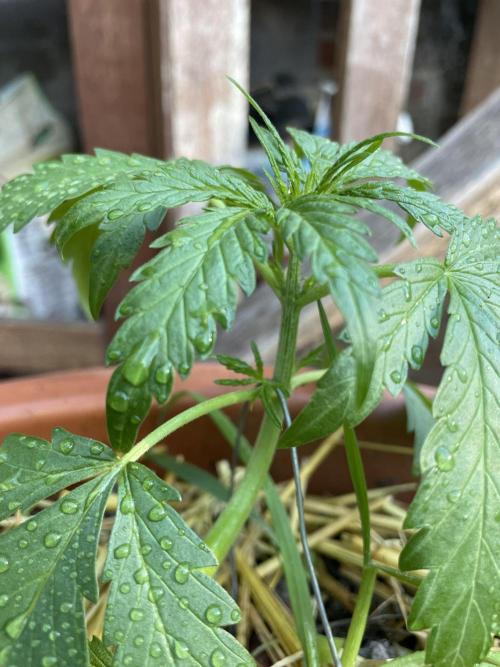
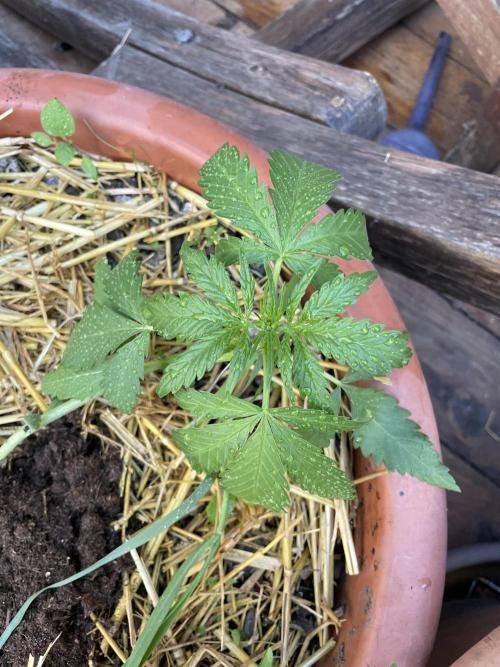
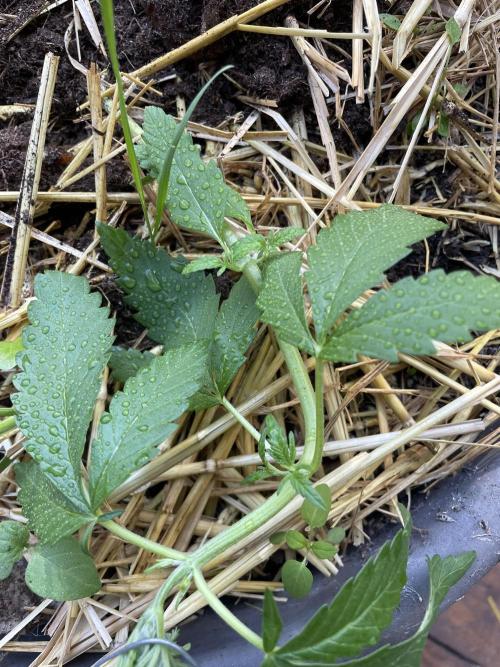
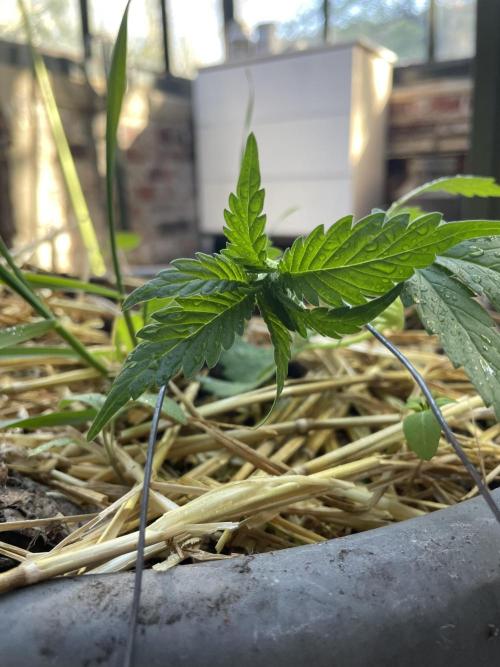
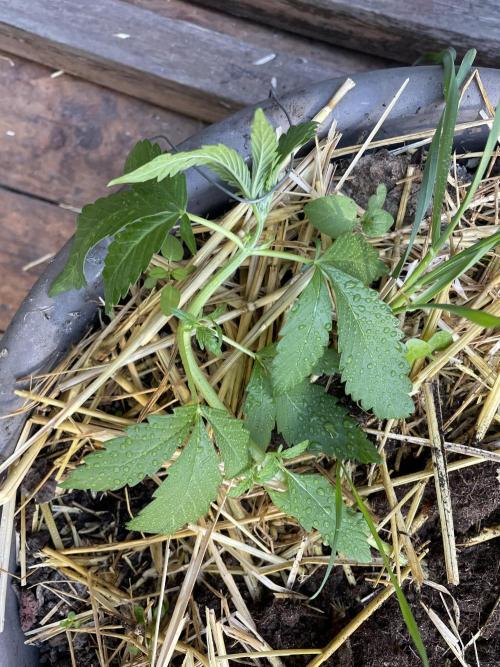
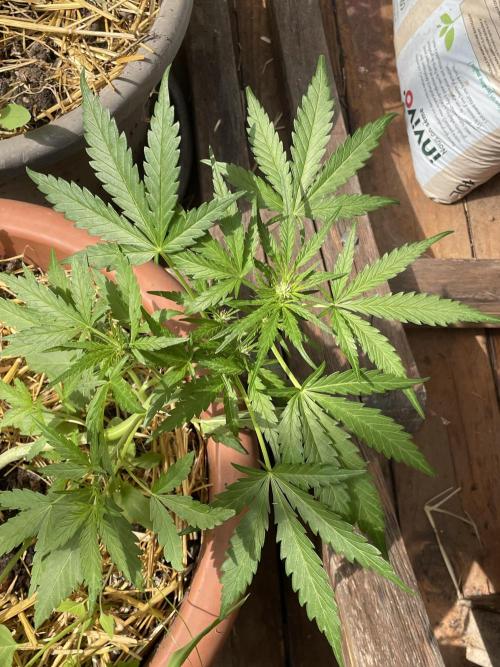
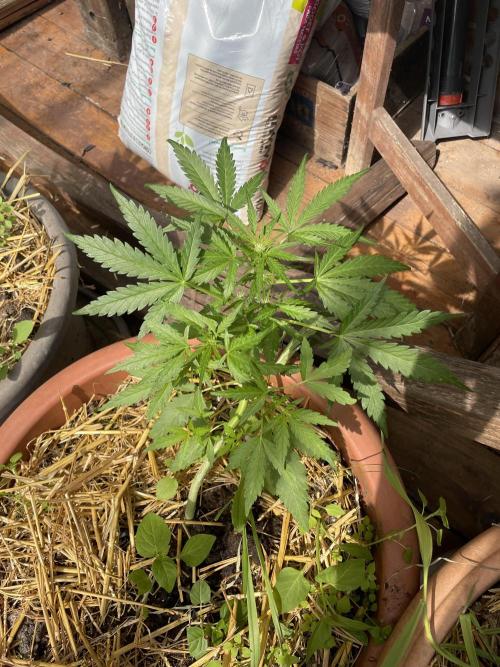
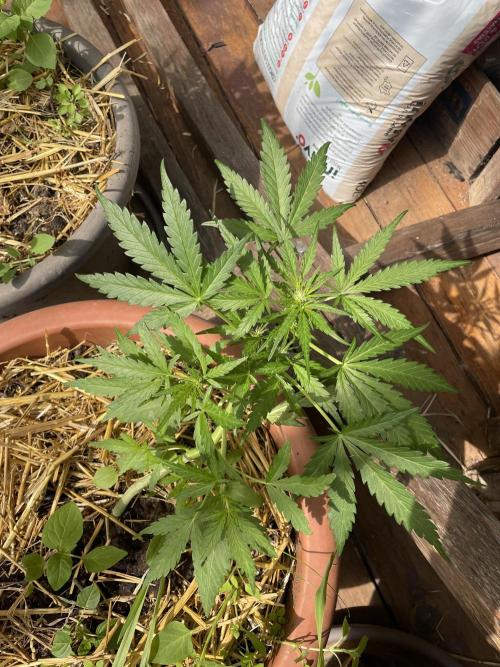
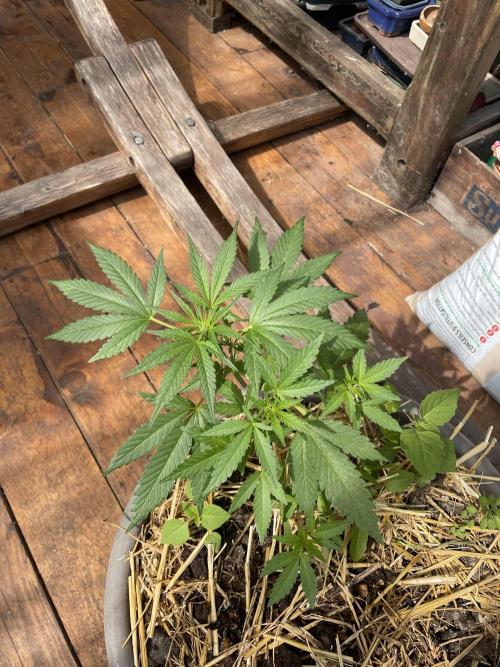
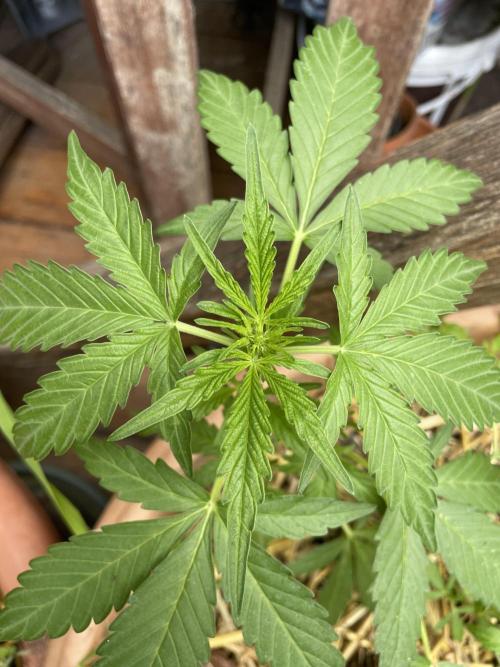
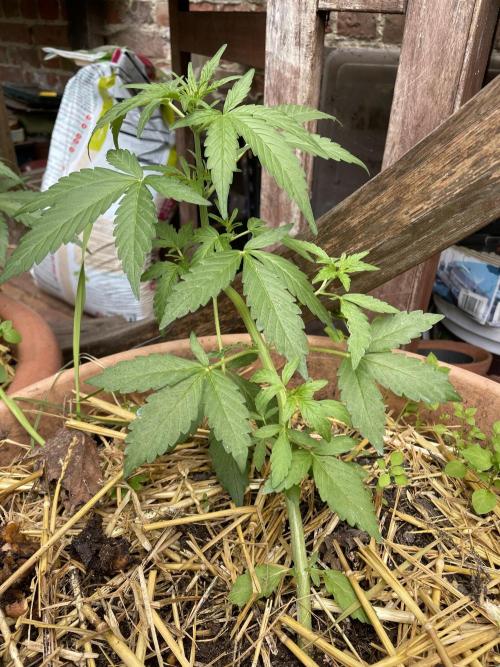
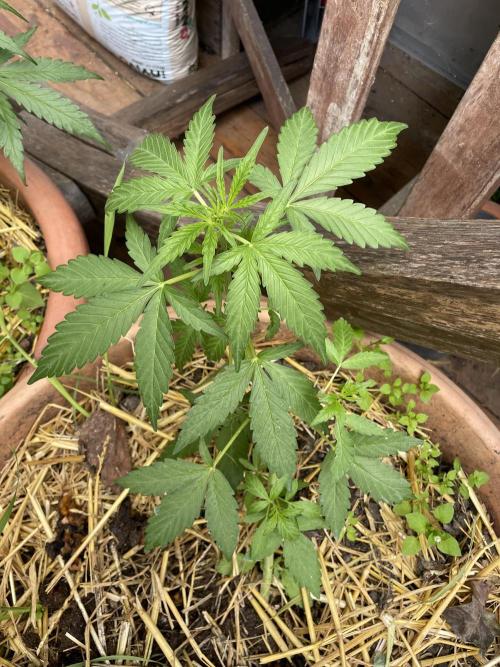
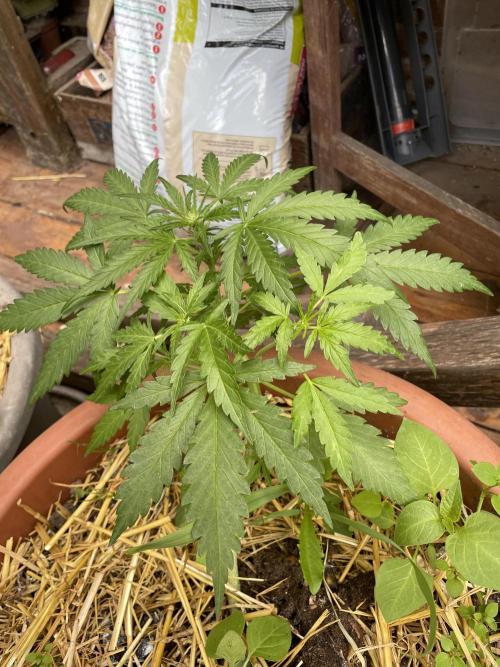
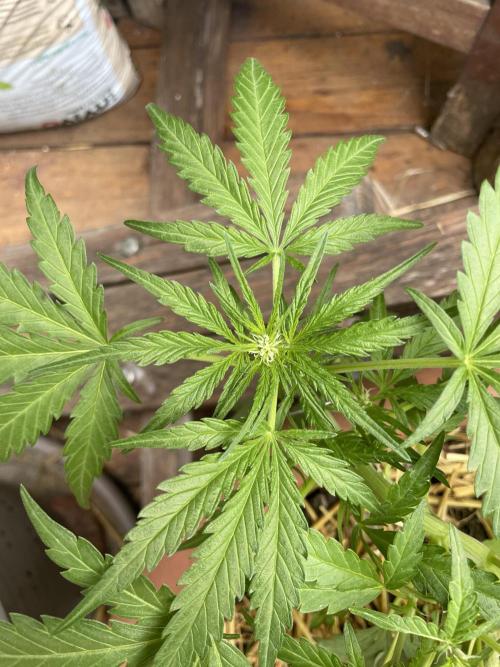
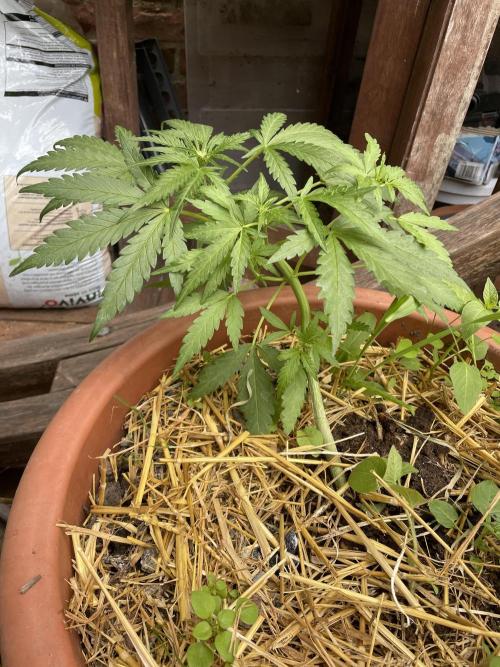
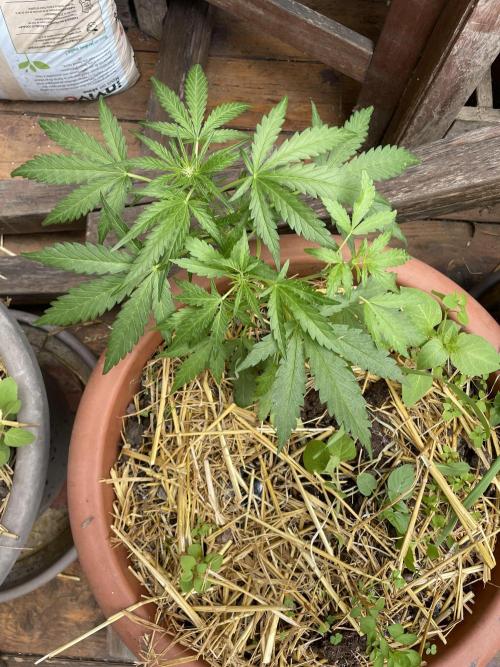
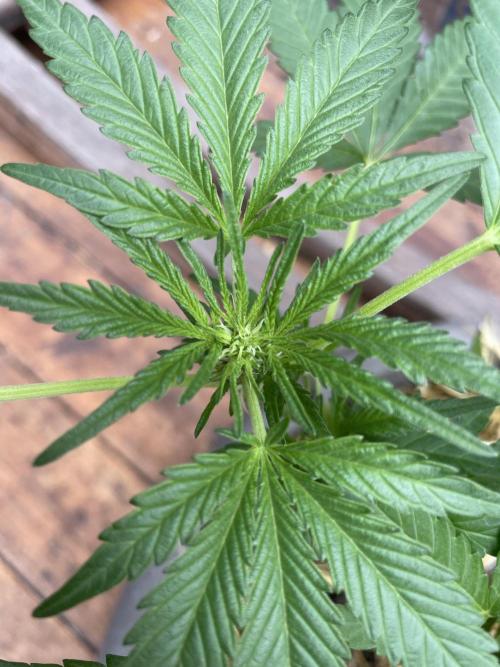
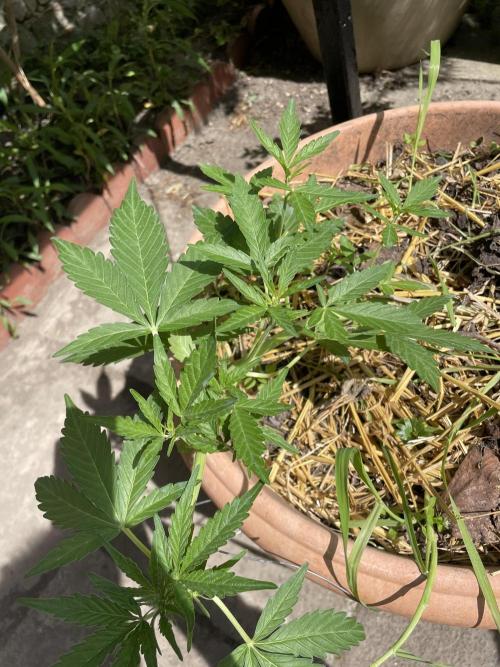
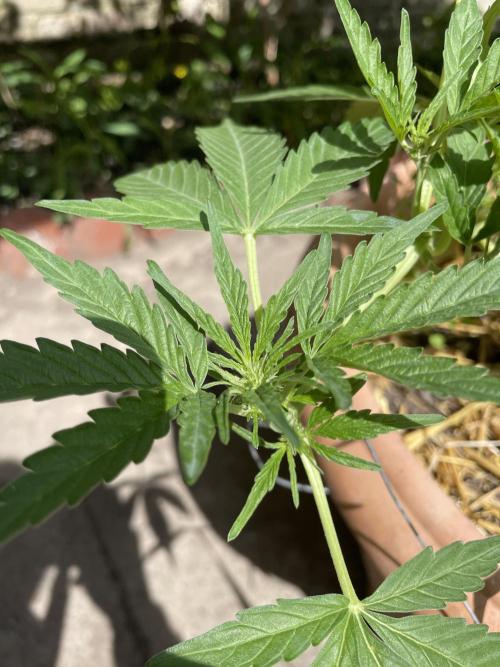
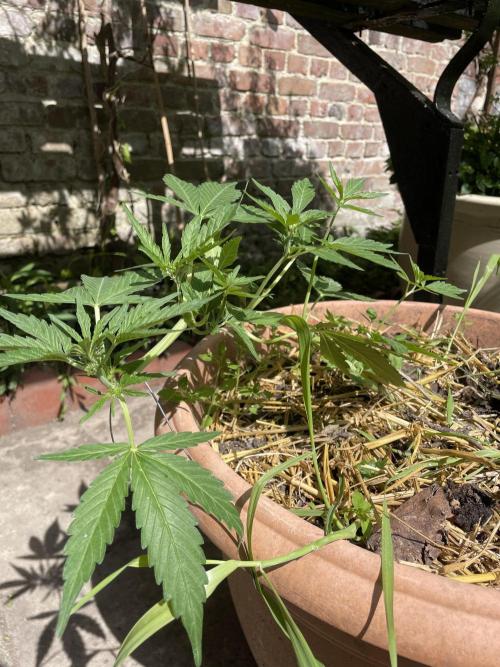
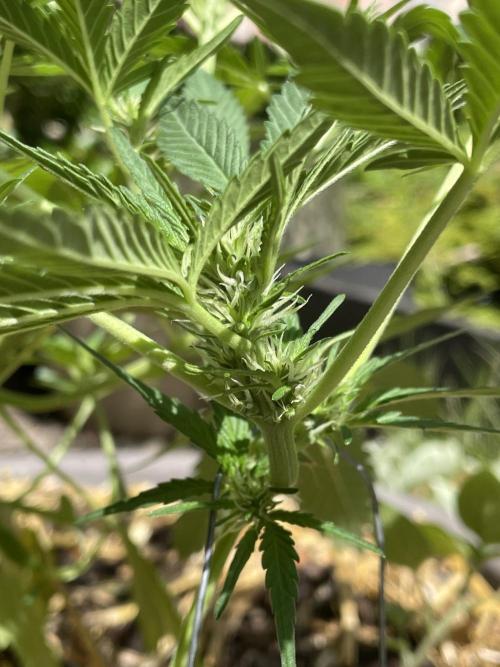
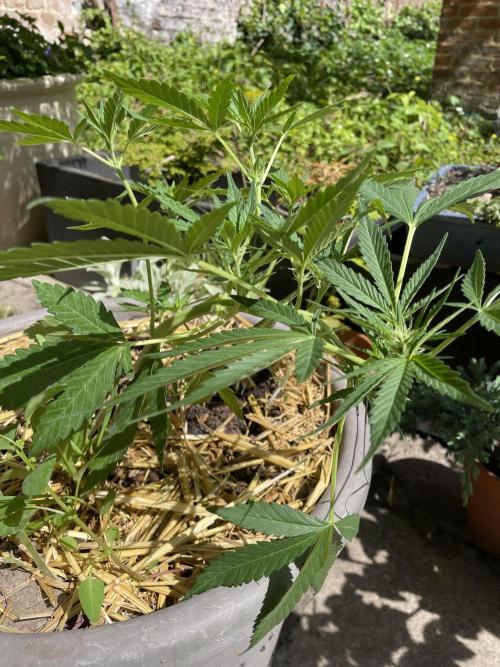
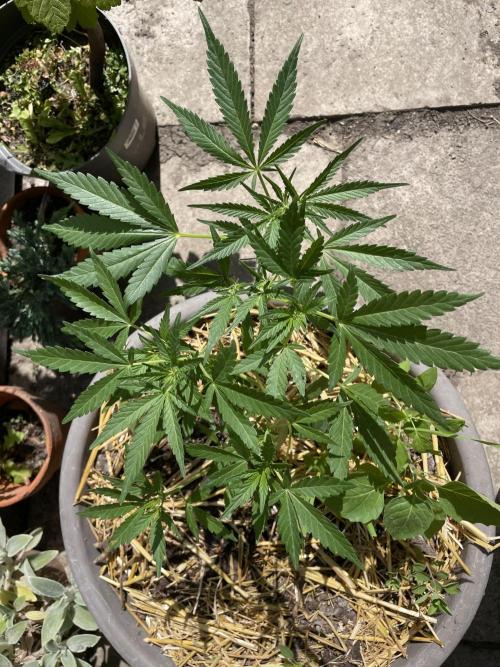
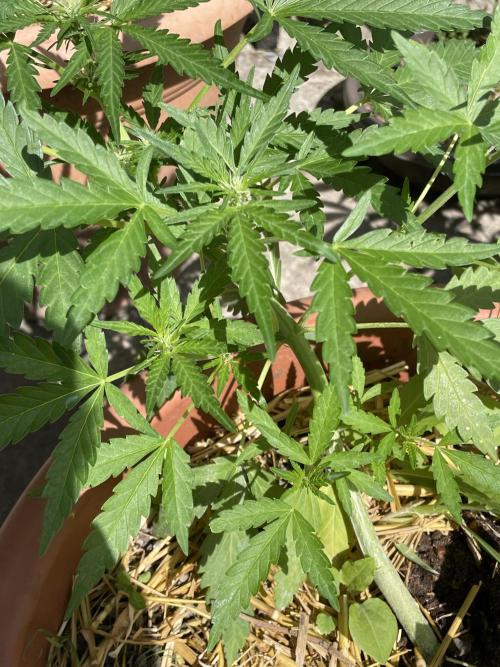
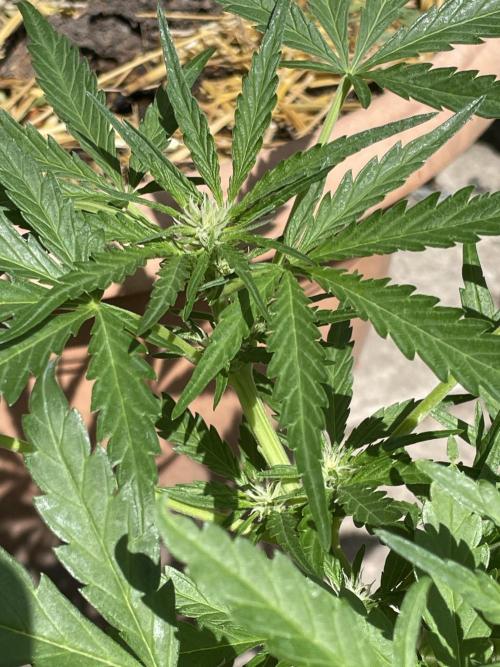
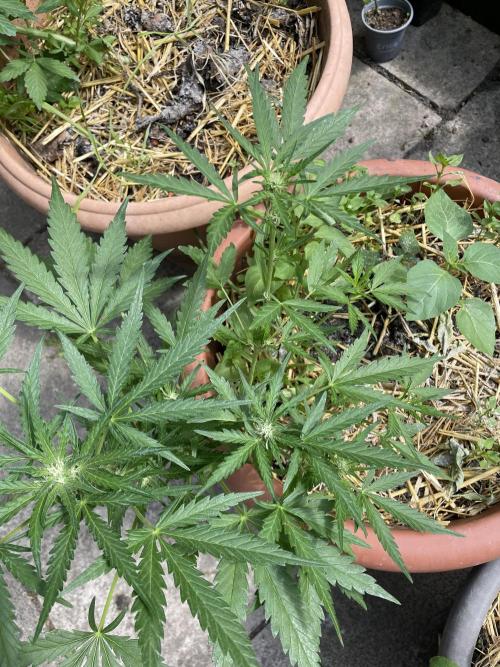
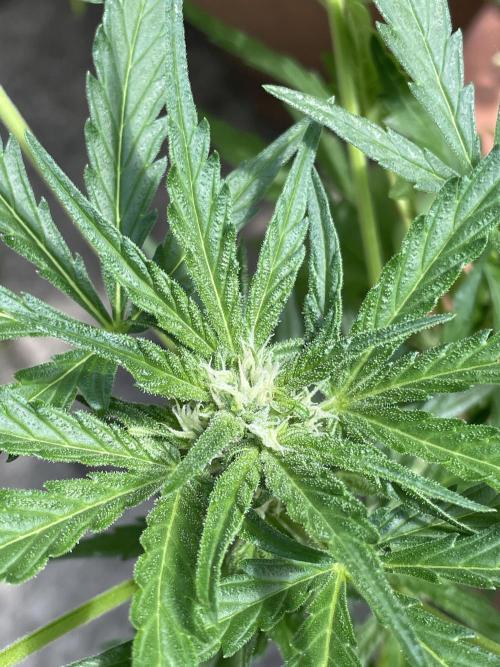
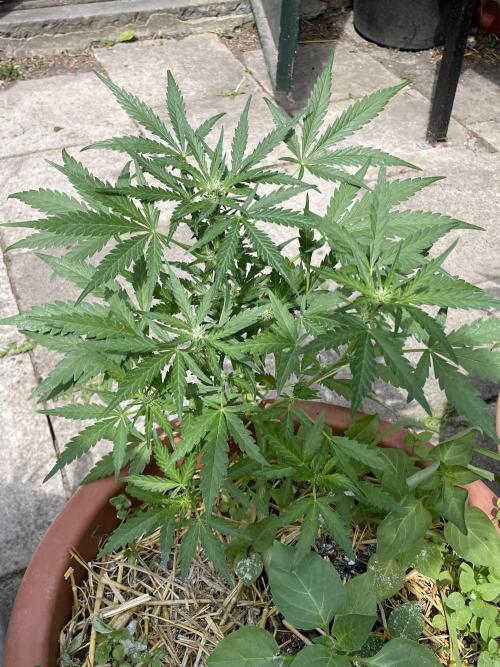
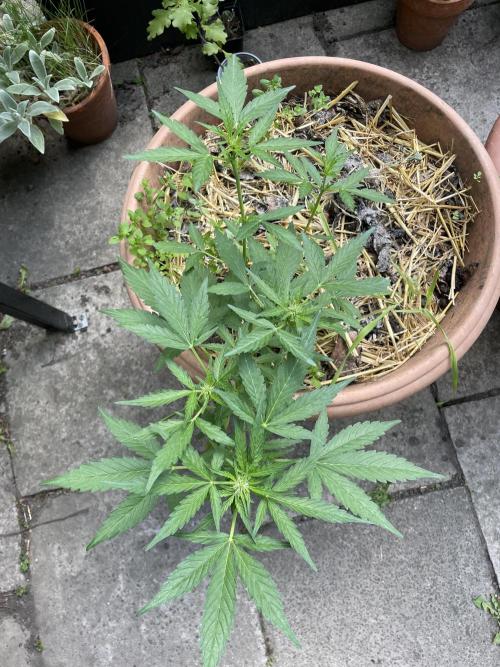
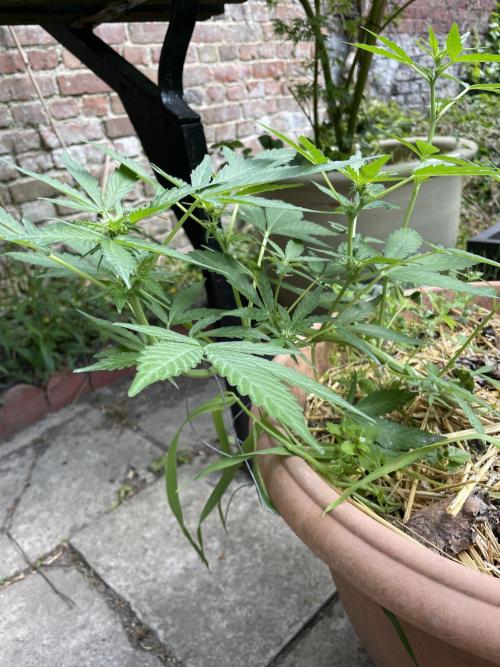
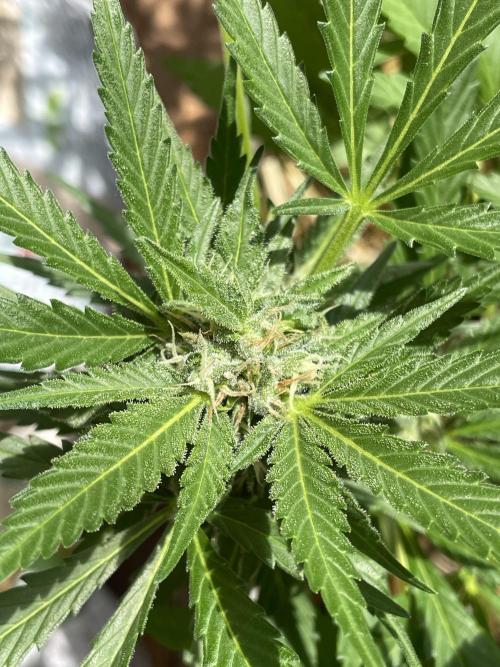
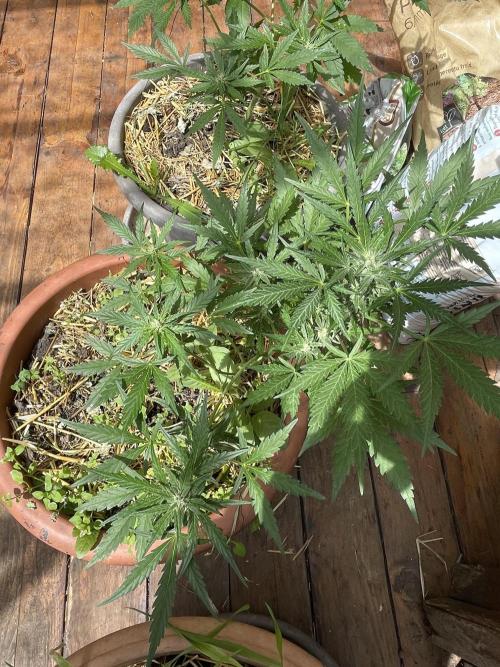
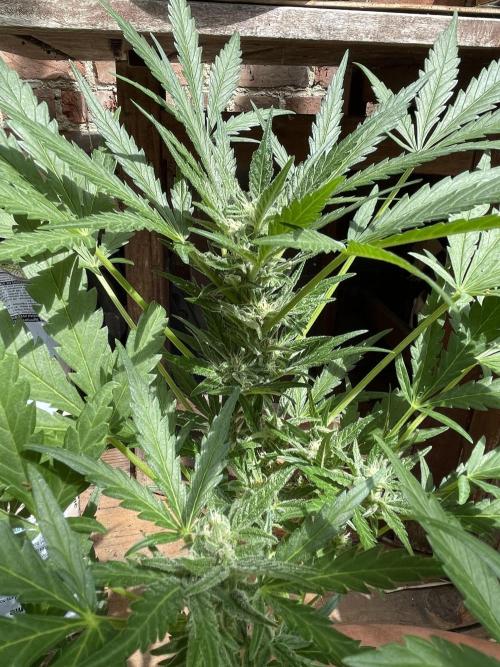
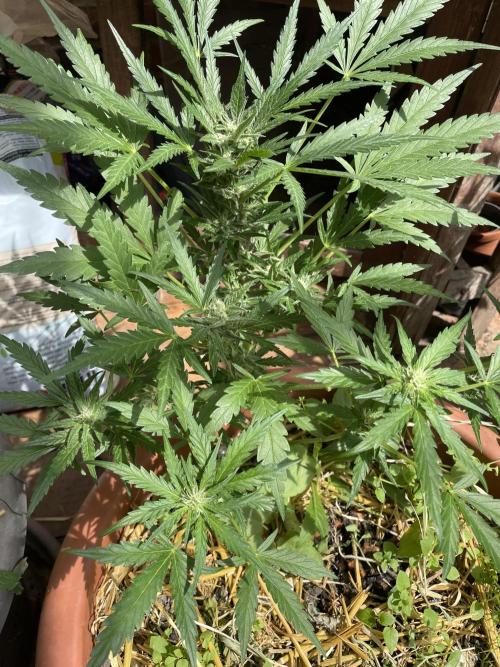
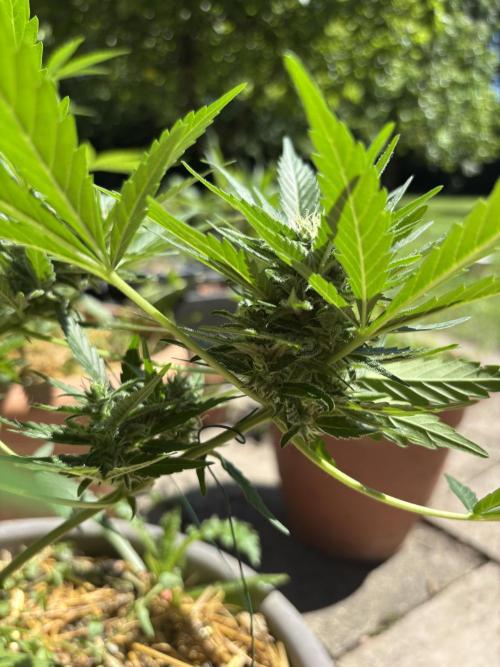
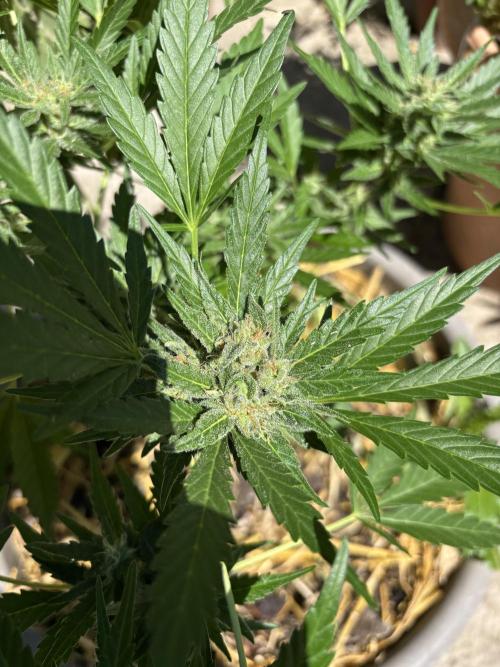
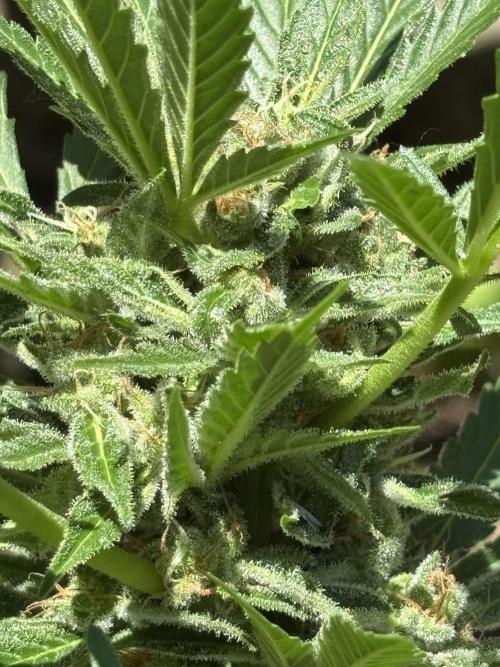
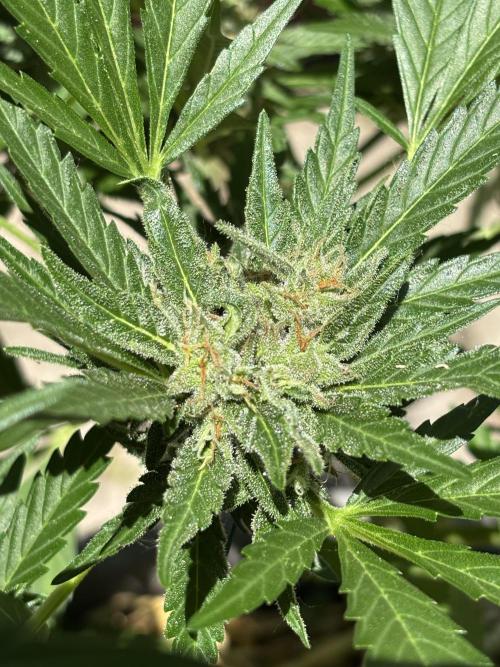
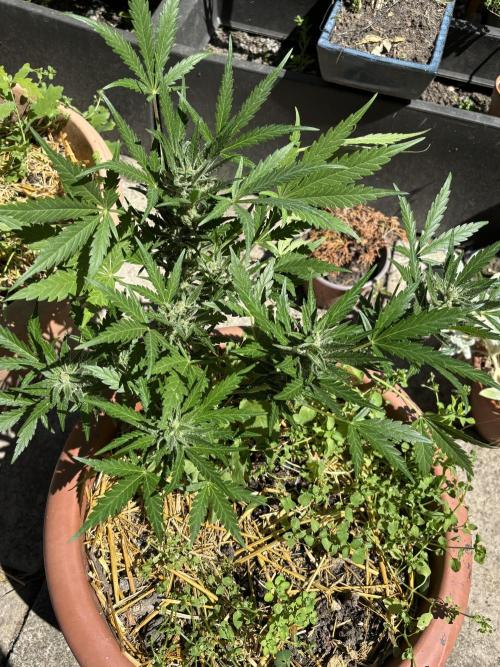
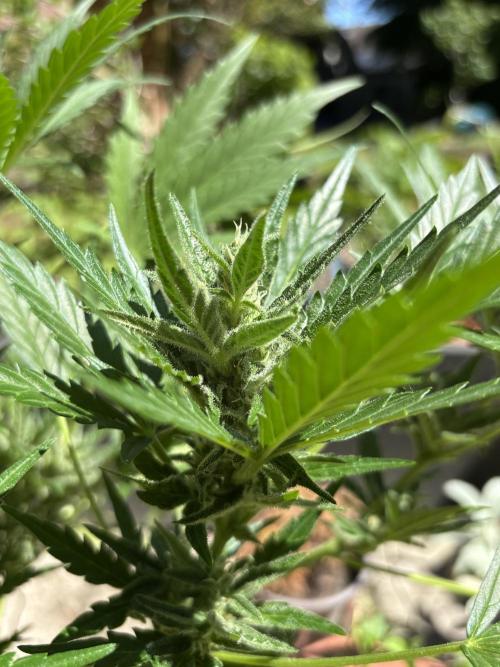
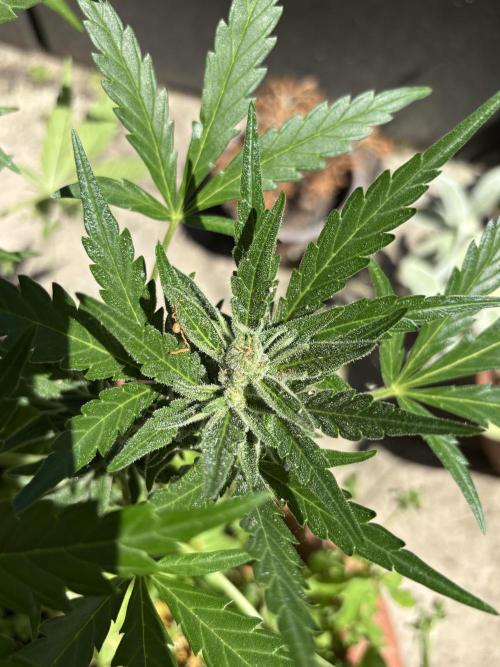
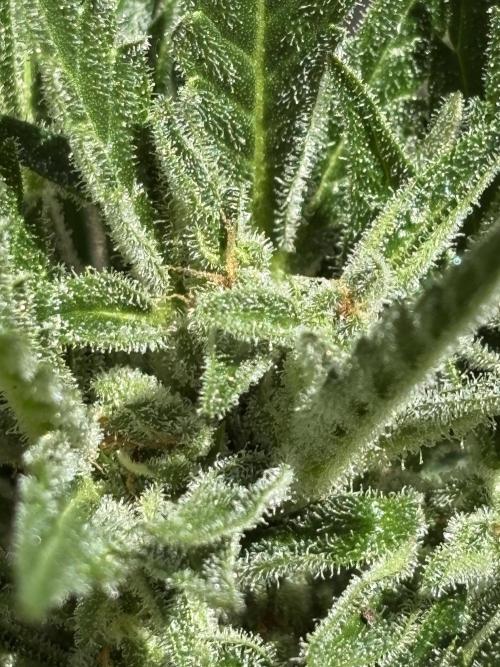
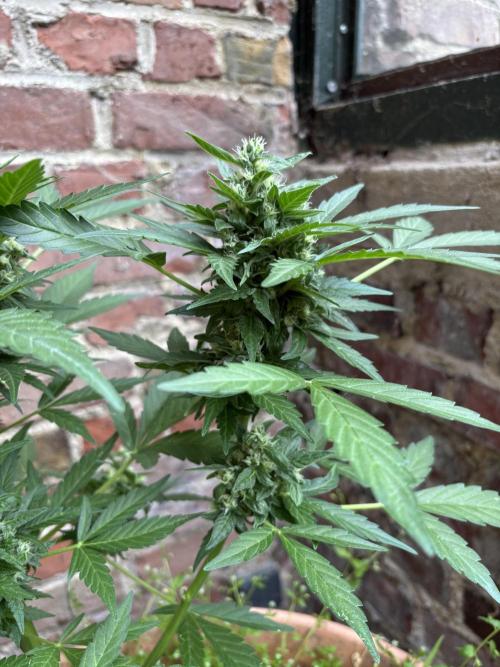
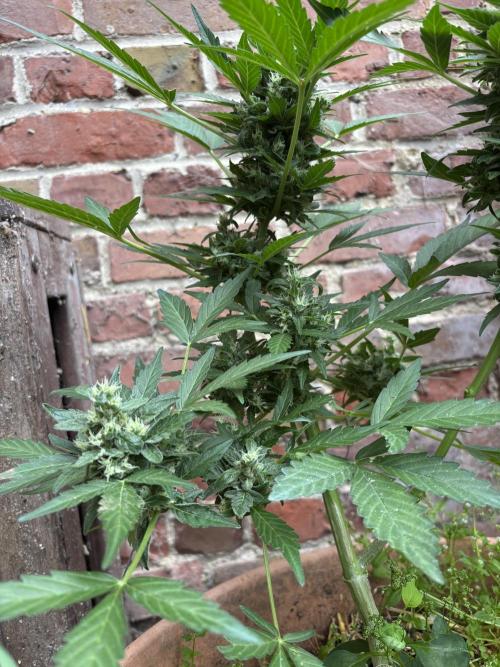
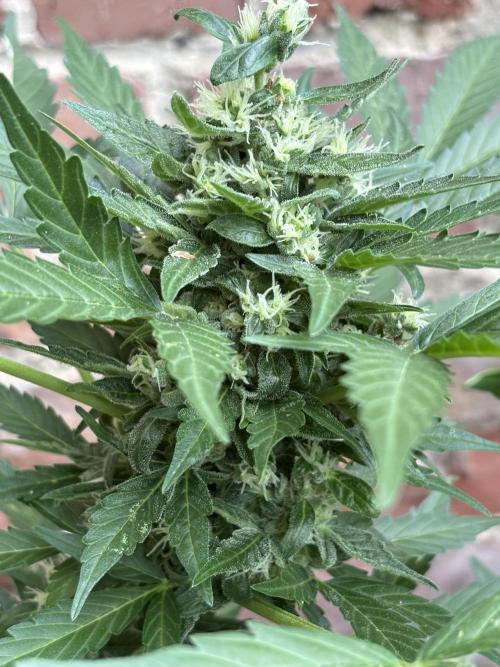
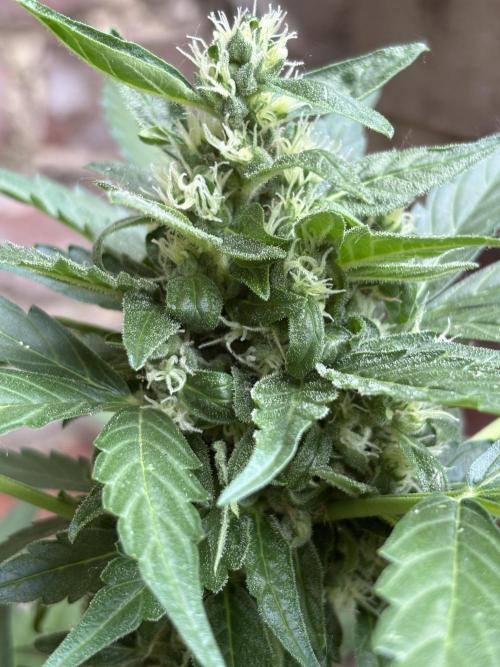
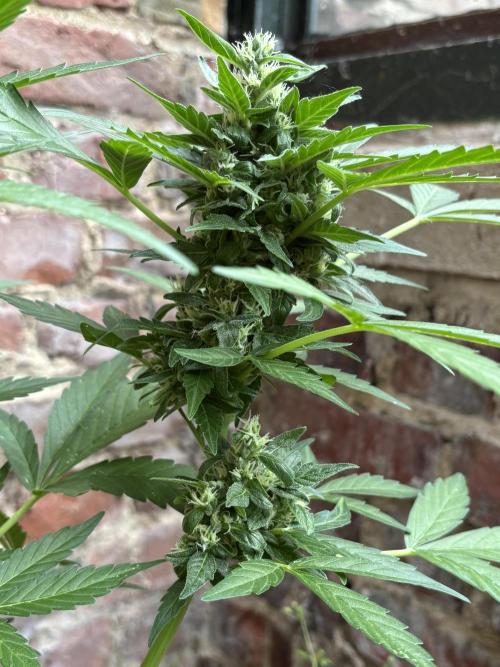
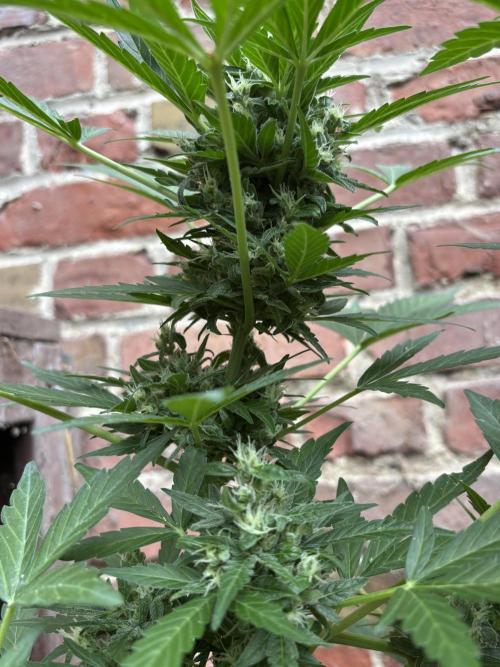
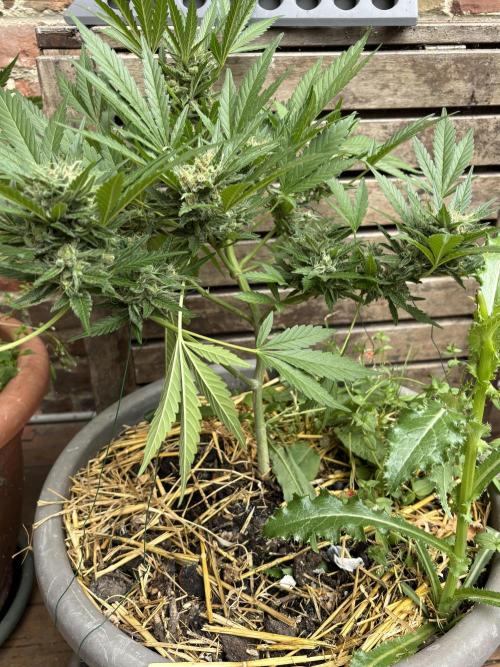
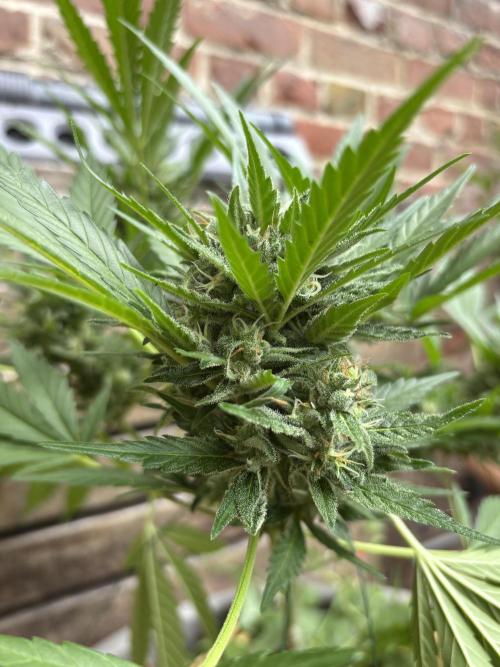
obeee I’m finally starting this journal! For this run, I decided to move away from basic store-bought setups and build a real "living soil" inspired by KNF principles. I want the soil to do the heavy lifting, so I spent the first week obsessing over the substrate.
The "Living Room" (Substrate Mix)
I didn't want something inert, so I prepped a custom blend to keep the roots happy and the microbes busy:
Base: A solid classic potting soil to get things moving.
The Soul: My own homemade compost. It’s full of local life and organic goodness.
Aeration: I used Pouzzolane (lava rock) instead of perlite. It’s great for drainage and doesn't float around.
The Microbe Hotel: A good dose of Biochar. It's there to act as a permanent home for the LAB (Lactobacillus) I'll be adding later.
What I did this week
Mixing: Mixed everything by hand to make sure the biochar and pouzzolane were perfectly distributed. No dry pockets allowed!
Prepping the biology: Set the stage for the first microbial inoculations. The goal is to have a soil that's "alive" before the plant even realizes it.
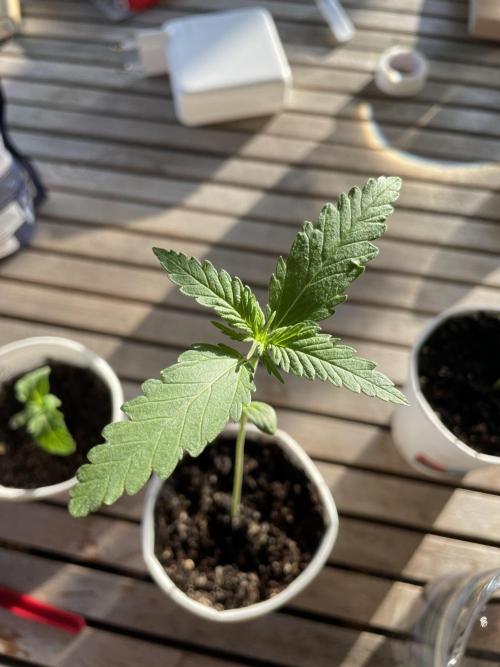
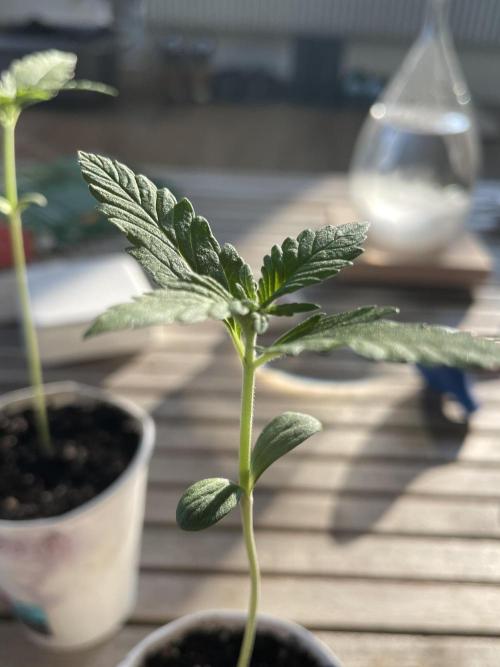
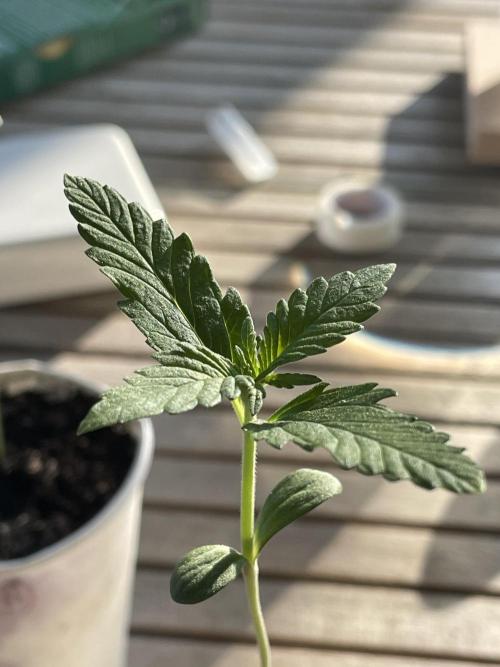
Potting: Got everything into the final pots. It’s a very breathable mix, so I’ll have to keep a close eye on the watering, especially with the wind picking up.
My take: The drainage on this is insane. It's going to dry out fast in the sun, but the root oxygenation should be top-tier. Let’s see how they handle the KNF inputs in a few weeks!
1 like
comments
Share
Used method
Directly In Substrate
Germination Method
1
Week 1. Vegetation
6mo ago
1/14
10 cm
Height
16 hrs
Light Schedule
22 °C
Day Air Temp
6.3
pH
No Smell
Smell
60 %
Air Humidity
20 °C
Solution Temp
22 °C
Substrate Temp
15 °C
Night Air Temp
60 liters
Pot Size
Nutrients 1
LAB
2 mll
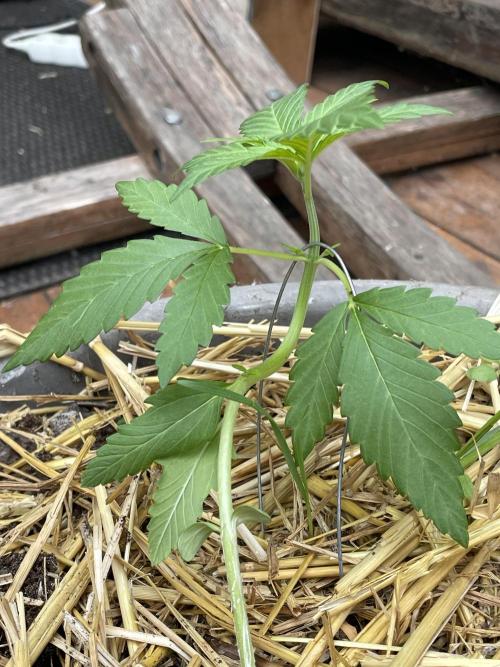
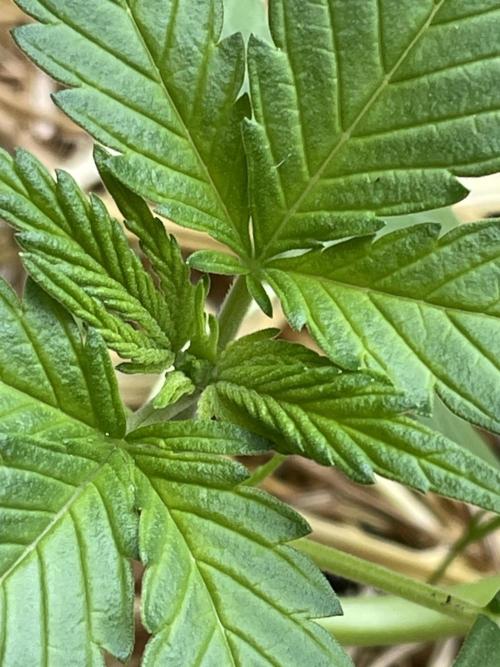
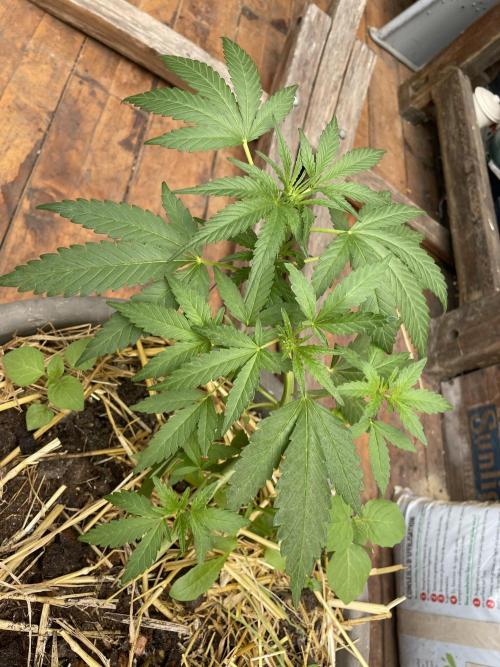
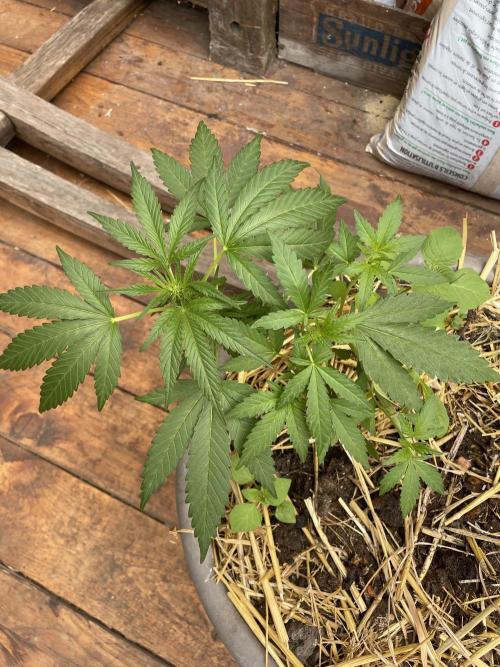
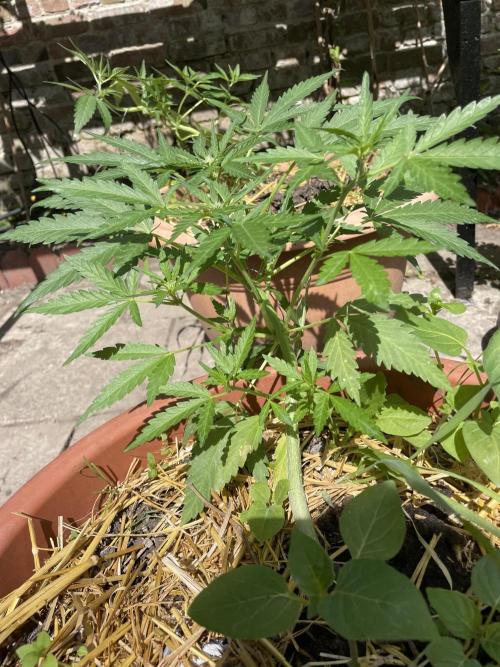
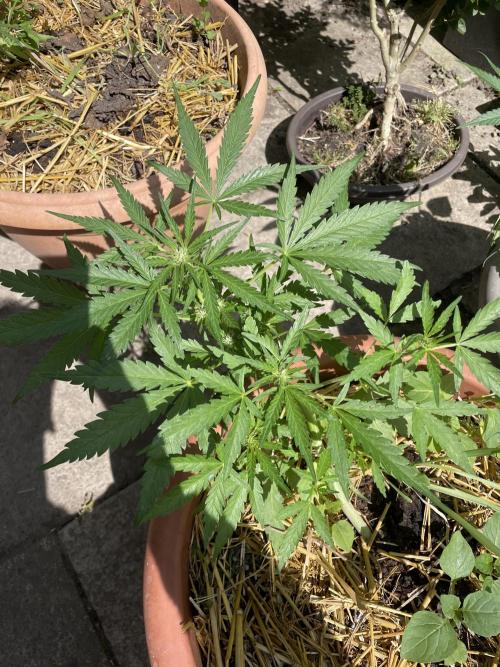
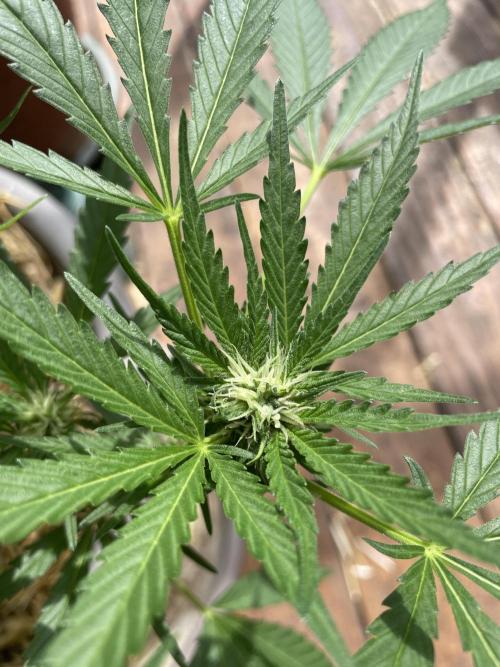
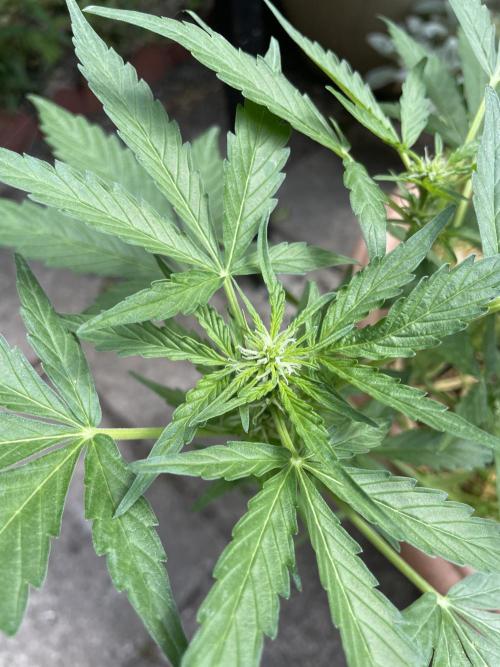
obeee This week was all about shifting from a "mix of ingredients" to a truly "living system." Now that the seedlings are settling in, it’s time to introduce the microbial army that will protect them and help them process nutrients.
The Game Plan
First Inoculation: I started watering with my homemade LAB (Lactobacillus). The goal is to colonize the root zone immediately to prevent any bad pathogens from moving in.
Monitoring: The mix (pouzzolane + biochar) is working exactly as expected—it’s super airy. I’m noticing I have to be more disciplined with watering because it breathes so well.
Environment: Keeping things steady. The plants are starting to look comfortable in their new home.
Grower’s Note: You can almost smell the soil starting to "work." That slightly earthy, sweet fermentation scent is exactly what I’m looking for. The synergy between the compost and the biochar is officially online.
KNF Recipe: Lactobacillus (LAB)
(Keeping this here for the record)
Ingredients:
Rice wash water (1st or 2nd rinse).
Whole milk (10 parts milk to 1 part rice water).
Brown sugar or Molasses (for stabilization).
Process:
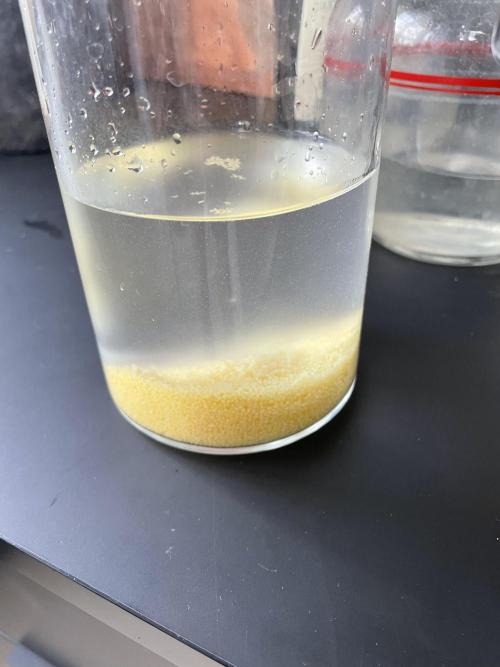
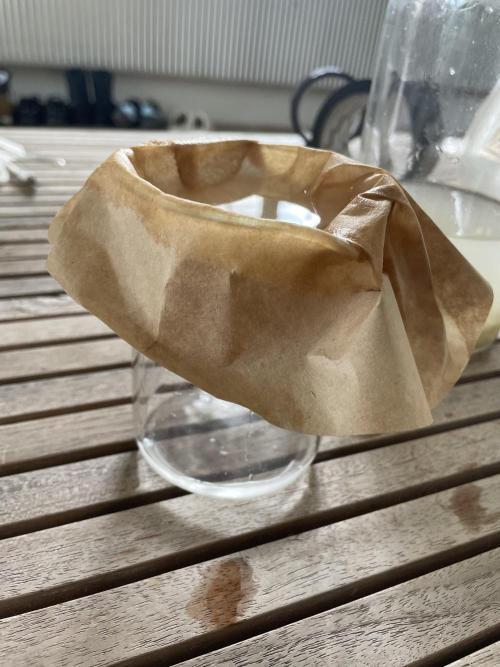
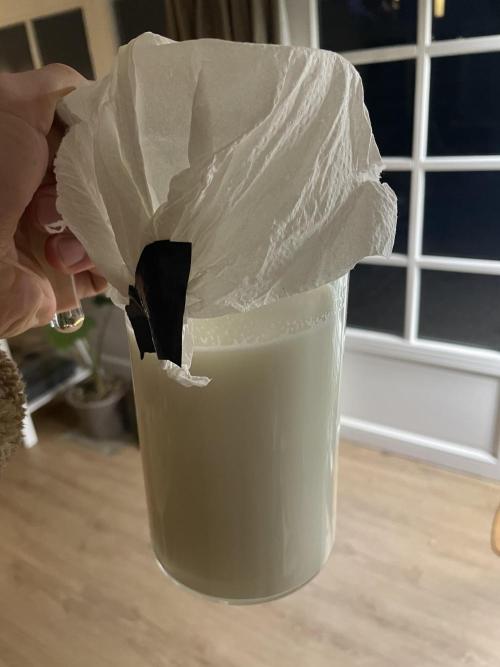
The Starter: Leave the rice water in a jar in a dark spot for 24-48 hours until it develops a slightly sour smell.
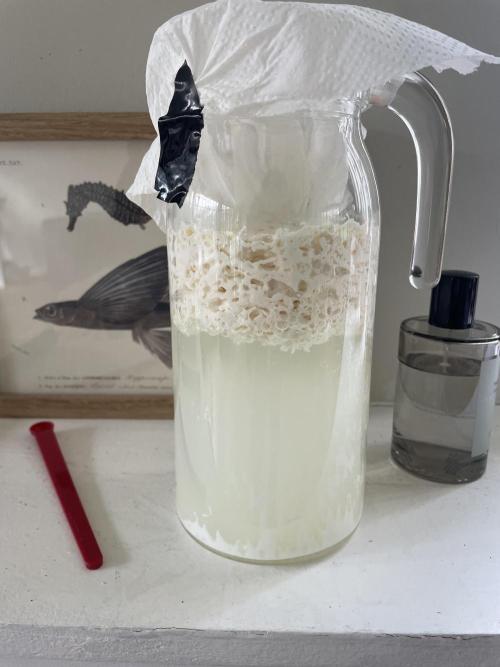
The Inoculation: Collect the middle layer of the rice water and add it to the milk. Let it sit for 5 to 7 days.
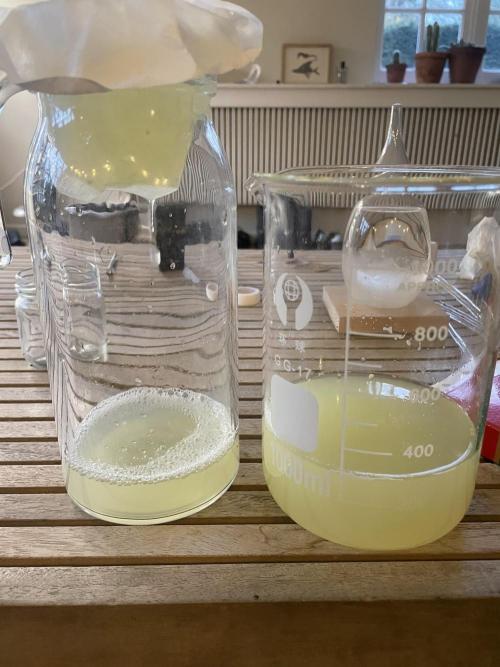
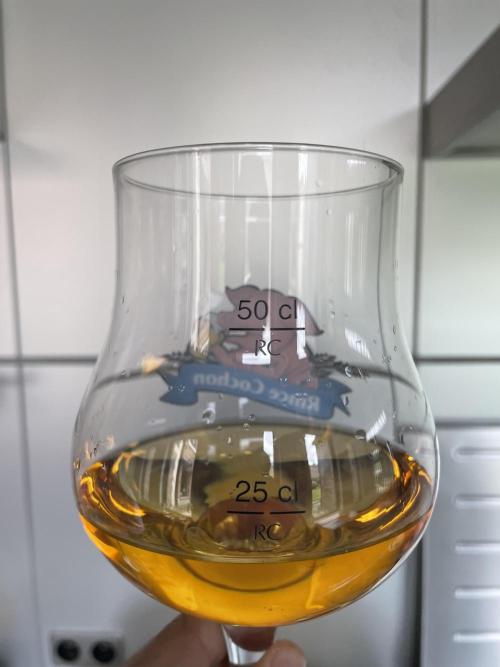
The Separation: The "cheese" (curds) will float to the top. Carefully harvest the translucent yellow liquid (serum) in the middle.
The Stabilization: Add an equal weight of brown sugar to the serum (1:1 ratio) to put the microbes to sleep. Store in the fridge.
Usage:
Dosage: 1 ml per Liter of water.
Frequency: Once a week via soil drench or foliar spray.
1 like
comments
Share
2
Week 2. Vegetation
6mo ago
1/10
15 cm
Height
16 hrs
Light Schedule
22 °C
Day Air Temp
6.3
pH
No Smell
Smell
60 %
Air Humidity
20 °C
Solution Temp
22 °C
Substrate Temp
15 °C
Night Air Temp
60 liters
Pot Size
Nutrients 1
LAB
2 mll
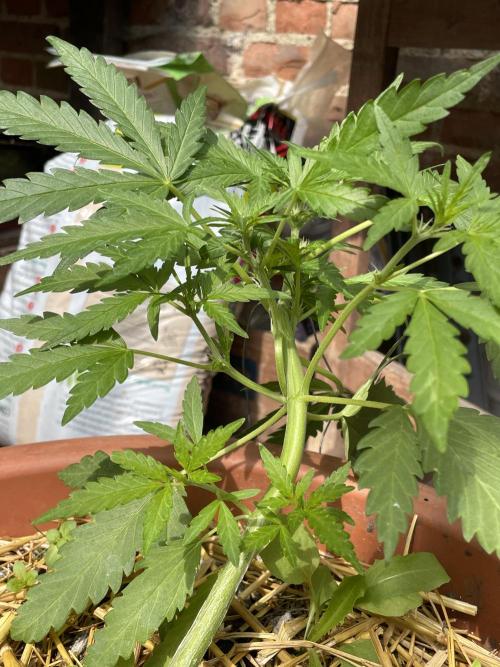
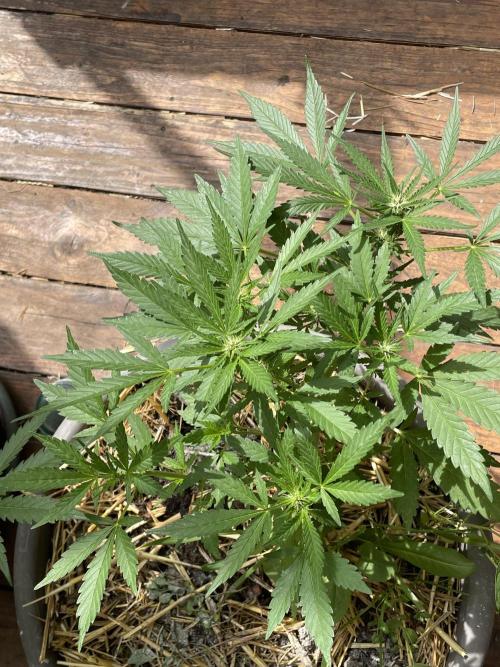
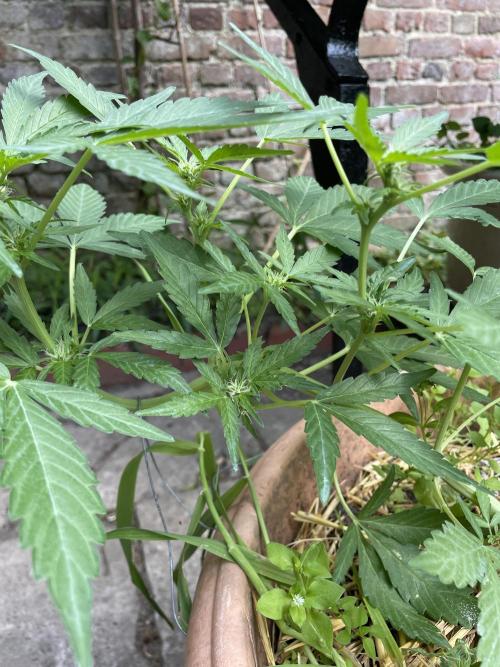
obeee The plants are officially out of the seedling stage and moving into "beast mode." This week, the goal is to build strong stems and lush foliage while keeping the soil biology peaking.
The Game Plan
Vegetative Support: I’m continuing with the LAB (1ml/L) but adding FPJ (Fermented Plant Juice) to the mix. It’s providing that organic nitrogen boost and enzymes they need right now.
Structural Health: I’ve noticed the stalks are getting thicker. The Pouzzolane and Biochar combo is keeping the root zone super oxygenated, which is translating to very tight internodal spacing.
Watering Management: With the plants getting bigger, they are drinking more. Since my mix is so airy, I'm sticking to more frequent, smaller waterings to avoid the substrate going bone-dry under the sun.
KNF Recipe: Fermented Plant Juice (FPJ)
(The "Growth Engine" for the vegetative stage)
Ingredients:
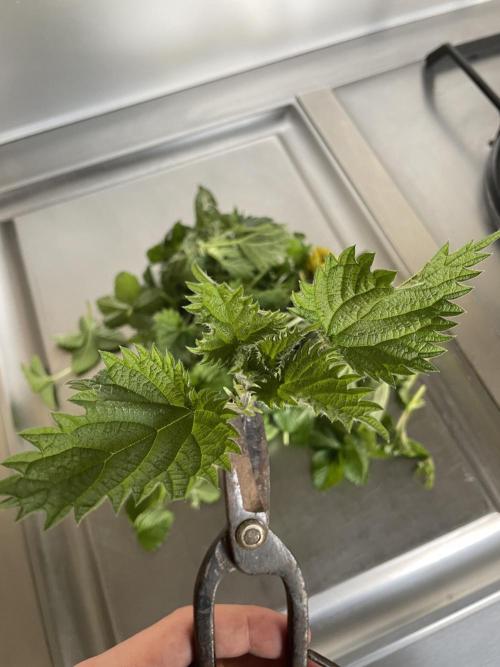
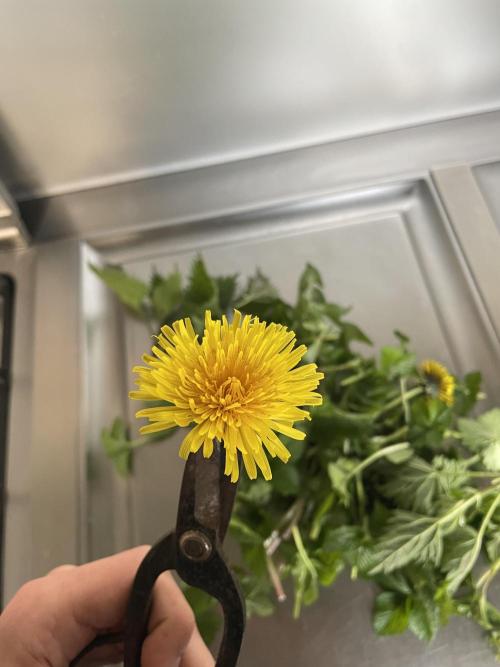
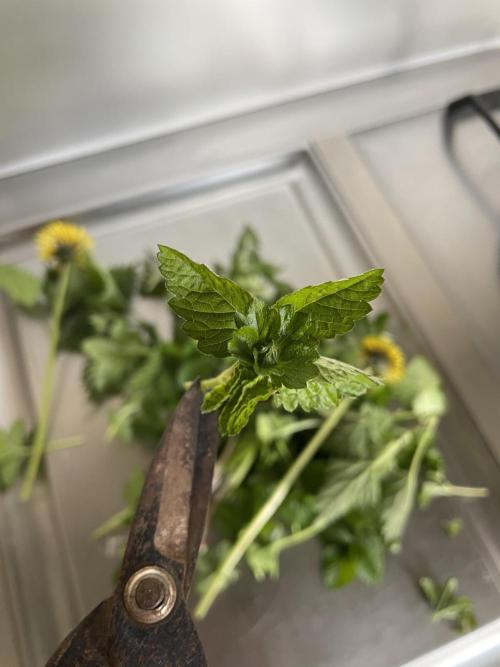
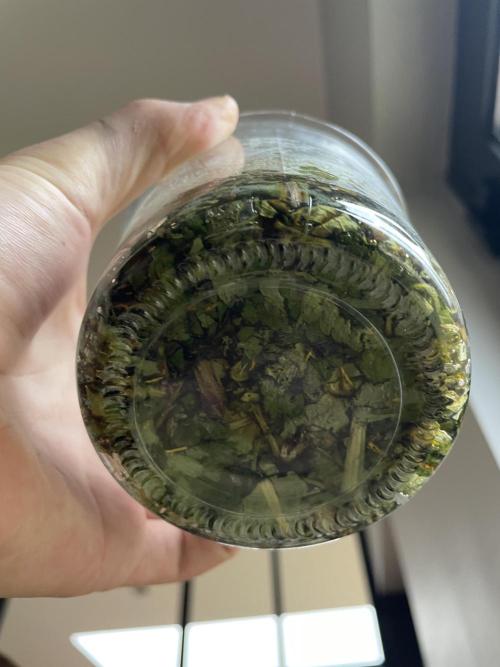
Green Plants: Fast-growing, healthy plant tips (like nettles, comfrey, or even young weeds) harvested before sunrise when their energy is highest.
Brown Sugar: Always use a 1:1 ratio by weight.
Process:
Harvest: Collect young, vigorous plant tips. Do not wash them, as you want the natural microbes on the surface.
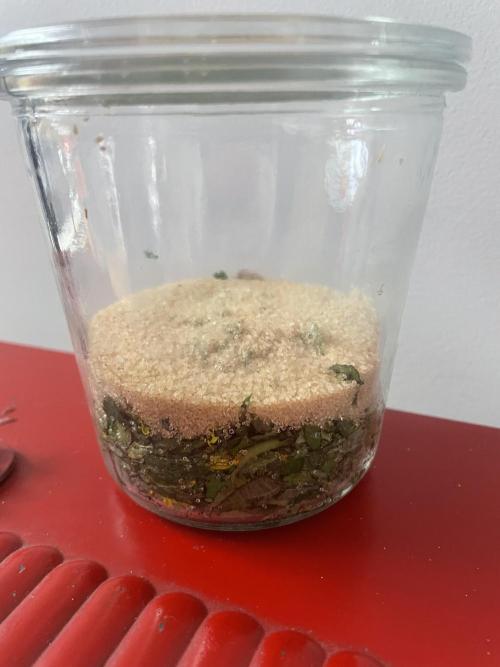
Mix: Chop the plants and mix them thoroughly with the brown sugar in a large bowl until everything is coated.
Pack: Pack the mixture into a glass jar. Fill it about 3/4 full and place a small weight on top to press the air out.
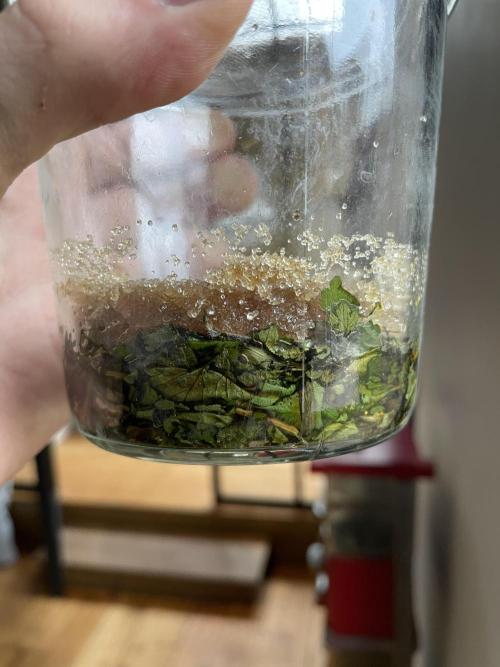
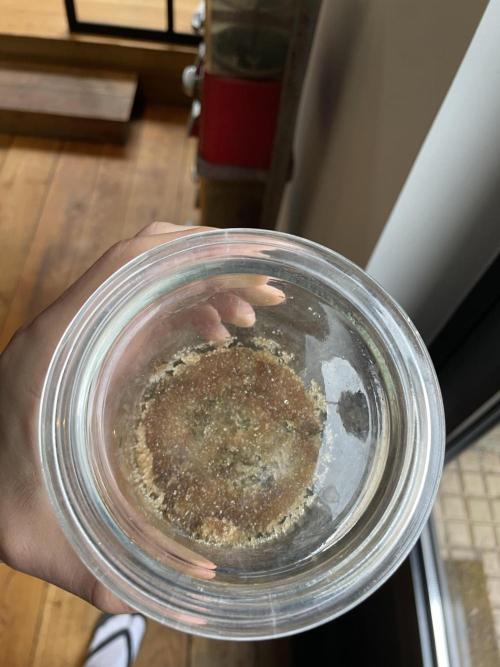
Ferment: Cover with a paper towel or cloth and store in a cool, dark place for 5 to 7 days.
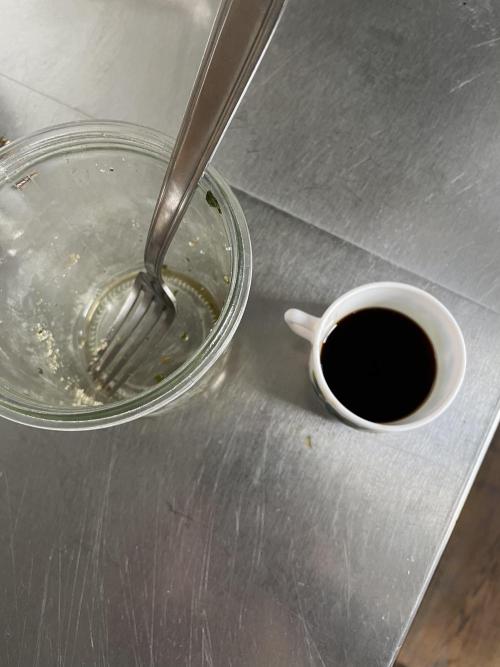
Harvest Liquid: Strain the mixture. The dark, syrupy liquid is your FPJ.
Usage:
Dosage: 1–2 ml per Liter of water.
Frequency: Use once a week during the vegetative stage to boost growth and health.
2 likes
comments
Share
3
Week 3. Vegetation
6mo ago
20 cm
Height
16 hrs
Light Schedule
22 °C
Day Air Temp
6.3
pH
No Smell
Smell
60 %
Air Humidity
20 °C
Solution Temp
22 °C
Substrate Temp
15 °C
Night Air Temp
60 liters
Pot Size
Nutrients 2
LAB
2 mll
FPJ
1 mll
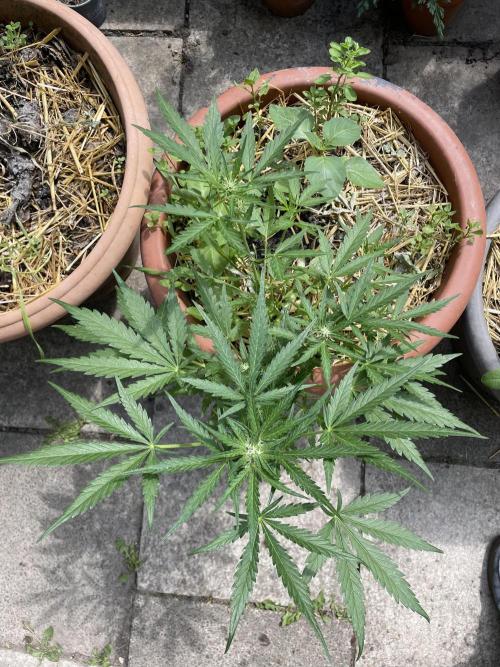
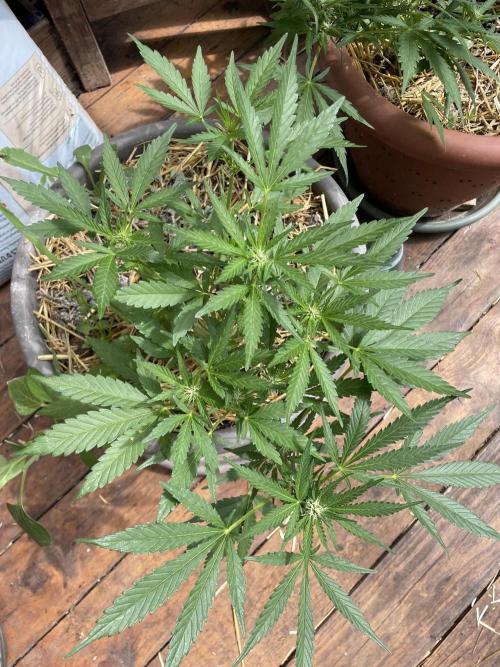
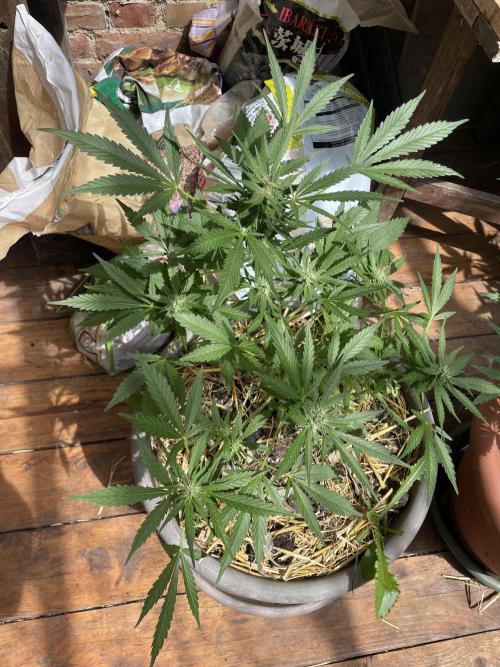
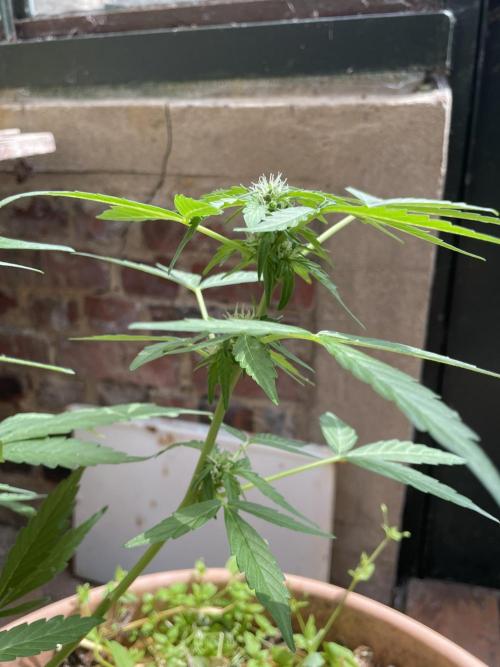
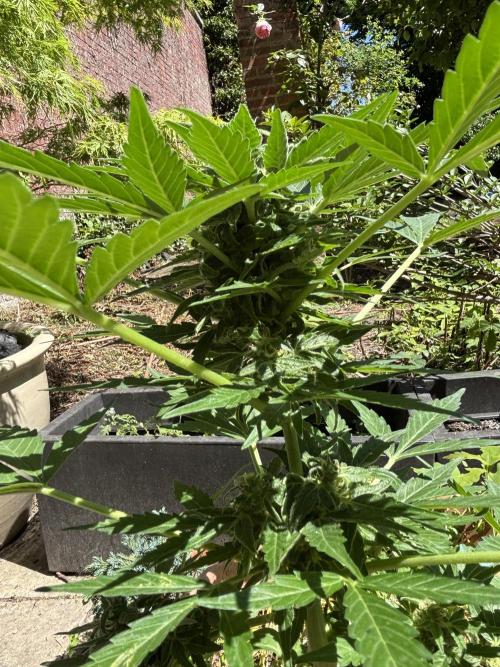
obeee This is the week where everything truly exploded. The Super Boof in the grey pot is showing incredible vigor, and the Strawberry Banana in the brown pot is catching up fast. The focus now is on managing the vertical stretch and boosting the plants with the fresh nutrients I’ve prepared.
The Game Plan
The FPJ Kick-off: I’ve officially started using my homemade Nettle and Dandelion FPJ. Since these plants are now in their peak vegetative growth/pre-flower stretch, the hormones and enzymes from the young nettle and dandelion tips are exactly what they need.
Strain Update (Super Boof): The Super Boof is loving the extra space in the grey pot. Its stems are thickening up, and the branching is becoming very symmetrical. It’s definitely leading the stretch right now.
Strain Update (Strawberry Banana): The Strawberry Banana is looking lush. It's developing that signature thick foliage, and the KNF inputs are keeping the leaf color a perfect deep green.
Substrate Management: With the sun and wind becoming more consistent, my airy mix of pouzzolane and biochar is drying out quickly. I’m watering more frequently to ensure the microbes in the compost don’t go dormant.
KNF Inputs This Week
Nettle/Dandelion FPJ: 2 ml/L (Applied via soil drench).
LAB (Lactobacillus): 1 ml/L (To maintain a healthy microbial colony in the new large pots).
Grower’s Note: You can really see the difference that the biochar and compost make. The plants have a "glow" to them. The transition into the bigger pots was seamless—no shock at all.
3 likes
comments
Share
4
Week 4. Vegetation
6mo ago
1/30
25 cm
Height
16 hrs
Light Schedule
22 °C
Day Air Temp
6.3
pH
No Smell
Smell
60 %
Air Humidity
20 °C
Solution Temp
22 °C
Substrate Temp
15 °C
Night Air Temp
60 liters
Pot Size
Nutrients 2
LAB
2 mll
FPJ
2 mll
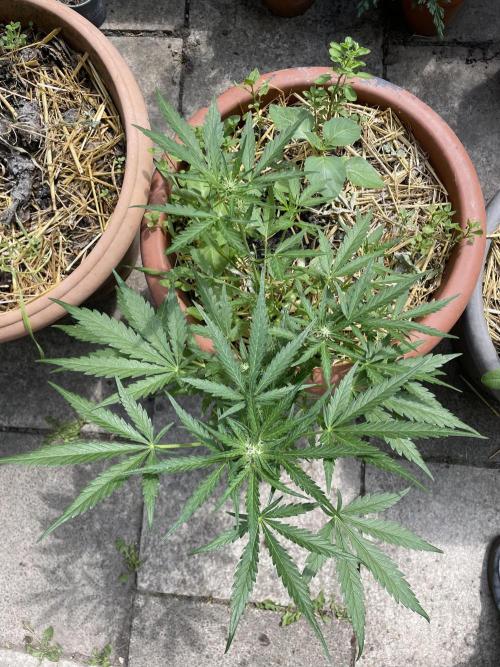
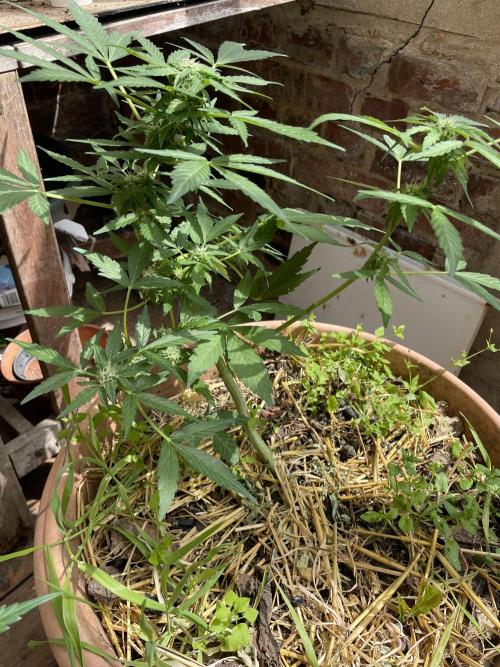
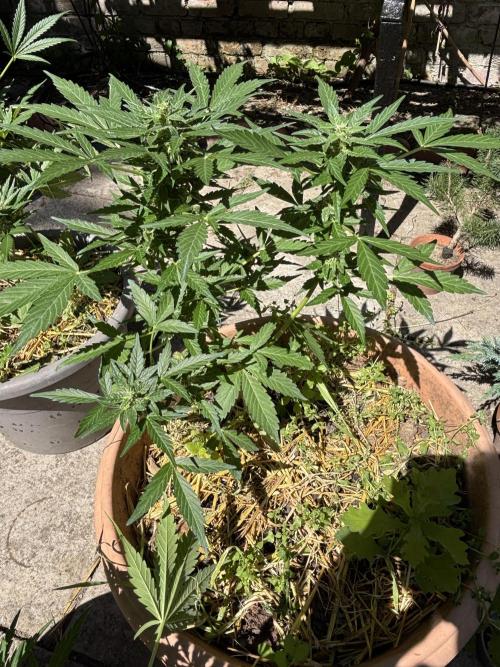
obeee The garden is looking incredibly healthy this week. No major stretch yet, but the plants are putting on serious mass and the structure is getting very sturdy. To make the most of the sun and my custom living soil, I’ve started some light LST to open up the canopy.
The Game Plan
Low Stress Training (LST): I’ve started gently bending the main stems and securing them. The goal is to break the apical dominance and allow the side branches to catch up, creating a flat, even canopy.
Strain Update (Super Boof): In the grey pot, she is showing great flexibility. The stems are thick but still pliable enough for training. The node spacing is perfect.
Strain Update (Strawberry Banana): In the brown pot, she’s a bush! Very tight growth. The LST is really helping to get light into the inner nodes of this one.
Soil Health: The Pouzzolane and Biochar are doing their job—drainage is top-tier. Even with the increased leaf surface area, the plants are transpiring beautifully. I’m sticking to my FPJ and LAB routine to keep that vegetative momentum going.
Grower’s Note: The plants aren't "reaching" yet; they are just building a very solid, wide foundation. By doing LST now, I’m setting up the architecture for a much better yield once the stretch actually kicks in. Everything is deep green and "praying" to the light.
4 likes
comments
Share
Used techniques
LST
Technique
5
Week 5. Vegetation
6mo ago
1/19
27 cm
Height
16 hrs
Light Schedule
22 °C
Day Air Temp
6.3
pH
No Smell
Smell
60 %
Air Humidity
20 °C
Solution Temp
22 °C
Substrate Temp
15 °C
Night Air Temp
60 liters
Pot Size
Nutrients 3
LAB
2 mll
FPJ
1 mll
WCA
2 mll
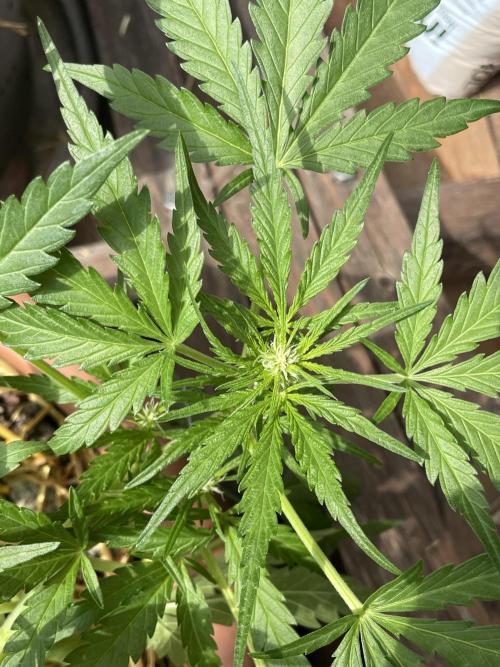
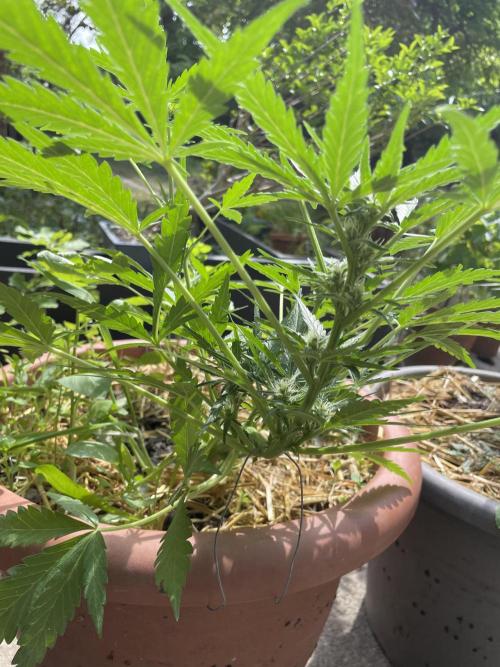
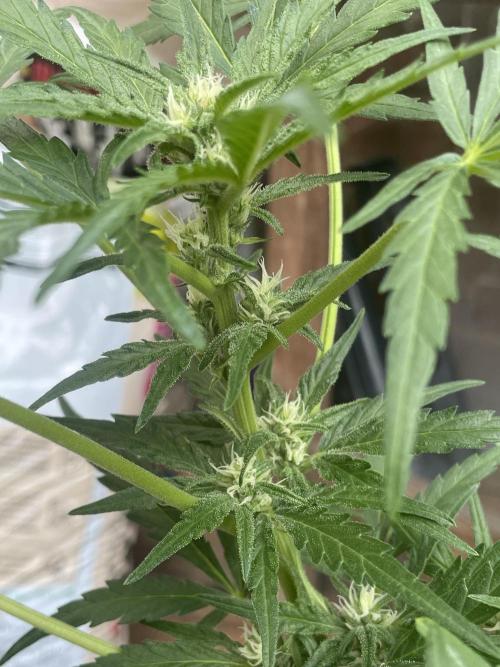
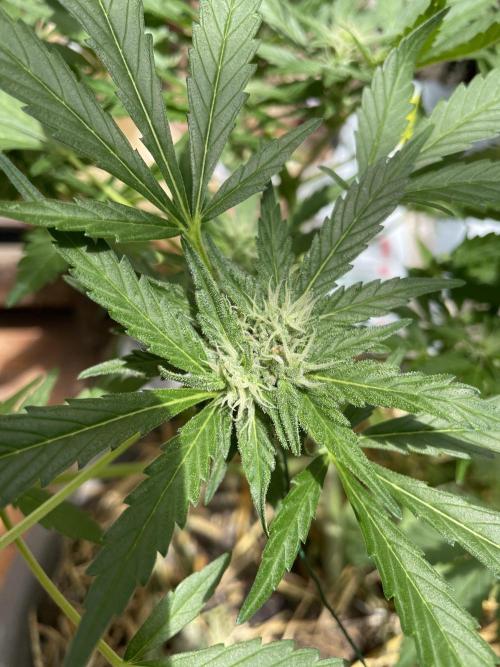
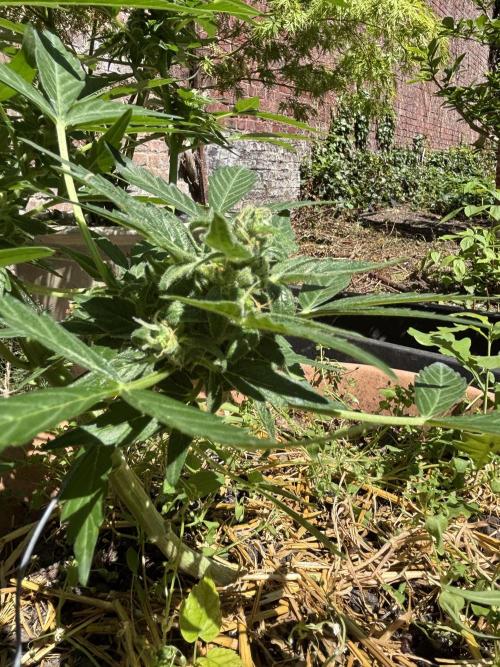
obeee The garden has officially shifted gears! This week, the "stretch" finally kicked in, and we are seeing the very first pompons (pistils) appearing on all the plants. To support this massive transition, I finally got around to making my WCA to provide the calcium boost needed for these new flower sites.
The Game Plan
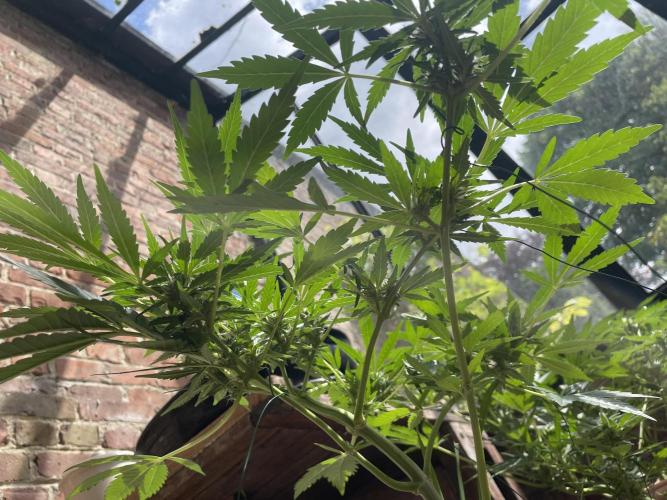
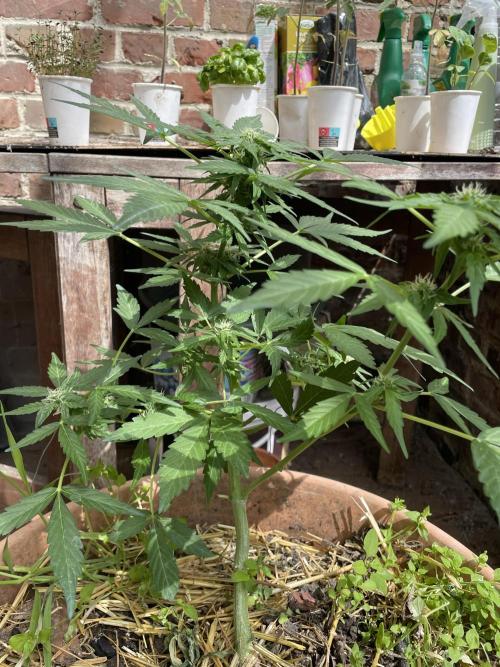
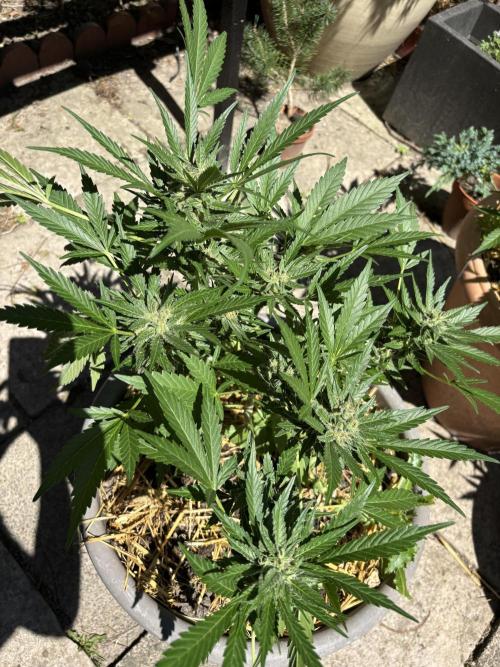
The Stretch is Real: Both plants have jumped in height this week. The Super Boof (grey pot) is stretching with a lot of vigor, while the Strawberry Banana (brown pot) is filling out into a beautiful, wide bush.
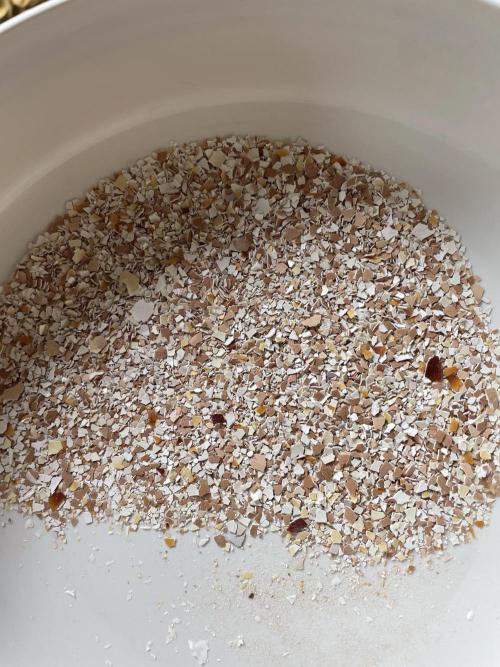
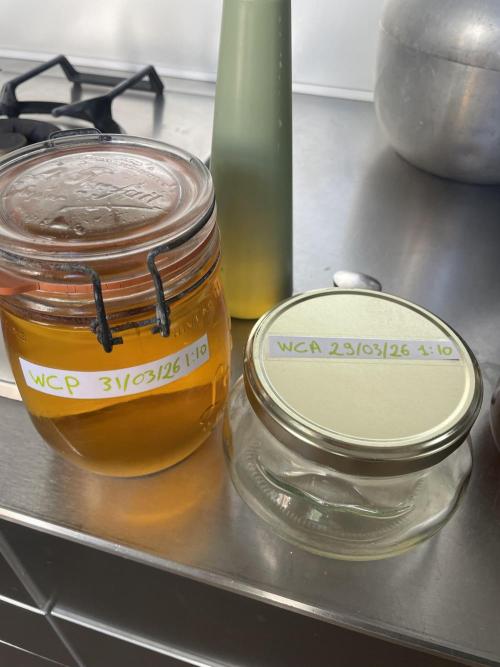
WCA Production: I spent time roasting eggshells and infusing them in vinegar to create my Water-Soluble Calcium. This is the perfect timing because the plants need calcium right now to build strong cell walls for the developing buds.
LST Refinement: I’m continuing to adjust the ties. Now that the stretch is happening, I’m guiding the new growth to maintain an even canopy across the entire garden.
The First Flowers: Seeing those white hairs (pistils) popping out everywhere! It’s the official start of the flowering journey.
Grower’s Note: The synergy between the Biochar in the soil and the new WCA is going to be huge. The plants look "hungry" for minerals right now, so the timing of this KNF input couldn't be better.
KNF Recipe: Water-Soluble Calcium (WCA)
(Adding this to my journal for anyone following the KNF path)
How I made it:
Roasting: I took clean eggshells and roasted them in a pan until they turned a nice toasted brown. This "unlocks" the calcium.
The Reaction: I put the shells in a jar and added brown rice vinegar (1:10 ratio). The fizzing was intense—that’s the calcium being extracted by the acid!
Fermentation: I’ll let this sit for about 7 to 10 days until the bubbling stops and it's ready to use.
3 likes
1 comment
Share
Used techniques
LST
Technique
6
Week 6. Flowering
6mo ago
1/17
40 cm
Height
16 hrs
Light Schedule
22 °C
Day Air Temp
6.3
pH
Weak
Smell
60 %
Air Humidity
20 °C
Solution Temp
22 °C
Substrate Temp
15 °C
Night Air Temp
60 liters
Pot Size
Nutrients 3
LAB
2 mll
WCA
2 mll
WSP
1 mll
obeee We have officially entered the first week of true flowering! The "pompons" are getting denser, and the plants are demanding a different kind of fuel. To meet this demand, I’m preparing WSP (Water-Soluble Phosphorus) using charred bones.
The Game Plan
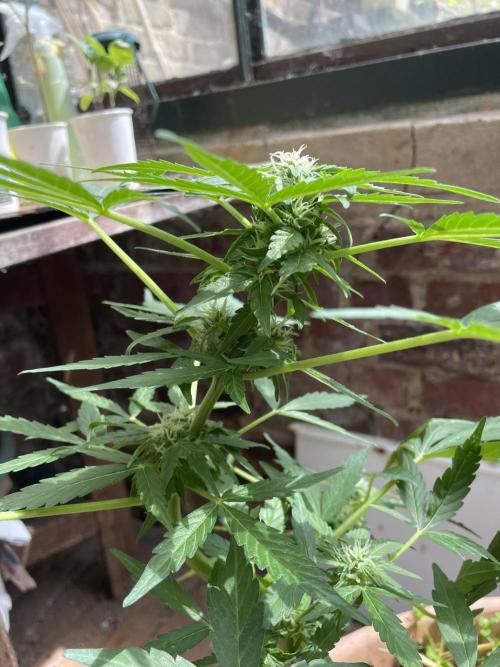
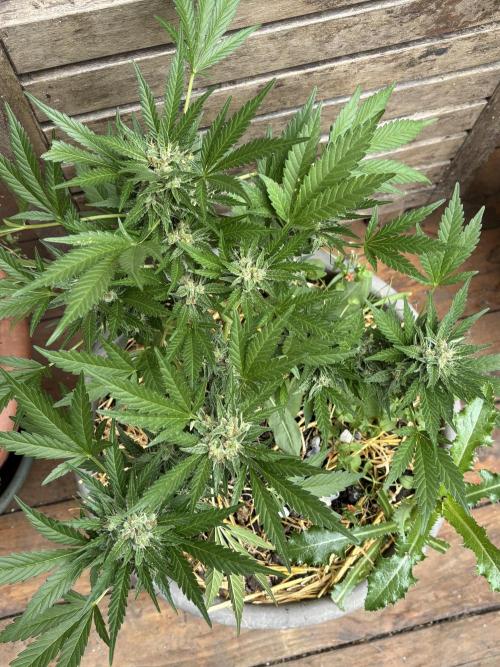
The Transition: The Super Boof (grey pot) and Strawberry Banana (brown pot) have mostly finished their stretch. Now, the nodes are starting to cluster and form the actual structure of the buds.
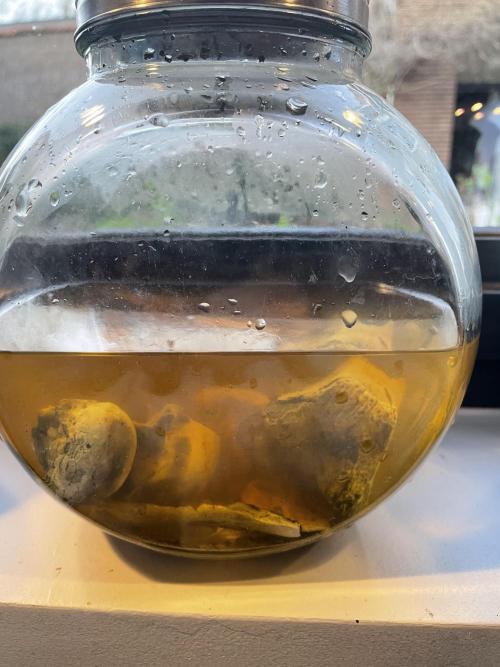
WSP Preparation: Phosphorus is the "flower power" element. I’m making WSP to help with energy transfer and flower development. This involves charring bones and dissolving them in vinegar, similar to the WCA process.
Feeding Shift: I'm scaling back the FPJ (nitrogen) and leaning more into WCA (calcium) and soon, the WSP (phosphorus). This shift tells the plant to stop growing leaves and start building flowers.
Maintenance: Doing a bit of light defoliation to make sure the lower bud sites are getting enough light and airflow, especially on the bushy Strawberry Banana.
Grower’s Note: The garden smells amazing. It’s no longer just "green"—the terpene profiles are starting to emerge. The living soil is holding up great, but these KNF inputs are the key to taking the flower quality to the next level.
KNF Recipe: Water-Soluble Phosphorus (WSP)
Ingredients:
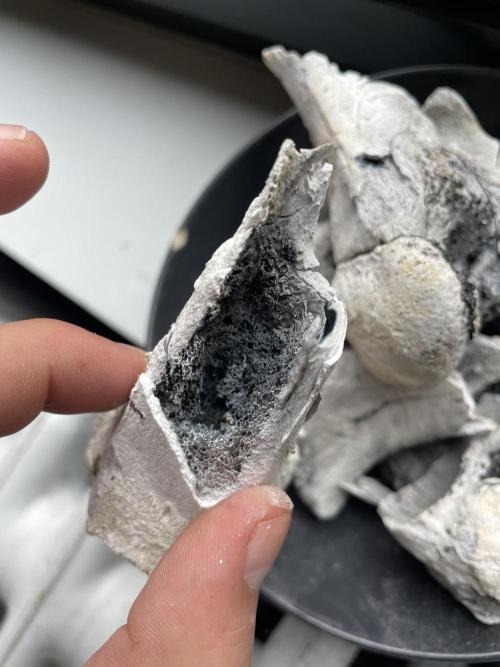
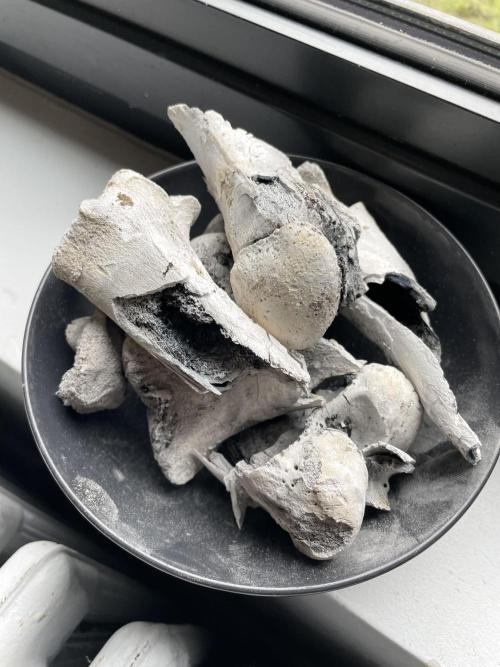
Bones: Animal bones (pork, beef, or even chicken). Make sure they are cleaned of all meat/fat.
Natural Vinegar: Brown rice vinegar or Apple Cider Vinegar (ACV).
Process:
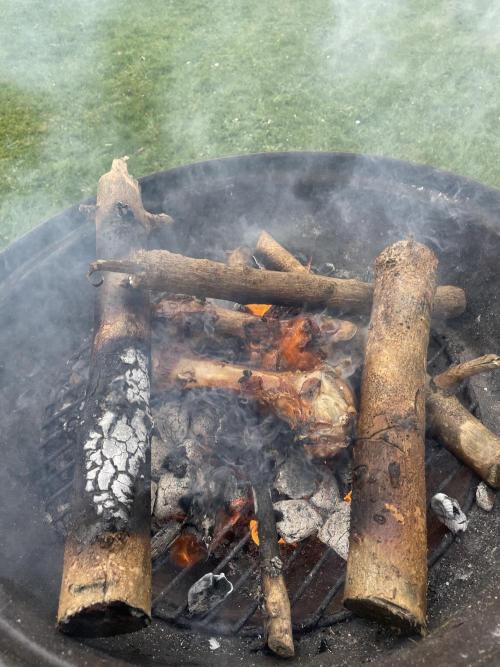
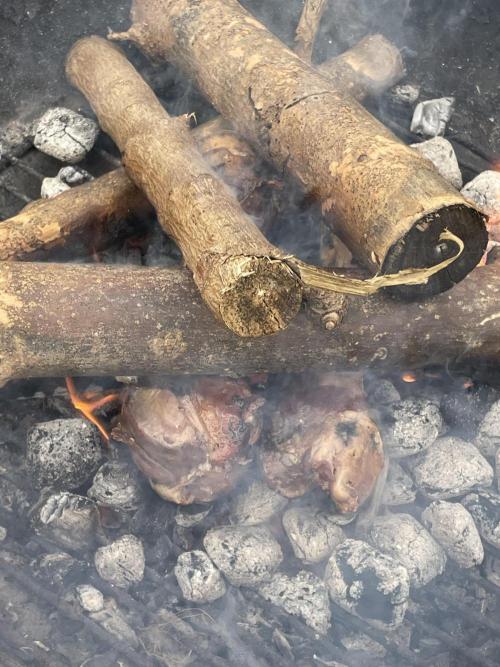
Charring: This is the most important part. Burn the bones over an open flame or charcoal until they are completely black (charred) but not turned to white ash. This removes the organic matter and leaves the phosphorus-rich mineral structure.
The Reaction: Place the charred bones in a glass jar and add vinegar in a 1:10 ratio.
Fermentation: Let it sit for 7 to 10 days. It will bubble as the vinegar extracts the phosphorus.
Filtering: Strain the liquid. You now have a potent, bio-available phosphorus supplement.
Usage:
Dosage: 1 ml per Liter of water.
Timing: Start using this at the beginning of the flower stage and continue until mid-flower.
4 likes
1 comment
Share
Used techniques
LST
Technique
7
Week 7. Flowering
6mo ago
1/19
50 cm
Height
16 hrs
Light Schedule
22 °C
Day Air Temp
6.3
pH
Weak
Smell
60 %
Air Humidity
20 °C
Solution Temp
22 °C
Substrate Temp
15 °C
Night Air Temp
60 liters
Pot Size
Nutrients 5
LAB
2 mll
WCA
2 mll
WSP
1 mll
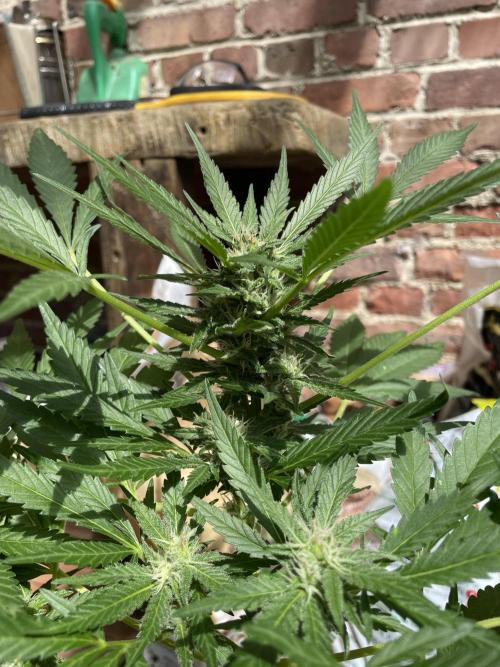
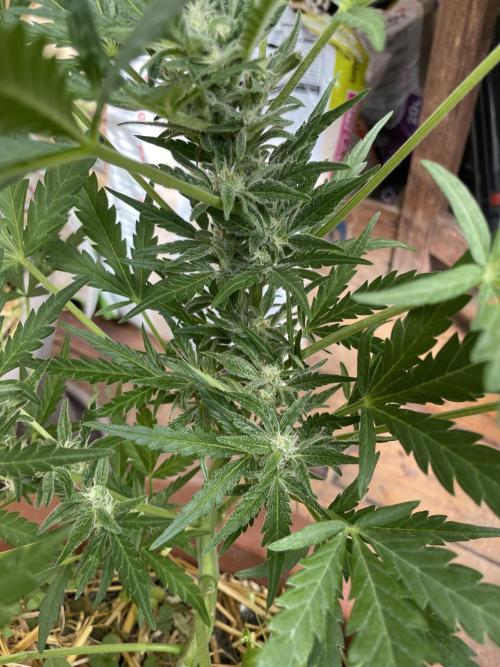
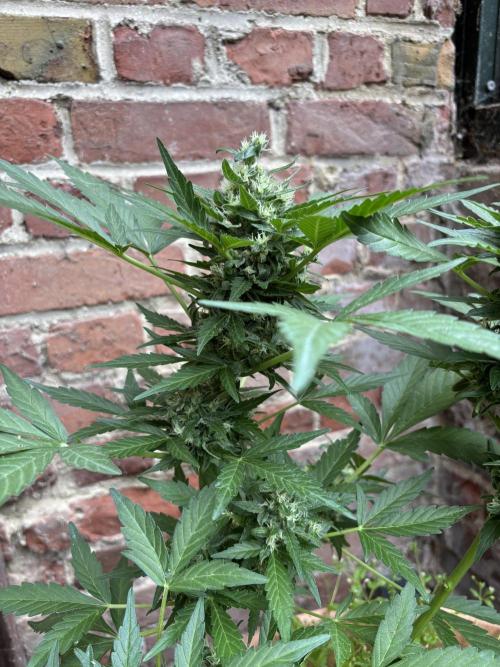
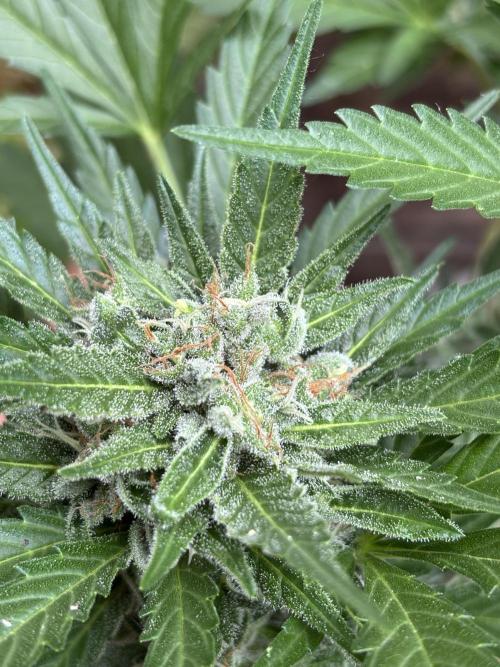
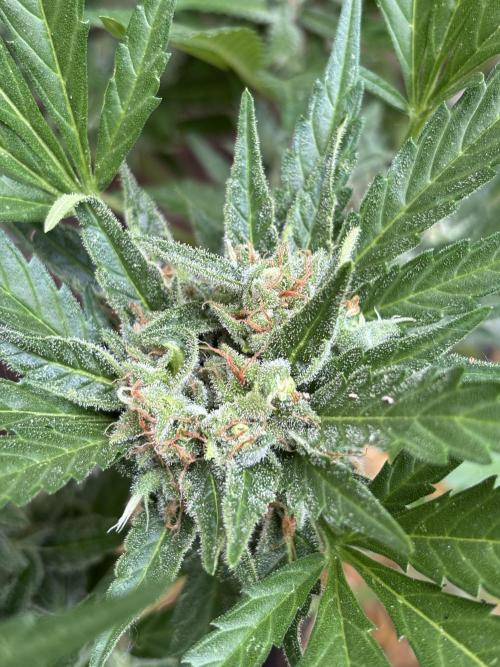
obeee The garden has officially transitioned into the flowering phase. The first "pompons" are maturing, and I can already see a beautiful frost of trichomes developing on the sugar leaves. To fuel this production, I’m introducing a potassium-rich FFJ and maintaining a rigorous KNF feeding schedule.
The Game Plan
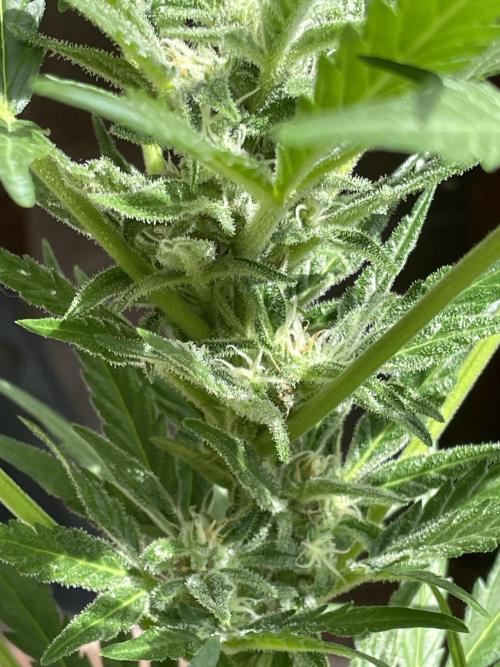
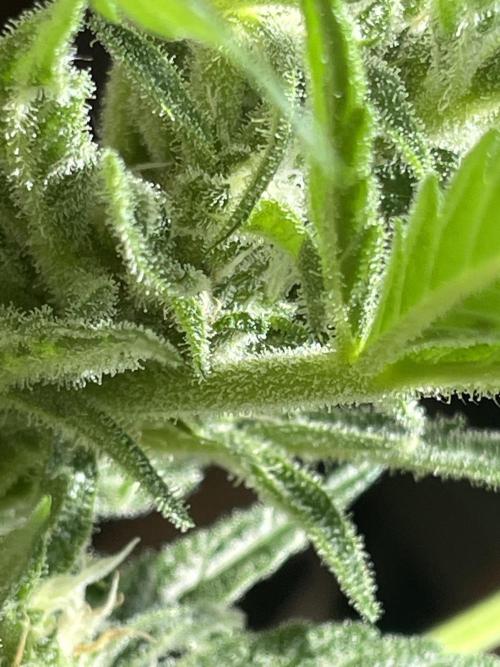
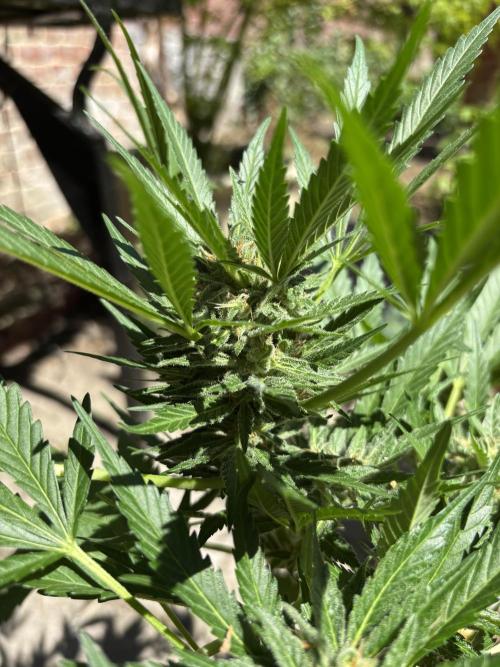
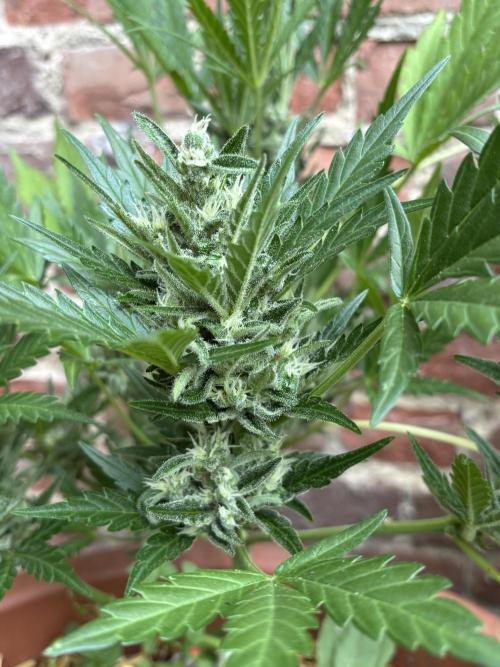
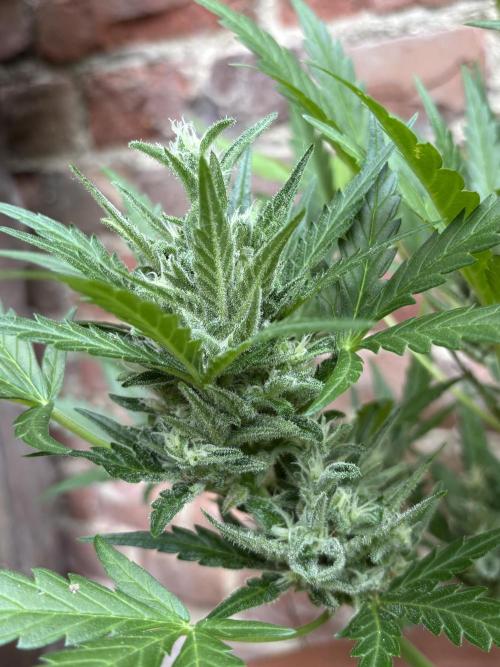
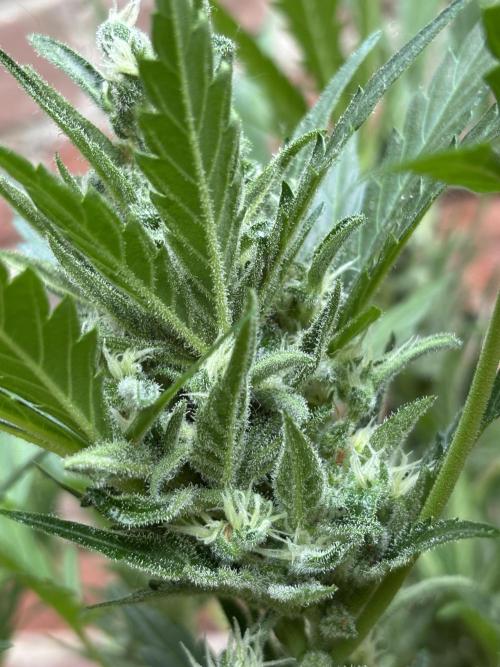
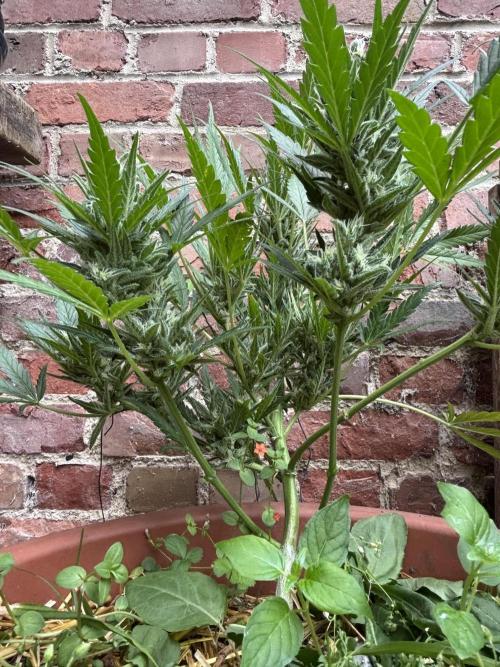
The Frost is Here: My photos this week show the first real resin production. The Strawberry Banana is already living up to its name, getting "sugary" very early.
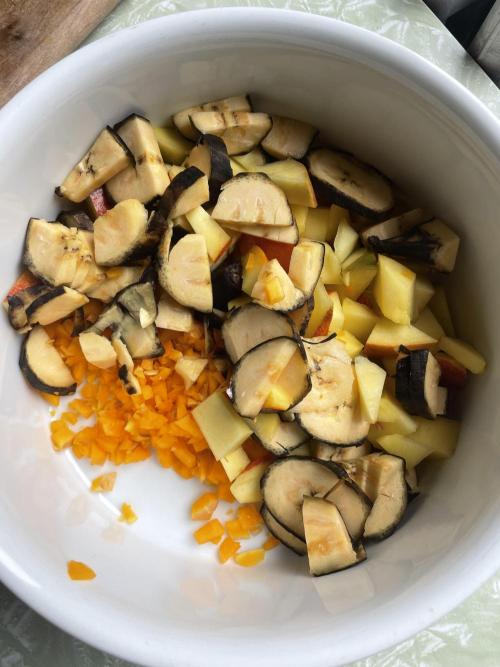
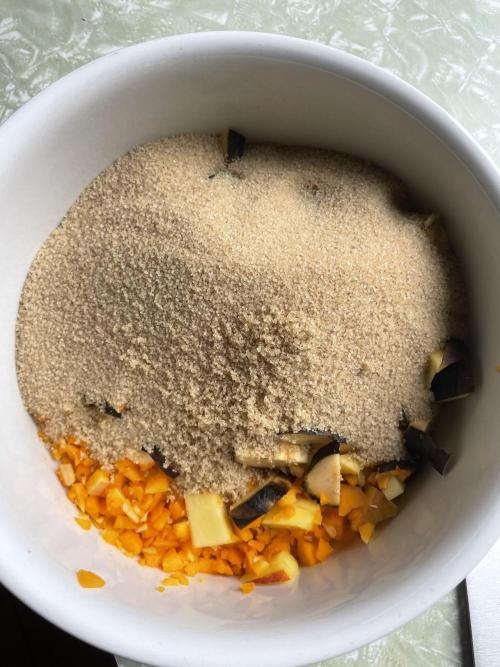
New KNF Input (FFJ): I've prepared a new batch of Fermented Fruit Juice specifically for the flowering stage using Plantain Bananas, Butternut Squash, and Mango. This mix is a potassium and enzyme bomb!
Strain Status:
Super Boof (Grey Pot): Strong, healthy, and starting to develop its mysterious aroma.
Strawberry Banana (Brown Pot): The resin leader. Deep green and stacking fast.
Permanent Marker: Just finishing its stretch and preparing to stack.
My Current Feeding Routine (Root Drench)
I am watering with a powerful organic cocktail to support this stage:
FFJ (The New Tropical Mix): Potassium & Energy.
WCA (Water-Soluble Calcium): For structural strength.
WSP (Water-Soluble Phosphorus): For flower initiation.
LAB (Lactic Acid Bacteria): To keep the soil biology thriving.
Micronized Zeolite: Added to the mix to act as a "nutrient battery," holding onto these inputs and releasing them slowly to the roots.
KNF Recipe: Tropical Flowering FFJ
(High-Potassium fuel for bigger, tastier buds)
Ingredients:
Fruits: Very ripe Plantain Bananas (Potassium), Butternut Squash (Vitamins/Minerals), and Mango (Sugars/Enzymes).
Brown Sugar: 1:1 ratio by weight.
Process:
Prep: Dice the plantains, butternut, and mango into small cubes (keep the skins for extra nutrients).
Mix: Weigh the fruit and mix thoroughly with an equal weight of brown sugar.
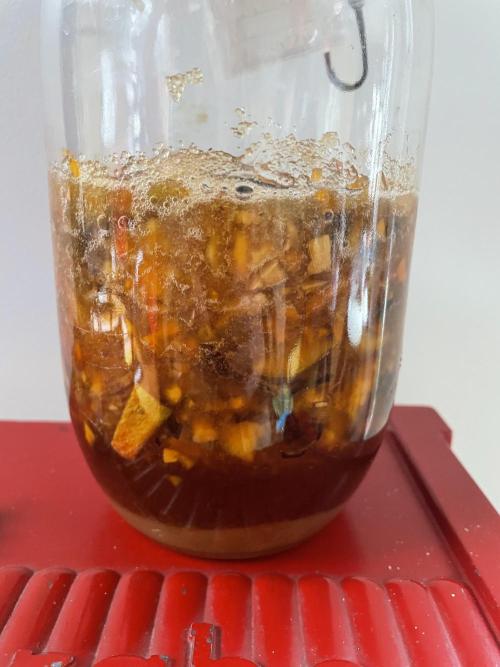
Pack: Put the mixture in a glass jar. The sugar will draw out the juices through osmosis.
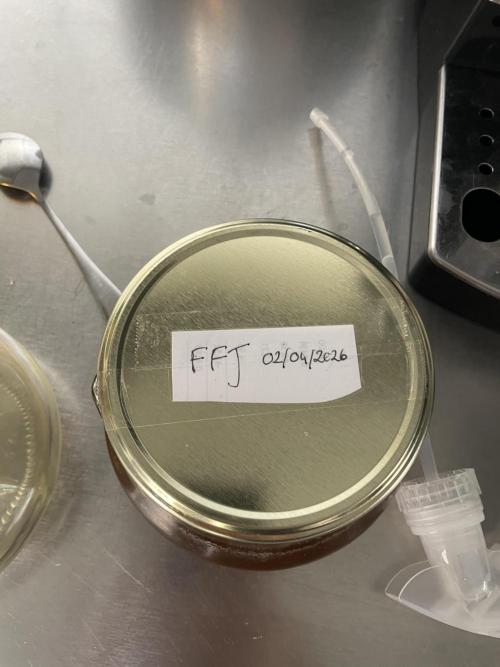
Ferment: Cover with a paper towel and let sit in a dark place for 7 days.
Harvest: Strain the syrup. It should smell sweet and slightly fermented, like a tropical liqueur.
Usage:
Dosage: 1–2 ml per Liter.
Benefit: Provides the boost of potassium and complex sugars needed for massive flower swelling and terpene development.
6 likes
comments
Share
Used techniques
LST
Technique
8
Week 8. Flowering
5mo ago
1/18
52 cm
Height
16 hrs
Light Schedule
22 °C
Day Air Temp
6.3
pH
Normal
Smell
60 %
Air Humidity
20 °C
Solution Temp
22 °C
Substrate Temp
15 °C
Night Air Temp
60 liters
Pot Size
Nutrients 6
LAB
2 mll
WCA
2 mll
WSP
1 mll
obeee Week 8 Recap: The Terpene Masterclass
The Plant Report (Based on your photos)
• Structure: The Super Boof is absolutely crushing it. That main stalk is built like a pillar, and the lateral branches are just as solid. Your WCA (Calcium) and Zeolite prep clearly worked—the plants have the highway they need to pump nutrients to the tops.
• Bud Growth: You’re seeing that "pyramid" stacking. The buds are climbing vertically, creating new layers of calyxes. It’s a very healthy, high-energy growth pattern.
• Resine & Givre: The frost is thick for Week 8. Trichomes are already carpeting the sugar leaves. Since you’re aiming for top-shelf flavor, this early resin is a great sign.
• Vibe: Everything is green, upright, and praying. No deficiencies, no burns. Just pure KNF vigor.
The Corrected Recipe: Floral FFJ (Aromatic Infusion)
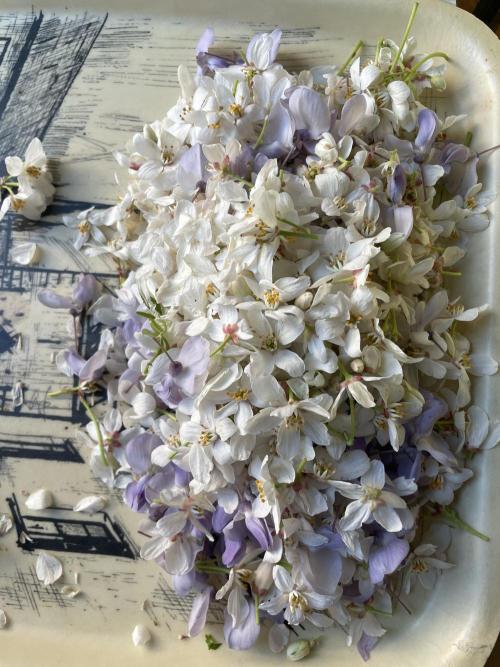
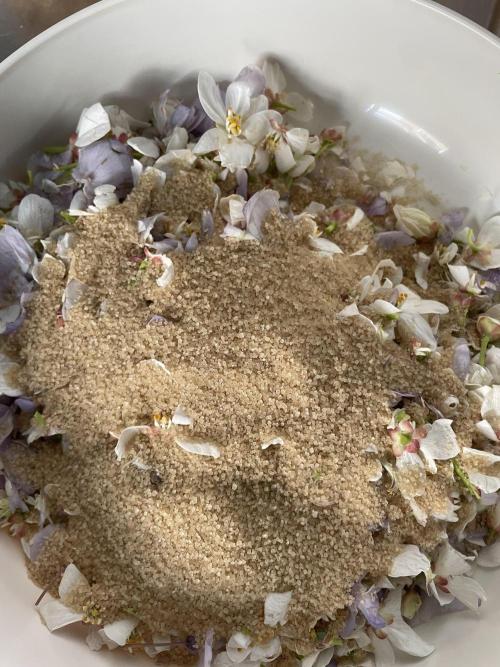
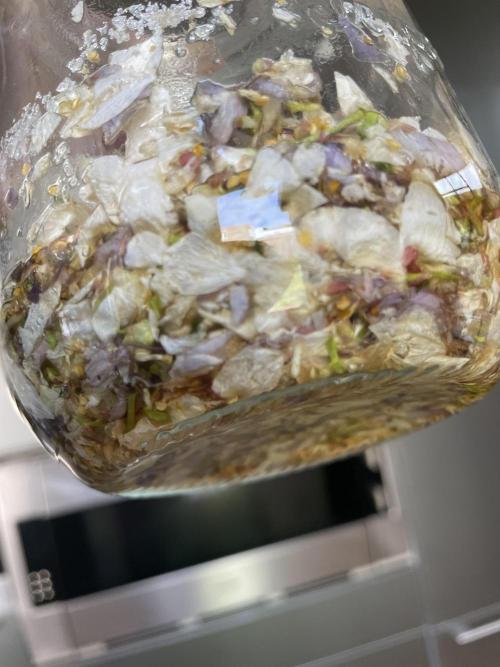
Forget the bananas and squash—this is about "Flower Power." You are extracting the essential oils (terpenes) from Mexican Orange Blossom and Wisteria to influence the final scent profile.
The Ingredients:
• Fresh Mexican Orange Blossom: For those citrusy, floral notes.
• Fresh Wisteria: For that sweet, deep aroma.
• Brown Sugar: To draw out the "floral blood" and terpenes via osmosis.
The Steps:
1. Harvest: Pick your flowers at their peak (usually morning) when their scent is strongest.
2. Ratio: Use a 1:1 ratio by weight. If you have 100g of flowers, use 100g of brown sugar.
3. Layer/Mix: Toss the flowers in the sugar until they are fully coated. Don't crush them too hard; let the sugar do the work.
4. Ferment: Place in a jar with a breathable lid (cloth/paper towel). Keep it in a dark, cool spot for 5 to 7 days.
5. Strain: Once the sugar has turned into a floral-scented syrup, strain out the solids.
5 likes
comments
Share
Used techniques
LST
Technique
9
Week 9. Flowering
5mo ago
1/13
52 cm
Height
16 hrs
Light Schedule
26 °C
Day Air Temp
6.3
pH
Strong
Smell
60 %
Air Humidity
20 °C
Solution Temp
22 °C
Substrate Temp
18 °C
Night Air Temp
60 liters
Pot Size
Nutrients 6
LAB
2 mll
WCA
2 mll
WSP
1 mll
obeee Global Status & Photo Analysis (Permanent Marker Focus)
Genetics Showcase: The Permanent Marker is showing a completely unique strategy compared to the Super Boof or Strawberry Banana.
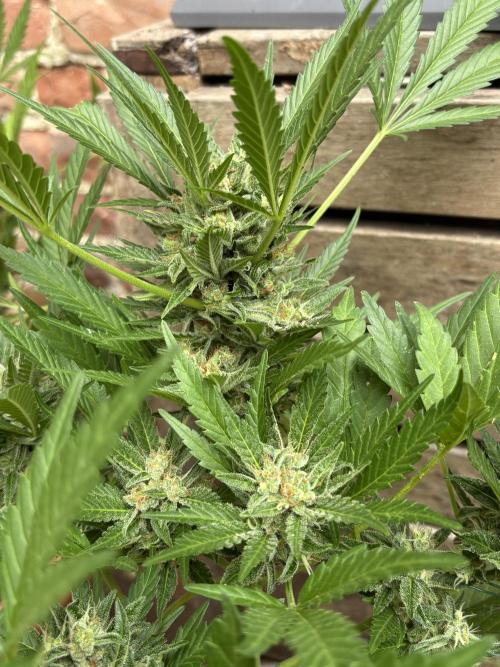
The "Grosses Buds" Foundation: On the latest pictures, look at the staggering node density. The internodal spacing is extremely tight, meaning the flowers are packed right against each other. There is zero wasted space along the branches.
The Trichome Strategy: While it looks less "frosty" at a distance on the fan leaves, macro details show that trichomes are building aggressively inside the calyxes. The plant is focusing 100% of its energy on building the flower architecture first before pushing the resin outwards.
Solar Panels: The surrounding foliage is broad, thick, and deep green. The plant has maximum photosynthetic power available to smash the upcoming ripening phase.
2. Environment & Inputs (Semaine 9)
Base Nutrition: Standard organic baseline mix maintained (LAB / active living soil).
The Floral Terpene Boost: Application of the custom Floral FFJ (Mexican Orange Blossom + Wisteria + Sugar ferment). The goal here is to load the rhizosphere with specific complex sugars and captured flower essential oils to elevate the final terpene profile.
Cellular Expansion: Preparation for the Young Coconut Water run (Paris Store Roubaix) to introduce natural cytokinins, pushing those tightly packed Permanent Marker calyxes to swell and fuse into massive, dense batons.
5 likes
comments
Share
10
Week 10. Flowering
5mo ago
1/20
52 cm
Height
16 hrs
Light Schedule
23 °C
Day Air Temp
6.3
pH
Strong
Smell
60 %
Air Humidity
20 °C
Solution Temp
22 °C
Substrate Temp
18 °C
Night Air Temp
60 liters
Pot Size
Nutrients 6
LAB
5 mll
WCA
3 mll
WSP
3 mll
obeee 1. Strain-by-Strain Overview
Permanent Marker (The Titan): Experiencing a massive explosion in flower mass this week. The tightly stacked nodes analyzed in previous weeks have officially fused into towering, ultra-dense colas. The calyxes are swelling heavily, confirming its status as the primary yield driver of this run.
Strawberry Banana (The Resin Queen): An absolute frost machine right now. While the bud structure remains lighter and more aerated as expected by its genetics, the trichome coverage is outstanding. The density of resin glands per millimeter is staggering, making it an incredible gourmet profile.
Super Boof (The Terpene Champion): Developing an incredibly sweet, loud, and mouth-watering aroma. The flower structure is rock-solid and highly resinous, perfectly balancing heavy production with elite olfactory qualities.
2. Environment, Inputs & Strategy Adjustment
Nutrition Ramp-Up: Stepped up the organic input regimen this week. All tailored KNF (Korean Natural Farming) inputs have been increased to 4 ml per Litre to support this critical cell-expansion and ripening phase.
Liquid Bio-Availability: Maintained the immediate "Mix & Go" liquid delivery protocol to feed the living soil directly without stalling the Lacto Bacillus (LAB) or risking calcium precipitation from the WCA. The plants are converting these pre-digested complex sugars and minerals into pure bud density instantly.
Snaescence & Rinsing: Natural fading is progressing beautifully on the lower fan leaves. The progressive nitrogen depletion is allowing the plants to naturally flush their tissues, ensuring maximum terpene purity and zero harshness on the final smoke. I also increased the dosage to 4ml/L for all my KNF nutriment