


Hermaphrodite?

Lowbudsstarted grow question 1y ago
I assume this is an hermaphrodite, what could be the possible cause?
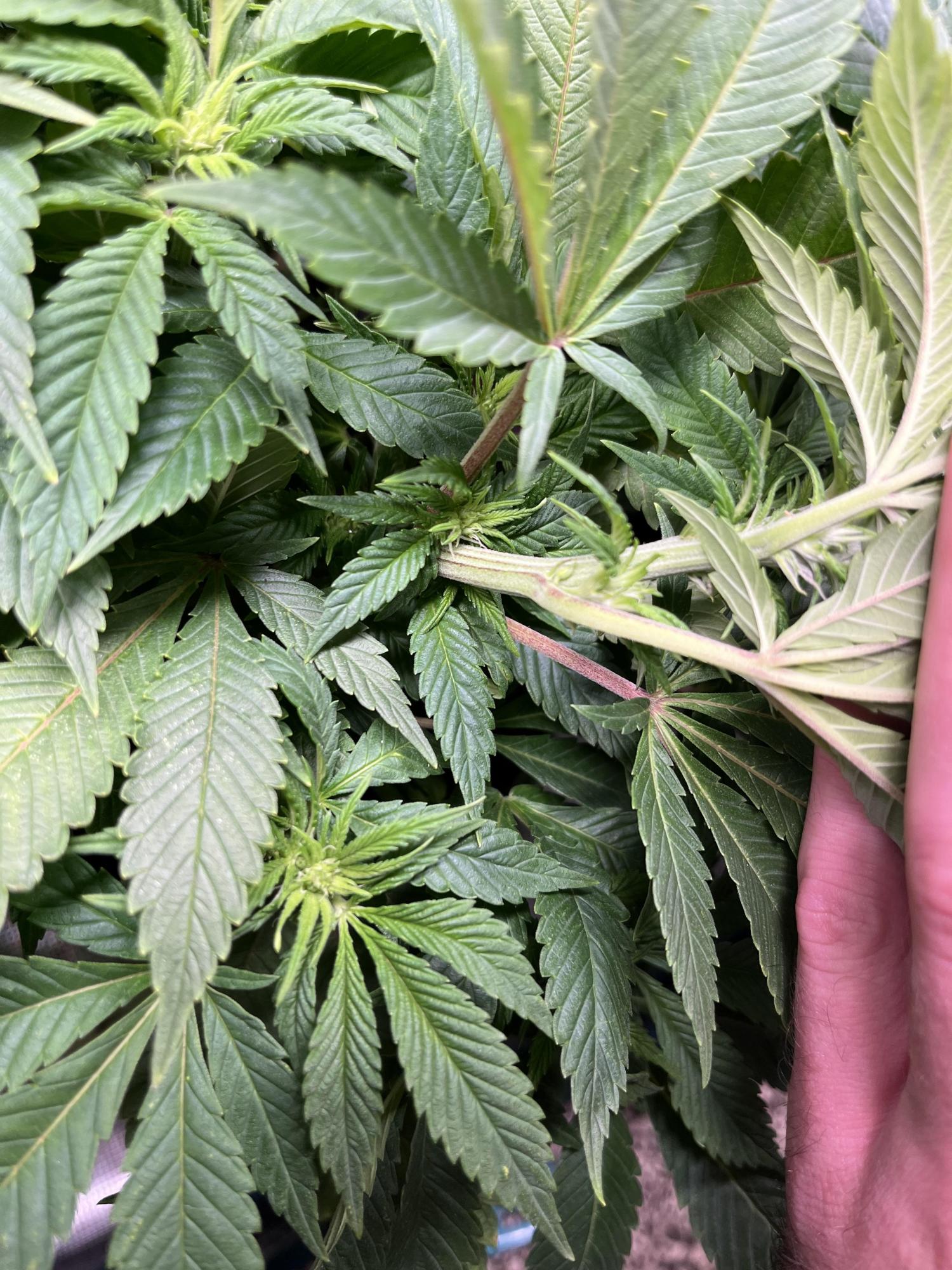
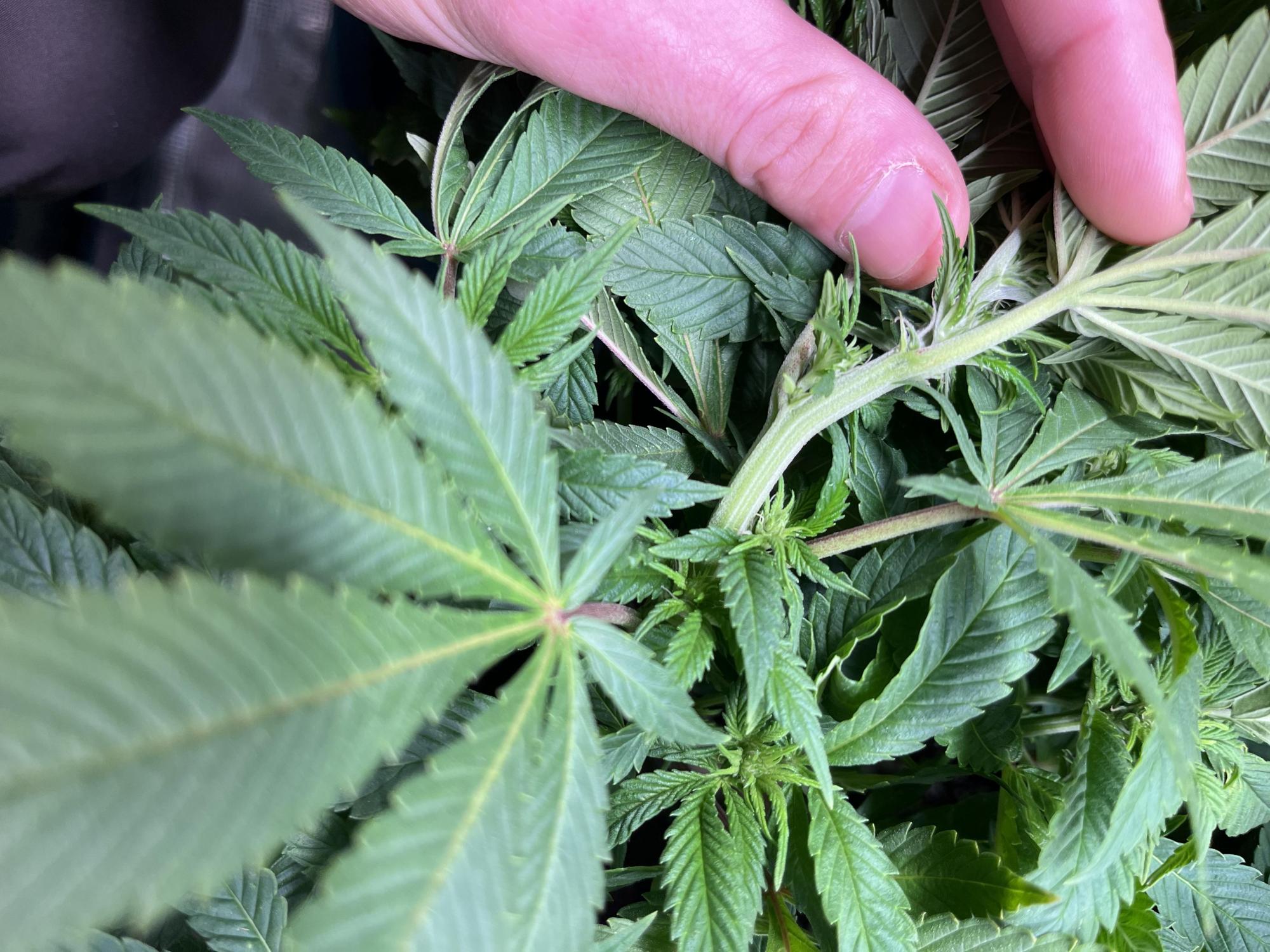
Solved
1 like

Green_Clawsanswered grow question 1y ago
In commercial cannabis cultivation, stress-induced hermaphroditism occurs at a much higher percentage than true genetic hermaphroditism. Genetic hermaphroditism is relatively rare, while stress-induced cases can affect a significant portion of a crop, especially with unstable genetics.
Stress-Induced Hermaphroditism (Most Common)
This type, also called intersexuality, is a survival mechanism where the plant produces male flowers to self-pollinate and create seeds when it perceives its environment as a threat to its survival.
Prevalence: Studies indicate it can affect between 5% and 10% of cultivated plants in typical conditions, but can exceed 25% under severe stress conditions (e.g., poor transport conditions).
Common Stressors:
Light issues: Inconsistent light cycles, light leaks during the dark period, or excessive light intensity.
Temperature extremes: Both excessive heat (above 27°C or 80°F) and extreme cold.
Nutrient imbalances: Deficiencies or excesses of key nutrients, or incorrect pH levels.
Watering problems: Irregular watering (over or under).
Physical damage: Aggressive pruning, damaged roots, or broken branches.
Pests and diseases: Any affliction that weakens the plant's overall health.
Genetic Hermaphroditism (Relatively Rare)
True genetic hermaphroditism is a natural trait of some specific cannabis varieties (like certain Thai sativas) and involves the simultaneous presence of fully developed male and female organs within the same individual flowers.
Prevalence: This phenomenon is very low in commercially bred, stable strains.
Cause: It stems directly from the plant's inherited traits and can appear even under perfect growing conditions. Unstable or poorly bred strains, especially some feminized seeds that are a result of specific breeding processes, can carry a higher genetic predisposition.
Summary
While some strains are genetically more prone to the issue, the majority of hermaphrodite cases in cultivation are triggered by environmental stressors. This is why providing a stable and controlled environment is the primary preventative measure for most growers.

Organomananswered grow question 1y ago
Yes, a hermie.
99% of the time is is a genetic error, 1% of the time it is environmental.
1 like
Complain
Green_Clawsanswered grow question 1y ago
It's a hermie and going off the pictures it's overly crowded in there, if air isn't getting threw yiur plants your asking for trouble, thinning the leaves will give these plants a quicker growth and less stress which is what causes of herm other than genes.. because she doesn't think she will last to end of life she's pollenating herself, you want to remove those balls carefully and discard, if they are everywhere you might be best growing the lot, your call
1 like
Complain