Help please

Teach_mestarted grow question 6mo ago
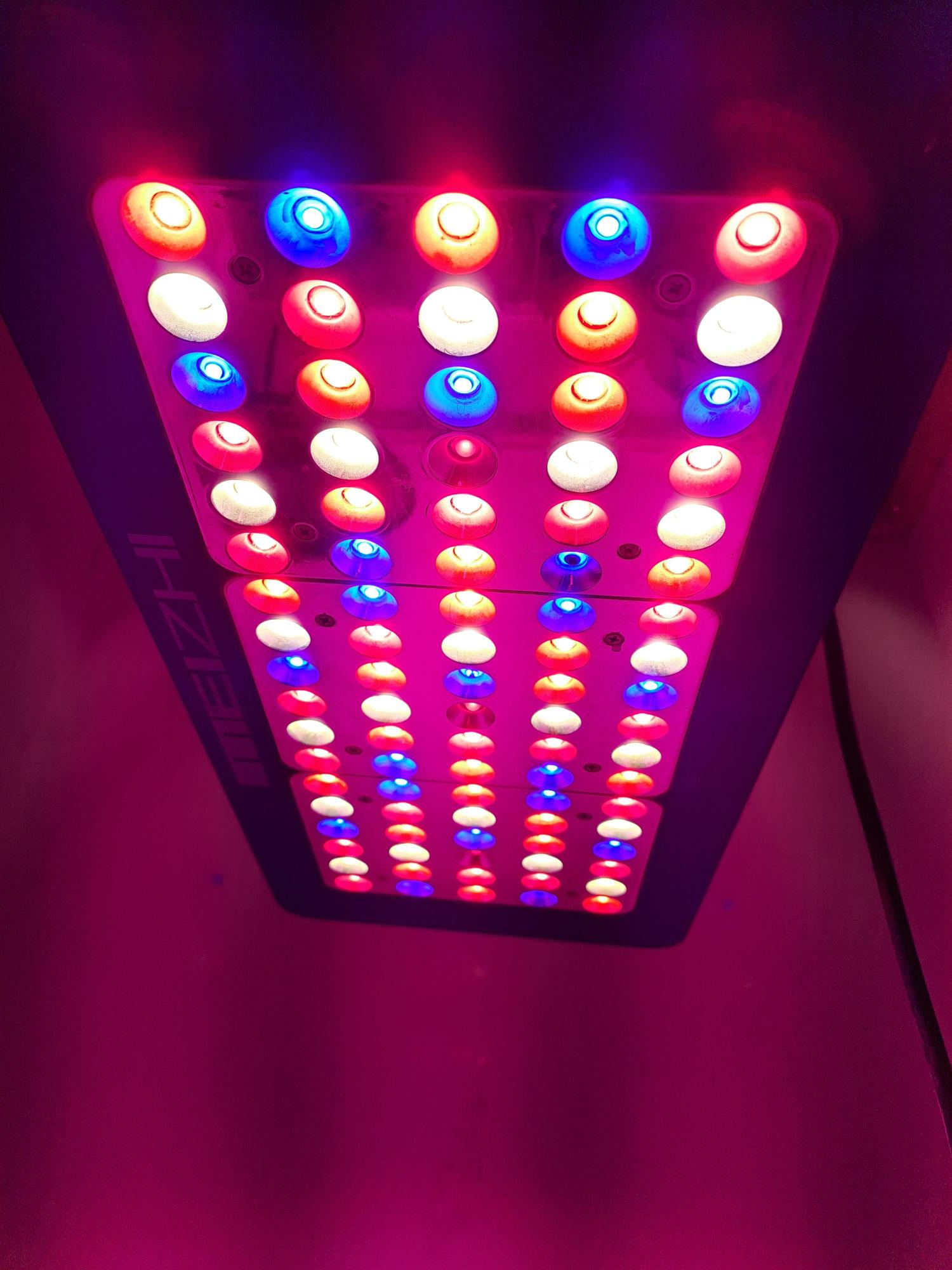
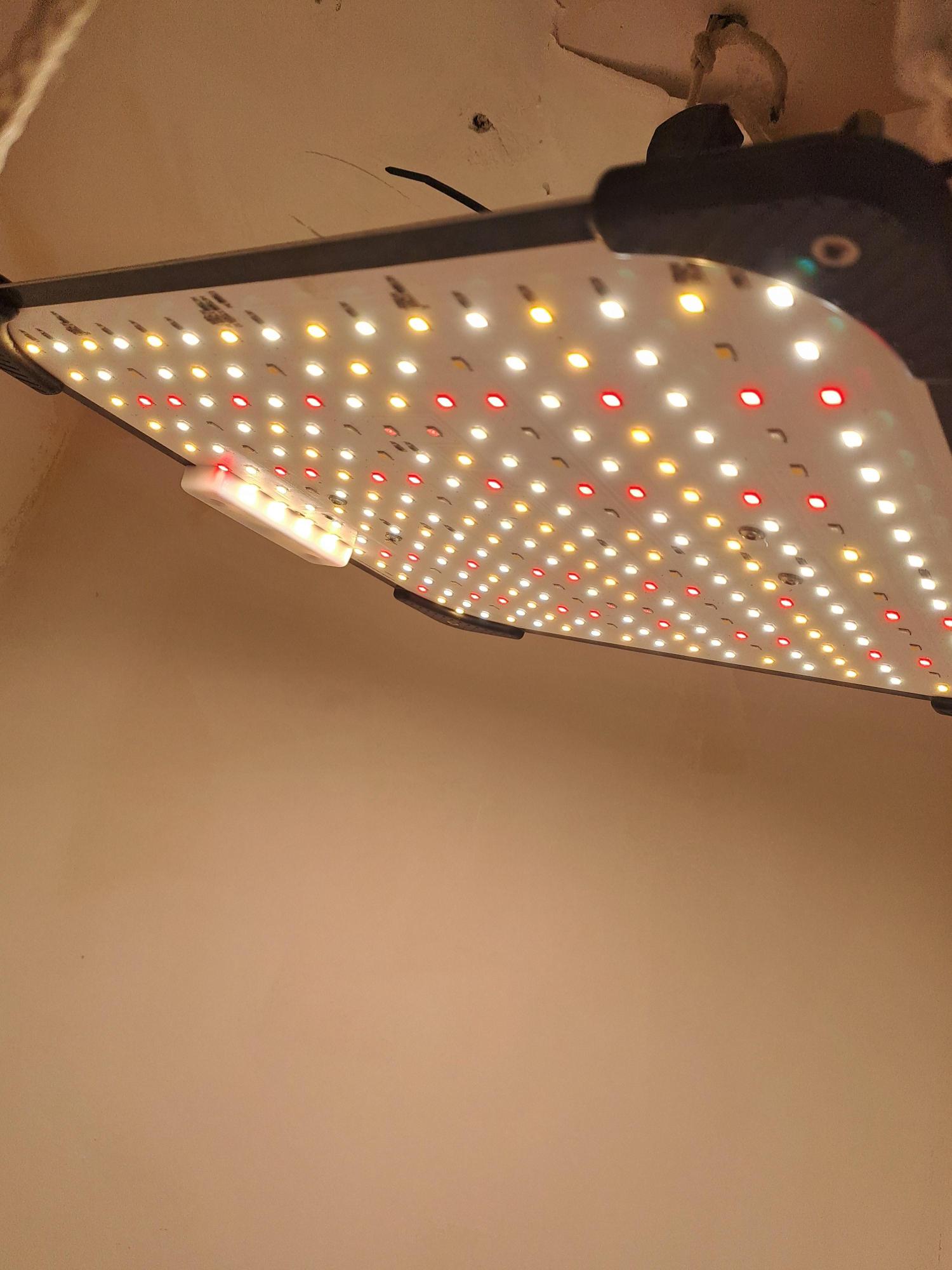
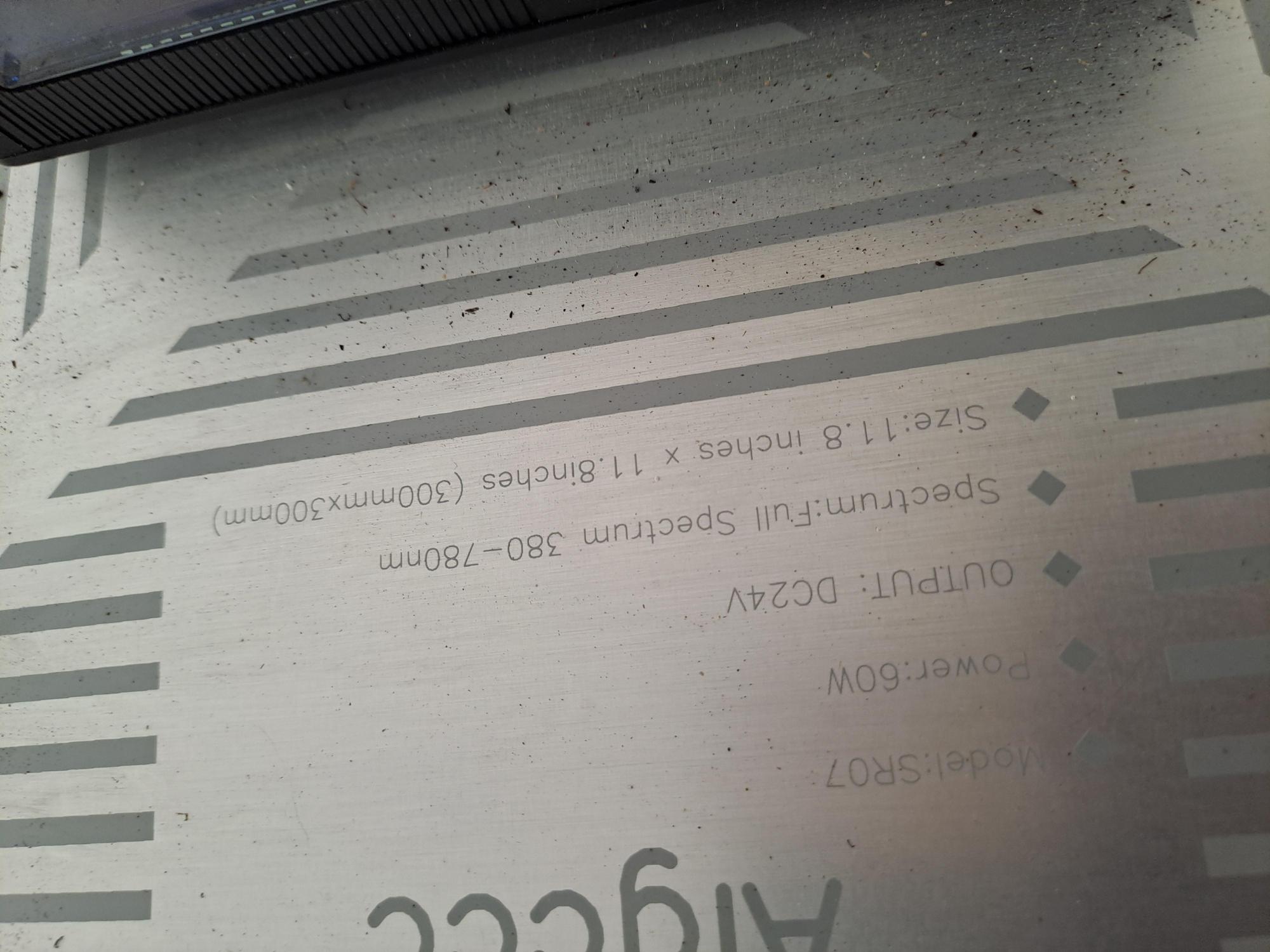
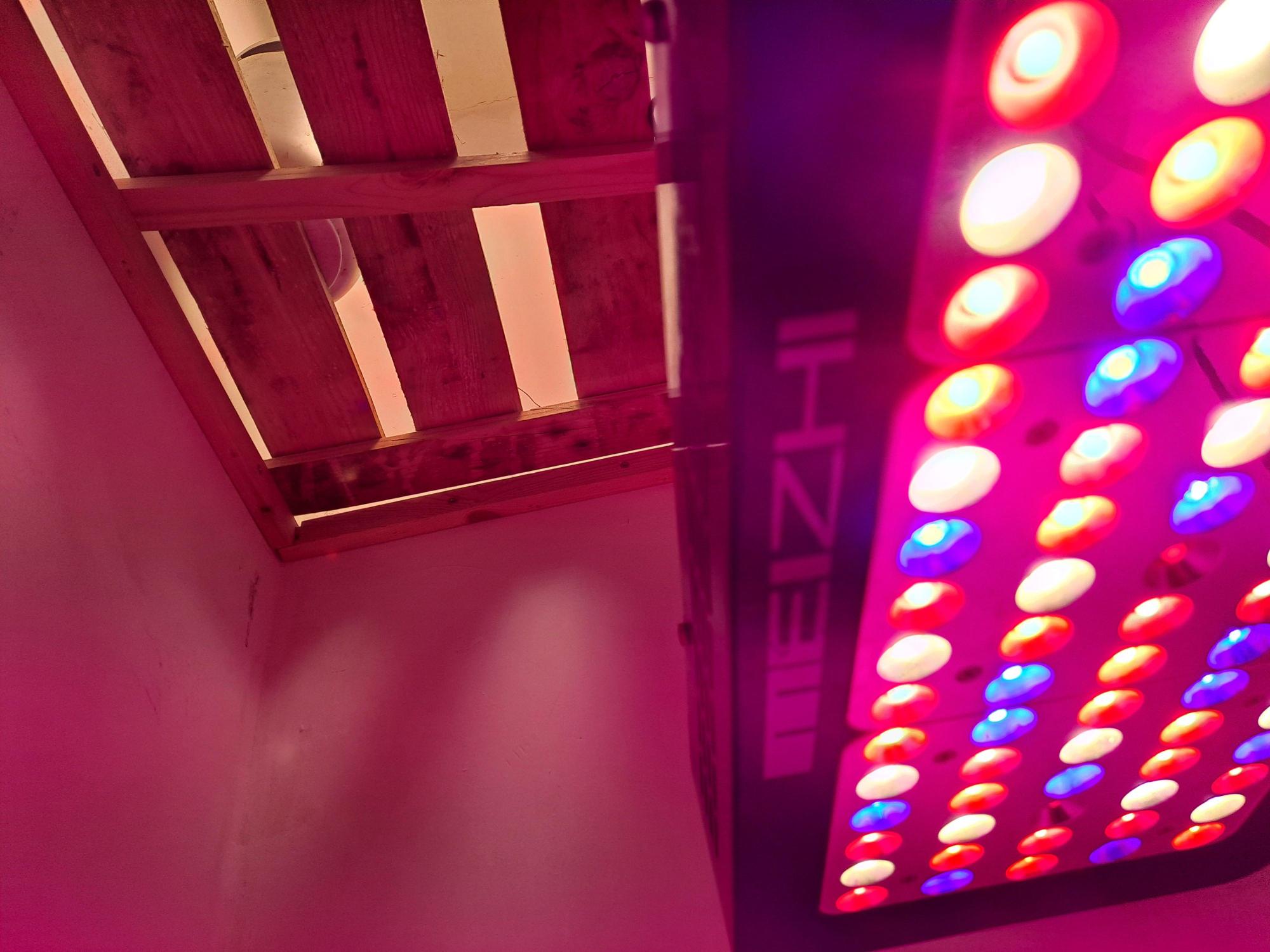
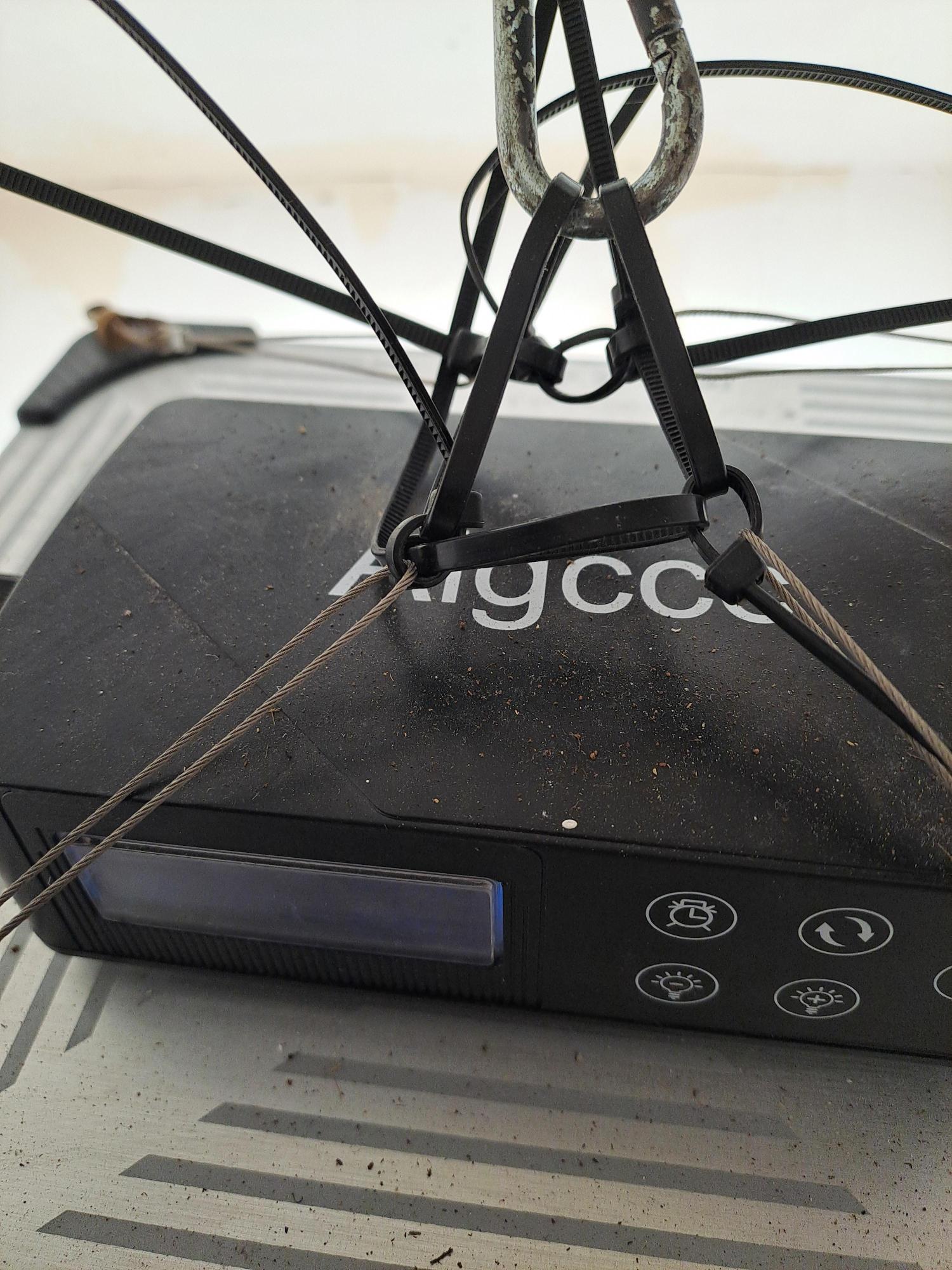
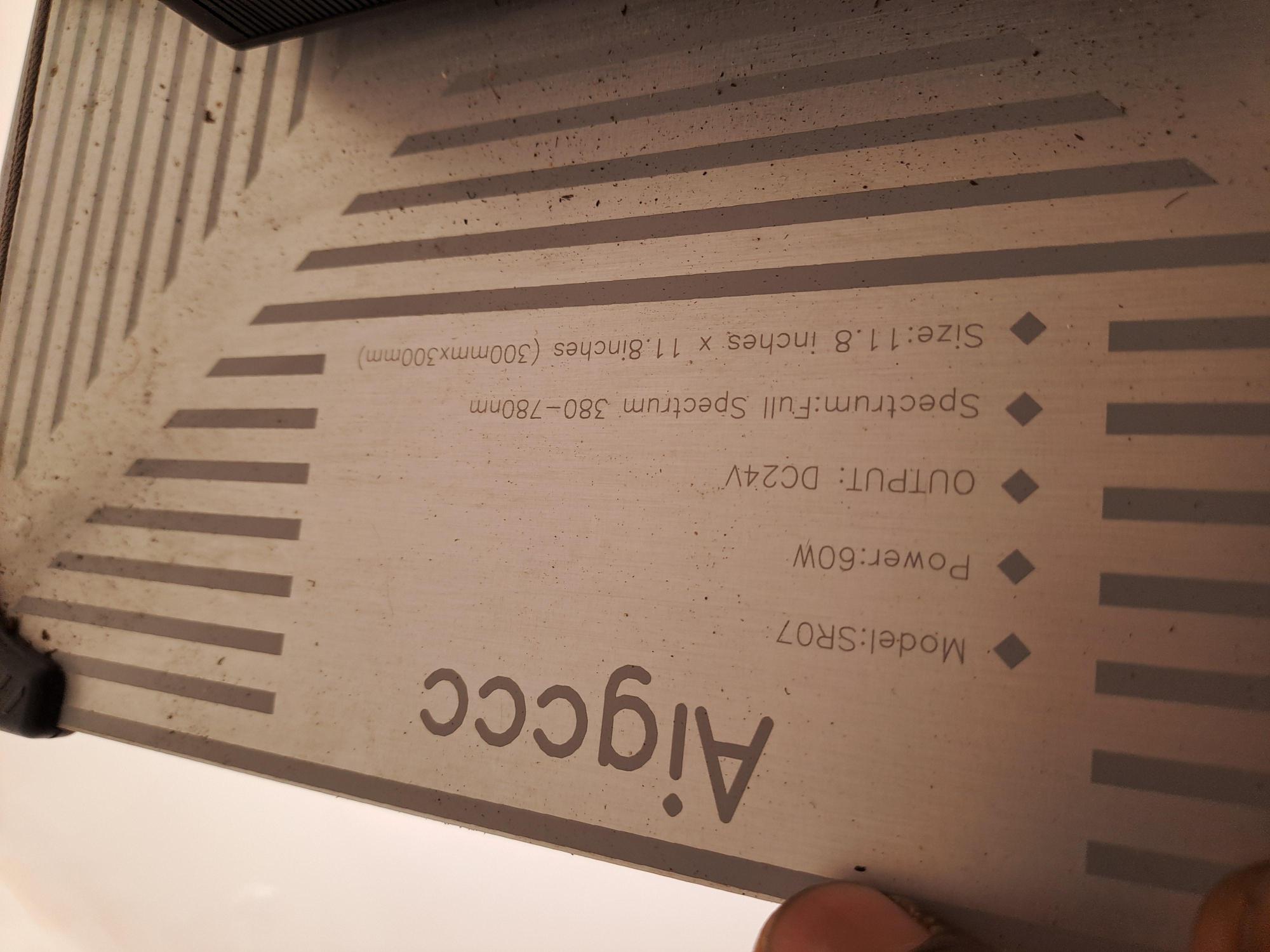
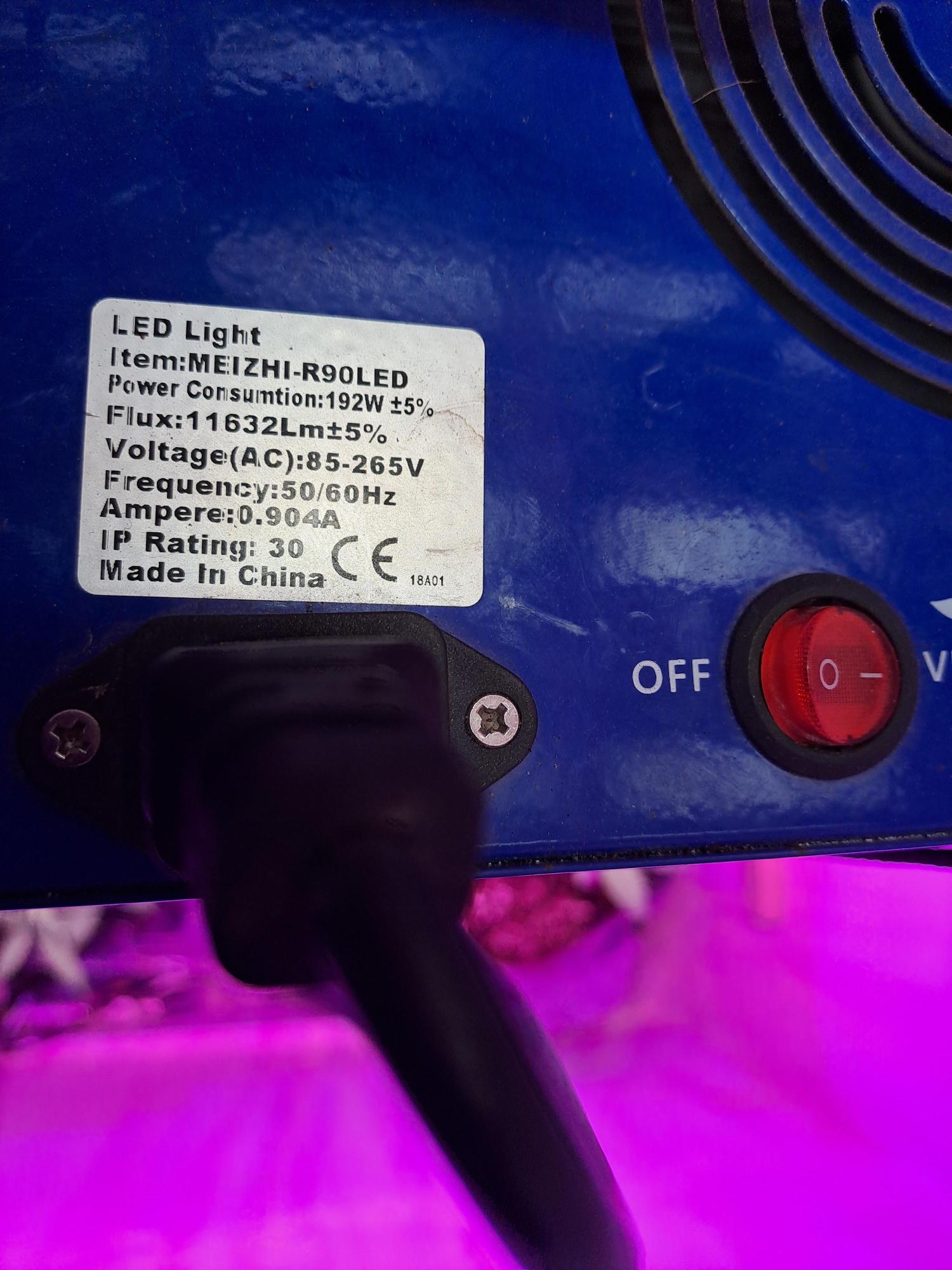
Which light is best for flowering density and yield
Open
1 like
Answer
Philhsyanswered grow question 6mo ago
For budget go for mars hydro or spiderfarmer you want the best future of grow, the black series is bit cheaper than airgro pro but the lights you have are 10 years late tech mate
likes
Complain

AlienScrOGanswered grow question 6mo ago
The question “what is the best light?” is misleading. There is no single lamp that is universally superior, because plant growth depends on a fully integrated system, not just light alone.
Artificial lights cannot truly replicate sunlight, which has a continuous and dynamic spectrum. However, indoor growing is not about copying the sun perfectly — it’s about control. Indoors, you can precisely manage light intensity, photoperiod, CO₂, temperature, and humidity, reaching a level of optimization that is impossible outdoors without highly advanced greenhouse systems.
From a biological perspective, plants are biochemical systems converting light into chemical energy. Photosynthesis uses light to process CO₂ and water into sugars, essentially managing flows of carbon, hydrogen, and oxygen. When you understand this, you stop thinking in terms of “plants” and start thinking in terms of energy and molecular processes.
Spectrum matters because it interacts with photoreceptors like phytochromes (red/far-red) and cryptochromes (blue), influencing plant structure and development. But spectrum alone does not determine performance.
Light intensity (PPFD) and total daily light (DLI) are often the main limiting factors. Without enough photons, you won’t reach optimal photosynthesis. At the same time, too much light can create stress and accelerate degradation if not properly managed. A balanced target around ~600 µmol/m²/s without CO₂ is a solid reference for late stages, with higher values possible only in fully optimized environments.
Efficiency (µmol/J), uniform light distribution, and thermal management are equally critical. Modern LED systems outperform traditional HPS in efficiency and control, although HPS provides strong red and far-red output. Today, high-quality full-spectrum LEDs with added far-red can achieve the same effects more efficiently.
Advanced setups can also simulate sunrise and sunset by adjusting intensity and spectrum, directly influencing phytochrome cycles. This is a high-level optimization, but it shows how deep control can go.
In conclusion, there is no “best lamp” — only the best system. A high-efficiency LED with full spectrum, good PPFD distribution, and proper environmental control will outperform any single “perfect” light used in isolation.
likes
Complain

DrGruenanswered grow question 6mo ago
Hi .......
The best light is free from the sun 😎
Good luck
likes
Complain

Smokwirianswered grow question 6mo ago
Both the first and second look good, but they are copys of major brands.
Id go for the white one, you will be sure your plant isnt lacking some colour of light.
Harvest your first, selll some of your harvest and buy Viparsprectra or marshydro, big companies, larche productions scale ----low prices for good product. If you need discount codes dig into my profile, i had some in the past, not too sure if they still work.
likes
Complain

cangrowzanswered grow question 6mo ago
Hey Teach_me! Looking at the options , for the best flowering density and yield, you definitely want to go with the full-spectrum white LED board (the one on the top right) rather than the older "blurple" style light. Modern full-spectrum LEDs provide a much broader range of light that mimics the sun, which helps the plants produce denser buds and better resin. The blurple lights often lack the light intensity (PPFD) needed for a really heavy harvest, so stick with the white light for those top-tier results!
Happy Growing Growmie🌱
likes
Complain