


Pest attack

Alkannabisstarted grow question 1mo ago
Hello people, first time grower here.
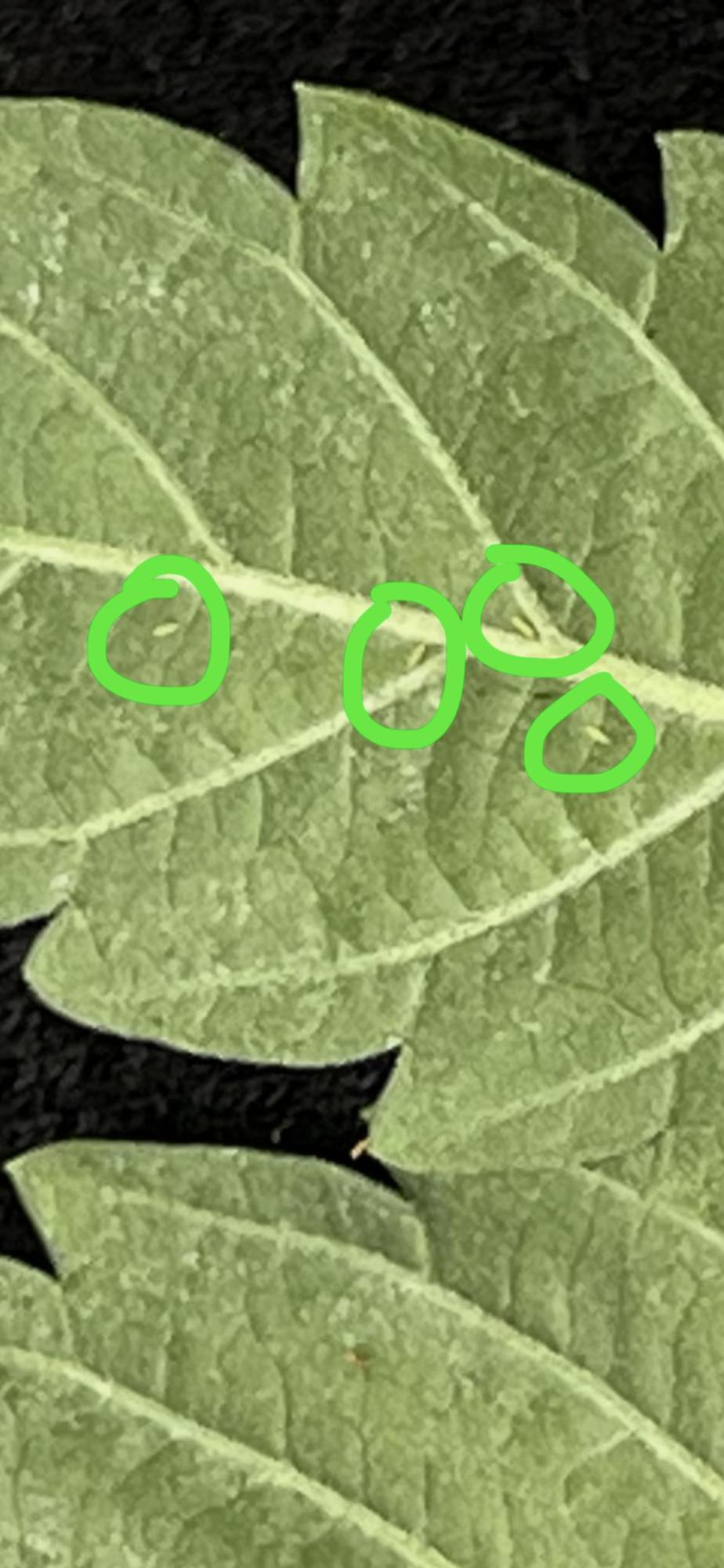
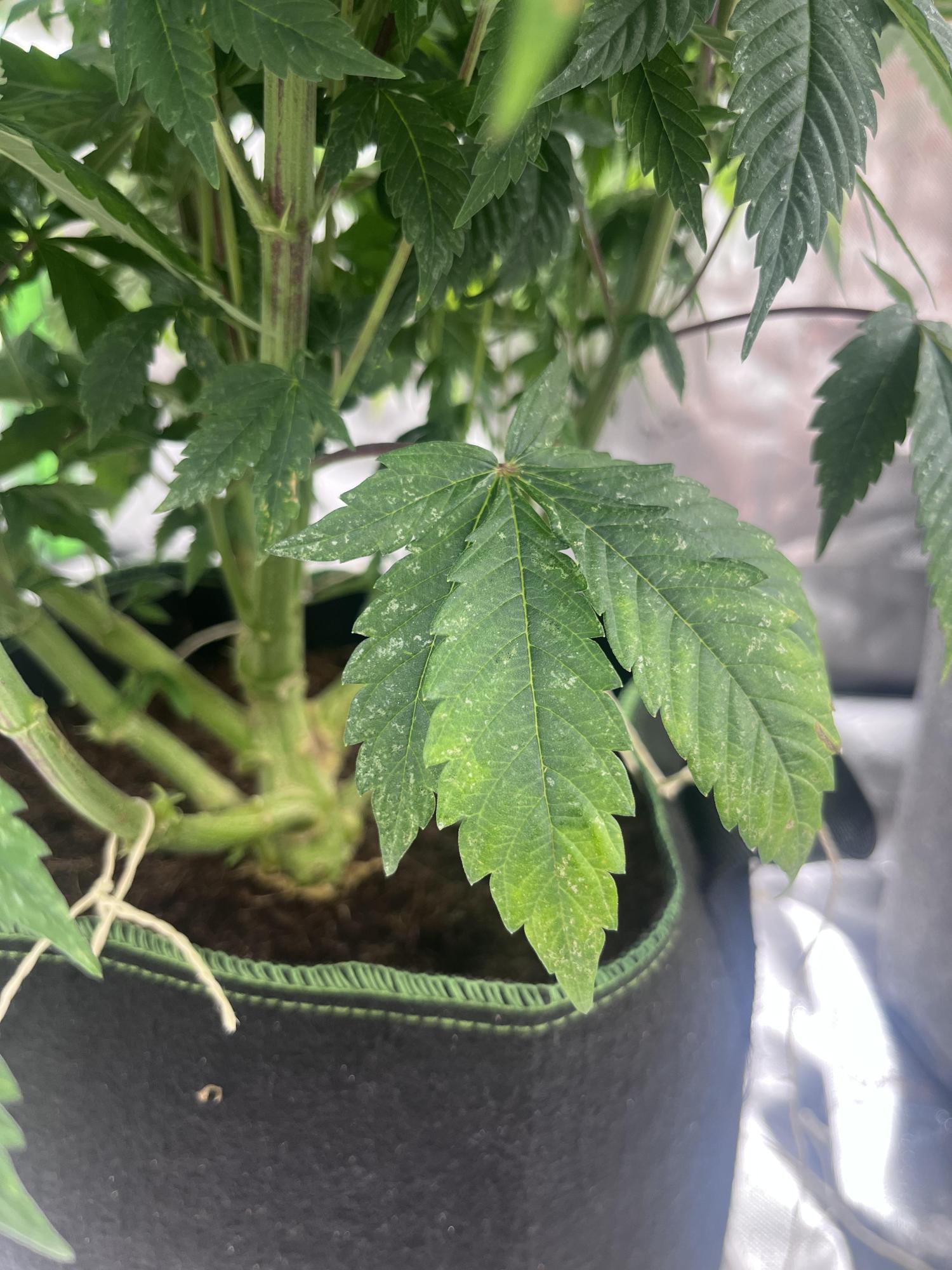
Can you identify what pest this is and what should i do to save my baby? Thanks 🙏
Open
1 like
Answer

Nebuloso420answered grow question 23d ago
The marked insects are quite small and a bit blurry, so I can't identify them with complete certainty, but I can make a likely assessment.
They are most likely thrips.
Get predatory mites!
likes
Complain

Argosanswered grow question 24d ago
Insecticidal solution against aphids, spider mites, thrips, leaf miners, and other pests: - Onion peel with its high phytoncide content is essential in the fight against pest insects. The treatment is most effective when we spray the plants in the evening. The onion peel infusion has a very short shelf life, so fresh solution must be prepared for each subsequent treatment. To prepare it, pour 200 g of onion peel into 10 liters of warm water and let it sit for 12-15 hours. Use the strained content every week after flowering until the fruits are fully developed. Dilution: Dilute the 1-liter concentrated infusion with an additional 3-5 liters of water. The strained diluted solution can also be used rarely (once every 2-3 weeks) as a foliar fertilizer, but first test it on just one or two leaves. Frequency: Water the plants with it a maximum of once every 2-3 weeks during the flowering stage. - Plant growth stimulant You can also use onion peel as a growth stimulant for the plants. Onion peel contains growth-promoting substances that can accelerate seed germination, stimulate root formation, and enhance fruit quality. Preparing such an onion peel remedy requires little use but offers great benefits. To prepare a natural growth biostimulator, place two tablespoons of onion peel in 1 liter of boiling water, add wood ash, mix well, and let it sit in a dark place for 2-3 days. Dilute the strained infusion in a 1:3 ratio and use it to water the sown seeds or young shoots.
likes
Complain

Organomananswered grow question 1mo ago
Thrips.
Yellow sticky traps should work if the infestation is light.
Copy and pasted AI answers suck.
3 likes
Complain

bkickstandanswered grow question 1mo ago
Based on the elongated, pale, rice-like shape of the nymphs clustered along the leaf veins, these are thrips (specifically thrip larvae/nymphs).
Key Identification Markers:
* Shape & Appearance: They look like tiny, slender, pale or yellowish-white "grains of rice" or worm-like nymphs hugging the veins on the undersides of the leaves.
* Damage Sign: If you look closely at the surrounding leaf surface, thrips use rasping-sucking mouthparts that typically leave behind fine silvery stippling, bleached patches, or shiny streaks.
Management Options:
* Foliar Spray: Spinosad is widely used by organic growers as a safe and highly effective treatment against thrips (working via contact or ingestion). Insecticidal soaps or neem oil can also work as contact sprays.
* Target the Soil: Because thrips drop down into the growing medium to pupate before returning as flying adults, treating just the leaves usually isn't enough. Consider introducing beneficial nematodes (Steinernema feltiae) or predatory mites (Stratiolaelaps scimitus) to your soil/medium to target the pupae.
1 like
Complain

Borberadanswered grow question 1mo ago
Those are thrips. Depending on how far along the plant is, you can treat it with neem oil, spray the plant, and maybe add neem cake to the soil. A.c. predatory mites are very good beneficials, I always hang them preventively against thrips and other pests in the tents. Neem oil or spinosad can be sprayed during flowering for a maximum of the first two to three weeks, and it's hardly compatible with beneficials, as it kills them too. Here's an anti-thrips list:
Use beneficials: predatory mites (e.g., Amblyseius cucumeris/swirskii) or lacewing larvae
Pesticides: apply neem oil-based products or spinosad selectively
Mechanically: rinse affected leaves and isolate the plant
Hang blue traps for early detection and infestation control
(Yellow traps against fungus gnats)
Adjust climate: increase humidity (thrips like dry air)
Good luck with your little flower and your fight against the little monsters!
1 like
Complain

GoodWeedBerlinanswered grow question 1mo ago
I would guess thripse, like @DE_BW said.
An alternative to predatory mites could be a neem-oil treatment (if the plant has more than 3 weeks until harvest). Three times directly before the lights go off, that solves every leaf-sucker problem for me.
4 likes
Complain
