


Is this a HLVd infection?

AbroCadabrostarted grow question 1mo ago
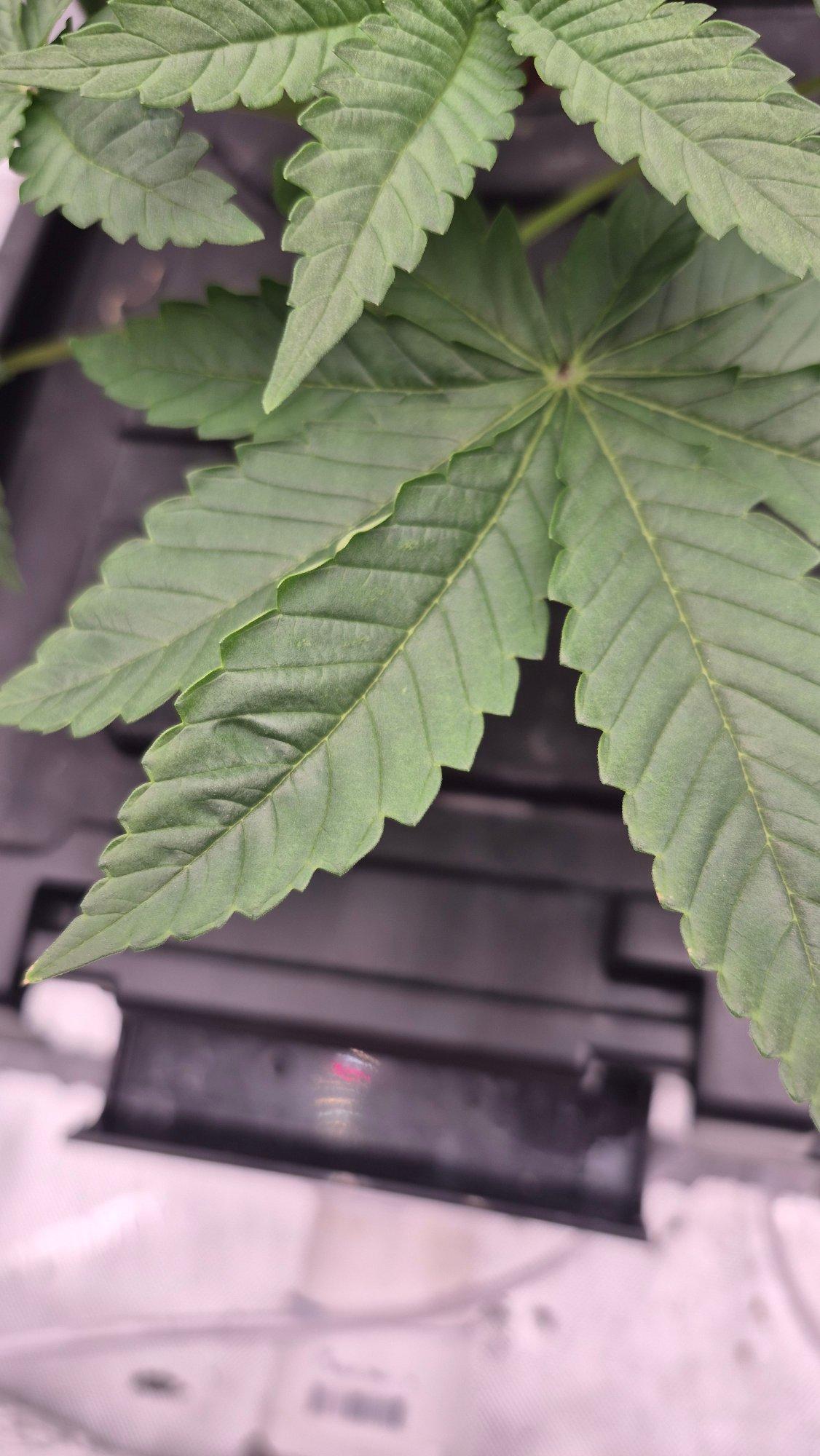
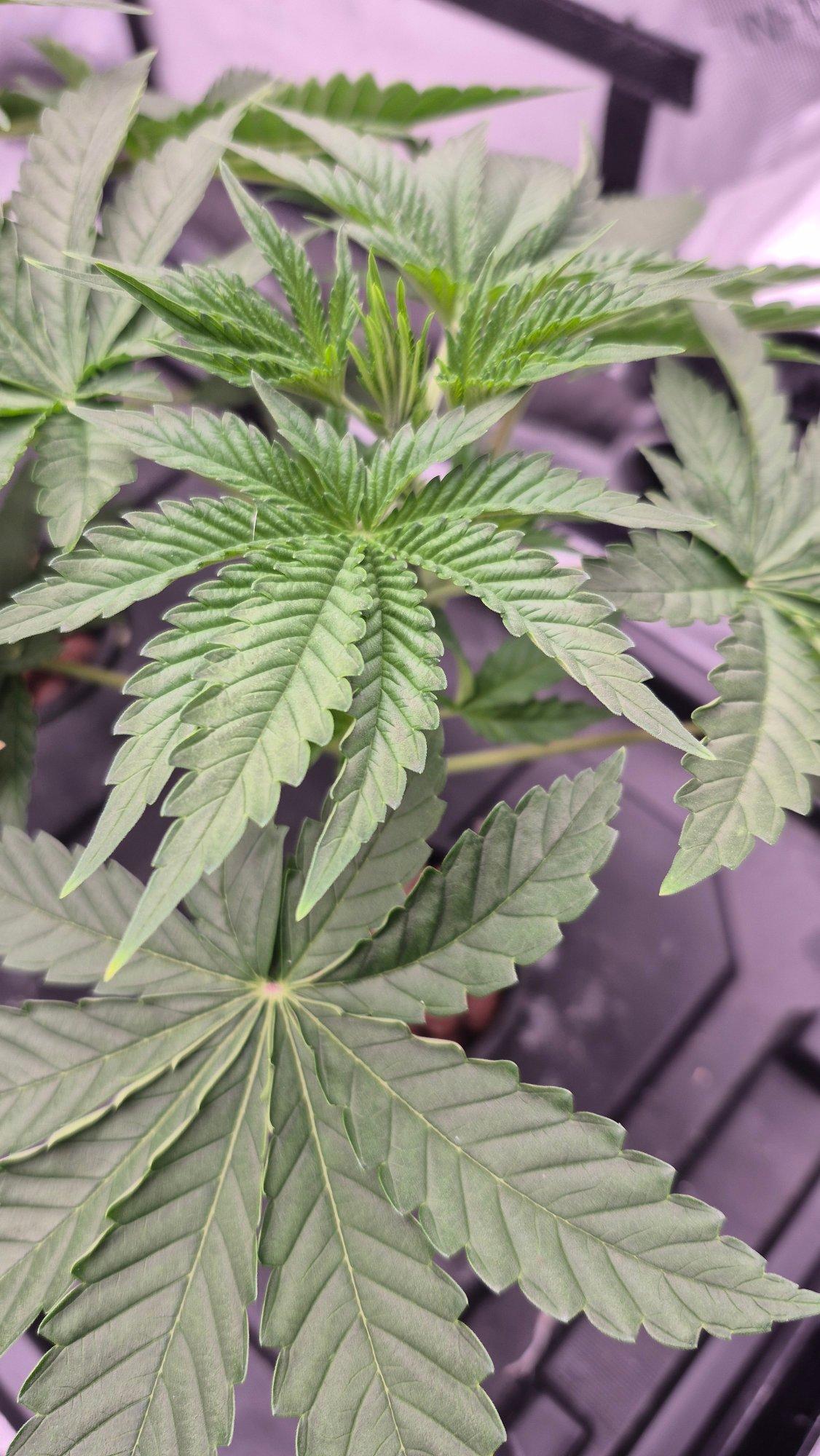
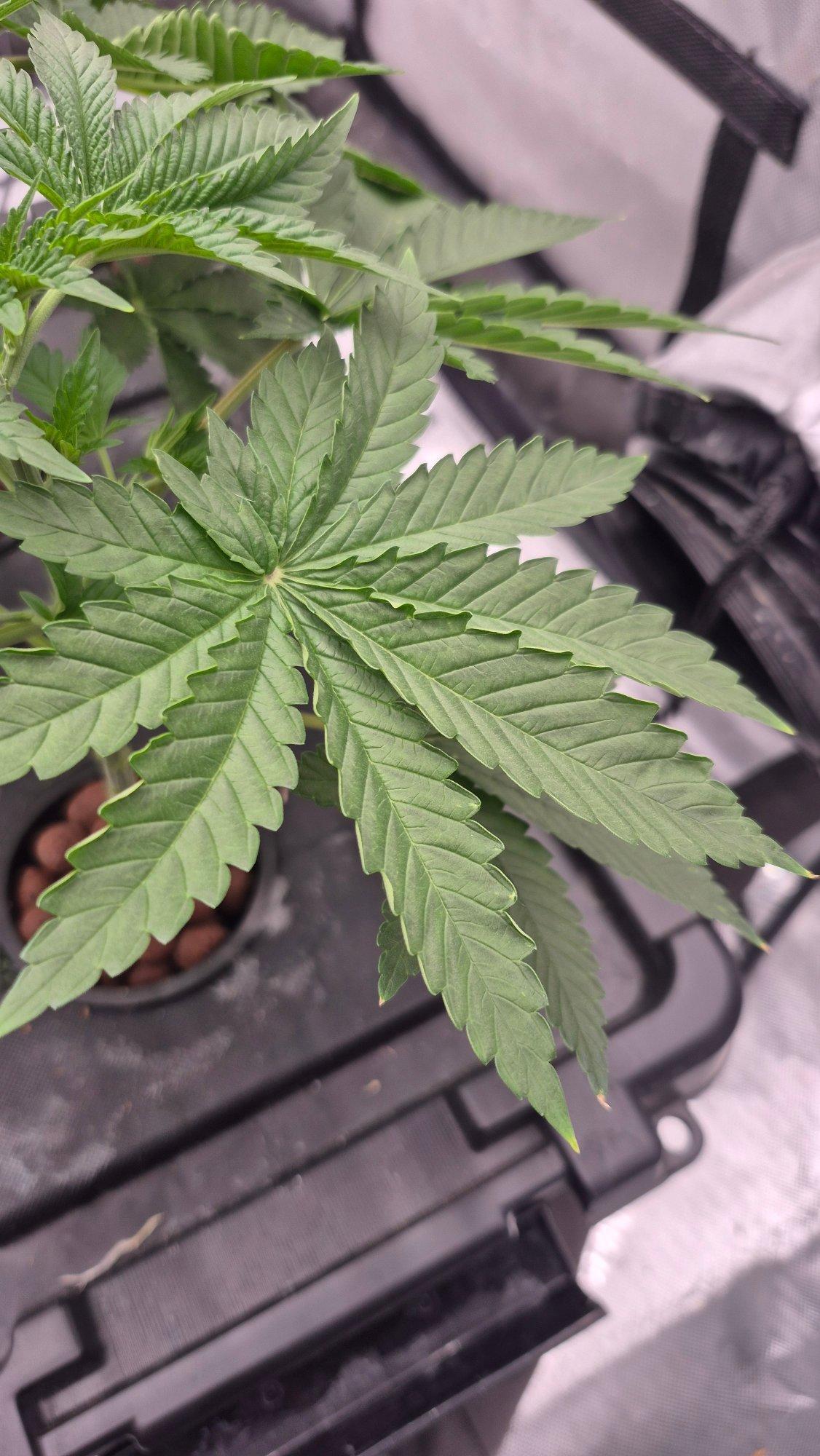
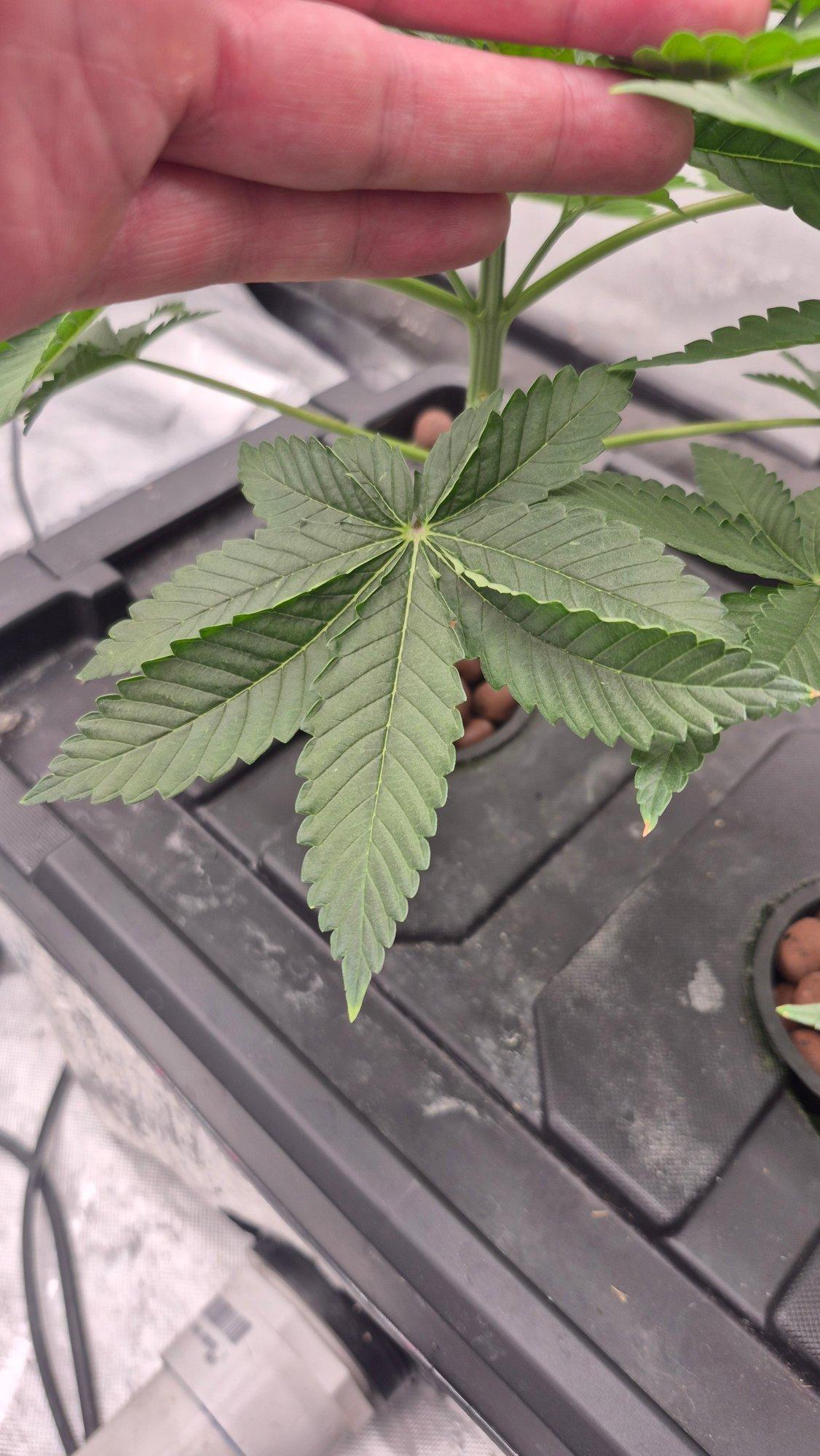
I added a few images to my week 6 slide deck that have me a little concerned that I might have a hlvd infection in my system. Some of the leaves on my plants are starting to curve and I'm not sure why. I read that it could be a symptom. If anyone has had experience with this type
Solved
Week 6 1 like

bkickstandanswered grow question 1mo ago
Breathe easy—the leaf edge curling and wrinkling ("canoeing" or tucking margins) you're seeing in the photos is unlikely to be Hop Latent Viroid (HLVd).
While HLVd can cause leaf chlorosis, brittle stems, and stunting, the distinct puckering between the veins and slight leaf margin tucking typically points toward environmental or nutritional stress rather than a pathogen.
Common Culprits for Leaf Edge Curling
Environmental Stress / VPD Imbalance: Rapid fluctuations in temperature or relative humidity—or a vapor pressure deficit (VPD) that is pushed too high—frequently cause leaves to cup or wrinkle as the plant struggles to regulate transpiration.
Root Zone / Hydroponic Stress: Since this looks like a hydro or DWC setup, minor water temperature fluctuations, temporary dissolved oxygen drops, or slight root tip stress can manifest as weird leaf crinkling.
Light Intensity / Heat Stress: If the canopy is getting blasted by intense LED lighting without enough airflow or adequate transpiration, upper leaves will often react by canoe-curling their edges upward or downward to reduce surface area exposure.
Nutrient Imbalances: Minor excesses or lockout of nitrogen, calcium, or magnesium can distort new cell growth, causing the leaf blades to take on a crinkled, uneven texture.
Next Steps
Check your current VPD, room temperatures, and leaf surface temperatures to ensure they're dialed in for week 6.
* Inspect your root zone for any signs of discoloration or pythium just to rule out root health issues.
If you still have lingering doubts and want 100% peace of mind, you can snip a small leaf sample and send it off for a quick PCR test via labs like Tumi Genomics or Botanacare, but based on visual cues alone, environmental or feeding stress is the much more probable suspect.

DrGruenanswered grow question 1mo ago
hi.....
hatte es so in der Art auch schon mehrfach.......
Habe keine negativen Auswirkungen feststellen können......
Nach einer gewissen Zeit, hat sich das Problem von selbst erledigt....
Mach dich nicht so verrückt und lass sie mal machen.....
das wird schon .....😉
Viel Glück Growmie 😁
1 like
Complain


phenohunterxanswered grow question 1mo ago
Ich denke nicht das es das ist...wenn könntest du es nur mit Test Labor rausbekommen.
Wenn du nicht züchten oder Mutterpflanzen daraus machen willst,spielt das auch kaum ne Rolle meiner Meinung nach. Da sich das Viroid latent verhält zu 95% also es bricht nicht aus ...zumindest in einem Run nicht
1 like
Complain


ATLien415answered grow question 1mo ago
yeah so these answers are wild. hops latent is a HUGE problem in cannabis, it is already endemic. think covid or the flu. it is here to stay. it also impacts flower quality and is transmissible.
you will never be able to make this call. this is a job for a lab test. this is why we never buy from walmart style seed brokers and always go direct to a trusted vendor with lab testing, because you cant confirm visually.
any seed pack or clone or tissue culture you've bought in the past ~5 years should have mentioned their testing procedures for this exact circumstance
1 like
Complain

LPintoanswered grow question 1mo ago
Bom dia, analisando o seu diário verifiquei que tem a temperatura e humidade um pouco altas, se aumentar a circulação do ar deve conseguir baixar esses valores que estão a provocar stress na planta.
likes
Complain

Hermannswaldanswered grow question 1mo ago
Overall she looks healthy green, I wouldn’t be to concerned cause there are always little nutches and mostly weed has her own revival techniques. Stopp touching to often, have a good temp/rH ratio and correct EC/pH for your hydros. I would stir up a mist solution with grow veggie medium and spray it twice a day before lights turn on/off. Good luck 🍀
likes
Complain

Organomananswered grow question 1mo ago
Unless you have been to a field of hops and undertaken pruning, grafting or transplanting hops recently, it is almost impossible to introduce HLV to your home set up.
Leaf curling is not really a symptom either.
The leaf curling is more than likely to be caused by too much heat or a lack of air circulation.
1 like
Complain