Likes
Comments
Share


@LoneStrainger
Follow
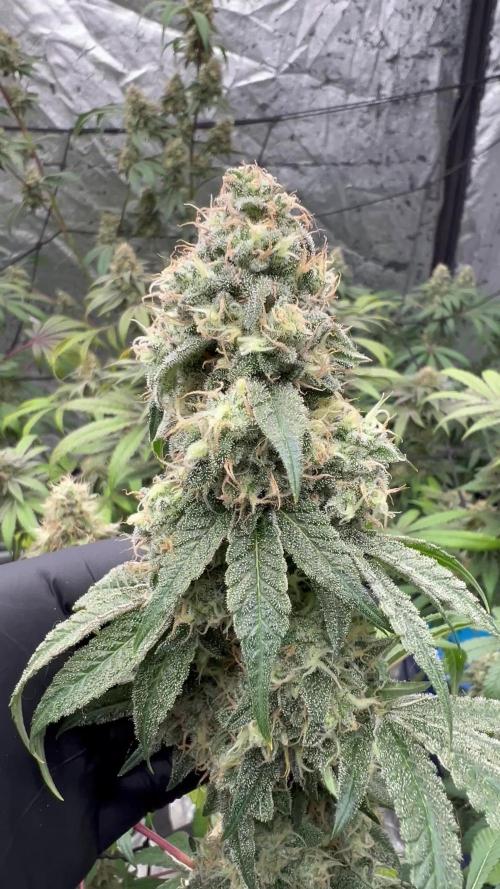
I think I got a little light burn but I got a lux meter and adjusted the light. She looks happier now. Upping to veg state dosage of nutes next week. Topped last week and started some LST yesterday. FAT stalk.. guessing that the “tree trunk” additive. Happiness. Kombucha cream!


Likes
2
Share


@deseed_uy
Follow
Exquisito feno muy marcado el sabor diesel, olor y sabor coinciden. A pesar de no haber hecho un buen lavado, esta muuuy rico
Likes
13
Share


@cookingwithninja
Follow
Day 12 pushing hard like the last 4 grows. I’m very impressed so far. Maybe a little calcium that’s about it


Likes
34
Share


@Gorrilla420
Follow
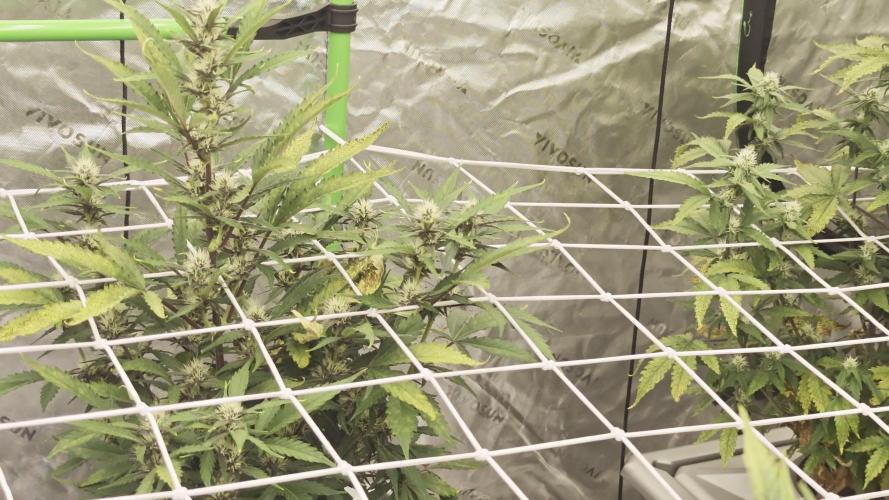
This week we’ve had abit of growth not as much as I’d hoped, most of the side nodes have been ate my snails so must have stunted her a lot, I topped her few week ago and both new heads started to come out then the slugs had ate one so I’m back to 1 head and no side branches, hoping now I’ve dealt with them and won’t get attacked again and she can do her thing. We will see, was hoping to get a net over her soon to spread her out but not looking promising with no side branches left just a main head again.
That’s all this week, happy growing 🌱


Likes
8
Share


@Hydronaut
Follow
First set of leaves were a bit light and what appears as some decent tip burn? Bucket was running hot on week two, but left it alone. She’s happy now that she’s starting to get the munchies. Most of the growth is looking decent.
I’m going to top above the fourth node, and take the lower branches leaving 6 main branches to train.
She’s topped but it looks like I will end up with 8 branches to play with. I may remove the bottom two?

Likes
35
Share


@Fatnastyz
Follow
2-9
Brew tea, 3ml sicila, 1 ml drops balance. Less than 1/2 tsp recharge. 8ml EM 1, 1 ml amplify microbes , dusting of yucca.
1 gallon water with stones. Will ph to 6.2.
1000ml
Started LST, used a clip to bend the main stem.
She went very easily, not much resistance.
2-12
1300ml mixed with HP connect. Ph 6.2
Adjusted LST
She has had good growth. Showed her first preflower hair today. Middle of week 4.
2-13
LST
2-15
2 liters Silica, cal/mag, drops of balance. Recharge 6.3
Adjusted LST

Likes
10
Share


@Weedbadk
Follow
Día :1 iniciamos este seguimiento de estas variedades toda germinaron en 3 días
Día 5 desde puesta en sustrato
Solo pulverizó 1 no sobrevivió pero las 2 salieron sin problemas


Likes
2
Share


@Ultraviolet_
Follow
Topped once, turned off IR @ nights, slowed vertical growth back down, and took off both of the very lowest internodes on each plant.
Eisenia fetida
Stratiolaelaps scimitus
Armadillidium vulgare
Red wigglers (Eisenia fetida) are highly beneficial. They are considered an ideal choice for "no-till" or container-based organic growing because they live in the upper layers of soil, feeding on organic mulch rather than the plant's root system. Red wigglers accelerate the breakdown of organic amendments and produce high-quality, nutrient-dense worm castings directly in the root zone. Clover is another exceptional component of an organic rhizosphere, offering a sustainable, self-sustaining alternative to synthetic nitrogen fertilizers produced via the energy-intensive Haber-Bosch process. By forming a symbiotic relationship with Rhizobia bacteria, clover converts atmospheric nitrogen N2 into ammonium NH4, providing a steady, slow-release nutrient source that enhances soil health and reduces environmental impacts. Red clover offers superior nitrogen fixation and biomass production compared to white or yellow clover, making it the premier choice for maximum soil vitality, particularly for improving soil structure and providing a high-volume nitrogen credit for subsequent crops.
If it is fully functional and efficient soil, the rhizophagy cycle is superior long-term than any synthetic delivery when it comes to preventing deficiencies, not because it's "better," per se. The medium will require a very high CEC to make it to harvest without re-fertilization. The rhizosphere acts as a dynamic, interactive exchange where plants and soil microbes trade resources based on immediate needs. When a plant lacks a specific nutrient, it changes its physiology and releases specialized chemical cocktails—root exudates—into the surrounding soil. These exudates, which include sugars, amino acids, and organic acids, serve as a "shopping list" to attract specific microorganisms, which in turn return higher levels of desired nutrients. There is nothing in comparison when using synthetic delivery, which can cause plants to stop producing exudates, effectively "starving" the beneficial soil life, over time turning the soil barren and void of microbial life. Responsible use, applying the right amount at the right time, can minimize these negative effects. Relying solely on synthetic fertilizers without replenishing organic matter is what typically leads to exhausted soil. The use of synthetic fertilizers can utilize the Cation Exchange Capacity (CEC) of the soil, but without a robust rhizosphere and active microorganisms, the efficiency of this process is significantly reduced. This makes synthetic growing more difficult to prevent deficiencies overall compared to an efficient organic living soil with a robust rhizophagy cycle, as there is no "one size, fits all" when it comes to different nutrient profiles of strains/genetics, making it trickier to "guess" and prevent creeping deficiencies.
CEC does not contribute towards EC. Add more CEC using biochar, problem solved. If you keep pH between 6.3 and 6.7, hydrogen is exudated to cycle the medium's CEC for its needs. Keeping the pH between 6.3 and 6.7 creates an environment where plants release H+ to displace positively charged nutrients (like Ca2+, Mg2+, K+ held on soil particles or within artificial media this cycle through nutrients via the medium's Cation Exchange Capacity (CEC)
Microorganisms generate a stable potential of approximately 0.5 V EC. The rhizosphere creates its own food, similarly to chelation, using 1000's of varying combinations to create its own food.
Start to finish, just add water. Eventually, more materials will need to be added at the beginning of each new grow, but very attainable to go from seed to harvest without ever fertilizing.
ATP is important when it comes to biomass accumulation. Cellular root respiration and cellular respiration are essentially the same biological process, the breakdown of glucose to create usable energy (ATP) in the presence of oxygen, just taking place in different parts of the plant. Synthetic (salt-based) grows have significantly lower levels of total rhizosphere respiration, often referred to as root-zone activity, compared to organic living soil grows. While the plant roots themselves may respire in both systems, the surrounding soil ecosystem in a living soil setup is vastly more active, teeming with bacteria, fungi, and beneficial microorganisms.
2 pools of ATP, it won't double in growth buuuut, but improving root respiration by ensuring high oxygen in the soil is crucial. Good aeration ensures roots can fully utilize glucose to generate the ATP necessary for nutrient uptake, leading to healthier and more productive plants, even if growth isn't exactly doubled. The ATP created using root respiration is dedicated to rootzone growth; the ATP created using regular cellular respiration in a synthetic system would have to dedicate a lot of ATP to the roots when there is little or no root respiration. It's true that there is less of an initial ATP cost in breakdown when nutrients are already in their final form (synthetic), but you lose a solid chunk of ATP when the entire plant is reliant on cellular respiration alone; a large portion of ATP is dedicated to root zones for "forced" nutrient uptake rather than traded. Making it overall less efficient, even if the initial cost of breakdown is higher. Not sure if I butchered that but one can hope It makes sense.
Oxygen is of critical importance when growing in living soil compared to synthetic soil because it supports the metabolic needs of the microbial, fungal, and insect ecosystem, rather than just the root respiration required by the plant itself. While synthetic grows can survive in lower-oxygen environments with precise mineral feeding, living soil systems rely on aerobic microbes to decompose organic matter (microbial mineralization) to create plant-available nutrients, which is an oxygen-intensive process. While a specific fair percentage is difficult to guess, my experience points to a massive, compound difference between the two methods and the amount of oxygen required. All the ATP spared is used on more biomass, not only that, but the extra root respiration can achieve a much higher CO2 compensation point naturally than you could with synthetic and atmospheric CO2 alone.
As a plant grows faster and increases in size, its demand for nutrients to support that growth increases, requiring a higher rate of nutrient uptake. As plants enter phases of rapid vegetative/floral growth, their metabolic demand for nutrients increases exponentially. Without a robust buffer zone—whether in the soil (cation exchange capacity) or in a hydroponic reservoir—deficiencies will occur rapidly because the instantaneous demand for specific nutrients can quickly exceed the rate of supply.
A growing body of evidence suggests that organic living soil provides superior long-term soil health and environmental benefits compared to synthetic fertilizers, which are often criticized for promoting a cycle of dependency and degradation. While synthetic fertilizers offer short-term convenience and high yields, they often come at the expense of long-term soil health, sustainability, and increased corporate control over growers/ farmers. Organic living soil, while slower and requiring more care to establish, creates a sustainable, resilient, and, ultimately, more fertile environment.
We don't really grow; we facilitate energy conversions, and energy is just numbers. Because the universe works the same way today as it did yesterday, there is a single, fundamental mathematical quantity that remains constant. We call this quantity energy. You cannot put "energy" under a microscope. You observe matter and forces (like heat, motion, or light), but energy is just a scalar number calculated to help predict how these things will change and interact. When an object falls, or when a battery powers your phone, matter shifts and changes form. Through it all, the universe ensures the "total score" of the numbers remains exactly the same.
Once all water is removed, approximately 95% to 97% of a plant’s dry matter consists of carbon, oxygen, and hydrogen. These three elements form the structural backbone of all plants. NPK & all the rest 3-5%.
Indigenous Amazonians created, or at least significantly enhanced, the fertile, dark soil known as Terra Preta de Índio (Portuguese for "Indian Black Earth") by incorporating biochar and other organic materials into the soil. This anthropogenic (human-made) soil technique, which dates back roughly 2,500 to 8,000 years, allowed ancient civilizations to flourish in regions with naturally poor, acidic, and nutrient-poor tropical soils.

Likes
2
Share

@Swanberg
Follow
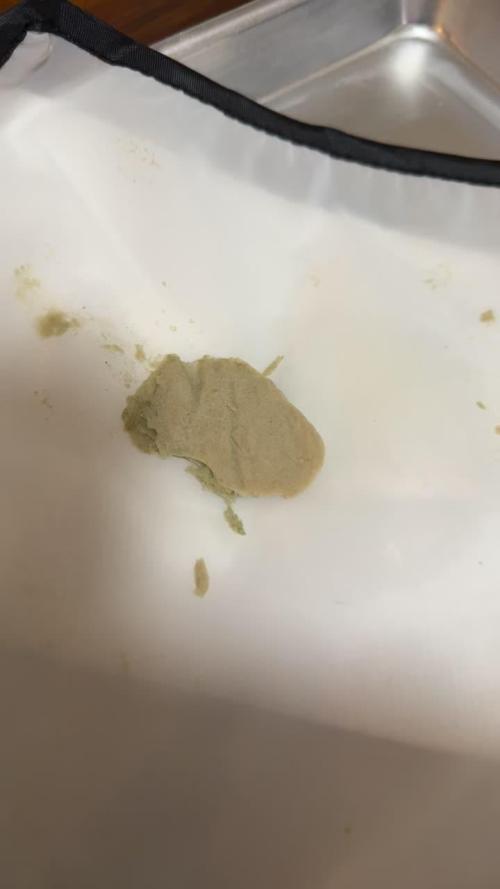
Holy smokes first time washing a full plant and it sure paid off on some unbelievable quality rosin. Pressed70-160 My some of my 160 melt pressed straight thru 25u and 37 u rolled over 2 times tightly. Great surface area maintained in my press and 90% yeild. Excited to dabble in the rosin game. That was my small dinker plant yielded 300 wet grams for the record. 13 grams return for bubble hash. Larger plants processed I’m hoping for better yield. Let the juicing begin

Likes
1
Share


@TheGreatMoog
Follow
Highlighted a few breaks that I wasnt able to repai and a few that I was. I was a bit rough learning LST

Likes
11
Share


@GrowerGaz
Follow
The 3 smaller autos are at day 20, the Strawberry cheesecake 30 days or so, I think the topping really stunted it but we'll see how the buds develop. The other three had there first top dress with powderfeed biogrow. I am not going to bother topping the others.


Likes
40
Share


@Dingle
Follow
The girls look to be finishing the vegetative growth phase this week and are starting to switch full steam ahead into flower production ☺️☺️
Trichomes are also starting to form now and the smell is getting slightly stronger each day.
Not much to be done this week just some defoliation and training to help open up the canopy’s.
Peace ✌️


Likes
69
Share


@DogDoctorOfficial
Follow
Week 13 from Seed | Week 2 Flower - Eternity Grow Cup Update
April marks a fresh beginning, a new season, and a new stage in our Eternity Grow Cup journey. While many celebrate April Fool’s, for me, this is a time of progress and transformation in the garden. 🌱( and yes i know i am a coupe weeks back on the dates in here, but today still the 1st of April so still new year to me )
This week, the girls are filling up their space beautifully. While I continue bending them to maximize coverage, they remain incredibly compact—short, strong, and resilient. No extreme stretching, just thick, vigorous plants showing their best potential. Each of the five ladies is looking absolutely stunning.
TrolMaster Ecosystem in Action
The full TrolMaster system is running smoothly, allowing for optimal environmental control. Currently, I am using full spectrum with the reds, but I have yet to introduce UV into the mix. The girls are responding well to the setup, and I’m loving how everything is coming together.
Room Conditions
PPFD: 750
Temperature: 26.6°C
Humidity: 68.9%
CO2 Levels: 1200 PPM
The environment is staying in a great range, ensuring that the plants can thrive under perfect conditions.
Reservoir & Soil Data
pH: 5.97 (Holding steady at 5.8)
Water Temperature: 18.7°C (Still a bit low—I need to make adjustments)
Soil EC: 1.09
Soil Temperature: 21.8°C (Better, but aiming for 22-23°C)
Humidity remains a crucial factor, even in flower, so I’m continuing to use humidifiers to keep the levels stable. The air is quite dry, but managing it properly is key to keeping the girls happy.
A Look Into the Grow Space
I’ve shared some full-room shots so you can all get a better idea of my workspace. Having an organized, clean, and efficient grow area is essential for a smooth and successful run. Let me know what you think of the setup!
A huge THANK YOU to Zamnesia, Plagron, and Grow Diaries for making this contest possible. The competition is heating up, and I want to wish all the growers the best of luck in the Eternity Grow Cup! Your dedication and passion inspire me every day.
Big love to my sponsors and the entire community—whether you’re here for the love, the knowledge, or even the hate (yes, I see you too 😆)—I apprecilove each and every one of you!
Stay Tuned!
We’re just getting started in flower, and the best is yet to come. Keep an eye on the updates, and don’t forget to check out YouTube for 4K episodes and more detailed insights into the grow!
Let’s grow together!
Genetics - Runtz https://www.zamnesia.com/6000-zamnesia-seeds-runtz-feminized.html
Nutrients - Plagron https://plagron.com/en/hobby
- Aptus Holland https://aptus-holland.com/
Controls - Trol Master https://www.trolmaster.eu/
LED - https://www.futureofgrow.com/en
LED - https://www.thinkgrowled.com
Soil - https://www.promixgardening.com/en
Germination - Cannakan https://cannakan.com/?srsltid=AfmBOopXr-inLXajXu3QFgKXCXXos4F1oEvScjMKIB5MR5dk8-GJ-F49
DOGDOCTOR 15% off
Smoking Papers - https://ziggioriginal.com/
Terpene saver - https://grovebags.com/
As always thank you all for stopping by, for the love and for it all , this journey of mine wold just not be the same without you guys, the love and support is very much appreciloved and i fell honored with you all in my life
With true love comes happiness Always believe in your self and always do things expecting nothing and with an open heart , be a giver and the universe will give back to you in ways you could not even imagine so
As always, this is shared for educational purposes, aiming to spread understanding and appreciation for this plant. The journey with nature is one of discovery, creativity, and respect. Let’s celebrate it responsibly and continue to learn and grow together!
Growers Love To you All 💚
#EternityGrowCup #RuntzHunt #GrowersLove #CannabisCommunity #AptusHolland #ProMixSoil #TrolMaster #Zamnesia #Plagron #ZiggiPapers #Grovebags
Likes
Comments
Share


@18six12twelve
Follow
Starting to Fill The 3 Litre Pot Out Now So Few More Days Be Ready For Her Final Pot, Maybe Thinking A 7 Or 10 Litre For Flowering.