Likes
Comments
Share
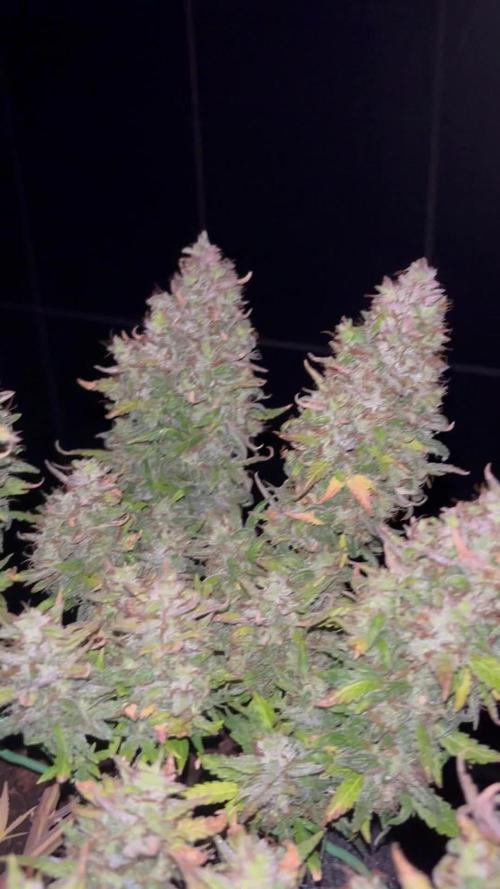
Eccoci qui... Siamo quasi alla fine del cultivo, odore, resina e colore ci sono. Attendiamo solo la maturazione delle cime che richiederà 1/2 settimane.... NON VEDO L'ORAAAA... Seguiranno aggiornamenti, grazie a tutti per il supporto🔥🌲❤️
Likes
3
Share
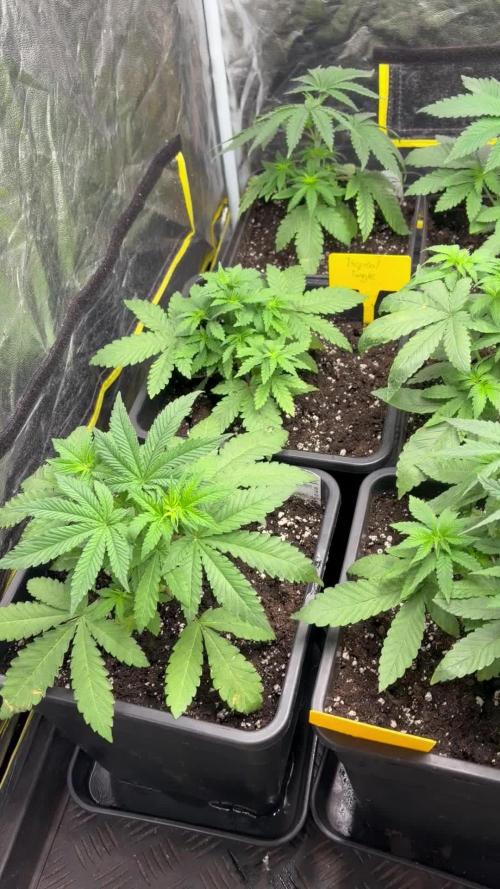
So the one girl is a week ahead with the other 2 slowly behind as popped later date, will keep diary from the 1 main girl and add the other 2 in with description as go along Entering week 2 for the main girl now with her being potted up shortly 🌱💚 Aptus nutrients are being used which atm seem very easy too follow I cant wait too start getting these girls flying 🤞 The other girls in there are humbolt seed co ice cream cake which are very slow atm and may open a diary for them or throw them in with this diary
Likes
Comments
Share
@xHide_BG
Follow
Good Strain .. it's not the best of all. but the experience is worth it. 😀I think it's a great plant to test xxxxxxxxxxxxxxxxxxxxxxxxxxxxxxxxxxxxxxxxxxxxxxxxxxxxxx xxxxxxxxxxxxxxxxxxxxxxxxxxxxxxxxxxxxxxxxxxxxxxxxxxxx xxxxxxxxxxxxxxxxxxxxxxxxxxxxxxxxxxxxxxxxxxxxx xxxxxxxxxxxxxxxxxxxxxxxxxxxxxxxxxxxxxx xxxxxxxxxxxxxxxxxxxxxxxxxxxxxxx xxxxxxxxxxxxxxxxxxxxxxxxxx xxxxxxxxxxxxxxx xxxxxx x it's not the best of all. but the experience is worth it.
Likes
20
Share
- Diminution bloom connoisseurA&B à 1ml/L, diminution Méga pk à 0,1g/L. - Augmentation Terra Flores à 4ml/L , augmentation resin boom à 4ml/L. Bientôt le Bloombastic pour durcissement des Colas et augmentation des sucres. Je pousserait les phéno Sativa a 14semaines + ou - et les indica a 11semaines. Haga clic y siga a mis amigos cultivadores. 🌱🌱🌱🌱🌲🌲🌱🌱🌱🌱🌲🌲🌱🌱🌱🌱🌲🌲 Click and follow my producer friends leave your comments or opinions #LoveUnityAndPeace
Likes
19
Share
first pic is second day this week its may 12 well i think they are doing pretty dam good if you ask me bt i only know so much soo lol let me know what everyone thinks let see i added hydro plex to the mix not really sure if it added to my growth i my opinion growth had already been amazing aha bt we will see spent quite a bit of time pushing big leaves out the way under the second net ehh don’t really think i did any harm bt i cut out everything tiny and under the blanket mid of to nets and down if it look bigger then my fingers it’s survived this round aha broke one water leaf up top on accident ehh oh well not much else just been watching them grow gonna have to change the chains that hold my light they hand about 12 in of the top that i can’t move up any more and plants started catching bit more light burn sadly i definitely need more space bt in the end things are looking good to me end of the week i’m feeling more then blessed with the progress everything just getting fatter tried crimping two branch way to low about to days ago bt there still alive and growing again so all it well decided to try to pull the other two down instead lol hope all had a great week and happy growing (not that you guys should care bt is my birthday today 17th )aha til next time
Likes
3
Share
Die Pflanze bleibt sehr kompakt - Indica Wuchs kombiniert mit Light Mainlining / LST. Ich habe beschlossen, kein Lollipopping zu betreiben und nehme nur gezielt Fächerblätter weg, welche über den unteren Buds hängen.
Likes
31
Share
The plants look a bit damaged and need some care as I was on holiday for a couple of weeks. They have been watered every 2-3 days but have not received any further care, despite this they have grown quite a bit. Durban Poison is the first to start flowering. Frisian Dew wants to continue growing skywards, I think the story of the beans growing up to the sky will soon have to be rewritten. I will then hire a ladder to measure the size of the Frisian Dew. The Shaman and the Frisian Dew are about to start flowering in the second week of August. The Shaman in the garden has had a huge growth spurt. Shaman in pot 147 cm Shaman in garden 180 cm Frisian Dew in pot 230 cm Frisian Dew in garden 190 cm Durban Poison flowering 160 cm
Likes
49
Share
@smzzz
Follow
Got carencies cause of a bad pH. I've just received my pH down so i'll can fix the problem next week. Hope everything will be ok, they going good otherwise, they wear perfectly their name : it smell a concentrate of lemon all over the room. Theses girls are also realy realy sticky. see ya next week !
Processing
Likes
6
Share
@DILLIGAF
Follow
The Cali connection's PURPLE CRACK Week 5 of Veg This Plant is an absolute pleasure to grow , Very lush short internodal spacing with those big ass indica style leaves Simply beautiful 😍 I am trying to keep her as compact as possible because of the 110cm height limit in the tent. I have a fan blasting her most of the time in an attempt to replicate strong winds which hopefully will help strengthen the stems . I'll be giving her one more week of veg and then I'll flip the lighting schedule from 16/8 to 12/12 I will also be using Advanced nutes PH perfect from now on as Im out of the Professors nutrients A+B Thats about it for now 👊
Processing
Likes
4
Share
@matzouf
Follow
30/09 Still going strong, I'am not totally sure but looks like this plant is having a slight mite invasion again despites the neem and potassic soap treatment.
Likes
3
Share
Flushing 114 days from seed The smell is amazing best smelling bud just need to let finish flushing and maturing. Excited to harvest
Likes
4
Share
I really enjoyed this week.. she got all bushy and full. Ain't gon last though cause im taking em all off! I want lollipops all the way around.
Likes
4
Share
@CalGonJim
Follow
7/28 1220AM MONDAY.... Bubbles are looking ok, I need to trim them back to 4 colas, I am really stressing them with small space limitations, and temps at 80 to 81 7/29 Tuesday 5:45 AM💦💦 6:15 AM water with methylene blue two pills of nitric boost amino acid, five drops of Quick Sorb and I added bud factor X today and a quarter mL per liter of rhino silica💦💦💦. 1030 AM I don’t know what I’m gonna do. It turns out the bubbles plants are terrible. The stems are all very weak and they’re growing bushy at the top. I didn’t get them separated so all of the side branches grew up really long it’s completely useless. It is absolute this plant. It will be thrown in the garbage. Can you fucking believe I have to throw another entire plant in the fucking garbage😡😡😡😡. TREVOR plant cut down to 2 colas only, very top heavy not liking my grow space, had 2 more than I wanted so it's all fucked.... will remove shitty small colas and get maybe 2 good colas per plant, not expecting much. 1219pm....HOLY SHIT I FUCKED THESE.....TOOK OFF SOME COLAS.....NOT ENOUGH SPACE AND I PUSHED THEM TOO FAR.....I CAN FIX IT 7/30 1215am found a GREAT science link::: ""https://www.frontiersin.org/research-topics/8125/cannabis-genomics-breeding-and-production/magazine"". 345am PROLINE WILL BE HERE TODAY.ALL RESEARCH INDICATES PROLINE WILL PROTECT FROM HEAT STRESS!!!! 11:30 AM they are good again they are recovering from heavy defoliation half of the plant was taken off of one of them. I pushed it a little far but today they are recovering from heat and lack of air and lack of space the leaves are reaching up and they are not folding under heat stress. They look good today. Fast recovery heavy amino yesterday.👍👍👍👍🚨🚨🚨🚨 🚨🚨🚨🚨🚨🚨🚨🚨 GOT THE AMINOS AND HERE IS THE GROK RESULT OF MY MIX.......🚨🚨🚨🚨🚨🚨🚨🚨 The effects of applying essential amino acids (EAAs), proline, trimethylglycine (TMG), and glutamine to cannabis plants can be significant, as these compounds act as biostimulants, influencing growth, stress resilience, and secondary metabolite production. The available research, primarily from studies on amino acids in plants, including cannabis, provides insights into their roles, though specific data on this exact combination is limited. Below, I summarize the effects of each compound on cannabis plants, drawing from relevant studies, and infer potential synergistic effects based on their known roles in plant physiology. Note that TMG (betaine) has less direct research in cannabis, so some effects are extrapolated from other plants. ### 1. Essential Amino Acids (EAAs) EAAs (e.g., leucine, lysine, methionine, etc.) are critical building blocks for proteins and play roles in plant metabolism and stress response. In cannabis: - **Growth and Development**: EAAs enhance protein synthesis, supporting shoot and root growth. Foliar or soil application of EAAs (e.g., 150–300 mg/L) increases leaf chlorophyll, shoot biomass, and root development in various plants, likely applicable to cannabis.[](https://www.nature.com/articles/s41598-022-21273-6) - **Nutrient Uptake**: EAAs like methionine and lysine improve nutrient absorption (e.g., nitrogen, iron) by acting as chelators, potentially enhancing cannabis nutrient efficiency in hydroponic or soil systems.[](https://cannabisindustryinstitute.com/news/amino-acids-what-they-mean-to-your-cannabis-grow/)[](https://mycsainc.com/newsletter/en/2023/03/03/amino-acids-and-their-function-in-plants/) - **Stress Mitigation**: EAAs, particularly methionine, support antioxidant production (e.g., glutathione), reducing oxidative stress from drought, salinity, or high light, common in cannabis cultivation.[](https://www.frontiersin.org/journals/plant-science/articles/10.3389/fpls.2020.00928/full)[](https://www.ncbi.nlm.nih.gov/pmc/articles/PMC9008891/) - **Cannabinoid/Terpene Production**: Limited evidence suggests EAAs may influence secondary metabolism. For example, methionine could enhance sulfur-containing compounds, potentially affecting terpene profiles in cannabis.[](https://www.ncbi.nlm.nih.gov/pmc/articles/PMC9008891/) **Application Notes**: EAAs are often applied via foliar spray (150–300 mg/L) or soil drench. Overuse may lead to nitrogen imbalance, so moderation is key.[](https://cannabisindustryinstitute.com/news/amino-acids-what-they-mean-to-your-cannabis-grow/) ### 2. Proline Proline is a non-essential amino acid that accumulates in plants under stress and serves multiple functions: - **Stress Tolerance**: Proline acts as an osmolyte, stabilizing cell membranes and scavenging reactive oxygen species (ROS) during drought, salinity, or temperature stress. In cannabis, exogenous proline (e.g., 50–100 mM) may enhance tolerance to environmental stressors, improving resilience in outdoor or controlled environments.[](https://www.researchgate.net/publication/349966775_THE_ROLE_AND_IMPORTANCE_OF_AMINO_ACIDS_WITHIN_PLANTS_A_REVIEW)[](https://pmc.ncbi.nlm.nih.gov/articles/PMC3548871/) - **Limited Growth Effect**: Proline alone is a poor nitrogen source for growth. Studies on Arabidopsis show it has a neutral or inhibitory effect on growth when used as the sole nitrogen source, suggesting it’s better for stress response than biomass accumulation.[](https://www.frontiersin.org/journals/plant-science/articles/10.3389/fpls.2023.1281495/full) - **Cannabis-Specific**: Proline helps cannabis maintain water balance, potentially improving resistance to extreme temperatures, which is critical for outdoor grows.[](https://cannabisindustryinstitute.com/news/amino-acids-what-they-mean-to-your-cannabis-grow/) **Application Notes**: Foliar or root application (50–100 mg/L) is effective for stress mitigation. High doses may inhibit growth if not balanced with other nutrients.[](https://www.frontiersin.org/journals/plant-science/articles/10.3389/fpls.2023.1281495/full)[](https://www.researchgate.net/publication/349966775_THE_ROLE_AND_IMPORTANCE_OF_AMINO_ACIDS_WITHIN_PLANTS_A_REVIEW) ### 3. Trimethylglycine (TMG, Betaine) TMG is less studied in cannabis but known as an osmoprotectant and methyl donor in other plants: - **Stress Protection**: TMG stabilizes proteins and membranes under salinity, drought, or temperature stress, similar to proline. It may protect cannabis plants in harsh conditions, maintaining photosynthetic efficiency.[](https://www.mdpi.com/2311-7524/9/7/807) - **Methylation Support**: TMG donates methyl groups, potentially enhancing secondary metabolite synthesis (e.g., cannabinoids, terpenes), though direct evidence in cannabis is lacking. Its role in methylation could support metabolic pathways linked to EAAs and glutamine. - **Growth Effects**: Limited data suggest TMG may improve chlorophyll content and photosynthesis, indirectly supporting biomass in cannabis. **Application Notes**: TMG is typically applied at 0.5–2 g/L via foliar spray. Its effects in cannabis are inferred from other crops, so careful experimentation is needed. ### 4. Glutamine Glutamine is a conditionally essential amino acid central to nitrogen metabolism: - **Growth Promotion**: Glutamine (10–1000 mg/L) significantly enhances shoot elongation, root growth, and chlorophyll content in plants like lettuce and hibiscus, likely benefiting cannabis vegetative growth. In cannabis, it may support lush foliage and robust rooting in hydroponics.[](https://www.scielo.br/j/oh/a/GZxMgqXb9wm7bsCTv4WwPdc/?lang=en)[](https://www.degruyterbrill.com/document/doi/10.1515/opag-2019-0016/html)[](https://www.degruyterbrill.com/document/doi/10.1515/opag-2019-0016/html?lang=en) - **Nitrogen Assimilation**: As a primary nitrogen acceptor, glutamine improves nitrogen use efficiency via the glutamine synthetase/glutamate synthase cycle, enhancing nutrient uptake in cannabis.[](https://academic.oup.com/jxb/article/58/9/2339/544408)[](https://www.frontiersin.org/journals/plant-science/articles/10.3389/fpls.2019.01743/full) - **Stress Response**: Glutamine supports proline synthesis, boosting stress tolerance. It also contributes to chlorophyll and protein synthesis, improving photosynthesis and yield potential in cannabis.[](https://www.mdpi.com/2311-7524/8/12/1110)[](https://www.frontiersin.org/journals/plant-science/articles/10.3389/fpls.2019.01743/full) - **Secondary Metabolism**: Glutamine is a precursor to glutamate, which influences GABA, arginine, and proline synthesis, potentially affecting cannabinoid or terpene production indirectly.[](https://www.frontiersin.org/journals/plant-science/articles/10.3389/fpls.2019.01743/full) **Application Notes**: Foliar sprays (250–1000 mg/L) or root application twice weekly are effective. Glutamine at 250 mg/L combined with other amino acids (e.g., glycine) shows synergistic growth effects.[](https://www.degruyterbrill.com/document/doi/10.1515/opag-2019-0016/html) ### Synergistic Effects on Cannabis - **Growth and Yield**: The combination of EAAs, glutamine, and proline may enhance vegetative growth and biomass. Glutamine and EAAs drive protein synthesis and nitrogen uptake, while proline supports tissue integrity under stress. TMG likely amplifies these effects by improving cellular hydration and methylation, potentially increasing leaf area and bud quality.[](https://www.mdpi.com/2311-7524/8/12/1110)[](https://www.nature.com/articles/s41598-022-21273-6) - **Stress Resilience**: Proline and TMG act as osmoprotectants, while EAAs and glutamine bolster antioxidant systems, collectively improving cannabis resilience to drought, salinity, or temperature extremes common in cultivation.[](https://www.mdpi.com/2311-7524/9/7/807) - **Secondary Metabolites**: Glutamine and TMG may enhance cannabinoid and terpene production by supporting metabolic pathways (e.g., methylation, nitrogen metabolism). EAAs like methionine could influence sulfur-based terpenes. However, direct evidence for cannabinoid enhancement is sparse.[](https://www.ncbi.nlm.nih.gov/pmc/articles/PMC9008891/) - **Nutrient Efficiency**: Glutamine and EAAs improve nitrogen and micronutrient uptake, while TMG may enhance nutrient transport, optimizing cannabis growth in nutrient-limited systems like hydroponics.[](https://mycsainc.com/newsletter/en/2023/03/03/amino-acids-and-their-function-in-plants/) ### Potential Risks and Considerations - **Inhibition at High Doses**: High concentrations of proline or certain EAAs (e.g., lysine, valine) can inhibit growth if used as sole nitrogen sources. Balanced mixtures mitigate this, as glutamine can antagonize inhibitory effects of proline or other amino acids.[](https://www.frontiersin.org/journals/plant-science/articles/10.3389/fpls.2023.1281495/full) - **Nitrogen Overload**: Excessive EAAs or glutamine may lead to nitrogen toxicity, causing leaf burn or stunted growth in cannabis. Monitor plant response and maintain balanced nutrient solutions.[](https://cannabisindustryinstitute.com/news/amino-acids-what-they-mean-to-your-cannabis-grow/) - **TMG Metabolism**: TMG may increase trimethylamine production in the soil microbiome, potentially affecting cannabis root health if not managed. Healthy soil microflora can mitigate this.[](https://cannabisindustryinstitute.com/news/amino-acids-what-they-mean-to-your-cannabis-grow/) - **Application Timing**: Foliar sprays (150–500 mg/L for EAAs, glutamine, proline; 0.5–2 g/L for TMG) during vegetative growth or early flowering maximize benefits. Avoid overuse during late flowering to prevent nutrient imbalances affecting bud quality. ### Cannabis-Specific Insights - **Hydroponics and Soil**: In hydroponic systems, EAAs and glutamine ensure efficient nitrogen delivery, while proline and TMG support stress resistance in fluctuating pH or nutrient conditions. In soil, maintaining microflora is crucial, as it naturally supplies amino acids; supplementation should be moderate.[](https://cannabisindustryinstitute.com/news/amino-acids-what-they-mean-to-your-cannabis-grow/)[](https://www.ncbi.nlm.nih.gov/pmc/articles/PMC9008891/) - **Cultivar Variability**: Cannabis cultivars differ in nutrient demands and stress responses. Sativa-dominant strains may benefit more from proline and TMG for stress tolerance, while indica strains may respond better to EAAs and glutamine for dense bud growth. Testing is needed. - **Secondary Metabolites**: While amino acids influence secondary metabolism, direct effects on THC or CBD levels are unconfirmed. Glutamine and TMG may indirectly enhance terpene diversity via improved photosynthesis and methylation.[](https://www.ncbi.nlm.nih.gov/pmc/articles/PMC9008891/) ### Practical Recommendations "🚨🚨🚨🚨"🚨🚨🚨🚨"🚨🚨🚨🚨 - **Dosing**: Apply EAAs (150–300 mg/L), glutamine (250–500 mg/L), proline (50–100 mg/L), and TMG (0.5–1 g/L) via foliar spray or root drench twice weekly during vegetative growth and early flowering. - **Combination**: Use a balanced mix (e.g., 250 mg/L EAAs + 250 mg/L glutamine + 50 mg/L proline + 500 mg/L TMG) to avoid inhibition. Test on a small batch first.[](https://www.frontiersin.org/journals/plant-science/articles/10.3389/fpls.2023.1281495/full) - **Monitoring**: Check for signs of nitrogen toxicity (dark green leaves, clawing) or stress relief (improved vigor, greener leaves). Adjust doses based on plant response. "🚨🚨🚨🚨"🚨🚨🚨🚨"🚨🚨🚨🚨. - **Synergy with Nutrients**: Pair with balanced NPK fertilizers and micronutrients (e.g., iron, calcium) to enhance uptake.[](https://www.degruyterbrill.com/document/doi/10.1515/opag-2019-0016/html) - **Cultivation Context**: In hydroponics, use lower doses to avoid nutrient lockout. In soil, ensure healthy microbial activity to complement amino acid supplementation.[](https://cannabisindustryinstitute.com/news/amino-acids-what-they-mean-to-your-cannabis-grow/) ### Evidence Gaps - **Specific Combination**: No studies directly address EAAs, proline, TMG, and glutamine together in cannabis. Effects are inferred from individual amino acid studies and general plant research. - **Cannabinoid Impact**: Limited data on how these compounds affect THC/CBD levels. More research is needed on secondary metabolite pathways.[](https://www.ncbi.nlm.nih.gov/pmc/articles/PMC9008891/) - **TMG in Cannabis**: TMG’s effects are extrapolated from other crops. Cannabis-specific trials are needed to confirm benefits. ### Conclusion Applying EAAs, proline, TMG, and glutamine to cannabis plants can enhance growth, stress tolerance, and nutrient uptake, with potential benefits for yield and secondary metabolite production. EAAs and glutamine drive biomass and nitrogen efficiency, proline and TMG bolster stress resilience, and their combination may optimize cannabis health in challenging environments. However, careful dosing and monitoring are crucial to avoid inhibition or toxicity. For best results, test small-scale applications and consult with a horticulturist familiar with cannabis cultivation. If you want more details on application methods, specific cultivars, or further searches for cannabis-related studies, let me know!""🚨🚨🚨🚨 🚨🚨 7/31 125am!!!!! Adding L-glycine to the combination of essential amino acids (EAAs), proline, trimethylglycine (TMG), and glutamine can further influence the effects on cannabis plants, as glycine is a non-essential amino acid with unique roles in plant physiology. Below, I outline the potential effects of L-glycine alone and in combination with the previously mentioned compounds, focusing on their impact on cannabis growth, stress response, and secondary metabolite production. Since specific studies on this exact combination in cannabis are lacking, I’ll integrate findings from plant science and infer synergistic effects based on known mechanisms. I’ll keep it concise and tailored to cannabis cultivation. ### Effects of L-Glycine on Cannabis Plants L-Glycine is a simple amino acid involved in protein synthesis, stress response, and metabolic pathways: - **Growth Promotion**: Glycine (50–500 mg/L) enhances shoot elongation, root growth, and chlorophyll content in plants like lettuce and rice, likely benefiting cannabis vegetative growth. It serves as a nitrogen source and supports protein synthesis, complementing EAAs and glutamine. - **Stress Tolerance**: Glycine acts as a precursor to glutathione, a key antioxidant, reducing oxidative stress from drought, salinity, or high light. In cannabis, it may improve resilience in challenging environments (e.g., outdoor grows or high-intensity indoor setups). - **Secondary Metabolism**: Glycine is a precursor to purines and chlorophyll, potentially enhancing photosynthesis and energy metabolism. It may indirectly influence cannabinoid and terpene production by supporting metabolic pathways, though direct evidence in cannabis is limited. - **Nutrient Uptake**: Glycine chelates micronutrients (e.g., iron, zinc), improving their availability, which is critical for cannabis in hydroponic or nutrient-poor soil systems. **Application Notes**: Foliar sprays or root drenches (100–500 mg/L) are effective, often applied twice weekly during vegetative growth or early flowering. ### Synergistic Effects with EAAs, Proline, TMG, and Glutamine Adding L-glycine to the mix may enhance the effects on cannabis plants in the following ways: 1. **Enhanced Growth and Biomass**: - **Glycine + EAAs/Glutamine**: Glycine complements EAAs and glutamine in protein synthesis and nitrogen metabolism. Studies show glycine (250 mg/L) combined with glutamine enhances shoot and root growth in plants, likely amplifying cannabis vegetative vigor and bud development. - **Synergy**: Glycine’s role in chlorophyll synthesis boosts photosynthesis, supporting the energy demands of EAA-driven protein synthesis and glutamine’s nitrogen assimilation, potentially increasing leaf area and yield. 2. **Improved Stress Resilience**: - **Glycine + Proline/TMG**: Glycine and proline both contribute to glutathione production, enhancing antioxidant defenses. TMG’s osmoprotectant properties further stabilize cells under stress. Together, they may improve cannabis tolerance to drought, heat, or salinity, maintaining growth in adverse conditions. - **Cannabis-Specific**: This combination could be particularly beneficial for outdoor cannabis or indoor setups with inconsistent temperature/humidity, reducing leaf wilting or nutrient stress. 3. **Secondary Metabolite Production**: - **Glycine + Glutamine/TMG**: Glycine and glutamine are precursors to metabolic pathways (e.g., GABA, purines) that may influence cannabinoid and terpene synthesis. TMG’s methyl donation could enhance these pathways by supporting enzyme activity. While direct evidence is sparse, this stack may increase terpene diversity or cannabinoid yield in cannabis buds. - **EAAs Contribution**: Methionine (an EAA) and glycine may support sulfur-containing compounds, potentially enriching terpene profiles. 4. **Nutrient Efficiency**: - **Glycine + EAAs/Glutamine**: Glycine’s chelating properties enhance micronutrient uptake, complementing EAAs and glutamine’s role in nitrogen assimilation. This could optimize nutrient use in hydroponic cannabis systems, reducing nutrient lockout. - **TMG Synergy**: TMG’s role in cellular hydration may improve nutrient transport, amplifying glycine’s effects on micronutrient availability. ### Potential Risks and Considerations - **Inhibition at High Doses**: High glycine doses (1000 mg/L) may inhibit growth by disrupting nitrogen balance, especially if combined with EAAs or glutamine. Studies on Arabidopsis show glycine can be toxic as a sole nitrogen source, so balanced mixtures are crucial. - **Nitrogen Overload**: Adding glycine to EAAs and glutamine increases nitrogen input, risking toxicity (e.g., leaf burn, stunted growth) in cannabis. Monitor for dark green leaves or clawing and adjust doses. - **Competition for Absorption**: Glycine, EAAs, and glutamine may compete for root or foliar uptake, reducing efficacy. Split applications (e.g., glycine in the morning, EAAs/glutamine post-light cycle) can help. - **TMG Interaction**: Glycine and TMG both influence methylation pathways, but excessive methyl donors could disrupt metabolic balance in sensitive plants. Stick to moderate doses (e.g., 100–500 mg/L glycine, 0.5–1 g/L TMG). - **Cultivar Variability**: Cannabis strains (e.g., sativa vs. indica) differ in nutrient and stress responses. Glycine’s benefits may be more pronounced in stress-prone sativas or nutrient-sensitive hybrids. ### Practical Recommendations - **Dosing**: Combine glycine (100–500 mg/L), EAAs (150–300 mg/L), glutamine (250–500 mg/L), proline (50–100 mg/L), and TMG (0.5–1 g/L) in a balanced foliar spray or root drench. Apply twice weekly during vegetative growth and early flowering. - **Application**: Use foliar sprays for rapid uptake during vegetative stages or stress events. Root drenches suit hydroponic systems. Test on a small batch to assess plant response. - **Monitoring**: Watch for nitrogen toxicity (dark, curled leaves) or stress relief (greener, more vigorous plants). Adjust concentrations based on cultivar and growth stage. - **Synergy with Nutrients**: Pair with balanced NPK fertilizers and micronutrients (e.g., iron, calcium) to maximize glycine’s chelating benefits. Ensure adequate magnesium for chlorophyll synthesis. - **Cultivation Context**: In hydroponics, use lower doses to avoid nutrient imbalances. In soil, maintain healthy microbial activity, as microbes naturally produce glycine and other amino acids. ### Evidence Gaps - **Specific Combination**: No studies address glycine combined with EAAs, proline, TMG, and glutamine in cannabis. Effects are inferred from individual amino acid studies and general plant research. - **Cannabinoid/Terpene Impact**: While glycine may support secondary metabolism, direct effects on THC/CBD or terpene levels are unconfirmed. Cannabis-specific trials are needed. - **TMG and Glycine**: Their combined effects on methylation in cannabis are speculative, as most TMG research focuses on other crops. ### Conclusion Adding L-glycine to EAAs, proline, TMG, and glutamine likely enhances cannabis growth, stress tolerance, and nutrient efficiency by supporting protein synthesis, antioxidant production, and micronutrient uptake. The combination may improve vegetative vigor, bud quality, and resilience to environmental stressors, with potential (but unconfirmed) benefits for cannabinoid and terpene production. Careful dosing and monitoring are essential to avoid nitrogen toxicity or absorption competition. Start with low doses, test on a small scale, and consult a cannabis cultivation expert for tailored advice. If you want me to search for more studies, focus on a specific aspect (e.g., glycine’s role in terpene synthesis), or provide application protocols for a particular cannabis strain, let me know!"""
Likes
5
Share
@Naujas
Follow
this week was not very favorable, not much sun, rather cool nights 12°, but the girl is growing a little :) she still has a lot of time :) so for now everything is fine:).
Likes
7
Share
@BIYEI
Follow
Floracion (Tiempo estimado 64 dias) Sexta Semana de Floracion 12/02/2024 - 5:00hrs y 22hrs: Se hace cambio de solucion nutritiva, con parametros ajustados a la semana, Se hace Lavado de cubetas, tuberias, bomba, humificador, y perifericos, Se realiza limpieza completa del indoor y se cambia de posicion la cubeta de reserva, Se verifican parámetros básicos del agua, mantener cuidados específicos, el olor es mas penetrante pero gracias al filtro de carbono se mantiene fuera del indoor sin aroma, empiezan a observarse mas el crecimiento de los Cogollos. Agua de osmosis: Ph 6.0, PPm 650-850, Ec 1.4-1.7, Temperatura 18°C - 24°C Ambiente: Temperatura 19-25 °C, Humedad 55%, Ventilación 20%, 12 hrs de luz , 12 hrs de obscuridad. 13/02/2024 - 5:00hrs y 22hrs: Se verifican parámetros básicos del agua, mantener cuidados específicos. Agua de osmosis: Ph 6.0, PPm 650-850, Ec 1.4-1.7, Temperatura 18°C - 24°C Ambiente: Temperatura 19-25 °C, Humedad 55%, Ventilación 20%, 12 hrs de luz , 12 hrs de obscuridad. 14/02/2024 - 5:00hrs y 22hrs: Se realiza poda por la mañana de media planta baja de hojas que cubrian los cogollos de la luz, Se limpian restos de poda del indoor, Se verifican parámetros básicos del agua, mantener cuidados específicos. Agua de osmosis: Ph 6.0, PPm 650-850, Ec 1.4-1.7, Temperatura 18°C - 24°C Ambiente: Temperatura 19-25 °C, Humedad 55%, Ventilación 20%, 12 hrs de luz , 12 hrs de obscuridad. 15/02/2024 - 5:00hrs y 22hrs: Se realiza poda por la mañana de la planta en su totalidad de hojas que cubrian los cogollos de la luz, Se limpian restos de poda del indoor, Se verifican parámetros básicos del agua, mantener cuidados específicos. Agua de osmosis: Ph 6.0, PPm 650-850, Ec 1.4-1.7, Temperatura 18°C - 24°C Ambiente: Temperatura 19-25 °C, Humedad 55%, Ventilación 20%, 12 hrs de luz , 12 hrs de obscuridad. 16/02/2024 - 5:00hrs y 22hrs: Se verifican parámetros básicos del agua, mantener cuidados específicos. Agua de osmosis: Ph 6.0, PPm 650-850, Ec 1.4-1.7, Temperatura 18°C - 24°C Ambiente: Temperatura 19-25 °C, Humedad 55%, Ventilación 20%, 12 hrs de luz , 12 hrs de obscuridad. 17/02/2024 - 5:00hrs y 22hrs: Se observa una mejoria en las raices considerablemente desde que se cambio de posicion la reserva del dwc gracias a la disminucion de temperatura del ambiente del indoor, Se verifican parámetros básicos del agua, mantener cuidados específicos. Agua de osmosis: Ph 6.0, PPm 650-850, Ec 1.4-1.7, Temperatura 18°C - 24°C Ambiente: Temperatura 19-25 °C, Humedad 55%, Ventilación 20%, 12 hrs de luz , 12 hrs de obscuridad. 18/02/2024 - 5:00hrs y 22hrs: Se verifican parámetros básicos del agua, mantener cuidados específicos. Agua de osmosis: Ph 6.0, PPm 650-850, Ec 1.4-1.7, Temperatura 18°C - 24°C Ambiente: Temperatura 19-25 °C, Humedad 55%, Ventilación 20%, 12 hrs de luz , 12 hrs de obscuridad.
Likes
10
Share
@Floristas
Follow
Nice week, plants got higher 15-20cm which is nice, also many new budlets appeared and thats even nicer 😊
Likes
162
Share
@nonick123
Follow
Día 86 (01/01/2024) Riego solo con H2O con pH ajustado 6,21 Día 87 (02/01/2024) Avanzando hacia la cosecha. Observo algunos tricomas ámbar 😁 Día 88 (03/01/2024) Al inspeccionar y tocar los cogollos, vuelven a salir los aromas a skunk y naranjas. Delicioso! 😍 Día 89 (04/01/2024) El aroma se está volviendo complejo en esta recta final, como naranjas, skunk y con toques picantes de fondo. Impresionante 😍 Día 90 (05/01/2024) Mañana la cosecha! Hoy le tocaría riego, pero como mañana es la cosecha, la dejo con 24 horas de estrés hídrico. Día 91 (06/01/2024) Al final cosecharé un día más tarde. Los tricomas están prácticamente perfectos, con la mayoría nublados y alguno ámbar Día 92 (07/01/2024) Día de la cosecha! 😍💥💨😁 Peso húmedo 150 Increíble rendimiento para 92 días desde semilla, y con el estrés hídrico de los dos últimos días Ahora comenzamos el proceso de secado (7-10 días) donde pondré la semana de la cosecha, y posterior curado (+30 días), tras lo que tendremos el informe de humo Gracias a todos los que estais al otro lado de este diario!
Likes
7
Share
First week of flower growth for the older ones, younger ones are still sort of finishing stretch (4 day difference). Plants got much taller than I expected, especially the one which started out extremely weak with very messed up leaves, which is around 2 feet at the moment. I remember weeks 3 and 4 I was butthurt like “why are they so small :,(“ LOL, if only I knew. Now I’m having to actually move my light up! Past few weeks most of the new growth has been growing in with yellow tips, still haven’t figured out why. Don’t think it’s nute burn cause I’m barely pushing 800, could definitely be wrong though I’m too new to this. Otherwise they’re completely healthy, consistently standing right back up immediately after I train them whether it’s LST or even HST. Humidity is beginning to become a problem, which I was not prepared for. The paint in the closet is beginning to crack and bubble off so I will most likely have to go in there scrape it and re prime and paint it myself eventually. Ordered a small dehumidifier on Amazon because I’m on a budget, that was a mistake. It pulls about a quarter pint out per day -_- wasn’t trying to spend 150+ on a new one so I found a 25 pint on Craigslist for 40 bucks, it should work, picking it up later today. Edit: dehumidifier is up and running and works perfectly, rh now at a steady 50. Leaving on a trip for a month in December so I will unfortunately be forced to harvest at 12 weeks, really hoping they will be close to done by then. But yeah, still having fun tending to these awesome organisms!