


Likes
Comments
Share


@Facocero
Follow
Siamo giunti alla 2° settimana di fioritura 🤩
Sto iniziando a notare l'allungamento delle piccole.. per ora ha solo dei piccoli pistilli, ma credo che a breve esploderanno🤤🤤

Likes
6
Share


@XanHalen
Follow
Dec 12:
Growth has been good, leafs started yellowing as I tried a regular watering as opposed to a feed, and they did not take well to it. I’ve read that it’s good to incorporate waterings between feeds, but 24hr later noticed a bit of yellowing on the lower section, 48hr post watering even more yellowing.
Dec 18:
Going with feed only and yellowing has halted, stretching has officially begun. No adverse effects from the short term nitrogen deficiency (that’s what I narrowed it down to). Playing with budsites to maintain an even canopy, and as soon as I see stretching halt, and fattening begin, I will up the bloom nutes.
Dec 20:

Likes
12
Share


@Herbalist7
Follow
Plant stayed small, but buds were full and dense. Structure was nice, although it could not take much LST.


Likes
189
Share


@InspireMe
Follow
Day 23: grow is coming along nicely! Tucking the larger leaves behind the smaller ones to allow more light.
The older BD is coming on nicely, I think she is going to stretch soon. I'm still going a little heavy on the N. I can see the tips clawing down slightly. Minor discoloration on the tips but hardly even noticeable.
Day 24: the oldest BD is showing signs of a cal mag deficiency. I have been giving cal mag xtra at 0.5ml/L Due to the amount of N. Next feed I will up to 1.25ml/L and cut the grow A out. Worried about the amount of N shes going to be getting, cal mag as it is 4-0-0 and the grow A is 3-0-0.
Watered the younger blue dream. Exactly the same as I have been previously.
Day 25: New gear day 😁! Its been a busy day in the garden! Second p1000 added to tent. Also added in 2x CO2 gas bags. CO2 bags are placed next to the air intake to keep the CO2 in the tent for as long as possible.
The lights are now set at 50% and about 23 inches above the girls. Giving them the same intensity, but with more coverage.
I've also been monitoring VPD. I'm keeping my tent at a 50% humidity, using a humidifier outside the tent. With my temps being between 24-26°C I believe this is the optimal range.
Finally, I have watered the jack herer. I gave her 3L of water this time. I waited a little longer to water than I have previously, so the pot took more to get the 20% runoff. I will be waiting until the other girls feel like this. I've been a little nervous about under watering. The 3L feed was the same as the previous one.
Day 26: big shock today... my timer for lights hasn't gone off since I installed the second light 🤦♂️ multi plug stops mechanical timer from spinning 🤬.. all sorted now, they will turn off tonight! Only caught due to the new camera!
On to that, I got a cheap camera from amazon to view remotely.. made sure temp/RH can be seen also. Works great. It is 1080p but I haven't figured out how to get the timelapse download quality in 1080p. I will look into that. Anyway I got a timelapse of the blue dream after watering 😝.
Watered her the usual. If interested just scroll up it's been the same for a while 🙂.
Day 28: smaller blue dream watered the usual. I really do need to cut the N down. They are on the edge of toxic levels.
Girls are looking a little sleepy tonight, this morning I upped the power on the lights to 65% they took it really really well. It came to tea time and they were taking it really well still so I upped it to 75%. A few hours at 75% and they told me that was to much by dropping the leaves. Its lights out soon so no big deal! I know where my lights should be set for optimal growth tomorrow. Its amazing how much they can tell you. So I'll be leaving them on 65% at 18" for a little while. I'm trying to prevent too much stretch.
Day 29: watered the jack today, shes looking the furthest into flower! I cut the sensi grow A out fully today as she has N in her cal mag and B52. Kept all the other levels the same for now. Next feed I will be introducing her to the bloom nutes.
Oldest BD will be due a feed tomorrow and she will be having the same.
They are continuing to grow nicely, I'm pretty shocked with how big they are if I'm honest!
Cheers for stopping by 👍👊

Likes
45
Share


@valiotoro
Follow
Very very sticky i had to change gloves every 2-3 buds!🤓
Delicious smell🤤
Likes
255
Share


@Terp1
Follow
05.10.2023
Tag 74 - Woche 11 / Tag 4
Licht: 40cm – 50%
Lichtzyklus: 18/6
Luftfeuchte: 50%
Temperatur: 26°C
VPD: 1.6 kPa
Höhe Apricot: 46cm
Bemerkungen:
- Licht runter auf 50% @ 40cm reguliert - das entspricht bei 18/6 einem DLI von 32,4
- Ich habe leider auch die 2 dicksten Äste der Apricot an Blütenfäule verloren 😐
- diese wurde jedoch sehr, sehr, sehr früh erkannt und großflächig in Form des ganzen Triebes entfernt 👌
- ich bin da echt mit meinem USB-Mikroskop ran. nicht ganz so nah 😅 aber so, dass man sich großflächig in einer hervorragenden Auflösung die Buds anschauen und sehr gut Trichome von Myzel unterscheiden konnte
- ich hoffe die Apricot hält bei 45-50% RH die letzten beiden Wochen noch durch
- bin da aber auch sehr positiv gestimmt… die sieht verdammt gut aus 👊
ich will kein unreifes Weed haben
Terp 💪😎

Processing
Likes
17
Share


@Silverback_Guerilla
Follow
2/17:
I spent a little time rearranging today. I bought some 32" x 14" plastic ventilated storage shelves and cut the legs down on two of them so I have some different-height platforms for the shorties in the garden. I should also be able to easily flush 6 plants in 5 gallon pots, or 9 plants in 3 gallon pots at a time now, that's a win!👈
2/18:
I debated whether to feed or not, and settled on watering them with about 1/2 gallon each. including bembe, cal-mag, signal, humic acid, and a little beastie bloomz.
The new dehumidifier is pulling about a gallon and a half per day from the air, so I should be able to feed them in a coupe of days.
I've reached the ceiling again with my lights and all three are still stretching. I've either tied down or supercropped all the branches on the two taller ones at this point.
2/19:
Rainy day outside, so I'm pulling in 99% humidity, plus the pots are still petty saturated, but the new dehumidifier is keeping up. RH is holding at about 45% today.👍
2/20:
Day 31 of flower...they grew another couple of inches overnight! Damnit!😟 After emptying the closet (again) today and supercropping more branches (and some of the same branches again), a semi-solution occurred to me that allowed me to raise the lights another 3-4 inches! Now I'm truly maxxed out...
Word to the wise..you get the idea from the 49-day estimate that FF#11, being Indica-dominant, will be short/squatty/fast, but I can say that this strain, if well fed and illuminated, consistently produces absolute monsters...slow to flower.. 300%+ stretch from whenever you start flowering them.
I really needed everybody to finish in the same week so I could get my Spring autos going...😶
I'm still hoping that they will get their groove-on and finish by the EHD(3/11), but it's not looking possible at this point...
They're likely to be the heaviest producers in the garden, so that's pretty good consolation I suppose.
I took photos and videos of all the plants today since I had to empty the closet and it wasn't a feeding day.
2/21:
I fed them today with about 3/4 gallon each including beastie bloomz, tiger bloom, big bloom, signal, bembe, and cal-mag...no grow big this time.
2/22:
MONSTERS..they're such a pain in the ass, but I do love them so! During veg, they were pretty dark green, but they've lightened up quite a bit. They are still the slowest to flower, but they're stacking up nodes really nicely.👍
2/23:
I ordered some Terpinator because I'm not so sure about Signal's efficacy at this point....I'm usually dealing with odors more by now..😕
That's it for week 9-

Likes
17
Share


@Geili_Seili_fireinfireout
Follow
Letzte woche für die damen.😋
Bin echt zufrieden mit diesen run. Für die hitze die ich hatte und den kleinen stickstoff problem. Super zufrieden bis jetzt. Hoffe sie haben potenz das es mich auf meinen arsch sitzt

Likes
179
Share


@Grow3rPT
Follow
Total de Dias 15 - 17/08/2021 / Inicio da 3º semana
Total de Dias 16 - 18/08/2021
Total de Dias 17 - 19/08/2021 / Rega
Total de Dias 18 - 20/08/2021
Total de Dias 19 - 21/08/2021 / Rega com 2ml de calmag apenas por prevenção
Total de Dias 20 - 22/08/2021
Total de Dias 21 - 23/08/2021 / Rega
Likes
5
Share

@BlaKX
Follow
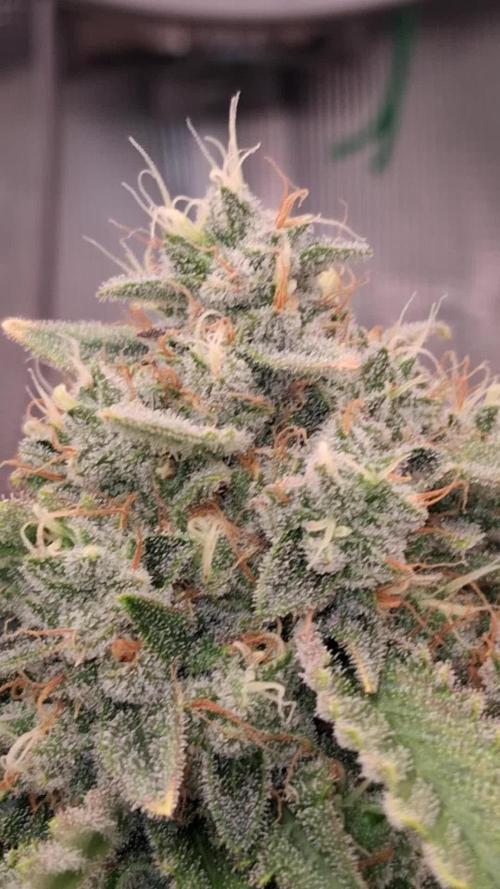
Ende der 9 Woche Growmies!
Der Frost und Geruch sind phenomenal. Die Entscheidung den Mainbud zu entfernen war wegen dem Mangel an Platz optimal wenn man sieht wie groß sie geworden ist!
Likes
6
Share


@Mo_Powers
Follow
she has recovered really well. i think repotting and stopping the fertiliser has helped her. now she is getting green sensation again in small doses. she has gone into bloom. she is currently getting 10 hours of light.

Processing
Likes
25
Share


@FriendlyNeighbor
Follow
Day 41
Green Gelato is stacking up the buds... just a awsome strain already took some clones will put them under veg again when mommy is ready for the cut =)
I need to water tomorrow I think Green Gelato is thirsty!
Fruit Spirit going its way im really exited for the yield will see how this will go....
Sweet ZZ finally showing some nice trichome production and she starts to smell lovely.
Im very happy with my grow I hope after this harvest I will never buy weed ever again!
shoutout to Royal Queen Seeds for those awsome genetics favorite breeder company atm!
Likes
13
Share


@PANHOLENDER
Follow
Witam serdecznie farmerów i farmerki ✌️🌾
17.02
- Siedemnasty dzień życia 👶
- 200ml Każda💧💧 + Neem Oli 5ml/l 💉
- Ph 7 💧
- Ec 0.1
- Temp max 29.1C 🌡️☀️
- Temp min 22.5C ❄️🌌
- Rh max 89% 🚿
- Rh min 50%🚿
HPS - 80cm
Zauważyłem ze roślinie złe wyglądają prawdopodobnie atak ziemiórek
Podałem Neem Oli do ziemi oraz oprysk zobaczymy czy pomoże 🙏
18.02
- Temp max 29.4C 🌡️☀️
- Temp min 15.6C ❄️🌌
- Rh max 64% 🚿
- Rh min 46%🚿
19.02
- Temp max 24.3C🌡️☀️
- Temp min 20.5C ❄️🌌
- Rh max 54%🚿
- Rh min 53%🚿
Myślę ze zbudowały odpowiedni korzeń przełączam na 20 godzin światła 4 ciemności ☀️🌑
20.02
- Dwudziesty dzień życia 👶
- 300ml Każda 💧💧
- Bio-Haven 1ml/L💉
- Bio-Grow 1ml/L💉
- CalMag 0,3/L💉
- Ph 6.5💧
- Ec 0.6
- Temp max 24.7 C🌡️☀️
- Temp min 17.4 C ❄️🌌
- Rh max 54 %🚿
- Rh min 53 %🚿
21.02
- Temp max 25.9C🌡️☀️
- Temp min 17.2C ❄️🌌
- Rh max 53%🚿
- Rh min 65%🚿

Likes
3
Share


@RainerWinklerGrow
Follow
Forgot to document further, this is all i had before harvest, harvested around week 11 of flower
Likes
4
Share

@Splashy
Follow
13.01.2026
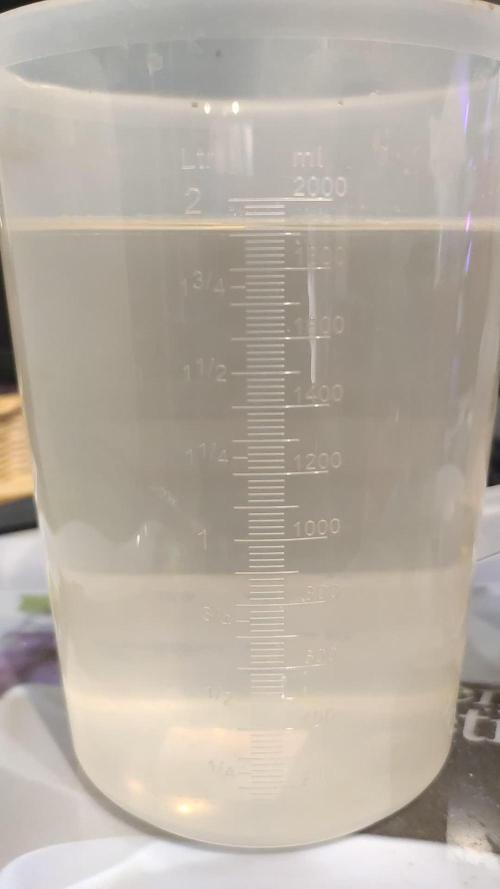
Heute habe ich mir die Wurzeln unten am Topfboden angeguckt und es waren genug zu sehen. Dazukommt noch das die oberen blätter über den Topfrand wachsen, dies nehm ich immer als Indikator, dass bald das umtopfen beginnt. Also habe ich biobizz all Mix mit 1,5g Bio grow pro 1l Substrat hinzugefügt, waren dann insgesamt 16,5g auf die 11l. Wasser war mit calmag ausgeglichen und den ph habe ich auf 6,4-6,5 angehoben. Dazu habe ich dann 1g/l Wasser von dem Bio enhancer von Greenhouse feeding hinzu gegeben. Pro Topf habe ich 3l gegossen, das sollte erstmal für eine Weile reichen. Die sanlight habe ich so eingestellt, dass die ppfd gleich sind mit der mege aus dem Anzuchtzelt (320ppfd). Den luftbefeuchter habe ich ebenfalls angestellt und auf 65%eingestellt.


Likes
50
Share


@DogDoctorOfficial
Follow
Eternity Grow Cup - Week 9 Veg Update
We are stepping into Week 9 of vegetation, and things are getting exciting! The plants are thriving—compact, bushy, and growing beautifully. This week, we introduced a SCROG (Screen of Green) net, an essential tool for maximizing yield and optimizing plant structure. Let’s dive deep into the why and how of scrogging:
Why Install a SCROG Net Now?
Maximizes Light Exposure: The net allows even light distribution across all branches, ensuring every bud site gets the optimal amount of light.
Controls Plant Height: By guiding the branches through the net, we keep the canopy even and prevent excessive vertical growth.
Enhances Airflow & Reduces Mold Risks: Spreading the plant out increases air circulation, reducing humidity pockets and minimizing risks of mold and pests.
Increases Yield: More bud sites exposed to light mean higher-quality flowers and greater overall production.
For now, we’re still not using the under-canopy lights, though they will come into play soon. The ICL 300 is positioned strategically, and we will likely move them around as needed later. For now, the focus is on structuring the plants and ensuring they fill out the available space properly.
Optimizing Airflow - The Vortex Effect
Air circulation is crucial for plant health, and this week, we’ve optimized airflow by positioning the fans to create a vortex effect:
Fan Positioning: Each fan is placed at the tent corners, pointing in different directions, ensuring dynamic airflow instead of direct wind hitting the plants.
Benefits of a Vortex System:
Reduces hot spots and evenly distributes CO₂.
Strengthens stems by creating a natural resistance.
Prevents stagnant air, reducing mold and pest risks.
The extraction system is powered by an AeroFan, connected to the AeroFan Smart Remote FRC1, currently running at 60% speed. This setup efficiently manages humidity and temperature while maintaining optimal air exchange.
Current Environmental Conditions & Feeding
For now, we’re maintaining the same water schedule and nutrient regimen. The environmental conditions remain stable:
Temperature: Holding steady at ideal growth levels.
Relative Humidity: Balanced to encourage healthy transpiration.
PPFD (Photosynthetic Photon Flux Density): Kept at optimal levels to support vigorous vegetative growth.
CO₂ Levels: Elevated but within safe limits, promoting faster growth.
The plants are filling the space beautifully, but we know that the flip to flower is approaching soon! The next phase will depend on how fast they continue to spread, and adjustments will be made accordingly.
Closing Thoughts & What’s Next?
This week was all about structural optimization—ensuring proper airflow, training the plants with the SCROG net, and keeping everything in balance before the transition to flower. The upcoming weeks will be crucial, as we fine-tune the environment, possibly introduce the under-canopy lighting, and prepare for the flowering stage.
A huge thank you to our sponsors Aptus Holland, TrolMaster, CannaKan, Grove Bags, Ziggi Papers, and of course, Zamnesia, Plagron, and Grow Diaries for making the Eternity Cup possible. And to our incredible community—followers, supporters, and even the critics—we appreciate every single one of you!
Stay tuned for next week’s update, and don’t forget to follow along on YouTube and Instagram for exclusive content and behind-the-scenes looks! See you soon, and happy growing!
Let’s keep pushing forward, and best of luck to all the competitors—we’re all growing something incredible together. Until next time!
Genetics - Runtz https://www.zamnesia.com/6000-zamnesia-seeds-runtz-feminized.html
Nutrients - Plagron https://plagron.com/en/hobby
- Aptus Holland https://aptus-holland.com/
Controls - Trol Master https://www.trolmaster.eu/
LED - https://www.futureofgrow.com/en
LED - https://www.thinkgrowled.com
Soil - https://www.promixgardening.com/en
Germination - Cannakan https://cannakan.com/?srsltid=AfmBOopXr-inLXajXu3QFgKXCXXos4F1oEvScjMKIB5MR5dk8-GJ-F49
DOGDOCTOR 15% off
Smoking Papers - https://ziggioriginal.com/
Terpene saver - https://grovebags.com/
As always thank you all for stopping by, for the love and for it all , this journey of mine wold just not be the same without you guys, the love and support is very much appreciloved and i fell honored with you all in my life
With true love comes happiness Always believe in your self and always do things expecting nothing and with an open heart , be a giver and the universe will give back to you in ways you could not even imagine so
As always, this is shared for educational purposes, aiming to spread understanding and appreciation for this plant. The journey with nature is one of discovery, creativity, and respect. Let’s celebrate it responsibly and continue to learn and grow together!
Growers Love To you All 💚
#EternityGrowCup #RuntzHunt #GrowersLove #CannabisCommunity #AptusHolland #ProMixSoil #TrolMaster #Zamnesia #Plagron #ZiggiPapers #Grovebags
Likes
21
Share


@MicrowGrow420
Follow
Bushy little mama. Removed the tobacco plants as they were taking over the tent. She is on her lonesome now so she can make full use of the space available. Looking like she needs some defoliation pretty soon.
3/10 Gave her a radical defoliation. Took away about 85% of all the larger fan leaves and some lower canopy growth. I want all the plants energy to go into flowering and developing large kolas.
Don't expect the auto clone to get much bigger, so won't be potting up, but she may produce a decent kola.
Likes
68
Share


@ThrashedTV_BakedByGlaze
Follow
WEEK 6 - Day 46 - 05/16/20
Rickety Cricket is finally starting to get that scarred/cut up/garbage look just like the IASIP Character it's named after 😂
Seems like the pre-flower stretch has started so it has another week or so to really set it's veg base. Keeping up with the LST and clipping any little leaves that are bunching/blocking since it's a small little cluster-eff of growth.
This "concept garbage homeless Rickety Cricket" grow in a coffee can is going perfectly for all the wrong reasons 😂 Great little project as I finish off my 3 Sour Diesels (Mac, Charlie, and Frank 💪 <-- it's a bicep, not a dick.)
Giving Cricket the leftovers of big feeds for my main plant, chased with water (Should be lucky i'm not giving it lemons..)
Should turn into a hilarious chunky small fat bud situation once the flowers start coming in.
Will update soon!
--
Stay Safe! 😷 Thanks for checking in, throw down a like and/or follow so I can return the favour! 🙌
--
IG: @GlazedGrow
Likes
4
Share


@Mr_nugs_lover_David
Follow
Another lady looking excellent on her second week of life, she's a beautiful Healthy little seedling. I'm so excited to watch her develop to her fullest potential. Let's get to work and see how she performs! 💚💎👨🌾❤️✌️

Likes
18
Share


@TheCannaProphet
Follow
~ FASTBUDS TESTER #2206 ~
Well friends, here we go on another 'canna-venture' together!
The grow room has had a complete remodel and some upgrades done to it including brand spanking new 4x8 and 4x4 tents and a Trolmaster Hydro X controller along with a new Control Panel.
This tester strain is one of six tester strains that FastBuds has graciously provided me with and I'm looking forward to seeing what this girl has to offer when she's grown to her full potential!
One drawback of 'testers' is I have little to no information on it other than its number and that it's an autoflower... 🤪 But, it's ALWAYS a blast growing them for me because not knowing a lot allows me to just concentrate on the essentials: Light, Environment, Water, Nutrients and possibly a bit of LST... not complicated, just basics like keeping a constant temperature and RH in the tent at a level that gives a good VPD, watering when almost dry and maintaining proper light levels according to their stage of growth.
____________________________________________________________________________________________________________________________________________________________________________________________________________________________________________________________________________________________________________________________________________________________________________________________________________________________________________________
~THE SETUP~
~Initially seeds were lightly scuffed, then soaked for 3 hours in 78℉ distilled water after which they were transferred to moist paper towels laid out in a Jiffy Pellet plastic starter tray with lid. Underneath the tray was placed a Vivosun Heat Mat with Controller that was set to 78℉ where they stayed until their tap roots emerged.
~Planted into Jiffy Peat Pellets that were hydrated with distilled water warmed to 78℉ with a 7.0 ph.
~Once roots emerge from the Jiffy Pellet they're transferred to their fabric pots.
~Grown 100% organic in a 4g Gronest fabric pot and a 3g fabric pot by Wraxly filled with Mother Earth 70/30 Coco/Perlite medium and initially amended with Dr. Earth 4-4-4 / Earthworm Castings / Dr. Earth Flower Girl 3-9-4 and Coast of Maine Stonington Blend Organic Plant Food 5-2-4.
~19/5 light cycle for the entire run with supplemental UVA added during flower. Lights are controlled by a Trolmaster Hydro X controller set for a 15min Sunrise/Sunset simulation.
~Top dressing every 3-4 weeks with slow release dry amendments and Earthworm castings.
~Straight water ph'd @ 6.2-6.8 when needed and bi-weekly Compost Tea's.
____________________________________________________________________________________________________________________________________________________________________________________________________________________________________________________________________________________________________________________________________________________________________________________________________________________________________________________
Weekly Updates:
12/1- I soaked both seeds for 3 hours in 78℉ distilled water after which they were transferred to moist paper towels laid out in a Jiffy Pellet plastic starter tray with lid. Underneath the tray was placed a Vivosun Heat Mat with Controller that was set to 78℉ where they stayed until their tap roots emerged roughly 24 hours later.
12/3- Today their tap roots were about 1/2 to 3/4" so at 11 am I transferred them into Jiffy Peat Pellets that were hydrated with distilled water warmed to 78℉ with a 7.0 ph using a tine off of a plastic fork as a 'mini trowel' to make a hole in the pellet and to gently cover the tap root, leaving only the seed head slightly exposed. This method accomplishes most of the initial work the seed has to do by eliminating having to orientate itself, push it's root down and head up. By 10pm the #1 seed had her cotyledon leaves opened and the #2 isn't far behind!
12/5- Well this is Day ONE for the #2 FBT #2206 and the second day for her sister! I'll keep them in the covered/heated Jiffy tray until I see their roots beginning to emerge from the peat pellet, then I'll transfer them gently into their respective fabric pots. The #1 will be going into the 4g Gronest pot from FastBuds and the #2 will reside in a 3g pot by Wraxly, which I'm trying out for the first time.
12/7- Yesterday I checked the #1 tester and she had roots starting to emerge from her pellet so I transferred her into her 4g Gronest pot. After making a hole in the medium for the peat pellet, I coated the entire surface with Xtreme Gardening Mycos then placed the pellet in the hole and planted her in. Lastly, I watered her in with about 4oz of de-chlorinated water with 3ml/g of FishShit added which was then ph'd to 6.4 @ 75℉ after which I placed a humidome over her for 24hrs to ensure that the humidity stays constant.
The #2 tester is doing great and I'm confident that she should be ready to transfer into her fabric pot in the next couple of days!
😎💚 Thank you for checking out my passion in life! Please visit as often as you wish and I hope you enjoy this journey as much as I know I will! Grow Strong! 💪😎🤙