


Likes
Comments
Share


@Coopmc
Follow
She rocking it pretty good
Almost regret not keeping a cutting from this one!!

Likes
25
Share


@Heady_McDank
Follow
Stressed out plant went from the branch straight into thé freezer, made some Nice icolator hash from it, 50 Nice grams hashies tried one of thé 25micron sift and damnright its à sativa 😁
All will be pretty fine for sure upcoming monts 🙃
#SeedStockers
#CNNBS
#MillsPaysTheBills
#cultureIndoor
#Indoorled
#MisterySativas2
#BubbleatorBQuick
#ZamnesiaWebShop


Likes
9
Share


@HUMO_Cultiva
Follow
We are happy of the results, but in the next batch we will be put 8 plantas and AC

Likes
15
Share


Likes
53
Share


@BudBoutique
Follow
! this is my current status, gonna upload my last veg weeks within the next week - got a bit busy around Spannabis - thank you for your understanding! 💚
Welcome to Bud Boutique Grow Diary - really appreciate all your love and support :)
Dont forget to check out my other current grows!
🗓️ This Week:
- Day 24: attaching once a week APTUS Foliar with Regulator & Nutrispray with the amazing CannaFogger by Petra Grow
- Day 28: bud development is super beautiful on each pheno #1 and #2
Thank you for still staying with me 💚
___________________________________________
--- 🌱 Strain (Sponsor) ---
🏷️ P.C.R. by Art Genetix
https://www.artgenetix.world/product-page/p-c-r
--- 🥗 Nutrients and Feeding (sponsored by APTUS: APTUS Ambassador) ---
🍸 APTUS: full nutrient schedule extreme
-- Regulator, N-Boost, P-Boost, CaMg-Boost, K-Boost, Allin1 Liquid, Startbooster, Topbooster, Enzym+ every feeding
-- Fulvic-Blast, NutriSpray as Foliar each once a week
🔗 https://aptus-holland.com/
--- ♻️ Grow Control (Sponsor) ---
TROLMASTER: TENT-X + LM14 Light Adapter to dim/sunrise/sunset lights + Temp & rH Sensor all remote on App
🔗 https://www.trolmaster.eu/
--- 🚿 PetraGrow (Sponsor) ---
CannaFogger Foliar Spray
🔗 https://www.petratools.com/product/petragrow-cannafogger-atomizer-new-mini-fogger
--- 🏭 Grow Setup ---
💡LUMATEK Zeus Pro 600
* 🏠🌿 Indoor: Homebox 120x120x200cm (4x4)
* 📐🌀 PrimaKlima exhausting Fan 1180m3/h (running on 60-80%)
* 🌀 Can Light Filter 800m3/h & 1x Fanbox 1x Dyson fan for Air circulation
🔗 https://lumatek-lighting.com/zeus-600w-pro-29/
🔗 https://primaklima.com/de/shop/ventilatoren-de/ec-ventilatoren/pk160ec-tc/
🔗 https://canfilters.com/products/filters/
All Likes and comments are highly appreciated!!!
👨🌾 don't forget to check out my Instagram for daily educational content: budboutiquee
- Bud Boutique

Likes
38
Share


@Hempface86
Follow
Well here we are guys going into our fifth week of flower and she has been putting on weight.. thank you SEEDSMAN for giving me the opportunity to grow this beautiful plant and I really mean that this girl has been amazing from the very beginning I have done absolutely nothing to her other than some small defoliation and she has been a breeze taking any strength of nutrients I throw at her.. I hope and pray everybody is happy and healthy and so are their girls.. this community rocks! Happy growing everyone ✌️😎

Likes
64
Share


@Ju_Bps
Follow
Easy grow, except banane, but result are really good,
I'm satisfied for my first Scrog,
Next time I'll save 4 branches and not 8 like this run, because the down branches give me not good buds, I've put to the trash around 6 branches with very little bud, so I think it's better to got the same with 4 branches topped to got 8 buds.
Thanks for follow and like this diaries, see you on my other grow in Progress,
Special thanks to @James and #RQS, for trying this strain and fertilizer 😘.


Likes
43
Share

@Growbody
Follow
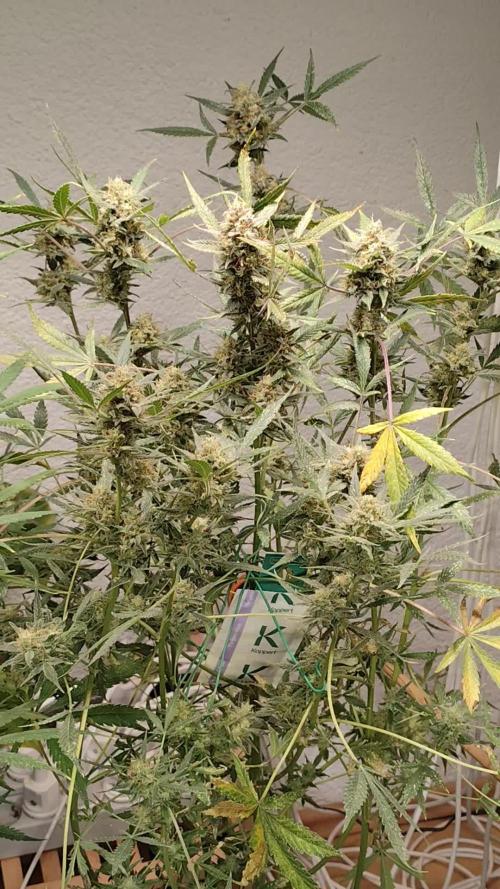
Hallo und Herzlich willkommen zu meinem neuen Grow mit der Forbidden Runtz double XL Automatic von Grower's Choice. Diese schreiben: "Eine Kreuzung zwischen „Forbidden Fruit“ und „Runtz“. Eine Sorte von Growerschoice mit sehr hohem Terpengehalt. Die Aromen waren das Wichtigste bei der Auswahl und Kreuzung dieser Genetik". Sehr süss und fruchtig soll sie sein, ganz genau mein Fall.
Die URL findet ihr hier:
https://www.growerschoice.nl/de/feminisierte-selbstbluhende-hanfsamen/forbidden-runtz-xl-auto.html#additional
Tag 86: 1,0 Liter Wasser. Die Blüten der Forbidden Runtz double XL Automatic von Grower's Choice nutzen die 3x 10 Watt der Bioledex Vollspektrumlampen voll aus. Sie schaukeln schön im Wind.
Tag 88: 1,0 Liter Wasser.
Tag 89: Die Forbidden Runtz (hinten rechts) hat Neue Nachbarn bekommen. 🌱🌱🌱
Tag 90: 2,0 Liter Wasser.
Schön, dass du dir den Grow angesehen hast. Bleib neugierig 👋😎

Likes
23
Share


@Joni2017
Follow
Day 59, she continues the very healthy flowering 🙌 size 78 cm👏🏻👏🏻 temperature 24º C ☀️, humidity 60% 💧 watering 750 ml alternating one day with nutrients and another without nutrients with osmotized water 💦💦 Session 45 min. of binaural sounds for growth and healing 🎼 and music 😉👍

Likes
119
Share


@Tropicannibis_Todd
Follow
💩Holy Crap Growmies We Are Back💩
Well growmies we are at 21 days in and everything is going great 👌
👉 Shes a stout little plant , chunky too , im gonna do a little bit of some low stress training 💪 Preflowers now showing 👍
Lights being readjusted and chart updated .........👍rain water to be used entire growth👈
👉I used NutriNPK for nutrients for my grows and welcome anyone to give them a try .👈
👉 www.nutrinpk.com 👈
NutriNPK Cal MAG 14-0-14
NutriNPK Grow 28-14-14
NutriNPK Bloom 8-20-30
NutriNPK Bloom Booster 0-52-34
I GOT MULTIPLE DIARIES ON THE GO 😱 please check them out 😎
👉THANKS FOR TAKING THE TIME TO GO OVER MY DIARIES 👈
Likes
170
Share

@Tropicannibis_Todd
Follow
👉Alrighty Then👈
63 days in flipped at 28 days
👉Halfway there 👈
It's been a great week all plants are killing it ......... 👉we are now in full flowering 👈
There all gonna get a slight defolation over the next few days to let air and light get in there which seems like I'm doing just about every feeding 👈
👉So I topped all but Babba Kush and Slurricane they didn't require it ... 👌 Got some nice level tops 👌
I've now started there full flowering nutrients program , so we are set to go ......
Persian Pie from Greenhouseseeds
Full Gas from Greenhouseseeds
Babba Kush from Greenhouseseeds
Rainbow Melon from Fastbuds
Papaya Sherbet from Fastbuds
Weddingcheesecake FF From Fastbuds
Purple Oreoz F1 From Seedsman
Slurricane From Premium Cultivars
Soil by Promix
Nutrients by Cronks
Well this should be fun 🙃
Thanks to all my growmies out there for stopping by its much appreciated 👈
👉Happy Growing👈

Likes
14
Share


@Aguyfromtt
Follow
The vids may not be in correct order but this is the most recent. She started in the dwc on the 7 at 5 days old and today marks 21 from seed, 17 in pot. The Larry og seems to be growing but she is showing some bad genetic inheritance. He sister is in the container on the ground in the grow bag. Same time same period. The two behind is the sister gsc and a grand daddy banner.
Likes
19
Share


@Alice_in_Wonderland
Follow
This was a good week to learn a few things about what I want to do for the next grow. This grow, I let the ladies grow to 5 nodes before topping to the third - next grow, I would top to the third when the 4th is clearly visible. I am about 1 week behind schedule, waiting for the nodes on the mainline to grow so they can be topped again. Going to top them into 8 main cola’s.
Reduced water in the buckets to 7l so that the roots have to work a little harder because Cheech was showing signs of being over-watered.
Lights remained at 60cm about the plants, 1ml of all nutrients per litre of water.
Likes
2
Share


@Bluemels
Follow
Tag 31: Ich fange mit LST der Pflanze an. Noch etwas entlaubt und das scrog Netzteil eingebaut. Doch die Cookies Gelato wächst doch sehr sehr langsam in Vergleich zu meiner gleich alten Green Gelato die ja gleich alt ist 😕
Likes
37
Share


@Stork
Follow
Day 99 Mon
Refresh water add 5L nuts
PH 5.9
EC 1.0
DLI 11h/ 40
PPFD/ 925
Water 19c
Day 100 Tue
Add water
PH 5.5/5.7
EC 1.0/0.8
PPM 460
DLI 11h/ 40
PPFD/ 925
Water 19c
Day 101 Wed
PH 5.8
EC 0.8
PPM 400
DLI 11h/ 40
PPFD/ 925
Water 19c
Day 102 Thu
PH 6.0
EC 0.8
PPM 390
DLI 11h/ 40
PPFD/ 925
Water 19c
Day 103 Fri
Add bloom A&B 2ml
PH 6.0/5.9
EC 0.7/0.8
PPM 370/410
DLI 11h/ 37
PPFD/ 870
Water 19c
Day 104 Sat
PH 5.7
EC 0.8
PPM 390
DLI 11h/ 37
PPFD/ 870
Water 19c
Day 105 Sun
PH 5.7
EC 0.8
PPM 380
DLI 11h/ 37
PPFD/ 870
Water 19c

Likes
169
Share


@Hattiwatti
Follow
Hola traveller 🐴
Week 7 begins and we have 4 crazy branches total. 2 in purple nuts and 2 in edge. First water change yesterday and seems to like new solution. 6.1ph 1.2ec.
Buds start to form so its time to try raise ec for a bit. Still stretching a lot in day. Cant wait to trim it almost naked.
Roots look great. Video from yesterday when bubbler was empty.
13.6 Stretching and forming. 1.2ec is max it wants. 6.2ph. Defoliation starts tomorrow. Way too much stuff there.
15.6 defol. Finishing it at monday.
16.6 continued defol. Still let couple leaf for tomorrow to take out.
DLI ~38
With high hopes 🍀
Likes
37
Share


@Roberts
Follow
It was a interesting grow I had Spider mites in flowering. I treated with lady bugs. Seemed to do the trick. All my other autos got hplvd. This likely had it too at end with close proximity to them. She made it. Great looking plant, and smell. Thank you Mars Hydro. DO NOT BUY AMS. The owner is a convicted criminal, and he stole 550 dollars from me. It's not worth it.
Thank you grow diaries community for the 👇likes👇, follows, comments, and subscriptions on my YouTube channel👇. ❄️🌱🍻
Happy Growing 🌱🌱🌱
https://youtube.com/channelUCAHN7YRZWLPCARHHMIQ7X4G

Likes
3
Share

@zaperos
Follow
Hello growmies,
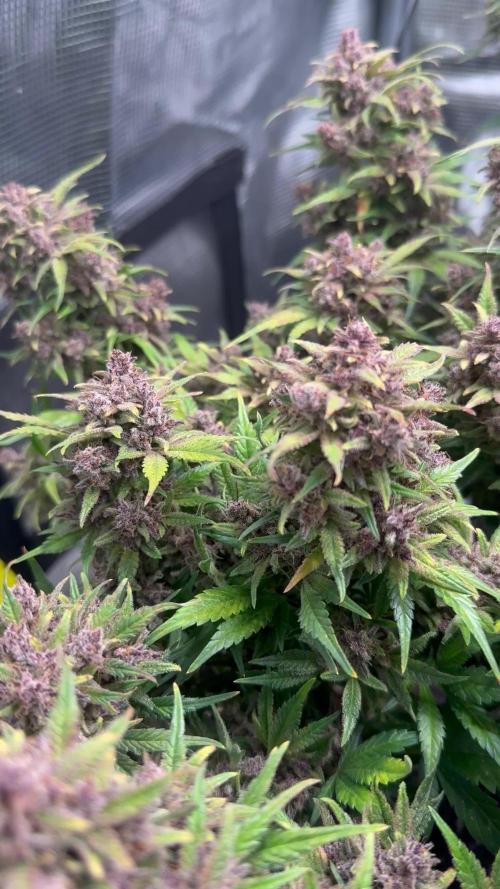
Today the ladies officially entered their last week of life and the countdown has begun!
Yesterday I switched to pure water only, no nutrients, to let them slowly use up what’s left inside before the chop. In a few days the lamp will go off and the girls will spend about 48 hours in complete darkness, then it’s time for the final cut and the start of drying.
Cheers and stay tuned!
Likes
4
Share
@Gorillagrower
Follow
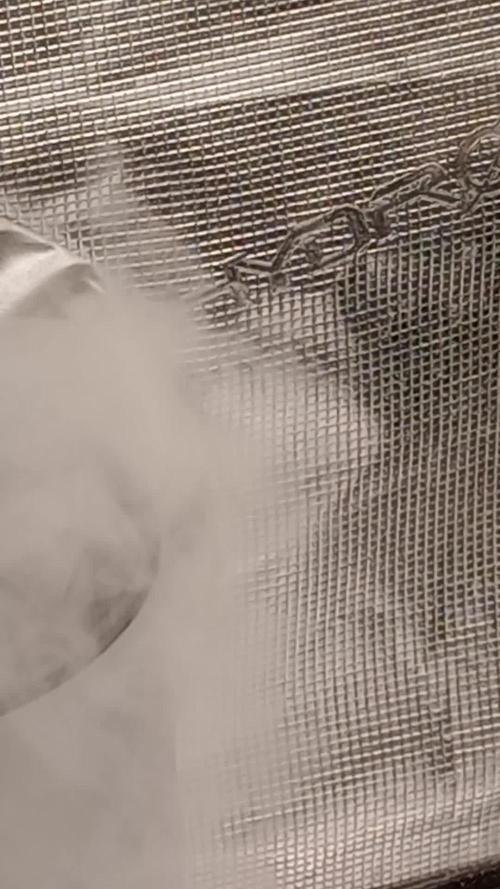
Week 3 and they are starting to take off. I used some Recharge by Real Growers. Instant compost soil amendment ingredients. Great stuff.
