


Likes
Comments
Share


@Naujas
Follow
well, she spent a week in the growing pot :) it seems the girl was not stressed :) hi, she looks healthy, a bit more leafy, but that's normal, after all, she came from the balcony :D every day I remove a few leaves, because there are a lot of them, she still has a week left and will be cut off: (I would like to give her a little more time, but I'm going on vacation and I don't have anyone to leave such work :) so I'd better cut it earlier :).



Likes
16
Share


@Dunk_Junk
Follow
Decided to start my #1 favourite strain so far! 😍
It will be interesting to see if I 'overrated' it last time or not.
In her 20 litre airpot is a mix of new compost : new canna terra : perlite in a 3:3:1 ratio by scoop.
Also I should mention I riddled the brand new compost AND Terra soil through an approx 6mm 1/4" screen.
This makes the soil wonderfully soft. I've not done this on my recent grows, lets see if it makes a difference or not.
She is 7 days above ground now.

Likes
21
Share


@w33dhawk
Follow
Moin moin liebe growmies!
Diese Woche war anstrengend (nicht mit den Ladys) im allgemeinen ich hab für den Sommer ein paar zu viele Pflanzen angesetzt (Tomaten,paprikas und Zitronen) jetzt bin ich nur noch am pflegen und das ganze im Blick haben, das ich kaum noch Zeit für andere Dinge habe 😰 aber naja das Leben ist kein Kinder Spielplatz.....
So zur Woche am 07.05 und 08.05 stand nicht viel an nur zu gucken (ach ja die garten Lady ist in den garten gezogen, und bekommt einen Extra Bericht da sie länger laufen wird als die Ladys hier).
09.05.22 heute war lst angesagt um die Pflanzen in Form zu halten.
10.05.22 heute stand Gießen an es gab für alle 4 Ladys 2L Wasser mit nährlösung zusätzlich zu den microben von Bio bizz habe ich jetzt auch great white hinzu gefügt( 1tsp/8L wasser)
11.05 bis 13.05.22 beobachten und hier und da ein wenig lst um die Form zu behalten.
Das war es wieder für die Woche cu growmies und viel Erfolg bei euren Damen.

Likes
4
Share

@soloczek
Follow
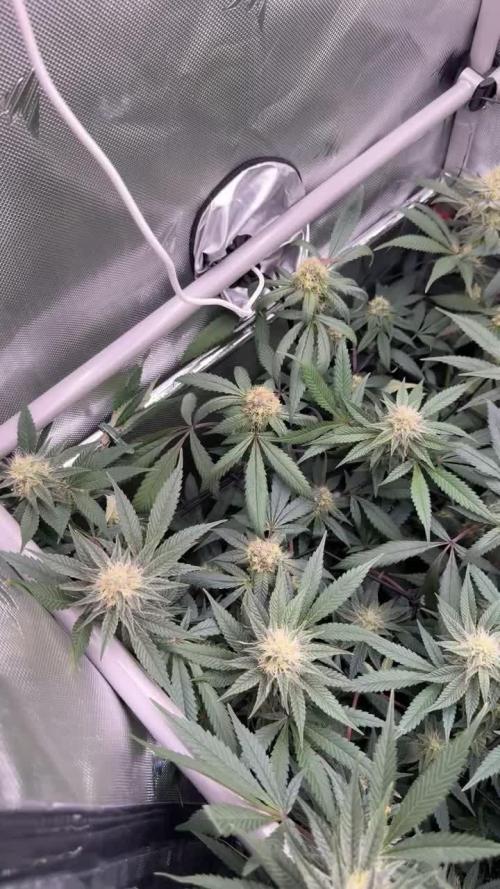
The smell is just gorgeous, ppd favorite for sure like a bag of fresh berries. Guzzlerz starts to purple, whole underside of the leafs are black. Purple Coolies Kush behind of all plants but will be very iced

Processing
Likes
5
Share


@Mr_nugs_lover_David
Follow
Beutiful hard diesel, she's growing super fast and looks like she's even happier after the transplant to her definitive 11l pot, let's see how this wonderful lady keeps developing, she's being fed with nothing but water since I grow using Florian's living organics (living soil blend) tomorrow this wonderful lady is gonna be flipped into flower finally.
As said this lady has been flipped into flower under the light schedule 12-12 on February 15th so now we're gonna se a beautiful stretch before actual flower starts

Likes
9
Share


@DaddyPrime2
Follow
1/11/25 these two phenos are literally the complete opposites. i labeled them from most sativa looking seedling, to the most indica looking. i believe #1 to be the closest to the mimosa parent and #5 may be the closest to the king kush parent. im not positive on this but one things for sure is that these are the most dramatically different phenos out of my 5 seeds. everything else kinda feel somewhere in the middle. its interesting and so far, every pheno has been something great.
1/12/25
checked the trichomes well today.
#1 is interesting, she has a mix of clear and amber but not very many of them are cloudy.
#5 has about 50/50 clear cloudy.

Likes
8
Share

@SkunkyDog420
Follow
Hallo zusammen 🤙.
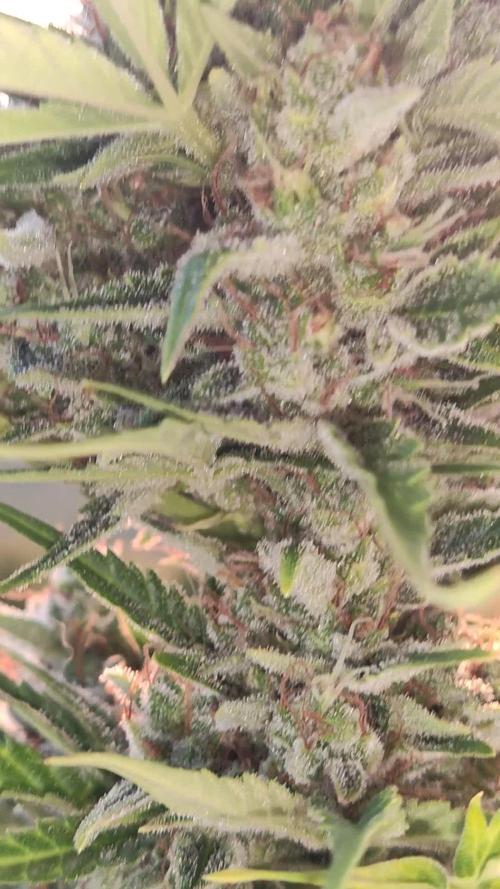
Sie wächst sehr schön und macht keine Probleme.
Rabattcode für den BIOTABS-Webshop https://biotabs.nl/en/shop/ GDBT420, damit erhalten Sie 15 Prozent

Likes
102
Share


@MiyaguiOkPolilla
Follow
Hola amigo de cultivo 💚
Una semana más que excelente a la hermosa planta que Super Sativa Seed Club ha creado con sus breeders. Una planta exquisita, fácil de cultivar, que responde muy bien a los entrenamientos y trasplantes, así mismo una fuerte resistencia al calor.
Lleva unos días con 29 C⁰ durante las luces y así y todo ella lo ha hecho muy bien.
Muy buen aroma, a bayas ácidas maduras y algo de canela o vainilla en el fondo, sin duda predomina el aroma de frutos rojos así que coincide exactamente con su nombre 🤤
Los tricomas son abundantes y de un tamaño considerable, algunos ya están oxidando un poco ...
Está planta es realmente rápida para floración!

Likes
45
Share


@BodyByVio
Follow
Beautiful flower full of trichomes. Smell and test fantastic. Very fast flowering. She was done on day 49 but I cut her down few days later.
I love the strain, the only thing that I will like this strain to have is a better yield. Beast quality buds I ever grew.
Processing
Likes
12
Share


@Cannabot
Follow
Wow what can I say other than wow.Chunky fat colas of candy smelling bud.Might go an extra week or 2 on bloom as there is still a decent amount of white pistols.
Likes
6
Share

@Ninjabuds
Follow
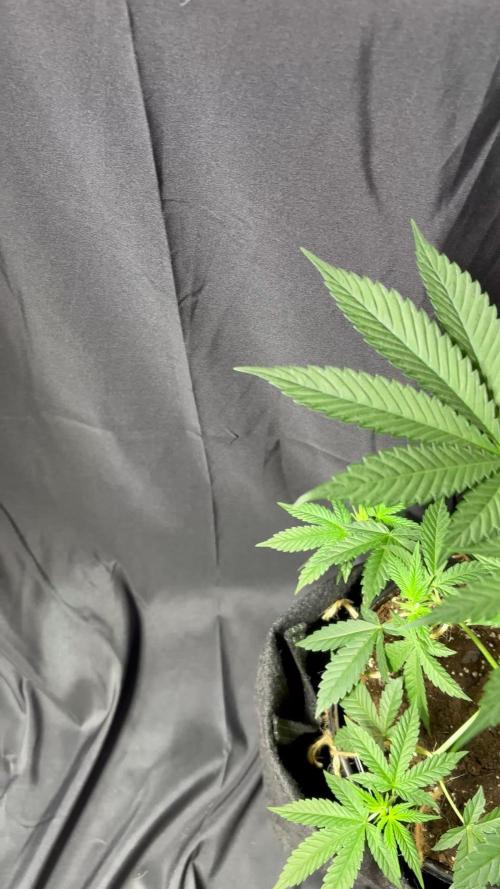
It's been two weeks since i started using the UAP 1500 light, and the results are definitely showing! The 'Peyton' papaya seems to love it. The leaves have this amazing vibrant green, and the whole plant looks so healthy and strong.
Papaya 'Peyton' is really thriving! The leaves are absolutely gorgeous, so full and plump, giving the plant a lush, healthy look. I'm really impressed with the structure – it's short and stocky, which is quite unique, and the nodes are nice and tight, promising good growth.
It's clear this plant is getting the perfect care. The vibrant green color of the leaves and the overall compact shape make it a standout.
Likes
161
Share


@DogDoctorOfficial
Follow
Pow Pow Pow what can i say, i mean even the frogs here were hypnotized with this monstrosity size Mama she is all one can ask and so much more, wen harvesting these cutie pie beast Lady i felt the need to break her in small peaces , or smaller that the them baseball bats collas hihihi OMG them colas OMG .
She rested for 2 weeks in the rack with temps and RH at 60/60% and she was ready for trimming, trimming her was super easy since her frutes are compact and dense , end up with great trim that i will do extractions asap, have the felling she will give me great returns <3 <3 <3
A true pleasure and delight all the way from seed to harvest , now will came the big and final test and with it the smoke review hehehe, thank you SSSC for the opportunity and for everything and also big shout out to GD without the platform nothing of this wold have been possible <3 <3 <3
l
As always thank you all for stopping by, for the love and for it all , this journey of mine wold just not be the same without you guys, the love and support is very much appreciated and i fell honored and blessed with you all in my life <3 <3 <3
#aptus #aptusplanttech #aptusgang #aptusfamily #aptustrueplantscience #inbalancewithnature #trueplantscience #sssc #monstergirl #dogdoctorofficial #growerslove
With true love comes happiness <3 <3 <3 Always believe in your self and always do things expecting nothing and with an open heart , be a giver and the universe will give back to you in ways you could not even imagine so <3 <3 <3
Friendly reminder all you see here is pure research and for educational purposes only
<3 <3 <3 Growers Love To you All <3 <3 <3
Strain info :
About Auto Purple OG Punch cannabis seeds
To create Auto Purple OG Punch we crossed our feminized Purple Punch with an autoflower OG Kush. The original Purple Punch is a cross between Larry OG and Grandaddy Purple, illustrious and stable indica dominant THC-rich heavyweights!
The total grow cycle from autoflower seed to harvest is a short 9 weeks. You will be rewarded with a large yield of sticky resinous buds, up to 600g/m2 indoors. If you’re looking to grow a high quality indica auto made with cannabis cup winning genetics you will love Auto Purple OG Punch. THC content is always up-to/around 20%. Auto Purple OG Punch effects are intense, euphoric and relaxed. She also contains around 1% CDB which contributes to the very smooth, chilled smoke. Expect a mouthwatering blend of sweet tasting candy, dark fruit and hints of spice. A real connoisseur cocktail with powerful effects!
She normally reaches around 1m tall. But in optimized conditions with LED grow lights you can see occasional monster plants up to 2m tall with XXL yields. Auto Purple OG Punch is easy, potent and heavy yielding indoors. She also delivers well outdoors - such as the balcony or garden.
Auto Purple OG Punch is a perfect, powerful strain for a quiet relaxed day. The calming indica body effect is very satisfying and de-stressing
Likes
2
Share


@OS_Farmz
Follow
Those babies stated to drink a lot, drying a substrate in 24 hours decided to replant them into the large 25 liter air-pots. The roots are visible and developed quiet good, so i hpe it was good timing to do that. Also made some topping on one of plants, others will be topped this week. Generally all goes good👍


Likes
2
Share


@High_Grade_Dadli
Follow
Girls are doing well....seed looking like she earning her name..have some cutting off her n am please with the first week of flower....one got super stress n she dont even look like it jus watchin to see how things look later

Likes
31
Share


@The_Doctor_Green
Follow
En esta nueva semana he trasplantado a macetas de 10 litros a 2 plantitas que estaban en macetas de 3L .
La que he planteado a tierra ha tenido un crecimiento significativo de una semana a otra.
Likes
38
Share


@Extrudat
Follow
📅 Tag 61 - Ich bin ENDLICH wieder zu hause und hab all meine Babys erstmal nen Kopf kürzer gemacht nachdem die während meines Urlaubs gewuchert sind wie Unkraut...was is ja prinzipiell auch ist aber...ihr wisst schon.
Alle Pflanzen machen einen soliden Eindruck & wurden gegossen 😍
DARK DEVIL: Alles Tiptop, Blüten sind teilweise so dick wie die Fäuste von nem 5-Jährigen - bin mir nur unsicher ob ich die nicht jetzt schon Flushen soll, oder ihr nochmal ne Woche geben soll. 😈
GELATO: Braucht bemerkbar länger für die Blütenentwicklung, ist ja aber auch so vorgegeben.
GG#4: Wenn die zwo Autos fertig sind und zum trocknen in den Trockenschrank kommen wirst du mies entlaubt und dann gehts 2 Tage später ab in die Blüte mit dir! ;) 🙌
Außerdem hab ich sie abgebunden, damit die Seitentriebe mit den Tops auf eine höhe wachsen, even canopy undso - ihr wisst bescheid! 👻
Sie war nach meinem ankommen fast 65cm groß und hat die anderen beiden um längen eingeholt... erschreckend :D
Der Größere Topf kommt auch bis Donnerstag an und dann wird die GG umgetopft auf 30l... lol
📅 Tag 63 - Was soll ich sagen, Bilder sprechen für sich.
DARK DEVIL: Digger, die kleine wird ja nochmal richtig dick. Hätte ich meine Kollegin die Blätter in Woche 7 stutzen lassen, wären die Buds vermutlich nochmal wesentlich fetter geworden. 😻
Aber egal, sie hat nen super Job geleistet und ich bin dankbar für jede investierte Sekunde!
GELATO: Koooooooooooooommt.
GG#4: Wuchert wie sau, 30l Topf kam heute...man is das ein Ding. Das wird so heftig schief gehen 😂😂😂 die kleistert mir doch safe das komplette Zelt zu 😂
Ehrlich gesagt glaub ich nicht dass ich die 30L komplett voll mache. Ich denke ich geh höchstens auf 20-22l
Wird Krank.
Außerdem: Dafür das ich n absoluter Beginner bin bin ich echt verdammt zufrieden damit wie alles läuft.
Ich denke ehrlich gesagt nicht dass das ich's so einfach ohne die ganzen Plagron Dünger/Erden geschafft hätte.
Ich habe etwas unter dem vorgegebenen Schema gegossen, weils Autos sind (und keine Fahrräder, lol) - und das funktioniert Einwandfrei.
Die Dark Devil braucht tatsächlich etwas mehr Cal/Mag als mein gefiltertes Leitungswasser ohnehin schon bietet, da hab ich einfach nach Gefühl dazugegeben. Alle 2 Wochen haben sich die Blätter mal wieder gemeldet mit Cal/Mag mangel und genau dann hab ichs dazu gegeben.
Wie dem auch sei, PLAGRON FTW!😻🙌

Likes
8
Share

@Oldwied
Follow
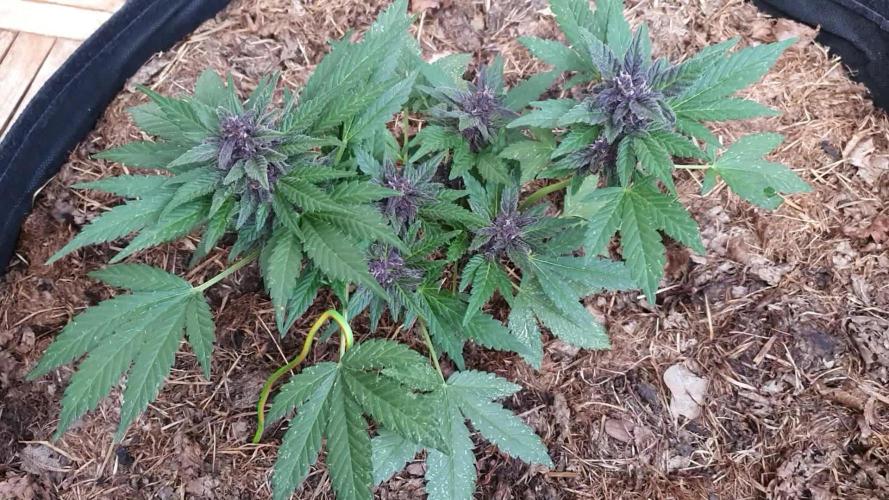
My little cherry bonsai becomes denser and the resin glands glisten across the entire flowers.
Under the spotlight, the lady shows how she can glitter.
I'm very happy that the first side branch, getting thicker and thicker.
Day 65
Photoshooting
Likes
1
Share


@Adm023
Follow
Ojalá pueda revegetarla así hago una buena madre e revegetando muchas pero aveces no me sale tengo varias madres
Likes
14
Share


@Gingablum
Follow
Nitrogen toxicity for sure cut back on nutes and plants seem to be recovering gonna throw into flower the next few days unless someone thinks I should let the plants recover more

Likes
13
Share

@NSABND
Follow
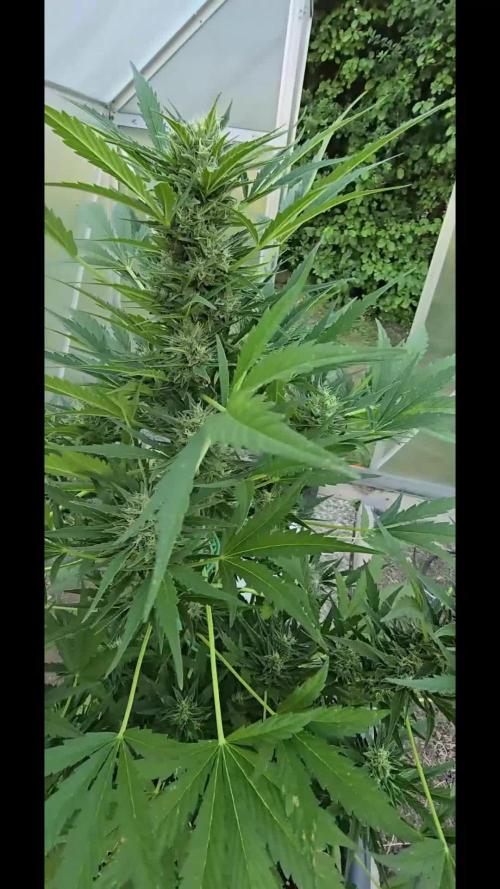
Day57 hot summer day 😎👍🙏
Day58 cloudy and normal temp 😳😵
Day59 cloudy and cold temp 😵😵😕
Day60 the sun came back but late 😩😵
Day61 sun and warm weather 😁🙏👍
Day62 some sun and warm weather 😁 "Hilde2.0" gettin closer to finish 😏👍🙏