


@Grower_Of_Persia
Follow
my dry and cure style is this:
4 days of hanging upside down to get water activity lower to around 0.6 in 50% humidity and 26 C temp (i know its a little high but we are in a hot summer right now and i cant get it lower even with air conditioner) and then after 4 days of drying i remove leaves and stalks, trim buds and move them to jar for the rest of their life :D . and in the first 4 days of curing i open the jar door and let hem get some fresh air in the jar for about 5 minutes and close the jar door again, after 4 days of curing like that buds are smokable but they will get better as they getting cured about 1 month.
buds are one of the hardest as fucking rocks type of buds! very dense , compact , sticky , smelly , amazing at every aspect
growing stage was 56 days and flowering stage was 75 days total (harvested tops at day 64th)
the total weight of dry buds was : (plant #1 & #3 top buds 56 G + lower buds 22 G ) 78 G + (plant #2 top buds 47 G + lower buds 18 G ) 55 G + (plant #4 top buds 120 G + lower buds 67 G ) 187 G = 367 G


@Gardens_of_Of
Follow
Green House Feeded one is enjoying life and keeps stretching. Advanced Nutrients one moved to left top corner and she seems to be doing better than last week. Light intensisty is at 90% in 50 cm distance.


@Lickey
Follow
Just winding down. Gonna go lights off for a day or two now at week 10. Tangerine dream are close to done and grape ape are throwing bananas for past week so it’s time.


@MagicoVerde
Follow
Sixth week of flowering, the buds have increased in weight and have hardened (I'll have to start tying them). With this the smell has also increased a lot stinking all the room every time you open the tent. The plant continues to look vigorous and healthy. Less to go until the harvest 🤞🤩🤩🤞


@TerpTank
Follow
Welcome to my first growreport.
For this particular run i chose to grow three plants:
A monstercropped clone of a Tangerine Sherbet, a small near dead SFV OG x Purps seedling (both by Growers Choice NL) which survived unexpectedly and a Mimosa x Orange Punch seedling (Barneys Farm). The smallest monstercropped clone in the tent will be a mother for the future and won't be run this cycle.
Both Mimosa and Tangerine Sherbet were planted in Autopots with a 70/30 Coco-Perlite-Mix, fitted with the Airbase and the optional Airdome.
The SFV OG x Purps sits in a 1.5L Pot with the same media as mentioned before and will be handwatered for the whole run.
They currently sit under a 120w 3500K standard Quantum Board, which isn't too powerful but also not perfect for the Veg-Cycle. I suspect that the small leaves and the short internodal spacing on the Mimosa x Orange Punch is caused by the wavelength of this light.




@tjaym
Follow
Harvest & Final Thoughts
Harvest & Curing:
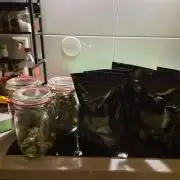
We have officially chopped and trimmed all the plants, and they are now placed in curing jars and Grove TerpLoc bags. Overall, I’m extremely happy with the incredible aroma coming off these buds!
Yield & Scale Misstep:
I had a small mishap during weighing: I only realized on the last 2-3 bags that I had forgotten to remove the protective plastic cover from the scale platform! Taking that into account, I estimate a total dry yield of approximately 200 grams across the 4 plants.
Issues Encountered:
Unfortunately, the main cola on the front-left Milky Way couldn't be saved. It developed bud rot, which I sadly caught a bit too late.
Next Steps & Setup Verdict:
The buds are now settling in for a proper cure. I’ll follow up with another update on the smoke profile and terpene breakdown once curing is complete.
All in all, despite the small rot hiccup, this was a very successful run for a new setup!








@TyRun
Follow
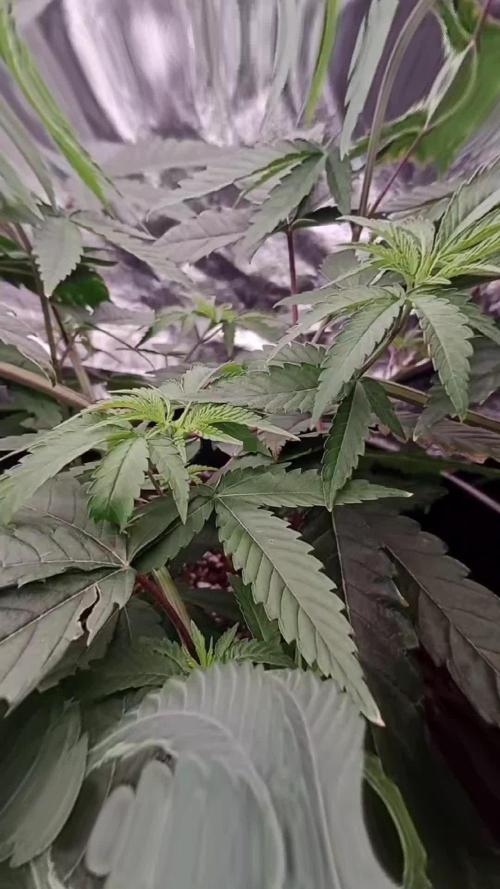
Clones adventure. Mom's recovering.
Spoiler: it was a very bad idea to put the clones into such large plastic pots and flood the propagator with too much water. Yes, the environment was fine, but there was no airflow through the coco, so the cuts rotted and I had to re-transplant the clones again after cleaning off the damaged parts.
Meanwhile, the mom is happy and recovering very fast.


@WestOzzie
Follow
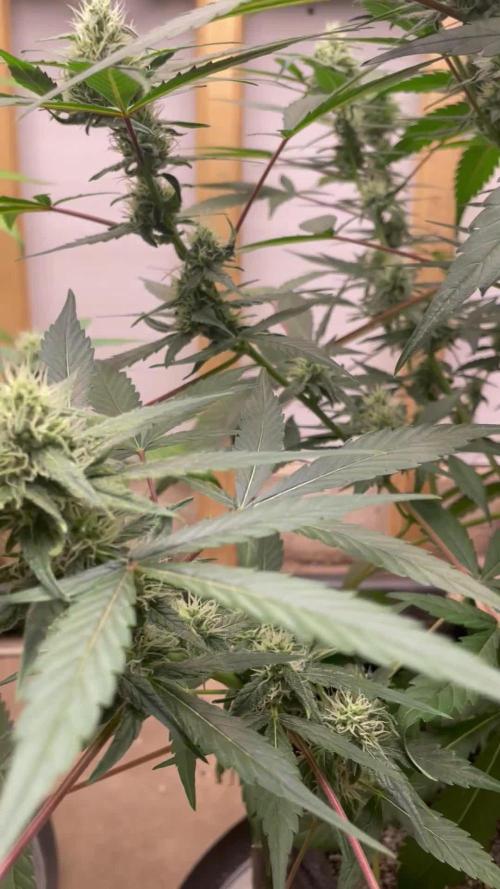
She's still just doing her thing, getting thicker and starting to get a stronger smell about her,got about 3 days rain coming which hopefully doesn't affect her to much


@Skunkinyabag
Follow
Everything moving along. Humidity has been a challenge due to the weather but other than that life is good. Just about 5 weeks left.


@Fergie
Follow
Hey guys so another week has passed 😀I decided not to cut the girls this week just weren't amber enough for my liking . So will be next Fri at the earliest now as I have go away a few days . All looking really good and smell is really intense pineapples with slight citrus undernodes. Cannot wait to chop these girls now 😉til next week


@DudeGrowsWeed
Follow
Mexican Airlines is looking good. I'm doing some LST experimentation on her so far I'm seeing some nice development from the lower nodes, tried spreading those nodes out today.
She's front-left in the group pics.


@BudDonis
Follow
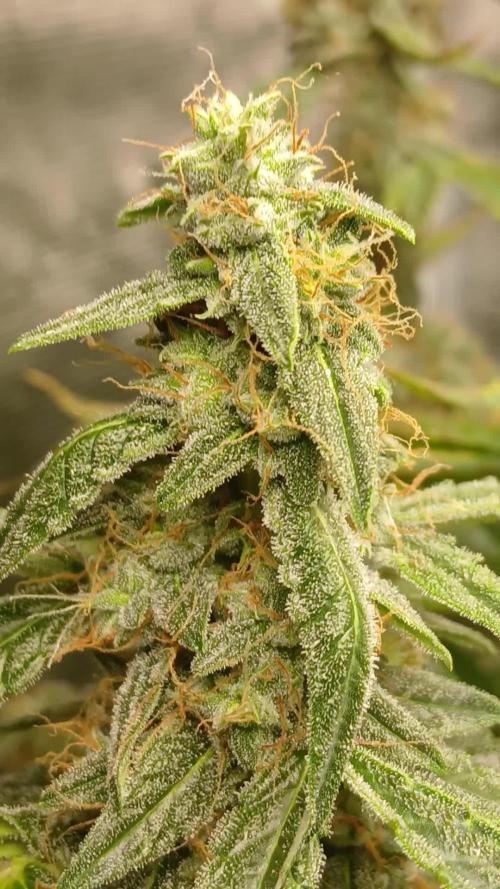
So last feeding done just 2 ml of bloom for all the ladys still guess they could eat more one of the 4 plants was totaly hungry but any ways less is sometimes better thab much ;) so next week the gone harvested they looking good but also drink to much water they got watered every 2 day about 1.5l for all 4 plants( next time better watering every day)
Have u any Tipps dont mi to write below :)


@Trinidad
Follow
Titan f1 QRS unsure of number of days. They are nice short plant with sparkly buds and pleasant smell. I think she will make a smooth smoke. Fresh reservoir change out today.


@GothBotanical
Follow
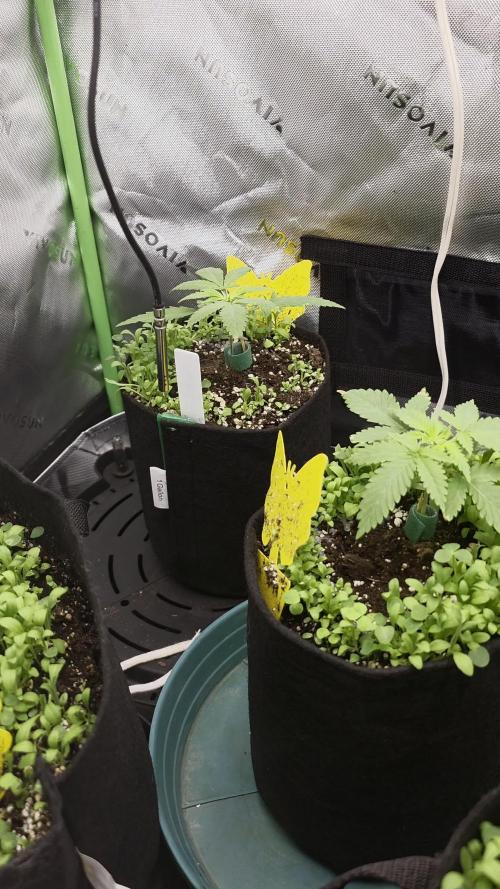
The autos continued their steady vegetative push this week, with larger 5–7 finger leaves developing and noticeable daily growth. Canopies began to fill out, giving the plants a stronger, bushier appearance compared to the previous week.
On Aug 26, the pots were watered thoroughly, and beneficial nematodes were applied as a preventative step against soil pests. This was the first pest management measure of the grow.
The environment stayed stable overall. Temperatures stayed warm but within a healthy range, and humidity hovered in the target veg zone.
By the end of the week, the plants looked vigorous and healthy, with no signs of stress or deficiency. They are well-prepared for topping and early training in the coming weeks.


@Ultraviolet
Follow
Removed autoflower and put her in her own pot outside the tent.
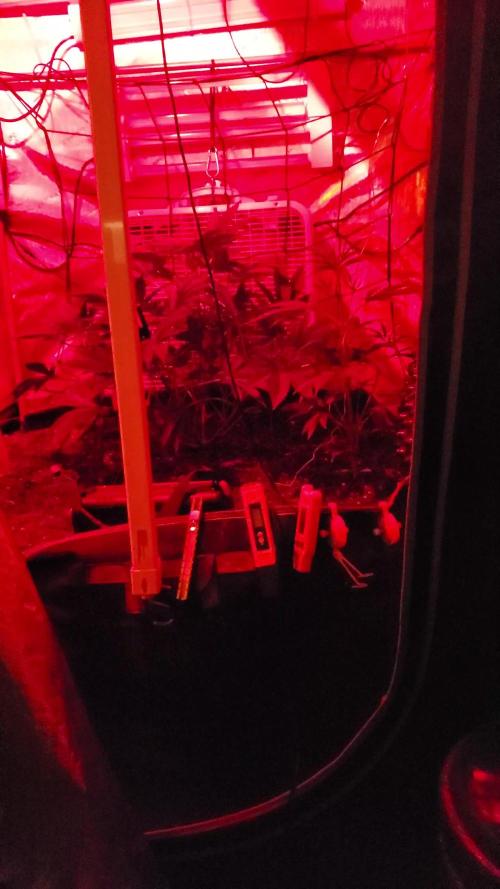
Foliars applied in strong blue 430nm with 4000Hz tone. 20-minute dose prior to application.
In essence, you're seeing a combination of the infrared light reflected by the plant, which the camera perceives as red, and any residual visible blue light the plant reflects, which results in a purple hue.
I was doing more stretching of the stems, adjusting weights, just a little too much, and it snapped almost clean. I got a little lucky in that it was still connected, wrapped her almost instantly while holding her in place with yoyo's. The core framework is now in place.
If your soil has a high pH, it's not ideal; you want a pH of 6.4, 6.5, or 6.6, which is ideal. If you are over a pH of 7, you have no hydrogen on the clay colloid. If you want your pH down, add Carbon. If you keep the pH below 7, you will unlock hydrogen, a whole host of new microbes become active and begin working, the plant will now be able to make more sugar because she has microbes giving off carbon dioxide, and the carbon you added hangs onto water. Everything has electricity in it. When you get the microbes eating carbon, breathing oxygen, giving off CO2, those aerobic soil microbes will carry about 0.5V of electricity that makes up the EC. The microorganisms will take a metal-based mineral and a non-metal-based mineral with about 1000 different combinations, and they will create an organic salt! That doesn't kill them, that the plant loves, that the plant enjoys. This creates an environment that is conducive to growing its own food.
Metal-based: Could include elements like iron, manganese, copper, or zinc, which are essential nutrients for plants but can exist in forms not readily accessible.
Non-metal-based: Examples like calcium carbonate, phosphate, or sulfur are also important for plant growth and potentially serve as building blocks for the organic salt.
Chelation in a plant medium is a chemical process where a chelating agent, a negatively charged organic compound, binds to positively charged metal ions, like iron, zinc, and manganese. This forms a stable, soluble complex that protects the micronutrient from becoming unavailable to the plant in the soil or solution. The chelate complex is then more easily absorbed by the plant's roots, preventing nutrient deficiency, improving nutrient uptake, and enhancing plant growth. Chelation is similar to how microorganisms create organic salts, as both involve using organic molecules to bind with metal ions, but chelation specifically forms ring-like structures, or chelates, while the "organic salts" of microorganisms primarily refer to metal-complexed low molecular weight organic acids like gluconic acid. Microorganisms use this process to solubilize soil phosphates by chelating cations such as iron (Fe) and calcium (Ca), increasing their availability.
Added sugars stimulate soil microbial activity, but directly applying sugar, especially in viscous form, can be tricky to dilute. Adding to the soil is generally not a beneficial practice for the plant itself and is not a substitute for fertilizer. While beneficial microbes can be encouraged by the sugar, harmful ones may also be stimulated, and the added sugar is a poor source of essential plant nutrients. Sugar in soil acts as a food source for microbes, but its effects on plants vary significantly with the sugar's form and concentration: simple sugars like glucose can quickly boost microbial activity and nutrient release. But scavenge A LOT of oxygen in the process, precious oxygen. Overly high concentrations of any sugar can attract pests, cause root rot by disrupting osmotic balance, and lead to detrimental fungal growth. If you are one who likes warm tropical high rh, dead already. Beneficial, absolutely, but only to those who don't run out of oxygen. Blackstrap is mostly glucose, iirc regular molasses is mostly sucrose. Sugars, especially sucrose, act as signaling molecules that interact with plant hormones and regulate gene expression, which are critical for triggering the floral transition. When sucrose is added to the growth medium significantly influences its effect on floral transition.
Probably wouldn't bother with blackstrap given its higher glucose content. Microbes in the soil consume the sugar and, in the process, draw nitrogen from the soil, which is the same nutrient the plant needs. Glucose is not an oxygen scavenger itself, but it acts as a substrate for the glucose oxidase (GOx) enzyme, effectively removing oxygen from a system. Regular molasses (powdered if you can), as soon as she flips to flower or a week before, the wrong form of sugar can delay flower, or worse. Wrong quantity, not great either. The timing of sucrose application is crucial. It was more complicated than I gave it credit for, that's for sure. When a medium's carbon-to-nitrogen (C:N) ratio reaches 24:1, it signifies an optimal balance for soil microbes to thrive, leading to efficient decomposition and nutrient cycling. At this ratio, soil microorganisms have enough nitrogen for their metabolic needs, allowing them to break down organic matter and release vital nutrients like phosphorus and zinc for plants. Exceeding this ratio results in slower decomposition and nitrogen immobilization, while a ratio below 24:1 leads to faster breakdown and excess nitrogen availability.
Carbon and nitrogen are two elements in soils and are required by most biology for energy. Carbon and nitrogen occur in the soil as both organic and inorganic forms. The inorganic carbon in the soil has minimal effect on soil biochemical activity, whereas the organic forms of carbon are essential for biological activity. Inorganic carbon in the soil is primarily present as carbonates, whereas organic carbon is present in many forms, including live and dead plant materials and microorganisms; some are more labile and therefore can be easily decomposed, such as sugars, amino acids, and root exudates, while others are more recalcitrant, such as lignin, humin, and humic acids. Soil nitrogen is mostly present in organic forms (usually more than 95 % of the total soil nitrogen), but also in inorganic forms, such as nitrate and ammonium. Soil biology prefers a certain ratio of carbon to nitrogen (C:N). Amino acids make up proteins and are one of the nitrogen-containing compounds in the soil that are essential for biological energy. The C:N ratio of soil microbes is about 10:1, whereas the preferred C:N ratio of their food is 24:1 (USDA Natural Resource Conservation Service 2011). Soil bacteria (3-10:1 C:N ratio) generally have a lower C:N ratio than soil fungi (4-18:1 C:N ratio) (Hoorman & Islam 2010; Zhang and Elser 2017). It is also important to mention that the ratio of carbon to other nutrients, such as sulfur (S) and phosphorous (P) also are relevant to determine net mineralization/immobilization. For example, plant material with C:S ratio smaller than 200:1 will promote mineralization of sulfate, while C:S ratio higher than 400:1 will promote immobilization (Scherer 2001).
In soil science and microbiology, the C:S ratio helps determine whether sulfur will be released (mineralized) or tied up (immobilized) by microorganisms.
A carbon-to-sulfur (C:S) ratio smaller than 200:1 promotes the mineralization of sulfate, when the C:S ratio is low, it indicates that the organic matter decomposing in the soil is rich in sulfur relative to carbon. Microorganisms require both carbon and sulfur for their metabolic processes. With an excess of sulfur, microbes take what they need and release the surplus sulfur into the soil as plant-available sulfate
A carbon-to-sulfur (C:S) ratio higher than 400:1 will promote the immobilization of sulfur from the soil. This occurs because when high-carbon, low-sulfur materials (like sawdust) are added to soil, microbes consume the carbon and pull sulfur from the soil to meet their nutritional needs, temporarily making it unavailable to plants.
200:1 C:S 400:1: In this range, both mineralization and immobilization can occur simultaneously, making the net availability of sulfur less predictable.
This dynamic is similar to how the carbon-to-nitrogen (C:N) ratio regulates the availability of nitrogen in soil. Just as microbes need a certain amount of nitrogen to process carbon, they also require a balanced amount of sulfur. Both mineralization and immobilization are driven by the metabolic needs of the soil's microbial population.
Sulfur is crucial for protein synthesis. A balanced ratio is particularly important in relation to nitrogen (N), as plants need adequate sulfur to efficiently use nitrogen. A severely imbalanced C:S ratio can hinder the efficient use of nitrogen, as seen in trials where adding nitrogen without balancing sulfur levels actually lowered crop yields.
Maintaining a balanced carbon-to-sulfur (C:S) ratio is highly beneficial for plant growth, but this happens indirectly by regulating soil microbial activity. Unlike the C:N ratio, which is widely discussed for its direct effect on nutrient availability, the C:S ratio determines whether sulfur in the soil's organic matter is released (mineralized) or temporarily locked up (immobilized).
Applied 3-day drought stress.
Glucose will hinder oxygenation more than sucrose in a solution because glucose is consumed faster and has a higher oxygen demand, leading to a more rapid decrease in oxygen levels. When cells respire, they use oxygen to break down glucose, and this process requires more oxygen for glucose than for sucrose because sucrose must first be broken down into glucose and fructose before it can be metabolized.
In a growth medium, glucose is a more immediate and universal signaling molecule for unicellular and multicellular organisms because it is directly used for energy and triggers a rapid gene expression response. In contrast, sucrose primarily acts as a signaling molecule in plants to regulate specific developmental processes by being transported or broken down, which can be a more complex and slower signaling process.
Critical stuff.
During wakefulness (DC electric current) life can not entangle electrons and protons. During the daytime, the light is sensed as multiple color frequencies in sunlight. Coherence requires monochromatic light. Therefore, at night, IR light dominates cell biology. This is another reason why the DC electric current disappears during the night. The coherence of water is maintained by using its density changes imparted by infrared light released from mitochondria in the absence of light. This density change can be examined by NMR analysis, and water is found to be in its icosahedral molecular form. This is the state that water should be in at night. This is when a light frequency is lowest and when the wave part of the photoelectric effect is in maximum use.
3600


@eldruida_lamota
Follow
Vamos familia que ya actualizamos la cosecha de estas Frosted Guava de Zamnesia.
Vaya flores que se han marcado repletas de tricomas, parecen escarcha y las flores se marcan aromas muy tropicales, la verdad que únicos.
Es una variedad bastante fácil de cultivar pero al tener un periodo de floración algo más largo, hay que estar pendiente de alimentarlas bien, gracias Agrobeta en mi sala es posible.
Temperaturas máximas en 24 y mínimas en 20 y una humedad estable en torno al 36%.
Las mantuve 10 semanas pero facilmente si se quedan 11 tampoco estaría mal, yo las vi bien maduras y ya tenía tricomas ambar así que les di matarile.
Os comento que tengo un descuento y para que compréis en la web de Zamnesia de un 20%, el código es ZAMMIGD2023
The discount 20% and the code is ZAMMIGD2023
https://www.zamnesia.com/
Agrobeta:
https://www.agrobeta.com/agrobetatiendaonline/36-abonos-canamo
Mars hydro:
Code discount: EL420
https://www.mars-hydro.com/
Espero que disfruteis este diario, buenos humos 💨💨💨




@Whodeletti
Follow
Die letzten Wochen kam ich leider nicht zur Dokumentation, daher jetzt nur die Ernte Bilder, angaben zum Gewicht kommen noch.
Wet Cut, 3 x Gorilla Zittlez , an Tag 57 der Blüte.



@Gewaltmann
Follow
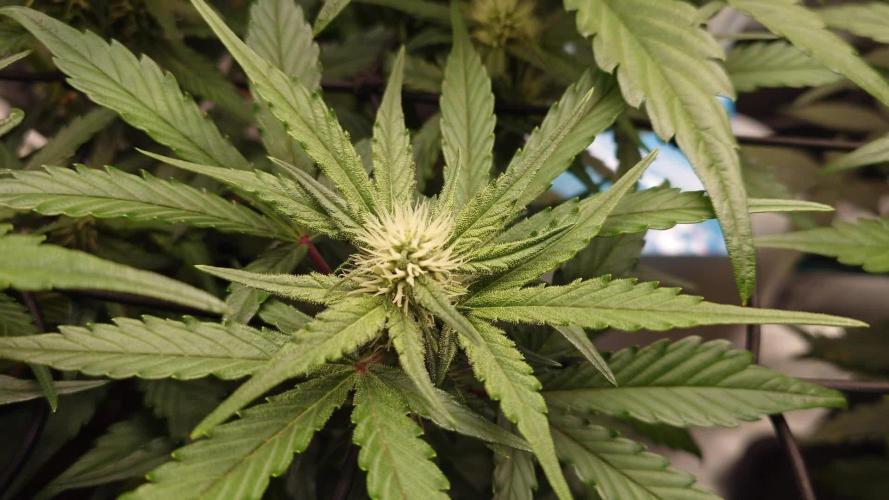
Wie auch bei der guava runtz, Zucker Zucker Zucker! Ebenfalls sieht es hier langsam so aus als würde sich der Stretch dem Ende neigen. Die guava sunday ist eindeutig luftiger und hat viel viel mehr kleinere untere Triebe im Gegensatz zu der runtz.
Das das wird mir auch beim entlauben und lollipoppen sehr viel Arbeit bescheren aber die Arbeit wird sich lohnen.
Faszinierend ist aber dass die beiden total unterschiedlich im TerpenProfil sind. Die runtz kommt eindeutig stark fruchtig daher mit subtilen untern Tönen. Während hier die sunday mit einem sehr cremig erdigen Profil daherkommt und er mit subtilen Reifen guava untertönen unterlegt. Vielleicht sogar leicht skunkig?
Ich bin auf die Ernte und auf die erste Verkostung gespannt bei dieser Unterschiedlichkeit schon allein vom Profil her. 🤤