Likes
Comments
Share


Likes
6
Share


@the_O
Follow
Ich bin der Meinung das Bilder mehr als 1000 Worte sagen.
Ich hab sie in den letzten Tagen ordentlich gespült und dann dunkel gestellt. Heute also am Ende der 12. Woche habe ich sie letztendlich geerntet. Die trichome waren alle milchig bis bärnstein Farbend. Ich lasse sie jetzt eine Woche mit eingeschalteter Abluft troknen.

Likes
24
Share


@DeepRootsGrowTrees
Follow
COLOMBIAN JACK by KANNABIA
Week #16 Overall
Week #5 Flower
This week she's doing good no issues she's getting some nice looking and smelling buds!! Stay Growing!!
Kannabia.com COLOMBIAN JACK

Likes
16
Share


@Esoteric_growing
Follow
Perfect height I wanted to obtain after the three week stretch, both strains performing well with two of the orange punch requiring a extra 0.2 ec above the all the other plants.
Canopy is very busy so did some defoliation to get better light penetration and increased air flow around the plants.


Likes
3
Share

@carlitospiratahaze
Follow
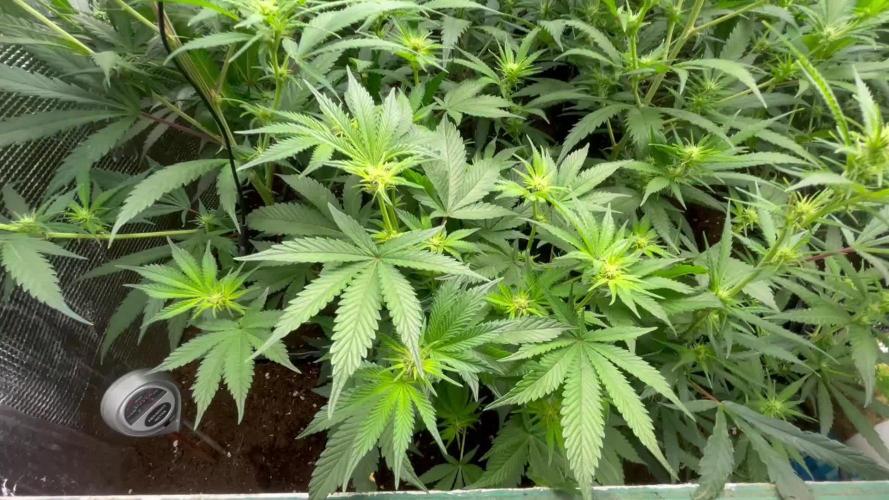
Ya vamos avanzando!!
Arrancamos esta semana en 6/4/26 dándole mucho mimo y ofreciéndole un poco más de espacio para poder abrirle las ramas y que pueda producir todas sus flores de la mejor manera posible!
Muy contento con esta pequeña banana 🍌 sedosa!
Tengo ganas de verla florecer tiene tonalidades muy bonitas.
?
Arrancamos con la artillería ligera y media booombastic y green sensation irán alternadose en los riegos de las semanas y el sugar royal y atami flavor igualmente.
Una vez estemos más avanzados sacaremos la artillería pesada monsterbloom,k boom y p boom.
Para darles el empujón final.

Likes
4
Share


@GreenForMiles
Follow
Really proud of this plant! She grew fast and tall and has towering buds. The purple is slowly coming through as harvest time nears!

Likes
4
Share


@GrapevineGrower2
Follow
3x3 Tent Clones (G-41, Frosted Gelato, Frozay Pie, Black Cherry Gas) - began noticing Ph issues, so ramped up ph test of water with nutrients and ph run off to ensure within acceptable range of 6.5 and 7. Continued watering w/Cal-Mag and SP treatments.
2x4 Tent Seeds (Humboldt Blueberry Cupcake, TH Seeds French Macaron) - began noticing stage 3 Manganese deficiencies on Blueberry Cupcake, so ramped up ph testing of water with nutrients and ph run off to ensure within acceptable range of 6.5 and 7. Continued watering w/Cal-Mag and SP treatments. Continue to monitor to determine whether to cut of keep.
2x2 Tent Autos/Clones (Afgooey Autos and variety of cuttings from above tents) - Day 21 and Afgooey Autos are in flower. 8 of 12 cuttings from 2x4 and 3x3 tents grows rooted. Ph water and applied soil preventive treatment w/recharge on day 6 of week one flower. Defoliated and LST as well on day 6.


Likes
1
Share


@Dutchhobby
Follow
Found some pics from last year.realy wanted to share.im surprised that it's not in breeders list..
Suzy seeds. It's really nice breeder.strong and good autoflowers.
Likes
16
Share


@Xylophory
Follow
- The ladies got a little hot this week when I had to keep them in a box during a house inspection. Next day a lot of pistils had turned brown and now end of week, there’s not very many swollen calyx and new pistol growth.
- I raised the light in order to lower the heat a little (it’s also been a hotter week this week in general), I think it was a little too close at 14”. Raised it to 16.
- I spoke with someone on Reddit who told me about “shooting powder”, a sparkling PK booster that reverts the plant back earlier in flower. Fucking magic. Going to try that for the next three weeks to see if I can get the ladies to bounce back and produce more girthy bud.
They sure did frost up more though! ❄️
- leaf tips stopped burning finally after last weeks sporadic EC spikes. EC back down between 2 inflow with 2.2-2.3 outflow. So, I’m happy with that.
- added another fan. Found a cheap $15 fan that has a low profile back and can sit in the corner without blocking the light. Doesn’t rotate but makes the ladies dance a littler more which is nice 💃🏻
Processing
Likes
25
Share


@RastaMouse
Follow
Start of week 4 everything seems to be going great. Monster bud growth and no sign of any health problems. Hope it stays this simple tbh lol.
Likes
7
Share


@Genussmittel420
Follow
i am pretty sure we are produceing many seeds here..... anyway, lets see how the babys will be.
flower day 39 - found spidermites on the triple g and had to take many leafs off. also ordered some predatory mites and did some other changes to hope to prevent the outbreak.
Likes
10
Share


@The_Chef_420
Follow
Hello grow 🌎! Finally seeing signs of flowering beginning. (Branches alternating, calxes, pistils, etc.) I cut the girls' dose of gro pro which is full of N, way down amd introduced monster bloom and a small dose of nirvana. Was going to tie down branches but realized that it would make draining their buckets near impossible. So I decided to use bamboo sticks to "position" branches in spots of light and out of tge way of others.

Likes
113
Share


@PEAKYPLANTERS
Follow
my experience with these strains has not been one of the best .... in the last few weeks there has been a sharp increase in temperatures making things very difficult ...
very slow growth for coockies considering that in the same tent I had 3 other autoflows that had been ready for a few weeks.
discrete power .... almost light ... lighter flowers inside the buds ...
ABUNDANT HARVESTS FOR ALL OF YOU ... FRIENDS
PEAKYPLANTERS GREETS YOU


Likes
3
Share


Likes
4
Share

@Abendkraut
Follow
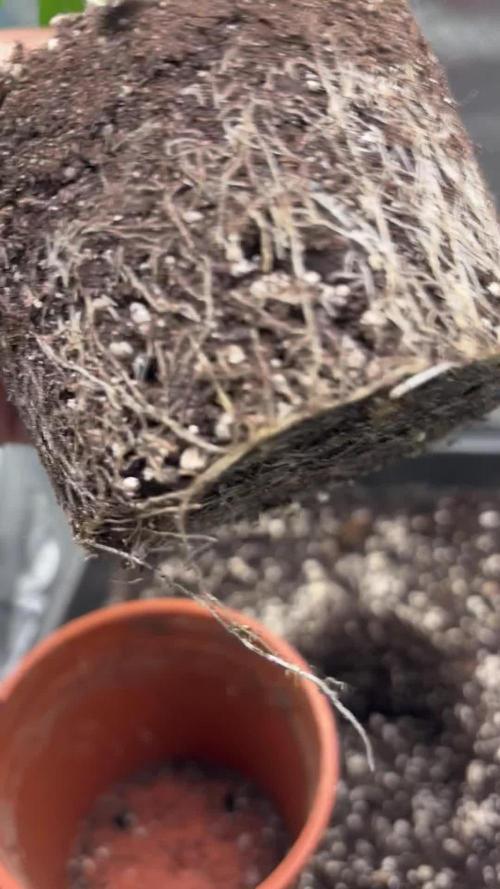
As mentioned in the last entry I've repotted the Sticky Broccoli, the roots base is well established and healthy looking. The new pot is filled with the same Royal Mix Plagron Soil and pre humidfied the soil with a water and Power roots mix containing ratio of 1ml/L.
Update 25/01: Added pictures after topping

Processing
Likes
30
Share


@DrewbieDoobieNoobie
Follow
I had to transfer to the bigger pots the week. There was a lot of stretch in the cups and they were falling over. so will see how it goes this week. Coco with the Azomite and a little clone x myco powder at the root base, Just a baby feeding 1 mil/gal of the three part Emerald Harvest and Cal Mag in a 5 gallon bottle. PH at 6.1, then another 5 gallons of plain PH 6.2 water no food to get run off from the pots. The runoff was PH 5.8 so in happy with that. I got the time-lapse running so I will post it at the end of each week moving in to the next one. waiting on a green filter for the camera to help adjust the color so everything will not look blurpule. Cheers.


Likes
11
Share


@Urunascar
Follow
Harvested a little early because of the diseases in the plants nearby (botrytis, mildew, a little bit of spider mites), didn't wanna risk the whole crop so I just cut everything down and gave it a good cleaning with water and hydrogen peroxide for the first time ever. From my point of view I lost quite a bit of trichomes doing that, but do I regret it? Not a single bit, the trichomes that you actually lose by doing a bud wash are already degrading and aren't holding onto anything, so they would make the flavor worse (also from my pov) if they stayed there, also I didn't have a roof over them for almost 5 months so they had a lot of debris so I rather not smoke all of that
Likes
27
Share

@eldruida_lamota
Follow
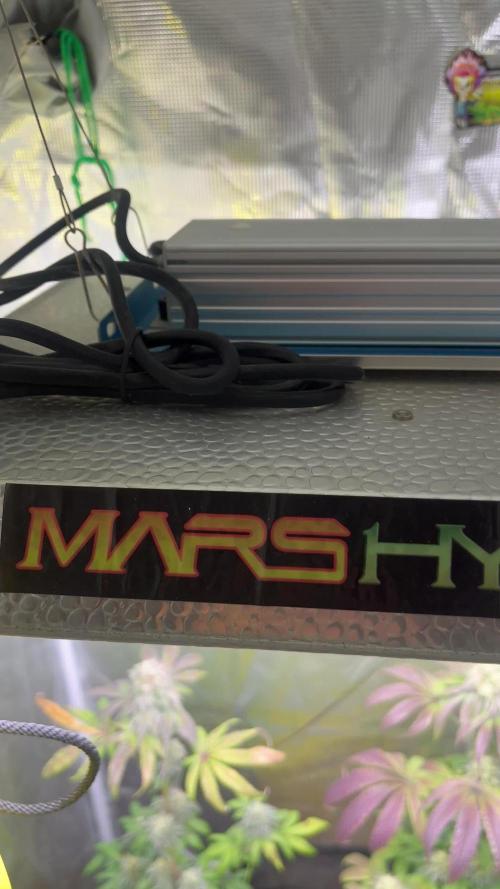
Que pasa familia, vamos con la octava semana de floración de estas Papayton feminizadas de fastbuds.
Vamos al lío, el ph se controla en 6.2 , la temperatura la tenemos entre 25/21 grados y la humedad ronda el 50%.
El ciclo de floración puse 12h de luz, el foco está al 100% de potencia.
De momento van engordando y marcándose unos aromas bastante dulces y afrutados.
COMENTAR: que una de las 3 salió macho y otra la corte ya por qué me estaba dando problemas pero la que queda la aguantamos y ya os enseñaré al final la que corte ya también.
- os dejo por aquí un CÓDIGO: Eldruida
Descuento para la tienda de MARS HYDRO.
https://www.mars-hydro.com
Hasta aquí todo, Buenos humos 💨💨💨
Likes
Comments
Share


@Canha_Patch
Follow
Iv started my 9 beans out in jiffy pallets on the 29th of march so we are 2 days in and they are already starting to pop out!
I have 1 of each making way through the top layer of Coco in the pallet.
Likes
162
Share