


@Foxtrotoscar
Follow
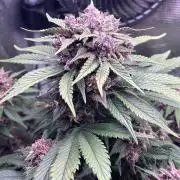
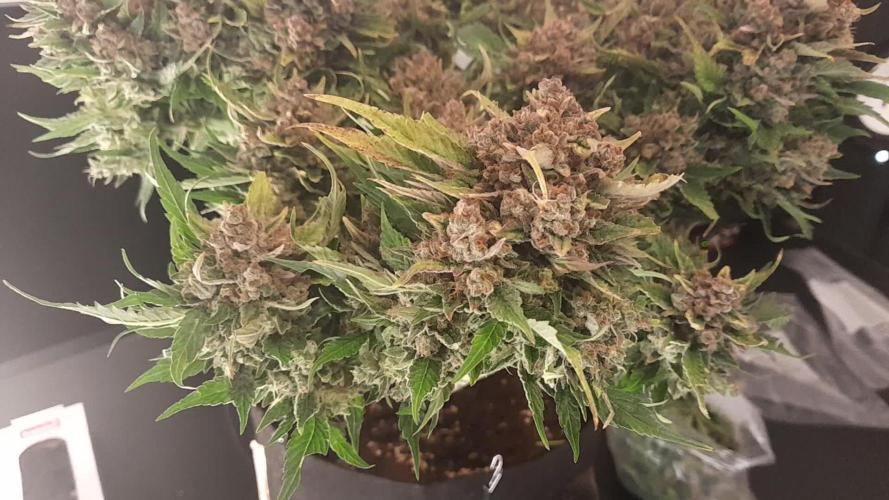
Buds getting thicker now. Doesn’t look the best due to the overdose but is frosty and will see how she smokes.


@Tmasm
Follow
Panta está linda, crescendo bem.
Gosto muito do desempenho dela, barraca com condições mínimas, mas para ela tudo bem.
Primeiras fábricas automática da Zamnésia, estou impressionado com a qualidade dos produtos.
Visite www.zamnesia.com, você ficará surpreso com a variedade de produtos, todos da mais alta qualidade
https://www.zamnesia.io/magic-mushroom-dosage-calculator
https://www.zamnesia.com


@ThreeLittleHerbs
Follow
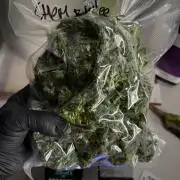
Last week - both plants are ready for harvest exactly after 84 days of Life from germination.
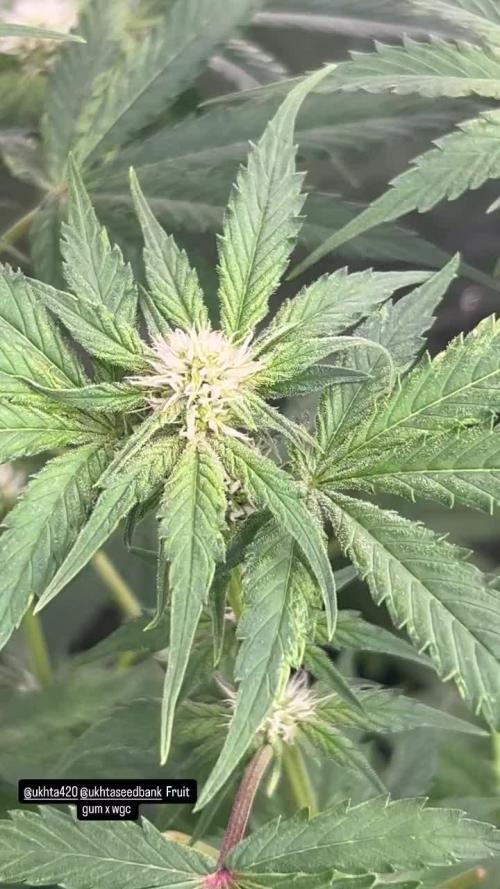
The papaya looks really fat - grew like a whole big bud. Now that i put them out of the scrog-net you can see the lemon Cherry has the typical christmastree shape and is my best looking, most beautiful plant i ever had yet 😍😍😍
I feel sad to kill her tomorrow - same for the papaya of course 😐





@DogDoctorOfficial
Follow
🍮 8×8 Adventure – Week 14 🌸 Chem Brûlée – Pheno A
🔥 Still Wild. Still Evolving. Letting the Beast Reach Her Own Finish Line.
Hello everyone, and welcome back to another chapter of the 8×8 Adventure! 🌱💚
And here she is again...
Our beautiful Chem Brûlée Pheno A! 🍮🔥
Now, my friends, I'm not going to pretend that we've done something spectacular to this girl this week.
We haven't.
😂
She's doing her thing.
She's continuing to evolve, moving through the later part of her flowering journey, and we're simply watching her progress.
No big changes.
No unnecessary interventions.
No dramatic new plans.
Just observation, consistency, photographs, and a little bit of appreciation for what this girl has become.
And honestly?
Sometimes that's exactly what a good update should be.
Not every week needs a big event.
Not every report needs a problem to solve.
Sometimes the plant is doing her job, and the grower needs to know when to step back and let her continue.
💚🌸
So let's give Chem Brûlée Pheno A her own spotlight this week.
Because even when we're doing very little, she's still writing her own story.
────────────────────────
🔥 THE WILD GIRL KEEPS DOING HER THING
If you've been following this girl from the beginning, you'll know she's never been particularly interested in following anyone else's schedule.
She's got her own personality.
Her own structure.
Her own rhythm.
And now, as we move further into the later part of her journey, we're continuing to watch that expression develop.
She's still evolving.
We're still observing the flowers and the overall plant.
And we're allowing her to continue toward her finish line without trying to force a particular date onto her.
That's the important part.
I'm not going to tell you she's finished next week.
I'm not going to invent a harvest date.
And I'm not going to make predictions just because we're getting deeper into the run.
The calendar gives us context.
The plant gives us something to observe.
And we'll keep documenting what actually happens.
😂🍮
For now, the wild girl is still here, still evolving, and still deserving of every bit of attention we give her.
────────────────────────
🌸 NOT MUCH INTERVENTION — AND THAT'S THE POINT
Honestly, we're not doing much to this girl at the moment.
We're observing.
We're keeping an eye on her development.
We're maintaining the shared environment.
We're documenting the changes.
And we're letting the plant continue her journey.
Why create extra work when there's no specific problem demanding our attention?
The structure is already there.
The flowers have their own story.
And this stage is about watching the plant develop rather than constantly finding something new to do.
Sometimes growers can feel as though they need to intervene every week to prove they're doing something.
But growing isn't measured by how often we touch a plant.
Sometimes the work is maintaining consistency.
Sometimes it's noticing a change.
Sometimes it's recognising that the best thing we can do is leave the plant alone.
😂🌿
And that's where we are with Chem Brûlée Pheno A.
We're not ignoring her.
We're paying attention without inventing unnecessary interventions.
There's a difference.
────────────────────────
🍮 HER OWN PLANT, HER OWN TIMELINE
One of my favourite parts of the 8×8 Adventure is seeing how differently these plants behave when they're sharing the same general environment.
Some girls have been moving quickly.
Others have taken their time.
Some have developed very different structures from their neighbours.
And Chem Brûlée Pheno A has certainly established her own identity in this room.
She's the wild girl.
The one we've watched evolve week after week.
The one with that impressive main cola and her own distinctive expression.
And now we're letting her continue toward the next stage without rushing her.
That's what individual phenotype diaries are all about.
We're not trying to make every plant behave identically.
We're documenting what each plant actually does.
Same room.
Same general conditions.
Same lighting ecosystem.
Different plants.
Different expressions.
Different timelines.
And twelve opportunities to learn something new.
💚🌱
────────────────────────
🌱 THE 8×8 ADVENTURE — SAME ROOM, DIFFERENT STORIES
For anyone discovering this diary for the first time, welcome to the 8×8 Adventure!
Twelve plants.
Different genetics and phenotypes.
One shared room.
One general environmental strategy.
One 12/12 lighting schedule.
One nutritional program.
One lighting ecosystem.
And a whole lot of individual personalities.
😂🌿
That's the idea behind this experiment.
We keep the general conditions consistent and observe how the different plants develop within that shared environment.
We can control many aspects of the room, but we cannot make every phenotype respond identically.
And that's precisely why we give every plant her own report.
Chem Brûlée Pheno A doesn't need to have the same story as her sister or the other girls in the room.
She needs to have her own story documented properly.
So even when the weekly update is simple, she still gets her own chapter.
Because the quiet weeks are part of the journey too.
────────────────────────
💡 THE ARTIFICIAL SUN — FUTURE OF GROW BLACK SERIES
The lighting setup remains part of the upgraded Future of Grow Black Series ecosystem.
We're continuing with the two additional Black Series 600W fixtures supplied for this experiment, with output previously reduced to approximately 59% from the plug.
Our working reference remains around 1,500 PPFD across the upper canopy, with actual intensity varying according to plant height and position.
The important point is that we're not simply running everything at maximum because we have the capacity to do so.
Having additional lighting capability gives us more flexibility.
The goal is to work with the setup we have, maintain the shared environment, and observe how the different plants respond.
And Chem Brûlée Pheno A continues her journey beneath that artificial sun.
Same photons.
Same room.
Her own expression.
💡🌱
A huge thank you to Future of Grow for supplying those additional Black Series fixtures and giving us the opportunity to explore this upgraded setup throughout the 8×8 Adventure!
────────────────────────
🔴 THE RED-LIGHT UPDATE — WHAT ARE WE ACTUALLY DOING?
Let's revisit the additional 15-minute red-light period after the main lighting period.
Since we're discussing this across our individual reports this week, I want to keep the explanation consistent and, most importantly, scientifically accurate.
Plants don't just respond to the amount of light they receive. They also respond to its wavelength and timing.
One important group of photoreceptors is the phytochrome system, which responds to red and far-red light and helps plants interpret changes in their light environment.
Red and far-red wavelengths can influence plant signalling, but their effects depend on the spectrum, intensity, duration, timing, and physiological state of the plant.
Our additional 15-minute red-light period is part of the lighting routine we're documenting.
However, we're not going to claim that those 15 minutes automatically improve flowering, increase yield, or guarantee a better finish.
Those are specific outcomes that would need evidence.
We're recording the routine, learning about the underlying science, and keeping our conclusions separate from our assumptions.
That's how we should approach these techniques.
Curiosity is good.
Experimentation is interesting.
But understanding what we're actually testing is even better.
🔴🌱
────────────────────────
🔬 THE EMERSON EFFECT — A LITTLE PHOTOSYNTHESIS EDUCATION
While we're discussing light, let's talk about the Emerson effect.
It's a fascinating and well-established phenomenon in photosynthesis.
In simplified terms, the Emerson effect describes how photosynthetic activity can increase when certain red and far-red wavelengths are supplied together, producing a response greater than expected from their individual effects under the relevant experimental conditions.
Why?
Photosynthesis uses two cooperating photosystems:
🌿 Photosystem II (PSII)
🌿 Photosystem I (PSI)
Both play important roles in the light-dependent reactions that convert light energy into chemical energy.
The photosystems have different light-absorption characteristics, and their cooperation is essential to photosynthesis.
Under suitable conditions, combining particular wavelengths can improve the balance between their activity and increase the overall photosynthetic response.
That's the basic principle behind the Emerson effect.
But here's the important distinction:
The Emerson effect does not mean that adding a short red-light period after the main lights automatically produces the same response.
The classic phenomenon concerns the combined effects of red and far-red wavelengths under particular illumination conditions.
Our additional 15-minute red-light period is a different situation, and we shouldn't automatically attribute a measurable benefit to it.
The actual spectrum matters.
The intensity matters.
The timing matters.
And the result we want to measure matters.
So yes, the Emerson effect is real and scientifically interesting.
But we need to distinguish the established phenomenon from the specific lighting routine we're using in this grow.
That's how we turn interesting information into useful knowledge.
🔬💡🌱
────────────────────────
🌙 RED LIGHT, FAR-RED LIGHT, AND THE END OF THE DAY
One final point worth remembering:
Red light and far-red light are not interchangeable.
They interact with plant photoreceptors in different ways, and the response depends on the precise conditions.
A short red-light period after the main lighting period isn't automatically equivalent to a far-red treatment, nor does either treatment guarantee a particular outcome.
For this adventure, we're documenting our additional 15-minute red-light period as part of the current lighting routine.
We're explaining the science behind plant responses to light.
And we're avoiding claims that go beyond what we can establish from the information available.
If we want to determine whether this particular treatment makes a measurable difference, we'd need suitable comparisons and measurements.
Until then, let's keep learning, keep observing, and keep asking good questions.
That's what makes a grow diary more than a collection of photographs.
It's a record of the process and the things we learn along the way.
💚🔬
────────────────────────
🌱 NUTRITION — CONSISTENCY ACROSS THE ROOM
The general nutritional program remains consistent with the shared setup.
Our current recipe reference remains:
🌱 Plagron Pure Zym — 1 ml/L
⚗️ Plagron pH Plus — 0.03 ml/L
🍋 Plagron Lemon Kick — 0.03 ml/L
🌸 Plagron Terra Bloom — 2 ml/L
🌿 Plagron Power Buds — 1 ml/L
🍯 Plagron Sugar Royal — 1 ml/L
🌱 Plagron Green Sensation — 1 ml/L
The previous solution readings were approximately pH 6.04 and EC 2.05 mS/cm.
We're keeping the overall approach consistent while continuing to observe each plant individually.
And as Chem Brûlée Pheno A approaches her own finish line, we're not going to make decisions based on the week number alone.
We'll continue assessing her development and decide on any changes when there's a reason to do so.
No unnecessary drama.
No invented work.
Just observation and consistency.
────────────────────────
🌡️ WEEK 14 — ROOM CONDITIONS
The shared room setup continues to be documented using the following reference readings:
🌸 Flowering — Week 14
💡 Light schedule — 12/12
💡 Lighting — Future of Grow Black Series, upgraded setup
🔌 Approximate lighting output — 59% from the plug
☀️ Upper-canopy PPFD reference — ~1,500
🌡️ Day temperature — ~27°C
🌙 Night temperature — ~26°C
💧 Relative humidity — ~61%
⚗️ Previous pH reading — ~6.04
⚡ Previous EC reading — ~2.05 mS/cm
🌡️ Nutrient solution temperature — ~25°C
🌱 Substrate temperature — ~25°C
🌬️ CO₂ — ~693 ppm
🌱 Pot size — 15 L
💦 Irrigation reference — ~1.45 L per plant / 24h
These are the shared room references from the previous update, not a claim that every reading has been independently remeasured this week.
Same room.
Same general strategy.
Same lighting ecosystem.
And Chem Brûlée Pheno A continues developing in her own way.
────────────────────────
📸 SOME WEEKS, THE BEST UPDATE IS SIMPLY ANOTHER LOOK
I think it's important to say this.
Not every report needs a dramatic change.
Not every week needs a new technique.
Not every photograph needs to show something completely different.
Sometimes the value is in continuing to document the same plant over time.
Because when we look back at the complete diary, those individual weeks become part of a much bigger picture.
We can follow the structure.
We can observe the changes.
We can compare photographs.
We can see how her development unfolded.
And we can remember what we were seeing at each stage.
That's the point of keeping the diary going.
Chem Brûlée Pheno A doesn't need a new headline-grabbing event this week.
She's still here.
She's still evolving.
And we're still watching.
🍮💚📸
────────────────────────
💬 COME JOIN THE DOG DOCTOR COMMUNITY!
If you're enjoying the 8×8 Adventure and want to chat about growing, genetics, lighting, equipment, experiments, or simply share your own growing journey, come and join us on Discord!
We love a good discussion.
Questions are welcome.
Different experiences are welcome.
And respectful debates about techniques and equipment are always part of learning.
Whether you're here to share your own progress, ask questions, exchange ideas, or just hang out with fellow growers, there's room for you in the community.
💚🌱
Come say hello!
🔗 https://discord.gg/dogdoctorofficial
Bring your questions, bring your experiences, and let's keep learning from one another.
Growers helping growers.
That's what it's all about.
────────────────────────
❤️ FINAL THOUGHTS — LET HER FINISH HER STORY
Week 14.
Chem Brûlée Pheno A.
And this week?
She's doing her thing.
😂🍮💚
We're not making big changes.
We're not trying to invent a new intervention.
We're not rushing her toward a date on the calendar.
We're observing.
We're documenting.
We're maintaining the shared environment.
And we're allowing her to continue toward her own finish line.
She's already given us plenty of interesting chapters throughout this adventure, and she still deserves her own spotlight, even when the update is simply about continuing to evolve.
We've also used this week's report to revisit our red-light routine and the Emerson effect.
Because sharing a grow means sharing what we learn, but it also means being honest about what the science does and doesn't establish.
The Emerson effect is a real photosynthetic phenomenon involving the cooperation of photosystems under particular illumination conditions.
Our additional 15-minute red-light period is something we're documenting, not proof that we're reproducing that effect or guaranteeing a particular result.
We can be curious without making promises.
We can experiment without pretending we already know the outcome.
And we can keep learning while the plants continue their journey.
That's the spirit of this adventure.
💚🔬🌱
So, Chem Brûlée Pheno A...
Keep doing your thing, wild girl.
Keep evolving.
Keep moving toward your finish line.
We're not going to rush you.
We're not going to invent work for ourselves.
We're simply going to keep watching and appreciate the journey you've given us.
One week at a time.
One photograph at a time.
One phenotype at a time.
🍮🌸💚✨
────────────────────────
🙏 THANK YOU
A huge thank you to Zamnesia for the Chem Brûlée genetics and for giving us the opportunity to follow this individual phenotype throughout the 8×8 Adventure. 🌸
Thank you to Plagron for supporting the nutritional side of the journey. 🌱
A massive thank you to Future of Grow for the Black Series lighting and especially for supplying the two additional Black Series 600W fixtures for this experiment. 💡🙏
Thank you to LumiFlora for adding another lighting dimension deeper into the canopy.
Thank you to TrolMaster for helping us monitor and maintain the environment behind the scenes.
And, of course, thank you to everyone following these reports on GrowDiaries.
Thank you for the comments, the questions, the support, and the interest in these individual plant stories.
And if you'd like to continue the conversation, don't forget to join us on Discord:
🔗 https://discord.gg/dogdoctorofficial
Let's keep sharing experiences, asking questions, and learning together.
Chem Brûlée Pheno A is still writing her story.
We're still here to document it.
And when she's ready for the next chapter, we'll be here to give her the spotlight again.
🍮💚🌸
Growers Love & Happy Growing! 🌱💚




@UDUDUDUDU
Follow
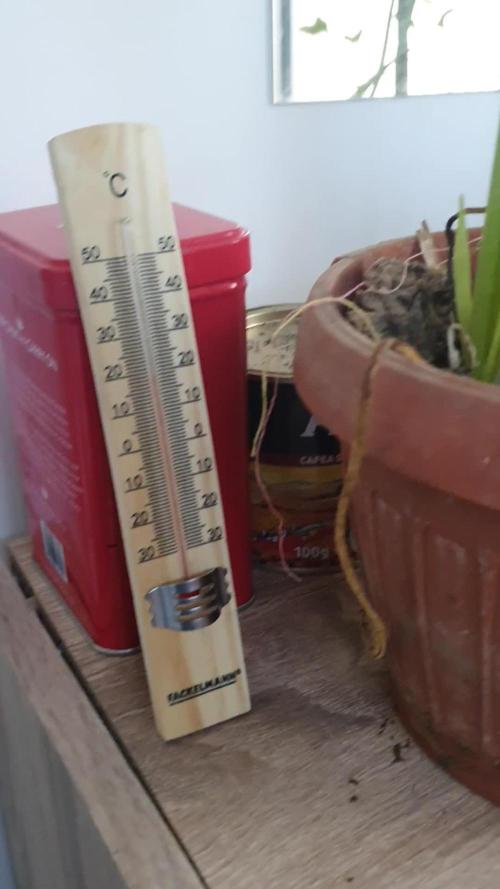
She be getting frosty 💎 both frosty leafs and c chill cold. seems to be a midget plant. This specific potter does that to plants.

shorts_status_processing


@kcartel
Follow
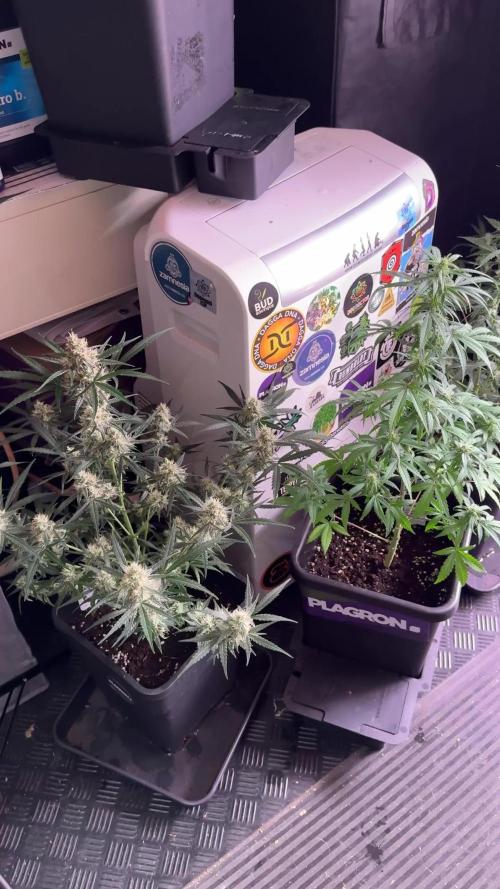
For the first time I cut the leaves, for more extensive illumination of the upper part, due to the close location of the light of the plant, the trunk trunk grows and does not stretch upwards, I want to cover the entire area of ??the pot with one layer then start the flowering stage at 6-7 weeks I didn’t cut the leaves, but simply pressed them to the ground, since this is my first experience, I think that everything is going well, the plant eats a lot of nutrient fertilizers and looks good as you can see, the temperature in the box exceeds 27 degrees and it seems to her that temper tsya. in many of the moments, I would like to express a special thanks to such a cool grower like ctm_dzagi! Looking at his works of past cycles, I learned a lot and continue to learn, his technique and approach is great! Well, we are waiting for the fifth week)) Let's go!


@DogDoctorOfficial
Follow
🌿 Frosted Guava Auto by Zamnesia | Pheno A | Week 8 (Flower Week 5) 🌿
Finding Her Own Spice
There are always a few plants in a room that seem determined to compete for the crown.
The tallest.
The widest.
The biggest.
And then there are plants like Frosted Guava.
She doesn't need to be the biggest plant in the room to make an impression.
She has simply found her own way of doing things.
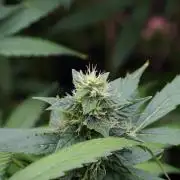
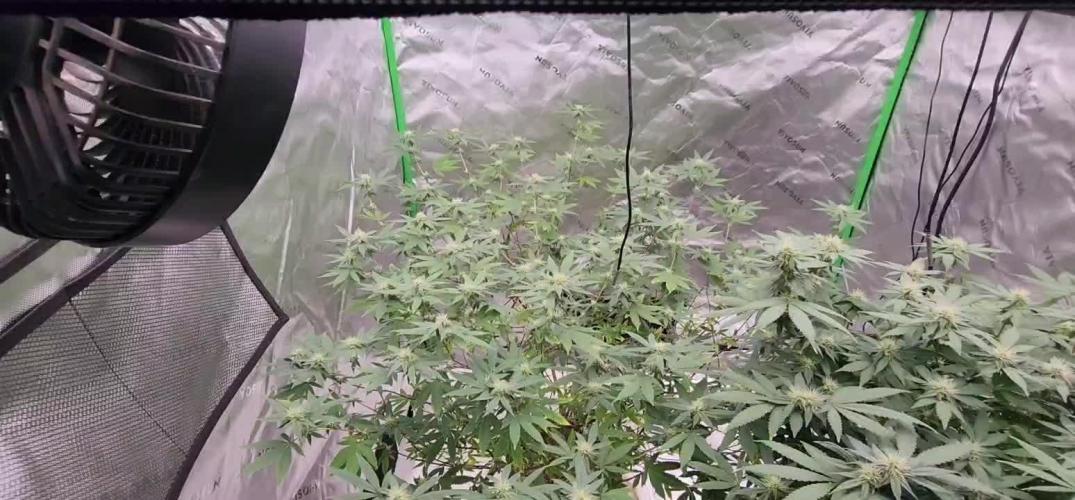
Week after week, Frosted Guava Pheno A has continued developing with beautiful consistency. Her foliage remains lush and deeply green, her structure is filling out beautifully, and her flowers are becoming increasingly dense and noticeably frosty.
The plant is now entering her fifth week of flowering, and the difference is becoming impossible to miss.
She's eating photons.
She's converting them into flowers.
And slowly but surely, she's filling out everywhere.
This girl is finding her own spice.
And I really like it.
🌸 Week 5 Flower – The Flowers Are Coming Into Their Own
At approximately 120 cm, Frosted Guava may not be the tallest plant in the 8×8 Adventure.
But height isn't everything.
What matters now is what she's doing with the structure she built.
And she's doing a beautiful job.
The stretch has largely settled, and the energy of the plant is increasingly directed toward developing the flowers. The individual bud sites are becoming much more substantial, with the flowers beginning to stack and fill along the branches.
The most beautiful part right now is the contrast.
Those deep green leaves surrounding flowers covered in bright white pistils create an almost electric appearance.
The white hairs seem to be reaching in every direction, forming those beautiful little crowns around each developing flower.
And beneath them, the flowers are beginning to gain real volume.
They're no longer simply there.
They're building.
🍃 Deep Green, Lush & Full of Life
One of the first things that catches my eye when looking at Frosted Guava this week is the foliage.
That beautiful, deep green colour is still everywhere.
The leaves look healthy, strong, and full of life, creating a lush backdrop for the developing flowers.
There is something particularly satisfying about seeing this combination at this stage of flowering:
deep green foliage + bright white pistils + increasing frost.
The plant looks like she's completely comfortable in her environment.
She's not trying to be something she's not.
She's simply growing.
And that's becoming her personality.
❄️ The Frost Is Arriving
The name Frosted Guava is starting to make more and more sense.
Resin development is becoming increasingly visible across the flowers, and the developing frost is beginning to give the buds that beautiful sparkling appearance we've been waiting for.
We're still far from the finished product, of course.
But this is the stage where things start becoming really exciting.
Every week, the flowers gain a little more structure.
A little more volume.
A little more frost.
And a little more personality.
The white pistils are still beautifully prominent, standing proudly away from the flowers and giving every bud site that classic flowering appearance.
They're almost like little flags announcing:
"We're not finished yet."
And I certainly hope they're not.
There's still plenty of work for these flowers to do.
☀️ Eating Photons
This is one of my favourite parts of watching a plant develop.
We can't actually see photosynthesis happening.
But we can see the results.
Light enters the canopy.
Leaves capture those photons.
And the plant turns that energy into growth, structure, flowers, and eventually the beautiful resin-covered buds we're watching develop week by week.
Frosted Guava is doing exactly that right now.
She's standing underneath the Future of Grow Black Series LED, taking in the light, while the Lumiflora under-canopy lighting continues bringing additional illumination into the lower portions of the plant.
And the response is becoming visible.
She's filling out.
She's building flower mass.
She's turning energy into structure.
The room might look like it's simply full of green plants and bright lights.
But underneath all of that is an incredible biological process happening every second.
And Frosted Guava is working.
💡 Light Above & Below
The Future of Grow Black Series LED continues providing the main source of light above the canopy, while Lumiflora continues supporting the lower flowering areas.
At approximately 1,000 PPFD across the upper canopy, the plants have plenty of photons available during this stage.
The under-canopy lighting adds another layer to the system, particularly as the room becomes increasingly full and the foliage naturally creates more shade below the main canopy.
I'm especially interested in watching how Frosted Guava's lower flowering sites develop as the flowers continue gaining size.
But once again, I'm not going to write the ending before we reach it.
The harvest will tell us what the photons actually accomplished.
🌿 A Plant Finding Her Own Personality
This is probably what I appreciate most about Frosted Guava.
She isn't trying to be the biggest plant in the room.
She's not trying to stretch endlessly toward the ceiling.
She's simply developing her own shape.
And now that the flowers are becoming more substantial, that individuality is becoming easier to appreciate.
Some phenotypes announce themselves immediately.
Others reveal themselves slowly.
Frosted Guava feels like the second kind.
She's quietly been building a foundation week after week, and now we're beginning to see the reward.
A lush plant.
Strong foliage.
Beautiful flowering sites.
Increasing frost.
And flowers that are slowly but surely filling out.
She's finding her own spice.
💧 Nutrition
The feeding program remains consistent this week:
Plagron Terra Bloom – 2.2 ml/L
Plagron Power Buds – 1 ml/L
Plagron Green Sensation – 1 ml/L
Plagron Sugar Royal – 1 ml/L
Plagron pH Plus – 0.03 ml/L
Plagron Lemon Kick – 0.03 ml/L
Current recorded parameters:
pH: 6.0
EC: approximately 2.0 mS/cm
Watering: approximately 1.3 L per 24 hours
Solution temperature: 21°C
Root-zone temperature: 21°C
There is no reason to reinvent the wheel when the plant is responding beautifully.
Consistency continues to be the name of the game.
🌡️ Environment
The room continues running with remarkably stable conditions:
Day temperature: 29°C
Night temperature: 25°C
Relative humidity: 60%
CO₂: approximately 639 ppm
The combination of stable temperature, humidity, airflow, lighting and irrigation continues creating the environment I'm looking for throughout the flowering room.
And Frosted Guava seems perfectly happy inside it.
🌬️ The 8×8 Is Becoming One Garden
One of the most exciting things about this stage isn't just watching Frosted Guava.
It's looking around the entire 8×8.
What began as individual plants occupying their own little spaces has gradually transformed into one enormous flowering ecosystem.
Every phenotype still has its own personality.
Different structures.
Different stretch.
Different flower shapes.
Different rates of development.
But together they're becoming one living canopy.
And Frosted Guava has found her place within it.
She's not the tallest.
She's not trying to dominate.
She's simply contributing her own character to the garden.
And that's exactly what this project was designed to show.
🔭 Looking Ahead
The coming weeks should be fascinating.
The flowers should continue gaining volume and density, the frost should become increasingly obvious, and those beautiful white pistils will slowly begin telling us more about the plant's progression toward maturity.
For now, though, I want to see her continue doing exactly what she's doing.
Keep the leaves healthy.
Keep eating photons.
Keep building.
Keep filling out.
And keep showing us what this particular Frosted Guava phenotype has hidden inside her genetics.
She's got her own rhythm.
I'm just here to watch it unfold.
❤️ Final Thoughts – She Has Found Her Spice
Frosted Guava doesn't need to be the tallest plant in the room.
She doesn't need to be the biggest.
She doesn't need to compete with anyone.
She's Frosted Guava.
And she's starting to look really, really good.
The deep green foliage.
The beautiful white pistils.
The first serious signs of frost.
The developing flower mass.
The way she's gradually filling out across her branches.
Everything is coming together.
And perhaps that's the most satisfying part of growing different phenotypes together.
You give them the same environment.
The same philosophy.
The same care.
And then you step back and watch them tell you who they are.
Frosted Guava is telling us now.
She's elegant.
She's consistent.
She's lush.
She's frosty.
And she's got her own spice.
A huge thank you once again to Zamnesia for making this adventure possible with these fantastic genetics, Plagron for the nutrition, Future of Grow for the incredible Black Series lighting, Lumiflora for adding the under-canopy dimension, TrolMaster for environmental control, and of course to everyone following this journey on GrowDiaries.
Your support, comments, and enthusiasm make documenting this entire 8×8 Adventure incredibly special.
Until next week...
Let's keep watching this girl eat photons and turn them into flowers. ☀️🌿❄️
Growers love and happy growing! 🌱💚

@DonvitoGenetics
Follow
Did some lolipoping acouple weeks ago forgot to put that but coming along nice


@drewnagy0510
Follow
I had a very amazing time. It took a lot longer with topping the plant, but great results

shorts_status_processing


@GRow_M8s
Follow
* pistils alert.
* No food this week but the soil moisture stayed steady.
* Working on canopy with a non heavy defoliation this week plus cleaning some wannabe popcorn.🌽
* Small stretching, the tent is filling up.🤗
* Dehumidifier ON.🔛


@AGrowerNotAShower
Follow
Start of Week 9 - Day 57
06/28: The ladies are looking amazing! Aaliyah and Alexis have a lot of buds coming up. Annie is starting her stretch, so I’ve been moving around some of the leaves that are blocking the light to the cola branches. As of now she’s standing at 20” from the top of the coco. Alexis is now at 27” and Aaliyah has reached a height of 30” from the top of the coco. That height definitely caught me off guard! Still keeping waterings at every day and a half and EC and pH levels in runoff are good. A few of the lower leaves on the plants have yellowed and withered up, but I think it’s just the plants themselves getting rid of leaves that aren’t getting light. Overall the ladies are looking great! Can’t wait to see how much progress they make this week.
06/30: Checked in the gals and by my surprise they have all grown two inches. Aaliyah is now 32” tall and has pretty much grown into the light. Luckily I went with the LEDs so there’s not much heat. Hand up to the light is still cooler than the sun on some days. Her buds have started forming and are now covered with pistils. Annie is still creeping her way into flowering and is now at 22”. Hopefully she doesn’t get as tall as Aaliyah. Alexis is now at 29”. I have to admit, I was worried Alexis wasn’t going to do well. She didn’t look as healthy as the other two when she was a seedling. But that has changed. She looks extremely healthy and although she is in a 3-gallon pot and isn’t as big as Aaliyah, she still has a lot of buds sites coming up. I’m glad she made it. More for the yield.
07/02: Watered the ladies. EC levels in runoff are good. pH in Aaliyah’s runoff is a little low, so I’m going to keep an eye on her. She’s now at 34” tall, but I tied her down. It was either this, or no light. Hopefully she takes it okay. Her buds are really starting to grow. Annie is now at 24”. She is currently on her stretch. Hopefully she doesn’t get as tall as Aaliyah. Alexis is at 32” and looking great. As of now I’ve seen no pests inside the tent, or on the trap I put up. But I did see a few flies while watering that looked more like fruit flies than fungus gnats. Hopefully they are and the pest problem is solved.
07/04: The ladies keep growing! Aaliyah is now at 33” because of the new bending, Alexis is at 34” (I just bent her main cola down), and Annie is at 25 1/2”. With Alexis at 34” she has also passed my light. Since Aaliyah seems to be doing okay with the bending, I decided to bend Alexis down as well. Annie is going into her stretch. Found a dead fly in tray and a live one on the trap. I guess my problems continue. I gave the ladies a good amount of water (4500mL for Annie!) and am going to leave the next watering for two days now. Hopefully this can help.
Happy Independence Day to all my growers in the USA! 🇺🇸 I know times are rough right now, but together we can make the world a better place. And a little weed doesn’t hurt anybody. Much love to everyone.

shorts_status_processing


@Blacksheep
Follow
Love the night shots! Calmag is working. Plants are hungry!


@Mytrichomedgarden
Follow
cortar o no cortar estas dos ! la parte alta ya casi estan en un 5% los tricomas ambar


@Basementganja
Follow
She was a "slow and steady wins the race" phenotype! 6 weeks veg + 8 week flower.
She vegged strong through week 6, and then stacked up some intense colas, because of being lolipopped before flower!
During her transition to flower, she was defoliated every 3 days to allow light and air to penetrate the canopy, and allow for maximum stackage!
This is possible because, she didn't stretch much during her transition. Instead, she was stacking a tight node structure; and with every new node, comes a set of two leaves!
This lady holds my personal record, for my largest yield from an indoor plant!!!


@QueenOfTheKind
Follow
I put her into darkness today so this won’t be a full week. She looks beautiful and smells amazing. Description to follow when she comes out of the dark.


@Roberts
Follow
This was a great grow under the Unit Farm UF2000 light. Was a great yield for 100 watt light. Thank you again UNITFARMLED_justin. There will be more Unit Farm grows in the future. I will be conducting a photoperiod grow with a UF4000, and the UF2000 in my photoperiods room once my current grow is completed. The flower is very tasty, and potent as it has been in past. Thanks again grow diaries community for the likes, follows, and subscriptions on my YouTube channel. I greatly appreciate the support. Happy growing, and be safe out there 🤜🤛🌱🌱🌱
Ps I named this girl Gretchen, she has a sister plant named Ingrid for those who know where Ingrid is. 🤣🤣🤣