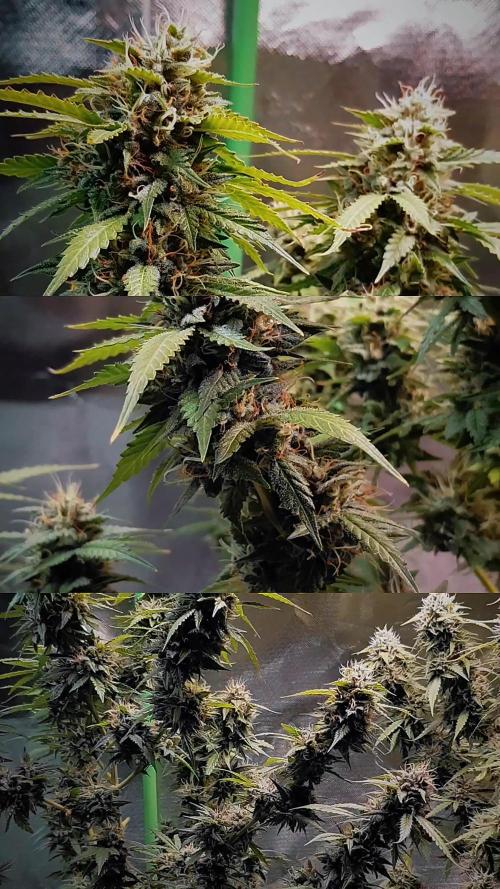
The Grow Awards 2026 🏆
Likes
Comments
Share
@kissrubb
Follow
continuamos la semana apunto ya del final del ciclo de estas maravillosas geneticas, ya hemos cortado una fruit gum y esperamos a que se seque para hacer una cata
Likes
4
Share
Likes
24
Share
Something is fckng with me heavy,I'm using tap/RO water 50/50. and still my cal mag issues are getting worse..I'm hoping that I will be able to finish this grow without big loss in potency or yield .
Likes
38
Share
@Snakeking
Follow
Sweet aroma with a beautiful view This week max temp is 33 and lowest 18 degrees centigrade no rain and cloud conditions I stoped spraying neem oil and wood vinegar ,I hope pests let my girls bloom with no stress They have to protect themselves against pests and also mother nature will
Likes
6
Share
Legend Timestamp: 📅 EC - pH: ⚗️ Temp - Hum: 🌡️ Water: 🌊 Food: 🍗 pH Correction: 💧 Actions: 💼 Thoughts: 🧠 Events: 🚀 Media: 🎬 D: DAY, G: GERMINATION, V: VEGETATIVE, B: BLOOMING, R: RIPENING, D: DRYING, C: CURING ______________ 📅 D36/V32 - 21/05/24 ⚗️ EC: 1.0 pH: 6.0 🌡️ T: 20°C H: 70% 🌊 🍗 💧 💼 LST 🧠 🚀 🎬 1 TL in her new home and one TL of LST job ______________ 📅 D37/V33 - 22/05/24 ⚗️ EC: 1.0 pH: 5.4 🌡️ T: 20°C H: 70% 🌊 🍗 💧 💼 LST 🧠 🚀 🎬 1 TL video and one TL of LST job ______________ 📅 D38/B01 - 23/05/24 ⚗️ EC: 1.0 pH: 5.3 🌡️ T: 20°C H: 70% 🌊 2L 🍗 💧 💼 🧠 As I saw clear signs of blooming, I need to pass to bloom phase so I put B01, in the header. 🚀 Clearly she's starting flowering 🎬 1 TL video and 1 LST video ______________ 📅 D39/B02 - 24/05/24 ⚗️ EC: 1.1 pH: 5.3 🌡️ T: 20°C H: 70% 🌊 🍗 💧 💼 🧠 🚀 🎬 1 TL video and 1 LST video ______________ 📅 D40/B03 - 25/05/24 ⚗️ EC: 0.2 pH: 5.3 🌡️ T: 20°C H: 70% 🌊 15L 🍗 💧 💼 Flush for two days and then flowering nutes 🧠 I think no more LST, she's now full blooming 🚀 🎬 1 TL video ______________ 📅 D41/B04 - 26/05/24 ⚗️ EC: 0.2 pH: 5.3 🌡️ T: 20°C H: 70% 🌊 🍗 💧 💼 Flush for two days and then flowering nutes 🧠 I think no more LST, she's now full blooming 🚀 🎬 1 TL video ______________ 📅 D42/B05- 27/05/24 ⚗️ EC: 1.1 pH: 6 🌡️ T: 20°C H: 60% 🌊 15L 🍗 Calmag - Bloom A-B - Bud Candy - B52 - Big Bud - Seaweed 💧 💼 👉👉👉 Changed res and added nutes 🧠 I think no more LST, she's now full blooming 🚀 🎬 1 TL video
Likes
11
Share
Random bagseed I found, was my first plant. Even though I messed up a lot and this plant didn't turn out as I had hoped, it was an invaluable learning experience and I look forward to using what I learned to make my future plants greater. Wet Trimmed and placed in jars in the mini-fridge to dry.
Likes
2
Share
@semechkin
Follow
grow fast, big and bushy. very healthy big green leafs. nice one. showing preflowers after 4-5 week.
Likes
9
Share
@Changman
Follow
28/05/2024 - seeds were placed in a shot glass of water to for 18 hours 29/05/2024 - all seedlings except the Auto Power Plant were showing signs of a tap root and were transfered onto paper towels and placed inside a dark cool space. 30/05/2024 - of the 3 Power plant seedlings only one showed signs of a tap root so they were transfered to a paper towel on a plate and placed with the others. 02/06/2024 - one day behind but thankfully we got our seedlings into their grodan blocks and into their dome with a mars hydro heat mat set to 85F to speed up the process, we also have our 500w led set 24 inches away from the dome lid and will be updating 18 hours from now at 7am. 03/06/2024 - Seedlings are looking healthy and have been given some "Plagron Power roots" liquid nutrients. We shall keep our eyes closely on them.
Likes
9
Share
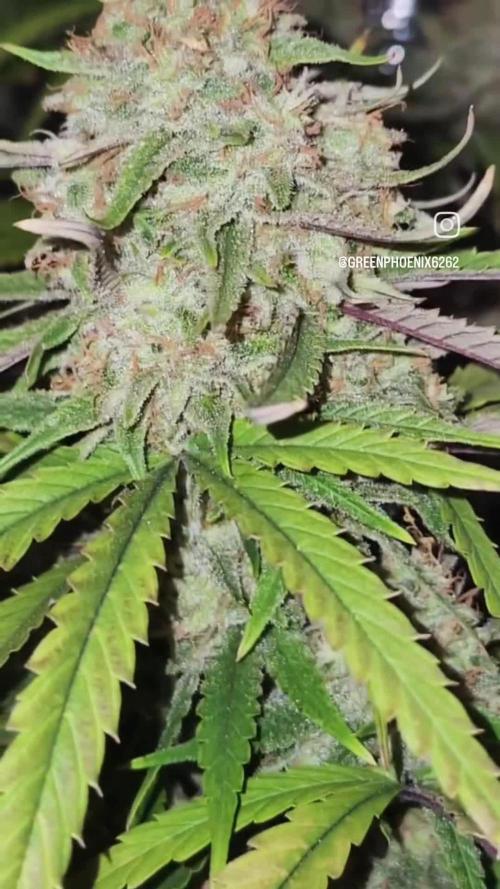
2025-11-30 shes doing well, pistils start to change- so i think 10 more days for her. 🌿 Soil Preparation Base Medium: 35L Terrapreta soil Nutrient Integration: Mixed according to Aptus Living Soil Schedule Method: Nutrients pre-mixed into soil for optimal distribution 📋 Growing Schedule Phase 3:Flowering Final Home: 35L Smart Pots Location: Main grow room alongside comparison studies (documented in separate diary) xxxxxxxxxxxxxxxxxxxxxxxxxxxxxxxxxxxxxxxxxxxxxxxxxxxxxxxxxxxxxxxxxxxxxxxxxxxxxxxxxx BREEDERS INFO 🌟 Strain Profile: Permanent Marker 🏆 Award Excellence Recognition: Leafly's Strain of the Year 2023 Genetics: Premium award-winning lineage ⚡ Potency Profile THC Content: Up to 31% - Extreme potency levels Effect: High-impact experience for seasoned consumers Breeder Heritage Master Breeder: JBeezy @ Seed Junky Genetics Reputation: Industry-leading genetic specialist 🌸 Aromatic Signature Base Notes: Lingering floral foundation Unique Accents: Distinctive soap & gas undertones Profile: Complex, memorable terpene expression
Likes
6
Share
Likes
5
Share
@GrowXown
Follow
Took a bit of a while to upload these seeing as the website had a bit of technical difficulties however i managed to finally get them up. The seedlings are doing well in solo cups going to transplant soon. feeding Bio Bizz fish mix at the moment.
Likes
39
Share
Excelente experiencia, volvería a cultivarla nuevamente.
Likes
2
Share
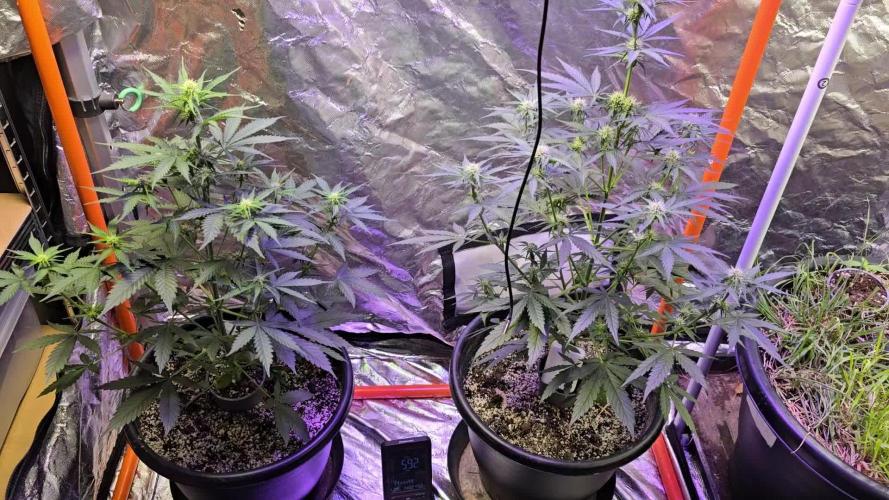
she stretched. not enough to get me into trouble, but it stretched. starts to take on flower shape. I went up the nutrients according to the manufacturer's recommendation
Likes
34
Share
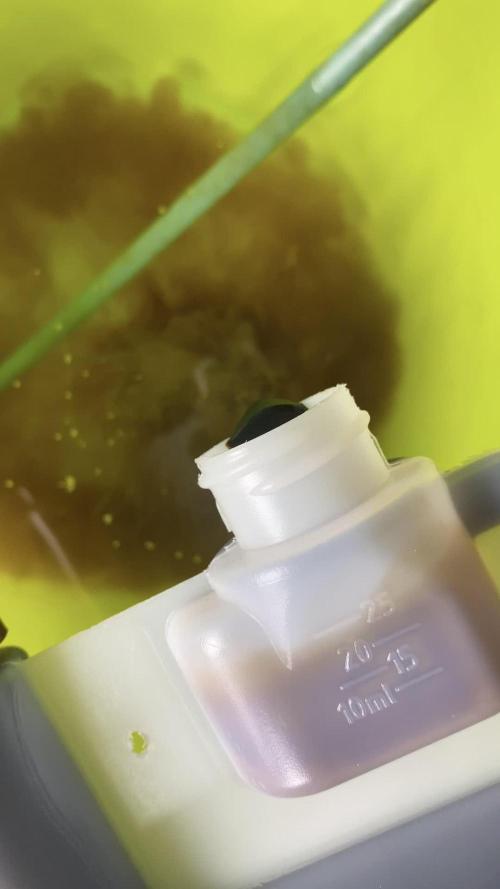
My first time making alcohol tintcure Using the c1 , Hold on tight gonna be a trip
Likes
5
Share
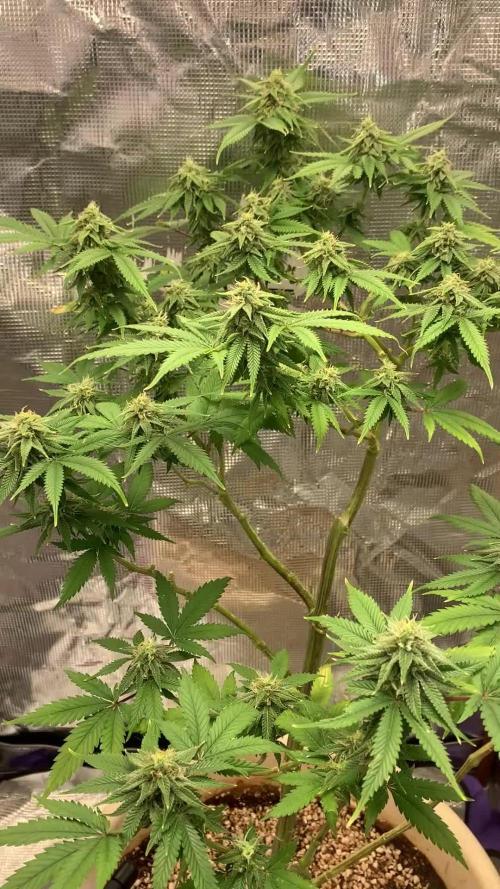
Week 2 of flower baby!! She is still stretching up. I just gave the first feeding of the Bloom recipe from Advanced Nutrients. I waited 2 weeks to start the Bloom because I heard it uses a lot of Nitrogen during the stretch phase. I'm pretty sure there is some truth to that but according to the labels, the Bloom part A & B both have Nitrogen in them also so I'm not sure if it was necessary but I don't think it should do any harm either. 09/11/2025- She is looking beautiful! I'm really happy with how things have turned out, I was a little worried during weeks 4 & 5 after I broke a stem and cut another one 😅 but she has filled out nicely and you can hardly tell she's missing 2 stems. Buds are starting to form. I repositioned the oscillating fan and lowered the trellis by an inch or so. 09/13/2025- She looks very happy! She is a nice lush green and leaves are nice and soft. I'm pretty sure she has stopped growing vertically for the most part, I feel real good about how much headroom I have left. I can't wait for these buds to fatten up and change color 😁
Likes
38
Share
I keep finding these little green caterpillars eating leaves 😑 Thankfully I also keep finding praying mantis. I really hope the Sensibloom with PH perfect fixes my soils high PH of 7.2.
Likes
1
Share
Likes
12
Share
22 9 22 Incorporating Big Bud into the grow. Operate within the principle of the 3 Knows "No Smell, No Tell, No Sell".
Likes
Comments
Share
@Gram_Solo
Follow
Harvested 2.4 ounce from 1 plant so not bad results, taste was really good and got better over time, Can't believe the colours coming thru was mint !
Likes
52
Share
You don't become confident by shouting affirmations in the mirror, but by having a stack of undeniable proof that you are who you say you are, outwork your self-doubt. Nitrogen fixation is a chemical process by which molecular nitrogen (N2), which has a strong triple covalent bond, is converted into ammonia (NH3) or related nitrogenous compounds, typically in soil or aquatic systems but also in industry. The nitrogen in air is molecular dinitrogen, a relatively nonreactive molecule that is metabolically useless to all but a few microorganisms. Biological nitrogen fixation or diazotrophy is an important microbe-mediated process that converts dinitrogen (N2) gas to ammonia (NH3) using the nitrogenase protein complex (Nif).[2][3] Nitrogen fixation is essential to life because fixed inorganic nitrogen compounds are required for the biosynthesis of all nitrogen-containing organic compounds, such as amino acids and proteins, nucleoside triphosphates and nucleic acids. As part of the nitrogen cycle, it is essential for agriculture and the manufacture of fertilizer. It is also, indirectly, relevant to the manufacture of all nitrogen chemical compounds, which include some explosives, pharmaceuticals, and dyes. Nitrogen fixation is carried out naturally in soil by microorganisms termed diazotrophs that include bacteria, such as Azotobacter, and archaea. Some nitrogen-fixing bacteria have symbiotic relationships with plant groups, especially legumes.[4] Looser non-symbiotic relationships between diazotrophs and plants are often referred to as associative, as seen in nitrogen fixation on rice roots. Nitrogen fixation occurs between some termites and fungi.[5] It occurs naturally in the air by means of NOx production by lightning.[6][7] All biological reactions involving the process of nitrogen fixation are catalyzed by enzymes called nitrogenases.[8] These enzymes contain iron, often with a second metal, usually molybdenum but sometimes vanadium. Green clover (Fixation) White clover (Fixation) Red Clover. (Fixation) Yellow Clover. (Fixation, deeper roots) Sweet Thai Basil. (Terpenes) Italian Basil. (Terpenes) Chamomile.(Oil production) Borage.(Pest attraction taste) Lavender.(Pest attraction smell) Marigold(Pest attraction visual) Mycorrhizae are beneficial associations between mycorrhizal fungi and a plant’s root system. Mycorrhizal fungi spores germinate in the soil, creating filaments (hyphae) that penetrate the root cells, thus establishing a symbiotic relationship. This collaboration leads to the development of both intra-radical and extra-radical networks of filaments, enabling efficient exploration of the soil for enhanced access to nutrients and water. Consequently, these vital resources are transferred to the plant, resulting in numerous benefits for crop cultivation. Various mycorrhizal products are available in diverse formulations (powder, granular, and liquid), concentrations, and qualities. Ongoing advancements in products, technologies, and research are reshaping our understanding of mycorrhizae. Despite these positive developments, certain misconceptions persist. In the following discussion, we aim to clarify the truths and dispel the myths surrounding mycorrhizae products. MYTH #1 A HIGHER NUMBER OF MYCORRHIZAE SPECIES MEANS BETTER RESULTS. Contrary to common belief, having a higher number of mycorrhizae species in a product does not translate to better results; in fact, it often yields the opposite outcome. A plant can sustain only one association with a particular mycorrhizal fungi species. Introducing multiple species creates competition among them, which is not advantageous for the plant. The initial colonizer does not ensure the highest success; instead, it gains precedence. It is recommended to select a product with a concentrated presence of a single mycorrhizae species known for its effective performance, rather than opting for a product with multiple species at lower concentrations. MYTH #2 ECTOMYCORRHIZAE ARE EFFECTIVE FOR CANNABIS PLANTS. Although ectomycorrhizae can colonize five to ten percent of plant species, cannabis is not among them. Ectomycorrhizae do not penetrate the root cells; instead, they develop around the roots and on the exterior. For cannabis plants, it is essential to seek out endomycorrhizae. Endomycorrhizae are capable of colonizing 70% to 90% of plant species, including cannabis. Unlike ectomycorrhizae, endomycorrhizae penetrate the root cells, forming structures like arbuscules for the exchange of nutrients and water with the plant. MYTH #3 WHOLE INOCULANT (PROPAGULES) PERFORM BETTER THAN ONLY VIABLE SPORES. The propagule count specified on most mycorrhizae products indicates the presence of spores (viable and unviable), hyphae, and root fragments. However, it is crucial to note that only viable spores, those with the capacity to germinate, can successfully colonize a plant’s root system. Spores are to mycorrhizal fungi what seeds are to cannabis plants—a fundamental component enabling fungi reproduction. Consequently, even if a mycorrhizal product boasts millions of propagules, its effectiveness hinges on the presence of viable spores. Without viable spores, the product will not contribute to plant development. Therefore, the genuine value of a mycorrhizal inoculant lies in the quantity of viable spores it contains, as only viable spores can efficiently initiate symbiosis. MYTH #4 ALL METHODS OF APPLICATION YIELD IDENTICAL RESULTS. To establish the symbiosis, mycorrhizal fungi spores must be close to the plant roots. The optimal recommendation is to directly apply mycorrhizal inoculant to the roots, either in powder, granular or slurry form. This method ensures maximum proximity between the spores and the roots, facilitating a rapid establishment of symbiosis. Particularly with crops like cannabis, which have a short growing cycle, employing this technique is the most effective way to obtain optimal benefits. Alternatively, techniques such as blending the inoculant with the soil are effective, but there may be a delay in the establishment of symbiosis. This is because the roots need to grow and come into contact with the dispersed spores throughout the growing media. MYTH #5 MYCORRHIZAE CAN ONLY BE GROWN ON LIVING PLANTS. While the predominant method for commercially producing mycorrhizae involves growing them on the root systems of living plants (in vivo production), it is not the exclusive nor the optimal technique. In fact, this production approach has notable drawbacks that the “root organ culture” method just does not have (in vitro production). In vitro production occurs in meticulously controlled, aseptic laboratory conditions, allowing for the consistent generation of products that are viable, highly concentrated, species-specific, and free from pathogens. Achieving such precision and quality is impossible when relying on the cultivation of mycorrhizal fungi on plants exposed to external conditions. In conclusion, it is crucial to take all these factors into consideration when choosing the appropriate product for your crop to fully harness the wide array of benefits provided by a high-quality mycorrhizal product. STRONGER PLANT – Stress resistance. FASTER GROWTH – Improve plant structure and shorter veg time. INCREASE YIELD – Overall more biomass. IMPROVED QUALITY – Increase cannabinoids and terpenes content.