


Likes
Comments
Share


@Ieiogrow94
Follow
Eccoci di nuovo qui!!!
Super eccitato per questa nuova collab con Exotic Seed, team davvero al top, che mi ha dato l’opportunità di testare questa nuova genetica e di condividere i progressi con tutti voi!!!
Come sempre partiamo nei bicchieri per poi travasare.. Questa volta verrà svolto tutto sotto la Lumatek Zeus 465 ProC, mi aspetto molto da questo ciclo!!
Settimana incredibile!!!
Grazie a tutti per il supporto ❤️🍀🔥

Likes
30
Share


@RussianGrower
Follow
Привет всем моим друзьям с разных уголков мира. Я надеюсь своим примером, я показываю вам, то что партизанское движение возможно даже на вражеской территории, оккупированной клептократами. Если вы следите за мной, то вы знаете, что у меня подготовлено несколько партизанских отрядов. У меня было 40 растений Амурского гиганта, который родился в Амурской области, который входит в состав Дальневосточного федерального округа моей страны. Эти растения идеальны для выращивания на всей территории России. Я выбрал 30 самых сильный растений, которые проявляли гены гигантизма и вывез их за город на природу.
Для того, чтобы удачно перевезти и трансплантировать 30 растений мне потребовалось очень много усилий, я расскажу вам об этом по порядку.
Сразу оговорюсь, что у меня был один помощник, который выполнял всю физическую работу. Одному такое такой объём работы за один день сделать практически невозможно. Если вы один то, вы должны разделить свою работу на большее количество этапов, иначе вам будет слишком сложно.
1. В общей сложности ушло около 425 литров субстрата. Я взял 250 литров земли для цветов, добавил туда 115 литров вермикулита и около 60 литров гумуса – остатки жизнедеятельности дождевых червей.
2. Самым важным составляющим моего субстрата был гидрогель. Он удерживает до одного литра воды в течение 3 недель, даже перемешав его с землёй. У меня было 35 литров гидрогеля.
3. Так же у меня было порядка 30 литров чистой воды, в которые я добавил корневые стимуляторы и активаторы метаболизма.
4. Так же у меня было с собой немного перлита и пеностекла, но мне не хватило этих материалов на все растения. Но вы так же можете их использовать.
После этого я выкапывал ямки, засыпал туда субстрат и добавил гидрогель, после чего трансплантировал растения. Мы приехали на место днём, но проработали на нём до самой ночи, пока на улице не стемнело. Как только все растения были удачно трансплантированы, мы удачно покинуло место, не включая фонарей или фар.
Сейчас мне предстоит пересадить за один раз более 56 растений и перевезти практически 1000литров субстрата. Это крайне рискованно, но у меня нет другого выбора, так как была плохая погода долгое время.
Если вам интересно следить за приключениями травки в России, подписывайтесь на мои дневники.

Likes
16
Share


@Grower
Follow
Both my plants are growing quite nicely. They're both getting a few more leaves and getting bigger by the day.
Trying out a drip irrigation system for a week or so, see how that goes.

Likes
33
Share


@Grower0
Follow
Thank you to everyone for following this journey! The results were nuts. Honestly, I would've been happy with 40g dry as this is my first grow. I DEFINITELY did not expect this outcome which is insane. This gives me so much confidence in my future grows and appreciation for the companies whose products I used.
So, now to the point - Dry weight - Top class buds - 176g, smaller buds - 32g, larf/leaves/scissor hash - 26g. To sum up - 208g of product you can smoke and 26g that'll go to edibles. First grow, 2x2 tent, 100w light, three-part fertilizer and cal
mag - that's insane, especially because I was expecting nothing more than 60g and like I mentioned, I would've been happy with 40g. I even thought my scale was broken or something went wrong, I still can't believe I pulled 208g of bud. It took 117 days from seed to smoke - that's disregarding the cure. Seed to flower in 42 days. Flower to harvest in 61 days. 14 days drying.
Thank you to FastBuds, I've sent them an email about the grow with some questions and got a speedy reply with some pointers towards the end of the flower. Also, I don't have anything to compare this grow with but I had 0 issues with pests which I was really happy about. I didn't have to spray anything on the plants, didn't have a single bug inside the tent. They mention on the website that NL is a very resilient strain so that might've been because of this specific strain. Spiderfarmer light did amazing too - 208g of bud from 100w light!. General Hydroponics did way better than I expected - there's so many companies with multiple bottles of nutrients that expect you to spend ridiculous amounts of money on their products while I got crazy results with just 3 basic bottles. Cal and Mag by Canna worked with no complaints.
Takeaways - seems like the runoff pH doesn't matter in coco - I could be wrong but I struggled with coco pH from the very beginning. Regardless, the outcome speaks for itself. Maybe the harvest would've been even better with an optimal pH but in this particular grow, I don't think it mattered much. Before starting this grow I've done A LOT of research and it looks like it most definitely paid off! I was panicking at first because of the slow growth. The plant also had some leaf deformities and the color wasn't as green as I've expected it to be. It was stressful at first, I think especially because I was constantly comparing my grow to someone else's. This specific LST method where I kept rotating the main stem clockwise every day or two paid off as well. The canopy was relatively even and new tops grew crazy fast.
The only thing left to do is to cure the bud. I had two 1.5L containers ready for cure/storing since I didn't expect to pull much but had to go acquire a few more "big boys" to fit all the product in, which is a good problem to have. I don't think that I'll be updating the cure here but the plan is to burp 2x/day for 15-30min each time for the first week and 1x/day for 15-30min the second week. After the first couple of weeks I won't be timing the burps. As of now, I've placed boveda 62% packs inside the containers to maintain a RH of at least 58% in the jars.
About the Northern Lights strain - the smell hasn't fully returned yet post trim, but it smells like sweet fruits with a hint of black pepper. You can still smell a bit of pine/grass but I think that'll be gone after the cure. Buds are covered with trichomes, they shine like diamonds when you take a better look. Also, the buds look a little airy but are still really dense when pressed. The smoke - It's a tasty, relaxing high. I get why people describe it as night time smoke but for me personally, it grounds me a bit and I can enjoy it anytime. Also, it burns white ash :))
P.S. This is a lengthy diary but I hope that people can learn some stuff from my notes shall they read them!
Thanks to everyone that followed the journey, showed support or just browsed through.
Happy Growing everyone!

Likes
31
Share


@Sider79
Follow
First week flush with off gassed tap water at a ph of 6.5 to 6.9. I'm pushing them extra long and so far results are responsive and look very promising 🍾 . On the suvineer box the seeds came in was labeled with 7 to 8 weeks indoor an 9 to 11 weeks outdoors.
Very happy with this from Victory Seeds ..... dripping with resin. 👌🤪👍

Likes
1
Share


@chapothegrower
Follow
had to cut her very early because of some mold problems, but had about 50-60 grams of amazing, organic weed from this plant!

Likes
14
Share

@eldruida_lamota
Follow
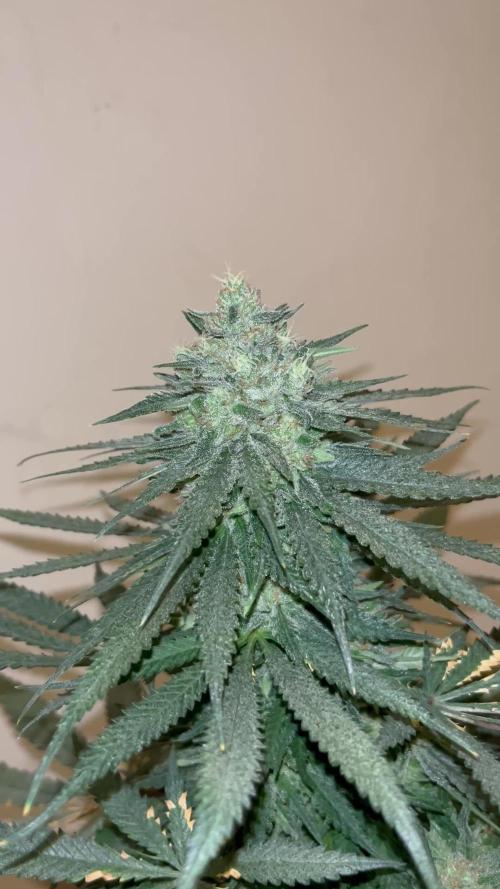
Venga familia ya viene la cosecha de estas Gorilla Girl F1 de Sweetseeds, que ganas que tenía ya de darles machetazo.
Para empezar es buena variedad un poco tardía de lo que dicen pero me encantó cultivarla , aún con la plaga de trips que sufrí las 2 últimas semanas aguantaron y sacaron buenas flores.
Las flores aparte se ven resinosas.
La planta pues si creció vigorosa , no tiene mucho satélite es más porra central.
a sido una genética con la que disfruté bastante, fue muy fácil cultivarla.
Agrobeta:
https://www.agrobeta.com/agrobetatiendaonline/36-abonos-canamo
Mars hydro:
Code discount: Eldruida
https://www.mars-hydro.com/
Hasta aquí es todo , espero que lo disfrutéis, buenos humos

Likes
10
Share


@Northern_Ent
Follow
July 1: tied one down using 12 gauge wire. Soil might be a bit too rich for two of these three plants with the tied down plant being the best so far.
Likes
Comments
Share

@MisterGroot420
Follow
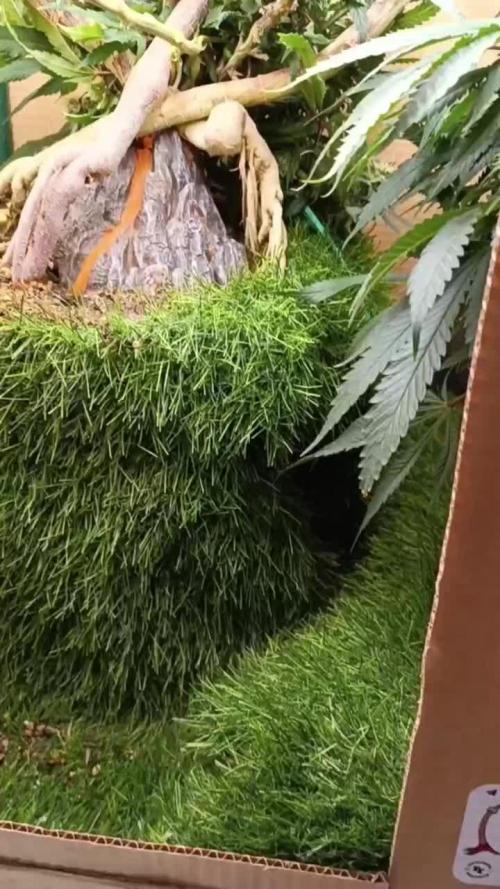
Приветствую товарищи,бонсай уже принял красивую форму,дальше делаю тренировку лст и переодичсеки делаю дефоляцию,сразу заметно,что растения голодают,чуть проморгал питание,не привычно кормить три растения одновременно в одном горшке,как говорится лучше не покормить,чем перекормить,была произведена очередная дефоляция
Likes
48
Share


@DreamIT
Follow
💐🌟HESI contest🌟💐
💮 8.2
💮 9.2 ...
💮 10.2...
💮 11.2...
💮 12.2...
💮 13.2 all right for now, yeah
💮 14.2 Happy Valentine's Day
____________________________________________________________________________________
❕❗❕ Do you already know HESI products?
Take a look at the details You will be fully satisfied 😉
👀 https://www.hesi.nl/en/products
📜 A look at the details of what I'm growing 📜
🍓🍌🍇Strawberry Banana Grape by Seedsman🍇🍌🍓
⚧ Gender
▪️ Feminised
➰ Genes
mS
🎄 Genetics
▪️ Strawberry x Grape x Banana OG
🚜Harvest
▪️ 400 - 500 g / m²
🌷Flowering
▪️ 60 - 65 days
✨THC
▪️ 15.0-20.0%
✅CBD
▪️ 1.0%
🏡Room Type
▪️ Indoor
🌄Room Type
▪️ Outdoor
🕋Room Type
▪️ N/D
🎂Release Year
▪️ 2019
__________________________________________________________________________
📷🥇 Follow the best photos on instagram 🥇📷
https://www.instagram.com/dreamit420/
🔻🔻Leave a comment with your opinions if you pass by here🔻🔻
🤟🤗💚Thanks and Enjoy growth 💚🤗🤟

Likes
6
Share


@LX1977
Follow
C'est parti pour la dernière semaine avant le rinçage. Vraiment impatient de les goûter 😁
J-58 arrosage eau + calmag + pk + diamond sugar (pH 6.5)
Je commence le rinçage des Forbidden Runtz dans 2 jours. Les Fastberry vont encore attendre une semaine avant le rinçage.
J-60 rinçage eau (pH 6.4)
J-62 rinçage eau (pH 6.4)
Likes
42
Share


@Ukfarmer420
Follow
Hi guys entering week 7 veg on the scrog grow of strawberry chemdawg og and blackberry moonrocks under the marshydro sp3000.
There very small considering there on week 7 🤔 but now i realised that my light has been on 25% 🤣🤣🤣 now its on 50% until nov 1st when I flip it.


Likes
13
Share


@n0thingf4ce
Follow
Hola a todos, esta semana elimine el silicato y el PK de la solución de nutrientes, además cambié el sistema de riego para poder suministrarle más agua a las plantas, las flores comenzaron a engordar con lentitud, al parecer, aún queda un largo camino para la cosecha. Saludos!


Likes
92
Share


@DogDoctorOfficial
Follow
🌱 Week 2 Report: The Journey Evolves 🌱
Grow Fam, the adventure is in full swing! 🌟 The Gorilla Melon from Fast Buds is out and shining its light, and the Papaya Zoap has made its debut in the Cannakan, bringing with it a story that adds even more depth to this incredible run.
When the universe speaks, we listen. 🍈✨ I didn’t plan on popping Papaya Zoap from Sweet Seeds just yet, but sometimes things just have a way of aligning. After a few other seeds didn’t germinate, I felt an inner pull toward this special strain. As it turns out, the universe had something beautiful in mind! Just days later, my brother @daggadna also began germinating the same genetics—gifted to us during Spannabis. Was it a coincidence? I don’t think so. 🌱 This is more than just a grow now—it’s a journey with purpose, guided by synchronicity and connection. I can already feel the magic building up with this one, and I can’t wait to see where this road takes us!
Now, onto the Papaya Zoap… something tells me this plant is going to take us on a ride we didn’t expect but absolutely needed. 💚 Let’s make something incredible, Brother Dagga—this one’s going to be legendary.
Gear Updates: All Systems Go 🚀
This week, everything’s dialed in perfectly with the TrolMaster system. Shout out to the incredible DSH-2U Humidity Station! 🌬️ This tool is giving me precision control over the RH (relative humidity) ranges in the room, keeping the environment just right for my babies. Having that accurate readout and control allows me to maintain optimal levels for each stage of growth. It’s like magic—you plug it in, set the desired ranges, and let it do its thing! 🌡️
By monitoring and adjusting humidity levels on-the-fly through the TrolMaster app, I can ensure the environment remains stable, and that means happier plants and healthier growth! No more guessing games. From anywhere—whether I’m working in the garden or chilling out—I can track and tweak it all. Heck, I could be on the toilet and still have complete control over my room! 😂
The AMP-3 Precision Meter has been running 24/7 in my water solution, giving me real-time updates so I can make any corrections when needed, right from my phone. This tech has taken my grow to another level. ✨
Nutrition Update: Keeping It Balanced 🍃
As for feeding, we’re sticking with the basics to give the plants what they need, without overloading. Right now, I’m running:
• Regulator: 0.15ml/l
• Startbooster: 0.25ml/l
For now, I feel like this is the sweet spot—just enough to encourage root development and early growth without overloading them. I’ll be adjusting the feed as we go deeper into the grow, keeping an eye on how they respond. You know me, always tweaking and improving along the way!
Shoutouts & Gratitude 🙌💚
Huge love to everyone following along—whether you’re here on Grow Diaries, over on YouTube, or on IG. Your support keeps this journey alive, and I am so grateful for every comment, like, and message! Special shoutout to my sponsors for fueling this project:
• Nutrition: @aptusholland @aptus_world @aptus_es @aptusbrasil @aptus_thailand @aptus_portugal @aptususa_official @aptusplanttechnz @aptusplanttechaus
• Controls: @trolmaster.eu @trolmaster.eu.support @trolmaster.support @trolmaster.agro
• Soil: @promix_growers_eur @promix_cannabis @promixmitch
More to come soon, and you won’t want to miss it! 📺 I’m also documenting everything on my YouTube channel, and I’ll be sharing behind-the-scenes content on IG, so hit that subscribe button and follow along. Let’s grow together, fam!
Growers Love to All 💚
The love and support from the grow community is something I never take for granted. This journey wouldn’t be the same without all of you! I’m so honored to be part of this amazing community, and I can’t wait to share more updates and insights along the way. Remember, this isn’t just about growing plants—it’s about growing together. 🌱
Until next time, stay positive, stay inspired, and keep pushing forward!
This week’s shoutout is dedicated to the synchronicity of life, my growing community, and of course, Papaya Zoap and Gorilla Melon. Let’s see what magic we can create together!
#HighFrequency #PositiveVibesOnly #PapayaZoap #GorillaMelon #TrolMaster #InBalanceWithNature #GrowLife #AptusTruePlantScience #GrowersLove


Likes
5
Share


@Deebow
Follow
Got pretty hot in the afternoons when ac crapped out finished outdoors for the last 2 weeks
Hang dryed for 7 days at 60°60% now bagged
Likes
80
Share


@Zengrower
Follow
Hi growmies, thanks for visiting my diary! This week I'm happy to share my plants are in full bloom. Up until now the buds were growing slowly (or not as fast as I wanted 😜), but now they are really fattening up! The smell is strong and the aroma sticks around for hours after opening the door of the growbox. It's not that visible yet on the photos, but the trichromes are growing abundantly on the fan leafs as well. I saw a few HighCloudz diaries where the leafs were completely covered in white sparkles and I'm hoping this lady will turn out just as frosty. As temperatures begin to rise, so does the humidity. I keep the airco running permanently in the room, not so much for climate control but it keeps the air nice and dry.
I will share more pics and updates as the week progresses ✌️☘️ Stay tuned and stay high


Likes
17
Share


@BLAZED
Follow
Week 3 (14-2 to 20-2)
14-2
Watering: Chemdog#1: 117 ml. Chemdog#2: 116 ml.
15-2
Watering: None.
No pictures.
16-2
Watering: Chemdog#1: 126 ml. Chemdog#2: 125 ml.
17-2
Watering: None.
18-2
Watering: None.
Today i will transplant the plants, i will mix 70% Coco coir with 30% Perlite.
The plants go into 18L AutoPots. I use the Airdome combined with an airstone.
I covered half of the airdome with coco, and the remaining half with clay pebbles.
The rest of the 18L pot filled with the coco mix, and the plants.
I gave both plants a 1.5L topfeed, and into the tent they go!
The light is at 70% strength, with a distance of 60 cm.
19-2
Temperature: 25.7 degrees (lights on) 20.4 degrees (lights off)
Humidity: 64% (highest) 45% (lowest)
Watering: None.
Light strength reduced to 60%
20-2
Temperature: 25.4 degrees (lights on) 20 degrees (lights off)
Humidity: 64% (highest) 50% (lowest)
Watering: None.
There is something weird going on with the leaves of the Chemdog #1.


Likes
11
Share


@LapsekiliTayfur
Follow
Day in and exit fan 15 min off 15 min on Van is full on
Night in and exit fan 30 min off 15 min on Van is full on
Greenhouse nutrients is finish Im add my new Canna bases