


Likes
Comments
Share


@Reskap
Follow
Désolé j’ai pas trop eu le temps de poster mais voici le résultat de la double grape. Je suis satisfaits de la qualité final, pour le poids non mais j’ai plusieurs pistes à tester pour la prochaine session.


Likes
7
Share


@BlackSpotGrowers
Follow
Growing right along. I've got the carbon filter working overtime because these ladies STINK. as soon as the reservoir is empty I'll be pulling them out of the tent for a super heavy final defoliation. Top colas seem to be combining for some HUGE nugs. They are drinking an insane amount of water every day. My 15 gallon reservoir lasts maybe 3 days. Can't wait to try some blueberry headband when they are done.

Likes
7
Share


@Kevs_Best
Follow
DE:
In der fünften Blütewoche zeigen beide Last Dance-Phänotypen ein beeindruckendes Tempo. Der erste Phänotyp präsentiert sich extrem dank, funky und gassig – die Buds sind nun dicht, schwer und beginnen sich sichtbar zu verhärten. Die Harzproduktion explodiert regelrecht, die Trichome sind überall sichtbar und verleihen den Colas ein fast silbernes Glitzern. Der Duft ist intensiv, tief und dominant – ein schwerer Mix aus Gas, Funk und erdiger Süße.
Der zweite Phänotyp bleibt weiterhin etwas kompakter, doch seine Blüten sind perfekt ausbalanciert und extrem harzreich. Das Terpenprofil erinnert nun stark an einen fruchtigen Cocktail – süß, cremig und mit einer tropischen Note, die sich von Woche zu Woche weiter entfaltet.
Insgesamt eine sehr starke fünfte Blütewoche: beide Pflanzen erreichen jetzt ihre volle Ausdruckskraft. Die Terpene sind außergewöhnlich komplex und einzigartig – jede Pflanze entwickelt ihr ganz eigenes Signature-Aroma.
EN:
In the fifth week of flowering, both Last Dance phenotypes are showing explosive progress. The first phenotype is extremely dank, funky, and gassy – buds are dense, heavy, and starting to harden noticeably. Resin production has gone into overdrive, with trichomes covering every surface and giving the colas a silvery shine. The aroma is deep, rich, and dominant – a heavy mix of gas, funk, and earthy sweetness.
The second phenotype remains more compact but perfectly balanced, with buds that are equally resinous. Its terpene profile now leans clearly toward a fruity cocktail – sweet, creamy, and tropical, becoming more intense each day.
Overall, week five marks a major milestone: both plants express their full character, with extremely complex and unique terpenes that make each phenotype stand out in its own way.
Likes
29
Share


@Jjthejetplane79
Follow
I chopped 2 guava plants and 1 pound cake yesterday. I'll add pics later 🤪

Likes
8
Share


@eldruida_lamota
Follow
Vamos familia, actualizamos la sexta semana de crecimiento de estas Lemon cherry Runtz de FastBuds.
La temperatura que estuvo entre los 24-26 grados y humedad dentro de los rangos correctos.
Todavía estamos en el ciclo 16 horas luz, 8 oscuridad, estiraron bien y ensancharon bastante también, el color es verde sano.
Se nota que los nutrientes de la marca Agrobeta hacen sus funciones.
También realicé una poda de bajos que yo si las veo necesarias para explotar después la flor.
- os dejo por aquí un CÓDIGO: Eldruida ,descuento para la tienda de MARS HYDRO.
https://www.mars-hydro.com
Hasta aquí todo, Buenos humos 💨💨💨
Likes
10
Share


Likes
5
Share

@CalGonJim
Follow
9/15 12AM MONDAY!!! THEY ARE ALL DOING GREAT!!! VERY HEAVY AMINOS YESTERDAY, NO DAMAGE.
9/15 11:24PM. In plant cells, glutathione S-transferases (GSTs) act as transporters, facilitating the movement of anthocyanins from the endoplasmic reticulum (ER) to the vacuole for storage, though their exact mechanism is still being studied. The synthesis of glutathione (GSH) itself occurs in the cytosol of mammalian cells through two ATP-requiring enzymatic steps, while anthocyanins are synthesized via a separate phenylpropanoid pathway
9/15 11:42PM glutathione metabolism glutathione S-transferases plantsThinkingKicking off 5 searchesLooking at 71 sitesPutting it all together In plants, glutathione S-transferases (GSTs) are a diverse family of enzymes integral to glutathione (GSH) metabolism, primarily functioning in detoxification and stress response. The core of this process involves GSTs catalyzing the conjugation of the tripeptide GSH with various toxic compounds, or xenobiotics, making them less harmful and easier to sequester or transport. Glutathione (GSH) metabolism in plants GSH metabolism is a tightly regulated process that maintains cellular redox balance and protects against stress. Biosynthesis: GSH is synthesized in two adenosine triphosphate (ATP)-dependent steps:(gamma )-Glutamylcysteine synthetase (GSH1) joins L-glutamate and L-cysteine to form (gamma )-glutamylcysteine. In Arabidopsis, this enzyme is located exclusively in the chloroplasts.Glutathione synthetase (GSH2) adds glycine to (gamma )-glutamylcysteine to produce GSH. This enzyme is found in both the cytosol and the chloroplasts.Oxidation and reduction: GSH exists in two forms: a reduced monomer (GSH) and an oxidized disulfide dimer (GSSG).Oxidation: In the process of scavenging reactive oxygen species (ROS), GSH is oxidized to GSSG.Reduction: Glutathione reductase (GR) uses NADPH to reduce GSSG back into active GSH, which is essential for maintaining a high GSH-to-GSSG ratio inside the cell.Degradation: Glutathione can be degraded in the cytosol, apoplast, and vacuoles by (gamma )-glutamyltransferases (GGTs) and other peptidases, allowing for recycling of its amino acid components.Transport and compartmentalization: While synthesis occurs in the chloroplasts and cytosol, transporters move GSH and its conjugates throughout the cell, including to the mitochondria, peroxisomes, and vacuoles. Functions of glutathione S-transferases (GSTs) GSTs are a large, ancient gene family with diverse roles that extend beyond detoxification. The primary functions involving GSH are: Detoxification of xenobiotics and heavy metals: GSTs catalyze the conjugation of the thiol group of GSH to a wide range of electrophilic and hydrophobic substrates, including herbicides, pesticides, and heavy metals. The resulting GSH-conjugates are then recognized by ATP-binding cassette (ABC) transporters and sequestered in the vacuole, reducing their cellular toxicity.Protection from oxidative stress: Stress conditions like drought, salinity, and high light increase levels of ROS, which cause lipid peroxidation. 🚨Some GST isoforms have glutathione peroxidase (GPOX) activity, using GSH to reduce toxic lipid hydroperoxides to less damaging alcohols, thereby protecting cell membranes.Defense against pathogens: During pathogen attacks, GST activity increases to detoxify microbial toxins and secondary defense-related compounds. This helps to bolster the plant's resistance response.Metabolism of endogenous compounds: GSTs play roles beyond immediate stress response by participating in the normal metabolic processes of plants. Examples include:Hormone transport: Some GSTs act as binding proteins (ligandins) that transport plant hormones like auxins within the cell.Metabolite transport: Specific GSTs facilitate the transport of important compounds like flavonoids and anthocyanin pigments into the vacuole.Tyrosine degradation: The zeta GST class (GSTZ) catalyzes a critical step in the breakdown of the amino acid tyrosine.Redox signaling: By influencing the GSH/GSSG ratio and interacting with plant hormones, GSTs can regulate cellular signaling pathways that control growth and stress response. 🚨GSTs and plant stress response The expression of many GST genes is highly inducible by various environmental and endogenous cues, making them key players in a plant's ability to adapt to adverse conditions. Abiotic stress: Drought, salinity, heavy metals, and extreme temperatures all trigger increased GST expression, which helps plants manage resulting oxidative damage. Overexpression of specific GST genes has been shown to enhance stress tolerance in transgenic plants.Herbicide resistance: The ability of crops and weeds to detoxify herbicides through GST-catalyzed conjugation is a well-studied example of GSTs in stress adaptation. Herbicide safeners, chemical agents that protect crops from herbicide injury, work by boosting the activity of these GST enzymes.Developmental processes: Studies have linked the expression of certain GST genes to specific stages of plant development, such as fruit ripening, root and stem development, and flower formation. ""
9/16 12:32am
AI Overview
In plants, phenylalanine is the precursor for anthocyanin synthesis, a process that involves a multistep pathway in which glutathione (GSH) plays a critical role in the transport of the final pigment to the cell vacuole.
Phenylalanine initiates anthocyanin synthesis
The biosynthesis of anthocyanins begins with the amino acid phenylalanine, which is produced via the shikimate pathway. The conversion process, known as the phenylpropanoid pathway, involves a series of enzymatic reactions:
1. Phenylalanine ammonia-lyase (PAL): This enzyme catalyzes the first committed step of the pathway, converting L-phenylalanine into trans-cinnamic acid.
2. Downstream enzymatic reactions: A series of additional enzymes, such as chalcone synthase and chalcone isomerase, convert the intermediate compounds into unstable anthocyanidins.
3. Glycosylation: Glycosyltransferase enzymes stabilize the anthocyanidins by adding sugar molecules, creating the final, stable anthocyanin pigments.
4.
Glutathione is crucial for anthocyanin transport
After synthesis, glutathione is essential for transporting anthocyanins for storage.
* Glutathione S-transferases (GSTs): These enzymes bind to the newly formed anthocyanins in the cytoplasm. This binding is a key step that facilitates the transport of the anthocyanin-GST complex across the tonoplast (the vacuolar membrane) and into the vacuole.
* Vacuolar storage: Once inside the vacuole, the anthocyanins accumulate and provide color to plant parts, such as flowers, fruits, and leaves.
* Catalytic role: Recent research has also found that certain GSTs have a catalytic role in anthocyanin synthesis. They can catalyze a dehydration step to form specific anthocyanidins, significantly boosting production in engineered systems.
*
The process in summary
The synthesis and accumulation of anthocyanins involve a coordinated process of multiple steps:
1. Production from phenylalanine: The amino acid phenylalanine enters the phenylpropanoid pathway, where enzymes convert it into the basic flavonoid structures.
2. Formation of anthocyanidins: Further enzymatic modifications produce the colored but unstable anthocyanidins.
3. Stabilization and transport with glutathione: These anthocyanidins are stabilized by glycosylation and then bound by GSTs (which use glutathione). This binding enables their transport into the vacuole for storage and visible pigmentation.
9/15 12:46AM https://pmc.ncbi.nlm.nih.gov/articles/PMC7238016/
9/16 1:30AM BKO is looking great!!!
Conclusion
The “butter frosting” resin on Cookie Apple F1, healthy yellow-green fusiform, and Blueberry KO’s pigmented cotyledons show your anthocyanin-glutathione-phenylalanine strategy is working—phenylalanine drives synthesis, glutathione ensures transport. Tweak amino acids to 100–150 mg/L to reduce tip burn.
9/16 3:34am
9/16 4:31AM Anthocyanin glutathione synthesis phenylalanine proline tmg powder relating current project:
* Phenylalanine is a precursor: Phenylalanine is an amino acid and the starting point for the phenylpropanoid pathway in plants.
* Anthocyanin synthesis: This pathway creates various secondary metabolites, including the flavonoid pigments known as anthocyanins, which give plants their red, purple, and blue colors.
* Pathway activation: Multiple enzymes, such as phenylalanine ammonia-lyase (PAL), catalyze the conversion of phenylalanine into the building blocks for anthocyanin.
*
Anthocyanin and glutathione synthesis
* Glutathione S-transferase (GST): This enzyme is crucial for synthesizing anthocyanins in plants. It transports anthocyanins into the cell's vacuole for storage.
* Glutathione (GSH) production: Anthocyanins can promote glutathione synthesis in certain cells. For instance, the anthocyanin cyanidin-3-O-β-glucoside (C3G) has been shown to increase the expression of glutamate-cysteine ligase (Gclc), a key enzyme in GSH synthesis.
* Antioxidant effect: By upregulating GSH production, anthocyanins contribute to the antioxidant defense system, protecting cells from oxidative stress.
*
Proline and glutathione synthesis
* Shared precursor: In some organisms, the synthesis pathways for proline and glutathione share a precursor molecule called γ-glutamyl phosphate.
* Alternative pathway: Research on bacteria and yeast has revealed an alternative, trace pathway where γ-glutamyl phosphate from the proline synthesis pathway can be diverted to produce the glutathione precursor γ-glutamylcysteine.
* Oxidative stress response: Studies in mouse oocytes show that supplementing with proline upregulates genes related to glutathione synthesis (Gclc and Gclm), increases glutathione levels, and reduces oxidative stress.
*
TMG powder, methylation, and homocysteine
* Methyl donor: Trimethylglycine (TMG), or betaine, is a potent methyl donor, meaning it provides methyl groups needed for various biochemical processes in the body, including the methylation cycle.
* Homocysteine regulation: One of TMG's primary functions is to convert the amino acid homocysteine into methionine. This helps regulate homocysteine levels, which is important for cardiovascular health.
* TMG and proline interaction: In plants and some organisms, TMG and proline act as compatible solutes or osmoprotectants, helping cells stabilize against osmotic stress like drought or salinity. However, in human biology, TMG mainly functions through methylation, while proline is involved in different metabolic and antioxidant roles.
*
How they all relate
The listed components are connected through several overlapping metabolic and regulatory pathways:
* Anthocyanin synthesis starts with phenylalanine.
* Anthocyanins can promote glutathione synthesis via upregulation of key enzymes like Gclc.
* Glutathione synthesis can be influenced by the proline synthesis pathway, as they share an intermediate in some contexts.
* TMG powder supports the methylation cycle, which helps regulate homocysteine levels. While TMG and proline serve similar protective roles in some organisms, their primary human metabolic functions differ, with TMG focusing on methylation and proline having distinct roles in antioxidant response and metabolism
9/17 217am Die Hard Christmas Grow
9/18, 11:34 AM. I ordered some square saucers that were cartoonishly too small but they fit inside the AC infinity germination kit and they fit with the Bud Cups perfectly really nice so it’s not a total loss.
9/18 11:45AM mix. Foliar Spray, the rest of the mix ec 0.46
Mixed up Aminos first and separate and use 16 oz for foliar spray. Then mixed up:
Root: 1 mL/L Connoisseur A & B GROW,
.2 mL/L CaliMagic,
.2 mL/L Purpinator.
Setria Glutathione: 150 mg/L(Brand: Emerald 250mg capsule.)
TMG: 150 mg/L = (Brand Nutricost)
Phenylalanine: 150 mg/L (Brand Nutricost)
Proline: 150 mg/L (Brand Nutricost).
9/18 228PM AI Overview
Glutathione influences plant colors by regulating the accumulation of pigmented compounds, primarily anthocyanins. The tripeptide accomplishes this through its role in transporting pigments within plant cells and in protecting against environmental stresses like UV radiation that can cause oxidative damage.
Transporting pigments into plant cell vacuoles
Glutathione works with a class of enzymes called Glutathione S-transferases (GSTs) to transport pigments like anthocyanins into the vacuole for storage.
Anthocyanin transport: In plants with pigmented tissues, such as purple grapes or red flowers, glutathione-conjugated pigments are transported by GSTs across the tonoplast membrane into the vacuole. This process is crucial for the stable accumulation of pigments.
Genetic manipulation: Research shows that manipulating specific GST genes can alter a plant's pigmentation. For instance, silencing a particular GST gene in purple grape hyacinths caused their petal color to shift to a lighter shade of purple. Similarly, defective GST genes in carnations resulted in pale-colored flowers.
Protecting against UV light and stress
Glutathione helps regulate plant pigmentation in response to environmental factors, especially UV-B radiation.
Activating flavonoid production: When plants are exposed to UV light, a surge in glutathione triggers the expression of genes involved in producing flavonoids. Flavonoids, including anthocyanins, can act as protective sunscreens for the plant, and their increased synthesis and accumulation can alter visible coloration.
Balancing oxidative stress: Intense UV-B radiation increases reactive oxygen species (ROS) in plants, which can cause oxidative damage. Glutathione is a master antioxidant that helps detoxify these ROS, preventing cellular damage that can affect a plant's pigment-producing mechanisms.
Indirectly influencing plant colors
By regulating cellular redox status and interacting with other molecules, glutathione also affects pigment expression in more indirect ways.
The xanthophyll cycle: As part of a plant's antioxidant system, glutathione helps maintain the reduced state of other protective antioxidants like tocopherol and zeaxanthin. Zeaxanthin is a carotenoid pigment involved in the xanthophyll cycle, which helps dissipate excess light energy.
Redox signaling: The balance between reduced glutathione (GSH) and oxidized glutathione (GSSG) is a key cellular signal for stress response. A shift in this ratio during environmental stress can influence the production of secondary metabolites like pigments, allowing the plant to adapt. "
9/19 1:41AM AI Overview
The key difference is that anthocyanins are the sugar-containing form (glycosides) of pigments, while anthocyanidins are the sugar-free form (aglycones). Anthocyanidins are the foundational molecules, and when a sugar molecule attaches to them, they become anthocyanins, which are more stable and water-soluble, making them the forms found naturally in plants, such as berries and purple vegetables.
Anthocyanidin (Aglycone)
Structure: The basic, sugar-free molecule of the anthocyanin structure.
Location: Not found freely in nature but is the core component that is then glycosylated.
Properties: Color changes with pH, being visible in acidic conditions but colorless in basic conditions.
Examples: Cyanidin, delphinidin, pelargonidin, peonidin, petunidin, and malvidin.
Anthocyanin (Glycoside)
Structure: Consists of an anthocyanidin linked to one or more sugar molecules.
Location: Found in the vacuoles of plant cells.
Properties: Water-soluble and are the pigments responsible for the red, purple, and blue colors in plants.
Function: The sugar attached provides stability, allowing for accumulation in plants and providing antioxidant properties.
Examples: Cyanidin-3-glucoside and other derivatives like acylated anthocyanins. "
9/19 2:43AM I also saw a good mans immediate accent into Heaven, that perspective matters too. no less angry about it though.
9/19 10AM Heavy Amino spray 250mg each in 1L of Setria Glutathione and Phenylalanine
9/19 10:10PM The sons and daughters of americas real terror organization carried out the last horror show, and the one before that and before that. It's not a foreign country, it's always the anti white anti human black sheets and badges that did this.
9/19 10:43PM AI Overview
Phenylalanine and glutathione contribute to plant colors through different biochemical pathways
. Phenylalanine is a precursor for the pigments themselves, primarily anthocyanins, while glutathione is involved in the transport and stabilization of these pigments within the plant cell.
Phenylalanine: The pigment precursor
The source of aromatic compounds: Phenylalanine is an aromatic amino acid and the starting compound for the phenylpropanoid pathway in plants. This pathway produces a vast number of secondary metabolites, including anthocyanins, which give many plants their red, purple, and blue colors.
Color enhancement: Research has shown that increasing the amount of available phenylalanine can lead to more intense red coloration in some fruits, such as mangoes and apples.
Pathway stimulation: Phenylalanine ammonia-lyase (PAL) is a key enzyme in this pathway that converts phenylalanine into precursors for anthocyanin biosynthesis. An increase in phenylalanine levels stimulates this entire process.
Glutathione: The pigment transporter
Anthocyanin transport: After anthocyanin pigments are synthesized in the cell's cytoplasm, they must be transported into the central vacuole for storage. Glutathione S-transferases (GSTs) are a family of enzymes that facilitate this process.
Color intensity: A functional GST is essential for proper anthocyanin accumulation. Mutations in GST genes can result in a significant decrease in color intensity, as seen in the pale or white flowers of certain gentian mutants.
Mechanism of action: The GST binds to the anthocyanin pigment and moves it from the cytoplasm into the vacuole. If the GST is defective, the pigment cannot be transported correctly, leading to a loss of coloration.
Summary of interactions
The roles of phenylalanine and glutathione are distinct but cooperative in producing plant colors:
Phenylalanine provides the essential building blocks for creating the colored compounds (anthocyanins).
Glutathione, with the help of GSTs, ensures these colored compounds are correctly moved to their storage location (the vacuole).
This cooperative system explains why mutations or deficiencies in either process can lead to reduced or altered coloration in plants."
9/19 10:51PM AI Overview.
Trimethylglycine (TMG) supports the production of glutathione, a vital antioxidant
. However, there is no evidence to suggest a direct relationship between these supplements, the amino acid phenylalanine, and the colors of plants. The concepts are linked indirectly via complex biological processes.
Trimethylglycine (TMG) and glutathione
TMG and glutathione are connected through the body's methylation cycle.
TMG as a methyl donor: TMG plays a critical role in the methylation process by donating a methyl group, which helps convert the harmful amino acid homocysteine back into methionine.
Support for glutathione production: This methylation cycle, which is supported by TMG, is essential for producing glutathione. Glutathione is a powerful antioxidant that protects against cellular damage and is crucial for detoxification.
Supplementation considerations: TMG supplements are sometimes taken alongside other supplements to support health, though consultation with a healthcare provider is recommended.
Phenylalanine and the methylation cycle
Phenylalanine is an essential amino acid, but its role is distinct from the TMG-glutathione process.
Essential nutrient: Phenylalanine is a key nutrient for cellular metabolism.
Potential interactions: A separate medical study on experimental hyperphenylalaninemia (abnormally high phenylalanine levels) in chicks observed a decrease in other amino acids in the brain, including those involved in the glutathione pathway. This demonstrates how excessive levels of one amino acid can potentially influence others, though this does not represent a typical interaction.
Plant colors
The connection between the supplements and plant colors is purely conceptual, as the colors are determined by completely different biological processes.
Anthocyanins: The colors of many plants, including red, purple, and blue flowers, come from pigments called anthocyanins.
Glutathione in plants: While plants contain glutathione as an antioxidant to combat stress, it influences color by regulating the transport and accumulation of anthocyanin pigments, not by being a pigment itself.
TMG and phenylalanine in plants: Plants contain TMG, which functions as an osmoprotectant (protecting against osmotic stress). They also contain phenylalanine, but these substances do not directly determine the plant's visible color."
9/19 11:21PM. !!!!!! this was pointless and im dumber for having read it. !!! Light intensity and spectrum affect metabolism of glutathione and amino acids at transcriptional level: https://pmc.ncbi.nlm.nih.gov/articles/PMC6938384/
9/20 11:08 AM the seedlings and the four autos are doing just great. The amino spray with phenylene and glutathione really had nice effects no burning nice solid growth even seedlings from basil lavender various lettuce all are perfect.🚨🚨🚨👍👍👍👍👍
9/21 2AM I AM BECOME ANTHOCYANID!!! ITS WORKING AND ON A SEEDLING I SEE THE GELATO COLLORS IN BLUEBERRY KO AND THE LEAF SHAPE OF BUBBLES BLUEBERRY,!!!


Likes
5
Share


@CampaCavallo
Follow
4ª Settimana di Fioritura 💐
Buongiorno amici della Canapa 💚, ecco la bella Sweet Amnesia Haze 😋🤩 di SweetSeeds 💚🐘 nella 4a di fioritura.
Cresci bella che ti vogliamo bene 😘
Likes
8
Share


@Order_66
Follow
Everything is going good this week. thickening up on the tops and getting nice and frosty , it's smell is getting really strong and it's super sticky, hopefully they'll fill out more as their quite short but the buds look nice and dense . Might do one more week of nutrients and then a 2 week flush but I'll check the tricomes at the end of the week and see . Happy smoking

Likes
153
Share


@DogDoctorOfficial
Follow
Week 2 and they are all beautiful, so far the fastest growing goes to the Somango seed and the Bruce banner is a week or so delayed lol non or less they are all growing amazing and supper fast. For now im still watering from the top, i want to give bruce banner the chance of growing big enough roots and only after i will turn the autopots on.
I transplanted Bruce Banner in to the autopot and as always i introduce the power of the Mycorrhizae world true Aptus Mycor Mix, this helps and increases my root system and nutrient uptake up to 700x , a must in any garden
Sorry about all the veggies mixed in the tent soon they will go outside and the all 4x4 becomes available for this girls 😇💚🙏
As always thank you all for reading and checking out my diaries, im humbled by it all, much love to you all 💚💚💚🙏🙏🙏💚💚💚🙏
Thank you APTUSHOLLAND for having faith in my love for growing , lets make magic together 🙏🙏🙏
Genetics - - Zamnezia Seeds
https://www.zamnesia.com/
- - Advanced seeds https://advancedseeds.com/web/
- ?- buddah Seeds
- - Fast Buds https://2fast4buds.com/
Grow tent - 4x8, but using 4x4 for this Auto Test
Ligth - LUMATEK ZEUS 465 COMPACT PRO
Food - HAPTUS HOLLAND
Filter - vanguard hydroponics Falcon Filters
Extraction - vanguard hydroponics 560 m3h
control - Trolmaster
All i grow is medicine for myself, for me and for my best friend with is me 😆 nothing to sell, so don’t even ask 😅💚💚💚
All info and full product details can be find in can find @
https://aptus-holland.com/
https://autopot.co.uk/
https://lumatek-lighting.com/
#aptus #aptusplantteck #aptusgang #aptusfamily #aptustrueplantscience #inbalancewithnature #trueplantscience #growerslove
With true love comes happiness 💚🙏 Always believe in your self and always do things expecting nothing in return and with an open heart , be a giver and the universe will give back to you in ways you could not even imagine so 💚💚💚
More info and updates @
https://growdiaries.com/grower/dogdoctor
https://instagram.com/dogdoctorofficial
https://youtube.com/channel/UCR7ta4DKLFMg2xxTMr2cpIg
💚💚💚Growers love to you all 💚💚💚


Likes
15
Share


@902EastCoast
Follow
From the beginning to the end of their life, they were easy to grow. Nice structured plants and buds. Fast finishing at 49 days for these 2. Love this strain!


Processing
Likes
3
Share


@Stankystan9
Follow
All I do is water only. All my outside plants are on self watering systems, organic super soil. Everything has been going really well. A few plants are showing sex, looks like girls so far....

Likes
5
Share

@smoking_hills9
Follow
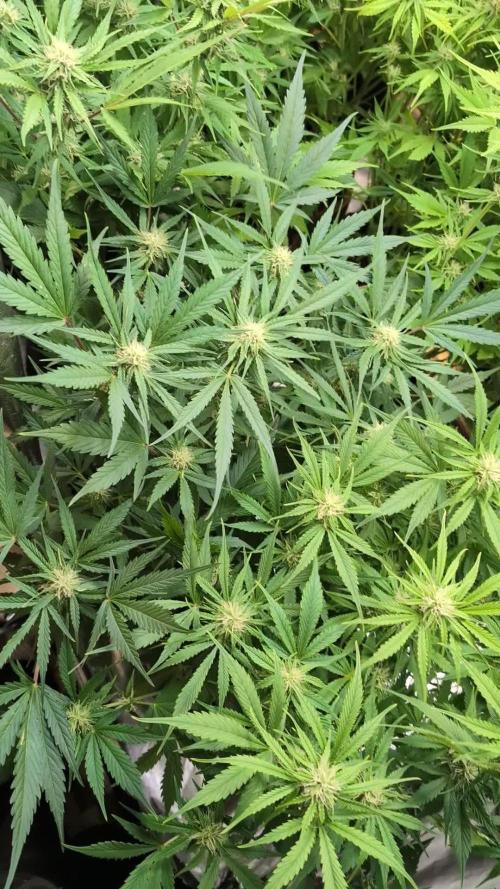
Very happy I went Original Sensible Seeds beens this grow. 🤩 All 3 autos from some special american line, and o boy , they don't disappoint.🔥 Bangers genetics 👏🏻 all trees are good size with super thick stalks and loads of fat buds. Another big defoliation been done this week, removed around 2 kg of leaves.All frosty with great smell. I like it a lot 💚

Likes
6
Share


@Ieiogrow94
Follow
Eccoci di nuovo qui!!!
Super eccitato per questa nuova collab con Khalifa Genetics, team davvero al top, che mi ha dato l’opportunità di testare questa nuova genetica e di condividere i progressi con tutti voi!!!
Come sempre partiamo nei bicchieri per poi travasare.. Questa volta verrà svolto tutto sotto la Lumatek Zeus 465 ProC, mi aspetto molto da questo ciclo!!
Purtroppo ho perso i file delle scorse settimane e dovrò reiniziare il report da ora scusate per il disagio
Grazie a tutti per il supporto ❤️🍀🔥

Likes
Comments
Share


@wizard_of_bel_air
Follow
3rd week, transplanted to 1 gallon containers. Adjusting light to coincide with southern California sunrise time.
Likes
25
Share


@Heady_McDank
Follow
Stressed out plant went from the branch straight into thé freezer, made some Nice icolator hash from it, 50 Nice grams hashies tried one of thé 25micron sift and damnright its à sativa 😁
All will be pretty fine for sure upcoming monts 🙃
#SeedStockers
#CNNBS
#MillsPaysTheBills
#cultureIndoor
#Indoorled
#MisterySativas2
#BubbleatorBQuick
#ZamnesiaWebShop
Likes
4
Share


@Rele99
Follow
Couldn't take care of her personally thi s week as I wasn't home, so my roommate did it. I'm very happy with the results, especially considering that the growing conditions aren't the best (it's been raining constantly this past week). I thought that she would've stop growing since she started the blooming phase, but she's actually growing faster that she was before. I'm not really sure how to properly do LST, still I did my best


Processing
Likes
20
Share


Likes
21
Share

@DogDoctorOfficial
Follow
Before starting this harvest chapter, I want to apologize once again for not uploading everything directly into the official harvest and smoke review tabs.
GrowDiaries has been struggling a little with very large uploads lately, and with the amount of photos, videos and information involved in this Ghost Train Haze harvest, I decided to split everything into multiple parts to make sure nothing gets lost or broken during upload.
And honestly… this plant deserves the full story.
So welcome to Part 1 of the Ghost Train Haze harvest. 🌱✨
Before talking about harvest itself, let’s do a quick recap of how we even arrived here.
This was another 12/12-from-seed run.
No traditional vegging.
Very little manipulation.
Minimal training.
Mostly just letting the plants naturally express themselves while guiding environment, airflow, watering and light intensity carefully around them.
Instead of forcing the plants into a shape, the goal here was to let them grow naturally into the PPFD and into the environment themselves.
And wow…
Ghost Train Haze really showed personality during this run.
Most of the attention naturally went toward the massive main plant everybody keeps seeing in the photos — the giant colorful spear covered in fading reds, dark purples and swollen flowers — but there were multiple plants in this room, and in this harvest report we’ll finally start talking about all of them and the different directions they took after harvest.
By Week 14, the room looked absolutely incredible.
The fading on these plants became something special.
Deep reds.
Dark purples.
Almost black tones in some areas.
Golden fading leaves.
Heavy trichome coverage.
Color spreading through the sugar leaves and surrounding flower tissue.
One of those harvests where the plants almost stop looking real.
And underneath all those colors:
extremely heavy flowers.
Dense.
Massive.
Sharp aromas.
Long spears everywhere.
The branches became so heavy during late flower that support was absolutely necessary. Yo-yos were holding branches constantly, helping prevent collapse under the weight of the flowers.
And the moment the supports came out during harvest…
everything opened and leaned downward immediately under its own weight.
That alone says a lot about the size and density of these flowers.
There are photos in this report where I’m holding entire plants, and honestly, seeing them outside the tent really puts scale into perspective. It’s one of those plants that instantly makes you imagine how unbelievably huge she could become outdoors in native soil with unrestricted root space.
Harvest day finally arrived, and from there the project split into two different paths.
Some plants were harvested whole and hung for traditional drying.
Others were fully broken down, every single flower removed from the branches, vacuum sealed into bags and immediately frozen for ice-water extraction work.
And this is where things start becoming really interesting.
Because this report is not only about harvesting flower.
It’s also about exploring different post-harvest directions and understanding why growers process material differently depending on their goals.
The flowers selected for traditional drying will continue their journey in Part 2, where we’ll focus much more deeply on drying conditions, moisture management, branch snapping, trimming and curing.
But for now…
let’s talk about the frozen material and ice-water extraction. ❄️
After harvesting, the flowers destined for washing were separated carefully and placed into vacuum bags before going into the freezer.
Freezing fresh material helps preserve volatile compounds, terpene expression and trichome integrity while preparing the flowers for ice-water extraction.
And no — this is not simply “throwing weed into ice.”
There’s actual science and technique behind this process.
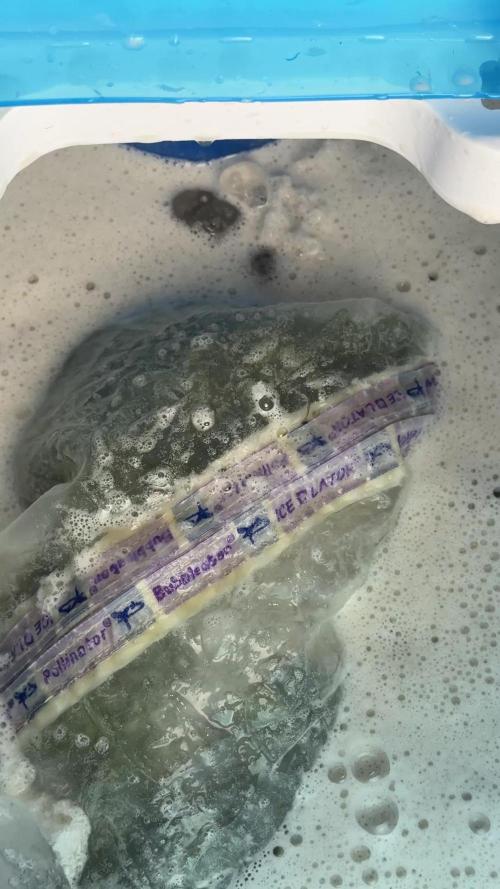
Before washing, the frozen material is combined with ice and extremely cold water, ideally close to 0°C. The goal is to make the trichome heads brittle enough to detach cleanly while keeping unwanted plant contamination as low as possible.
At the same time, the flowers need time to fully soak and rehydrate slightly before agitation starts. This helps reduce excessive breakage of plant material during washing.
And then comes the wash itself.
The bubble washer machine agitates the mixture gently, allowing trichome heads to separate naturally from the plant material and suspend inside the cold water.
From there, the water passes through a series of filtration bags with different micron sizes.
25 micron.
45 micron.
73 micron.
90 micron.
120 micron.
160 micron.
220 micron.
Each size captures different grades and sizes of resin heads and contaminants.
We are not using every single bag configuration during this run, and we’ll go much deeper into grading, collection quality, drying and final results later in the series. But since this report already includes videos and photos of the process itself, I thought this was the perfect moment to explain what ice-water extraction actually is — and what it is not.
This process is not about adding anything.
It’s about separating what the plant already naturally created.
Water.
Ice.
Agitation.
Filtration.
Patience.
That’s it.
And honestly…
watching these resin-covered flowers moving inside ice water almost feels hypnotic.
The harvest itself may be finished…
but the real post-harvest journey is only beginning now.
This report will continue in the next update very soon because there is simply too much material, too many photos and too much information to fit properly into a single upload without risking GrowDiaries crashing or losing content again.
Part 2 will continue deeper into:
the drying process,
environmental control,
trimming,
flower handling,
and the continuation of both post-harvest paths.
And eventually, Part 3 will close the circle with curing, smoke review, flavors, extraction reflections, effects and final thoughts.
As always, thank you to everybody following this journey.
To Zamnesia for the genetics.
To Plagron for the nutrition.
To all the gear keeping this room alive day after day.
To GrowDiaries itself.
To the community.
To the longtime followers and OGs.
To the new people arriving every day.
To the curious ones.
To the silent supporters.
To the lovers.
To the skeptics.
To the haters.
To everyone who stopped by, even for a moment.
Thank you for being here. 🌱
Part 2 coming very soon. ✨
📡 DELETED @ 1K Please stay tuned.we never quit https://www.youtube.com/@TheDogDoctorOfficial NEW 🙏 Thank you for your patience and continued support.
FOR DISCOUNT CODES AND MORE JUST FOLLOW THE LINK https://website.beacons.ai/dogdoctorofficial
📲 Don’t forget to Subscribe and follow me on Instagram and YouTube @DogDoctorOfficial for exclusive content, real-time updates, and behind-the-scenes magic. We’ve got so much more coming, including transplanting and all the amazing techniques that go along with it. You won’t want to miss it.
GrowDiaries Journal: https://growdiaries.com/grower/dogdoctorofficial
Instagram: https://www.instagram.com/dogdoctorofficial/
YouTube: https://www.youtube.com/@dogdoctorofficial Deleted by Youtube - https://www.youtube.com/@TheDogDoctorOfficial NEW
Vimeo : https://vimeo.com/dogdoctorofficial Under construction stay tuned ⸻
Explore the Gear that Powers My Grow
If you’re curious about the tech I’m using, check out these links:
🔆 Lighting & Environmental Control
• Future of Grow — Advanced LED lighting technology
https://www.futureofgrow.com/
DISCOUNT CODE: DOG20
• Lumiflora — Under-canopy LED lighting
https://lumiflorade.com/
• TrollMaster — Environmental controllers and automation gear (past collaboration)
⸻
Genetics
• Zamnesia Seeds — Genetics used in this project
https://www.zamnesia.com/
⸻
🌱 Soil, Substrates, Boosters & Root Support
• Plagron — Substrates, bio mixes, and supportive products
https://plagron.com/en/
⸻
🎒 Storage, Curing & Preservation
• Grove Bags — Curing and storage solutions
https://grovebags.com/
⸻
📸 Photography Equipment & Tools
(Not sponsors, but part of my creative toolkit)
• Sony A6700
• Sony full-frame macro lens + few more
• Stacking photography workflow - learning
• iPhone (for behind-the-scenes shots)
We’ve got much more coming as we move through the grow cycles. Trust me, you won’t want to miss the next steps, let’s push the boundaries of indoor horticulture together!
As always, this is shared for educational purposes, aiming to spread understanding and appreciation for this plant. Let’s celebrate it responsibly and continue to learn and grow together.
With true love comes happiness. Always believe in yourself, and always do things expecting nothing and with an open heart. Be a giver, and the universe will give back in ways you could never imagine.
💚 Growers love to all 💚
📸 P.S. – The Eye Behind the Lens
All photos in this diary (for now — except for the ones showing the camera, which I took with an iPhone) are taken with a Sony A6700 paired with a Sony full-frame macro lens and a few more.
Photography is part of the story — it’s how we share the fine textures, the glow, and the quiet details that words can’t always capture.
I’ve also started experimenting with photo stacking — a technique where multiple images, each taken at a slightly different focus point, are layered together to create one perfectly sharp image from front to back.
It’s not digital enhancement or AI; it’s pure photography — a way to reveal the plant’s beauty in microscopic depth, from trichome to petal.
You’ll even see a few shots of "ghost me" capturing the shots — camera, lens, setup — because every grow deserves not just to be cultivated, but documented like art.
FOR DISCOUNT CODES AND MORE JUST FOLLOW THE LINK https://website.beacons.ai/dogdoctorofficial
NEW DISCORD - Official Server Invite Link : https://discord.gg/ksjAkA5T74
Likes
22
Share


@MaxGrowCanada
Follow
Everything is going well.
Not much time to look after these ladies, new grow room is nearly complete. Look out for a new diary coming soon!