The Grow Awards 2026 🏆 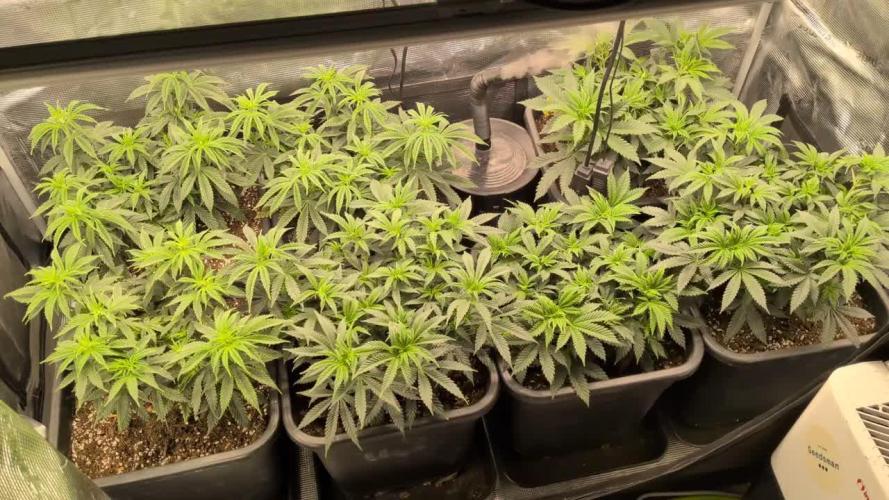









Likes
Comments
Share
@Thedibber
Follow
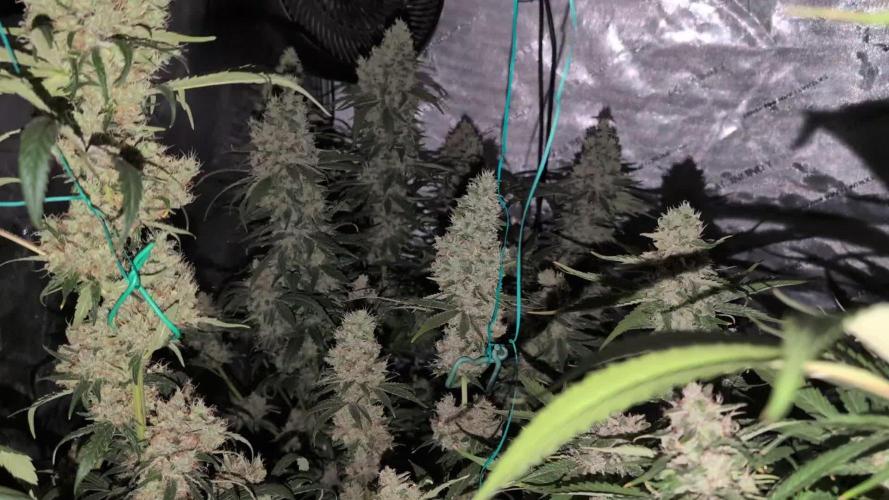
16/01/26 - 3x Bloodmoons on the right looking healthy and lush. Adding scrog sometime this week 🙏
Likes
4
Share
@Naujas
Follow
42 days for my project - "Girl on the balcony on the north side" :) it looks really good, knowing what conditions she has to endure, this week there was not much sun, there was a lot of wind and rain, I used a little LST for the girl, the girl drinks = every other day 1.5 liters of water 6.3 ph, every 3rd watering I give biobizz nutrients :) good luck to everyone :).

Likes
24
Share
@GreenthumbJacobs
Follow
Hier die restlichen beiden zkittles.😍
Was für riesige dicke schöne buds !
Die eine ist bald fertig 😁die dritte brauch noch paar Wochen.
Likes
15
Share
@902EastCoast
Follow
This strain was easy to grow right from seed. I think it will be one of my favourite strains this grow. Time to dry and cure. I will report the weight when dry. 💚✌️🏼


Likes
19
Share
@UKLEEDSGROWER
Follow
So we are 8 weeks +1 day here now, around 8 days into flush and 6 days away from chop. I’m guna cut these at 9weeks so they will probably get another 2/3 heavy waters and then 48hours of darkness. Really starting to pack on weight now I had to support all branches as much as I could with bamboo and garden ties. I sampled a bud I took when I first started flush at around 7 weeks and it was so smooth and creamy. Real nice fruity and zesty taste to it. Smelled of fresh lemons with a hint of grapefruit. High wasn’t heavy as expected being so early but certainly felt a relaxation effect 1 hour after smoke so really excited for finished product. Just counting down the days now!!

Likes
10
Share
@Ieiogrow94
Follow
Eccoci qui...
Per problemi di lavoro ho tardato un pò la pubblicazione delle foto, le piccole sono molto in forma ed ho fatto molto bene a puntare su di loro mettendone 2.
Sono entrambe molto stabili e stanno iniziando a formare palchi di resina, sono molto entusiasta e credo di avere tra le mani ottime strain.
Grazie a tutti per il supporto, NON VEDO L'ORA DI RACCOGLIERLA 🔥🌲❤️


Likes
137
Share
@MrJones
Follow
🌱Slurricane #7 S1
@inhousegenetics_official
👨🌾🏽GD Grower: MrJones
🔹🔹🔹🔹🔹🔹GOALS🔹🔹🔹🔹🔹🔹
🌞Environment - 75/80℉ and 60% Humidity Good Old Mother Nature
💧 Feeding - The Green Sunshine Company - Earth Dust All-Natural Plant Nutrients
⚗️Soil - 35% ProMix MP / 25% Ocean Forest / 20% Tupur Royal Gold / 10% lobster Compost / 10% Additional Perlite
🍃Training / So this girl was 60 Inches and spread out under a 5x5 Trellis
🕷️ IPM - Will be using Green Cleaner" 1 OZ per Gallon, and CannControl from Mammoth alternating between products each month
🔹🔹🔹🔹🔹🔹🔹🔹🔹🔹🔹🔹🔹🔹🔹
📜 Rambling - Week 28, The bigger of the 2 plants is doing great, the smaller one is looking root bound, not a lot I can do for it at this stage, live and learn, next year all 50-gallon fabric pots.
🔹🔹🔹🔹🔹🔹🔹🔹🔹🔹🔹🔹🔹🔹🔹
▶️ Sunday - 08.15.21 / JJust watering daily with Dechlirnated H20 using the BOOGIE BLUE PLUS+ (High-Capacity Filter) to remove the Chlorine and Chloramine out of the water.
▶️ Monday - 08.16.21 / Just watering daily with Dechlirnated H20 using the BOOGIE BLUE PLUS+ (High-Capacity Filter) to remove the Chlorine and Chloramine out of the water.
▶️ Tuesday - 08.17.21 / Just watering daily with Dechlirnated H20 using the BOOGIE BLUE PLUS+ (High-Capacity Filter) to remove the Chlorine and Chloramine out of the water. IPM Treatment today.
▶️ Wednesday - 08.18.21/ Just watering daily with Dechlirnated H20 using the BOOGIE BLUE PLUS+ (High-Capacity Filter) to remove the Chlorine and Chloramine out of the water.
▶️ Thursday - 08.19.21 / Just watering daily with Dechlirnated H20 using the BOOGIE BLUE PLUS+ (High-Capacity Filter) to remove the Chlorine and Chloramine out of the water.
▶️ Friday - 08.20.21 / Just watering daily with Dechlirnated H20 using the BOOGIE BLUE PLUS+ (High-Capacity Filter) to remove the Chlorine and Chloramine out of the water.
▶️ Saturday - 08.21.21 / Just watering daily with Dechlirnated H20 using the BOOGIE BLUE PLUS+ (High-Capacity Filter) to remove the Chlorine and Chloramine out of the water.
🔹🔹🔹🔹🔹🔹🔹🔹🔹🔹🔹🔹🔹🔹🔹
Earth Dust - DESCRIPTION
🔹Earth Dust is our all-natural plant nutrient designed for indoor and outdoor flowering plant growers. You can grow easily by “just adding water” to your soil for the entire growth cycle. It creates a “living soil” so your plants thrive from seedling all the way through flower and harvest. Earth Dust represents an organic dry amendment method of gardening, it’s made of a natural powder of ingredients.
🔹Because you only need to water your soil with Earth Dust, you can concentrate on caring for your plants and getting a healthy crop “on autopilot”. Now you can grow without spending hours of your life mixing chemical nutrients, and you can do it naturally. What’s more, is you will enjoy the cleanest, most aromatic, and flavorful harvest you’ve ever experienced when a plant grows in a rich, organic web of living soil.
Product Highlights
🔹All-Natural Ingredients – Mostly plant-based – Safe around children and pets.
🔹Packaged in kraft paper bags that are recyclable and compostable.
🔹Easy to Use – Just mix the powder into the soil 3 separate times – then water only.
🔹Packed full of rich microbe food & contains billions of beneficial fungi and bacteria! Creates a resilient, living soil that defends against pests and diseases.
🔹Rich in trace minerals and nutrients for full plant expression. Sourced from rock dust, sea-farmed kelp, and land-grown crops.
🔹Soil Conditioners help balance pH and make nutrients more available in the soil. Achieved with ingredients like bat guano, worm castings, limestone, molasses, and humic acid.
🔹The correct balance of N-P-K nutrients for each stage of growth:
🔹Earth Dust Base (3-1-2) contains key nutrients for sustained vegetative growth. High nitrogen (N), Low Phosphorous (P), and Medium Potassium (K).
🔹Earth Dust Boost (2-3-6) contains accelerated-release nutrients for powerful flowering growth. Low nitrogen (N), Medium Phosphorous (P), and High
Potassium (K).
🔹Re-use soil harvest after harvest by simply adding more Earth Dust Base to begin again. Create your own living soil that gets better every time it’s used.
🔹Go organic, save time, and get predictable, healthy harvests.
🔹🔹🔹🔹🔹🔹🔹🔹🔹🔹🔹🔹🔹🔹🔹
Compost Tea for Vegetative Stage
Water 4 Gallons
3 Cups Composr (Your Favorite Worm)
4 TBL Molasses
4 TBL Seaweed Extract
4 TBL Fish Fertilizer
Use air Stone o the tea for 24/3 hours 70/75F, use at full strength for establishing plants and a half-strength for younger plants

Likes
3
Share
@The_Lonely_Farmer
Follow
This diary will be solely too showcase as I go along also too help me keep track here and there when needed.
Not all will be correct or down too perfection but is still a journey you can join along with 🌱
Gifted these great beans from across the water and glad to finally see them pop through the soil 💚

Likes
2
Share
@CannaIGrow
Follow
This plant is growing well, I transplanted them this week into 3 gallon pots from 1 gallon pots. Structure on this plant is pretty nice and visually pleasing to the eye lol.


Likes
3
Share
@CaptonianMoneymaker
Follow
Had little issue with under feeding but up all doses by 10ml per 2 litres
Likes
13
Share
@Canna96
Follow
Hey now, I hope everyone is having a relaxing weekend. The ladies are getting close, all trichomes are white and milky with very little amber, so I decided to start the flush today, and I will harvest the Apple Fritter and Durban Thai X C99 next Saturday. I did harvest the Donuts and Cherry Gar-See-Ya and I will post some pics and a smoke report once cured. Thanks for stopping by and Blaze On....


Processing
Likes
4
Share
@Skillgrower
Follow
Estamos a meio da 2° semana a crescer bem ja cm boa ramificação mas a dar indicios de falta de magnezio, mais uma semana começa o lst
Afinal vai começou mais cedo q o esperado.. a crescer muito rápido, mais uns dias estamos no inicio da 3°semana

Likes
3
Share
@WEEDSGR88
Follow
Not too bad of a week. Not much to comment on. Hoping to flush the banger in the next week because it should be done by the 15th of May or a little later.


Likes
Comments
Share
@The_Doctor_Green
Follow
Hola a todos! Espero que anden bien!!..
Les comento que hice esta semana, la he regado con agua un riego y el último hoy, con nutrientes en sus dosis indicadas más arriba.
La planta ha crecido mucho esta semana 37cm en 7 días, ha pegado el estirón, y también han mostrado sus preflores.
Esta semana he tenido una humedad alta 70% y no la he podido bajar,pero con humedad y una temperatura que ha rozado los 28 grados por momentos, he notado que las plantas les gusta ese ambiente, por eso el crecimiento que ha pegado.
Hoy (17/09 ) ,dia 35, de la Auto Divine Rapier he quitado las hojas más grandes que tapaban las ramas bajas, espero que en este momento no estrese la planta.
Bueno, no los aburro más, nos vemos la próxima semana!.
Buenos humos!!
Las imágenes corresponden al periodo del 10/09 hasta el 17/09 (dia 35) inclusive.

Likes
17
Share
@Mroizo
Follow
Hi guys,
My Lady is kind of small, looks like a bonsai ir a wedding bouquet, but shes very cute, with nice smell and colors.
The end is near folks.
8weeks 1/2
Maybe, i Will cut my "bonsai" at the weekend, some thricomes already ambar anda almost leaves are Yellow.
I' ll see....
Likes
74
Share
@Rasta_Faraev
Follow
21.09.21.банана празднует 3х недельный юбилей, немного растянул сегодня. Опрыскиваю ежедневно динамексом и через полив корневой стим рутфармс. В принципе все по плану. Всё хорошо, а вам как кажется?
24.09.21. Полет в нормальном режиме, банана приземистая, плотная и яркая. Листья начали пахнуть, запах необычный. Гну, прыскаю, поливаю по графику. Ещё пару недель веги и на цвет😁до встречи, друзья
25.09.21 плановая тренировка LST прошла успешно, банану все нравиться, как и другим обитателям. Вчера давал слегка пониженным ррм компота, водой не поливаю вообще.
PS. ДОРОГИЕ ДРУЗЬЯ, было бы вам интересно и полезно видео процесса моего LST? Пишите в комментариях! Всем, Растафарай!

Likes
6
Share
@CaaosPLAGRON
Follow
How do they look like ???? I had set I would say that they are at the peak of their maturity ... I think I have collected with the right timing, I will wait for everything to dry properly and will post the last week. (THE COLLECTION) with all the latest information missing ..

Likes
6
Share
@HappyGrower420
Follow
-start of flushing
as i see around 50% milky and i want to chop at high THC. Iv spotted 1-2 amber also so in 1 week from now probably there will be 10-20% amber .
what do you think?


