Likes
74
Share
@Mr_Maes
Follow
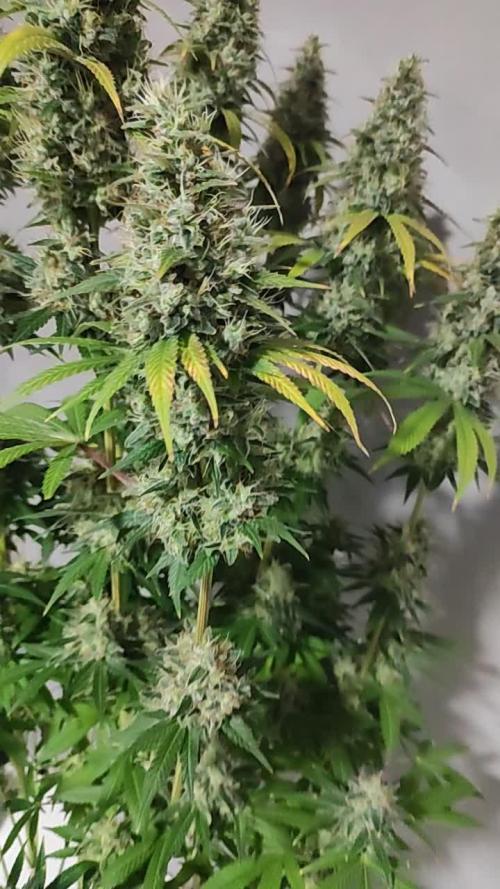
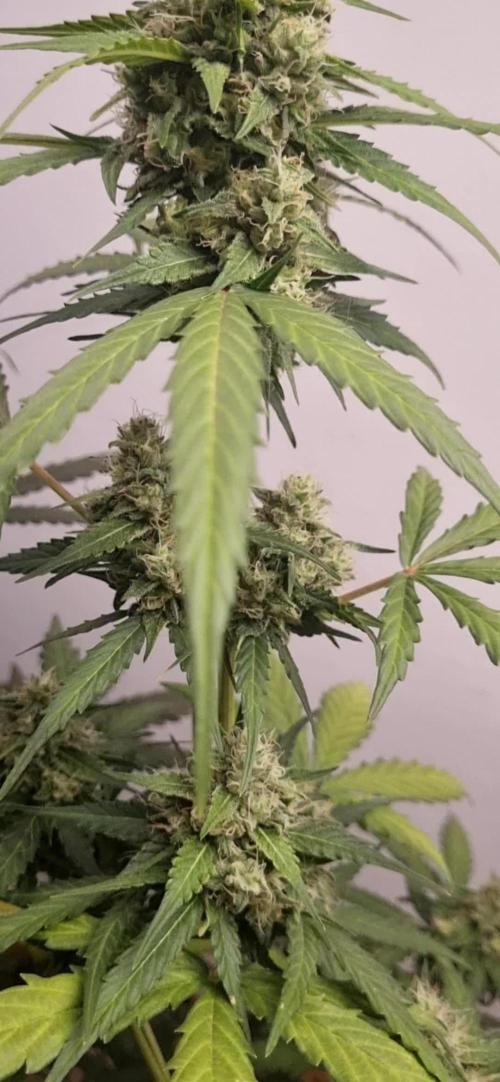
This week we should really see these colas blow up and start stacking really strong. The mixer of 7 hours of sun and 17 hours under my LEDs has really helped my girls grow strong. Nothing compares to good old Mother Nature.
Likes
38
Share
@CANNASIM
Follow
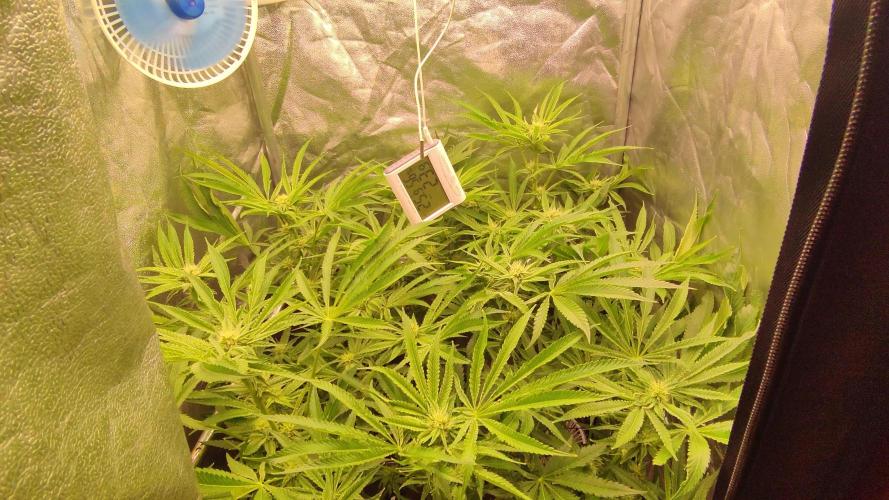
---GENERAL COMMENT--- Girls are at day 4 technically, but i like to update Sunday always, so keep that in mind, is 1/2 a week now. From germination to soil emerging took 3-4 days, no issues at all. 100% germination rate from multiple breeders till now. I will try my best to do a stress free grow again, so will grow mainly naturally. ---RQS EASY BUD--- Ironically the Easy bud is developing better and growing faster than her sister. ---DAY 10 UPDATE--- Over some days she got volume, just started to use RECHARGE, and wow, that thing works, 48H you could tell something is different, since watering with it the stem is thicker and is growing more vigorous, lets see how it will impact overall! ---DAY 14 UPDATE. WEEK 2 FINAL--- This is the last day of this week and this girl is absolutely amazing, she grew a lot, showing already the intension of shooting up more stems, i'm very happy with her, it has been a delight to grow, response in very good. Voodoo juice is of by now, will keep the recharge maintenance every other watering as i'm loving it. Feeding program will start soon!
Likes
49
Share
Hi folks :-) This week it has developed very nicely 👍 The shoots are starting to grow again, and will soon be ready to be tied down again 👍 I wish you all a nice weekend and let it grow 🍀🌱🙏🏻
Likes
12
Share
@evlvd
Follow
Trichomes beginning to fill in and more bud is forming! Got a bit of a burn going on but im trying to resolve before it gets too late. Could be from the ipm soil drench i did along with over feed. Current ph is 5.8 even tho my input is 6.5-7.0. Now i gotta raise the input until everything is flushed out then a light feed to keep up the nutrients.
Likes
4
Share
@CalGonJim
Follow
7/28 1220AM MONDAY.... Bubbles are looking ok, I need to trim them back to 4 colas, I am really stressing them with small space limitations, and temps at 80 to 81 7/29 Tuesday 5:45 AM💦💦 6:15 AM water with methylene blue two pills of nitric boost amino acid, five drops of Quick Sorb and I added bud factor X today and a quarter mL per liter of rhino silica💦💦💦. 1030 AM I don’t know what I’m gonna do. It turns out the bubbles plants are terrible. The stems are all very weak and they’re growing bushy at the top. I didn’t get them separated so all of the side branches grew up really long it’s completely useless. It is absolute this plant. It will be thrown in the garbage. Can you fucking believe I have to throw another entire plant in the fucking garbage😡😡😡😡. TREVOR plant cut down to 2 colas only, very top heavy not liking my grow space, had 2 more than I wanted so it's all fucked.... will remove shitty small colas and get maybe 2 good colas per plant, not expecting much. 1219pm....HOLY SHIT I FUCKED THESE.....TOOK OFF SOME COLAS.....NOT ENOUGH SPACE AND I PUSHED THEM TOO FAR.....I CAN FIX IT 7/30 1215am found a GREAT science link::: ""https://www.frontiersin.org/research-topics/8125/cannabis-genomics-breeding-and-production/magazine"". 345am PROLINE WILL BE HERE TODAY.ALL RESEARCH INDICATES PROLINE WILL PROTECT FROM HEAT STRESS!!!! 11:30 AM they are good again they are recovering from heavy defoliation half of the plant was taken off of one of them. I pushed it a little far but today they are recovering from heat and lack of air and lack of space the leaves are reaching up and they are not folding under heat stress. They look good today. Fast recovery heavy amino yesterday.👍👍👍👍🚨🚨🚨🚨 🚨🚨🚨🚨🚨🚨🚨🚨 GOT THE AMINOS AND HERE IS THE GROK RESULT OF MY MIX.......🚨🚨🚨🚨🚨🚨🚨🚨 The effects of applying essential amino acids (EAAs), proline, trimethylglycine (TMG), and glutamine to cannabis plants can be significant, as these compounds act as biostimulants, influencing growth, stress resilience, and secondary metabolite production. The available research, primarily from studies on amino acids in plants, including cannabis, provides insights into their roles, though specific data on this exact combination is limited. Below, I summarize the effects of each compound on cannabis plants, drawing from relevant studies, and infer potential synergistic effects based on their known roles in plant physiology. Note that TMG (betaine) has less direct research in cannabis, so some effects are extrapolated from other plants. ### 1. Essential Amino Acids (EAAs) EAAs (e.g., leucine, lysine, methionine, etc.) are critical building blocks for proteins and play roles in plant metabolism and stress response. In cannabis: - **Growth and Development**: EAAs enhance protein synthesis, supporting shoot and root growth. Foliar or soil application of EAAs (e.g., 150–300 mg/L) increases leaf chlorophyll, shoot biomass, and root development in various plants, likely applicable to cannabis.[](https://www.nature.com/articles/s41598-022-21273-6) - **Nutrient Uptake**: EAAs like methionine and lysine improve nutrient absorption (e.g., nitrogen, iron) by acting as chelators, potentially enhancing cannabis nutrient efficiency in hydroponic or soil systems.[](https://cannabisindustryinstitute.com/news/amino-acids-what-they-mean-to-your-cannabis-grow/)[](https://mycsainc.com/newsletter/en/2023/03/03/amino-acids-and-their-function-in-plants/) - **Stress Mitigation**: EAAs, particularly methionine, support antioxidant production (e.g., glutathione), reducing oxidative stress from drought, salinity, or high light, common in cannabis cultivation.[](https://www.frontiersin.org/journals/plant-science/articles/10.3389/fpls.2020.00928/full)[](https://www.ncbi.nlm.nih.gov/pmc/articles/PMC9008891/) - **Cannabinoid/Terpene Production**: Limited evidence suggests EAAs may influence secondary metabolism. For example, methionine could enhance sulfur-containing compounds, potentially affecting terpene profiles in cannabis.[](https://www.ncbi.nlm.nih.gov/pmc/articles/PMC9008891/) **Application Notes**: EAAs are often applied via foliar spray (150–300 mg/L) or soil drench. Overuse may lead to nitrogen imbalance, so moderation is key.[](https://cannabisindustryinstitute.com/news/amino-acids-what-they-mean-to-your-cannabis-grow/) ### 2. Proline Proline is a non-essential amino acid that accumulates in plants under stress and serves multiple functions: - **Stress Tolerance**: Proline acts as an osmolyte, stabilizing cell membranes and scavenging reactive oxygen species (ROS) during drought, salinity, or temperature stress. In cannabis, exogenous proline (e.g., 50–100 mM) may enhance tolerance to environmental stressors, improving resilience in outdoor or controlled environments.[](https://www.researchgate.net/publication/349966775_THE_ROLE_AND_IMPORTANCE_OF_AMINO_ACIDS_WITHIN_PLANTS_A_REVIEW)[](https://pmc.ncbi.nlm.nih.gov/articles/PMC3548871/) - **Limited Growth Effect**: Proline alone is a poor nitrogen source for growth. Studies on Arabidopsis show it has a neutral or inhibitory effect on growth when used as the sole nitrogen source, suggesting it’s better for stress response than biomass accumulation.[](https://www.frontiersin.org/journals/plant-science/articles/10.3389/fpls.2023.1281495/full) - **Cannabis-Specific**: Proline helps cannabis maintain water balance, potentially improving resistance to extreme temperatures, which is critical for outdoor grows.[](https://cannabisindustryinstitute.com/news/amino-acids-what-they-mean-to-your-cannabis-grow/) **Application Notes**: Foliar or root application (50–100 mg/L) is effective for stress mitigation. High doses may inhibit growth if not balanced with other nutrients.[](https://www.frontiersin.org/journals/plant-science/articles/10.3389/fpls.2023.1281495/full)[](https://www.researchgate.net/publication/349966775_THE_ROLE_AND_IMPORTANCE_OF_AMINO_ACIDS_WITHIN_PLANTS_A_REVIEW) ### 3. Trimethylglycine (TMG, Betaine) TMG is less studied in cannabis but known as an osmoprotectant and methyl donor in other plants: - **Stress Protection**: TMG stabilizes proteins and membranes under salinity, drought, or temperature stress, similar to proline. It may protect cannabis plants in harsh conditions, maintaining photosynthetic efficiency.[](https://www.mdpi.com/2311-7524/9/7/807) - **Methylation Support**: TMG donates methyl groups, potentially enhancing secondary metabolite synthesis (e.g., cannabinoids, terpenes), though direct evidence in cannabis is lacking. Its role in methylation could support metabolic pathways linked to EAAs and glutamine. - **Growth Effects**: Limited data suggest TMG may improve chlorophyll content and photosynthesis, indirectly supporting biomass in cannabis. **Application Notes**: TMG is typically applied at 0.5–2 g/L via foliar spray. Its effects in cannabis are inferred from other crops, so careful experimentation is needed. ### 4. Glutamine Glutamine is a conditionally essential amino acid central to nitrogen metabolism: - **Growth Promotion**: Glutamine (10–1000 mg/L) significantly enhances shoot elongation, root growth, and chlorophyll content in plants like lettuce and hibiscus, likely benefiting cannabis vegetative growth. In cannabis, it may support lush foliage and robust rooting in hydroponics.[](https://www.scielo.br/j/oh/a/GZxMgqXb9wm7bsCTv4WwPdc/?lang=en)[](https://www.degruyterbrill.com/document/doi/10.1515/opag-2019-0016/html)[](https://www.degruyterbrill.com/document/doi/10.1515/opag-2019-0016/html?lang=en) - **Nitrogen Assimilation**: As a primary nitrogen acceptor, glutamine improves nitrogen use efficiency via the glutamine synthetase/glutamate synthase cycle, enhancing nutrient uptake in cannabis.[](https://academic.oup.com/jxb/article/58/9/2339/544408)[](https://www.frontiersin.org/journals/plant-science/articles/10.3389/fpls.2019.01743/full) - **Stress Response**: Glutamine supports proline synthesis, boosting stress tolerance. It also contributes to chlorophyll and protein synthesis, improving photosynthesis and yield potential in cannabis.[](https://www.mdpi.com/2311-7524/8/12/1110)[](https://www.frontiersin.org/journals/plant-science/articles/10.3389/fpls.2019.01743/full) - **Secondary Metabolism**: Glutamine is a precursor to glutamate, which influences GABA, arginine, and proline synthesis, potentially affecting cannabinoid or terpene production indirectly.[](https://www.frontiersin.org/journals/plant-science/articles/10.3389/fpls.2019.01743/full) **Application Notes**: Foliar sprays (250–1000 mg/L) or root application twice weekly are effective. Glutamine at 250 mg/L combined with other amino acids (e.g., glycine) shows synergistic growth effects.[](https://www.degruyterbrill.com/document/doi/10.1515/opag-2019-0016/html) ### Synergistic Effects on Cannabis - **Growth and Yield**: The combination of EAAs, glutamine, and proline may enhance vegetative growth and biomass. Glutamine and EAAs drive protein synthesis and nitrogen uptake, while proline supports tissue integrity under stress. TMG likely amplifies these effects by improving cellular hydration and methylation, potentially increasing leaf area and bud quality.[](https://www.mdpi.com/2311-7524/8/12/1110)[](https://www.nature.com/articles/s41598-022-21273-6) - **Stress Resilience**: Proline and TMG act as osmoprotectants, while EAAs and glutamine bolster antioxidant systems, collectively improving cannabis resilience to drought, salinity, or temperature extremes common in cultivation.[](https://www.mdpi.com/2311-7524/9/7/807) - **Secondary Metabolites**: Glutamine and TMG may enhance cannabinoid and terpene production by supporting metabolic pathways (e.g., methylation, nitrogen metabolism). EAAs like methionine could influence sulfur-based terpenes. However, direct evidence for cannabinoid enhancement is sparse.[](https://www.ncbi.nlm.nih.gov/pmc/articles/PMC9008891/) - **Nutrient Efficiency**: Glutamine and EAAs improve nitrogen and micronutrient uptake, while TMG may enhance nutrient transport, optimizing cannabis growth in nutrient-limited systems like hydroponics.[](https://mycsainc.com/newsletter/en/2023/03/03/amino-acids-and-their-function-in-plants/) ### Potential Risks and Considerations - **Inhibition at High Doses**: High concentrations of proline or certain EAAs (e.g., lysine, valine) can inhibit growth if used as sole nitrogen sources. Balanced mixtures mitigate this, as glutamine can antagonize inhibitory effects of proline or other amino acids.[](https://www.frontiersin.org/journals/plant-science/articles/10.3389/fpls.2023.1281495/full) - **Nitrogen Overload**: Excessive EAAs or glutamine may lead to nitrogen toxicity, causing leaf burn or stunted growth in cannabis. Monitor plant response and maintain balanced nutrient solutions.[](https://cannabisindustryinstitute.com/news/amino-acids-what-they-mean-to-your-cannabis-grow/) - **TMG Metabolism**: TMG may increase trimethylamine production in the soil microbiome, potentially affecting cannabis root health if not managed. Healthy soil microflora can mitigate this.[](https://cannabisindustryinstitute.com/news/amino-acids-what-they-mean-to-your-cannabis-grow/) - **Application Timing**: Foliar sprays (150–500 mg/L for EAAs, glutamine, proline; 0.5–2 g/L for TMG) during vegetative growth or early flowering maximize benefits. Avoid overuse during late flowering to prevent nutrient imbalances affecting bud quality. ### Cannabis-Specific Insights - **Hydroponics and Soil**: In hydroponic systems, EAAs and glutamine ensure efficient nitrogen delivery, while proline and TMG support stress resistance in fluctuating pH or nutrient conditions. In soil, maintaining microflora is crucial, as it naturally supplies amino acids; supplementation should be moderate.[](https://cannabisindustryinstitute.com/news/amino-acids-what-they-mean-to-your-cannabis-grow/)[](https://www.ncbi.nlm.nih.gov/pmc/articles/PMC9008891/) - **Cultivar Variability**: Cannabis cultivars differ in nutrient demands and stress responses. Sativa-dominant strains may benefit more from proline and TMG for stress tolerance, while indica strains may respond better to EAAs and glutamine for dense bud growth. Testing is needed. - **Secondary Metabolites**: While amino acids influence secondary metabolism, direct effects on THC or CBD levels are unconfirmed. Glutamine and TMG may indirectly enhance terpene diversity via improved photosynthesis and methylation.[](https://www.ncbi.nlm.nih.gov/pmc/articles/PMC9008891/) ### Practical Recommendations "🚨🚨🚨🚨"🚨🚨🚨🚨"🚨🚨🚨🚨 - **Dosing**: Apply EAAs (150–300 mg/L), glutamine (250–500 mg/L), proline (50–100 mg/L), and TMG (0.5–1 g/L) via foliar spray or root drench twice weekly during vegetative growth and early flowering. - **Combination**: Use a balanced mix (e.g., 250 mg/L EAAs + 250 mg/L glutamine + 50 mg/L proline + 500 mg/L TMG) to avoid inhibition. Test on a small batch first.[](https://www.frontiersin.org/journals/plant-science/articles/10.3389/fpls.2023.1281495/full) - **Monitoring**: Check for signs of nitrogen toxicity (dark green leaves, clawing) or stress relief (improved vigor, greener leaves). Adjust doses based on plant response. "🚨🚨🚨🚨"🚨🚨🚨🚨"🚨🚨🚨🚨. - **Synergy with Nutrients**: Pair with balanced NPK fertilizers and micronutrients (e.g., iron, calcium) to enhance uptake.[](https://www.degruyterbrill.com/document/doi/10.1515/opag-2019-0016/html) - **Cultivation Context**: In hydroponics, use lower doses to avoid nutrient lockout. In soil, ensure healthy microbial activity to complement amino acid supplementation.[](https://cannabisindustryinstitute.com/news/amino-acids-what-they-mean-to-your-cannabis-grow/) ### Evidence Gaps - **Specific Combination**: No studies directly address EAAs, proline, TMG, and glutamine together in cannabis. Effects are inferred from individual amino acid studies and general plant research. - **Cannabinoid Impact**: Limited data on how these compounds affect THC/CBD levels. More research is needed on secondary metabolite pathways.[](https://www.ncbi.nlm.nih.gov/pmc/articles/PMC9008891/) - **TMG in Cannabis**: TMG’s effects are extrapolated from other crops. Cannabis-specific trials are needed to confirm benefits. ### Conclusion Applying EAAs, proline, TMG, and glutamine to cannabis plants can enhance growth, stress tolerance, and nutrient uptake, with potential benefits for yield and secondary metabolite production. EAAs and glutamine drive biomass and nitrogen efficiency, proline and TMG bolster stress resilience, and their combination may optimize cannabis health in challenging environments. However, careful dosing and monitoring are crucial to avoid inhibition or toxicity. For best results, test small-scale applications and consult with a horticulturist familiar with cannabis cultivation. If you want more details on application methods, specific cultivars, or further searches for cannabis-related studies, let me know!""🚨🚨🚨🚨 🚨🚨 7/31 125am!!!!! Adding L-glycine to the combination of essential amino acids (EAAs), proline, trimethylglycine (TMG), and glutamine can further influence the effects on cannabis plants, as glycine is a non-essential amino acid with unique roles in plant physiology. Below, I outline the potential effects of L-glycine alone and in combination with the previously mentioned compounds, focusing on their impact on cannabis growth, stress response, and secondary metabolite production. Since specific studies on this exact combination in cannabis are lacking, I’ll integrate findings from plant science and infer synergistic effects based on known mechanisms. I’ll keep it concise and tailored to cannabis cultivation. ### Effects of L-Glycine on Cannabis Plants L-Glycine is a simple amino acid involved in protein synthesis, stress response, and metabolic pathways: - **Growth Promotion**: Glycine (50–500 mg/L) enhances shoot elongation, root growth, and chlorophyll content in plants like lettuce and rice, likely benefiting cannabis vegetative growth. It serves as a nitrogen source and supports protein synthesis, complementing EAAs and glutamine. - **Stress Tolerance**: Glycine acts as a precursor to glutathione, a key antioxidant, reducing oxidative stress from drought, salinity, or high light. In cannabis, it may improve resilience in challenging environments (e.g., outdoor grows or high-intensity indoor setups). - **Secondary Metabolism**: Glycine is a precursor to purines and chlorophyll, potentially enhancing photosynthesis and energy metabolism. It may indirectly influence cannabinoid and terpene production by supporting metabolic pathways, though direct evidence in cannabis is limited. - **Nutrient Uptake**: Glycine chelates micronutrients (e.g., iron, zinc), improving their availability, which is critical for cannabis in hydroponic or nutrient-poor soil systems. **Application Notes**: Foliar sprays or root drenches (100–500 mg/L) are effective, often applied twice weekly during vegetative growth or early flowering. ### Synergistic Effects with EAAs, Proline, TMG, and Glutamine Adding L-glycine to the mix may enhance the effects on cannabis plants in the following ways: 1. **Enhanced Growth and Biomass**: - **Glycine + EAAs/Glutamine**: Glycine complements EAAs and glutamine in protein synthesis and nitrogen metabolism. Studies show glycine (250 mg/L) combined with glutamine enhances shoot and root growth in plants, likely amplifying cannabis vegetative vigor and bud development. - **Synergy**: Glycine’s role in chlorophyll synthesis boosts photosynthesis, supporting the energy demands of EAA-driven protein synthesis and glutamine’s nitrogen assimilation, potentially increasing leaf area and yield. 2. **Improved Stress Resilience**: - **Glycine + Proline/TMG**: Glycine and proline both contribute to glutathione production, enhancing antioxidant defenses. TMG’s osmoprotectant properties further stabilize cells under stress. Together, they may improve cannabis tolerance to drought, heat, or salinity, maintaining growth in adverse conditions. - **Cannabis-Specific**: This combination could be particularly beneficial for outdoor cannabis or indoor setups with inconsistent temperature/humidity, reducing leaf wilting or nutrient stress. 3. **Secondary Metabolite Production**: - **Glycine + Glutamine/TMG**: Glycine and glutamine are precursors to metabolic pathways (e.g., GABA, purines) that may influence cannabinoid and terpene synthesis. TMG’s methyl donation could enhance these pathways by supporting enzyme activity. While direct evidence is sparse, this stack may increase terpene diversity or cannabinoid yield in cannabis buds. - **EAAs Contribution**: Methionine (an EAA) and glycine may support sulfur-containing compounds, potentially enriching terpene profiles. 4. **Nutrient Efficiency**: - **Glycine + EAAs/Glutamine**: Glycine’s chelating properties enhance micronutrient uptake, complementing EAAs and glutamine’s role in nitrogen assimilation. This could optimize nutrient use in hydroponic cannabis systems, reducing nutrient lockout. - **TMG Synergy**: TMG’s role in cellular hydration may improve nutrient transport, amplifying glycine’s effects on micronutrient availability. ### Potential Risks and Considerations - **Inhibition at High Doses**: High glycine doses (1000 mg/L) may inhibit growth by disrupting nitrogen balance, especially if combined with EAAs or glutamine. Studies on Arabidopsis show glycine can be toxic as a sole nitrogen source, so balanced mixtures are crucial. - **Nitrogen Overload**: Adding glycine to EAAs and glutamine increases nitrogen input, risking toxicity (e.g., leaf burn, stunted growth) in cannabis. Monitor for dark green leaves or clawing and adjust doses. - **Competition for Absorption**: Glycine, EAAs, and glutamine may compete for root or foliar uptake, reducing efficacy. Split applications (e.g., glycine in the morning, EAAs/glutamine post-light cycle) can help. - **TMG Interaction**: Glycine and TMG both influence methylation pathways, but excessive methyl donors could disrupt metabolic balance in sensitive plants. Stick to moderate doses (e.g., 100–500 mg/L glycine, 0.5–1 g/L TMG). - **Cultivar Variability**: Cannabis strains (e.g., sativa vs. indica) differ in nutrient and stress responses. Glycine’s benefits may be more pronounced in stress-prone sativas or nutrient-sensitive hybrids. ### Practical Recommendations - **Dosing**: Combine glycine (100–500 mg/L), EAAs (150–300 mg/L), glutamine (250–500 mg/L), proline (50–100 mg/L), and TMG (0.5–1 g/L) in a balanced foliar spray or root drench. Apply twice weekly during vegetative growth and early flowering. - **Application**: Use foliar sprays for rapid uptake during vegetative stages or stress events. Root drenches suit hydroponic systems. Test on a small batch to assess plant response. - **Monitoring**: Watch for nitrogen toxicity (dark, curled leaves) or stress relief (greener, more vigorous plants). Adjust concentrations based on cultivar and growth stage. - **Synergy with Nutrients**: Pair with balanced NPK fertilizers and micronutrients (e.g., iron, calcium) to maximize glycine’s chelating benefits. Ensure adequate magnesium for chlorophyll synthesis. - **Cultivation Context**: In hydroponics, use lower doses to avoid nutrient imbalances. In soil, maintain healthy microbial activity, as microbes naturally produce glycine and other amino acids. ### Evidence Gaps - **Specific Combination**: No studies address glycine combined with EAAs, proline, TMG, and glutamine in cannabis. Effects are inferred from individual amino acid studies and general plant research. - **Cannabinoid/Terpene Impact**: While glycine may support secondary metabolism, direct effects on THC/CBD or terpene levels are unconfirmed. Cannabis-specific trials are needed. - **TMG and Glycine**: Their combined effects on methylation in cannabis are speculative, as most TMG research focuses on other crops. ### Conclusion Adding L-glycine to EAAs, proline, TMG, and glutamine likely enhances cannabis growth, stress tolerance, and nutrient efficiency by supporting protein synthesis, antioxidant production, and micronutrient uptake. The combination may improve vegetative vigor, bud quality, and resilience to environmental stressors, with potential (but unconfirmed) benefits for cannabinoid and terpene production. Careful dosing and monitoring are essential to avoid nitrogen toxicity or absorption competition. Start with low doses, test on a small scale, and consult a cannabis cultivation expert for tailored advice. If you want me to search for more studies, focus on a specific aspect (e.g., glycine’s role in terpene synthesis), or provide application protocols for a particular cannabis strain, let me know!"""
Likes
4
Share
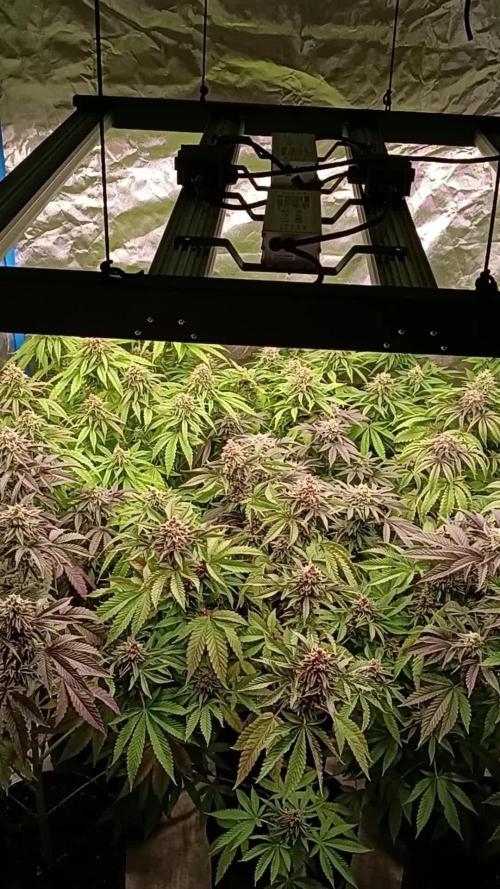
6/24/25 this genetic stanks of rotten fruit. like a spicy over ripe fruit. it smells really good and the purpling is starting to come through in under parts of the
Likes
31
Share
@Endriu
Follow
Hi Bros&Sis! I've been a little bit lazy, indeed, but there's a lot of works to do here, on my girls and as a father of a big family. Enjoy the videos, I decide to put a single short for every strain, to see the beauty in full screen :D
Likes
6
Share
Hallo zusammen 🤙. Sie wächst sehr schön und macht keine Umstände. Bis jetzt nur Wasser gegeben.
Likes
11
Share
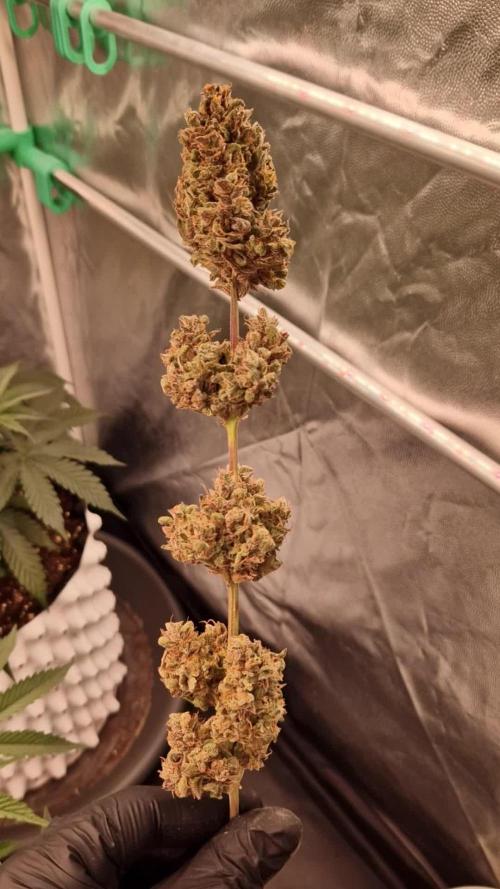
Down to the final week or two. Can't wait to flush and harvest
Likes
42
Share
Likes
3
Share
Welcome to Flower Week 9-10 of Divine Seeds Auto Black Opium I'm excited to share my grow journey with you all as part of the Divine Seeds Autoflowering Competition 2025. It's going to be an incredible ride, full of learning, growing, and connecting with fellow growers from all around the world! For this competition, I’ve chosen the Feminized Automatic strain: Auto Black Opium Here’s what I’m working with: • 🌱 Tent: 120x60x80 • 🧑‍🌾 Breeder Company: Divine Seeds • 💧 Humidity Range: 50 • ⏳ Flowering Time: 60-63 Days • Strain Info: 25%THC • 🌡️ Temperature: 26 • 🍵 Pot Size: 3 • Nutrient Brand: Narcos • ⚡ Lights : 200W x 2 A huge thank you to Divine Seeds for allowing me to be a part of this amazing competition and Sponsoring the Strains. Big thanks for supporting the grower community worldwide! Your genetics and passion speak for themselves! I would truly appreciate every bit of feedback, help, questions, or discussions – and of course, your likes and interactions mean the world to me as I try to stand out in this exciting competition! Let’s grow together – and don’t forget to stop by again to see the latest updates! Happy growing! Stay lifted and stay curious! Peace & Buds!
Likes
43
Share
Anfang der woche wurden die Babys mit 10 Liter Wasser ohne Dünger gegossen der PH betrug 6,5 und sie haben direkt angefangen zu mängeln ! habe draufhin mit der vollen Dosis Hesi Chema gedüngt und sie haben sich rasch erholt ! heute (Samstag) habe ich das Licht auf 12/12 umgestellt mal sehen wie sie sich in der Vorblüte machen :) ich jedenfalls bin gespannt und wirklich Stolz dass ich wieder mein ganzes ScrOGnetz mit Trieben füllen konnte.
Processing
Likes
10
Share
Likes
34
Share
@Tower84
Follow
🇩🇪 Cherry Limeade – Doja Diese Woche hat sich meine Cherry Limeade von Doja hervorragend entwickelt 🌱. Die Pflanze wächst kräftig, wirkt ausgesprochen vital und entwickelt langsam genau die Struktur, die ich mir vorgestellt habe 💚. An den Parametern habe ich im Vergleich zur letzten Woche bewusst nichts verändert. Stattdessen lag der Fokus ausschließlich auf dem Training. Mit einem SCROG-Netz und zusätzlichen Drahtankern habe ich die Triebe kontinuierlich nach unten gebunden, damit sich ein möglichst gleichmäßiges Blätterdach entwickeln kann 🌿. Jeden Tag waren nur kleine Korrekturen nötig, aber genau diese Konstanz macht am Ende den Unterschied. Die Lichtintensität habe ich mit etwa 430 PPFD (DLI 28) bewusst moderat gehalten ☀️. Irgendwie hatte ich das Gefühl, dass bei den sommerlichen Temperaturen mehr Licht eher kontraproduktiv gewesen wäre. In der Vergangenheit habe ich gelernt, dass manchmal weniger tatsächlich mehr ist – und bisher scheint die Pflanze mir recht zu geben 😊. Da ich im Oktober im Urlaub bin, schicke ich die Cherry Limeade heute bereits in die Blüte 🌸. Dafür habe ich den Lichtzyklus auf 12/12 umgestellt. Gleichzeitig läuft die SANlight jetzt auf Stufe 4, morgen folgt Stufe 5, damit der DLI trotz der kürzeren Beleuchtungszeit zunächst wieder bei etwa 25 liegt. Anschließend werde ich die Lichtleistung nach meinem Schema von Woche zu Woche langsam steigern 📈. Letzte Woche war ich vier Tage beruflich unterwegs. Das Blumat-System hat dabei wieder einmal gezeigt, warum ich es so schätze 💧. Es hat die Bodenfeuchtigkeit völlig selbstständig bei durchschnittlich 90 mbar gehalten, sodass ich mich um nichts kümmern musste. Ab nächster Woche werde ich die Saugspannung auf etwa 120 mbar erhöhen und das Living Soil während der Blüte etwas trockener fahren. Heute bekommt das Beet außerdem noch eine weitere Gabe SF-Nematoden. Mein Ziel ist es, die Trauermücken spätestens zu Beginn der Blüte nahezu vollständig ausgerottet zu haben. Insgesamt bin ich mit der Entwicklung im Moment wirklich sehr zufrieden und freue mich darauf zu sehen, wie sie sich während des Stretchs entwickelt 🚀. 📊 Aktuelle Parameter: 💡 Licht: 430 PPFD / DLI 28 (18/6, Stufe 3, 40 cm Abstand) 🌡️ Temperatur: 27 °C 💧 Luftfeuchtigkeit: 72 % 📈 VPD: 1,0 kPa 🌿 CO₂: Ø 670 ppm 💦 Bodenfeuchtigkeit: 90 mbar 🇬🇧 Cherry Limeade – Doja This week my Cherry Limeade by Doja has developed beautifully 🌱. She is growing vigorously, looks extremely healthy, and is gradually forming exactly the plant structure I was aiming for 💚. I intentionally kept all environmental parameters unchanged compared to last week. Instead, my focus was entirely on training. Using a SCROG net and additional wire anchors, I continued pulling the branches down to create a flat and even canopy 🌿. Only small daily adjustments were necessary, but consistency is what makes the difference in the long run. I also kept the light intensity fairly moderate at around 430 PPFD (DLI 28) ☀️. Somehow I had the feeling that, with the current summer temperatures, increasing the light wouldn’t necessarily benefit the plant. Experience has taught me that sometimes less is more—and so far, she seems to agree 😊. Because I’ll be on vacation in October, I’ve decided to send her into flower today 🌸. I switched the light schedule to 12/12, increased the SANlight to Level 4, and tomorrow I’ll move it up to Level 5 so the DLI starts at around 25 despite receiving only 12 hours of light. From there, I’ll gradually increase the light intensity week by week according to my usual schedule 📈. Last week I was away on a four-day business trip, and once again the Blumat system proved why I trust it so much 💧. It maintained an average soil suction tension of around 90 mbar completely on its own, so I didn’t have to worry at all. Starting next week, I’ll increase the target to around 120 mbar, allowing the Living Soil to run slightly drier throughout flowering. Today the bed will also receive another application of SF nematodes. My goal is to have the fungus gnat population almost completely eliminated before flowering really gets underway. Overall, I’m extremely happy with the current progress and can’t wait to watch her stretch over the next few weeks 🚀. 📊 Current Parameters: 💡 Light: 430 PPFD / DLI 28 (18/6, Level 3, 40 cm distance) 🌡️ Temperature: 27 °C 💧 Humidity: 72 % 📈 VPD: 1.0 kPa 🌿 CO₂: Avg. 670 ppm 💦 Soil moisture: 90 mbar