


Likes
Comments
Share


@IslandTerps
Follow
Strain: Fast Buds – Mendo Frost Auto (5 Plants)
Grow Type: Indoor
Pot Size: 3–5 Gallon Pots
Medium: Peat Moss & Perlite
Nutrient Line: Athena
Week 10 Update
These Mendo Frost girls have absolutely blown me away 🤩🔥. They have exceeded my expectations in so many ways, and I'm genuinely impressed with how they're finishing up.
I was able to get some amazing photos of two of the plants before disaster struck... my son decided my camera belonged on the floor 😅📸. After that I had to switch over to my phone to finish taking the rest of the photos, but at least I managed to capture the stars of the show beforehand!
Those same two plants are just about ready and will be getting the chop very soon, while the remaining three still need about another two weeks to finish ripening.
I'm absolutely in love with Mendo Frost. The terpene profile is incredible, the buds have an amazing structure, and everything about this strain just screams champion. It's one of those strains that keeps impressing you more every week.
I also have to give credit where it's due Athena PK has done an outstanding job. This was my first proper run using it, and the difference in how these buds have bulked up has definitely made me a believer. It'll absolutely become part of my feeding program going forward.
I'm really excited to see how the last few plants finish over the next couple of weeks. If they're anything like the first two, this is going to be one unforgettable harvest 🌿🏆🔥
Feeding
Volume: 1750ml per plant
Athena Bloom: 45ml/gal
Athena Core: 25ml/gal
Athena PK: Low dosage
pH: 6.2
PPM: ~900–1000 ppm
Frequency: As needed
Indoor Climate Conditions (Late Flower)
🌡️ Temperature: 20–25°C
💧 Humidity: 45–50%
📈 VPD: 1.3–1.5 kPa
And don’t forget to use my discount code ISLANDT for 15% off your next order at Fast Buds 🌿🔥

Likes
12
Share


@GREENPHOENIX6262
Follow
*Early Flower 09/10*
(2) Fastbuds - Mimosa Cake Auto
Aggressive LST was applied for even light coverage.
Smaller-Lagging budsites and bigger fan leaves under net have been removed.
Slight increase in nutrient feeds, thus far 0 signals of deficiencies.
*Mid week update - 09/13*
Both plants have grown approximately 6 inches in height
Early flowering continuing to progress accordingly
Half a gallon increase in water feed (Nutes included)
*End of week recap 09/16*
Mimosa Cake (Auto) - Both in week flowering accordingly
Small increase on nute feeds - Moderate increase in filtered plain water feed (1.5 gallons )
*SEE END OF WEEK RECAP VIDEO*
Processing
Likes
13
Share


@Livinit2019
Follow
Both plant 1 and 2 are looking a lot healthier. Started LST with both the autos and it seems to be working well so far. The bigger one has a very strong main stem and is flourishing. The smaller one that I thought I was gonna lose is bouncing back, though at a pretty slow rate. I'll be lucky to get a quarter off that one.
I also had a bag seed that I planted before these guys - didn't seem like she was gonna make it, but after I transplanted her to s 5gal pot, she became the healthiest of the bunch. No idea what stain she is, but I don't think she's auto. Works for me -- I'll keep vegging her at least until I harvest the two NLAs and let her grow big and tall :)
Let me know your thoughts in the comments below!


Likes
17
Share


@Troy_Farms
Follow
Just started showing pistils. Moved male Durban Poison out of grow tent so the three remaining girls have more space to flower up. Stretching nice for flowers, 😎 Looking great. 💪
Likes
1
Share


@Ultraviolet_
Follow
Turned off IR @ nights
Red wigglers (Eisenia fetida) are highly beneficial. They are considered an ideal choice for "no-till" or container-based organic growing because they live in the upper layers of soil, feeding on organic mulch rather than the plant's root system. Red wigglers accelerate the breakdown of organic amendments and produce high-quality, nutrient-dense worm castings directly in the root zone. Clover is another exceptional component of an organic rhizosphere, offering a sustainable, self-sustaining alternative to synthetic nitrogen fertilizers produced via the energy-intensive Haber-Bosch process. By forming a symbiotic relationship with Rhizobia bacteria, clover converts atmospheric nitrogen N2 into ammonium NH4, providing a steady, slow-release nutrient source that enhances soil health and reduces environmental impacts. Red clover offers superior nitrogen fixation and biomass production compared to white or yellow clover, making it the premier choice for maximum soil vitality, particularly for improving soil structure and providing a high-volume nitrogen credit for subsequent crops.
If it is fully functional and efficient soil, the rhizophagy cycle is far superior long-term than any synthetic delivery when it comes to preventing deficiencies, not because it's "better," per se. The medium will require a very high CEC to make it to harvest without re-fertilization. The rhizosphere acts as a dynamic, interactive exchange where plants and soil microbes trade resources based on immediate needs. When a plant lacks a specific nutrient, it changes its physiology and releases specialized chemical cocktails—root exudates—into the surrounding soil. These exudates, which include sugars, amino acids, and organic acids, serve as a "shopping list" to attract specific microorganisms, which in turn return higher levels of desired nutrients. There is nothing in comparison to synthetic delivery, which causes plants to stop producing exudates, effectively "starving" the beneficial soil life, over time turning the soil barren and void of microbial life. Responsible use, applying the right amount at the right time, can minimize these negative effects. Relying solely on synthetic fertilizers without replenishing organic matter is what typically leads to exhausted soil. The use of synthetic fertilizers can utilize the Cation Exchange Capacity (CEC) of the soil, but without a robust rhizosphere and active microorganisms, the efficiency of this process is significantly reduced. This makes synthetic growing more difficult to prevent deficiencies overall compared to an efficient organic living soil with a robust rhizophagy cycle, as there is no "one size, fits all" when it comes to different nutrient profiles of strains/genetics, making it trickier to "guess" and prevent creeping deficiencies.
CEC does not contribute towards EC. Add more CEC using biochar, problem solved. If you keep pH between 6.3 and 6.7, hydrogen is exudated to cycle the medium's CEC for its needs. Keeping the pH between 6.3 and 6.7 creates an environment where plants release H+ to displace positively charged nutrients (like Ca2+, Mg2+, K+ held on soil particles or within artificial media this cycle through nutrients via the medium's Cation Exchange Capacity (CEC)
Microorganisms generate a stable potential of approximately 0.5 V EC. The rhizosphere creates its own food, similarly to chelation, using 1000's of varying combinations to create its own food.
Start to finish, just add water. Eventually, more materials will need to be added at the beginning of each new grow, but very attainable to go from seed to harvest without ever fertilizing, regenerative cultivation.
ATP is king above all else when it comes to biomass accumulation. Cellular root respiration and cellular respiration are essentially the same biological process, the breakdown of glucose to create usable energy (ATP) in the presence of oxygen, just taking place in different parts of the plant. Synthetic (salt-based) grows have significantly lower levels of total rhizosphere respiration, often referred to as root-zone activity, compared to organic living soil grows. While the plant roots themselves may respire in both systems, the surrounding soil ecosystem in a living soil setup is vastly more active, teeming with bacteria, fungi, and beneficial microorganisms.
2 pools of ATP, it won't double in growth buuuut, but improving root respiration by ensuring high oxygen in the soil is crucial. Good aeration ensures roots can fully utilize glucose to generate the ATP necessary for nutrient uptake, leading to healthier and more productive plants, even if growth isn't exactly doubled. The ATP created using root respiration is dedicated to rootzone growth; the ATP created using regular cellular respiration in a synthetic system would have to dedicate a lot of ATP to the roots when there is little or no root respiration. It's true that there is less of an initial ATP cost in breakdown when nutrients are already in their final form (synthetic), but you lose a solid chunk of ATP when the entire plant is reliant on cellular respiration alone; a large portion of ATP is dedicated to root zones for "forced" (active) nutrient uptake. Making it overall less efficient, even if the initial cost of breakdown is higher. If that makes sense. Oxygen is of critical importance when growing in living soil compared to synthetic methods because it supports the metabolic needs of the microbial, fungal, and insect ecosystem, rather than just the root respiration required by the plant itself. While synthetic grows can survive in lower-oxygen environments with precise mineral feeding, living soil systems rely on aerobic microbes to decompose organic matter (microbial mineralization) to create plant-available nutrients, which is an oxygen-intensive process. While a specific fair percentage is difficult to guess, my experience points to a massive, compound difference between the two methods and the amount of oxygen required. All the ATP spared is used on more biomass, not only that, but the extra root respiration can achieve a much higher CO2 compensation point naturally than you could with synthetic and atmospheric CO2 alone.
As a plant grows faster and increases in size, its demand for nutrients to support that growth increases, requiring a higher rate of nutrient uptake. As plants enter phases of rapid vegetative/floral growth, their metabolic demand for nutrients increases exponentially. Without a robust buffer zone—whether in the soil (cation exchange capacity) or in a hydroponic reservoir—deficiencies will occur rapidly because the instantaneous demand for specific nutrients can quickly exceed the rate of supply.
A growing body of evidence suggests that organic living soil provides superior long-term soil health and environmental benefits compared to synthetic fertilizers, which are often criticized for promoting a cycle of dependency and degradation. While synthetic fertilizers offer short-term convenience and high yields, they often come at the expense of long-term soil health, sustainability, and increased corporate control over growers/ farmers. Organic living soil, while slower and requiring more care to establish, creates a sustainable, resilient, and, ultimately, more fertile environment.
We don't grow; we facilitate energy conversions.
Once all water is removed, approximately 95% to 97% of a plant’s dry matter consists of carbon, oxygen, and hydrogen. These three elements form the structural backbone of all plants. Corporate interest sells you the other 3-5% NPK & all the rest in RATIOS! Why not throw the 3-5% in a pot, and focus your energy on the other 95-97%?
Indigenous Amazonians created, or at least significantly enhanced, the fertile, dark soil known as Terra Preta de Índio (Portuguese for "Indian Black Earth") by incorporating biochar and other organic materials into the soil. This anthropogenic (human-made) soil technique, which dates back roughly 2,500 to 8,000 years, allowed ancient civilizations to flourish in regions with naturally poor, acidic, and nutrient-poor tropical soils.

Likes
10
Share


@StickyFingah420
Follow
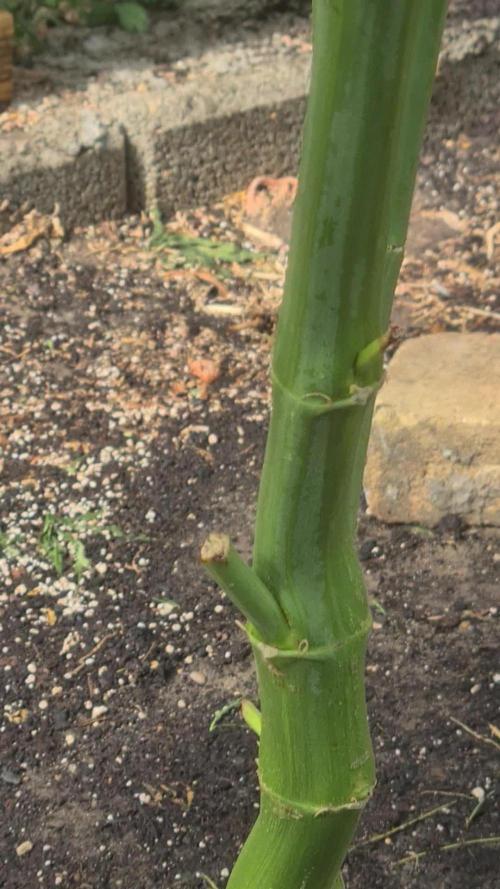
Día 81 y no puedo estar más ansioso porque ya ha llegado el tan anhelado día de la cosecha 🤩, esta hermosa planta excelente un aroma dulce, cremoso y un poco ácido como frutillas.
Luego de la sesión de fotos se cortará por ramas y será colgada en la tienda de cultivo con ambiente controlado.
Volveré en unos días luego del secado para dar una reseña sobre el sabor y aroma de esta belleza.
Como siempre agradecer a FastBuds por tan buenas semillas.
BUENOS HUMOS 👽


Likes
67
Share


@Only4passion
Follow
Smells amazing 🤩 i havent trimm yet just take the big leaves with no trichromes on it as usual drying on custom 📦 box 👌💪💪💪💚💨💨💨


Likes
12
Share


@CanarianGrow92
Follow
The 21st of july we germinated this fantastic banana purple punch from fastbuds
The 22nd of july we placed the seed in a peat pellet
The 23rd of July the first 2 leaves appeared so we can say that its the first day of life!
We will now start the week 1 of this diary 😁
Likes
134
Share


@DogDoctorOfficial
Follow
OMG OMG OMG finding hard to put on words all i am felling with this one, she was a delight to grow and without trying yet her medicine she wen strait to my top 3, i mean super strong Mama, strong to everything pests you name it, amazing structure her terpene profile is taking me back to the 90s with her almost like gasoline smell mixed with limes and pines OMG cant wait to try out this one much but much respect to DutchPassion on this creation of them she is so so so , like glue that you cant touch without getting it everywhere <3 <3 haded the last 3 weeks and harvest time-lapse i fell like this one could have gone more than the 71 days in flower that she did, but there is no time for that in this run but i will run her again thats for sure and a must for me.
Guys trust me on this one , she is a must , a real must in any garden <3 <3 <3
Thank you so much Dutch Passion for this blessing of an opportunity and for everything you guys do for the community much respect and appreciation <3<3<3
Everyone best of luck for the contest this was an amazing and fun one <3 <3 <3
As always thank you all for stoping by for the love and for it all, i truly appreciate and enjoy the ride so much more with you guys around <3 <3 <3 you guys make me fell super blessed <3 <3 <3
#aptus #aptusplanttech #aptusgang #aptusfamily #aptustrueplantscience #inbalancewithnature #trueplantscience #growerslove #dogdoctoofficial
With true love comes happiness <3 <3 <3 Always believe in your self and always do things expecting nothing in return and with an open heart , be a giver and the universe will give back to you in ways you could not even imagine so <3 <3 <3
More info and updates @
https://growdiaries.com/grower/dogdoctor
https://instagram.com/dogdoctorofficial
https://youtube.com/channel/UCR7ta4DKLFMg2xxTMr2cpIg
<3 <3 <3 Growers love to you all <3 <3 <3
I will post more photos from her dry trimmed bud report smoke etc asap <3 <3 <3 and need to clean space on my iPad so that i can upload the rest of them photos and videos , my apologies <3 <3
Done hehehe waiting on this beauties to dry now <3 <3 <3
Likes
5
Share

@Skipi007
Follow
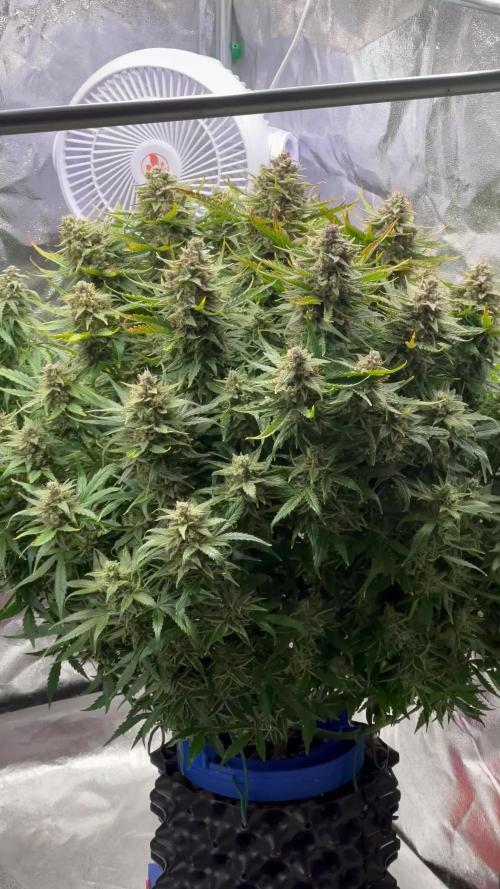
Hi, here is another week and the flowers are gaining volume nicely, for flower no. 2 I am not sure if I should feed for another week or if I should start the 14-day flush, flower no. 1 is about two weeks behind so I will fertilize everything this week, another week or two just Dragon force and then flush. Would you start flushing flower 2 already? I don't want to create another question. The trichomes are milky so far, no amber yet but the buds are overall with a brown tint so I think they will start to turn amber soon.


Likes
14
Share


@playerkiller69
Follow
Allot has been done since the seedling stage 2 week and half so far in veg done top them and lst train them hope you like the info


Likes
9
Share


@xAK47FULLx
Follow
Yesterday some recharge because she was dry, today some calmag and some gaiagreen bloom

Likes
8
Share


@4F1M6
Follow
Pollen was dropping like crazy as the male flowers got ripe and ready. The females got good and coated and fully pollinated. I harvested the males to collect and preserve the pollen. Some dried and I veiled it up. But the bulk majority is still drying up.
I left just the bottom portion of the male kicking for some extra pollen well the females throw off. The diary will now begin to focus on the pollinated females. The journey to beans is well under way! Until next update. Happy growing and stay lit fam.

Likes
4
Share


Likes
12
Share


@Pinhead9169
Follow
This is week 3 with the addition of a purple kush auto (middle) I'm amazed at how well they are doing outside 😊
Likes
7
Share

@Lapaluma420ohe
Follow
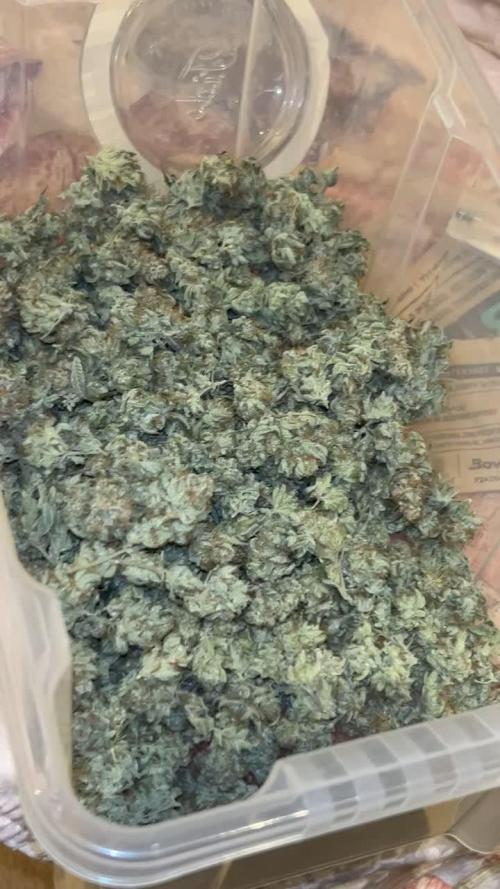
Die 4 Pflanzen haben insgesamt 160g abgeworfen. Es gab 3 unterschiedliche phenotypen und bis auf eine Pflanze haben alle schöne dichte Blüten. Geschmacklich sind sie alle sehr süß und fruchtig. Angenehmer Rauch und von der Wirkung her nicht zu stark und nicht zu schwach.

Processing
Likes
22
Share


@Sativagrad
Follow
There was a trouble, in the room where they cultivated they turned off the light, I had to transfer it to the street, since everything is in bloom, during the day the temperature is 20 degrees, at night 10, but they bloom and grow well, now I make a greenhouse and tighten the film