




Likes
2
Share


@KEVS_BEST
Follow
Woche 6 - Übergang zur Blütephase und erste Herausforderungen
Die sechste Woche markierte den Übergang von der Vegetations- in die Blütephase. Bis zum Wochenende wurde weiterhin der Terra Vega Dünger verwendet, mit einem Verhältnis von 30 ml pro 10 Liter Wasser. Am Samstag, dem ersten Tag der Blütephase, wurde jedoch deutlich, dass ein Wechsel auf den Blütedünger nötig war. Leider führte die verspätete Umstellung auf die Canna Terra Bloom Linie zu einem leichten Nährstoffmangel, der sich in den ersten Tagen der Blüte zeigte. Anfang der ersten vollen Blütewoche wurde dies korrigiert, indem vollständig auf Canna Bloom umgestellt wurde.
Die pH- und EC-Werte blieben stabil und optimal eingestellt. Die Temperaturen stiegen minimal an, blieben jedoch bei angenehmen 26 Grad. Mit Beginn der Blütephase startete der sogenannte Stretch, und die Pflanzen legten beeindruckende 2,5 cm pro Tag zu.
Während dieser Woche wurden die ersten unteren Blätter entfernt – ein leichtes Lollipopping, um die Energie auf die oberen Bereiche zu konzentrieren. Die entfernten Blätter wurden getrocknet und sogar laminiert, um den Fortschritt dieses besonderen Grows festzuhalten. Es wurden ebenfalls einige kleinere Zweige und Blätter im unteren Bereich entfernt, um die Belüftung zu verbessern. Das eigentliche, umfassendere Lollipopping wird jedoch erst in zwei bis drei Wochen erfolgen.
Trotz des anfänglichen Mangels aufgrund der zu späten Umstellung des Düngers blieben die Pflanzen insgesamt kräftig, gesund und wuchsen konstant weiter. Der Übergang in die Blütephase verlief somit erfolgreich, und die Pflanzen zeigten weiterhin ihr beeindruckendes Potenzial.
ENGLISH
Week 6 - Transition to Flowering and Initial Challenges
The sixth week marked the transition from the vegetative to the flowering phase. Until the weekend, the Terra Vega fertilizer was still used at a ratio of 30 ml per 10 liters of water. On Saturday, the first day of flowering, it became clear that switching to the flowering fertilizer was necessary. Unfortunately, the late transition to the Canna Terra Bloom line caused a slight nutrient deficiency that appeared in the first few days of flowering. This was corrected at the beginning of the first full flowering week by fully switching to Canna Bloom.
The pH and EC levels remained stable and optimally adjusted. Temperatures increased slightly but stayed at a comfortable 26 degrees. With the start of the flowering phase, the stretch began, with the plants growing an impressive 2.5 cm per day.
During this week, the first lower leaves were removed—a light lollipopping to focus the energy on the upper parts. The removed leaves were dried and even laminated to document the progress of this unique grow. Some smaller branches and leaves were also removed from the lower areas to improve ventilation. However, the main lollipopping will take place in about two to three weeks.
Despite the initial deficiency due to the late fertilizer switch, the plants remained overall strong, healthy, and continued to grow beautifully. The transition to the flowering phase was successful, and the plants continued to showcase their impressive potential.

Likes
60
Share


@m0use
Follow
Alright! This week is finally done and this will be the last vegetative growth week for the plants. Switching to flower tonight :D
I have done some defoliation and a bit of lollipopping to the 3 plants, I was noticing the shadows where quite dark on the tent floor and the plants where not crazy tall so they needed to be managed, If I was outdoors I would just LST them some more and not worry about any of it but indoors the airflow is tight and it was needed, cleaning up the undercanopy was none negotiable or some bad things would have happened in flower. Mainly molds or worse WPM. I also removed the string supports I has on the plants when they broke from some LST I did a few weeks ago.
In the stripping down of the plants I removed a lot of lower immature growths and took out some immature branches, I have all these sitting in a glass of water and will clone them out for shits and giggles, I think their is about 15 of them or more, maybe I will go and plant them aorund my neighbourhood in municipal planters. Plus now I can work in the topdressings that will be required in the upcoming weeks to keep these plants happy and healthy. Going to continue amending in some of the bokashi in the feedings as well as worm castings as they give off a nice ammount of microbes for the soil. I wish I had some of my LABs for this grow but I did not make any.
The clones from before are doing fine, just did not take any pics of them.
The butterwort is doing a fantastic job of eating up the gnats. I have some nematodes on hand for when its had its fill as I won't want them getting into the flowers as they ripening.
Big shoutout to Medic Grow for sponsoring the lighting in my tent, They have provided me with 2x Mini Sun 2's in the 240w configuration, They use the v1 growing spectrum that is a all purpose seed to harvest spectrum so their is no hassle of switching it mid grow. If you interested in learning more about Medic Grow products please visit the web link below.
https://medicgrow.com/
https://growdiaries.com/grower/MedicGrowLED

Likes
14
Share


@GrowBuv
Follow
Disaster!
I haven’t been able to see the plants for almost 3 weeks after catching Covid. This one looks like it hasn’t faired too well but we don’t give up. I had someone watering the plants for me but no nutrients. I’m guessing that’s why she’s crisped up so much. We will see, I’m back now and she’ll be getting some nutes on the regular. Fingers crossed we can get some nice bud.

Likes
13
Share


@n0thingf4ce
Follow
Hola a todos, día 74 de floración, cada vez queda menos para la cosecha, esta semana fue de mantener la rutina con la salvedad de que continúo bajando la salinidad del riego. hasta la próxima


Likes
6
Share

@Ninjabuds
Follow
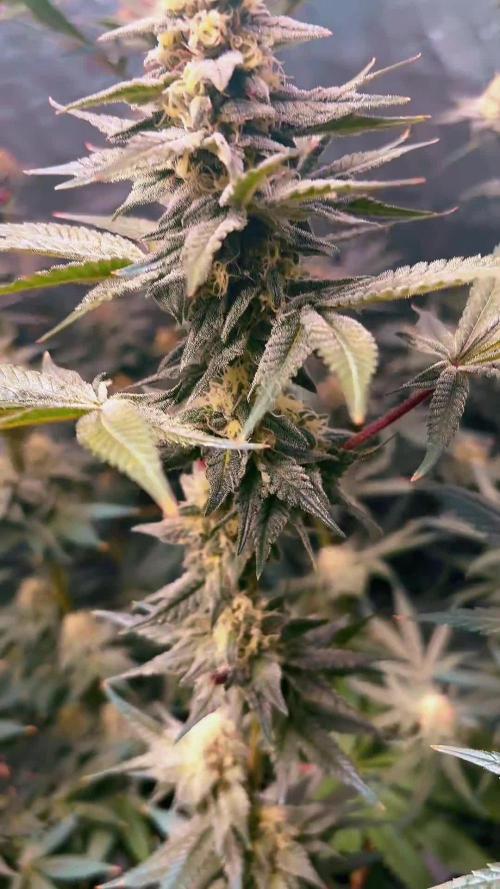
It’s day 43 of flower! All of the plants look great! I’m going to start dialing back the light intensity slowly over the next couple weeks. Harvest time is getting close

Processing
Likes
31
Share


@Reaper
Follow
week 6 of the flowering period.
the buds become heavy i supported the plant with rope after i took the pics
looks like this crop will be ready in 2 weeks. straight tap water with bloom booster is all i give now.

Likes
30
Share


@WeWantItToGrow
Follow
This week has been such a gift! I have learned so much about proper care for a plant I had no idea how little I knew sitting down and observing these majestic trees produce such a potent flower has really humbled me. Premium cultivars strain has shown resilient and self sustaining easy to grow traits that it is hard to mess up. (Which I’ve done a few times lol) Notice the trichomes (I put the zoom lens on and got up in there so they could be better seen the bud itself is slathered in them ! This is going to be an amazing smoke! Also looking at the structure of the bud it’s self it has volume very full bodied bracts with pistils throughout It’s just an all-around beautiful thing to observe

Likes
8
Share


@Growgirl1114
Follow
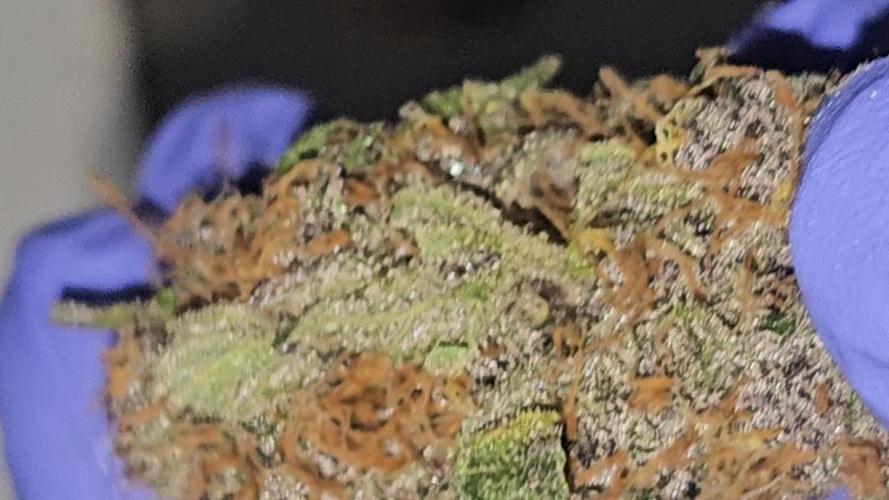
As a newbie to growing Autos I am very impressed with this strain from Growers Choice Seeds. Northern Lights. I feel it’s getting real close and I’m very excited to see the final results. ✌️🌱✌️#growwhereyouareplanted #sticky #budz



Likes
17
Share


@Elmobud
Follow
So this week they have definitely stopped growing in height and now time to fill out they have definitely got heavier as I have had to tie a few more colas up good signs and they have started to smell really sweet 😋 Happy Times Happy Growing 😁 🌿
Keep Safe 😁

Likes
1
Share


@El_gordito99
Follow
•Seconda settimana•
Ciao ragazzi !! Dopo i primi 15 giorni di vita (totali) le piante presentano una bellissima cera, sinonimo di irrigazione e nutrimenti corretti (nonostante il PH fosse alto).
Ricordo che mantenere livelli ottimali di umidità, temperatura e PH mette la pianta in condizioni perfette per poter aumentare il rendimento finale.

Likes
20
Share


@adam_pawloski87
Follow
We are in Flush !! Was giving them GH Flora series + rapid start + cal mag
Likes
6
Share


@nonick123
Follow
Bienvenidos al diario de Gorilla Zkittlez Auto por FastBuds
Día -4 (02/05): Se coloca la semilla en tubo de ensayo con 15 ml de agua (EC 0,5) + 3 gotas agua oxigenada (H2O2) en un lugar oscuro a 25 ºC durante 48 horas
Día -2 (04/05): Se prepara una maceta (11L) con 8,8 Litros (80%) de sustrato PRO-MIX HP BACILLUS+MYCORRHIZAE + 2,2 Litros de Insect Frass (20%) + 110 gramos de Earth Vibes Super Soil (10 g/L substrato)
Se mezcla con el agua del 1er riego (EC 0,4) la parte proporcional de la probeta de microorganismos y se riega muy lentamente hasta percolación profunda
Se hace un agujero de 1 cm de profundidad, se coloca la semilla al azar en el agujero, se tapa con un poco de sustrato y se humedece ligeramente con agua en spray
Se coloca parte superior botella en la zona de germinación para mantener humedad relativa alta
Se introduce en el armario con la lampara ENCENDIDA para mantener la temperatura 20-21 ºC en las horas nocturnas
Día -1 (05/05): Se intuye que la semilla empieza a romper el top del sustrato! NO LA TOQUES! 😡🤣
💦Nutrients by Lurpe Solutions - www.lurpenaturalsolutions.com
🌱Substrate PRO-MIX HP BACILLUS + MYCORRHIZAE - www.pthorticulture.com/en/products/pro-mix-hp-biostimulant-plus-mycorrhizae
Likes
33
Share


@NuggetPawn
Follow
More calm this week, not a lot of people mention on here that the work load reduces a couple weeks after the big stretch. Not had to do too much except a little bending as she’s still getting a bit too close to the lights again.
Most of the fan leaves are off now, that I can reach that is.
No more reservoir changes now until it gets the chop, as my nutrients stay fairly consistent for the next 3-5 weeks. At around 950 TDS @ 0.5 or 1900 PPM.
Still no nutrient deficiencies, the longest stretch I have gone without at least some spots or marks on leaves.
Would be interested to know what you guys think she might yield now she’s just about into her 5th week of flower?


Processing
Likes
142
Share


@MadeInGermany
Follow
Hey everyone :-)
This week it smells more and more sweet and fruity in the whole room 😍.
There is actually not much to report, everyone is now under 12/12 :-).
This is the last grow that comes in the entire diary.
From now on, each plant will be added to the diary 👍.
I wish you all a lot of fun watching, stay healthy 🙏🏻 and let it grow 😎👌


Likes
18
Share


@Unluckygardener
Follow
Автоцветущий каннабис. 11-10 недель
написано до конца. Прошло 6 недель, а цветение еще не наступило. Мне показана пол. Она девушка🙂
Что не так🙄😞


