Likes
Comments
Share


@Nientjexo
Follow
Hi all!
Welcome to my diary about the Lemon Wonder Strain from Zamnesia.
Not a lot of things happend since last week.
She is 13 weeks old now and no where near being in flower stage.
I wonder how long it will take for her to flower
I cut away some Leaves to make room for the small branches to grow
Happy growing!
xo Nientje

Likes
2
Share

@BabaPott
Follow
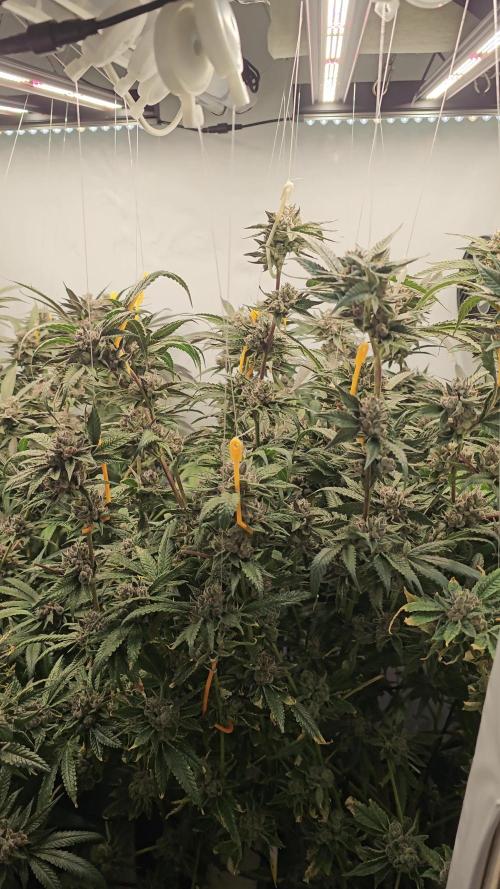
Woche 8 hat super angefangen und auch sehr gut zu Ende gebracht. Durch die kühlen Temperaturen sind die Blüten lila geworden. Ich habe die Tanks nach ein paar Tagen auf nur Wasser umgestellt, damit die Damen die letzten Nährstoffe aus dem Boden ziehen können und sich fürs Ende umstellen.
Das einzigste was ich noch weiter einstelle ist das ph wert vom Wasser auf 6.0

Likes
17
Share

@World_Breeders
Follow
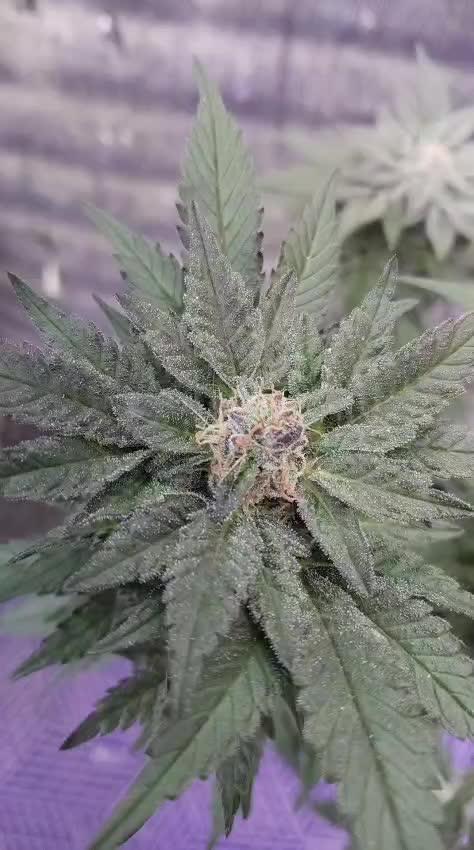
Week 9 and Tropicana Cookies is entering the final stage beautifully. The flowers have continued to stack while maintaining excellent resin production, with dense trichome coverage extending well onto the sugar leaves. Buds are becoming noticeably firmer, and the plant is starting to show the first signs of natural fade as it approaches maturity.
The open structure created by the training has provided great light penetration and airflow, allowing every top to develop evenly. Aromas have become much more pronounced, with the classic citrus profile beginning to blend with sweet tropical notes and a subtle cookie-like background.
Nutrient levels have remained stable throughout the week, and the plant is finishing cleanly with no major issues. Now it's simply a matter of letting the flowers fully mature and monitoring trichome development to harvest at the ideal moment.
Seeds by World Breeders
Cultivated by Piperoots 🇲🇦 🌱🔥


Likes
6
Share


@GoldenWeedGrower
Follow
Legend
Timestamp: 📅
EC - pH: ⚗️
Temp - Hum: 🌡️
Water: 🌊
Food: 🍗
pH Correction: 💧
Actions: 💼
Thoughts: 🧠
Events: 🚀
Media: 🎬
D: DAY, G: GERMINATION, V: VEGETATIVE, B: BLOOMING, R: RIPENING, D: DRYING, C: CURING
______________
📅 D57/B20 - 11/06/24
⚗️ EC: 1.0 pH: 6.1
🌡️ T: 25°C H: 70%
🌊
🍗
💧
💼
🧠
🚀
🎬 1 TL video
______________
📅 D58/B21 - 12/06/24
⚗️ EC: 1.0 pH: 6.4
🌡️ T: 25°C H: 80%
🌊 8 L
🍗 Calmag - Bloom A-B
💧
💼
🧠
🚀
🎬 1 TL video
______________
📅 D59/B22 - 13/06/24
⚗️ EC: 1.2 pH: 6.6
🌡️ T: 25°C H: 70%
🌊
🍗
💧
💼
🧠
🚀
🎬 1 TL video
______________
📅 D60/B23 - 14/06/24
⚗️ EC: 1.0 pH: 5.8
🌡️ T: 25°C H: 70%
🌊 15 L
🍗 Calmag - Bloom A-B - B52 - Big Bud - Bud Candy
💧
💼 Spinosad and pH-
🧠
🚀
🎬 1 TL video
______________
📅 D61/B24 - 15/06/24
⚗️ EC: 1.0 pH: 5.8
🌡️ T: 25°C H: 70%
🌊
🍗
💧
💼
🧠
🚀
🎬 1 TL video
______________
📅 D62/B25 - 16/06/24
⚗️ EC: 1.0 pH: 5.5
🌡️ T: 26°C H: 80%
🌊
🍗
💧
💼
🧠
🚀
🎬 1 TL video
______________
📅 D63/B26 - 17/06/24
⚗️ EC: 1.0 pH: 5.2
🌡️ T: 26°C H: 80%
🌊
🍗
💧
💼
🧠
🚀
🎬 1 TL video


Likes
2
Share


@Comfrey
Follow
Have some time and some ideas. Let‘s go for it, said the chicken to the bee and then they vaped some basil. 🌿
Likes
6
Share


@Awt_genetics
Follow
Leaves starting to turn purple , will start flushing in two days to take it to 60 days flowering .

Likes
18
Share


@BloodBath
Follow
I enjoy growing this strain so much that I decided to pop more beans and get another 2 plants going. It’s such an addicting aroma and beautiful strain to take care of and watch mature into plump fat purple nugs. I personally think this strain smells more like candy then anything else I’ve grown. Even Zkittles. This is a great strain for beginners or for someone lazy that just wants to kick back and enjoy the process. Thanks fast buds!
Likes
Comments
Share


@VirginiaGrownExotics
Follow
She’s getting nice a frosty and budding up nicely growing in sohum just add water
Likes
5
Share

@AlpenZilla
Follow
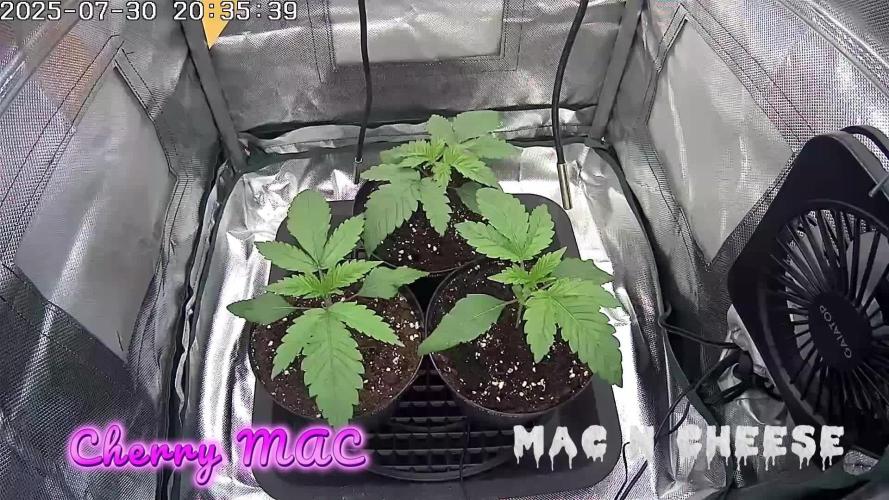
🏆 Harvest Report – Cherry MAC Muffin
Final dry yield: 161.71 g
The highest-yielding plant of the entire grow – dense, heavy flowers with excellent structure and minimal stem weight.
The buds cured into a standout mix of:
🍒 Cherry sweetness
🍦 Soft creamy undertones
🌈 Deep purple highlights on the tips and sugar leaves
The resin concentration was extremely high, giving the buds a frosted, almost glassy look.
Drying went smoothly thanks to the tight flower formation and healthy fade-out during flush.
No oversaturation, no nutrient residue – everything finished clean and aromatic.
Cherry MAC Muffin ended the run as the visual and aromatic highlight of the tent.
Outstanding vigor, strong late-flower development, and one of the densest structures of the grow.

Processing
Likes
27
Share


@Fibro_Witch
Follow
Everyone got transplanted yesterday! They've been hardening off outside for almost a week. The got some Fish Emulsion a couple days ago. One night it got down to 38F, even though the weather said it would only get down to 50F! So I'm very grateful that they're so resilient.
They're not showing much transplant stress so that's good. I watered in some lime when i transplanted. I put them in with my tomatoes that I need to stake. I started putting down seaweed mulch which hopefully I will finish tomorrow.
Overall a good week and it feels good to have them in the ground!
Likes
7
Share


@Lifesgarden420
Follow
She is definitely looking very potent
She did not grow very tall but she looks very dense and very frosty

Likes
15
Share


@Dillon1550
Follow
Hey guys and gals
Lots of growing!!! Lots of training.
Looks like the northern lights might be a go, witch is exciting.
Another week of bending and probably some more topping. Until next week!!
Happy growing


Likes
10
Share


@40Plug
Follow
Wow! Look at these amazing two plants. They both turned a bit purple.
The smell is insane.
Belive me or not but my entire room smells like a sweet ice cream restaurant. 😍
I had given this week only PH adjusted water and darkness for two days before harvest.
Going to dry for like 7-10 days and then curing for another month or so.
I will upload more pictures of the dried buds when the time comes
Likes
11
Share

@420DeepGrow
Follow
📆 Semana 5
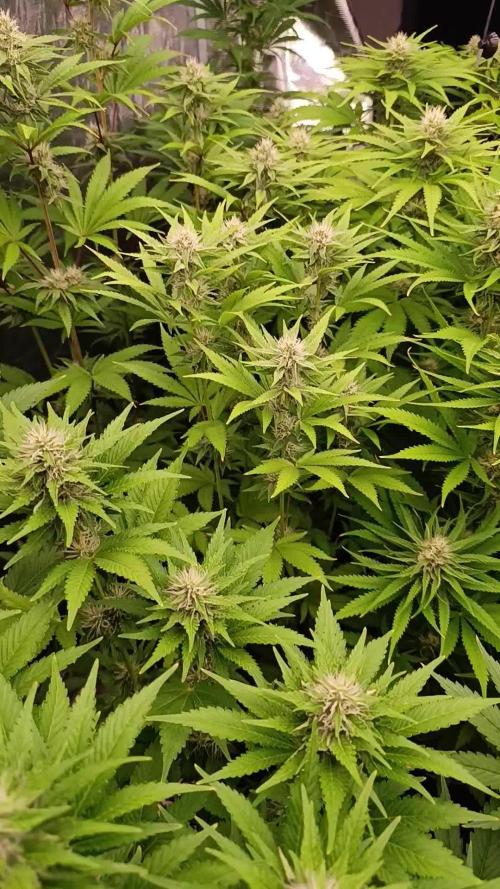
El engorde entra en su fase más intensa y los cogollos aumentan de tamaño con rapidez. Los cálices comienzan a apilarse, la producción de resina se acelera y el aroma se vuelve cada vez más intenso, mientras la planta alcanza uno de los mayores consumos de agua y nutrientes de todo el cultivo.
La demanda de fósforo y potasio continúa siendo elevada para sostener el desarrollo floral, sin descuidar el aporte de calcio y magnesio, esenciales para mantener un metabolismo activo y prevenir carencias durante esta etapa de máxima exigencia.
⚡ EC: 1.7–1.8
💧 pH: 6.2–6.5
🌡️ Temp: 21°C
🌫️ Humedad: 45–50%
💡 Intensidad: 1000–1100 PPFD
🔥 Nota de cultivo: La estabilidad del riego, la nutrición y el clima será determinante para maximizar el engorde y la producción de resina sin comprometer la salud de las flores.
Seguimos creciendo fuerte! 💪

Processing
Likes
73
Share


@Andres
Follow
I mean this genetics it's excellent ... if I would grow zombie kush again ... good job ripper seed ... she fought and was very strong against the plagues after a beginning outdoors ... she fought against the white fly. worms .. red spider and other insects ... and deserves your recognition ... it will not be the most beautiful plant with its leaves impeccable ... but she is a champion ... thank you ripper seed .. .

Likes
1
Share

@Oldwied
Follow
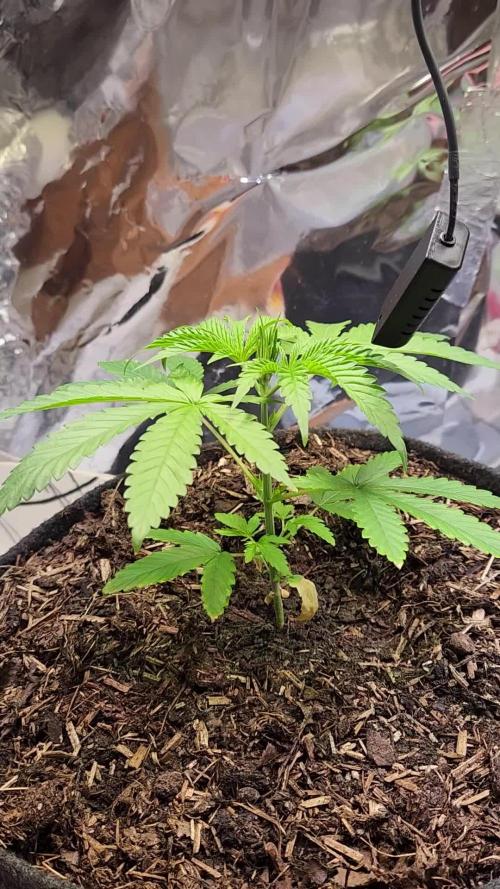
Day 23
Photoshooting
Topping (only left the 3. node)
This plant shows an extremely high growth rate compared to Creme Caramel
The final run is only carried out with one plant.