


Likes
Comments
Share





Likes
15
Share

@masterofsmeagol
Follow
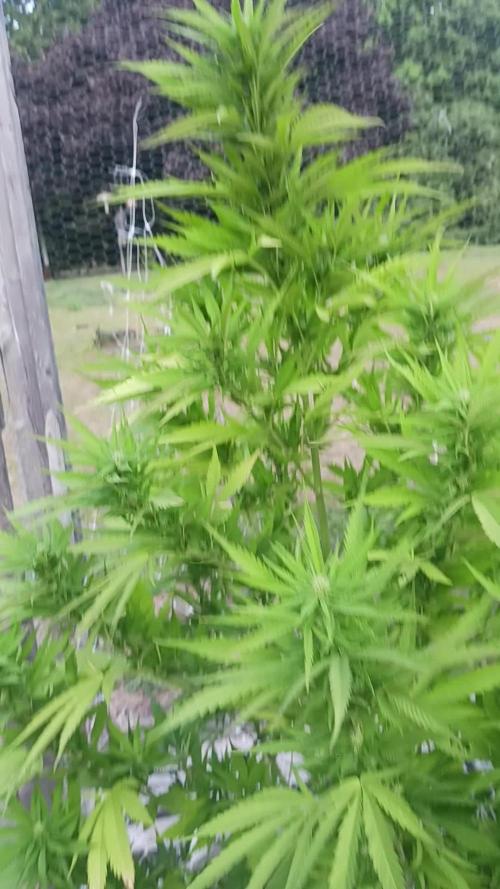
8/3 Went over to treat the 10th planet that needed water with plant doctor around 10:30. I was in the garden at 6 but didn't have much time. That plant seems to be curled up or "droopy". It DID need water. I defoliated a few sep leaves off it but I didn't see any today. I guess I don't ever really see the leaves "up" or praying like I do with the rest of tge plants. It's starting to flower like the rest though. Today is the day everything is supposed to get its second or third plant doctor dose but I decided to wait until they need the water. I don't think 24hrs will mean much. I've been staying on top of defoliation but I'm seeing some pillar damage. I'd like to spray bt but what my buddy said about spraying with septoria is still in my head. Maybe I can use citric acid. That way it won't "wash away" spores it will just eat them. At least I think. And I hope lol. Birds get most of the pillars but I hand pick some too. I need to pick up nutes. Wondering if I should just get grow big again. I don't use much but plants are switching to flower and leaves are fading. I have big bloom and kool bloom bit neither have nitrogen. I still need some sort of nitrogen. Especially since that could be a deficiency. Not sure if it's the transition or a condition with the sep. I see some interior small leaves bleeding out and some dying. I'm wondering if what I thought was earwig damage years prior was really a combo of sep and they just ate the evidence. I'm super grateful though. I've got some resilient girls and they're doing well. The special kush in flower is gorgeous as well. Looks like I'll have an early plant. Short flowering time on this strain. Smells pungent.
8/4 Treated everything in the garden with plant doctor except the 10th planet I got yesterday. I need to take a closer look at that plant. It rarely looks "happy" like my others. I'll check it again later. 3tsp per gallon and 1gal a plant. The 10s got a half gallon. This seems to be working great. I have some defoliation to do on the tenth planet I was talking about earlier. Everything is in some form of flower. The flowers on that early special kush are getting bigger. I'll update this later.
UPDATE: WENT BACK OVER AT NOON TO TAKE A LOOK AT THAT OTHER 10TH PLANET TO SEE IF IT PICKED UP AT ALL. IT DID. IM GLAD I CAME OVER TO CHECK THOUGH. MAKES ME FEEL BETTER. THE OTHER 10TH PLANET LOOKS HORRIBLE O. FILM FROM ONE ANGLE LOL BUT ITS REALLY A GREAT LOOKING PLANT AND IM USUALLY FILMING AT LIKE 6AM. JIST WANTED TO STICK UP FORCMY GIRL AND HER BAD HAIR DAY. ITS BEEN HIT AND A FEW OF HER LEAVES ARE TACOED. SHE GOT HER FIRST "PREVENTATIVE" DOSE OF PLANT DOCTOR WHICH WAS HALF A TSP/GALLON. IT REALLY SEEMS TO BE DOING SUBSTANTIALLY BETTER. EVERYTHING IS. IM HAVING TO LOOK HARDER AND AM HAVING TROUBLE FINDING LEAVES EFFECTED BY SEPTORIA. KNOCK ON WOOD. IM EXCITED. THIS IS GOING BETTER THAN I THOUGHT. IM STILL GOING TO BE MONITERING LIKE I USUALLY DO.
8/5 Watered the 10th planet I dodnt get yesterday. Looked and didn't see any sep leaves. Phone was dead so I vouldnt do a video. Went back over at like 130pm and did a quick video and checked out the girls. Everything is looking good and transitioning well. I WANT to use a diy Dr. Zymes with citric acid as I've noticed a few pillars. Only reason I've hesitated is because my buddy said not to spray it. But if what I spray it with "eats" it I would think it's ok. But what do I know. Birds get a great deal of them. I watch them on the camera sit on the cage and wait for one to stick it's head up before snatching it up. Still need to get either more grow big or a bloom product with nitrogen. I was able to defoliate that other 10th planet of anything suspect. It's hard work but it's worth it in the end.
8/6 It's like 81 at 4pm. I didn't have time to video this morning but i went back over. WATERED EVERYTHING THIS BUT THE 50 AND THE 10TH PLANET I GOT YESTERDAY. Temps are supposed to pick up soon and it will be in the 90's again. We've had like NO rain. I searched for leaves that had signs of sep to defoliate. I may find one or two but for the most part things are doing great. Overall I'm happy.
8/7 Bought a new bottle of grow big. Wanted to switch to the roots organic teas but I cant do that invthe middle of an already complicated grow. I'll switch nutes next season. I'm noticing some pillar damage. Not much amd I've been hand picking them. I've found a few in curled up leaves. I watered the 10th planet in the front corner that didn't get it yesterday. I hope the watering yesterday will hold them until the morning. I'm still thinking about doing an application of diy Dr. Zymes to clear up any random pests. I'll ask a question and see what other growers on here have to say.
EDIT: MY SPIDEY SENSES STARTED TINGLING SO I WENT OVER TO CHECK ON THE GIRLS THIS AFTERNOON. THE MK ULTRA THAT I LEFT NATURAL WAS STARTING TO DROOP. THE REST OF THE GIRLS COULD WAIT. I MIXED WATER FOR ONE OF THE TENS BUT DECIDED AGAINST IT. I DONT WANT TO OVERWATER AND I THINK IT CAN MAKE IT. I GAVE THE MK ULTRA A FULL WATERING CAN WHICH IS ALMOST TWO GALLONS. IT WAS PUCKING UP BYVTHE TIME I LEFT AND WASNT EVEN ALL THE WAY DOWN. IM GLAD I CHECKED.
The ONLINE cannabis community can be such a joke. There ARE good groups but this places sucks. I put a question up as PART of the research I was doing and ive received some dumb answers but this was aggressive too. I had it figured out prior to reading the answer but it caught me off guard. I decided that since Im able to keep it suppressed with what im doing (leaf septoria on a couple of plants) than don'tchange it. I've dealt with it before and kept it suppressed but not nearly as well. It was a yes or no question really. Stated for outdoor experienced growers as I was looking to avoid the copy paste/ look how smart I am bullshit. I just have an anxiety disorder and like to hear numerous responses before I act. I figure it out and log on and I get some smart ass response from an INDOOR grower. When I SPECIFICALLY asked for EXPERIENCED OUTDOOR growers (as the question is unique to the outdoor environment and indoor growers seem snobby and seem to get jealous when they see my massive plants a quote what they just searched on the internet). I can read shit on the internet as well and had prior to posting. I'm sorry if my success with a product (that you are unaware of "but can't see how it could work" (despite not knowing the active ingredients by your own admission) and lots of hard work have prevailed. When I have to ditch a plant it's 1/4 to a full elbow. Not an 1/8th. So I won't be burning shit. I hate when people say that. There are cases for it but many new growers have been led astray with stupid advice like this. ESPECIALLY if everything is going GOOD! If a plant was less than perfect I'd put it in my concentrates bag. Not much fits through a 25 micron screen. But by all means burn your plants. I have no idea how I have ZERO wpm this year but I would hear shit like this for a couple leaves "with gravel on them" on a 10ft tall plant that yielded like a pound. So I don't know why I listen or why I even responded. Even if it WAS wpm I would've kept it and washed it. It must be nice to be able to work 20 weeks on something numerous times a day put a bunch of money in it and when you hit flower burn it because you don't want to do the extra work. You can easily tell the people that don't grow outdoors. It's a completely different game. But since I've already written it I'm leaving it. One more thing. You didn't even know what the active ingredients in my product were. How can you make ANY statements about the efficacy of ANYTHING without knowing what it is? You said "unless it's a bunch of silica" that provokes an immune response. It's not silica hun. I've been hunting for years for something that works. Go back to your closet.
8/8 The Lion's Gate Portal. Watered everything but the mk ultra and 10th planet upfront I got yesterday. I was going to feed but I ran out of time. I may still feed today I'm not sure. I found a couple septoria leaves on that pink kush that has "some" soil from last year in it. That is a mistake I won't make again. I'm checking a few times a day and defoliating anything suspect. The girls are looking good. I'm proud of them. Very resilient. They've withstood pretty much everything nature can throw at them. HAIL, torrential downpours, 30mph winds, disease and still they are thriving. There's really no way to explain the feeling that I get when I come to the garden in the morning and see everything looking good and smell that familiar odor. Serenity I guess. Pure serenity. I'll update if I feed or do anything else.
EDIT: WENT BACK OVER AT LIKE 5:30 since it was over 90°. Everything was fine waterwise though. Caught a HUGE grasshopper and found a pillar the likes I've never seen. It was a scary looking bastard! Looked like one of the worms from tremors and it almost seemed like it had some silk around it. It opened its mouth when I went to grab it. It was brown but neon green when I squished it. I need to find a good mulch. They say that helps with septoria. I defoliated a few leaves while I was there. It's close to the time for app of plant doctor. I decided to not feed. I saw a couple leaves that had SLIGHT nute burn on the tips. I'll observe and treat accordingly.
8/9 I decided to not feed this week. All new growth looks great and I noticed SLIGHT burns on tje tips of a few leaves so I figured I'd back off this week. Boy that early special Kush keeps getting bigger. It's going to be nice to have one plant ready long before the others. I'm wondering about my other 10th planet. The one that's had all the plant doctor treatment is doimg fantastic! The other not as much. It's droopy more often than not and doesn't really have many leaves effected by sep. What it LOOKS like is that beat curly top virus. The plant was one of the largest but it's much smaller sister has surpassed her (by far) and looks extremely healthy. I think I may move the plant out of the enclosure. It's a big plant and maybe after it's gotten treatment it will improve but I'm not sure it's worth the risk. It's spaced pretty far from everything else but still. Has me worried. I was reading that like 90 something percent of cannabis coming from California is infected with a virus. Don't remember where I read it but it wad a reputable source that was cited. Looks like I'm not doing ethos outdoors again. I may do some indoor this winter if external things come


Processing
Likes
14
Share


@RussianGrower
Follow
Приветствую всех, кто следить за мной. Ваша поддержка очень важна для меня.
На следующий день после того как я обновил прошлую неделю дневника наступило время пересадить растения в более крупное ведро. Я покажу вам как использовать дешовые пивные стаканы для пересадки ваших растений. Вы можете посмотреть это на первом видео.
Когда я пересаживал растения я дополнительно добавил микоризу в большое ведро. Мои АК-47 показывают сативный фенотип, поэтому они были слишком высоки, поэтому я был вынужден поместить стебель растения как можно глубже и заполнить его, чтобы корни начали расти из него позже. Я также срезал первую пару непродуктивных листьев и побегов с них. Если вам интересно следить за приключениями травки в России.


Likes
19
Share


@Master_weeda
Follow
Bonjour à tous les padawans et maîtres jedis
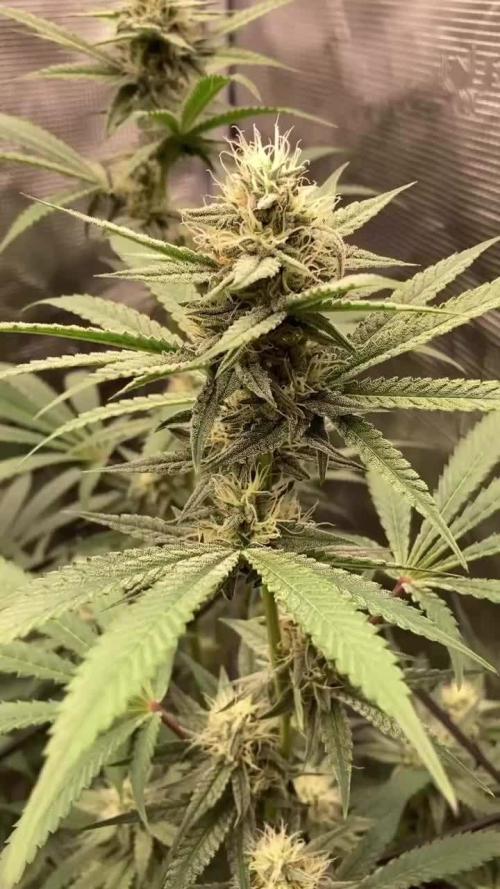
Je ne me lasse pas des solocups car ils prennent peu de place offre un bon rendement et permettent de pouvoir goûter et testé plus de souches de breeders différents
Merci à tous


Likes
15
Share


@Fabii
Follow
I pretty much stopped All Nutrients only giving small doses of A&B once every other watering soon i will only pour regular Water (not ph) just a couple of videos this time not to many because they haven’t gained size .
Pure Videos today of both Mazari & Strawberry OG.


Likes
20
Share


@Fergie
Follow
Hey guys so not much happened in last week buds are forming nicely everywhere 😀 the bigger 2 of them are smelling amazing and the crystals are just insane @tryhard heavy hitting hazes the way forward 😁anyway will continue as doing til next week guys


Likes
49
Share


@Sk1nR
Follow
Hi everybody!!
I hope all is well and good!
Super happy with the progress so far, over fed a little with the remo nutes so gonna do a water feed next to dilute then reduce it to 1.5ml per litre next week. For a couple weeks then go back up too 2ml per litre for the last week.
Done a massive defoliation today, girls look bare but I'm sure they'll look beautiful again in a couple of days. One more defoliation just before flush.
Lots of purple coming through on a couple purple queen's! Hoping to get some great colour as they mature.
GSC is frosty as anything! First I've had a plant so young be so frosty 😍
All suggestions and tips are very welcome!
Stay Frosty peeps
Much Love
Bazza 💚
Likes
8
Share


@NordicClosetGrower
Follow
Tested a micro humidifier in this box too and it went horribly wrong, just flooded everywhere. Mind you, it did raise the humidity a bit :D More testing next week.

Likes
35
Share

@valiotoro
Follow
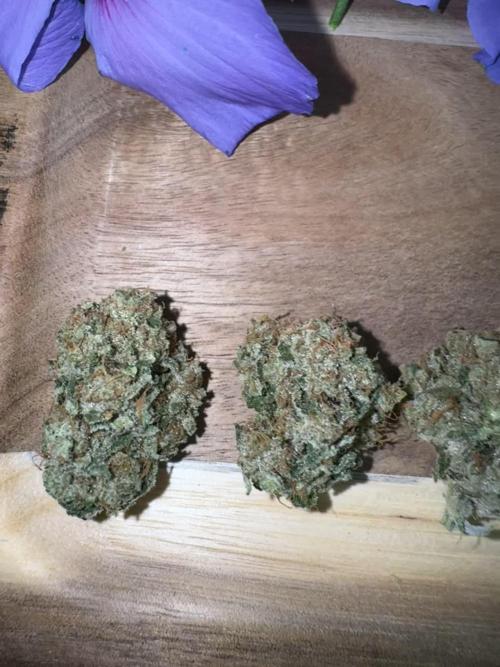
Terpenes are like an invitation to travel
I’d say to Brazil, on Copacabana beach, sipping a citrus and passion fruit caipirinha!🤤🤤
*Autoflowers and Fast Flower have the same terpene profiles, but with Fast Flower, the terpenes come through way more powerful💥
Likes
4
Share


@Mr_BFL
Follow
We are entering the finish line, 1 more weeks of flushing and harvest 🔥😎
N 80
P 113
K 224
Ca 50
Mg 95
S 100
Fe 1,2
👌

Processing
Likes
12
Share


@DD1FORTY8
Follow
**** WEEK 10 ****
both hulks shaping up to be some real beasts. just can’t beat good ol sunlight
Likes
15
Share


@MG2009
Follow
02/23/2021
Gonna get more clones off bottom growth she seems to clone easily enough.
So maybe mid-week topping, after cuttings.
She is growing fast!


