


Processing
Likes
Comments
Share


@snowybudz
Follow
Things seem to be going well. Really good bud development for only the end of week one. Not much stretch happening.but that's a good thing because I'm basically out of floor space


Processing
Likes
18
Share


@Manic
Follow
Gonna start giving them cal mag in there feeding every other feeding. Blueberry is continuing to impress with her growth. Alaskan purple still a little behind but just as healthy as blueberry. Days 15-21 should be interesting and hopefully start to really implode in growth. Haven't had any problems in days from either of the ladies they seem happy and flourishing at this point.


Likes
7
Share


@gablmo
Follow
It was a busy week full of events. I got them a 600 watts HPS light and microbes to help them grow faster. I finally started the trellis netting to even the canopy and get more from the lights and I also spray the plants again for bugs. I found out that I've been using powder nutrients on my reservoir and that's probably why I've been getting floods two or tree times a week and now the valve is open only when I'm there, because I'm sick of cleaning and I took that little sick plant out. My cats have her now.

Likes
27
Share


@eldruida_lamota
Follow
Esa familia, otra vez por aquí, vamos actualizar la séptima semana de esta variedad de sweetseeds.
Do sweet dos es una variedad con una floración que anda entre la 9/10 semanas, es algo más le ta pero seguro que al final lo agradecemos, también se están llenando de tricomas, dentro de todo lo malo que paso en este cultivo no está saliendo nada mal.
.
La humedad esta al 45% la temperatura está entre 21/25 grados , y como siempre el ph , ya que es de lo más importante,está en 5,8/6,0.
.
AgroBeta:
1 ml x L Flowering black line , vía radicular.
0,2 ml x L Beta shark, vía radicular.
0.5 gr x L mega PK , vía radicular.
0,8 ml x L Terminator, vía radicular.
0,5 gr x L Engordacogollos, vía radicular.
0,3 ml x L Tucán , vía radicular.
0,1 ml x L Betazyme, vía radicular.
0,3 ml x L Tricoma, vía radicular.
0,05 ml x L Gold Joker, vía radicular.
0,2 ml x L Silver, vía radicular.
.
Hasta aquí todo familia 🕸️ , un saludo y buenos humos fumetillas💨💨💨.

Likes
11
Share

@GREENPHOENIX6262
Follow
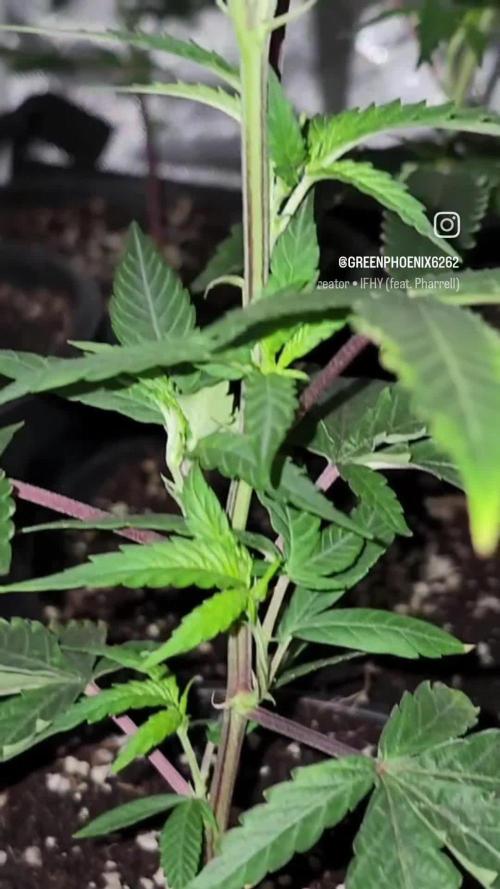
*Disclosure: The mother has was flipped into flower 3 weeks ago - Veg weeks now are only for the clones*
03/08 - (M) - Since transplant into 4x4 she has doubled in size and cleared pre-flower accordingly - Nute feeds increased from once to twice a day - One week will be only nutes the following will be clean water.
03/08 - (C ) All clones are rocking out accordingly - All 7 were topped this week - I will only top once and let them run as is - slight increased nute feed for them to provide supplement for the topping - currently still in nursery (2x2).

Likes
18
Share


@KushAllDayLong
Follow
Week 4 was pretty solid for overall growth and for bud growth. I think the stretch phase is definitely done and the bud will start to pack on size from here on out. This seems like the fun part but it's becoming very smelly and sticky..extremely sticky. I touch it once and my fingers are glued together. Seems to me that they are all happy!!
Normal feeding except for more bloom nutrients and no more adding nitrogen.
I needed up buying Fox Farms Beastie Bloomz and gave the girls a nice feeding which they loved!
I also bought a trellis net and added it, I also bought fabric pots but wont use until next run. I also got a Govee device to monitor humidity and temp better so I can dial in the VPD! Learning so much and VPD is definitely one of the most important aspects to dial in!
So far so good this week! I'm loving the trellis net addition! Makes it look so nice!
Thanks for any advice!!

Likes
46
Share


@Mr_Motalovah
Follow
Hello growers and tokers! 👋 👩🌾 🧑🌾.🔥💨
It's my first harvest on this community and I'm loving it.
Everyone always ready to help each other and have great feedback.
Tracking my grow on here has made it way easier.
There were times that I misplaced notes or forgot what I did or when with a certain strain and all I had to do was come on here and check it.
Also motivated me take more pictures and do more logs. All out great site. Don't know how I haven't found it earlier.
HIGHLY recommend for all growers.
The grow cycle went pretty smooth.
She's easy to grow and flowers early so you can't do much training. That being said it's great for beginners. 👌
Had no problems with pests on these, while on the other plants (none cannabis) in the balcony I had issues with spider mites.
They grew better than expected given the few hours of direct sunlight they received.
Results were good, I was expecting 10-15 grams per plant and ended up with a tad bit more.
Drying went a bit fast because there were few buds.
I probably could have took it down a few degrees as well.. my fault on that part.
They dried in 4 days, they've been curing for 10 days.
I normally test them after 15 days but they smelled so good I had to try them.
Smell: Lovely earthy, woody, slightly like diesel. Quite pungent for being autos.
Taste: Just as it smells.. leaving a nice after taste of diesel.
Touch: Very sticky, dense buds.
They break down finely in the grinder.
Cleaned the grinder before testing and after 4 joints ( 2 grams or so)
I already have a good amount of kief collected in the bottom. (Check photo)
Might grow this one again just to make some bubble hash.
The high is awesome nice uplifting, long lasting energetic but without a heavy euphoric rush.
Reminds me of a smooth haze high, although if you smoke a lot even being an experienced smoker, she'll get to you.
Only down side is dry mouth, very dry mouth!
Have some water on hand because your mouth will transform into a desert. 😂
Great strain to kick start the day.
Beginner smokers take it easy with this one. She hits hard! 👊

Likes
14
Share


@eurorack
Follow
Pretty much the same state as last week, plants growing well, still have the runty Pink Kush plant but its pushing flowers out well and getting some good colour to it. Red Pure plants are growing great though one of them has some leaf spotting but its not seeming to hinder growth.
Nutes same as last week, only watering when I get a full finger-depth of dry Coir and checking with soil probe for pH and Moisture too, getting a regular pH7 in the soil, I've got some pH Down to add a drop into my tap water just to ensure I'm watering with the right pH.
Likes
3
Share


@zZzfromspb
Follow
это был первый запуск системы и тут была допущена ошибка слишком рано были высажены в систему на 3 день после сброса каски...


Likes
11
Share


@BelgianBudtender
Follow
hey hey growmies.
Week 1 went well, not much to add here other than my first rodeo with Kratky seems to be turning out ok, I am a bit worried with how fast these roots grow. I might have to move to a bigger container sooner than I hope.
Lower leaves are pretty much goners from transplant shock, its ok, she'll recover and get used to her new grow environment.
LST will probably start next week, I'm considering not topping this Runtz lady, I will have the space for her to grow tall as the Flower tent will be available in a couple weeks at most. And I look forward to taming this strain, I have seen some crazy phenos here on GD
Thanks for checking out my diary.
Would you like to grow Runtz by Zamnesia yourself? Be sure to use the Growdiaries discount code "GROWITGD" on their website for 10% off. 😉
Stay safe and keep growing.
Likes
7
Share


@Snooziecheesecake
Follow
I have decided to chop the most mature plant of the three, even though it could go longer I was originally going to be chopping all three because I am about to leave on a trip, however a friend of mine is able to take care of the other 2 less mature ones. I was planning on just saying fuck it and chop them all but the less mature ones have still mostly white pistils and I can’t bring myself to do it, they started putting more weight on these past few days and I know if they just could get a few more weeks they will really be amazing with a lot of weight. Interesting that one matured faster than the other 2, although I think this corresponds with the size of the buds as the mature plant’s buds are not particularly big, hoping to pull 25 grams at least from it.
The less mature plants are beginning to bulk and as I stated earlier, I just can’t chop them and ruin all their potential yet. The calyxs are swelling a lot and looking super tasty.
Will continue to add updates for the other 2 plants


Likes
58
Share


@Kynareth
Follow
5 week vegetating. The nutrient overdose is still there. I was outside the weekend and the plant growed too quick (doubled in size in 5 days) so it got burnt with the lamp as yo can see in the pictures. I think it will act likea a topping but i don't know the real impact yet.
I have set up an scrog to try to contain the height (1 week later due to logistic problems).
The root system is insane and healthy.
I think she is near to start flowering maybe this week or the next week.
Day 36 update- as you can see the plant is preflowering. I won't change the nutrient solution yet to avoid another fertilization excess. when the plant recover from scrog and prunning i will change to flowering nutrient dose at 80%.

Likes
8
Share


@Cali_Rayy
Follow
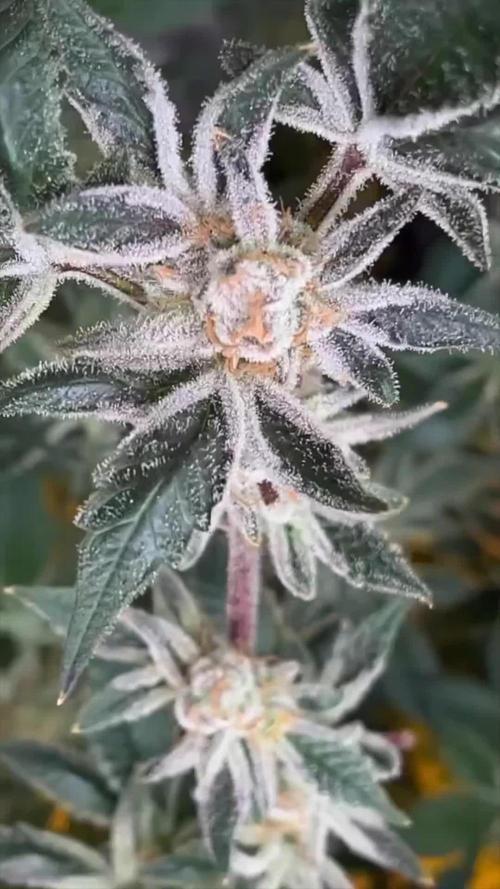
Ready to see what this strain can do I like the fact FB420 hast released any pictures of flowers yet kinda leaves it in suspense. Will be updating soon



Likes
76
Share


@Nugs_are_us
Follow
Hey all welcome back to sort of week 12 or week 4 of flower!
I have just got home and don’t no what to say...... gold leaf 1 has nanas that seam to have popped and could have wrecked the whole grow 😭
The girls are def hungry as you can see there is some yellowing of the leaves so they will be getting a good feed today and again in 3 days to keep them in the zone. They are stacking up and getting a little fatness to there buds. Frost levels are just starting to kick in and the tent is pungent!!
Well the next few days will be spent watching for signs of any of the other plants turning male on us. Fair to say I’m a little gutted about now as I’m about to chop up a gold leaf that will produce over 4oz of dry buds fingers crossed this diary ain’t over


Likes
31
Share


@bioaccessory
Follow
Hi!
At the end of the second week after switching the light schedule, the plant bloomed. I hope the bush will have time to get the right size.
Removed stretch marks, put a metal ring.
I wish all kind people a Merry Christmas and a Happy New Year!🎄🎅
Glory to Ukraine! 🇺🇦
