




Likes
5
Share


@theBnc
Follow
22/06/2022 - Day 58
Gorilla Girls🦍 are almost ready. # 1 has already been a week with only BioBoost and RIPEN. # 2 started with Boost 4 days ago, now I wait for the soil to dry and then wash in the tank.🛁
The Gelato Girls 🍦are still a little behind in maturation (especially # 2, due to folding). She will start with Boost and RIPEN with # 1 from the next watering🚿, while continuing with Flores and Boost for # 2.🌱
26/06/2022 - Day 61
Gorilla Girls 🦍 are ready for flushing in the bathtub.🛁 Then I will wait for the soil to dry and then I will cut.✂️
Gelato Girls 🍦 are still a bit missing. # 1 has moved to Boost + RIPEN , # 2 is still in the previous nutrient phase. It will switch to Boost + RIPEN next week.

Likes
20
Share


@Frank_cultiva
Follow
Las hojas están con manchas, creo que fue a causa del último riego con nutrientes, no fui cuidadoso y llegó de esa agua a las hojas... A causa de eso también quiero prevenir una sobrefertilización y está semana he decidido no regar con nutrientes, sólo con Bio up para subir un poco el pH del agua... A pesar de las hojas con manchas creo que van bien con el crecimiento teniendo en cuenta que esta es sólo mi segunda experiencia cultivando.
Se me olvidaba mencionar que las pasé a su nuevo hogar esperando un mejor desarrollo para ellas

Likes
6
Share


@Ciscohash
Follow
Esta semana fue genial las plantas crecieron todas muy parejas..teniendo por ahora mucha homogeneidad en el tamaño y forma de las plantas

Likes
3
Share


@Qaggy
Follow
First girl fattening up nice. She just wants more.
Second girl is on her way to be a beast. She’s twice the size of now more than the first. Had to bring her down a touch with some lst.
Third (depressed) girl is still with us. Tried a few things with her, flushed her, water conditioned her. Gonna get her back on some food in the next few days and see how she does. Again, not expecting much from her but seeing how she pans out. She has taken me on an emotional rollercoaster 😭

Likes
53
Share


@CTCan
Follow
White dots on a couple leaves? From what I read I’m thinking pests? Can’t see anything though.
Feeding daily with half the recommended dose. Switched to 15 gl pot in coco. Topped and pruned. 7 hours direct sun and then mostly shade.

Likes
8
Share


@Shalma_kush_420
Follow
Muy buenas gentee
Aquí otra semana más con esta increíble planta, se a formado muy bonita con una estructura espectacular, con muchas ramas.
Regada con the hype company que dan unos resultados muy buenos.
Aver con sigue la próxima semana.

Likes
4
Share


@Grower_Boris
Follow
🌿 Grow 🤝 Freunde 🌱
🔥 Update – Woche 35, Tag Blüte | DWC-Grow
Die Lady’s sehen auf den aktuellen Bildern sehr gesund, vital und schön gleichmäßig aufgebaut aus – kompakte Buds, sattes Blattgrün und ein gut gefülltes Blütendach, genau so wünscht man sich die Blüte in dieser Phase. 🌱✨
Die Pflanzen stehen jetzt bei ca. 93 cm und wirken strukturiert, stabil und gut durchlüftet – viele Kopf- und Seitenbuds bekommen gleichmäßig Licht, was man an der homogenen Blütenbildung erkennt. Die Blätter zeigen ein kräftiges Grün ohne deutliche Mängel, die Buds sind schon schön aufgegangen und die Harzproduktion legt sichtbar zu. 😍
Setup-Details:
Beleuchtung: Farmlite LED, ca. 20 cm Abstand, 12/12 Lichtzyklus
Topfgröße: 20 L DWC
Nährstoffe: Hy-Pro Hydro A/B je 5 ml, Generator 0,15 ml auf 1 L
Wasserwerte: pH 6,3, Lösung 20 °C
Klima: 26 °C Tag / 18 °C Nacht, 53% RLF
Pflanzen: aus Samen, aktuell ca. 93 cm hoch
Sponsoren-Reminder:
Danke an Thomas Benedikt, Green Growery, Hy-Pro Fertilizers und Farmlite Grow Light !
Denkt an die Rabattcodes: Green Growery: GrowFreunde20 (20 % auf Erstbestellung, Versand frei) & GrowFreunde10 (10 % auf Folgekäufe)! und 5 % mit dem Code UGL97KZF auf Amazon für die Farmlite Grow Light:
Bleibt dran – bald gibt’s die nächsten Blüte-Updates!
Happy Growing 👍
Grower Boris
https://www.facebook.com/groups/1140006947653435
#growfreunde #DWC #blütephase #hydropower #greenlovers #cannabiscommunity #happyplants #growreport 🚀🌱🌸

Likes
4
Share

@SmokeyRich
Follow
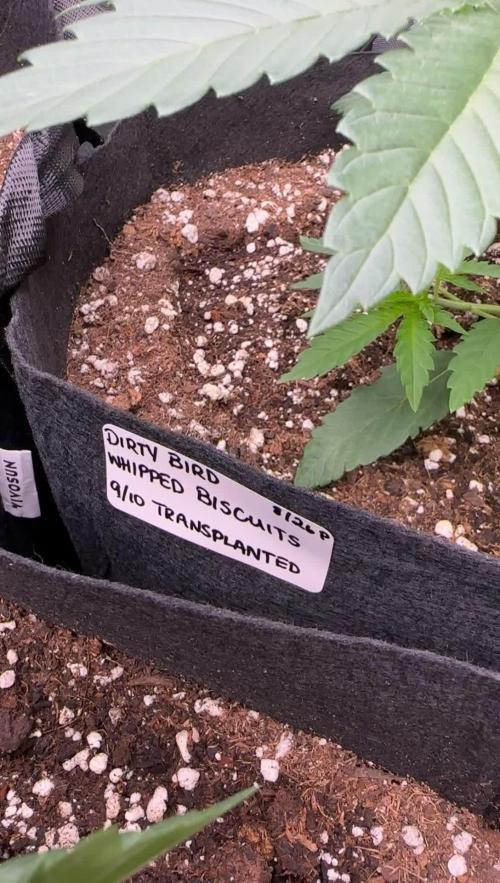
I’ll Be Topping Them Soon , Possibly Today Or Sometime This Weekend . They’re All Doing Great So Far 💪🏽
Any Suggestions ? I’m Happy To Learn Anything I Could . 🙏🏾



Likes
15
Share


@tokesly
Follow
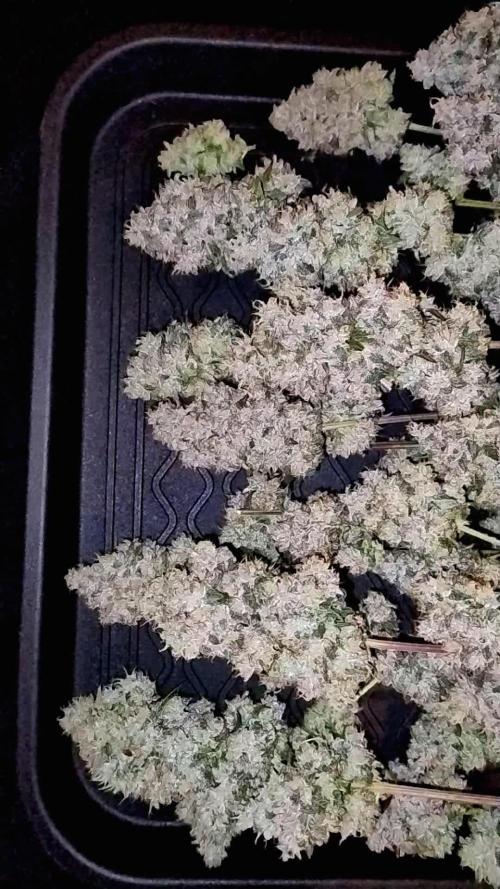
Spent eternity trimming! So this is why people call it trim jail.
Yield:
TM1: 205g Dry | 61g trim - Best growth and color, 7.2 oz yielder!
TM2: 177.5g dry | 72.5g trim - Frosty and colorful fruity
TM3: 154g dry | 67.2g trim - Even frostier than TM2 but no color more gas
TM4: 71g dry | 33.6g trim - Super larfy, still decent taste
TM5: 65.3g dry | 19.3g trim - Best Flavor, super gas and sweet
Total: 672.8g dry (23.8 oz) | 253.6g trim (9 oz)
Flavor is a gassy guava candy with sweet cake after tones. Frost and color is up there, structure is lacking in cola formation. There's a lot more popcorn nugs than hoped for. Definitely due to poor defoliation, lack of scrog, and late PK. Also
Besides that, a 672.8g yield would be ~1g/watt - an ideal goal for any starting growers

Likes
2
Share

@Danylo
Follow
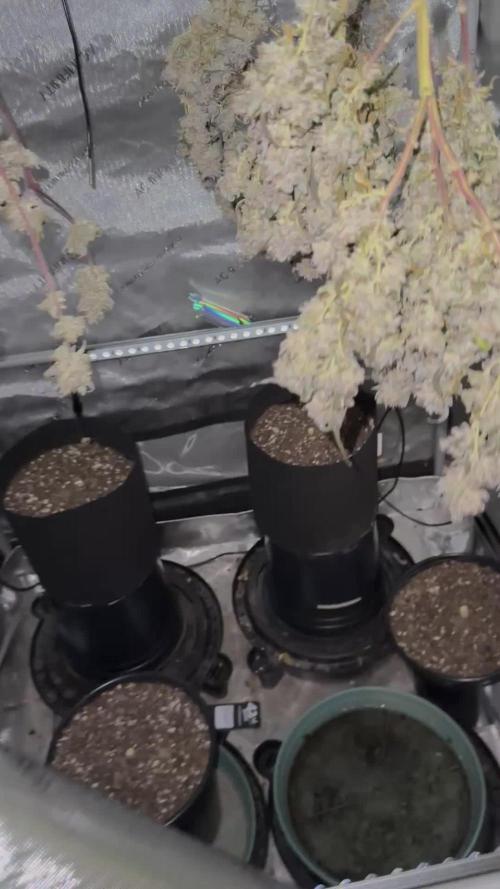
I would describe myself as a grower who gets more enjoyment out of the growing process itself than from the result of it. Not on this one though.



Likes
5
Share


@DarkRaven420
Follow
Welcome back to Colorado Gnome Grown. This week the gnome’s have been busy with the irrigation system. The water is stored in a 5g container and I mix the feed in it and it gets feed every time I water, which is twice a day for 1 minute, or until the plants drip. The plants are setting on a rack so that the water can drain away from the plant and into a tray. The plan is to buy Big Buds the first of the month to keep on hand to finish up in 4 weeks. Cookie Monster is 4in today and Noel is 2in, and both are starting to grow their bud site. Next week I will Top and defoliate for the first time. Well that’s all this time, tune next week for more information on; Colorado Gnome Grown!!!😎

Likes
5
Share


@Brendanfromtherose
Follow
Plant is looking good and healthy, starting to develop good roots rapidly and is now fully in the veg stage,
Rhizotonic is working great as far as I can see and Canna start looks the job, I have Canna A&B for later but after studying reviews etc Ice gone for Canna start for the first 3 weeks and then on to the A&B later as it comes into flower,
Plant has grown 4 inches or more the last few days and is now 8-9 inch tall with nice lush green leaves, I'm increasing nutes and supplements and have introduced calmag at a 1/7 recommended dosage I don't want to stress the plant at this early stage,
I've decreased the reservoir level since last week to about 1.5 inches under the net cup as the roots and hairs are developing well and want to give them some air as they grow further into the reservoir
Pump on 24/7
Ph in reservoir is slightly decreased to 6.0-6.1
PPM around 250-300 will increase next week

Likes
16
Share


Likes
34
Share


@GreenLion
Follow
Hello everyone,
This 8 week of vegetation, she started growing ans looks little bit better, but we have same problem.
I have about 40-50 cm from light, and think to switch on 12/12 for flowering stage end of this week. What do you thin guys is it good idea or wait one more week?

Likes
8
Share

@all_about_420
Follow
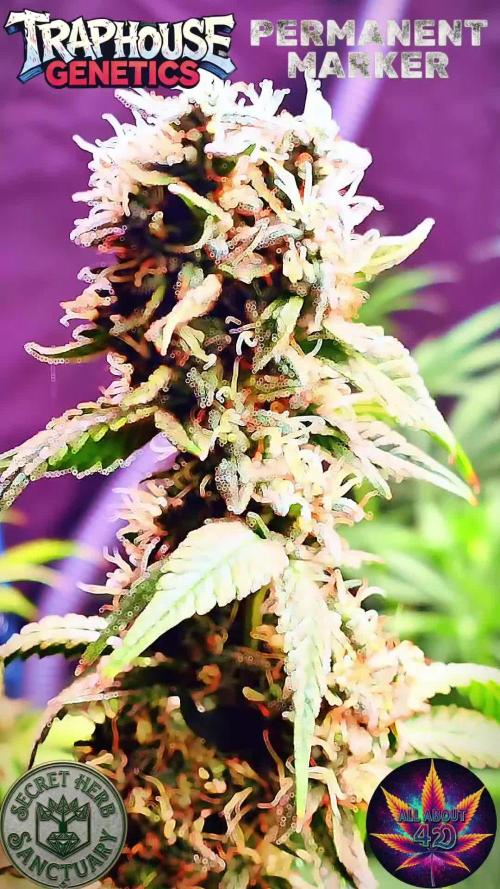
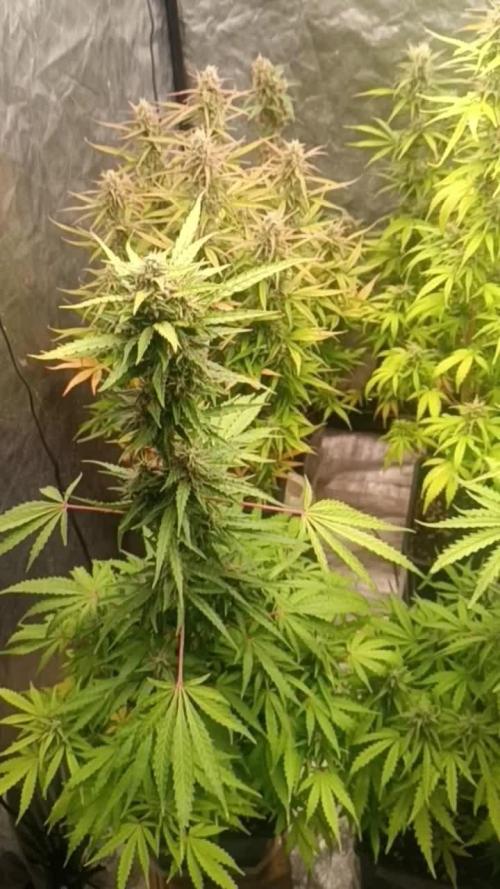
Der Tag der Ernte ist endlich da! Die Verfärbung der Fächerblätter hat ihren Höhepunkt erreicht und die Nährstoffreserven sind vollkommen aufgebraucht. Die Pflanze steht perfekt im herbstlichen Gewand und ist bereit für den Cut. Bis zum Schluss haben die Stützseile die schweren, grazilen Blütenstränge sicher in Position gehalten. Der betörende Duft im Zelt ist überwältigend – jetzt wird das Licht ausgeschaltet und die Schere angesetzt!

Likes
33
Share


@Roberts
Follow
Cali crasher is doing great under the Hortibloom Solux 350. She had a solution change today. She is about mid bulking now. She should be ready for harvest in about 3 weeks. Thank you Doctor's Choice, and Hortibloom. 🤜🏻🤛🏻💪🏻❄️🌱
Thank you grow diaries community for the 👇likes👇, follows, comments, and subscriptions on my YouTube channel👇. ❄️🌱🍻
Happy Growing 🌱🌱🌱
https://youtube.com/channel/UCAhN7yRzWLpcaRHhMIQ7X4g
