The Grow Awards 2026 🏆
Likes
Comments
Share
@Docteur_8
Follow
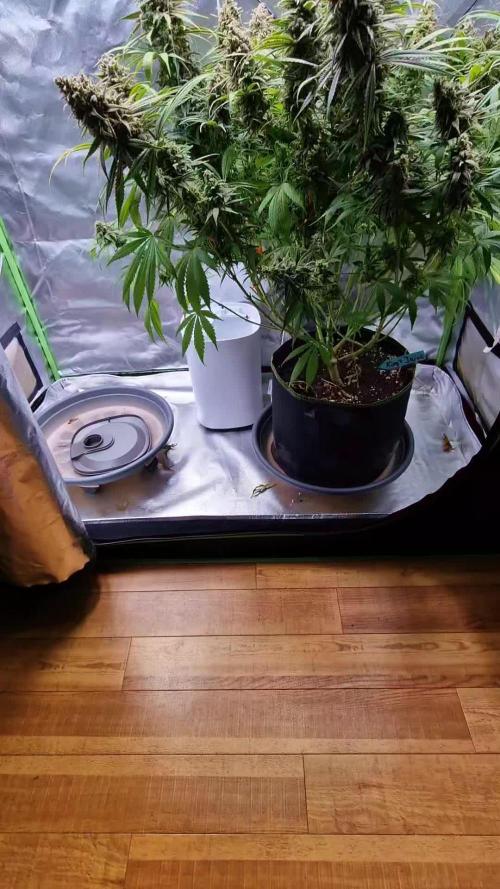
First week of heavier feeding, added Calmag & Bubblezym V2 and the day after they were very happy with it. Nice second week of flowering 🌸
Likes
42
Share
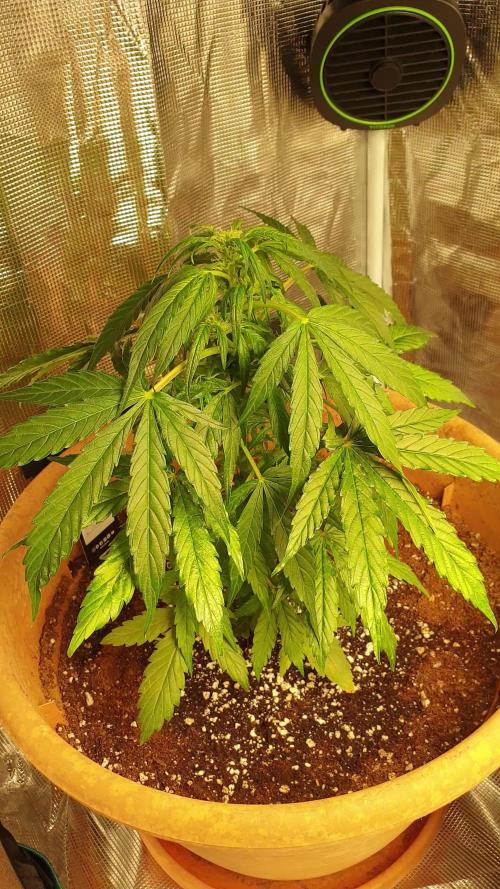
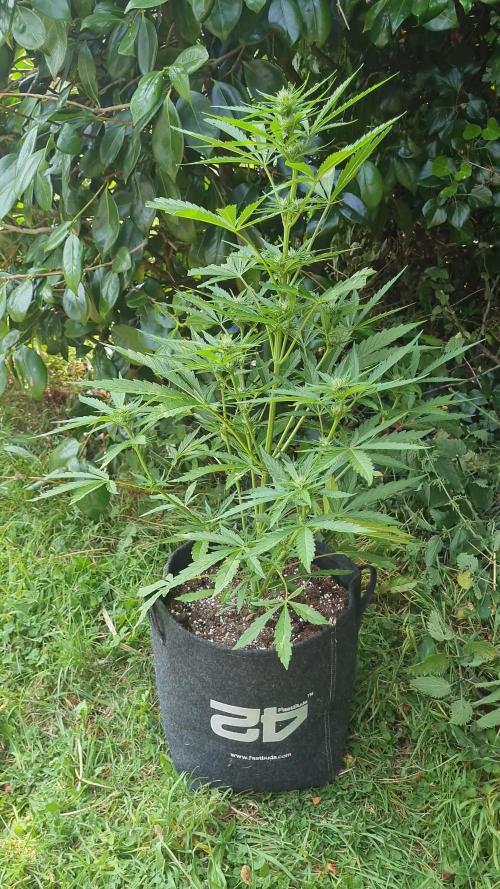
Thank you. Gave her a cocktail to help with stress. Added 1st net for lateral support, not so much now, but for later. Blue light is absorbed by photoreceptor proteins called phototropins, which trigger a hormonal response that causes cells on the shaded side to elongate, making the plant bend toward the light. Try and fill this side a little. She is quite big already, just needs to find her stride again after the undue torture. The mind is constantly working and producing, just like a factory. It's not just a passive recipient of information but an active producer of ideas, attitudes, and beliefs. The "ingredients" in this factory are the information you consume, such as books, conversations, and the media you engage with. The "products" are your thoughts, beliefs, and actions. The quality of the ingredients directly influences the quality of the output. To guard the door of your mind means to be selective about what you allow in. It involves actively choosing to consume positive and constructive information while filtering out negativity and harmful influences. If you don't guard your mind, others can "dump" whatever they want into it, leading to undesirable results in your life. You must take responsibility for the inputs to ensure you produce the outcomes you desire. 5 apex stems with 20-30 mini cola, let them develop a little, with the apical dominance shattered, all those 20-30 will all compete with each other as soon as that stretch is initiated. Key to a good stretch is making sure the plant is cycling efficiently, with large ATP conversions occurring lights out. For now, I'm keeping light intensity high. A plant will slow its vertical growth in very high light intensities, leading to a more compact form with thicker stems and leaves. This response is a protective mechanism against light stress, which can damage the photosynthetic apparatus and lead to symptoms like leaf scorching, yellowing, and brittleness. Instead of growing taller, the plant invests its energy into creating a more robust, stress-tolerant structure. Providing plants with necessary antioxidants helps protect the photosynthetic apparatus by scavenging reactive oxygen species (ROS) that cause damage from excess light. UV light exposure can impact the xanthophyll cycle by either enhancing its photoprotective role or causing damage, depending on the intensity and type of UV radiation. UV exposure can trigger the synthesis of more xanthophyll cycle pigments to increase the plant's capacity to dissipate excess energy, but it can also cause direct damage, particularly to Photosystem II, and may lead to a decrease in the de-epoxidation state (DEPS ratio) which indicates a reduced capacity to dissipate excess energy. Plants can respond to UV stress by increasing the synthesis of xanthophyll cycle pigments, such as violaxanthin and zeaxanthin, to improve their photoprotective capacity. UV-induced changes in xanthophyll cycle pigments can be linked to a plant's overall tolerance to high radiation stress. The xanthophyll cycle helps protect against photoinhibition, which is especially important when the plant is exposed to high levels of both UV and visible light. High doses of UV radiation can directly damage photosynthetic components, including the proteins, lipids, and pigments in the thylakoid membranes. Exposure to UV radiation can have a mixed effect on the de-epoxidation state (DEPS ratio) of the xanthophyll cycle pigments. In some cases, UV can inhibit the conversion of violaxanthin to zeaxanthin, resulting in a lower DEPS ratio and a reduced capacity for energy dissipation. However, the total pool of xanthophyll cycle pigments may increase, and this enhanced pool size could provide a greater potential for photoprotection despite a lower DEPS ratio. The xanthophyll cycle works alongside other mechanisms, such as the accumulation of flavonoids (UV screens), to protect the plant from UV-induced damage. Blue light repairs 100% UV-induced damage in plants through a process called photoreactivation, which uses a light-dependent enzyme called photolyase. This enzyme uses energy from blue and UV-A light to directly reverse the damaging pyrimidine dimers in the DNA caused by UV-B radiation, a key mechanism for maintaining the plant's genetic integrity. After carbon, light, water, temperature, and nutrients, the limiting factor of a plant's growth is often its own internal factors or the amount of a key ingredient. Chlorophyll concentration is one such factor, as the amount of this pigment limits how much light can be captured for photosynthesis. Other factors include chloroplast number, respiration rate, and the concentration of carbon dioxide in the atmosphere, as plants are often in a CO2-deficient condition. 60x60x18=64800seconds x 700 = 45,360,000moles. 45DLI Exposure to 165 µW/cm² of ultraviolet-B (UV-B) light for 3600 seconds = 1 hour, a extremely high, acute dose triggering stress responses and protective mechanisms. . The plant's photoreceptor protein, UVR8, senses the UV-B radiation. This triggers a signaling cascade that activates specific genes to protect the plant from damage. In response to the UV-B signal, the plant ramps up the biosynthesis of protective compounds like flavonoids, phenolic acids, and anthocyanins. These compounds absorb UV radiation and accumulate in the epidermal layers of leaves to shield inner photosynthetic tissues. The plant may increase leaf thickness or deposit more cuticular wax, creating a physical barrier to the radiation. The plant will produce more enzymatic and non-enzymatic antioxidants to neutralize the reactive oxygen species (ROS) produced by the UV-B radiation. The plant activates enzymes, including photolyases, to repair DNA damage caused by the UV-B. These repair mechanisms are critical for preventing permanent genetic mutations. While protective measures are activated, a high dose delivered over a short period can cause stress that overwhelms the plant's defenses. Photosynthesis is highly sensitive to UV-B. A high dose can inactivate Photosystem II (PSII), damage thylakoid membranes within the chloroplasts, and reduce chlorophyll content, which lowers the plant's overall photosynthetic capacity. Despite repair mechanisms, high UV-B doses can inflict persistent damage on the plant's DNA. The overproduction of reactive oxygen species can cause oxidative stress, leading to the oxidation of lipids and proteins and disrupting cellular function. I am playing in the enchanted forest.
Likes
4
Share
@CalGonJim
Follow
7/14 4AM MONDAY MUST DEFOLIATE!!!!! I HAVE 4 INSTEAD OF 2...BECAUSE OF MY LITTLE ACCIDENT EARLY ON.. I WILL TAKE ONE OUT OF FLOWER AND RE-VEG TODAY!!! 7/15 420am They are great cutting I took last month or week is great. Amino and mb today!! 230pm spectacular results today heavy defoliation I removed branches. I prefer a four cola grow in small spaces. It’s just better for airflow better for the plants and they responded so great. It’s like they’re jumping straight up now. I’ve never seen this. They’re just so vibrant that means all the amino’s. Everything is working perfectly. 👍👍👍🚨🚨🚨🌿🌿🌿 7/16 320am 🌿🌿🌿🌿🎊🎊🎊🎊💥💥💥💥👍👍👍👍 7/18 3am NOTICING Elongated Sepals!!!! from Search Ai "Elongated sepals in plants refer to sepals that are longer than average, often appearing narrow and pointed. This characteristic can be a defining feature of certain plant species, such as the long-sepal beardtongue (Penstemon calycosus). The length and shape of sepals can vary significantly between species and even within the same plant, influencing the overall appearance and potentially the function of the flower. Elongated Sepals: More Details Definition: Sepals are leaf-like structures that form the outermost whorl of a flower, typically green and protecting the bud. Elongated sepals are simply those that are noticeably longer than the typical sepal length for a given plant or group of plants. Examples: Long-sepal beardtongue (Penstemon calycosus): This plant is named for its elongated sepals, which are a key characteristic. Berberis (Barberry): Some Berberis species exhibit elongated sepals, with variations in shape and length among different sepal types within the same flower. Significance: Identification: Sepal shape and length are important features used in plant identification and classification. Pollination: In some cases, elongated sepals might play a role in attracting pollinators or influencing how they interact with the flower. Protection: Sepals, even elongated ones, still function to protect the developing flower bud. Morphogenesis: Studies on Arabidopsis have shown that the shape of sepals, including the presence of elongated tips, can be influenced by mechanical feedback within the plant and the arrangement of microtubules."""🚨. THIS IS ON 2 OF THEM, SO I MAY HAVE 2 STRONGER THAN AVG. PLANTS. I WONDER IF THE MB, AMINOS ARE HELPING WITH THIS TOO??? 7/19 I GOT A MAGNETIC STIR THING. 150pm they didn’t need a lot of attention today. They do need to be trimmed back down to four colas. I’m running out of space they are very perfect and if I had more space the leafs would be bigger, but that’s limited by mine condition so there’s nothing I can do but they are absolutely incredible🎊👍👍
Likes
7
Share
Heavy dense buds, covered in sticky frosty trichomes. Candy Kush is a true joy to watch grow and I think she'll be sticky around in my garden for a while. Will update in 6-7 days with the dry weight and smoke report.
Likes
6
Share
She was extremly fast and ready to harvest after 55 days of flowering. Smells a bit like ripe grapes.
Processing
Likes
67
Share
Starting week 3 today, with a challenge ahead with this little bad girl! It seems to be a lack of Nitrogen, and I'm pretty afraid of burning the plant. I'm feeding the plant once each two days, with Seaweed Tonic, 150ml with the suggested dilution from the bottle. Now I have also a bottle of Canna Terra Vega, with NPKS 3-0-3-0. Is it a good idea to start feeding the plant, with also this nutrient? The soil is a mixture of 80% organic soil + 20% of coco coir. Could be a lack of nutrients from the soil? What is the best agenda to follow with nutrients? (: Cheers!! UPDATE (17/02 - Day 17): based on the suggestions made by many members, I've tried to gather the best of all and decided to make some moves in an effort to save this plant, and to avoid the same situation to the other 2 plants: #1 - Lifted the LED panel to double of the height, so the distance to the plants went from 50cm to 100cm #2 - This change with the distance from LED panel helped to low down the highest temperature achieved during the day from 27.5°C to 24°C #3 - Since day 15, the plants haven't been watered, in a move to try to dry a little bit the soil, once I was watering every day with something close to 250ml a day. Now I'll return with water in a few days, while I wait for some signals from the plants that they are needing water #4 - Pushed forward the idea to start feeding them this week, and maybe I give just a little bit of seaweed solution to root development when I come back with watering. Hope it works fine!
Likes
13
Share
Flush started and some defoliation as getting closer to harvest. Smelling amazing. Super frosty. Great strain from fastbuds
Likes
17
Share
Shes killin it. Nugs are starting to Fill in nice. More and more trichomes growing Slowly getting more and more dense. Thinking about giving this last week of the nute schedule for biobizz then im gonna give her the water treatment until shes ready Super happy with this girl!! Finally think i got the weeks to sync. this video is the start of week 8 flower. getting some purple hues on her Had to give the branches some support buds are gettin fatter and fatter each day Super excited
Likes
41
Share
@Cannaguy
Follow
Little buds start showing up more and more everyday now, and the smell is incredible! Massachusetts has been experiencing some heat waves a lot with short intense thunderstorms with high winds yet these plants have continued to do what they do best and thrive. Plants have been given another round of Jobes organic granular feed with a 2-5-3 composition on NPK, and have started to restore their dark green color in new bud sites. I have been giving them heavy water due to the intense heat of 90-100 degrees, sometimes twice a day of around 3-5 gallons each watering which could result in slight flushing and more frequent feedings. I will have to wait and see, and watch how the ladies respond
Likes
15
Share
I’m enjoying the journey of my first grow. Coming close to harvest in a few weeks so I’m right on target for thanksgiving 😂! Blue dream has been a privilege to plant, a simple LST but it has paid off. Mainlining northern lights as well as BPP has been surprisingly hands off except for a little defoliation. Happy planting peeps 😎!
Likes
35
Share
Another week for the sweet seeds ladies to settle in and continue their recovery RED HOT COOKIE is looking a little worse for wear this week. I have explored the tank to see if that is an issue but all is as should be. I will retreat the root rot with some more silver bullet roots to bring the res back to sterile. Shebhas curled down claws which suggests too much N maybe?. I am assuming the root damage is a part of the issue too. I am frustrated to have lowed such a stupid error with the res heat and rotbbut thankfully the sweet seeds genetics are strong in the 2 in the tank and they are fighting now. SWEET AFGHANI DELICIOUS has had a better week with some vertical growth and plenty of recovering chlorophyll. She is still quite hardy stemmed and I would not attempt to do any bending at all. She will be allowed to grow out as she wants along with thebother ones in that tank. AMNESIA HAZE is a whole different game . Shebhas beena dream to work with and I could not advise growing this strain enough. Ideal for a new grower who needs a resilient and constant growing plant to learn with. I am in love.lol I have spent the last few weeks flattening her out and using the width I have now to keep her more lateral. She is around 3ft across now with so much planned growth to work with when I flip her. Inam hoping to make her a beastly girl to smash my personal best for a single plant. Her stems are nice and thick with a really nice Quad formed. She will be a lady to behold in full flower. Well done Sweet seeds.
Likes
114
Share
Week 6 Flower This week the girls' feed has been decreased considerably as they no longer need a high feeding. Everything apart from FloraBloom has been stopped in order to give her a proper flush (apart from microbes and sugars). With the Pineapple Kush I fed a little bit of floramicro too, but it's high in N so it took a little longer to flush. I want my plants to be as faded as possible within 2 weeks. If I feel it's necessary I'll take them further to get a better flush. Both Twins are looking fantastic. It's hard to believe that these two were not only twins, but were both mutants with not much hope of survival on their own. Twin1 was a mutant that couldn't grow its second node, and Twin2 was the smallest of the two twin seedlings meaning she had almost 0 chance of surviving without being carefully seperated (she also had minor mutant growth). Many people say the weaker one will be dominated so they don't bother to seperate them. But if you ask me, I couldn't tell you at this point which plant would be classed as the "weaker plant". I have no regrets in doing so and think I have two very worthy keeper pheno's of this strain. Next week we start flush! 💦 Thanks for following and happy growing! 🐺
Likes
325
Share
Hello to my grower family, friends and visitors 👋 This week only minor work was performed on the Blue Cheese becouse i was busy defoliating and chopping the Killer Kush girls and any free time was spent there. On 22.IX. i added another layer of clay pebbles under the cheese grater, the reason was ( you can see it on one of the photos) the roots started to come out of my makeshift pot. I was thinking maybe to do some hydro pot out of the cheese grater but time didn't allow me to do any more innovations to it. As you can see on the pictures and Video my Blue Cheese plant is a weird one. I never before had a plant like that it's a shame because of the Tiny Pot competition, but i heard from you my friends that plants like that happen to grow and flower nicely...If you had an experience with some similar plant like mine please share in comments. The super useful TS 1000 hanges at 28 cm. from the plants, with the power usage set on 70 Watts. And i can see the girls love it they both (this one and Amnesia) grown a lot this week. I wanna thank Mars Hydro for equipping me with the lovely TS1000 lamp and tent. That is all for this week friends, growers and my grower friends...hopefully will see each other diaries next week... Bless, bless, bless.
Likes
17
Share
@JamCam87
Follow
This week I have seen plenty of Budgrowth! Everything is filling out nicely.. i’m very excited for the following weeks
Likes
10
Share
Processing
Likes
15
Share
Esa familia, nuestras crazy cookies están algo sobre fertilizadas y por ello le practicamos un lavado de raíces para eliminar los nutrientes sobrantes. Ph controlado unos días sin regar la próxima semana y veremos que tal avanzan , floración lenta imagino que por culpa de la sobrefertilización aunque tiene solución fumetillas.
Likes
8
Share
@4F1M6
Follow
Stretch is done and flowers are piling on now! I treated with lost coast as a preventative. I kept the feed the same but it will be altered end of grow week. Canopy is getting hella full can't wait to watch these colas stack on. Until next update. Happy growing and stay lit fam.
Likes
8
Share
Allem in allem super zufrieden.. Ertrag war Top, der Geruch sehr stark aber verführerisch und der Geschmack ist sehr nice.. Schönes High, aber bei zu viel, drückt dich das weg like a Domina