TheManicOrganicDK Recently i have been searching for a decent STS fem guide and found a very comprehensive one.
This particular recipe for STS was originally published by Robert C. Clark.
So, i did not write the guide, i am just quite good at copy/paste and this is exactly how i am approaching this right now.
I share the original wordings, add original pictures, in the first Germ week, but next weeks will be my own pictures i will be sharing as i progress in the process.. Here we go.
Make Your Own Excellent Quality, Feminized Pollen/Seeds Using Silver Thiosulfate Solution (STS)
Feminized Seeds are Awesome
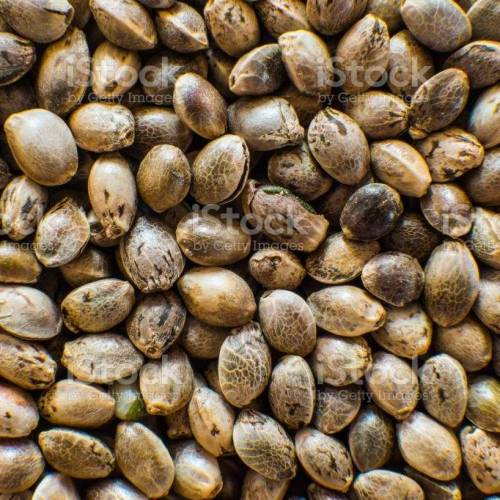
Hermaphrodite plants are not awesome. Fortunately, it's possible to create cleanly produced feminized pollen. This pollen can be used to create seeds which are 99.9% female. As long as logical safeguards are taken, these seeds will not be any more sensitive to becoming hermaphrodite than the parent plants
This particular recipe for STS was originally published by Robert C. Clark. Today it is arguably the most recommended and successfully used method of feminizing cannabis. This write up includes the original recipe, along with practical useage tips and other helpful information gained through experience.
Stress testing your female plants is essential to removing breeding plants with hermaphroditic tendencies. Even if you're not using feminized pollen, breeding with unstable parents can produce hermaphroditic seeds. It's extremely important to expose your potential parents to the stresses most commonly known to trigger hermaphroditic flower production.
Only females which stay 100% female should be used for breeding purposes.
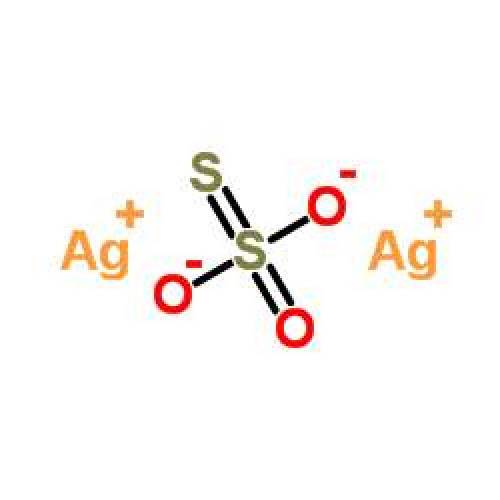
Silver Thiosulfate Solution (STS)
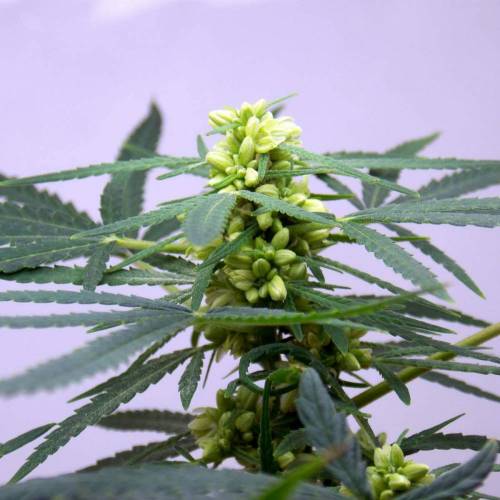
STS is the most commonly used chemical mix, for creating stable feminized pollen. While it may not be the only method, it is arguably the most commonly used and is quite reliable. Female cannabis plants require ethylene production to form female flowers. Without ethylene being produced, the female cannabis plant will produce male flowers full of feminzed pollen. Silver Thiosulfate Solution(STS) suppresses ethylene production in plants. When this solution is properly applied to the bud sites of a cannabis plant, the plant will not produce ethylene. Again, without the ethylene, male flowers form.
Tools and Materials You Will Need :
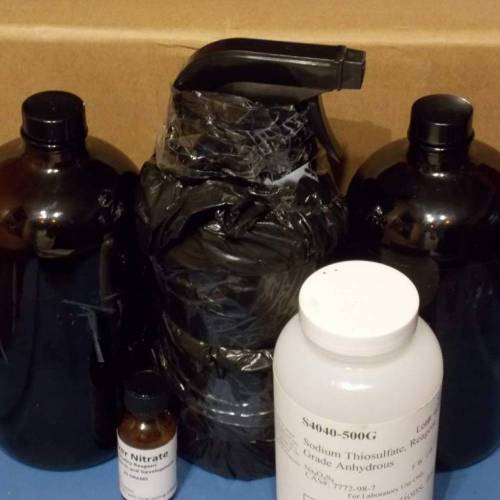
Silver Nitrate
Sodium Thiosulfate (Anhydrus and Pentahydrate Both Work)
Distilled or Reverse Osmosis Water
A Digital Scale Accurate to 0.1g
2 32oz Brown Glass Bottles
32oz Brown Glass Bottle w/Black Sprayer Top
33 Gallon Black Trash Bag
Tape
60 cc/ml Syringe
Surfactant (Yucca-Extract)
A Cool Dark Place for Storage (Fridge)
Nitrile Gloves
500ml/2 Cup Glass Mixing Container
Small wire whisk
Safety Goggles
Measuring and Mixing Stock Solution "A"
Fill your 500ml measuring cup with 500ml of distilled water
Measure out .5g of Silver Nitrate
Mix the silver nitrate powder into the 500ml of distilled water
Pour the silver nitrate solution into a brown glass bottle and seal tightly
Label the bottle "A" Silver Nitrate
Thoroughly clean the 500ml container and rinse with distilled water
Measuring and Mixing Stock Solution "B"
Fill the 500ml container with 500ml of distilled water
Measure out 2.5 grams of sodium thiosulfate anhydrous, OR 3.9g of sodium thiosulfate pentahydrate
Mix the sodium thiosulfate with the 500ml of distilled water
Pour the sodium thiosulfate solution into a brown glass bottle and seal it tightly
Label the bottle "B" Sodium Thiosulfate
Thoroughly clean the 500ml container and rinse with distilled water
Keep Both "A" and "B" Solutions Cool and Dark!
Mixing and Diluting STS
The next step is to mix the two stock solutions together properly, creating the actual Silver Thiosulfate Solution (STS).
Before using the STS, it must be diluted to a weak solution for spraying!
Measure 50ml of stock solution "B" with the 60cc syringe and gently squirt it in the 500ml glass measure
Thoroughly rinse the syringe with distilled water, or change to a new syringe.
Measure 50ml of stock solution "A" with the 60cc syringe.
While whisking solution "B" in the glass measure, slowly squirt solution "A" into the glass measure in less than 30 seconds
Pour the mixed solution into the 32oz brown glass bottle with black sprayer top.
Add 900ml of distilled water to fill the sprayer the rest of the way, leaving room for a little bit of surfactant
Add yucca extract in small amounts and shake well.
Test spray on a leaf to if solution still beads up and rolls off
Add additional yucca extract and shake well, until the solution spreads across the leaf instead of beading up.
Thoroughly rinse all tools using more rinse water than usual.
You now have a sprayer bottle with a 1:9 dilution of STS and water.
You want to do your best to protect it from light and heat. Personally, I wrap the bottle section with a black plastic trash bag and tape it in place.
This is for additional light protection while it stores in my fridge.
Successfully Using STS!
I've spent a great deal of time researching the best method(s) to use for success with STS. First I'm going to detail the steps I've used successfully myself. I'm also including the thoughts and tips I've picked up from other growers. Cannabis is a nearly infinitely variable plant, so it's best if you have information from as many sources as possible. Who knows which tip will specifically fit your plants and setup. ;)
Regardless of the spraying schedule you use, be sure to thoroughly saturate the branch(es) and beginning flower clusters.
Spraying Schedule I've Used Successfully
Spray branch(es) you want reversed 5 days before flipping to flower
Spray every 5 days until major male flower formation has begun
Alternative Spraying Schedule A
Spray branch(es) you want reversed 2 weeks before flower
Spray branch(es) you want reversed on the day you flip to flower
Alternative Spraying Schedule B
Spray branch(es) you want reversed on the day you flip to flower
A Note on STS "Burning" the Plant
Many growers have reported the STS solution 'burning' the plant. I strongly recommend diluting your spray further than 1:9, if you experience any burning of your plants.
Additional Tips and Tricks
As always, the more information you have, the better you can potentially achieve. The following are little things which can make a big difference in your results.
Using Clones
When possible, I've found it immensely helpful to work with clones of the same plant, reversing one or more for pollen in a small flowering area first. The pollen is collected and stored. At this point, the pollen can be used on any female plants, including clones of itself.
Though it does involve a second step of collecting and preserving the pollen until use, it allows you to create seeds without dealing with a reversed plant in the room. An additional up side is the ability to store the pollen for years, when preserved properly.
Pollen Control
I STRONGLY recommend using filtered intakes and outtakes on any flowering environment you're creating or using pollen in. Many growers have reported developing allergies to cannabis pollen, after working with it for years on end. Filtering the air going in and out of your flowering rooms keeps pollen contained. (mostly lol)
I use spray bottles of r/o filtered water and spray down the air in the room, any time I didsturb pollen. Knock the pollen out of the air after every session of working with pollen. Be sure to spray down the insides of tents and flower rooms after each run. This will minimize cross contamination from different pollen sources.
Diluting Your Pollen
Any visible bit of pollen you can see is made up of millions of bits of pollen, making one pollen per pistil pollination impossible. Mixing your pollen at one part pollen to 50 parts corn starch or flour prevents waste. Each pistil requires only one bit of pollen to create a seed and the dilution makes this easy.
Using a Makeup Brush to Pollinate With
Many growers report excellent results with evenly pollinating plants, when they use a clean makeup brush. The brush allows easy application of the pollen evenly across the plant. When the pollen is diluted with flour, you're easily able to see which flowers you've already pollinated.
Storing Your Pollen for Years (Possibly 10+ Years)
Pollen can be stored for a long time in a freezer, as long as it has been thorougly dried. Silica packs do not absorb down to a low enough relative humidity, so dried rice is used.
TLDR, ill be back soon. :-)