


PURPLE PUNCH + 5 GENETICS WITH ATAMI


PURPLE PUNCH X BUBBA KUSH
PURPLE PUNCH X BUBBA KUSH


BANANA OG
BANANA OG

CHEESE
CHEESE





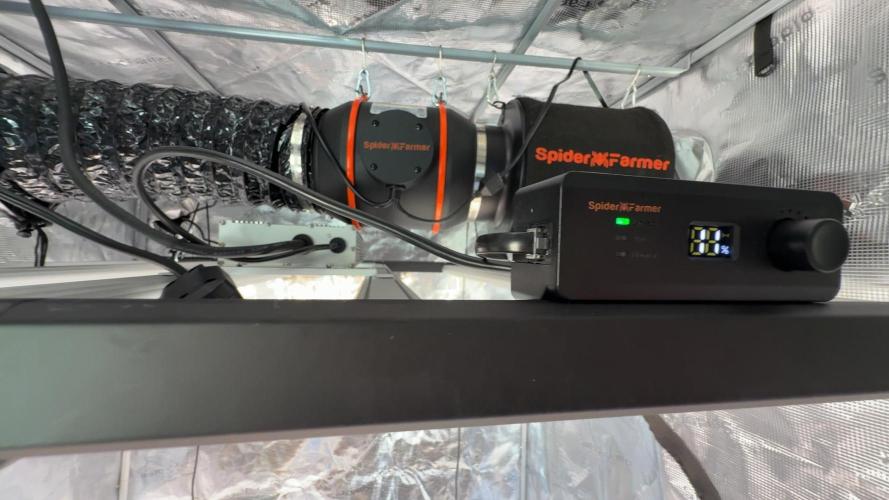
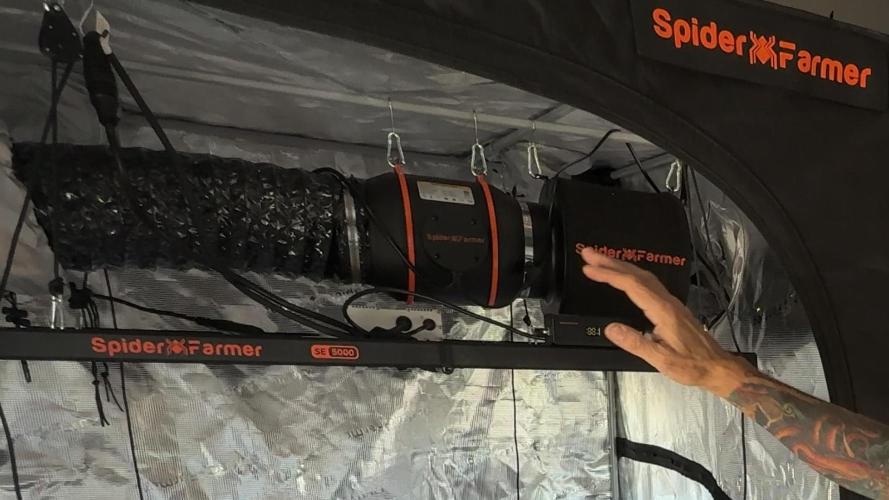
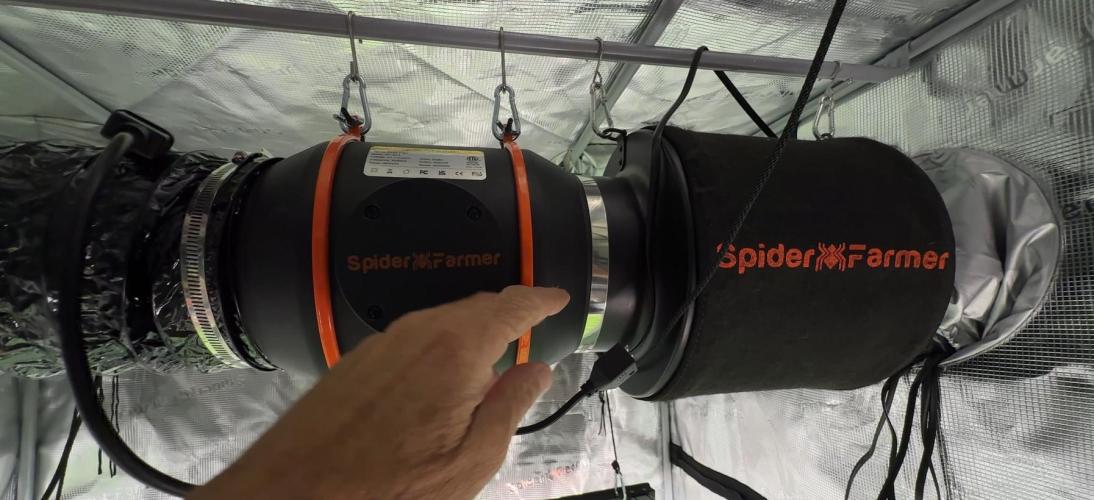
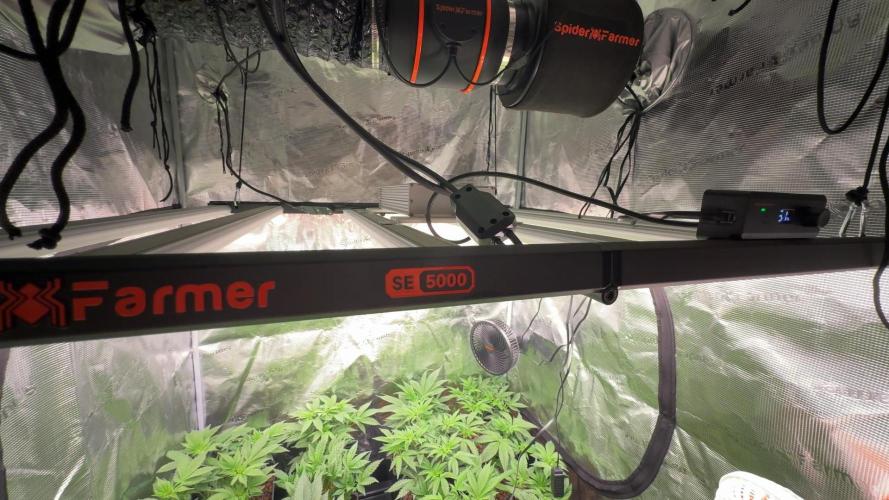
Fan
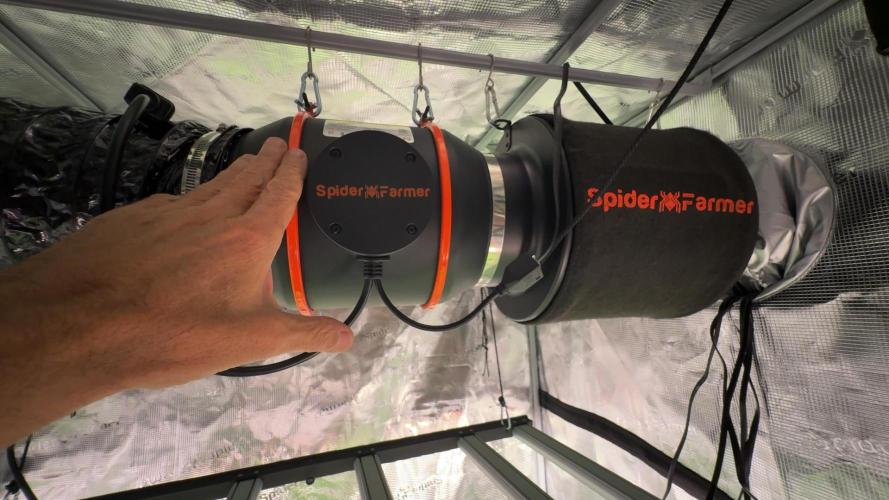
6” Inline Fan
Spider Farmer


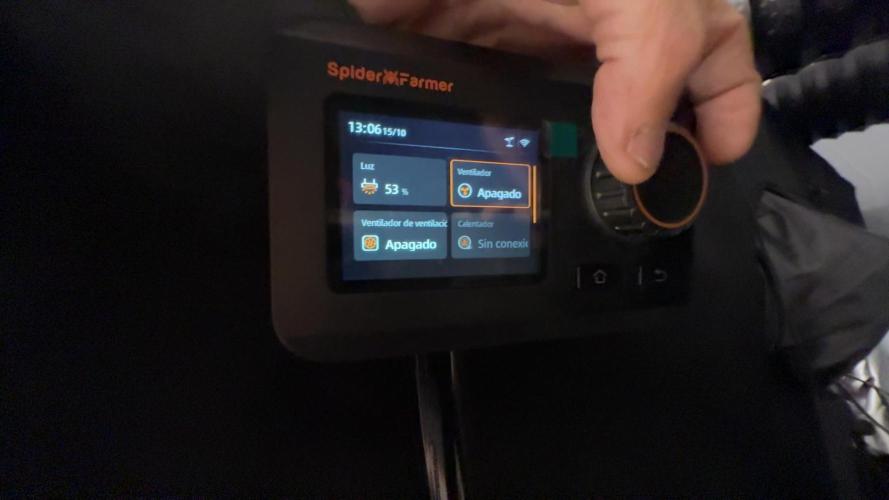
Contr
GGS CONTROLER
Spider Farmer

Hydro
WILMA XXL 20
ATAMI


Indoor
Room Type
Topping
weeks 4
7 liters
Pot Size
Start at 5 Week
G
Germination9mo ago

Nutrients 5

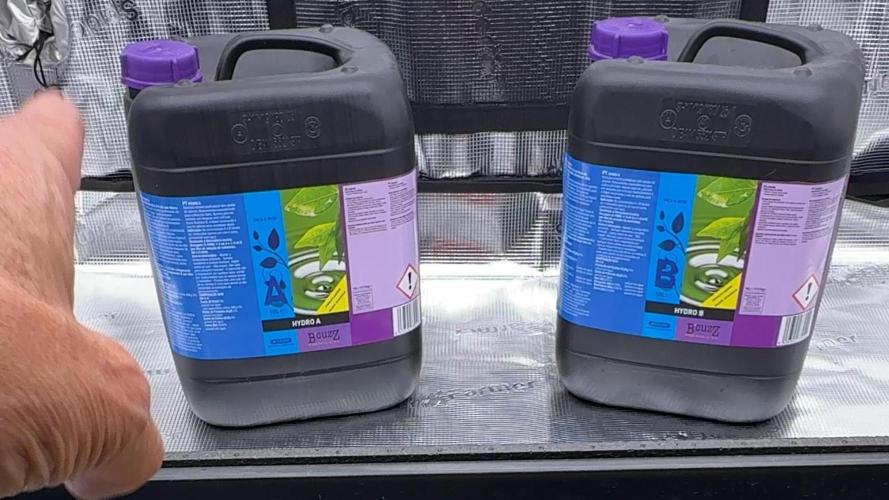
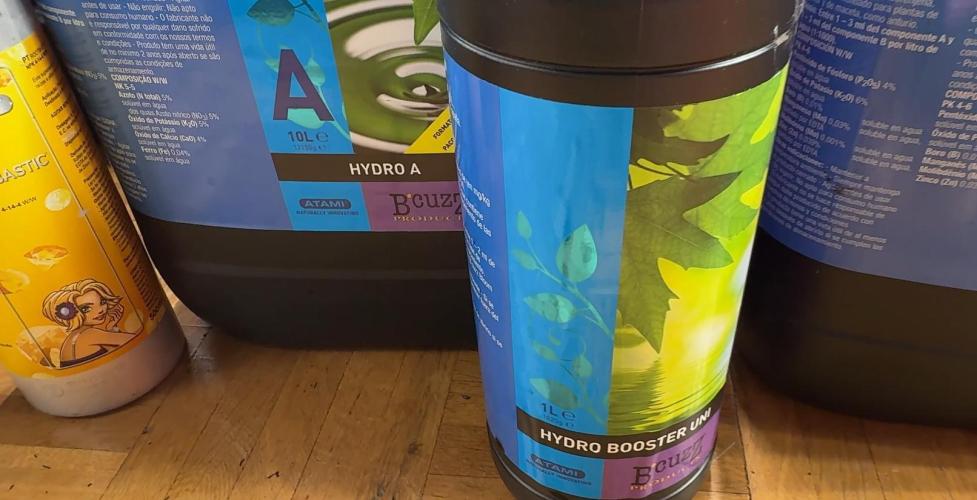
B'cuzz Hydro A
0.132 mll

B'cuzz Hydro B
0.132 mll

ATA Calmag
0.053 mll
JARDINTERAPEUTICO Start of cultivation – Sowing and first roots
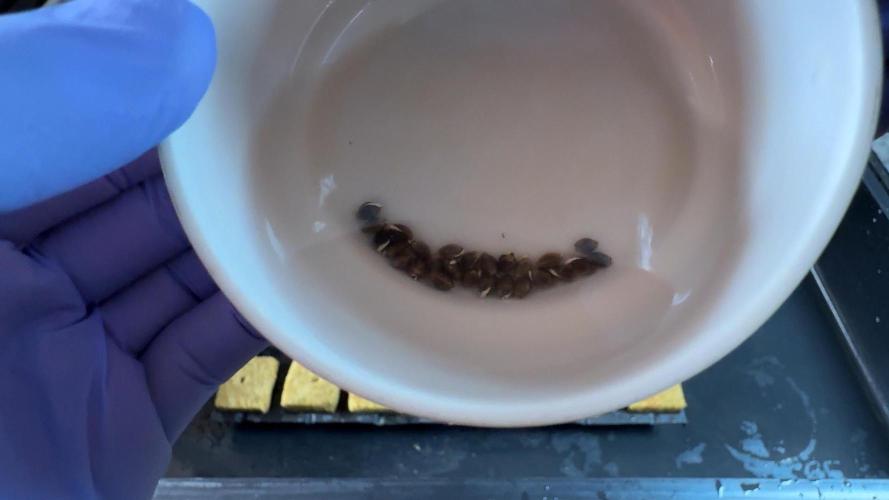
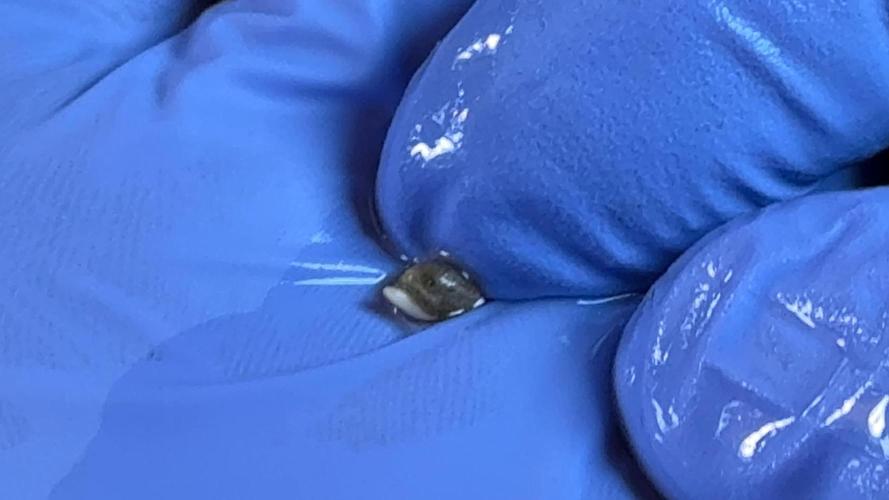
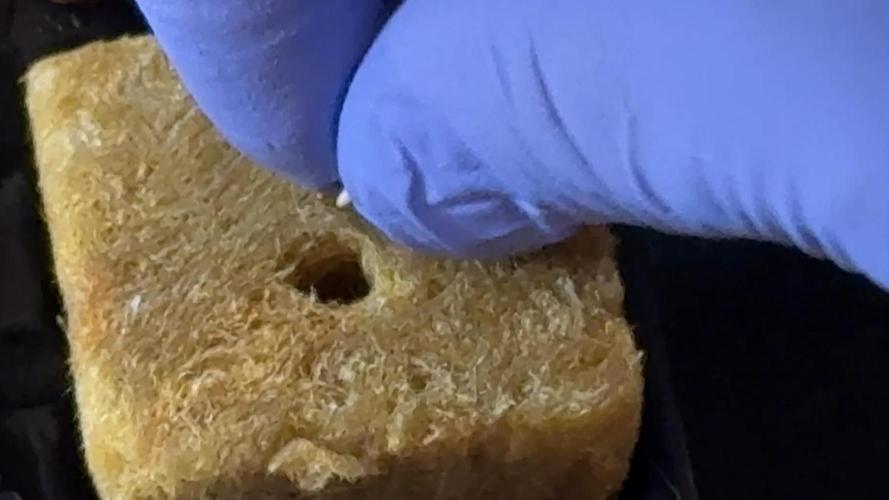
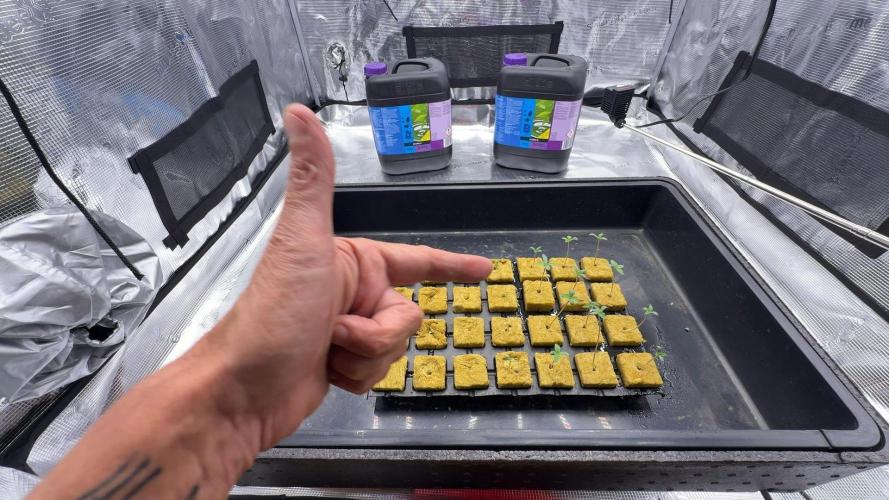
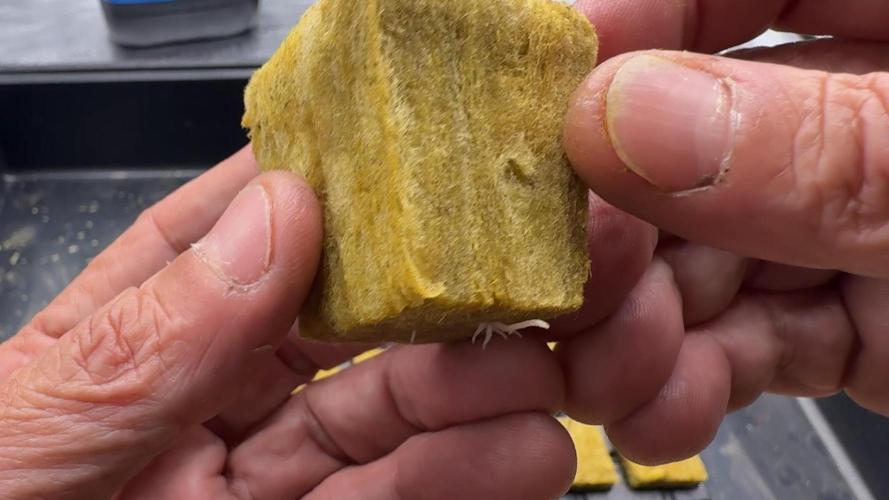
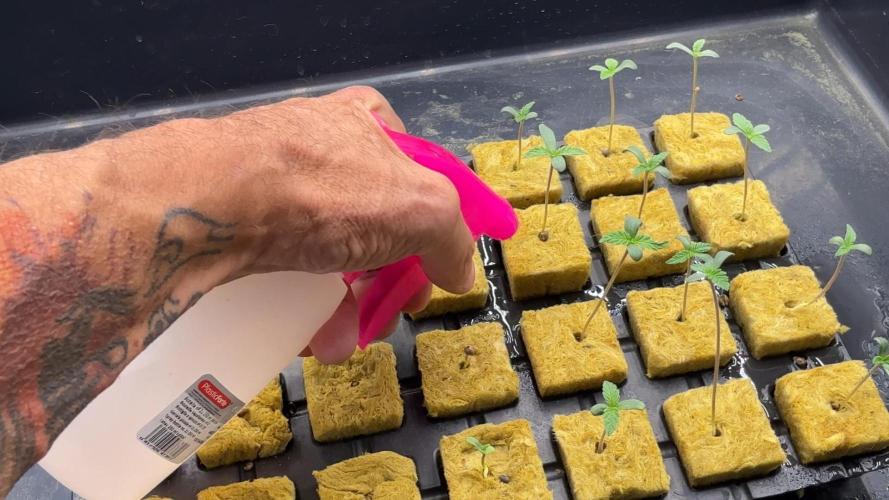
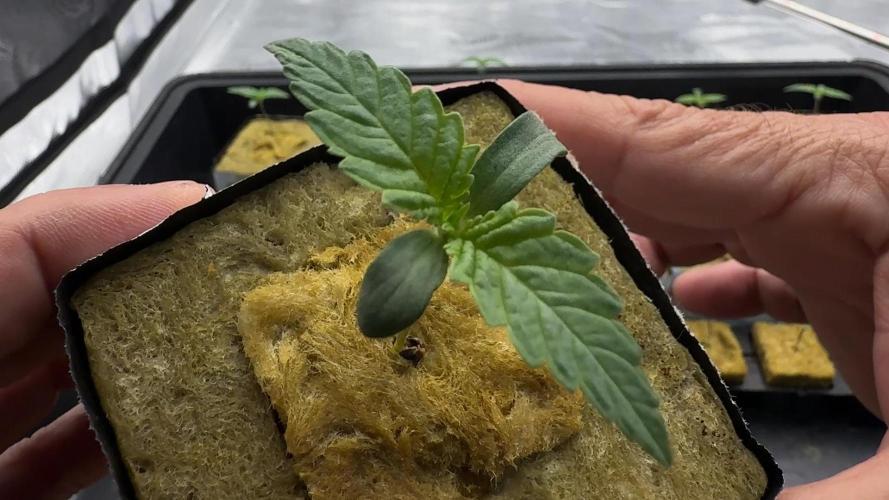
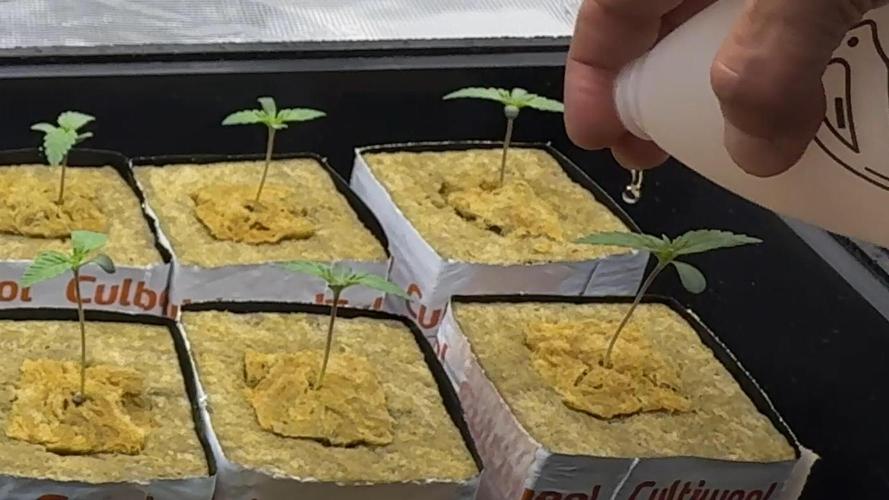
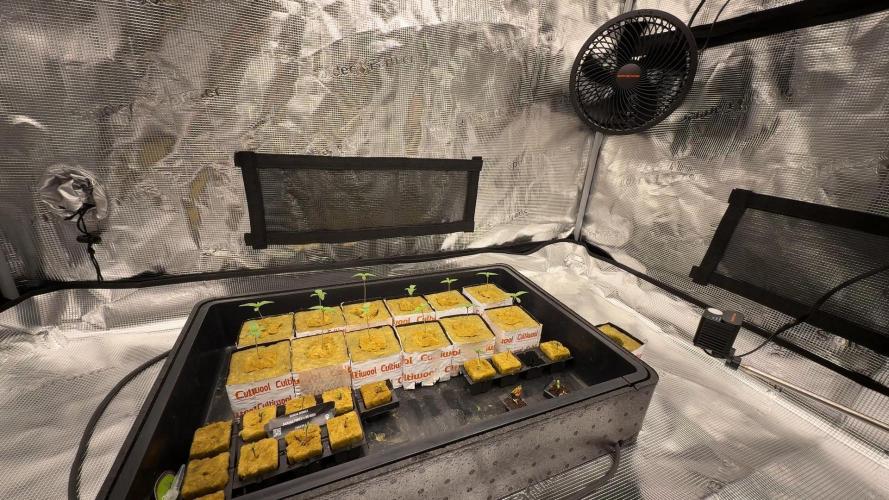
We kicked off on 10/8 with direct sowing in rock wool, using a nutrient solution from Atami adjusted to EC 0.6 for this gentle start.
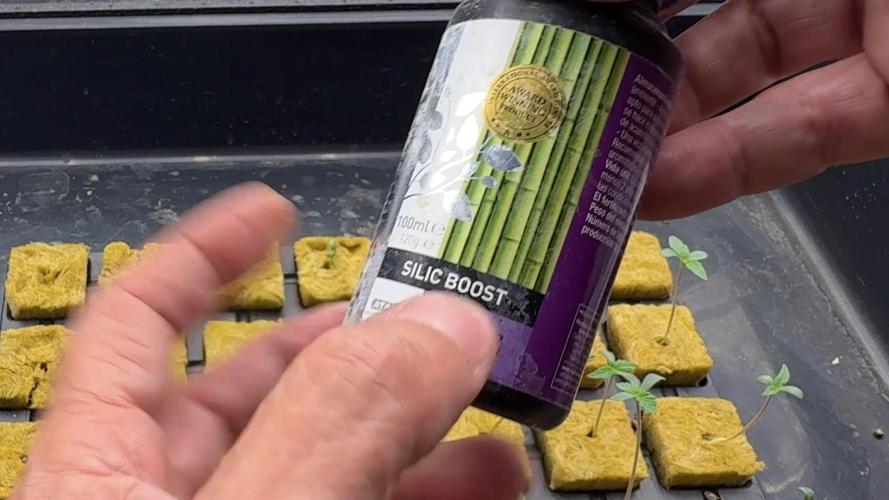
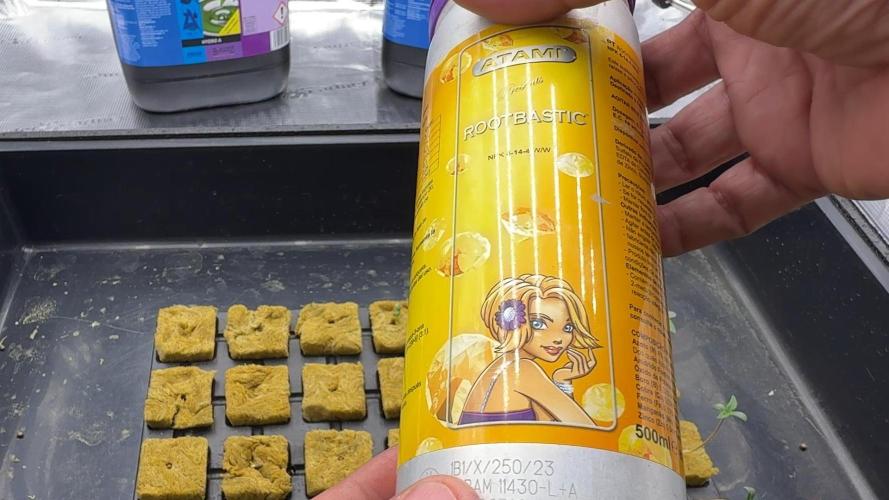
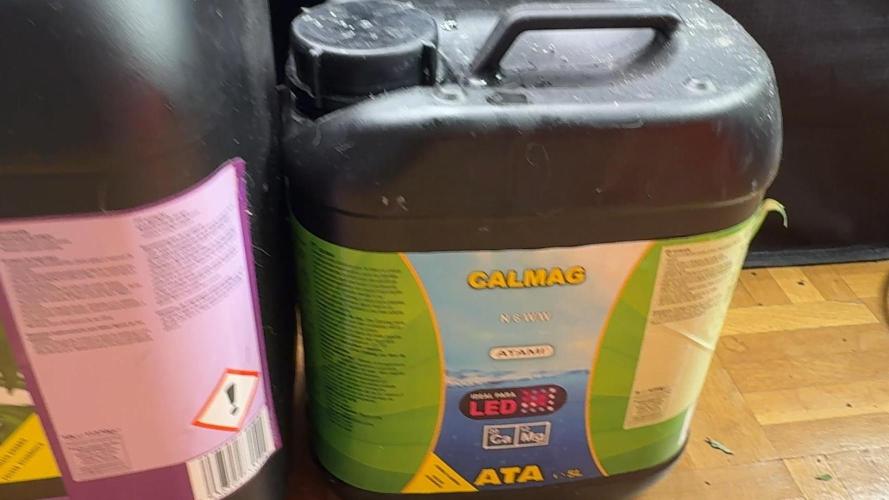
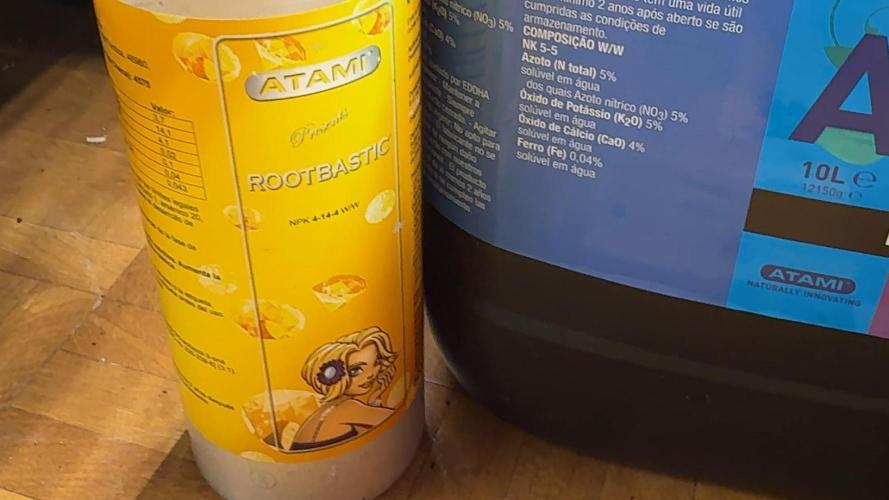
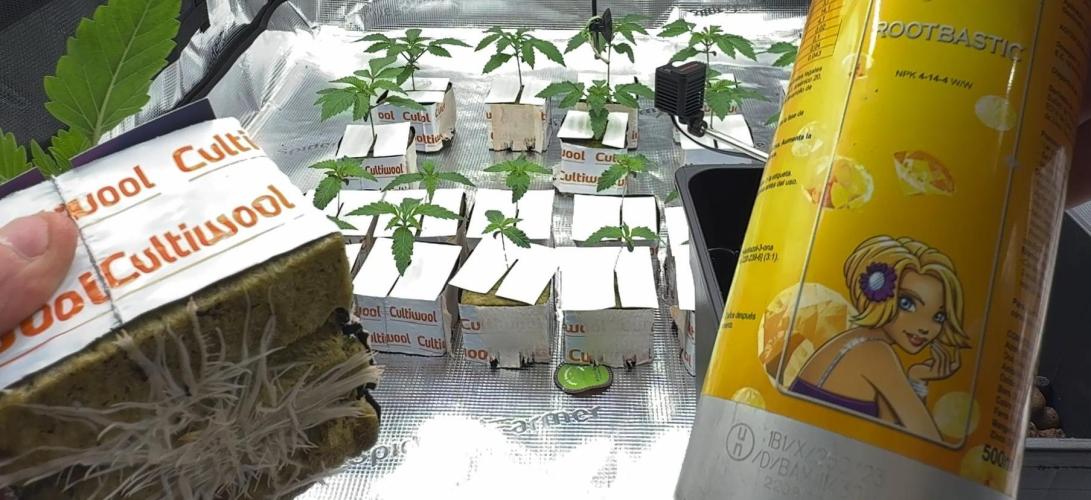
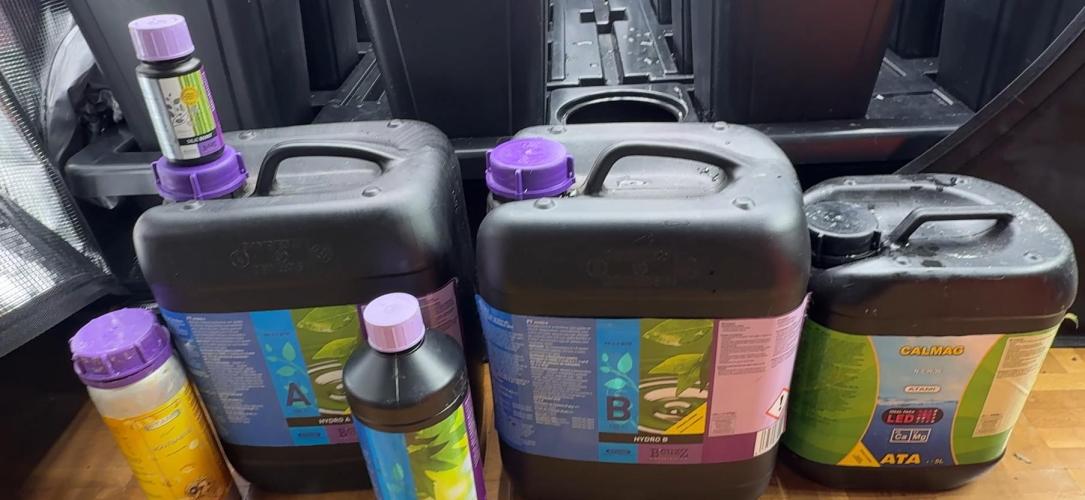
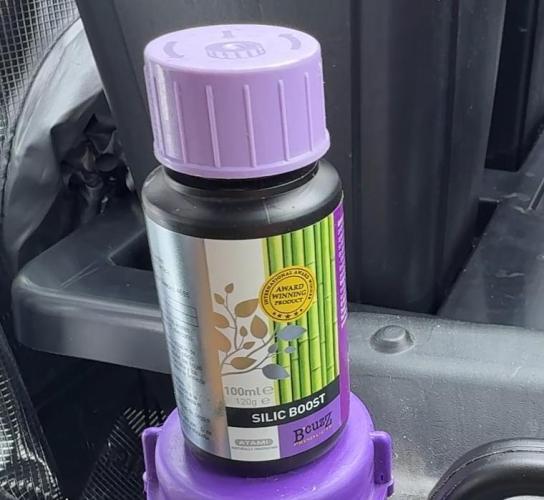
The initial mix includes calcium, magnesium, Hydro A + Hydro B, Silic Boost, and RootBastic, aiming for a balanced base for quick and healthy rooting.
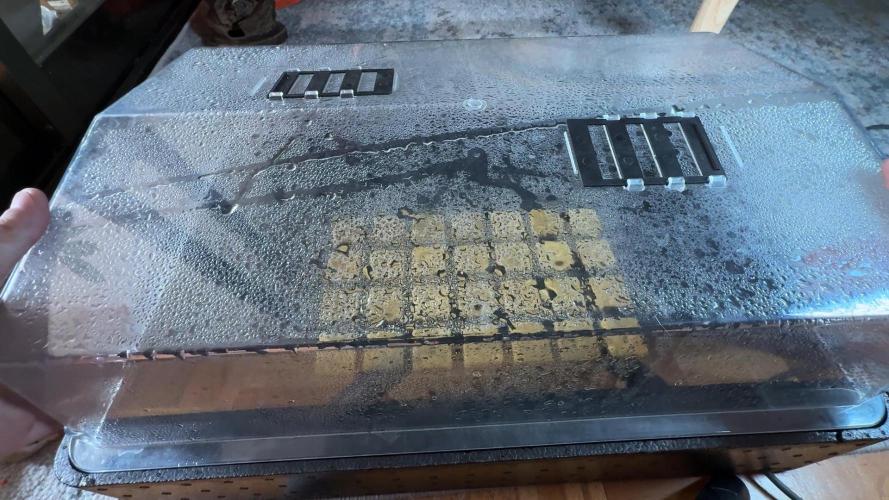
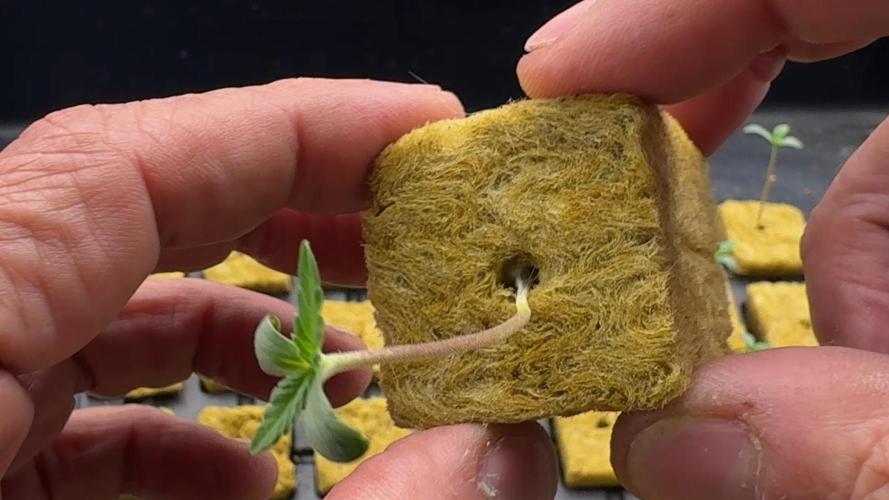
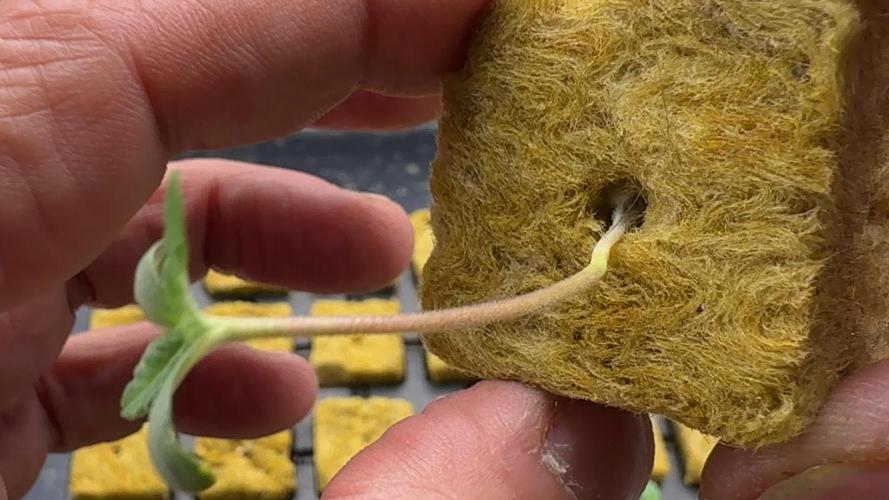
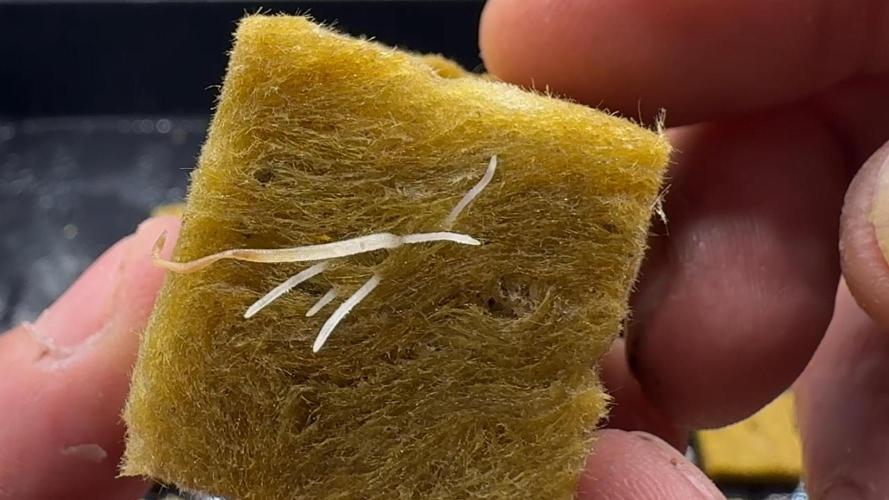
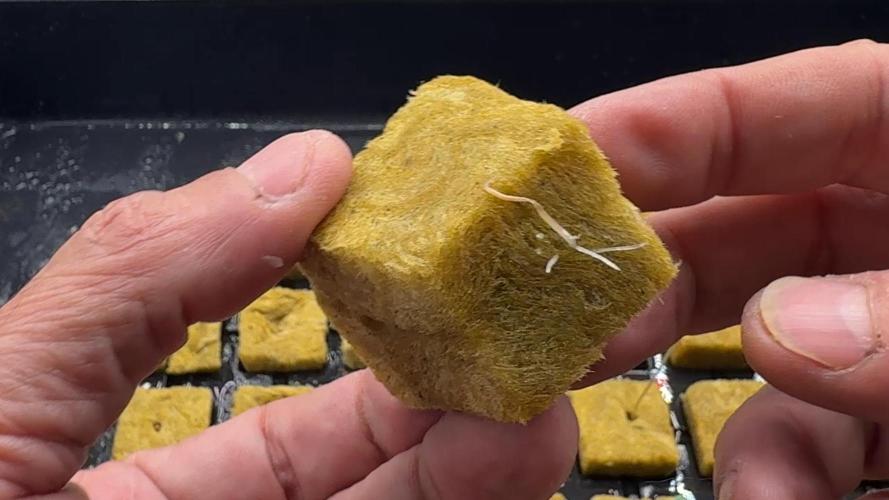
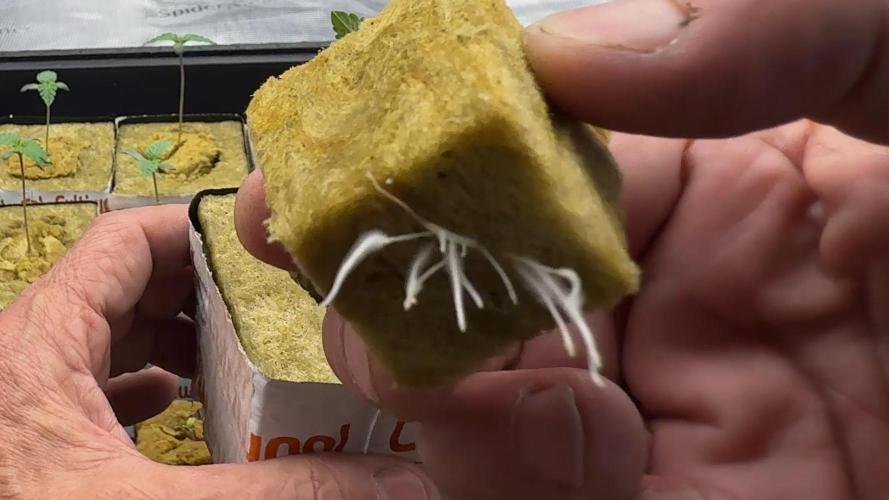
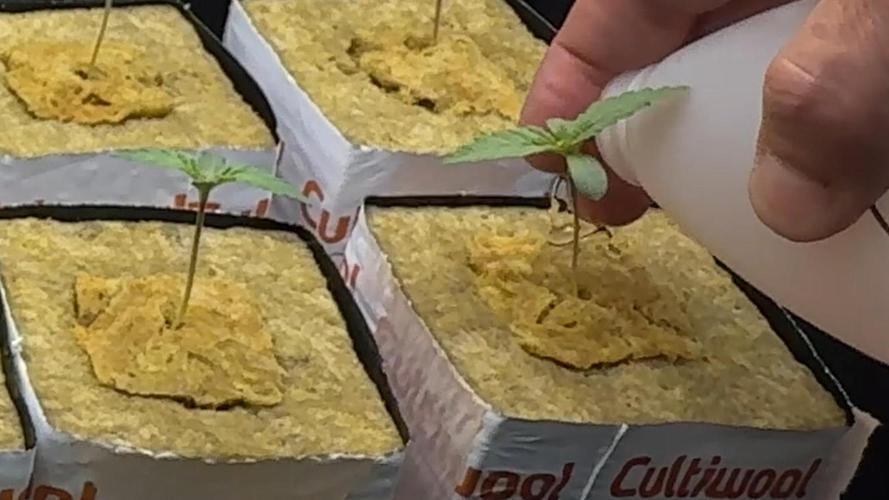
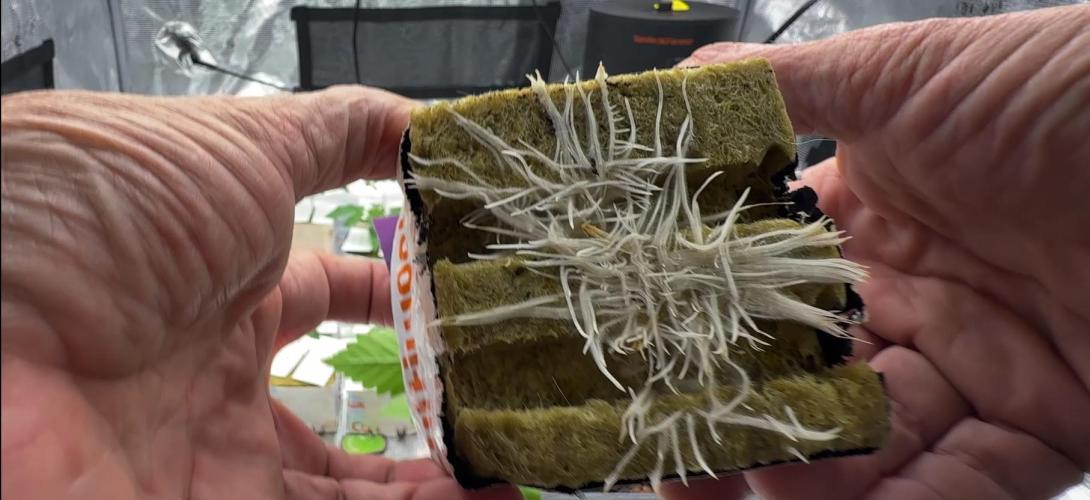
After 5 days of germination, the roots are already showing strong and white just in time for the first watering, done on 10/13 with an EC of 1.0 and pH adjusted to 5.5.
The seedlings are responding very well and show excellent roots in this first phase.
Humidity is maintained at 65% and the temperature is around 25 degrees, giving us an approximate VPD of 1.11 kPa.
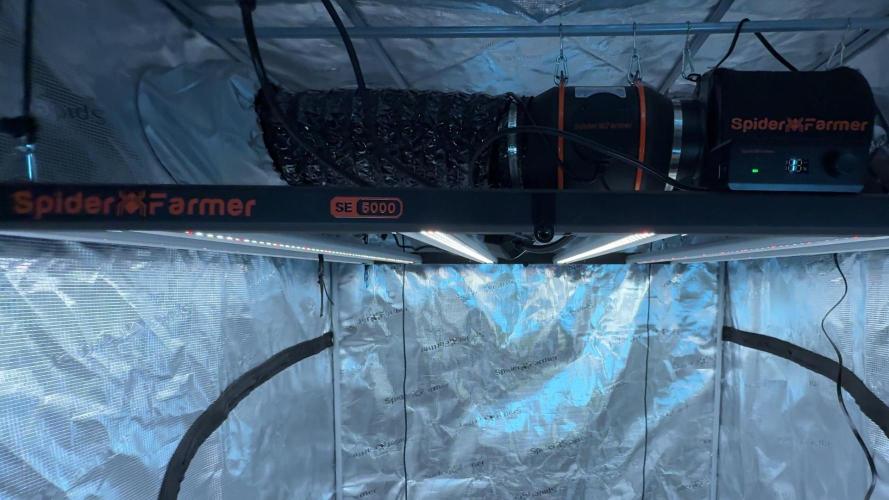
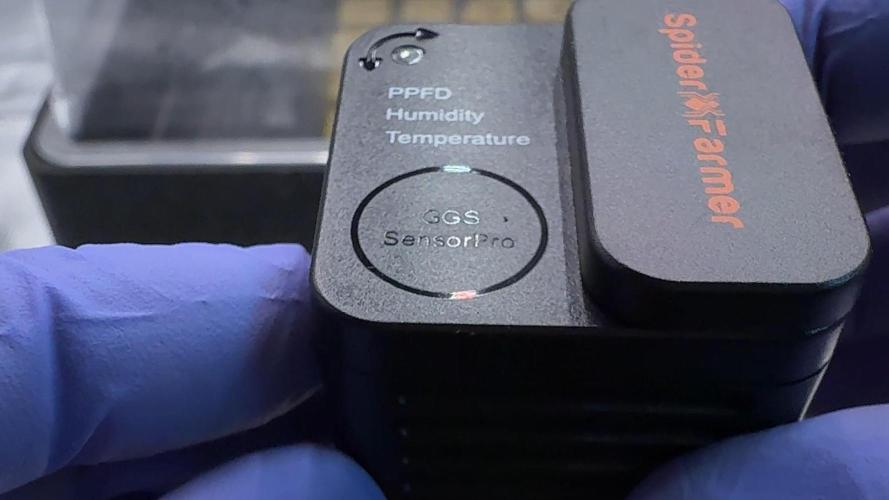
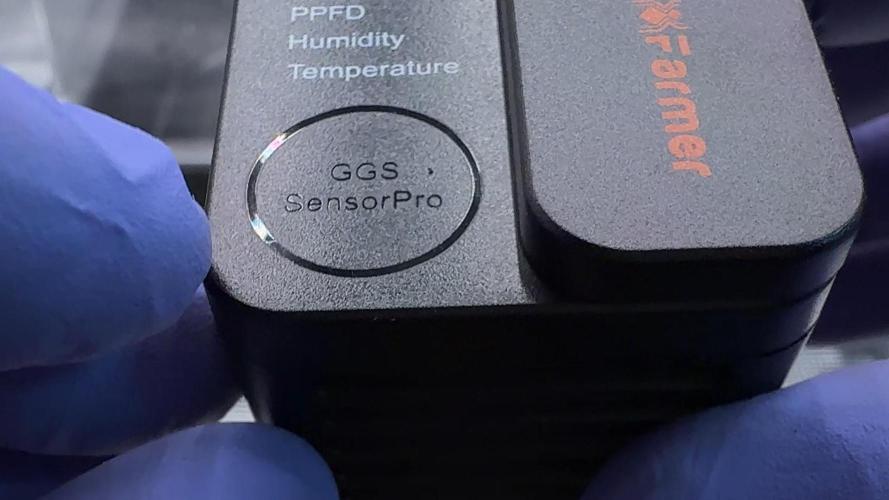
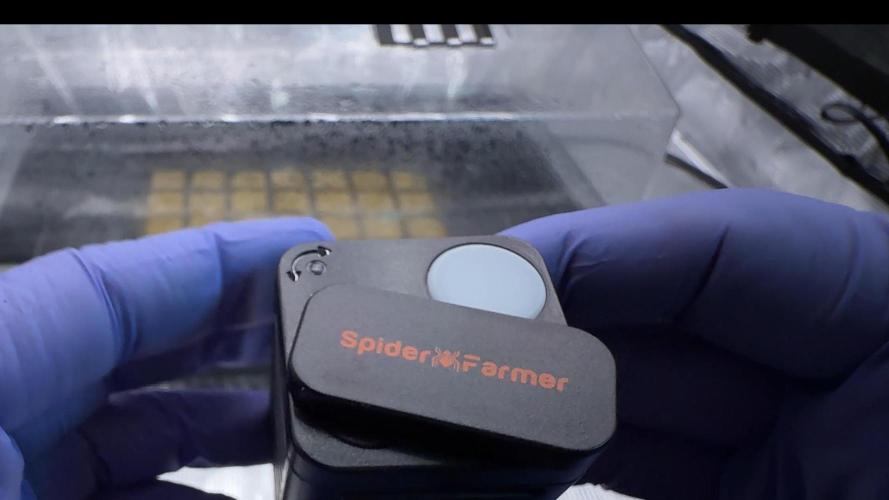
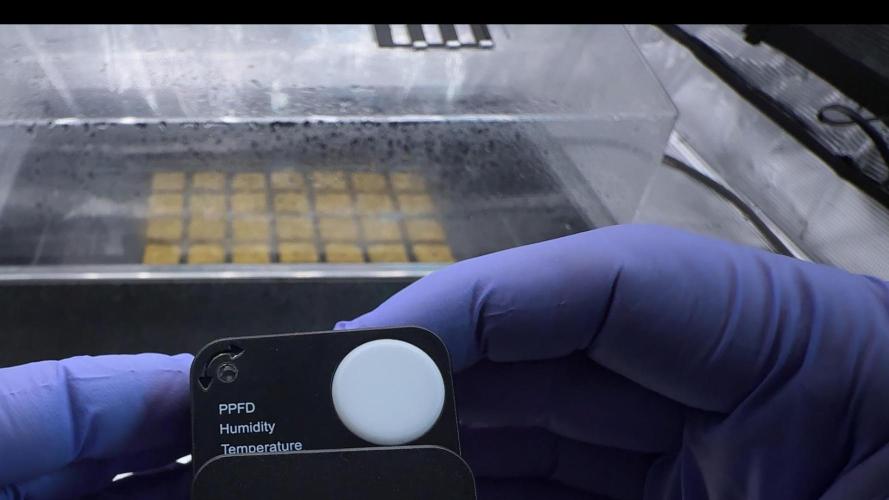
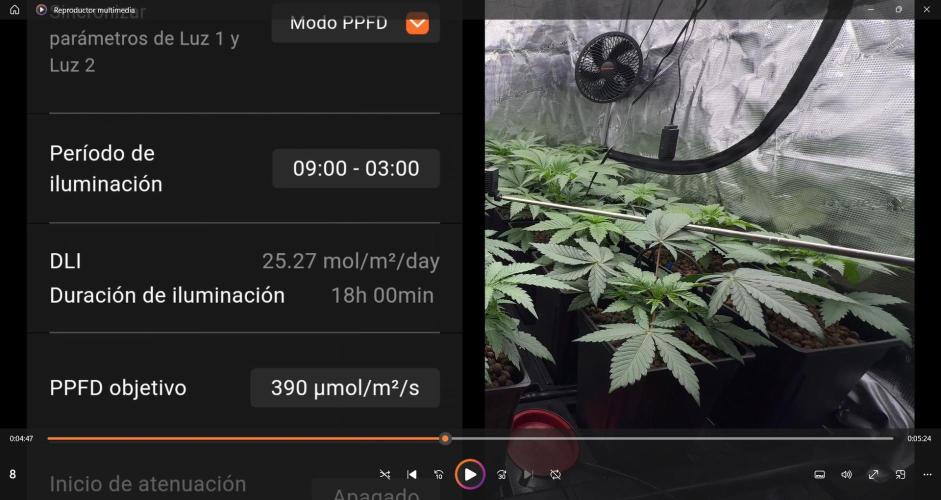
We manage the light intensity automatically by PPFD with the PRO sensor from Spider Farmer's GGS, and this week we're providing a PPFD of between 150 - 200 μmol/m²/s, which gives us a DLI of 9.72 - 12.96 mol/m²/day.
The journey begins…
3 likes
2 comments
Share
Used method
Rockwool Cube
Germination Method
1
Week 1. Vegetation9mo ago


6 cm
Height
18 hrs
Light Schedule
25 °C
Day Air Temp
5.5
pH
No Smell
Smell
1.1 PPM
TDS
65 %
Air Humidity
20 °C
Solution Temp
21 °C
Night Air Temp
70 cm
Lamp Distance
450 PPM
CO₂ Level
Nutrients 6
B'cuzz Hydro A
0.291 mll
B'cuzz Hydro B
0.291 mll
ATA Calmag
0.053 mll
JARDINTERAPEUTICO Week 1 – Transplant and Environment Stabilization
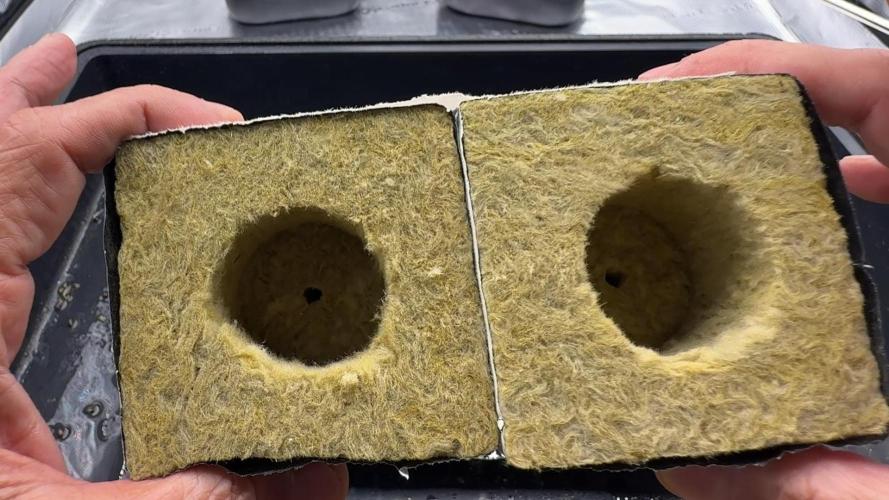
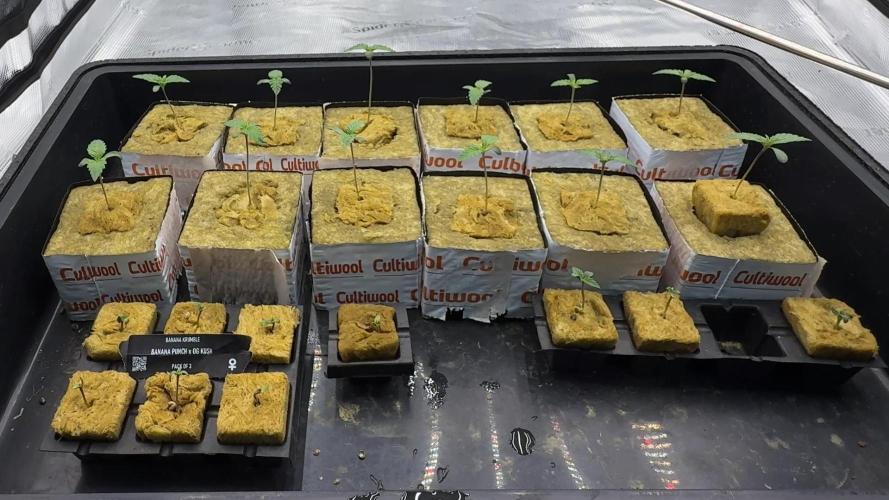
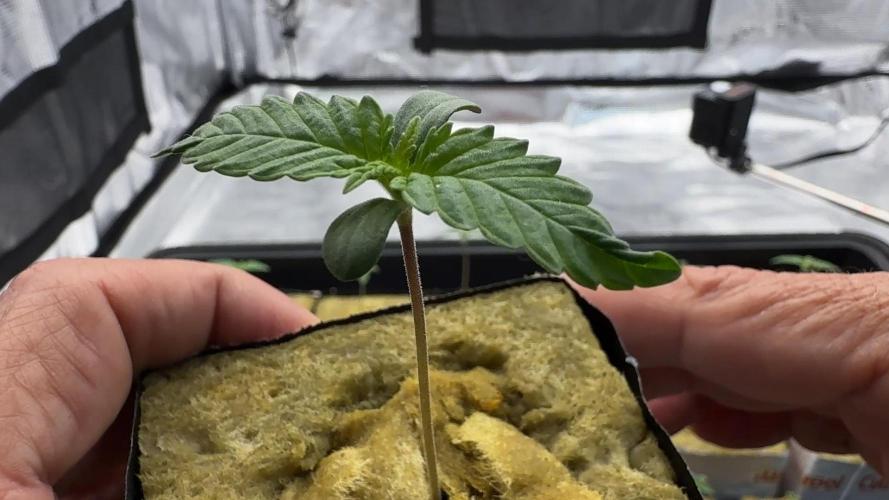
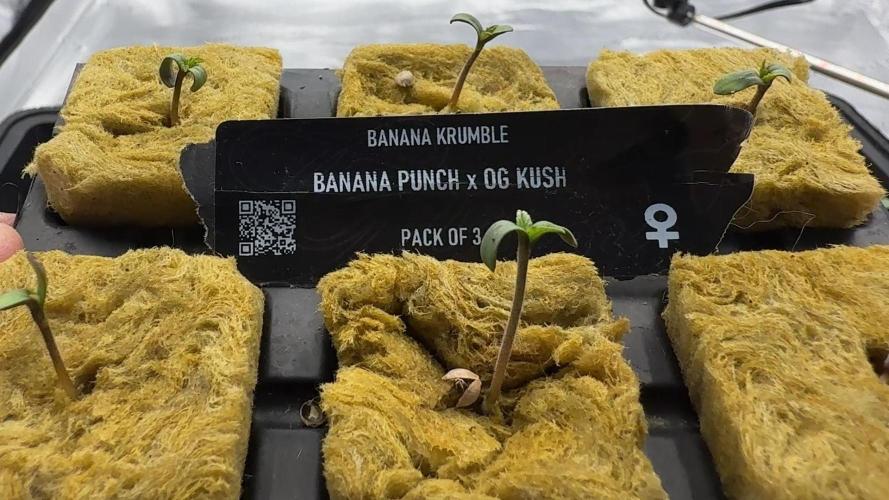
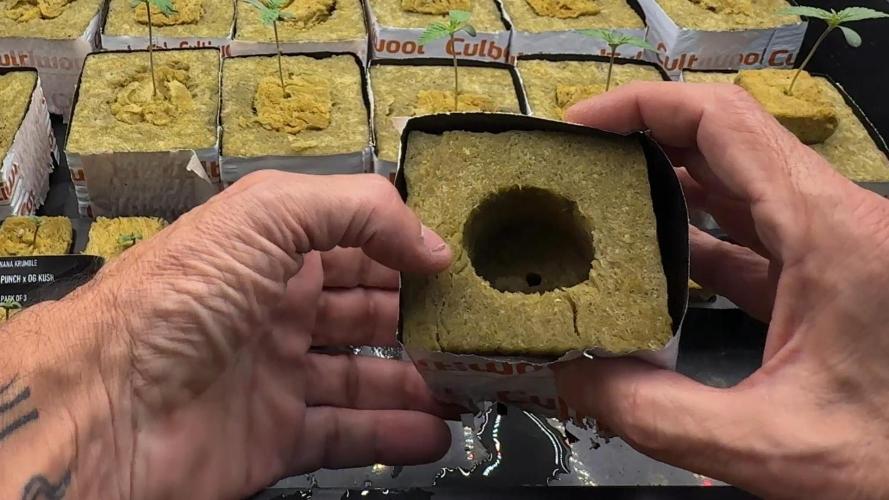
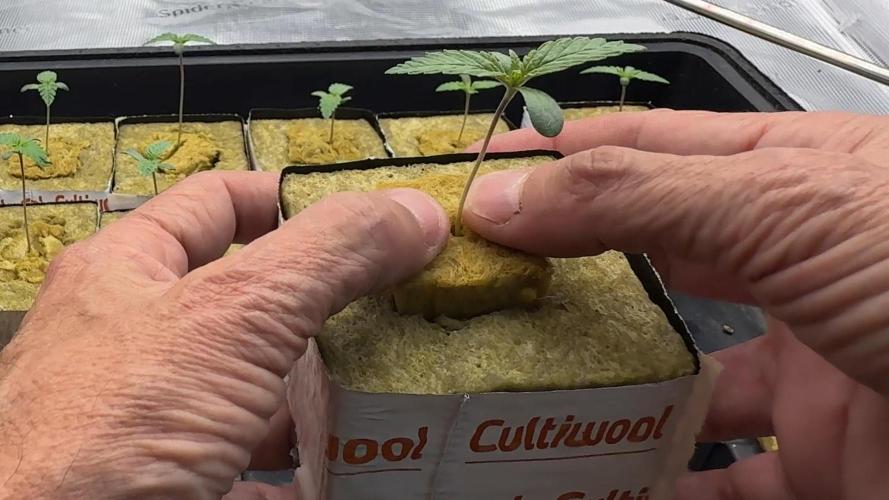
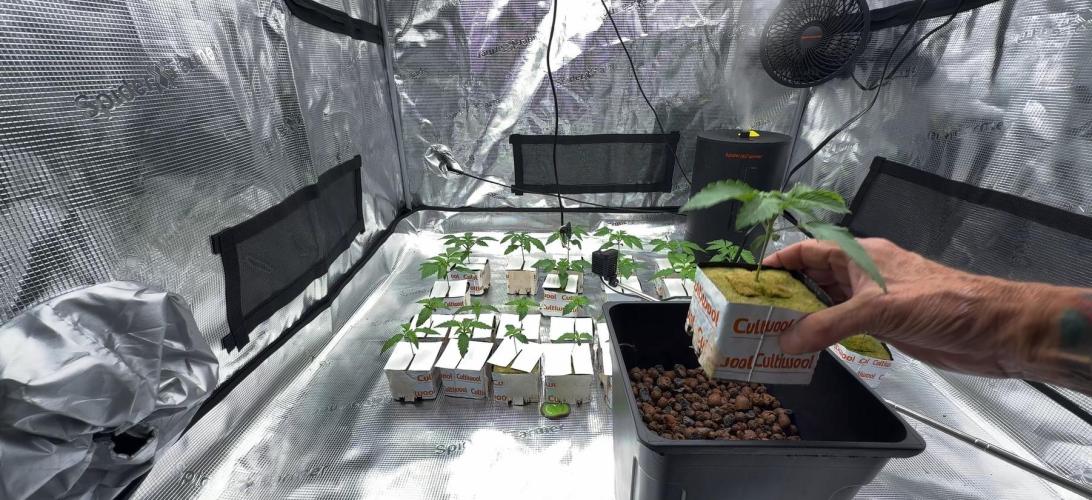
During this week, we transplanted the small rock wool cubes into the larger ones, ensuring more space and oxygenation for root development. Additionally, we added the Banana Krumble seeds, which were pending germination after the first batch of seeds.
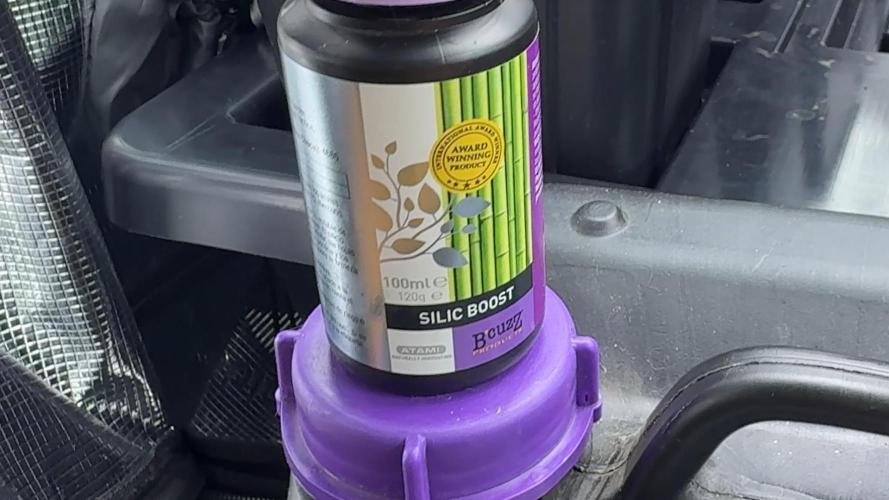
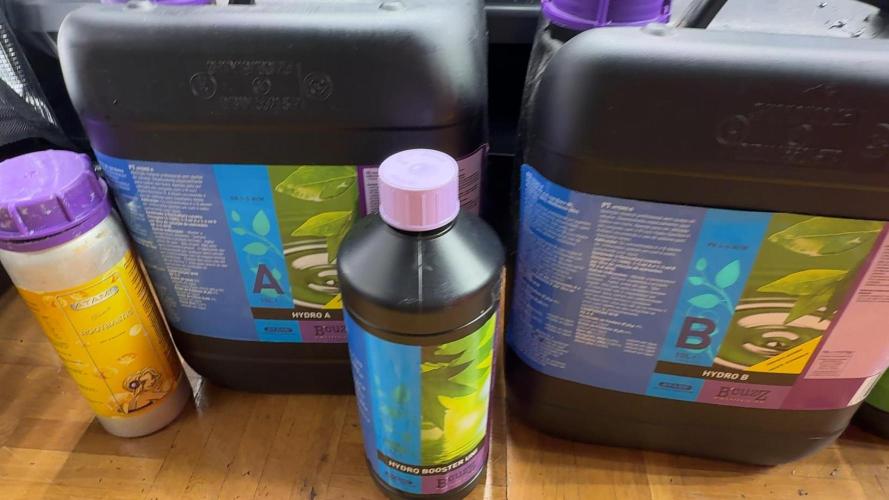
Irrigation, done manually and with great care, was carried out using Atami's Hydro line, incorporating Silic Boost, Hydro A + B, CalMag, and RootBastic, maintaining a balanced solution to strengthen roots and prevent deficiencies in this initial phase.
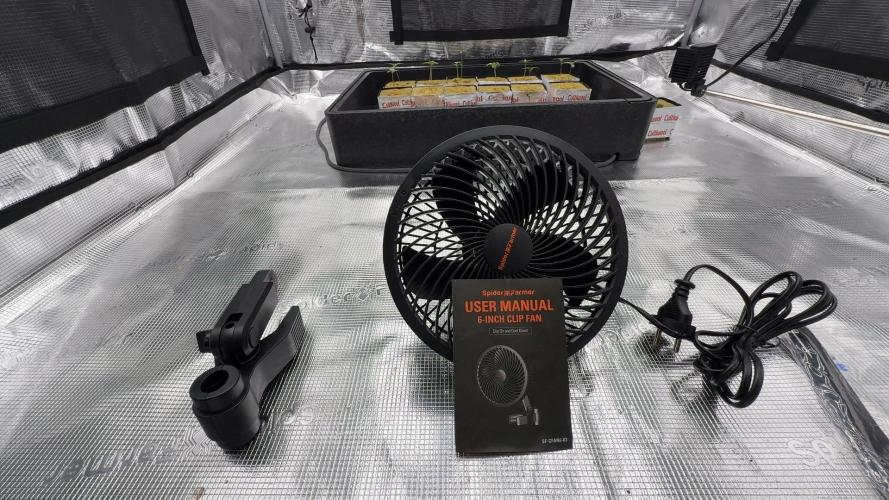
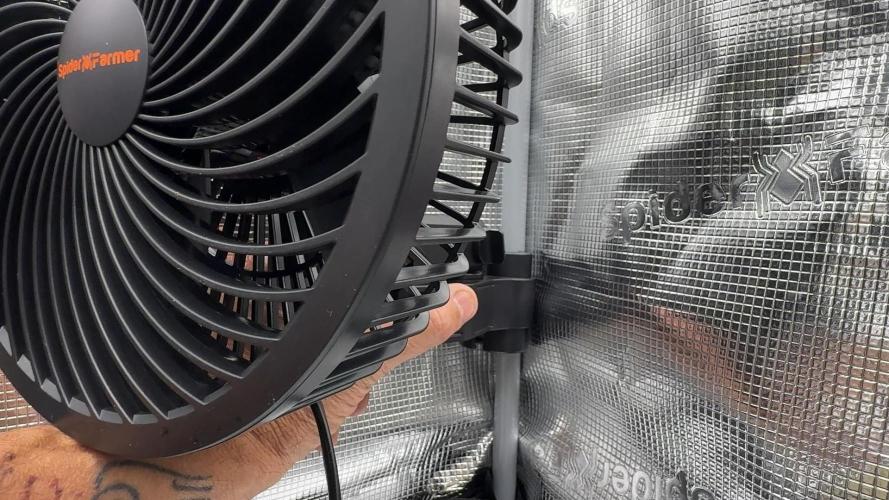
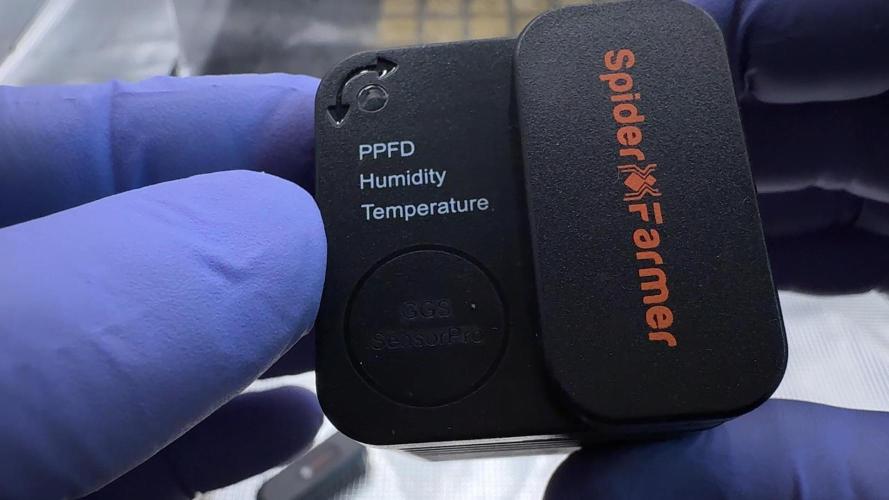
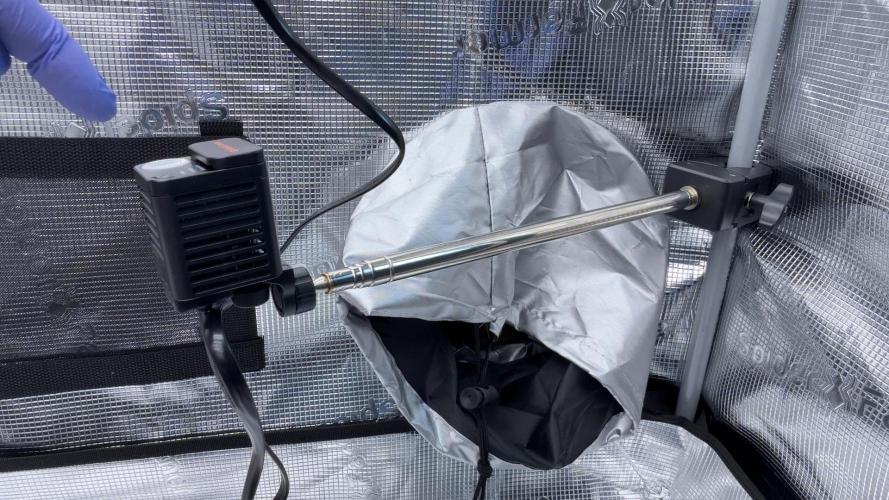
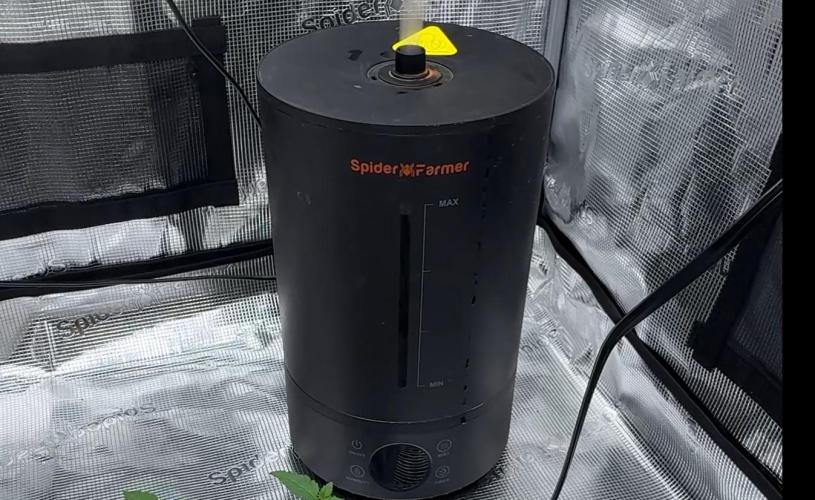
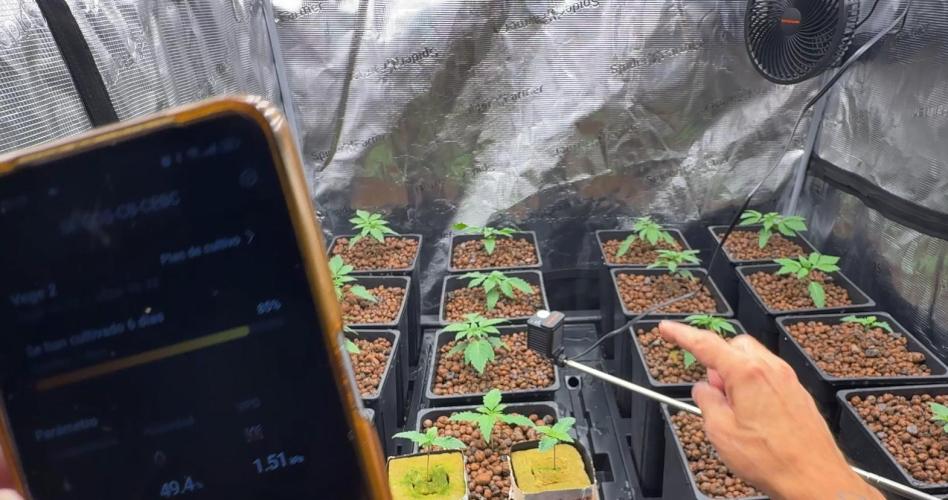
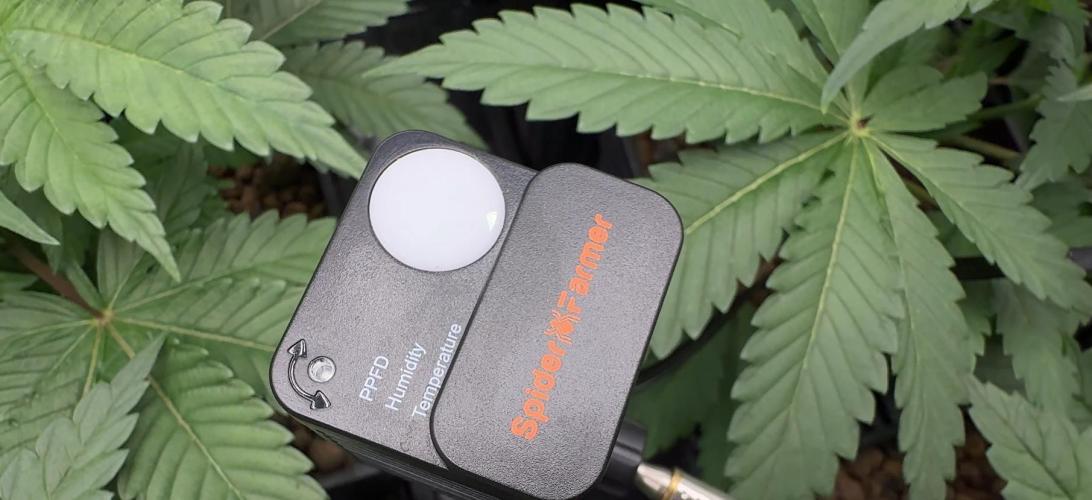
We also installed the Spider Farmer fan along with the PPFD, humidity, and temperature sensor, connected to the GGS system, which automatically manages the environmental parameters.
Humidity is maintained at 65% and the temperature is around 25 degrees, giving us an approximate VPD of 1.11 kPa. With the PRO sensor from Spider Farmer's GGS, we manage the light intensity automatically by PPFD, and this week we are providing a PPFD of between 200 - 250 μmol/m²/s, resulting in a DLI of 12.96 - 16.20 mol/m²/day.
The plants are staying healthy, perfectly adapting to the new volume of rock wool and showing consistent growth in this transition stage.
4 likes
4 comments
Share
2
Week 2. Vegetation9mo ago
18 hrs
Light Schedule
25 °C
Day Air Temp
5.5
pH
No Smell
Smell
1.3 PPM
TDS
60 %
Air Humidity
20 °C
Solution Temp
21 °C
Night Air Temp
6.5 liters
Pot Size
70 cm
Lamp Distance
450 PPM
CO₂ Level
Nutrients 6
B'cuzz Hydro A
0.343 mll
B'cuzz Hydro B
0.343 mll
ATA Calmag
0.106 mll
JARDINTERAPEUTICO Week 2 – Transplanting to the Wilma system and preparing the hydroponic setup
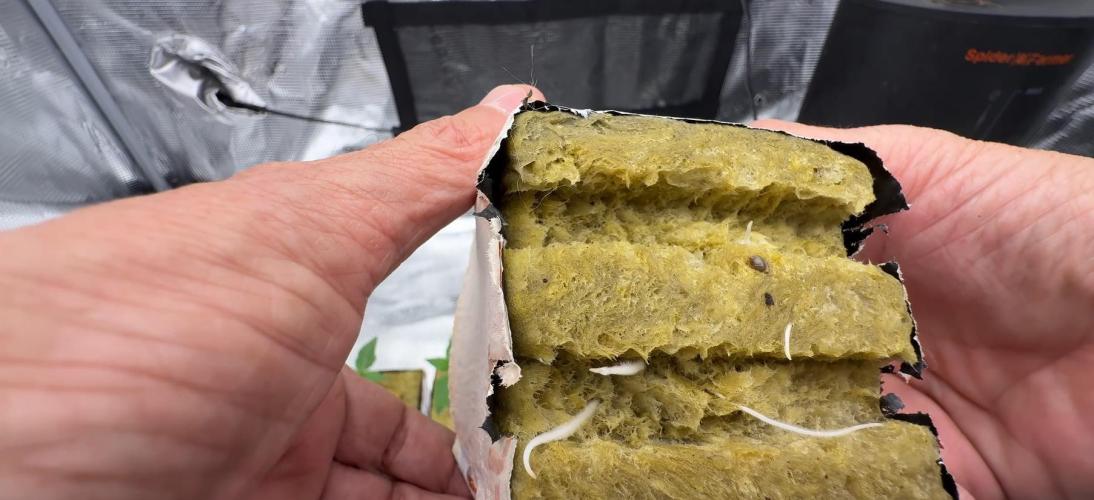
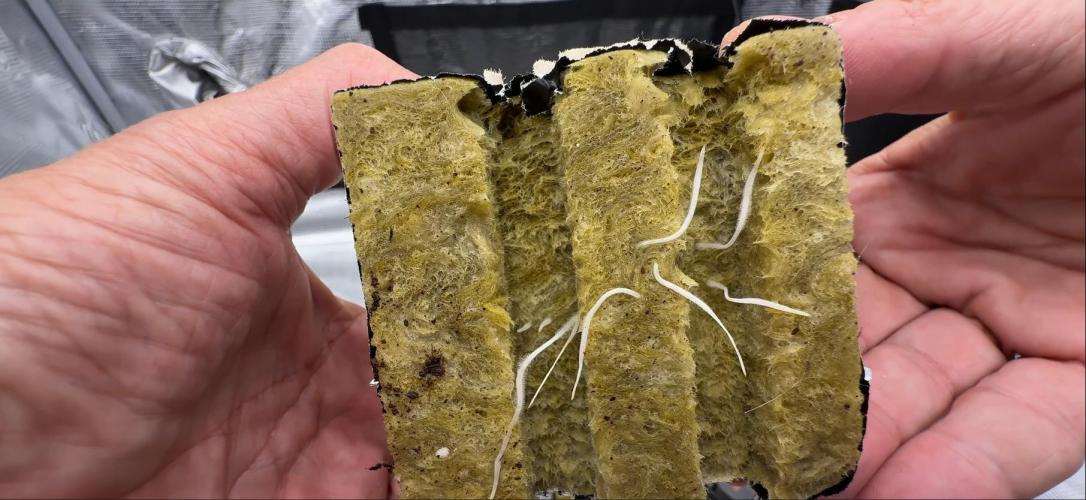
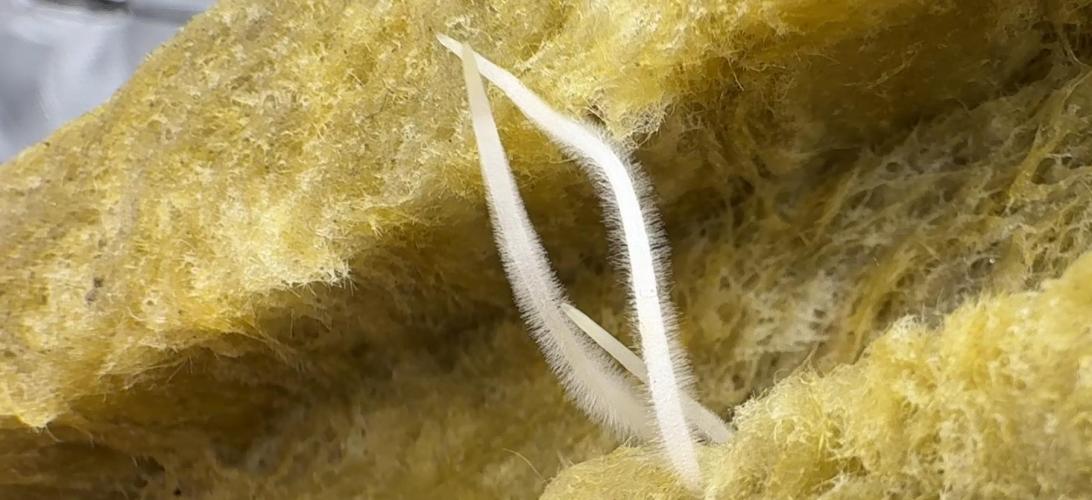
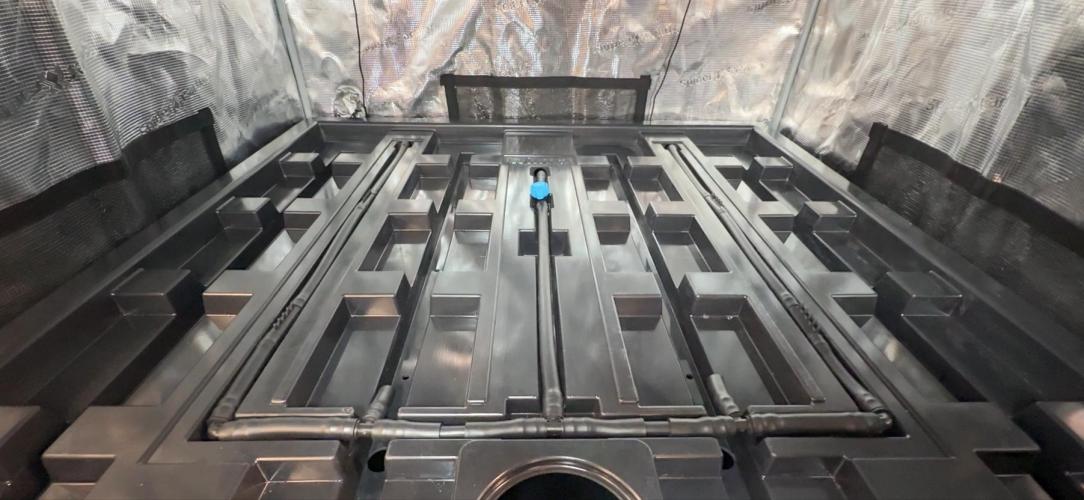
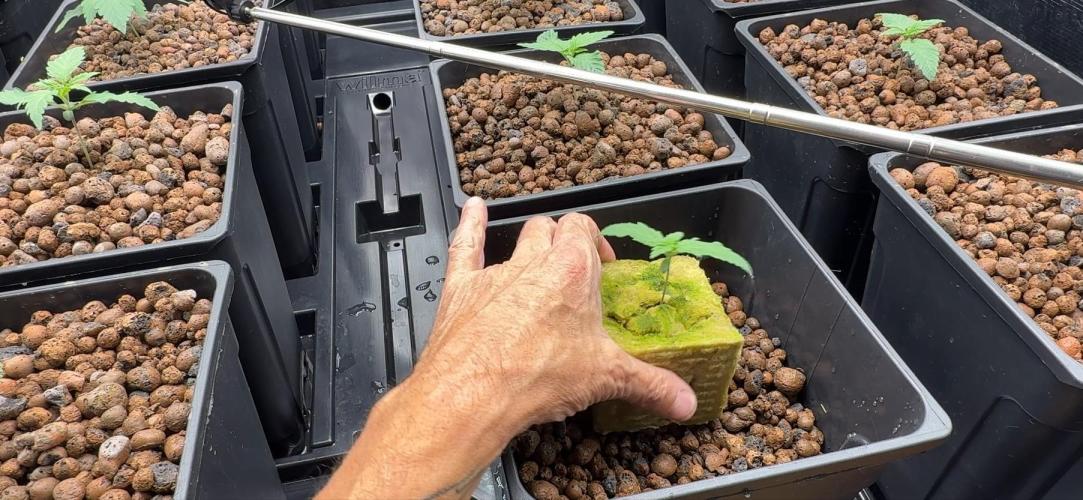
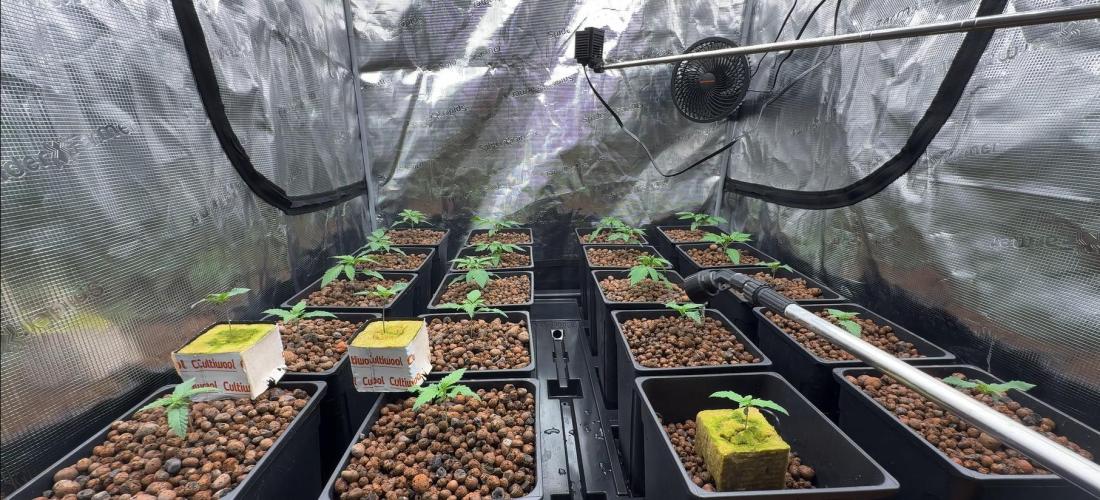
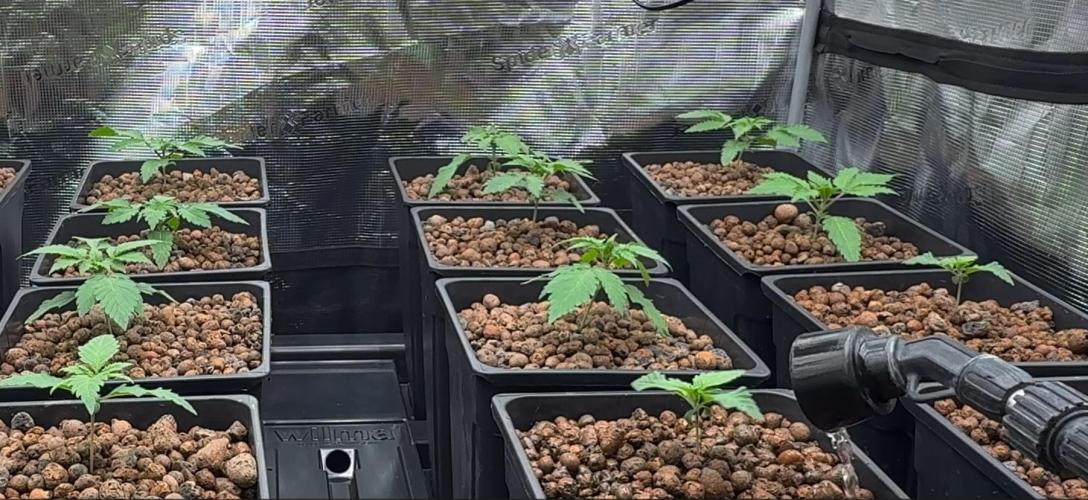
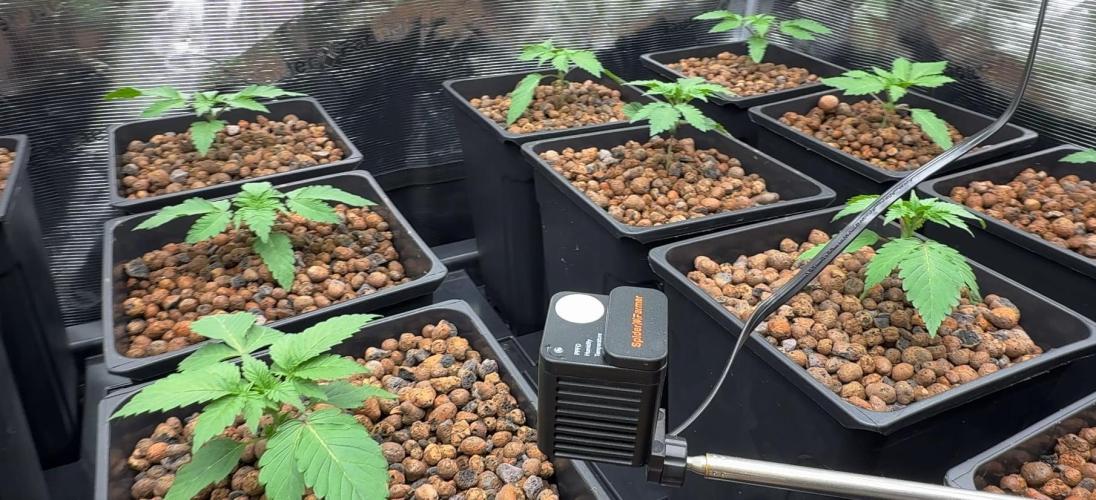
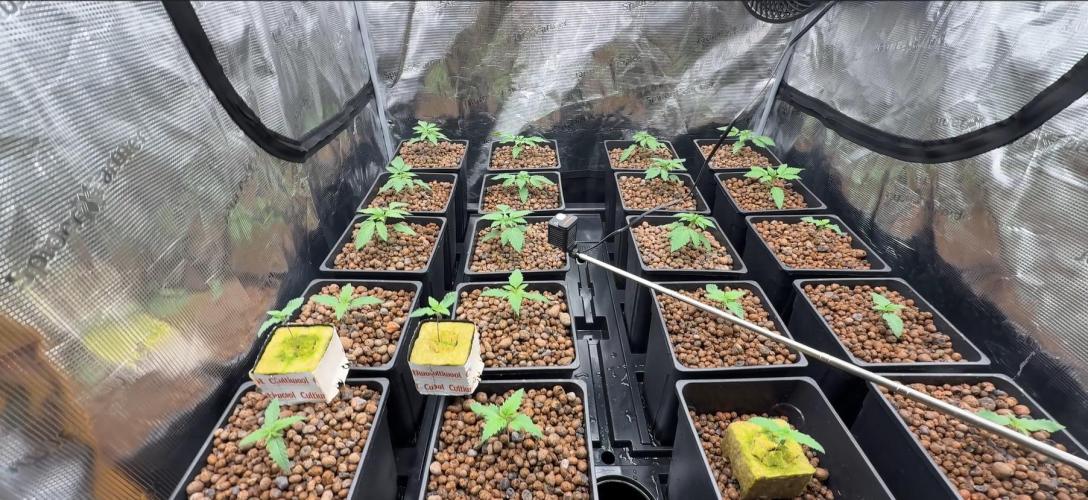
During this second week, we have completed the transplant of all the plants to the Wilma XXL system with clay pebbles. The root development has been spectacular: the roots have completely colonized the rock wool cubes and have formed a thick, white, and very active system, something we attribute to the use of RootBastic during the first two weeks. The photos of the root system speak for themselves.
Although all the pots in the Wilma are already set up and ready, for now, we are still watering manually with a lance, as the plants are still too small to start the continuous watering of the hydroponic system. The clay pebbles are pre-washed, stabilized, and ready to receive the flow from the system as we progress a bit more in growth.
Regarding nutrition, we are maintaining exactly the same hydro line used in the previous week: Silic Boost + Hydro A+B + CalMag + RootBastic, keeping a stable solution adapted to this pre-transition phase.
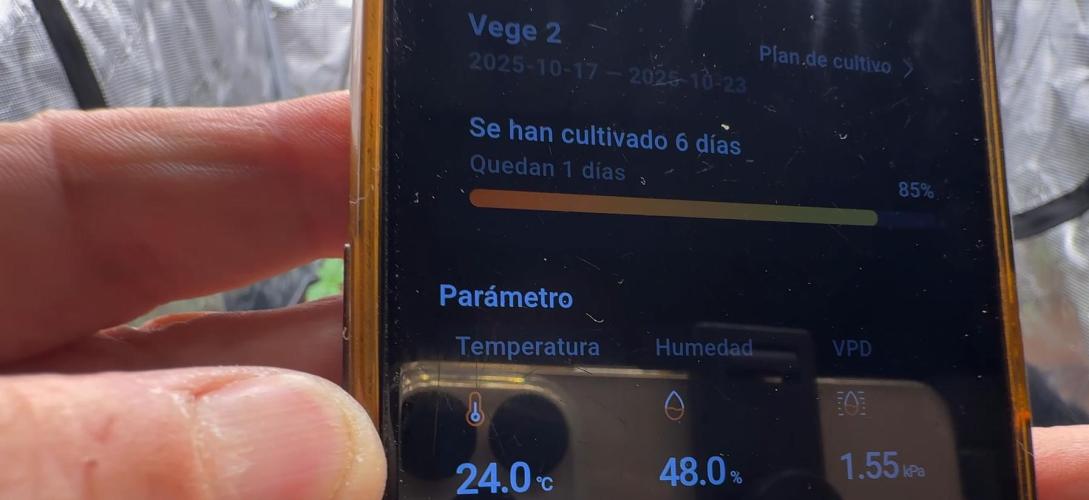
The quantum sensor (PPFD) from Spider Farmer works alongside the GGS controller managed via app. The system automatically regulates the LED power to keep the PPFD levels within the range we are looking for in early growth. This way, the environment maintains stability in light, temperature, and humidity, allowing the plants to continue expanding leaves and developing their first lateral branches without stress.
The plants remain healthy, settling into the Wilma pots, even when watered with a lance, as they prepare to enter the next stage of growth.
1 like
comments
Share
3
Week 3. Vegetation9mo ago



18 hrs
Light Schedule
23 °C
Day Air Temp
5.5
pH
No Smell
Smell
1.4 PPM
TDS
60 %
Air Humidity
20 °C
Solution Temp
21 °C
Night Air Temp
6.5 liters
Pot Size
70 cm
Lamp Distance
450 PPM
CO₂ Level
Nutrients 6
B'cuzz Hydro A
1.4 mll
B'cuzz Hydro B
1.4 mll
ATA Calmag
0.4 mll
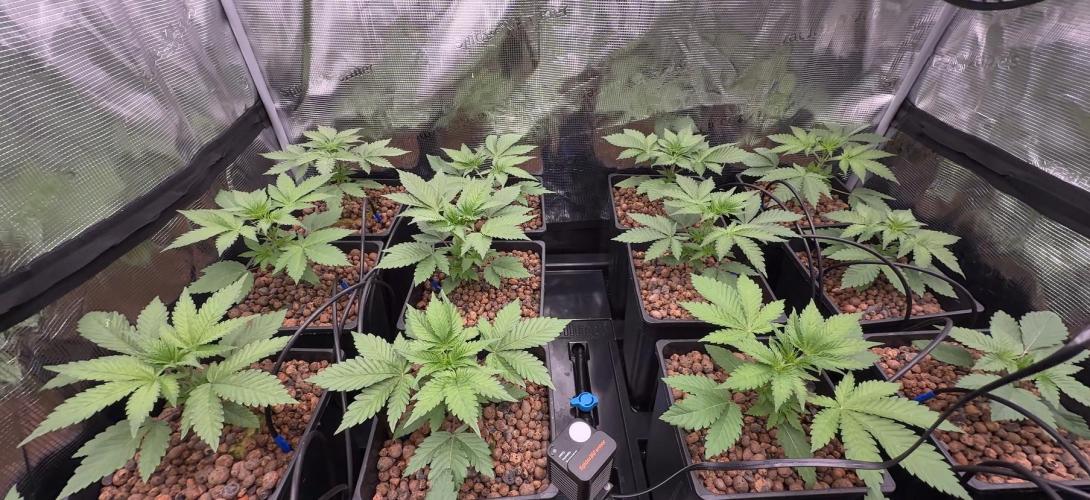
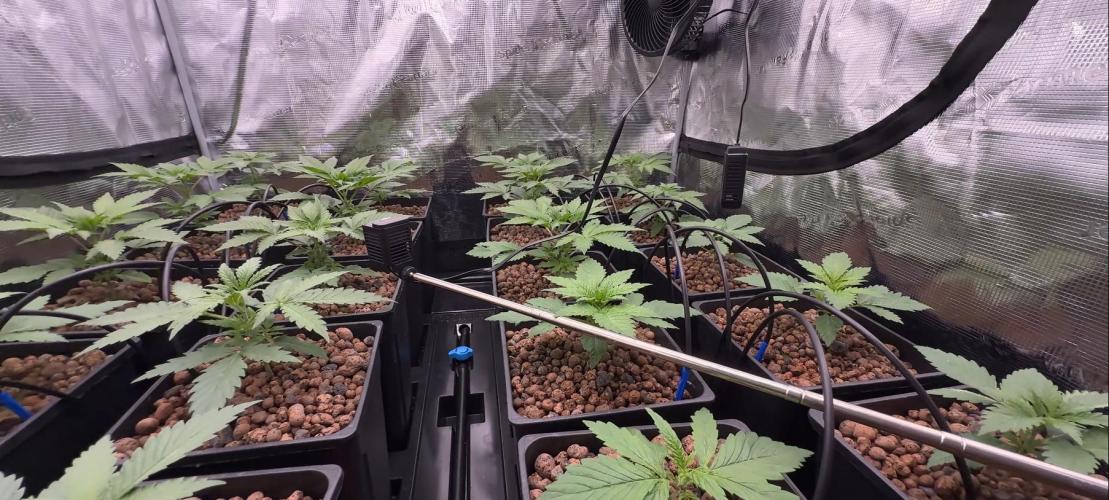
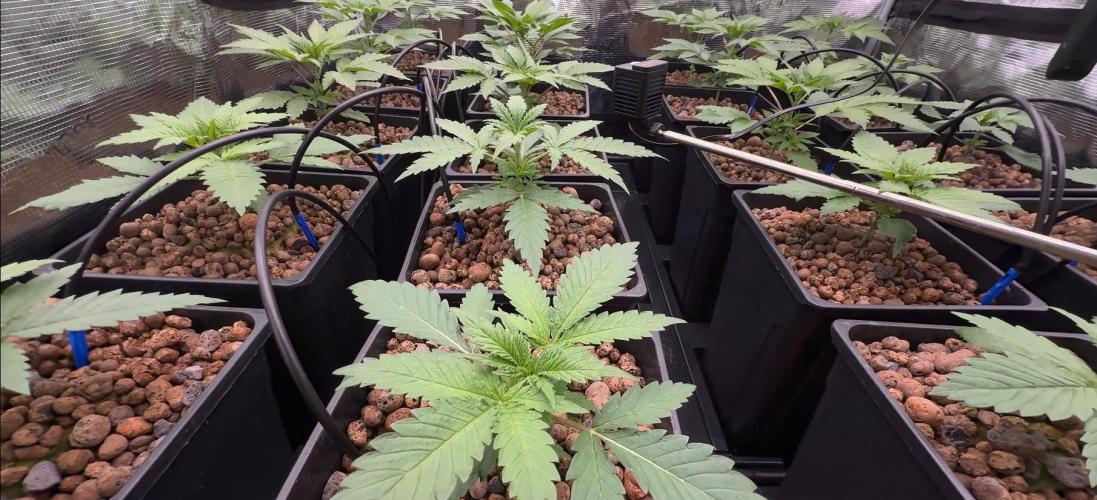
JARDINTERAPEUTICO Week 3 – Start of the Wilma system & adaptation to clay pebbles
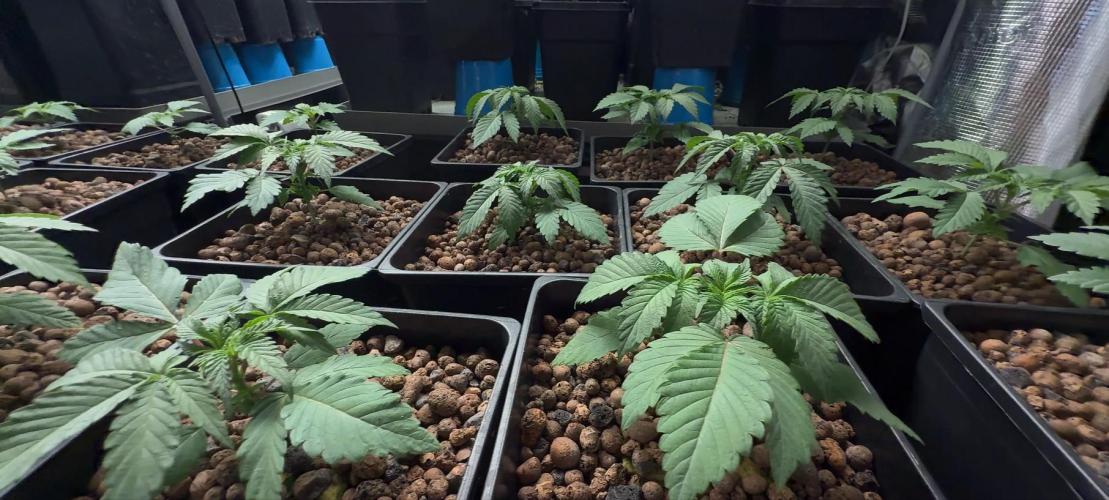
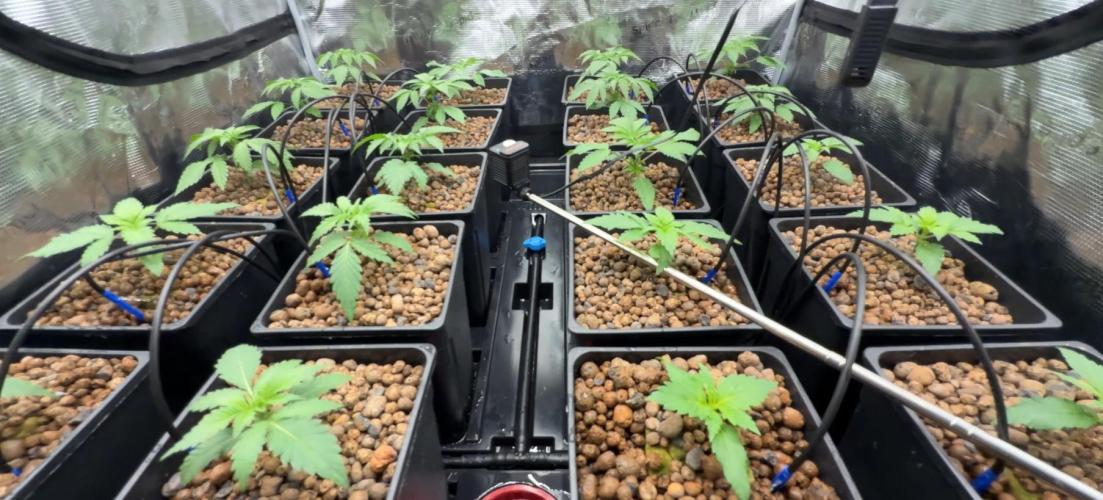
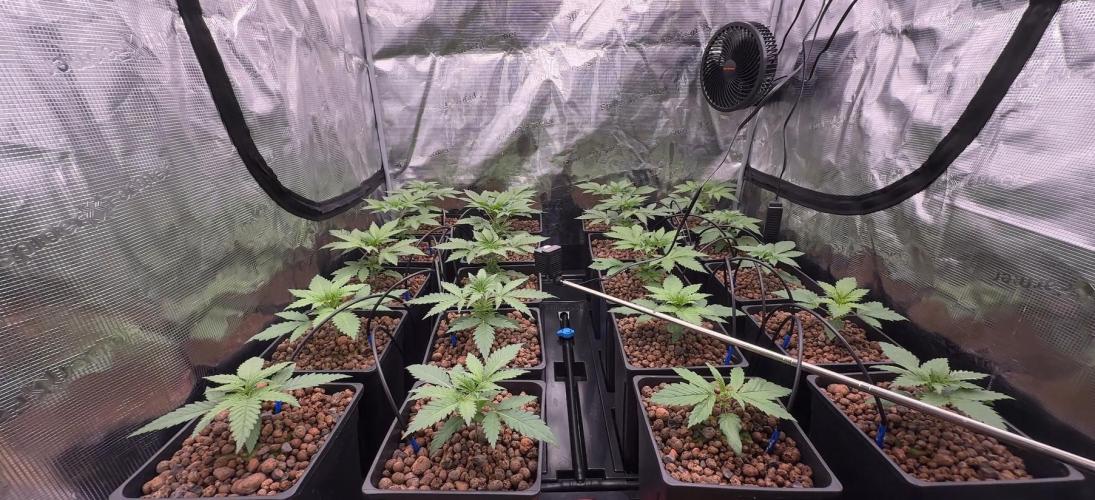
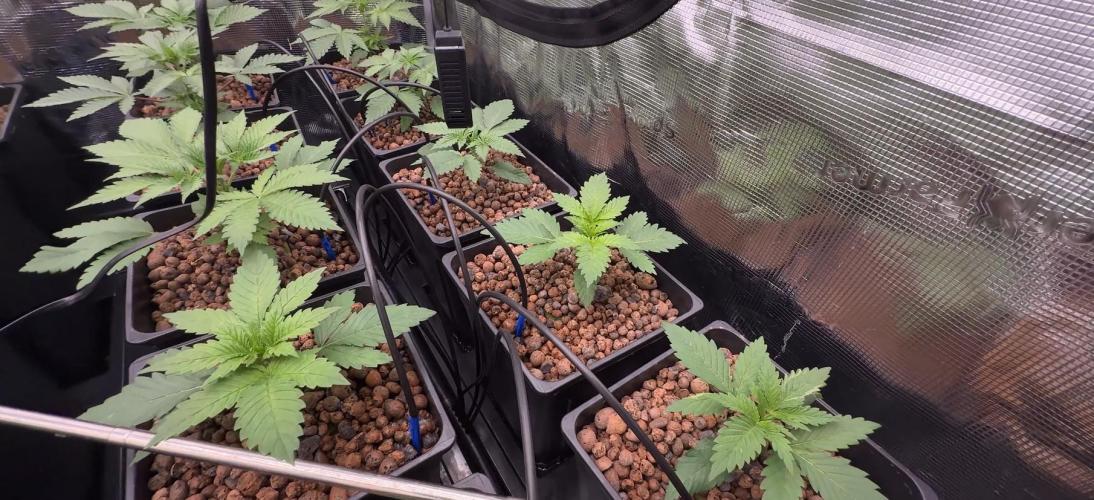
This week we made the final move to the Wilma system, connecting all the irrigation lines and leaving the recirculation circuit completely operational. The plants are now placed in clay pebbles inside their pots, and the system is functioning stably, with a continuous and even flow in all the drippers.
The PRO sensor from Spider Farmer's GGS is automatically regulating the light according to PPFD, maintaining around 300 μmol/m²/s this week, perfect for this adaptation phase after transplanting.
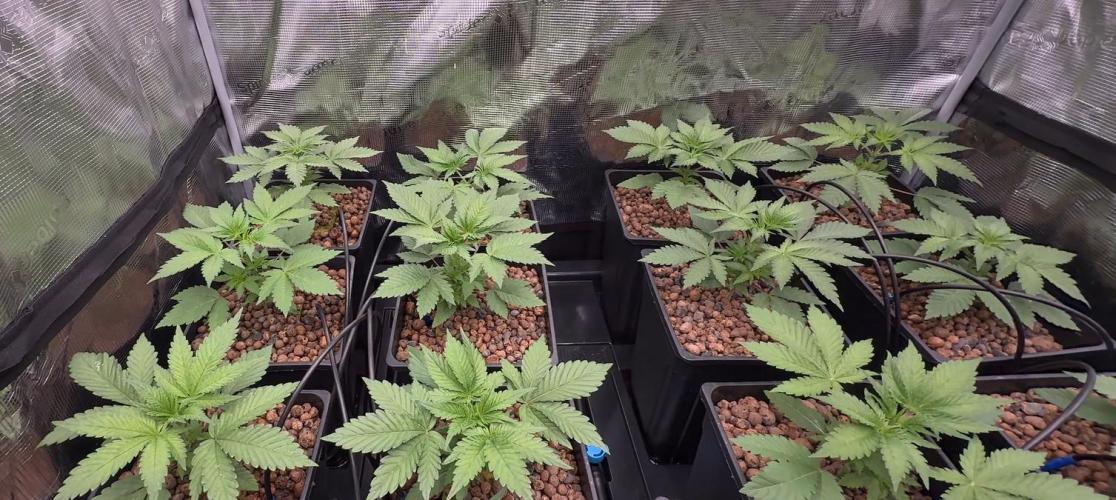
The plants have reacted well to the change in medium and the switch to Wilma; they seem to be rooting in clay pebbles without issues, showing progressive growth and good stability in their structure.
Everything is functioning within the expected parameters, and the cultivation is now entering its early vegetative development phase.
2 likes
comments
Share
4
Week 4. Vegetation8mo ago

18 hrs
Light Schedule
23 °C
Day Air Temp
5.5
pH
No Smell
Smell
1.4 PPM
TDS
60 %
Air Humidity
20 °C
Solution Temp
21 °C
Night Air Temp
6.5 liters
Pot Size
70 cm
Lamp Distance
450 PPM
CO₂ Level
Nutrients 6
B'cuzz Hydro A
1.4 mll
B'cuzz Hydro B
1.4 mll
ATA Calmag
0.4 mll
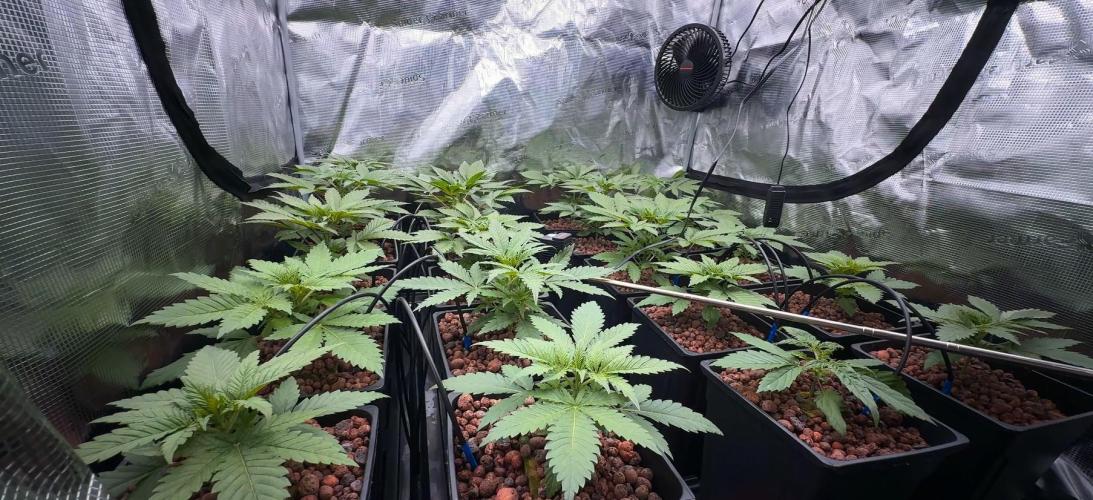
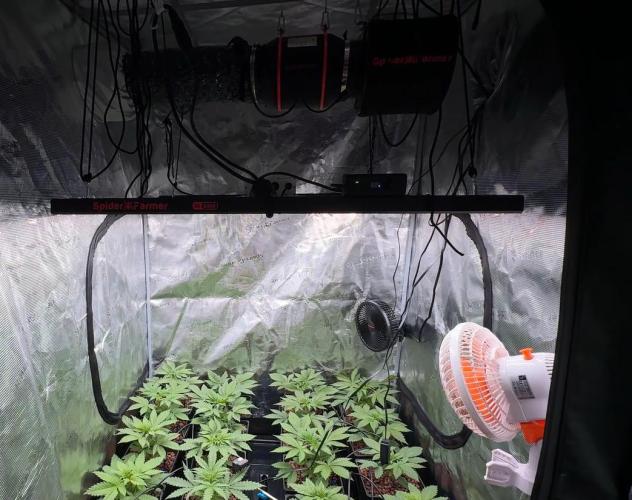
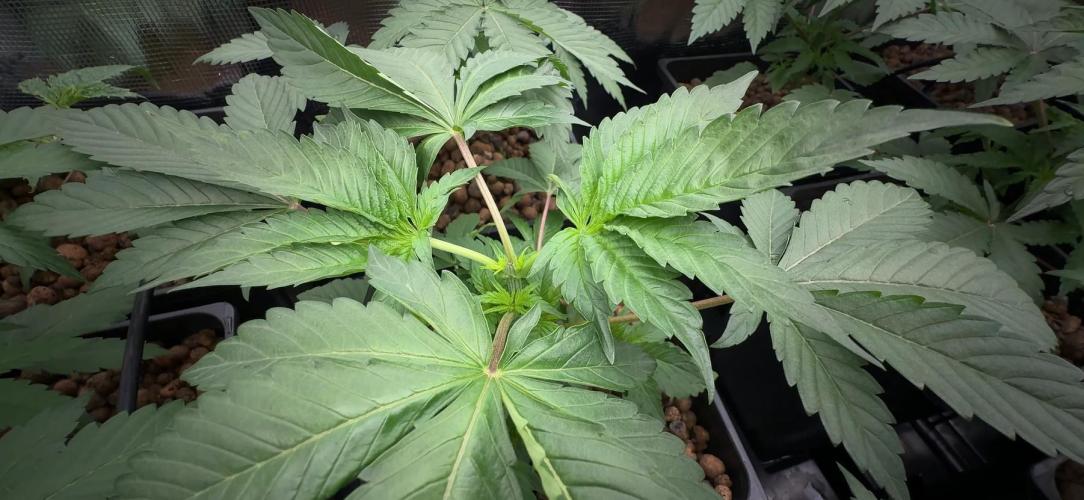
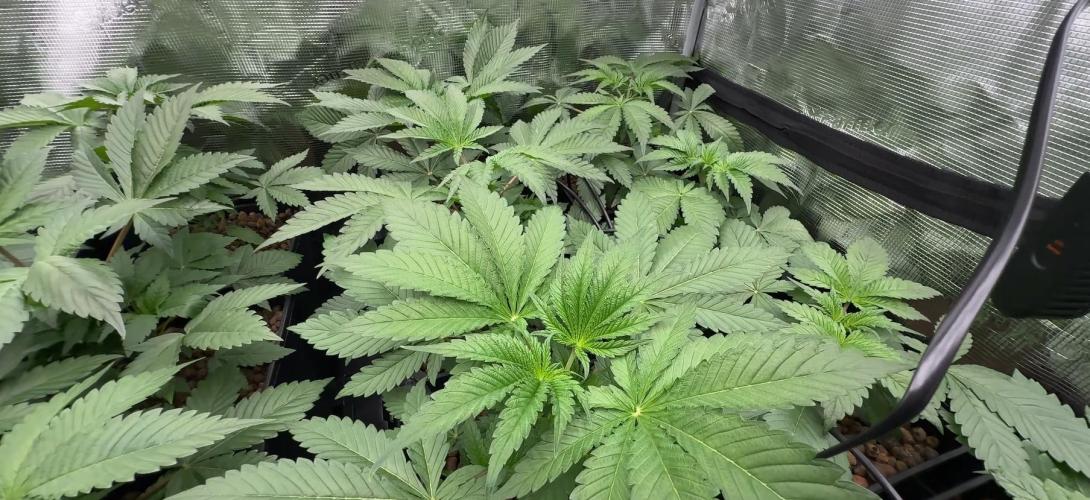
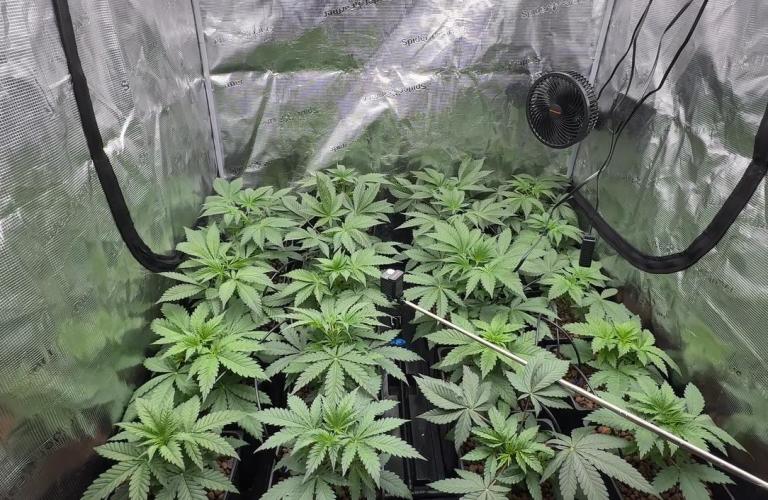
JARDINTERAPEUTICO Week 4 – Vegetative development, apicals, and 100% stable system
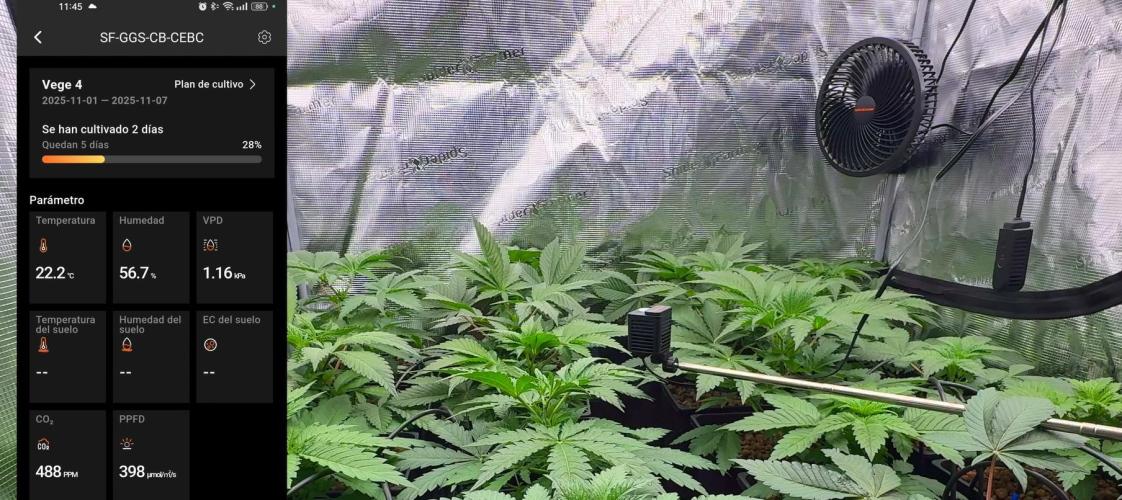
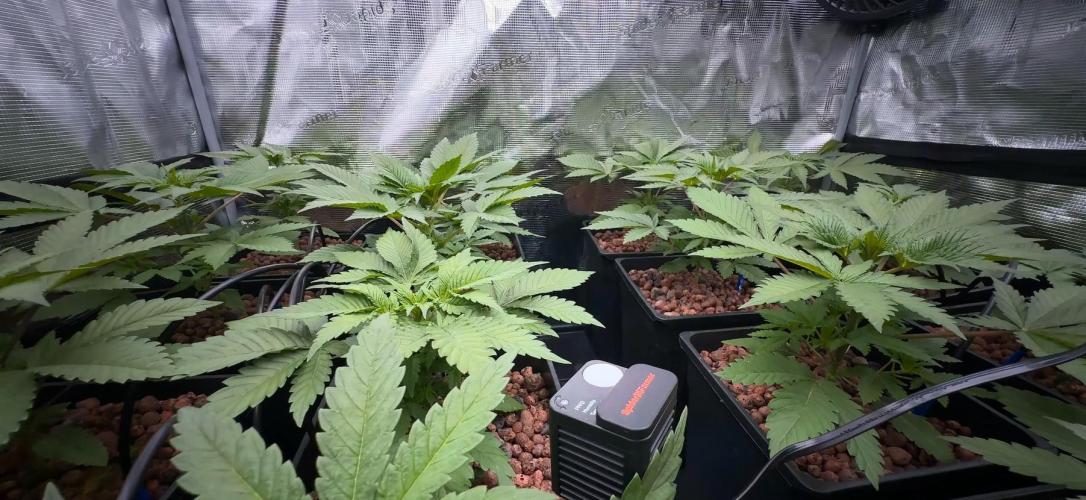
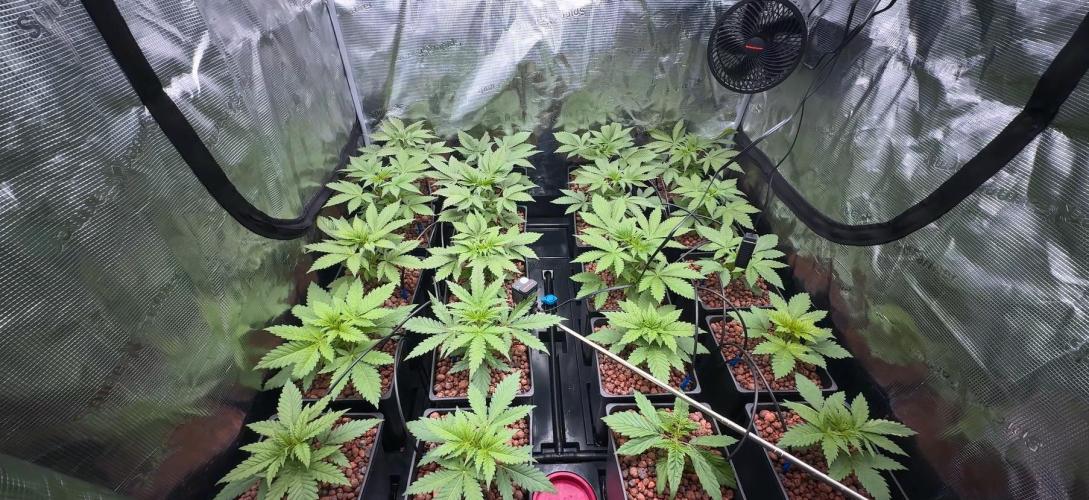
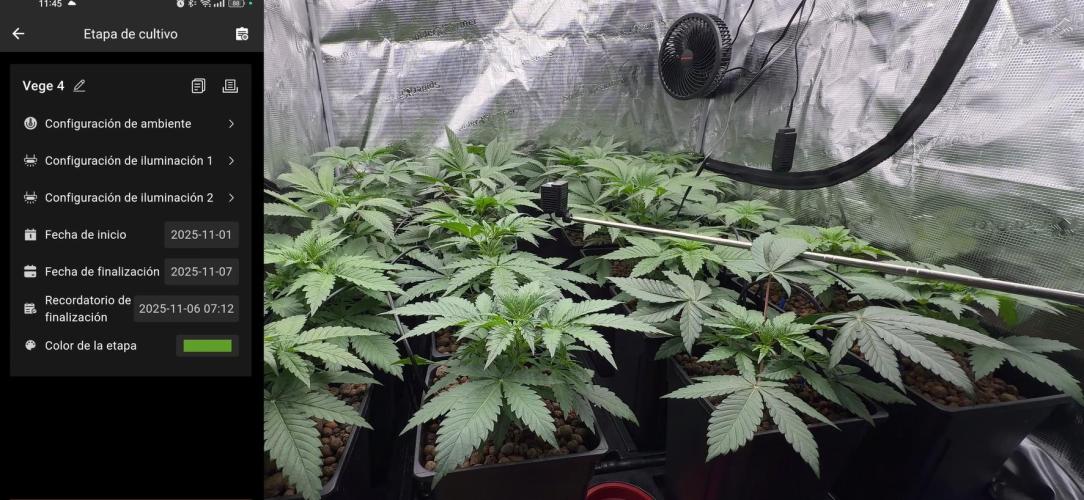
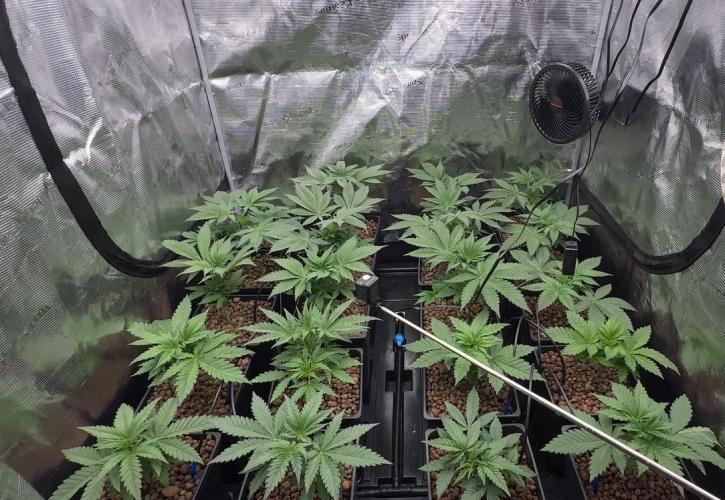
The plants have fully adapted to the Wilma system and show uniform growth over the clay pebbles. The recirculating system maintains a constant and balanced flow in all the drippers, without fluctuations in EC or pH.
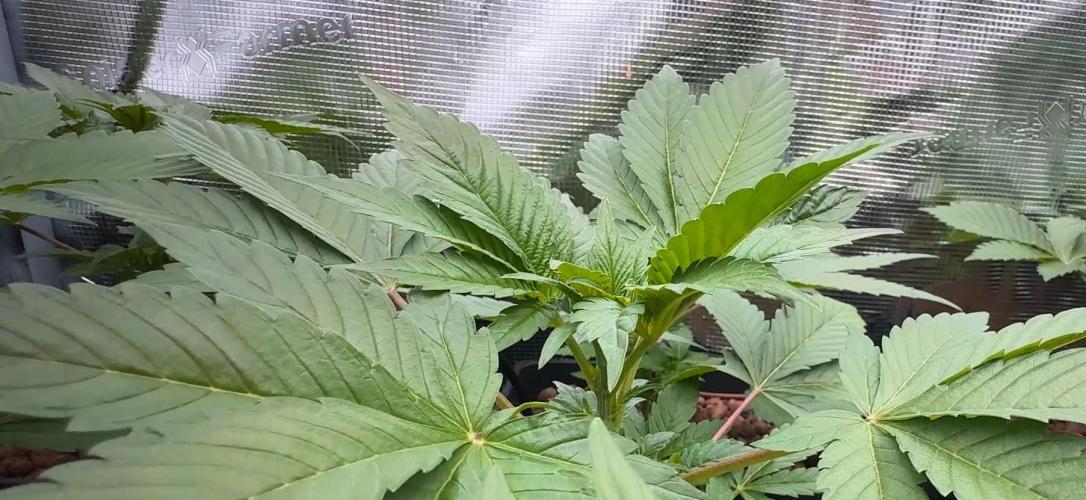
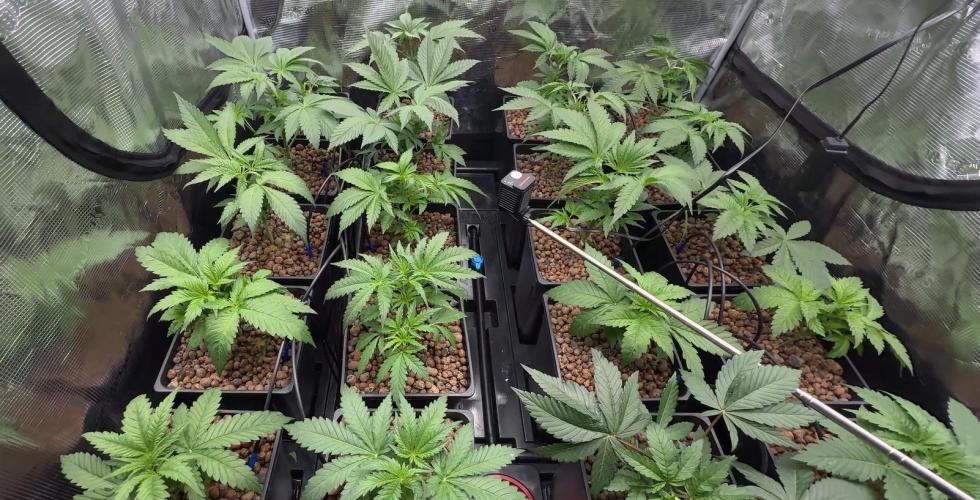
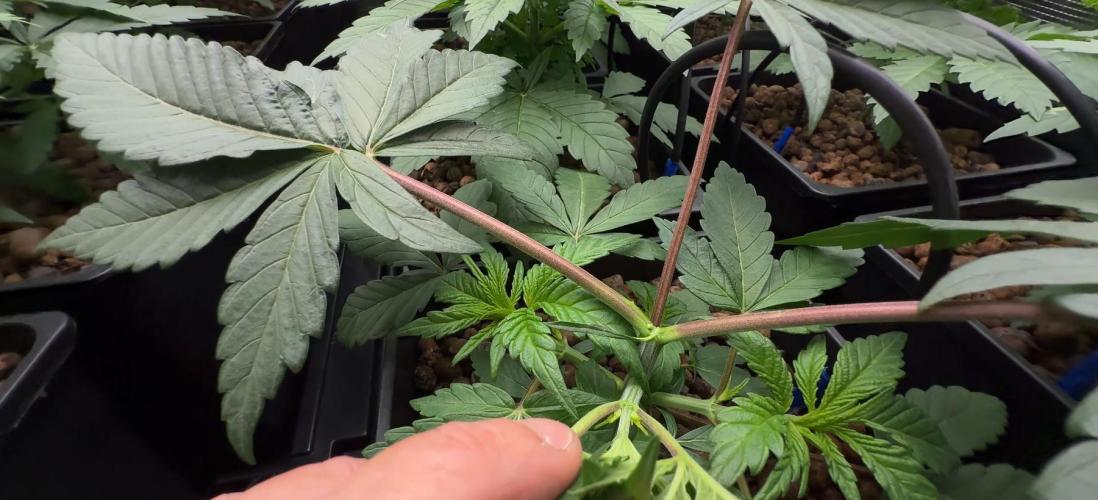
During this week, we performed the apical pruning, taking advantage of the stable growth and the plants having developed enough structure to respond well to the cut. The reaction has been very positive: the two new main shoots at the top are already starting to open up.
The cultivation is now maximally automated thanks to the Spider Farmer sensors connected to the GGS, which adjust PPFD, humidity, and temperature in real-time. This week we maintain between 350–400 μmol/m²/s, enough to stimulate branching after the apicals without forcing the metabolism.
The plants show turgidity, short internodes, and good symmetry, a sign that the nutrition with Atami and the environment are in balance. After the apicals, you can see how a broader structure is starting to form.
Everything is progressing exactly as it should in this vegetative phase.
2 likes
comments
Share
Used techniques
Topping
Technique
5
Week 5. Vegetation8mo ago

18 hrs
Light Schedule
23 °C
Day Air Temp
5.6
pH
No Smell
Smell
1.6 PPM
TDS
60 %
Air Humidity
20 °C
Solution Temp
21 °C
Night Air Temp
6.5 liters
Pot Size
70 cm
Lamp Distance
450 PPM
CO₂ Level
Nutrients 6
B'cuzz Hydro A
1.4 mll
B'cuzz Hydro B
1.4 mll
ATA Calmag
0.4 mll
JARDINTERAPEUTICO 🌱 Week 5 – Strong vegetative growth and first interesting mutation
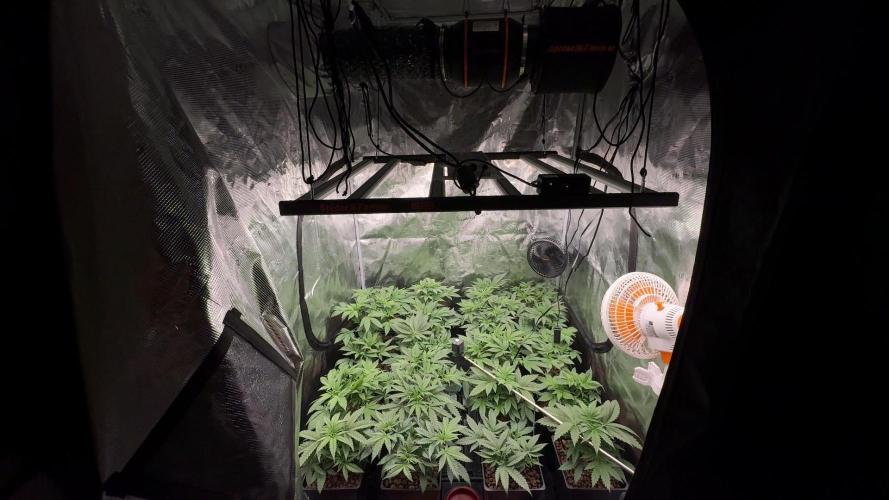
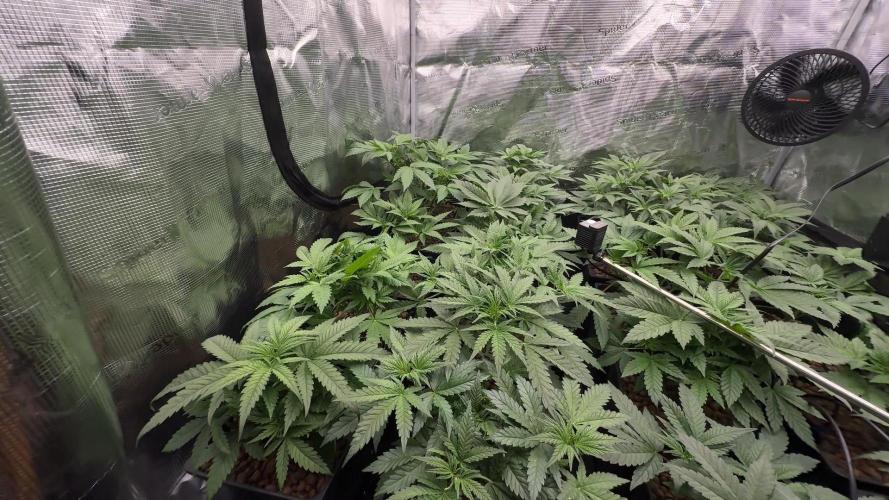
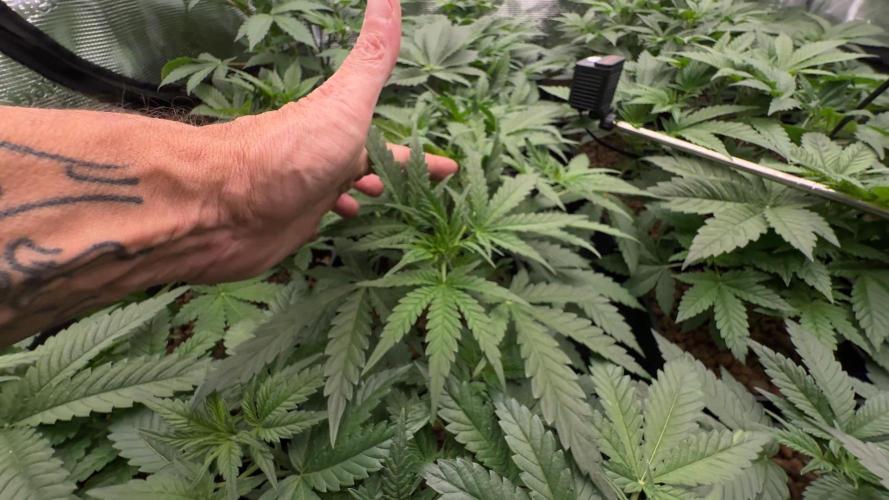
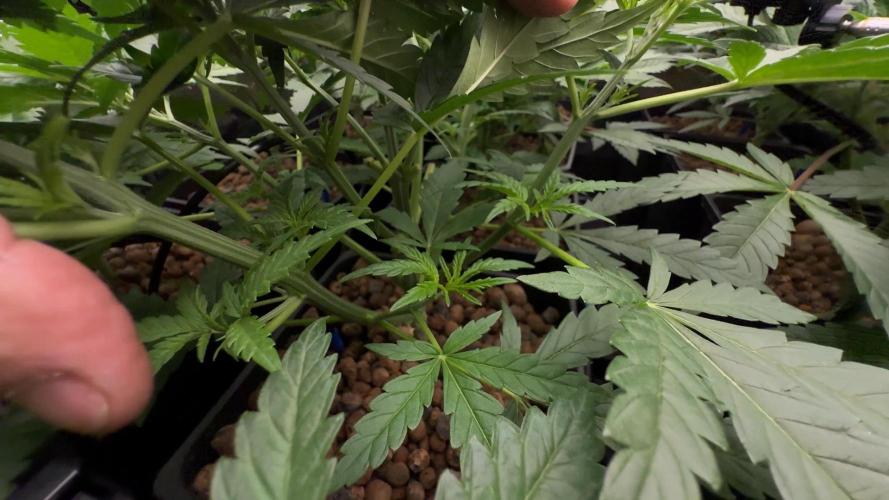
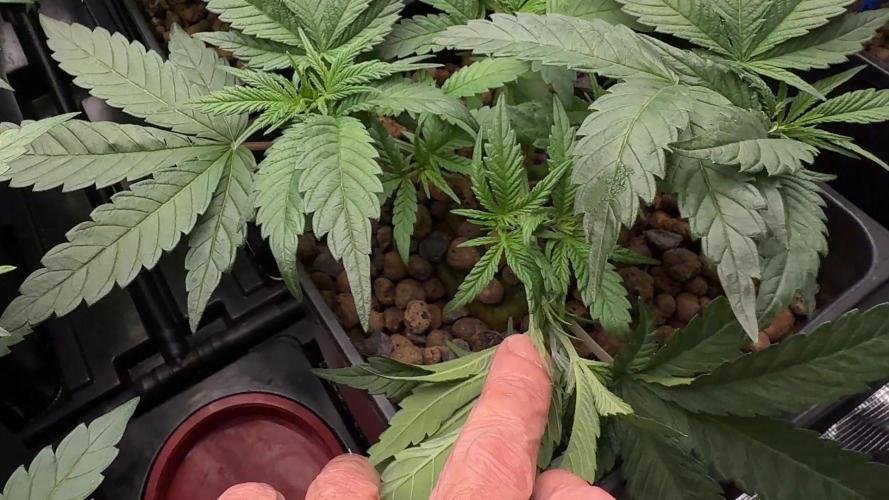
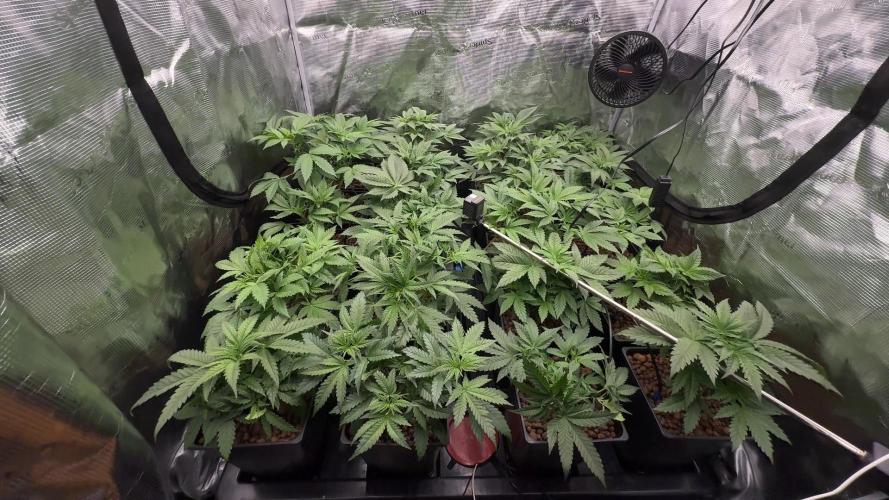
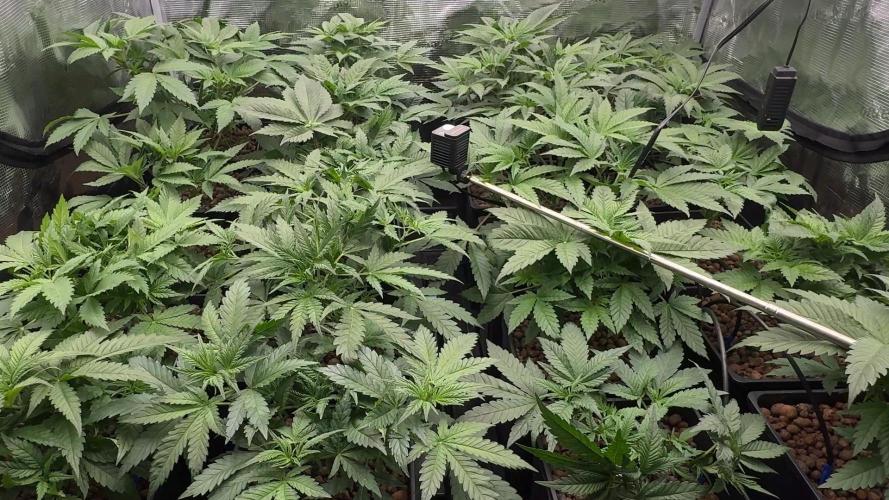
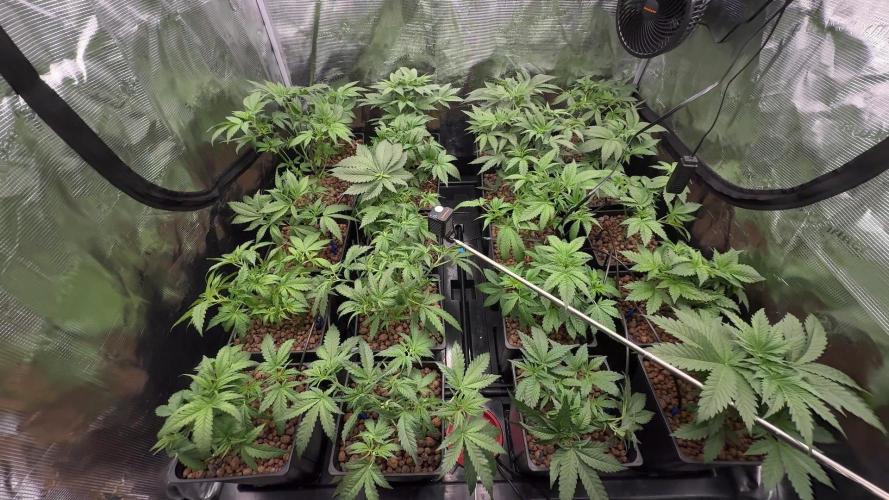
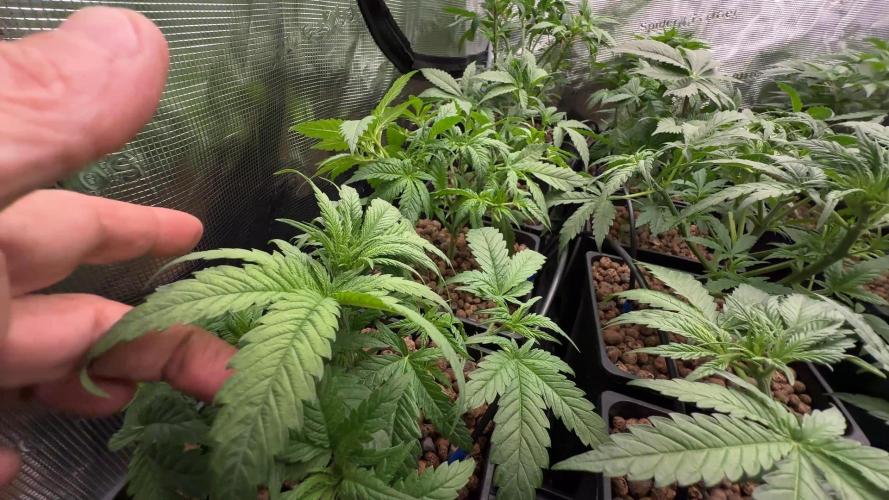
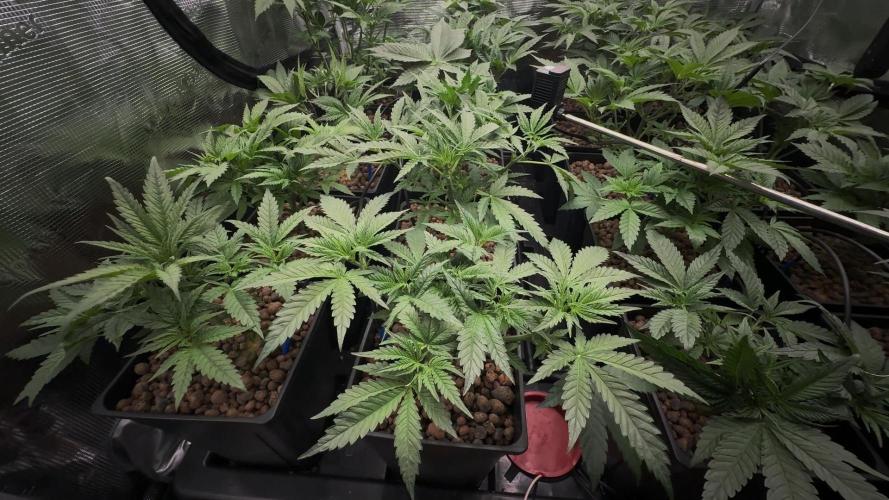
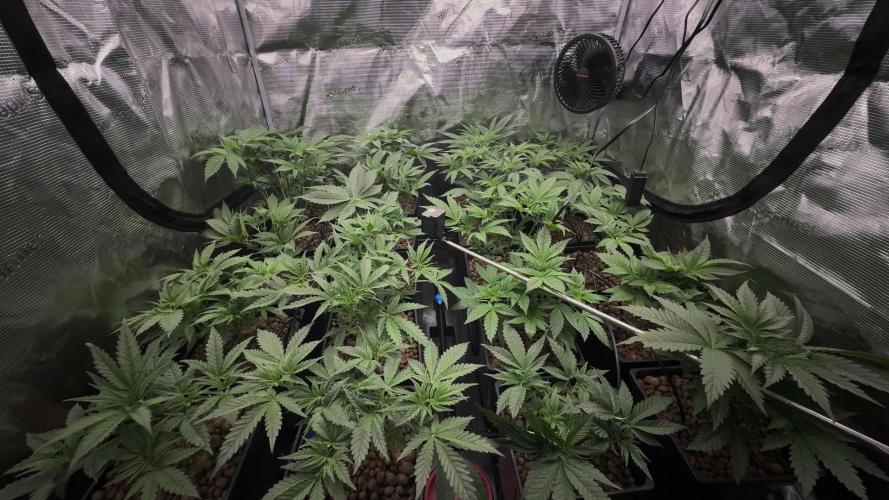
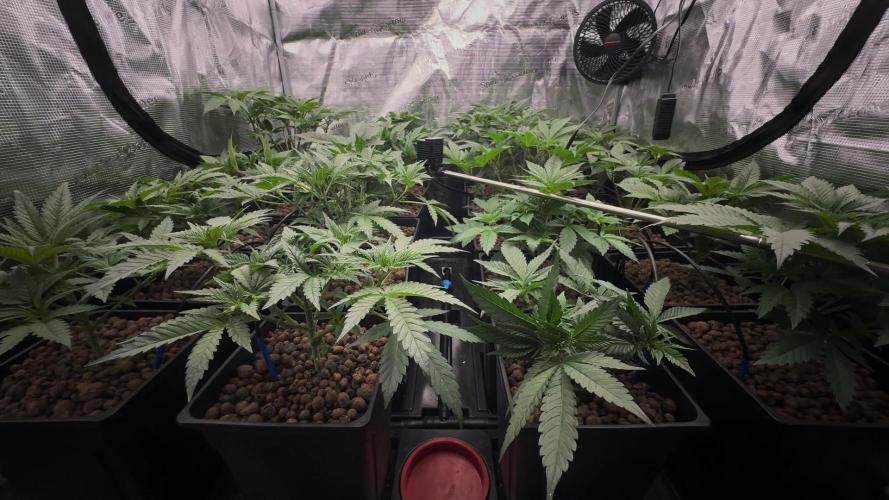
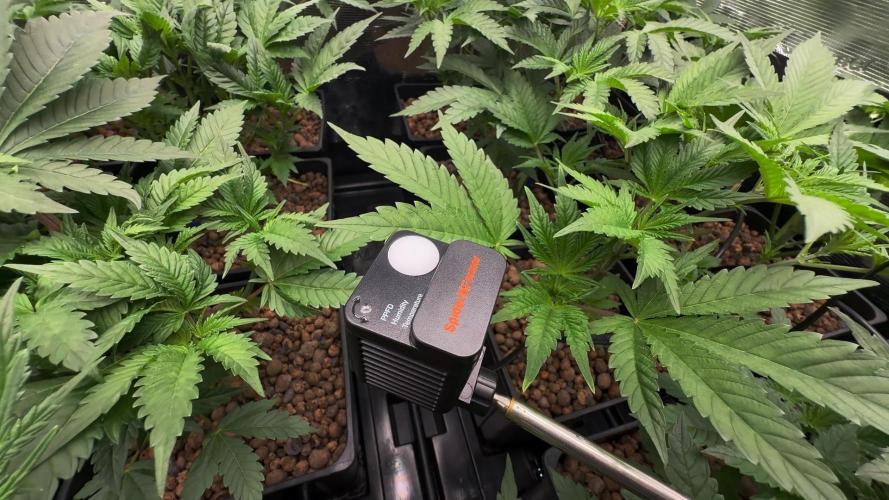
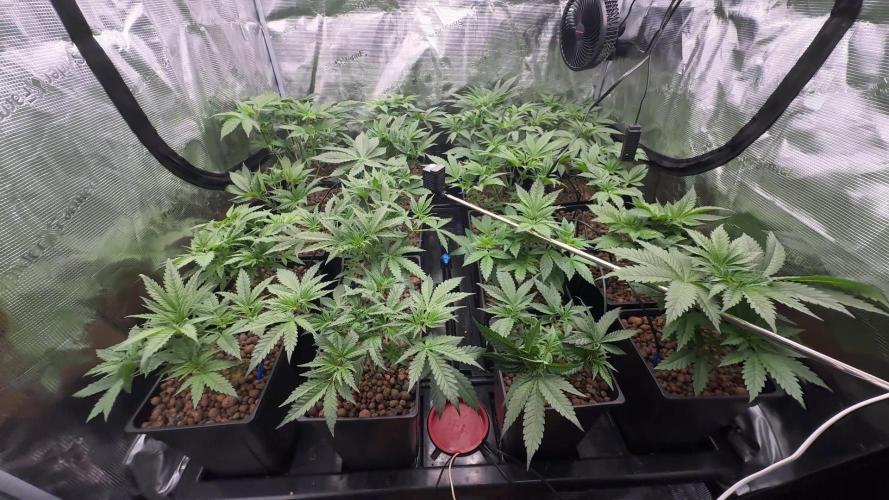
The vegetative growth is excellent. The plants have responded very well to the apical prunings and are already vigorously rebuilding their structure, showing symmetrical upper shoots and a steady rate of expansion.
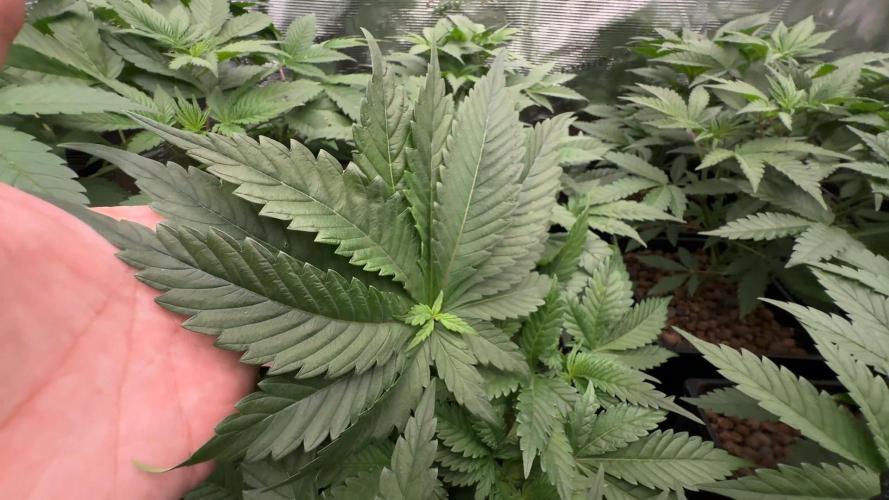
This week we found a beautiful mutation: a 13-finger leaf that is developing another additional leaf on top, a curious detail that we will closely monitor for the rest of the grow.
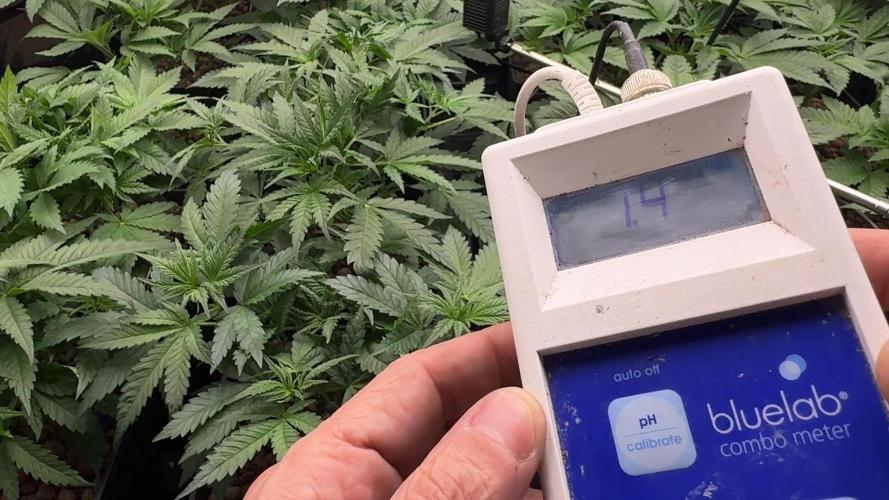
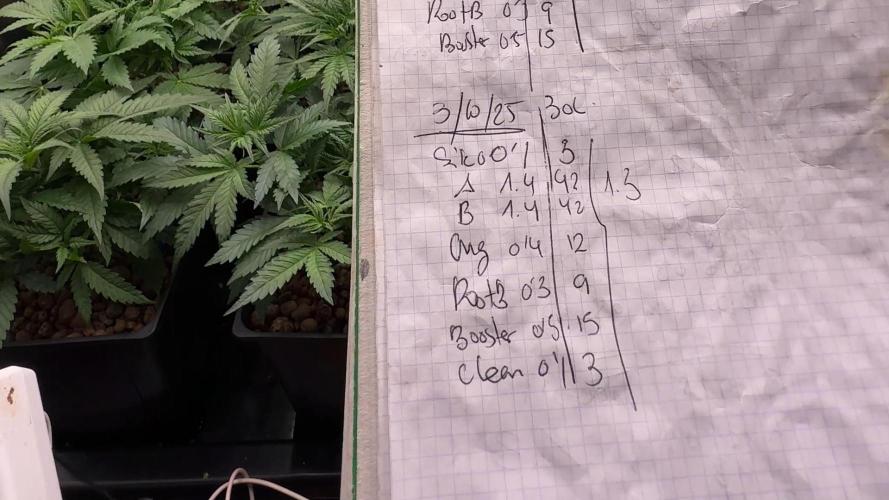
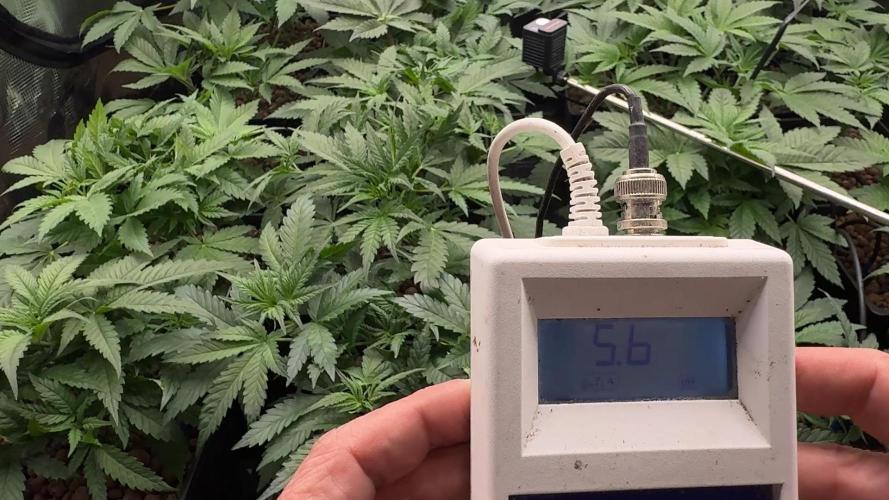
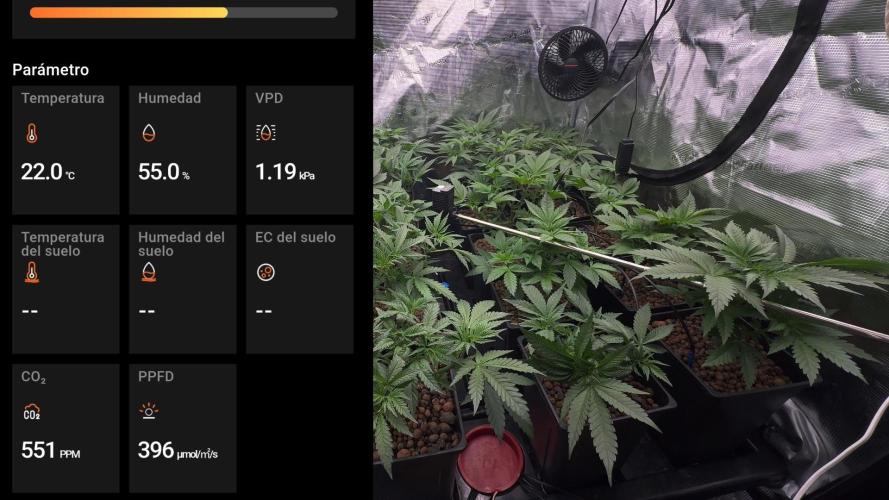
We are working with Atami Hydro A + Hydro B nutrient solution, Silicate, Cal-Mag, and RootBastic, adjusted to EC 1.4 and pH 5.6, values that the plants are assimilating without any signs of stress.
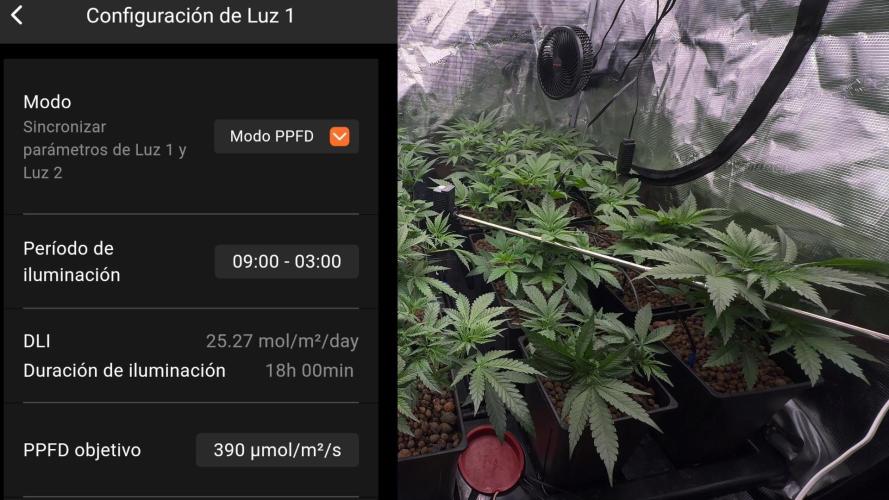
The Spider Farmer GGS maintains a PPFD around 350 μmol/m²/s, perfect for this phase.
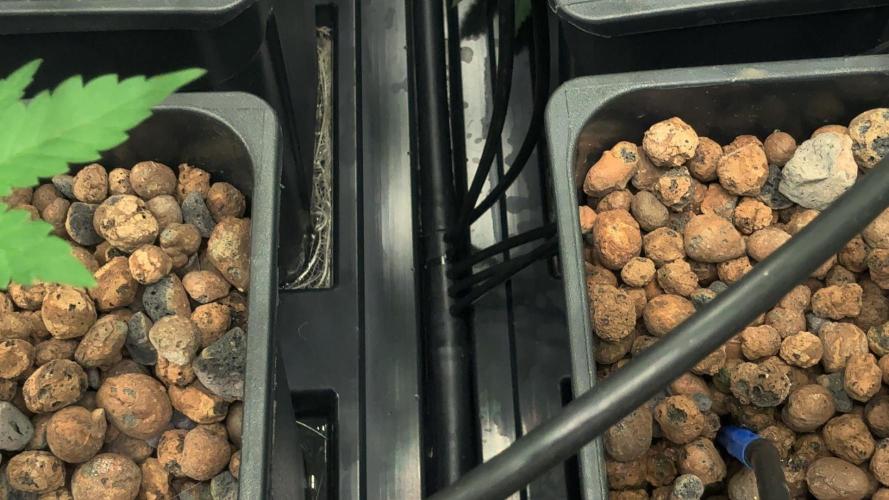
The root system is already peeking out of the pots, white and very active, a sign that the clay pebbles and the Wilma system are working perfectly.
Overall, an impeccable week of growth, with healthy, compact plants preparing for the next stage of the grow. 🌿✨
2 likes
2 comments
Share
Enjoying this diary? Follow for more updates!

Prefer the old Diary view?
Go back to the old Diary view