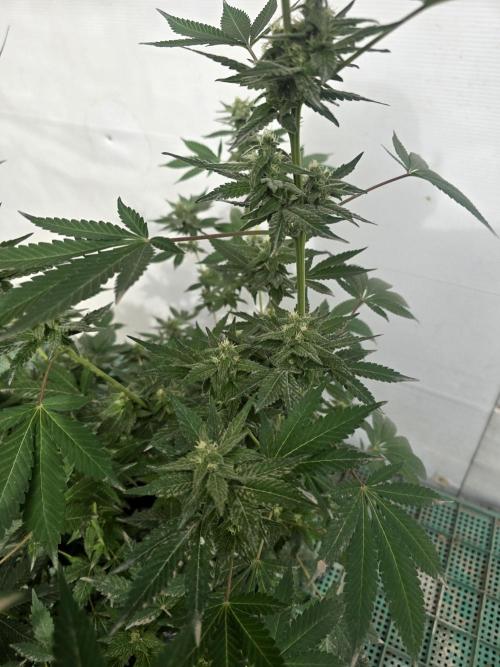
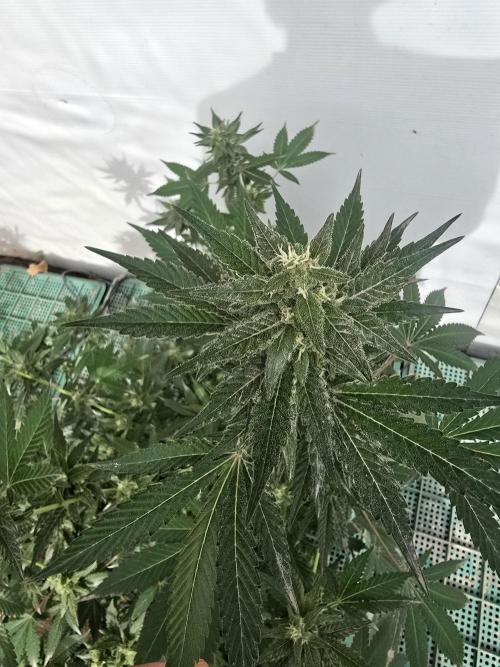
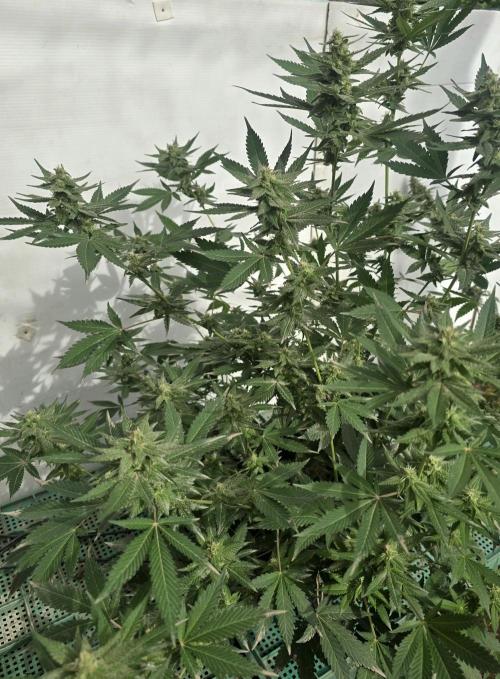
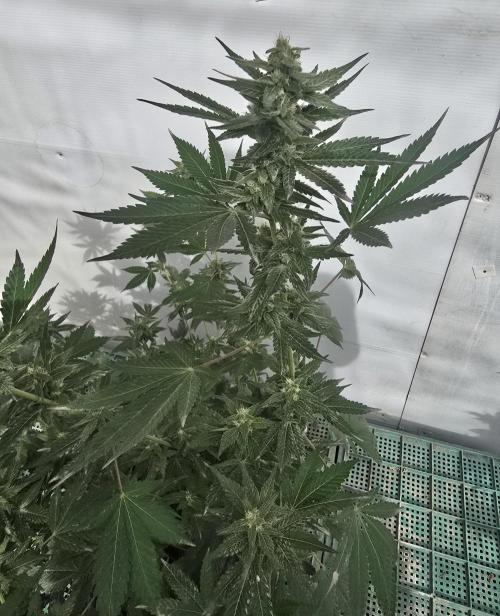
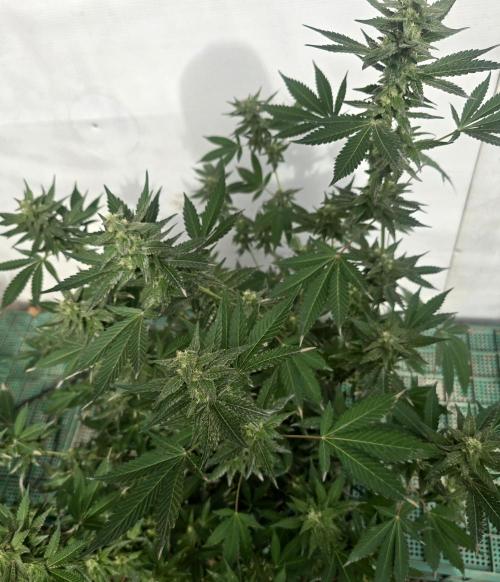
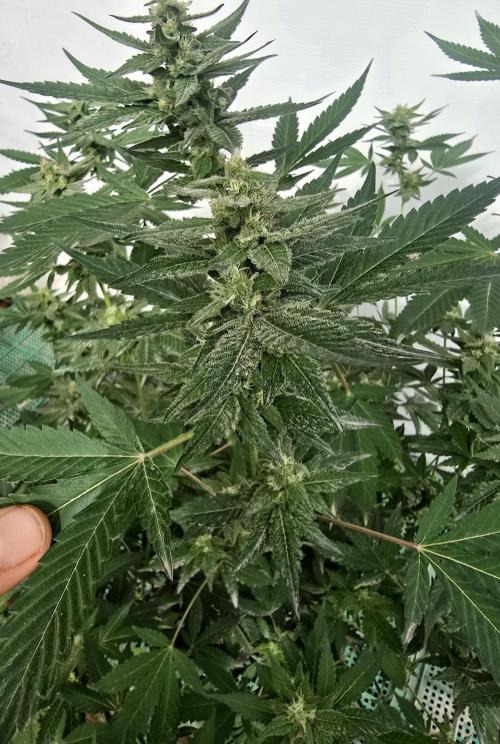
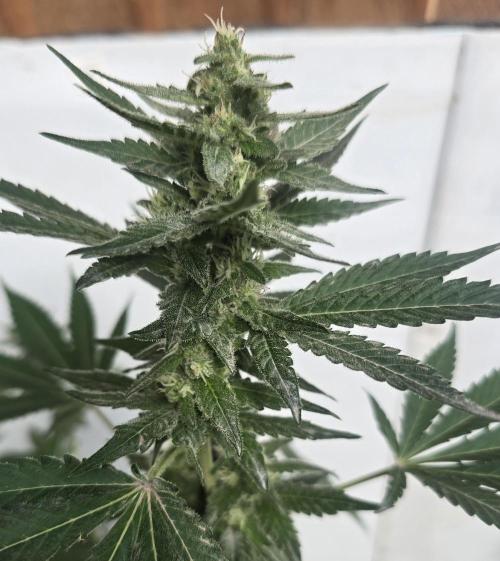
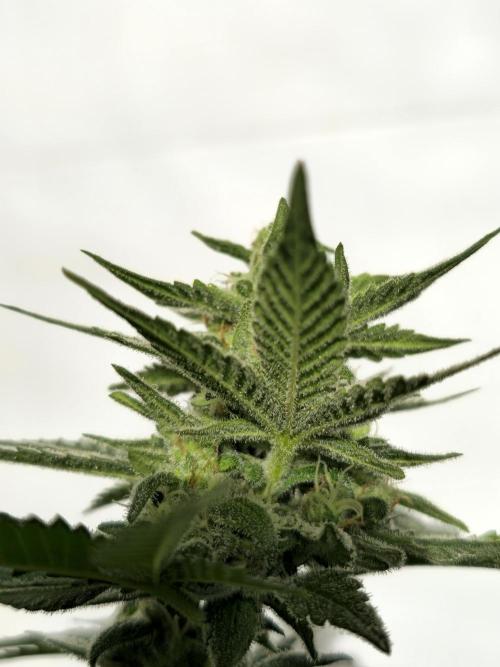
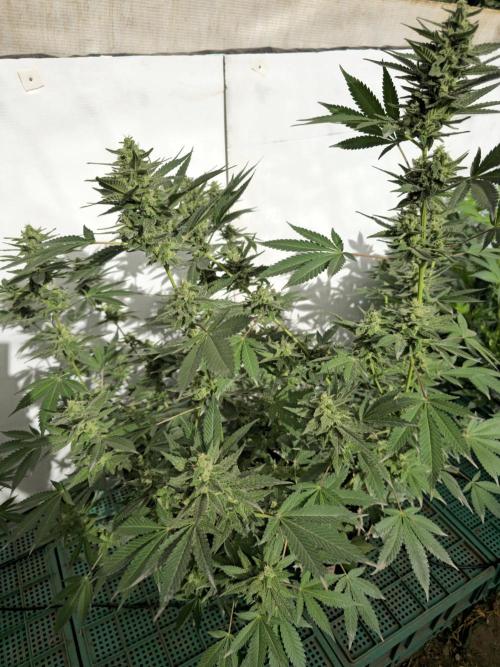
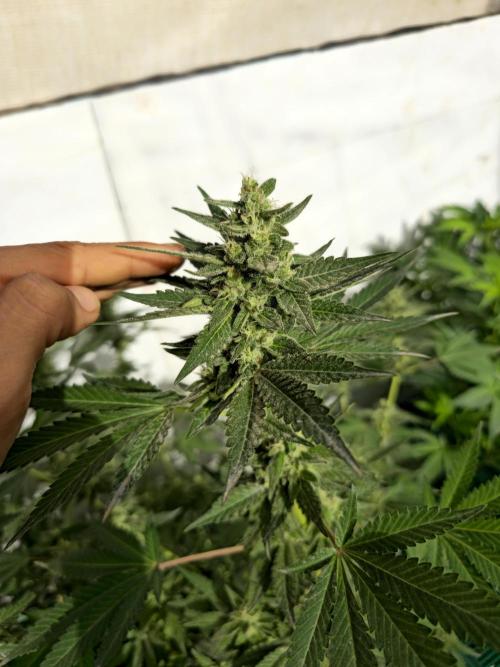
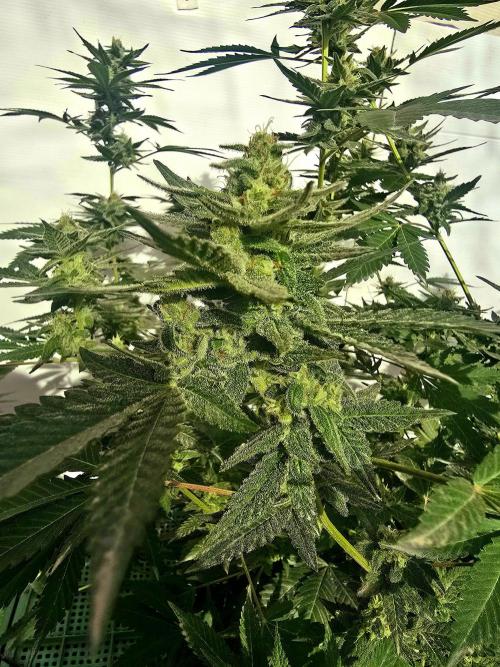
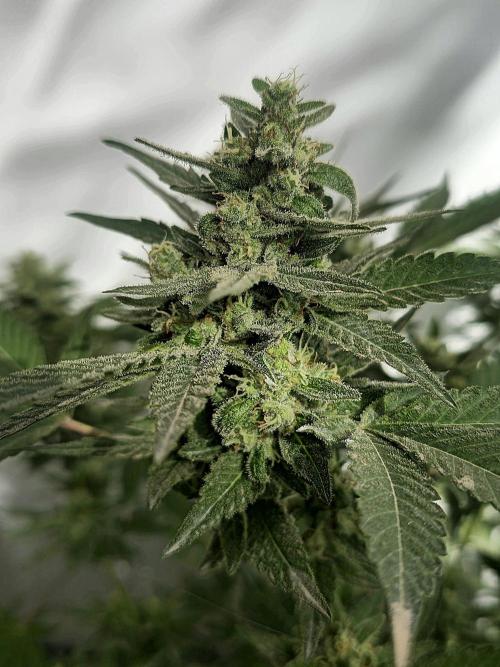
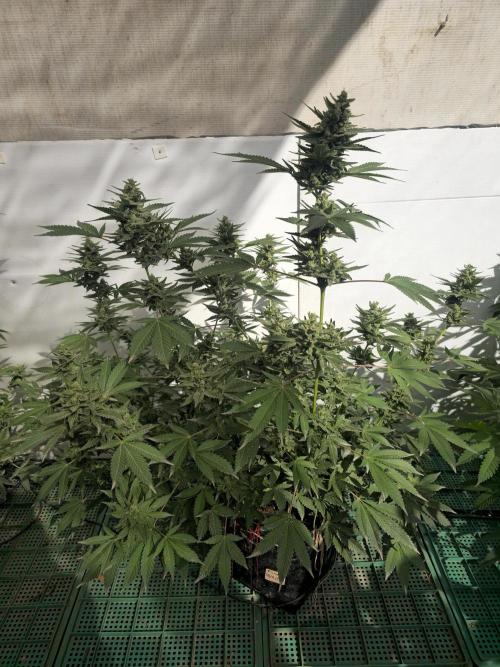
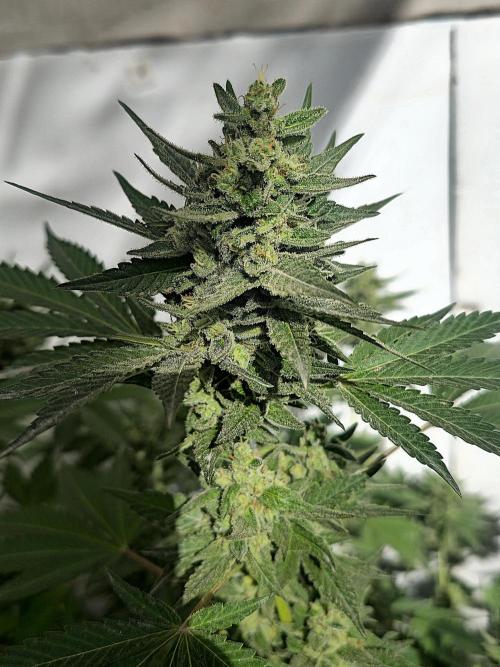
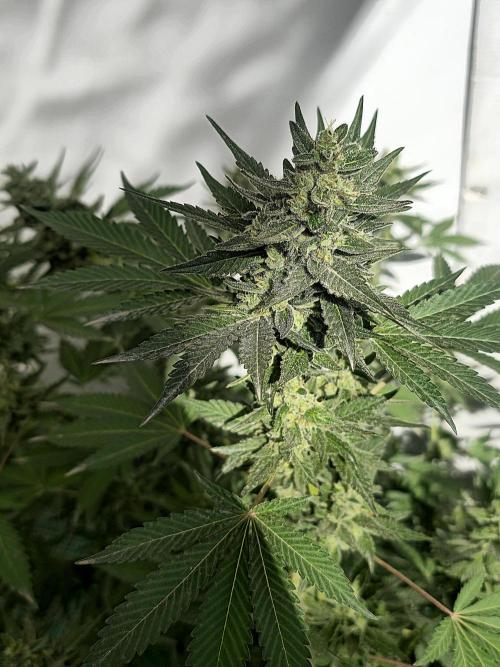
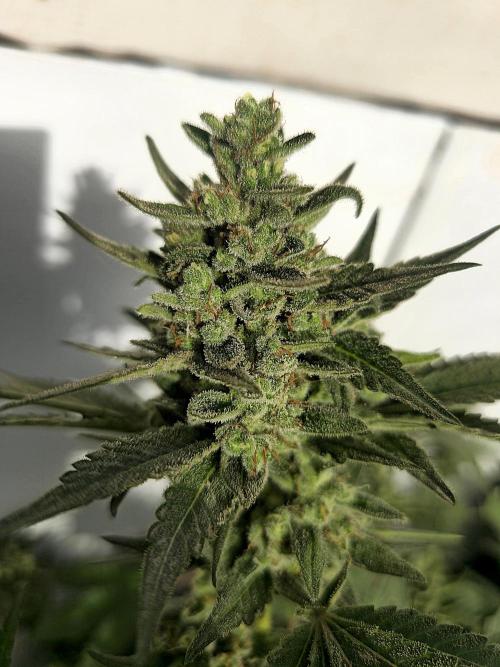
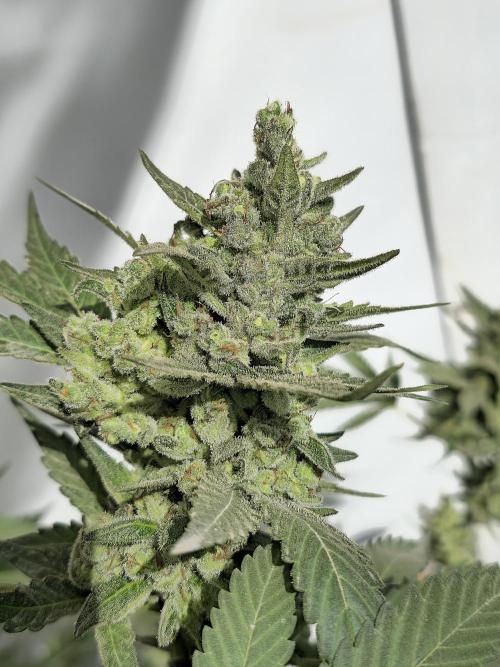
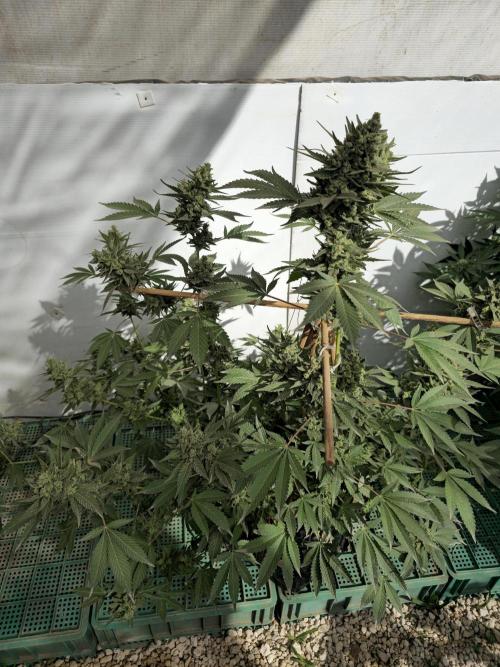
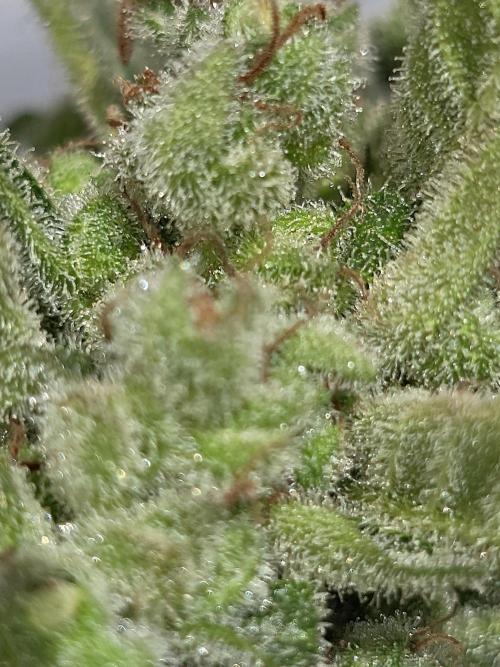
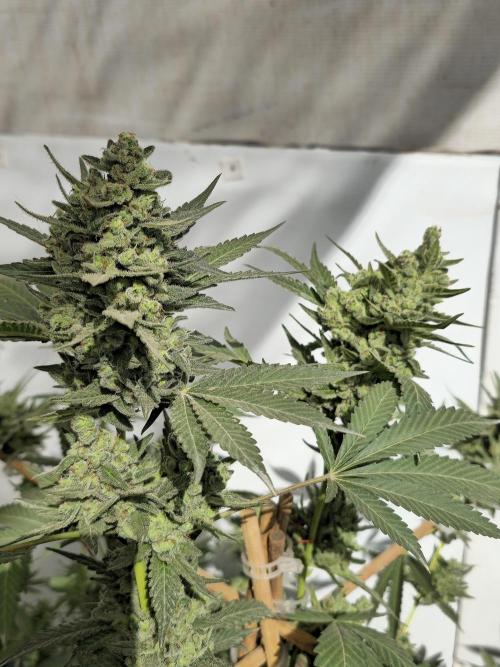
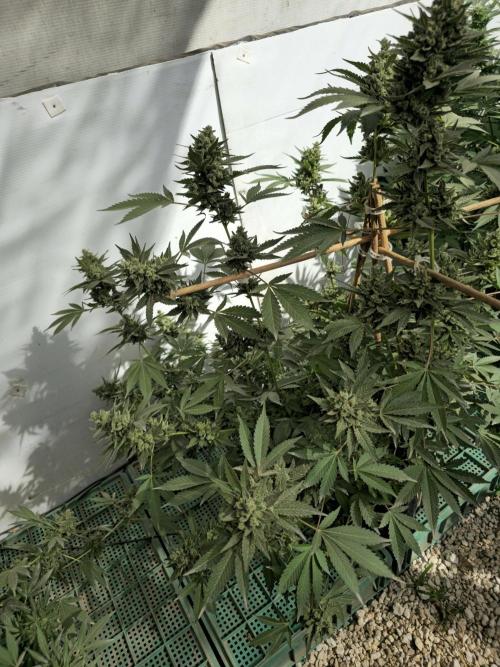
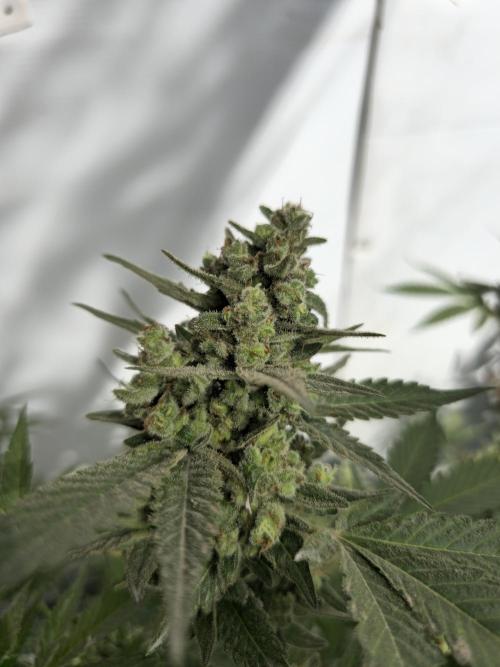
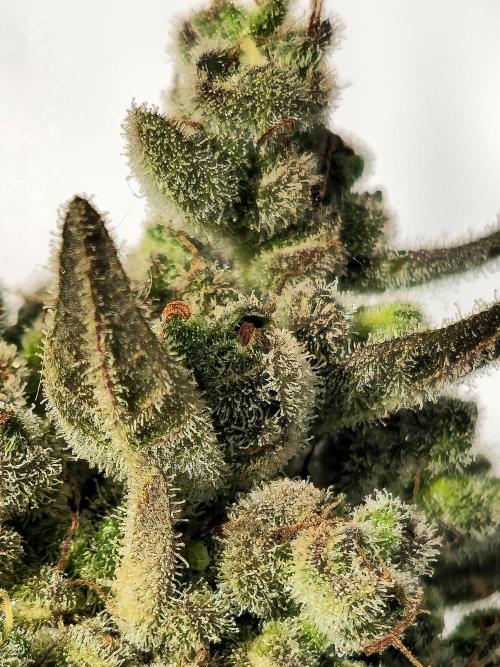
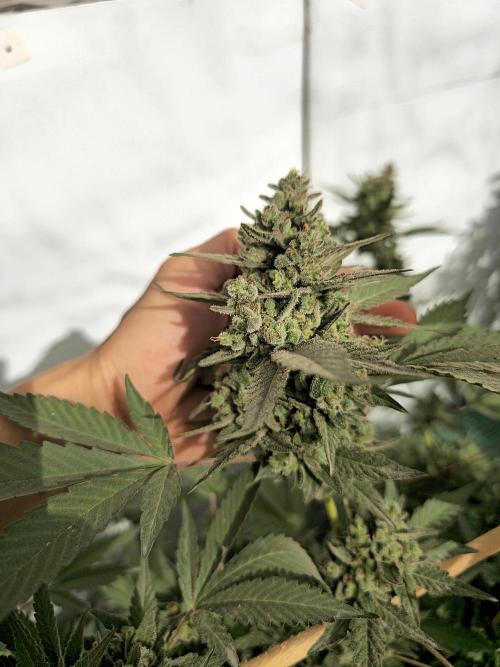
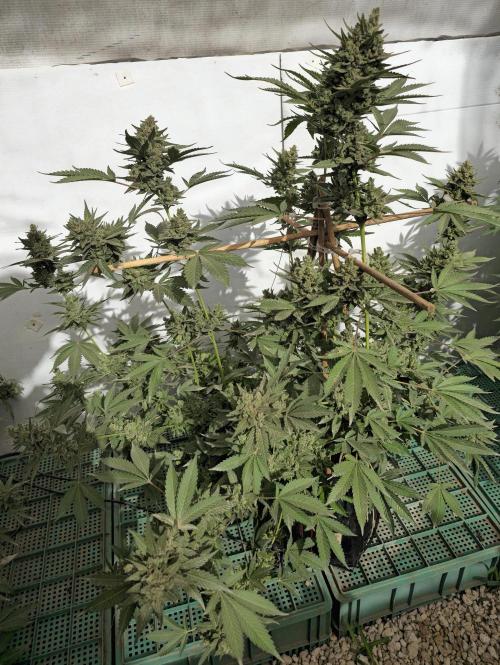
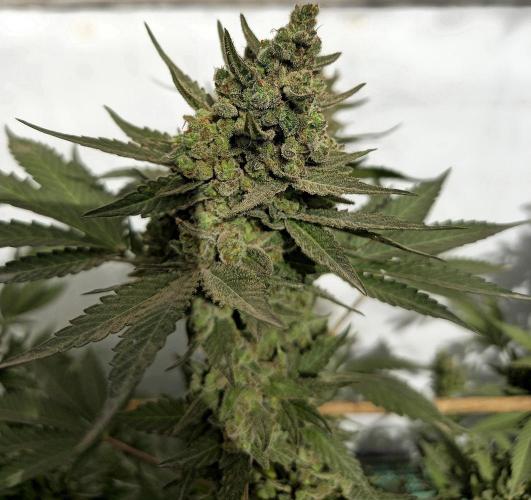
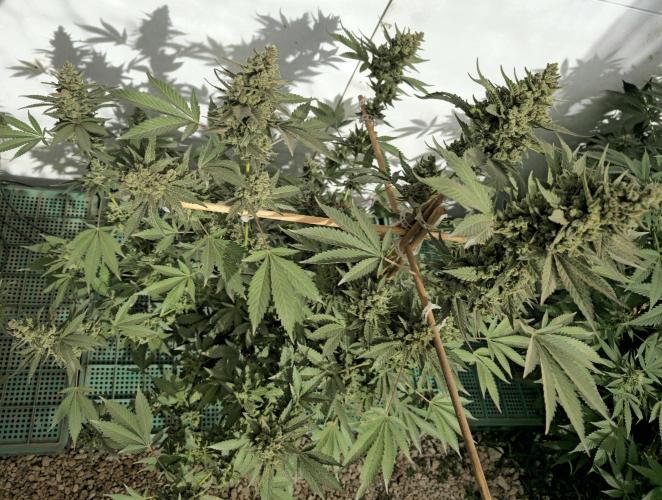
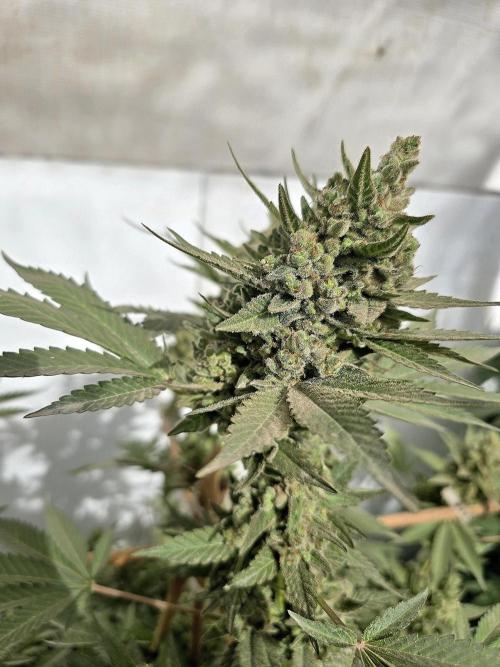
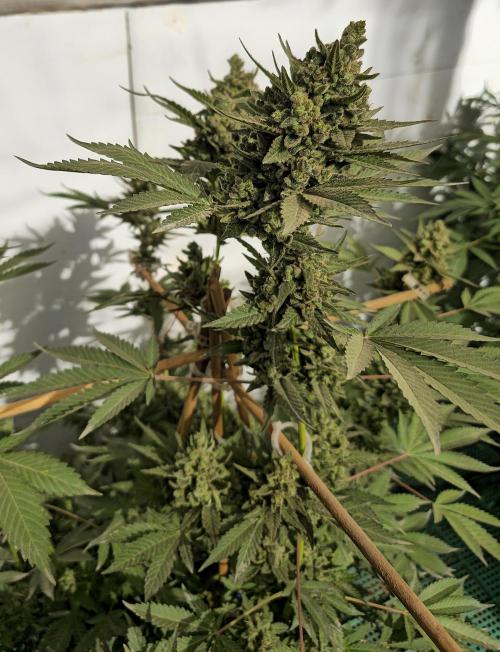
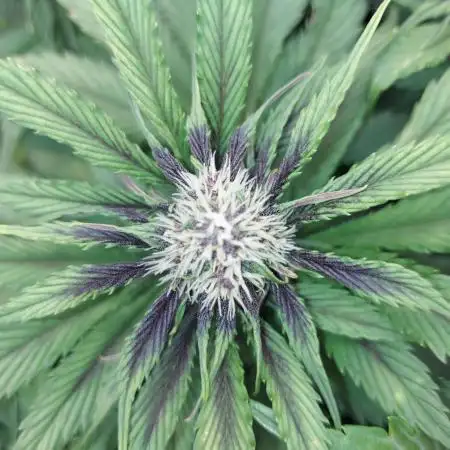
Mexicanasseeds Week 1 Flowering Outdoor.
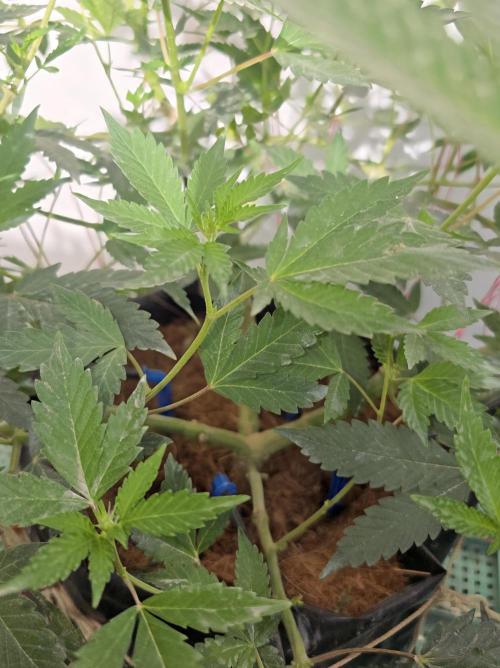
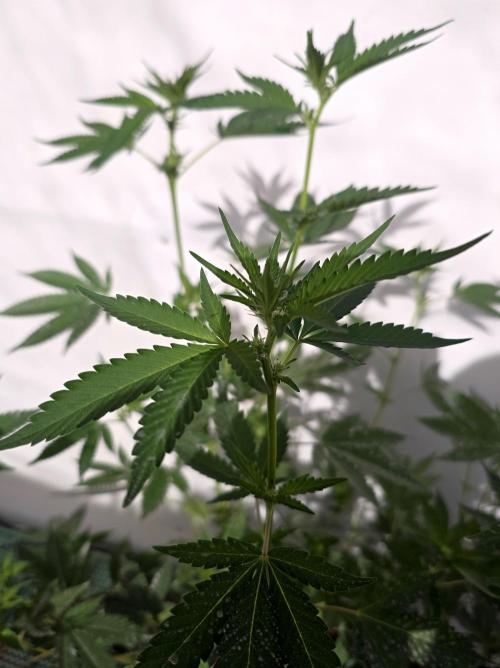
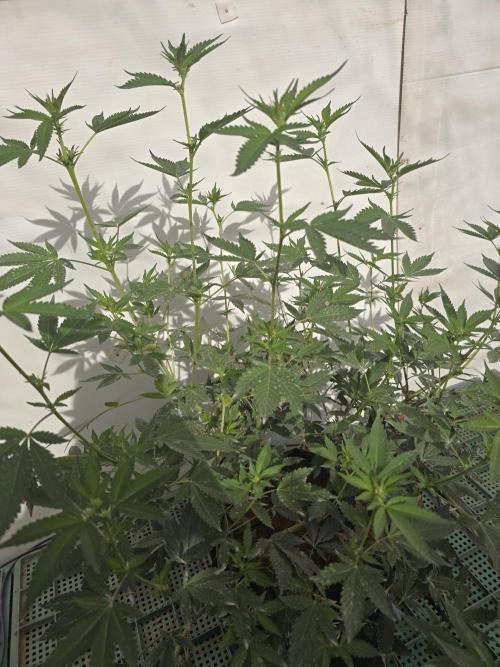
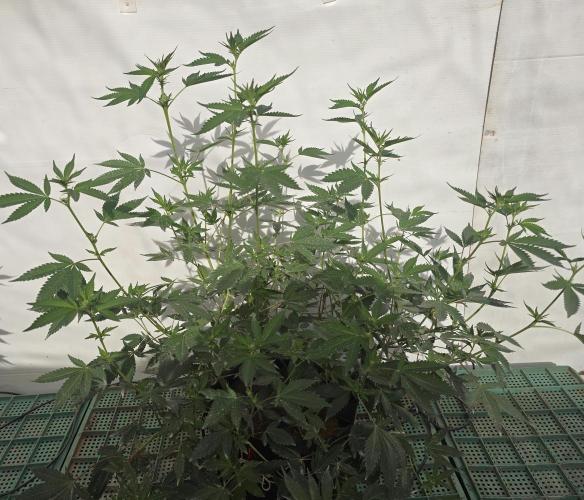
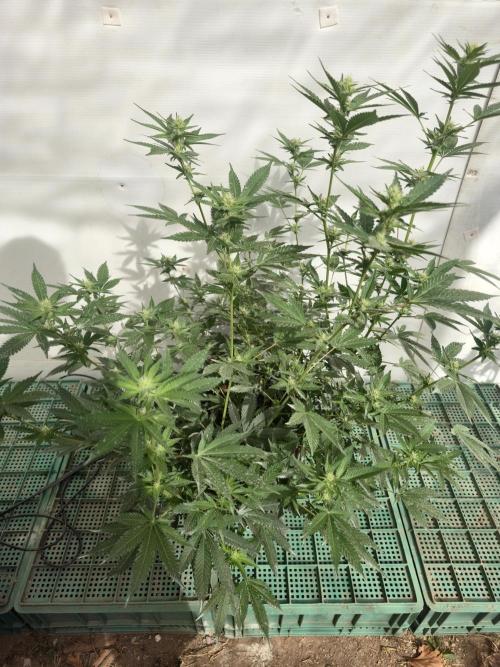
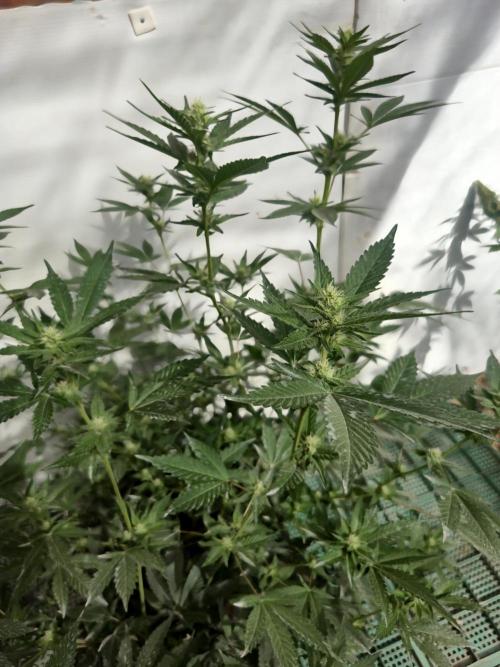
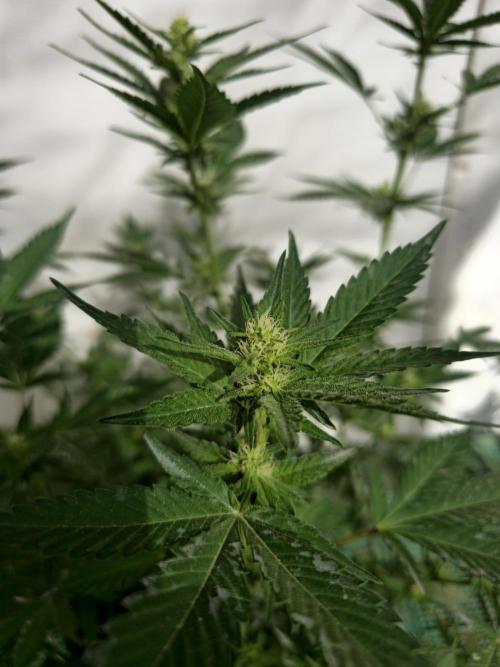
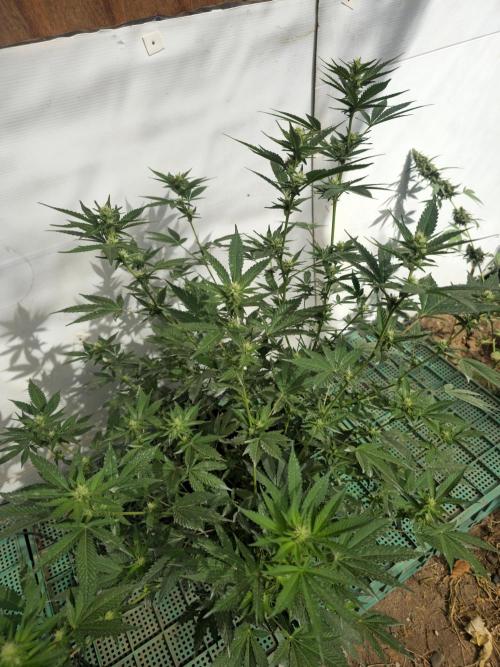
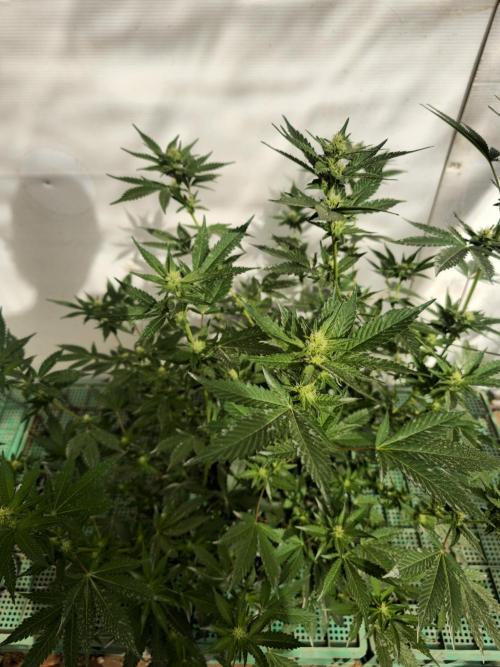
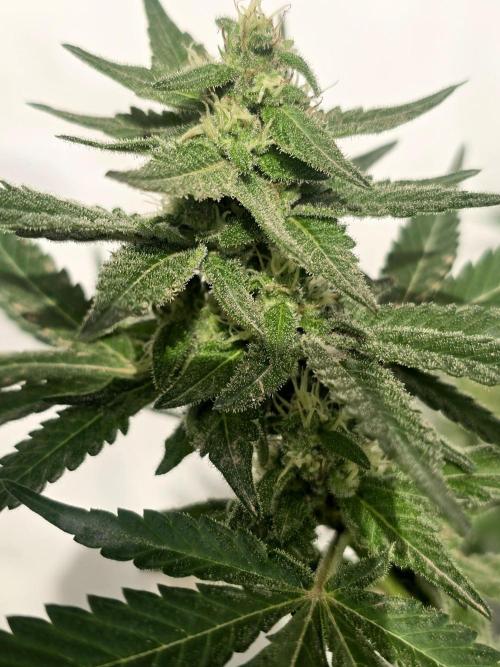
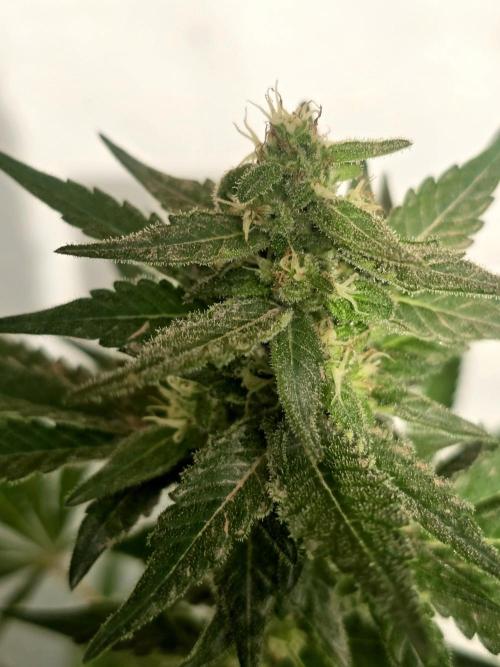
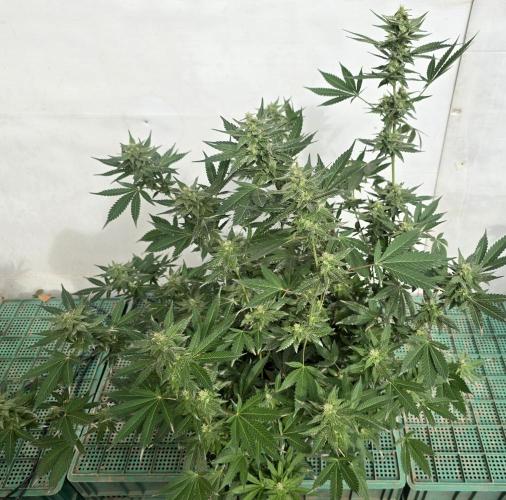
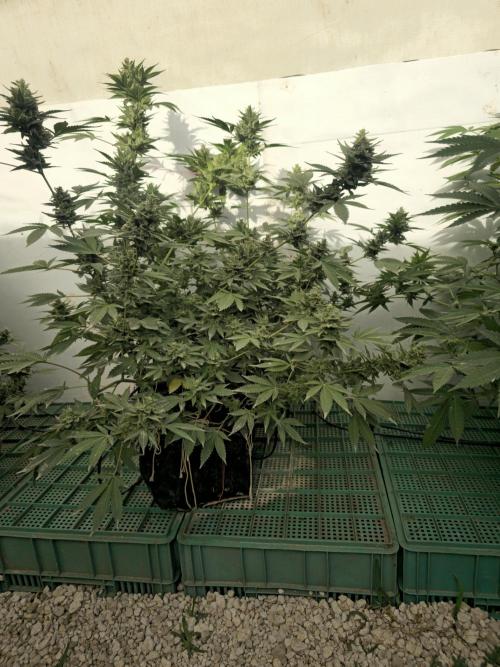
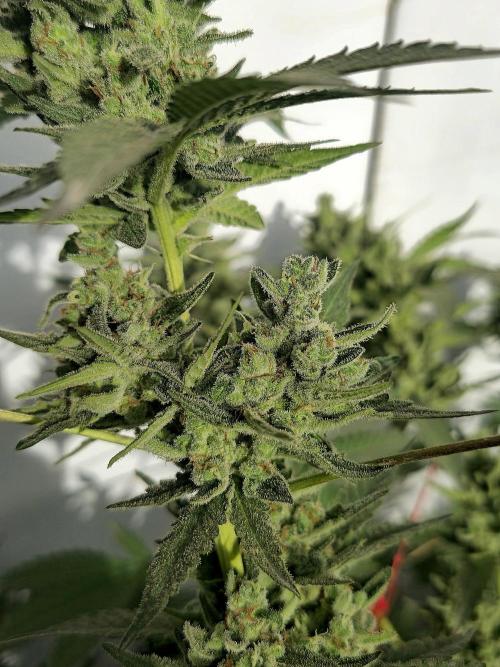
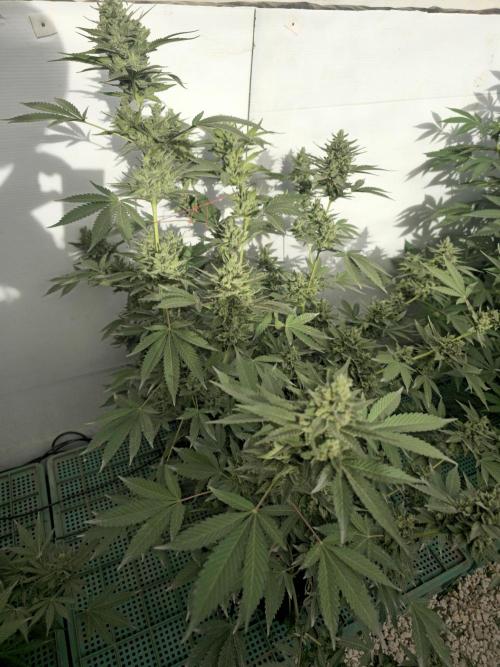
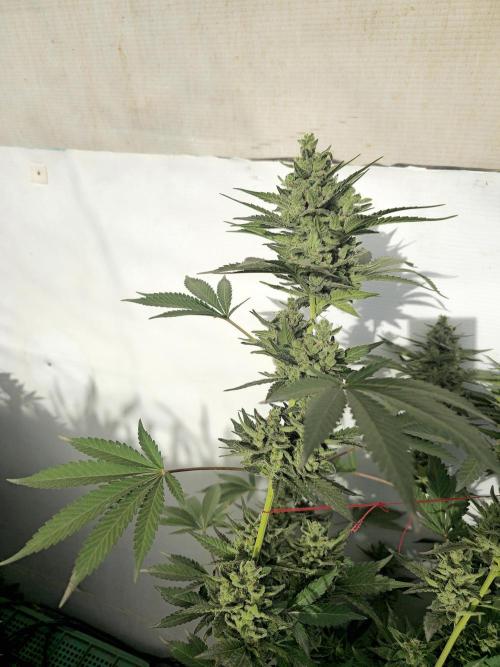
The plant is in the Stretch period, showing remarkable vertical growth. The sexual transition is clear, with the appearance of the first pre-flowers in the leaf axils. The leaves are a deep and healthy green, indicating an excellent state of vegetative vigor as it enters flowering. The root system remains in optimal conditions thanks to the inert medium of Coco Fiber, with a regimen of eight micropulses daily. The pH of the solution is kept constant at 6.2 and the temperature at 21°C, with continuous oxygenation for 24 hours. The first weekly foliar application of Seaweed, Trichoderma, and Amino Acids is made to reduce stress and stimulate the onset of flowering. As a preventive measure, Neem Oil + Potassium Soap was applied to the plant and Trichoderma was inoculated in the root zone.
11 likes
comments
Share
Used techniques
HST
Technique
LST
Technique
Lollipoppibg
Technique
Lollipoping
Technique
2
Week 2. Flowering
1y ago
1/6
130 cm
Height
12 hrs
Light Schedule
25 °C
Day Air Temp
6.0
pH
Strong
Smell
1200 PPM
TDS
55 %
Air Humidity
20 °C
Solution Temp
25 °C
Substrate Temp
18 °C
Night Air Temp
14.99 liters
Pot Size
2.01 liters
Watering Volume
Mexicanasseeds Gelato Week 2 Flowering Outdoor
Vertical growth is moderating. The plant's energy is being redirected towards the dense formation of white pistil clusters at the nodes, defining the primary structure of the flower. An initial layer of trichomes is beginning to be observed, lightly covering the sugar leaves. Strict control of drainage and pH measurement of the leachate (drainage water) continues to ensure medium stability. This week, an advanced stimulus is introduced: the first application of Elicitor (Salicylic Acid) at a dose of 1mm (138ppm), aiming to activate the Systemic Acquired Resistance (SAR) for defense and the biosynthesis of secondary metabolites (resin). The foliar application of biostimulants and the preventive organic treatment with Neem Oil + Potassium Soap is repeated.
10 likes
comments
Share
Used techniques
LST
Technique
3
Week 3. Flowering
10mo ago
1/11
130 cm
Height
12 hrs
Light Schedule
25 °C
Day Air Temp
6.0
pH
Strong
Smell
1200 PPM
TDS
55 %
Air Humidity
20 °C
Solution Temp
25 °C
Substrate Temp
18 °C
Night Air Temp
9.99 liters
Pot Size
2.01 liters
Watering Volume
Mexicanasseeds Week 3 flowering
Phase: Beginning of Bulking and Resin Acceleration
The first visible increase in the volume and mass of the buds is recorded; the flower has consolidated its structure and begins the initial bulking. The dominant characteristic is the exponential acceleration of trichome production, densely covering the floral structures, which evidences the response to the Elicitor from the previous week. The plant maintains a dark green color in the fan leaves, indicating sustained vigor. The Fertigation protocol in the hydroponic system with reverse osmosis water is maintained to ensure the purity and accuracy of the solution. The weekly foliar application of Seaweed, Trichoderma, and Amino Acids, along with the organic preventive, is repeated.
10 likes
1 comment
Share
Used techniques
LST
Technique
Topping
Technique
Transplantation
Technique
12-12
Technique
4
Week 4. Flowering
10mo ago
1/5
130 cm
Height
12 hrs
Light Schedule
25 °C
Day Air Temp
6.2
pH
Strong
Smell
1200 PPM
TDS
55 %
Air Humidity
20 °C
Solution Temp
25 °C
Substrate Temp
18 °C
Night Air Temp
9.99 liters
Pot Size
2.01 liters
Watering Volume
Mexicanasseeds Week 4 Flowering
Phase: Maximum Structural Fatness / End of Leaf Growth
The central bud appears dense and structurally mature, fully in the weight gain cycle. The resin coverage is total and profuse, confirming the high effectiveness of the stimulation protocols. This week marks the last foliar application of Seaweed and Amino Acids, as well as the second and final application of Salicylic Acid at a dose of 1 mm (138ppm), to give a final boost to resin production before suspending foliar treatments and avoiding fungal risks in advanced flowering. Drainage control and the measurement of pH and PPM of the leachate continue to be critical to ensure root health and absorption efficiency.
10 likes
2 comments
Share
Used techniques
LST
Technique
Transplantation
Technique
Topping
Technique
5
Week 5. Flowering
10mo ago
1/5
130 cm
Height
12 hrs
Light Schedule
25 °C
Day Air Temp
6.2
pH
Strong
Smell
1200 PPM
TDS
55 %
Air Humidity
20 °C
Solution Temp
25 °C
Substrate Temp
18 °C
Night Air Temp
9.99 liters
Pot Size
2.01 liters
Watering Volume
Mexicanasseeds Week 5: Biomass Consolidation and Metabolic Transition
Phase: Peak Trichome Expression / Cessation of Internodal Elongation
This week marks the definitive end of the stretching phase, redirecting 100% of metabolic energy towards the compaction and fattening of the calyxes. The floral structure has stopped expanding longitudinally to focus on gaining volumetric density.
Key points of the week:
* Structural Maturation: The floral clusters are closing gaps, forming solid and heavy tails. There is a progressive swelling in the lower calyxes, a sign of efficient distribution of photosynthates.
* Resin Density: After suspending foliar treatments from week 4, resin production appears purer and stickier. The trichome coverage is now visible to the naked eye even on the outermost sugar leaves, with a terpene profile that is starting to aggressively define itself.
* Nutritional Strategy: The focus shifts towards a higher P-K (Phosphorus and Potassium) ratio. Extreme vigilance is maintained on the electrical conductivity (EC) and pH of the leachate to ensure there are no nutritional blockages at this time of maximum demand.
* Environmental Management: With the current density of the buds, ventilation has become the critical safety factor. Airflow has been optimized by opening the greenhouse windows to maintain stable relative humidity and prevent pockets of stagnant air, mitigating any risk of botrytis or fungal pathogens now that the foliage is dense.
Current status: The plant is at its peak biochemical activity. The stigmas remain white and turgid, indicating that the fattening potential still has room for growth before entering the final oxidation phase.
8 likes
1 comment
Share
Used techniques
LST
Technique
Transplantation
Technique
Topping
Technique
6
Week 6. Flowering
10mo ago
1/6
130 cm
Height
12 hrs
Light Schedule
25 °C
Day Air Temp
6.2
pH
Strong
Smell
1200 PPM
TDS
55 %
Air Humidity
20 °C
Solution Temp
25 °C
Substrate Temp
18 °C
Night Air Temp
9.99 liters
Pot Size
2.01 liters
Watering Volume
Mexicanasseeds In this sixth week, the cultivation has entered the critical window of biochemical maturation. Once the structural consolidation is complete, the plant has redirected the carbon flow towards the mevalonic acid pathway and the MEP/DOXP pathway, optimizing the synthesis of cannabinoid and terpene precursors in the capitate-stalked glandular trichomes.
2. Elicitation and Immunological Priming (Critical Event)
The third and final application of Salicylic Acid (SA) was executed at a concentration of 100 ppm through root fertigation (single manual watering).
* Mechanism of Action: The root application of SA acts as an exogenous signal that mimics an attack by biotrophic pathogens, activating the signaling cascade of Systemic Acquired Resistance (SAR).
* Physiological Response: This signaling induces the expression of genes related to pathogenesis (PR Proteins) and, collaterally, overstimulates the production of secondary metabolites as an abiotic defense mechanism.
* Objective: Maximize resin content and volatile compounds before the flushing phase, leveraging the "priming" to strengthen the cell wall and the density of glandular exudates.
3. Nutritional Dynamics and Ionic Balance
With the transition to maturity, the management of the nutrient solution has been adjusted to prevent antagonisms:
* P-K Balance: The intensity of potassium (K^+) supply is maintained to support the transport of photosynthates (sucrose) from the source leaves to the flowers (sinks).
* EC Control and Dry-backs: Crop Steering strategies with controlled drying of the coconut substrate are applied to increase osmotic pressure, which, in synergy with elicitation, favors generative stress.
* Monitoring: The leachate is kept under close surveillance to avoid the accumulation of sulfates and ensure the balance between cations.
4. Climate Management and VPD
* Optimal VPD: A range of 1.2 to 1.5 kPa has been maintained. This vapor pressure differential allows for efficient transpiration, ensuring that the mass flow of Calcium reaches the upper calyxes, preventing internal apical necrosis.
* Water Temperature: Control at 21°C in the mother solution tank has been essential to maintain optimal levels of dissolved oxygen and prevent root thermal stress, a factor that could interfere with SAR signaling activated by SA.
5. Visual Phenological State
The morphology observed in the specimens shows a controlled senescence of stigmas (oxidation starting at 15-20%) and a "spiked" but dense bud architecture, characteristic of high photosynthetic efficiency and proper management of DLI (Daily Light Integral). The coverage of trichomes is profuse, with turbidity indicating the onset of degradation of precursors into acidic forms of phytocannabinoids.
11 likes
1 comment
Share
Used techniques
LST
Technique
Transplantation
Technique
Topping
Technique
7
Week 7. Flowering
10mo ago
1/7
130 cm
Height
12 hrs
Light Schedule
25 °C
Day Air Temp
6.2
pH
Strong
Smell
1200 PPM
TDS
55 %
Air Humidity
20 °C
Solution Temp
25 °C
Substrate Temp
18 °C
Night Air Temp
9.99 liters
Pot Size
2.01 liters
Watering Volume
Mexicanasseeds Gelato - Week 7
1 Optimization of Maturation and Correction of Balance (N-K)
During the beginning of this phase, a slight stretching or foxtailing was identified in the apical inflorescences.
Etiology: This phenomenon was attributed to a high persistence of Nitrogen (195 ppm) during week 6. Excess in advanced flowering stages can reactivate vegetative processes at the apex of the flower, promoting the formation of new sugar leaves and spiky structures that compromise density.
Corrective Action: The nutrient solution was recalibrated by reducing Nitrogen input to 90 ppm.
Result: This nitrogen restriction halted the disordered apical growth and forced the plant into controlled senescence. By limiting the nitrogen, carbohydrates are redirected from the synthesis of new structural proteins towards the secondary metabolite pathway, significantly improving the compactness of the calyxes and resin deposition.
2. Adjustment of Cationic Balance and Osmotic Pressure
A critical intervention was made in the concentration of Potassium (K) to protect the integrity of nutrient transport in the root zone:
Reduction of: The input was adjusted from 220 ppm to 195 ppm.
Technical Rationale: Potassium levels above 200 ppm at this stage drastically increase osmotic pressure in the rhizosphere. This creates competitive antagonism, where excess cations block the absorption sites of Calcium and Magnesium.
Consequence: By lowering to 195 ppm, ionic interference was reduced, allowing Calcium to maintain the stability of cell walls in mature calyxes and Magnesium to continue supporting energy transfer (ATP) without causing root blockages due to salt saturation.
3. Final Supplementation of B Vitamins
In accordance with the maturation protocol, the penultimate dose of Thiamine (B1), Pyridoxine (B6), and Cobalamin (B12) (100mg / 5mg / 50mcg respectively) was applied diluted per 10 liters of water.
Mechanism: These actives serve as agents for mitigating abiotic stress. Since the plant is operating under high metabolic demand and a highly precise nutrient solution, the B complex facilitates carbohydrate metabolism and strengthens the root immune system against fluctuations in osmotic pressure.
4. State of the Trichomes and Senescence
The reduction of macronutrients has accelerated the visible biochemical maturation in the flowers:
Trichomes: The current ratio is 75% milky and 15% amber, with a notable decrease in hyaline (clear) trichomes.
Architecture: The flower has stopped stretching, achieving a much denser crown closure. The coloration of the sugar leaves shows an onset of chlorophyll degradation (fading), indicating that the plant is mobilizing its mobile reserves towards final flowering.
5. Climate Control Parameters (VPD)
A VPD of 1.4 kPa is maintained to ensure that, despite the reduction of Potassium, the transpiration flow is sufficient to mobilize Calcium towards areas of higher floral density, preventing internal necrosis in the more compact buds.
12 likes
1 comment
Share
Used techniques
LST
Technique
8
Week 8. Flowering
9mo ago
1/10
130 cm
Height
12 hrs
Light Schedule
25 °C
Day Air Temp
6.2
pH
Strong
Smell
1200 PPM
TDS
55 %
Air Humidity
20 °C
Solution Temp
25 °C
Substrate Temp
18 °C
Night Air Temp
9.99 liters
Pot Size
2.01 liters
Watering Volume
Mexicanasseeds Week 8 Report of Flowering Gelato -Mexicanas Seeds Company.
1. Diagnosis of Floral Architecture and Nitrogen
After analyzing Week 7, it is confirmed that the foxtailing observed was a direct consequence of high Nitrogen availability in the nutrient solution (185 ppm in previous stages).
* Effect on Polyhybrids: In modern genetics like Gelato and other polyhybrids with Sativa dominance, excess N causes foxtailing and the creation of "fluffy" or airy cells.
* Consequence: These structures lack dry weight, as Nitrogen prioritizes water cell expansion and the creation of leaves and chlorophyll over resin deposition, resulting in fluffy flowers that lose too much volume when dried.
2. Conclusion on Nitrate Management and Final Quality
The experience with this run of Gelato allows us to conclude that success in final quality (density + aroma) depends on a stepped and aggressive reduction of Nitrogen and the supplementation of silicon in the new diet.
* Reduction of Chlorophyll: By lowering N in a controlled manner, we force the plant to consume its foliar reserves. This reduces the load of chlorophyll and nitrates in the tissues, resulting in cleaner combustion, a purer taste, and a much more attractive final color of the flower.
* Specific Weight: Less N at the end means less stretching and more concentration of carbohydrates in the calyxes, ensuring that the bud maintains its structure and hardness after the drying process.
3. Implementation of the Stepped Nutritional Plan
Based on the metabolic response of the plants, we have designed a Precision Nutritional Plan for future cycles, characterized by:
* Transition Phase: Gradual decrease of N starting from week 5 of flowering.
* Consolidation Phase: Stabilization of Potassium (K) at 195 ppm (avoiding 220 ppm to prevent Ca and Mg blockages).
* Directed Senescence Phase: Minimal reduction of macros to favor trichome maturation and natural fading (color degradation).
4. Final Harvest Status (Week 8)
* Biochemical Maturation: With the correction from week 7 (lowered to 90 ppm of N), the plant stopped foxtailing. The trichomes have transitioned from a milky state to an optimal balance of 25% amber, indicating the peak point of cannabinoid biosynthesis.
Adjusting to 90 ppm of N and 195 ppm of K in the final stretch was the key to saving the density of the Gelato. Although it didn't fix the problem caused, it did stop the foxtailing and save part of the harvest, which forced us to create new formulations for future crops.
It was observed that indica varieties have much more tolerance to the phenomenon called foxtailing and excess nitrogen in the flowering diet.
This learning becomes our new Master Formula for stepped nutrition, ensuring that future polyhybrids do not "fluff up" and deliver the weight we truly expect on the scale.
@wolfvb,
Greetings my friend, 15-17 degrees and 50-55% relative humidity
If you dry at 12°C but with 60% humidity, you would have the most legendary drying in history, but it would take you about 25-30 days. One tip is that you can do wet trimming to speed up the drying a bit without losing quality due to the preservation of terpenes at this temperature. The dry or wet trimming depends on the type of drying you want to apply; this drying method is used by those participating in cannabis cups to preserve the maximum chemical profile in terpenes.
@Mexicanasseeds, this sound interesting I will try to learn more about it. for me dry and curring is the hardest but for not its fine as I finish everything fast!👽👻
@wolfvb, just like taking care of the grow is very important, it's also super important to take care of what took so much effort to produce with a good drying process. With a bad drying, it smells weak and tastes bad. If you dry it the way it should be—slowly and at the optimal temperature—the flower retains all the properties you managed to produce with your care in the grow.