


Thin Mint


Thin Mint
An old hippie

VEG
Starlight Reflektor Fluorescent/100W
Prima Klima
FLO
Attis pro Light Emitting Diodes/200W
Lumatek

Box
Ambient
Homebox

Fan
Household Fan
Household Fan


Indoor
Room Type
LST
weeks 4, 7-8, 11
76 liters
Pot Size
Start at Harvest
G
Germination8mo ago


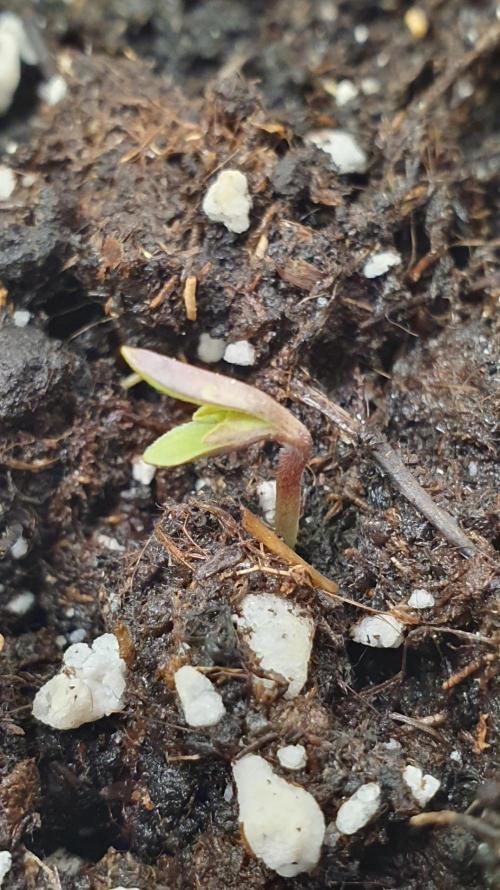
Nutrients 1
Endosperm
1 mll
The_Wanderer In the vast, often chaotic world of cannabis cultivation, where strain names are tossed around like marketing buzzwords and genetic purity is frequently lost to profiteering, Authentic Thin Mint has always stood apart as a true outlier.
Thin Mint earned its name not from hype, but from a genuinely rare terpene expression of eucalyptol (cineole), that delivers crisp, cooling mint aroma and taste that's almost mythical in modern cannabis. While thousands of strains chase earthy, fruity, or diesel profiles, true mintiness remains exceptionally uncommon, often appearing only in trace amounts even when present. This isn't just flavor and aroma though, it also brings a functional rarity.
What makes Thin Mint uniquely therapeutic lies in that eucalyptol-dominant profile, synergizing with balanced cannabinoids for effects that feel like a clean breath of winter air.
Mental Clarity & Mood Elevation-
A gentle uplift that clears mental fog, reduces anxiety, and enhances focus. Ideal for daytime relief without heavy sedation.
Stress & Pain Management.
Natural analgesic and anti-inflammatory properties soothe chronic discomfort, headaches, and muscle tension.
Respiratory Support-
The cooling menthol-like sensation acts as a bronchodilator, easing breathing and providing relief for sinus issues or respiratory strain.
Overall Wellness-
Antioxidant and calming effects promote relaxation, better sleep, and a renewed sense of calm amid daily chaos.
In a market flooded with disappointing fakes, this grow diary follows the journey of reviving stable, authentic Thin Mint F1-hybrids, honoring its legacy as a refreshing, therapeutic escape. Potent and purposefully healing. Here I will be growing the real mint magic.
8 likes
1 comment
Share
Used method
Other
Germination Method
4
Week 4. Vegetation8mo ago


16 hrs
Light Schedule
23 °C
Day Air Temp
6.0
pH
No Smell
Smell
55 %
Air Humidity
75.71 liters
Pot Size
Nutrients 4
Homebox Fish Emulsion
10 mll
Calcium Carbonate Dissolved in Vinegar
1 mll
Epsom Salt
1 mll
The_Wanderer 5 weeks after germination, the plants are showing their distinctive adult characteristics. Very short internodal spacing, vigorous side branching, and the form of the leaf is recognizable. I can tell these apart from other plants visually, but I mark them anyway in case I am no longer around they can still be identified by others. Being the first generation of a hybrid the plants are very similar to each other being a 50/50 mix of the parents, yet can be divided into 2 physical expressions. One has very narrow leaves and the other has a leaf that looks more like a hybrid leaf shape. These physical differences may coincide with nuanced effects and flavor.
9 likes
comments
Share
Used techniques
LST
Technique
5
Week 5. Vegetation8mo ago


16 hrs
Light Schedule
23 °C
Day Air Temp
6.0
pH
No Smell
Smell
55 %
Air Humidity
75.71 liters
Pot Size
Nutrients 3
Homebox Fish Emulsion
10 mll
Calcium Carbonate Dissolved in Vinegar
1 mll
Epsom Salt
1 mll
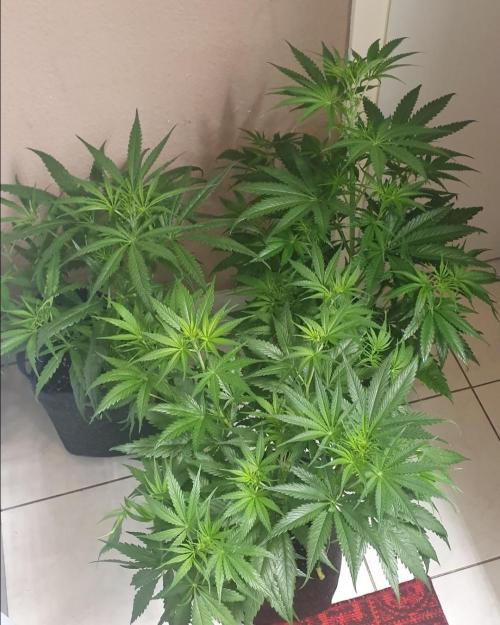
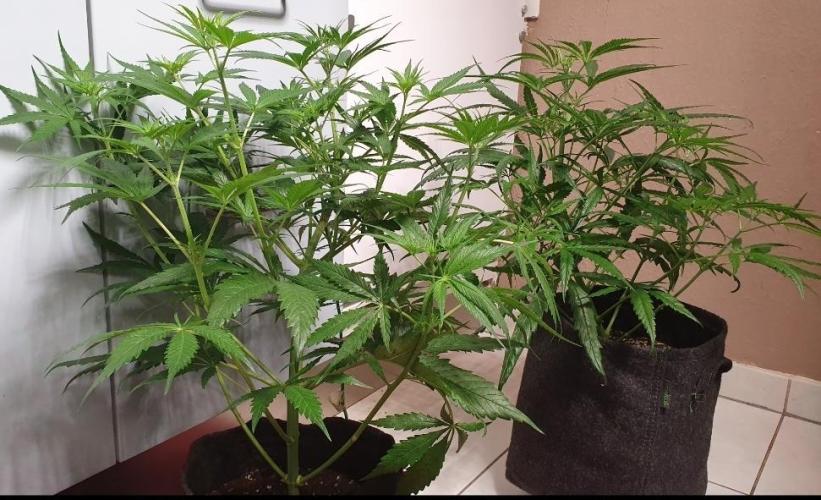
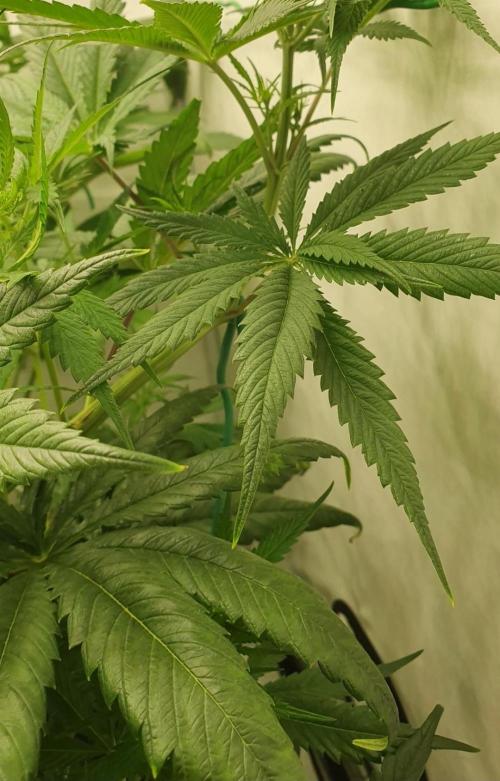
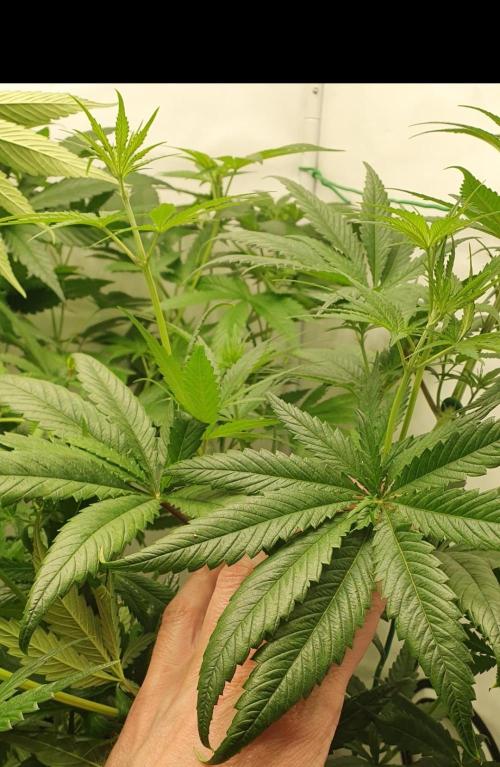
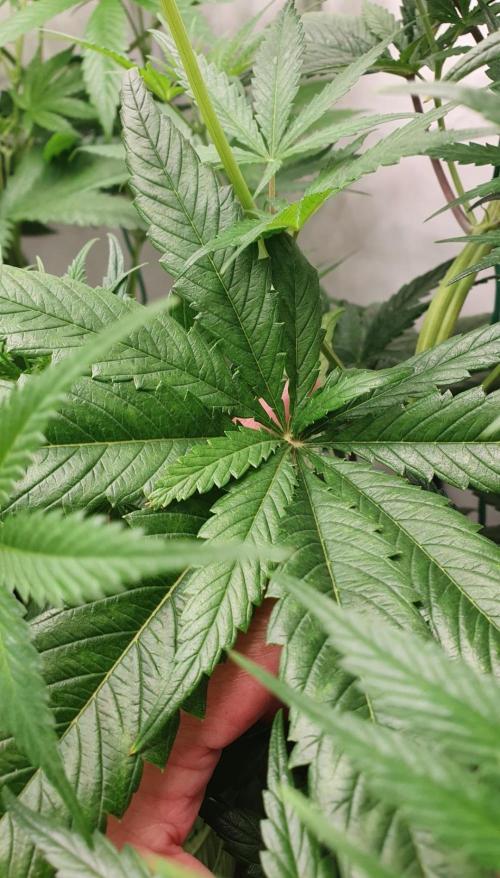
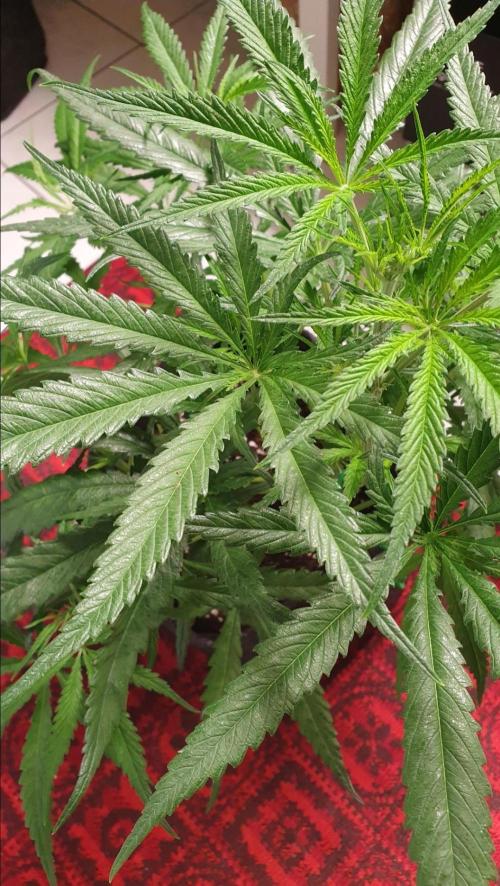
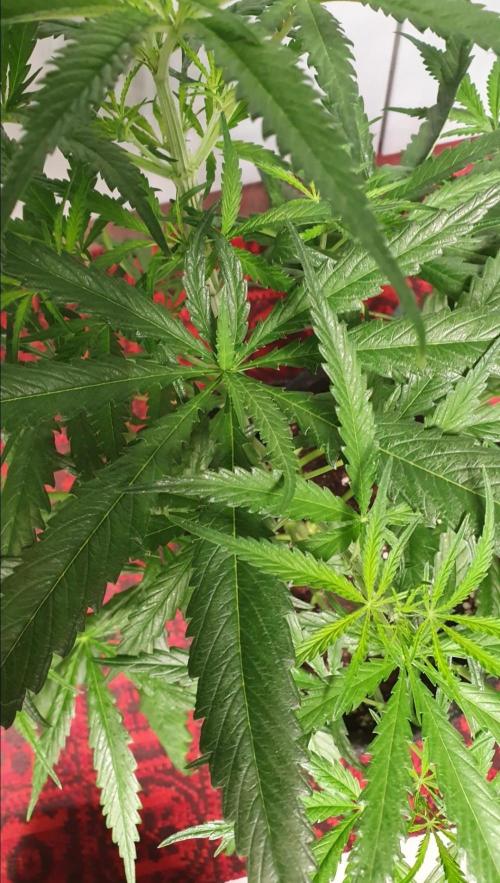
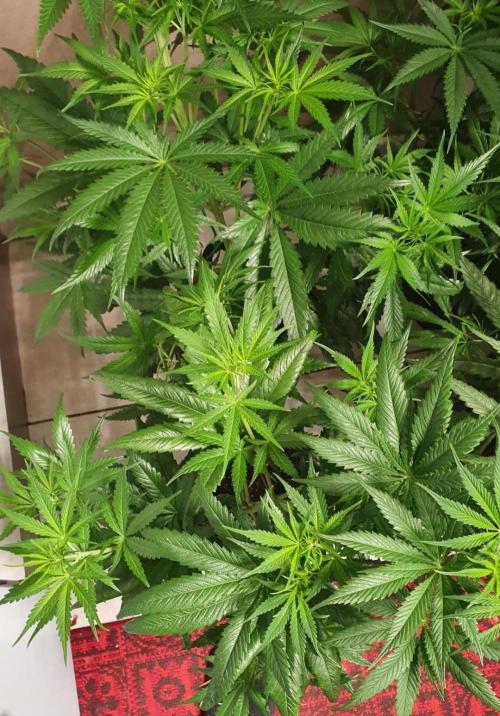
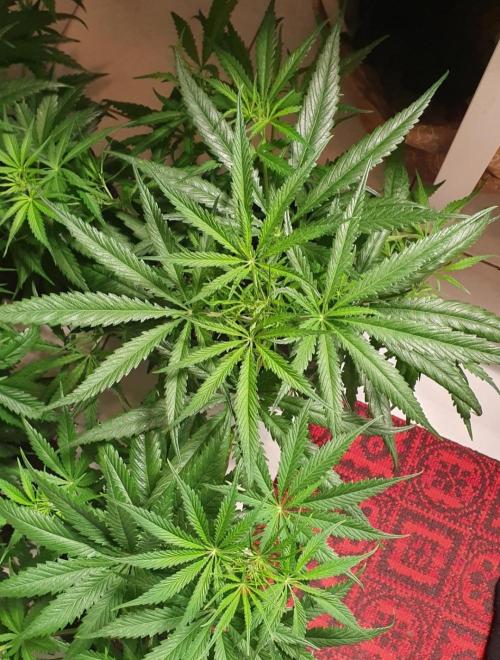
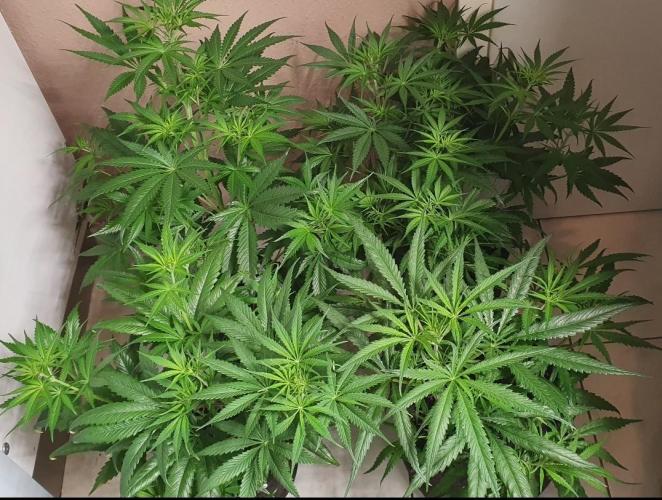
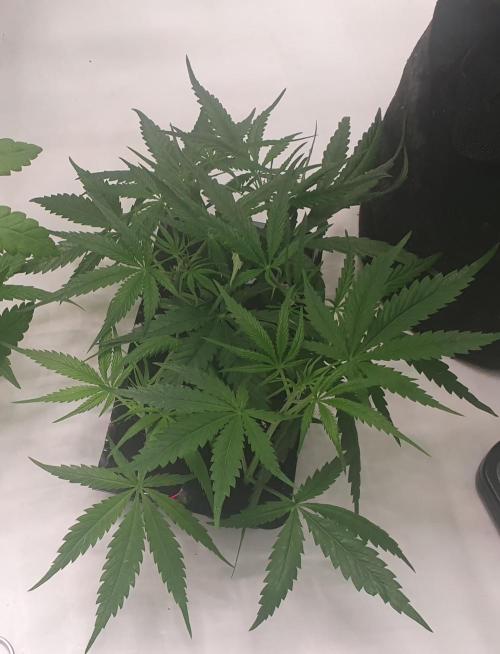
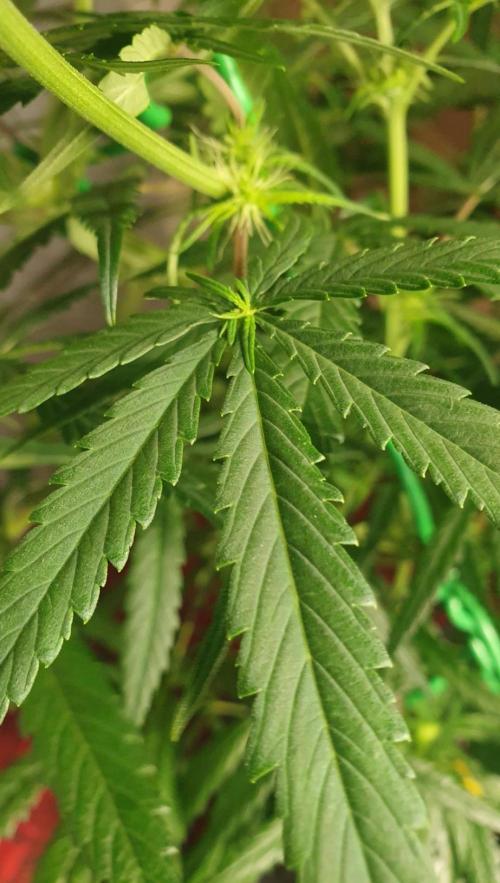
The_Wanderer Another week and training is still underway but is working fine, nice side branching and tight internodal spacing. It does fight hard against the training. Sometimes They break free of the gardening wire and I have to re-wrap it. Very vigorous and healthy plants, forgiving and tough.
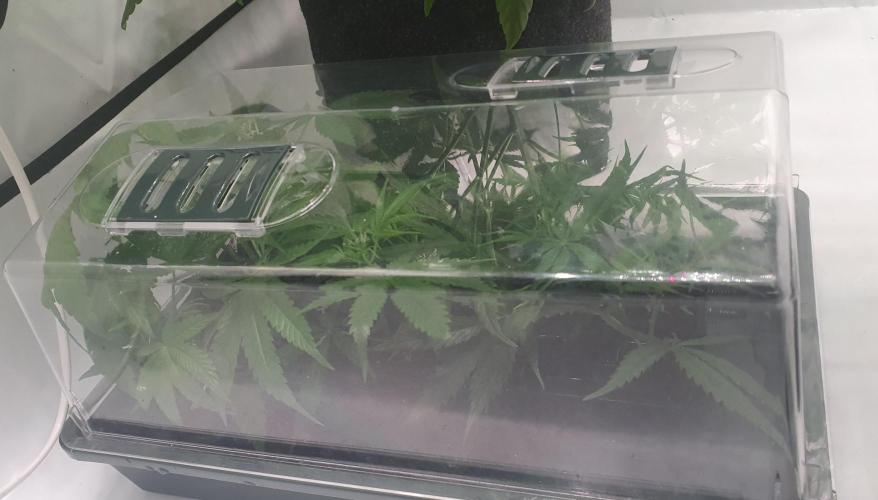
Typical adult leaves for Thin Mint. An interesting trait from one of the parents is carried over. It was here I did some light defoliation and took clones. I moistened some coco coir grow plugs and put the cutting inside. They joined some strangers for a nap under a humidity dome.
This is the end of vegetation. Time to flower.
10 likes
3 comments
Share
7
Week 7. Flowering8mo ago

11 hrs
Light Schedule
23 °C
Day Air Temp
6.0
pH
No Smell
Smell
55 %
Air Humidity
75.71 liters
Pot Size
30 cm
Lamp Distance
Nutrients 4
Homebox Fish Emulsion
10 mll
Calcium Carbonate Dissolved in Vinegar
1 mll
Epsom Salt
1 mll
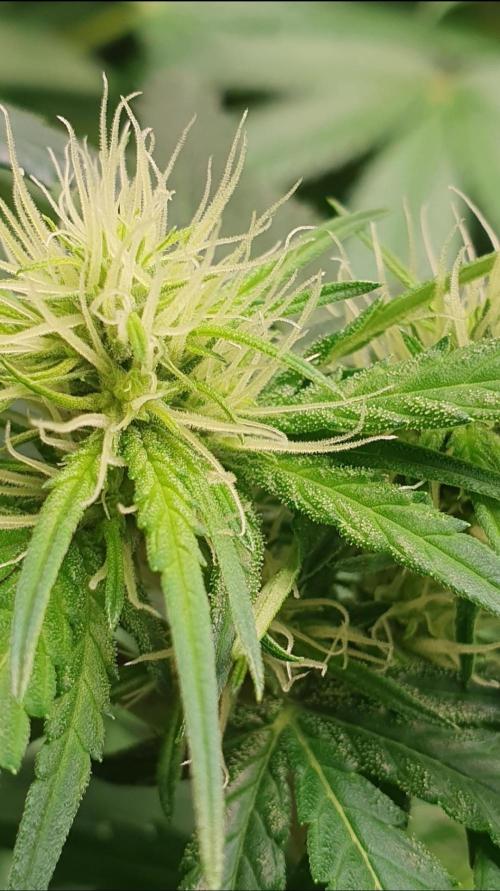
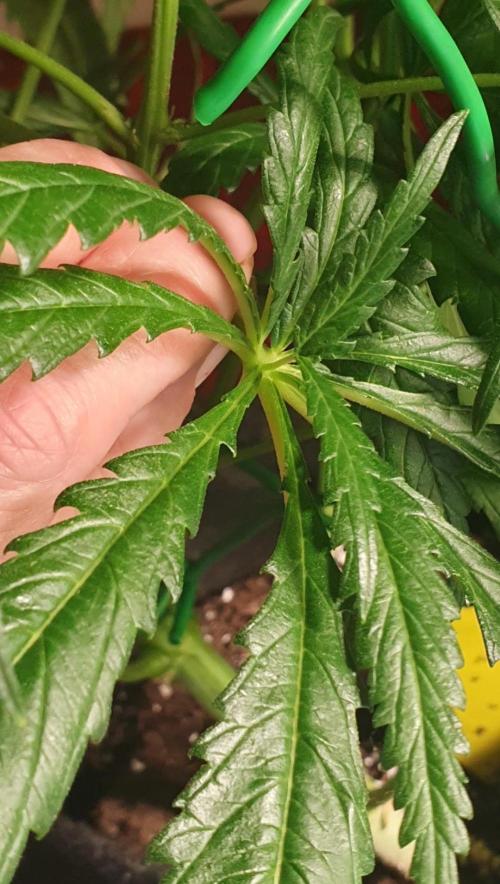
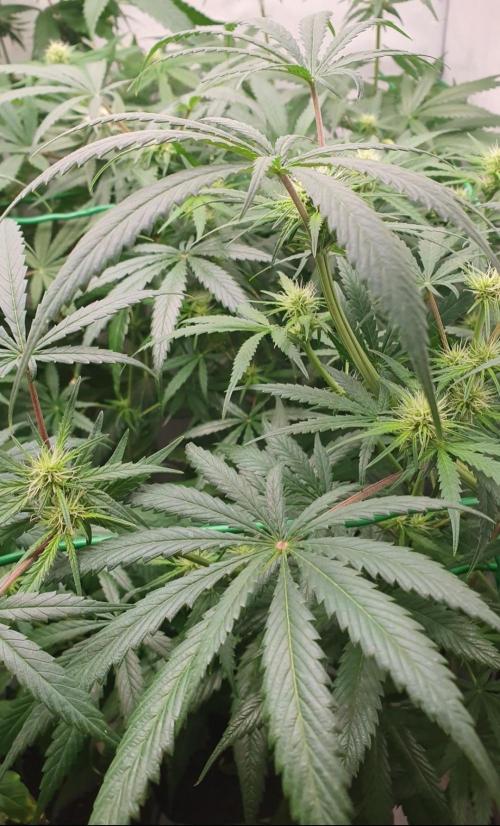
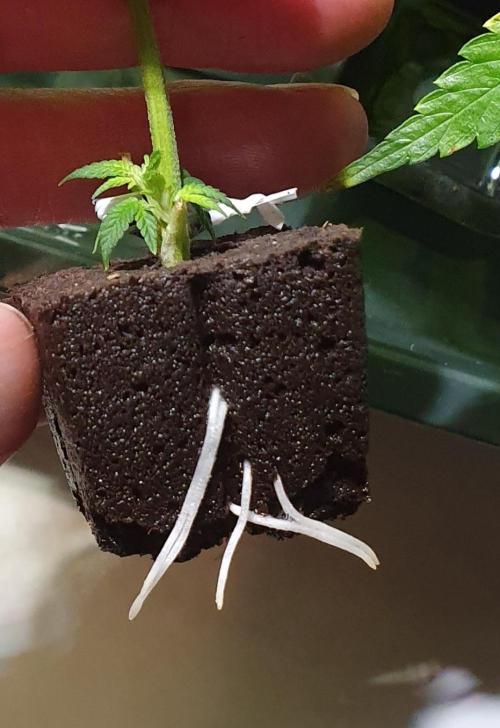
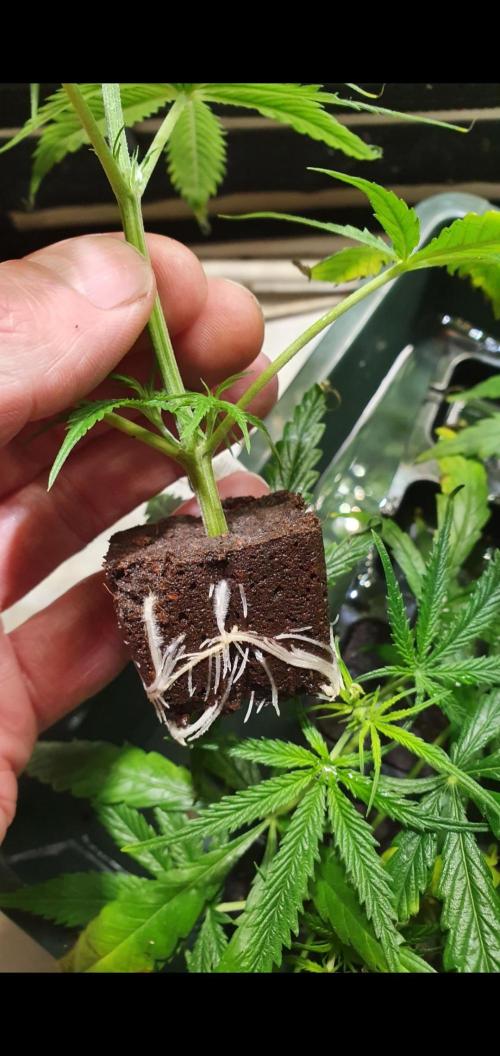
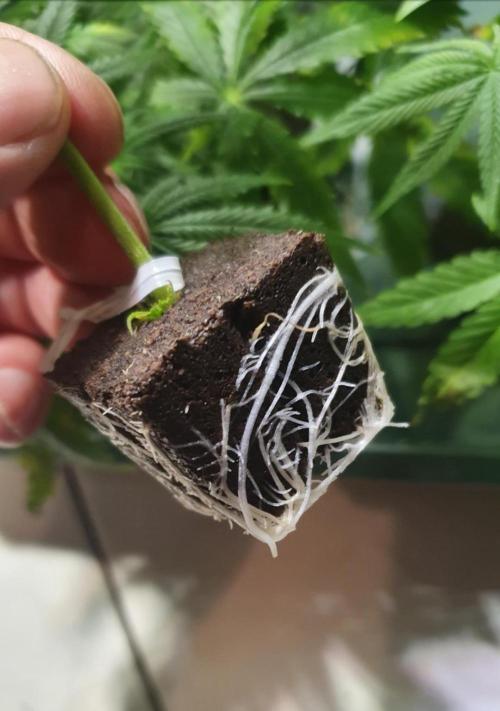
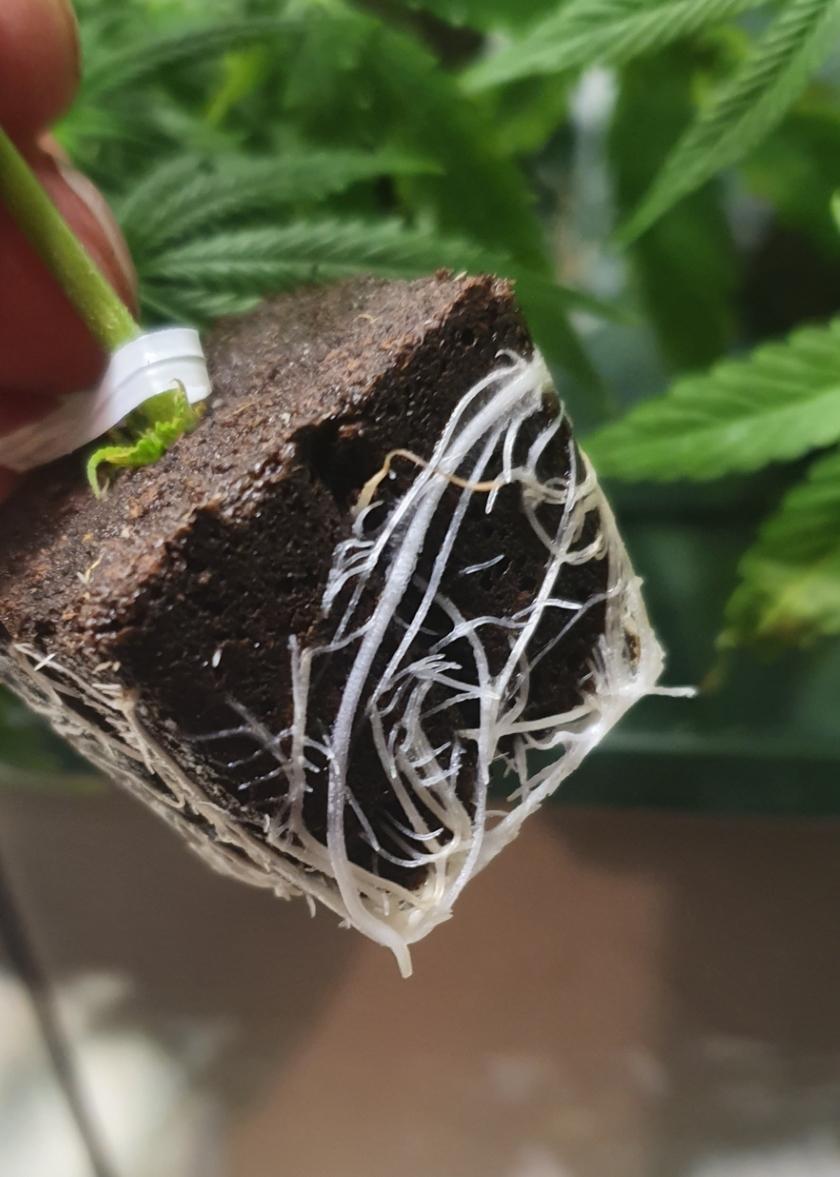
The_Wanderer All cuttings have rooted, some better than others. Bud sites are forming everywhere. Those close internodes with LST shoot off into a lot of bud sites. Its ganja fireworks in slow motion.
7 likes
comments
Share
Used techniques
LST
Technique
Grow Questions
The_Wandererstarted grow question 7mo ago
Why do clones sometimes start flowering regardless of having a vegetative light schedule?
Solved
Leaves. Too many
1 like

Purrple_Hazeanswered grow question 7mo ago
This happens because clones kind of “remember” the stage they were taken from.
If a clone comes from a plant that was already mature or in flower, it can start showing pistils even under a veg light schedule. The hormones haven’t reset yet, especially if the clone is still rooting or a bit stressed.
It’s pretty common when:
the cutting was taken from a flowering plant
the clone is still building roots
the genetics are a bit sensitive
Most of the time it’s nothing to worry about. Once the clone is well rooted and happy, it’ll usually stop flowering and go back to normal veg growth after a couple of weeks. You’ll see the new leaves return to normal shape.
Only a problem if it keeps flowering long-term — or if it’s an auto (autos won’t re-veg).
In short: normal behavior, just give it time and steady conditions 🌱
The_Wandererstarted grow question 7mo ago
I never use a rooting hormone to make clones, and never trim the tips of the leaves because I use s humidity dome and have great results. Where does the rooting hormone come from in the cutting?
Solved
Leaves. Tips - Thick
1 like

DogDoctorOfficialanswered grow question 7mo ago
hello my friend so The rooting hormone doesn’t “come from nowhere” — the cutting already has it.
Plants naturally produce auxins, especially near growing tips and nodes. When you take a cutting, auxins accumulate at the cut site and signal the plant to form roots.
A rooting hormone product just concentrates or supplements those signals to speed things up or improve consistency, especially in tougher conditions.
If your humidity, temperature, and handling are good (like with a dome), the plant can absolutely root on its own — which is why you’re seeing great results without trimming leaves or using hormones.
Growers Love my friend and enjoy your clones 🙏🙏🙏👊👊👊
8
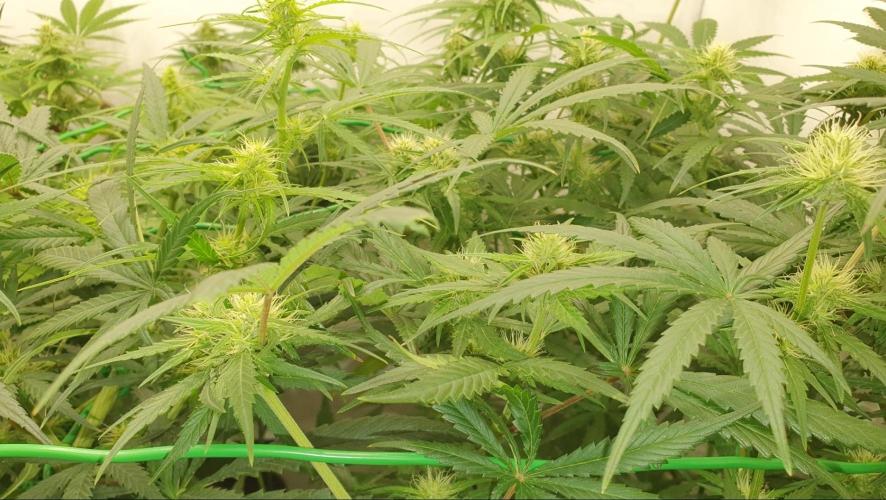
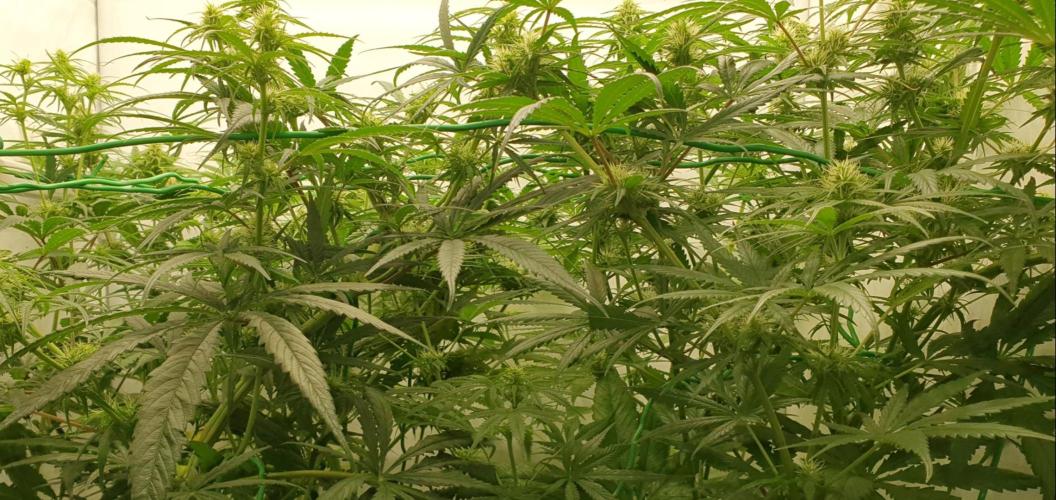
Week 8. Flowering8mo ago

11 hrs
Light Schedule
23 °C
Day Air Temp
6.0
pH
No Smell
Smell
55 %
Air Humidity
75.71 liters
Pot Size
30 cm
Lamp Distance
Nutrients 4
Homebox Fish Emulsion
10 mll
Calcium Carbonate Dissolved in Vinegar
1 mll
Epsom Salt
1 mll
The_Wanderer Another week.
6 likes
comments
Share
Used techniques
LST
Technique
9
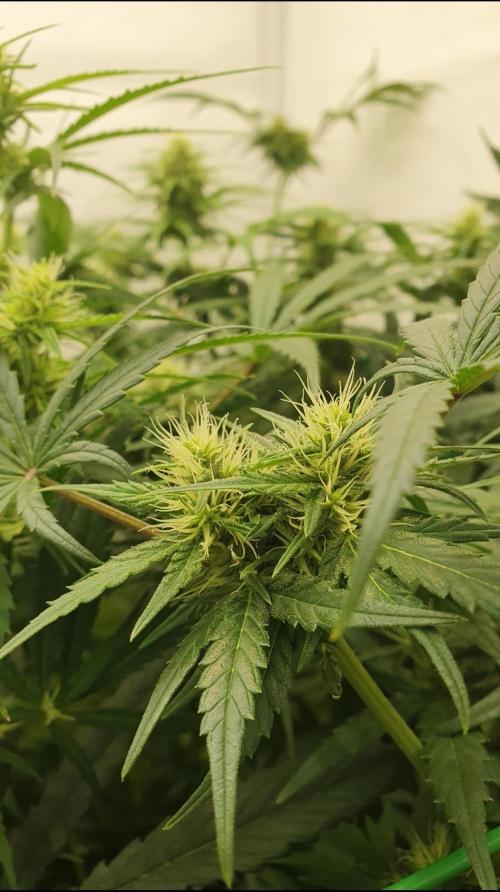
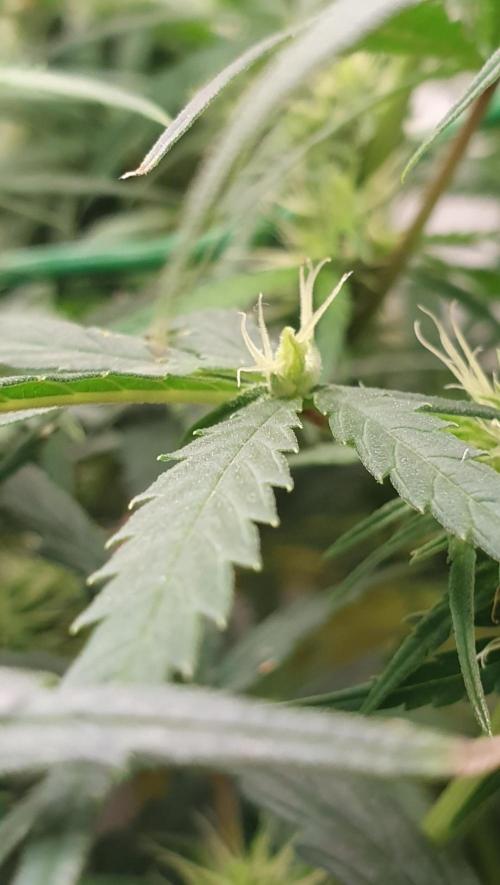
Week 9. Flowering8mo ago

11 hrs
Light Schedule
23 °C
Day Air Temp
6.0
pH
No Smell
Smell
55 %
Air Humidity
75.71 liters
Pot Size
30 cm
Lamp Distance
Nutrients 4
Homebox Fish Emulsion
10 mll
Calcium Carbonate Dissolved in Vinegar
1 mll
Epsom Salt
1 mll
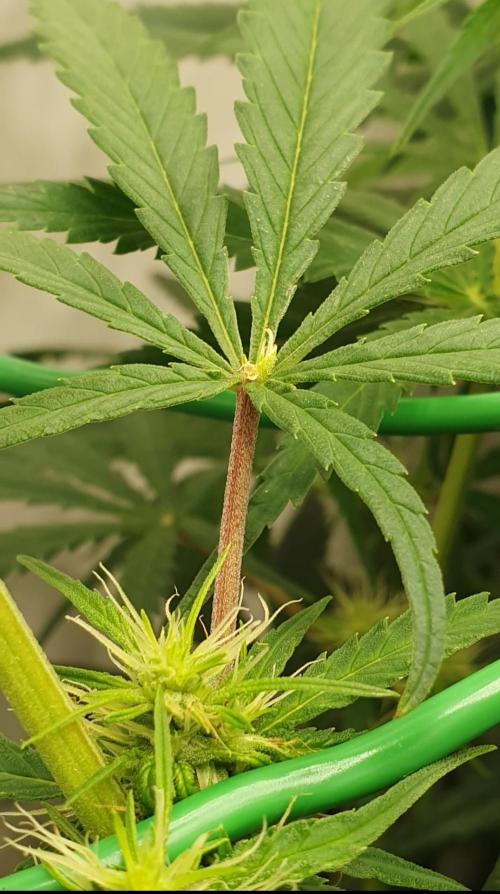
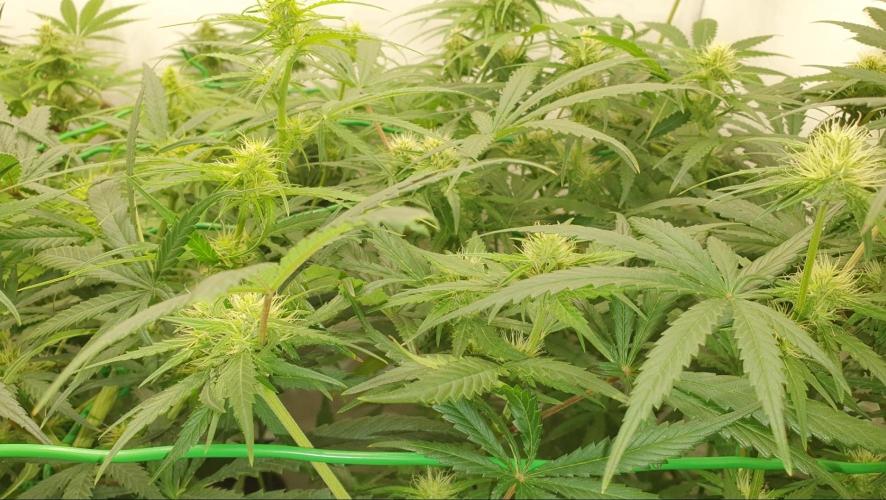
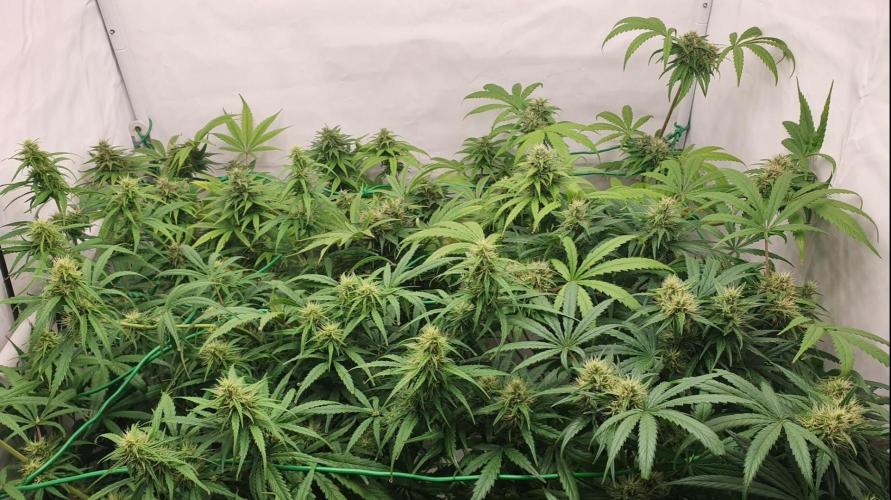
The_Wanderer Thin Mint. F1-Hybrid. (A.K.A - G.S.C.)
9 likes
comments
Share
10
Week 10. Flowering8mo ago

11 hrs
Light Schedule
23 °C
Day Air Temp
6.0
pH
No Smell
Smell
55 %
Air Humidity
75.71 liters
Pot Size
30 cm
Lamp Distance
Nutrients 4
Homebox Fish Emulsion
10 mll
Calcium Carbonate Dissolved in Vinegar
1 mll
Epsom Salt
1 mll
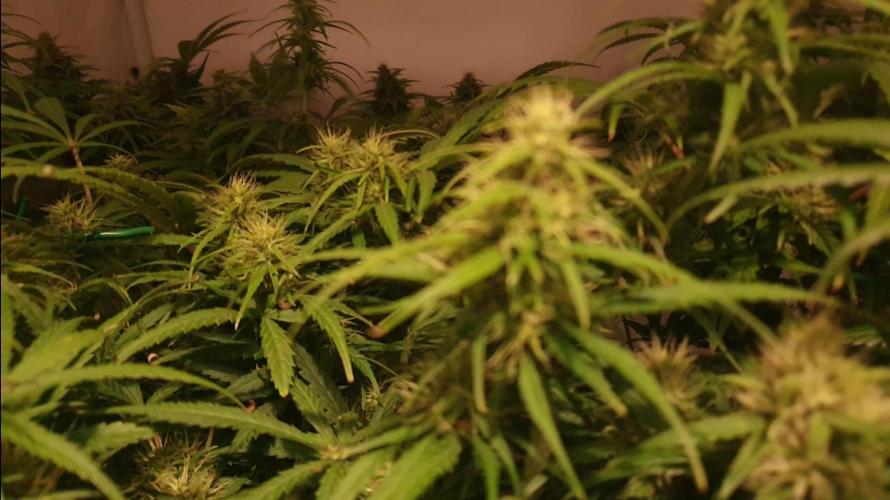
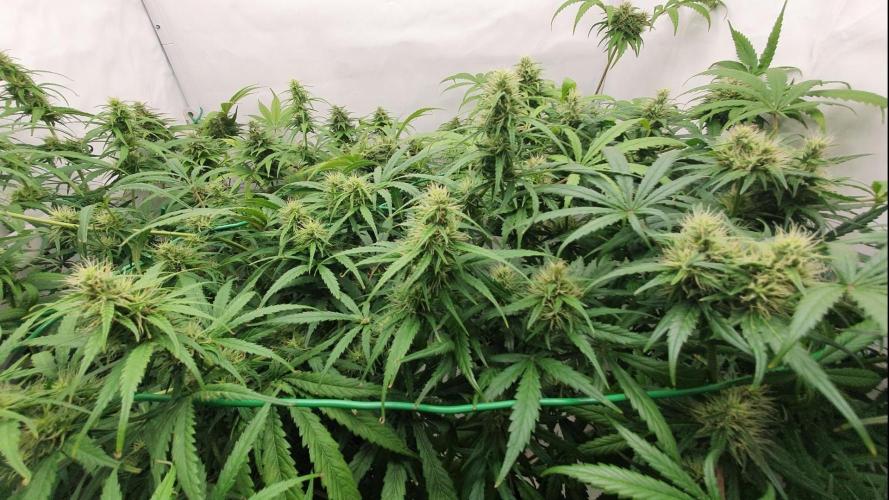
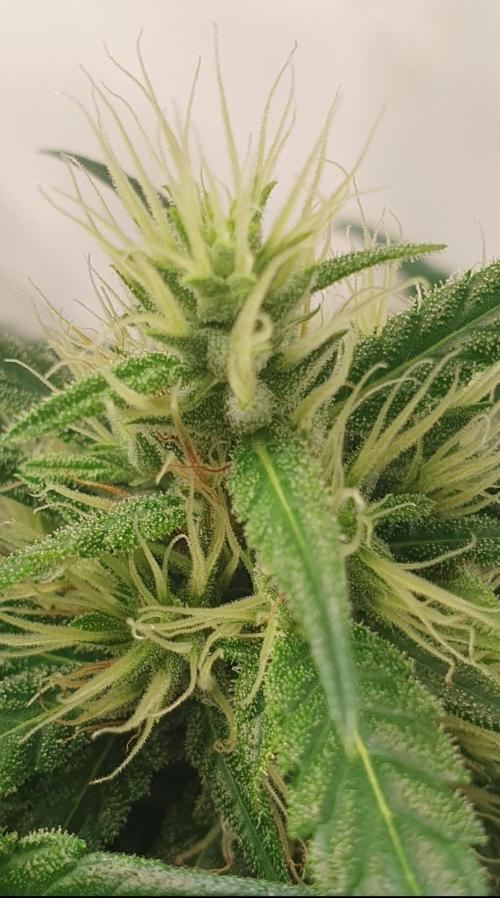
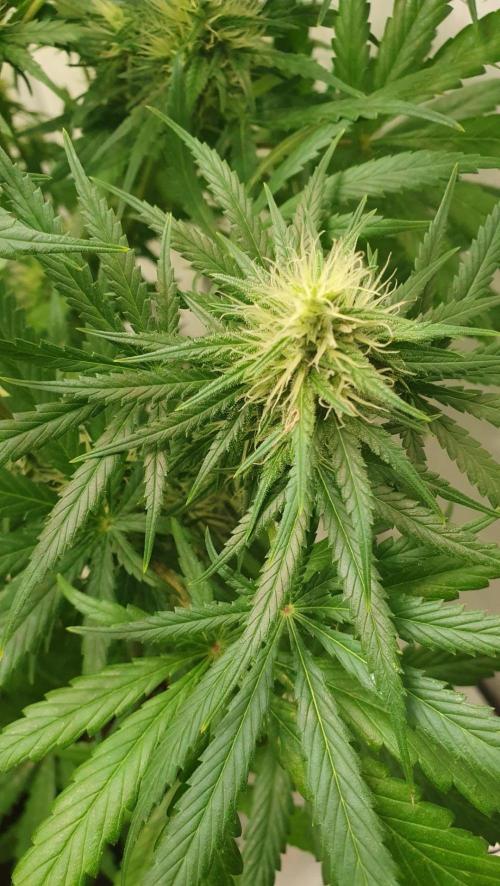
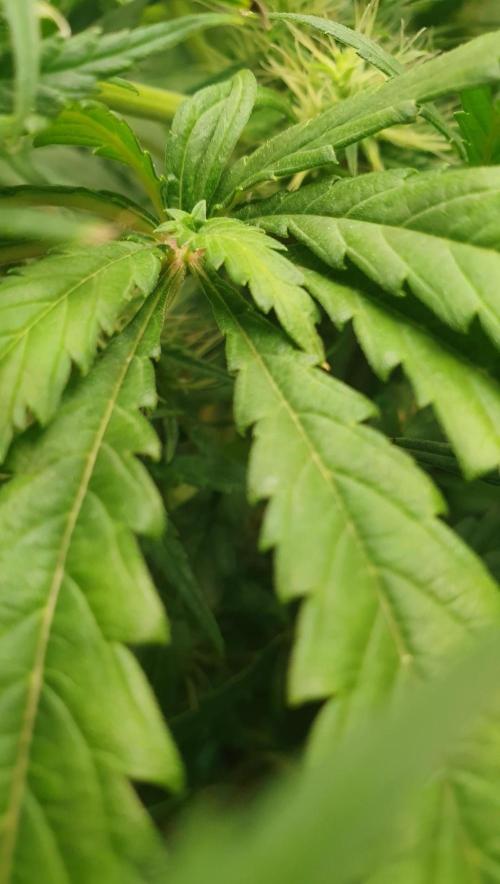
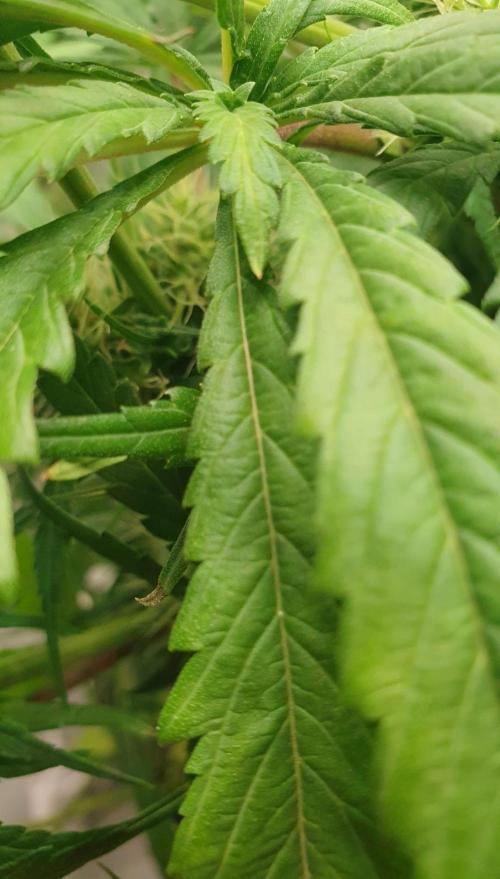
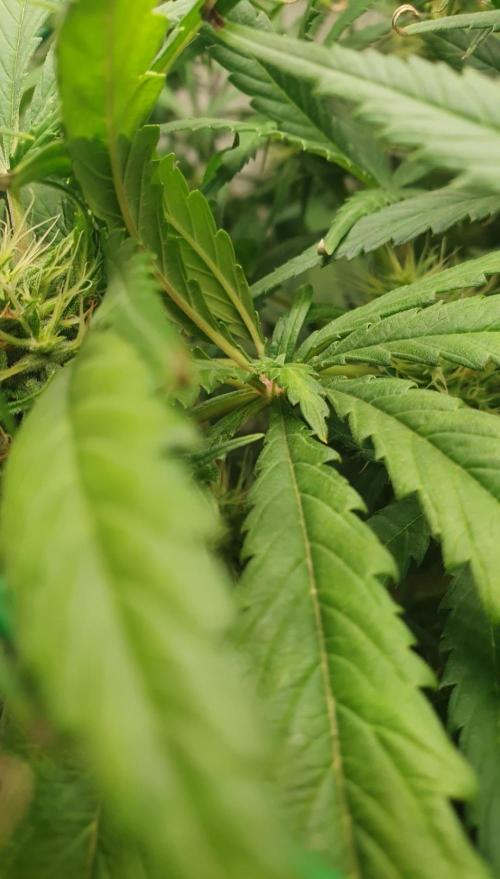
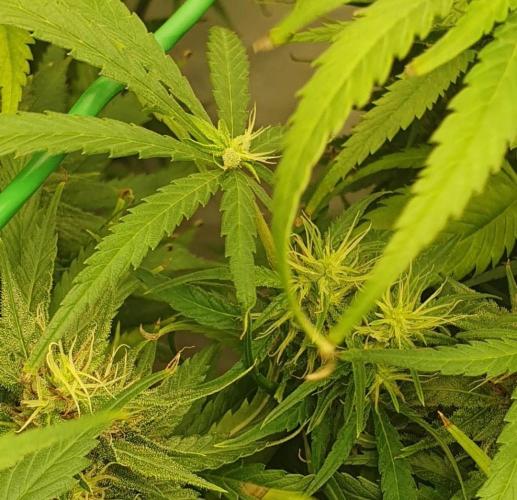
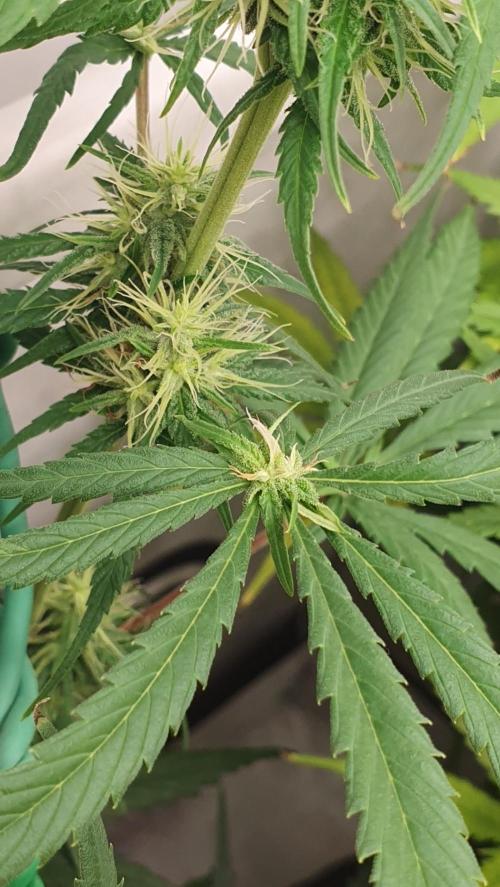
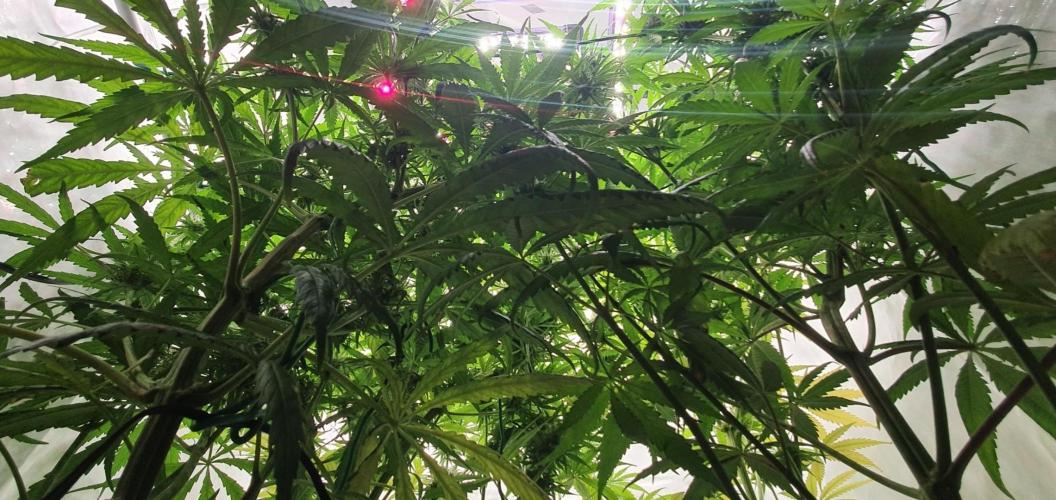
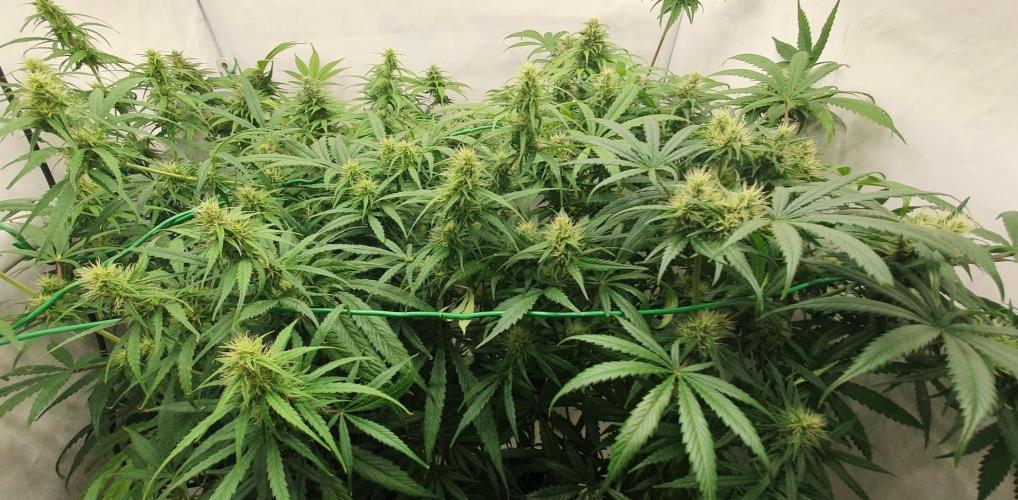
The_Wanderer And that's where it's at.
10 likes
1 comment
Share
11
Week 11. Flowering8mo ago

10 hrs
Light Schedule
23 °C
Day Air Temp
6.0
pH
Weak
Smell
55 %
Air Humidity
19 °C
Night Air Temp
75.71 liters
Pot Size
30 cm
Lamp Distance
Nutrients 4
Homebox Fish Emulsion
10 mll
Calcium Carbonate Dissolved in Vinegar
1 mll
Epsom Salt
1 mll
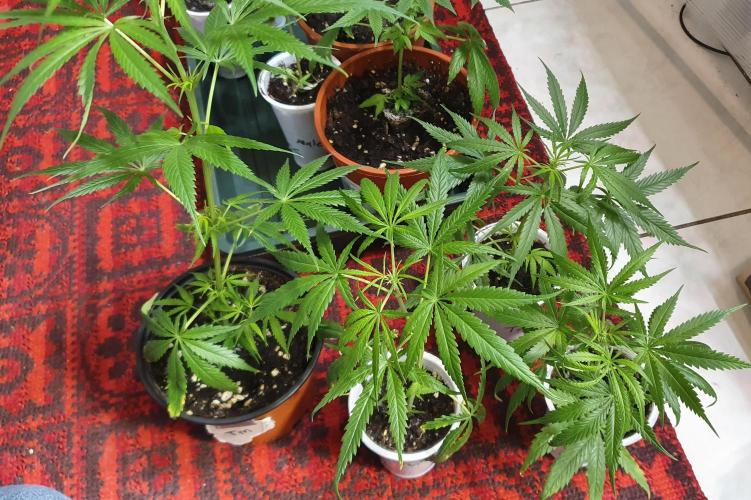
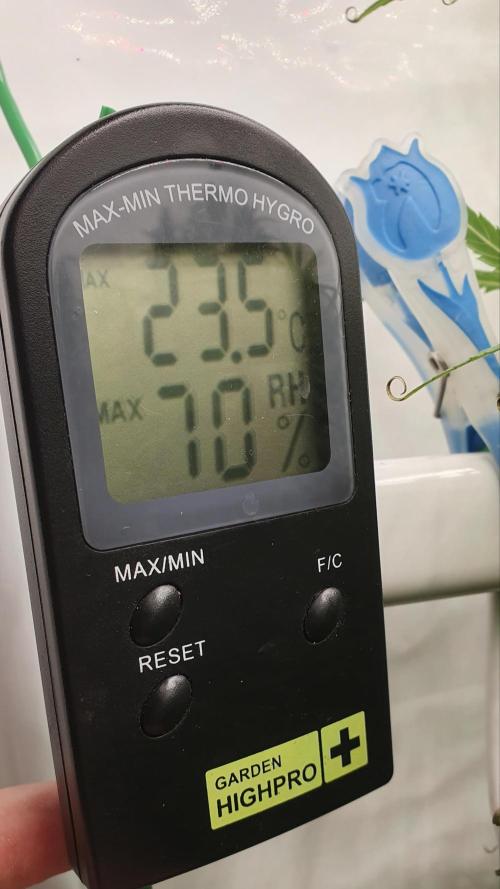
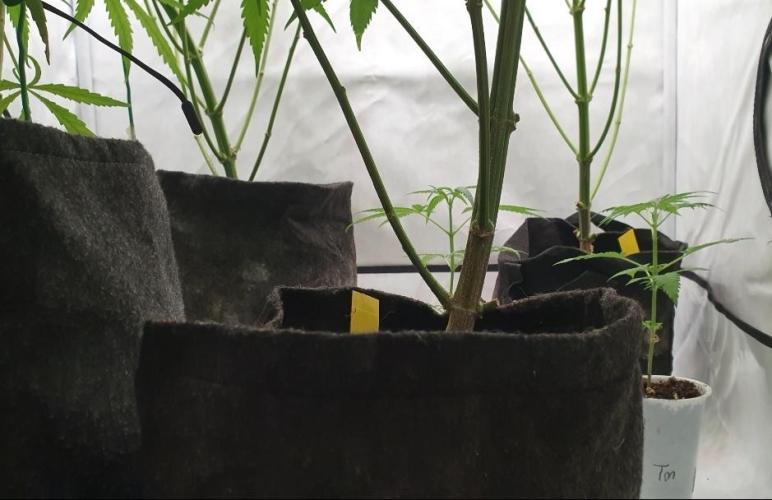
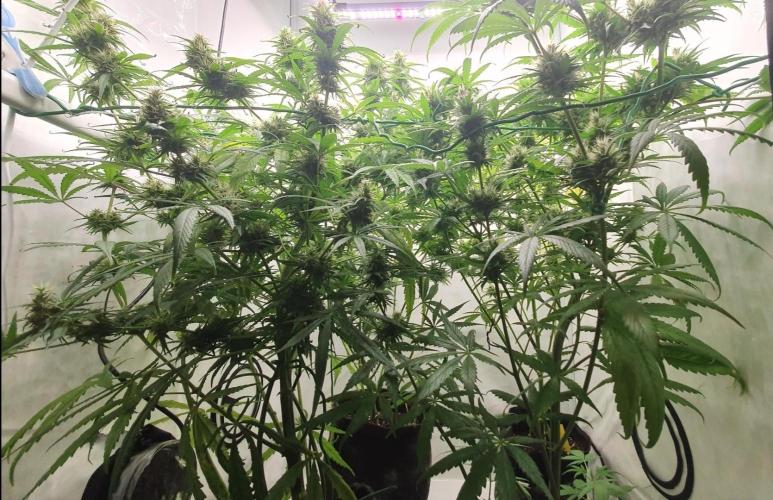
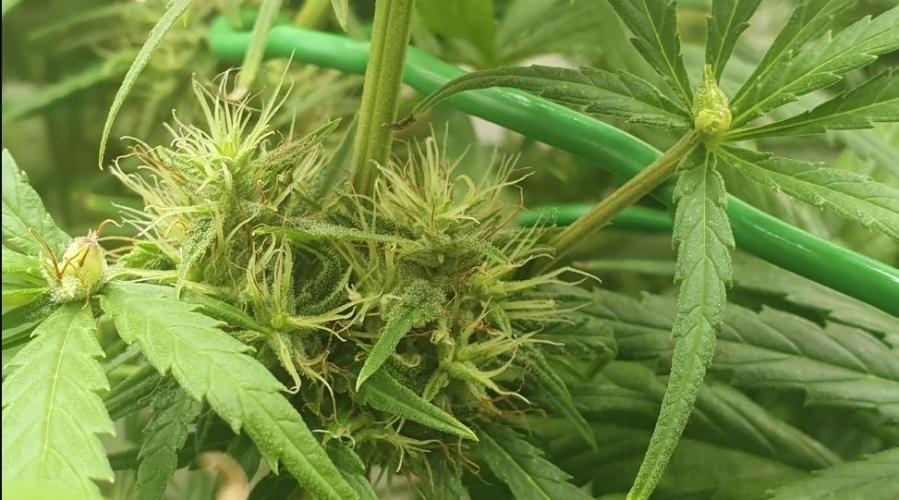
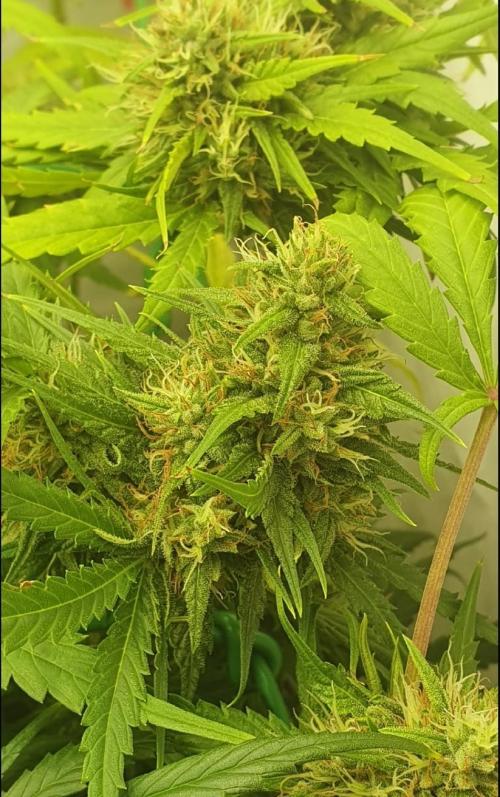
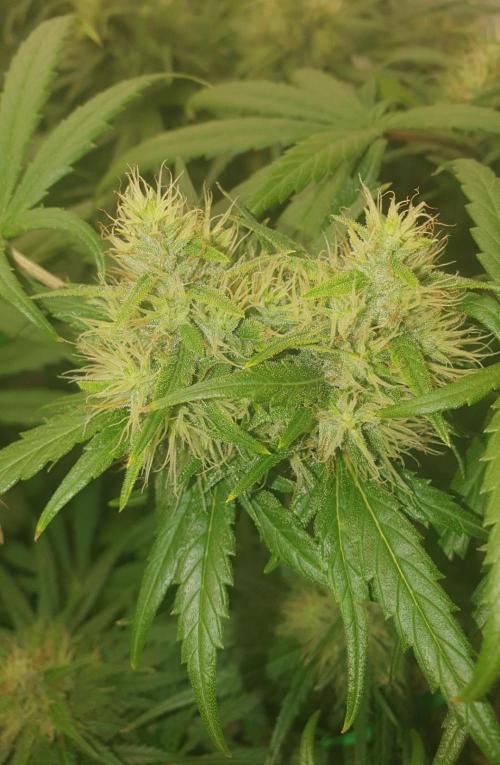
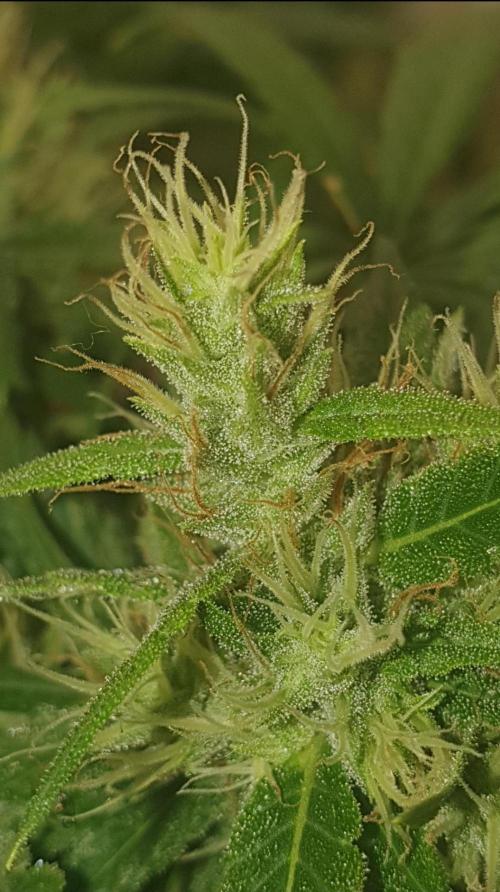
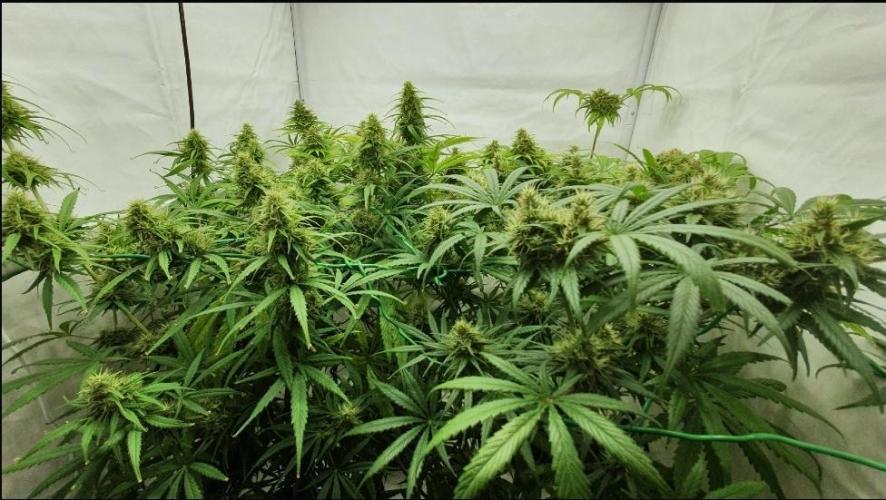
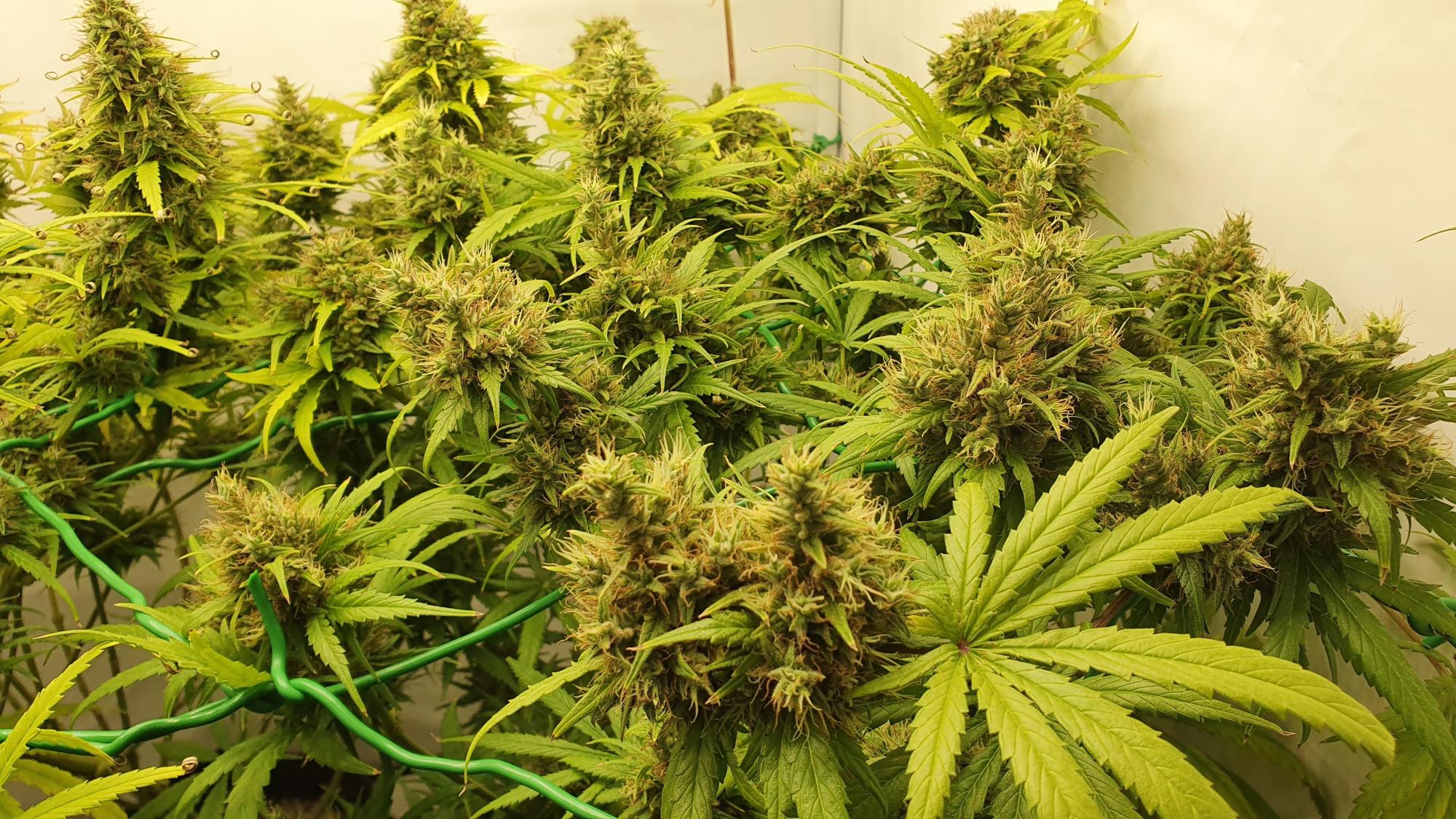
The_Wanderer Clones doing ok. Changed to 10-14. Relative humidity was too high, 70%, during scotoperiod so I am giving 25% less water and have removed some leaves to help. After 2 weeks I will do more because I don't want to stress them too much. This helped bring the humidity down to acceptable. During photoperiod the relative humidity is acceptable. I'm guessing 4 more weeks of flowering at least.
13 likes
comments
Share
Used techniques
LST
Technique
Grow Questions
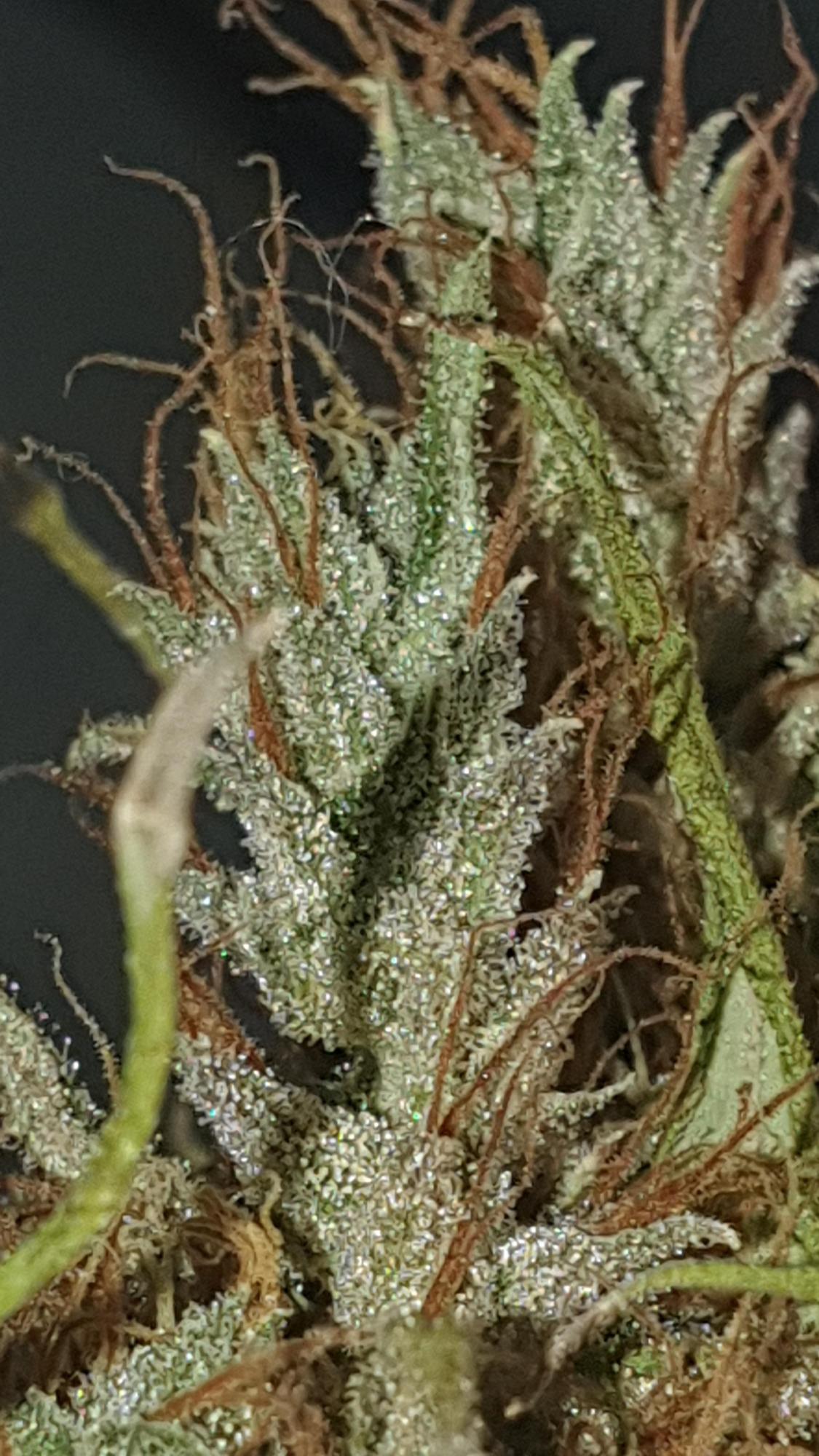
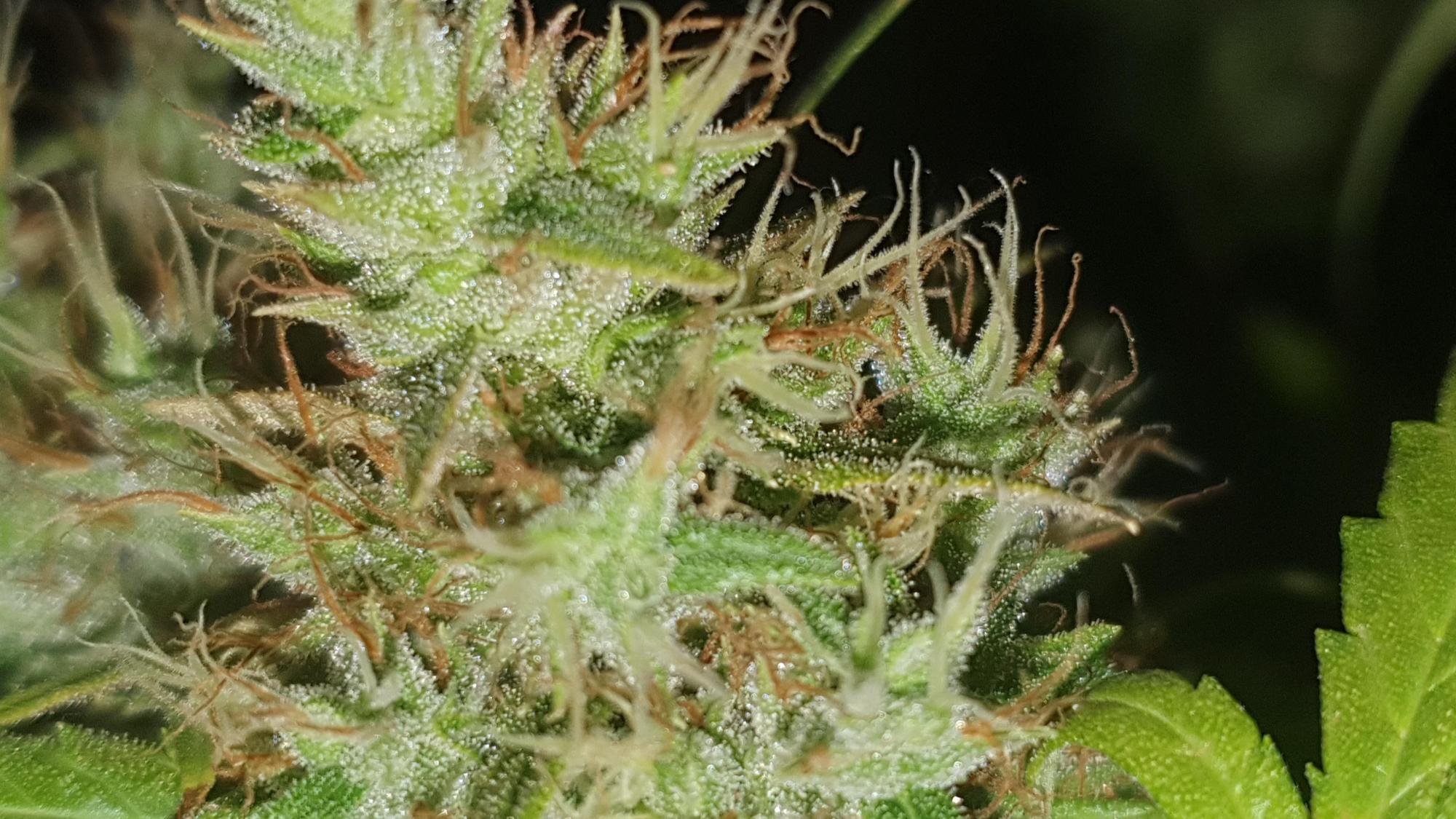
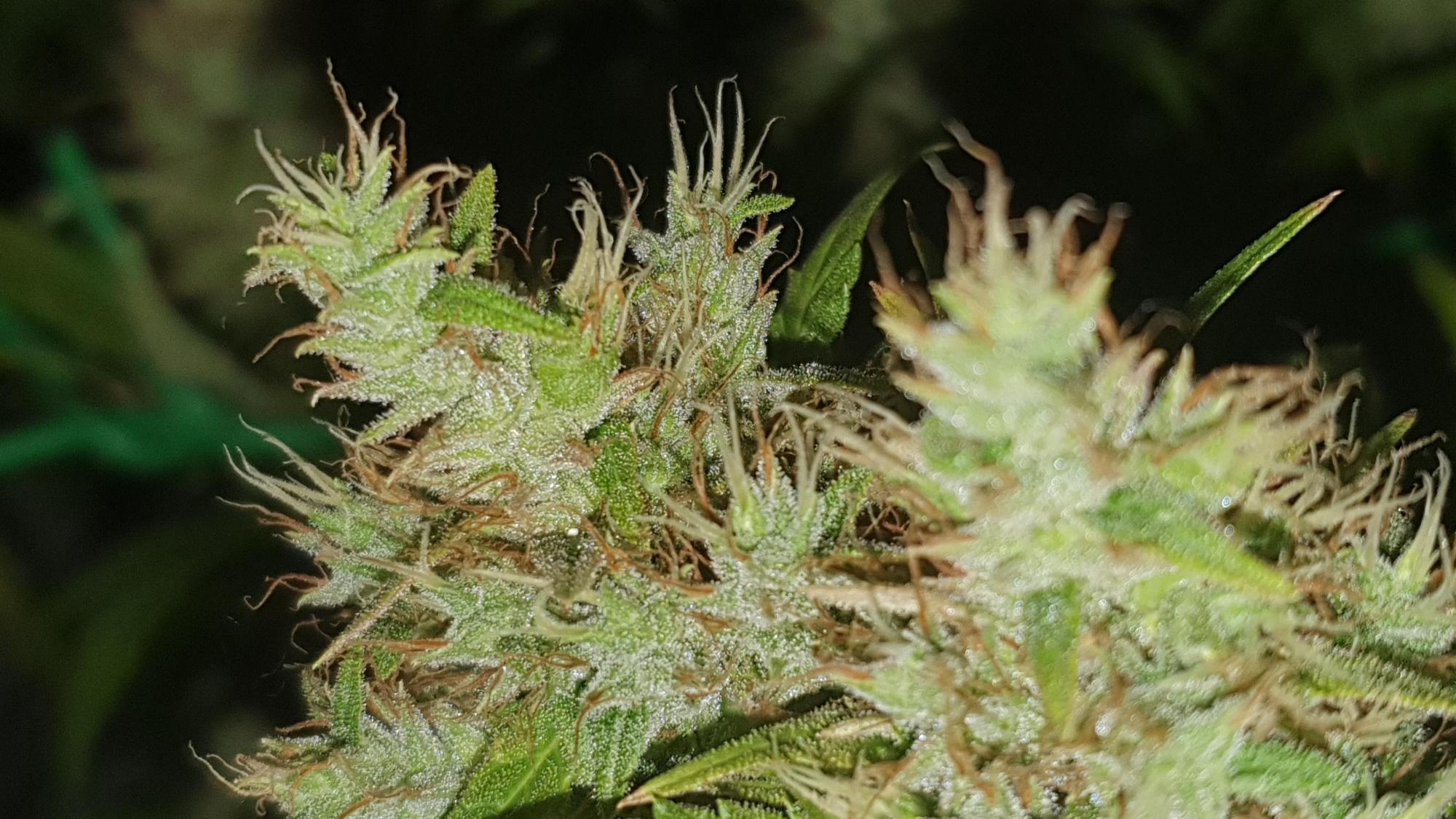
The_Wandererstarted grow question 7mo ago
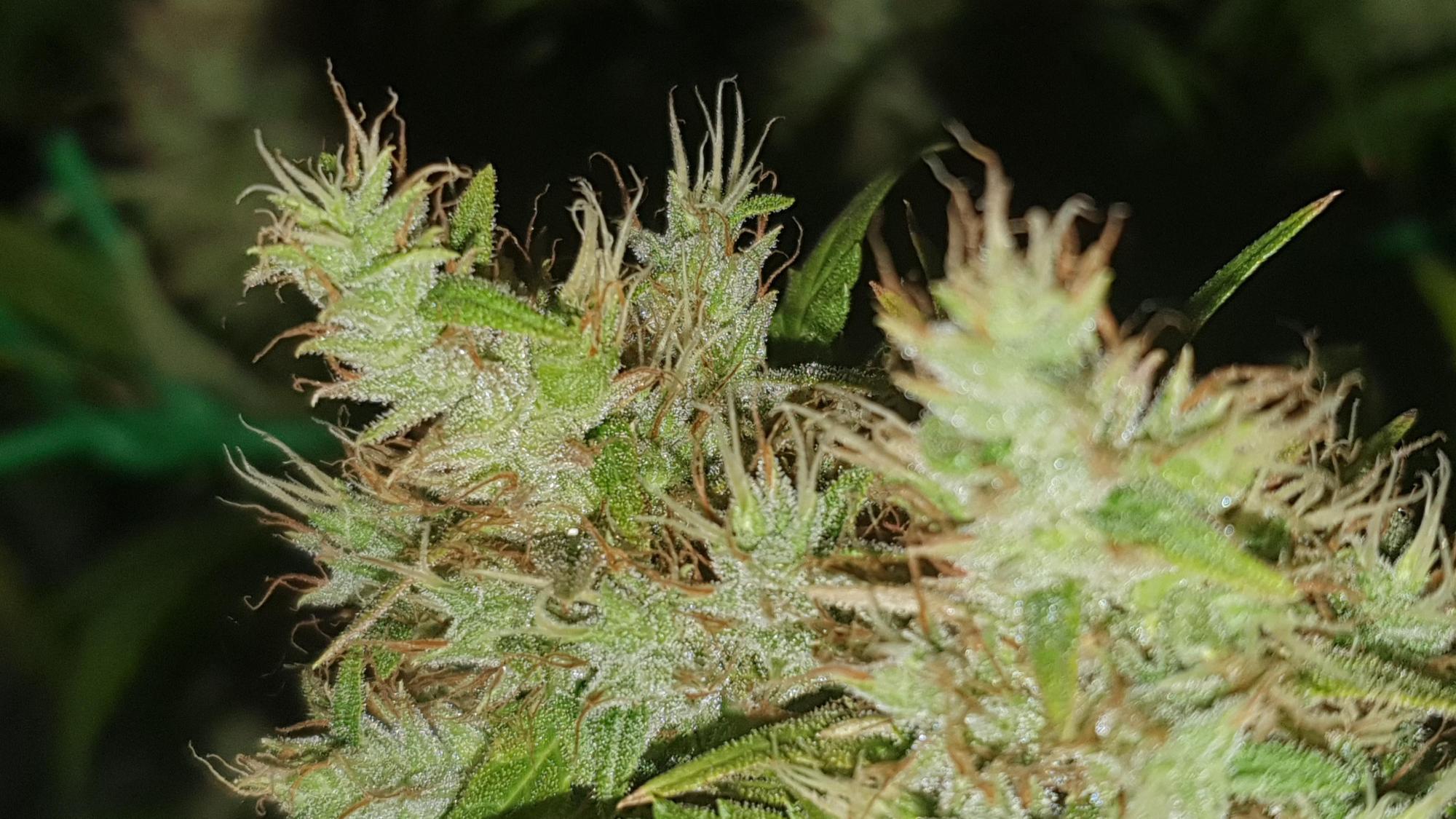
What causes the inflorescence structure we often hear, and read described as called foxtailing?
Solved
Buds. Other
1 like

DrGruenanswered grow question 7mo ago
hi
I think that foxtailing is caused by light stress......😜
I would try to lower the LED a bit and also reduce the distance between the LED and the plant a little....😉
If it's due to the genetics, there's really nothing you can do about it.......
Good luck!
The_Wandererstarted grow question 7mo ago
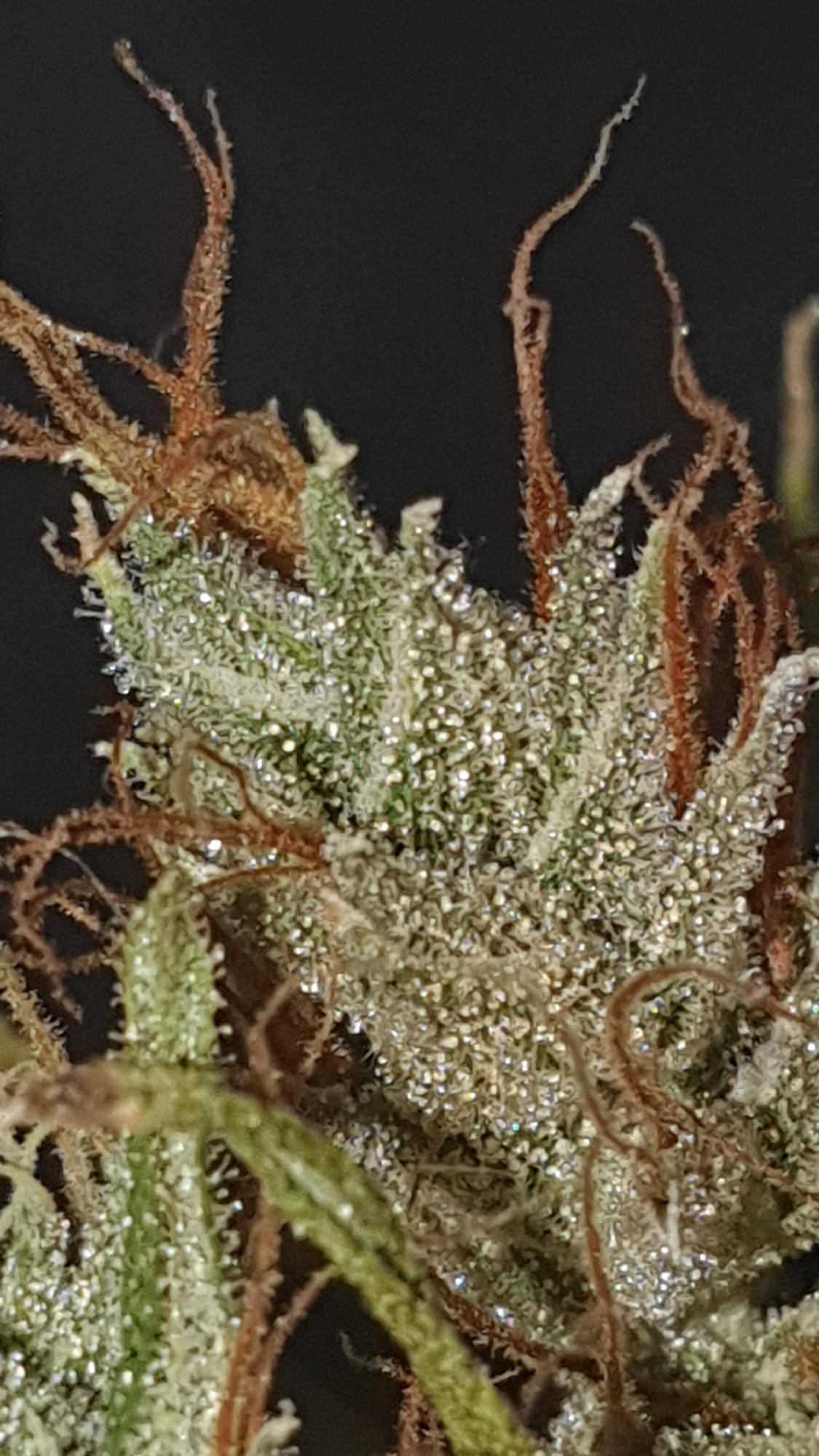
What cultivars can you name that are known for "Foxtailing" as a normal growth trait for their inflorescences?
Solved
Buds. Other
1 like
Purrple_Hazeanswered grow question 6mo ago
Foxtailing isn’t always stress — some cultivars just do it by nature, especially certain sativa-leaning or dessert lines.
A few that are well known to foxtail naturally:
Dr. Grinspoon (Barney’s) – probably the classic example
Thai / Landrace sativas (Thai, Lao, Cambodian, etc.)
Haze lines (Neville’s Haze, Super Silver Haze, Amnesia Haze phenos)
Strawberry Cough (many phenos)
Jack Herer (especially sativa-leaning cuts)
Durban Poison
Kali Mist
Lemon Haze phenos
G13 Haze
Modern hybrids that sometimes show genetic foxtailing:
Gorilla Glue phenos
Runtz phenos
Wedding Cake phenos
Gelato phenos
In these cases, foxtailing is part of the bud structure and flower stacking, not a sign of light or heat stress. The key difference is that genetic foxtails form symmetrically and consistently, not just on the top closest to the light.
It’s one of those traits that looks odd at first but can be totally normal — and sometimes even desirable 🌱
The_Wandererstarted grow question 7mo ago
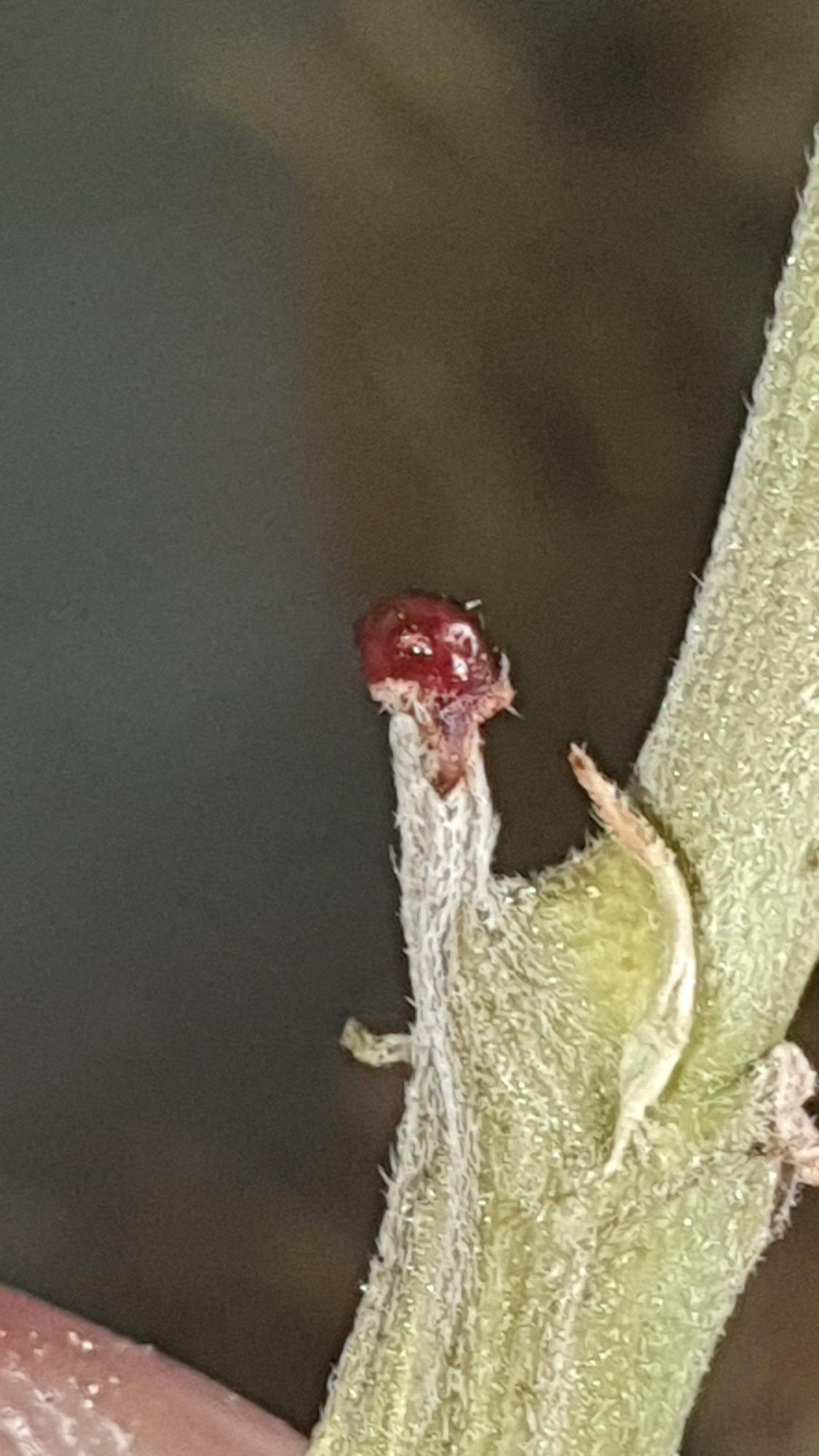
Kind of odd looking. I cut away a leaf during defoliation and the stem looks like it bled. Why did it do that?
Solved
Plant. Stem · Red or purple
2 likes

KuaerSchlaegeranswered grow question 7mo ago
Phloem sap (bleeding): When the plant has a mechanical injury on the stem, nutrient-rich sap can leak out. Certain anthocyanins (pigments) in the sap can color it red or purple, similar to how stems can change color under stress or nutrient deficiency (like phosphorus).
12
Week 12. Flowering8mo ago

8 hrs
Light Schedule
23 °C
Day Air Temp
6.0
pH
Weak
Smell
55 %
Air Humidity
19 °C
Night Air Temp
75.71 liters
Pot Size
22 cm
Lamp Distance
Nutrients 4
Homebox Fish Emulsion
10 mll
Calcium Carbonate Dissolved in Vinegar
1 mll
Epsom Salt
1 mll
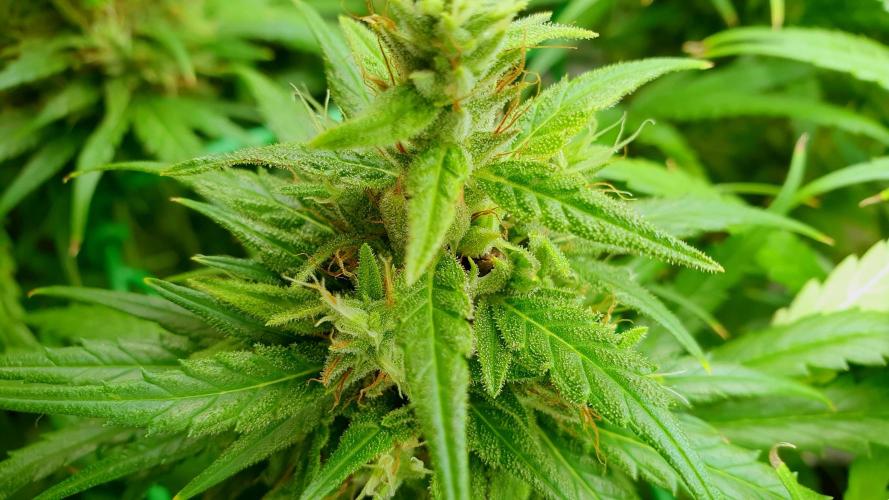
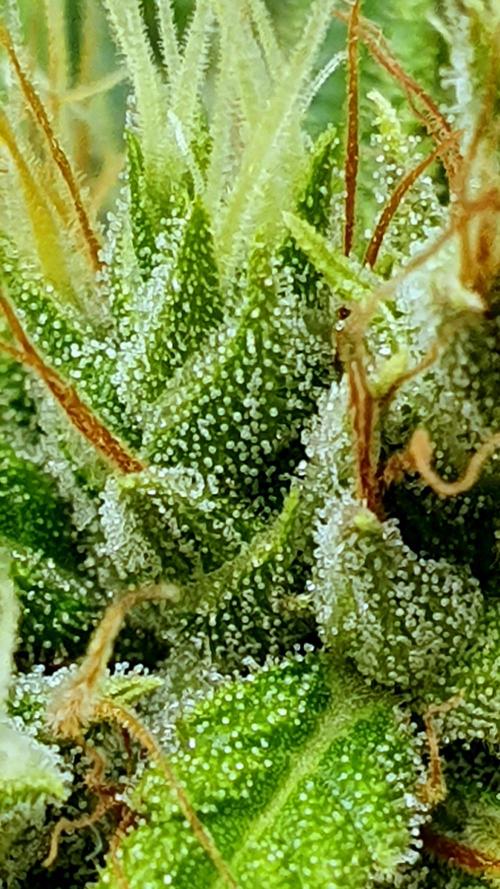
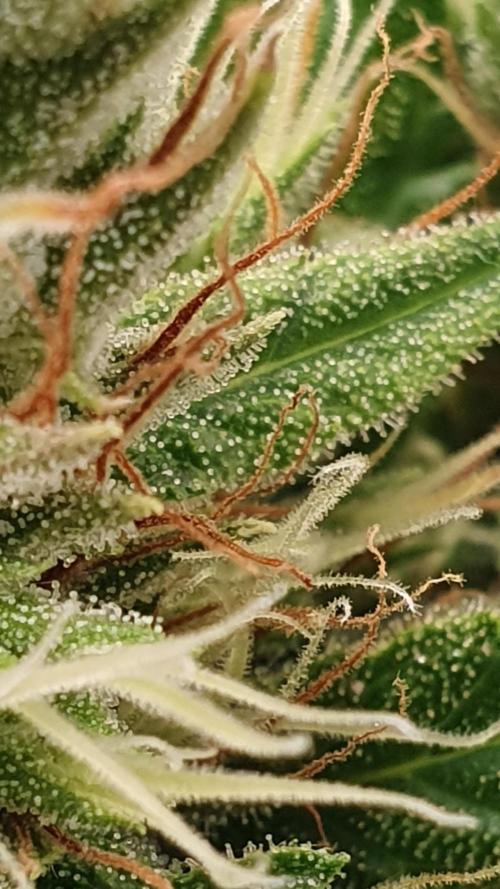
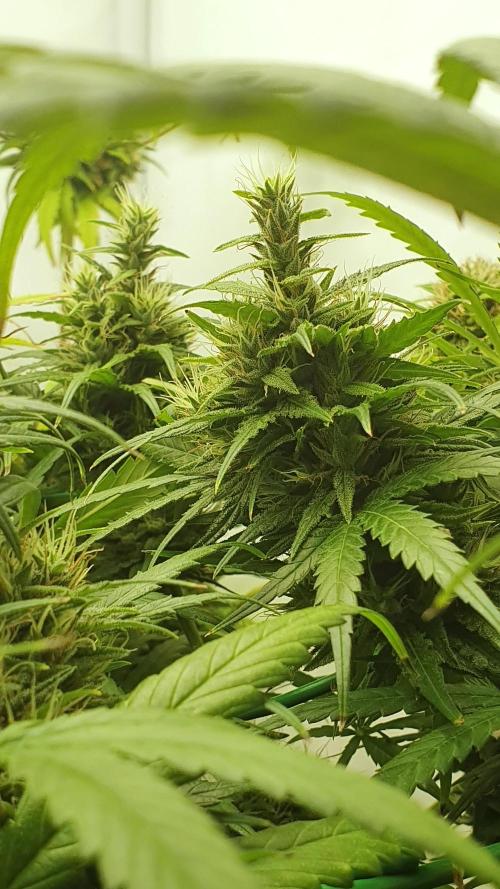
The_Wanderer Its only been 6 days, and I increased the scotoperiod by 1 hour to try to encourage her to finish faster, but she has some weeks to go. Also lowered the light just a little.
The places I pollinated are bursting with matured seeds. These will be the cross with Alien Sparkle, and the undisclosed male special project.
I am a little impatient and ready to start the next seeds. So Ive been considering that. Not so easy to decide what to plant next.
15 likes
14 comments
Share
Grow Questions
The_Wandererstarted grow question 7mo ago
I usually use the manufacturer's recommendations on lamp distance from the top of the plants/canopy, but its different for some cultivars. Some need a little more distance at 100% some can take it a little closer than the recommendation. What signs do you look for to dial it in?
Solved
Leaves. Curl down
2 likes
Purrple_Hazeanswered grow question 7mo ago
Good question — the manufacturer numbers are a good starting point, but the plants always have the final say.
What I watch for when dialing in light distance:
Too much light:
Leaves start praying hard, then taco or curl up at the edges
Tops look pale or washed out (light bleaching)
New growth gets tight and slightly stressed
Leaf temps feel hot compared to ambient
Too little light:
Plants stretch more than expected
Leaves stay flat or slightly droopy
Slower growth, larger internode spacing
Sweet spot signs:
Leaves are gently praying, not clawing
Strong color without paling
Tight internodes and steady growth
No heat stress at the canopy
I usually move the light a few inches at a time and wait a day or two before adjusting again. Different cultivars (and even phenos) absolutely tolerate different intensities.
In the end, I trust plant response over charts every time 🌱
14
Week 14. Harvest7mo ago
Happy Harvest Day!

Spent 58 days
Ger Veg Flo Har
Normal
Difficulty
Day air temperature
Air humidity
PH
Light schedule
Night air temperature
Pot size
Lamp distance
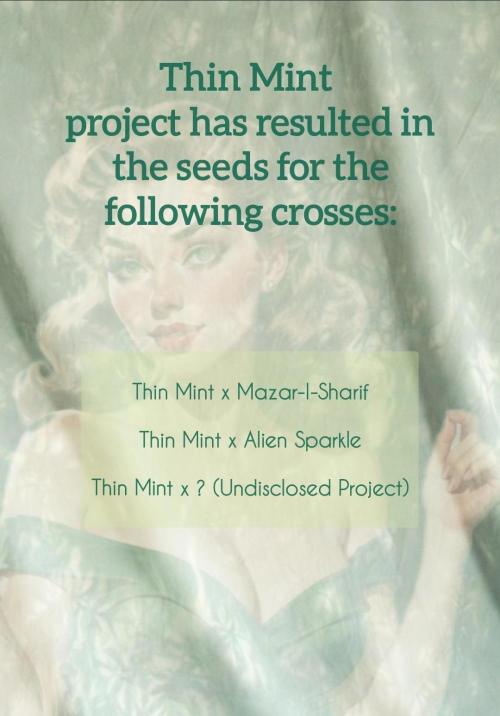

The_Wanderer This wasn't just another grow, it was a homage to an authentic and unique cultivar. In a world flooded with mislabeled copies and unstable phenos, this Thin Mint reminds us again why the original stands apart.
The clones are rooted strong for spring revival, seeds banked of some amazing crosses. As the the garden is dismantled for winter shutdown, I step back with quiet gratitude. Authentic Thin Mint endures!
Thanks to all who followed. Time for winter hibernation.
Until the light returns...
24 likes
9 comments
Share
Equipment Reviews


Grow Questions
The_Wandererstarted grow question 7mo ago
What is responsible for the mint taste in cannabis?
Solved
Buds. Other
1 like

GolliGrowsanswered grow question 7mo ago
The mint taste in cannabis is caused by its terpene profile. Terpenes are aromatic molecules that give plants their smell and flavor, and different combinations create different taste impressions.
In cannabis, a “minty” or cooling flavor usually comes from a combination of terpenes, not from pure menthol itself. Small amounts of menthol-like terpenoids (such as eucalyptol / 1,8-cineole or pulegone), together with pinene and sometimes limonene, can create a fresh, mint- or eucalyptus-like character. These mint-associated terpenes are relatively rare and usually present in low concentrations, but they are very potent aromatically, so even trace amounts can noticeably influence the overall flavor.
14 comments
Sort by
popularity
popularity
newest
oldest

Softi commented7mo ago
Hey, looks good and there's still room for more ;) Your genetic definitely has narrower leaves and pistils, what they have in common in terms of growth is the "foxtailing." I'm curious to see how that looks in 2 weeks =) Cheers!
like 1
The_Wanderer commented7mo ago
Thanks for the nice words! One plant is foxtailing really well, and this time it was the healthiest and my favorite of all. Another one is foxtailing a bit, and the other two aren't doing it yet. I brought the lamp closer, that might have influenced it. The Durban parent brings the typical Sativa body, and this narrow-leaf shape is inherited; it looks like Durban is the dominant part here. In crosses, there's always a dominant and a recessive parent. In this cross, Durban seems to be dominant in the leaves, but the short internode spacing definitely comes from the Kush. I'm really struggling not to harvest already. I'm curious to see what you think of the final result. Maybe it's something you'd like to try as well. The mint flavor and the smooth, woody smoke are my absolute favorites.
like 1
The_Wanderer commented7mo ago
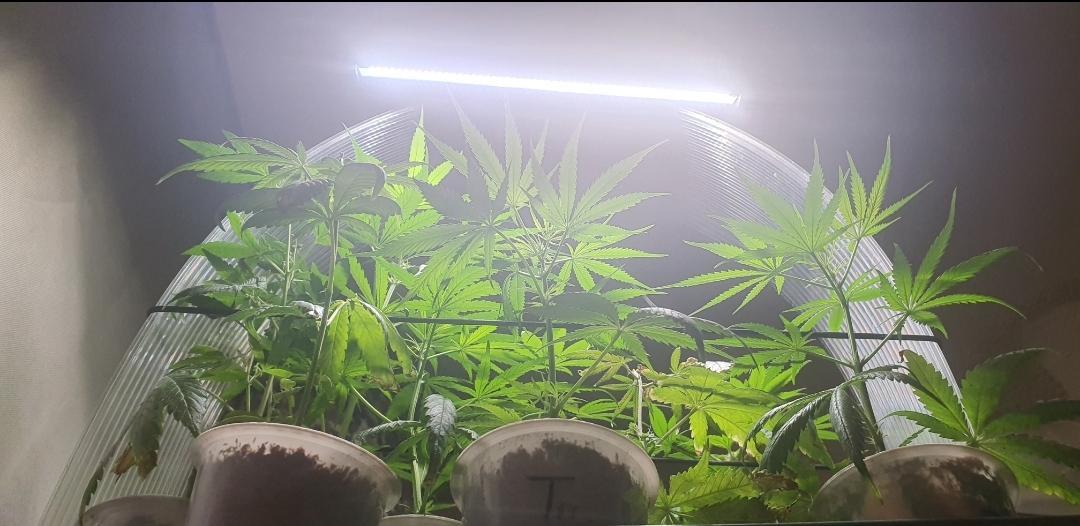
@Softi, Have you ever taken a clone?
like 1
Softi commented7mo ago
@The_Wanderer, Hey, yeah my genetics seem to lean more towards Kush, that minty/fruity comes through just like the foxtailing towards the end.
The taste and smell are just as minty/fruity but more towards a soft/woody Kush note.
The high is really outstanding for a relaxed day by the water, you feel very present and creative, but also have that cozy relaxed couch feeling ;D
I'll rate it about like this at the end:
Plant 9/10
Smell 10/10
Taste 7/10
High 10/10
like 1
Softi commented7mo ago
@The_Wanderer, Yeah but no cannabis clones....^^
I want my setup to stay as simple as possible, I don't want to manage 5 tents and have to check everything 80 times a day... especially not in the summer....
I have a lot of fun with it, but first of all, I only have the time for it in winter, and in the end, a few seeds and 1-3 checks/watering a week have to be enough.. For me, it's a hobby and not a job, plus the setup and electricity costs come into play too ;)
likes
The_Wanderer commented7mo ago
@Softi, yours seems to have that third genetic component that is often found in European versions. Someone has crossed in GDP. That probably explains why yours shows more colors and has a more compact, chunkier Indica shape. I now understand why mold could be a bigger issue there.
likes
The_Wanderer commented7mo ago
@Softi, yours seems to have the third genetic component that is often found in European versions. Someone crossed in GDP, which causes variation among the sibling plants. That’s probably why yours shows more colors and has the more compact, chunkier Indica shape. It just has more Indica in it. I now understand why mold could be an issue there when looking at the buds. If it were a true F1 hybrid, it would be a 50/50 mix of the parents (half Sativa-like shape, half Indica-like shape) and all sibling plants would be extremely similar. But with a three-way cross, variation shows up, and in further generations, the plants would deviate from each other even more.
like 1
Softi commented7mo ago
@The_Wanderer, Yeah, I have completely different criteria for seed selection. Genetics and breeding is a very complex topic; I mainly go by the label and also because I'm looking for a hybrid that's more "sativa" dominant and a clear "indica" dominant... as a third plant, I always like to try something new... that's why I'm going to use Sensi Seeds again next winter; their "White Label" does exactly what you just mentioned... they look for or copy US strains, not the originals. I'm looking for plants and flavor profiles that I like... I can already tell you with 90% certainty which strains I will choose. Sensi Seeds - Wedding Cheesecake, Big Bud, I'm still not quite sure about the GSC, so maybe GSC or possibly California Haze... The Wedding Cheesecake from my first grow was really very nice; the buds were like a sponge and some grew really fat sideways, resulting in palm-sized rock-hard buds... I've never seen anything like that before... I'm not too worried about mold; I have a good setup, and mold often depends on the genetics themselves or on the inexperienced breeder... plus, you can usually recognize it very well by the wilting/dying leaves on the buds :) Cheers!
like 1
The_Wanderer commented7mo ago
@Softi, This video helps you explore terpene profiles properly. It first explains what is usually available, and then you'll know how to find and try the unusual and unique outliers instead of always growing the same three terpene profiles under different names. Shopping by names and descriptions is not reliable; it keeps you blind. I recommend focusing on the actual biological facts of the plant.
https://youtu.be/KnBkWQr1rtc?si=Ru8toEGp0si_QVyo
like 1
Softi commented7mo ago
@The_Wanderer, Well meant, but that's why I'm doing this whole thing... to engage with the grow and the genetics... and with one grow a year, I'm only somewhat interested in phenotypes or labels ;) Back in the day, Sativa got you high with those 5-meter tall, thin-leaved plants, and the small bushy Indica got you stoned, it was that simple... In the end, I'm just looking for beautiful plants, with thick buds and a nice profile.. simple as that.. never been cheated there at Sensi Seeds for 25 years ;)
like 1
The_Wanderer commented7mo ago
(No update after 7 days) Have some patience, I've been on the way. Sorry for the wait.
like 1
The_Wanderer commented7mo ago
Ach, nee. Not again. I am so tired of the same problems over and over. Again here with Thin Mint aka Girl Scout Cookies we have the clown show from the commercial market and tainted/mis information in order to make $$ off of trends and hype and the gullibility if uninformed consumers.
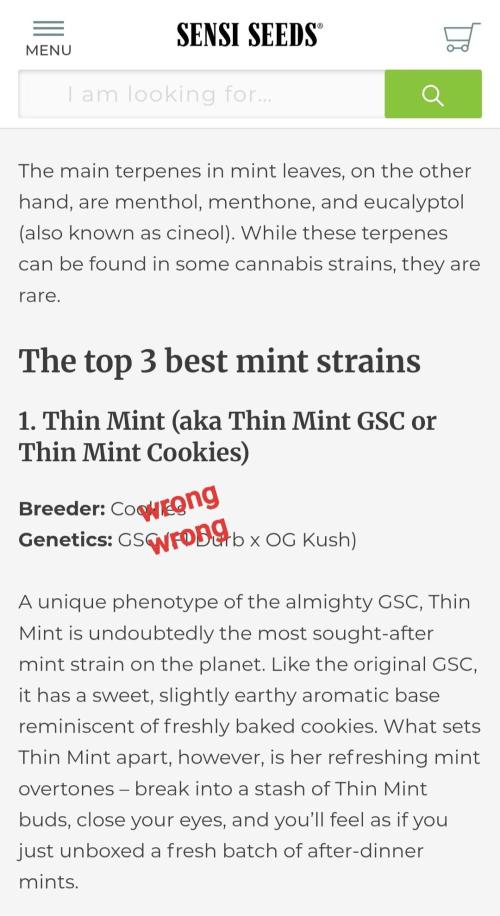
Some places have the basic information sort of right. Thin Mint is a cross between Durban Poison and a certain Kush. The kush with the lemon bred into it. The kush people know which one it is, it has its name. But these websites just say OG Kush. So lets move on. Look at the description of Girl Scout Cookies. Same plants are crossed. 2 different names, same cross. Some say this cross resulted in different varied phenotypes. Well, yeah if the parent plants being crossed by different people are different plants altogether being crossed. Not being genetically closely related to the parent plants someone else used will do that.
When the parent plants are the *real untainted authentic Durban Poison crossed with the right kush, you get Thin Mint/GSC f1-hybrid which can only be made by using the authentic stable parent lines. This results in a progeny that have the mint smell and taste, and the f1-hybrids are very similar to each other being a 50/50 mix of the stable parents.
Yet some "information" says there is several distinct variations of this cross that are noticeably different from each other with different tastes, effects, growth forms. Which sounds.. not right. They either used a hybrid for the cross or a fake in the cross to get a result like they describe. Or it could be just myth building to sell some random hybrid because they want the money because that name is in demand. Or both. A fake Durban Poison is highly likely as proven by the study available from Plos One ( https://journals.plos.org/plosone/article?id=10.1371/journal.pone.0267498 ) where products in the commercial market sold under the same name from different sources were NOT genetically closely related. Durban Poison scoring so bad it was below the "random shuffle" indicating possibly widespread intentional misrepresentation. I think only Tangie scores worse. That could be part of it.
Other places talk about Thin Mint, but for obvious reasons can't produce it... but offer "their version" of it. Sound familiar? It was in another diary of mine where some commercial supplier offered "their version" but not the real thing. My joke about it was, you take your kid to daycare and come to take you kid home later, but its not your kid, its some other kid. You ask for your child, but they say, "We don't have your child. But we have our version if your child, and thats good enough." Hehhh? I don't want someones version. Some rando.
I understand a lot of money was made off names, descriptions, alternate versions and even deception, and thats going to pollute information, minds, there has to be confusion and gullibility for it to work. And its resulted in this huge mess. I thought about doing a deep dive and talking to experts in the cannabis genetic field of study, reaching out to people that have done the genetic testing. Not just the breeders I am in touch with. I don't know if I have the energy to do that, but I might. It will take time. I'm considering it. Considering it just so for once you all can have real information with supporting evidence. Not just more claims and stories you are expected to believe in. Its exhausting work.
What I can say, is that the Thin Mint I am showing you all is the real thing. This is what started it all. Smells like mint, tastes like mint, looks like its half durban, half kush, and carries identifiable traits mostly from the durban parent.
Yes, its a rare terpene profile like the others I document here. Thats why its worth my (life)time, energy, and resources to grow it, use it in breeding, use it myself, and document it here.
like 1
The_Wanderer commented7mo ago
Thin Mint still keeps building, reflowering. These next 2 weeks seems like a long wait. Im ready to clean everything and shut down for the cold months.
like 1
The_Wanderer commented8mo ago
They smell like mint through the flowering as Im working very close to them and touching them, but strangely, if I am just near them or open up the grow box it sometimes smells like bananas. Other times it smells like peanut butter.
like 1

Leckmilch commented7mo ago
Looks good. Did you not have any mold despite the high humidity? I read about foxtailing for the first time here. Did you check the roots of the affected plants?
like 1
The_Wanderer commented7mo ago
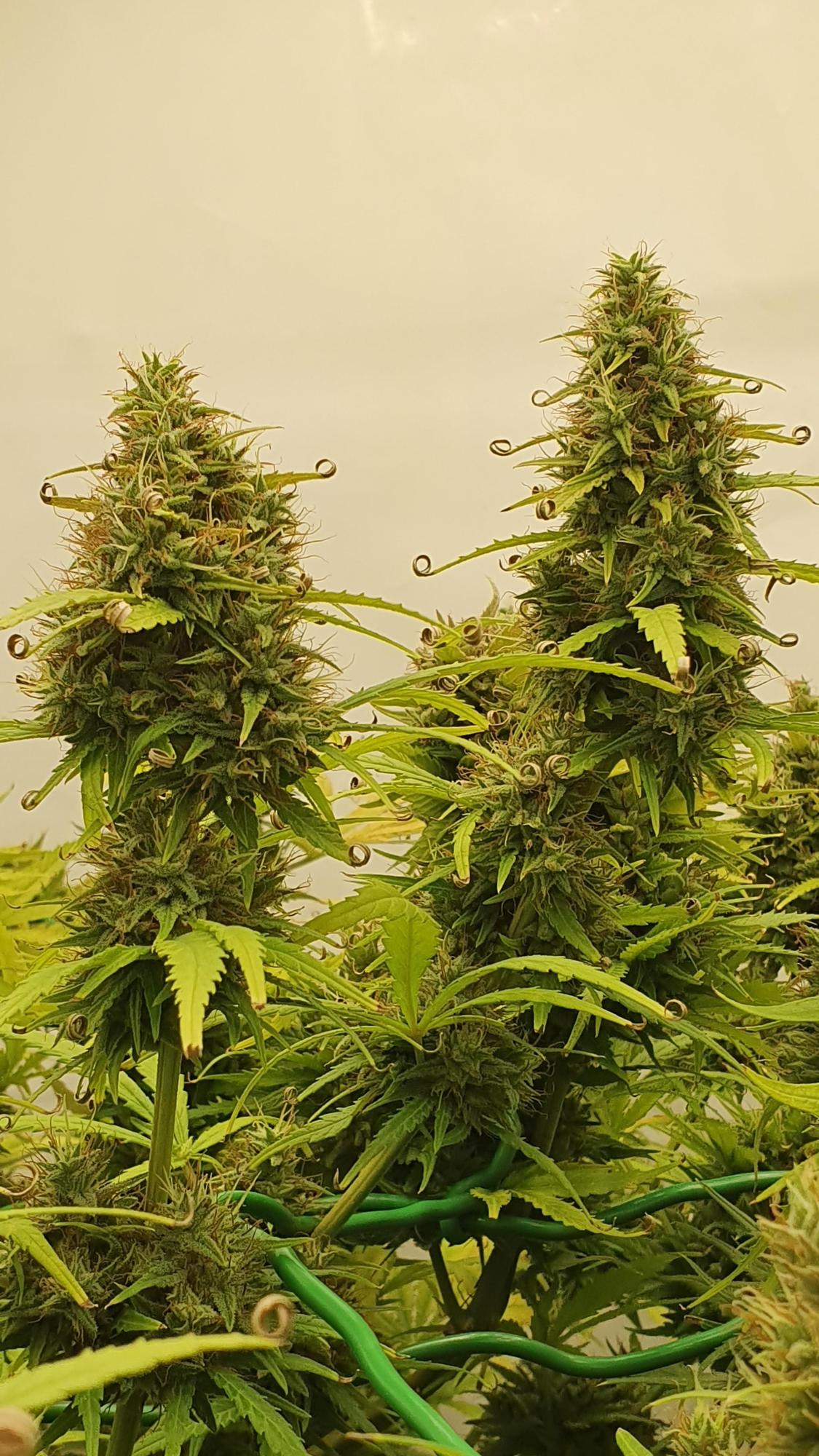
@Leckmilch, thanks! When I noticed in the middle of the flowering phase that the humidity was too high, I defoliated from the bottom of the plants and used a dehumidifier. After that, I kept them at 55 percent relative humidity. The air circulation and exchange are great, so it wasn't something to worry about. If the relative humidity had stayed above 62 percent, powdery mildew and mold would have had the perfect environment to thrive, especially in large dense buds. But Thin Mint forms small buds at many different spots with gaps in between. That's also a built-in defense against mold due to its growth pattern. That comes from one of its parent strains. The plant that did the foxtailing was the healthiest and strongest, and since it's not a problem, I just accepted it as part of its growth habit. Another plant did it too, but not as much. If I had let them ripen longer, maybe they all would have done it by the end of the flowering phase.
like 1
Leckmilch commented7mo ago
@The_Wanderer, yes, luckily small buds. Nice grow and the buds look really good 👍
like 1

the end.
Enjoying this diary? Follow for more updates!

Prefer the old Diary view?
Go back to the old Diary view