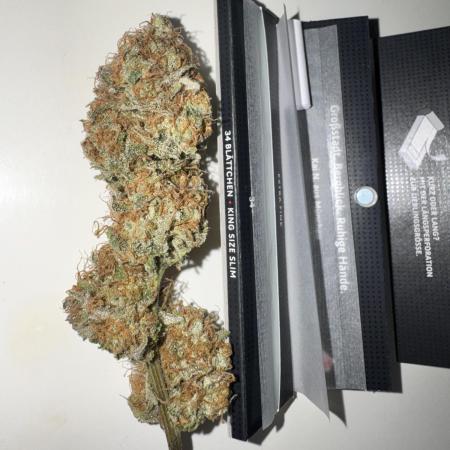
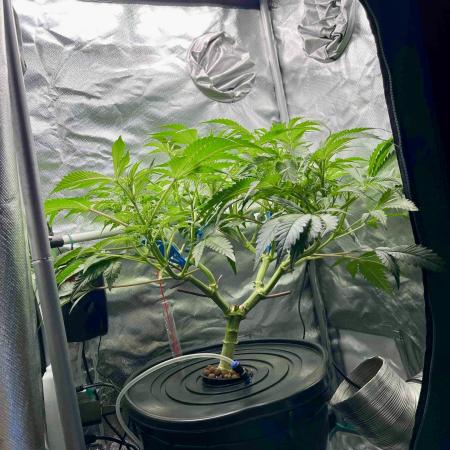
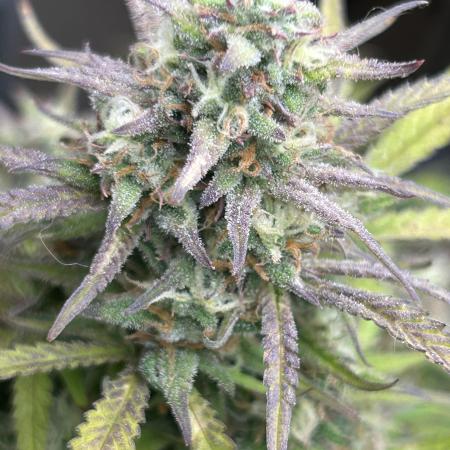
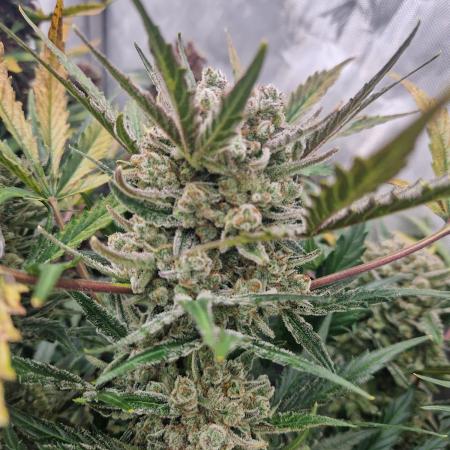
I’ve put together this list of seeds I have.
A focused, high-quality selection of cannabis cultivars aimed at home growers and breeders who want top-shelf flowers and clean, workable genetics for their own projects.
All are regular seeds (male + female), with phenohunter packs available upon request.
Current list:
• Rosie
True-breeding IBL (Afghan heirloom preservation, known as Balkhi / Mazar-i-Sharif). Decades of mindful preservation from pre-1970 samples. Stable, uniform line. The rare terpene profile is dominated by linalool and tastes floral and spicy. The effect is deeply narcotic yet happy. A true historical gem that’s rock-solid foundation material for breeding.
• Shireen
Pure Balochistan landrace heirloom. Trichome coverage on really large buds is exceptional, making it ideal for traditional hash production. Complex aroma of sweet floral, incense, dark chocolate, ripe mango, and gassy undertones. Delivers a relaxing body high with good mental clarity. Classic Silk Road genetics that have stood the test of time.
• Mazala (F1-hybrid)
Mazar-i-Sharif (Rosie) × Kerala. True F1 hybrid vigor (heterosis) will be on full display here: explosive growth, massive yields, exceptional potency, and unique terpene combinations from these geographically distant parents. Untapped potential for both flower and further breeding.
• Kochi (F1-hybrid)
Kerala × Balochistan (Shireen). Another genuine F1 that will be showing extreme vigor. Huge breeding potential. 50/50 indica/sativa type.
• Tropical Vacation (Old school Haze type cross)
Mindfully selected 4-way cross built around uplifting old-school sativa genetics. Bright, energizing effects with tropical fruit and citrus terps. Perfect daytime smoke that packs serious potency, lasting power, and a huge flavor that fills the mouth like a small explosion. Some report it as slightly LSD-like, describing it as electric.
• Baker
Potent, frost-covered polyhybrid in the modern cookie/OG style. Dense buds, creamy-gas-candy flavors, and heavy, long-lasting effects. Selected for both end-product quality and breeding utility.
• Alien Sparkle
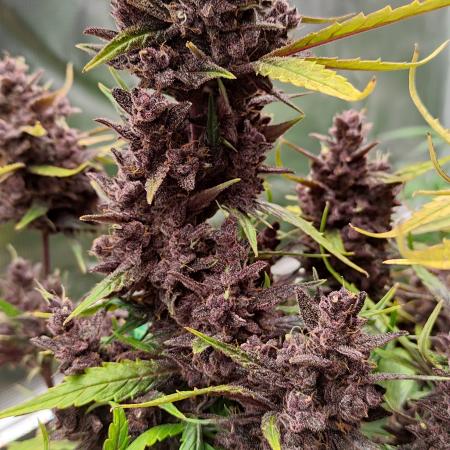
Potent, frosty polyhybrid in sour plant style. Rich anthocyanin production that turns the plant blackish in late flower and gives an added antioxidant benefit.
***New additions are the hybrids:***
• Alien Sparkle x Chitral Kush x Sour Alien
• Thin Mint × Alien Sparkle
• Thin Mint × Chital Kush × Sour Alien
• Mazar-i-Sharif × Chitral Kush × Sour Alien
These lines are deliberately kept close to source material: pure landraces, clean IBLs, carefully chosen hybrids and true F1-hybrids.
(F1-hybrid is the first hybrid offspring generation with heterosis from 2 different stable, true-breeding lines — 50/50 mix of the parents.)
These are not the endlessly recombined, overworked genetics that dominate and are common. Repeated crossing of complex poly-hybrids almost always leads to ordinary results.
My offerings give elite finished flowers immediately and reliable, potent parents for creating tomorrow’s standout cultivars.
More additions are already in progress and will be announced here as they’re ready.
🛸More information on some of these in the attached photo.👽