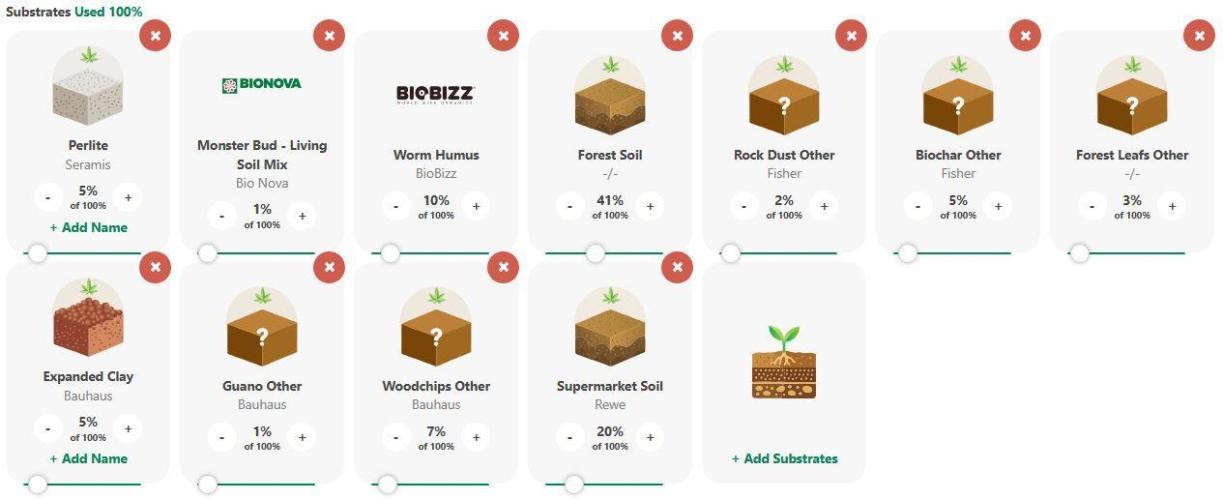
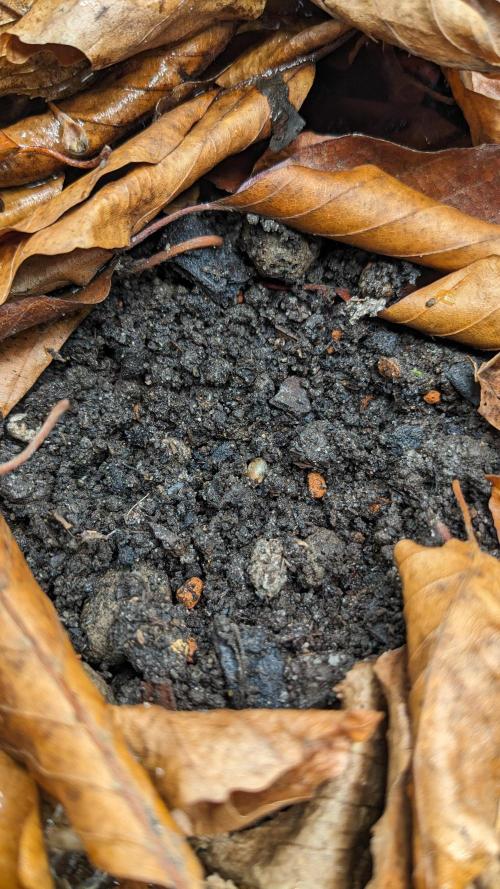
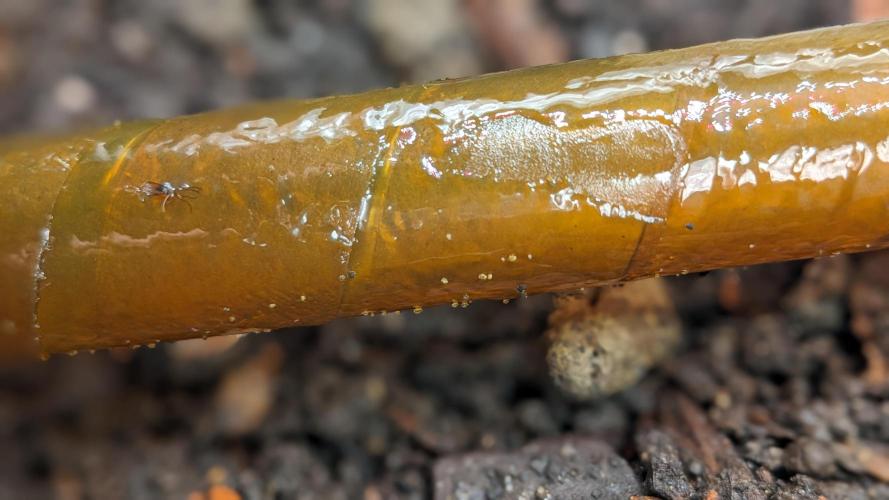
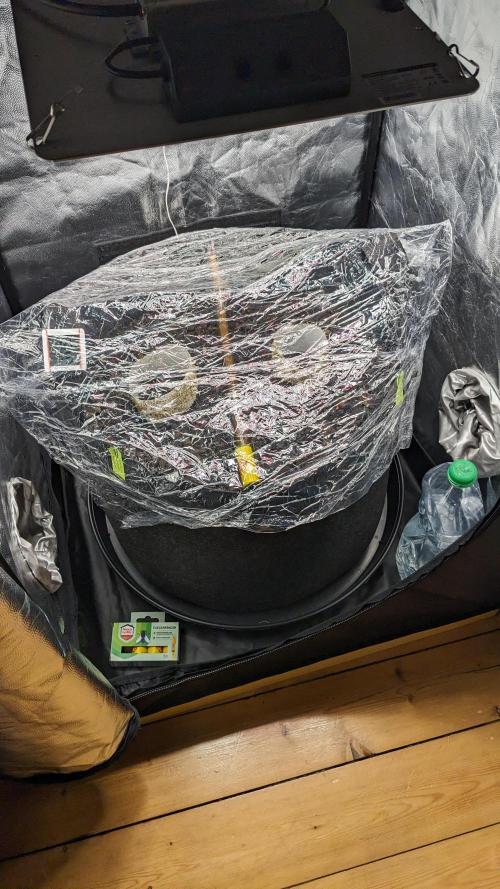
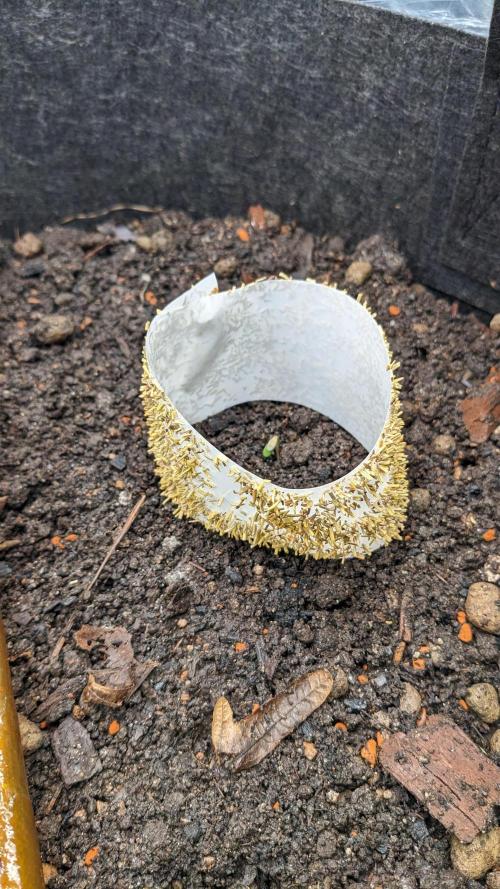
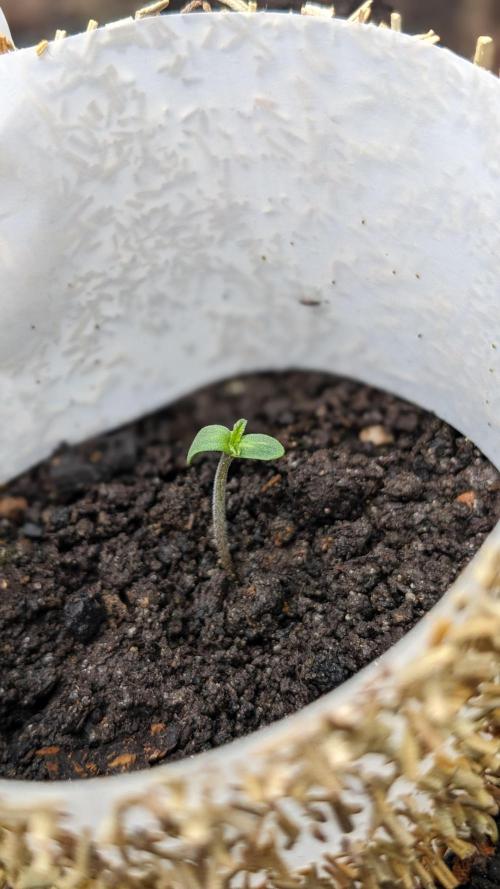
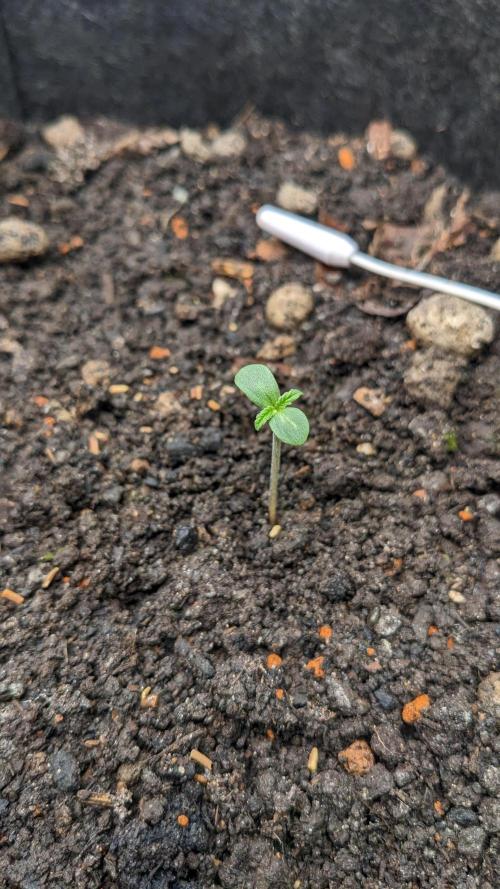
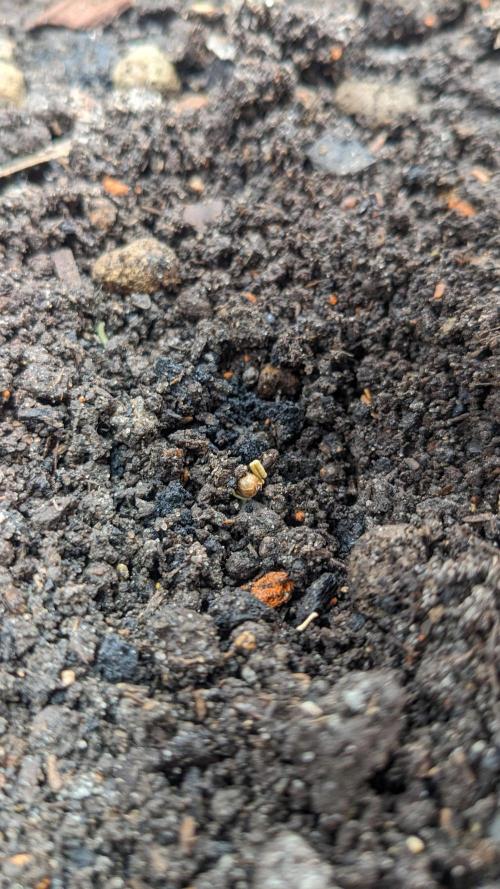
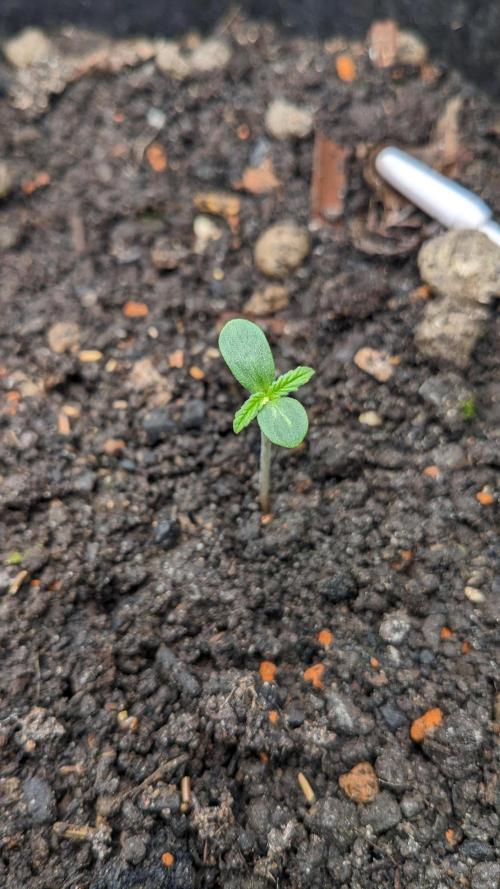
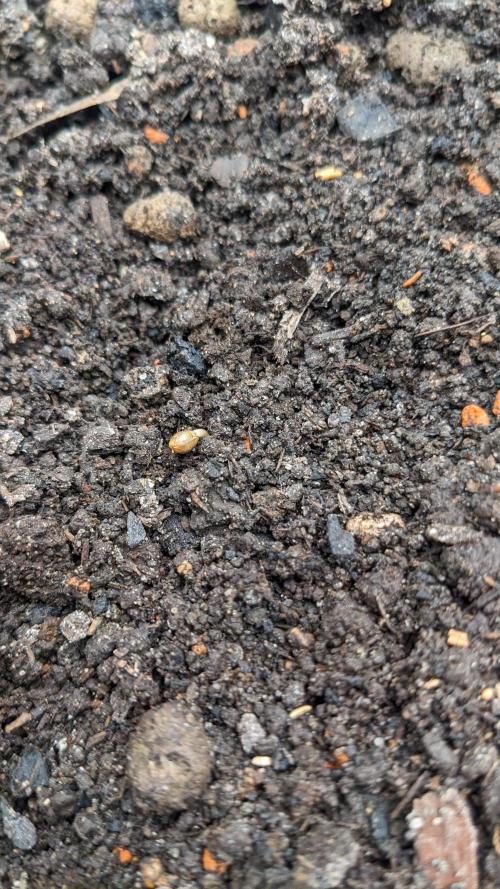
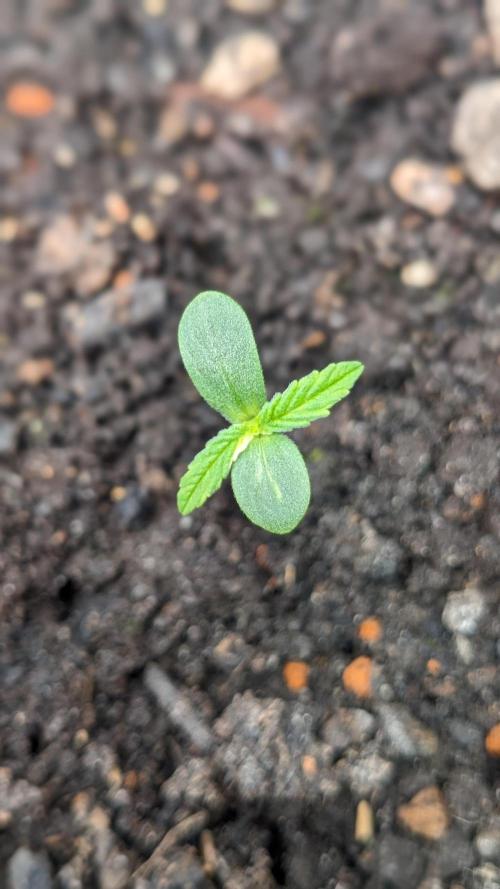
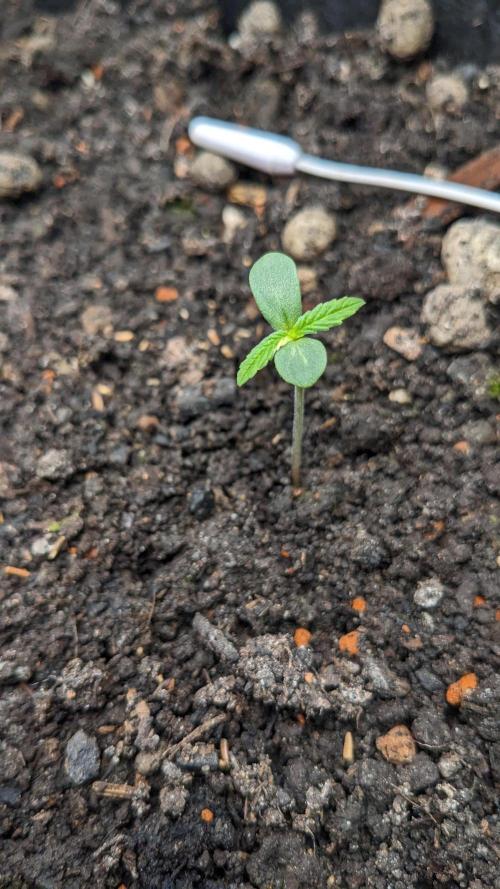
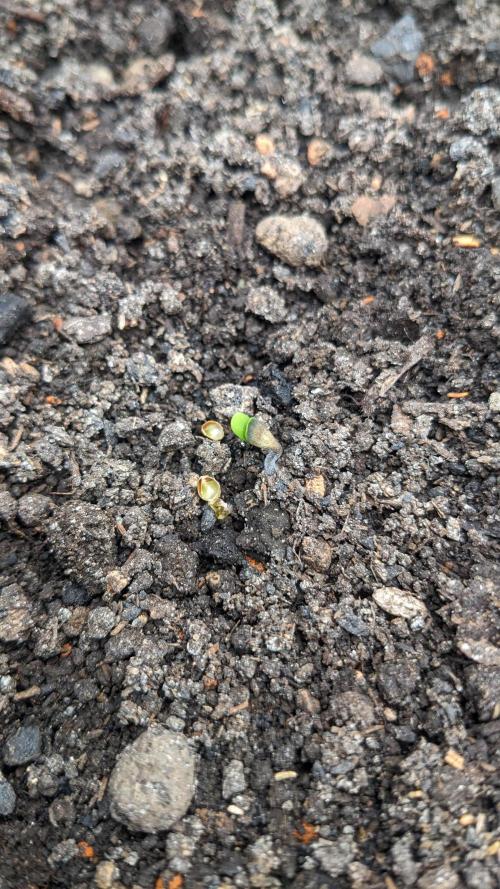
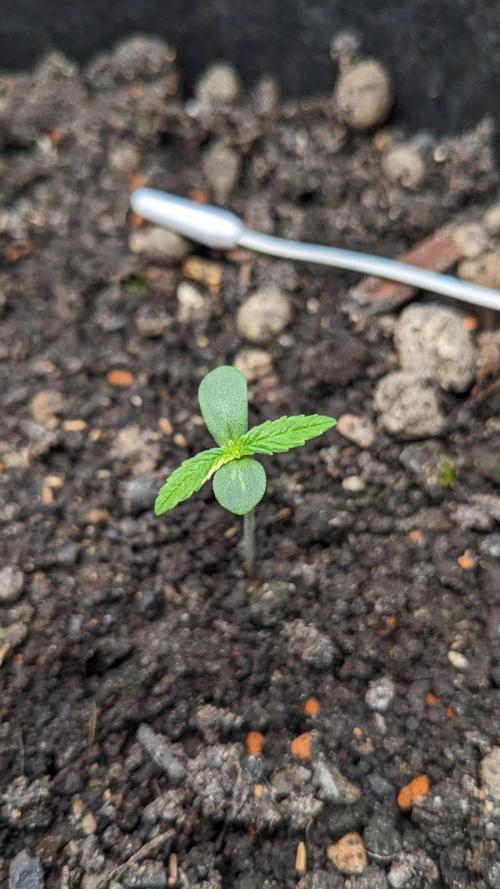
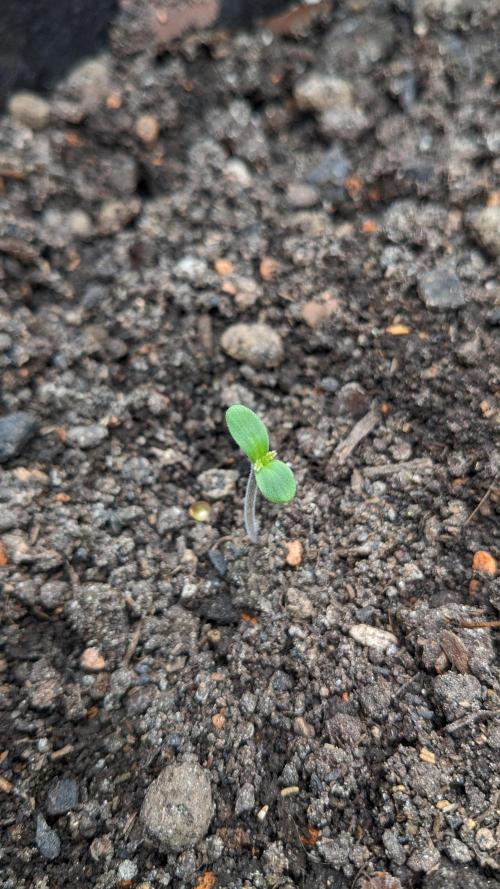
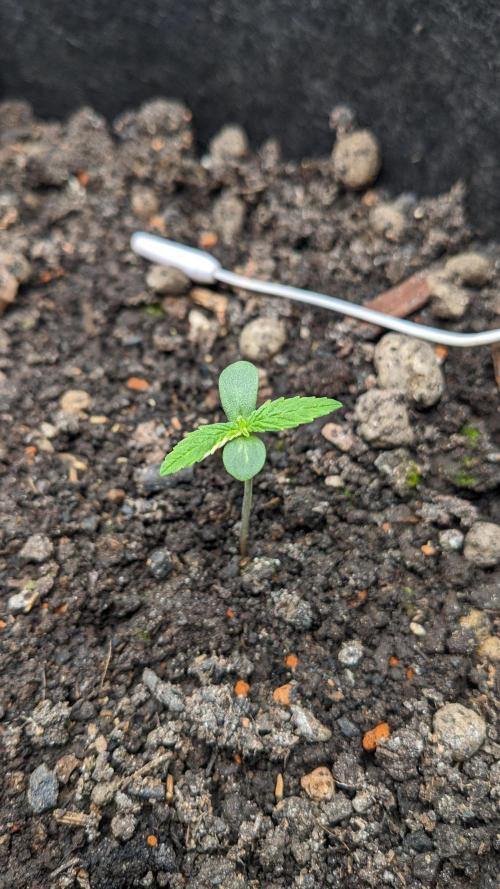
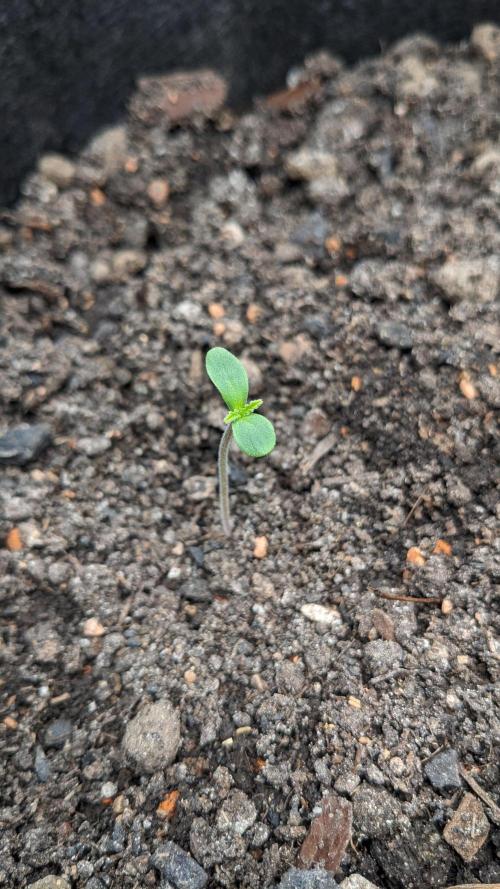
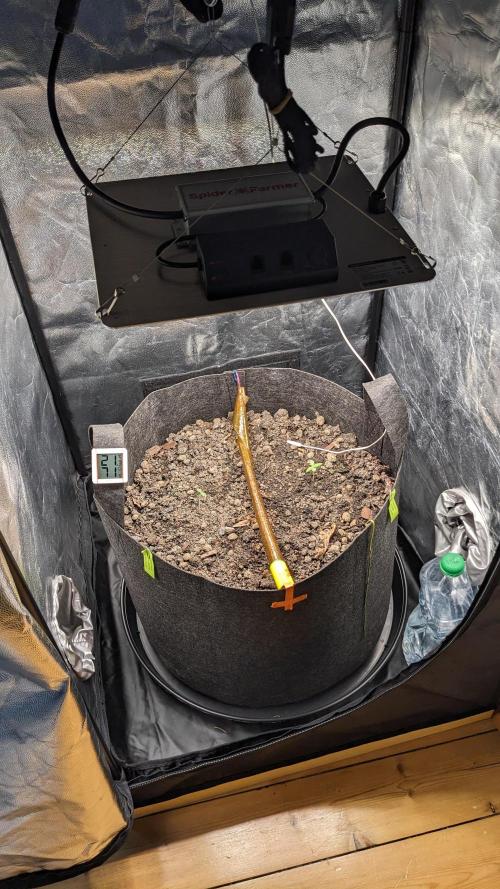
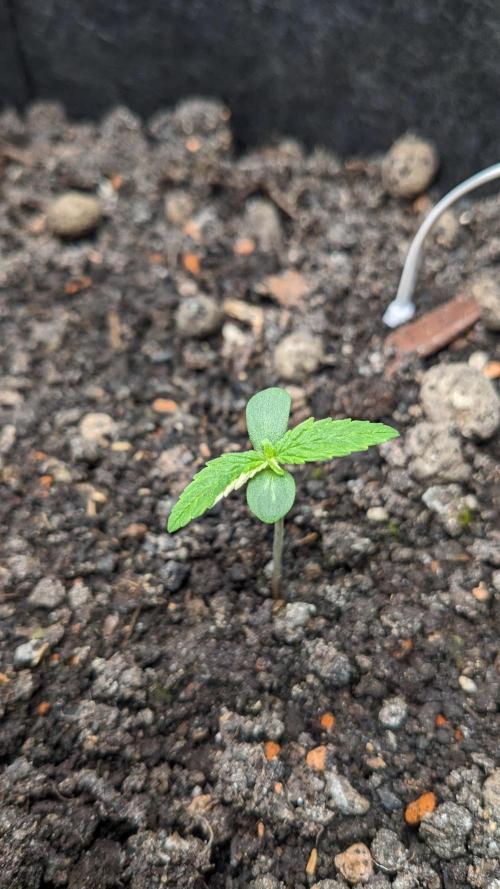
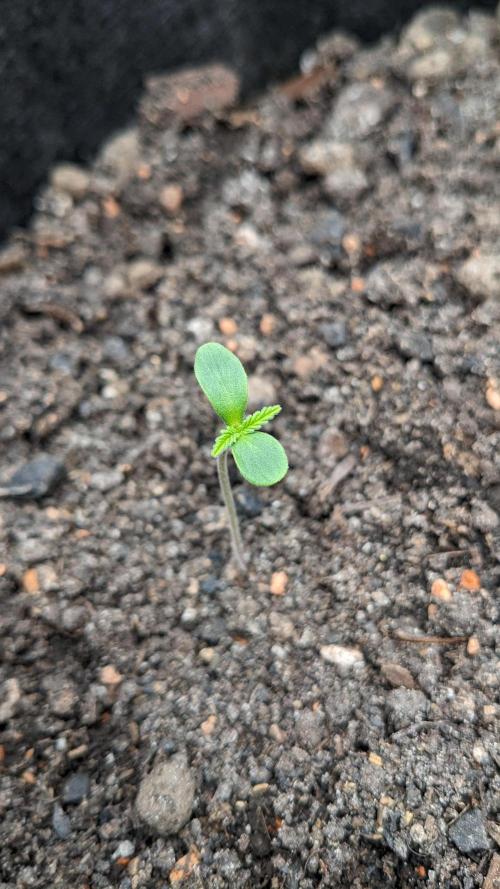
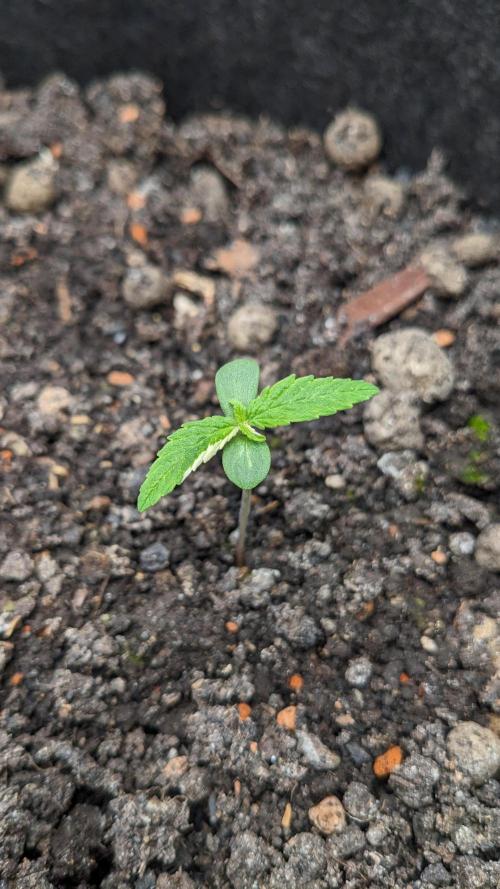
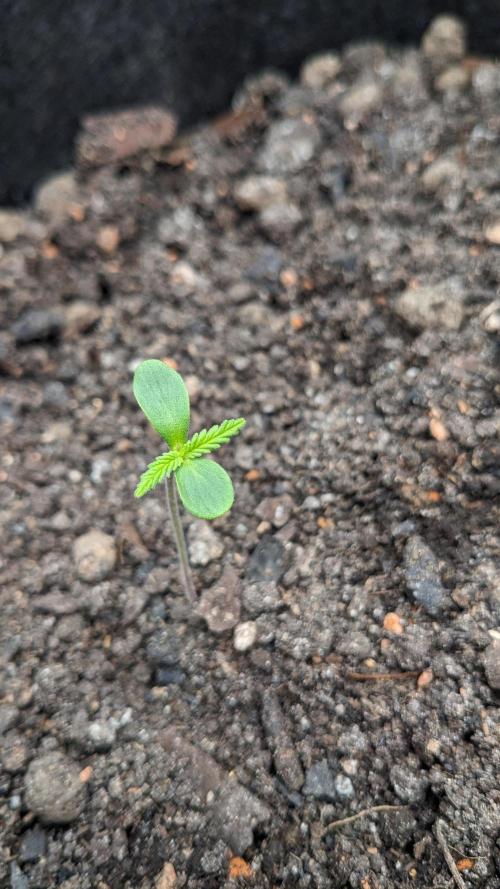
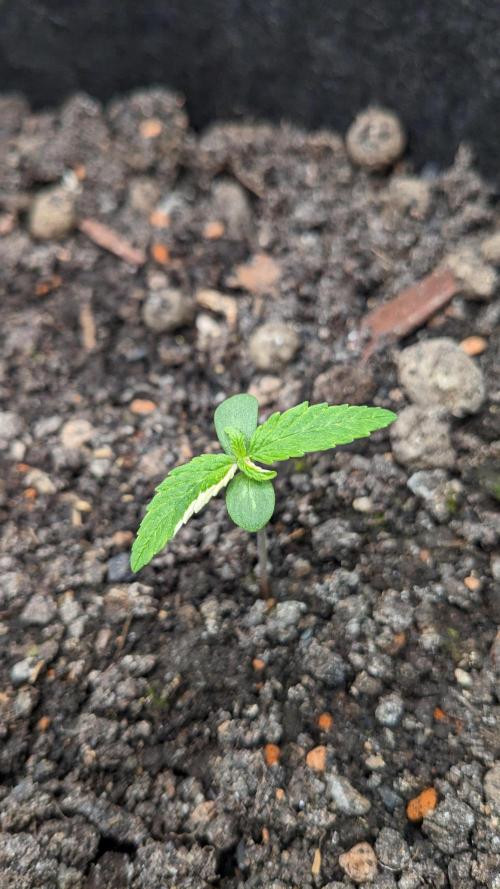
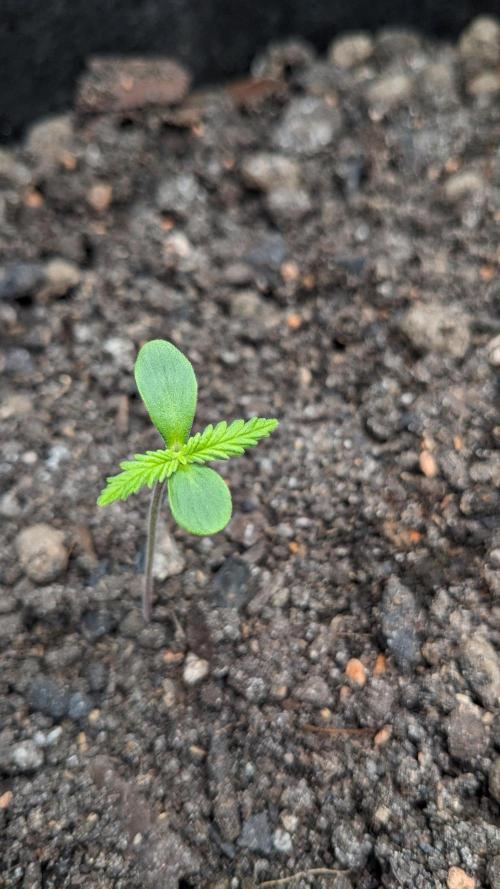
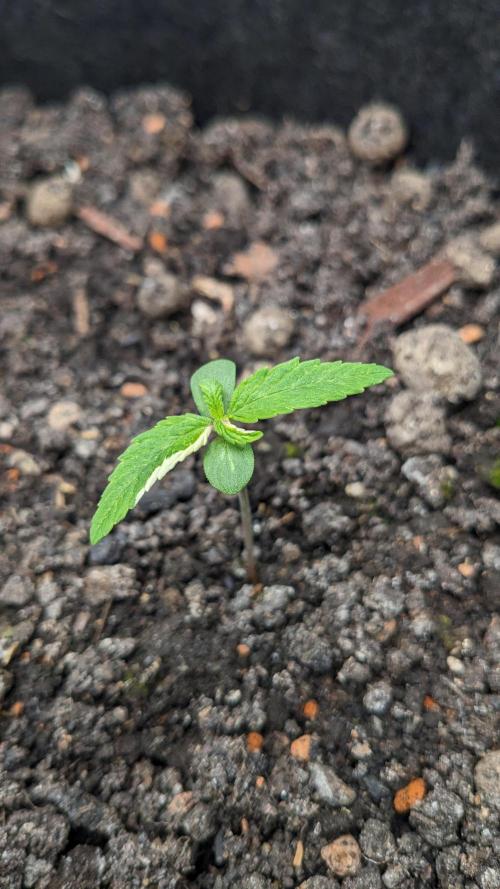
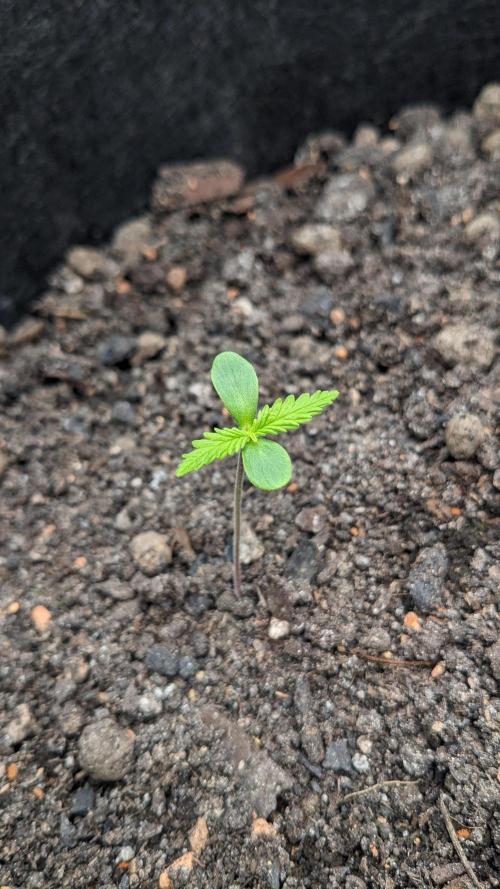
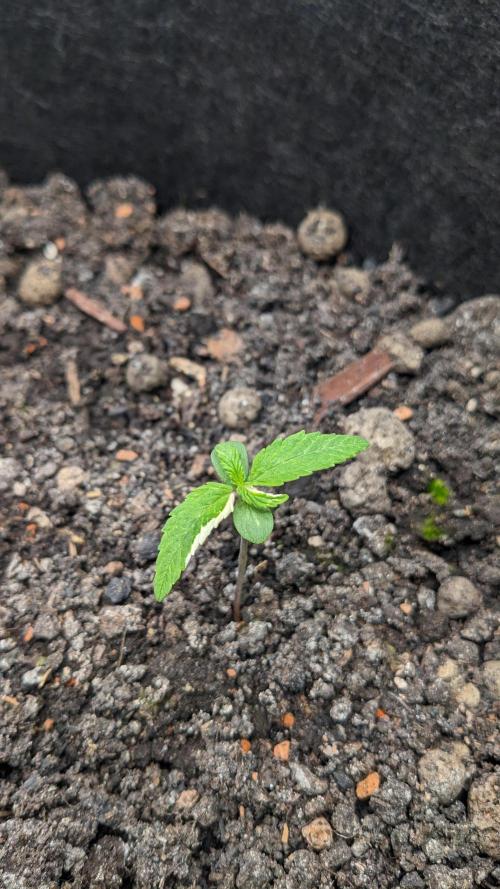
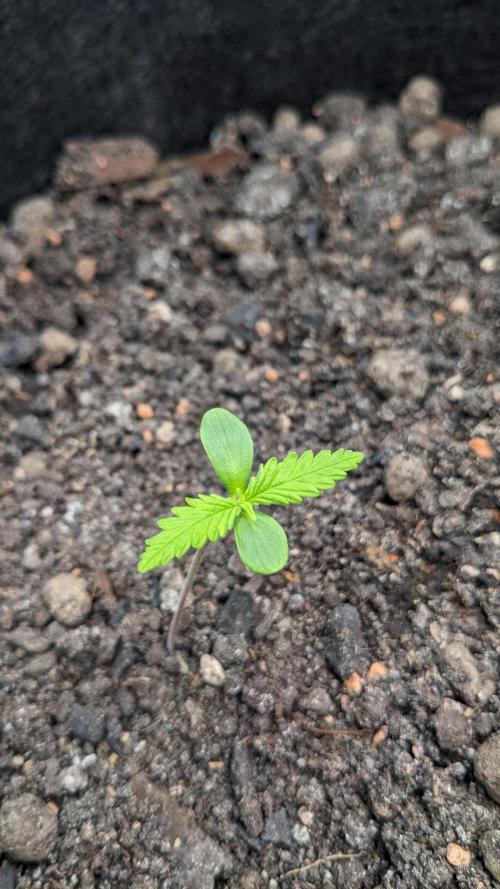
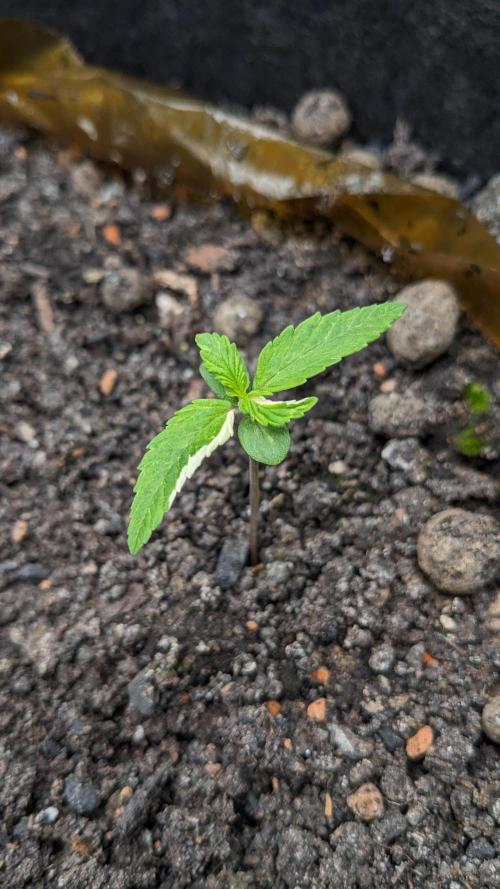
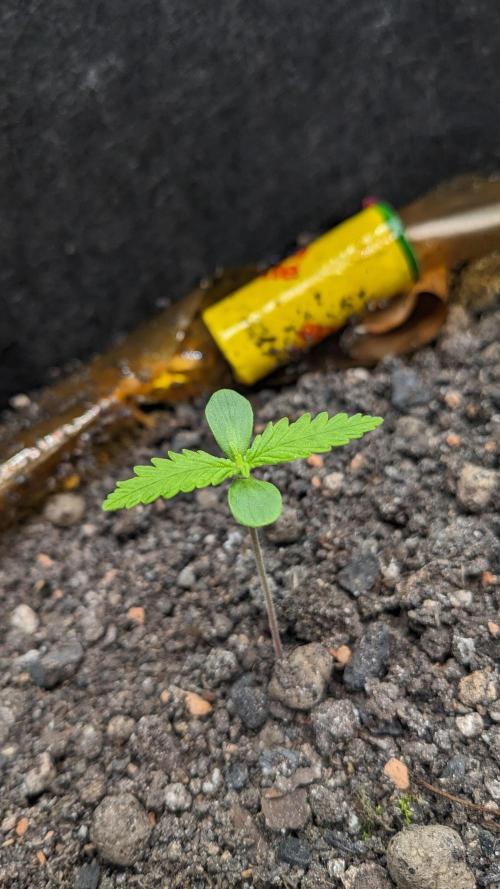
poloq_mauriceloetel I took a lot of precautions because my last run got eaten by slugs (probably because of the top dressing (leaves) you can see in the very 1st image). Besides that, I just focused on a stable and humid environment for the 1st Week. A very exciting aspect is that I noticed a variegation on the Mimosa Cake Auto right from the start!
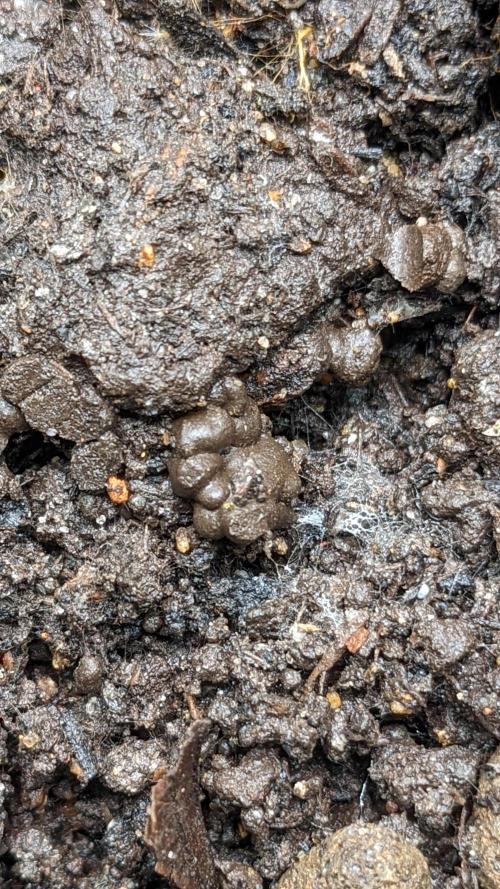
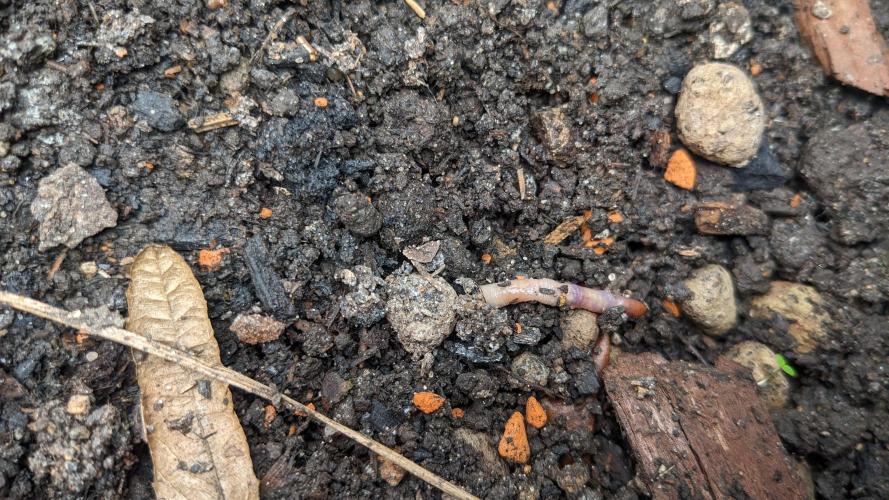
Notice how there are random little plants coming up, as well as mycelium, moss, et cetera? The system already starts to stabilize itself and creates a breeding ground for all sorts of organisms that - in the end - will benefit the symbiosis and longevity of said system.
About this grow
01: Mimosa Cake had water contact on 01.12.25, Gorilla Z on 04.12.25. Mimosa Cake broke through the soil on 04.12.25, Gorilla Z on 07.12.25. The documentation starts at 04.12.25 (so you have to add about 3 days to the Mimosa Cake to get the real age including the germination).
02: I used the nutrients tab to show the light intensity (ml/l) (I will rarely fertilize because of the living soil).
03: This is a low-noise, low-budget grow (less than €200 acquisitional cost, less than €20 per month, less than 30 dB). I don't use an air filter and try to minimize every use of electricity (the system can't draw more than 105 W). I will try to add an Info tab as soon as I've figured out how. 😅
04: This works, because the goal is to learn how living soil (and nature really) works - healthy plants are just a side effect. To this end, I am intensively engaged with the biological functioning of plants (which is also an important part of my profession as a product designer focused on biomimicry). I take what is known, question it, compare it with knowledge from a wide range of disciplines, and try to develop a system that is as durable and as efficient as possible.
05: So, yes, I could use higher PPFD + increase the substrate temperature to 26°C, but that would be inefficient (in my setup) because none of the values are in a critical range right now and stay like that naturally because of the ambient enviroment (just so that you understand my reasoning for this experiment).
1 like
comments
Share
2
Week 2. Vegetation
5h ago
1/15
5 cm
Height
18 hrs
Light Schedule
22 °C
Day Air Temp
No Smell
Smell
75 %
Air Humidity
21 °C
Substrate Temp
19 °C
Night Air Temp
55.99 liters
Pot Size
35 cm
Lamp Distance
420 PPM
CO₂ Level
Nutrients 1
PPFD
250 mll
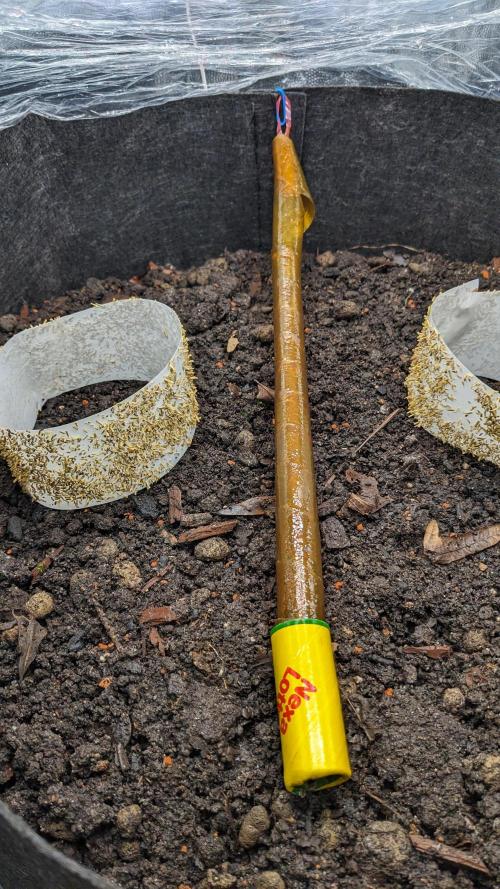
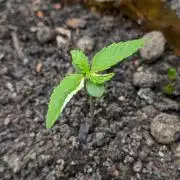
poloq_mauriceloetel This week, with the seedlings stabilizing, I slowly and gradually lowered the humidity to about 75% RH and gave the tent a little airflow, which also lowered the ambient temp. by about 1°C. Besides that, I focused on reducing the humidity within the first few centimeters of the substrate to disable the sciridae's ability to lay eggs. I also increased the area of the sticky fly traps.