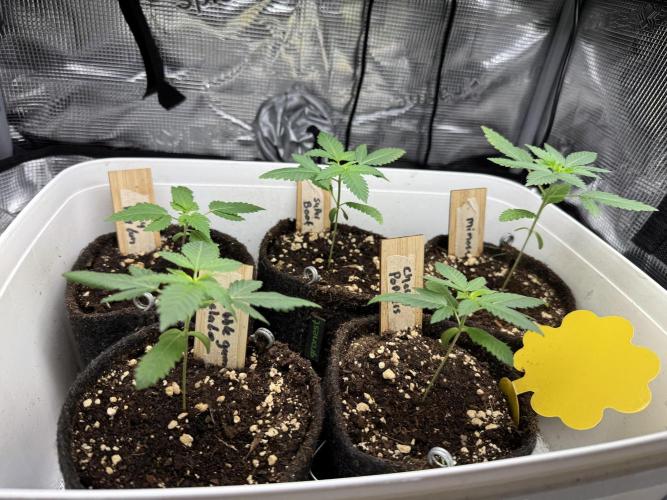
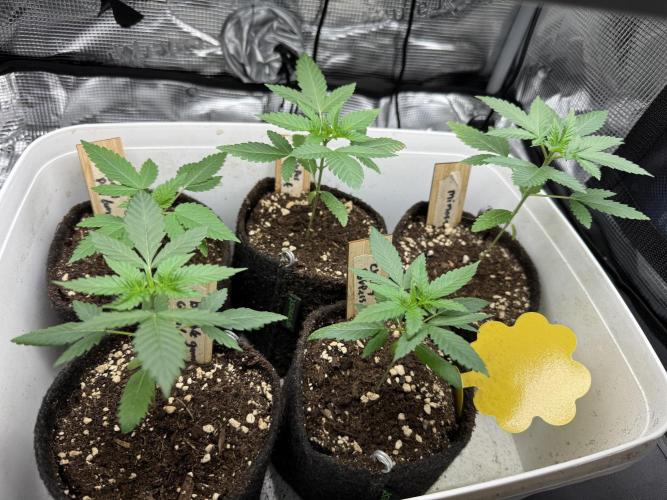
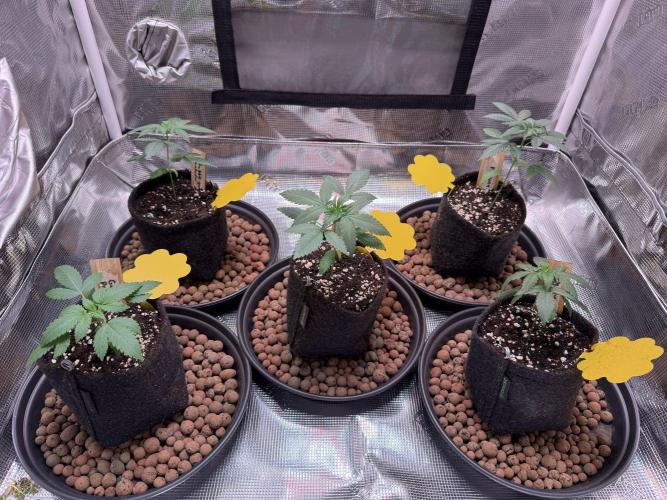
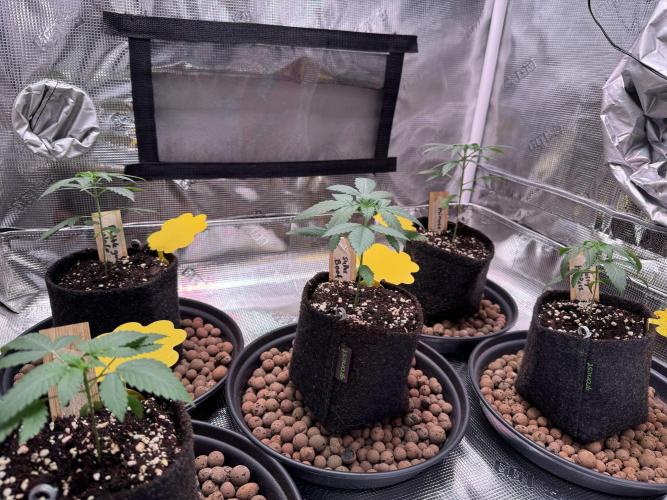
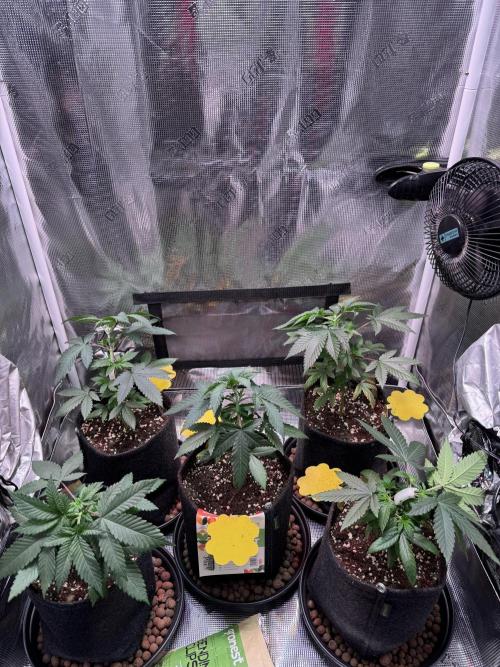
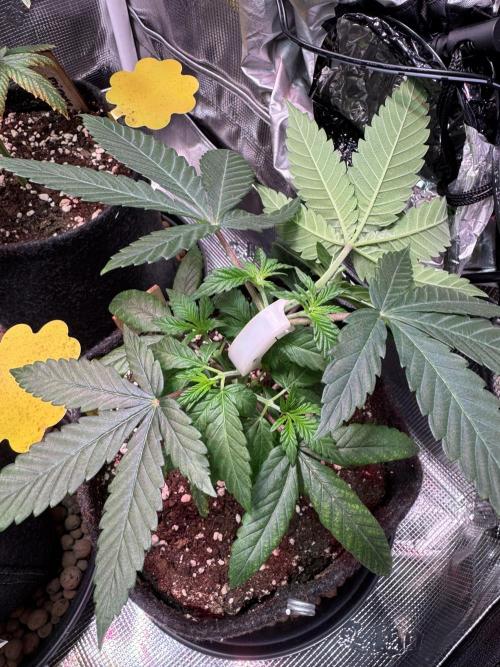
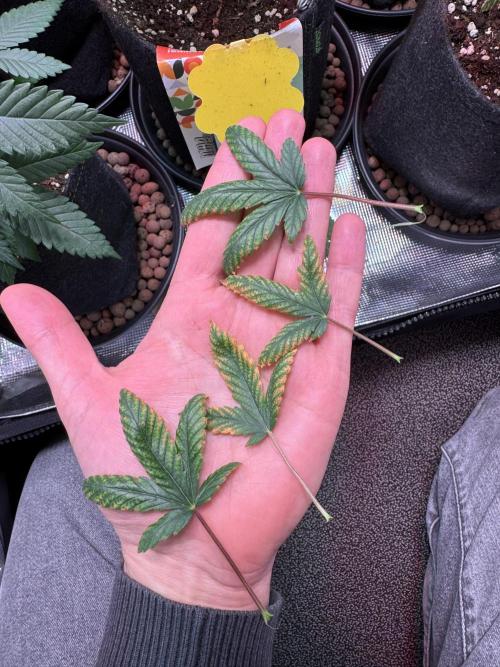
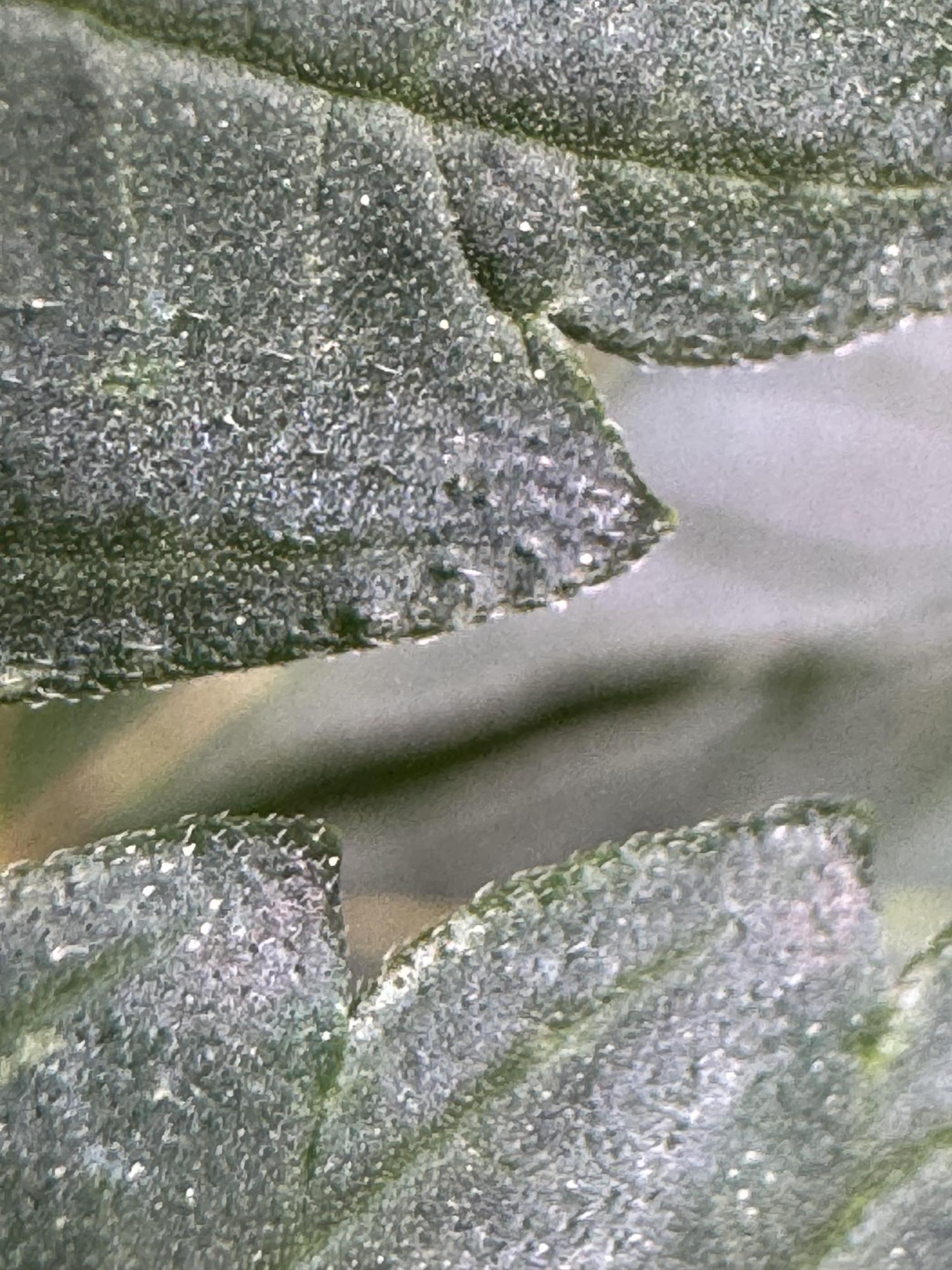
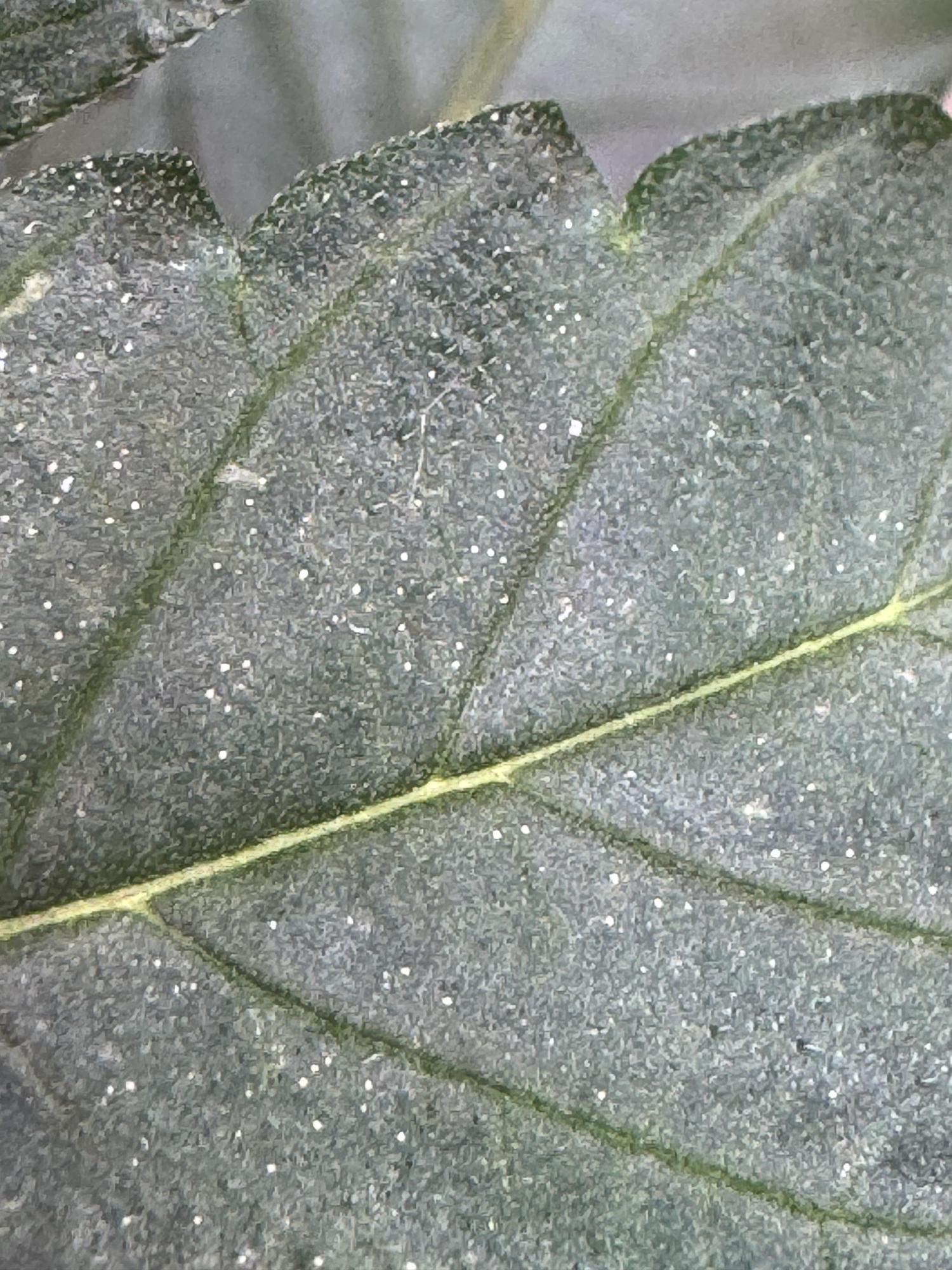
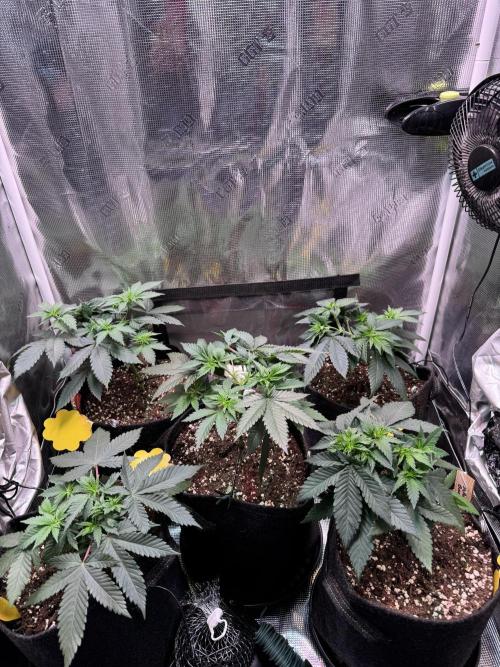
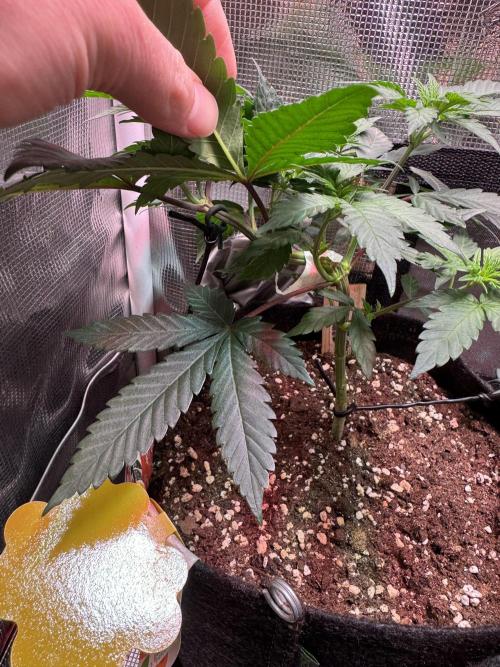
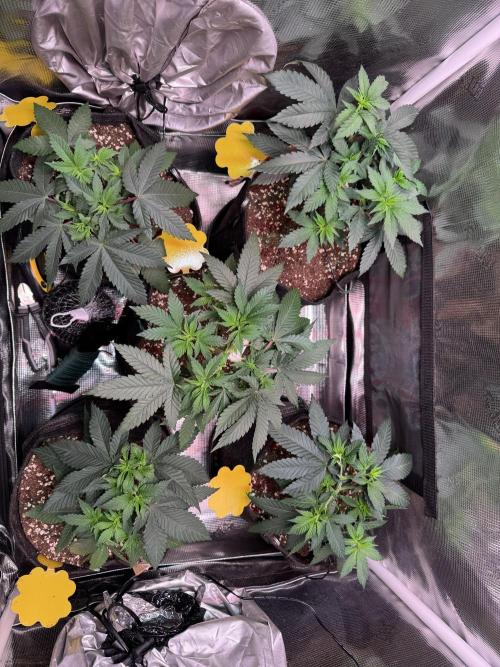
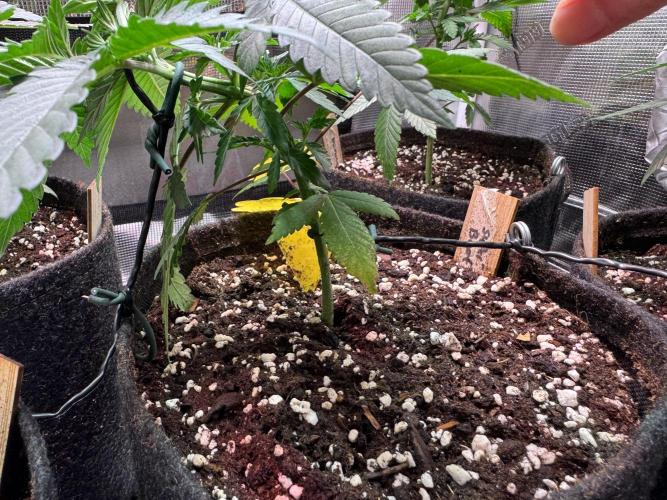
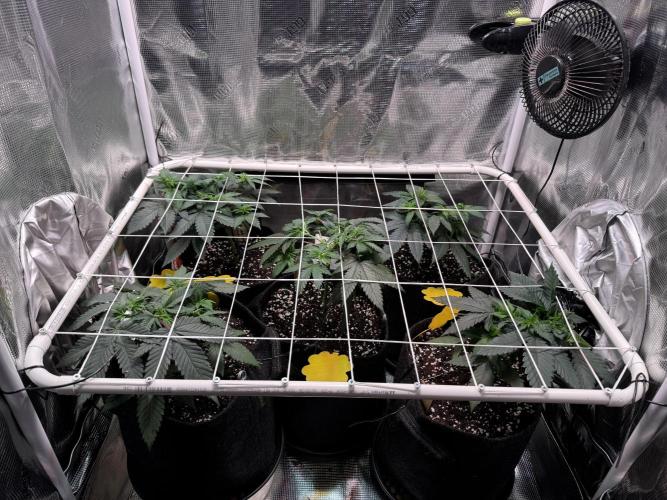
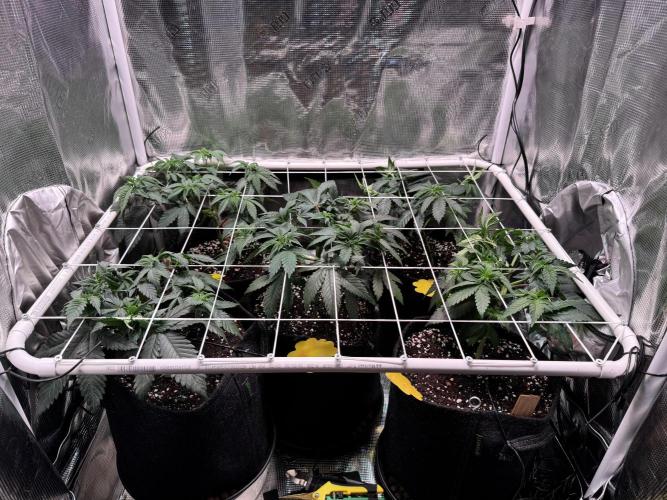
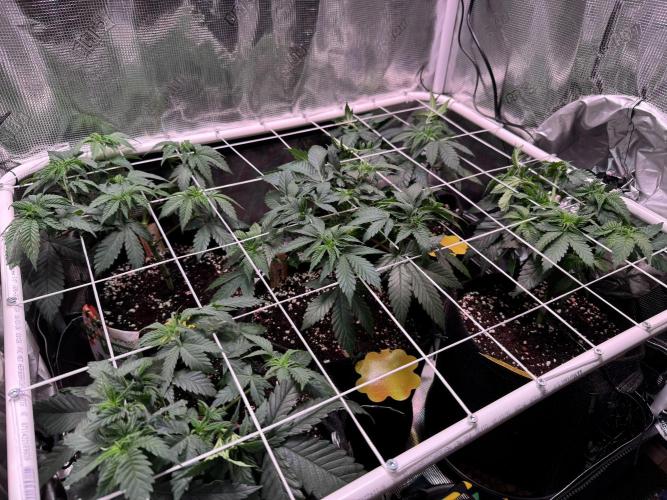
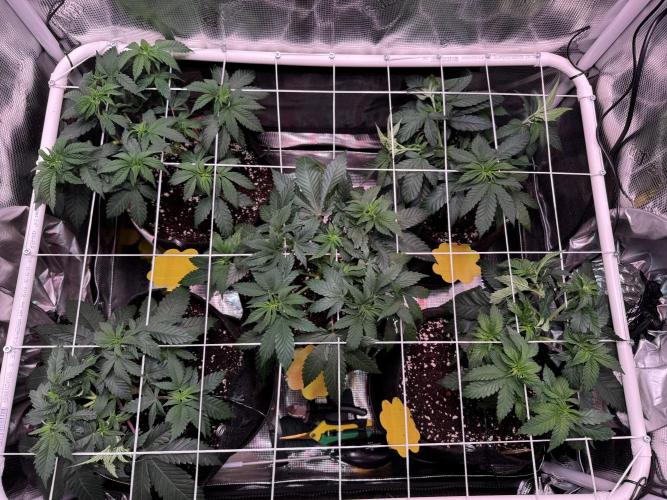
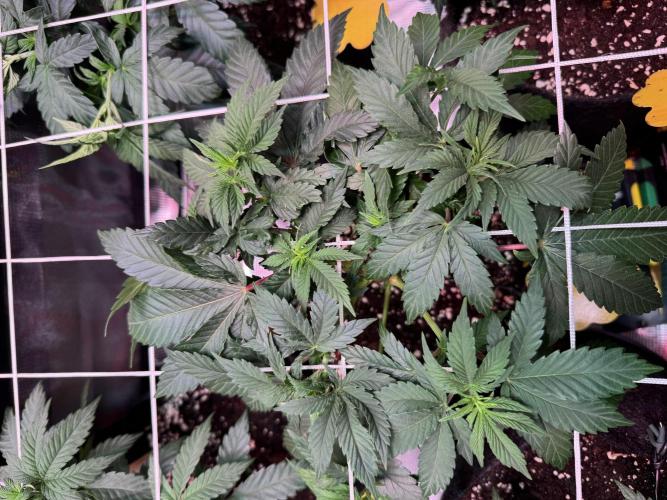
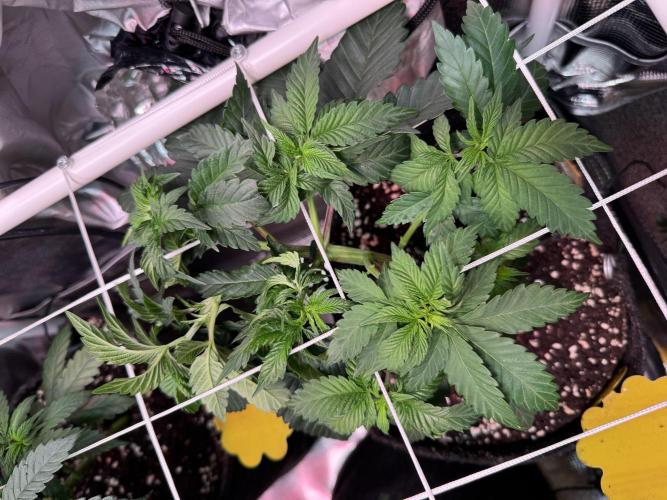
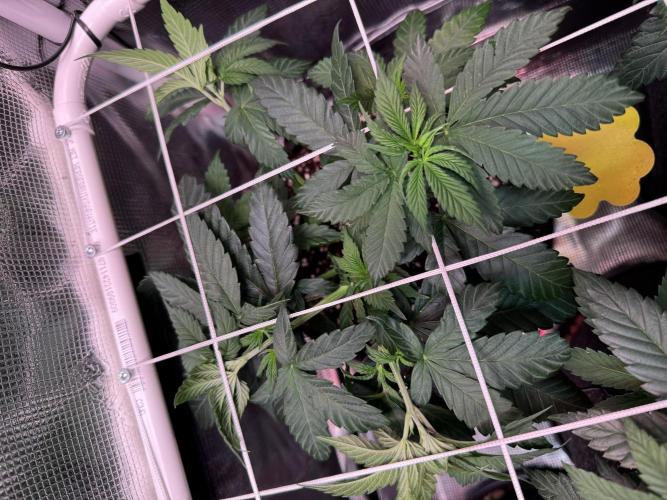
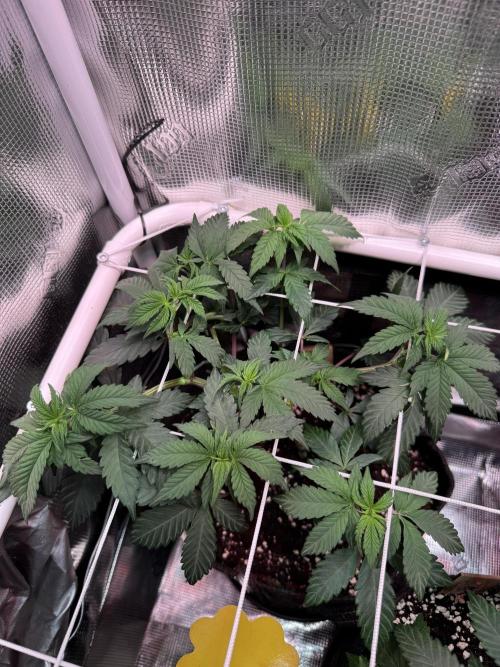
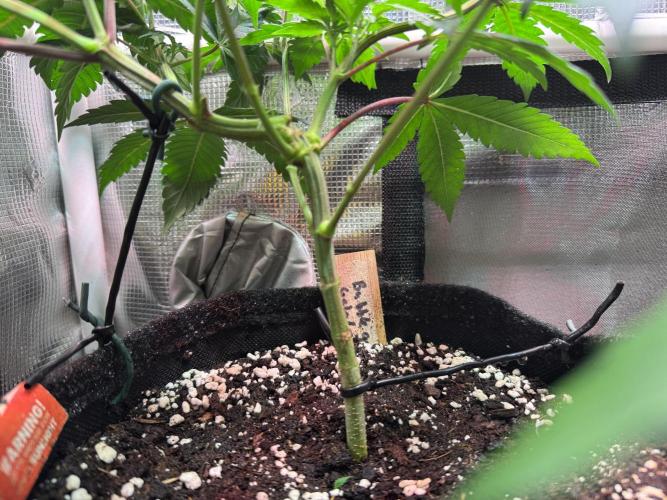
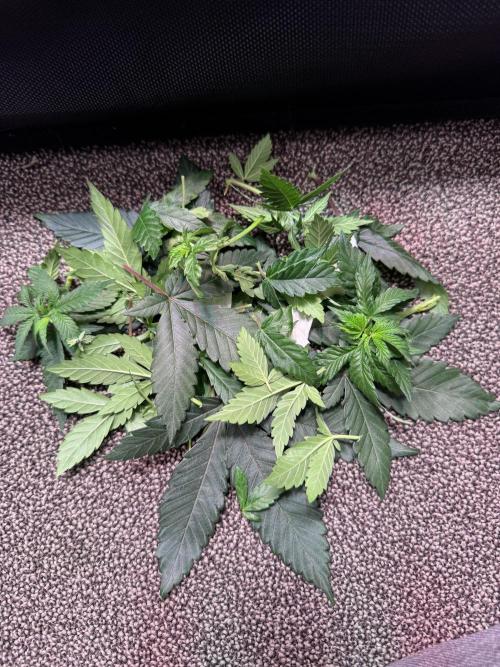
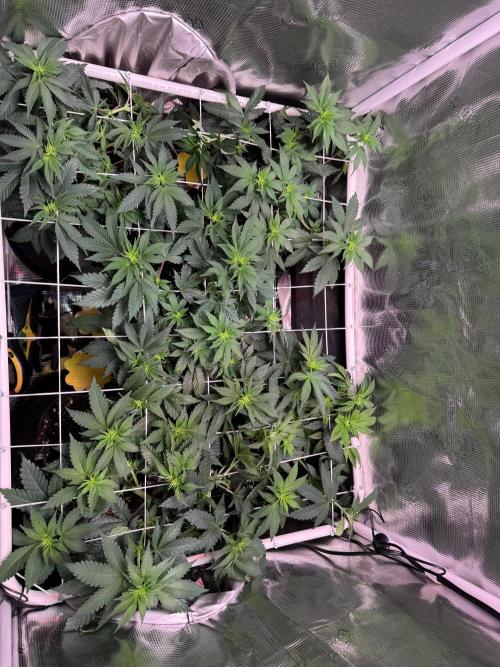
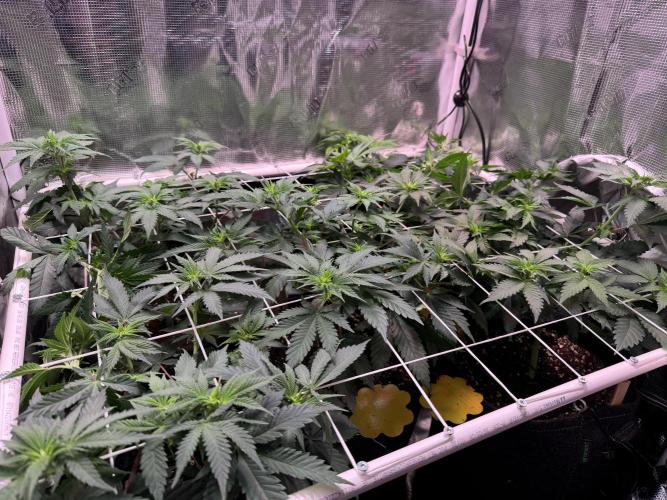
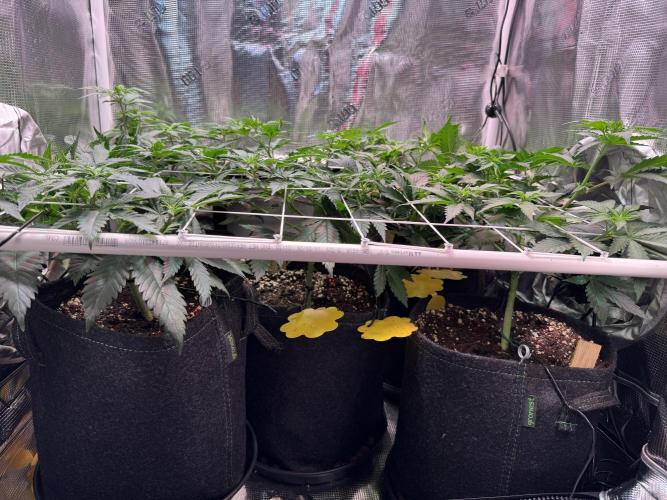
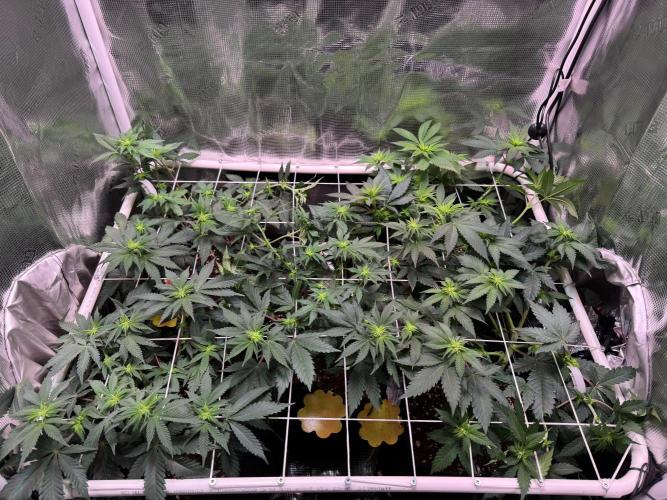
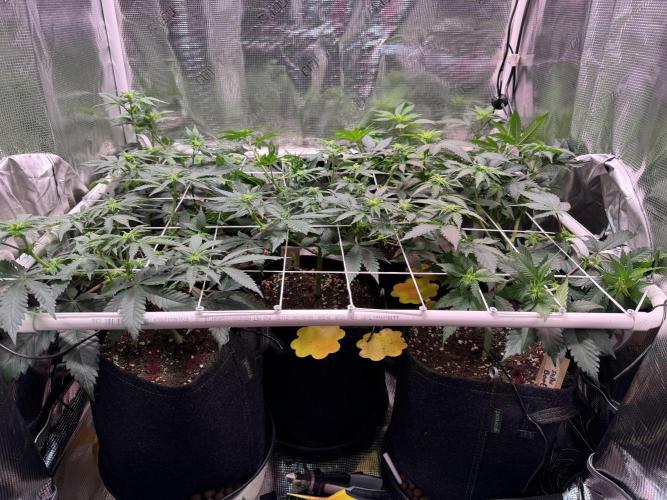
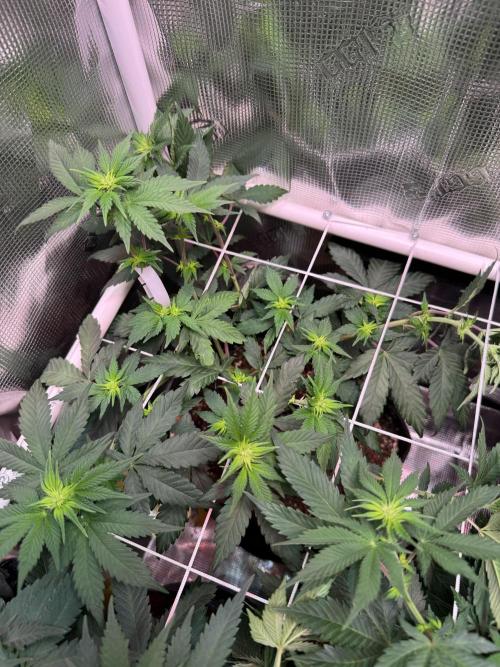
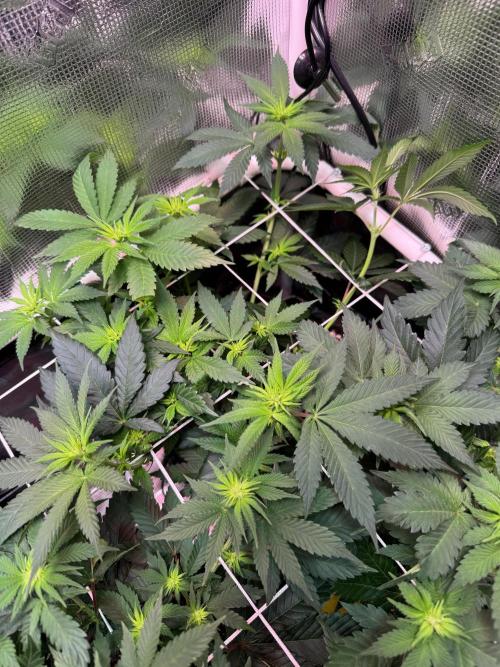
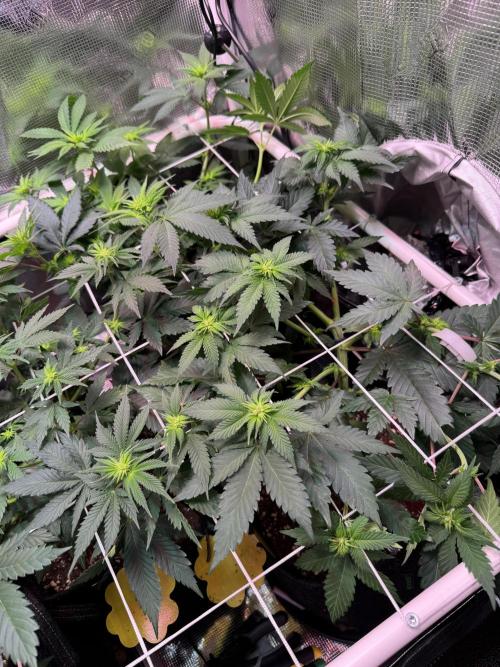
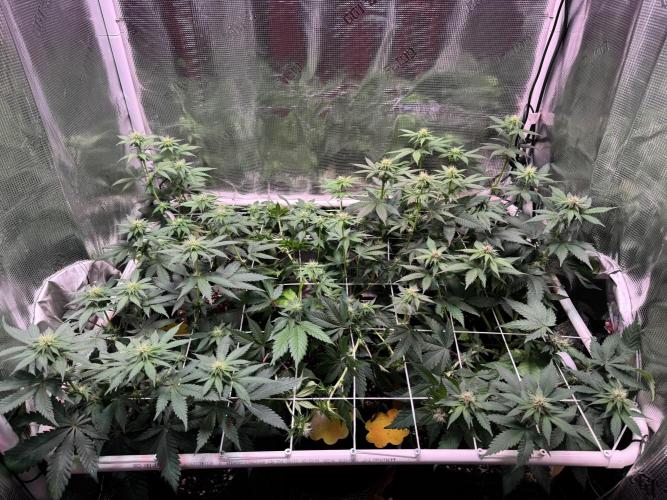
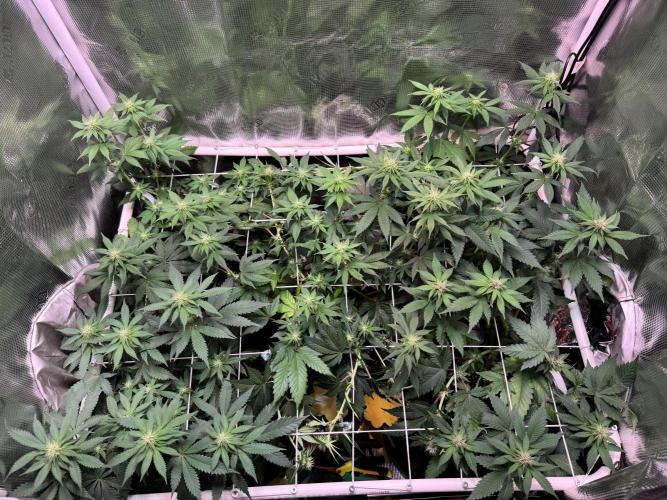
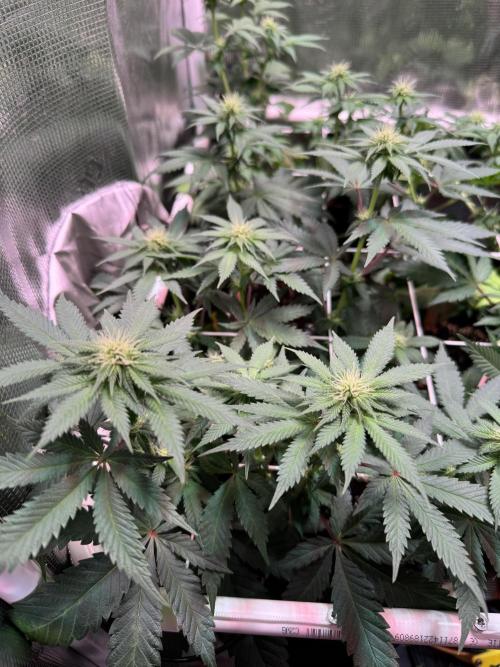
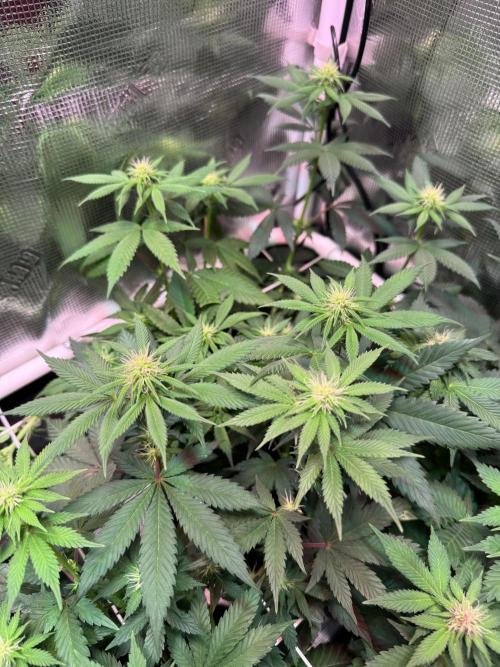
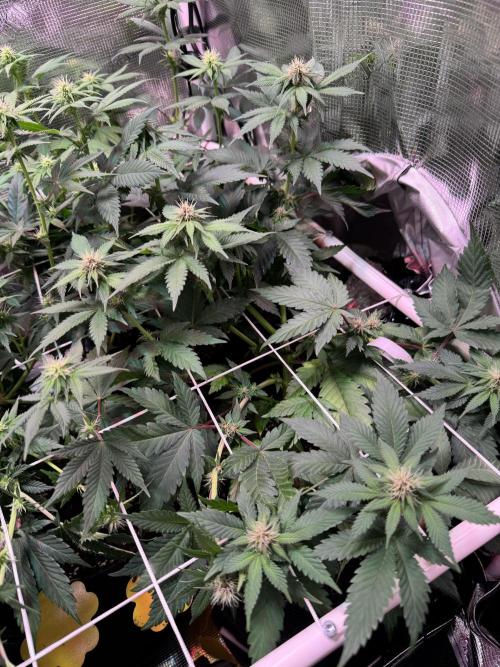
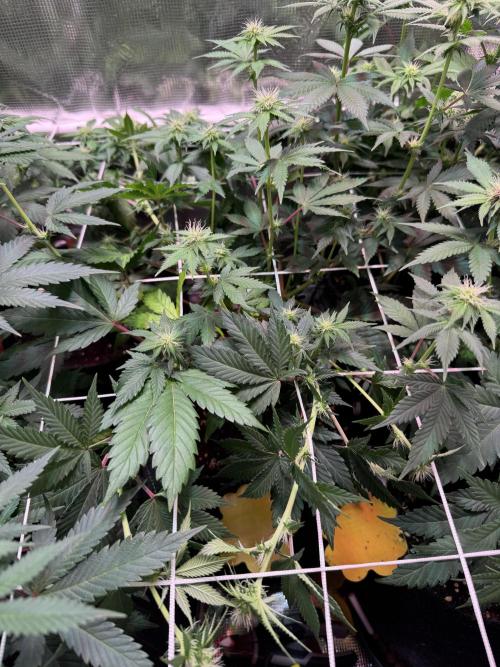
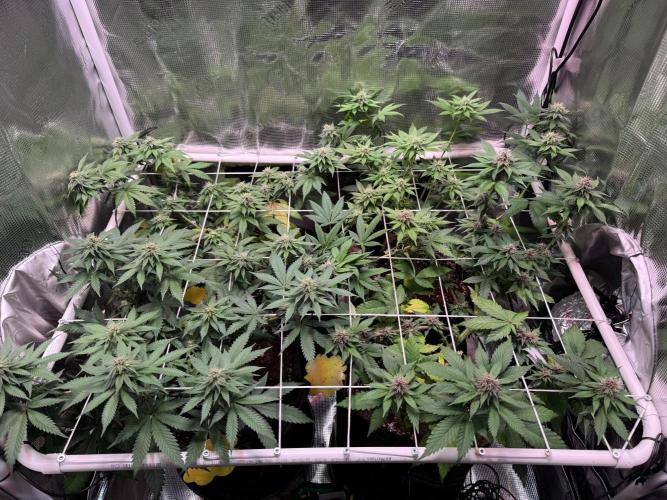
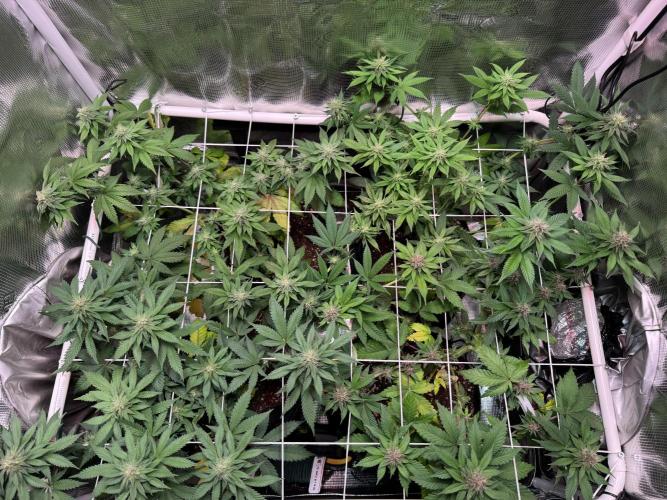
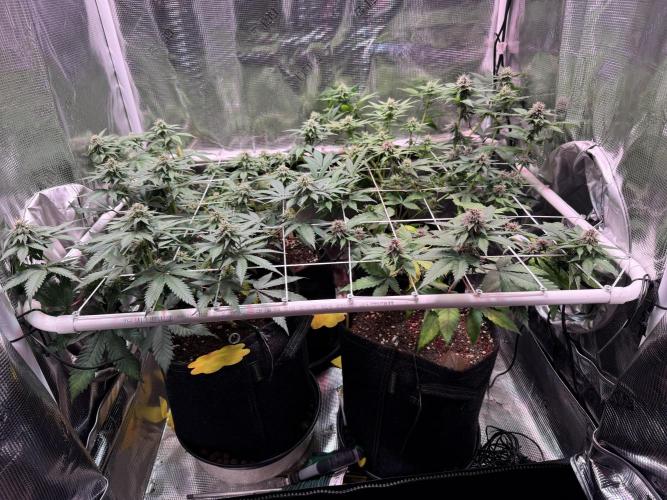
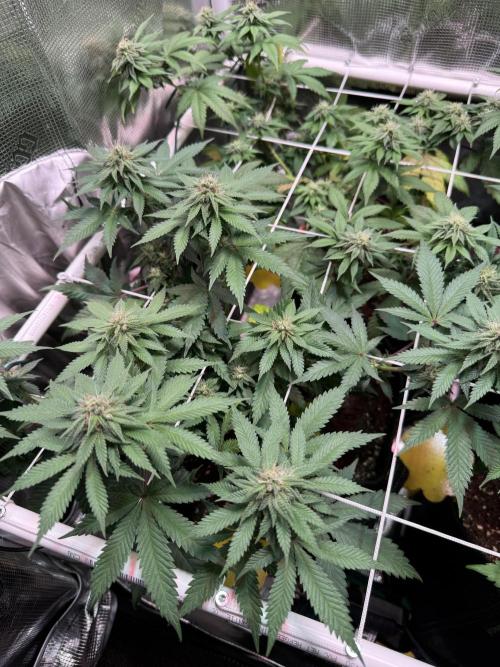
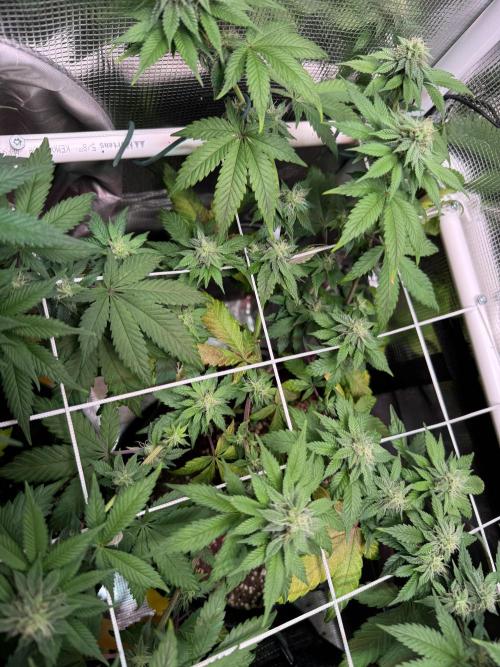
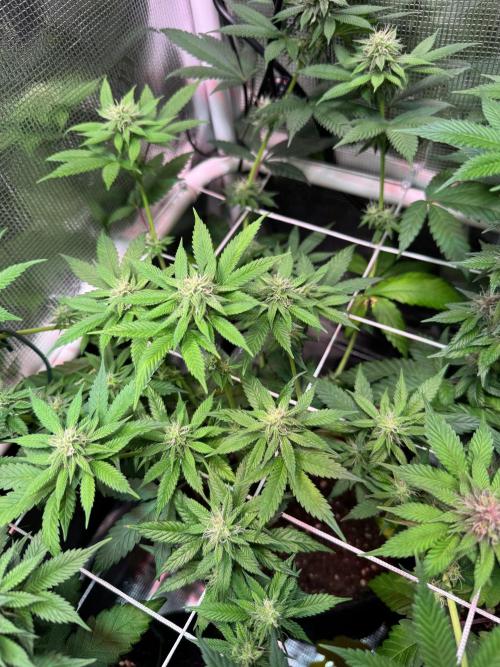
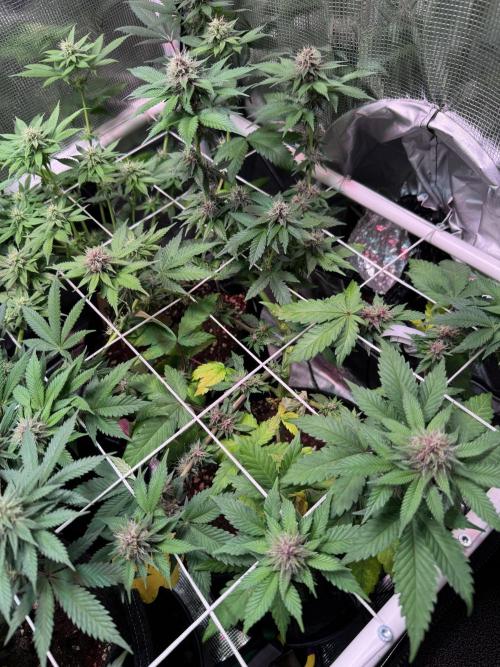
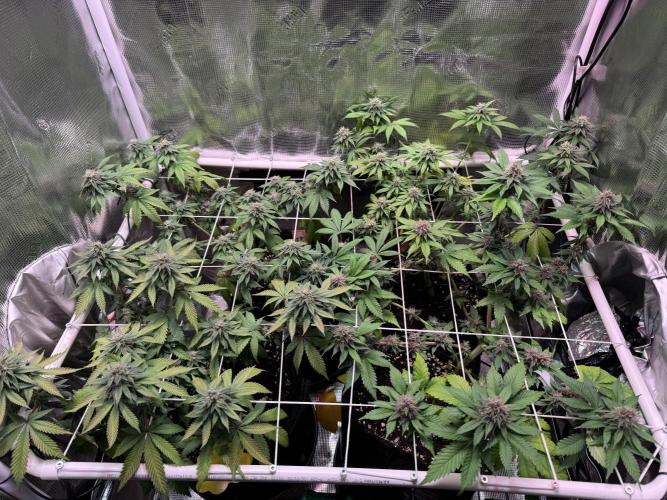
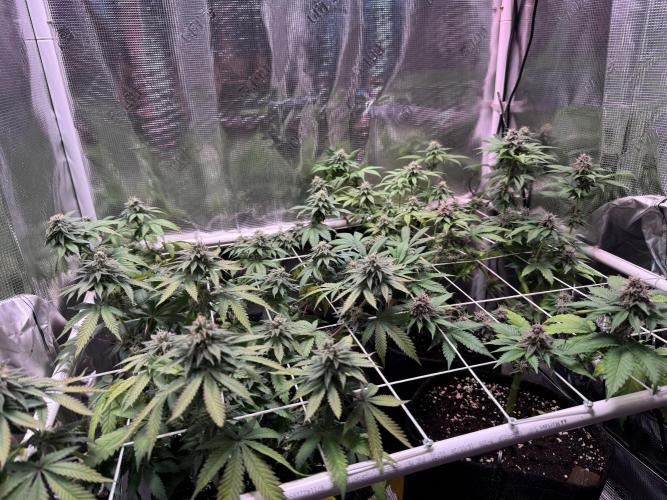
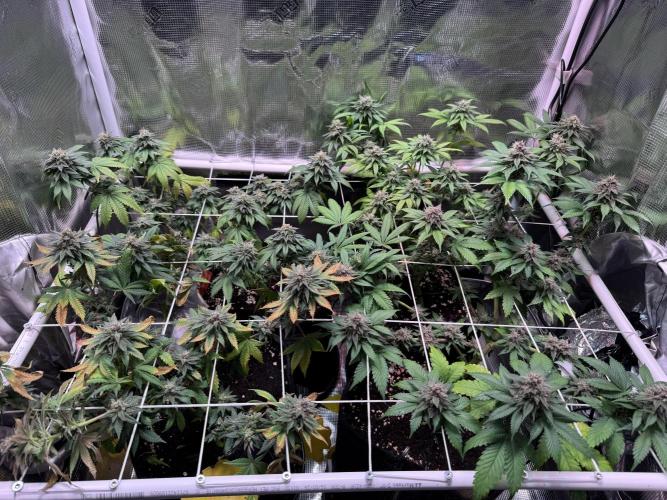
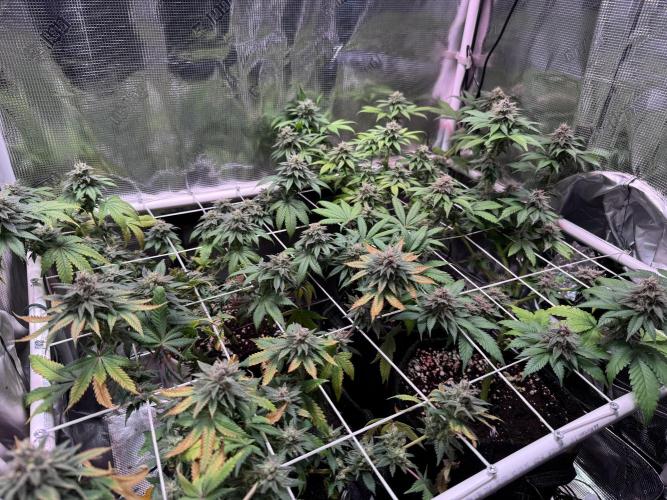
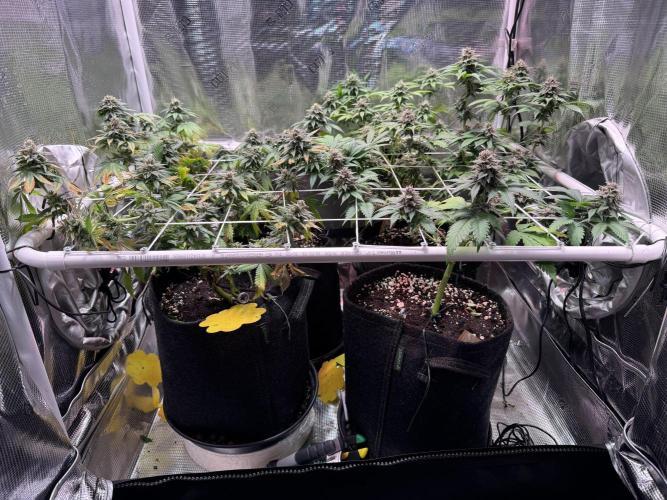
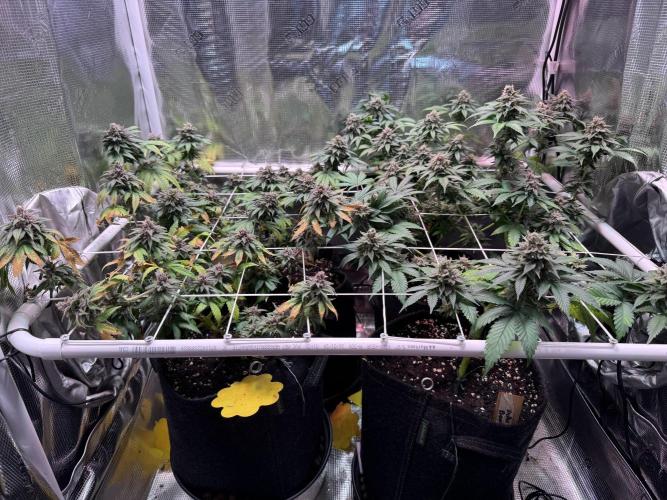
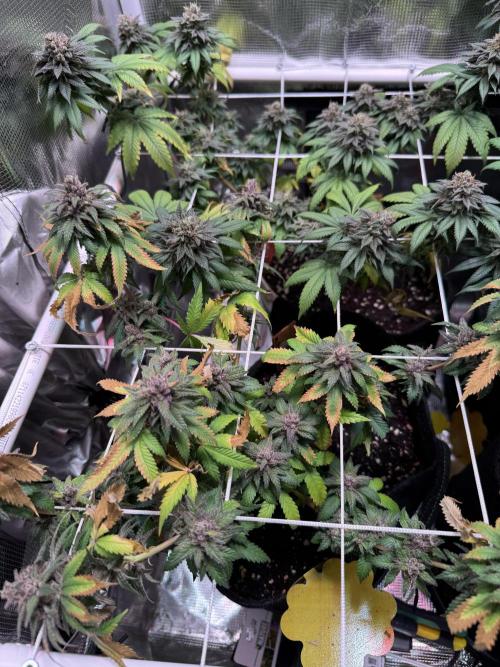
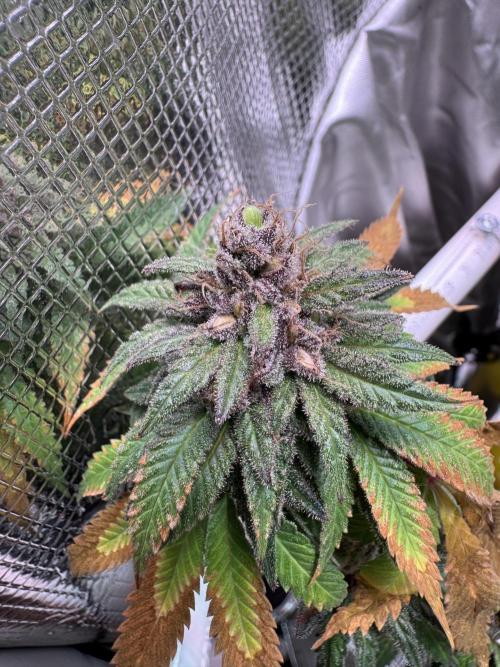
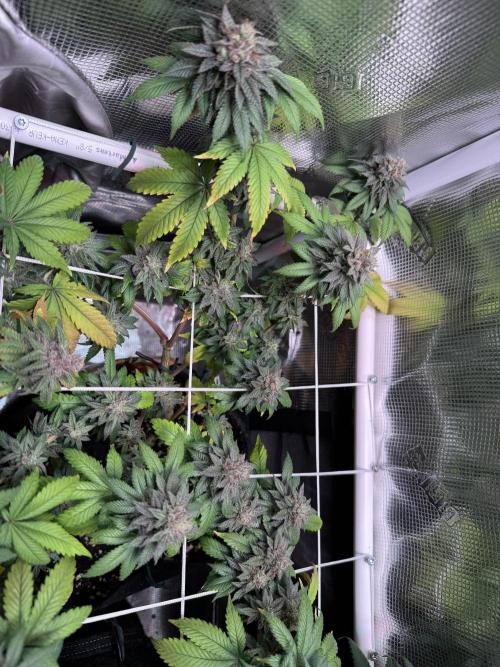
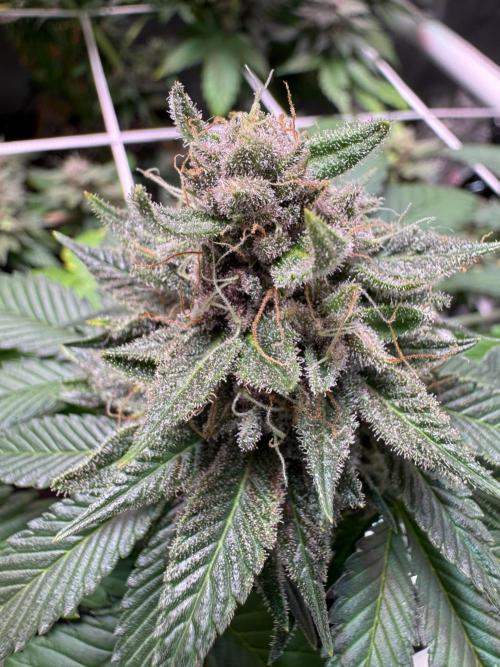
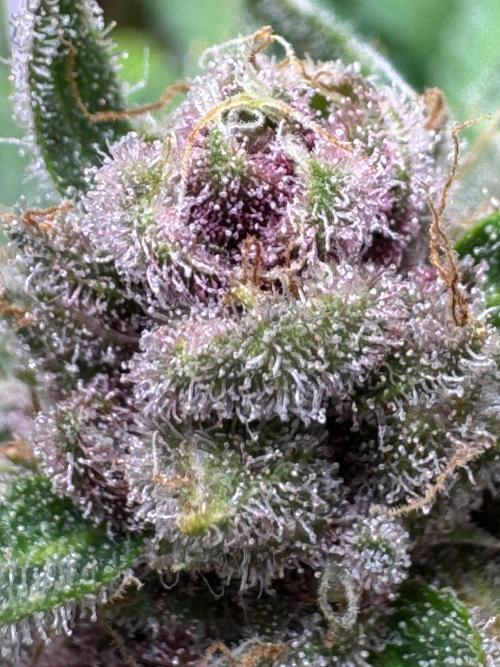
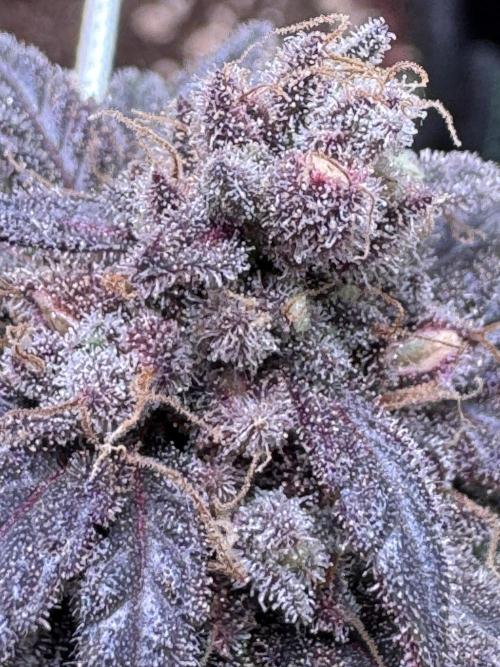
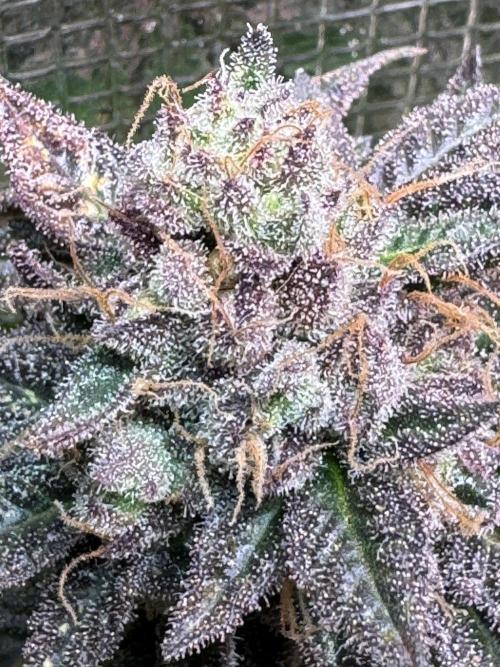
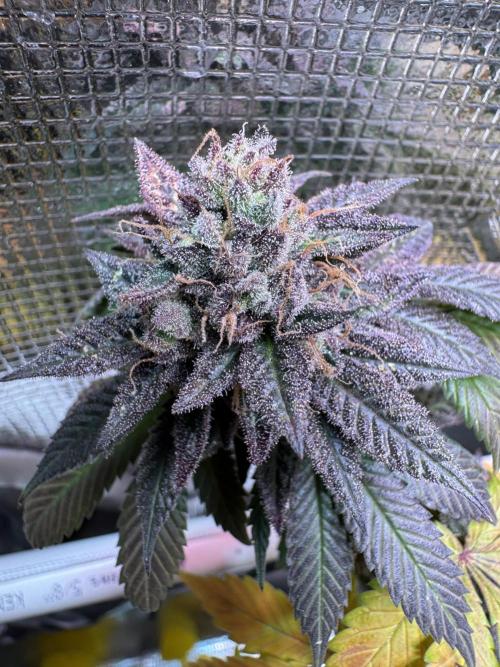
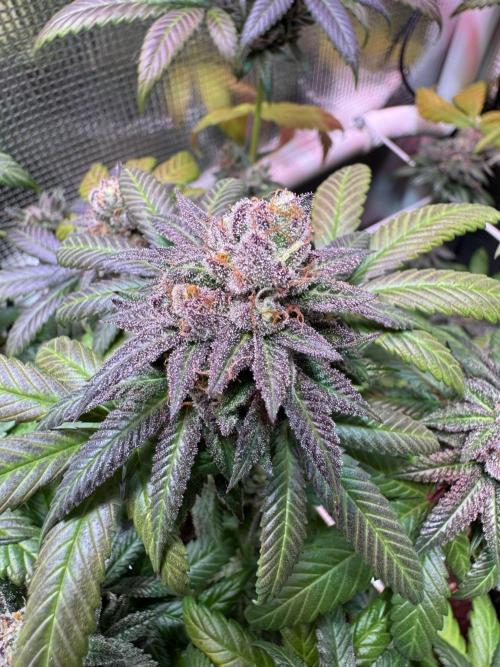
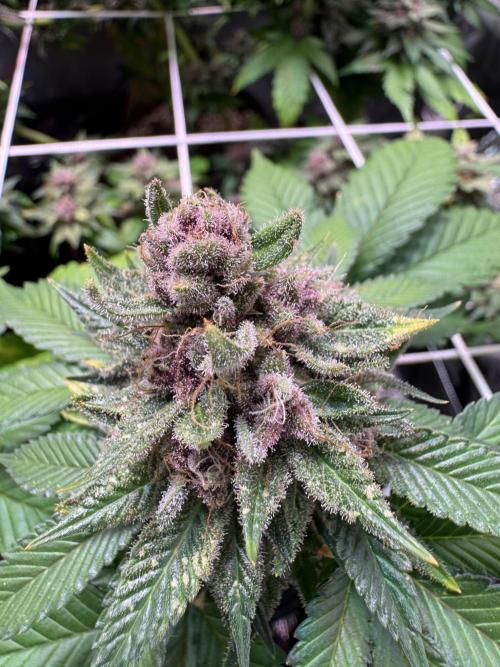
First off, I have to give you credit for your proactive diagnostic approach. Using a jeweler's loupe and setting up yellow sticky traps shows you’ve got the right instincts. Most people wait until their plants are halfway gone before they start looking that closely, so you’re already miles ahead of the game by catching these tiny details early! 🧐✅
🕵️♂️ The Diagnosis: Spider Mites or Environmental Stress?
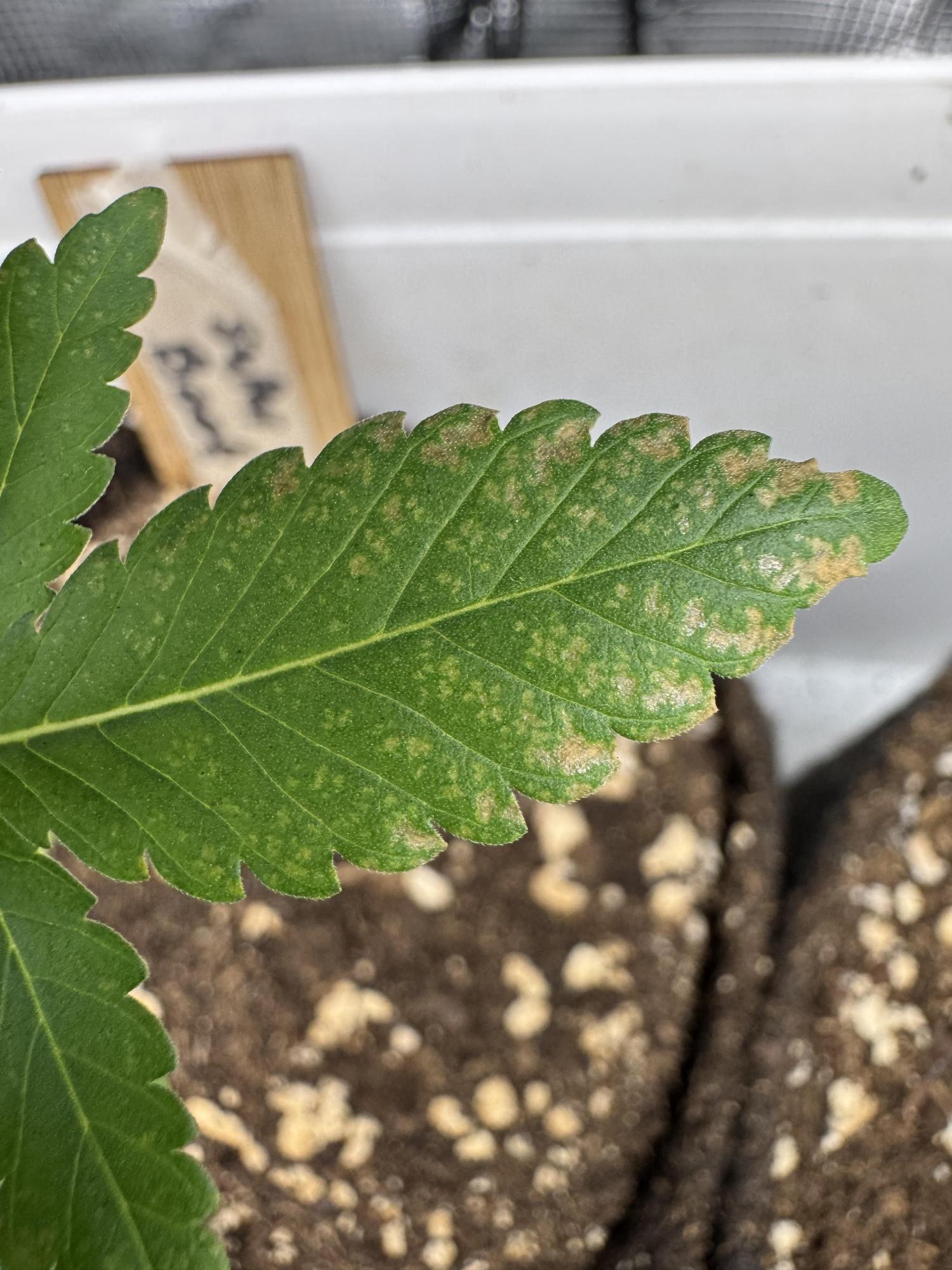
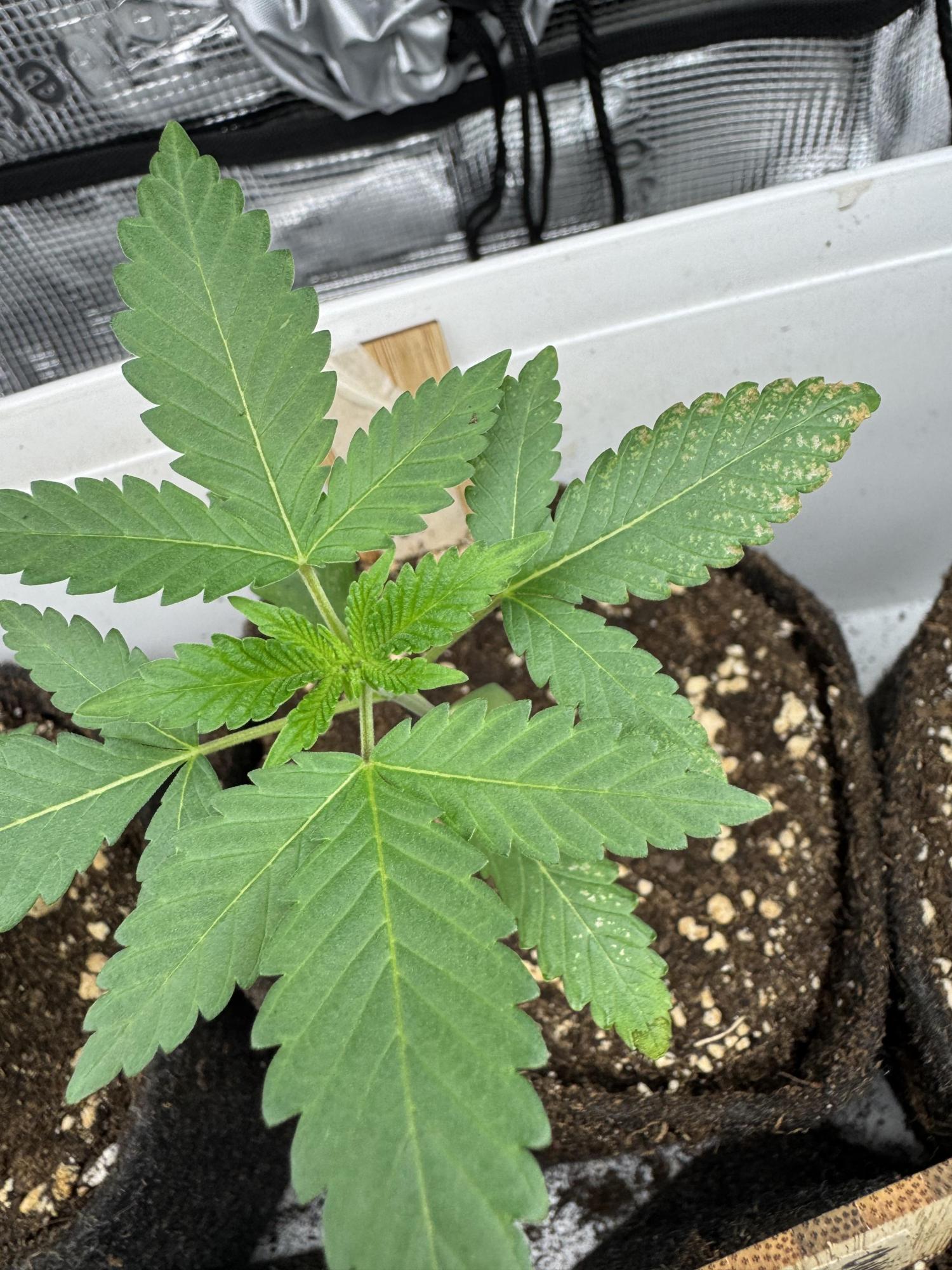
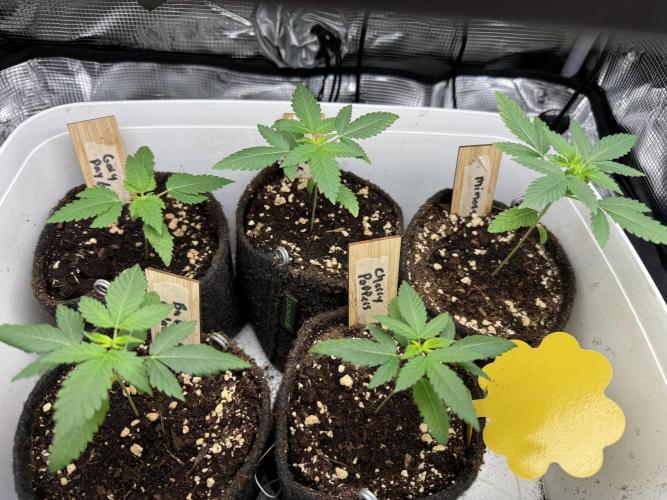
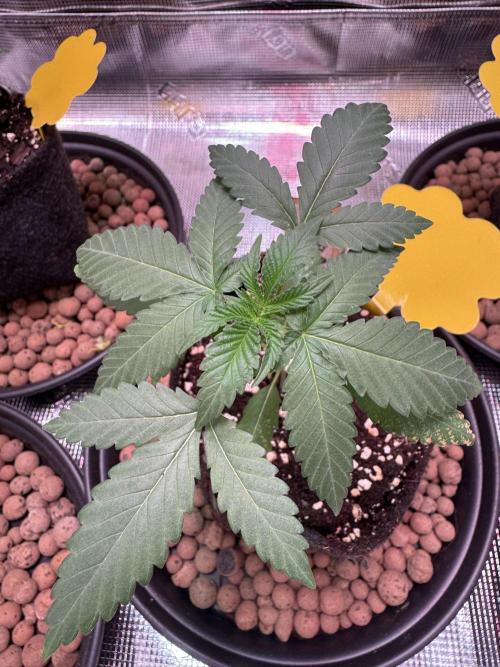
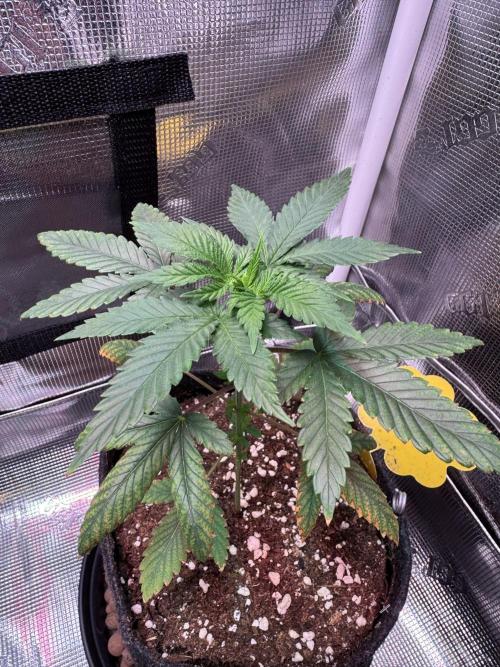
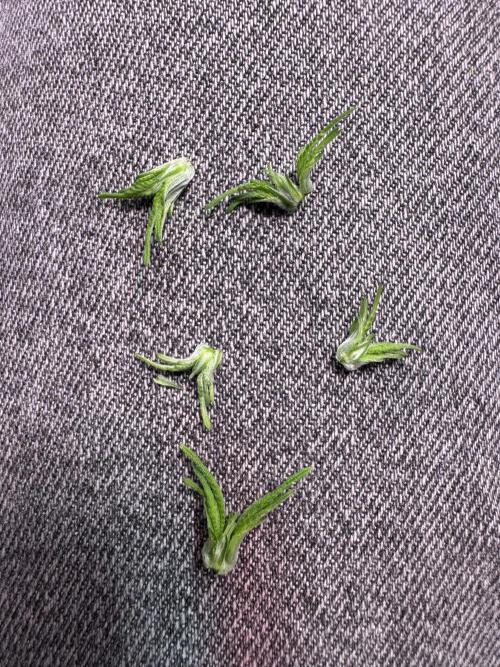
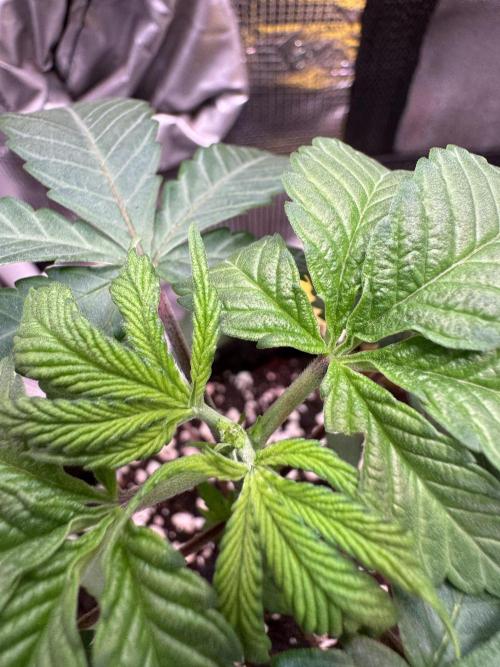
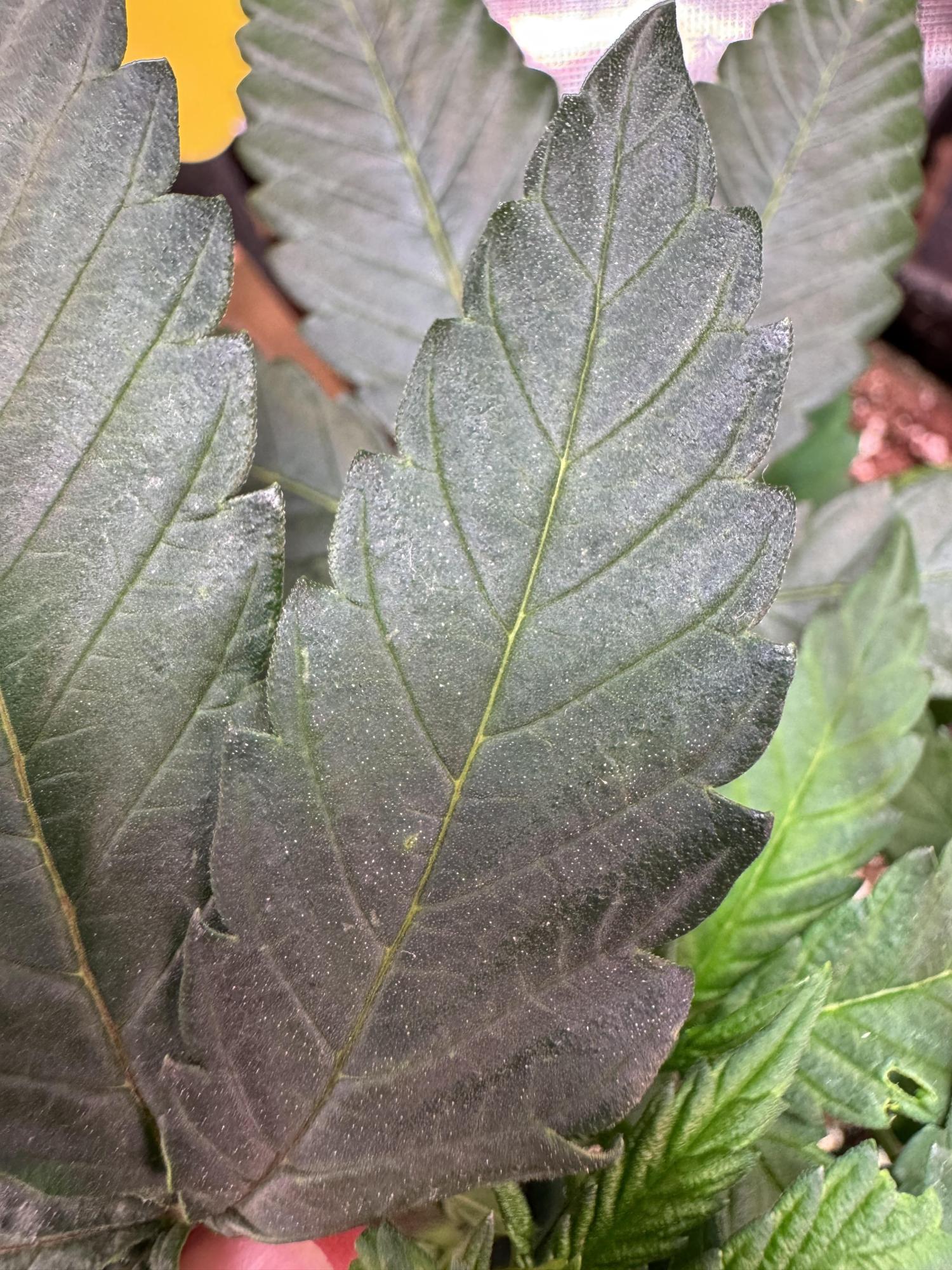
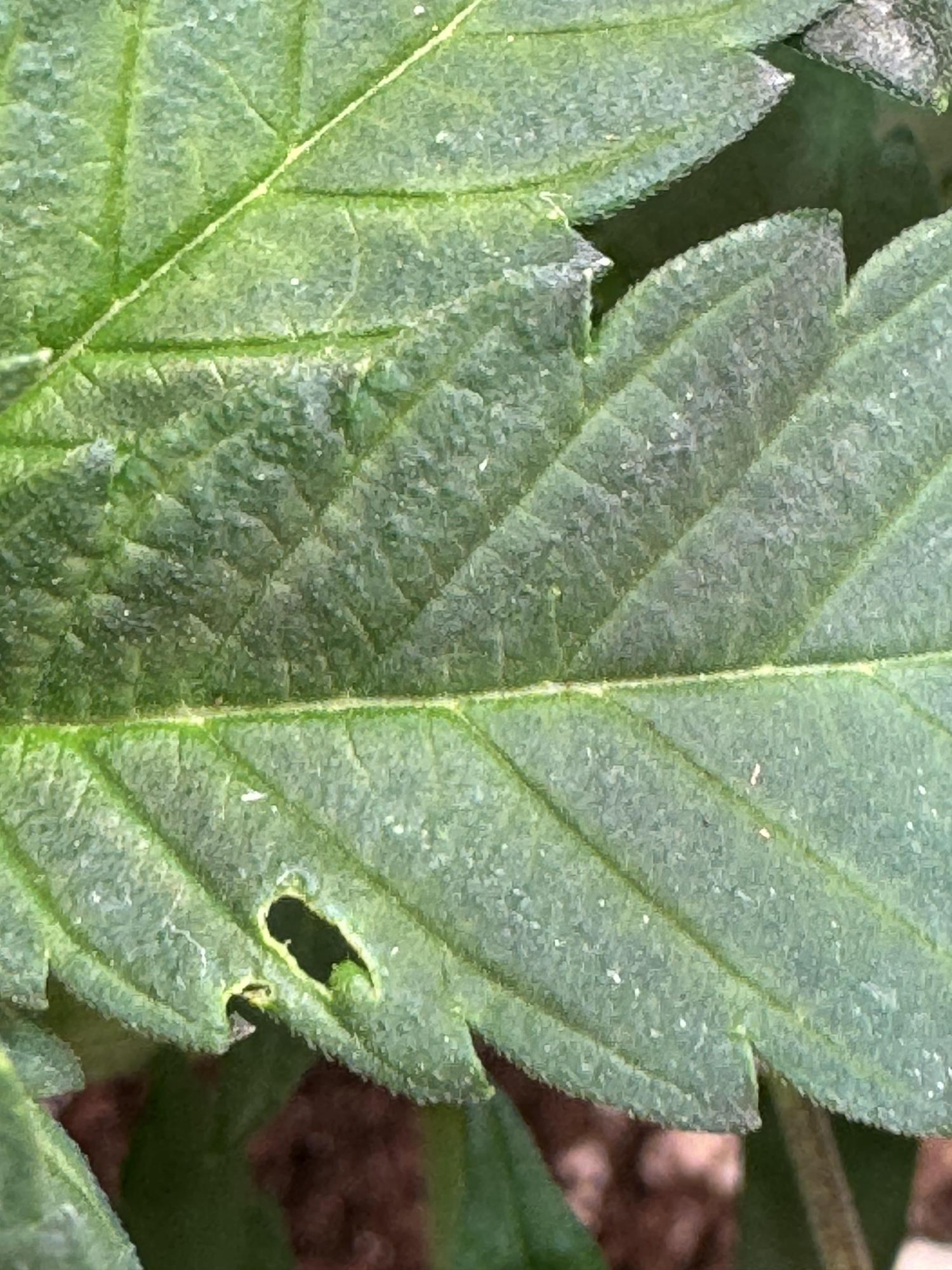
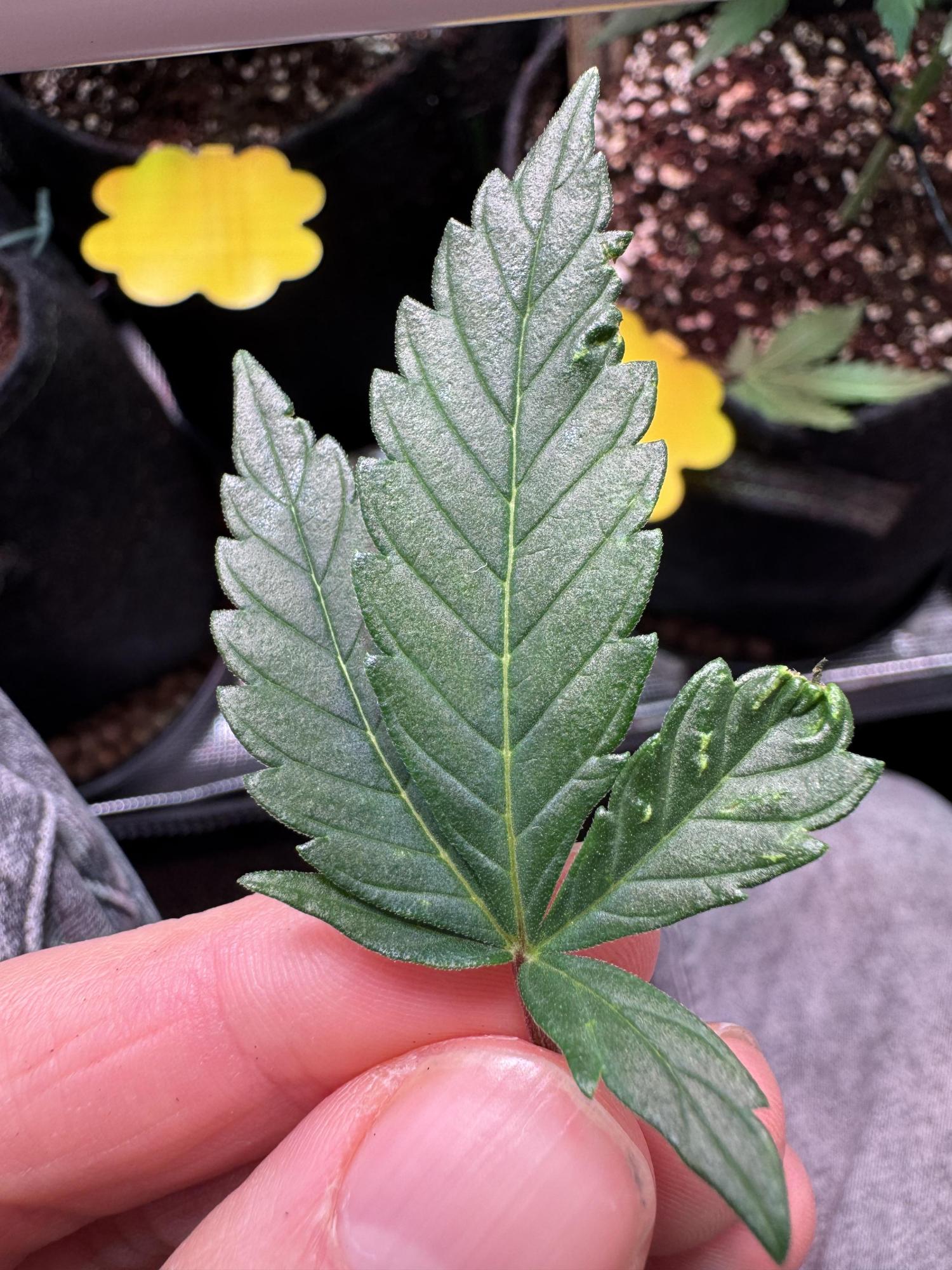
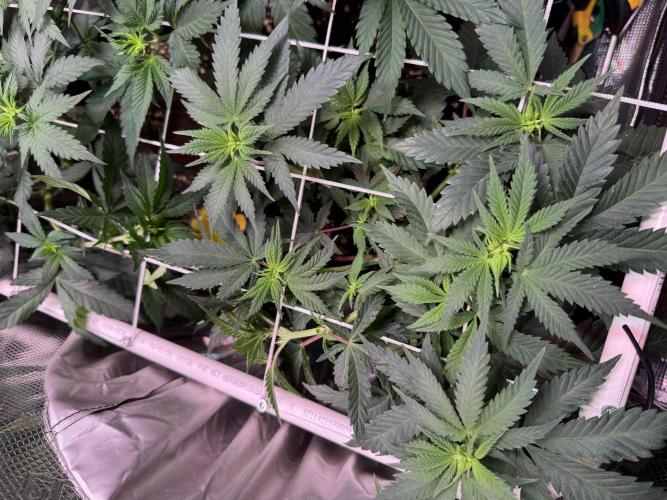
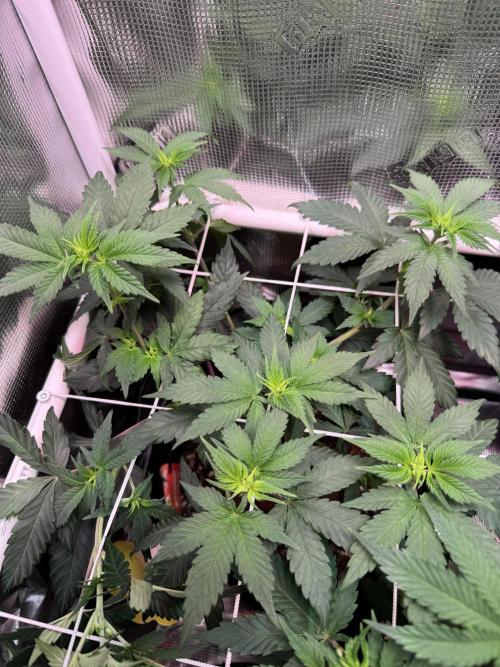
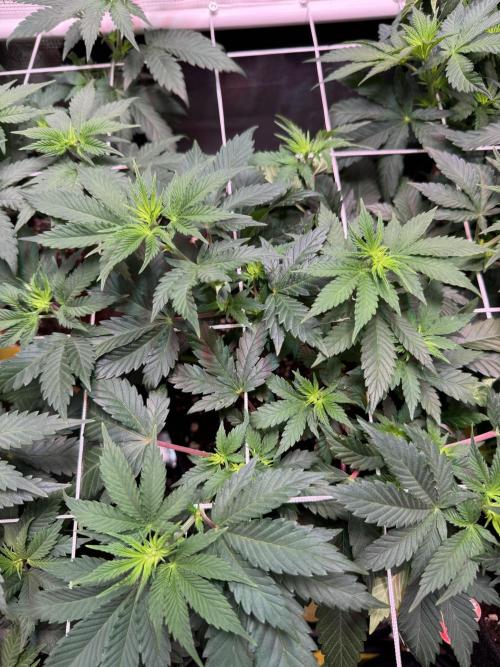
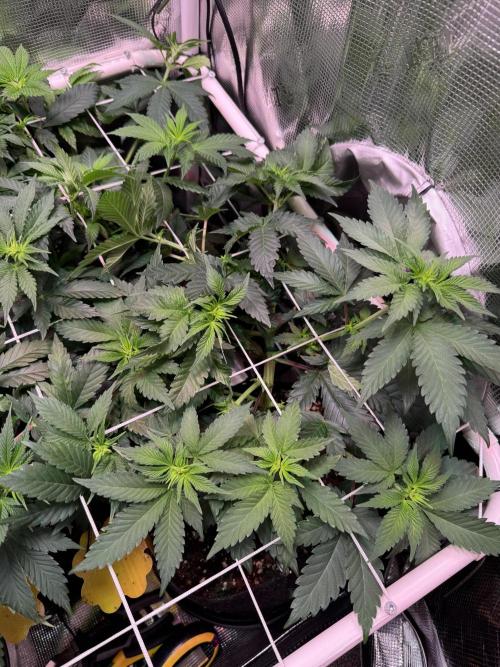
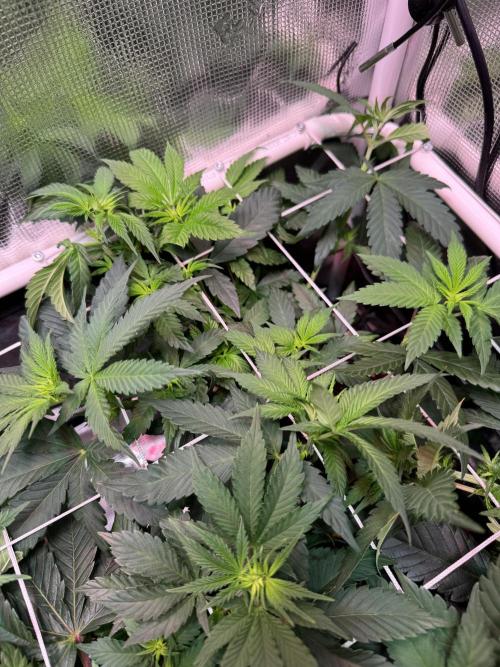
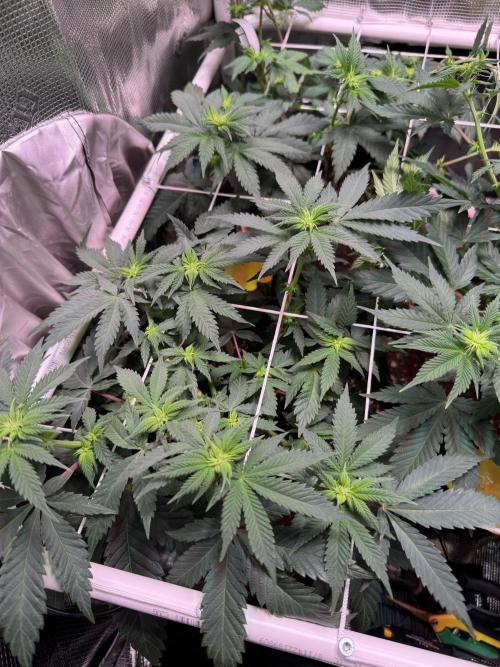
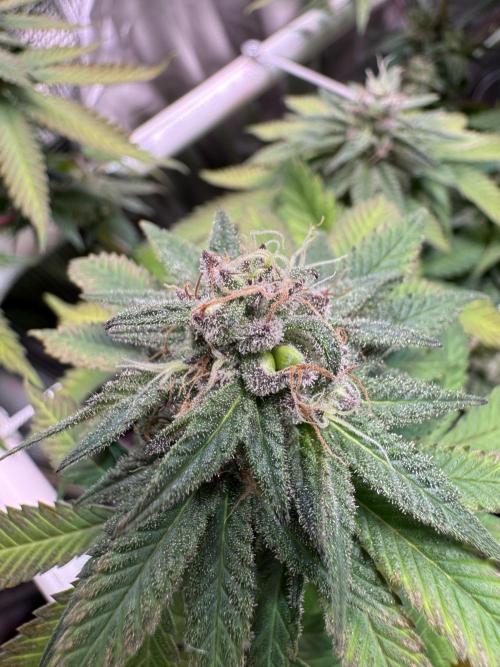
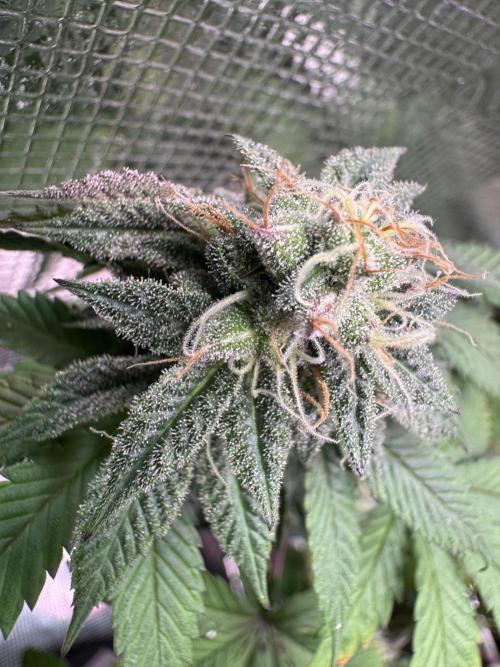
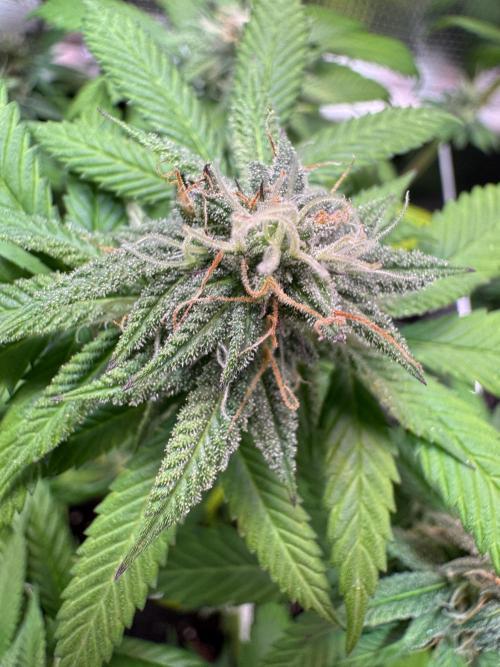
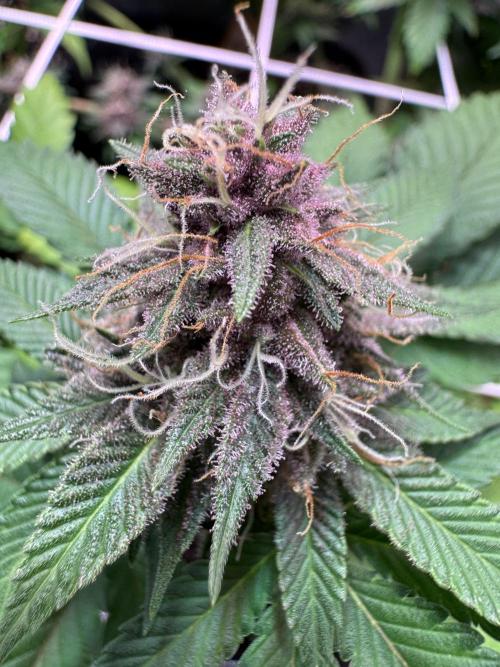
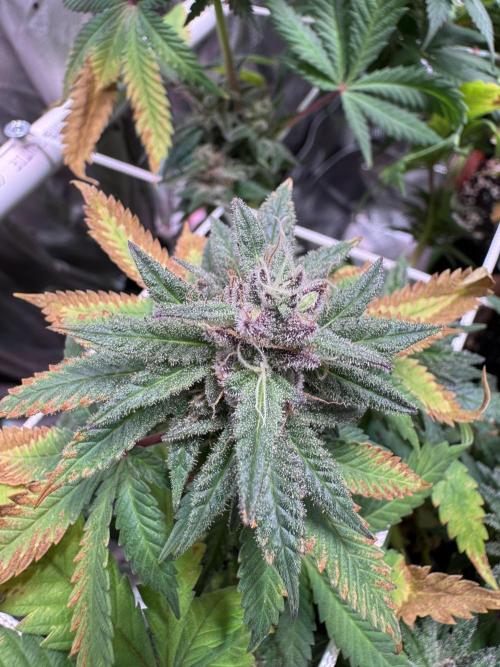
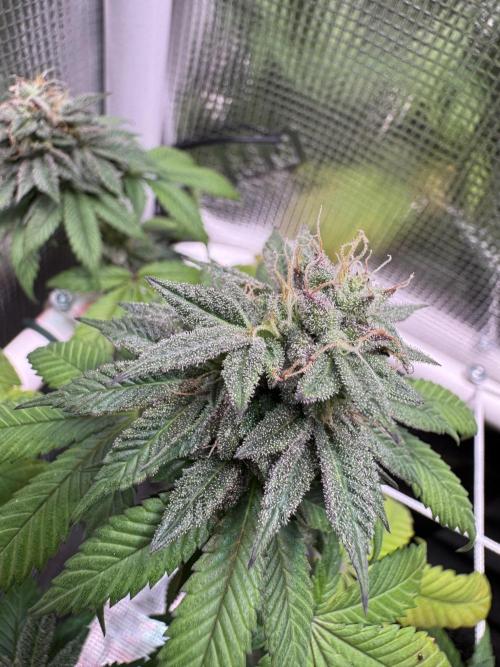
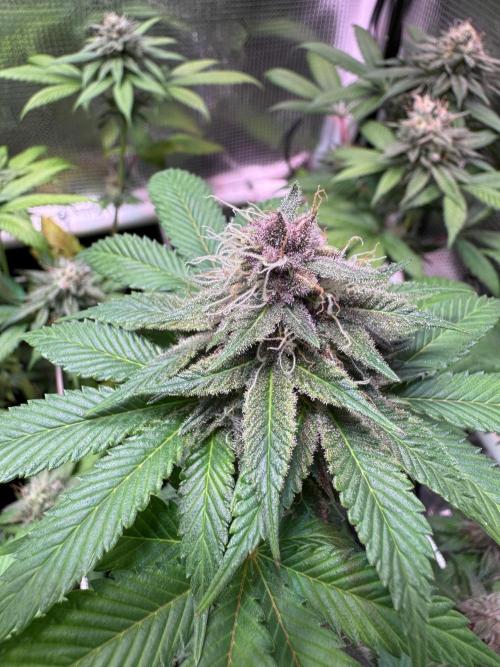
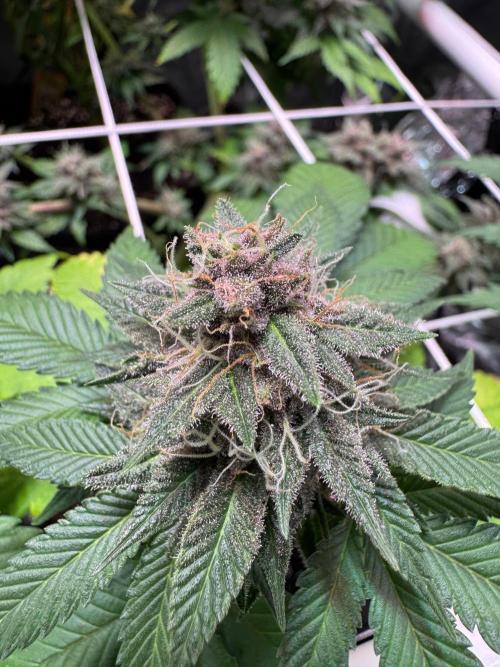
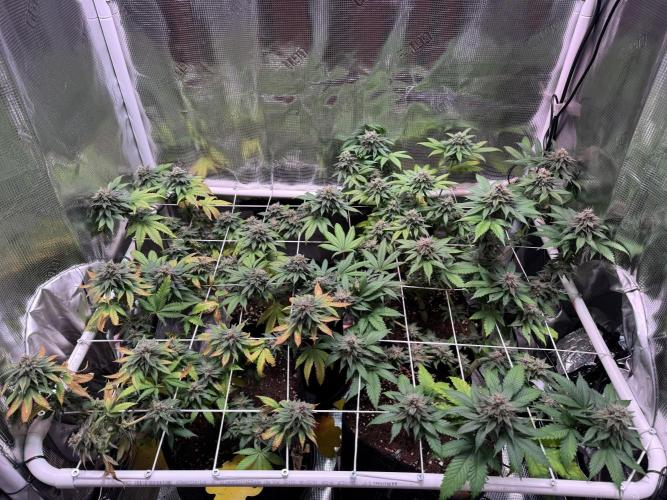
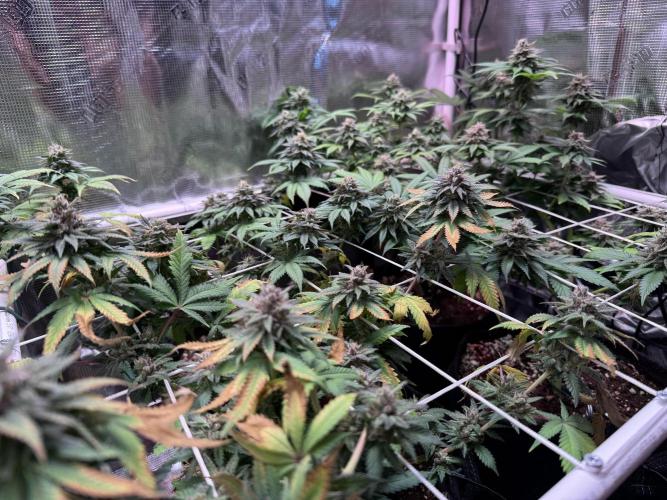
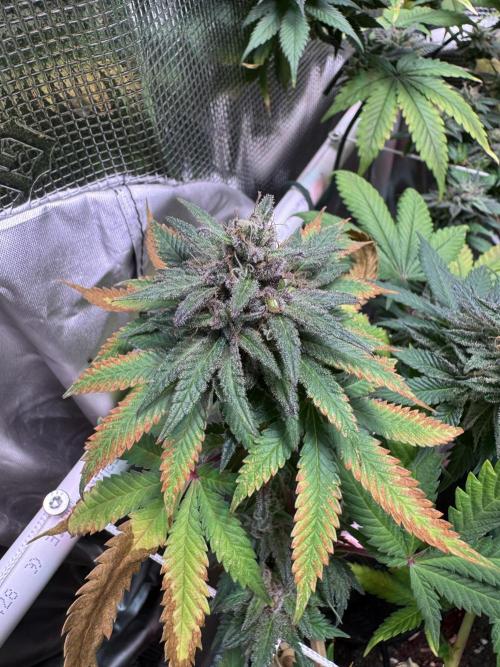
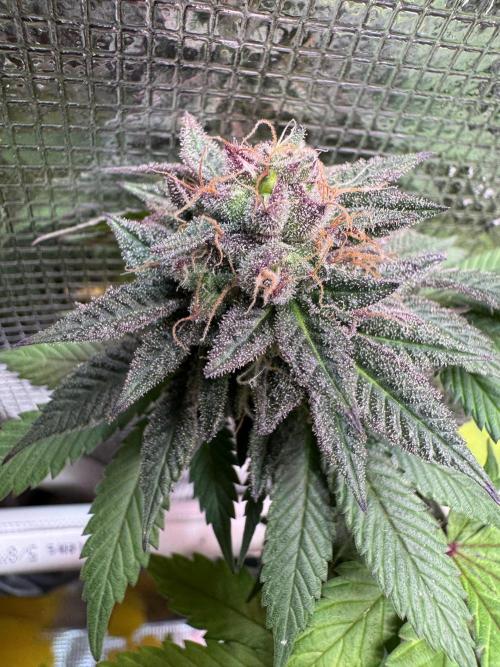
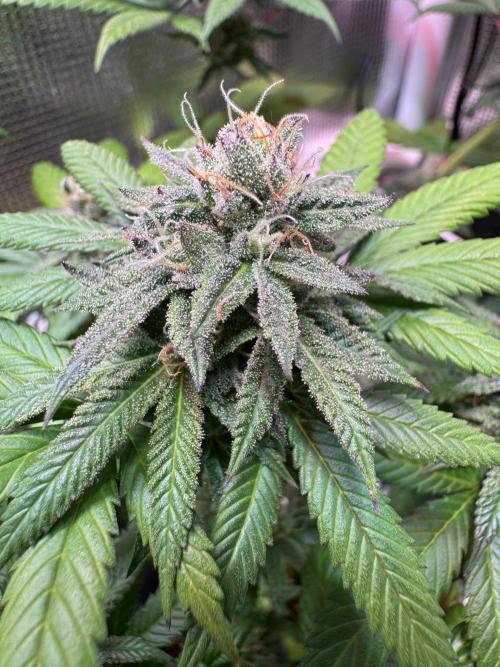
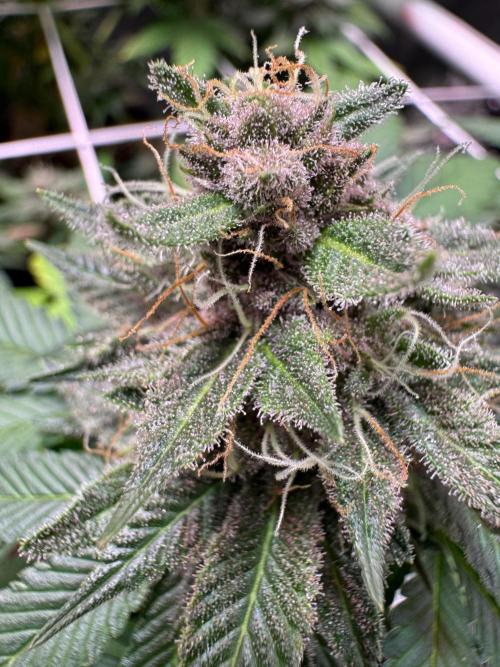
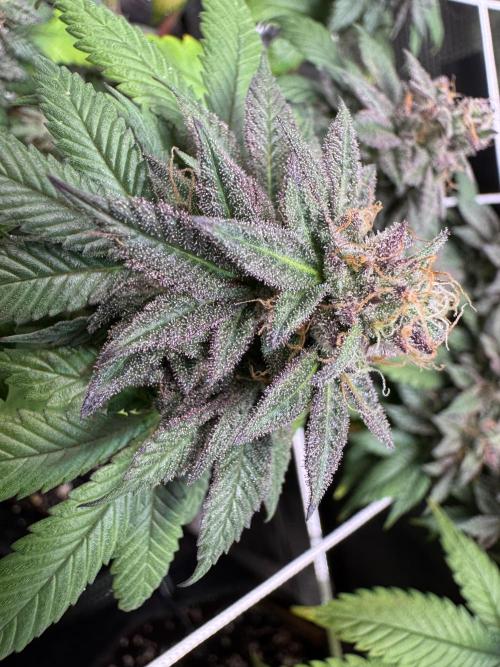
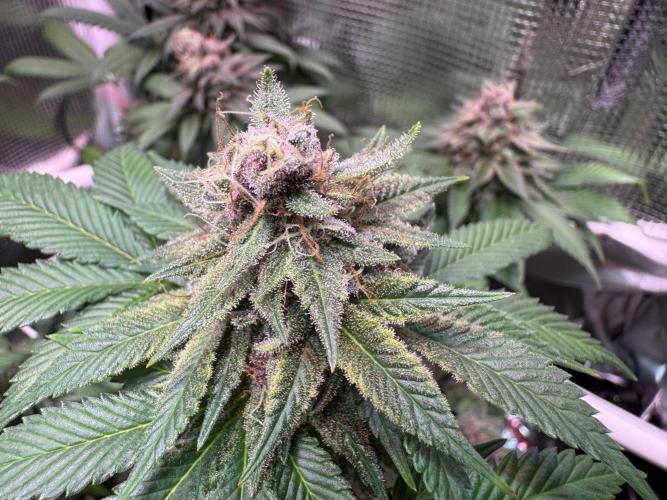
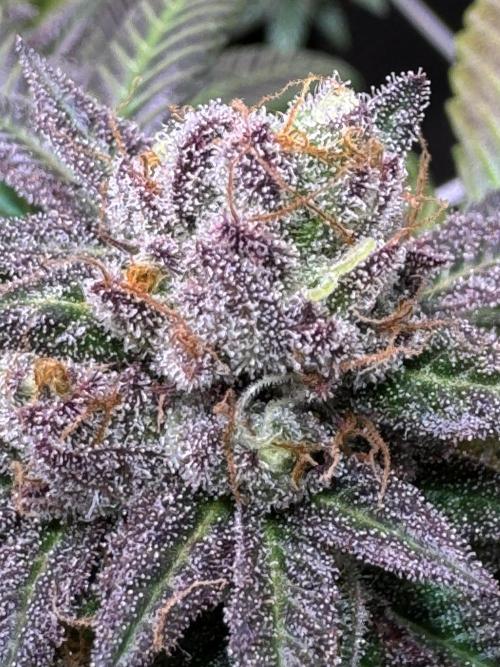
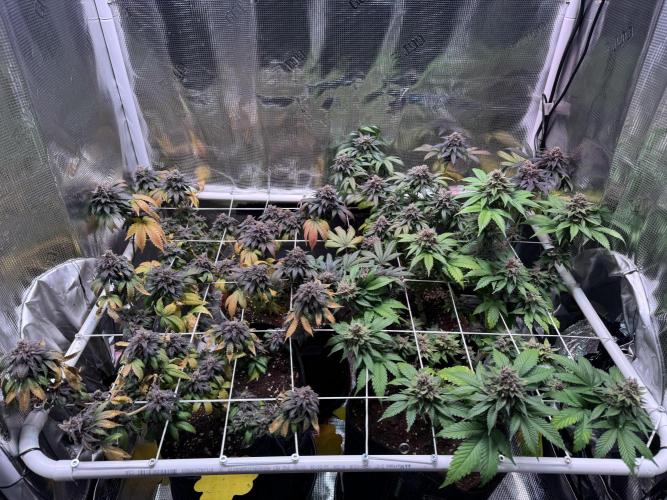
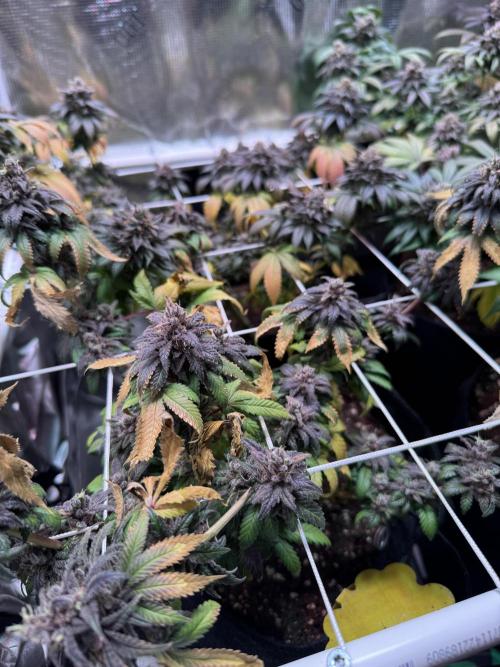
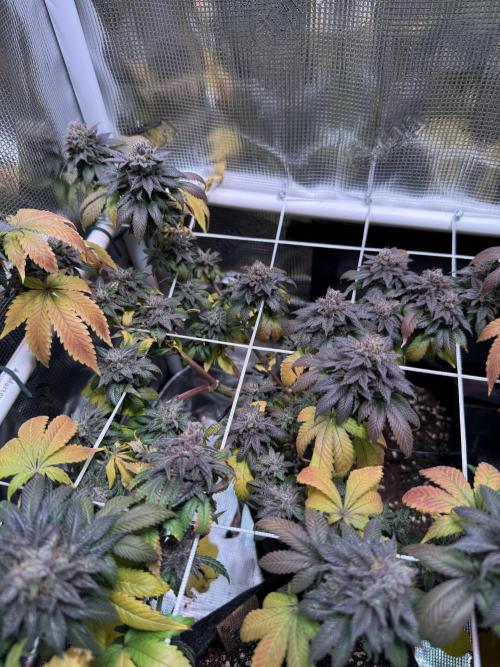
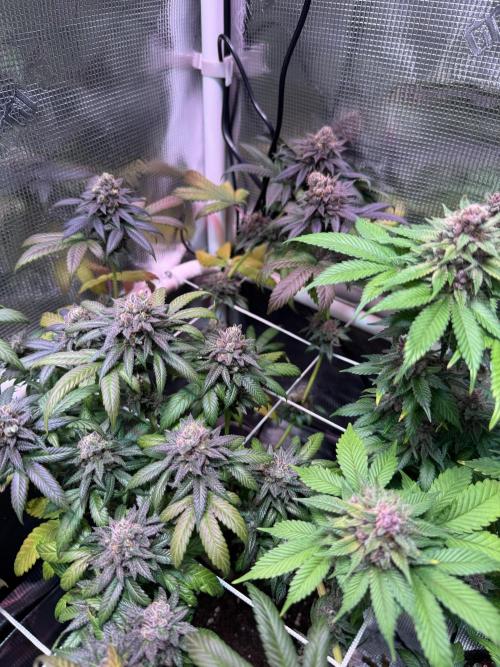
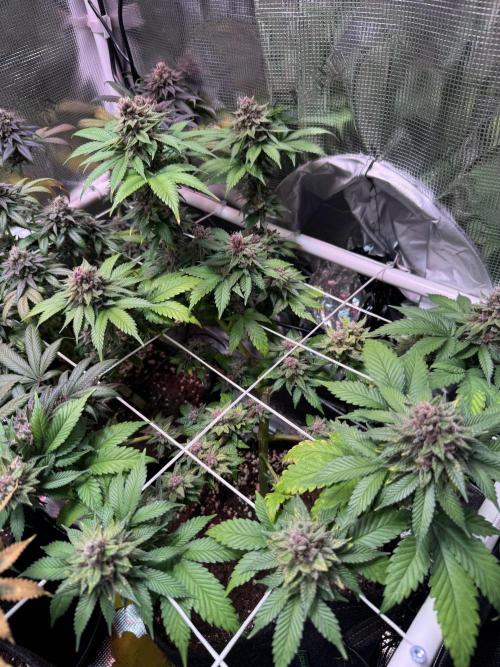
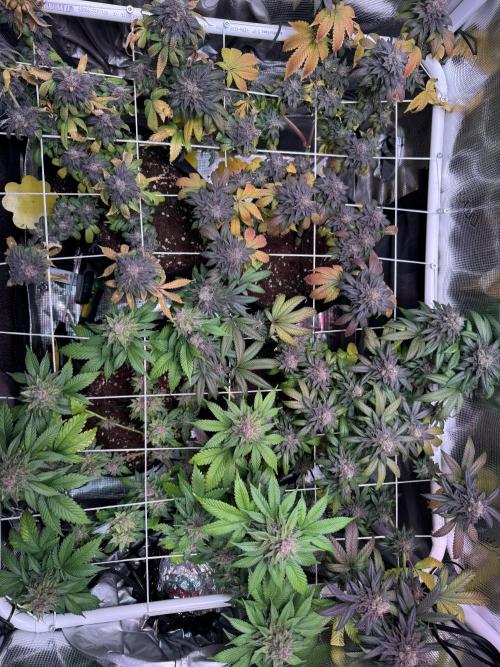
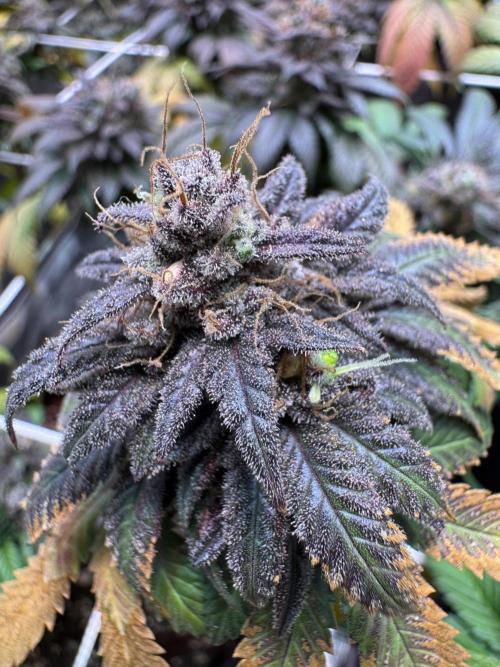
While you mentioned you haven't seen "bugs" yet, the fine white stippling (those tiny dots) on the leaves is a classic hallmark of Spider Mites. These pests are microscopic and often hide on the undersides of leaves, so they can be missed even with a phone zoom.
However, since you mentioned pH issues, it’s also possible you’re seeing the fallout of a nutrient lockout that has weakened the plant's "skin" (cuticle), making it look speckled or allowing environmental dust and salts to build up.
🛠️ How to Fix It
The "Blast" Method: If it is mites, give the plants a gentle but firm spray with plain water (especially the leaf undersides) to physically knock them off.
Organic Intervention: Use a diluted Neem oil or a potassium salt-based insecticidal soap. Apply this during the "lights off" period to avoid leaf burn.
pH Stabilization: Ensure your runoff pH is back in the "sweet spot" (usually 6.0–6.5 for soil) to ensure the plant can uptake Silica, which strengthens cell walls against piercing insects.
🛡️ How to Avoid It
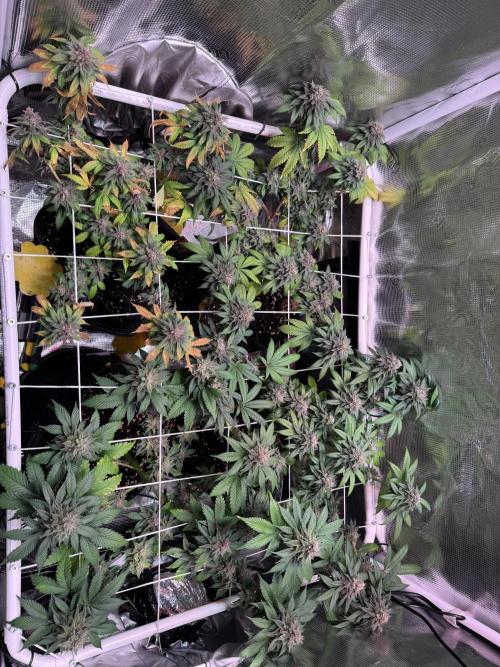
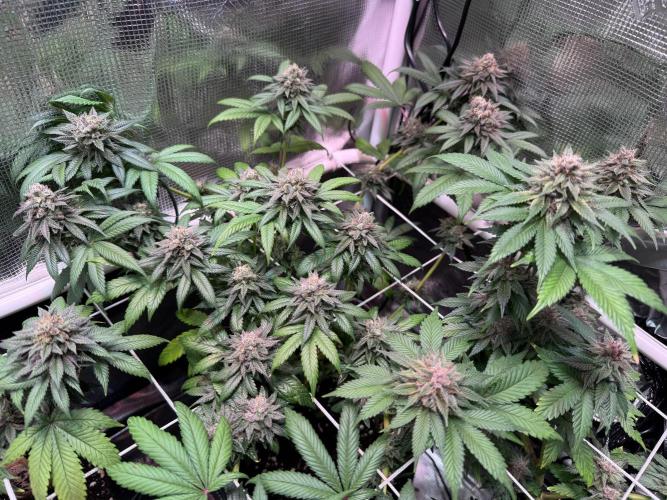
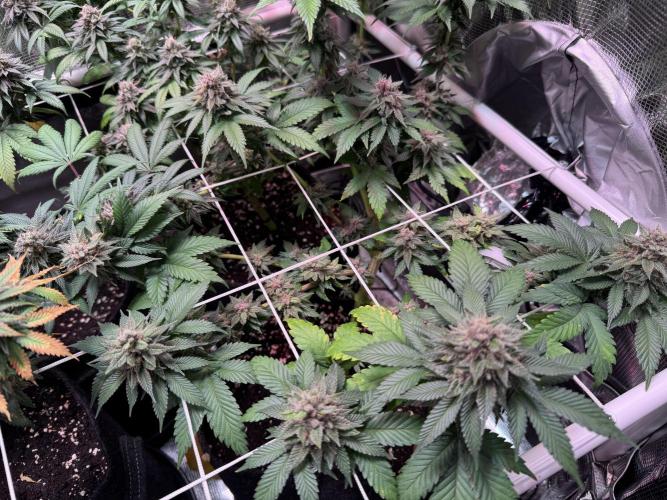
Airflow is King: Mites thrive in stagnant, hot air. Increase your oscillating fan speed.
Quarantine: Never walk into your grow room straight from the outdoor garden; those hitchhikers are tiny!
🔬 The Microbe Solution (The Pro's Secret)
If you want to level up your garden's defense system, you need to recruit a microscopic army.
This is where the real "knowledge" separates the pros from the hobbyists:
Beauveria bassiana: This is a specialized fungus (microbe) that acts as a natural pathogen to soft-bodied insects. When the spores touch a mite, they germinate and eliminate the pest from the inside out. It’s a biological "search and destroy" mission.
🍄Mycorrhizae & Rhizobacteria: By keeping your root zone teeming with beneficial bacteria, the plant produces more systemic acquired resistance (SAR). Think of it like a flu shot for your plant; it stays on high alert against stressors.
Compost Teas: Foliar spraying with a microbe-rich tea coats the leaf surface in "good" biology, leaving no room for "bad" pathogens or pests to set up shop.
Keep up that sharp eye and stay patient with the pH—the girls will thank you for it! Sending you nothing but big yields and frosty finishes.
Much love ✌️ 💚