


Indigenous Microorganisms


///
///

VEG
/// Light Emitting Diodes/1W
No lamp
FLO
/// Light Emitting Diodes/1W
No lamp

Mix
Imo 4

Indoor
Room Type
Start at 4 Week
1
Week 1. Vegetation8mo ago

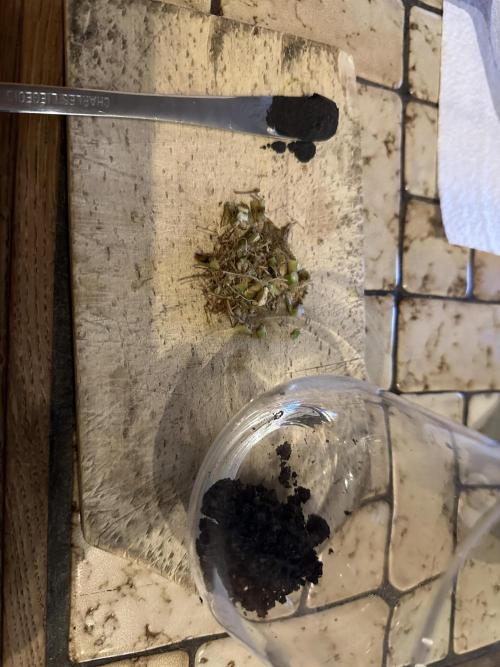
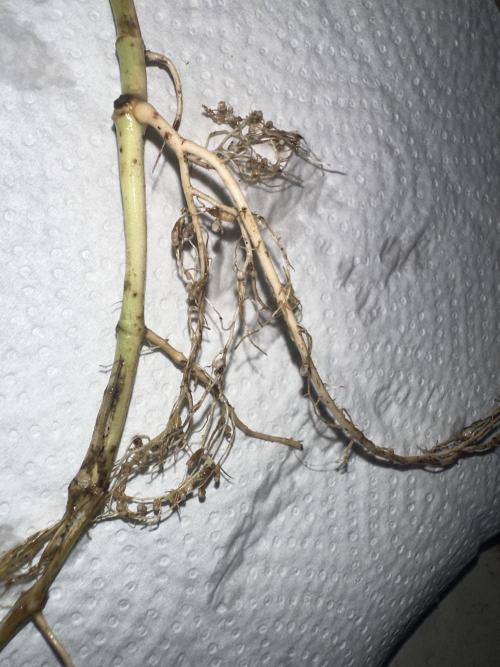
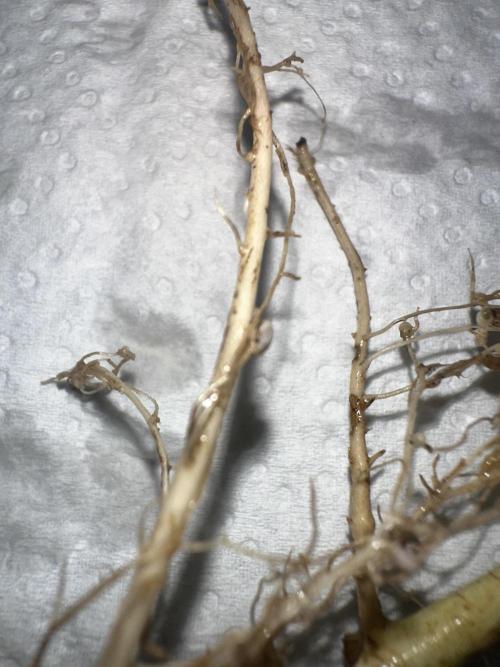
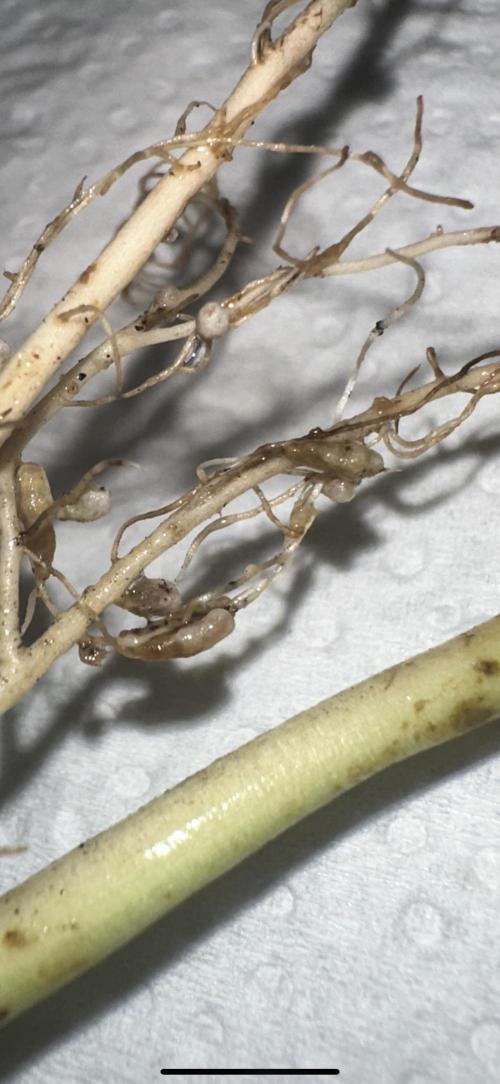
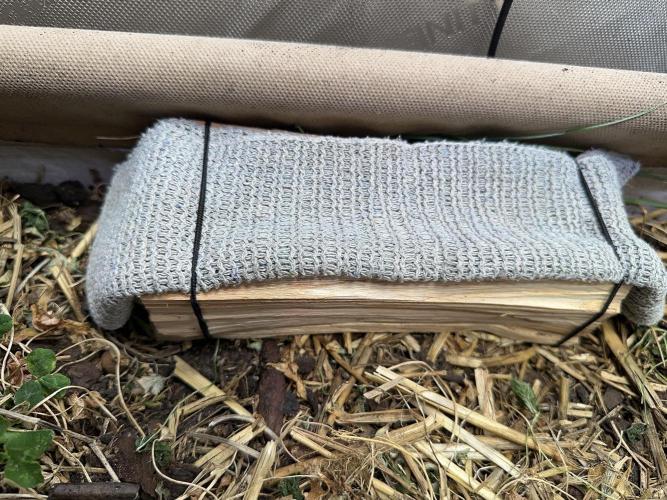
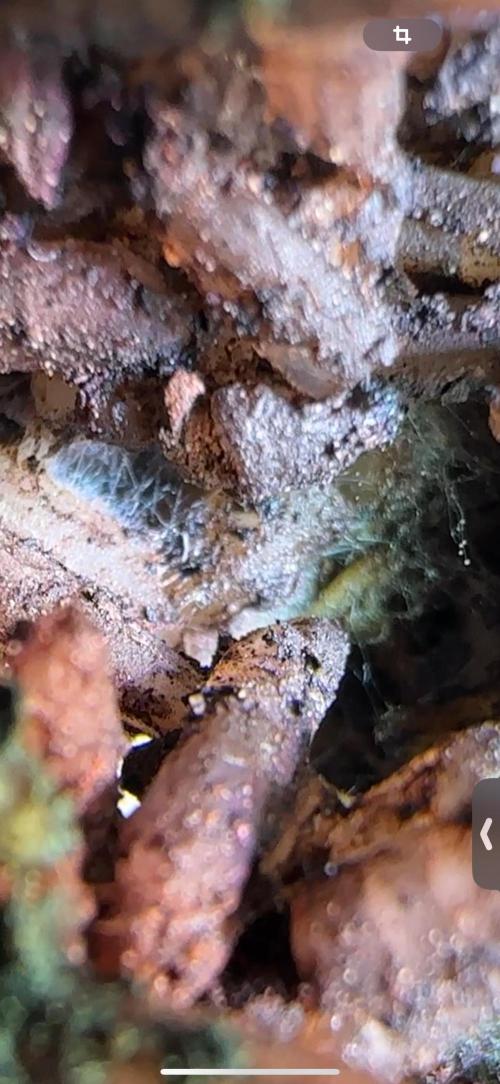
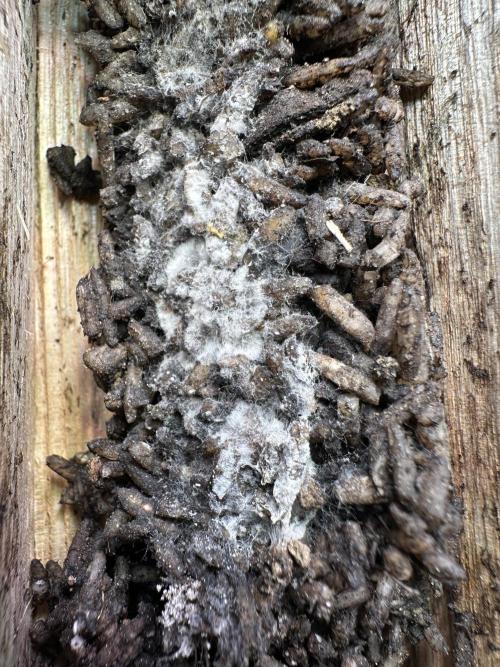

Itashish Here’s a brief introduction to my imo4 recipe that I developed.
First step
IMO 1 (Rhizobium enriched rice + mycorrhizae)
Ingredients
- 50 g uncooked long grain Jasmine rice
- 60–75 ml water (for cooking)
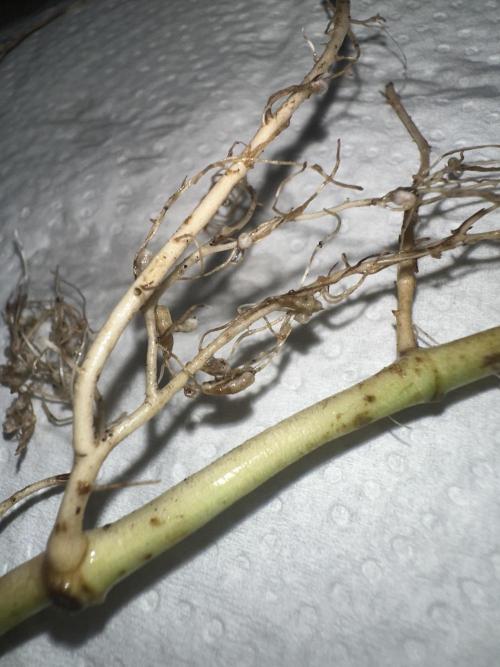
- 10–15 g fresh chopped clover roots (with nodules)
- 1 g Beauvital Mycorrhiza Soluble powder
Steps
1. Cook the rice using the absorption method (slightly sticky).
2. Let it cool down (~30–40 °C).
3. Finely chop the clover roots.
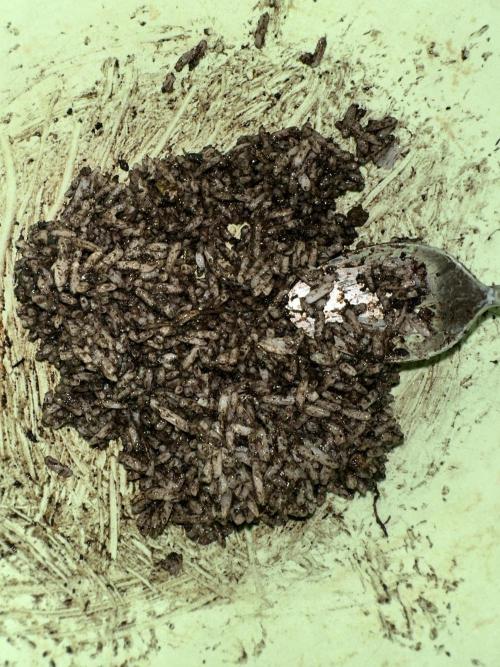
4. Mix rice + roots + Beauvital powder
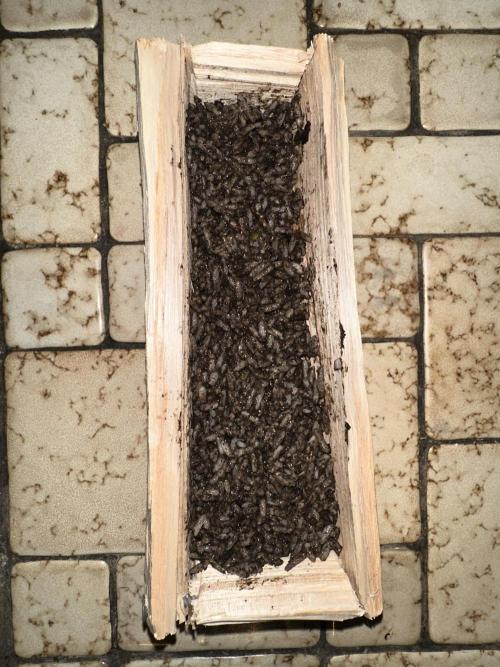
5. Spread 3–4 cm in a homemade wooden box with a heating log (approximately 20×5×5 cm).
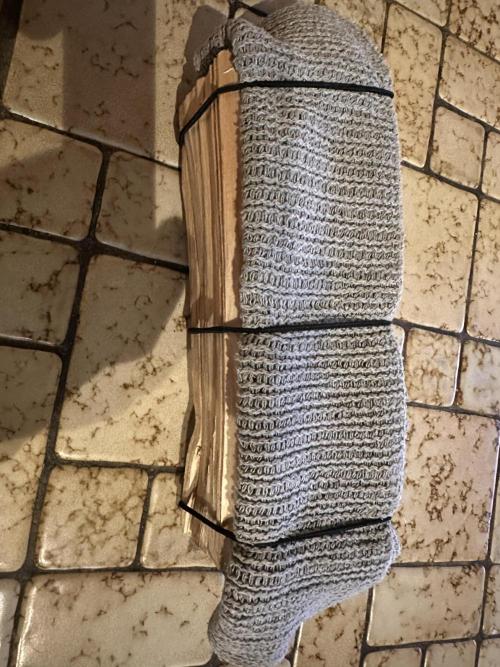
6. Cover with a breathable cloth.
7. Place in the shade, 15–30 °C in your growing area
8. Leave for 5–10 days until covered with white fluff 80–90%.
Using clover root for their nodules which contain rhizobium, a microorganism that helps with nitrogen assimilation in plants.
Composition of Beauvital:
1ml of dry matter contains on average 1,975,042 spores/propagules (about **1.975 million viable units per ml of dry powder).
The product is a multi-species blend with no individual percentages publicly disclosed. Here’s the complete list of microorganisms:
### Ectomycorrhizal fungi (Ektomykorrhiza-Pilze)
- Pisolithus tinctorius
- Rhizopogon villosulus
- Rhizopogon luteolus
- Rhizopogon amylopogon
- Rhizopogon fulvigleba
- Scleroderma citrinum
- Scleroderma cepa
- Suillus granulatus
- Suillus punctatipes
- Laccaria bicolor
- Laccaria laccata
### Trichoderma fungi
- Trichoderma koningii
- Trichoderma harzianum
### Endomycorrhizal / arbuscular fungi (Endomykorrhiza-Pilze / Glomus spp.)
- Glomus intraradices
- Glomus mosseae
- Glomus aggregatum
- Glomus etunicatum
- Glomus clarum
- Glomus margarita
- Glomus brasilianum
- Glomus monosporum
- Glomus deserticola
### Beneficial soil bacteria and other microorganisms (Nützliche Bodenmikroorganismen)
- Bacillus subtilis
- Bacillus licheniformis
- Bacillus azotoformans
- Bacillus megaterium
- Bacillus coagulans
- Bacillus pumilus
- Bacillus thuringiensis
- Bacillus stearothermophilus
- Paenibacillus polymyxa
- Paenibacillus durum
- Pseudomonas fluorescens
- Pseudomonas gordonae
- Azotobacter polymyxa
- Azotobacter chroococcum
- Saccharomyces cerevisiae
- Streptomyces griseus
- Streptomyces lydicus
- Pseudomonas aureofaciens
- Deinococcus erythromyxa
**Note**: The product is 100% natural, with no chemical additives. The exact distribution of percentages among these species is not indicated by the manufacturer (balanced multi-strain blend). The total concentration (spores + viable units) is the key value communicated: **1,975,042 per ml of dry matter**.
4 likes
comments
Share
2
Week 2. Vegetation8mo ago
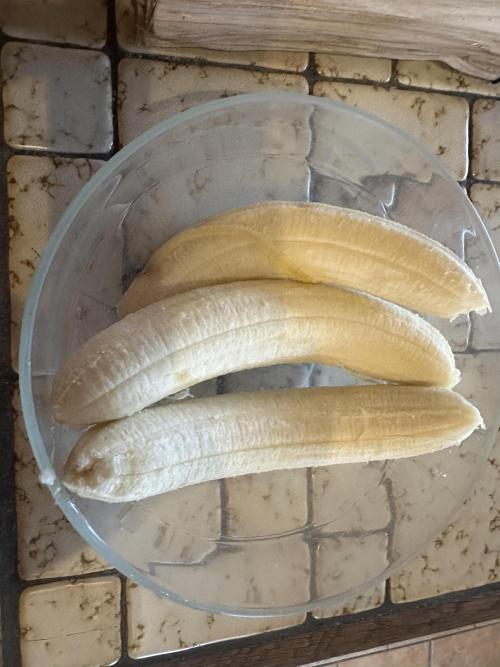
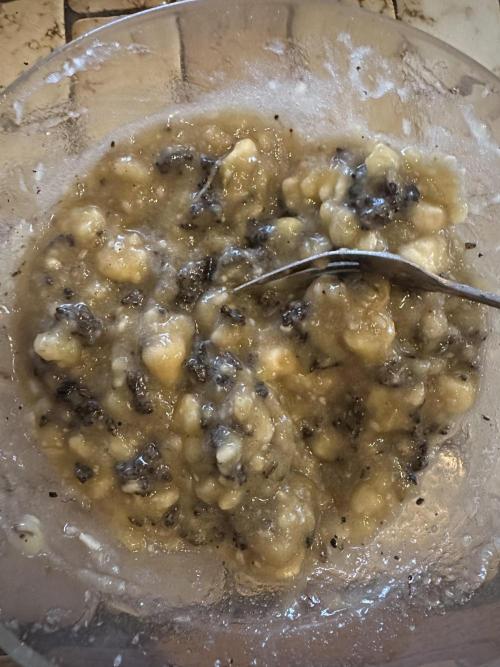
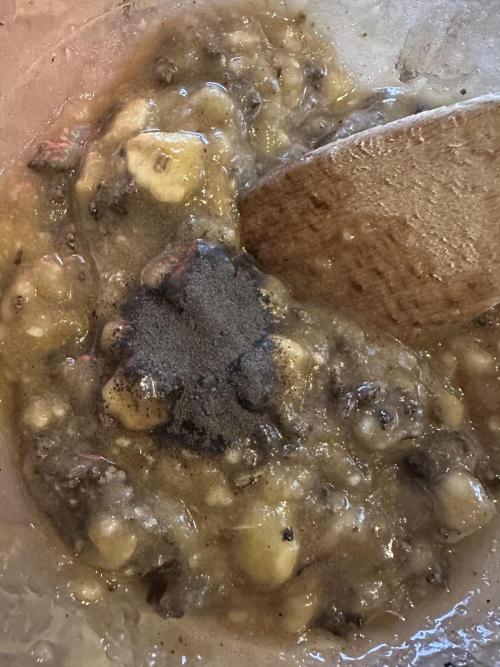
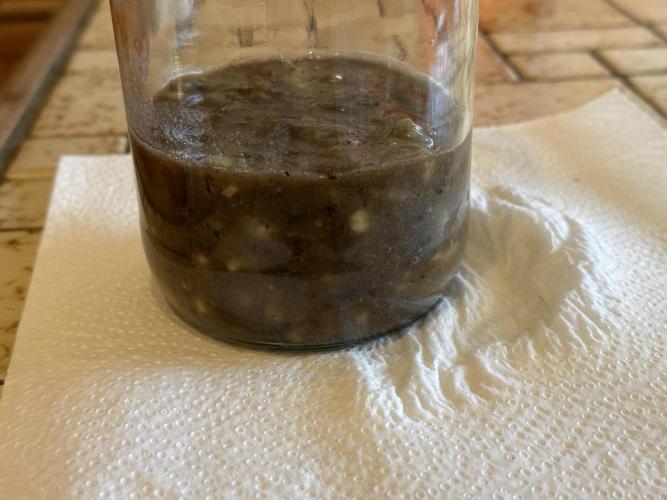
Itashish Continuation of the preparation of imo4
IMO 2 (multiplication)
Ingredients
- All of IMO 1 (~120–150 g fermented rice + mycelium)
- 3 bananas
- 1 tablespoon of beauvital
Steps
1. Mash the bananas into a smooth puree.
2. Mix IMO 1 + banana puree.
3. Place in a glass jar (fill 2/3 max).
4. Cover with breathable fabric.
5. Place in the shade at 15–30 °C.
6. Stir every day with a clean spoon.
7. Let sit for 5–10 days until it becomes a fragrant brown paste (fermented fruits/yeast).
4 likes
comments
Share
3
Week 3. Vegetation8mo ago
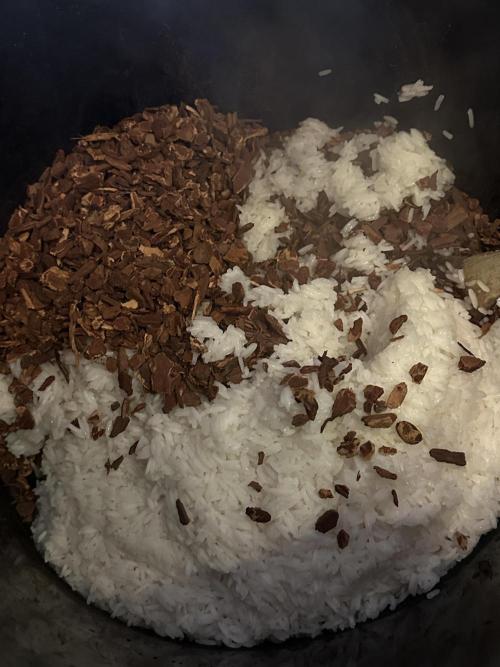
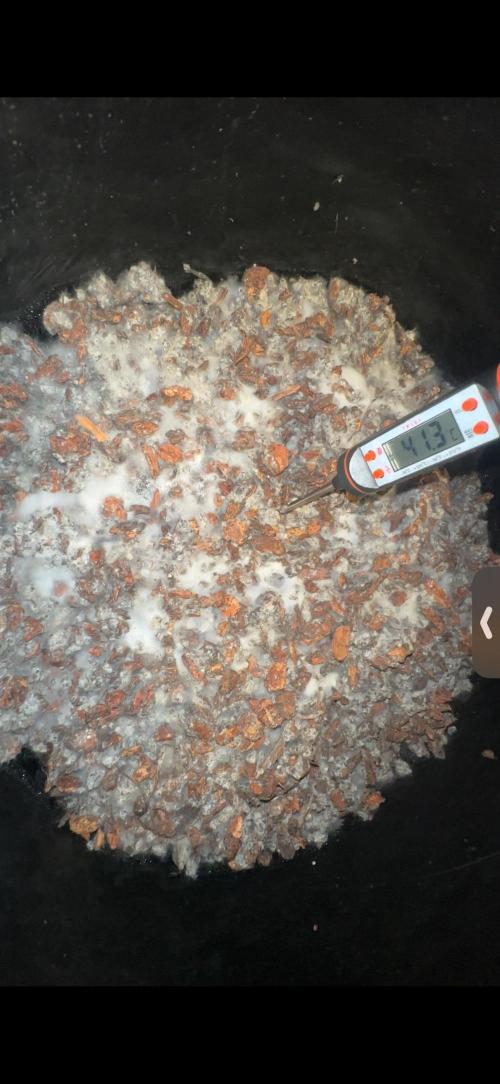
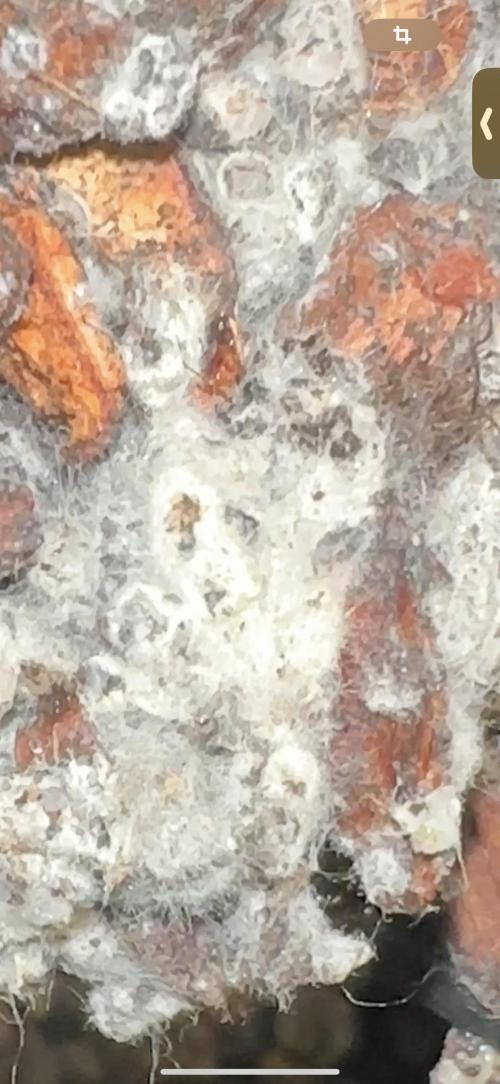
Itashish Suite imo 4
IMO 3 Propagations
Ingredients
- All of IMO 2
- 1/2 kg cooked Jasmine rice
- 1/2 kg untreated fine wood chips (hardwood)
- 250/500 g mature compost
- Water to moisten
Steps
1. Mix cooked rice + chips + compost.
2. Add IMO 2 evenly.
3. Moisten until the right consistency.
4. Spread 10–15 cm in a bucket.
5. Cover with breathable fabric.
6. Leave for 7–14 days in the shade.
7. Turn every 2 days.
8. Ready when there is abundant mycelial fluff.
Check 1/2 times a day that the temperature does not exceed 50ºC, ideal between 30/45º; beyond that, there’s a pathogenic risk.
If needed, add a mist of water to keep it moist.
At this stage, it can be used to put a light layer as mulch, or ideally, put it in the watering can with added molasses for watering; a dosage of 1/500 is more than sufficient.
4 likes
comments
Share
4
Week 4. Vegetation8mo ago
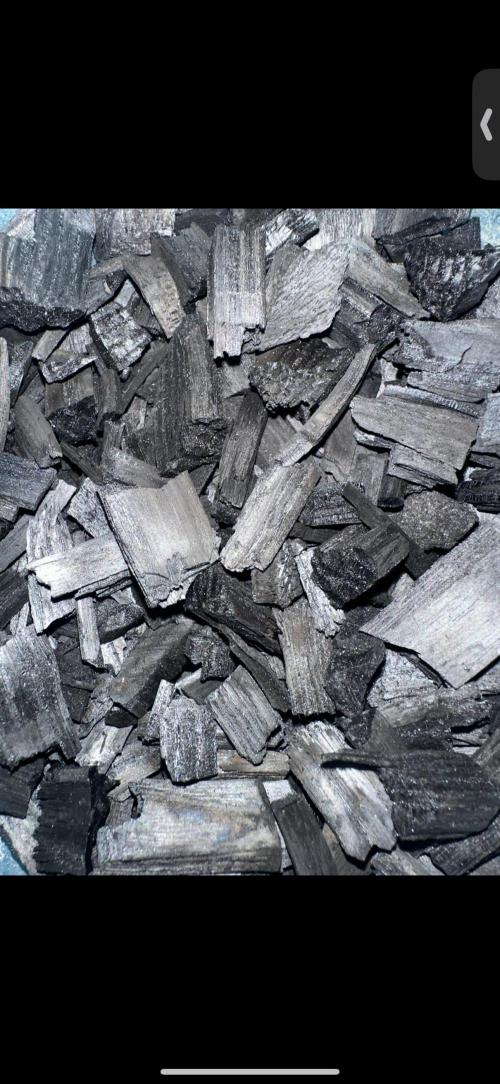
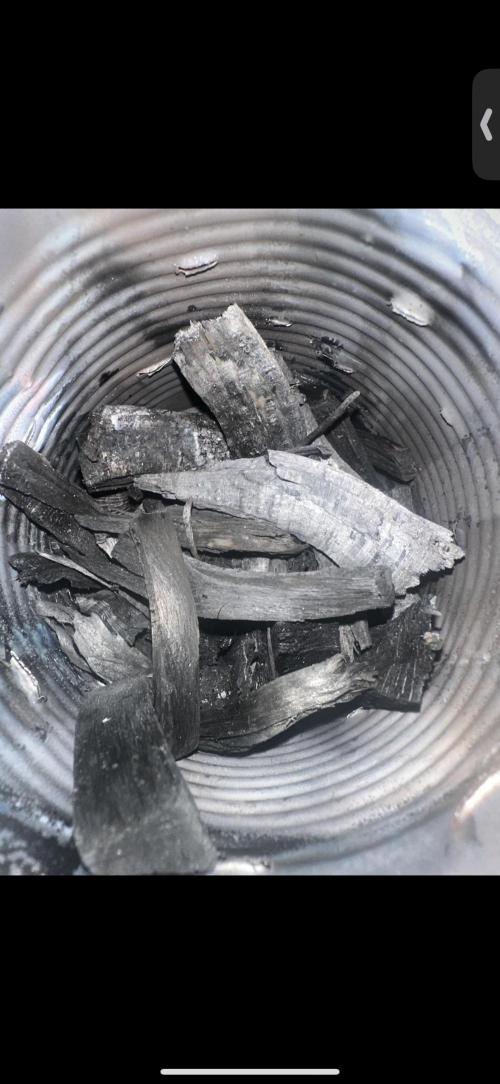
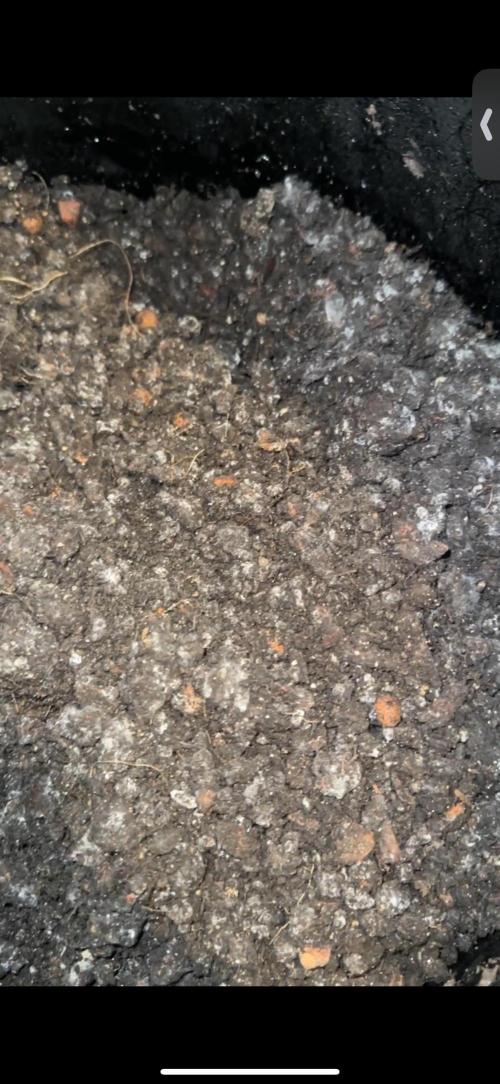
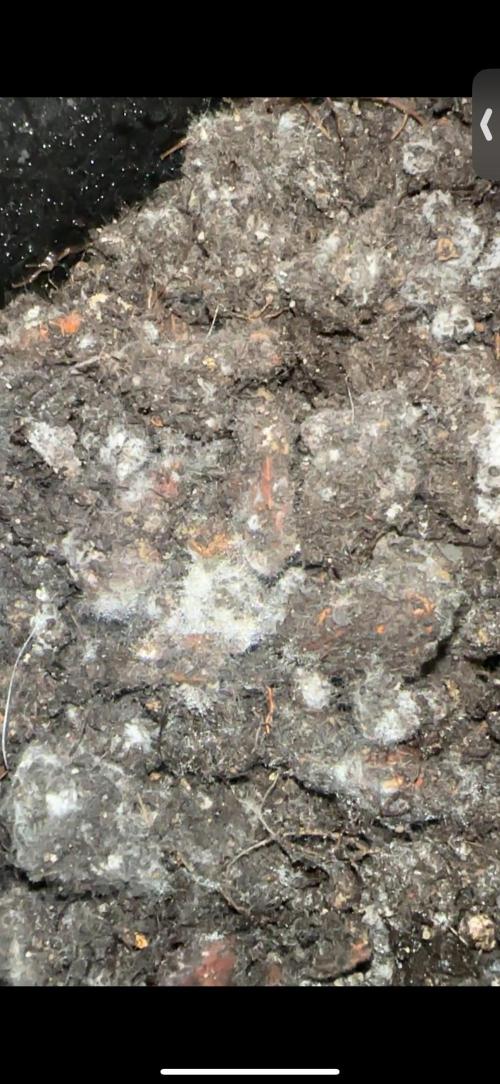
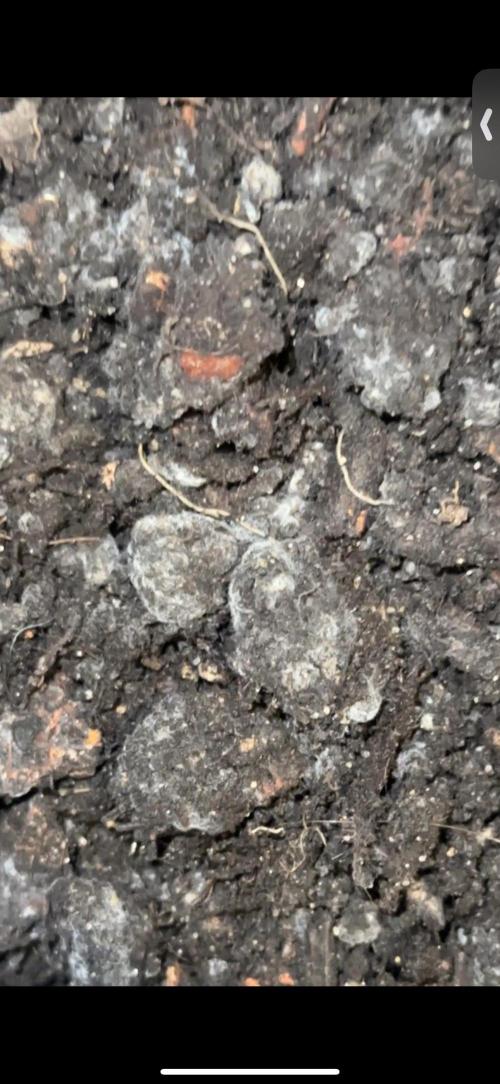
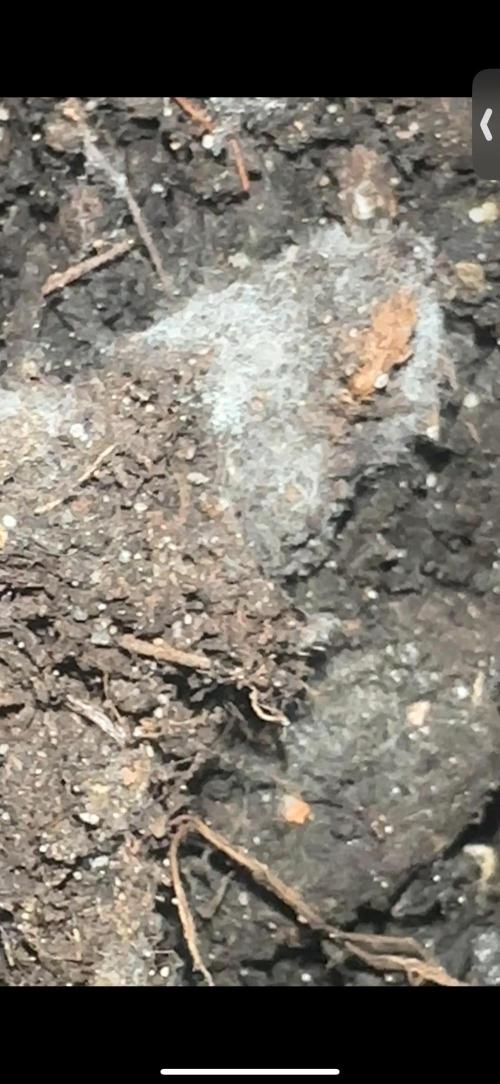
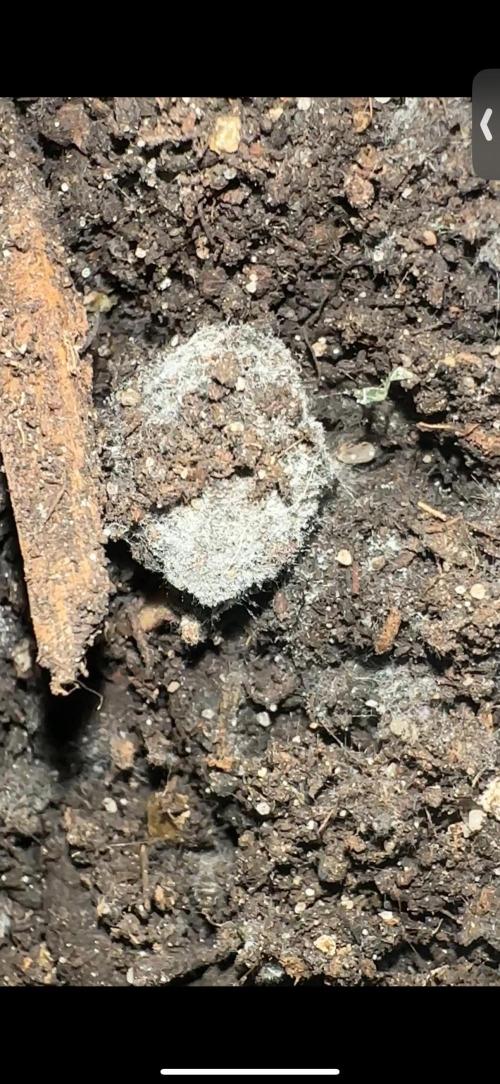
Itashish Last step imo4
IMO 4
Ingredients
- IMO 3
- 200–400 g homemade biochar made with a can in the fire (technique found online)
- garden soil with compost (70/30%) equivalent to double the weight of imo 3
- Water to adjust humidity
Steps
1. Prepare biochar
2. Coarsely crush the biochar (visible pores).
3. Mix IMO 3 + biochar + soil.
4. Lightly moisten if needed (wrung sponge).
5. Let ferment for 5–7 days (covered, in the shade).
6. Turn every 2 days.
7. Ready when the mixture has mycelial fluff
To be used as mulch, mixed with living soil, or for tco
Store in the shade while ensuring to keep the mixture moist
Mix 1-2 times a week to avoid anaerobiosis and pathogen development
5 likes
comments
Share
Enjoying this diary? Follow for more updates!

Prefer the old Diary view?
Go back to the old Diary view