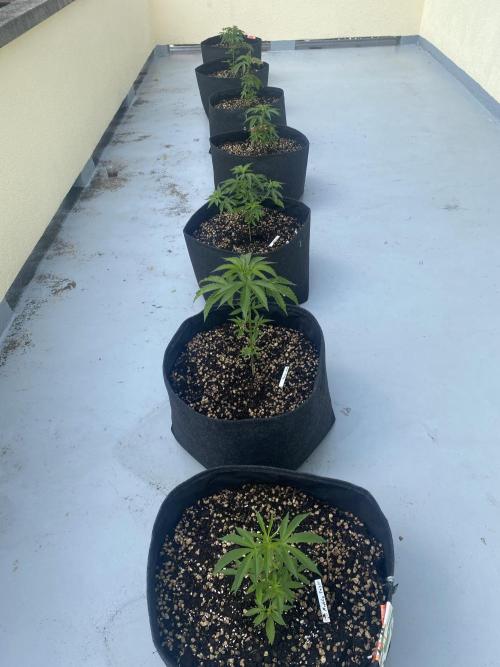
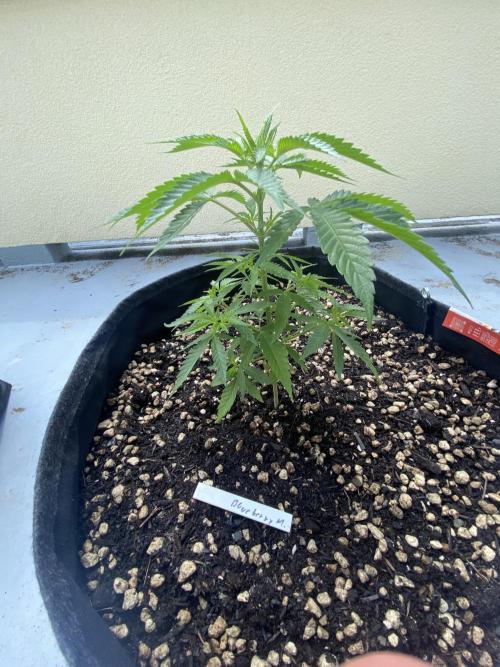
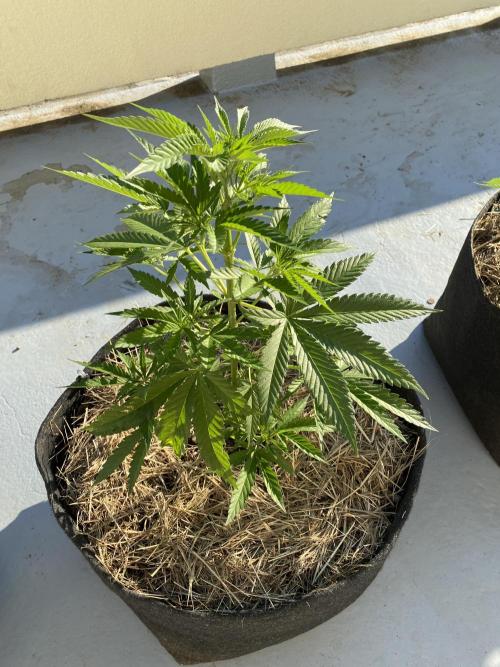
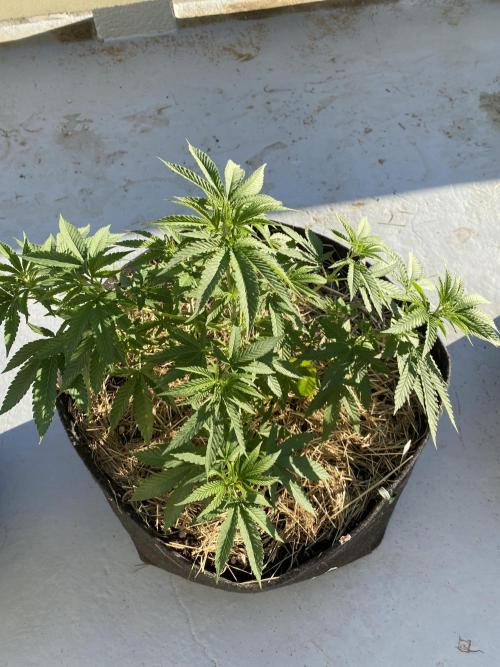
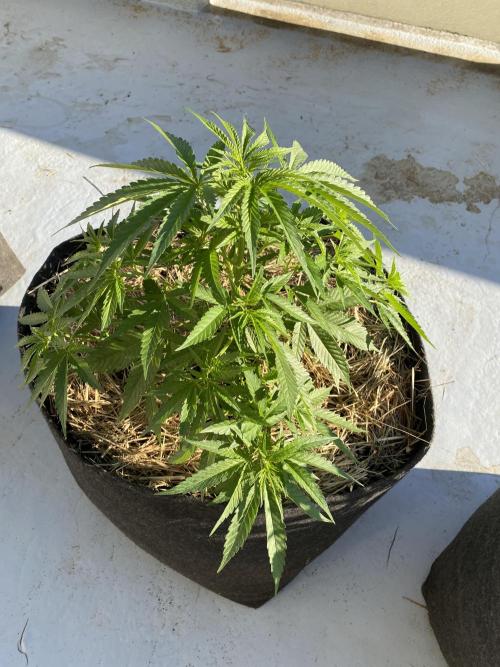
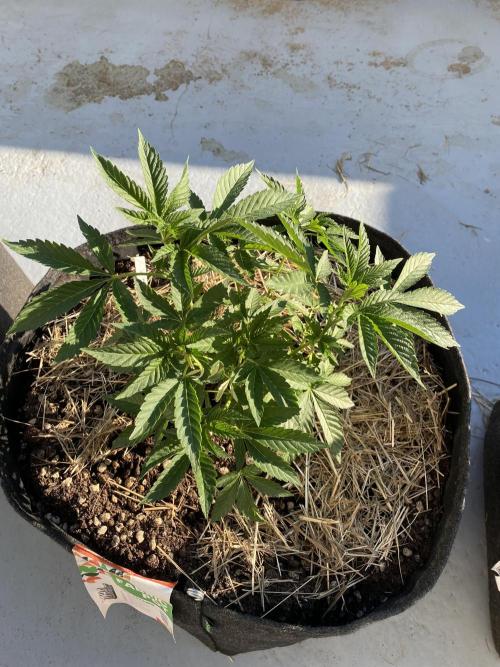
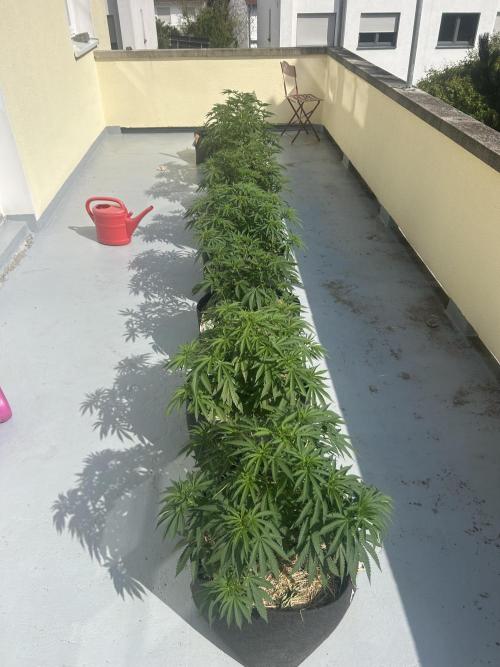
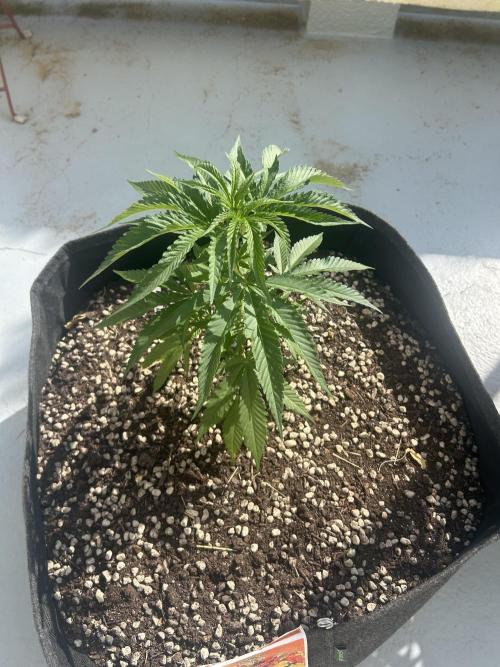
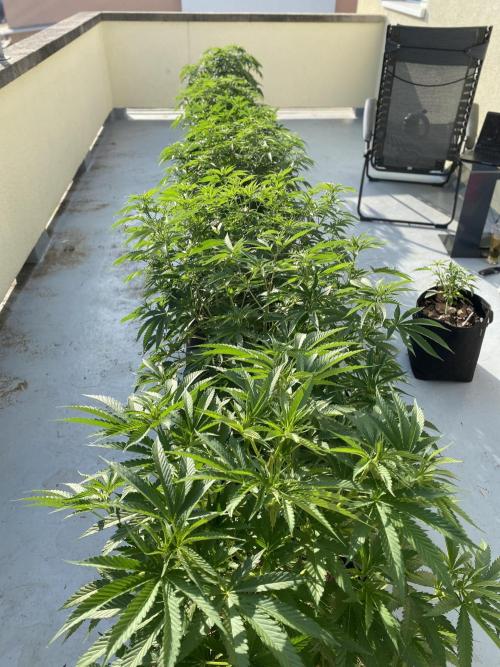
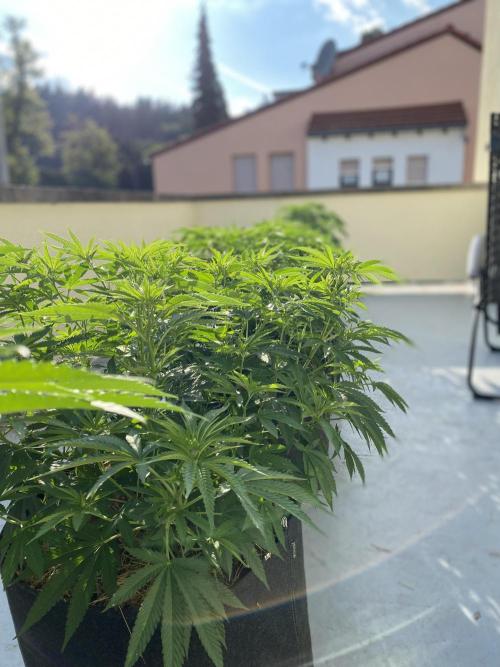
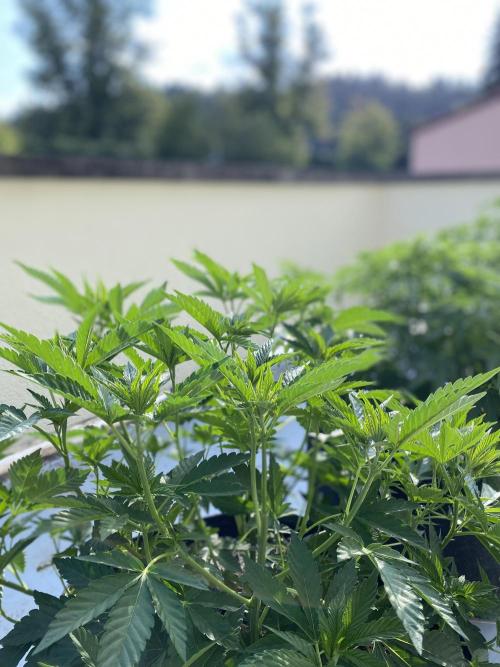
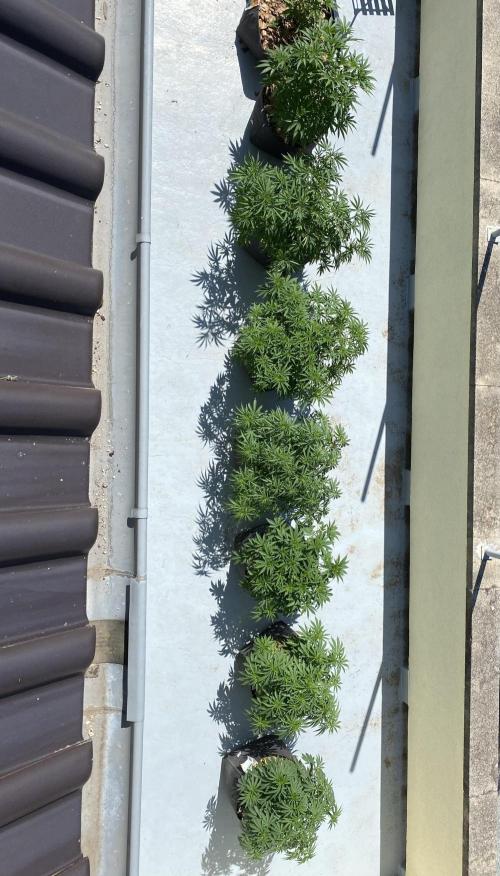
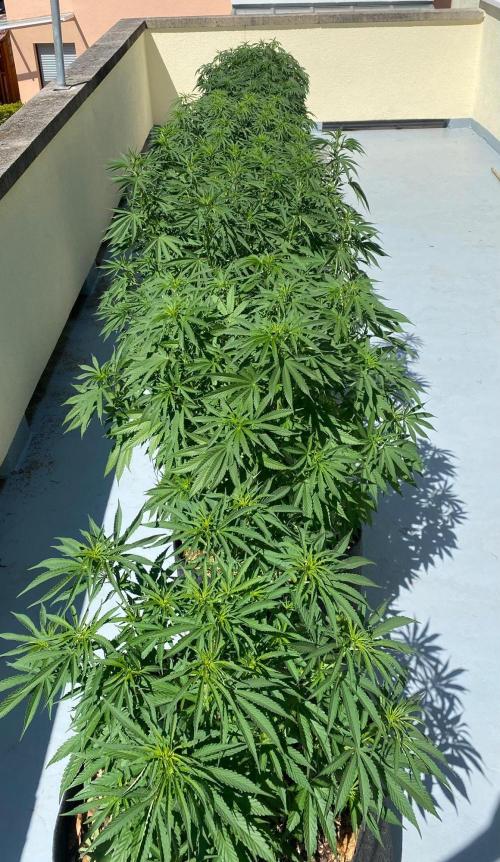
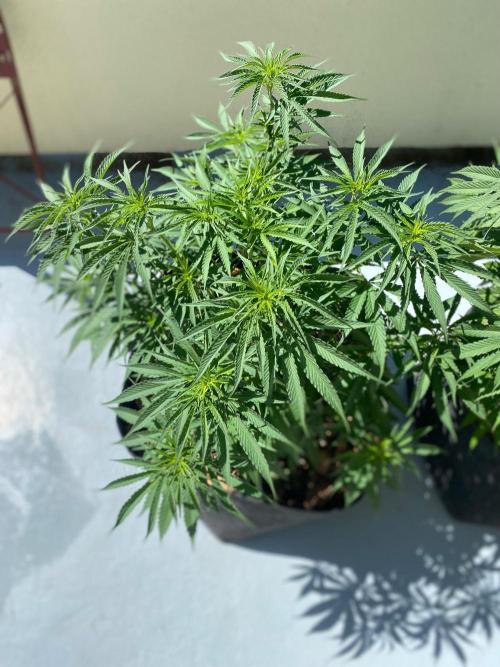
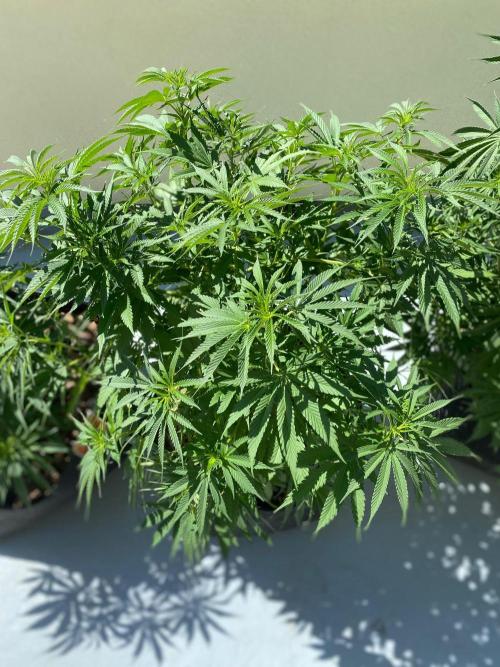
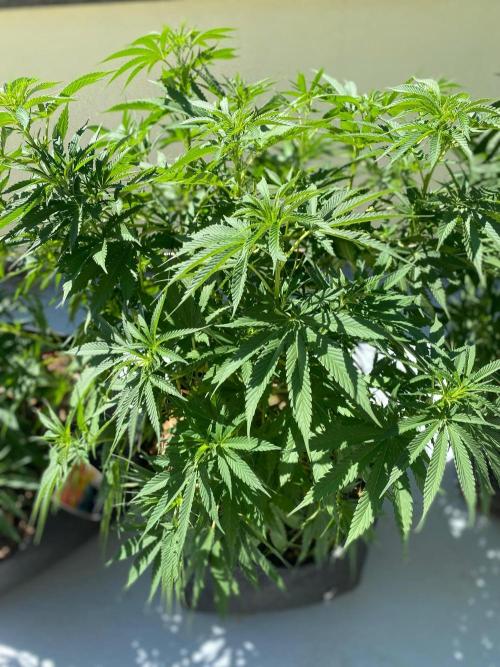
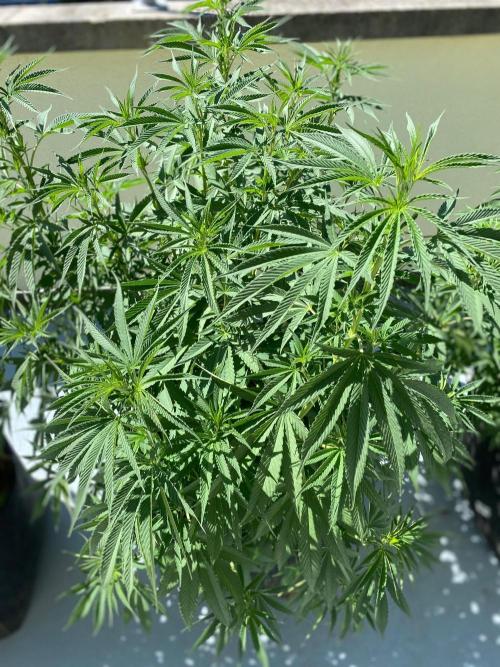
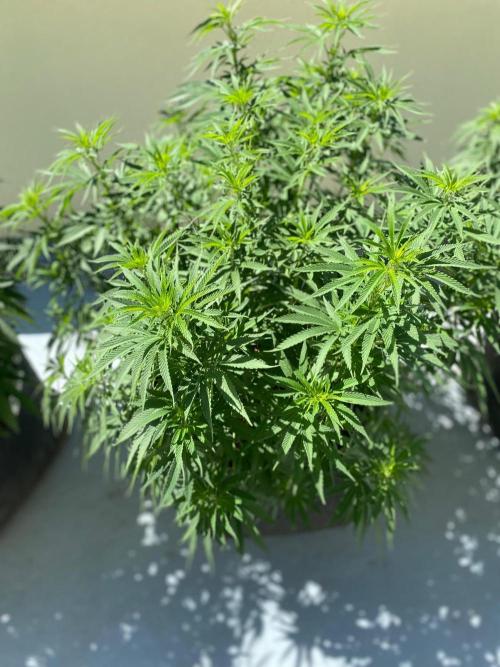
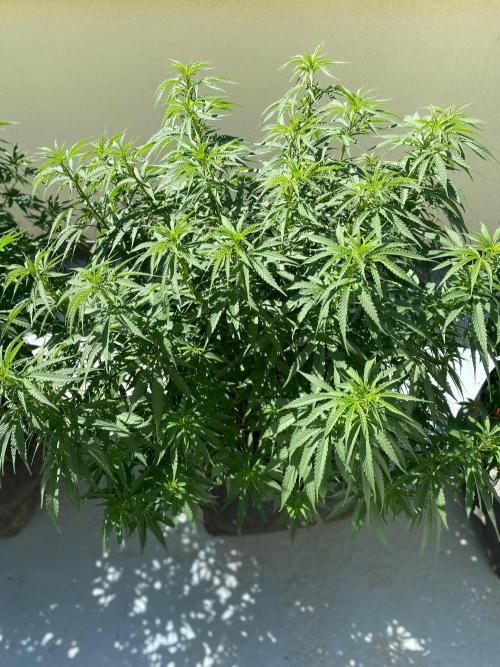
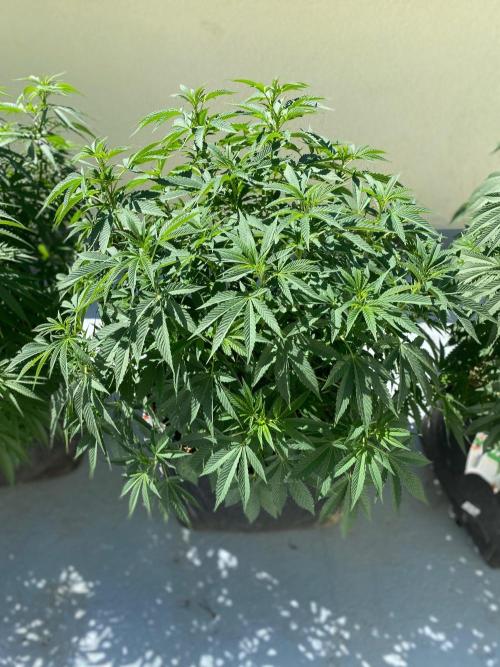
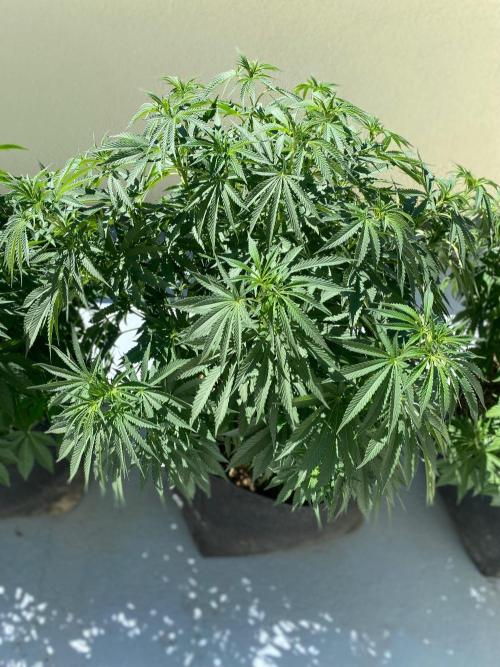
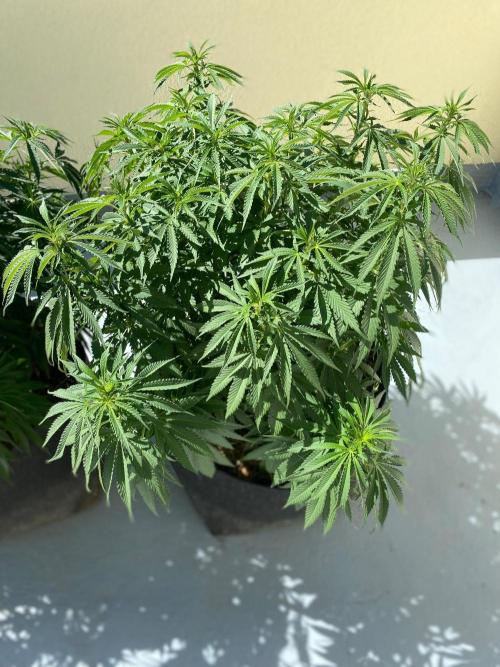
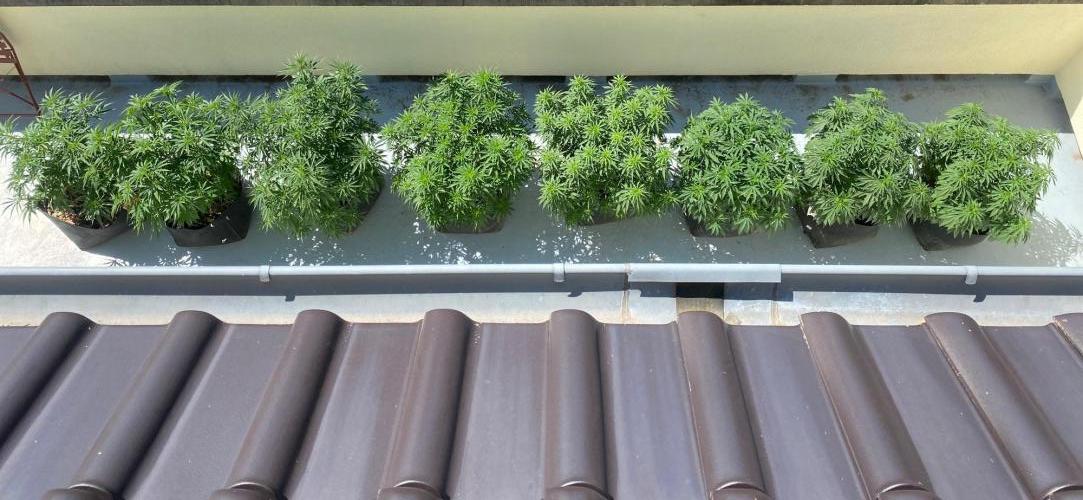
German_GrowLab A wonderful good day, dear Grow community, and a warm welcome to Season Vol. 2 of my little outdoor project for 2026!!
Here I am again, dear Grow community, a good month later than last time, but with big plans and dreams….
…and I want to be honest with you: After the rather sobering results of last year, I did ask myself one or two questions. Is outdoor growing even worth it with such modest summers, when in the end, after 26 weeks of work on a project, a large part has gone moldy in the last week and the rest is of rather limited quality?
These thoughts full of "self-doubt" were followed by the one right … FUCK IT! We’re doing it bigger and better than before!! Bigger pots, not 7 but 8 brand new genetics, and the soil … made from scratch!
This time, nothing will be left to chance (well, except for the weather – there’s really nothing I can do about that :)).
Why the bigger pots? I had a conversation with a grow buddy some time ago and told him about my plans. He made the astute remark: Living Soil under 50L can be done, but it's nonsense.
And he’s right: For such a long cultivation time, the plants simply need space!
In the last run, I had to throw in a bunch of nutrients halfway through, which just didn’t address the deficiencies in time and probably messed up the nutrient balance in the soil.
Which brings us to the next change: the substrate. Please don’t get me wrong, Biobizz is a solid choice and the Greenhouse nutrients usually deliver, but it just didn’t work for me.
Why more genetics? Primarily because I’m excited about it – and admittedly, because the lid of my seed vault is slowly not closing anymore and I need some space.
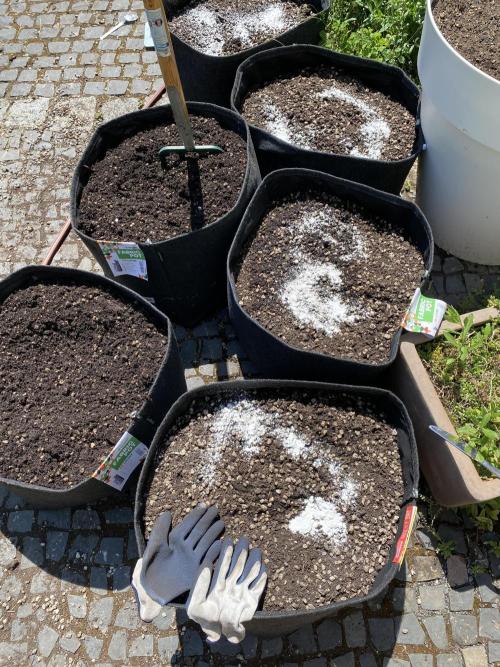
I’ll go into the soil mix next week (it’s mixed and has been cooking for two weeks).
But what would be the best soil without seeds?
I’ve put something together…
On the menu:
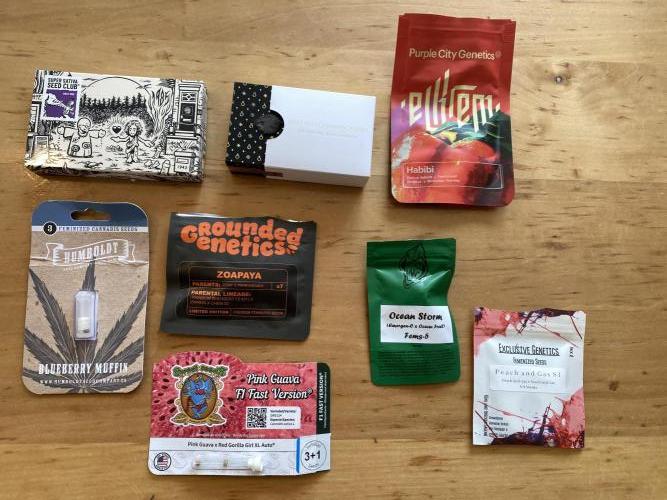
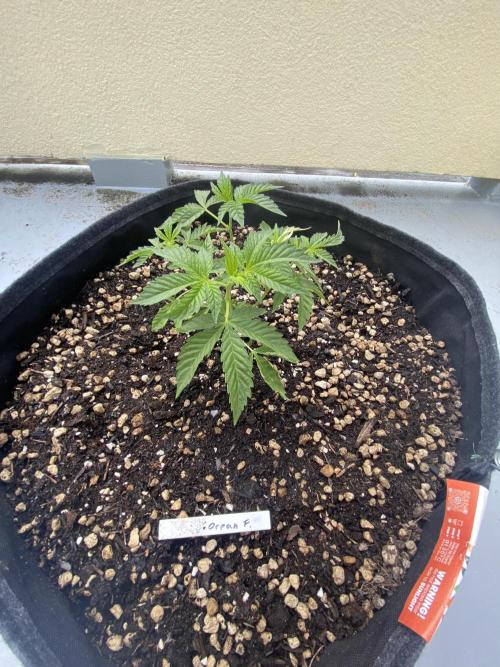
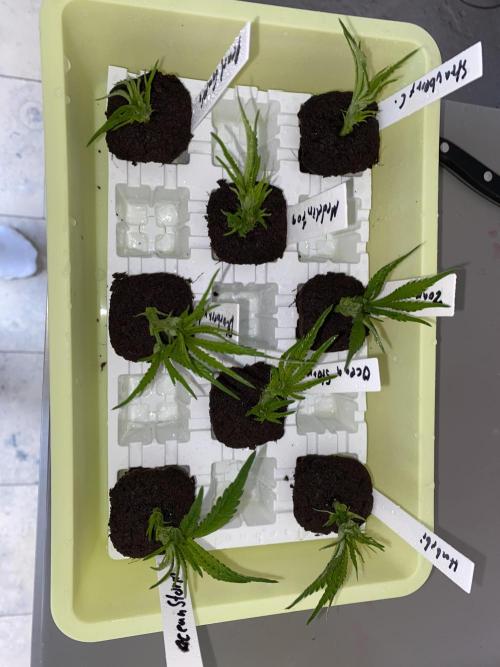
Ocean Storm (Robin Hood Seeds): A stormy mix of tropical fruits and orange. Not much more needs to be said about the breeder. Indoors, it consistently delivers fire, but how does it perform in the wild?
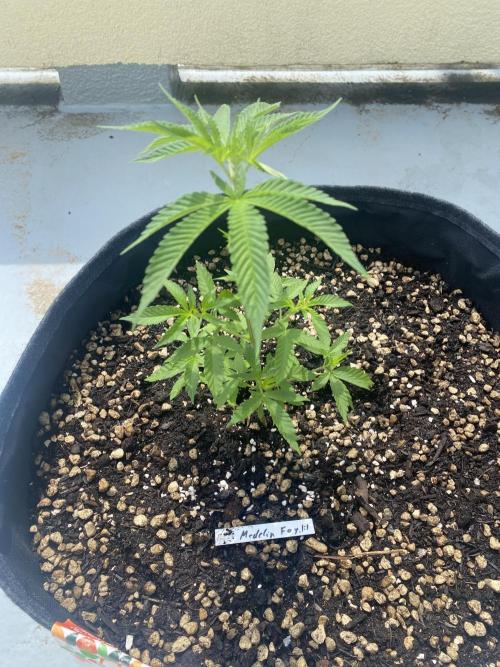
Medellin Fog 1:1 (Aficionado French Connection): In a world increasingly dominated by THC, something relaxing: a 1:1 with influences from Mendocino and Colombian landrace. United by an absolute institution in breeding. Berry, vanilla with diesel hints and a balanced high. What more could you want?
Peach and Gas S1 (OSG Peach Slush ’90 x Road Dawg (Karma Genetics)) (El Sombrero Loko): A microbreeder who grabbed the framework of an old-school genetic and honored it with an S1. Peach kisses gasoline – I’m hoping for a genetics similar to the breeder cut.
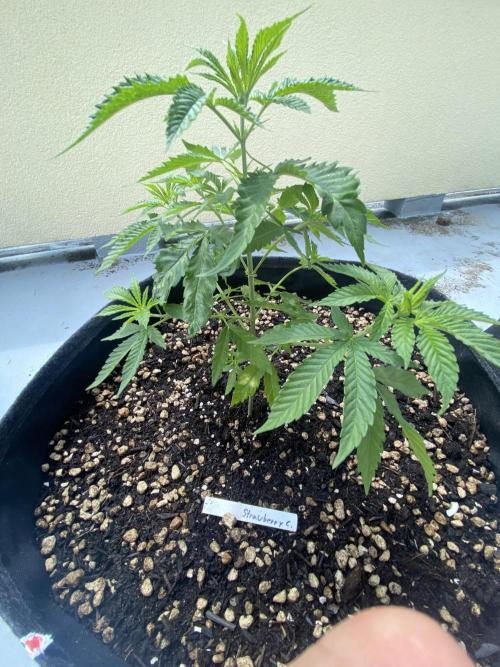
Strawberry Cookies (Thin Mint Cookies x Strawberry Cough F1) (Super Sativa Seed Club): The fusion of two heavyweights. I’ve had some difficulties with Cookies in the outdoor realm in the past, but the Strawberry Cough combined with the human flowering time has got me hooked again. I’m hoping for a strawberry-leaning pheno.
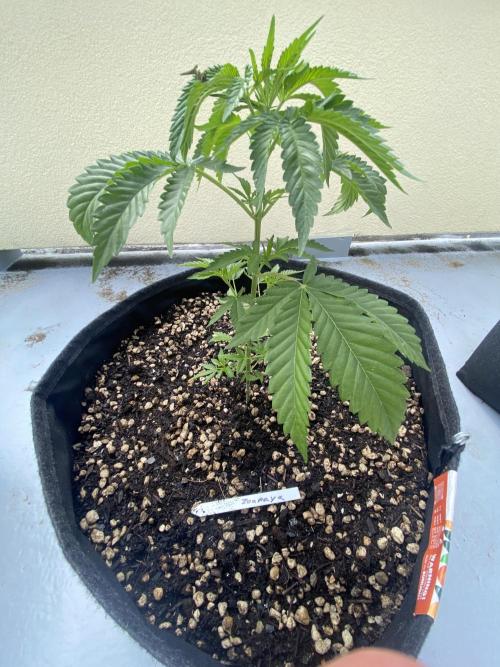
Zoapaya (Zoap x Papayadawg) (Grounded Genetics): Our latecomer this year: a modern icon with a classic twist. Candy and fuel are the main notes according to the breeder. Only the flowering time is already giving me a bit of a headache.
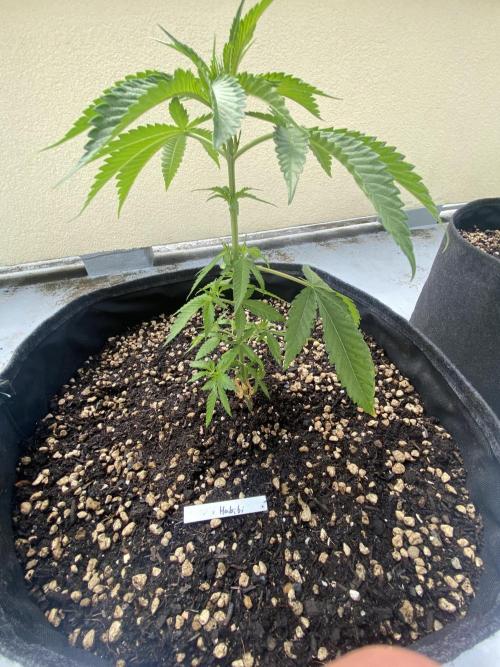
Habibi (Zkittlez x Moroccan Peaches) (Purple City Genetics): When life isn’t hard enough, you just get some Zkittlez into the rotation. Known for being a bit “difficult,” this one promises an exciting terp profile from classic Z-terps and a certain hash/earthiness. I hope the Moroccan influence keeps the Z-characteristics in check.
Blueberry Muffin (Razzleberry x Purple Panty Dropper) (Humboldt Seed Company): After the Hella Jelly almost overshadowed its competitors in terp terms last year, I knew: no outdoor run without Humboldt! An absolute terp monster with a flowering time that flatters the German summer.
Pink Guava F1 Fast Version (Pink Guava x Red Gorilla Girl XL Auto) (Sweet Seeds): After the mold inferno last year, action was needed. It combines the best of both worlds (Photo/Auto). I’m curious about the flower quality – Autos have their reputation. Maybe a good compromise. The breeder stands for consistent quality and promotes fruity-citrusy notes.
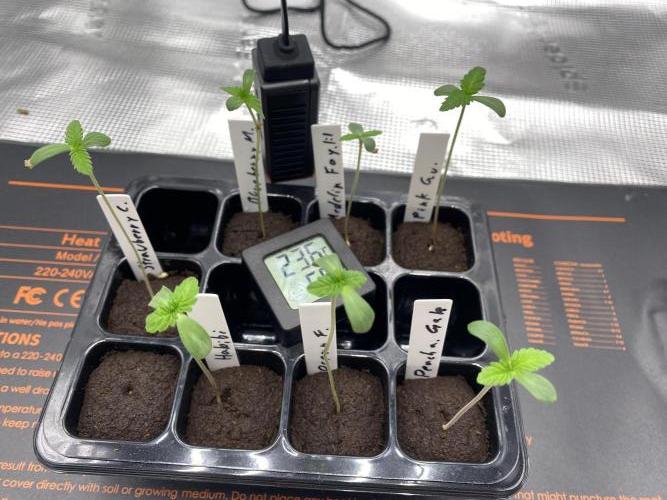
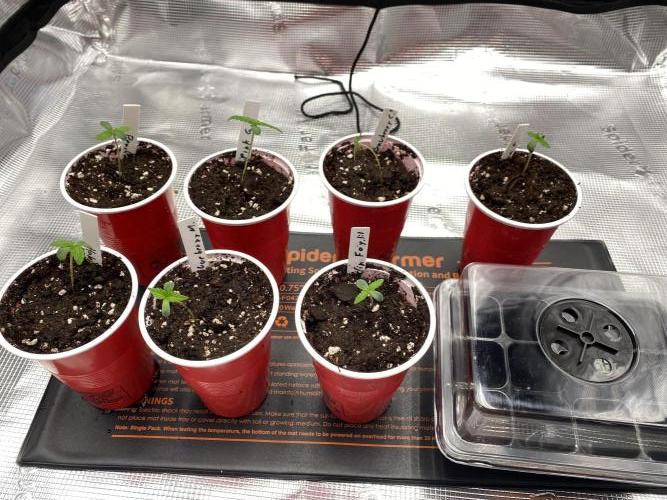
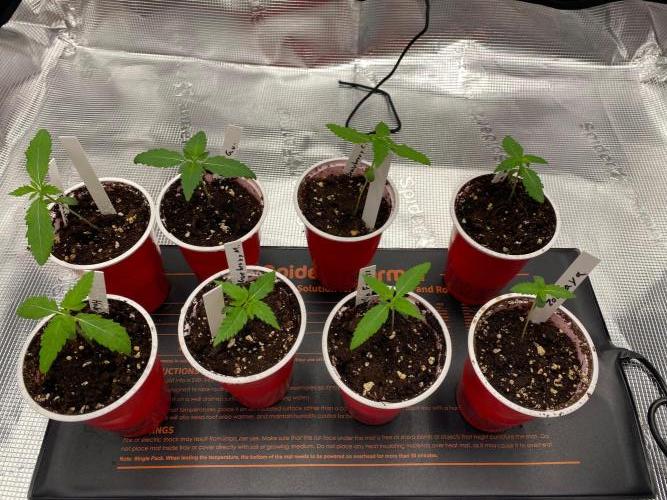
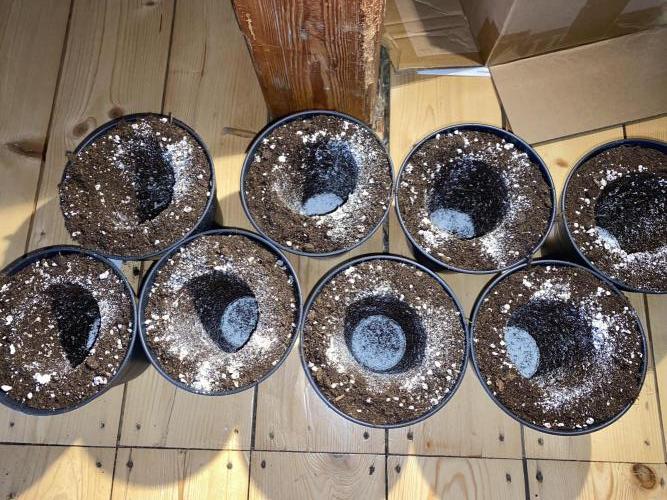
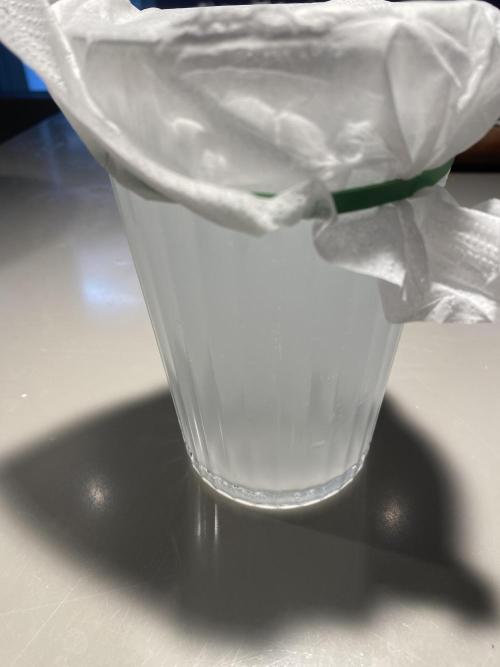
I soaked the seeds according to the standard procedure for 12 hours and then moved them to the tried-and-true Zewa. After that, they went into a Root Riot cube in 450 ml cups (inspired by the lovely Stony_German). And here begins our journey.
So, enough rambling – my arm is starting to fall asleep.
In conclusion, I want to say that I’m super excited to be back and tackle this new project with you. This report will, as of now, not be the only project this year. So stay tuned…
Peace!
18 likes
4 comments
Share
Used method
Glass Of Water
Germination Method
1
Week 1. Vegetation
2mo ago
1/7
18 hrs
Light Schedule
25 °C
Day Air Temp
65 %
Air Humidity
22 °C
Solution Temp
22 °C
Night Air Temp
60 cm
Lamp Distance
German_GrowLab Good day, dear Grow community, and welcome to week 1 – Season Vol. 2 of my little outdoor project for 2026.
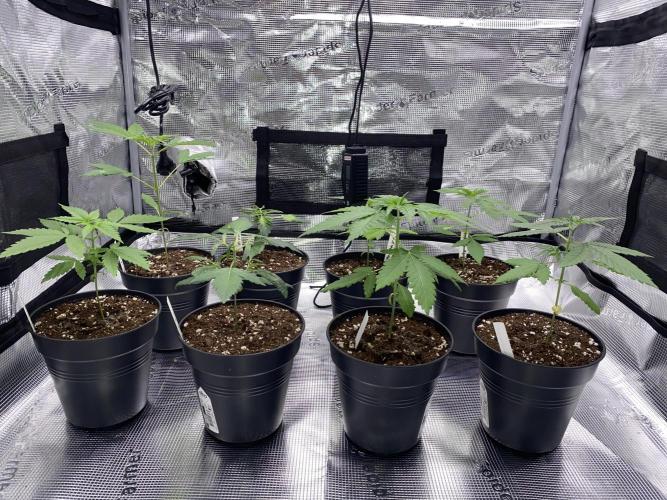
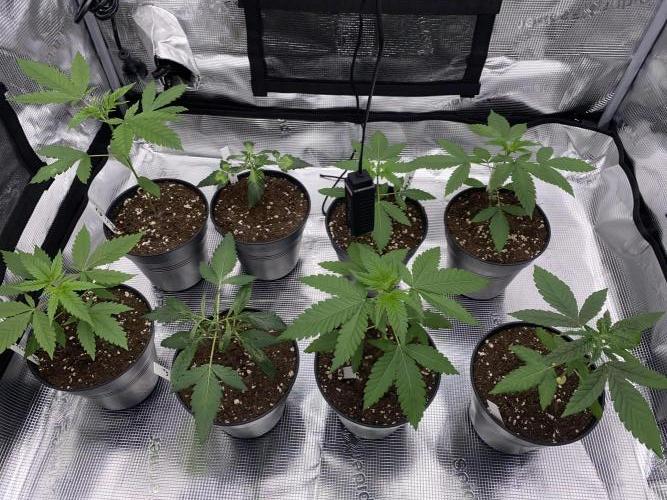
We have successfully reached the seedling phase, and the little ones are looking vibrant in their cups. While my last seedling setup consisted of a selection of borrowed equipment from colleagues – just the bare essentials needed for a plant to survive – this season, I treated the little ones to a proper seedling setup complete with a heating mat and humidifier.
I compared the pictures with my Season 1, and the little ones show a significantly more uniform growth. They may not look as developed as their predecessors, but that's because I was a bit behind schedule last year. I even managed to avoid the obligatory seed shell emergency surgery, which I truly appreciate.
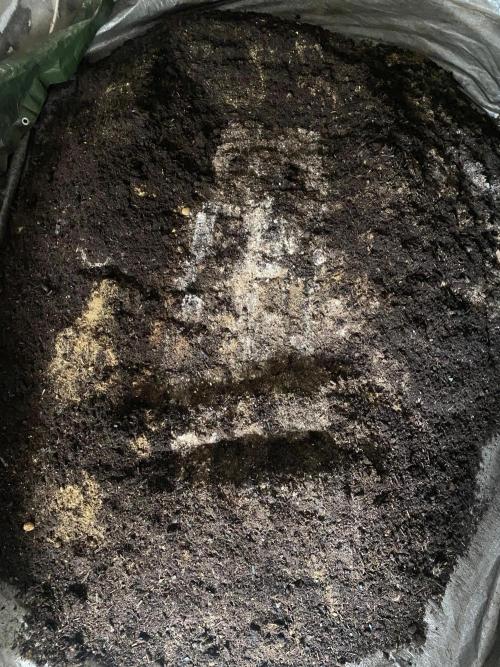
However, the highlight of this week is not the little plants but rather the substrate. I've spent a lot of time thinking, tinkering, and discarding ideas over the past few months.
At first, I wanted to go with a light mix and add an all-purpose slow-release fertilizer like last year. However, since that didn't work for me last year and my end product was overshadowed by the "pharmacy hedge," I had to make some changes.
In my search for the "perfect" solution, I stumbled upon the BuildASoil website and their YouTube channel. And it really grabbed me!
What particularly impressed me afterward was the philosophy of sustainable and transparent cultivation – "The BuildASoil Way," as they call it. The focus is on reusing the soil and "refreshing" it when necessary, rather than leaching the substrate and completely replacing it. It’s a true living soil and not some half-hearted approach like mine last year.
I also liked the transparency and the principle that you can source the shown amendments yourself, making it more of a growing style than a product. This makes this approach interesting here as well, since many BuildASoil products are either not available or hard to find in Germany.
And indeed, I was able to find most of the ingredients at retail stores in my area. Well, a few had to be ordered, as it seems no one here has ever heard of insect frass.
The base of my substrate is the 1:1:1 mix according to Clackamas Coot – an absolute living soil legend.
So, what's in the magic soil?
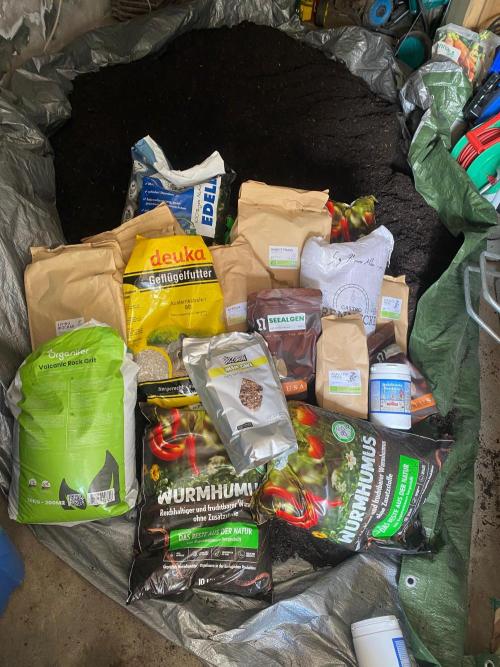
Base:
Clackamas Coot Soil Mix (55 L per pot)
Determining the base components
(According to volume, not weight!)
55 liters ÷ 3 ≈ 18.33 liters
Components:
18.3 L compost
18.3 L pumice
18.3 L peat
Rounded up, this results in two buckets of 10 L each.
AMENDMENTS:
Neem
Kelp
Chitin (frass)
Malt
Fish meal
Alfalfa meal
Rice bran
MINERALS:
Basalt
Gypsum
Oyster shell
…a lot of stuff, I know – but everything has its function.
It was mixed according to the following procedure:
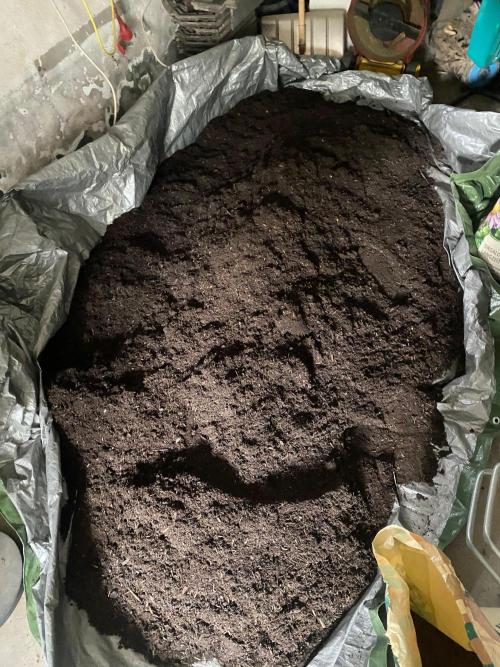
First, lay out a tarp to avoid making a mess in the shed. Then, start with the base. I first loosened the peat, as it was compressed in the bag, and spread it out as thinly as possible. Then came the compost and pumice.
This base mix was then thoroughly combined – ideally with a plastic shovel to avoid tearing the tarp. (Of course, I didn’t do that… but I probably should have.)
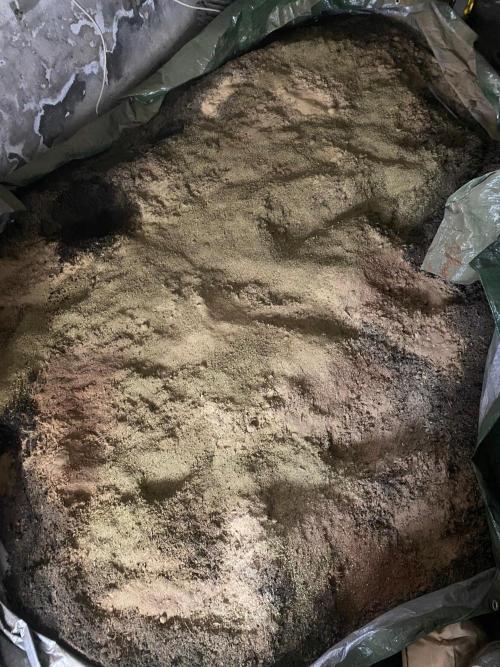
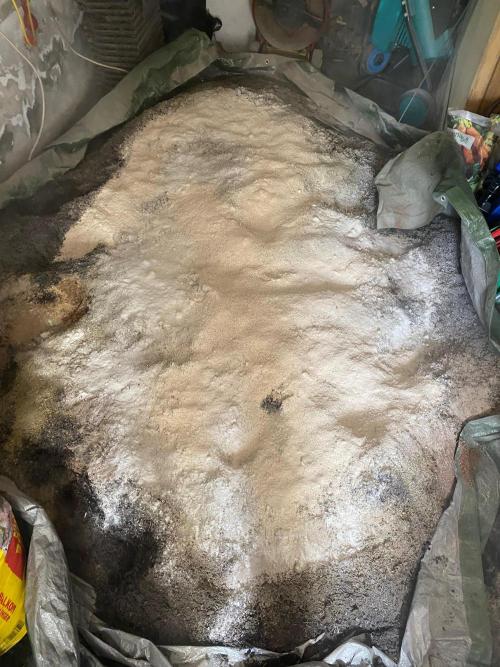
Next came the amendments and minerals. It’s worth mentioning that I ground the malt myself. While you can buy it pre-ground, it’s significantly more potent when freshly ground.
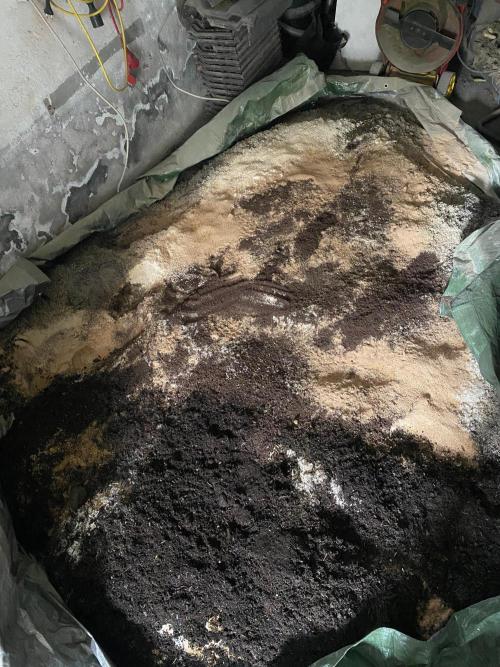
Then mix everything thoroughly again. You can use the tarp to your advantage and "scrape" at the edges to bring the substrate back to the center.
Now just moisten it – until the substrate holds its shape when squeezed but no water comes out.
And voila, the substrate is ready, right?
WRONG!!
To ensure the ladies aren’t completely fried, it’s important to let the soil "cook" for at least three weeks – preferably a month – (ferment).
During this time, the microorganisms activated by the moisture begin to break down all the amendments and make them available to the plants. This ensures a consistent availability of nutrients and spares us the classic burning that many experience when using organic fertilizers.
Finally, the whole mix is piled up and covered with a tarp. However, there should still be some air exchange.
Now it’s time to wait and turn everything once after one to two weeks, as the activity inside the hill is significantly higher than outside. If necessary, the whole thing can also be moistened again.
After about a month, the soil should be a bit darker and smell pleasantly of forest floor. The inside of the hill should also no longer be hot, as this indicates that the cooking process is not yet complete.
Sooo, I see I've written another half-novel – but well, as the need arises, as a wise man once said.
The next reports will be of a more human length.
I hope you’re now in the loop and maybe picked up a little something along the way.
Wishing you a lovely rest of the week and enjoy the good weather!
Peace 🌱
16 likes
17 comments
Share
2
Week 2. Vegetation
2mo ago
1/3
18 hrs
Light Schedule
26 °C
Day Air Temp
No Smell
Smell
300 PPM
TDS
67 %
Air Humidity
22 °C
Solution Temp
22 °C
Night Air Temp
60 cm
Lamp Distance
German_GrowLab A wonderful good day, dear grow community, and a warm welcome to week 2 – Season Vol. 2 of my little outdoor project for 2026.
We are in week two of our outdoor spectacle!
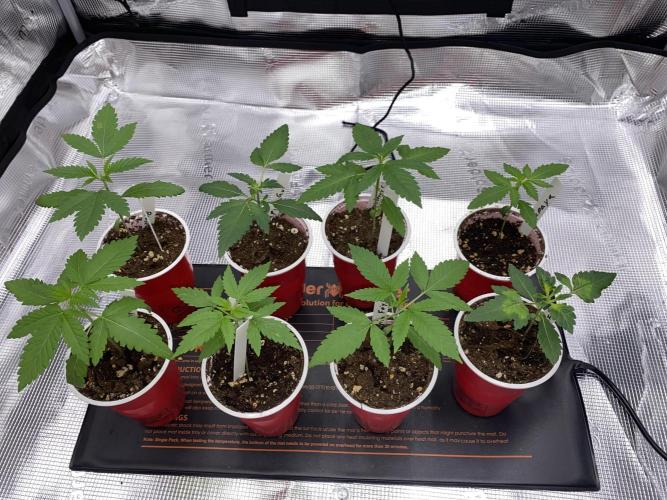
The ladies are starting to bulk up and are stretching towards the light, although with a small flaw. But more on that in a moment.
First, a little addendum to the last post (I forgot to mention a few things). Regarding the soil amendments: I forgot to mention the activated charcoal and the added worm humus. The latter makes up 50% of the compost, so half compost, half worm humus. It’s also worth mentioning that I will add the fish meal later as a top dress to avoid overdoing the N-input. It’s meant to serve more as a top-off in case there are N deficiencies in the middle of the season.
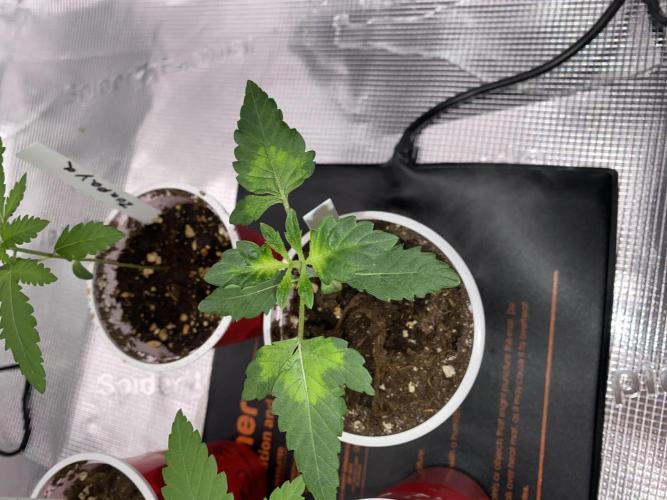
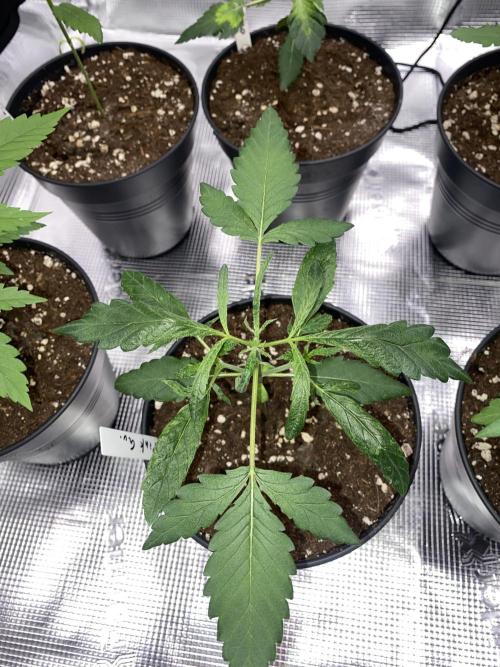
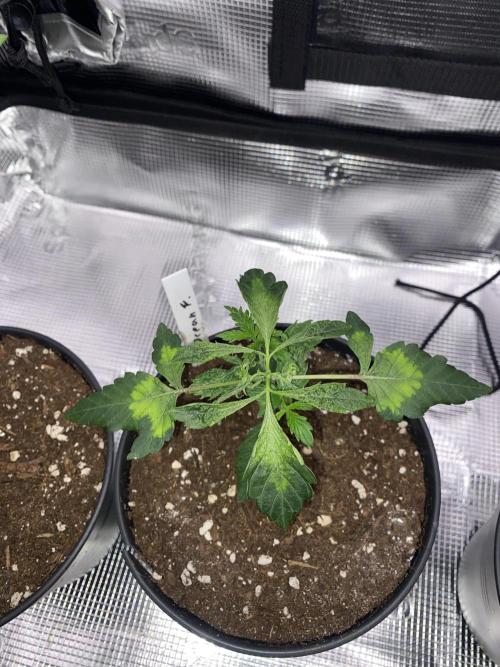
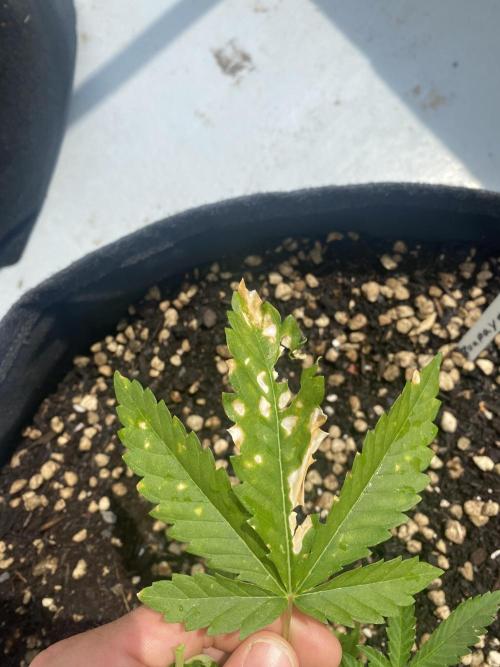
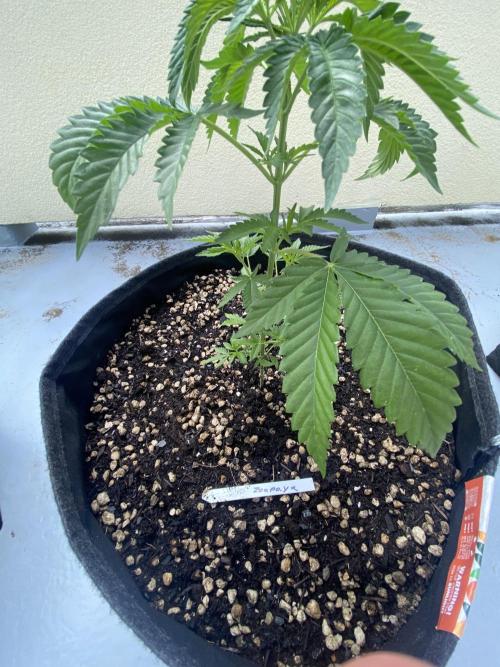
That said, now for the good and not-so-good news: The Zoapaya has developed nicely and is slowly catching up with its companions. However, we have a minor deficiency with the Ocean Storm. But what happened?
I was on a little weekend trip and therefore handed over the watering responsibility. And they may have been a bit too generous with the water amount, which led to the classic symptoms like stunted growth and the characteristic leaf claws. Furthermore, it’s possible that the watering substitute used the distilled water prepared for the humidifier, which the little ones didn’t really appreciate. This has led to a small deficiency in the Ocean Storm (see picture), I’m guessing it’s a micronutrient deficiency (I’m thinking zinc or even iron). It’s not too wild, the little one is already on the road to recovery.
These things happen when you briefly hand over the reins. I have a feeling this won’t be the only setback this season, but I don’t want to jinx anything here.
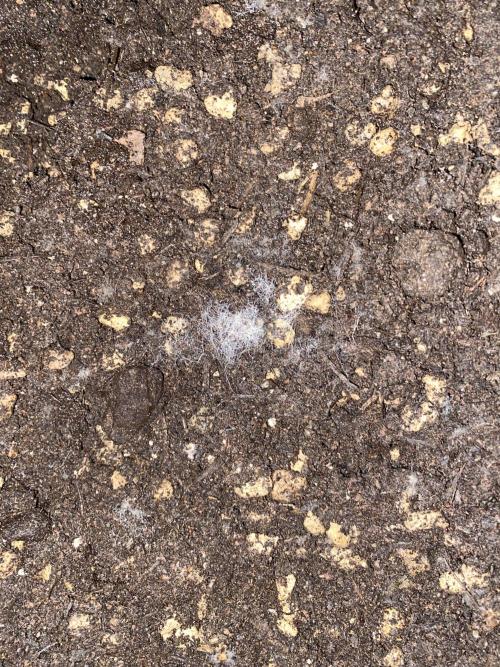
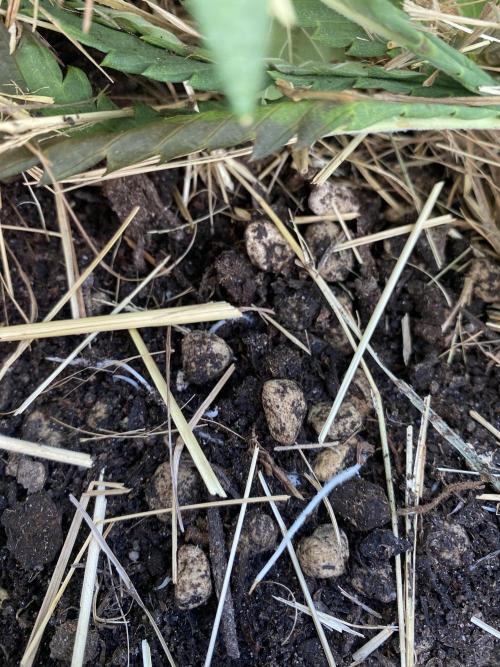
Other than that, there’s not much more to tell this week, except that the soil has completed the cooking process and you can spot smaller mycelium structures here and there. All in all, we’re on a good track.
That should be it for this week, enjoy the holiday (even if the grilling weather is still taking its time)!!
Peace
14 likes
3 comments
Share
3
Week 3. Vegetation
2mo ago
1/6
18 hrs
Light Schedule
24 °C
Day Air Temp
No Smell
Smell
65 %
Air Humidity
22 °C
Solution Temp
22 °C
Night Air Temp
1.5 liters
Pot Size
0.15 liters
Watering Volume
60 cm
Lamp Distance
German_GrowLab A beautiful good day, dear Grow community, and a warm welcome to Week 3 – Season Vol. 2 of my little outdoor project 2026.
This week we'll keep it short. Not because there's nothing to tell, but rather because I'm about to head towards Berlin and still need to pack. :)
So no time to lose...
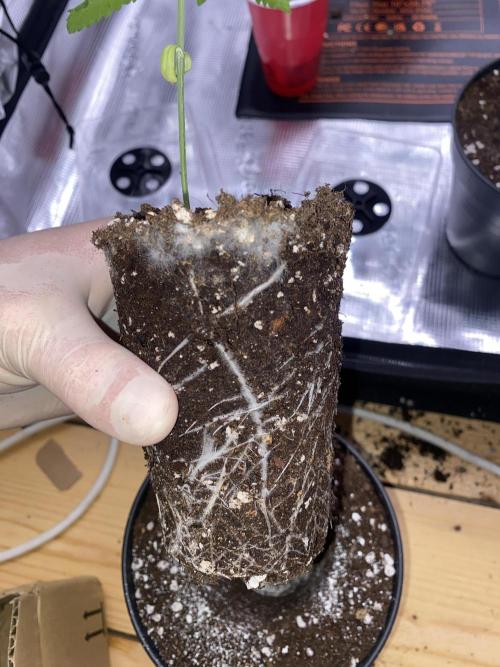
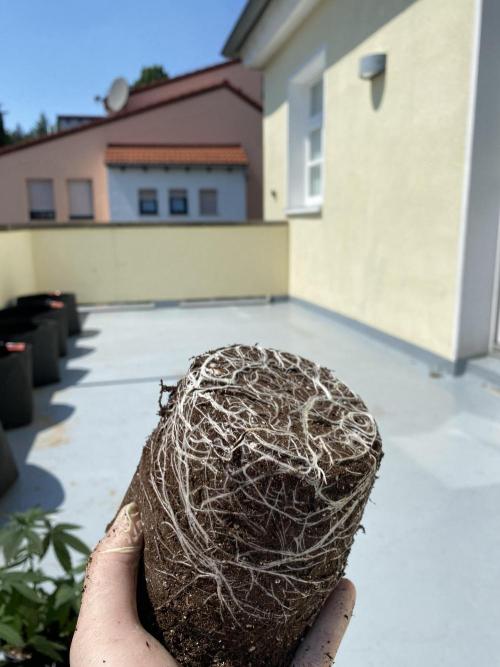
The ladies have moved into their last intermediate container (1.5 L) before they settle into their final home. We have a nice, healthy root structure almost throughout, and here and there you can already see how the soil life is getting to work on the top dress (1 tsp fish meal) that was applied a few days ago.
Unfortunately, the overwatering described in the last post – possibly in connection with distilled water – has left its marks. Especially the Ocean Fruit and the Pink Guava have been affected. Since I won't be able to tend to the grow over the weekend due to Mary Jane, I unfortunately have to leave the two to fend for themselves for now. My plan is as follows: If they continue to struggle when I return, they will be sorted out and replaced – with a heavy heart. What may sound drastic or heartless to some plant lovers is unfortunately necessary in this case. This session is meant to be a marathon, and for that, my "athletes" need to be in full health to deliver the desired performance.
The other ladies, on the other hand, are doing great, and compared to the last season, we are really in a good place. So it's not all that bad.
The lamp output is now at 15%. Since the light meter I ordered is obviously only showing the incompetent little brother called Lux instead of a PPFD value, I unfortunately can't provide you with more accurate information on that at the moment.
Sooo, folks – I need to pack!
I wish you a nice weekend. Maybe we'll run into each other at Mary Jane.
Peace
12 likes
comments
Share
4
Week 4. Vegetation
2mo ago
1/5
18 hrs
Light Schedule
34 °C
Day Air Temp
Weak
Smell
38 %
Air Humidity
20 °C
Solution Temp
17 °C
Night Air Temp
55 liters
Pot Size
3 liters
Watering Volume
German_GrowLab A wonderful good day, dear Grow community, and a warm welcome to Week 4 – Season Vol. 2 of my little outdoor project 2026.
Back from the Mary Jane with many positive impressions and more seeds than I actually intended to shop for... but that's alright :)
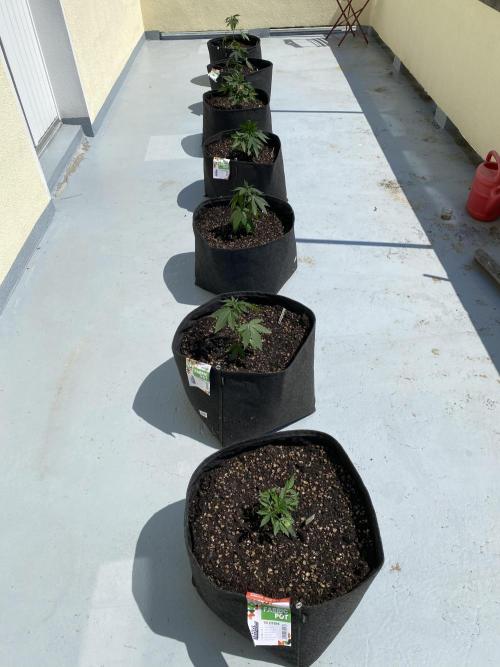
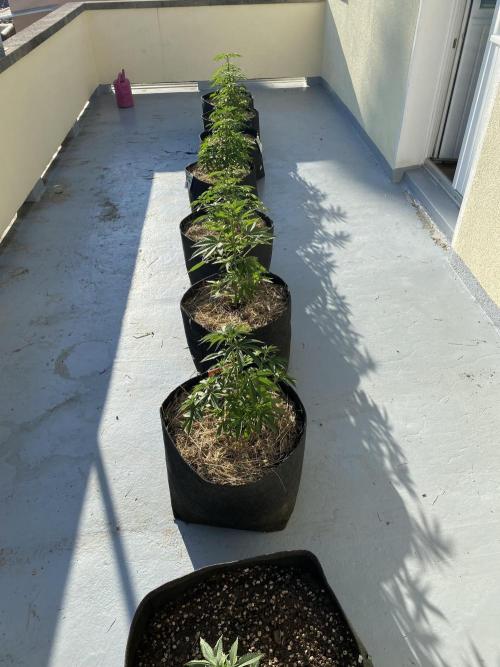
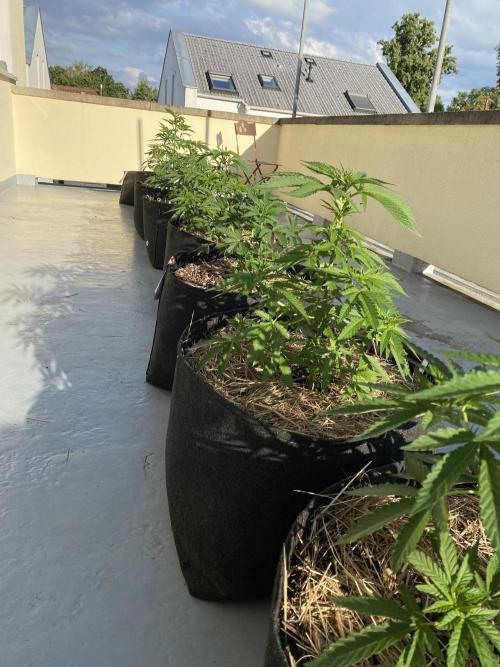
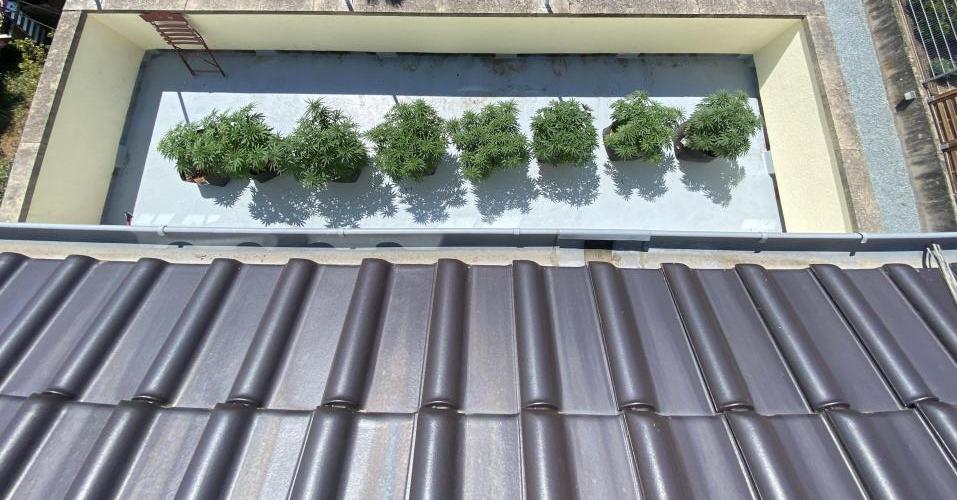
And things are heating up here (in the truest sense of the word). I actually wanted to release the ladies into the wild yesterday, but I had a long day and then had to haul seven 55-liter pots onto the balcony – that just wasn’t happening. Please forgive me :)
But why only seven pots when there’s a big fuss about eight genetics?
… Outrageous!
Just take it easy :) I simply couldn’t release the Pink Guava. But a replacement is already on the way. I did release the Ocean Storm despite my last expertise, as the new foliage looks very promising. I’ll consider that a spontaneous early topping or something :)
Almost forgot: I added some calcium silicate to the substrate to give the little ones a bit more silicate at the beginning of flowering. This is often overlooked, but it forms an essential building block for a vital plant.
I admit that the timing isn’t optimal, as it’s always advisable to add silicate during the cooking phase since it’s broken down very slowly by the soil life and thus made available to the plants. But it’s not a big deal…
I have one more thing for you:
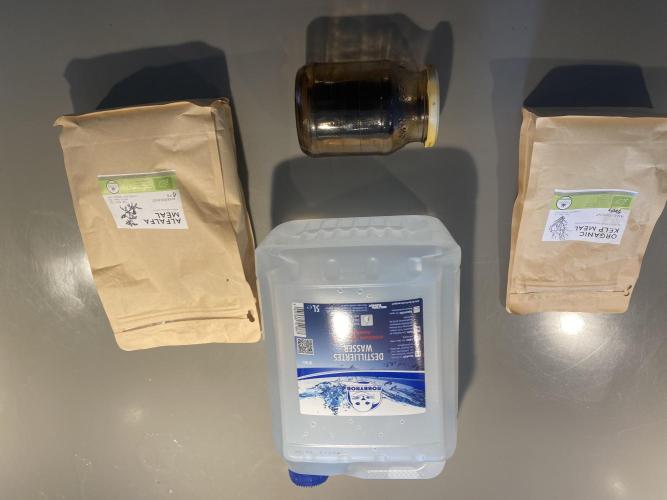
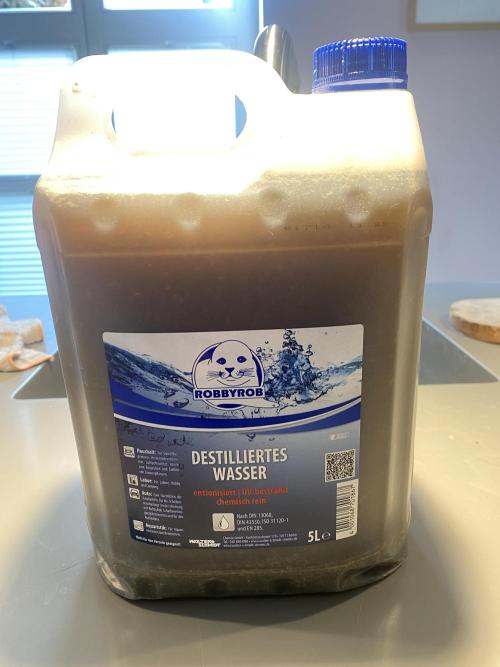
Before I embarked on the long journey to the capital, I was busy in the kitchen. The OGs among you might already have an idea of what I’m getting at: my secret weapon called alfalfa/seaweed tea.
It might sound like a new trendy drink at first, but it’s a very effective supplement for plant strengthening based on LAB (Lactic Acid Bacteria). I already went into detail about the busload of benefits in my last diary (Week 7).
Long story short… very good stuff!!
Alright, I’m slowly melting away here and you probably have better things to do in this weather.
That’s it for this week. Enjoy the fantastic weather and have a great weekend everyone!
Peace
15 likes
comments
Share
5
Week 5. Vegetation
1mo ago
1/10
18 hrs
Light Schedule
34 °C
Day Air Temp
Weak
Smell
60 %
Air Humidity
20 °C
Solution Temp
24 °C
Night Air Temp
55 liters
Pot Size
3 liters
Watering Volume
Nutrients 2
siapton
3 mll
Fulvic
2 mll
German_GrowLab A wonderful good day, dear Grow community, and a warm welcome to Week 5 – Season Vol. 2 of my little outdoor project 2026.
And here I am again…
Unfortunately, with a little delay of three days, but this is more of a marathon than a sprint. So please forgive me. :)
While I was roasting at a festival campsite for several days in the heat, my little ones unfortunately took a hit as well.
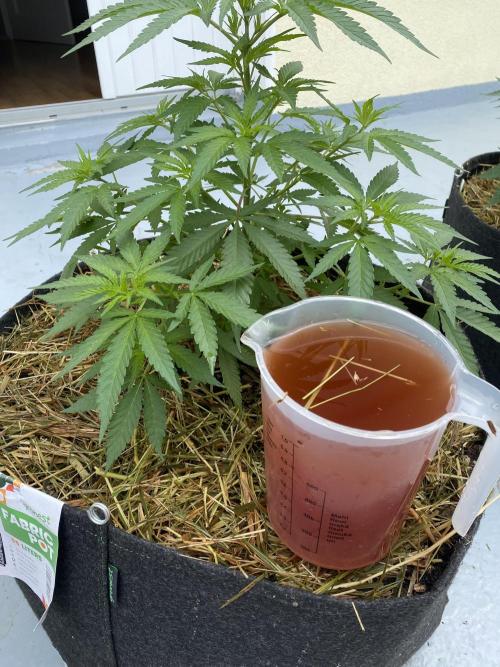
I should have seen it coming: When I let the little ones out of their air-conditioned box into such a hellfire, they do react a bit cranky. And that’s exactly what happened. As you may have gathered from the pictures, I had to give the little ones a good plucking, as the sun caused significant damage to the sun leaves.
However, what I consider very positive is the water retention capacity of the new substrate. I am really very satisfied with this. It only needed to be watered once – and that in temperatures of up to 40 degrees.
Now that I’m back home, I can fully focus on the little plants again. This means: There will be a little haircut in the form of a first topping. Especially the Peach and Gas has been a bit overzealous in height growth. I might take a more radical approach with her than with her companions.
Furthermore, I finally want to repot the Pink Guava into its final container. And last but not least, there will be the first manure treatment during the week. Despite the inhumane temperatures, it has developed excellently.
Before I forget…
Before I head out, the ladies received a foliar spray in the form of Fulvic Acid to make them a bit more resilient to the weather and give them a little vitality boost. Additionally, they were given some Siapton to provide a little enzyme boost to the soil and further strengthen the plants.
That should be it for this time. I hope you all made it through these hot days well and managed to keep the temperatures in your tents somewhat under control.
I wish you a nice week and…
Peace!
12 likes
1 comment
Share
6
Week 6. Vegetation
1mo ago
18 hrs
Light Schedule
28 °C
Day Air Temp
Weak
Smell
38 %
Air Humidity
20 °C
Solution Temp
24 °C
Night Air Temp
55 liters
Pot Size
2.8 liters
Watering Volume
German_GrowLab A wonderful good day, dear Grow community, and a warm welcome to week 6 – Season Vol. 2 of my little outdoor project 2026.
It's been a while. :)
Today will be more like a free period and just serves to get us back "on track."
There's really not much to tell today. The little ones are doing well, and the now more humane temperatures are being well received by both the plants and the gardener. I think tomorrow they'll be topped for the first time since they're growing quite tall. The manure looks really good and will most likely be applied this weekend in the form of a foliar spray.
If everything goes according to plan, I might have something for you tomorrow. So stay tuned.
So today it's short and sweet... Wishing you a great weekend!
Peace!
9 likes
comments
Share
7
Week 7. Vegetation
1mo ago
1/15
18 hrs
Light Schedule
28 °C
Day Air Temp
Weak
Smell
58 %
Air Humidity
20 °C
Solution Temp
24 °C
Night Air Temp
55 liters
Pot Size
2.8 liters
Watering Volume
German_GrowLab A wonderful good day, dear Grow community, and a warm welcome to week 7 – Season Vol. 2 of my little outdoor project 2026.
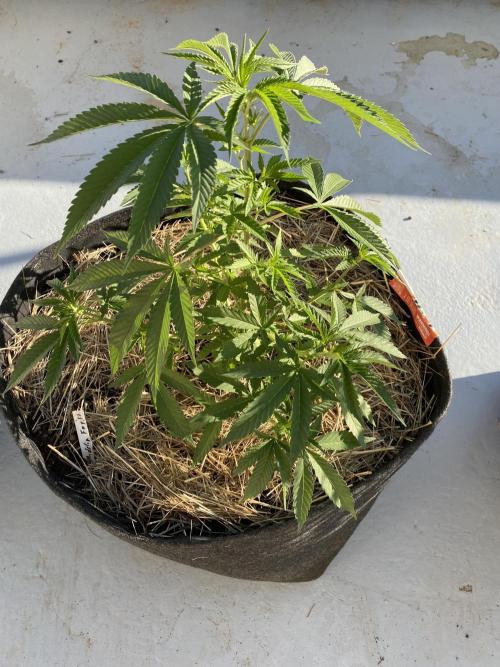
We started by establishing a mulch layer. I went into more detail about its advantages in my last report (week 9). To break it down briefly: it protects against evaporation, promotes soil life in the upper soil layers, and creates a significantly more pleasant microclimate through its shade. Ultimately, this also plays into pest control.
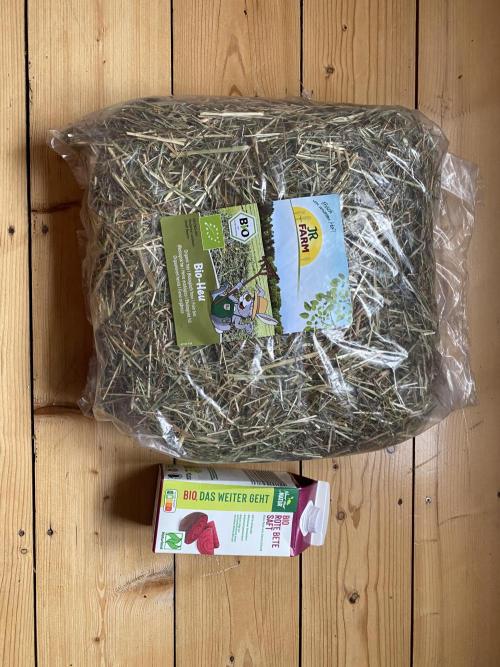
The mulch consists of organic small animal hay (organic because it's pesticide-free!). The hay creates a good balance of brown (fungus-promoting) and green (bacteria-promoting) material.
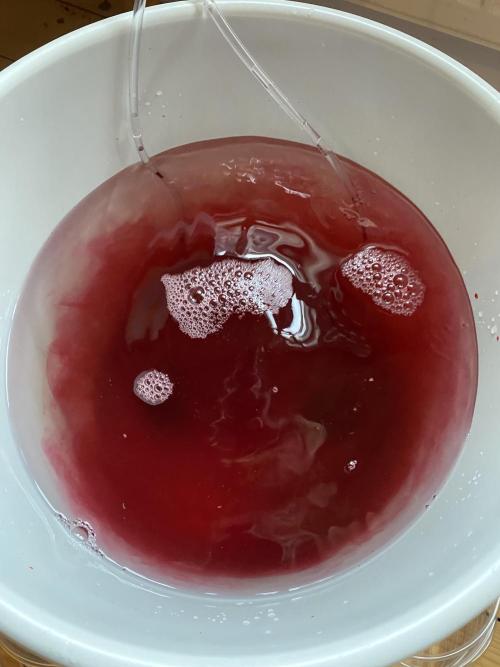
To further boost the activity of microorganisms, I set the mulch up again with an AACT (Actively Aerated Compost Tea). Here too, I refer to my last report (week 5). However, what's new is that this time I skipped molasses as microbial food and opted for beet juice instead. This not only serves as food for the microorganisms but also provides the tea with trace elements.
Unfortunately, I had to set up new LAB again, as I don't fully trust the manure. It has taken on a very strong ammonia smell in the last few days, which is not a good sign. But this way, I can show you again how I set everything up from scratch. So: washed rice and then let the water sit in a dark place for three days. Once it smells slightly sweet, it is mixed with milk in a 1:10 ratio and left to sit again until the curds separate from the whey. I will go into the further processing in the next report.
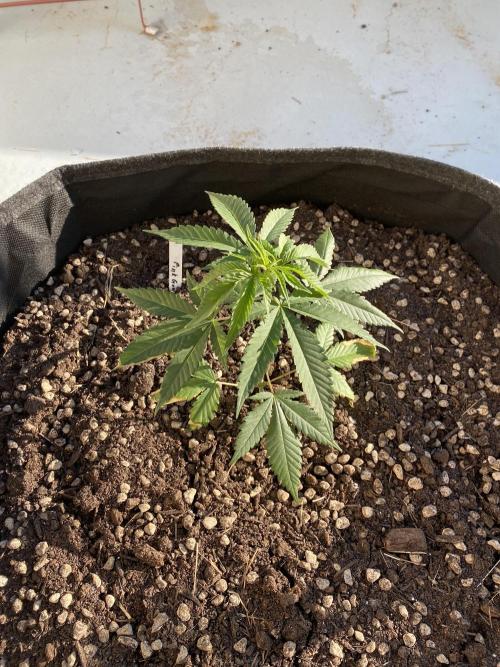
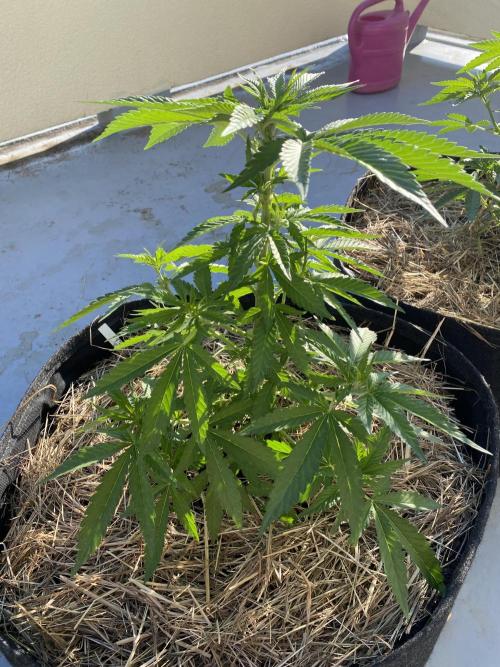
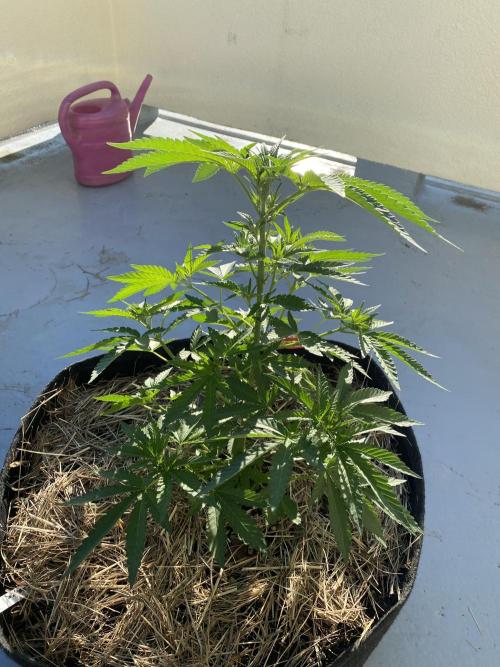
But now to the ladies. I took the liberty of removing one or two leaves here and there to give the side shoots a bit more room. And it seems to have been the right decision. The late Pink Guava has finally joined the others – although in a 75-liter pot, as my trusted grow shop unfortunately no longer had 55-liter pots.
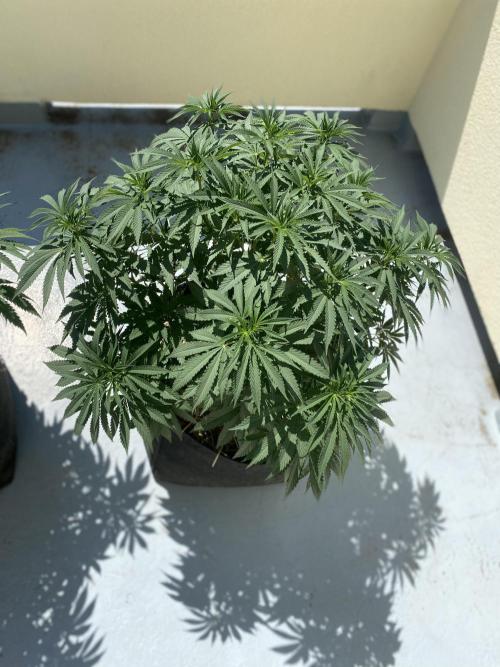
The plants look super vibrant, and I am more than hyped about the direction they will take. The Ocean Storm has a slight variegation – or a periclinal chimera for you plant nerds out there. Let's see how it develops in particular.
Soooo, enough text for three Harry Potter books. That should be it for this week.
Next weekend, we will top and possibly cut a few cuttings. So stay tuned!
Wishing you all a nice rest of the week!
Peace
9 likes
2 comments
Share
8
Week 8. Vegetation
24d ago
1/13
18 hrs
Light Schedule
24 °C
Day Air Temp
Weak
Smell
47 %
Air Humidity
20 °C
Solution Temp
20 °C
Night Air Temp
55 liters
Pot Size
2.8 liters
Watering Volume
German_GrowLab A wonderful good day, dear Grow community, and a warm welcome to week 8 – Season Vol. 2 of my little outdoor project 2026.
And what can I say… it’s going great! 😌
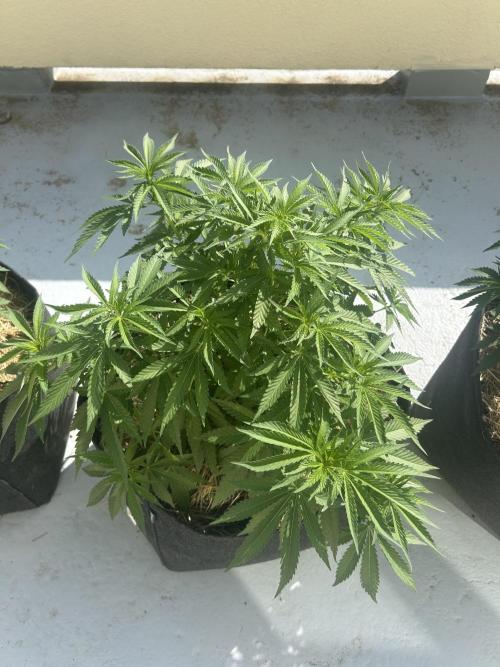
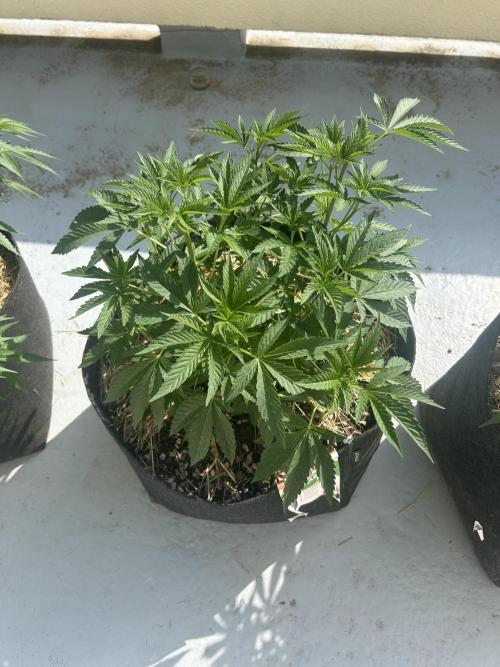
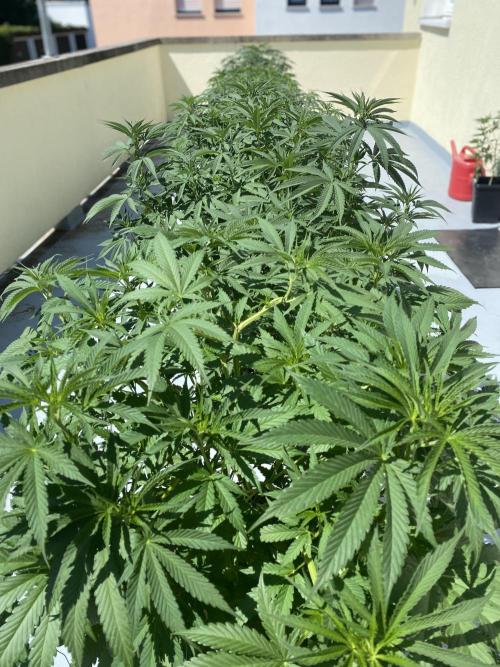
The ladies are enjoying the slightly cooler temperatures and are stretching out towards the sun. My light LST measures are slowly paying off, and the plants are showing a nice even growth with many strong, well-distributed shoots. For some of them, the roots are practically shooting through the top layer of soil. I really didn’t expect that at this point – a very pleasant surprise indeed. 😁
As we are now roughly at the halfway point (if we consider the last run), I will adjust the strategy a bit. While the focus in the first weeks was on establishing the bacteria, I now want to slowly but surely shift some of that focus to the fungi.
These will be particularly helpful during the flowering stage, as they make phosphorus, which is hard to access in the soil, available to the plants and also help to unlock potassium from organic and mineral sources. This means for me: hiking boots on and off into the woods, collecting leaves or other brown mulch material. This promotes fungal growth, while predominantly green mulch material supports the bacteria more. My task in the coming weeks will be to keep the soil life active and continuously nourished. It’s important to keep the soil evenly moist and prevent it from drying out. I’ll keep the microbe population going with AACTs, and in about a week and a half, the manure will be used for the first time to further establish anaerobic bacteria. These really show their abilities in the deeper soil layers.
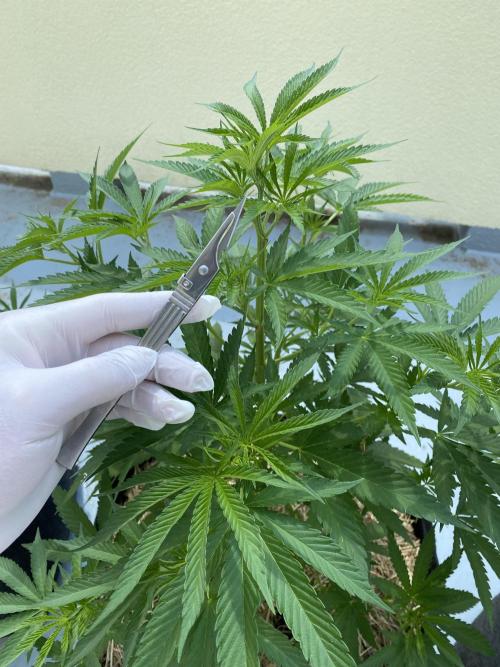
Last but not least, the ladies have received their first topping. And since nothing is wasted here, cuttings were made directly from the trimmed shoots – more as a little experiment. I want to play around with different mixtures and just see what the little ones like best.
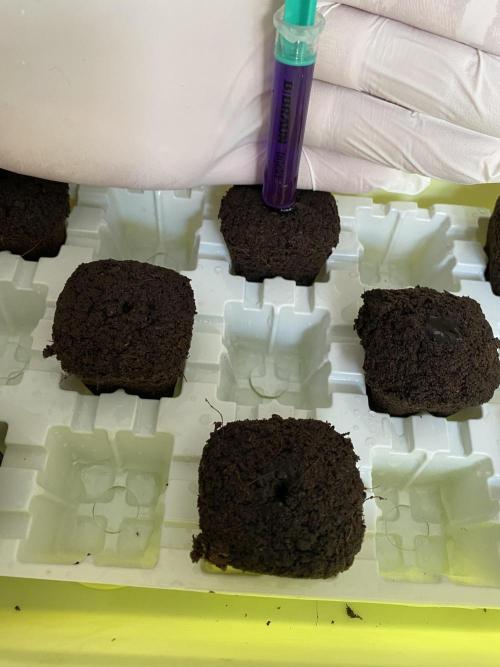
The foliar mix used this time consists of Siapton, fulvic acid, and a sniff of Epsom salt. After cutting the head cuttings, they first went into a glass and then under the knife. Clean work is key here. After removing the lower leaves, the cuttings went into a root plug, into which I had previously injected some Clonex. I prefer this method over the classic dipping, as I’m convinced that the rooting gel adheres better this way and isn’t scraped off when placing it in the plug.
Now the little ones are under a weak LED. I try not to exceed a value of 150 PPFD, as the cuttings hardly perform photosynthesis and should instead fully concentrate on root growth. But more on that in another report.
In the upcoming report, the mulch layer will be pimped, and another AACT will be set up – with ingredients that you probably haven’t seen in this combination before. 😉
I wish you all a nice weekend and see you next week! 💪
Peace!
14 likes
comments
Share
Used techniques
Topping
Technique
9
Week 9. Vegetation
17d ago
1/9
18 hrs
Light Schedule
26 °C
Day Air Temp
Weak
Smell
37 %
Air Humidity
20 °C
Solution Temp
14 °C
Night Air Temp
55 liters
Pot Size
3 liters
Watering Volume
German_GrowLab A wonderful good day, dear Grow community, and a warm welcome to week 9 – Season Vol. 2 of my little outdoor project 2026.
And unlike my other report, I really can't complain. As long as the little ones behave, everything is half as wild. 😅
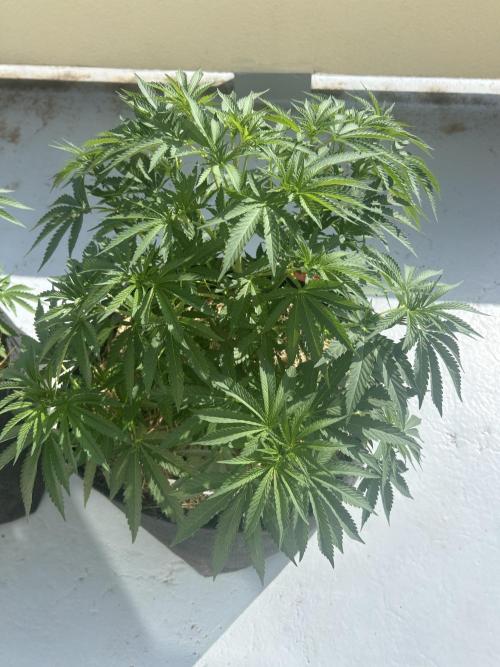
The ladies are happily sprouting upwards and are having a good time overall. The only small downside is a slight stem purpling at the tips of the Blueberry Muffin. Whether this was triggered by the cooler night temperatures or is simply a genetic trait? I would rule out a deficiency for now, as she is the only one with this characteristic. Other than that, the plants are nice and vigorous and show no signs of deficiency or pest infestation. I just hope we can keep it that way. 😊
To ensure this continues, I gave the little ones a little wellness treatment in the form of an AACT, consisting of fresh beet juice combined with oats and a bit of forest soil. The beta-glucans in the oats serve as a carbon source for the bacteria, as do the amino acids and proteins contained in them. The forest soil I brought back from my little hiking trip adds some local microorganisms. However, it should be mentioned that these are not specifically multiplied through aeration, but rather the bacteria that multiply the fastest in aerobic water. To determine this exactly, I would need a powerful microscope. But hopefully, that will be at another time.
The forest soil wasn't the only souvenir I brought back from my little trip. I also had a garbage bag full of the finest mycelium-infused leaves. This will be incorporated into the mulch layer to supplement it with the brown, fungus-promoting material. This will be particularly important for flowering, as the fungi contained are supposed to make hard-to-access phosphorus in the soil plant-available.
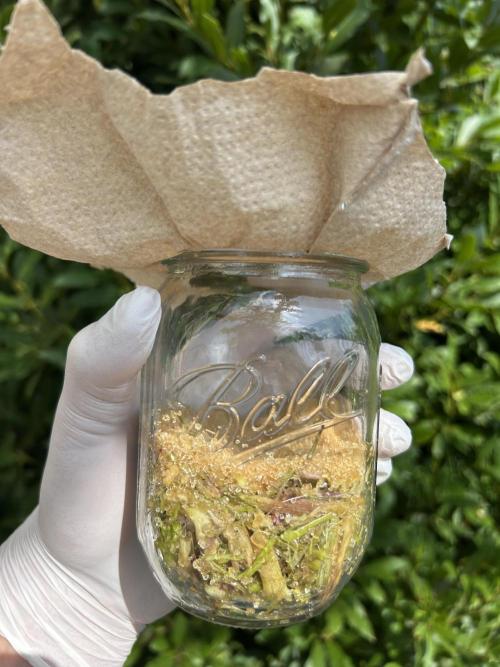
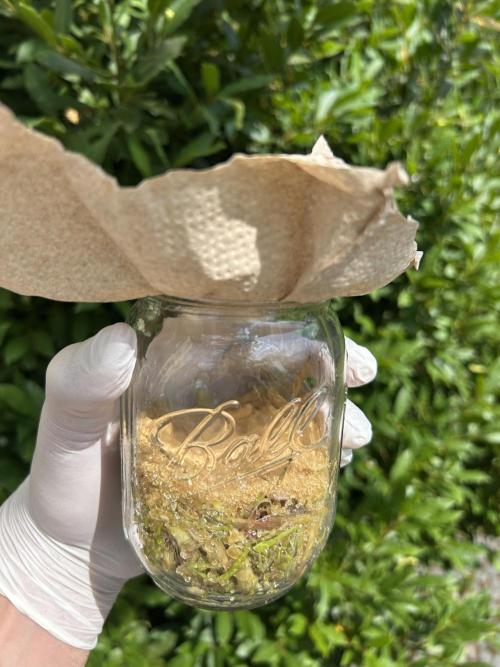
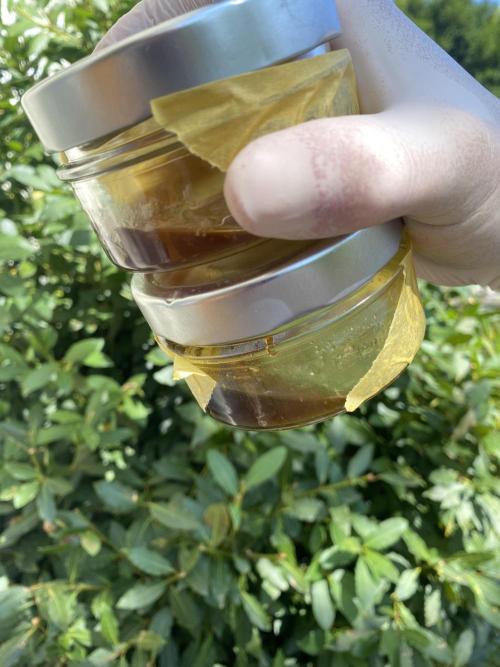
Furthermore, in the last few days, I have delved into the wonderful world of KNF (Korean Natural Farming), which is dedicated to the principle of producing fertilizers and plant strengtheners cost-effectively from natural raw materials. I started by preparing two FPJs (Fermented Plant Juices). For this, I chopped fresh bamboo shoots and mixed them in equal parts with brown cane sugar. I did the same with field horsetail afterward. The sugar extracts a number of soluble ingredients, such as:
free amino acids
organic acids
soluble sugars
minerals
water-soluble vitamins
secondary plant compounds
partially phytohormones and their precursors
enzymes
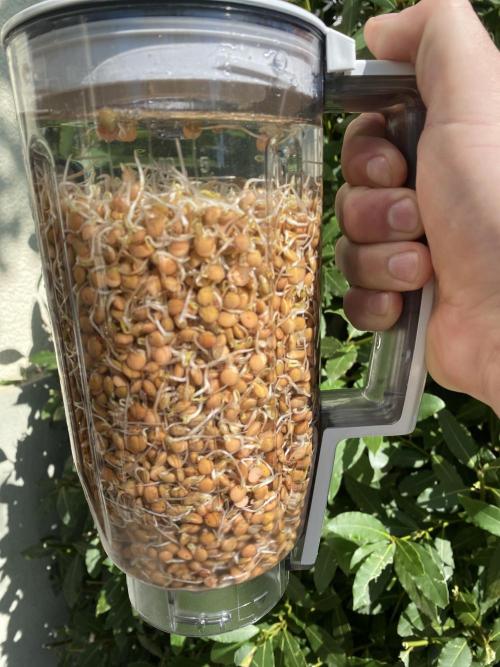
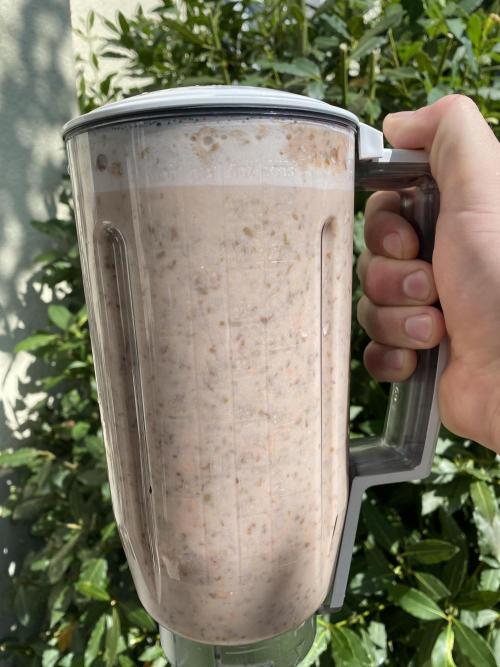
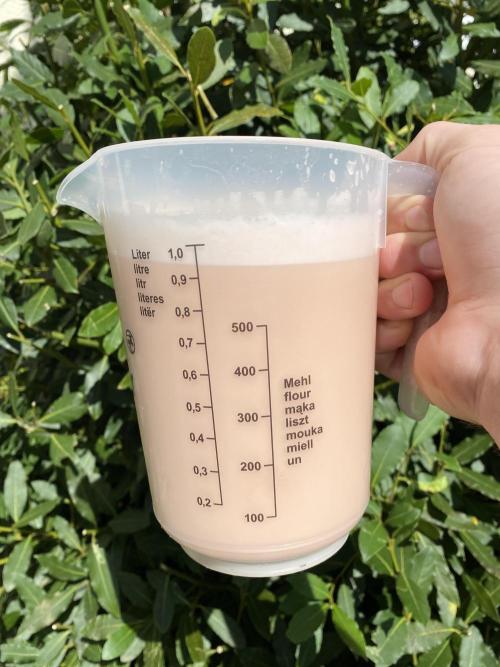
It should be noted that these serve more as biostimulants and significantly less as fertilizers. The FPJs are now fermenting in a dark place for about a week. After that, they will be heavily diluted and applied as a foliar spray. Lastly, as an additional boost, I prepared an SST (Seed Sprout Tea). Here, seeds are sprouted until they reach their maximum enzymatic potential. This timing varies depending on the type of seed. For the lentils, I chose three days this time. After that, they are mixed with water in a 1:1 ratio and blended. The brew is then strained and applied in a 1:20 ratio.
The benefits include:
Enzymes
free amino acids
antioxidants
and much more.
Long story short: The little ones are currently being pampered to the max! 😁
That should be it for this week. I wish you all a nice weekend. Next week is supposed to be boiling hot again. So make sure your plants are well hydrated too. 😁^
Peace!
14 likes
5 comments
Share
10
Week 10. Vegetation
9d ago
1/14
18 hrs
Light Schedule
26 °C
Day Air Temp
Weak
Smell
37 %
Air Humidity
20 °C
Solution Temp
14 °C
Night Air Temp
55 liters
Pot Size
3 liters
Watering Volume
Nutrients 1
Mono Silicic
0.75 mll
German_GrowLab A wonderful good day, dear grow community, and a warm welcome to week 10 – Season Vol. 2 of my little outdoor project 2026.
And this time I really want to keep it short…
I really can’t complain. The plants are doing what they’re supposed to do and are in great health. The Pink Guava has also started to catch up and is gaining mass day by day. I’ve added a weekly dose of monosilicic acid to the wellness package, which I either water in or apply as a foliar spray. This is supposed to strengthen the cell walls and make it harder for any potential mold to penetrate during flowering. I hope the trauma from last year doesn’t repeat itself (let’s take a moment of silence for the Fillmore Slim, which completely fell victim to mold last year). 😭🙏
Since the Peach and Gas shot up a bit too ambitiously and aimed for more of a columnar growth, I’ve restrained this with some subtle LST.
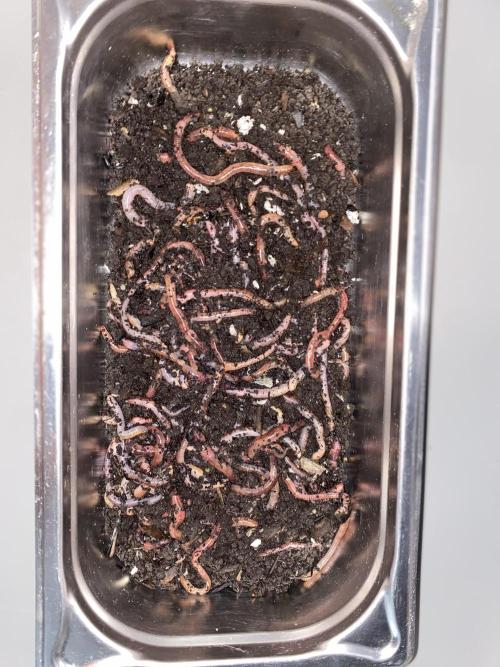
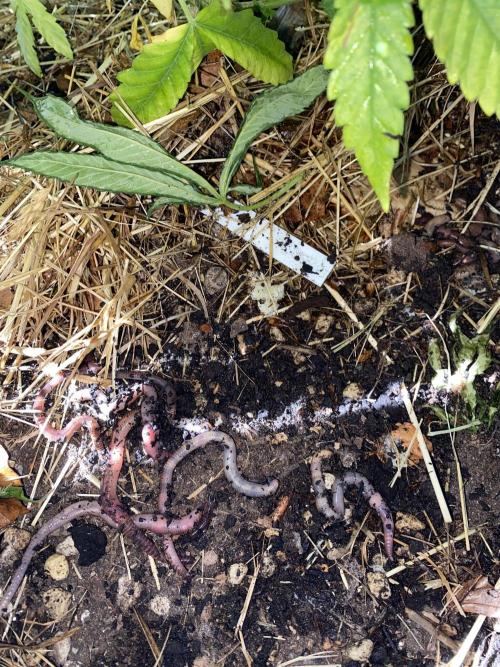
Last but not least, a handful of Red Wigglers have moved into the pots this week. They are supposed to complement the soil food web and ensure better nutrient distribution in the deeper layers of the pot. It’s important to start with a few worms, as they will multiply and could eventually tip the system. I’m curious to see how the new residents like the custom soil or if there will be any complaints. 😁
Last but not least, the FPJs are now fully fermented. That means: strain and store – they will be put to use next week. So, it’s still exciting. 💪
So, today short and sweet!
Wishing you a lovely Sunday and a good start to the next week! 😊
Peace!
11 likes
comments
Share
11
Week 11. Vegetation
3d ago
1/12
18 hrs
Light Schedule
35 °C
Day Air Temp
Weak
Smell
38 %
Air Humidity
20 °C
Solution Temp
14 °C
Night Air Temp
55 liters
Pot Size
3 liters
Watering Volume
Nutrients 1
Mono Silicic
0.75 mll
German_GrowLab A wonderful good day, dear grow community, and a warm welcome to week 11 – Season Vol. 2 of my little outdoor project 2026.
This week I'm trying to keep it somewhat short.
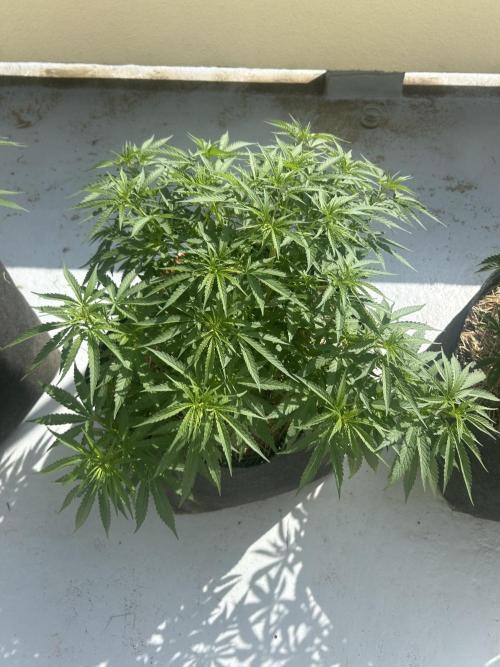
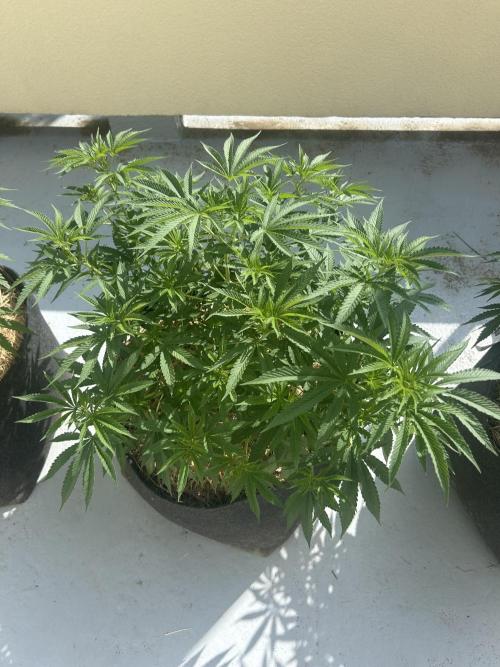
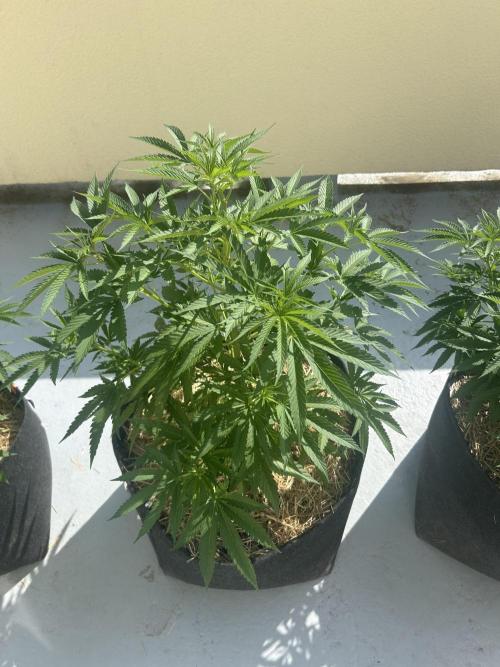
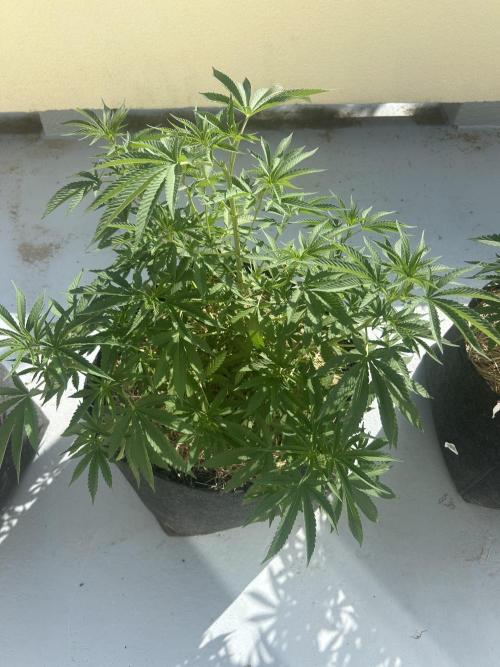
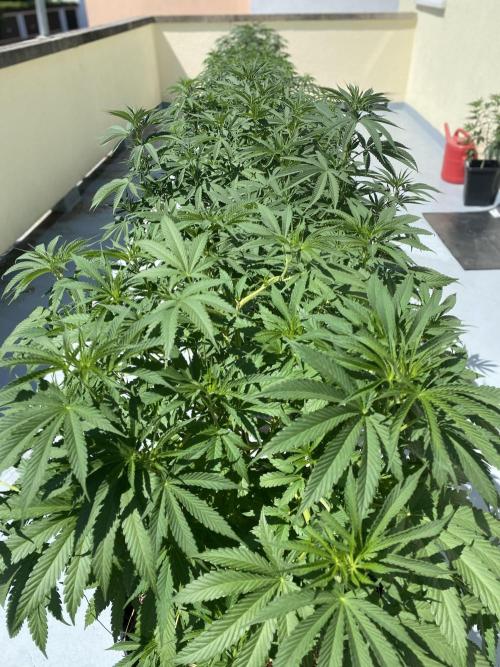
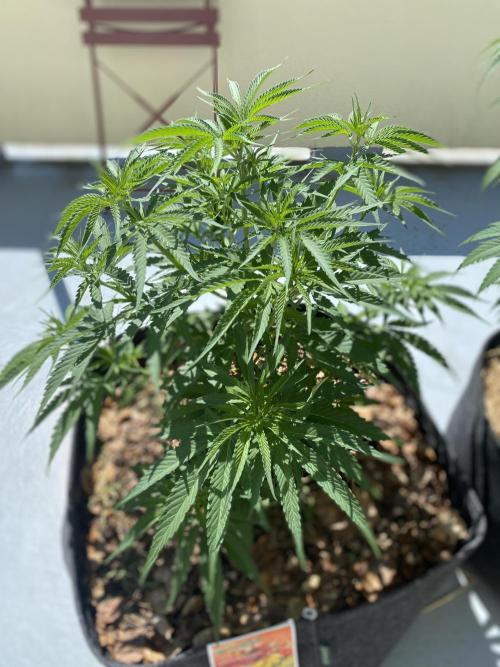
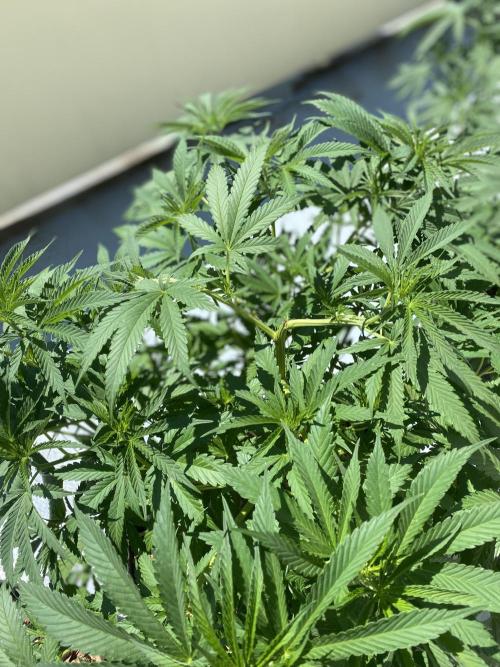
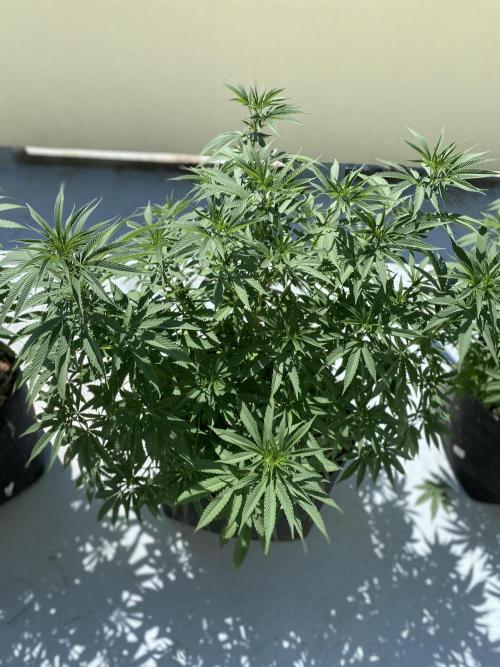
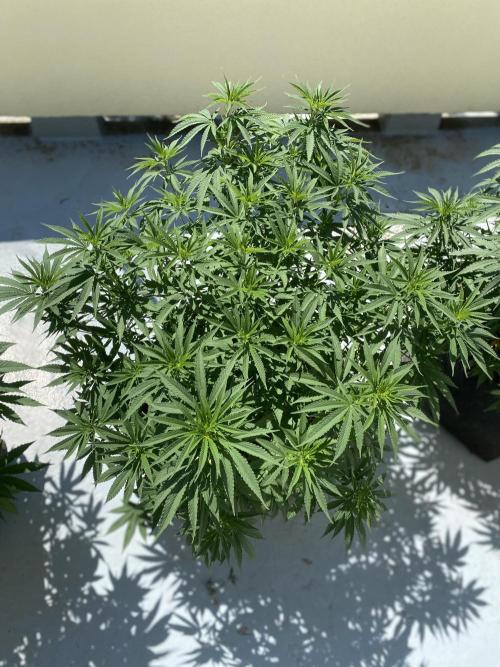
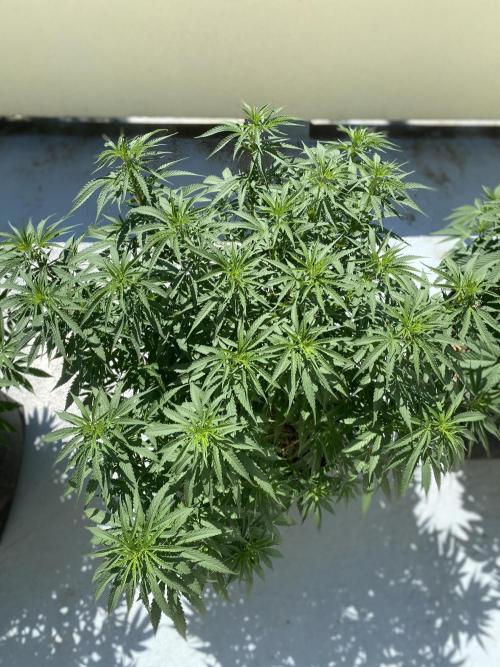
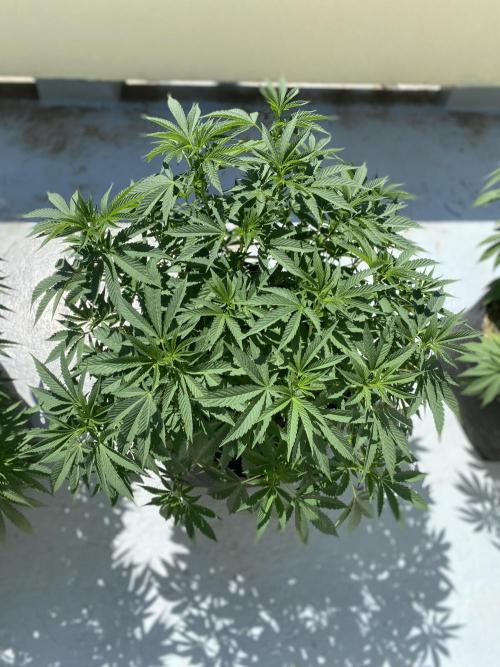
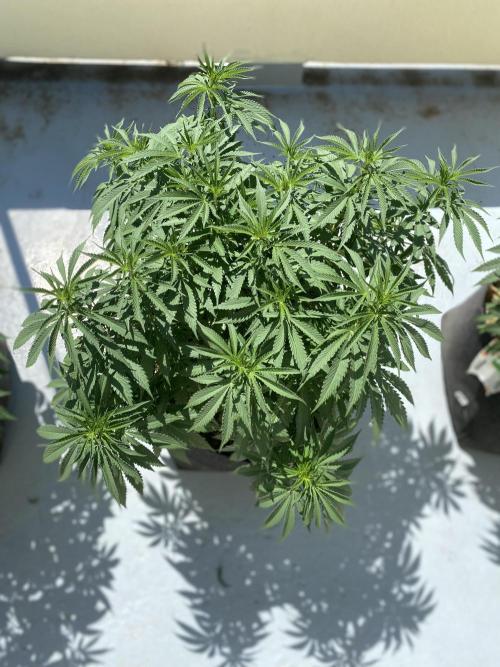
The plants are still doing great despite the ongoing heatwave. 😁 However, you can notice the slightly lower leaf tension, especially around noon when it's a crispy 40 °C, that they are a bit warm and the humidity could be a little higher. But that's the tough life in the wild. 😅
Furthermore, I've been cooking up something in my KNF kitchen again, specifically a WSC (Water Soluble Calcium). This involves mixing eggshells with apple cider vinegar. The acetic acid dissolves the calcium from the eggshells over 7–10 days and converts it into plant-available calcium acetate. This will be useful during flowering when the ladies have a higher calcium demand. Although I already have several calcium sources from the wollastonite and oyster shells in the soil, these mainly cover the basic needs and not the increased demand during flowering. The reaction is complete once no more bubbles form. I'm curious to see how the outcome turns out in the end.
To continue strengthening the little ones and prepare them for the later autumn, they are still getting a monosilicate dose once a week. Additionally, every two weeks they receive a foliar made of fulvic acid, humic acid, Epsom salt, and a bit of Siapton. This should keep them well supplied.
If the sunlight hours are similar to last year, the little ones should slowly switch to flowering by the end of this month. Then the hot phase begins. 💪
Next weekend, I plan to thin out the ladies a bit and do some training here and there.
So stay tuned...
Soooo, that should be it for this week. Next week there’s supposed to be another godless heatwave, so please take care of yourselves and your loved ones. Wishing you a nice weekend and a good start to the next week! 😊
Peace!
@Stony_German, Thanks 😊. I'm also curious, it's completely uncharted territory in terms of genetics 😁. And it can't possibly be the 3rd lousy summer in a row (famous last words) 😅.