Cesilko Living Soil
A Simple Guide for Beginners
Chapter I: A List of Things You Can't Live Without
Before you create the world, you need to shop. God had seven days and emptiness. You have a grow shop, Hornbach, and 70 liters of space.
For the soil body:
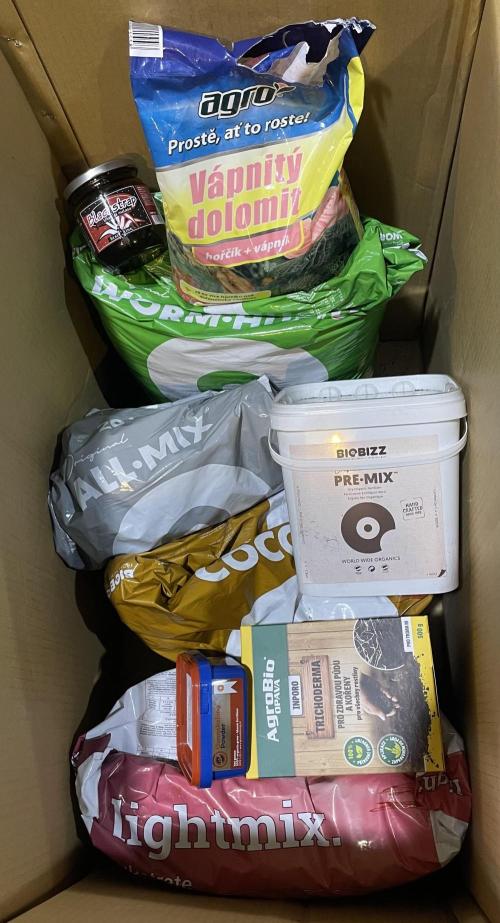
25 liters of Biobizz All-Mix. It's black, heavy, and already has food for the first three weeks. It's the meat.
15 liters of Biobizz Light-Mix. It's light and airy. It's the lungs.
20 liters of buffered coconut. Beware. Not Biobizz Coco. Like me. That's a traitor. It steals calcium and then laughs at you with purple stems. Buy Canna Coco Pro+, Plagron Cocos Premium, or UGro. Those are coconuts that have gone through a calcium and magnesium bath and are rich. They don't eat.
15 liters of worm humus. Worm-Humus. It's not soil. It's worm poop that has passed through their bodies five times. It's black gold. It contains enzymes, bacteria, humic acids. It's the soul.
5 liters of perlite. Or better: pumice 6-8 mm. Perlite crumbles to dust in a year. Pumice lasts forever. They are the bones. They hold the structure so the soil doesn't suffocate.
For food and magic:
500 ml of Biobizz Pre-Mix. This is a mix of meals. From horns, blood, fish, algae. It stinks. And it works. This is the food that the soil will digest for two months.
5 kilos of dolomitic lime. From Hornbach, brand AGRO. It costs 80 crowns. It will save your harvest. It's anthracite for the soil. It maintains pH, provides calcium and magnesium. With coconut, it's as essential as brakes in a car.
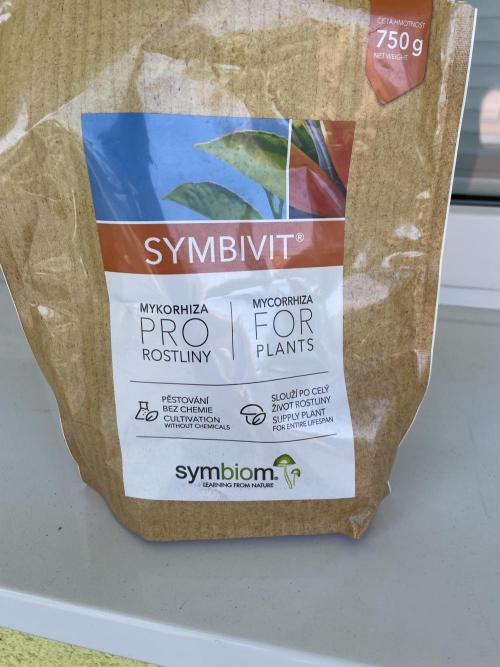
150 grams of Symbivita. These are spores of mycorrhizal fungi. You can't see them. But they will see the roots of your seedlings and fall in love. They will attach to them and increase their surface area a hundredfold.
500 grams of INPORO Trichoderma. This is a predatory fungus. A cop. It runs around the pot and eats molds that want to eat your roots. Fusarium, Pythium, Botrytis. They are a snack for it.
1 kilo of Guanokalong powder. NPK 1-10-1. This is dried bat poop from caves. It sounds disgusting. But plants love it like a fancy meal. It's fuel for flowers.
100 pieces of California worms. You can buy them at fishing supply stores or online. They are workers. They eat mulch, poop humus, and spread fungal spores throughout the pot. They are the postmen of living soil.
Half a liter of unsulfured molasses. From a health food store. It's sugar for bacteria. When you brew tea, it's their Red Bull.
An aquarium air pump with a stone. For three hundred crowns. Without it, you won't make tea.
Tools:
A 90-liter construction tub. An old tarp. A watering can. A sprayer. A thermometer. A tablespoon. Hands. And time. Do you have it? Good. We can start creating.
Chapter II: Brewing – 21 Days When Nothing Happens and Yet Everything Happens
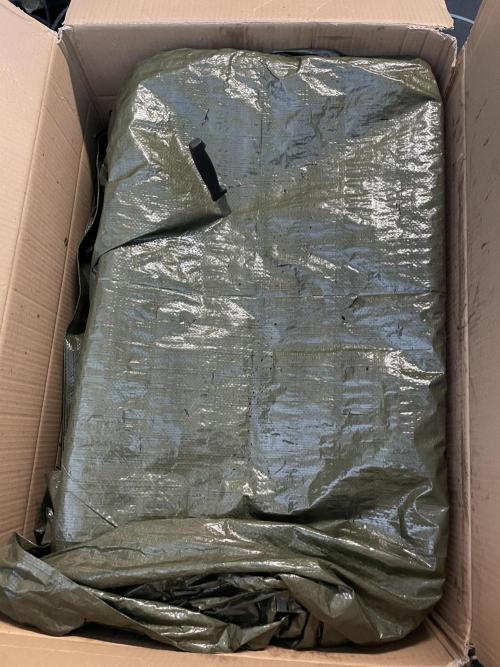
Day Zero. You lay the tarp on the ground. It's your operating table. You pour All-Mix, Light-Mix, coconut, Worm-Humus, and perlite onto it. It looks like a pile of junk. But it’s not. You take the Pre-Mix. 250 milliliters. Sprinkle it over the pile. Add 100 grams of dolomite. The white powder glistens in the black soil.
And now your hands. You stick them in. Mix. Five minutes, ten minutes. Until every part of the pile is the same. Until the Pre-Mix is everywhere. There are no light and dark spots. There is only one color. The color of future soil. You’ll get dirty up to your elbows. That’s a good sign.
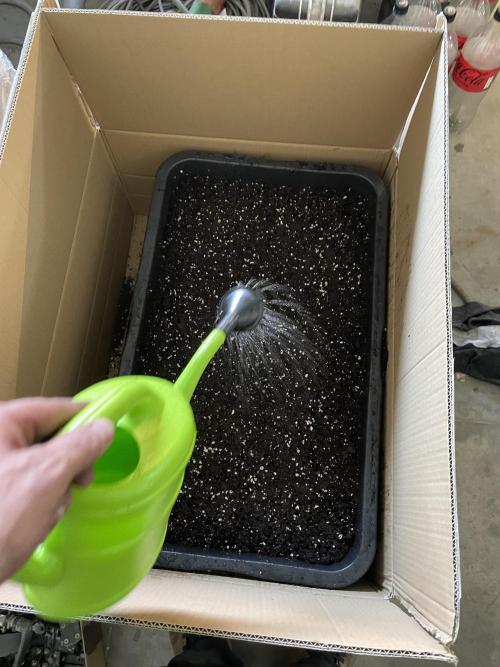
You take 7-12 liters of standing water. Sprinkle and mix. Again. And again. How do you know you have enough? You take a handful. Squeeze it. One, maybe two drops drip between your fingers. When you let go of the clump, it falls apart into a few pieces. If it runs, you added too much. If it holds like playdough, that's also wrong. It should be like a wrung-out sponge you find in the forest after rain.
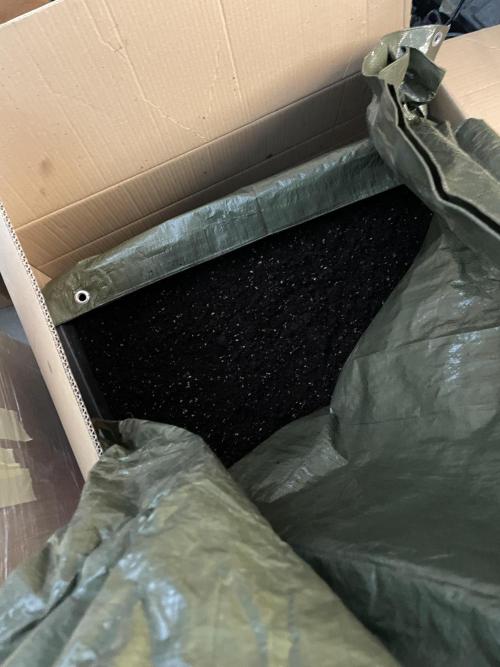
You toss it into the construction tub. You previously drilled eight holes in the bottom with an eight-millimeter drill. The soil must not drown. Cover it with the tarp. And take a knife. Poke the tarp. Ten times, twenty times. You allow the soil to breathe. You put it in a corner where it’s 20 to 25 degrees. In the garage, in the basement, in the grow room. Just not in direct sunlight. And now you wait.
Day One to Twenty-One: Watching the Fire.
Inside the tub, a fire ignites. Not the kind you see. Microbial. The bacteria woke up, sensed the Pre-Mix, and started feasting. While eating, they heat up. You stick a meat thermometer into the center of the pile. It shows 28 degrees. Good. Does it show 36? Bad. You uncover the tarp, take a pitchfork, and turn the whole tub over. You air it out. You’re saving life from being cooked. Above 35 degrees, the best fungi die.
Every two to three days, you lift the tarp. For half an hour. You let the soil breathe. And you sniff. That’s the most important test. Does it smell like a forest? Like mushrooms after rain? Like soil in the woods? Excellent. Cover it back up and walk away. Does it smell like ammonia? Like rotten eggs? Like a cesspool? That’s a scream. The soil screams that it’s suffocating. That there’s too much water and not enough air. Dig your hands in and turn it all over. Let it breathe, even for an hour or two. The top must not dry out to dust. If it does, take the sprayer and give it two or three sprays. Just make sure there’s no desert on the surface.
Let it grow, and see you in a week.
9 likes
comments
Share
Used method
Glass Of Water
Germination Method
1
Week 1. Vegetation
4mo ago
1/3
18 hrs
Light Schedule
6.0
pH
70 %
Air Humidity
20 °C
Solution Temp
20 °C
Substrate Temp
18 °C
Night Air Temp
0.2 liters
Pot Size
0.02 liters
Watering Volume
1 cm
Lamp Distance
Cesilko Hey Growers. Here we are with another week.
Day fourteen: The Baptism.
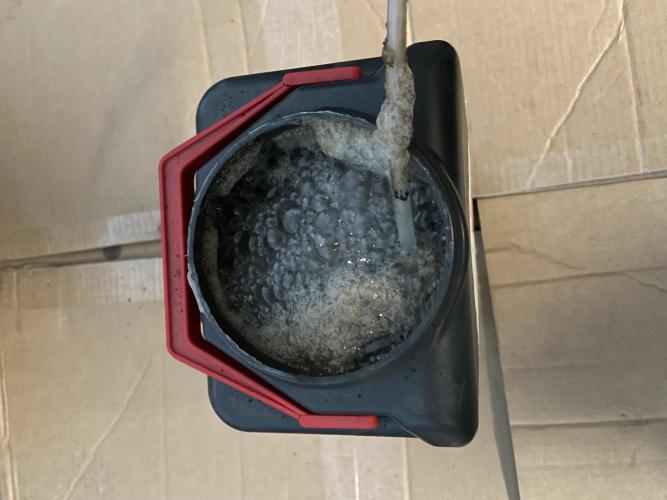
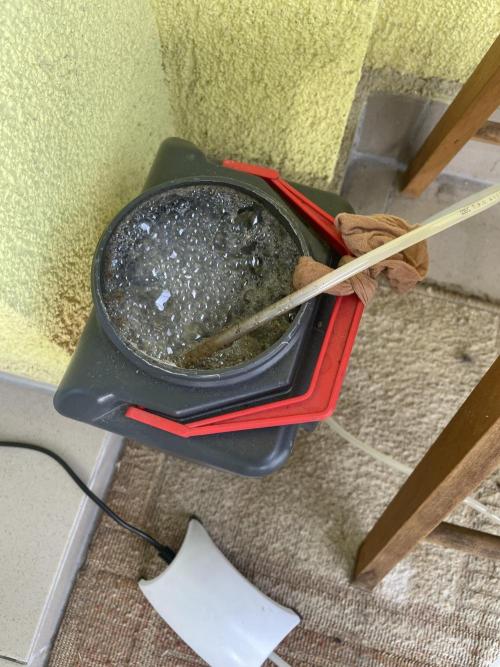
The microbes have eaten the first course and are starting to get tired. They need a boost. Brew some tea. Half a liter of Worm-Humus, five liters of water, one tablespoon of molasses. Toss in an air stone and let it bubble for 24 hours. The water will turn brown and foam will form on the surface. That's life. Turn off the bubbling. Take the tea and water the whole tub. Mix it well again. You've given the soil a second dinner. Now it can last until the end.
About the first contract – Mycorrhiza and the cannabis seedling
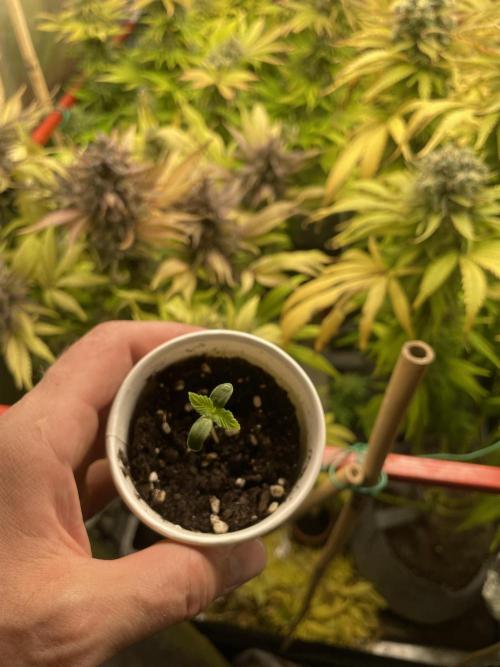
On germination: Less is more, and precision is king. Forget about a pinch. For granules, it's counted by pieces.
Step 1: Cradle
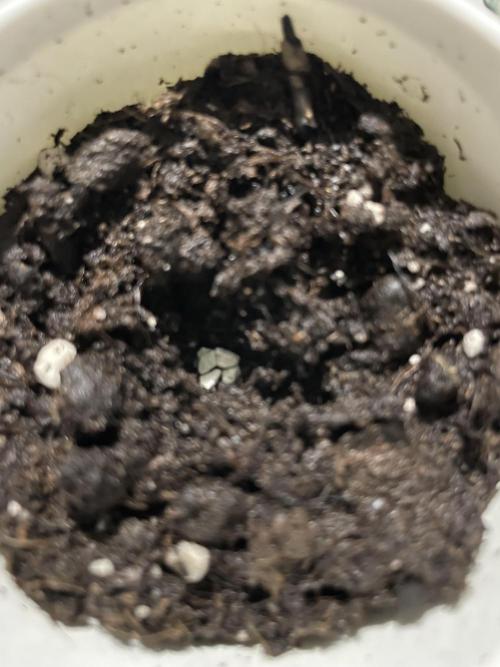
Make a dent in a cup with light seedling substrate. 1.5 cm deep. As wide as your pinky. It's a cradle. Not a grave.
Step 2: Invitation
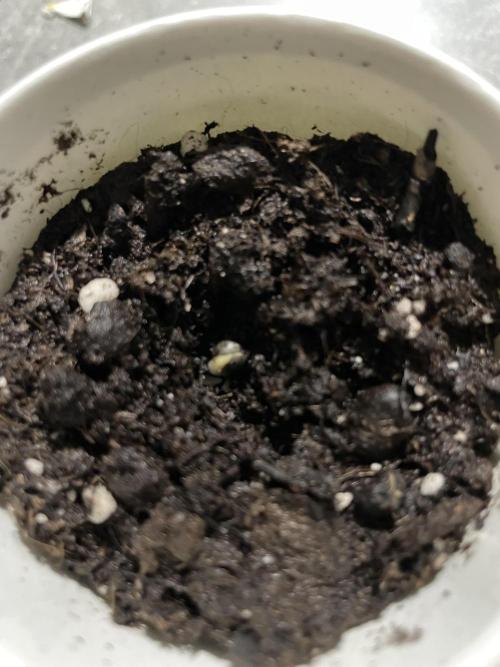
Take 3 to 5 granules of Symbivit. No more. Five granules is a feast for one seedling. Toss them at the bottom of the dent. They are heavy, they won't wash away. They will wait. Like loyal dogs.
Why so few? One granule feeds a meter of root. The seedling has a root that's one centimeter long. If you poured in a spoonful, the fungus would go crazy. It would eat all the sugar and the root would starve. Symbiosis is not slavery. It's a trade. And trade must be fair.
Step 3: Guest
Place the germinated seed directly on those granules with the root. As if you were tucking a child into a blanket. Cover with half a centimeter of substrate. Press down? Never. Just caress. The root needs to breathe, not suffocate under your impatience.
Step 4: First Rain
Spray bottle. Two, three sprays. The clay on the granules needs to soak. Absorb. Soften. Only then will it release the spores. If you pour it with a watering can, the granules will sink to the bottom of the cup and the root is mine. You want to keep them close. Within earshot.
Let it grow and see you in the next installment.
7 likes
1 comment
Share
2
Week 2. Vegetation
3mo ago
1/4
18 hrs
Light Schedule
6.0
pH
70 %
Air Humidity
20 °C
Solution Temp
20 °C
Substrate Temp
18 °C
Night Air Temp
0.2 liters
Pot Size
0.02 liters
Watering Volume
1 cm
Lamp Distance
Cesilko Hello Growers.
Day twenty-eight: Maturity.
You stick your hand into the tub. It's lukewarm. Or at room temperature. It's no longer heating. You take a whiff. It smells deep, earthy, mushroomy. It's dark, fluffy, and when you hold it in your hand, it's light. That's it. Living soil. It took four weeks. For four weeks, you were just a guardian. Now you can be a gardener.
Chapter III: The Marriage of Root and Fungus
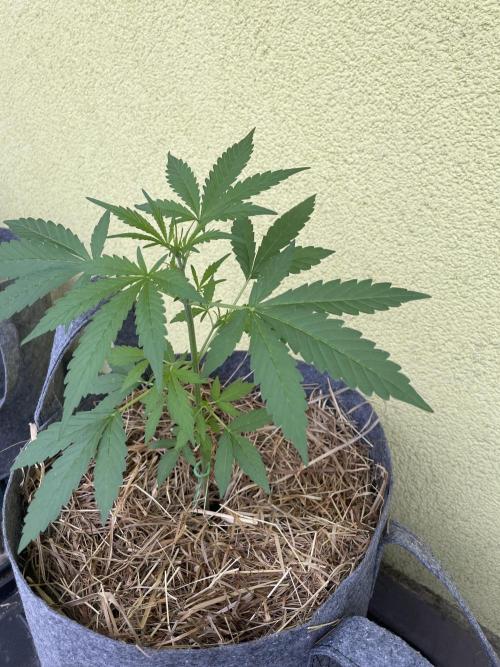
Your seedlings have grown. They have three to four tiers of true leaves. When you lift them from the cup, you see white roots pushing out through the drainage holes. They're ready. They want out. They want to go into the world.
You take a twenty-liter pot. You fill it with that soil from the tub. You don't compact it. You let it sit as it falls. The soil must be fluffy. Roots need air just as much as water.
You take the seedling out of the cup. The root ball is intertwined with white threads. You take a watering can with clean water and soak the entire ball. It must be wet.
And now comes the most important step of the vegetative stage. You take Symbivit. A tablespoon. Fifteen grams. And you sprinkle it directly onto the wet root ball. You cover it from all sides. It looks like a seedling in breadcrumbs. Those are the spores of mycorrhizal fungi. Millions. And all they have one job now: to attach to the root. To grow into it. To become part of it. From that moment on, the root will no longer be alone. The fungus will increase its surface area a hundredfold. It will go for water and phosphorus to places the root could never reach on its own. In return, it will receive sugars from the plant. It’s a marriage. Symbiosis. And you are the witness.
You place the seedling into the hole. You cover it with soil from the pot. Gently, with two fingers, you press the soil around the stem. Just to keep it upright. Don't suffocate it.
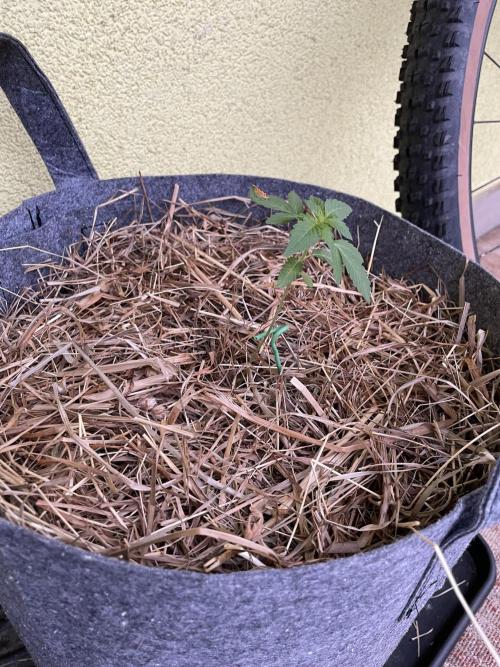
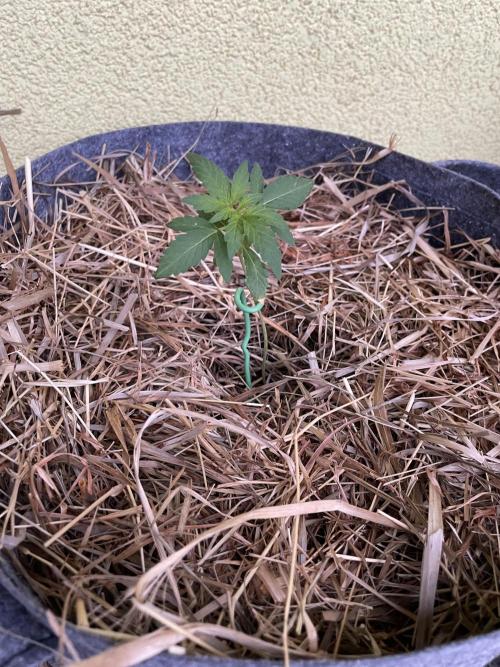
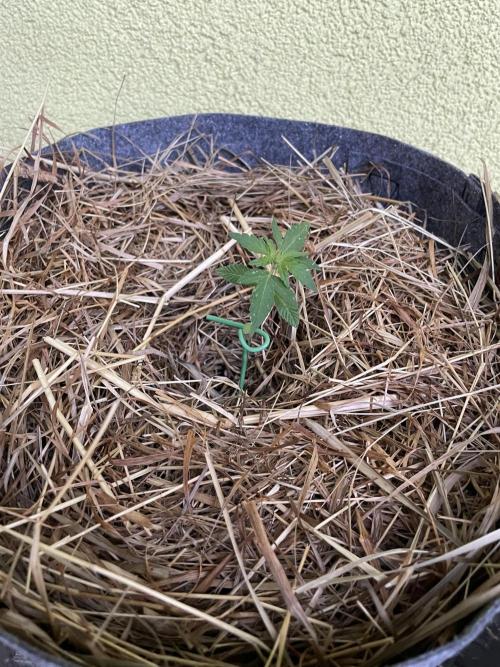
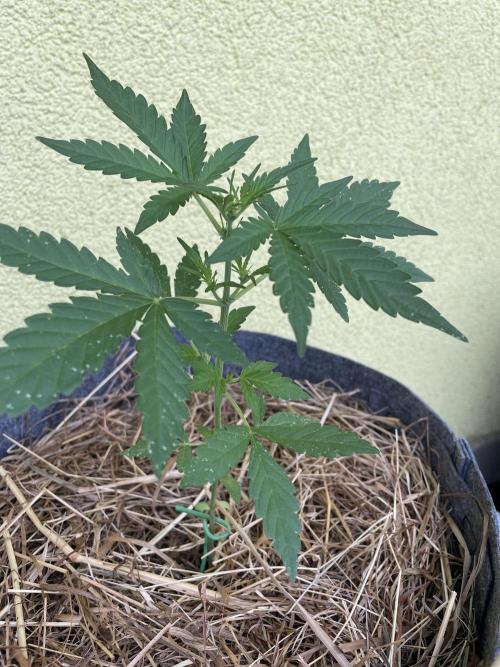
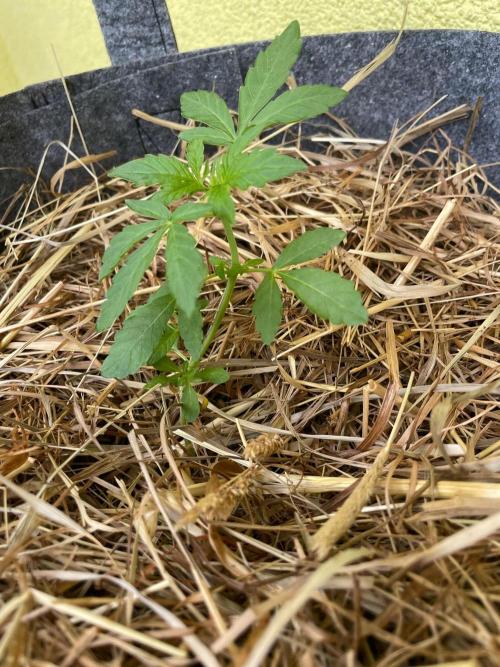
And now the most important thing. Mulch. You take torn cardboard without printing, straw, dry leaves from the forest, alfalfa hay. And you lay a three to five-centimeter layer on the surface of the pot. Up to the stem. Mulch is a blanket. It retains moisture. Mulch is darkness. Worms and fungi can't stand light. Mulch is food. It decomposes slowly and feeds the soil. Without mulch, that whole living world on the surface will die within three days. Mulch is law.
Under the mulch, at the edge of the pot, you release ten California worms. You give them a banana peel or a few oats on top. So they feel at home. By morning, they will burrow in and start working.
Finally, you water it with half a liter of clean, stagnant water. Just around the stem. So the soil settles around the roots.
Done. For the next three days, nothing must happen. No Trichoderma. No fertilizer. Nothing. Symbivit needs to calmly marry the root. It would take 48 to 72 hours. If you poured Trichoderma in now, it could devour it like an aggressive predator. And there would be no wedding.
So you wait three days. You just check if the mulch is moist. If not, you spray it with a mist.
Chapter IV: The Arrival of the Guardian
It's the thirty-first day. Three days after the wedding. The mycorrhiza is already attached. It's safe now. It's part of the plant.
Now it's time for the guardian. You take INPORO Trichoderma. Two grams. A teaspoon. You mix it in a liter of stagnant water. The water becomes slightly cloudy. Those are the spores.
You take the watering can and slowly, around the stem, water the entire pot. A liter of water soaks in and pulls the Trichoderma spores down to the roots.
Trichoderma wakes up. It's a hunter fungus. Within twenty-four hours, it will colonize the pot. And it will start to guard. Anything moldy, anything rotting, anything that would want to eat your roots – Fusarium, Pythium, Rhizoctonia – Trichoderma will find and devour. It's your bodyguard.
From now on, you have the holy trinity in the pot: Symbivit nourishes, Trichoderma protects, worms clean up and deliver the mail. And you? You just water.
Let it grow. See you next time.
5 likes
comments
Share
3
Week 3. Vegetation
3mo ago
1/3
25 cm
Height
18 hrs
Light Schedule
25 °C
Day Air Temp
6.5
pH
70 %
Air Humidity
20 °C
Solution Temp
20 °C
Substrate Temp
18 °C
Night Air Temp
22 liters
Pot Size
1 liters
Watering Volume
Cesilko Chapter V: The Art of Watering and Waiting
Forget the calendar. In living soil, you don’t water on Tuesdays and Fridays. You water when the plant is thirsty. How do you know? You lift the pot.
Is it heavy? Leave it be. It has enough water.
Is it light like when it was dry? Time to water.
In a twenty-liter pot, that means about two liters of water. Once every three to four days during vegetative growth. In bloom, when it’s hot and the plant is drinking, it could be once every two days.
A rule to tattoo on your hand: Water must never flow out from the bottom of the pot. That’s called runoff. And in living soil, it’s a deadly sin. When water flows out the bottom, you wash away all the nutrients you’ve brewed for four weeks. You wash away food. You wash away bacteria. You drown the worms. You ruin all your work. Always pour less than you think. You can add more. You can’t take away.
What to water with? Regular tap water. But let it sit for 24 hours in a bucket. The chlorine that kills microbes will evaporate. Don’t worry about pH. Don’t measure it. Dolomite in the soil and life in the soil manage pH on their own. It’s like in the forest. No one runs around with a pH meter there either.
Every fourteen days, you brew tea. The same as on the fourteenth day. One liter of Worm Humus, ten liters of water, a tablespoon of molasses. Let it bubble for 24 hours. Then take half a liter of it, dilute it with two and a half liters of water – a one to five ratio – and water the pot with it instead of plain water. That’s a feast. The microbes will overeat and multiply.
And that’s it. Now you just wait. You watch it grow. You watch it strengthen. You see the leaves darkening to green. You see it rewarding you for giving it life and not chemicals.
So let it grow. Happy growing.
6 likes
1 comment
Share
4
Week 4. Flowering
3mo ago
1/4
25 cm
Height
18 hrs
Light Schedule
25 °C
Day Air Temp
6.5
pH
70 %
Air Humidity
20 °C
Solution Temp
20 °C
Substrate Temp
18 °C
Night Air Temp
22 liters
Pot Size
1 liters
Watering Volume
Cesilko Hey growers
Chapter VI: When the indoor clock strikes bloom
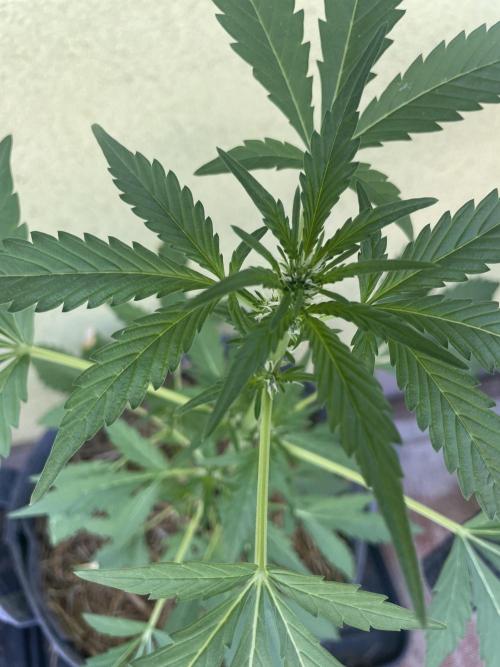
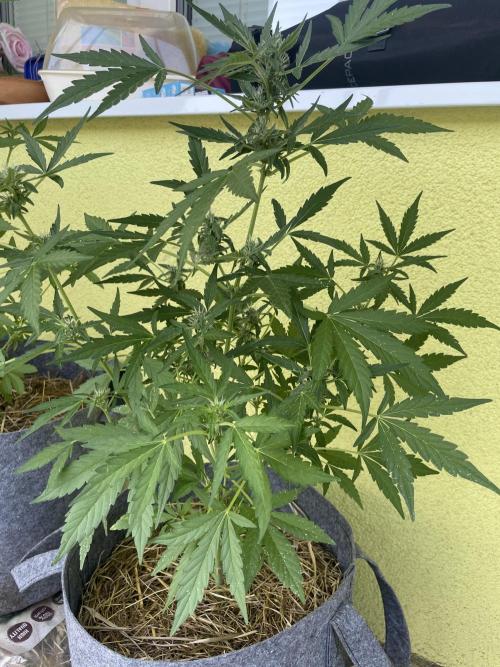
It's been four weeks since the root and fungus joined forces. Unlike photoperiod plants, you don't have to force it into anything. With an auto, switching is not a ritual; it's an unstoppable internal process. The plant has matured on its own and decided: Harvest time is approaching. It's time to put everything into bloom.
On the day you notice the first clusters of white pistils at the top of the main stem, you perform the "first dinner" ritual. You take Guanokalong. Two tablespoons. Twenty grams. It's dry, crumbly, smells of caves and antiquity. You add a teaspoon of Trichoderma. Two grams. You mix it with your fingers.
You push the straw mulch to the side. You don't uncover the whole pot; you just make a ring around it, five centimeters from the stem. You sprinkle the mixture of Guanokalong and Trichoderma into that groove. Then you bury it two centimeters below the surface with two fingers and put the mulch back. As if nothing happened. But under the blanket, the future is just starting to brew.
You take a liter of undiluted tea. The same one you brew every fourteen days. Worm-Humus, water, molasses, 24 hours of bubbling. This time you don't dilute it. You pour it with full force. The tea wakes up the bacteria. The bacteria start breaking down Guanokalong. Phosphorus and potassium begin to slowly release. Not today. Not tomorrow. In a week. Just in time when the plant stops growing upwards and starts building flowers.
And then you just watch the miracle. You don't have to switch the clocks. The plant runs its light cycle as it suits it. The first week after the switch, not much seems to happen. The plant starts stretching for the sun – it's its version of a stretch, although much more moderate than with photoperiods. But below the surface, the roots already feel the change. Mycorrhiza starts pulling a different set of nutrients. Trichoderma is on double watch because the moisture in the pot begins to increase as the buds start forming.
Happy growing, may it thrive.
9 likes
comments
Share
6
Week 6. Flowering
2mo ago
1/4
60 cm
Height
13 hrs
Light Schedule
40 °C
Day Air Temp
6.5
pH
70 %
Air Humidity
20 °C
Solution Temp
20 °C
Substrate Temp
25 °C
Night Air Temp
22 liters
Pot Size
1 liters
Watering Volume
Nutrients 1
Powder
100 mll
Cesilko Hello Growers The second hero of the story – the worm
The quiet breath of the soil, the compost heap, and the laboratory hidden in a single body
While mycorrhiza spreads its fine highways of life underground, someone else quietly tends to the entire kingdom. Someone who opens the soil, aerates it, transforms it, and creates from ordinary waste the substance from which strength is born.
Worm
Darwin called it "the intestines of the Earth." And he wasn't exaggerating. Without the worm, the soil would only slowly awaken to life. With it, it breathes, softens, darkens, and finds fertility within itself.
The work you don't see
The worm works silently and without ostentation. It moves through the darkness, taking in dead leaves, old roots, compost remnants, and the invisible world of microbes. And everything that passes through its body returns transformed. It is no longer waste. It is dark, living gold.
Scientists call it vermicompost. Old gardeners spoke of black gold. It is a substance full of bacteria, enzymes, and humic acids; a dense memory of the soil that the plant absorbs with ease. The worm prepares food for you for free, which no bottle can replace.
But the worm doesn't just produce nutrition. It builds a home.
The architect of the underground
Every tunnel it leaves behind is a small miracle. Water drains through it when there's too much, and roots don't drown. Air descends deep into the earth through it, awakening microbes above and below. Thanks to it, the soil doesn't act like a dead mass, but like a body that knows how to breathe.
Soil without worms is like a city without roads and without sewage. Everything comes to a halt, water gets stuck, air disappears, and life begins to quietly fade.
The worm is an tireless tractor in a soft body. It works day and night. It doesn't need diesel, doesn't break down, and doesn't require servicing. It only wants shade, moisture, and food.
How the worm thinks
The worm doesn't count phosphorus or search for nitrogen. It doesn't make plans, doesn't measure tables. It does one ancient thing perfectly: it takes in the dead and returns the living.
Does it encounter a piece of leaf? It transforms it into humus.
Does it come across a grain of mineral? It wraps it in life to make it accessible.
Does it find compacted soil? It opens it up and gives it a chance to breathe again.
It doesn't have a brain like ours. It has an instinct millions of years old. And that instinct often understands the soil better than all the fertilizer tables combined.
What the worm needs from you
Three simple things. Nothing more. And yet, the entire underground kingdom stands on them.
1. Darkness and moisture. The worm hates light and dryness. Mulch is its roof, its blanket, and its refuge. Under the mulch, the soil remains pliable and calm. Bare earth is a desert for it.
2. Food. Give it a handful of cut grass, a piece of banana peel, salad scraps under the mulch. It will accept them and patiently transform them. Don't feed it chemicals from a bottle. That would be like pouring fuel into a living engine that doesn't allow it to breathe.
3. Peace. Don't dig into the soil every week. Don't break its corridors and quiet work. When you turn the soil, you tear not only the worm's paths but also the delicate fungal networks. No-till is not laziness. It is respect for the life that works beneath the surface.
The worm is a test
Do you want to know if your soil is alive? Clear away the mulch. If a worm flits beneath it, the earth has answered you yes. If there are none, the problem is not with the plant. The problem is with the conditions you provide.
The worm is the first to disappear from soil that has lost balance. And it is the first to return where life settles again. It is your silent biosensor. For free.
Collaboration of three kings
Now connect it. The plant sends sugar to the fungus. The fungus brings water and phosphorus to the plant. The worm opens the soil so the fungus can breathe and creates humus for the plant to grow from.
None of them work for money. They work for the flow of life. And when that flow doesn't stop, it nourishes all.
You are not the boss. You are a steward of the land in miniature. Your job is to protect the worm from drought, the spade, and chemicals. The rest it will do – quietly, persistently, and with wisdom older than our gardens.
Let it grow. 🌱✌️
8 likes
comments
Share
8
Week 8. Flowering
2mo ago
1/2
60 cm
Height
13 hrs
Light Schedule
40 °C
Day Air Temp
6.5
pH
70 %
Air Humidity
20 °C
Solution Temp
20 °C
Substrate Temp
25 °C
Night Air Temp
22 liters
Pot Size
1 liters
Watering Volume
Cesilko Hey Growers, What have I done wrong so far
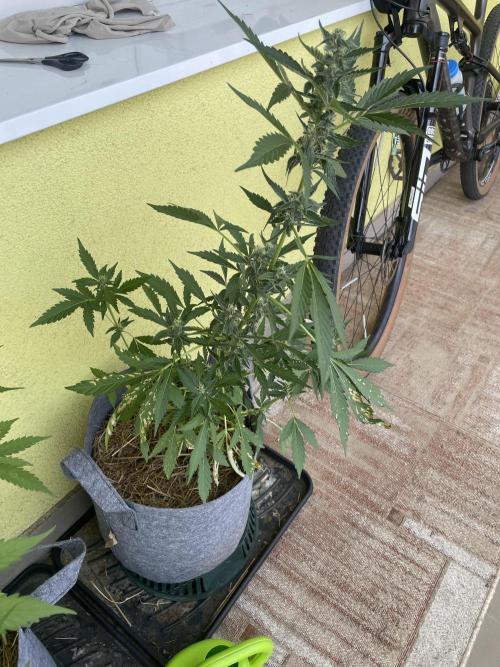
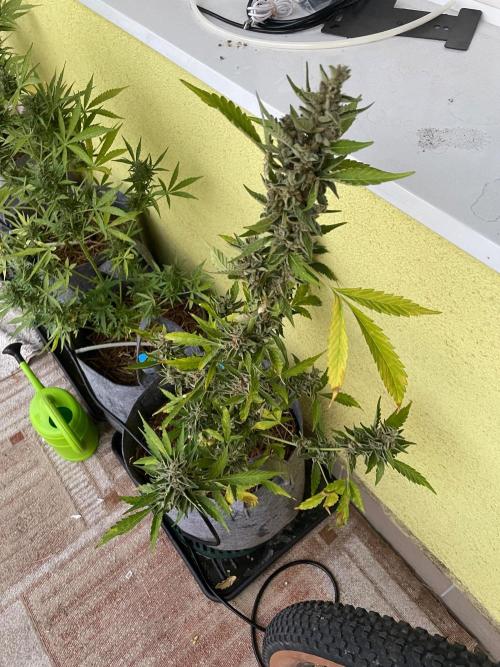
When the plants were about fourteen days old, I made my first big mistake. I left the balcony open and a heavy downpour came. The water broke the plants and also probably washed away some nutrients and the delicate balance that the living soil was just starting to establish. It took some time for the plants to recover from the breakage. After that, I had to support the life in the soil again, which meant more unnecessary stress for them.
Another problem came in the fifth week. I went away for work for a week and no one took care of the plants. When I returned, the soil was dry almost to dust and the plants looked tired. The dryness weakened the microbial life in the soil again, so I had to gradually restart it. This was another shock for the plants and another slowdown in their development.
The third mistake relates to inconsistency. I don't make worm tea as often as I should. Ideally, I would like to use it about once every two weeks as a gentle support for soil life, but I'm often away for work and the care doesn't have a regular rhythm. Living soil works best where it gets peace, stability, and repeated gentle support.
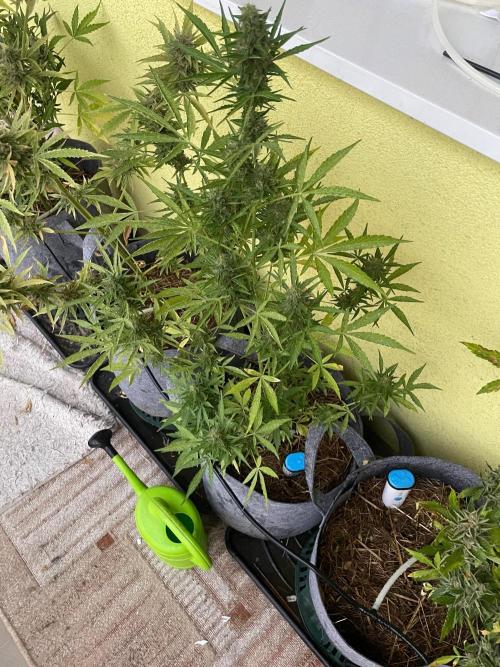
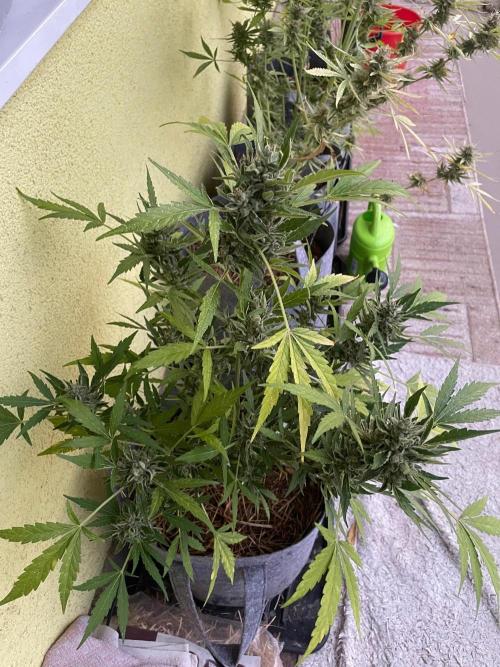
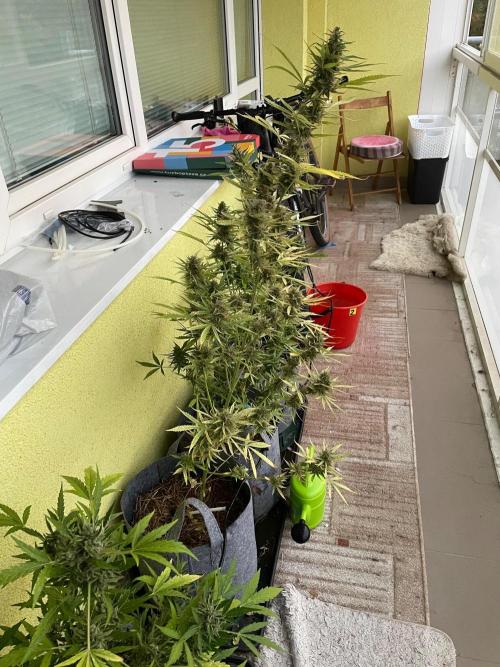
The fourth mistake is the size of the pots. I'm currently using 22-liter containers, but in the conditions I'm growing in, that's not a stable enough foundation. The sun shines on the balcony all day and the temperature can rise up to 45 °C. For such a small volume of soil, that's too much stress. The substrate heats up quickly, dries out quickly, and the soil life has much worse conditions. In the future, I need bigger pots so that the system has more inertia, retains moisture better, and functions more stably.
Let it grow ✌️
7 likes
2 comments
Share
11
Week 11. Flowering
1mo ago
1/6
60 cm
Height
13 hrs
Light Schedule
40 °C
Day Air Temp
6.5
pH
70 %
Air Humidity
20 °C
Solution Temp
20 °C
Substrate Temp
25 °C
Night Air Temp
22 liters
Pot Size
1 liters
Watering Volume
Cesilko Poslední týden: Když už se nic nehnojí a všechno se jen pozoruje
A jsme na konci. Poslední týden před sklizní už není o tom něco dohánět. Není to čas na paniku, zázračné lahvičky ani poslední velké zásahy. Co rostlina nestihla vybudovat doteď, to už jí nevynutíš. Teď ji necháš dokončit práci, kterou začala dávno předtím, než se objevily první palice.
V living soil je poslední týden zvláštní. V klasickém pěstování by se mluvilo o flushi, o proplachování a vyhánění solí ze substrátu. Tady žádné soli nevyháníš. Nevyléváš život z květináče jen proto, že se blíží sklizeň. Zaléváš dál jen čistou odstátou vodou, opatrně a s respektem. Žádný runoff. Žádné topení kořenů. Jen tolik vody, aby půda zůstala živá a rostlina nemusela poslední metry běžet se suchým krkem.
Mulč nechávám na místě. Neodhrabuju ho ze zvědavosti každý den. Pod ním pořád pracují žížaly, houby a bakterie. I když už nahoře rostlina pomalu končí svůj příběh, dole půda pořád dýchá. Je to trochu zvláštní pocit. Člověk sklízí jednu rostlinu, ale zároveň si uvědomí, že půda není spotřebovaný materiál. Je to základ pro další kolo. Pokud ji nezničíš, může pokračovat dál.
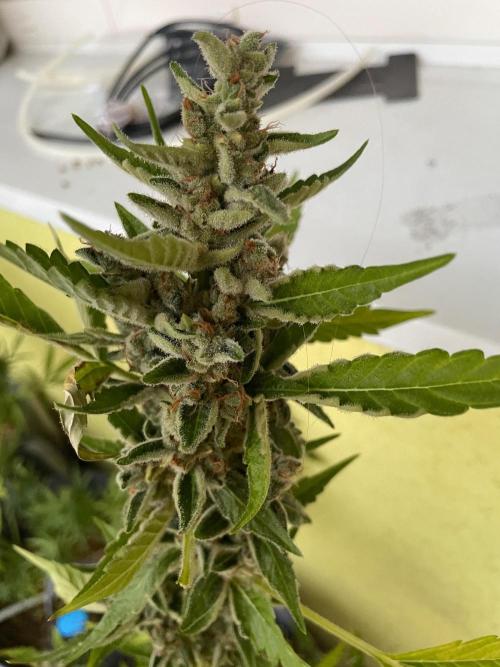
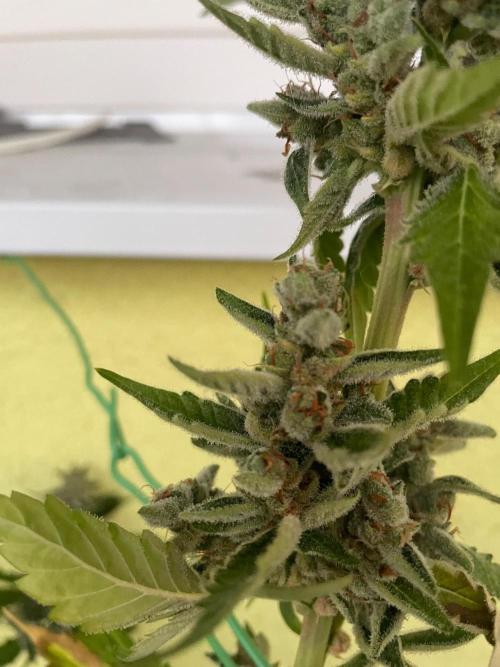
Prakticky kontroluju hlavně tři věci. Vlhkost půdy, stav listů a zralost květů. Listy už nemusí být dokonalé. Některé žloutnou, některé schnou, některé vypadají unaveně. To je v závěru normální. Rostlina přesouvá poslední sílu tam, kde ji chce mít – do květů. Důležité je, aby nevadla žízní a aby se v palicích nedržela zbytečná vlhkost. Proudění vzduchu je teď důležitější než jakékoli hnojivo.
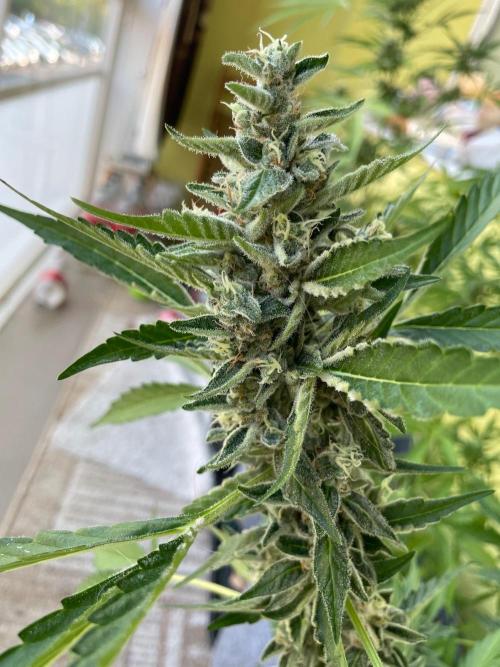
Sleduju trichomy. Ne kalendář. Ne sliby seedbanky. Ne to, co napsal někdo na fóru. Lupa řekne víc než tabulka. Když jsou čiré, je brzy. Když jsou mléčné, rostlina je na vrcholu. Když se začnou objevovat jantarové, začíná se lámat charakter účinku. Každý si musí najít svůj moment. Já už vím, že sklizeň není závod. Je to rozhodnutí.
Když se ohlédnu zpátky, nebylo to dokonalé pěstování. Byla tam bouřka, sucho, nepravidelnost, malé květináče a moje vlastní nedočkavost. Ale právě proto to mělo cenu zapisovat. Living soil není metoda pro člověka, který chce všechno kontrolovat do posledního mililitru. Je to škola pozorování. Naučí tě zvednout květináč, přivonět k půdě, podívat se pod mulč a pochopit, že rostlina není stroj. Je to součást malého ekosystému, který buď podporuješ, nebo rušíš.
Největší lekce pro mě je jednoduchá: méně zásahů, víc stability. Větší nádoby. Lepší ochrana před extrémním počasím. Pravidelnější čaj. Stálý mulč. Méně paniky. Půdě nedělá dobře, když ji člověk každé dva dny zachraňuje. Dělá jí dobře, když jí vytvoří podmínky a pak jí nepřekáží.
Až sklidím, nebudu ten květináč brát jako odpad. Rostlina půjde pryč, ale půda zůstane. Kořenový bal se časem rozloží. Žížaly ho sežerou. Houby ho prorostou. Bakterie ho promění zpátky v jídlo. Přidám nový mulč, trochu humusu, podle potřeby jemně doplním výživu a nechám půdu znovu nadechnout. To je na celé téhle cestě možná to nejhezčí. Konec rostliny není konec půdy.
Takže jestli si z toho má začátečník odnést jednu věc, pak tuhle: nepěstuješ jen rostlinu. Pěstuješ půdu. Rostlina je odměna za to, že se o ten neviditelný svět dole staráš dobře.
Díky všem, kdo to dočetli až sem. Ať vám kořeny dýchají, půda voní jako les a pod mulčem je vždycky život.
Growu zdar. 🌱✌️