


1st Time Grower



Bio Soil
Compo

Outdoor
Room Type
Transplantation
weeks 2-9
114 l
Pot Size
9.46 l
Watering
Start at 8 Week
G
Germination6d ago
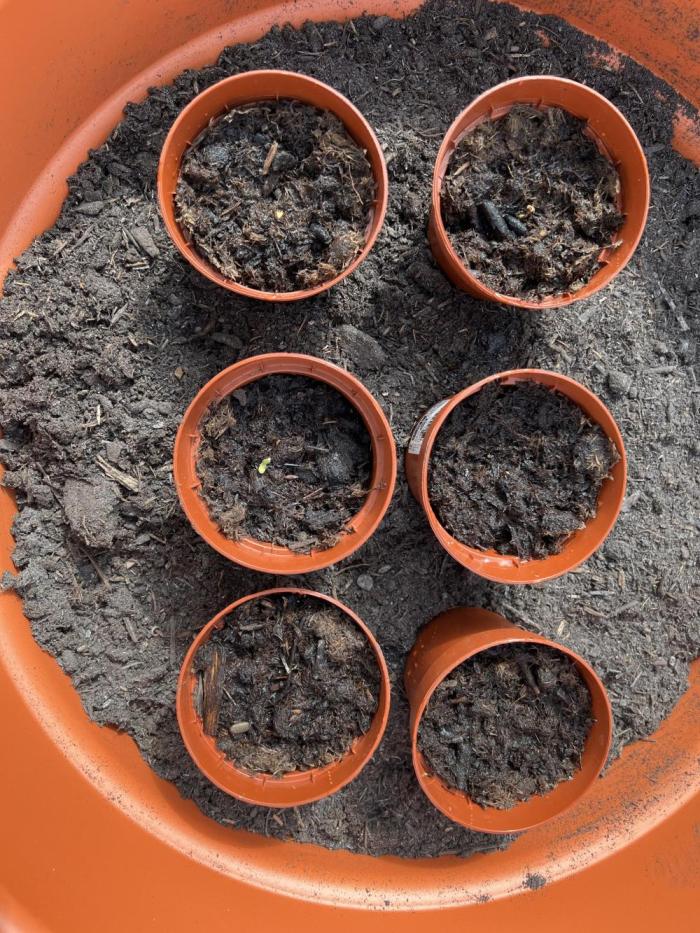
cdf62 First attempt at this. Tried a variety of seeds to figure out what works and what doesn't. All seeds sent out by Sensi. They took really good care of me. Not knowing, I got off to a very late start.
1 like
comments
Share
Used method
Directly In Substrate
Germination Method
2
Week 2. Vegetation6d ago
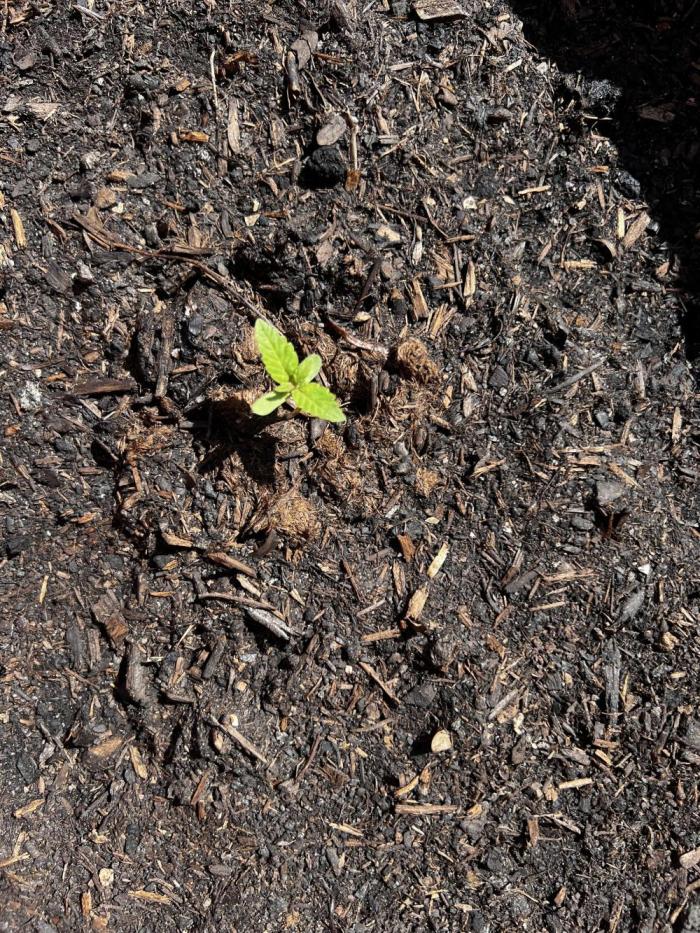
2.54 cm
Height
16 hrs
Light Schedule
21 °C
Day Air Temp
8.4
pH
No Smell
Smell
113.56 l
Pot Size
0.38 l
Watering Volume
45.72 cm
Lamp Distance
cdf62 Moved outside into 30gal plastic pots. Jamaican Pearl failed to germinate. Disappointing. Sensi sent replacements.
1 like
comments
Share
Used techniques
Transplantation
Technique
3
Week 3. Vegetation6d ago
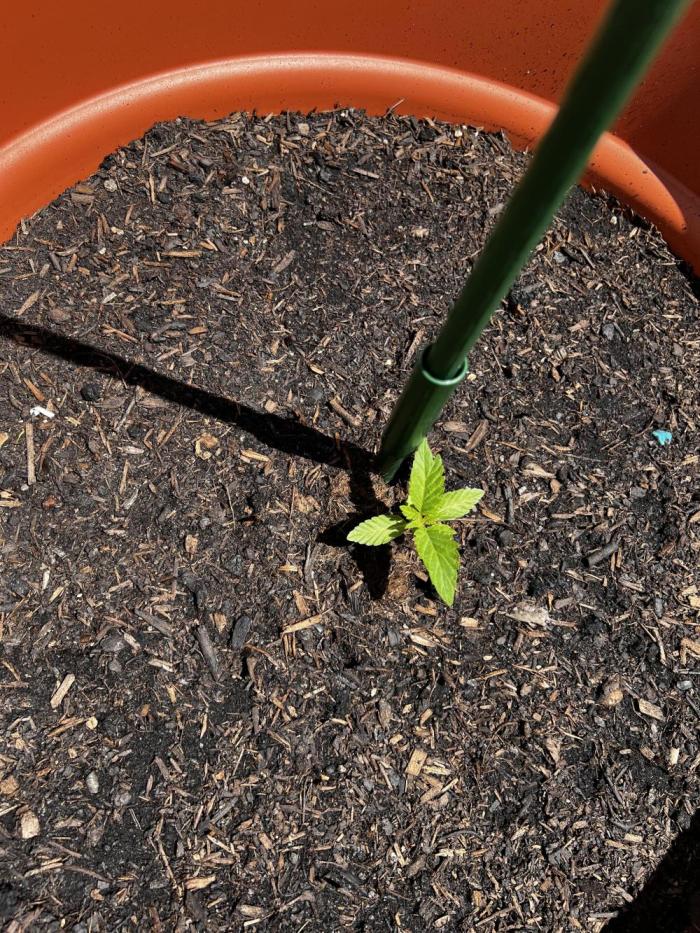
5.08 cm
Height
16 hrs
Light Schedule
21 °C
Day Air Temp
8.4
pH
No Smell
Smell
113.56 l
Pot Size
3.79 l
Watering Volume
cdf62 Growing like a weed.
1 like
comments
Share
Used techniques
Transplantation
Technique
4
Week 4. Vegetation6d ago
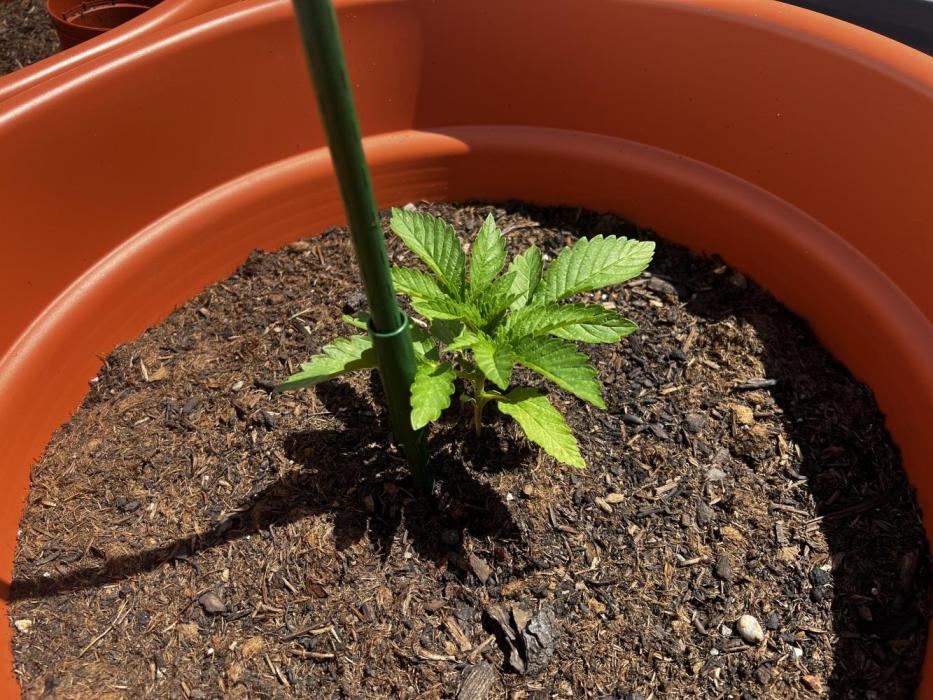
10.16 cm
Height
16 hrs
Light Schedule
36 °C
Day Air Temp
8.4
pH
No Smell
Smell
113.56 l
Pot Size
3.79 l
Watering Volume
Nutrients 1
Foliage Plant and Palm Fertilizer
2 mll
cdf62 Jamaican Pearl germinated late. Sprayed for mites. Two light sprayings and no more bugs.
1 like
comments
Share
Used techniques
Transplantation
Technique
5
Week 5. Vegetation6d ago
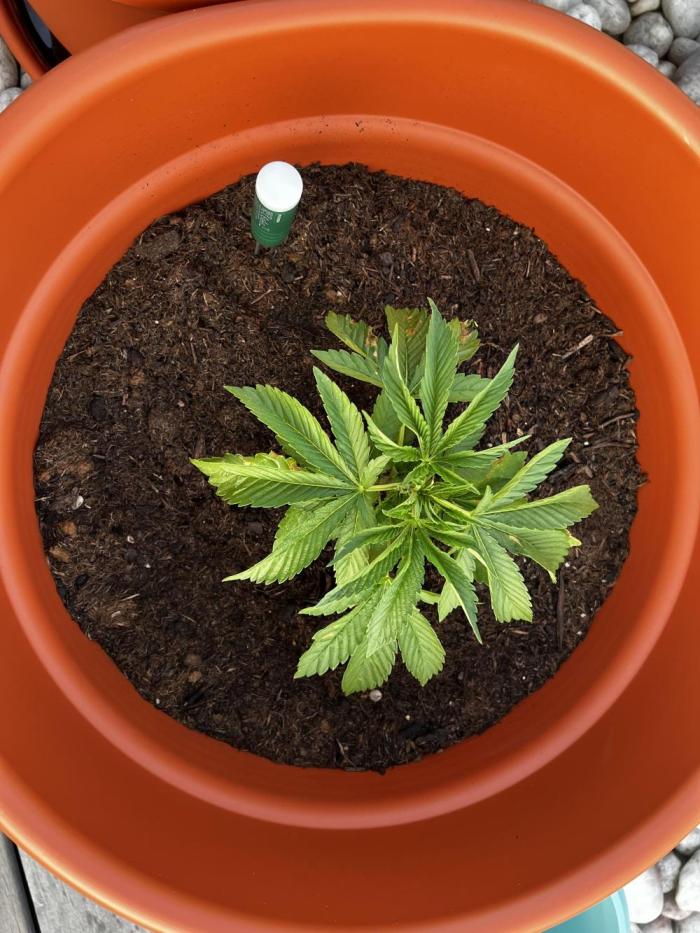
15.24 cm
Height
16 hrs
Light Schedule
29 °C
Day Air Temp
8.4
pH
Weak
Smell
15 °C
Night Air Temp
113.56 l
Pot Size
3.79 l
Watering Volume
Nutrients 1
Foliage Plant and Palm Fertilizer
2 mll
cdf62 Starting to worry about the soil pH. Bought some soil testing/monitoring gear.
1 like
comments
Share
Used techniques
Transplantation
Technique
6
Week 6. Vegetation6d ago
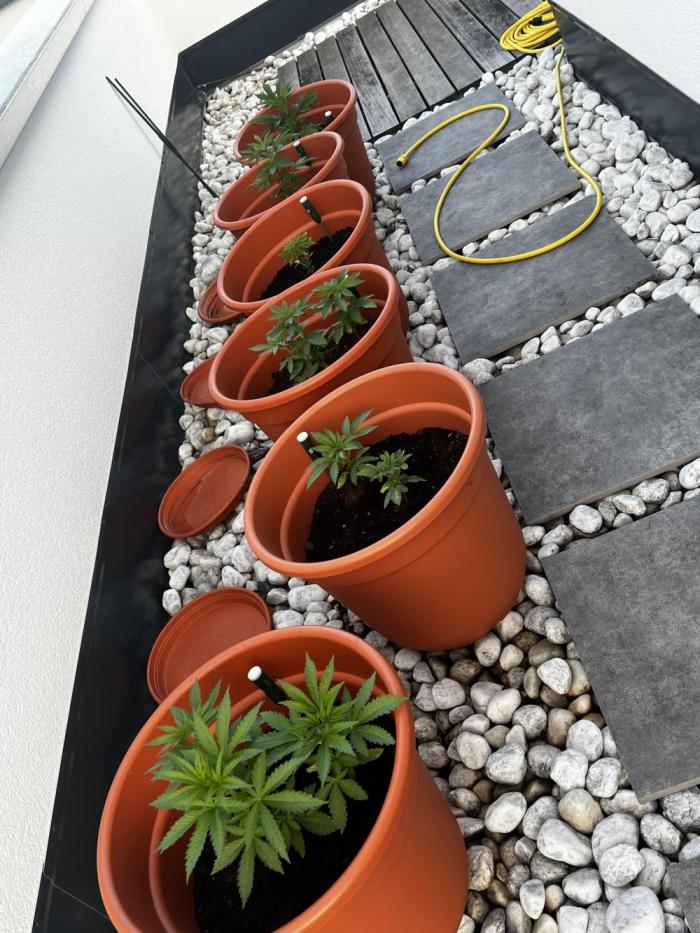
20.32 cm
Height
16 hrs
Light Schedule
35 °C
Day Air Temp
8.0
pH
Weak
Smell
44 °C
Substrate Temp
15 °C
Night Air Temp
113.56 l
Pot Size
3.79 l
Watering Volume
Nutrients 1
Foliage Plant and Palm Fertilizer
2 mll
cdf62 Soil pH improving slowly. Have to be patient with it.
2 likes
comments
Share
Used techniques
Transplantation
Technique
7
Week 7. Vegetation6d ago
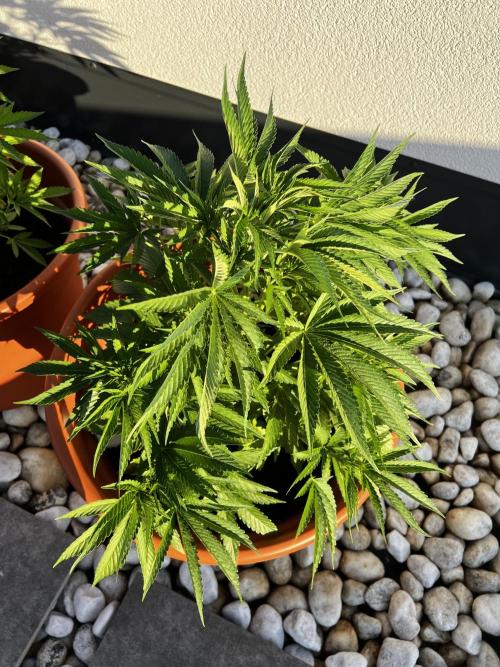
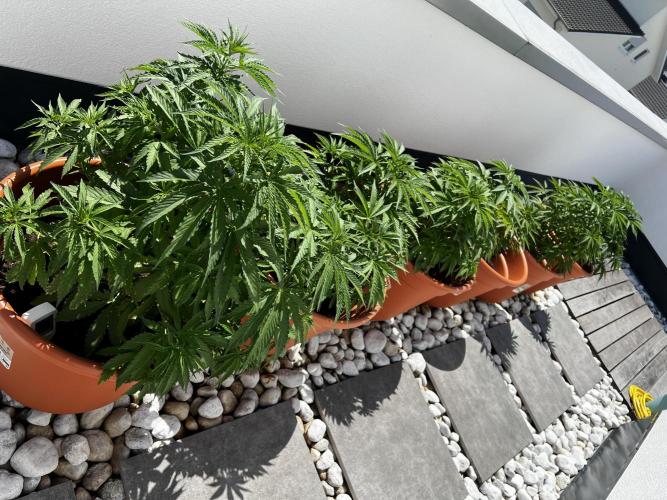
73.66 cm
Height
16 hrs
Light Schedule
35 °C
Day Air Temp
7.5
pH
Weak
Smell
38 °C
Substrate Temp
16 °C
Night Air Temp
113.56 l
Pot Size
7.57 l
Watering Volume
Nutrients 2
Foliage Plant and Palm Fertilizer
2 mll
Iron Sulfate Powder
0.52 mll
cdf62 Still working at pH levels. Ordered perlite for next year's soil improvement. Excited to see how well everything's going. Building a scaffold for later use.
2 likes
comments
Share
Used techniques
Transplantation
Technique
Grow Questions

cdf62started grow question 5d ago
Under what conditions should I be testing soil pH? Is there a specific time of day? Before watering or after?
Solved
1 like
00110001001001111Oanswered grow question 5d ago
Just know it's more art than science. All sorts of things can cause odd readings that are not representative of reality.
Whether you do soil slurries or test runoff etc... be consistent about how you do it. Don't react to the information, initially. Learn what 'normal' is for you methods of measurement -- also assumes healthy plants long-term...
Then you can react to things that deviate from that norm and maybe avoid a problem before it starts... but i wouldn't trust the exact value it spits out.
Level of moisture will greatly impact it (probably best after a watering rather than as it is nearing the next watering). If testing runoff whether you do it early or late in the runoff will impact it. If you make a slurry, the pH of the water you add and how much volume you add will greatly impact it....
Greater familiarity is needed than just measuring it in order to use that infor in an effective way.
Heck, the probe physically bumping into something could cause a whack-a-doo reading.. some dissolving bit of nutrition in proximity to the probe, a chunk of dried up solute if testing runoff etc etc..
pH balance anything before you add it, and stick to normal watering practices and you'll be fine. The microbes in your soil are going to mitigate and at least partially dictate resting pH.
8
Week 8. Vegetation15h ago
91.44 cm
Height
16 hrs
Light Schedule
24 °C
Day Air Temp
6.5
pH
Normal
Smell
14 °C
Substrate Temp
16 °C
Night Air Temp
113.56 l
Pot Size
9.46 l
Watering Volume
Nutrients 2
Foliage Plant and Palm Fertilizer
2 mll
Iron Sulfate Powder
0.52 mll
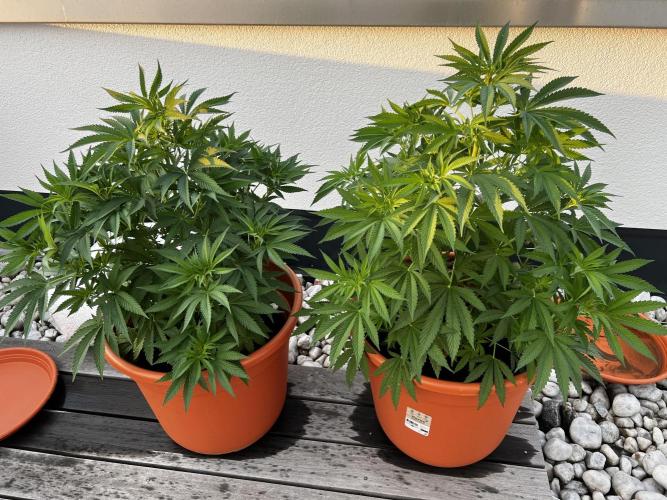
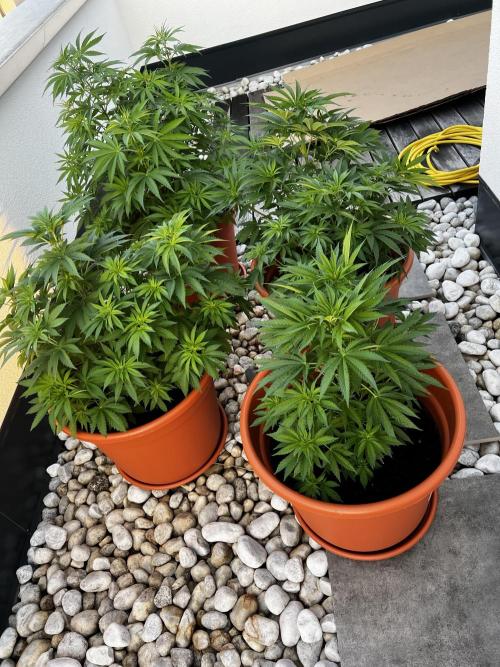
cdf62 Will reduce light to 11 hours/day. Proper soil prep cannot be understated: Pot levels, medium mix, pH prep, knowing how much water a pot requires based on what it can hold and uptake by plants. Keeping up with this diary (2X daily on a spreadsheet) properly emphasized that need. Iron Sulfate made a minimal difference in pH readings. Switching to pH Down for Growth & Bloom.
likes
comments
Share
Enjoying this diary? Follow for more updates!
Prefer the old Diary view?
Go back to the old Diary view