


⛽️🍌 Chem D 195 x Banana Daddy Auto


Chem D 195 × Banana Daddy







Indoor
Room Type
11 l
Pot Size
0.1 l
Watering
Start at 1 Week
G
Germination15d ago

theChimp The entries in this journal are derived from daily voice memos recorded throughout the grow. A large language model (LLM) assisted with transcription and editorial organization, while all observations, measurements, and cultivation decisions were documented during the grow itself.
──────────
Introduction
This journal follows an unreleased experimental autoflowering cross from ETHOS Genetics combining Chem D 195 with Banana Daddy Auto. As an experimental line, considerable phenotypic variation is expected, making this an especially interesting cultivar to document from germination through harvest.
──────────
Germination & Early Seedling
Diary Summary
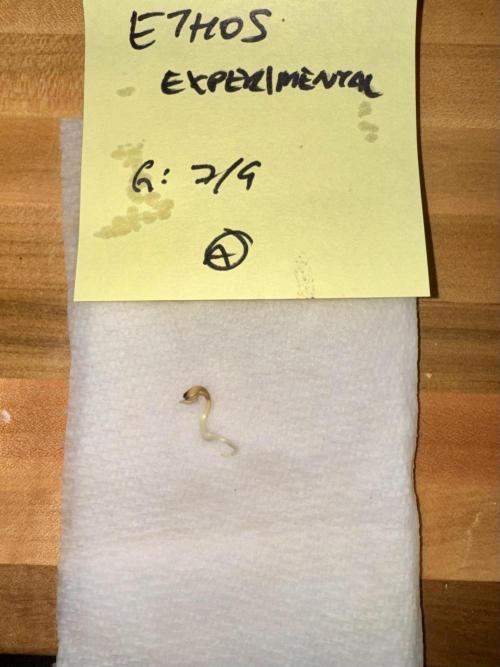
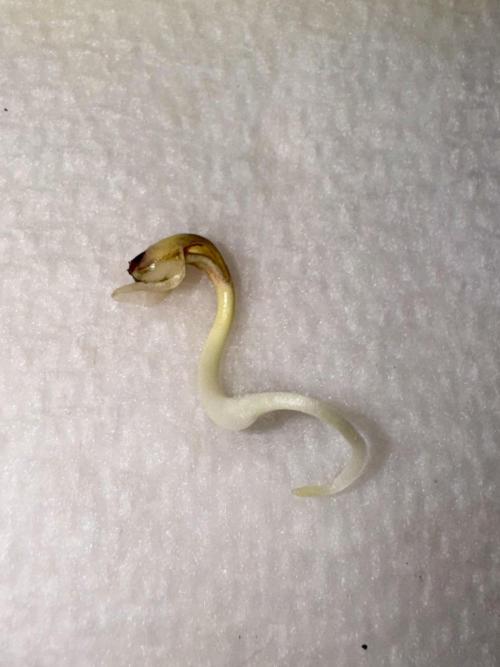
This seed was germinated on July 9 using the paper towel method before being transplanted directly into its final 3-gallon fabric pot. It immediately stood out by producing one of the longest and most vigorous taproots of any seed in this run before planting. Despite that unusually advanced development, the transplant was successful, and the seedling established quickly without signs of stress. By the end of this first week, the plant had successfully developed its first true leaves.
──────────
Environmental Summary
Average Temperature: 74.0°F
Average Relative Humidity: 69.7%
Average VPD: 0.87 kPa
──────────
Germination Method
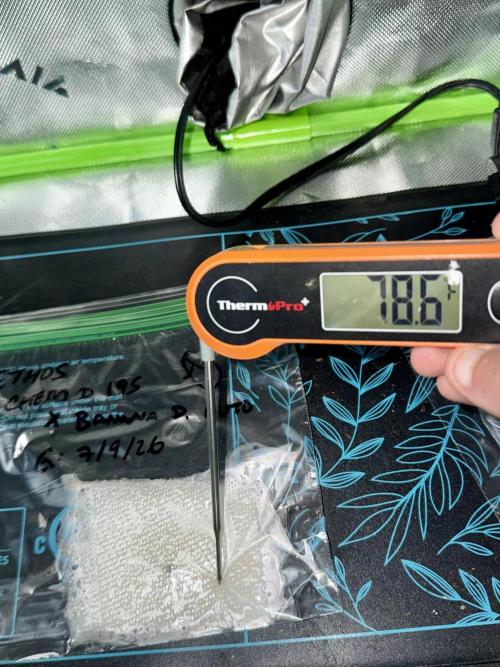
The seed was placed between damp paper towels inside a sealed resealable plastic bag before being transferred onto a seedling heat mat inside the clone tent. Germination temperature averaged ~80°F.
After several days, the seed cracked and produced an exceptionally long taproot. By the time it was ready for transplant, the emerging seedling had already begun pushing visible green growth from within the shell, making it one of the most vigorous germinations observed during this round.
──────────
Seedling Development
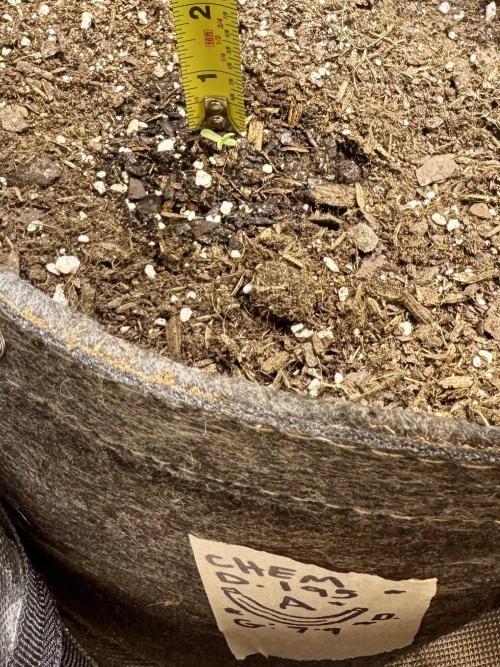
The unusually long taproot translated into a rapid and healthy emergence following transplant. Within the first few days, the seedling broke the surface and established healthy cotyledons before quickly producing its first set of serrated leaves.
Early irrigation remained intentionally conservative to encourage root expansion while maintaining adequate moisture around the seedling. Approximately 75 mL was applied during establishment, followed by 150 mL later in the week as the root zone continued expanding. Water was directed around the seedling rather than directly against the stem whenever possible.
2 likes
1 comment
Share
Used method
Paper Towel
Germination Method
1
Week 1. Vegetation13d ago
3.2 cm
Height
18 hrs
Light Schedule
25 °C
Day Air Temp
6.4
pH
71 %
Air Humidity
22 °C
Night Air Temp
11.4 l
Pot Size
0.1 l
Watering Volume
76.2 cm
Lamp Distance
theChimp Week at a Glance
Height:
0.75” → 1.25”
Canopy:
0.8” → 1.5”
Key Developments:
- Steady seedling establishment continued.
- Second true leaves began emerging.
- Preventative neem soil treatment applied for fungus gnat management.
──────────
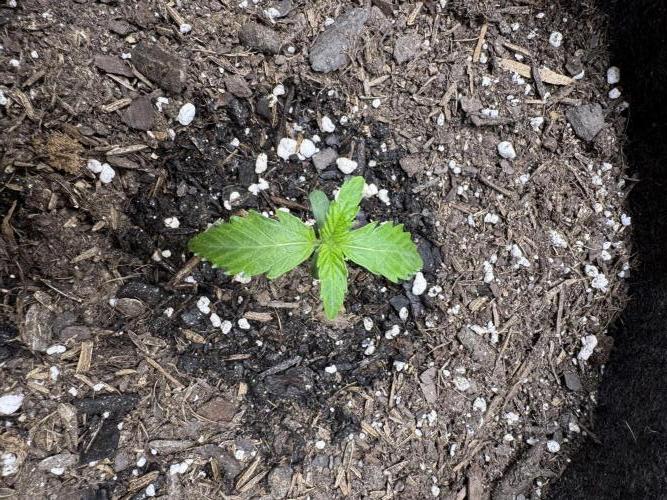
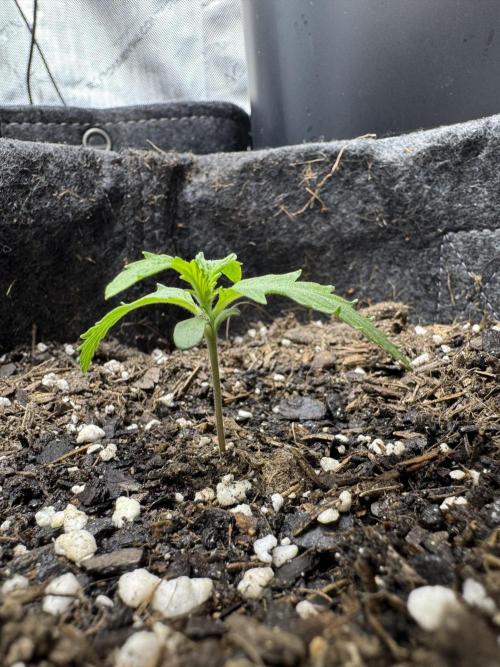
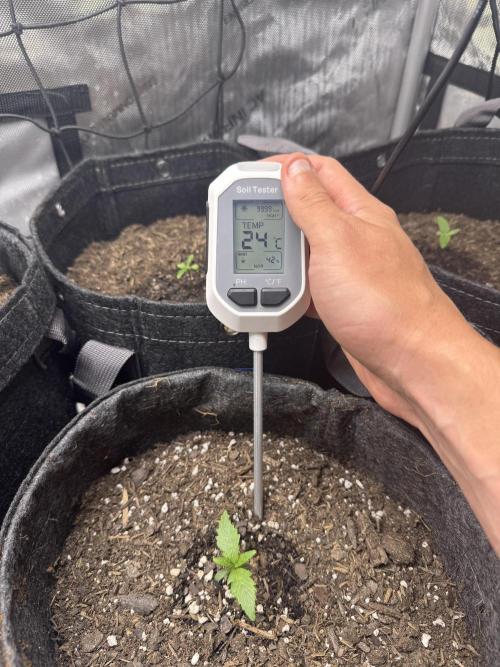
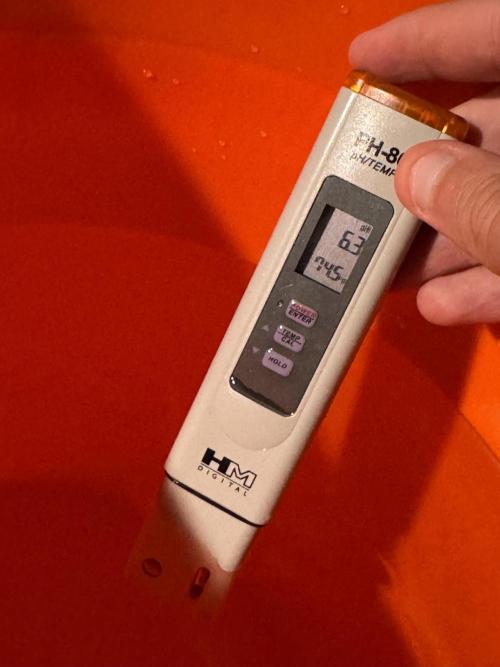
The ETHOS Chem D 195 × Banana Daddy Auto continued a healthy and uneventful establishment phase this week, prioritizing root development while steadily expanding its foliage. Growth remained compact with no signs of stretching or environmental stress, and the plant adapted well to both increased light intensity and the transition to pH-adjusted irrigation. By week’s end, the second set of true leaves had begun forming, marking the start of more active vegetative growth.
──────────
Environmental Summary
Average Temperature: 76.6 F
Average Relative Humidity: 70.6%
Average VPD: 0.87 kPa
──────────
Weekly Update
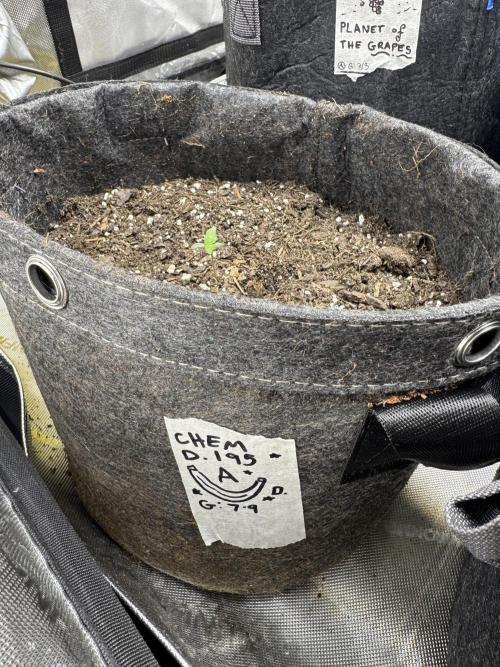
Development this week centered on establishing a strong foundation. The seedling maintained a compact structure with healthy green foliage while continuing to build its root system inside the 3-gallon fabric pot. Leaf expansion was gradual but consistent, with the second set of true leaves beginning to emerge near the end of the reporting period.
As a precaution against an early fungus gnat presence, a dilute neem solution was applied to the soil surface. The seedling tolerated the treatment well, with no visible negative effects. By the end of the week, it remained healthy, upright, and on track for continued vegetative development.
1 like
comments
Share
Enjoying this diary? Follow for more updates!

Prefer the old Diary view?
Go back to the old Diary view