


Sweet Annies




Custom Soil
Custom

Outdoor
Room Type
Transplantation
weeks 1
7.6 set_lilers
Watering
Start at Harvest
1
Week 1. Vegetation3mo ago
30.5 cm
Height
14 hrs
Light Schedule
27 °C
Day Air Temp
7.0
pH
Weak
Smell
16 °C
Night Air Temp
7.6 set_lilers
Watering Volume
Nutrients 1

Garden-tone
16 mll
Dudemann May 22, 2026 — Sweet Annie’s enter the garden
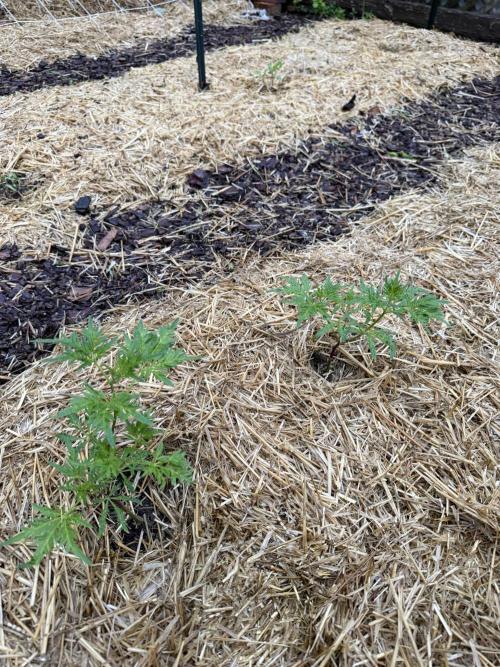
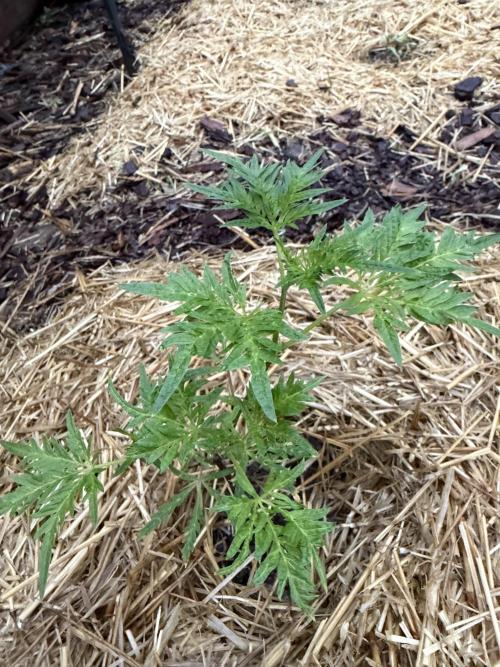
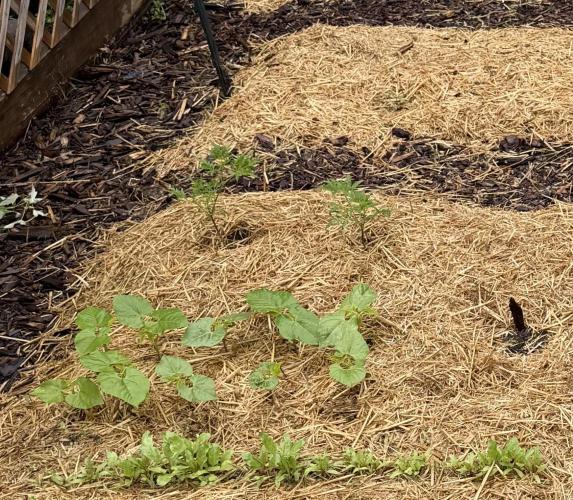
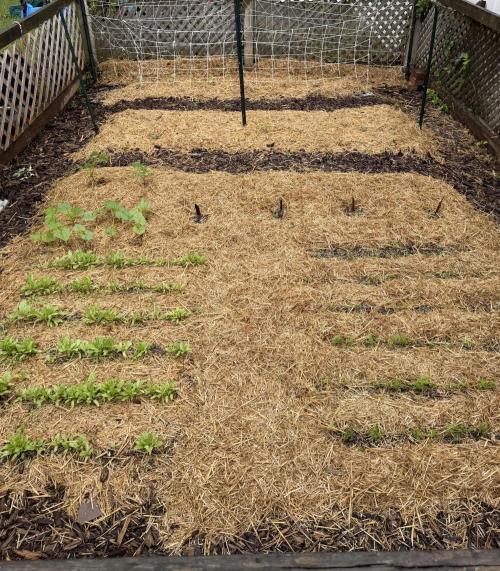
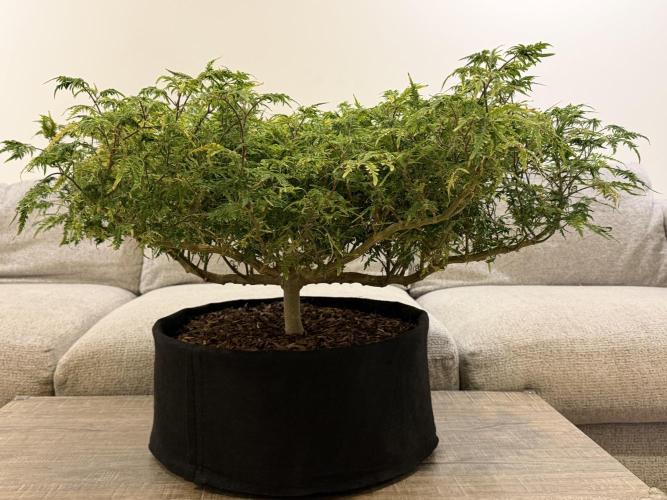
Two clones taken from my bonsai’d Khalifa Genetics FPF mother were planted directly into the vegetable garden behind the Beurre de Rocquencourt bush beans. At this stage they were still small, lightly branched plants focused on establishing roots. The garden had just begun filling in, with fresh straw mulch and the trellis installed. No heavy feeding or training yet just water, protection from slugs, and time to settle into the soil. These two little clones would later earn the nickname Sweet Annie’s as they disappeared into the surrounding vegetable garden and began looking more like wild herbs
4 likes
1 comment
Share
Used techniques
Transplantation
Technique
2
Week 2. Vegetation3mo ago
45.7 cm
Height
15 hrs
Light Schedule
27 °C
Day Air Temp
7.0
pH
Weak
Smell
16 °C
Night Air Temp
7.6 set_lilers
Watering Volume
Nutrients 1
Garden-tone
16 mll
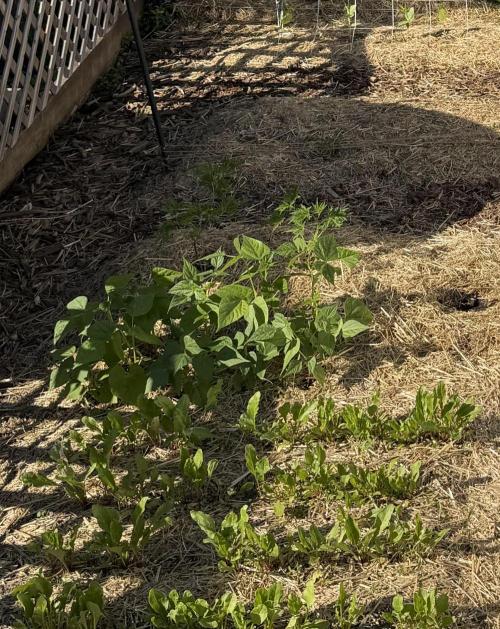
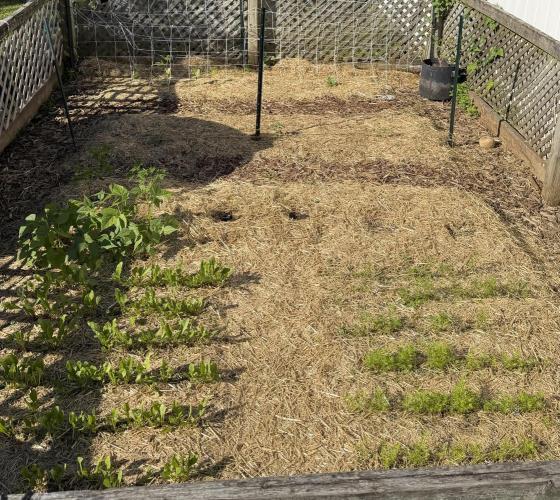
Dudemann June 3, 2026 — Established in the garden
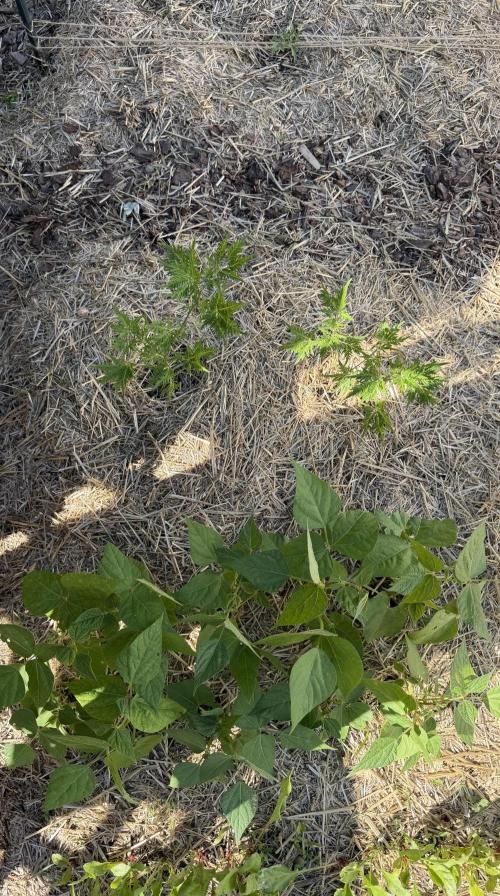
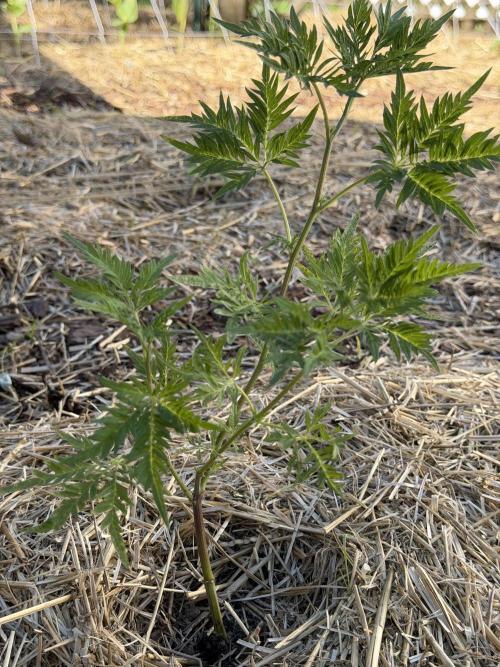
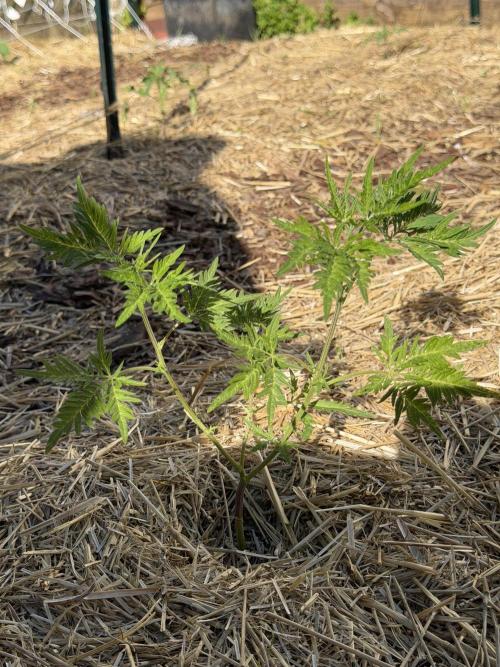
About twelve days after planting, the two Sweet Annie’s clones had settled into the vegetable garden and started pushing clean new growth.
At this stage they were still small, but no longer looked like fresh transplants. The plants were upright, branching, and showing the FPF leaf mutation clearly: shredded, fern-like foliage with narrow, deeply cut leaflets. No heavy feeding or training yet. The goal was simple: let them root, adapt to the outdoor bed, and disappear into the vegetables before flower.
2 likes
comments
Share
3
Week 3. Vegetation3mo ago
61 cm
Height
16 hrs
Light Schedule
35 °C
Day Air Temp
7.0
pH
Normal
Smell
21 °C
Substrate Temp
24 °C
Night Air Temp
7.6 set_lilers
Watering Volume
Nutrients 1
Garden-tone
16 mll
Dudemann The Sweet Annie’s
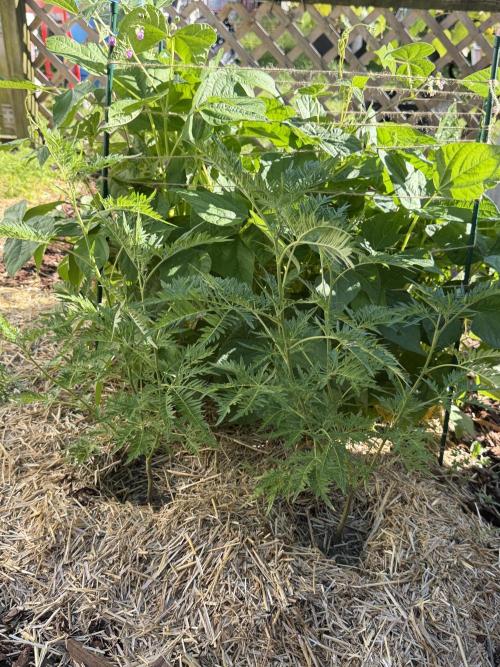
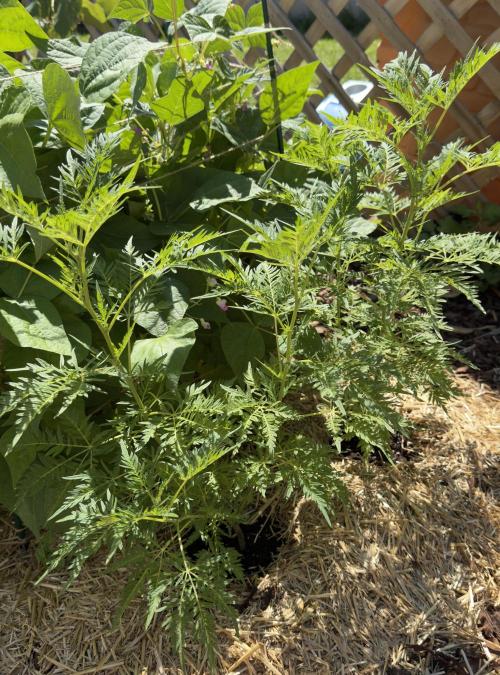
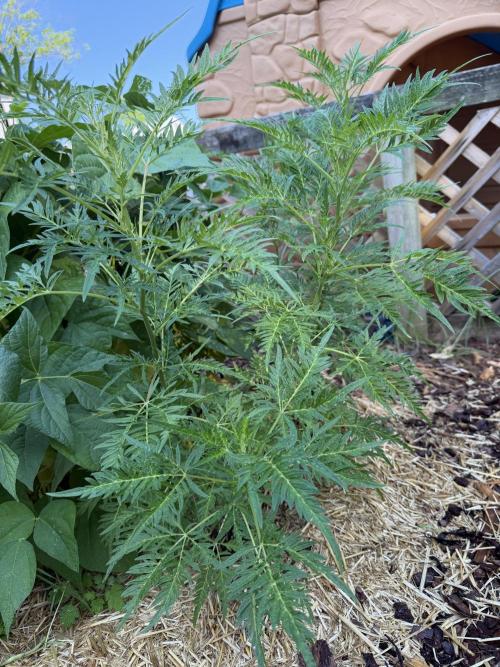
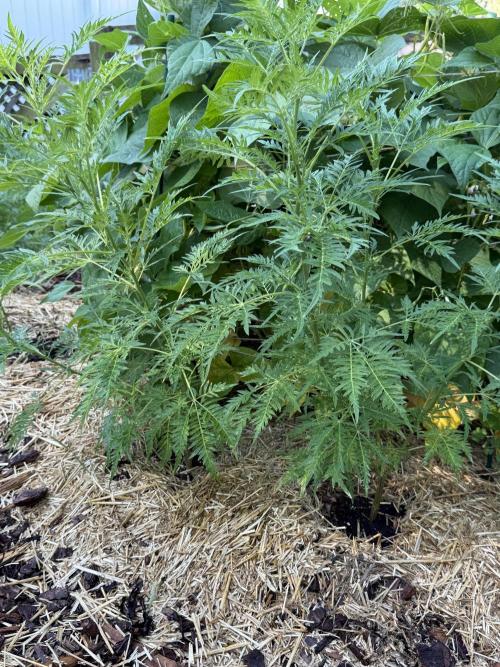
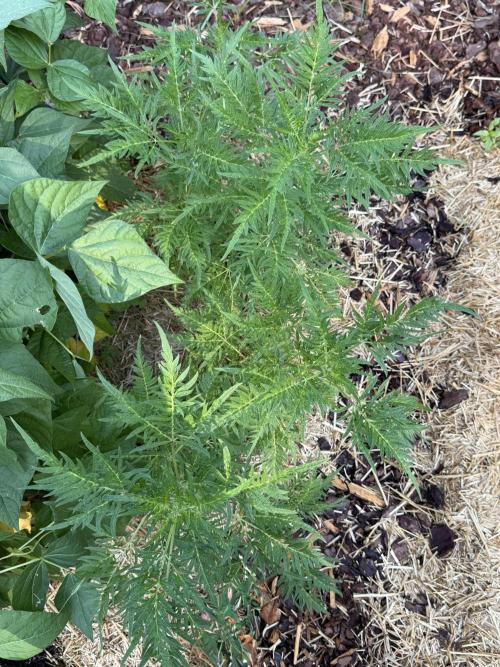
By June 20 The Sweet Annie’s had rooted in, stiffened up, and started building their first real branching structure. The first two photos are from June 20 and the last photos are from July 3.
Over the next two weeks they made a noticeable jump. By July 3 the plants had stretched upward, pushed multiple leaders, and started blending into the bean wall behind them.
No heavy training, and no big intervention. Just straw mulch, garden soil, water, and the plants doing their thing. This was the point where the Sweet Annie’s name really started to make sense: weird, soft-looking and camouflaged.
2 likes
comments
Share
4
Week 4. Vegetation3mo ago
76.2 cm
Height
16 hrs
Light Schedule
35 °C
Day Air Temp
7.0
pH
Normal
Smell
21 °C
Substrate Temp
24 °C
Night Air Temp
7.6 set_lilers
Watering Volume
Nutrients 1

Tomato-tone
24 mll
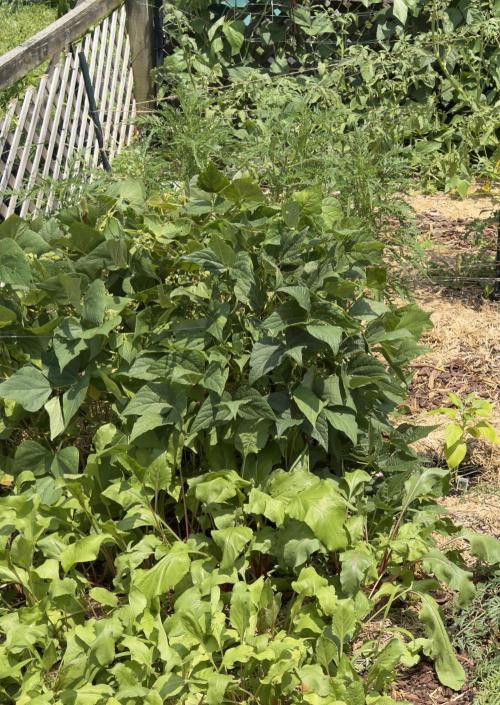
Dudemann July 19–July 24, 2026 The transition begins
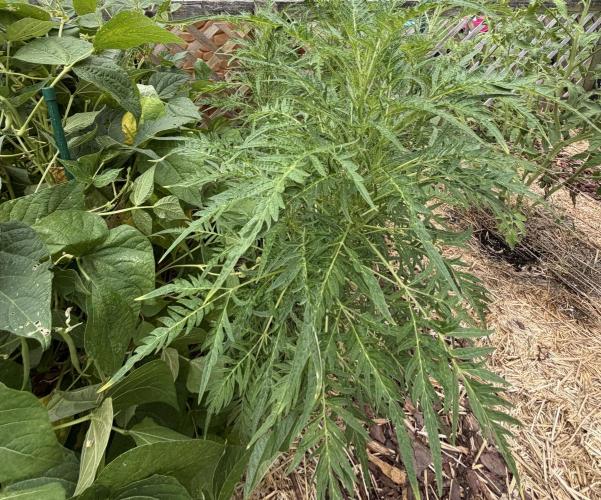
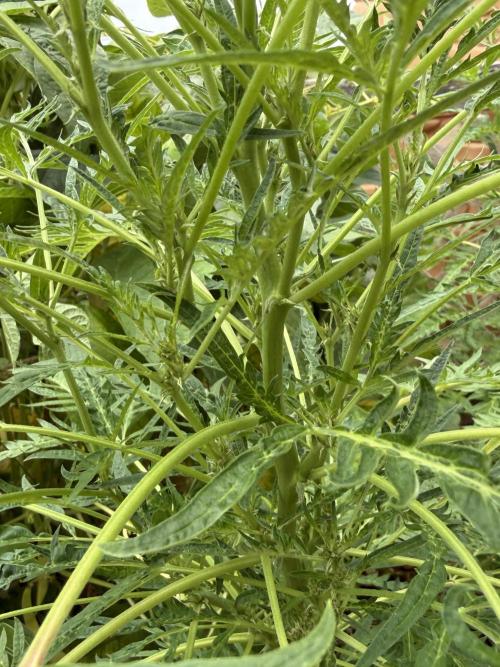
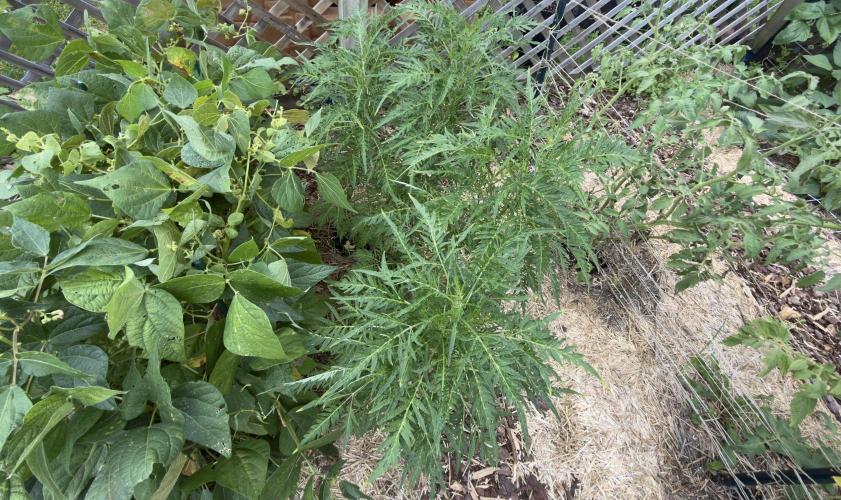
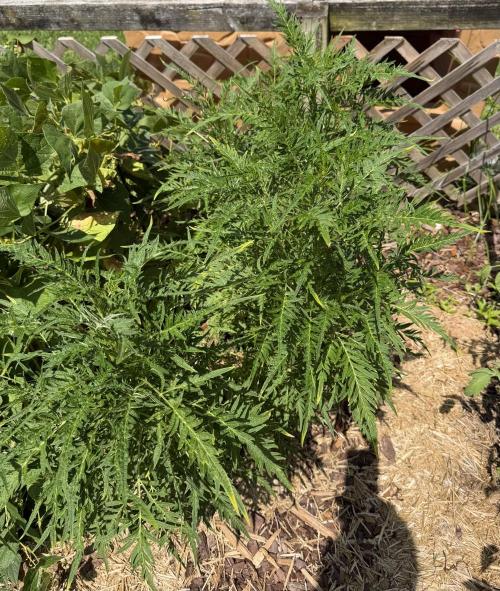
By mid-to-late July, the Sweet Annie’s had fully disappeared into the vegetable garden. At this stage they were surrounded by beans, tomatoes, beets, carrots, and the rest of the summer garden, giving them a real hidden-in-plain-sight look. The photos are from July 19th to July 24th.
During this window the plants made a noticeable shift. The branches stretched, the tops became more vertical, and the upper growth started changing texture. The FPF leaf mutation became even more expressive, with narrow shredded leaflets and reduced three-blade leaves appearing near the tops.
4 likes
comments
Share
5
Week 5. Flowering3mo ago
101.6 cm
Height
14 hrs
Light Schedule
29 °C
Day Air Temp
7.0
pH
Normal
Smell
18 °C
Substrate Temp
18 °C
Night Air Temp
7.6 set_lilers
Watering Volume
Nutrients 1
Tomato-tone
24 mll
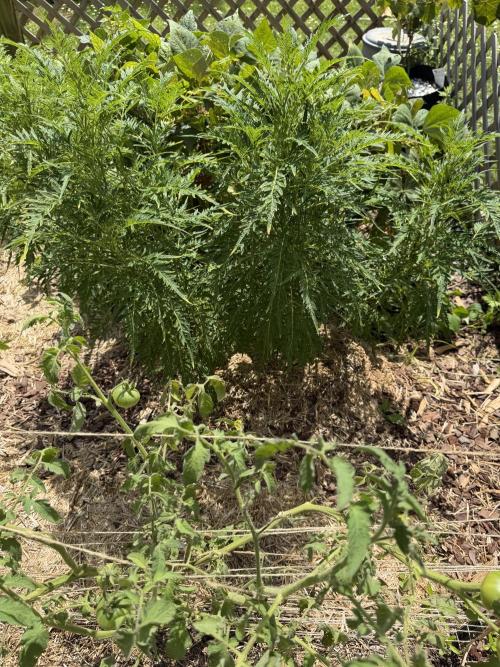
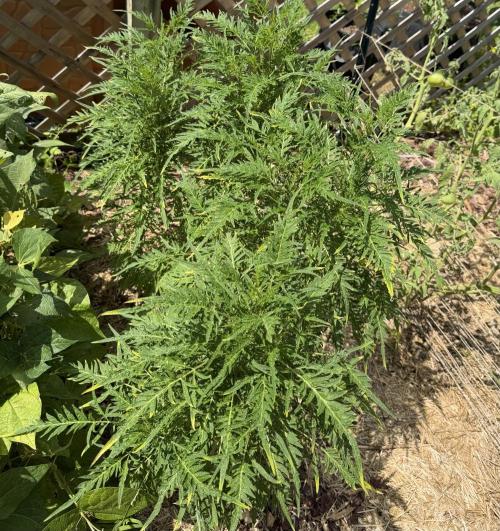
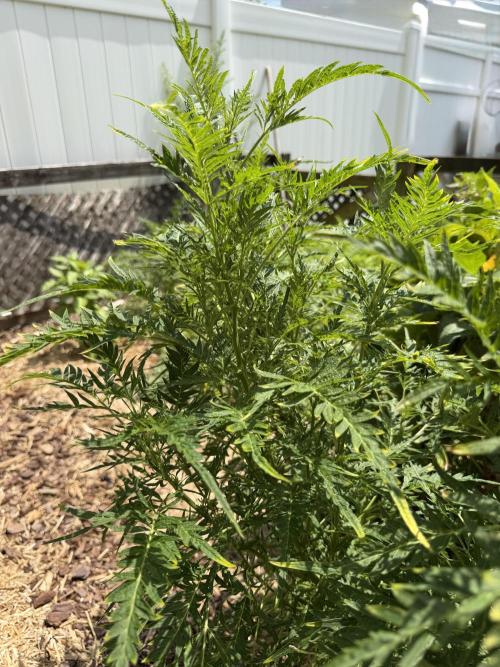
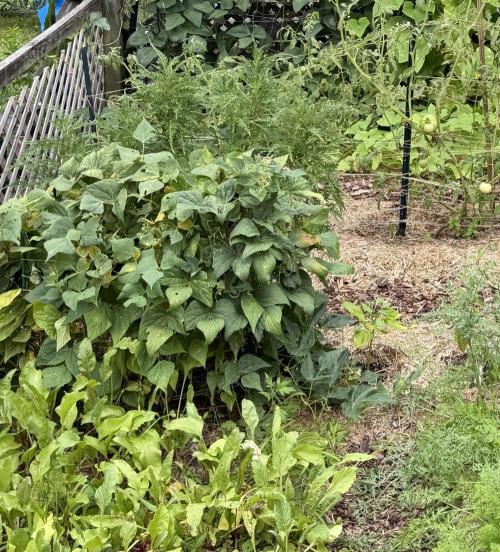
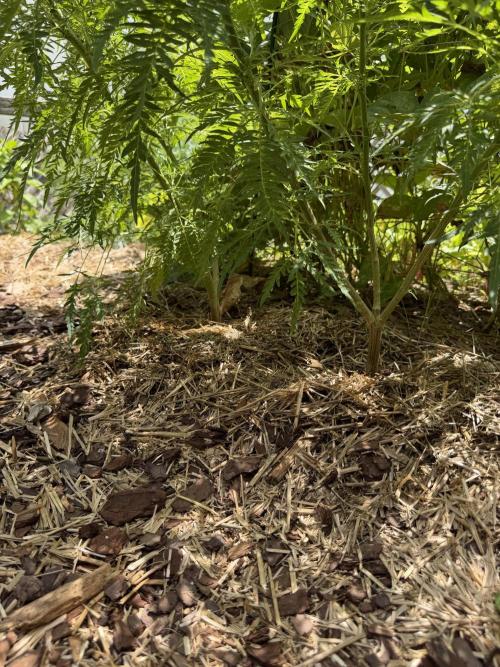
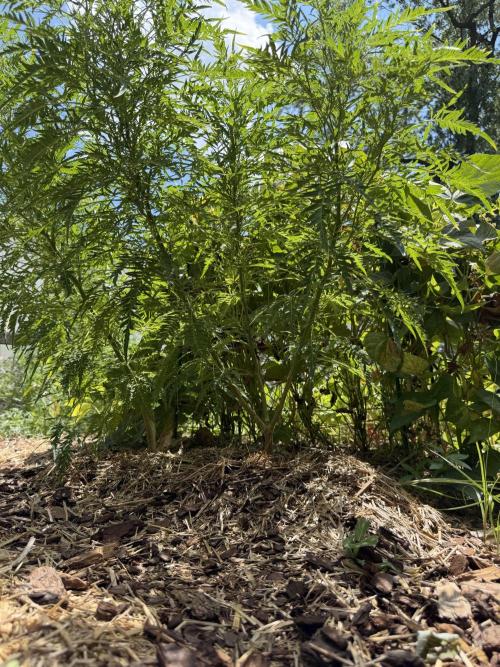
Dudemann July 31, 2026 Hidden in plain sight
At this stage they had become proper little shrubs. The lower stems had thickened, the plants had built multiple upright leaders, and the canopy had filled into a dense, fern like mass. The FPF leaf mutation was doing exactly what makes this cultivar special, breaking up the outline and giving the plants a completely different texture
The plants were also starting to shift toward flower. The tops stretched, the upper leaves became narrower and more reduced, and the whole structure began organizing into vertical flowering runs. A little yellowing showed up on some leaflet tips, likely from the transition stretch and the demands of growing in a crowded living garden bed, but overall the plants stayed vigorous and healthy.
5 likes
3 comments
Share
6
Week 6. Flowering3mo ago
121.9 cm
Height
14 hrs
Light Schedule
29 °C
Day Air Temp
7.0
pH
Normal
Smell
21 °C
Substrate Temp
21 °C
Night Air Temp
7.6 set_lilers
Watering Volume
Nutrients 1
Tomato-tone
24 mll
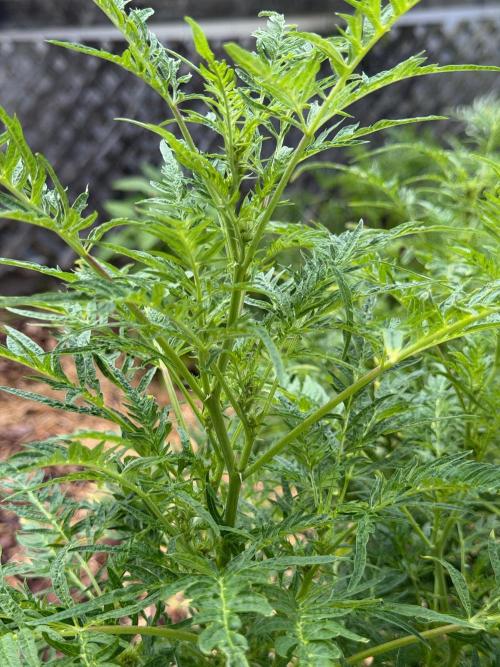
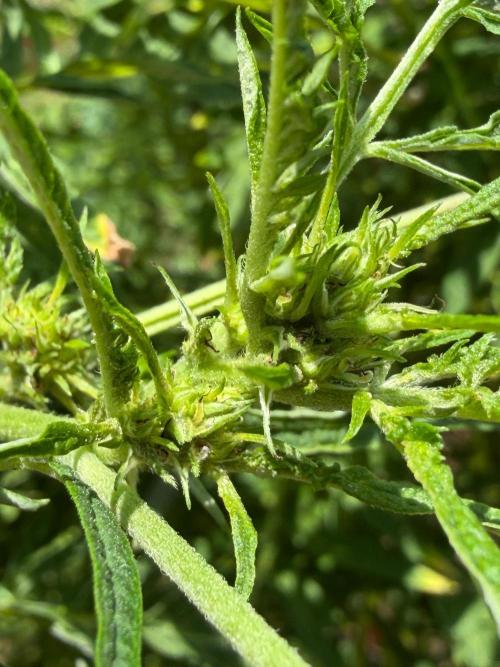
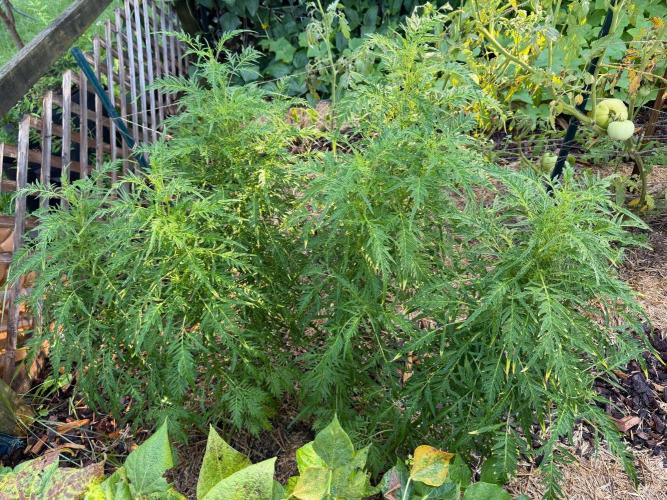
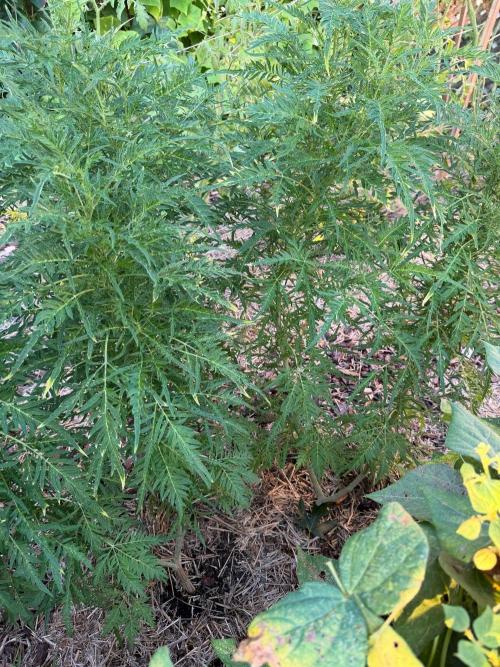
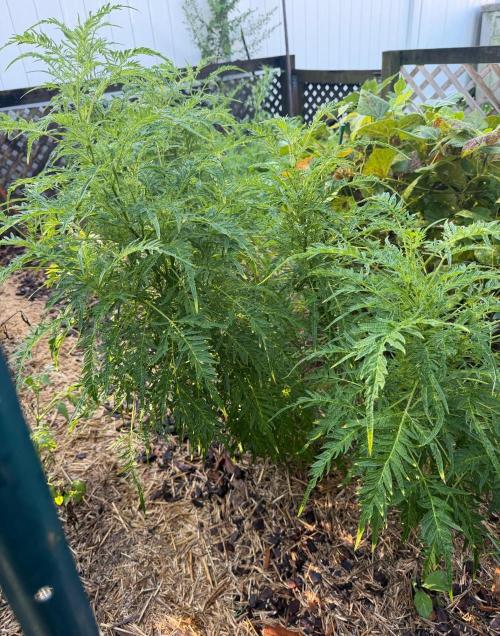
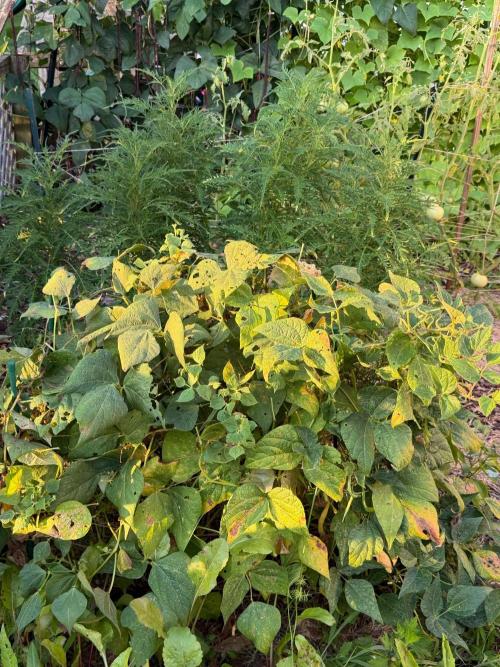
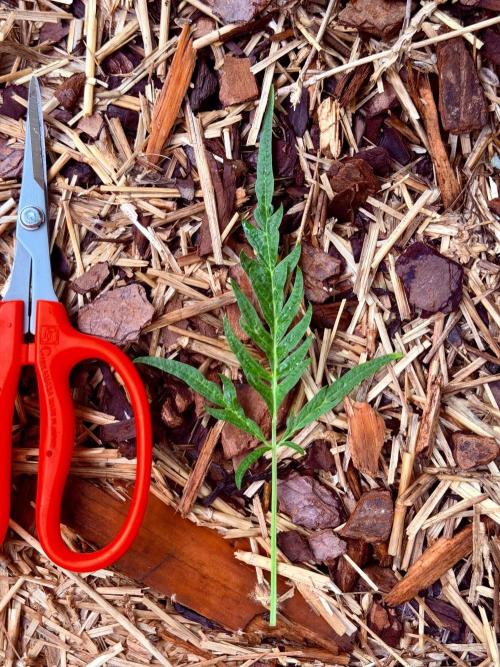
Dudemann Sweet Annie’s are now clearly into early flower. Stretch is still active, with bud sites forming throughout the canopy and the FPF mutation carrying into the flowering growth through narrow, shredded leaves and reduced three-blade expression. Plants remain vigorous with good structure.
Local conditions have stayed hot, humid, and stormy, with daytime temperatures mostly in the upper 80s to low 90s and warm, humid nights. Despite the summer pressure, both plants have handled the transition well and continue to push cleanly into flower.
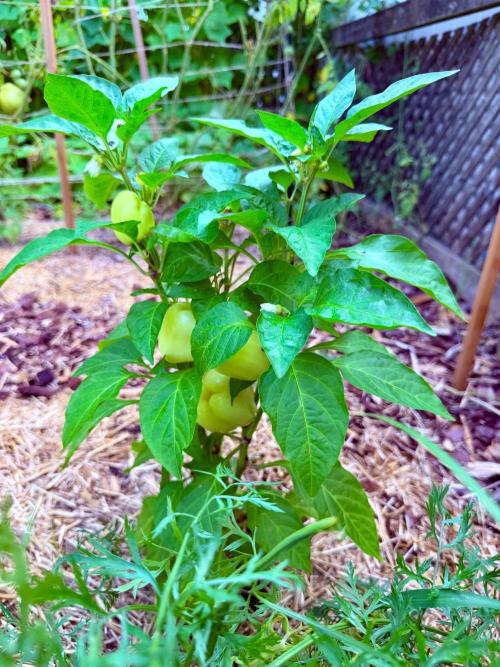
*the scissor and the pepper photo have been edited, just for transparency.
4 likes
comments
Share
7
Week 7. Flowering2mo ago
101.6 cm
Height
13 hrs
Light Schedule
29 °C
Day Air Temp
7.0
pH
Normal
Smell
85 %
Air Humidity
21 °C
Substrate Temp
24 °C
Night Air Temp
7.61 set_lilers
Watering Volume
Nutrients 1
Tomato-tone
1.3 mll
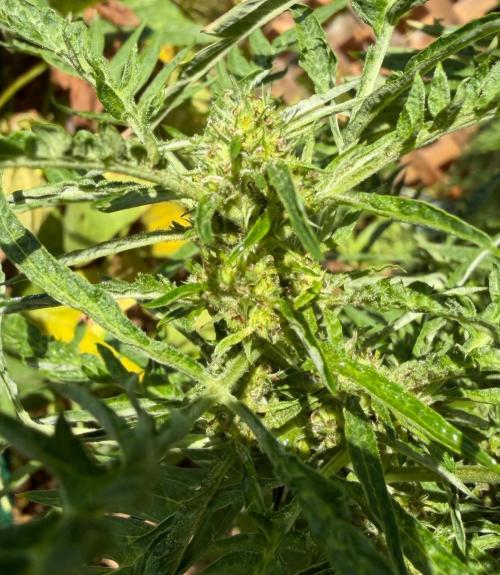
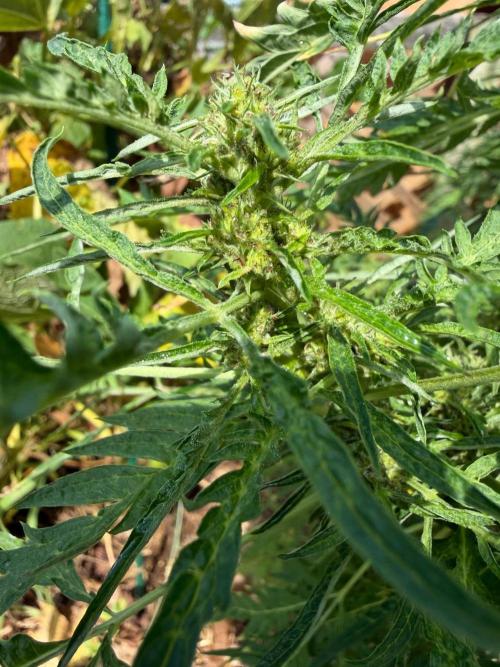
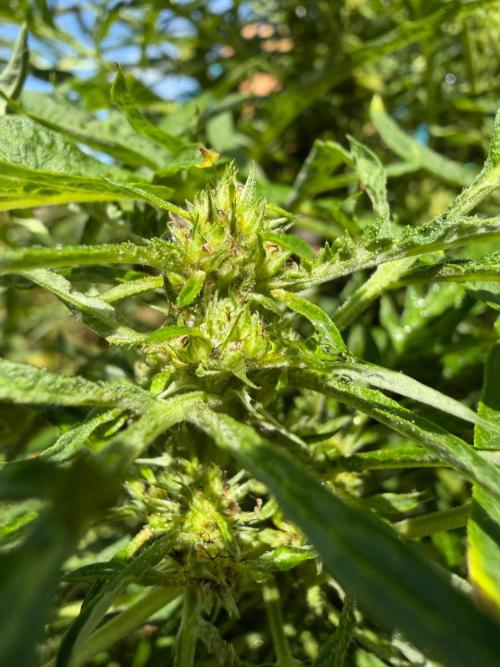
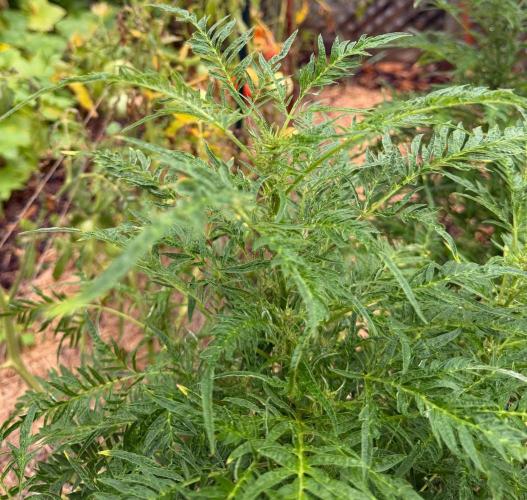
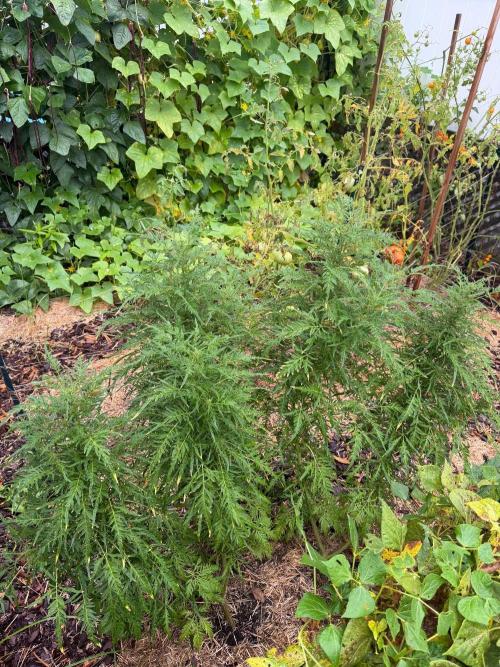
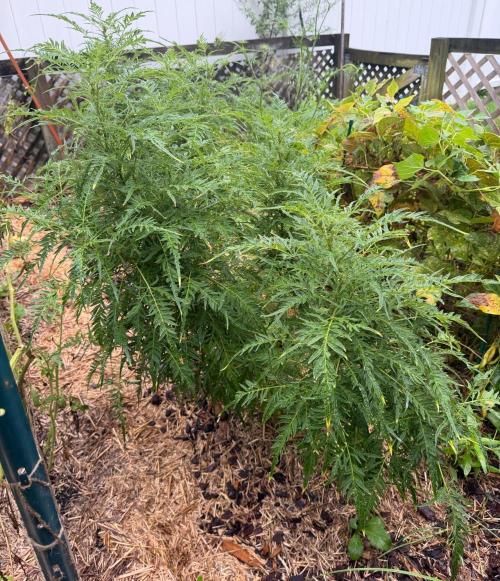
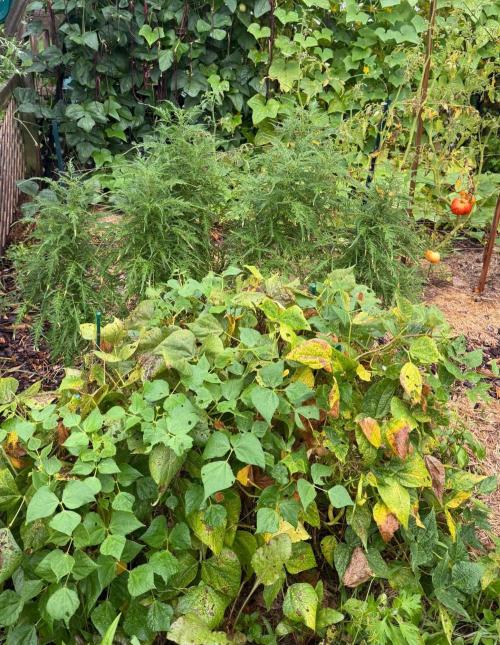
Dudemann Week 3 Flower — August 17, 2026
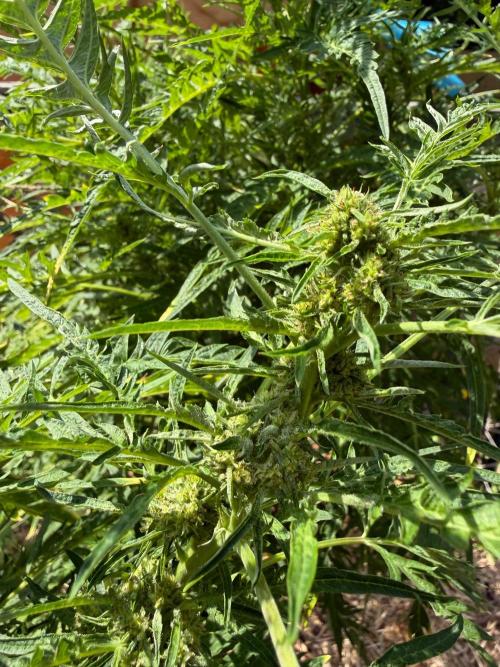
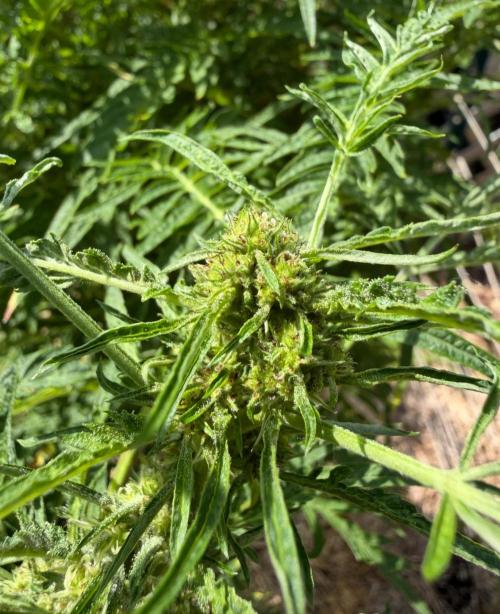
Flower development continues to pick up, with bracts swelling and individual sites beginning to stack along the branches. Resin is becoming easier to see on the heavily mutated sugar leaves, while the unusual FPF morphology continues through the flowers. Some pistils have browned early, but fresh flower growth remains active and overall plant health and structure remain strong.
Local conditions have been warm, humid and very wet, averaging roughly 86°F daytime highs and 72°F nights over the past week. Humidity has repeatedly reached 90%+ overnight, with frequent clouds, thunderstorms and rain leaving extended wet periods. Average day length was approximately 13 hr 45min. Airflow and flower moisture are becoming the main environmental factors to watch as flower mass increases.
4 likes
comments
Share
8
Week 8. Flowering2mo ago
106.71 cm
Height
13 hrs
Light Schedule
32 °C
Day Air Temp
7.0
pH
Normal
Smell
85 %
Air Humidity
21 °C
Substrate Temp
24 °C
Night Air Temp
7.61 set_lilers
Watering Volume
Nutrients 1
Tomato-tone
1.3 mll
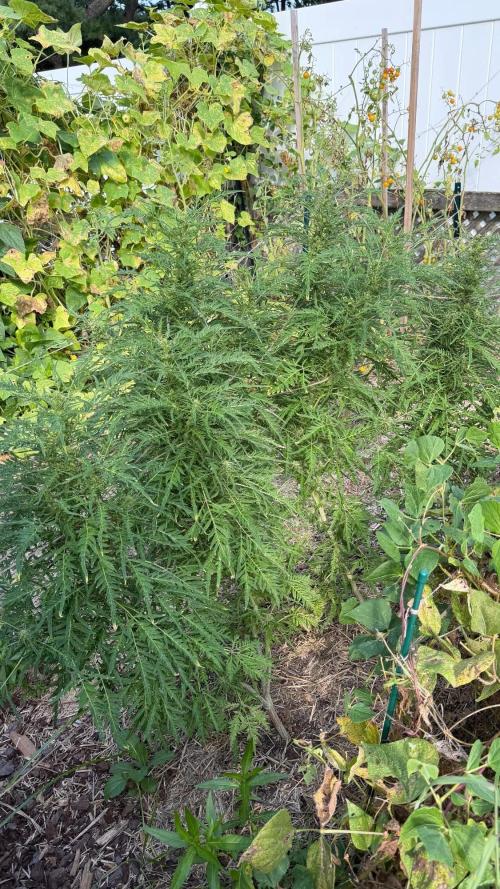
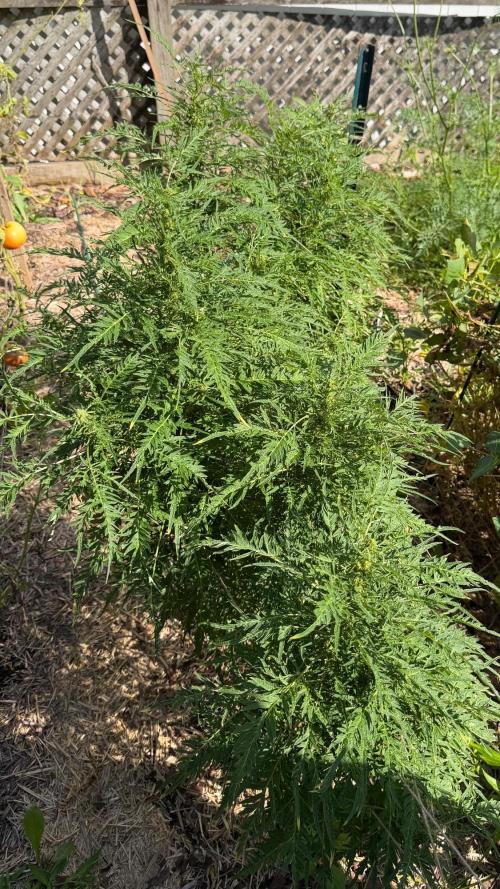
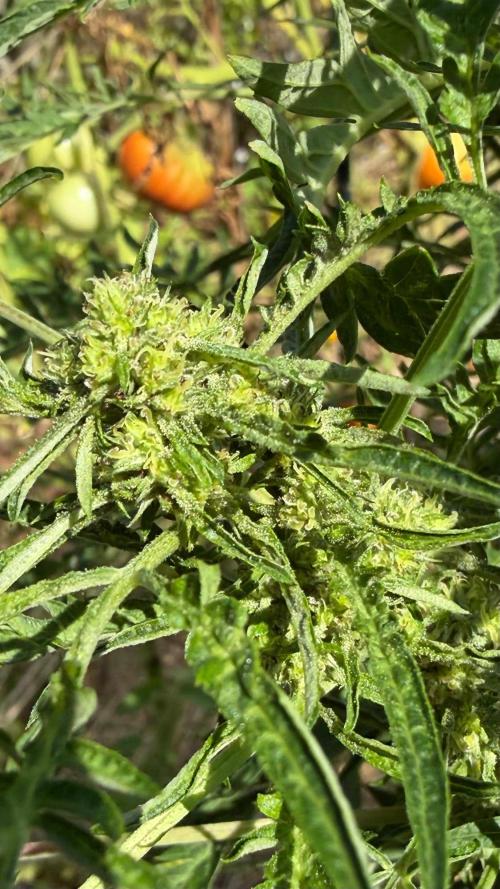
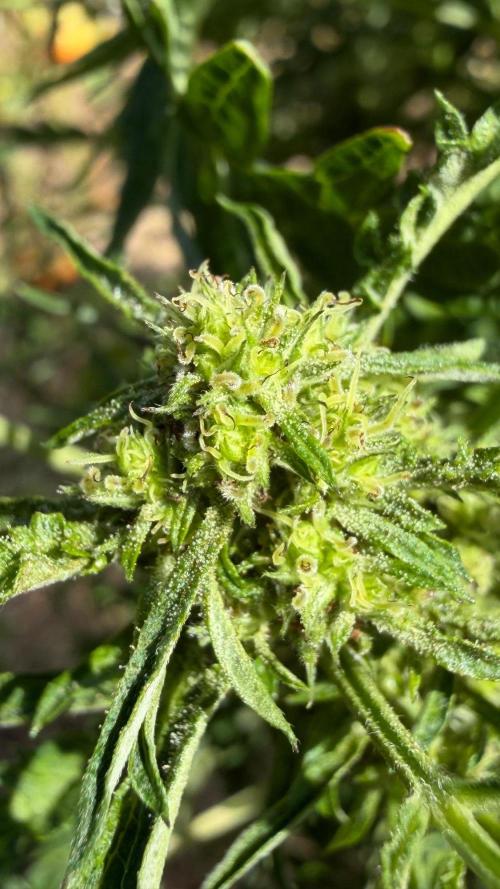
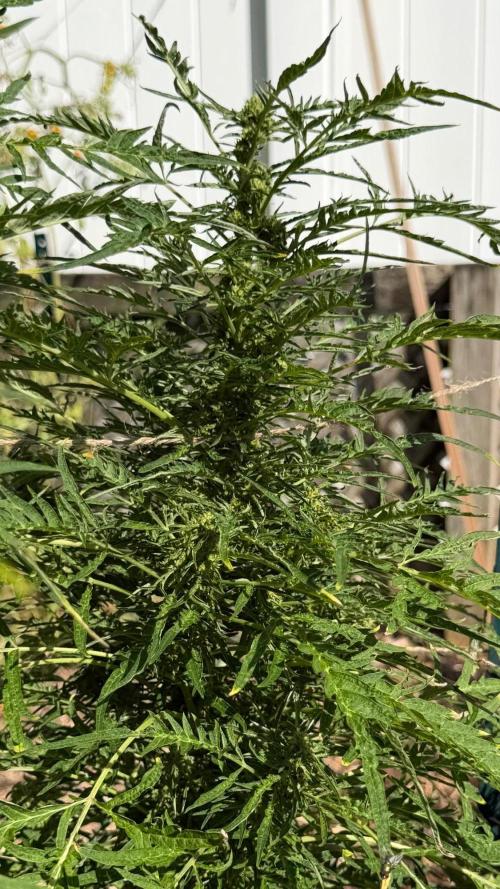
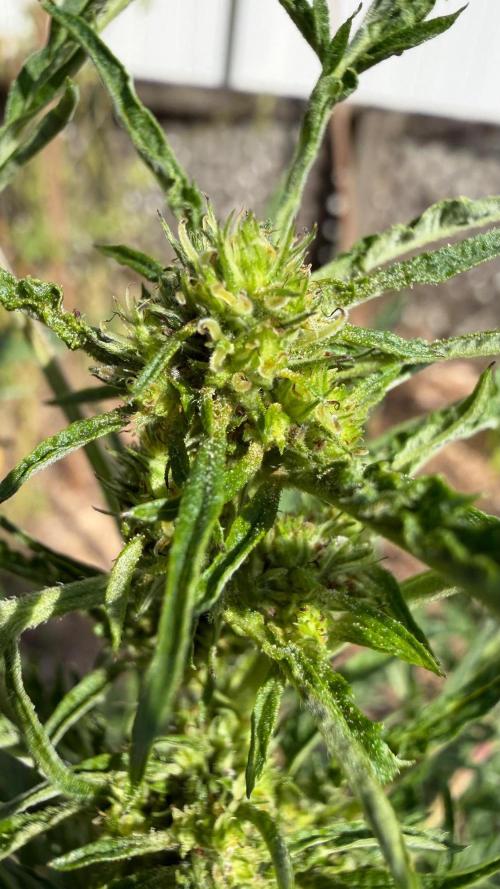
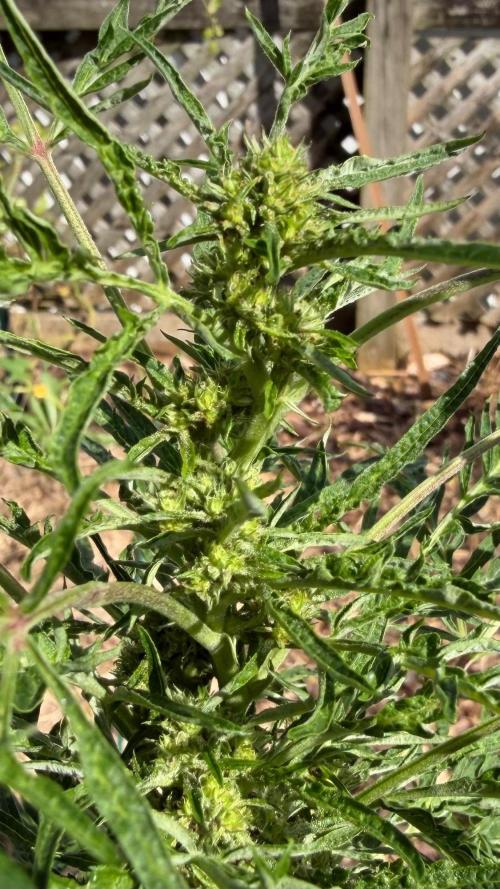
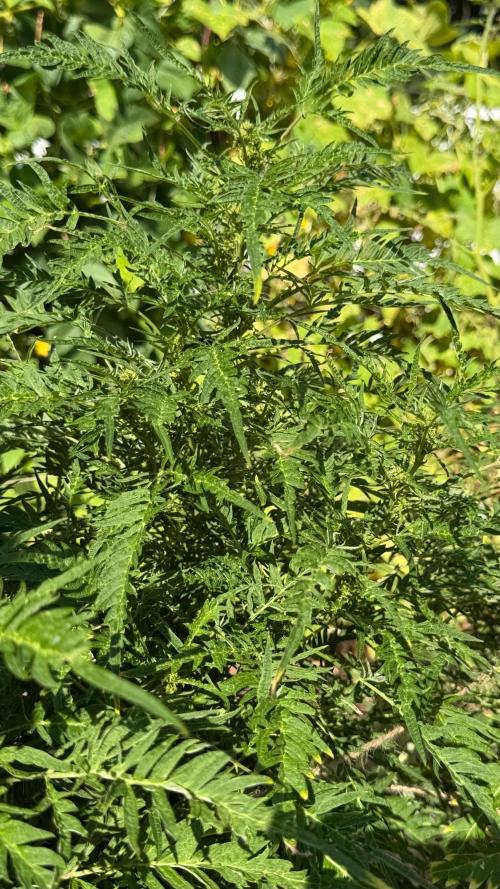
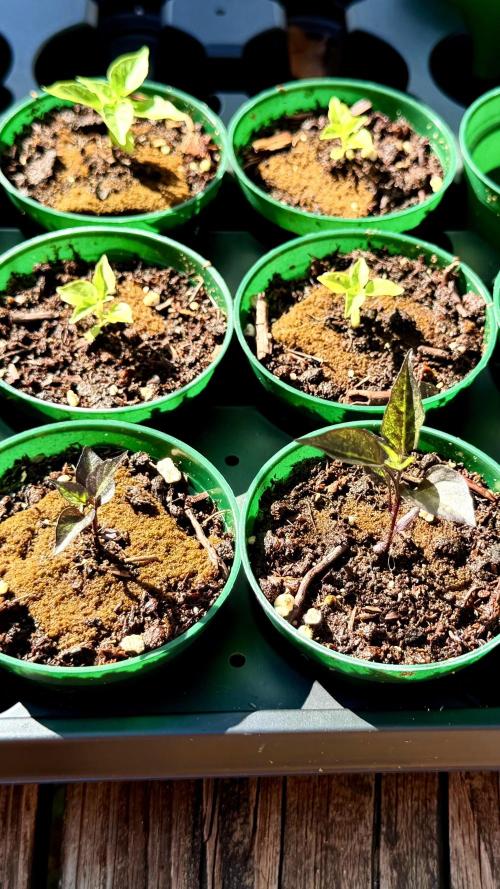
Dudemann Flower sites continued to gain weight and connect along the branches this week, with resin production increasing and fresh flower growth continuing despite several wet periods. Earlier pistil browning coincided with storm exposure and showed up on other cultivars in the garden at the same time, while new pistils and bract growth continued afterward. The flowers have handled repeated rain and subsequent drying well so far, with no obvious flower rot or deterioration visible.
Conditions were highly variable. Local station data for August 17–23 ran from a 92°F high down to a 62°F overnight low, averaging roughly 86°F days and 67°F nights. About 1.2 inches of rain fell across several events. Overnight humidity repeatedly approached the 90% range, while clearer afternoons dried the canopy rapidly.
7 likes
1 comment
Share
9
Week 9. Flowering2mo ago
114.3 cm
Height
13 hrs
Light Schedule
29 °C
Day Air Temp
7.0
pH
Normal
Smell
85 %
Air Humidity
21 °C
Substrate Temp
18 °C
Night Air Temp
7.61 set_lilers
Watering Volume
Nutrients 2

Power Bloom
31.25 mll

Langbeinite 0-0-22
3.91 mll
Dudemann Week 5 Flower — August 30, 2026
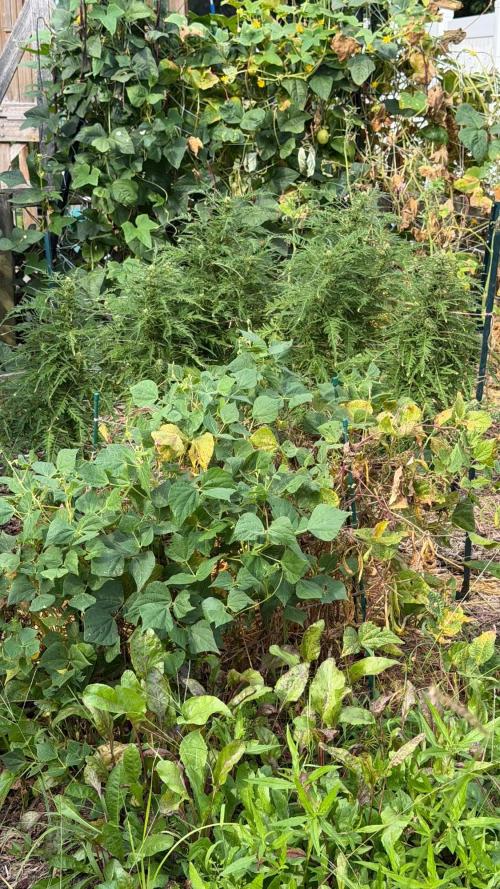
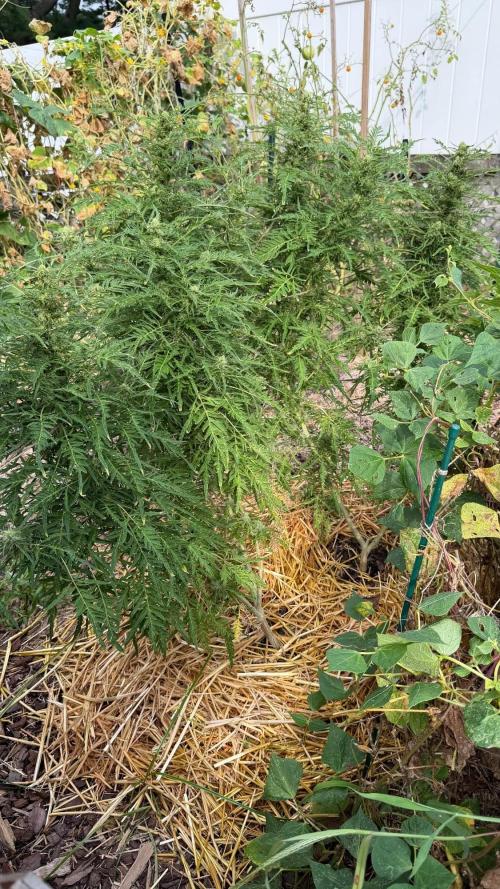
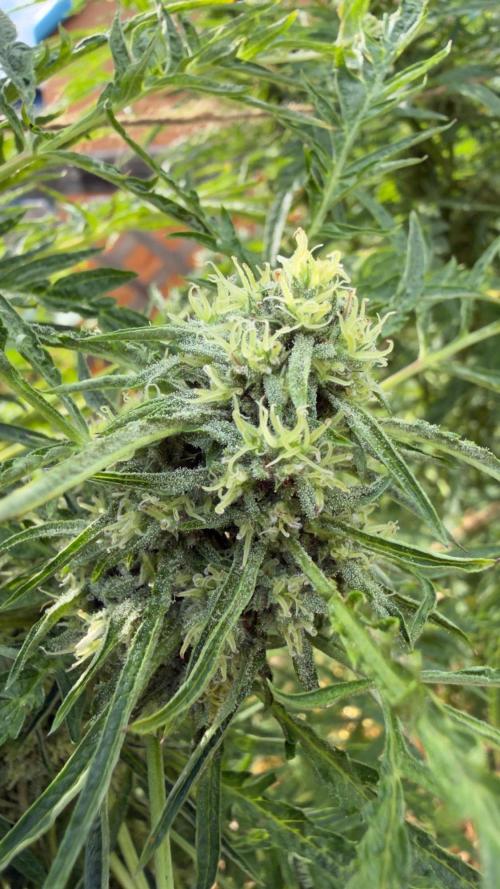
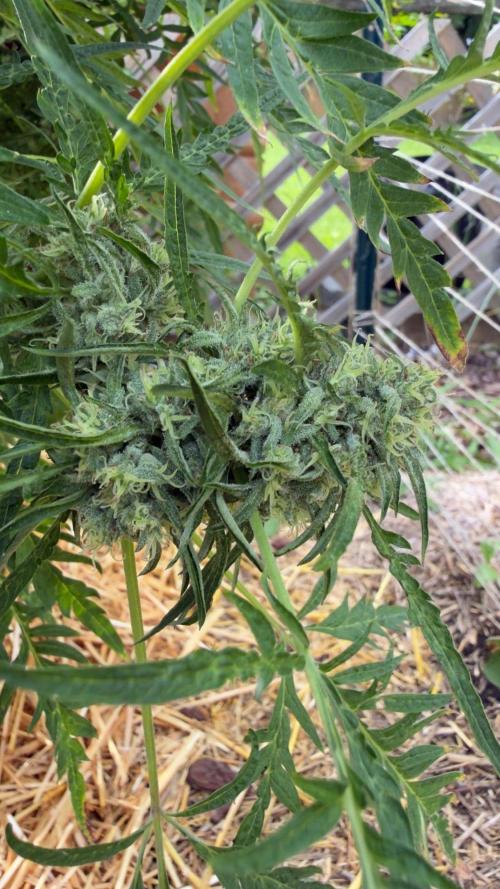
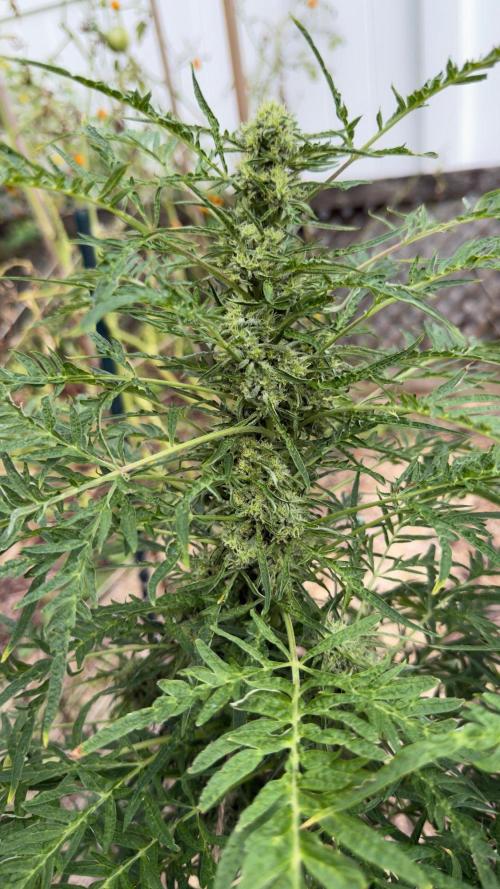
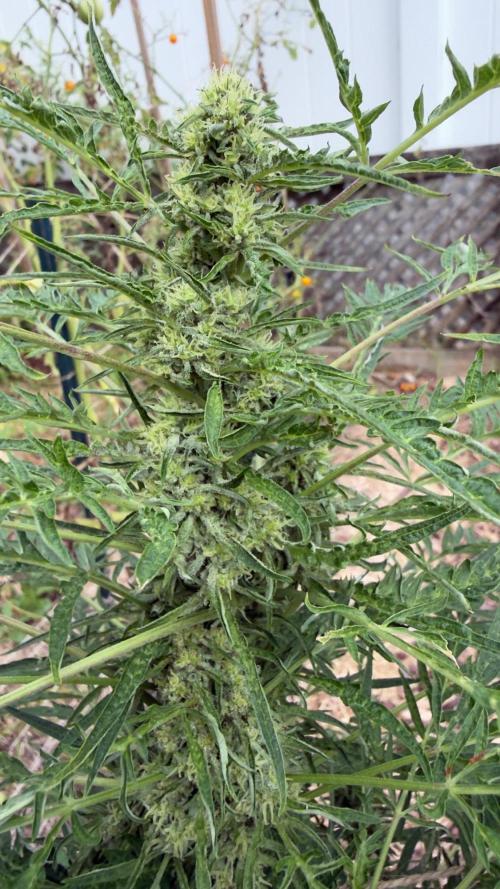
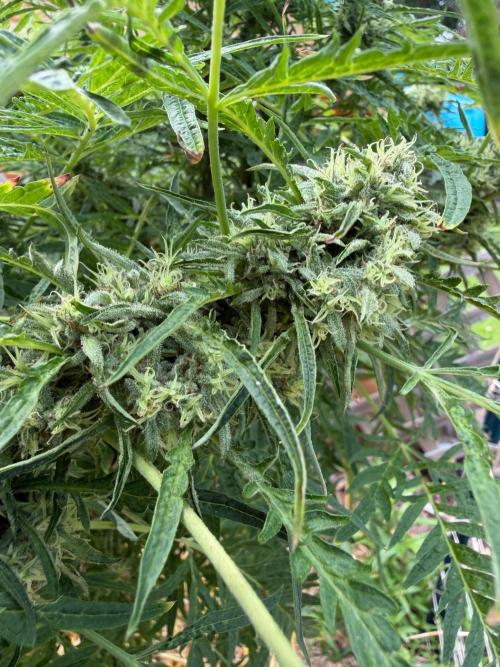
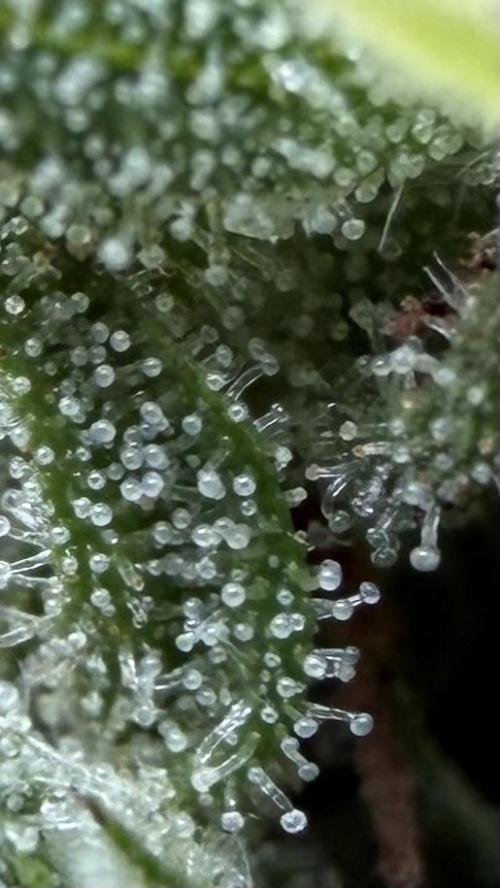
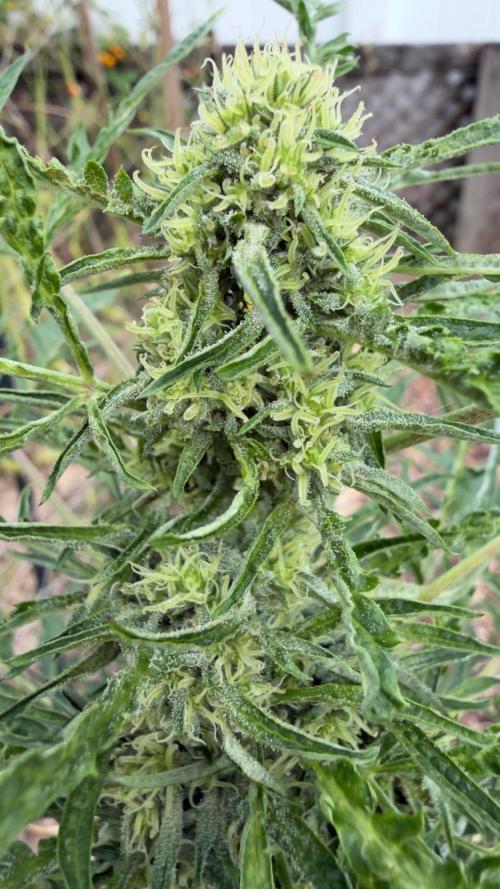
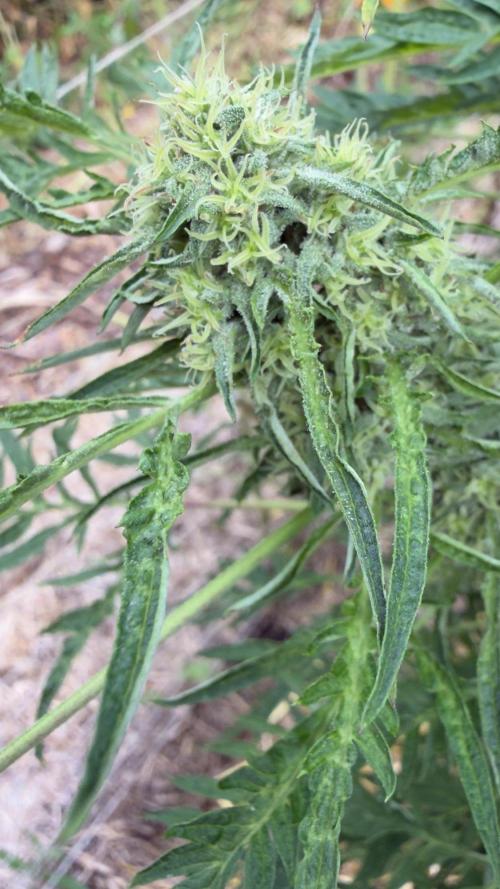
Flowers noticeably bulked up this week, with fresh pistils pushing through older growth, bracts swelling, and resin coverage increasing across the sugar leaves and developing buds. Several sites are beginning to connect into longer continuous flowers. Overall vigor remains good with no obvious stress from the recent feeding.
Aroma remains faint and indistinct. Sugar-leaf rub gives a light berry undertone, but it’s too early to characterize confidently.
Conditions were milder and drier than the previous storm-heavy stretch, averaging roughly 84°F highs / 65°F lows, with overnight humidity still commonly reaching 87–94%. Average day length was about 13 hr 14 min. Feeding this week included a final top-dress of ½ cup Gaia Green Power Bloom + 1 tbsp DTE Langbeinite per plant.
5 likes
comments
Share
10
Week 10. Flowering2mo ago
114.3 cm
Height
13 hrs
Light Schedule
29 °C
Day Air Temp
7.0
pH
Normal
Smell
90 %
Air Humidity
21 °C
Substrate Temp
18 °C
Night Air Temp
7.6 set_lilers
Watering Volume
Nutrients 2
Power Bloom
31.2 mll
Langbeinite 0-0-22
3.9 mll
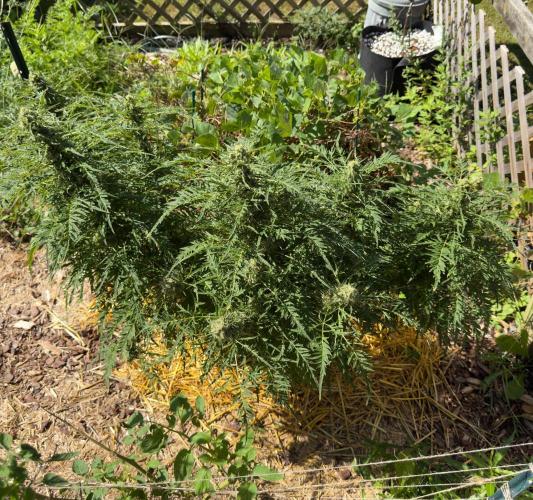
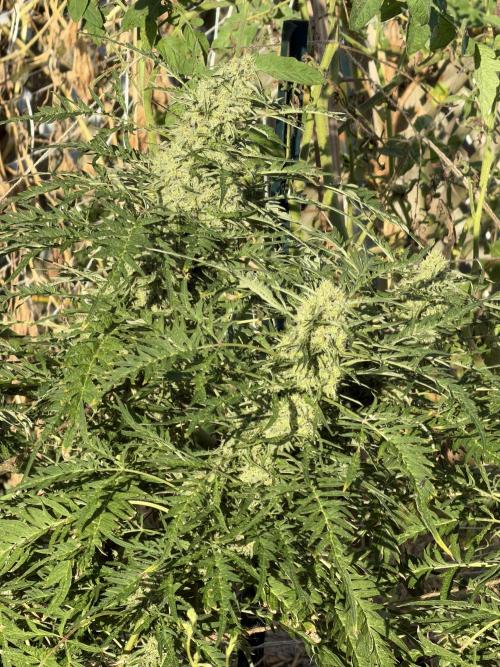
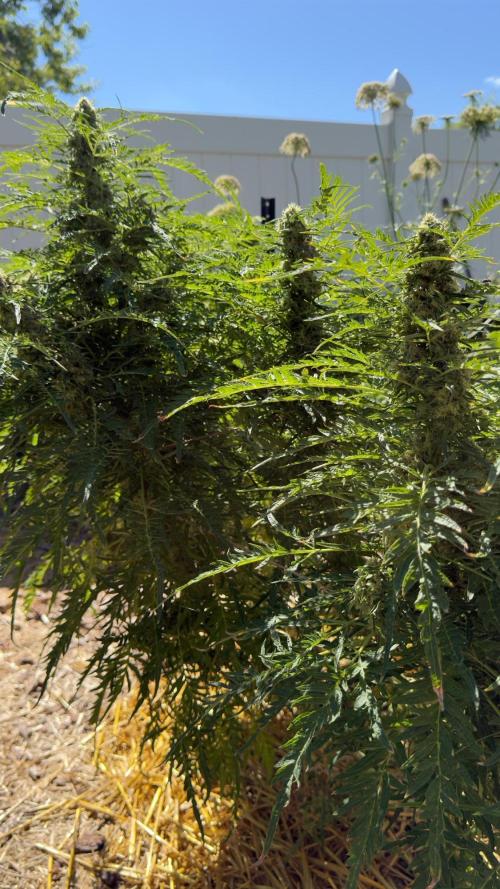
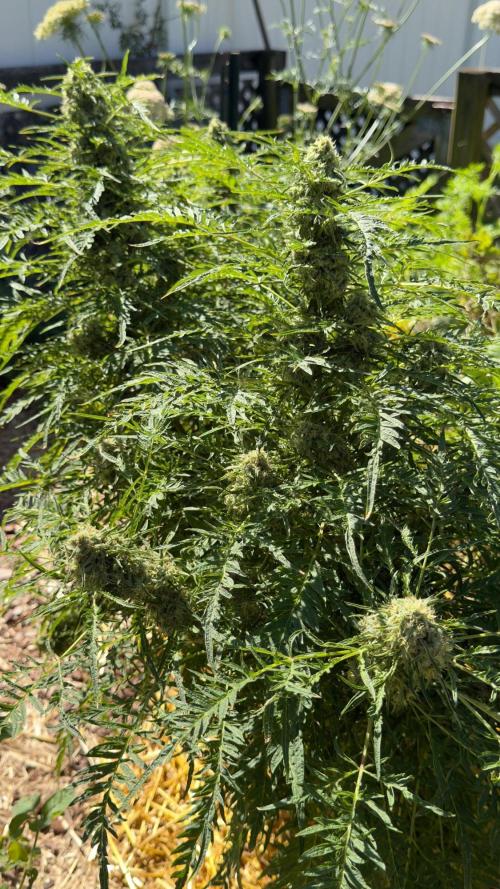
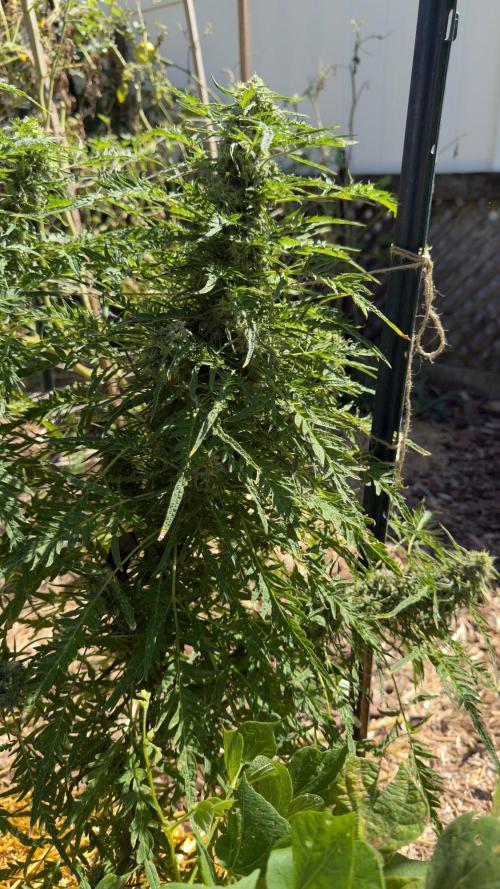
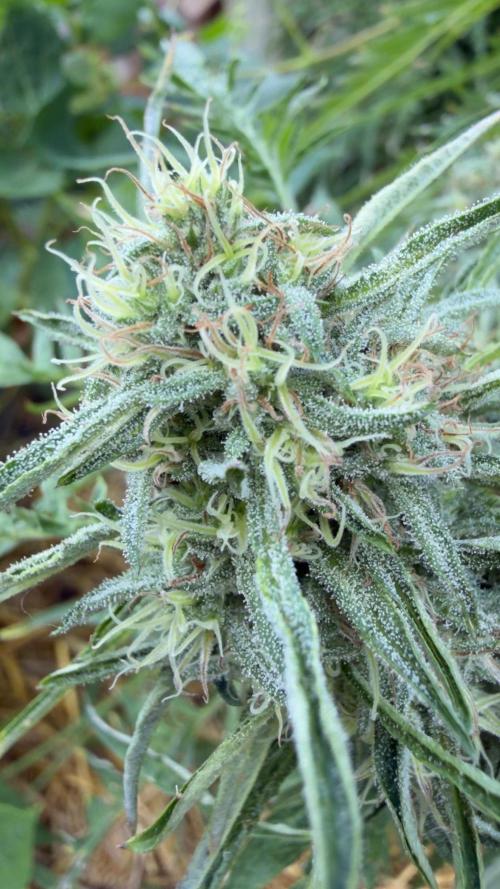
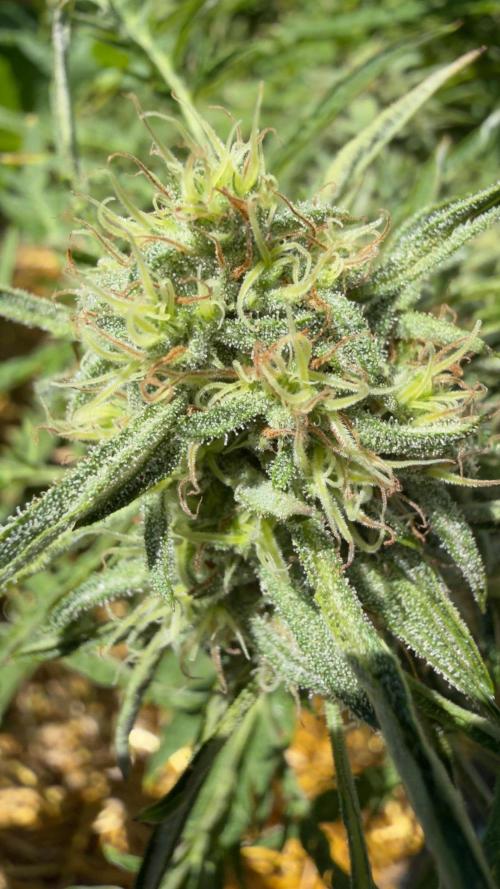
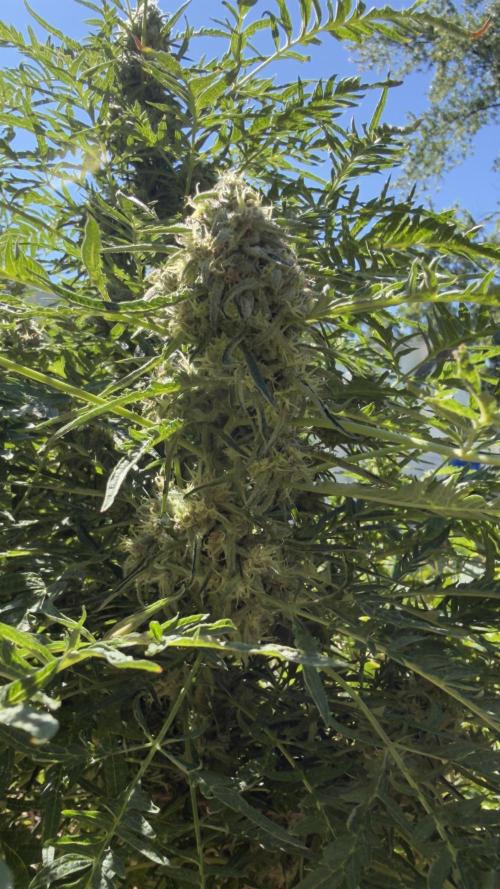
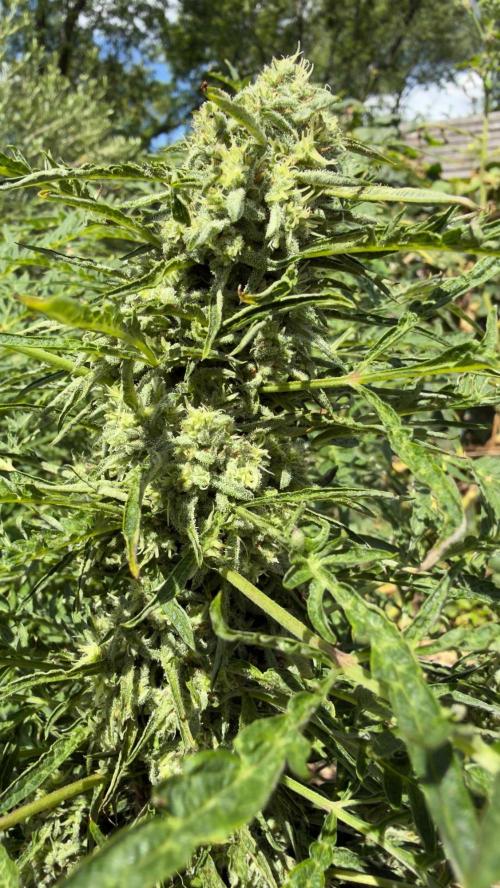
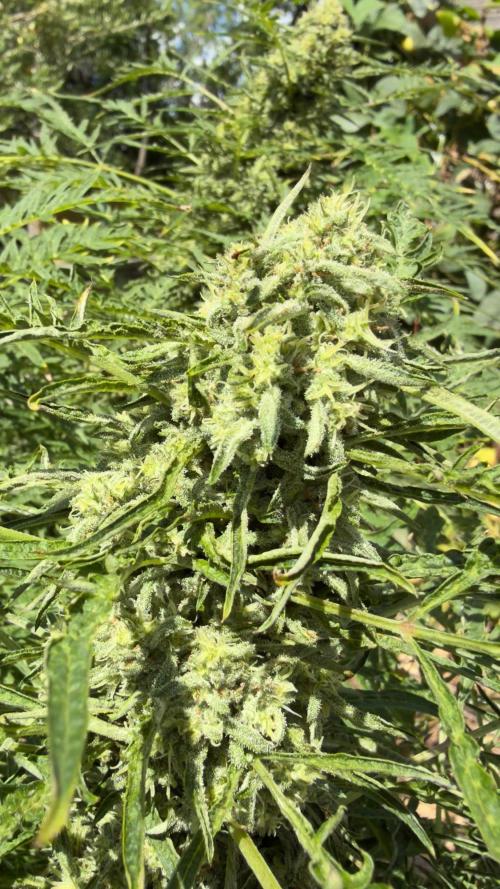
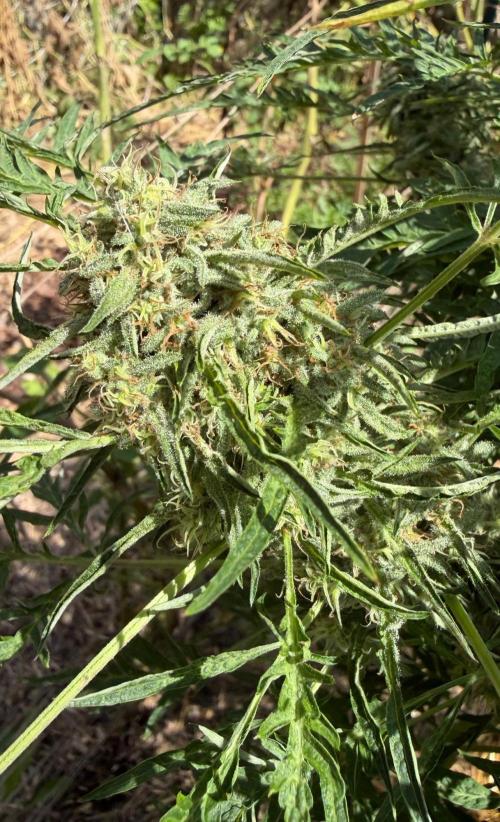
Dudemann Week 6 Flower — September 6, 2026
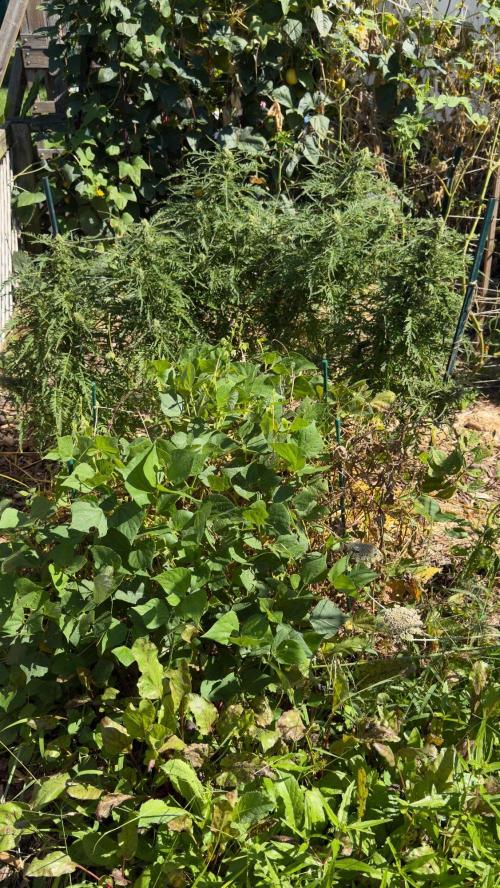
Flower mass continues to build, with larger sites starting to merge into longer colas. Resin coverage is increasing and fresh pistils are still pushing, so the plants remain actively developing.
Aroma is getting stronger but is still mostly classic cannabis with a slight body-odor/funky edge in the breeze. Rubs give a cleaner high-grade citrus/limonene-type scent.
Conditions were hot early in the week, briefly reaching the mid-90s°F, then mostly 80s to around 90°F, with nights in the upper-60s to low-70s. Overnight humidity still approached 90%+, but rainfall was lighter and drying conditions improved. Average day length was about 12 hr 56 min.
Feeding remained light: the previous Gaia Green Power Bloom + DTE Langbeinite top-dress is still carrying things, with FoxFarm Big Bloom only when irrigation is needed.
5 likes
comments
Share
11
Week 11. Flowering1mo ago
114.3 cm
Height
12 hrs
Light Schedule
29 °C
Day Air Temp
7.0
pH
Normal
Smell
90 %
Air Humidity
21 °C
Substrate Temp
18 °C
Night Air Temp
7.61 set_lilers
Watering Volume
Nutrients 2
Power Bloom
31.2 mll
Langbeinite 0-0-22
3.91 mll
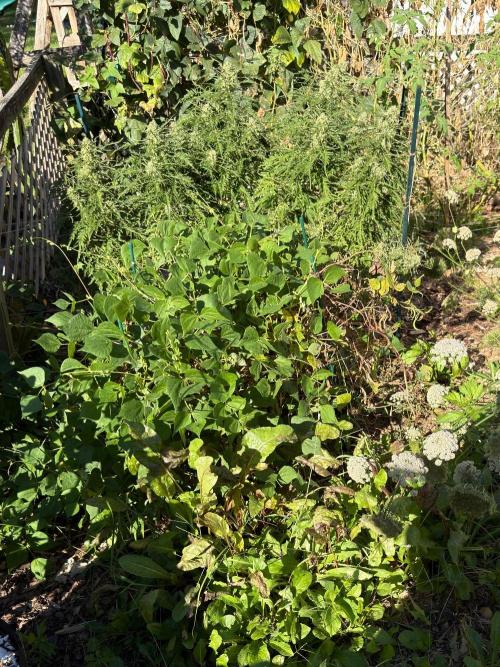
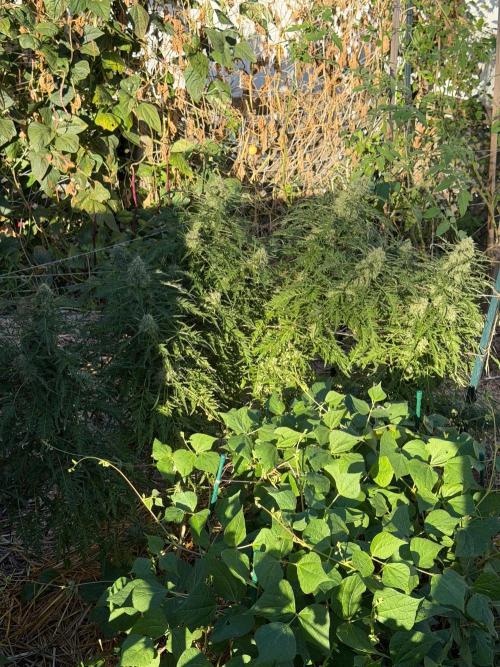
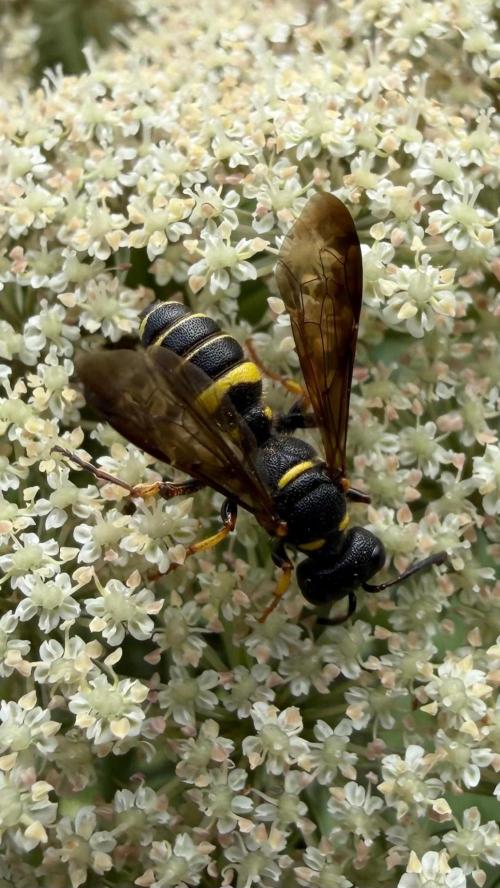
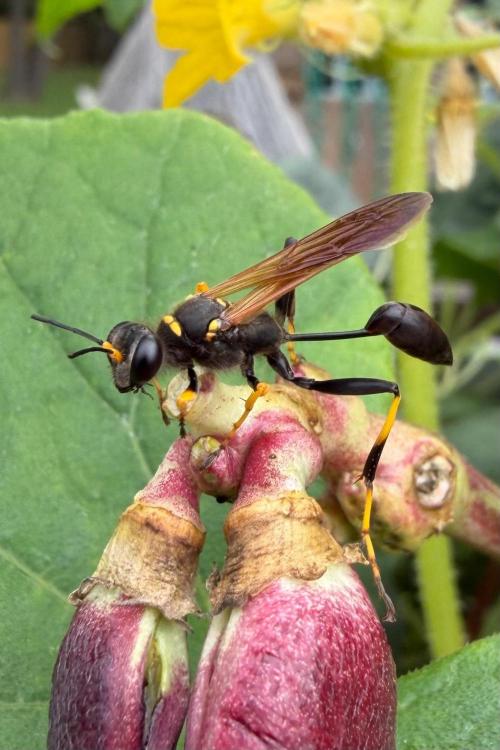
Dudemann Week 7 Flower — September 14, 2026
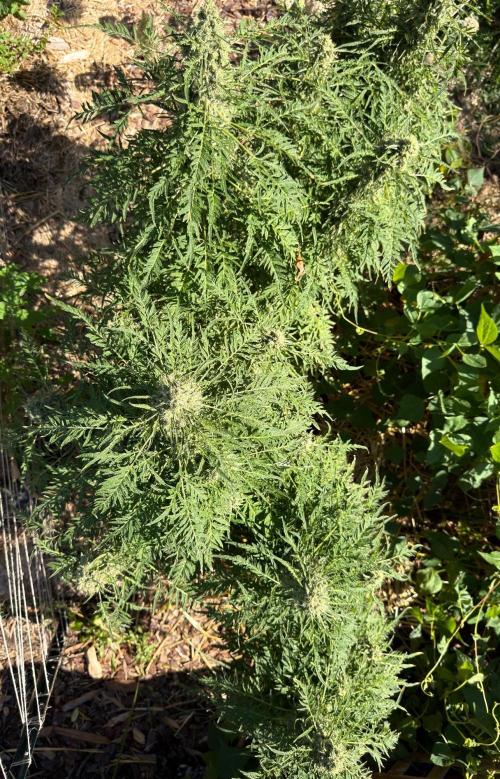
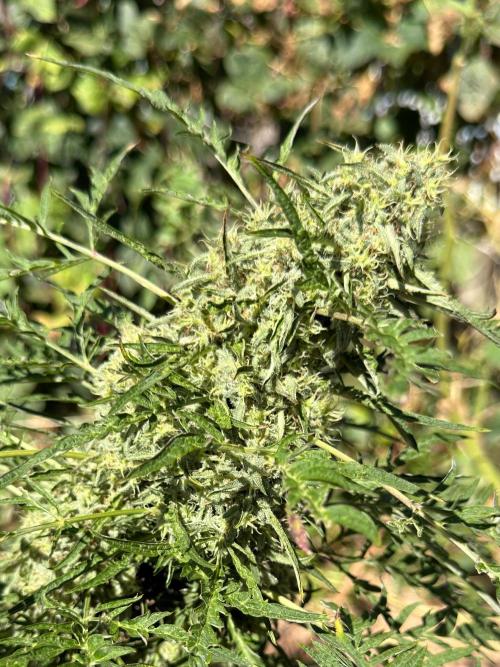
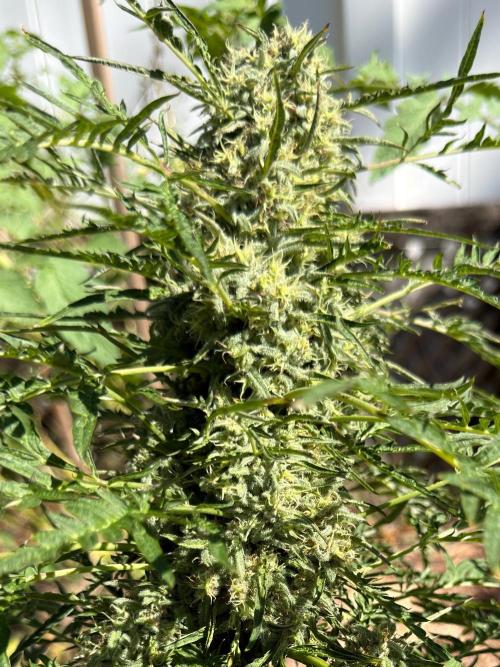
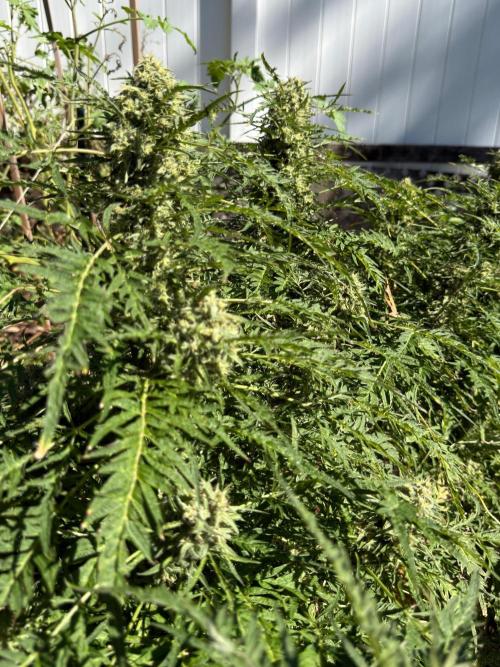
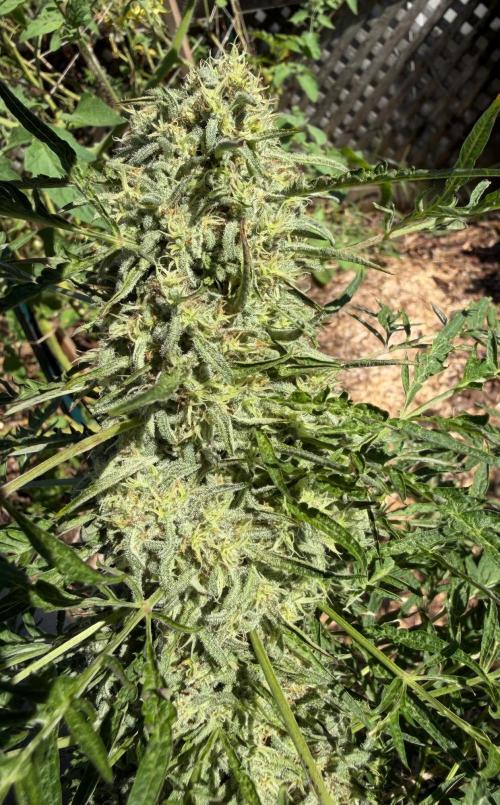
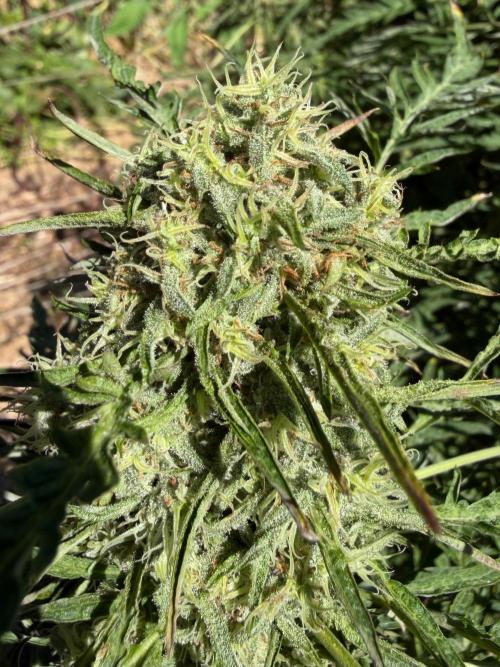
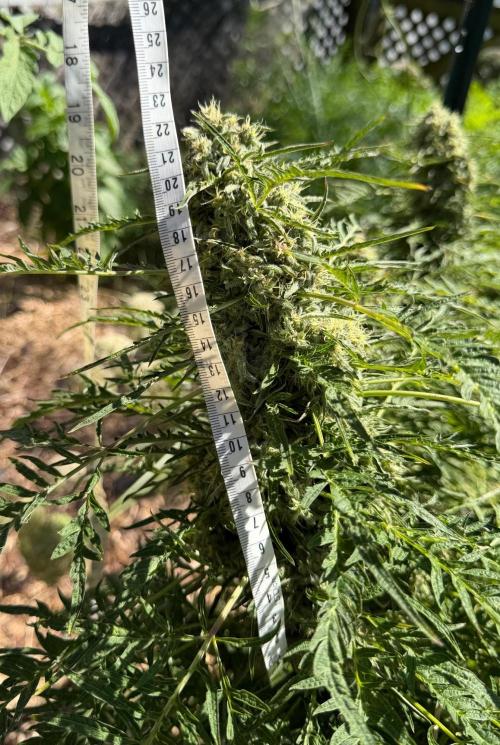
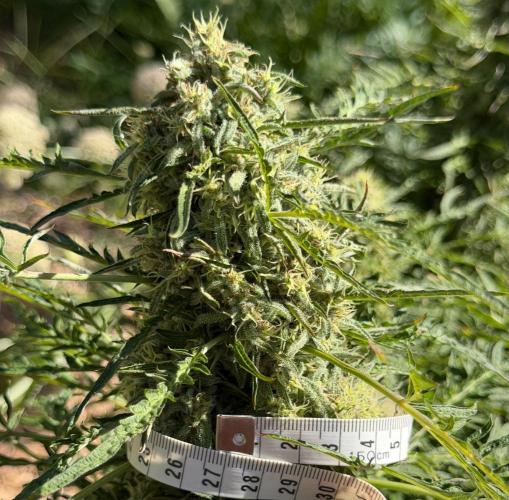
Flower mass continues to build, with long colas filling in and resin coverage increasing across the bracts and sugar leaves. The structure remains fairly open and leafy rather than rock-dense. Aroma is also developing more character, with sugar-leaf rubs now showing a stronger berry-funk alongside the citrus/limonene edge.
Conditions this week were pretty variable: highs ranged roughly 79–91°F, lows about 58–74°F, with an average around 86°F / 66°F. The driest stretch came early, followed by a humid period with 0.19” of rain, light rain/fog, and overnight RH reaching 96–97% sky cover ranged from mostly clear to heavily overcast. Day length fell from about 12 hr 45 min to 12 hr 30 min across the week.
Feeding stayed unchanged: the final Gaia Green Power Bloom + DTE Langbeinite top-dress is still carrying the bed, with Big Bloom only when irrigation is needed
6 likes
comments
Share
12
Week 12. Flowering1mo ago
114.3 cm
Height
12 hrs
Light Schedule
28 °C
Day Air Temp
7.0
pH
Strong
Smell
90 %
Air Humidity
21 °C
Substrate Temp
17 °C
Night Air Temp
7.6 set_lilers
Watering Volume
Nutrients 2
Power Bloom
31.2 mll
Langbeinite 0-0-22
3.9 mll
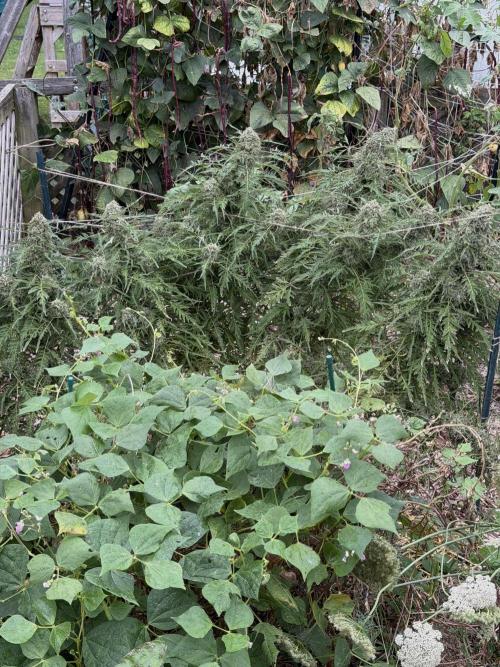
Dudemann Week 8 Flower — September 21, 2026
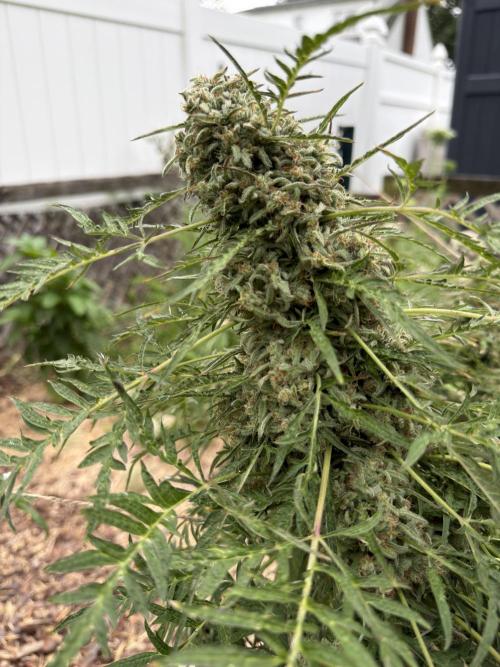
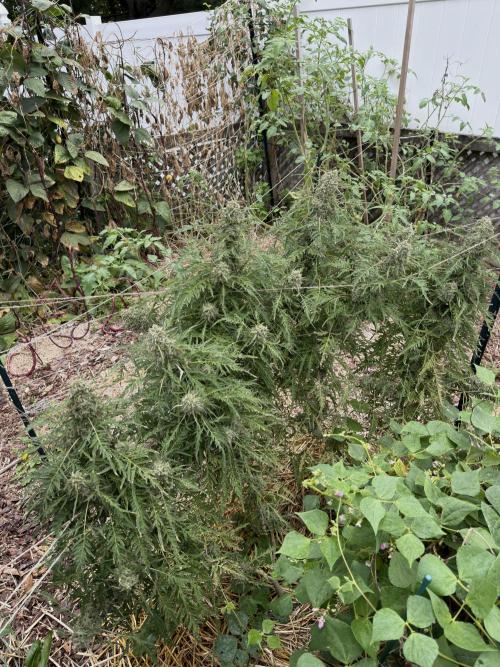
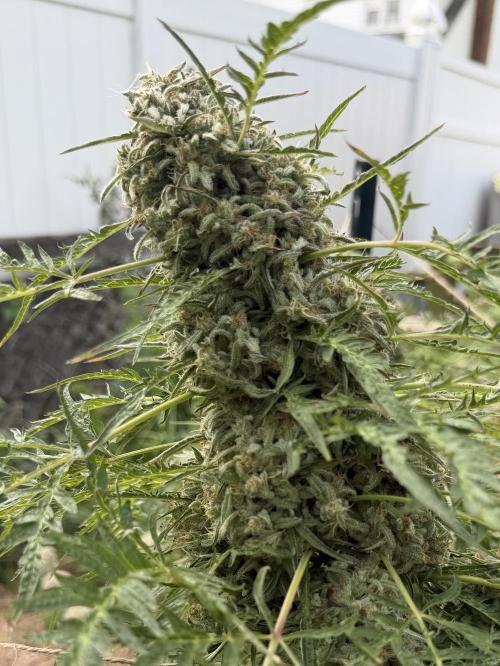
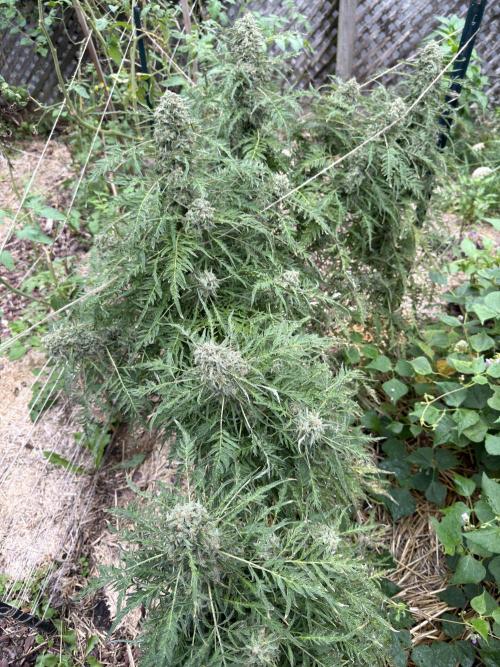
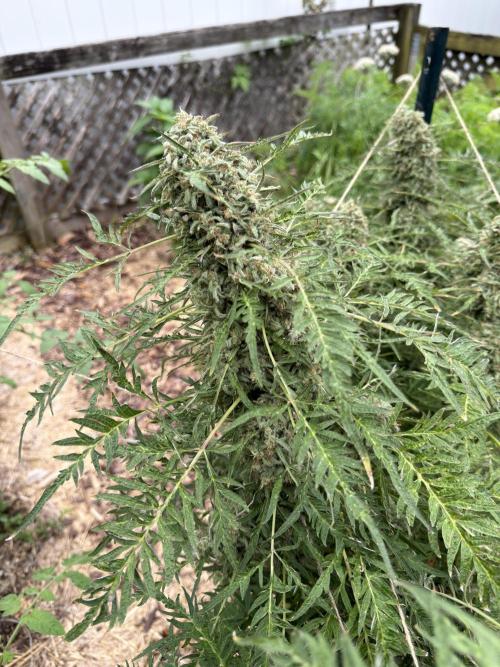
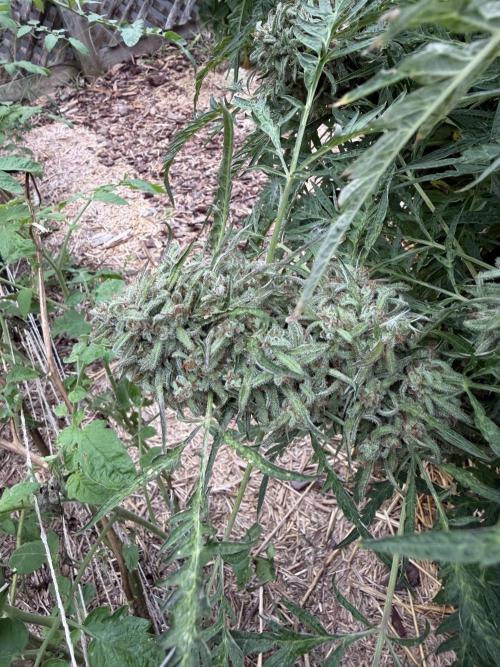
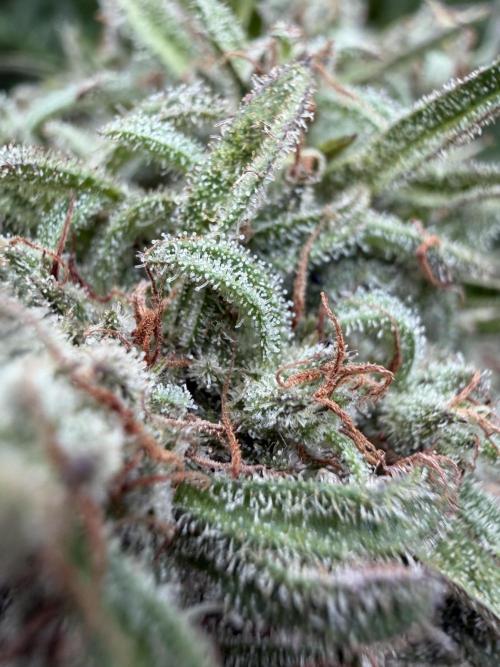
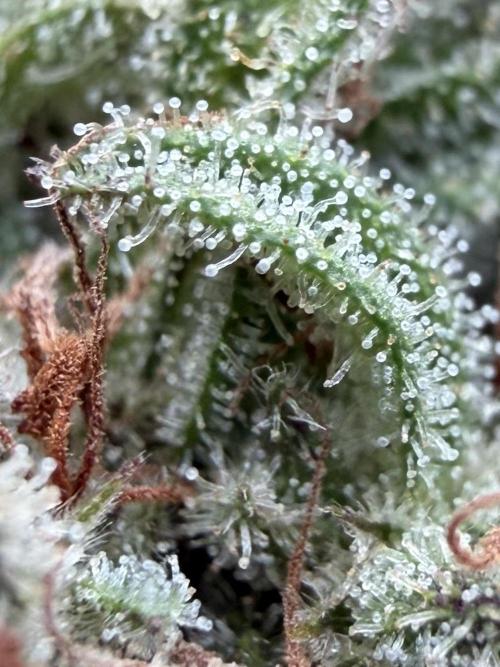
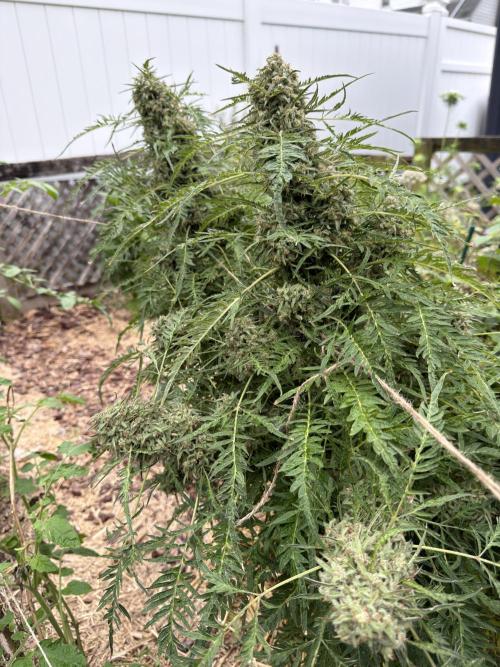
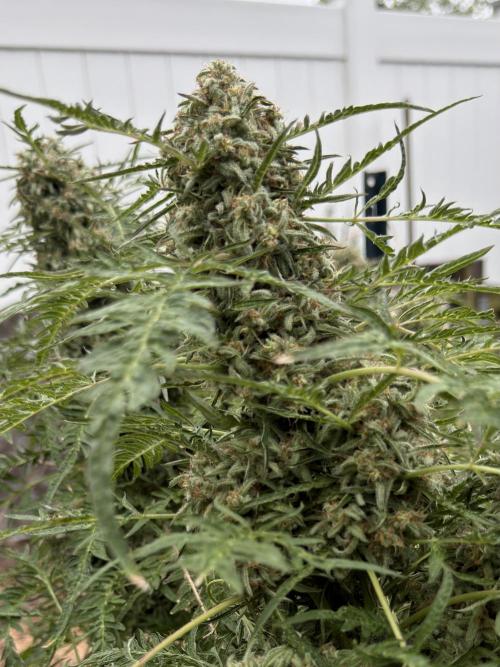
Colas have bulked into big, fairly dense flowers with heavy resin coverage and more pistils turning orange and receding. Aroma carries a fresh, high-grade cannabis smell across the yard, with overripe cantaloupe up close and sugar-leaf rubs ranging from lemon to body-odor funk. Plants remain mostly green with localized purple showing.
September 14–20 averaged 83°F highs / 63°F lows, with humidity repeatedly reaching 90–97% and 0.39 inches of recorded rainfall nearby. Daily average winds ranged 3–10 mph, and average daylight was 12 hr 22 min.
Nutrition remains based on the previous Power Bloom + langbeinite top-dress, with Big Bloom only when irrigation is needed. One caterpillar-affected flower was removed and inspected; no confirmed bud rot. Potentially the final week, with harvest timing being weighed against flower maturity and incoming rain.
8 likes
1 comment
Share
13
Week 13. Harvest25d ago
Happy Harvest Day!


8/10
Rated
Quick recap
Overall: 8/10. Within the freak category: 10/10 for me.
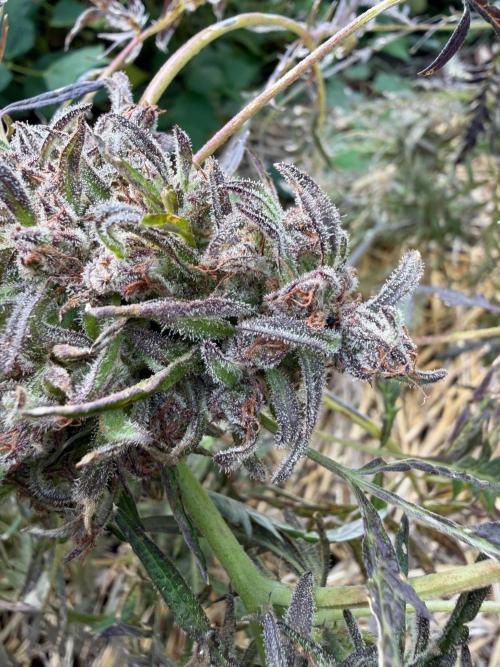
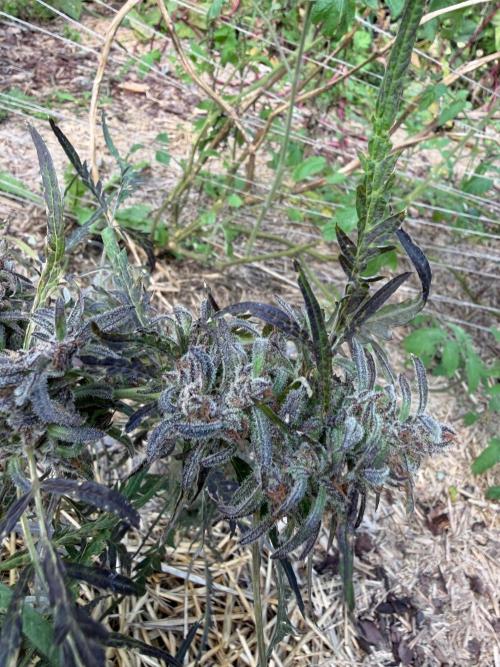
Sweet Annie delivered huge, resinous, spongy flowers, late purple color and a bright orange-zest nose. A memorable plant to grow, but the early flavor was fairly ordinary, and the effects were harder to pin down at higher amounts. Armyworm damage and mold losses were a significant downside of this outdoor run. As a freak, she stands out. Judged alongside conventional flower, my early impressions land closer to a 7-8.
Main review
Frosty’s Purple Freak F4 · Main harvest: September 23, 2026
Harvest & flower structure
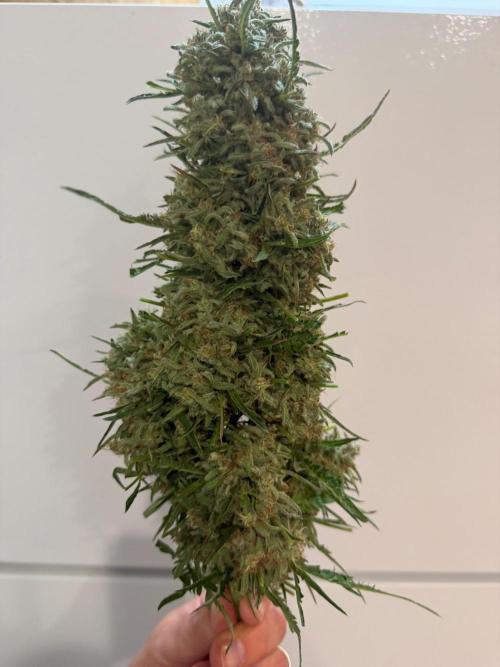
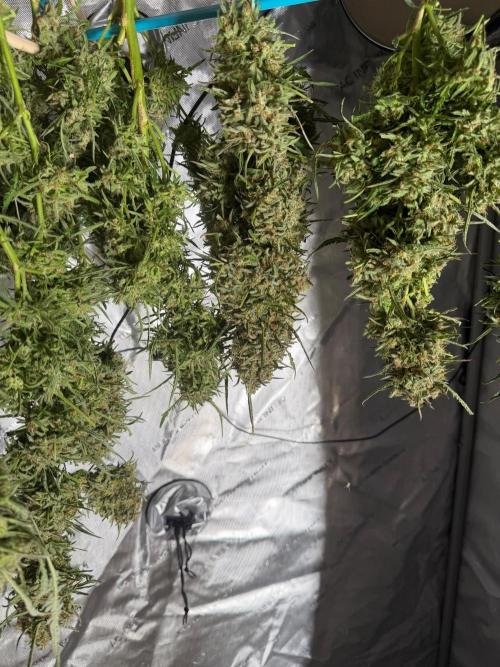
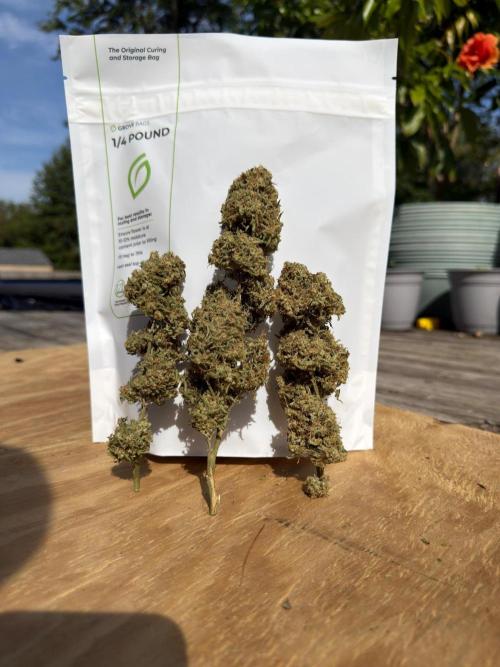
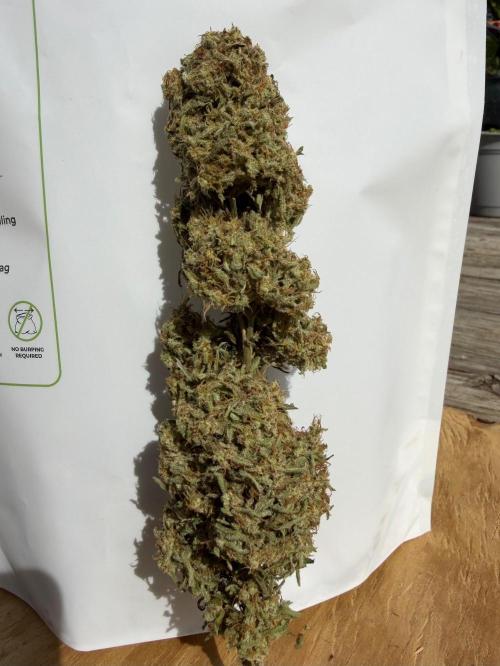
Grown in-ground from clones of my bonsai mother. The main colas came down ahead of more rain and increasing caterpillar damage, some of the biggest buds I’ve grown. Huge, heavily resinous flower clusters with a full, spongy texture, rather than rock-hard density. They stayed large and spongy after drying.
Color
The main harvest came down before the strongest purple expression, leaving predominantly bright-green flowers with resin and fine plant hairs catching the light. Lower flowers left to finish for roughly another week developed deep purple in both buds and leaves. A noticeably different finish from the same genetics.
Feeding
Final top-dress was .5 cup Gaia Green Power Bloom and 1 tbsp langbeinite per plant. Big Bloom at 2 tbsp/gal and occasional Recharge at .5 tsp/gal supported the finish when irrigation was needed, with rain/plain water between feeds.
Drying
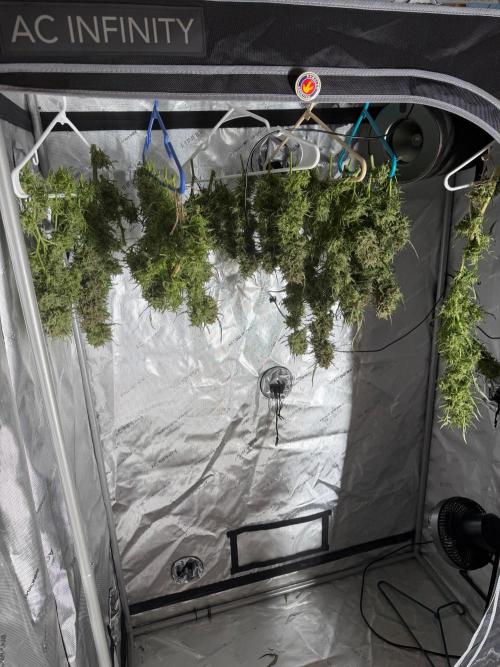
Branch-hung in the 4×2 tent with exhaust and circulation. Temperature and humidity took some balancing, particularly with the dehumidifier adding heat. Readings during adjustments were roughly 72–76°F and 55–63% RH, with a later recorded reading of 70°F / 56.6% RH. Those are snapshots from the drying process, not a steady full-run average.
Aroma & taste
Standing flowers carried fresh cannabis and overripe-cantaloupe notes, with sugar-leaf rubs ranging from lemon to body odor. Fresh-cut material shifted toward dank arugula and lime. After drying, the standout is bright, refreshing orange zest, reminds me of Dutch Passion California Orange, including the texture. Taste hasn’t matched the nose so far: fairly earthy and honestly mid. These are early impressions, not a finished-cure review.
Caterpillars & mold
Roughly a dozen caterpillars were removed, along with silk, frass and feeding-damaged flower material. Initial inspections found no visible mold, but later checks revealed mold throughout multiple colas, first noticed around damaged material and older bracts tucked against the stems. Natural stem hairs and caterpillar silk complicated the early identification. Exactly when infection began wasn’t established.
Effects
Personal, preliminary impressions
Small amounts gave a sense of well-being and contentment without feeling zonked. Larger amounts started positive and extremely euphoric, then moved in waves, with ebbs and flows in mood and intensity. The higher-dose profile has been harder to pin down. I generally prefer flower with a couple months of age, so these observations aren’t my final verdict on its character.
Show more
Translate
Spent 85 days
Ger Veg Flo Har
566.99 g
Bud wet weight per plant
2
Plants
2.54 m²
Grow Room size
Normal
Difficulty
Height
Day air temperature
Air humidity
PH
Light schedule
Night air temperature
Substrate temperature
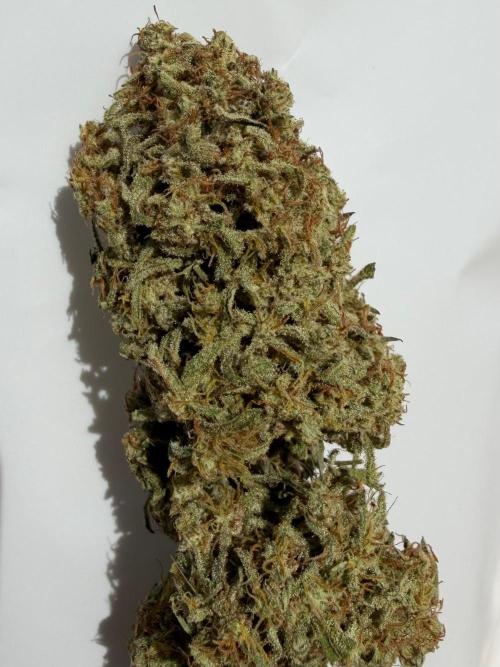
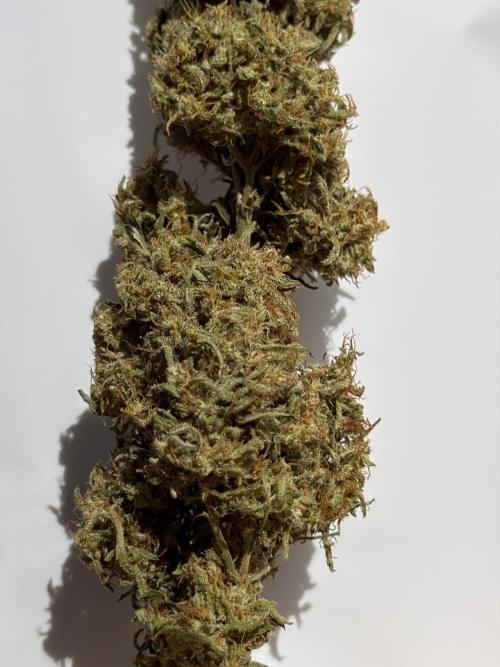
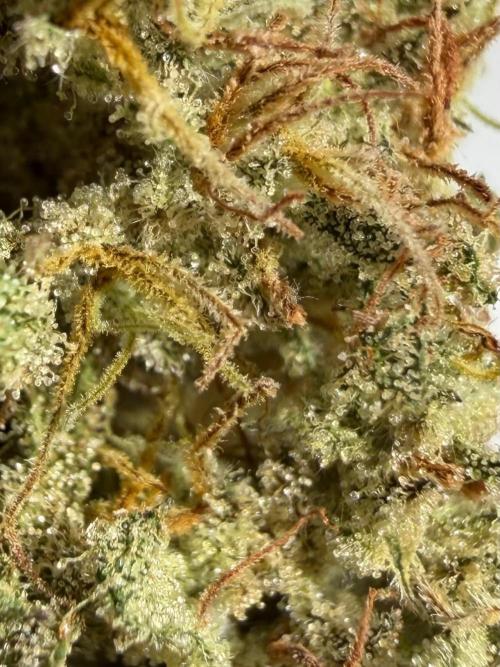
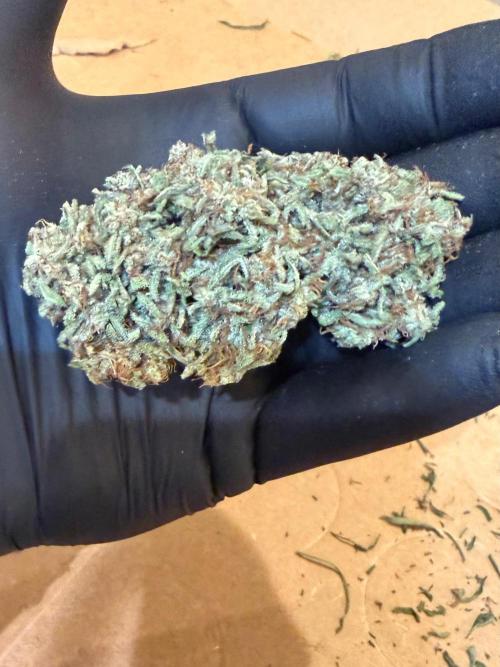
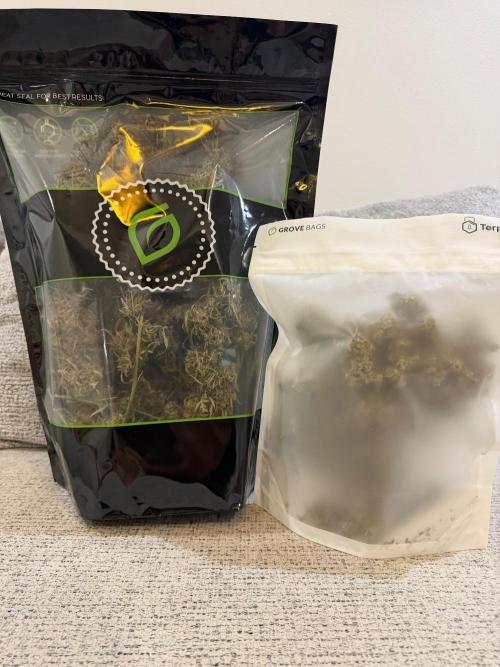
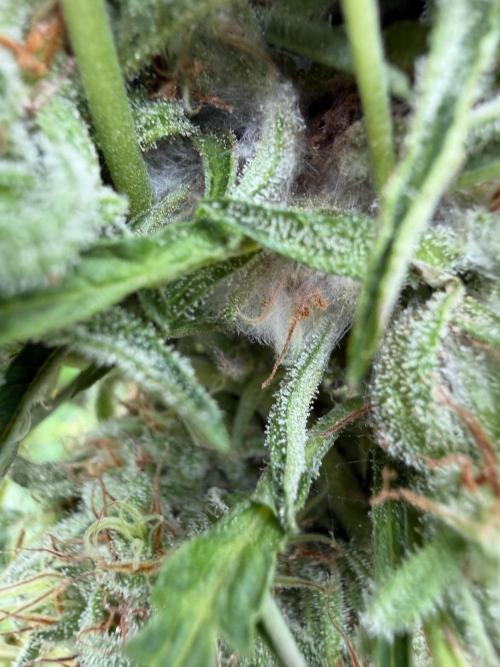
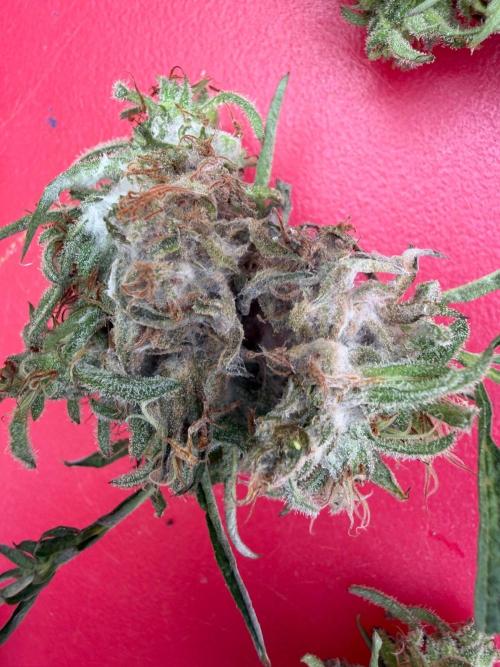
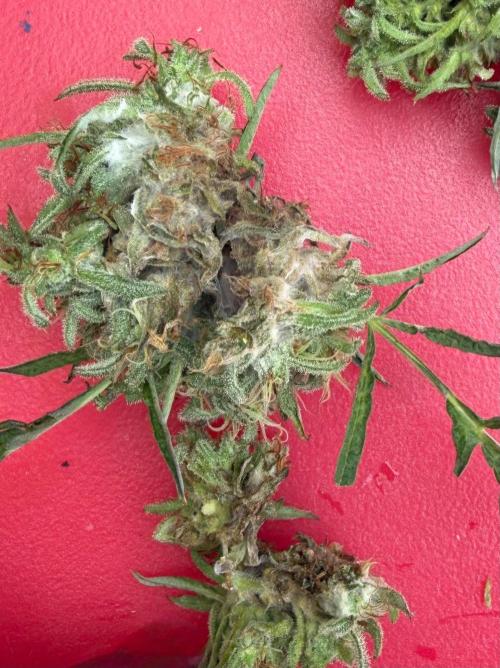

Dudemann Quick reviewOverall: 8/10. Within the freak category: 10/10 for me.
Sweet Annie delivered huge, resinous, spongy flowers, late purple color and a bright orange-zest nose. A memorable plant to grow, but the early flavor was fairly ordinary, and the effects were harder to pin down at higher amounts. Armyworm damage and mold losses were a significant downside of this outdoor run. As a freak, she stands out. Judged alongside conventional flower, my early impressions land closer to a 7-8.
Main review
Frosty’s Purple Freak F4 · Main harvest: September 23, 2026
Harvest & flower structure
Grown in-ground from clones of my bonsai mother. The main colas came down ahead of more rain and increasing caterpillar damage, some of the biggest buds I’ve grown. Huge, heavily resinous flower clusters with a full, spongy texture, rather than rock-hard density. They stayed large and spongy after drying.
Color
The main harvest came down before the strongest purple expression, leaving predominantly bright-green flowers with resin and fine plant hairs catching the light. Lower flowers left to finish for roughly another week developed deep purple in both buds and leaves. A noticeably different finish from the same genetics.
Feeding
Final top-dress was .5 cup Gaia Green Power Bloom and 1 tbsp langbeinite per plant. Big Bloom at 2 tbsp/gal and occasional Recharge at .5 tsp/gal supported the finish when irrigation was needed, with rain/plain water between feeds.
Drying
Branch-hung in the 4×2 tent with exhaust and circulation. Temperature and humidity took some balancing, particularly with the dehumidifier adding heat. Readings during adjustments were roughly 72–76°F and 55–63% RH, with a later recorded reading of 70°F / 56.6% RH. Those are snapshots from the drying process, not a steady full-run average.
Aroma & taste
Standing flowers carried fresh cannabis and overripe-cantaloupe notes, with sugar-leaf rubs ranging from lemon to body odor. Fresh-cut material shifted toward dank arugula and lime. After drying, the standout is bright, refreshing orange zest, reminds me of Dutch Passion California Orange, including the texture. Taste hasn’t matched the nose so far: fairly earthy and honestly mid. These are early impressions, not a finished-cure review.
Caterpillars & mold
Roughly a dozen caterpillars were removed, along with silk, frass and feeding-damaged flower material. Initial inspections found no visible mold, but later checks revealed mold throughout multiple colas, first noticed around damaged material and older bracts tucked against the stems. Natural stem hairs and caterpillar silk complicated the early identification. Exactly when infection began wasn’t established.
Effects
Personal, preliminary impressions
Small amounts gave a sense of well-being and contentment without feeling zonked. Larger amounts started positive and extremely euphoric, then moved in waves, with ebbs and flows in mood and intensity. The higher-dose profile has been harder to pin down. I generally prefer flower with a couple months of age, so these observations aren’t my final verdict on its character.
6 likes
2 comments
Share
Equipment Reviews






8 comments
Sort by
popularity
popularity
newest
oldest

Khalifa_Genetics  commentedweek 53mo ago
This cultivation will be very interesting to follow.
likes 2
Tower84 commentedweek 1325d ago
Great diary, compliment 👍💚
like 1

Zizidoem commentedweek 1325d ago
Im having a brainfart, what the hell did i just watch develop, so facinating, so disturbing. ..
like 1

Itashish commentedweek 82mo ago
This plant is in the process of producing beautiful buds 🌱👌
like 1

BarneyRumble420 commentedweek 53mo ago
Coming along beautifully mate 👌
like 1

Pi_growing commentedweek 53mo ago
She looks beautiful ☘️💚
like 1

GERGrowDesigns commentedweek 13mo ago
Good Luck and keep up Growing 🌱
like 1

ndsgrow commentedweek 121mo ago
These freaks are so fking ugly ... But they also so fking fascinating 🤣 Looking good brother 🌱😀
likes

the end.
Enjoying this diary? Follow for more updates!

Prefer the old Diary view?
Go back to the old Diary view