


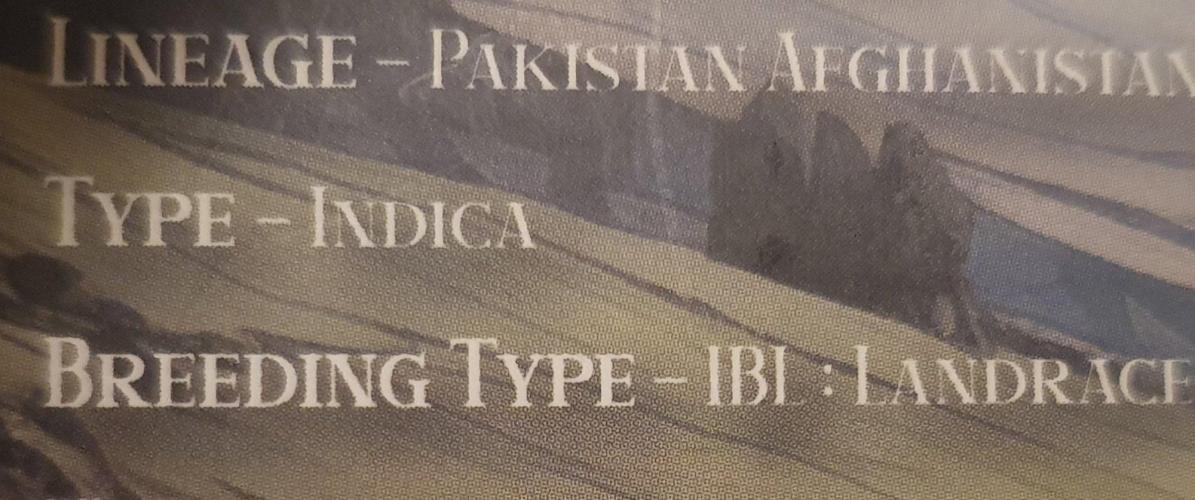
Pre-1970 Chitral Landrace IBL


Pre-1970 Chitral Landrace
Undisclosed

Lamp
Sun
Light

Fan
Ventilation
Bosch

Mix
Terra Preta

Greenhouse
Room Type
1 liters
Pot Size
Start at 3 Week
G
Germination1mo ago
Nutrients 1
H2O
0.264 mll
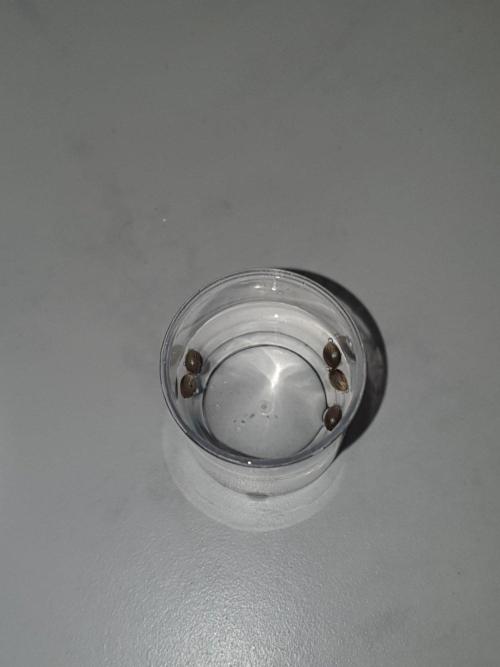
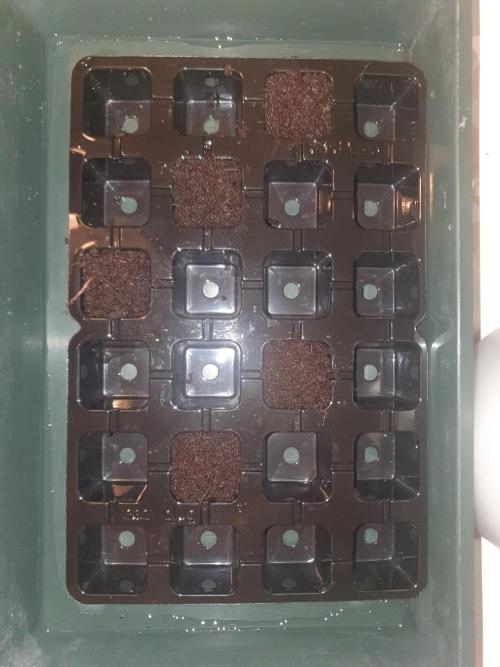
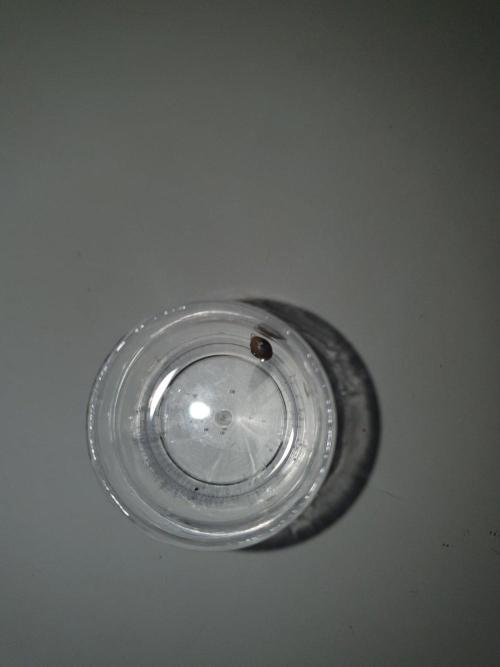
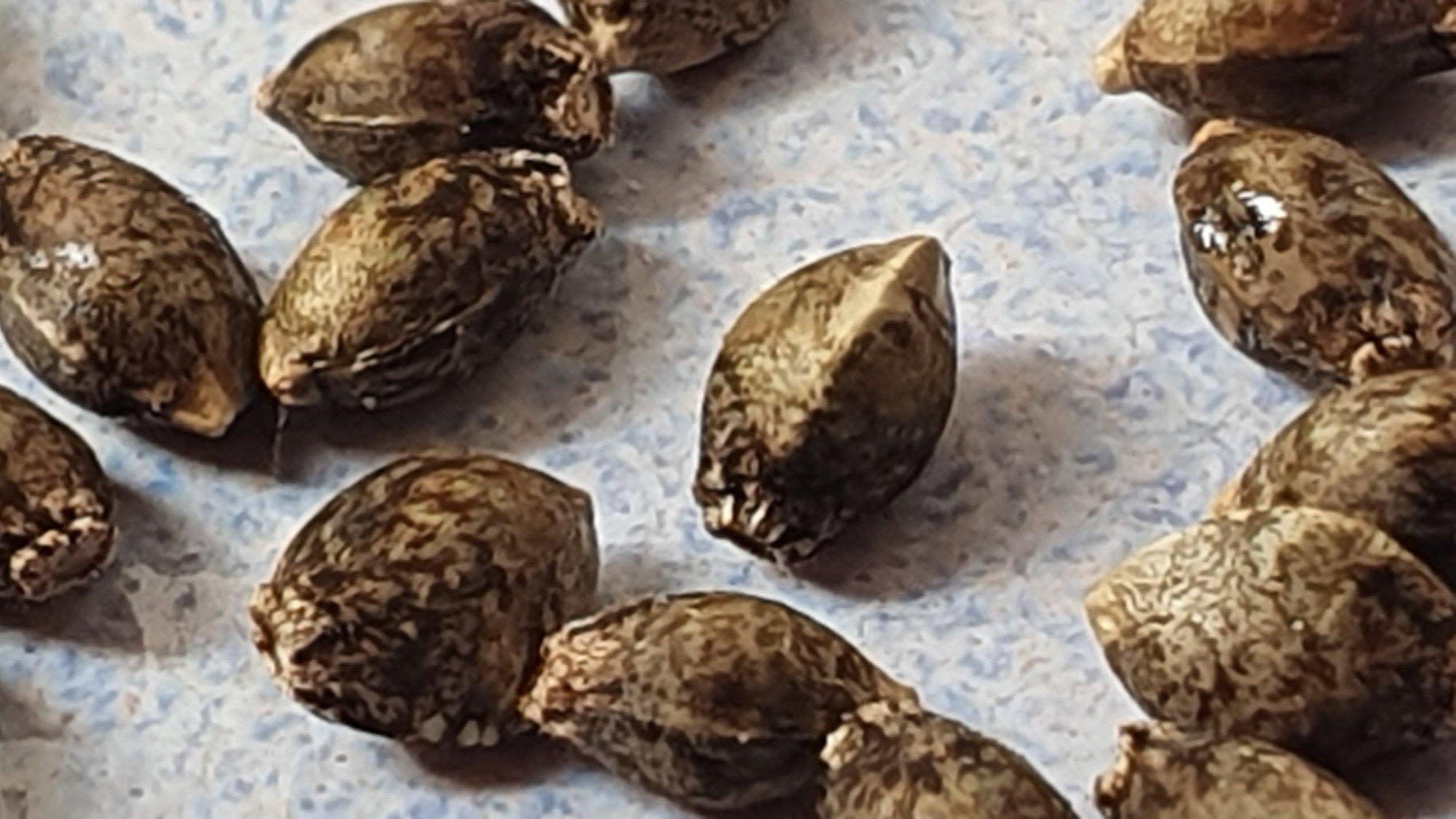
The_7_Club Imbibition of 5 seeds. 1 more added one day later.
2 likes
6 comments
Share
Used method
Other
Germination Method
Grow Questions

The_7_Clubstarted grow question 1mo ago
6 regular seeds (natural reproduction) were started. Anyone want to guess how many will survive? Anyone want to guess how many will be male and how many female? First to get both answers right.... 😉
Journal: growdiaries.com/diaries/326499-grow-journal-by-the-7-club
Open
Other. General questions
3 likes
Answer

1
Week 1. Vegetation22d ago

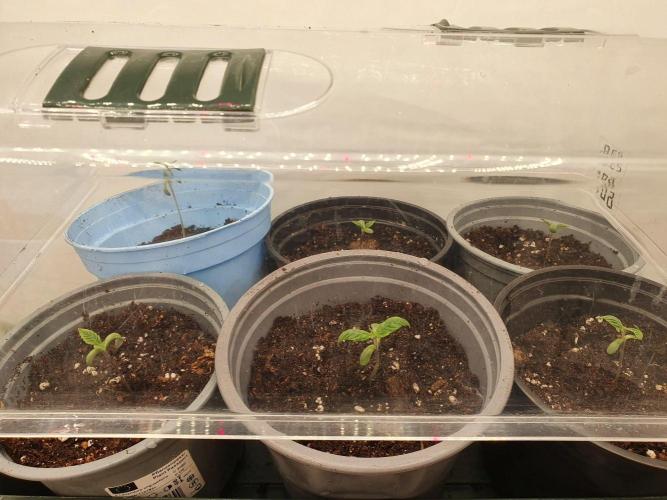
16 hrs
Light Schedule
23 °C
Day Air Temp
6.0
pH
70 %
Air Humidity
20 °C
Night Air Temp
0.5 liters
Pot Size
30 cm
Lamp Distance
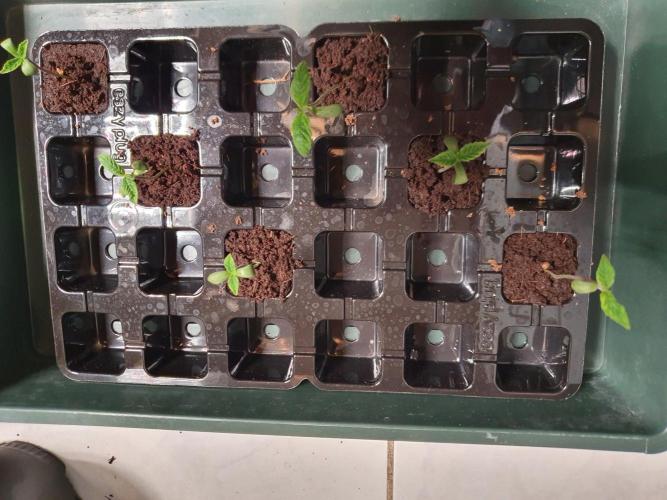
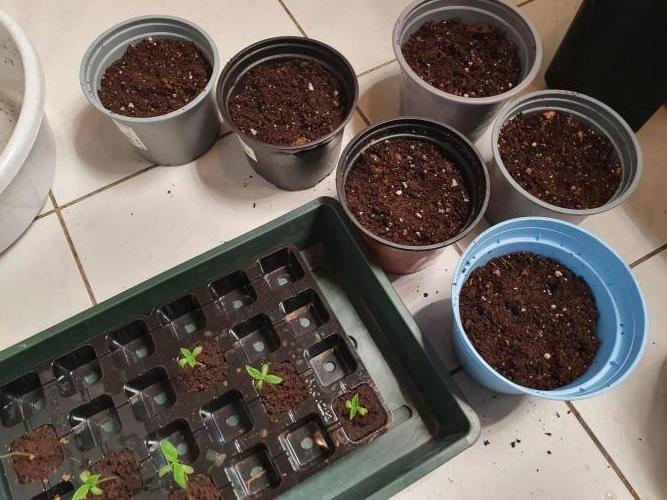
The_7_Club Seedlings now. Transplanted to their first containers. These will be fast moving plants.
3 likes
1 comment
Share
Grow Questions
The_7_Clubstarted grow question 22d ago
How little things actually change.
Open
Other. Smoking
4 likes
Answer

MindFlowers68answered grow question 21d ago
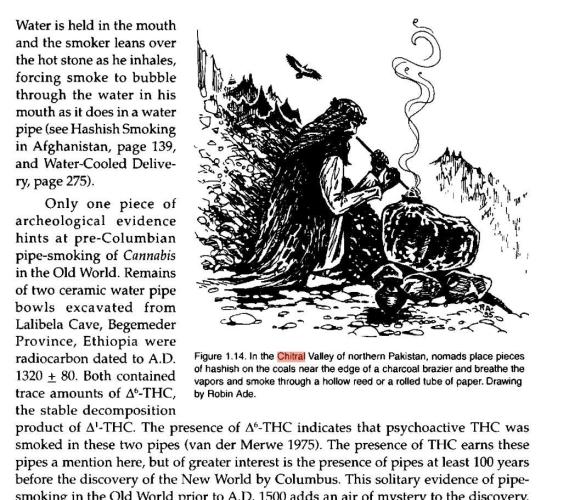
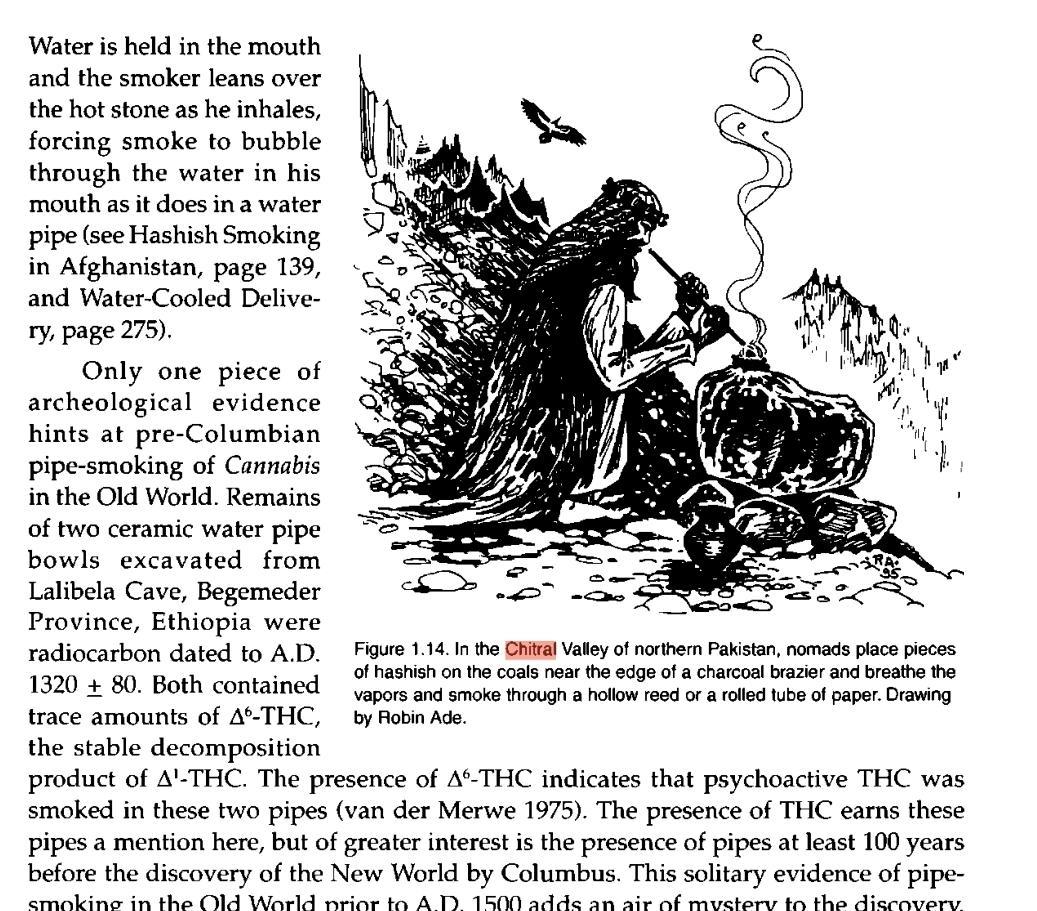
I know in some cultures they stuff giant colas into a pipe and smoke it over a fire. Imagine how much resin you'd be inhaling. I think i wanna try it now. I kind of forgot about it. But now i have enough weed i could do it. maybe i could make a fire with the stalks from my plants i just harvested so its not asssss harsh lol cant be too goo for ya.. theirs a little bamboo patch not too far away too. It was one of our smoke spots lol
likes
Complain
UDUDUDUDUanswered grow question 22d ago
that iz a little to much for me. It would make me feel like im bjing da plant.
Very neat party trick though, how about ingesting da smoke ? eh ?
likes
Complain

Green_Clawsanswered grow question 22d ago
smoking pck on kush mountain with the mouth water bong in AD1320.. I bet there was cave men riding backs of dinosaurs with a joint.1million%
likes
Complain
The_7_Clubstarted grow question 21d ago
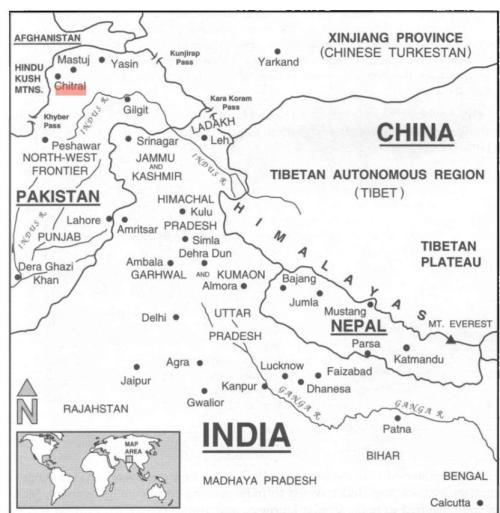
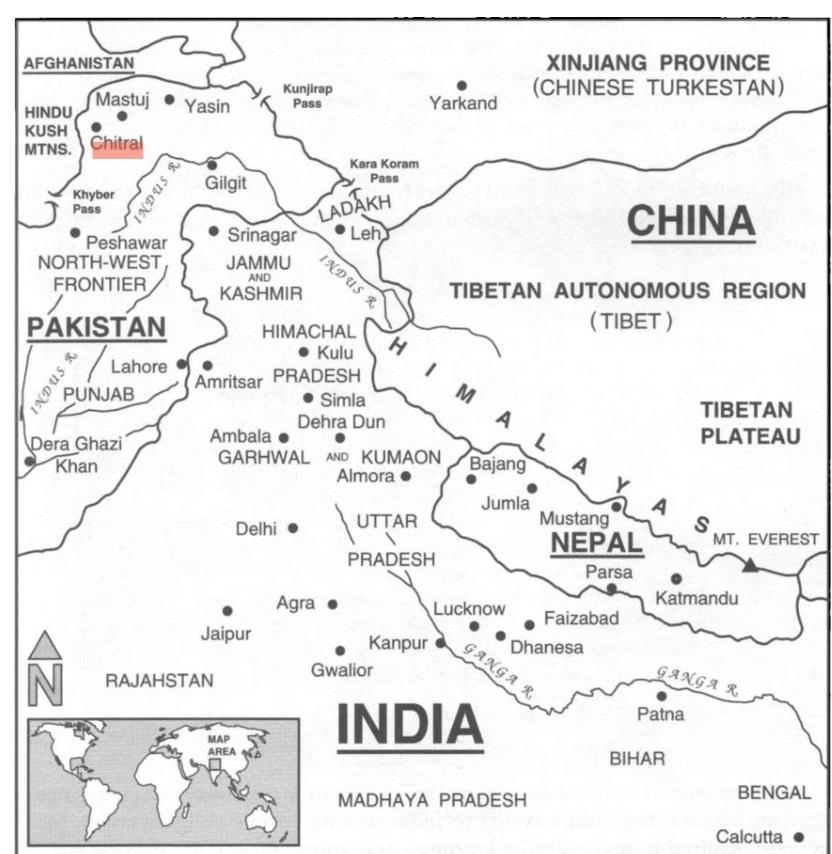
Know any PCK (Pakistani Chitral Kush) fans or HHC's (Hardcore Hashplant Connoisseurs)? Purple Cannabis lovers? Tag them so they can follow along on the documentation, join the grow of my pre-1970 PCK IBL grow! 💣
Open
Other. General questions
1 like
Answer
Green_Clawsanswered grow question 20d ago
pck still grows up there. no contamination. Ace seeds is your best bet
likes
Complain

JUNGLE_B4RNSanswered grow question 21d ago
Yep, I have grown a Durgan Chitral from the Underground Seeds Collective. The result was marvelous.
growdiaries.com/diaries/17328-usc-elite-genetic
likes
Complain
2
Week 2. Vegetation12d ago
16 hrs
Light Schedule
23 °C
Day Air Temp
6.0
pH
6 %
Air Humidity
20 °C
Night Air Temp
0.5 liters
Pot Size
30 cm
Lamp Distance
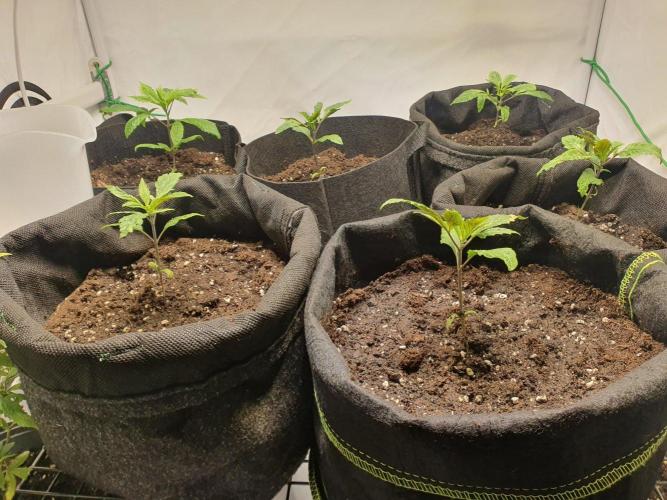
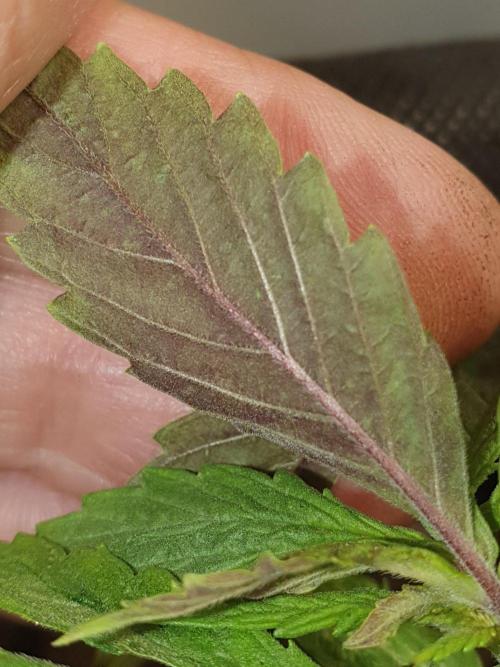
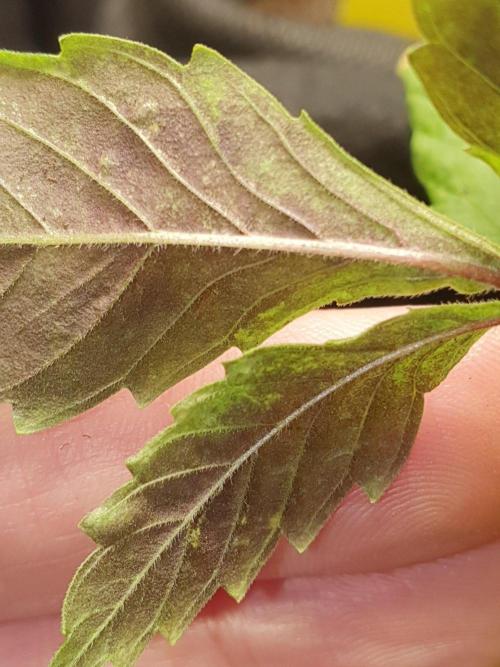
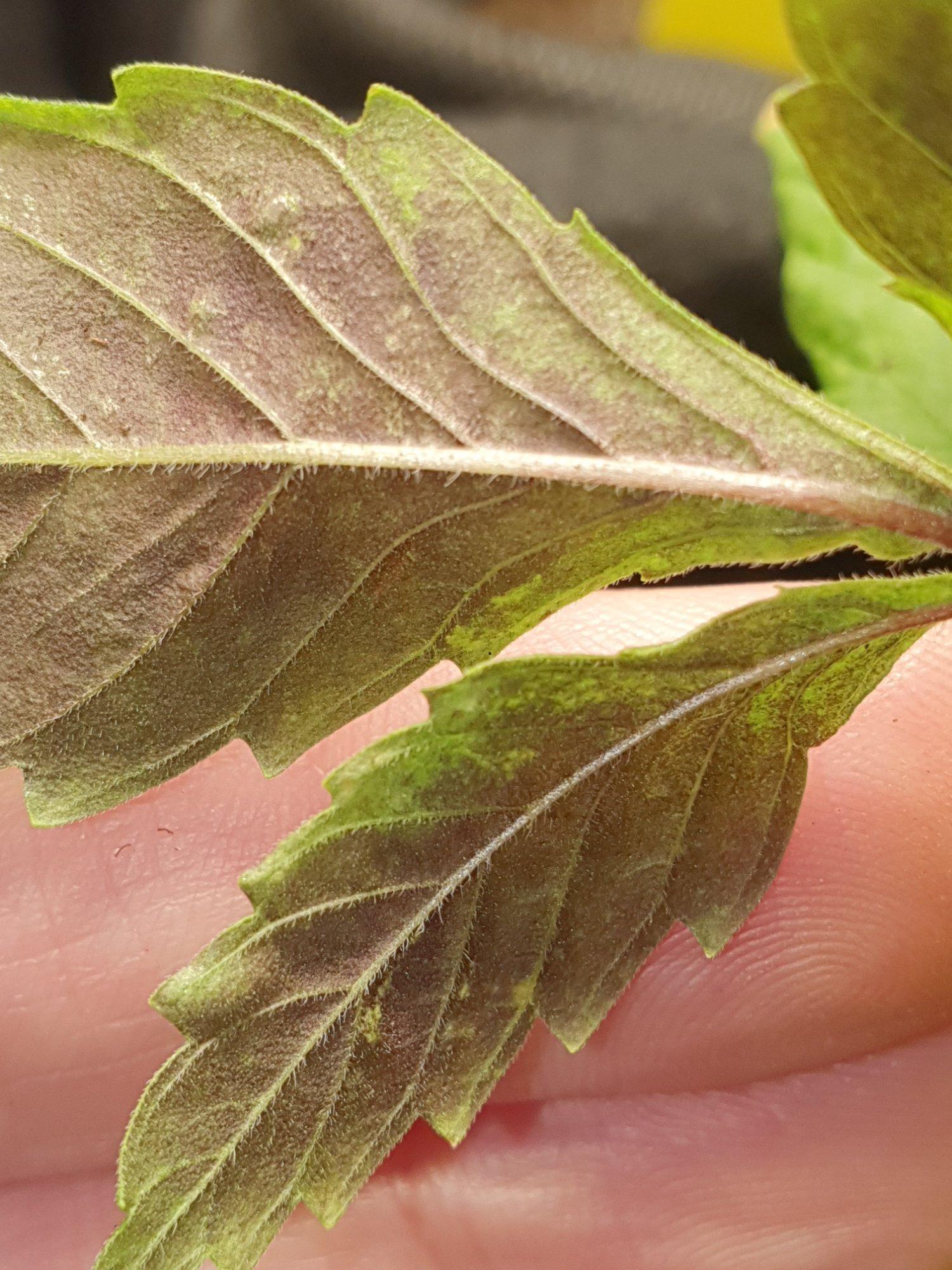
The_7_Club Transplanted to larger fabric grow pots. Stems and underside of leaf are purple, already producing anthocyanins at this early stage.
2 likes
1 comment
Share
Grow Questions
The_7_Clubstarted grow question 12d ago
The recent GD blog post from skips over the real history of purple cannabis. It treats a Granddaddy Purple from 2003 in California like it invented the whole thing, while ignoring that purple weed has been around for centuries...in places like the Chitral valleys of Pakistan.
Open
Other. General questions
likes
Answer

Altitonans_Fulmenanswered grow question 8d ago
It has nothing to do with the fact that it's aesthetically purple, it's the predisposed ratio of the terpenes linalool and myrcene that make GranDaddyPurp so special: the heavy body high to relieve pain but maintaining a sharp mind. You simply cannot get a better combination for medical patients.
Geographical location heavily dictates genetic expression. Local weather patterns, unique environmental conditions, macroclimates, and UV levels interact directly with soil composition and its nutritional properties to drive gene expression. Environmental factors act as structural "switches" that turn specific genes on or off without altering the underlying DNA sequence.
Because of this, unless a cultivar is grown under the exact same conditions across the board, there is no way its genetic expression will remain identical. Each generation grown in a different meteorological and geographical location will ultimately alter its phenotype.
The unique mineral composition, microbial life, and fungal networks of a specific geographic location act as a custom recipe for the plant. These epigenetic changes in gene expression can sometimes be passed down to the next generation, meaning the plant actively adapts to its new home in real-time. Each subsequent generation undergoes rapid localized adaptation, naturally favoring traits that help it survive that specific environment and shifting away from its original ancestral state within just a few generations.
The idea that a "magic seed" can bring back long-lost genetics and behave exactly as it did in the past is ridiculous. The precise atmospheric conditions, soil biology, climate, and environmental metrics of thousands of years ago simply no longer exist. An ancient seed grown today will inevitably express itself differently.
This interplay maps perfectly even at a micro-level. For example, the specific pattern of green leaf-tops with purple stems and undersides on a 2-week-old plant is genetic programming mapping perfectly to environmental physics. Genetics dictate the potential, but the environment triggers the actual production of those pigments.
Cannot grow GDP with the same ratio of myrcene and linalool in Pakistan.
This brings up the 7clubs obsession with purple flower. While beautiful, chasing "purple" as an isolated aesthetic entirely misses the fundamental point of secondary metabolism. Chlorophyll is built for electron capture as its primary purpose. Anthocyanin is produced for protection and is entirely incapable of photosynthesis.
Interestingly, linalool (a terpene) and anthocyanin (a pigment) share many of the same master transcription pathways. It is never just about color; it is about the combination of Linalool and Myrcene creating an eclectic combo with a strong entourage effect, valued for its ability to medicate pain while keeping the mind sharp.
Knowing is better than abstract knowledge or superstition.
Growing anything in 7 Clubs basement with municipal water and synthetic nitrogen derived from the Haber-Bosch process—with absolutely no idea how to sink nitrogen correctly—barely scratches the surface of plant optimization. That guy isn't growing anything with unique expression; he's growing flower anyone has smoked a 1,000 times before. If you want elite flower, the plant has to go to war.
Let's spell it together: R-H-I-Z-O-P-H-A-G-Y C-Y-C-L-E
Terpenes, flavonoids, and cannabinoids are secondary metabolites. The plant does not synthesize them for structural growth; it makes them strictly for defense. This is the true, unfiltered secret of living soil. The rhizophagy cycle is the biological process where plant root tips literally ingest live microbes, strip them of nutrients using superoxide (oxidative stress), and then spit them back out into the rhizosphere to forage for more minerals.
[Root Tips Ingest Microbes]
│
▼
[Superoxide Strips Nutrients] ──► (Oxidative Stress Trigger) ──► [TRANSCRIPTION PATHWAYS TURN ON]
│
▼
[Microbes Spit Back Out to Forage]
[HEAVY TERPENE & CANNABINOID INFUSION]
Superoxide and oxidative stress are the direct biological triggers for terpene synthesis. When you bypass rhizophagy by using sterile, synthetic nutrients, you castrate the plant's secondary metabolism. It is a direct biological cascade: no microbial oxidation = no cellular panic = no elite terpenes.
"No microbial oxidation = no elite terpenes": This is an oversimplification. Plants grown in completely sterile, hydroponic synthetic systems can still produce high levels of terpenes and cannabinoids because they possess genetic pathways that trigger these compounds through other stressors (like intense lighting, temperature variations, or mechanical pruning). However, living soil systems leveraging the rhizophagy cycle consistently produce a more complex, expressive, and full-spectrum chemotype (terpene and cannabinoid profile) because the microbial environment constantly stimulates the plant's immune system.
Without the rhizophagy cycle, the plant never goes to war. It never learns to defend itself, and Systemic Acquired Resistance (SAR) is never activated. The plant becomes biologically lazy. Instead of premium flower, you get a bloated, water-weight plant loaded with free-floating, unsunk nitrogen—the ultimate recipe for harsh-burning, generic flower that tastes exactly like everything else on the commercial shelf. Bypassing this natural process causes a permanent bottleneck defined by structural failures.
Phycocyanin acts as an effective elicitor in cannabis applications, significantly boosting secondary metabolite production. When applied to the rhizosphere or foliage, phycocyanin-rich microalgae extracts stimulate plant defense responses, often resulting in a two-fold increase in anthocyanin accumulation. It triggers physiological defenses that promote plant growth while enhancing valuable pigment production. But shhh, thats is not well known at all.
Knowing is super better than abstract knowledge or superstition.
likes
Complain

AsNoriuanswered grow question 12d ago
Education is good, but i doubt that people are offended by some myth, bro science or clout chasers ;)))
Enjoy your grow journey !
likes
Complain
Green_Clawsanswered grow question 12d ago
It's a true natural purple that makes the best hash.beautiful plant.. GL..
likes
Complain
The_7_Clubstarted grow question 11d ago
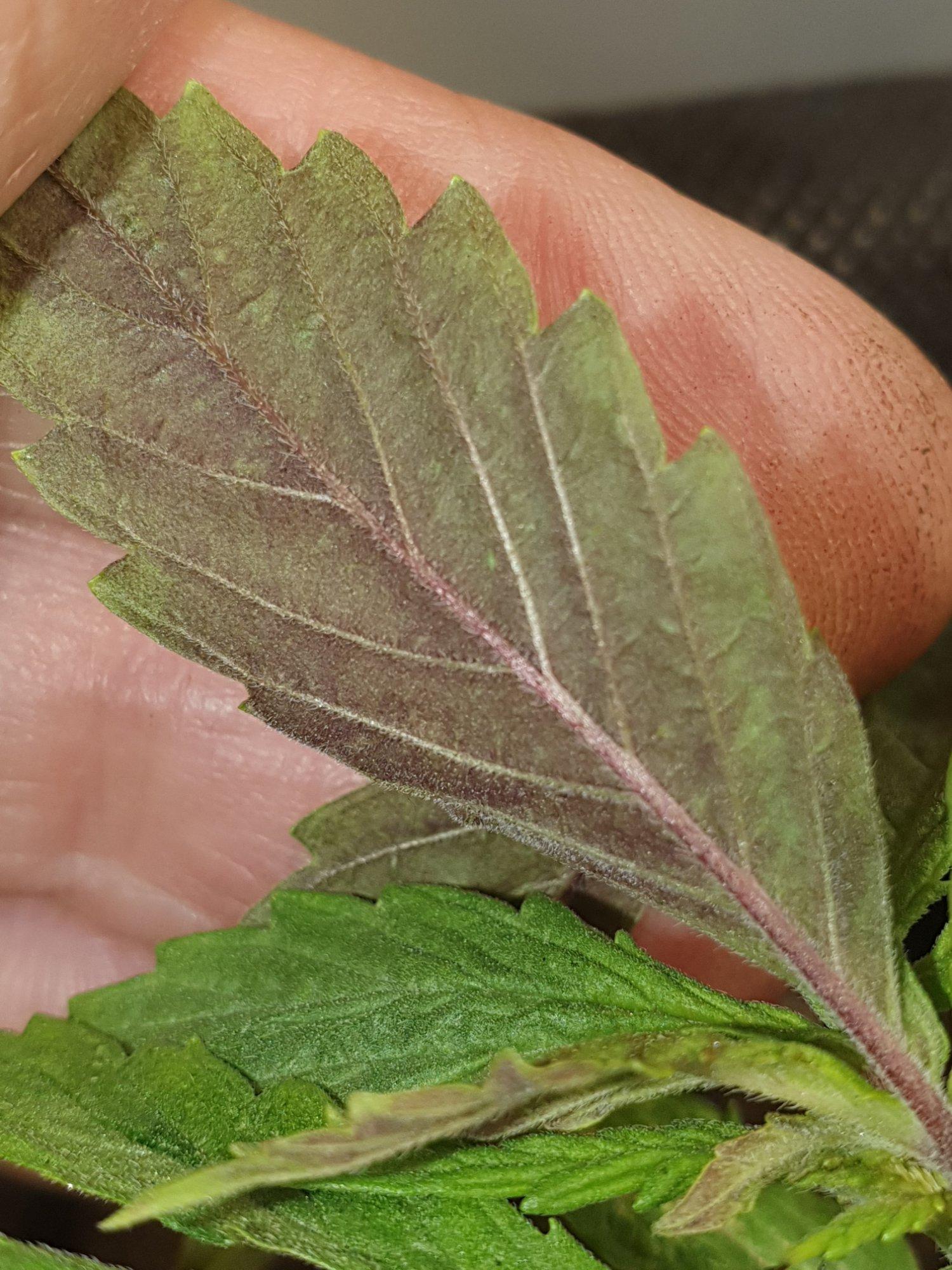
Genetics play the largest role in purple color expression. The anthocyanin production on 2 week old plants. Stems and undersides of the are infused with beautiful purple coloration. Tops of the leaves remain green. Knowing is better than abstract knowledge/superstition. 🤫
Open
Other. General questions
likes
Answer
UDUDUDUDUanswered grow question 10d ago
well shoots dont I feel like a tarter. I thought that waz brown colouring da last 4 yearz I've seen it
likes
Complain

Altitonans_Fulmenanswered grow question 8d ago
t has nothing to do with the fact that it's aesthetically purple; it's the predisposed ratio of the terpenes linalool and myrcene that makes GranDaddyPurp so special: the heavy body high to relieve pain while maintaining a sharp mind. You simply cannot get a better combination for medical patients.
Geographical location heavily dictates genetic expression. Local weather patterns, unique environmental conditions, macroclimates, and UV levels interact directly with soil composition and its nutritional properties to drive gene expression. Environmental factors act as structural "switches" that turn specific genes on or off without altering the underlying DNA sequence.
Because of this, unless a cultivar is grown under the exact same conditions across the board, there is no way its genetic expression will remain identical. Each generation grown in a different meteorological and geographical location will ultimately alter its phenotype.
The unique mineral composition, microbial life, and fungal networks of a specific geographic location act as a custom recipe for the plant. These epigenetic changes in gene expression can sometimes be passed down to the next generation, meaning the plant actively adapts to its new home in real-time. Each subsequent generation undergoes rapid localized adaptation, naturally favoring traits that help it survive that specific environment and shifting away from its original ancestral state within just a few generations.
The idea that a "magic seed" can bring back long-lost genetics and behave exactly as it did in the past is ridiculous. The precise atmospheric conditions, soil biology, climate, and environmental metrics of thousands of years ago simply no longer exist. An ancient seed grown today will inevitably express itself differently.
This interplay maps perfectly even at a micro-level. For example, the specific pattern of green leaf-tops with purple stems and undersides on a 2-week-old plant is genetic programming mapping perfectly to environmental physics. Genetics dictate the potential, but the environment triggers the actual production of those pigments.
Cannot grow GDP with the same ratio of myrcene and linalool in Pakistan.
This brings up the 7clubs obsession with purple flower. While beautiful, chasing "purple" as an isolated aesthetic entirely misses the fundamental point of secondary metabolism. Chlorophyll is built for electron capture as its primary purpose. Anthocyanin is produced for protection and is entirely incapable of photosynthesis.
Interestingly, linalool (a terpene) and anthocyanin (a pigment) share many of the same master transcription pathways. It is never just about color; it is about the combination of Linalool and Myrcene creating an eclectic combo with a strong entourage effect, valued for its ability to medicate pain while keeping the mind sharp.
Knowing is better than abstract knowledge or superstition.
Growing anything in 7 Clubs basement with municipal water and synthetic nitrogen derived from the Haber-Bosch process—with absolutely no idea how to sink nitrogen correctly—barely scratches the surface of plant optimization. That guy isn't growing anything with unique expression; he's growing flower anyone has smoked a 1,000 times before. If you want elite flower, the plant has to go to war.
likes
Complain
3
Week 3. Vegetation5d ago
16 hrs
Light Schedule
2 °C
Day Air Temp
6.0
pH
50 %
Air Humidity
20 °C
Night Air Temp
0.5 liters
Pot Size
30 cm
Lamp Distance
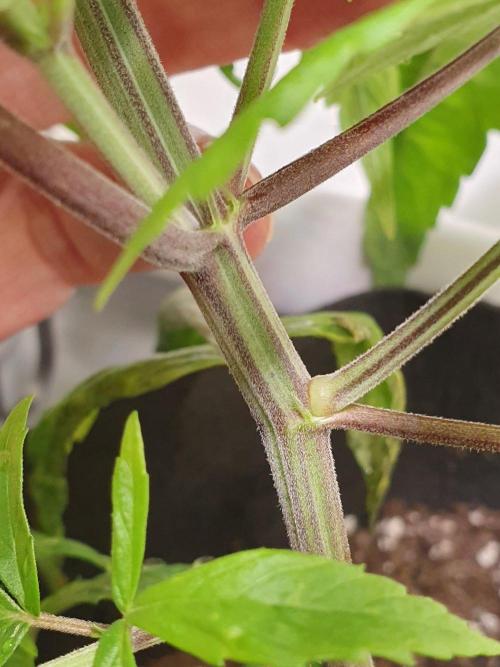
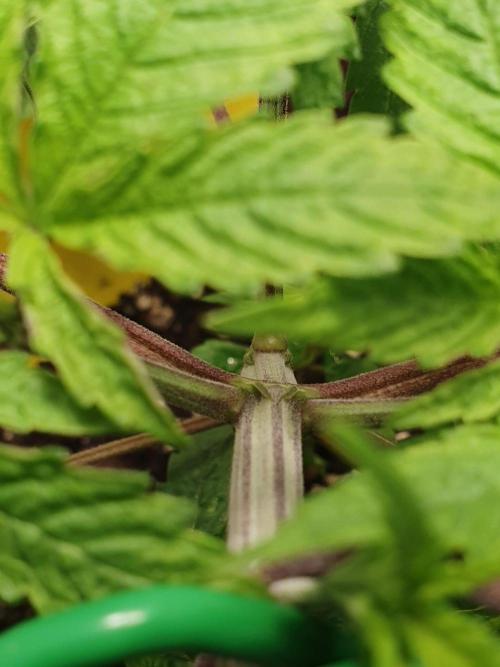
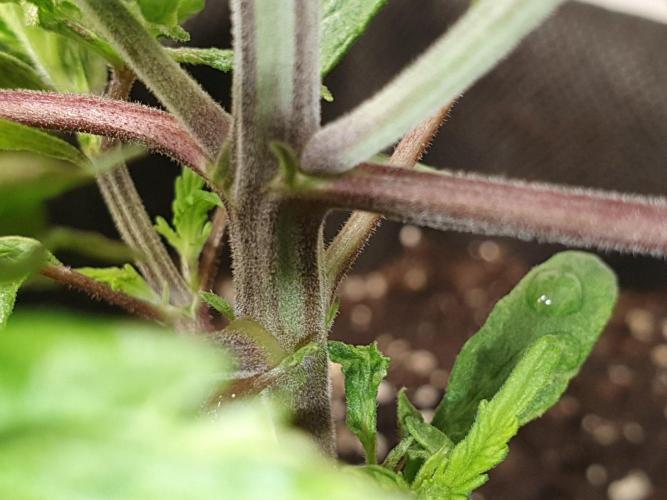
The_7_Club Beautiful striped stems! Other cannabos plants in the same enviornment aren't striped like these. They do it every time. Its a trait not enviornmental. did a little custom pinching/defoliation to start to encourage secondary growth.
likes
comments
Share
Grow Questions
The_7_Clubstarted grow question 5d ago
Stripes of purple on the stems are a beautiful aspect of this IBL landrace that I enjoy very much. The photos don't do justice, in front of me they are super cool to look at. I may twist a few branches in training to swirl the plants natural stem stripes. Should I do it? Could be
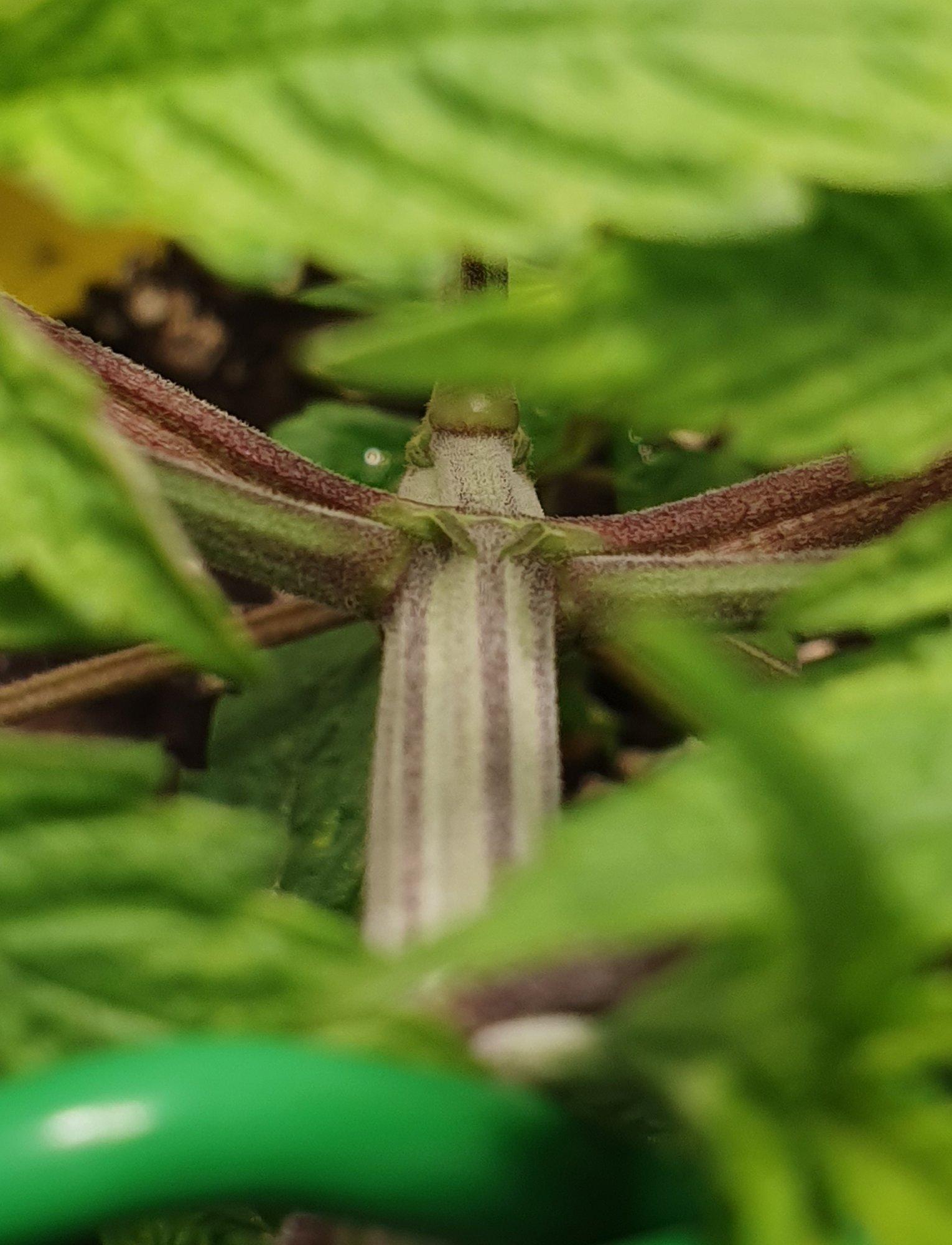
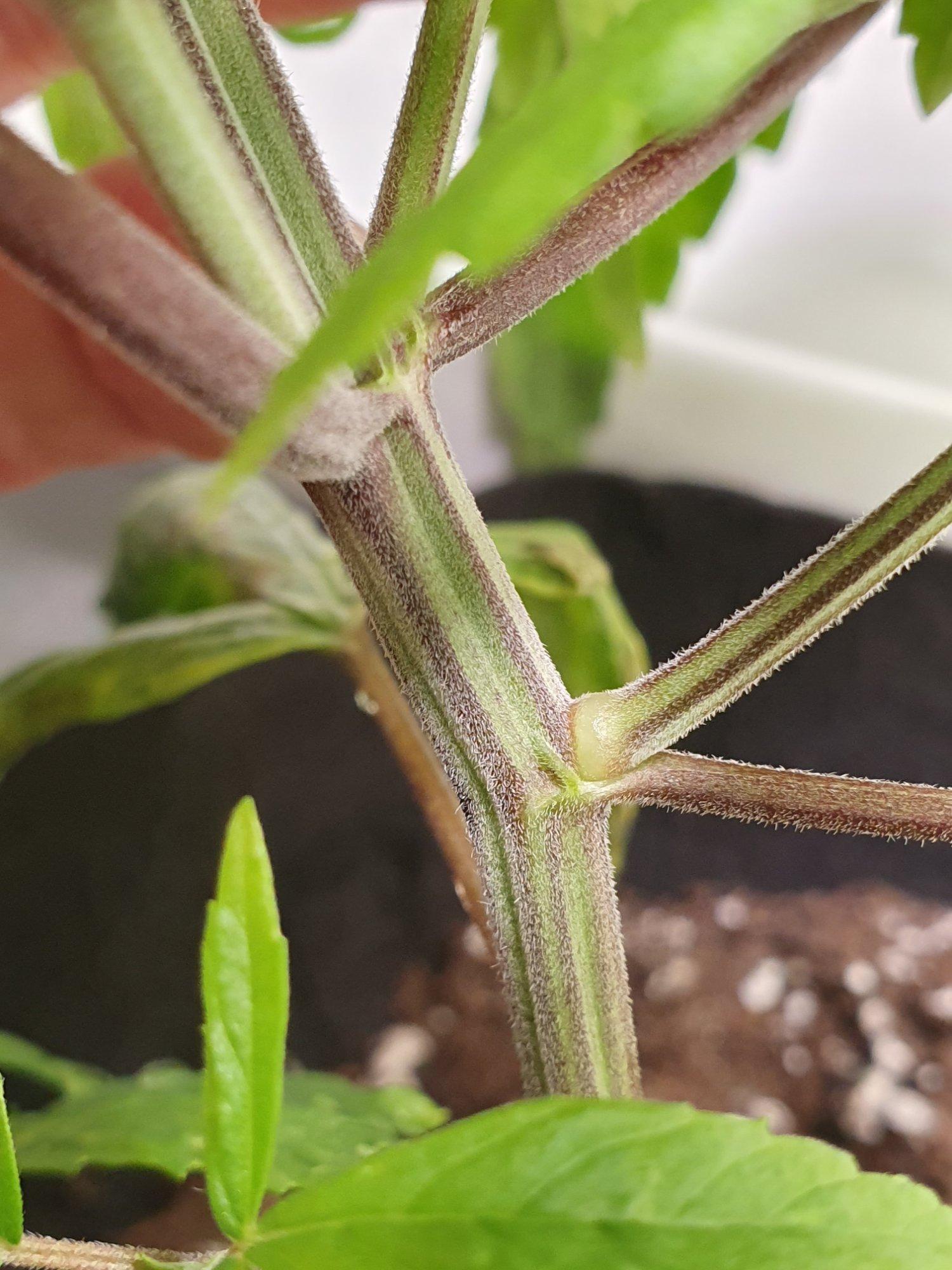
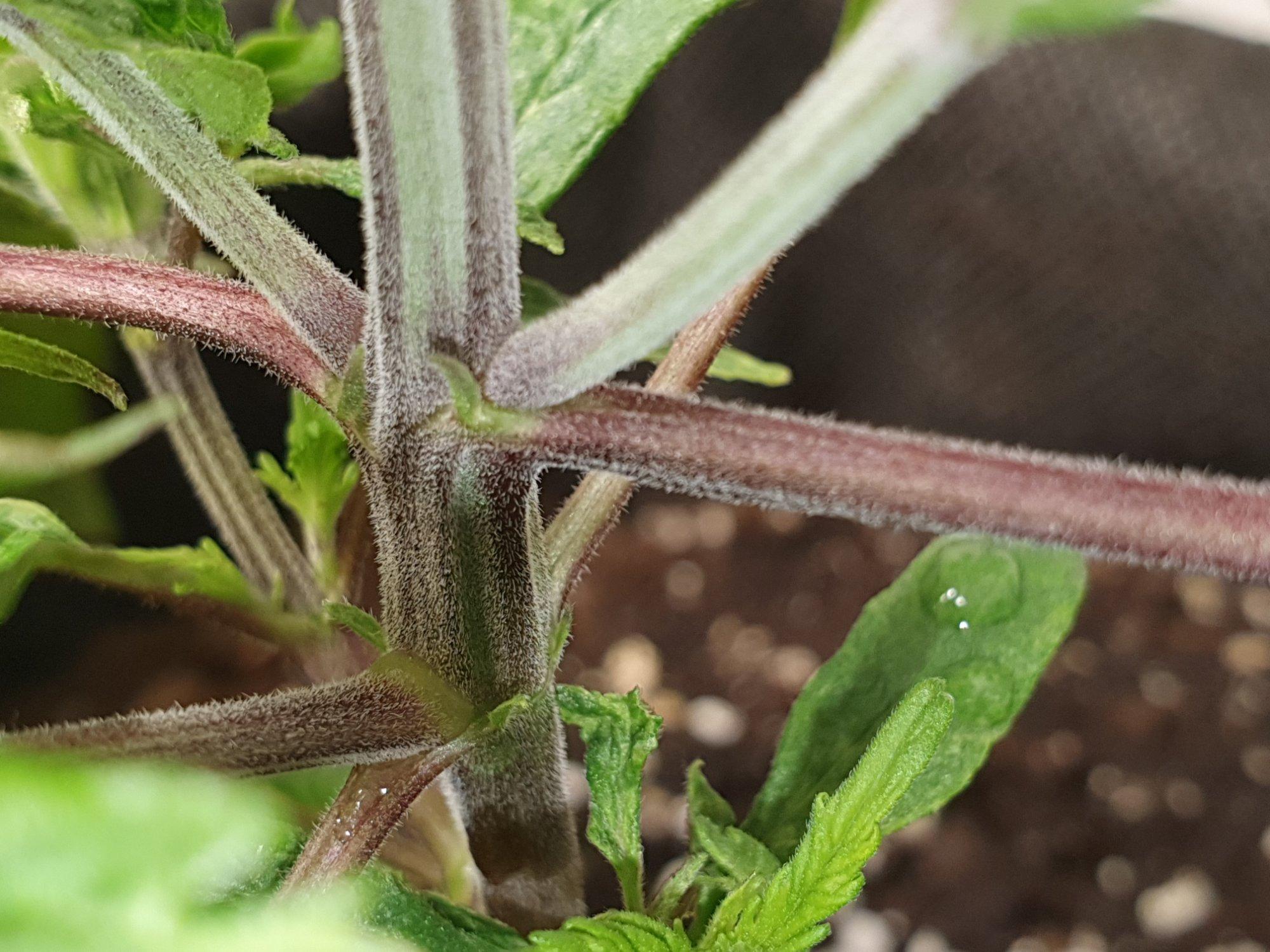
Solved
likes

therealgrowmieanswered grow question 3d ago
Those stripes look gorgeous 👌 and on an IBL landrace they may simply be a genetic pigmentation trait rather than a deficiency.
I wouldn’t deliberately twist the branches just to make the stripes spiral, though 😅 Gentle LST/bending is fine, but actual torsion can damage vascular tissue or split a branch for basically cosmetic benefit.
If you want to play with the look, gradually train a branch around an anchor instead of twisting the branch itself. You might get some of that spiral geometry while letting the stem adapt naturally.
Sometimes the phenotype already made the artwork, no need to argue with the artist
Enjoying this diary? Follow for more updates!
Prefer the old Diary view?
Go back to the old Diary view