


RS11 Outdoor WA 2026



Perlite
JFWOD

Soil
Midwest Hearth

Outdoor
Room Type
Defoliation
weeks 22-23
Transplantation
weeks 3, 12
4 liters
Pot Size
Start at 24 Week
G
Germination24d ago
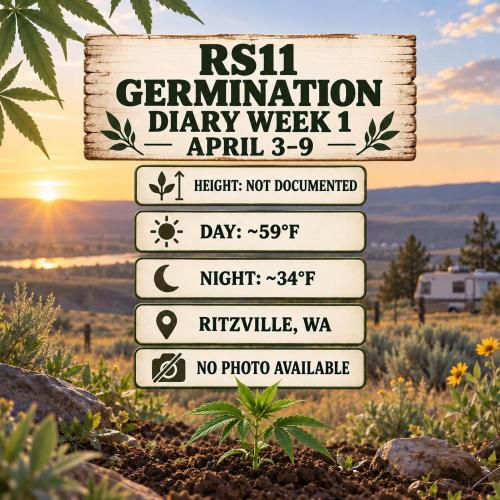
MissLeonard94 This is GrowDiaries calendar Week 1, running Monday, March 30, 2026, through Sunday, April 5, 2026. The plant-age field is Day 1–3, using April 3, 2026 as Day 1. GrowDiaries counting is applied exactly as requested: Week 1 is germination, Week 2 becomes Vegetation Week 1, and the diary continues on a Monday–Sunday calendar. The stage for this entry is Germination.
The calendar week runs from Monday, March 30 through Sunday, April 5, while the actual planting date was Friday, April 3, Day 1. RS11 was started in a small container in Ritzville using a soil-and-perlite mix. The archive has no original planting-day photograph, so the embedded card is a labeled placeholder rather than a reconstructed plant image. This is the only Germination Week 1; the next calendar week is Vegetation Week 1.
No verified original RS11 photograph survives for this calendar week. The image below is deliberately a documentation placeholder, not an AI reconstruction and not a synthetic picture of the plant. It exists so the Monday–Sunday sequence remains complete without falsely implying that an original image was available.
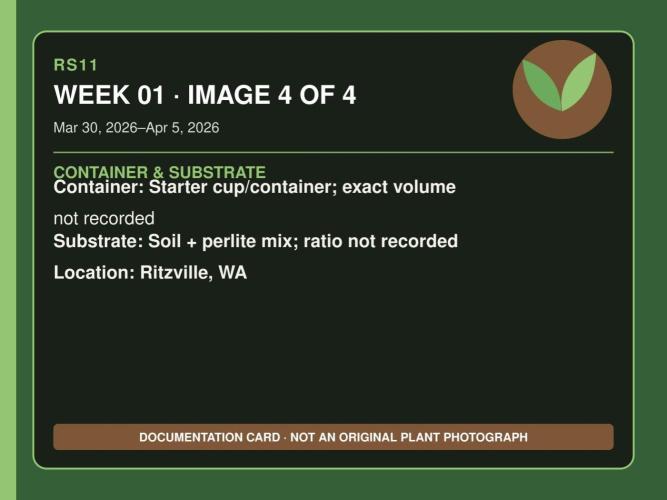
The plant-height field reads Not observable. This is no planting-day original; placeholder only The container field reads Starter cup/container; exact volume not recorded, and the substrate field reads Soil + perlite mix; ratio not recorded. Those fields distinguish the documented early soil/perlite container period from the permanent June 26 transplant into native ground soil. No exact soil/perlite ratio is invented where the original mix was not measured.
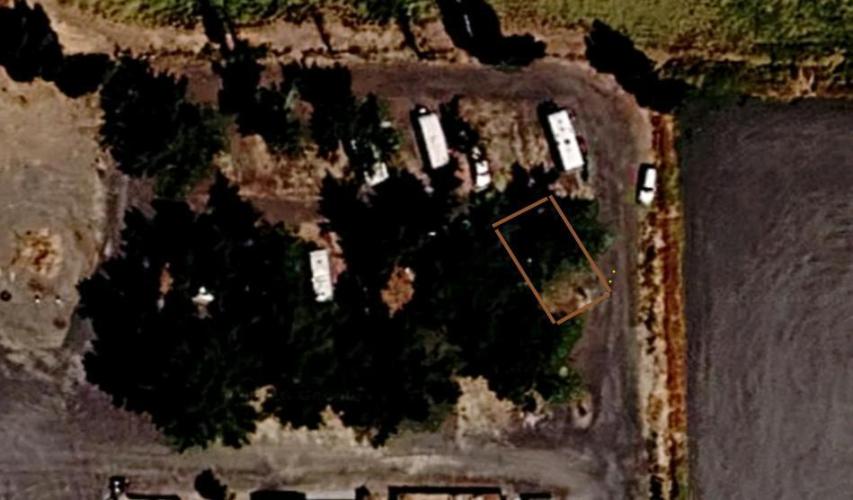
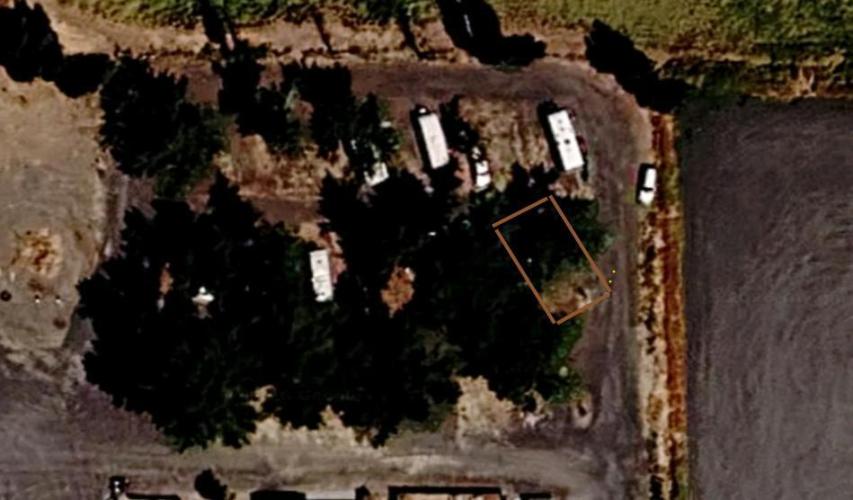
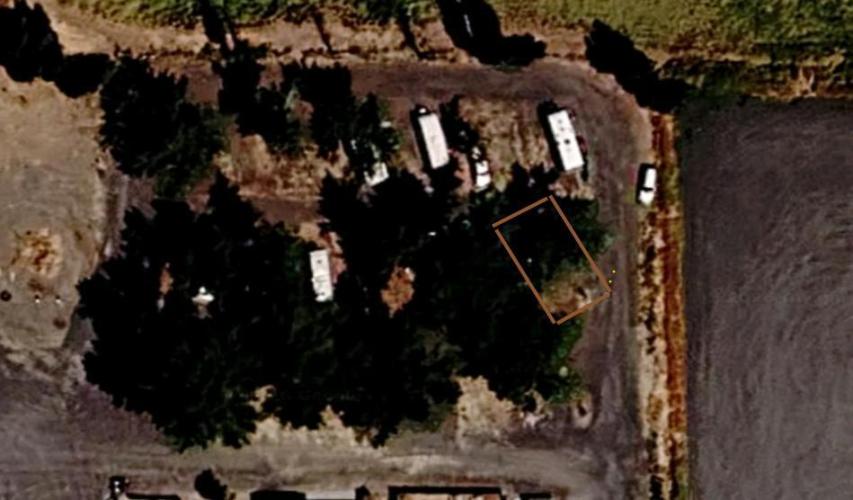
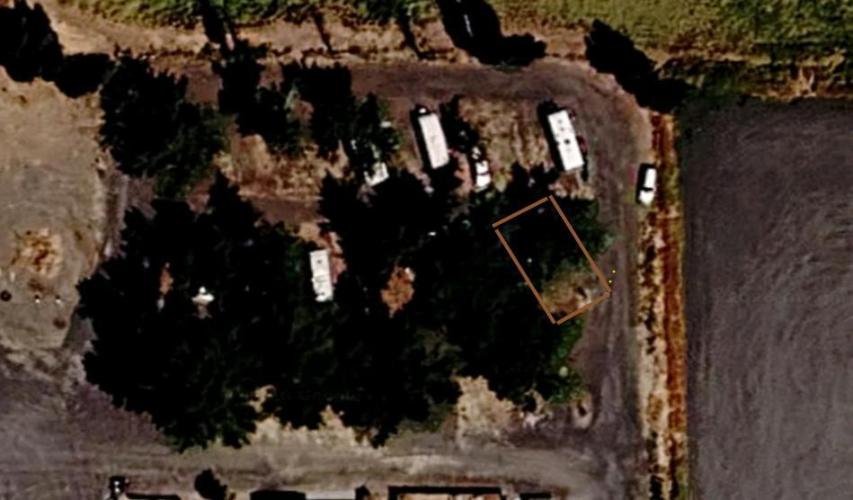
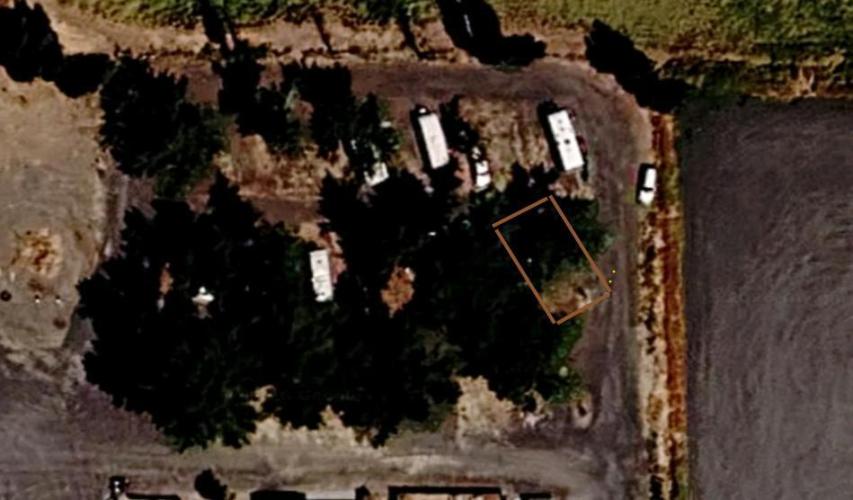
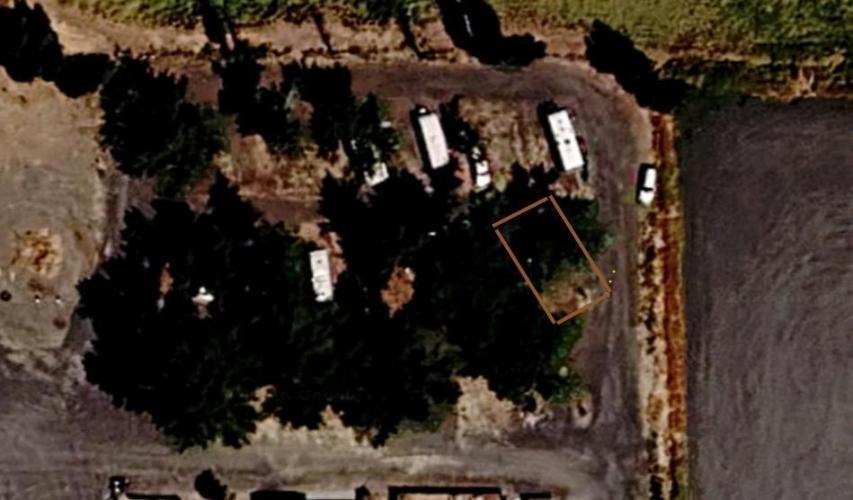
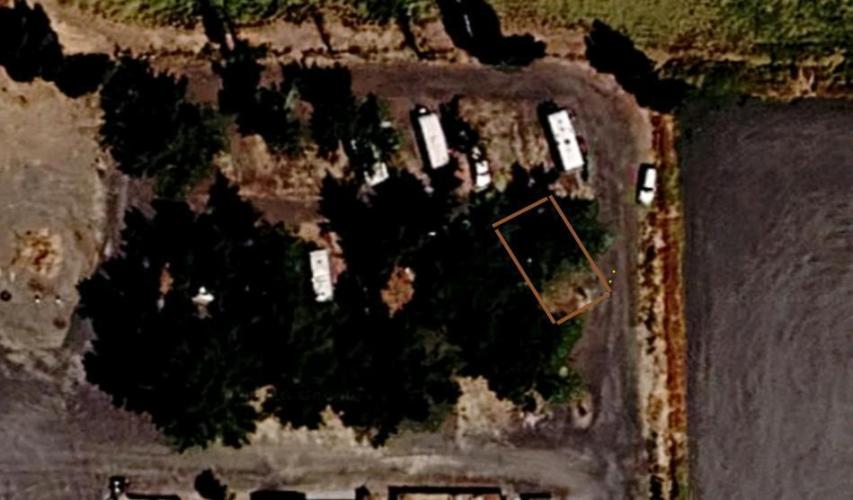
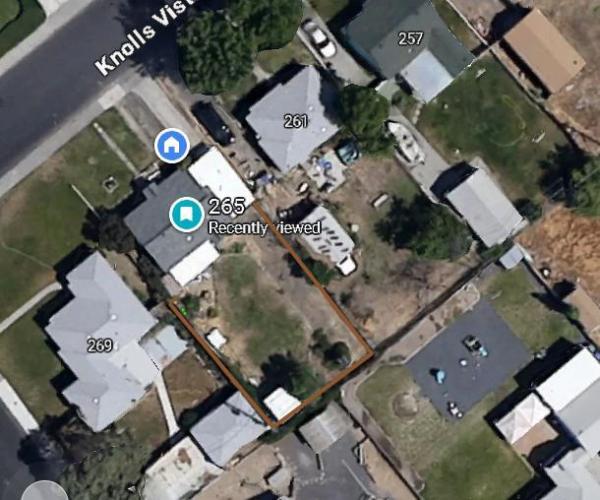
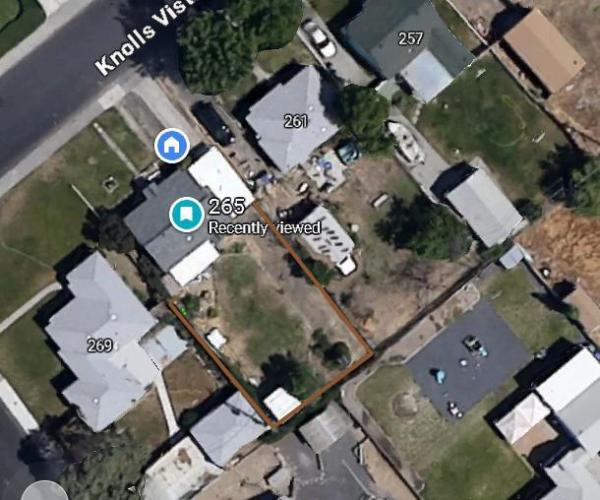
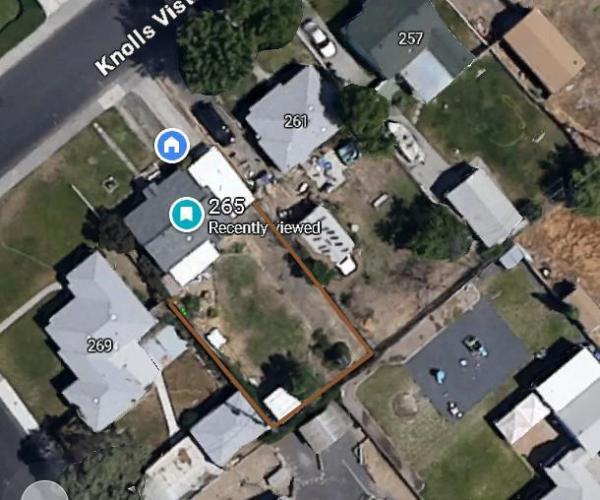
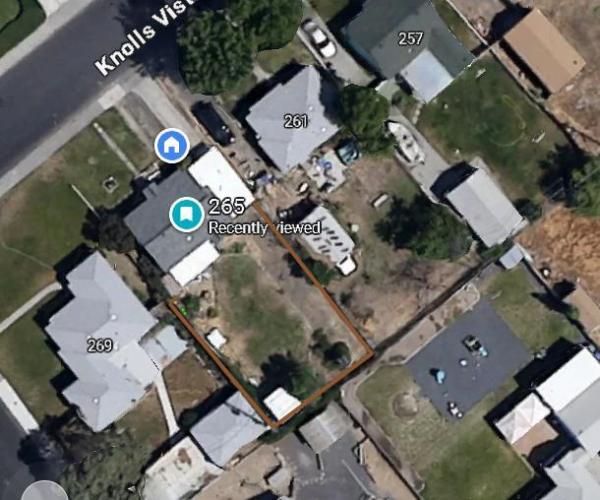
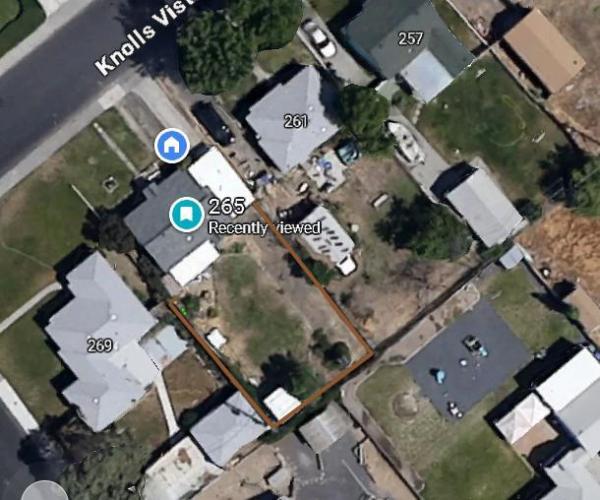
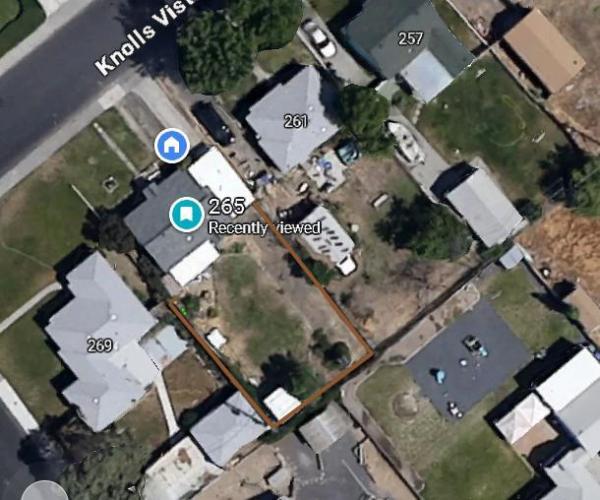
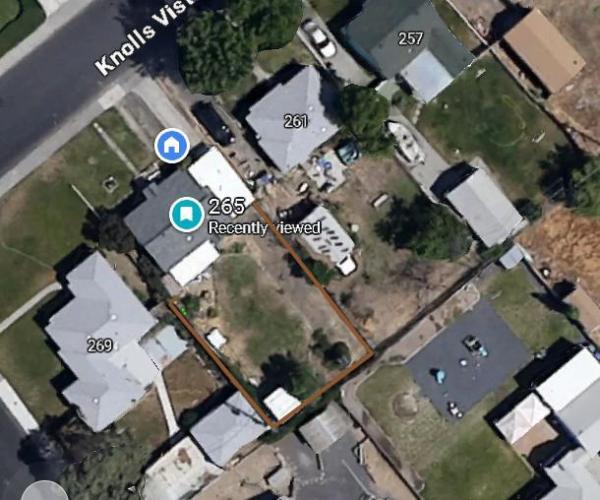
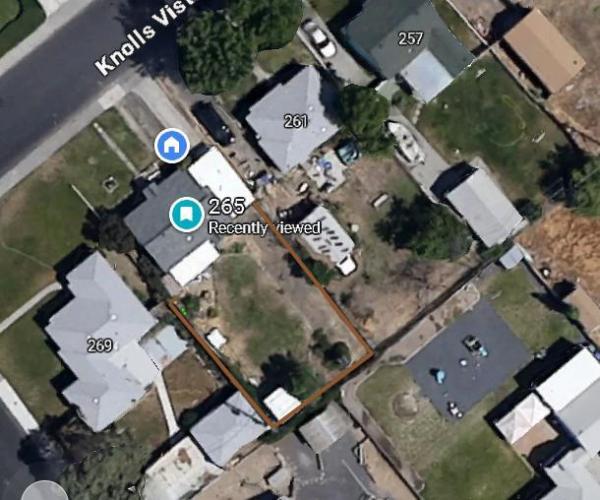
The plant was still in Ritzville, Washington. On the supplied aerial map, north is at the top, the brown outline marks the lot, and the green dots mark the plant area toward the east side. That placement supports the recorded map-based interpretation of morning-leaning direct light, with mature trees and nearby structures likely reducing direct exposure later in the day. The direct-sun estimate is therefore intentionally shorter than the astronomical sunrise-to-sunset period.
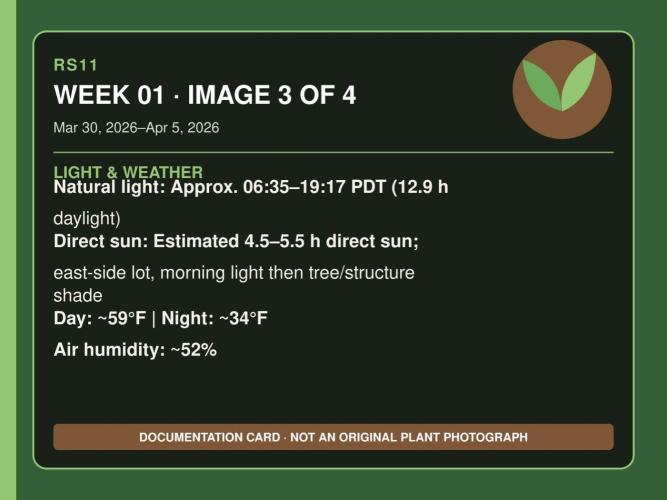
The environmental fields—~59°F estimated daytime air temperature, ~52% estimated ambient humidity, and ~34°F estimated nighttime air temperature—are seasonal outdoor context for inland eastern Washington. They are not recovered sensor readings from the leaf surface, root zone, greenhouse, or yard. The natural-light schedule of Approx. 06:35–19:17 PDT (12.9 h daylight) describes approximate sunrise-to-sunset availability near 47.1°N; actual direct light at the plant is separately estimated as Estimated 4.5–5.5 h direct sun; east-side lot, morning light then tree/structure shade.
No fertilizer recipe, irrigation schedule, pest treatment, disease diagnosis, supplemental CO₂ use, or harvest-readiness claim is added unless the supplied record supports it. The purpose of this reconstruction is to preserve the dated visual story, make the weekly timeline practical for GrowDiaries, and label every estimate clearly enough that a future reader cannot accidentally mistake it for a contemporaneous measurement.😘😀
likes
comments
Share
Used method
Directly In Substrate
Germination Method
1
Week 1. Vegetation24d ago
15.24 cm
Height
10 hrs
Light Schedule
17 °C
Day Air Temp
No Smell
Smell
50 %
Air Humidity
3 °C
Night Air Temp
MissLeonard94 This is GrowDiaries calendar Week 2, running Monday, April 6, 2026, through Sunday, April 12, 2026. The plant-age field is Day 4–10, using April 3, 2026 as Day 1. GrowDiaries counting is applied exactly as requested: Week 1 is germination, Week 2 becomes Vegetation Week 1, and the diary continues on a Monday–Sunday calendar. The stage for this entry is Vegetation Week 1.
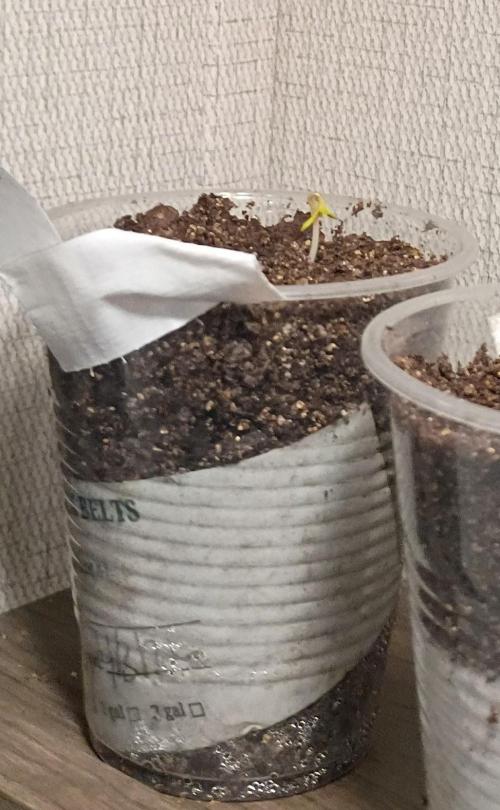
The April 11 original is visibly labeled “RS11? (MYSTERY)” and identifies Plant #2, so it is the first confirmed RS11 checkpoint. The seedling is very small and stretched, with a thin upright stem and early leaves. A height near four inches is estimated from the photograph, not measured with a ruler. No watering, feeding, humidity reading, or treatment was recorded for the image.
This week is supported by 1 dated original RS11 image, presented below in chronological order. The captions preserve the original date, source filename, and the reason each image was assigned to this plant. No placeholder was needed because original photo evidence survives for this checkpoint.
The plant-height field reads ~4 in. This is visual estimate from apr 11 original The container field reads Starter cup/container; exact volume not recorded, and the substrate field reads Soil + perlite mix; ratio not recorded. Those fields distinguish the documented early soil/perlite container period from the permanent June 26 transplant into native ground soil. No exact soil/perlite ratio is invented where the original mix was not measured.
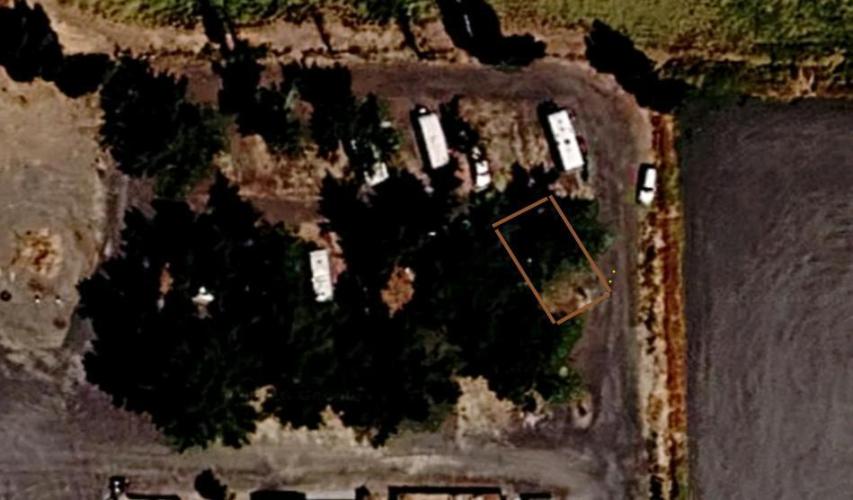
The plant was still in Ritzville, Washington. On the supplied aerial map, north is at the top, the brown outline marks the lot, and the green dots mark the plant area toward the east side. That placement supports the recorded map-based interpretation of morning-leaning direct light, with mature trees and nearby structures likely reducing direct exposure later in the day. The direct-sun estimate is therefore intentionally shorter than the astronomical sunrise-to-sunset period.
The environmental fields—~62°F estimated daytime air temperature, ~50% estimated ambient humidity, and ~37°F estimated nighttime air temperature—are seasonal outdoor context for inland eastern Washington. They are not recovered sensor readings from the leaf surface, root zone, greenhouse, or yard. The natural-light schedule of Approx. 06:23–19:27 PDT (13.3 h daylight) describes approximate sunrise-to-sunset availability near 47.1°N; actual direct light at the plant is separately estimated as Estimated 5–6 h direct sun; east-side placement with later tree/canopy shade.
No fertilizer recipe, irrigation schedule, pest treatment, disease diagnosis, supplemental CO₂ use, or harvest-readiness claim is added unless the supplied record supports it. The purpose of this reconstruction is to preserve the dated visual story, make the weekly timeline practical for GrowDiaries, and label every estimate clearly enough that a future reader cannot accidentally mistake it for a contemporaneous measurement.
likes
comments
Share
2
Week 2. Vegetation24d ago
15.24 cm
Height
13 hrs
Light Schedule
18 °C
Day Air Temp
No Smell
Smell
48 %
Air Humidity
3 °C
Night Air Temp
MissLeonard94 This is GrowDiaries calendar Week 3, running Monday, April 13, 2026, through Sunday, April 19, 2026. The plant-age field is Day 11–17, using April 3, 2026 as Day 1. GrowDiaries counting is applied exactly as requested: Week 1 is germination, Week 2 becomes Vegetation Week 1, and the diary continues on a Monday–Sunday calendar. The stage for this entry is Vegetation Week 2.
No original RS11 photograph survives for April 13–19. The last verified image is the stretched April 11 seedling and the next dated original is April 20. The first container transplant is documented on April 20, which falls in the following week, so it is not moved backward into this entry. The placeholder keeps the calendar continuous without inventing height, leaf count, watering, or pot details.
No verified original RS11 photograph survives for this calendar week. The image below is deliberately a documentation placeholder, not an AI reconstruction and not a synthetic picture of the plant. It exists so the Monday–Sunday sequence remains complete without falsely implying that an original image was available.
The plant-height field reads Not observable. This is no original rs11 photo in this monday–sunday week The container field reads Starter cup/container; exact volume not recorded, and the substrate field reads Soil + perlite mix; ratio not recorded. Those fields distinguish the documented early soil/perlite container period from the permanent June 26 transplant into native ground soil. No exact soil/perlite ratio is invented where the original mix was not measured.
The plant was still in Ritzville, Washington. On the supplied aerial map, north is at the top, the brown outline marks the lot, and the green dots mark the plant area toward the east side. That placement supports the recorded map-based interpretation of morning-leaning direct light, with mature trees and nearby structures likely reducing direct exposure later in the day. The direct-sun estimate is therefore intentionally shorter than the astronomical sunrise-to-sunset period.
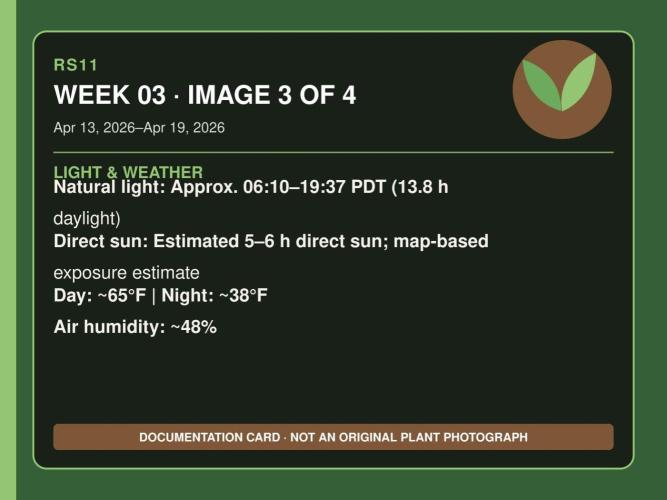
The environmental fields—~65°F estimated daytime air temperature, ~48% estimated ambient humidity, and ~38°F estimated nighttime air temperature—are seasonal outdoor context for inland eastern Washington. They are not recovered sensor readings from the leaf surface, root zone, greenhouse, or yard. The natural-light schedule of Approx. 06:10–19:37 PDT (13.8 h daylight) describes approximate sunrise-to-sunset availability near 47.1°N; actual direct light at the plant is separately estimated as Estimated 5–6 h direct sun; map-based exposure estimate.
No fertilizer recipe, irrigation schedule, pest treatment, disease diagnosis, supplemental CO₂ use, or harvest-readiness claim is added unless the supplied record supports it. The purpose of this reconstruction is to preserve the dated visual story, make the weekly timeline practical for GrowDiaries, and label every estimate clearly enough that a future reader cannot accidentally mistake it for a contemporaneous measurement.
likes
comments
Share
3
Week 3. Vegetation24d ago
15.24 cm
Height
14 hrs
Light Schedule
22 °C
Day Air Temp
No Smell
Smell
46 %
Air Humidity
4 °C
Night Air Temp
3.79 liters
Pot Size
MissLeonard94 This is GrowDiaries calendar Week 4, running Monday, April 20, 2026, through Sunday, April 26, 2026. The plant-age field is Day 18–24, using April 3, 2026 as Day 1. GrowDiaries counting is applied exactly as requested: Week 1 is germination, Week 2 becomes Vegetation Week 1, and the diary continues on a Monday–Sunday calendar. The stage for this entry is Vegetation Week 3.
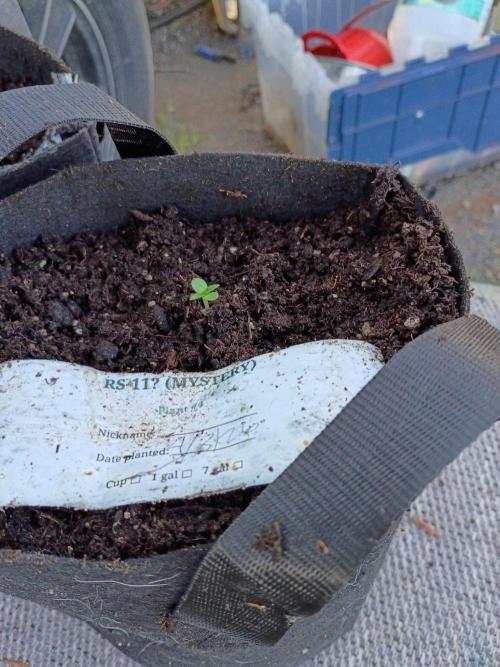
The April 20 original is visibly labeled for RS11? Plant #2 and shows the move from the starter container into a small fabric pot. The April 24 original shows the plant settling into that space and developing recognizable true leaves. A visual height of roughly six to eight inches fits the two views, but the range is not a measured value. The exact fabric-pot volume was not written down.
This week is supported by 2 dated original RS11 images, presented below in chronological order. The captions preserve the original date, source filename, and the reason each image was assigned to this plant. No placeholder was needed because original photo evidence survives for this checkpoint.
The plant-height field reads ~6–8 in. This is visual estimate from apr 20 and apr 24 originals The container field reads Small fabric pot after Apr 20 transplant; exact gallon size not recorded, and the substrate field reads Soil + perlite mix; ratio not recorded. Those fields distinguish the documented early soil/perlite container period from the permanent June 26 transplant into native ground soil. No exact soil/perlite ratio is invented where the original mix was not measured.
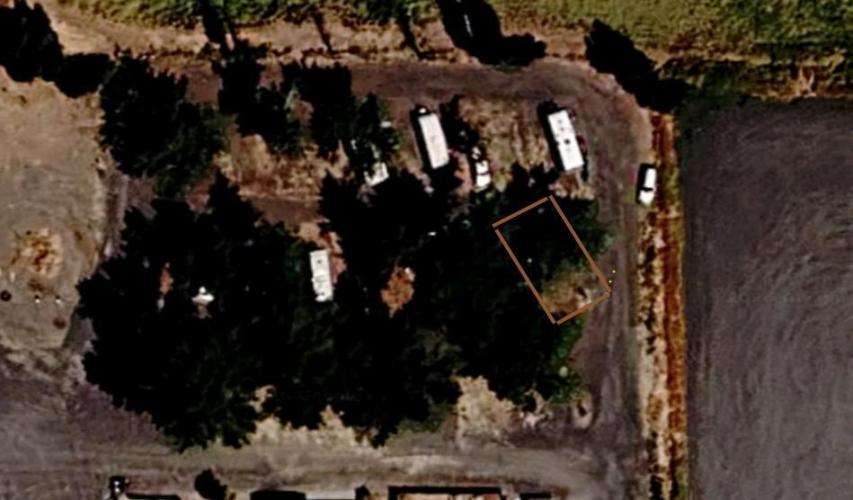
The plant was still in Ritzville, Washington. On the supplied aerial map, north is at the top, the brown outline marks the lot, and the green dots mark the plant area toward the east side. That placement supports the recorded map-based interpretation of morning-leaning direct light, with mature trees and nearby structures likely reducing direct exposure later in the day. The direct-sun estimate is therefore intentionally shorter than the astronomical sunrise-to-sunset period.
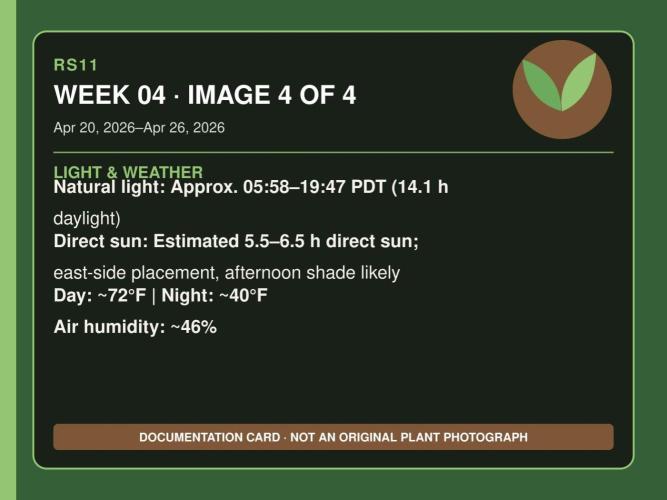
The environmental fields—~72°F estimated daytime air temperature, ~46% estimated ambient humidity, and ~40°F estimated nighttime air temperature—are seasonal outdoor context for inland eastern Washington. They are not recovered sensor readings from the leaf surface, root zone, greenhouse, or yard. The natural-light schedule of Approx. 05:58–19:47 PDT (14.1 h daylight) describes approximate sunrise-to-sunset availability near 47.1°N; actual direct light at the plant is separately estimated as Estimated 5.5–6.5 h direct sun; east-side placement, afternoon shade likely.
No fertilizer recipe, irrigation schedule, pest treatment, disease diagnosis, supplemental CO₂ use, or harvest-readiness claim is added unless the supplied record supports it. The purpose of this reconstruction is to preserve the dated visual story, make the weekly timeline practical for GrowDiaries, and label every estimate clearly enough that a future reader cannot accidentally mistake it for a contemporaneous measurement.
likes
comments
Share
Used techniques
Transplantation
Technique
4
Week 4. Vegetation24d ago
25.4 cm
Height
14 hrs
Light Schedule
21 °C
Day Air Temp
No Smell
Smell
45 %
Air Humidity
6 °C
Night Air Temp
3.79 liters
Pot Size
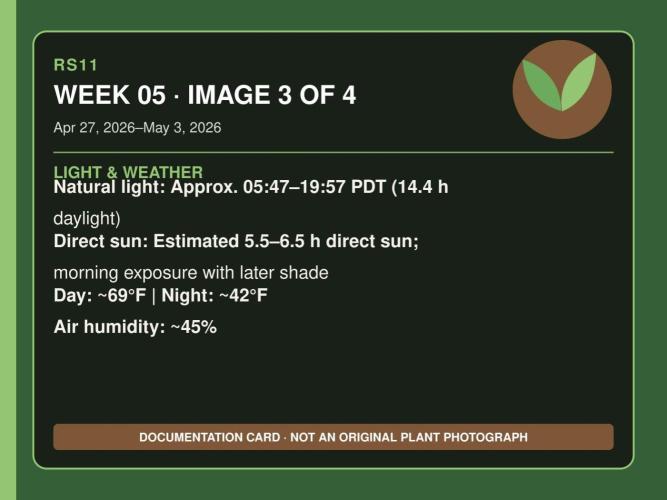
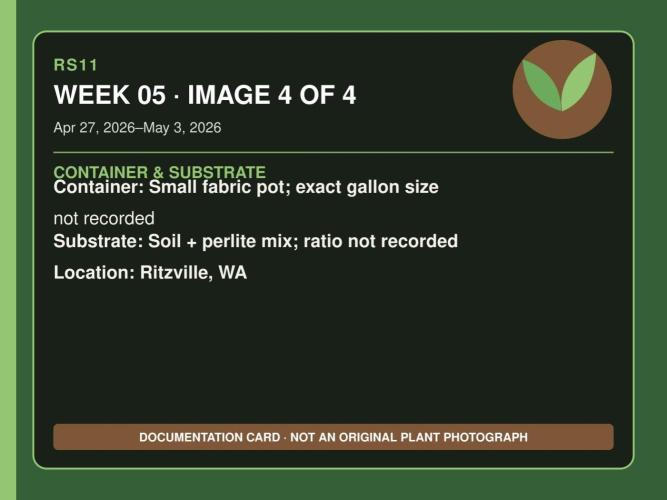
MissLeonard94 This is GrowDiaries calendar Week 5, running Monday, April 27, 2026, through Sunday, May 3, 2026. The plant-age field is Day 25–31, using April 3, 2026 as Day 1. GrowDiaries counting is applied exactly as requested: Week 1 is germination, Week 2 becomes Vegetation Week 1, and the diary continues on a Monday–Sunday calendar. The stage for this entry is Vegetation Week 4.
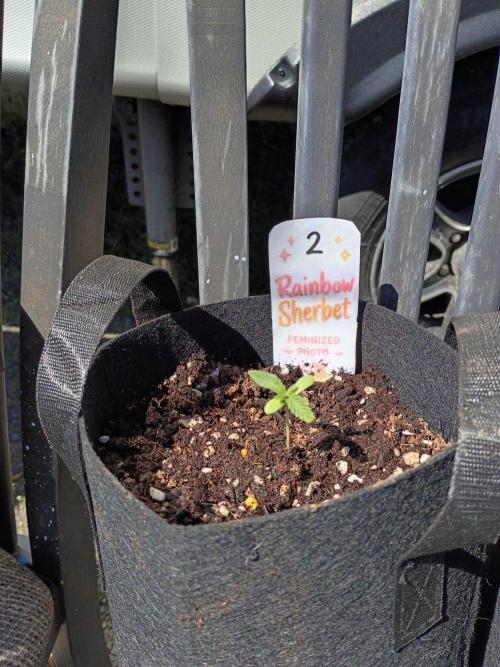
The April 30 photograph is labeled “Rainbow Sherbet,” the earlier working name used when RS11 was first looked up. The diary retains the seed label RS11 while preserving the old label as part of the evidence trail. The plant is around ten inches by visual comparison, with larger true leaves, a stronger main stem, and a clearer vegetative center. No exact nutrient or irrigation record survives.
This week is supported by 1 dated original RS11 image, presented below in chronological order. The captions preserve the original date, source filename, and the reason each image was assigned to this plant. No placeholder was needed because original photo evidence survives for this checkpoint.
The plant-height field reads ~10 in. This is visual estimate from apr 30 original The container field reads Small fabric pot; exact gallon size not recorded, and the substrate field reads Soil + perlite mix; ratio not recorded. Those fields distinguish the documented early soil/perlite container period from the permanent June 26 transplant into native ground soil. No exact soil/perlite ratio is invented where the original mix was not measured.
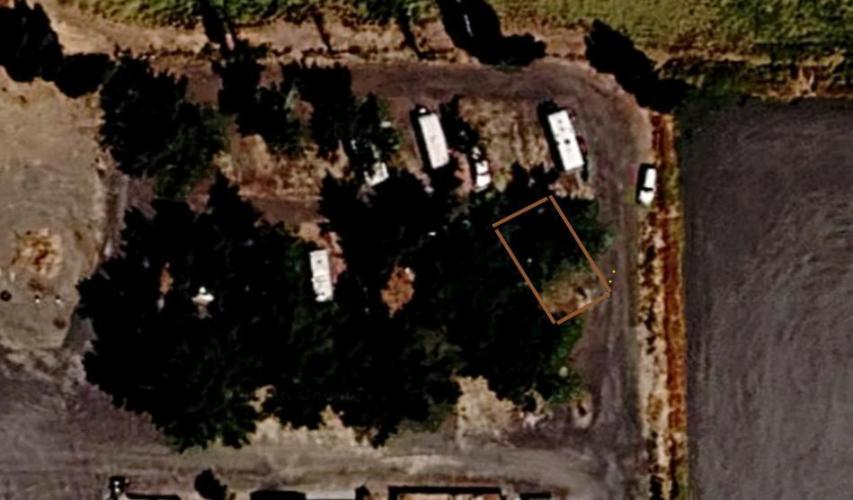
The plant was still in Ritzville, Washington. On the supplied aerial map, north is at the top, the brown outline marks the lot, and the green dots mark the plant area toward the east side. That placement supports the recorded map-based interpretation of morning-leaning direct light, with mature trees and nearby structures likely reducing direct exposure later in the day. The direct-sun estimate is therefore intentionally shorter than the astronomical sunrise-to-sunset period.
The environmental fields—~69°F estimated daytime air temperature, ~45% estimated ambient humidity, and ~42°F estimated nighttime air temperature—are seasonal outdoor context for inland eastern Washington. They are not recovered sensor readings from the leaf surface, root zone, greenhouse, or yard. The natural-light schedule of Approx. 05:47–19:57 PDT (14.4 h daylight) describes approximate sunrise-to-sunset availability near 47.1°N; actual direct light at the plant is separately estimated as Estimated 5.5–6.5 h direct sun; morning exposure with later shade.
No fertilizer recipe, irrigation schedule, pest treatment, disease diagnosis, supplemental CO₂ use, or harvest-readiness claim is added unless the supplied record supports it. The purpose of this reconstruction is to preserve the dated visual story, make the weekly timeline practical for GrowDiaries, and label every estimate clearly enough that a future reader cannot accidentally mistake it for a contemporaneous measurement.
likes
comments
Share
5
Week 5. Vegetation24d ago
14 hrs
Light Schedule
22 °C
Day Air Temp
No Smell
Smell
44 %
Air Humidity
6 °C
Night Air Temp
3.79 liters
Pot Size
MissLeonard94 This is GrowDiaries calendar Week 6, running Monday, May 4, 2026, through Sunday, May 10, 2026. The plant-age field is Day 32–38, using April 3, 2026 as Day 1. GrowDiaries counting is applied exactly as requested: Week 1 is germination, Week 2 becomes Vegetation Week 1, and the diary continues on a Monday–Sunday calendar. The stage for this entry is Vegetation Week 5.
This week is kept as a documented blank because the May 11 file in the archive is labeled for another plant, Rainbow MAC, rather than RS11. There is no defensible image-based height for May 4–10. The last visual estimate remains the approximately ten-inch April 30 plant in a small fabric pot. The placeholder identifies the gap instead of allowing an unrelated photograph to masquerade as RS11 evidence.
No verified original RS11 photograph survives for this calendar week. The image below is deliberately a documentation placeholder, not an AI reconstruction and not a synthetic picture of the plant. It exists so the Monday–Sunday sequence remains complete without falsely implying that an original image was available.
The plant-height field reads Not observable. This is no confirmed rs11 original; nearby may 11 file is another plant The container field reads Small fabric pot; exact gallon size not recorded, and the substrate field reads Soil + perlite mix; ratio not recorded. Those fields distinguish the documented early soil/perlite container period from the permanent June 26 transplant into native ground soil. No exact soil/perlite ratio is invented where the original mix was not measured.
The plant was still in Ritzville, Washington. On the supplied aerial map, north is at the top, the brown outline marks the lot, and the green dots mark the plant area toward the east side. That placement supports the recorded map-based interpretation of morning-leaning direct light, with mature trees and nearby structures likely reducing direct exposure later in the day. The direct-sun estimate is therefore intentionally shorter than the astronomical sunrise-to-sunset period.
The environmental fields—~71°F estimated daytime air temperature, ~44% estimated ambient humidity, and ~43°F estimated nighttime air temperature—are seasonal outdoor context for inland eastern Washington. They are not recovered sensor readings from the leaf surface, root zone, greenhouse, or yard. The natural-light schedule of Approx. 05:38–20:07 PDT (14.7 h daylight) describes approximate sunrise-to-sunset availability near 47.1°N; actual direct light at the plant is separately estimated as Estimated 5.5–7 h direct sun; map-based exposure estimate.
No fertilizer recipe, irrigation schedule, pest treatment, disease diagnosis, supplemental CO₂ use, or harvest-readiness claim is added unless the supplied record supports it. The purpose of this reconstruction is to preserve the dated visual story, make the weekly timeline practical for GrowDiaries, and label every estimate clearly enough that a future reader cannot accidentally mistake it for a contemporaneous measurement.
likes
comments
Share
6
Week 6. Vegetation24d ago
39.37 cm
Height
15 hrs
Light Schedule
24 °C
Day Air Temp
No Smell
Smell
43 %
Air Humidity
8 °C
Night Air Temp
3.79 liters
Pot Size
MissLeonard94 This is GrowDiaries calendar Week 7, running Monday, May 11, 2026, through Sunday, May 17, 2026. The plant-age field is Day 39–45, using April 3, 2026 as Day 1. GrowDiaries counting is applied exactly as requested: Week 1 is germination, Week 2 becomes Vegetation Week 1, and the diary continues on a Monday–Sunday calendar. The stage for this entry is Vegetation Week 6.
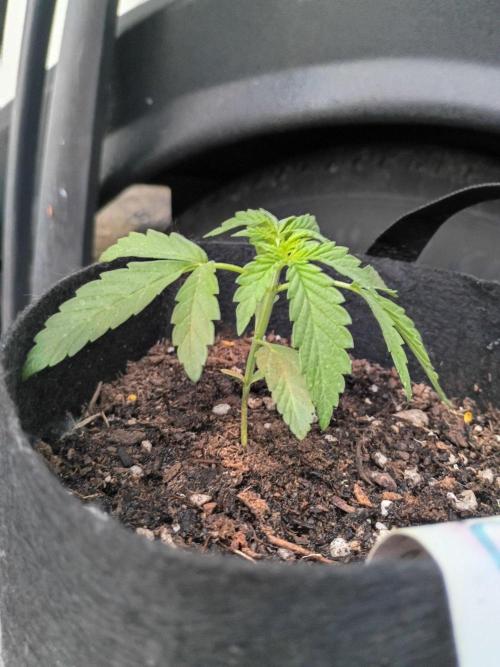
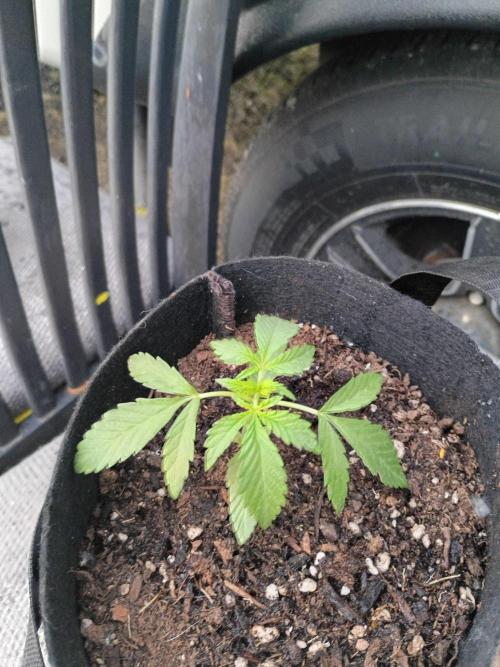
The two May 17 originals close the Ritzville chapter. They show a much more established vegetative plant with several nodes, a stronger main stem, and foliage organizing around a compact center. A visual height range of roughly fourteen to seventeen inches is appropriate for the side and top views. May 17 is the final documented checkpoint before the plants were temporarily out of care.
This week is supported by 2 dated original RS11 images, presented below in chronological order. The captions preserve the original date, source filename, and the reason each image was assigned to this plant. No placeholder was needed because original photo evidence survives for this checkpoint.
The plant-height field reads ~14–17 in. This is visual estimate from may 17 originals The container field reads Small fabric pot; exact gallon size not recorded, and the substrate field reads Soil + perlite mix; ratio not recorded. Those fields distinguish the documented early soil/perlite container period from the permanent June 26 transplant into native ground soil. No exact soil/perlite ratio is invented where the original mix was not measured.
The plant was still in Ritzville, Washington. On the supplied aerial map, north is at the top, the brown outline marks the lot, and the green dots mark the plant area toward the east side. That placement supports the recorded map-based interpretation of morning-leaning direct light, with mature trees and nearby structures likely reducing direct exposure later in the day. The direct-sun estimate is therefore intentionally shorter than the astronomical sunrise-to-sunset period.
The environmental fields—~75°F estimated daytime air temperature, ~43% estimated ambient humidity, and ~46°F estimated nighttime air temperature—are seasonal outdoor context for inland eastern Washington. They are not recovered sensor readings from the leaf surface, root zone, greenhouse, or yard. The natural-light schedule of Approx. 05:30–20:17 PDT (15.1 h daylight) describes approximate sunrise-to-sunset availability near 47.1°N; actual direct light at the plant is separately estimated as Estimated 6–7 h direct sun; east-side location with afternoon tree/structure shade.
No fertilizer recipe, irrigation schedule, pest treatment, disease diagnosis, supplemental CO₂ use, or harvest-readiness claim is added unless the supplied record supports it. The purpose of this reconstruction is to preserve the dated visual story, make the weekly timeline practical for GrowDiaries, and label every estimate clearly enough that a future reader cannot accidentally mistake it for a contemporaneous measurement.
likes
comments
Share
7
Week 7. Vegetation24d ago
39.37 cm
Height
15 hrs
Light Schedule
24 °C
Day Air Temp
No Smell
Smell
43 %
Air Humidity
8 °C
Night Air Temp
3.79 liters
Pot Size
MissLeonard94 This is GrowDiaries calendar Week 8, running Monday, May 18, 2026, through Sunday, May 24, 2026. The plant-age field is Day 46–52, using April 3, 2026 as Day 1. GrowDiaries counting is applied exactly as requested: Week 1 is germination, Week 2 becomes Vegetation Week 1, and the diary continues on a Monday–Sunday calendar. The stage for this entry is Vegetation Week 7.
After the May 17 Ritzville checkpoint, the plants were temporarily not in the grower’s care. There is no reliable original photograph, height measurement, pot inspection, weather log, or light observation for May 18–24. The placeholder is a documentation card rather than a synthetic plant image. The natural daylight field remains a calendar reference, but direct sun, pot, substrate, temperature, and humidity are intentionally unknown.
No verified original RS11 photograph survives for this calendar week. The image below is deliberately a documentation placeholder, not an AI reconstruction and not a synthetic picture of the plant. It exists so the Monday–Sunday sequence remains complete without falsely implying that an original image was available.
The plant-height field reads Not observable. This is no original photo; location and measurements unavailable The container field reads Unknown during documentation gap, and the substrate field reads Unknown during documentation gap. Those fields distinguish the documented early soil/perlite container period from the permanent June 26 transplant into native ground soil. No exact soil/perlite ratio is invented where the original mix was not measured.
This interval falls inside the May 18–June 10 documentation gap, when the plants were temporarily out of the grower's care. Because reliable location-specific observations did not survive, the entry does not assert plant condition, exposure, container changes, or local weather. Unknown values are left unknown instead of being backfilled with plausible-looking numbers.
Day air temperature, ambient humidity, and night air temperature are recorded as unknown for this week because the available evidence does not support even a responsible location-specific estimate.
No fertilizer recipe, irrigation schedule, pest treatment, disease diagnosis, supplemental CO₂ use, or harvest-readiness claim is added unless the supplied record supports it. The purpose of this reconstruction is to preserve the dated visual story, make the weekly timeline practical for GrowDiaries, and label every estimate clearly enough that a future reader cannot accidentally mistake it for a contemporaneous measurement.
likes
comments
Share
8
Week 8. Vegetation24d ago
39.37 cm
Height
15 hrs
Light Schedule
24 °C
Day Air Temp
No Smell
Smell
43 %
Air Humidity
8 °C
Night Air Temp
3.79 liters
Pot Size
MissLeonard94 This is GrowDiaries calendar Week 9, running Monday, May 25, 2026, through Sunday, May 31, 2026. The plant-age field is Day 53–59, using April 3, 2026 as Day 1. GrowDiaries counting is applied exactly as requested: Week 1 is germination, Week 2 becomes Vegetation Week 1, and the diary continues on a Monday–Sunday calendar. The stage for this entry is Vegetation Week 8.
This second undocumented week has no surviving RS11 originals and the plants were still temporarily out of care. The diary cannot establish exact height, container condition, direct sun, or the local weather around the plant. The placeholder protects the chronology from false continuity. The daylight duration is retained only as an astronomical reference near the eastern Washington latitude.
No verified original RS11 photograph survives for this calendar week. The image below is deliberately a documentation placeholder, not an AI reconstruction and not a synthetic picture of the plant. It exists so the Monday–Sunday sequence remains complete without falsely implying that an original image was available.
The plant-height field reads Not observable. This is no original photo; location and measurements unavailable The container field reads Unknown during documentation gap, and the substrate field reads Unknown during documentation gap. Those fields distinguish the documented early soil/perlite container period from the permanent June 26 transplant into native ground soil. No exact soil/perlite ratio is invented where the original mix was not measured.
This interval falls inside the May 18–June 10 documentation gap, when the plants were temporarily out of the grower's care. Because reliable location-specific observations did not survive, the entry does not assert plant condition, exposure, container changes, or local weather. Unknown values are left unknown instead of being backfilled with plausible-looking numbers.
Day air temperature, ambient humidity, and night air temperature are recorded as unknown for this week because the available evidence does not support even a responsible location-specific estimate.
No fertilizer recipe, irrigation schedule, pest treatment, disease diagnosis, supplemental CO₂ use, or harvest-readiness claim is added unless the supplied record supports it. The purpose of this reconstruction is to preserve the dated visual story, make the weekly timeline practical for GrowDiaries, and label every estimate clearly enough that a future reader cannot accidentally mistake it for a contemporaneous measurement.
likes
comments
Share
9
Week 9. Vegetation24d ago
39.37 cm
Height
15 hrs
Light Schedule
24 °C
Day Air Temp
No Smell
Smell
43 %
Air Humidity
8 °C
Night Air Temp
3.79 liters
Pot Size
MissLeonard94 This is GrowDiaries calendar Week 10, running Monday, June 1, 2026, through Sunday, June 7, 2026. The plant-age field is Day 60–66, using April 3, 2026 as Day 1. GrowDiaries counting is applied exactly as requested: Week 1 is germination, Week 2 becomes Vegetation Week 1, and the diary continues on a Monday–Sunday calendar. The stage for this entry is Vegetation Week 9.
This is the final missing week before the first recovered Moses Lake image. The move cannot be back-dated into June 1–7 because the first Moses Lake checkpoint is June 11. No image-based height or container estimate is defensible, and day temperature, humidity, and nighttime conditions are left unknown. The placeholder keeps this transition visible without inventing a date for the relocation.
No verified original RS11 photograph survives for this calendar week. The image below is deliberately a documentation placeholder, not an AI reconstruction and not a synthetic picture of the plant. It exists so the Monday–Sunday sequence remains complete without falsely implying that an original image was available.
The plant-height field reads Not observable. This is no original photo; moses lake begins with jun 11 checkpoint The container field reads Unknown during documentation gap, and the substrate field reads Unknown during documentation gap. Those fields distinguish the documented early soil/perlite container period from the permanent June 26 transplant into native ground soil. No exact soil/perlite ratio is invented where the original mix was not measured.
This interval falls inside the May 18–June 10 documentation gap, when the plants were temporarily out of the grower's care. Because reliable location-specific observations did not survive, the entry does not assert plant condition, exposure, container changes, or local weather. Unknown values are left unknown instead of being backfilled with plausible-looking numbers.
Day air temperature, ambient humidity, and night air temperature are recorded as unknown for this week because the available evidence does not support even a responsible location-specific estimate.
No fertilizer recipe, irrigation schedule, pest treatment, disease diagnosis, supplemental CO₂ use, or harvest-readiness claim is added unless the supplied record supports it. The purpose of this reconstruction is to preserve the dated visual story, make the weekly timeline practical for GrowDiaries, and label every estimate clearly enough that a future reader cannot accidentally mistake it for a contemporaneous measurement.
likes
comments
Share
10
Week 10. Vegetation24d ago
60.96 cm
Height
15 hrs
Light Schedule
26 °C
Day Air Temp
No Smell
Smell
39 %
Air Humidity
11 °C
Night Air Temp
3.79 liters
Pot Size
MissLeonard94 This is GrowDiaries calendar Week 11, running Monday, June 8, 2026, through Sunday, June 14, 2026. The plant-age field is Day 67–73, using April 3, 2026 as Day 1. GrowDiaries counting is applied exactly as requested: Week 1 is germination, Week 2 becomes Vegetation Week 1, and the diary continues on a Monday–Sunday calendar. The stage for this entry is Vegetation Week 10.
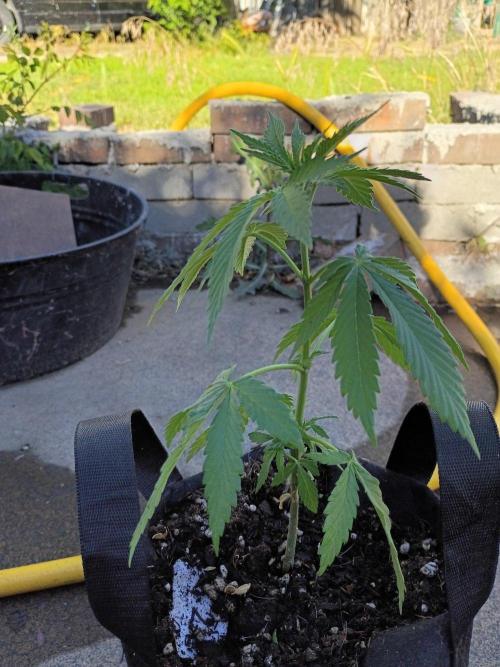
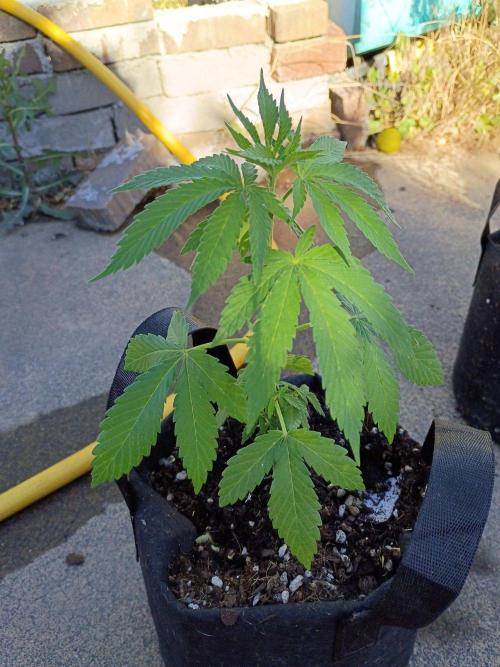
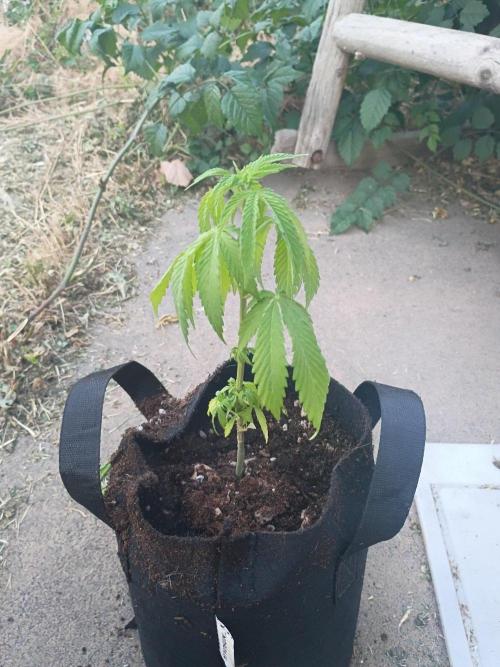
June 11 begins the verified Moses Lake record. The two originals show RS11 back in a fabric pot beside the local yard features, substantially larger than the last Ritzville image. A height near twenty-four inches is a visual estimate from the photographs and scene scale. The plant is clearly in active vegetative growth, with a taller main stem and more developed fan leaves. The exact pot volume remains undocumented.
This week is supported by 2 dated original RS11 images, presented below in chronological order. The captions preserve the original date, source filename, and the reason each image was assigned to this plant. No placeholder was needed because original photo evidence survives for this checkpoint.
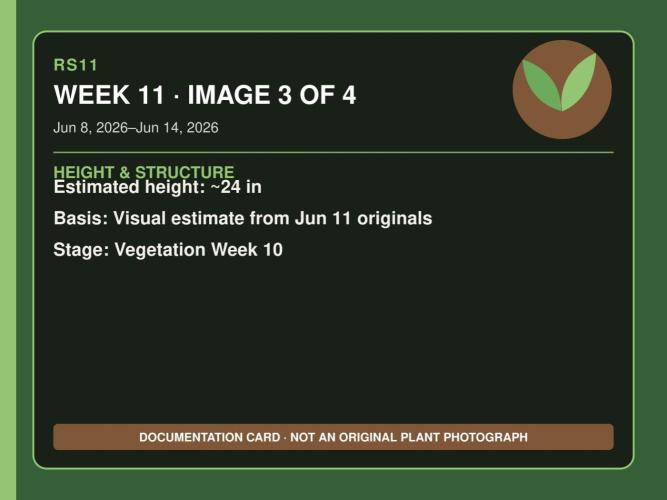
The plant-height field reads ~24 in. This is visual estimate from jun 11 originals The container field reads Small fabric pot; exact gallon size not recorded, and the substrate field reads Soil + perlite mix; ratio not recorded. Those fields distinguish the documented early soil/perlite container period from the permanent June 26 transplant into native ground soil. No exact soil/perlite ratio is invented where the original mix was not measured.
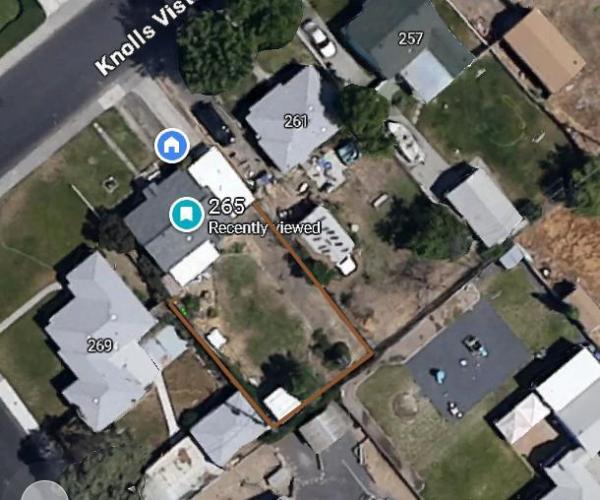
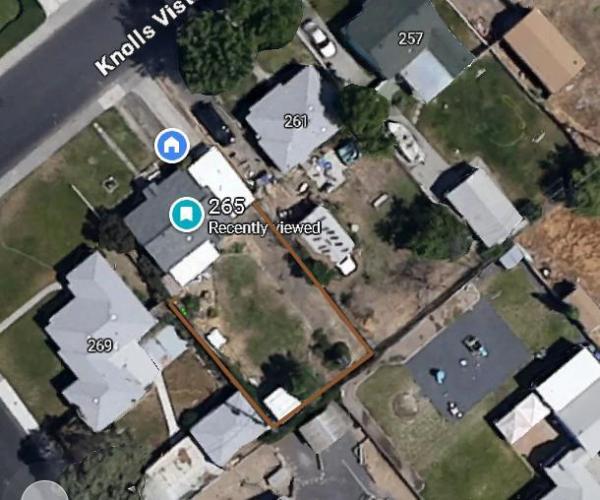
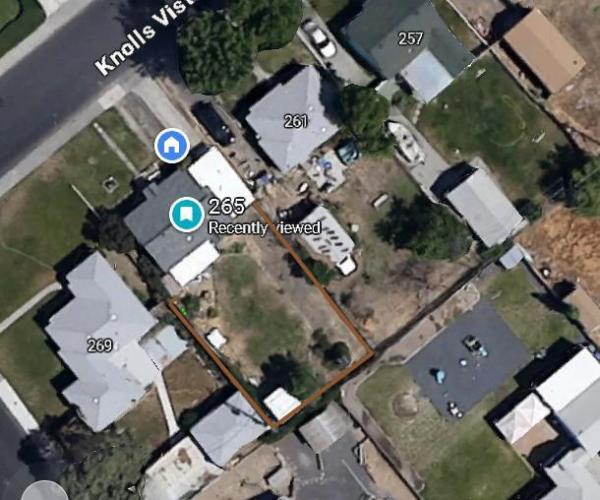
The plant was in Moses Lake, Washington. On the supplied aerial map, north is at the top, the brown outline marks the backyard, and the green dots identify the growing position along the west/left side near boundaries and structures. The geometry supports a useful morning-to-midday light window with probable fence or structure shade later. This is an exposure estimate from the map and photographs, not a PAR, DLI, or lux measurement.
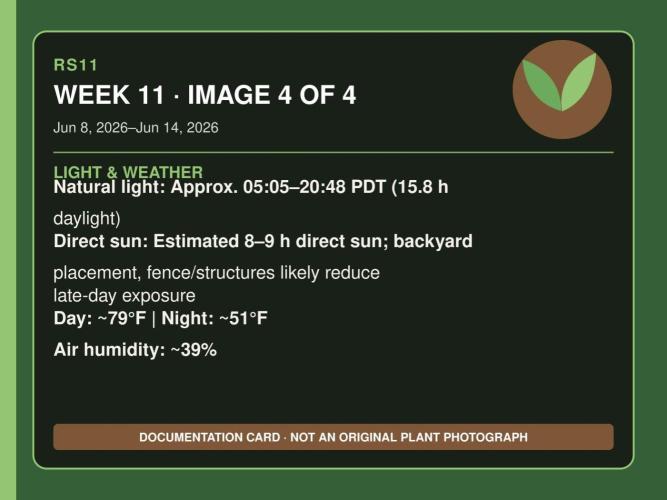
The environmental fields—~79°F estimated daytime air temperature, ~39% estimated ambient humidity, and ~51°F estimated nighttime air temperature—are seasonal outdoor context for inland eastern Washington. They are not recovered sensor readings from the leaf surface, root zone, greenhouse, or yard. The natural-light schedule of Approx. 05:05–20:48 PDT (15.8 h daylight) describes approximate sunrise-to-sunset availability near 47.1°N; actual direct light at the plant is separately estimated as Estimated 8–9 h direct sun; backyard placement, fence/structures likely reduce late-day exposure.
No fertilizer recipe, irrigation schedule, pest treatment, disease diagnosis, supplemental CO₂ use, or harvest-readiness claim is added unless the supplied record supports it. The purpose of this reconstruction is to preserve the dated visual story, make the weekly timeline practical for GrowDiaries, and label every estimate clearly enough that a future reader cannot accidentally mistake it for a contemporaneous measurement.
likes
comments
Share
11
Week 11. Vegetation24d ago
60.96 cm
Height
15 hrs
Light Schedule
26 °C
Day Air Temp
No Smell
Smell
39 %
Air Humidity
11 °C
Night Air Temp
3.79 liters
Pot Size
MissLeonard94 This is GrowDiaries calendar Week 12, running Monday, June 15, 2026, through Sunday, June 21, 2026. The plant-age field is Day 74–80, using April 3, 2026 as Day 1. GrowDiaries counting is applied exactly as requested: Week 1 is germination, Week 2 becomes Vegetation Week 1, and the diary continues on a Monday–Sunday calendar. The stage for this entry is Vegetation Week 11.
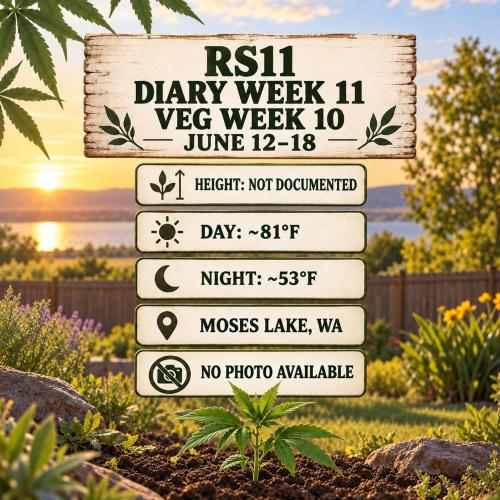
There is no dated RS11 original inside June 15–21. The last verified state is the roughly two-foot plant in a small fabric pot shown on June 11. That context is useful, but it is not a substitute for a photograph during this week, so height remains not observable. The location is treated as Moses Lake because that change is confirmed beginning June 11; the next dated evidence is June 22 and the permanent ground transplant follows on June 26.
No verified original RS11 photograph survives for this calendar week. The image below is deliberately a documentation placeholder, not an AI reconstruction and not a synthetic picture of the plant. It exists so the Monday–Sunday sequence remains complete without falsely implying that an original image was available.
The plant-height field reads Not observable. This is no original rs11 photo for jun 15–21 The container field reads Small fabric pot; exact gallon size not recorded, and the substrate field reads Soil + perlite mix; ratio not recorded. Those fields distinguish the documented early soil/perlite container period from the permanent June 26 transplant into native ground soil. No exact soil/perlite ratio is invented where the original mix was not measured.
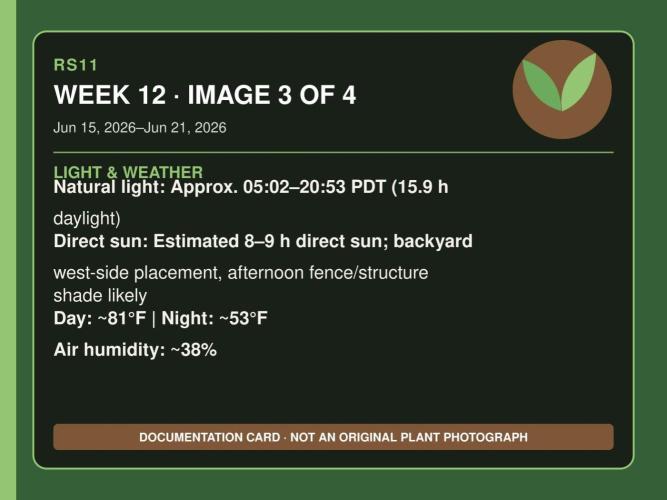
The plant was in Moses Lake, Washington. On the supplied aerial map, north is at the top, the brown outline marks the backyard, and the green dots identify the growing position along the west/left side near boundaries and structures. The geometry supports a useful morning-to-midday light window with probable fence or structure shade later. This is an exposure estimate from the map and photographs, not a PAR, DLI, or lux measurement.
The environmental fields—~81°F estimated daytime air temperature, ~38% estimated ambient humidity, and ~53°F estimated nighttime air temperature—are seasonal outdoor context for inland eastern Washington. They are not recovered sensor readings from the leaf surface, root zone, greenhouse, or yard. The natural-light schedule of Approx. 05:02–20:53 PDT (15.9 h daylight) describes approximate sunrise-to-sunset availability near 47.1°N; actual direct light at the plant is separately estimated as Estimated 8–9 h direct sun; backyard west-side placement, afternoon fence/structure shade likely.
No fertilizer recipe, irrigation schedule, pest treatment, disease diagnosis, supplemental CO₂ use, or harvest-readiness claim is added unless the supplied record supports it. The purpose of this reconstruction is to preserve the dated visual story, make the weekly timeline practical for GrowDiaries, and label every estimate clearly enough that a future reader cannot accidentally mistake it for a contemporaneous measurement.
likes
comments
Share
12
Week 12. Vegetation24d ago
78.74 cm
Height
16 hrs
Light Schedule
29 °C
Day Air Temp
No Smell
Smell
37 %
Air Humidity
13 °C
Night Air Temp
3.79 liters
Pot Size
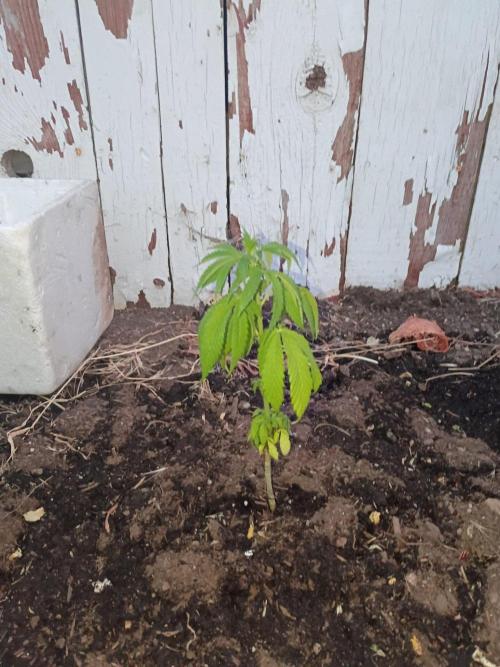
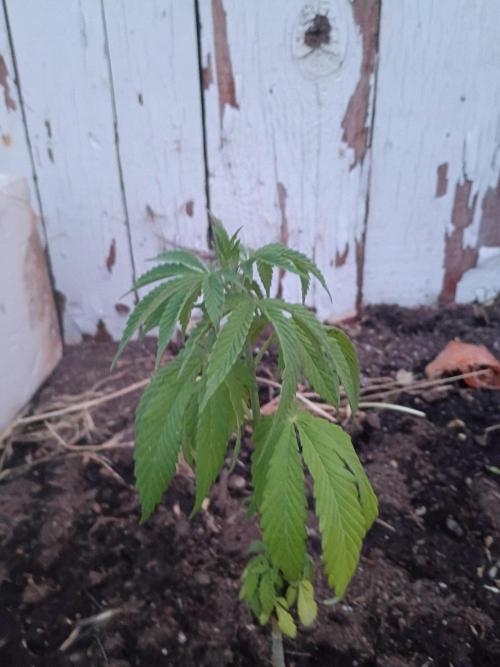
MissLeonard94 This is GrowDiaries calendar Week 13, running Monday, June 22, 2026, through Sunday, June 28, 2026. The plant-age field is Day 81–87, using April 3, 2026 as Day 1. GrowDiaries counting is applied exactly as requested: Week 1 is germination, Week 2 becomes Vegetation Week 1, and the diary continues on a Monday–Sunday calendar. The stage for this entry is Vegetation Week 12.
The June 22 original shows RS11 droopy and still in the fabric pot, with a visual height near twenty-nine inches. On June 26 she was transplanted permanently into the ground in Moses Lake, and the two same-day originals document the new position from wider and closer views. The combined height range reflects camera angle and posture rather than a measured growth jump. From the transplant date forward, RS11 is no longer assigned a pot size.
This week is supported by 3 dated original RS11 images, presented below in chronological order. The captions preserve the original date, source filename, and the reason each image was assigned to this plant. No placeholder was needed because original photo evidence survives for this checkpoint.
The plant-height field reads ~29–32 in. This is visual estimates from jun 22 and jun 26 originals The container field reads Small fabric pot through Jun 25; planted in ground Jun 26, and the substrate field reads Soil + perlite mix in pot → native ground soil on Jun 26. Those fields distinguish the documented early soil/perlite container period from the permanent June 26 transplant into native ground soil. No exact soil/perlite ratio is invented where the original mix was not measured.
The plant was in Moses Lake, Washington. On the supplied aerial map, north is at the top, the brown outline marks the backyard, and the green dots identify the growing position along the west/left side near boundaries and structures. The geometry supports a useful morning-to-midday light window with probable fence or structure shade later. This is an exposure estimate from the map and photographs, not a PAR, DLI, or lux measurement.
The environmental fields—~84°F estimated daytime air temperature, ~37% estimated ambient humidity, and ~55°F estimated nighttime air temperature—are seasonal outdoor context for inland eastern Washington. They are not recovered sensor readings from the leaf surface, root zone, greenhouse, or yard. The natural-light schedule of Approx. 05:00–20:57 PDT (15.9 h daylight) describes approximate sunrise-to-sunset availability near 47.1°N; actual direct light at the plant is separately estimated as Estimated 8–9 h direct sun; backyard placement with fence/structure shade later in day.
No fertilizer recipe, irrigation schedule, pest treatment, disease diagnosis, supplemental CO₂ use, or harvest-readiness claim is added unless the supplied record supports it. The purpose of this reconstruction is to preserve the dated visual story, make the weekly timeline practical for GrowDiaries, and label every estimate clearly enough that a future reader cannot accidentally mistake it for a contemporaneous measurement.
1 like
comments
Share
Used techniques
Transplantation
Technique
13
Week 13. Vegetation24d ago
78.74 cm
Height
16 hrs
Light Schedule
31 °C
Day Air Temp
No Smell
Smell
34 %
Air Humidity
14 °C
Night Air Temp
MissLeonard94 This is GrowDiaries calendar Week 14, running Monday, June 29, 2026, through Sunday, July 5, 2026. The plant-age field is Day 88–94, using April 3, 2026 as Day 1. GrowDiaries counting is applied exactly as requested: Week 1 is germination, Week 2 becomes Vegetation Week 1, and the diary continues on a Monday–Sunday calendar. The stage for this entry is Vegetation Week 13.
RS11 had just completed the permanent ground transplant at the end of the prior week, but there is no original photograph for June 29–July 5. The last known visual state is the approximately thirty-two-inch plant shown in the June 26 originals. A new height or recovery description would be speculation, while the pot field can change confidently because the transplant date is documented. This sheet bridges the transplant evidence and the July 8 image.
No verified original RS11 photograph survives for this calendar week. The image below is deliberately a documentation placeholder, not an AI reconstruction and not a synthetic picture of the plant. It exists so the Monday–Sunday sequence remains complete without falsely implying that an original image was available.
The plant-height field reads Not observable. This is no original photo for jun 29–jul 5; last photo ~32 in The container field reads In ground; no pot after Jun 26, and the substrate field reads Native ground soil; amendments not documented. Those fields distinguish the documented early soil/perlite container period from the permanent June 26 transplant into native ground soil. No exact soil/perlite ratio is invented where the original mix was not measured.
The plant was in Moses Lake, Washington. On the supplied aerial map, north is at the top, the brown outline marks the backyard, and the green dots identify the growing position along the west/left side near boundaries and structures. The geometry supports a useful morning-to-midday light window with probable fence or structure shade later. This is an exposure estimate from the map and photographs, not a PAR, DLI, or lux measurement.
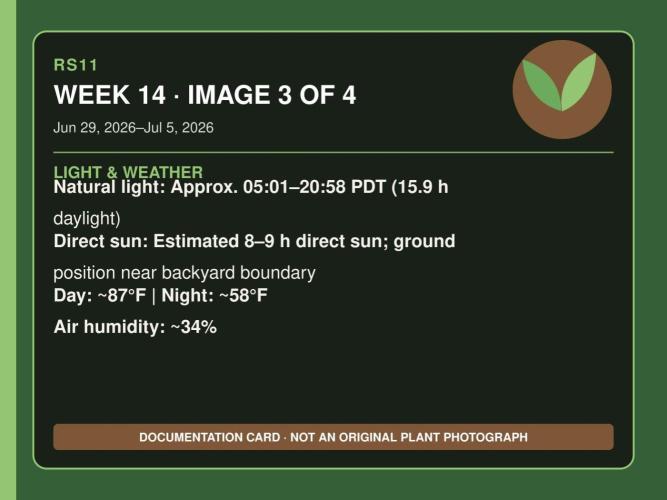
The environmental fields—~87°F estimated daytime air temperature, ~34% estimated ambient humidity, and ~58°F estimated nighttime air temperature—are seasonal outdoor context for inland eastern Washington. They are not recovered sensor readings from the leaf surface, root zone, greenhouse, or yard. The natural-light schedule of Approx. 05:01–20:58 PDT (15.9 h daylight) describes approximate sunrise-to-sunset availability near 47.1°N; actual direct light at the plant is separately estimated as Estimated 8–9 h direct sun; ground position near backyard boundary.
No fertilizer recipe, irrigation schedule, pest treatment, disease diagnosis, supplemental CO₂ use, or harvest-readiness claim is added unless the supplied record supports it. The purpose of this reconstruction is to preserve the dated visual story, make the weekly timeline practical for GrowDiaries, and label every estimate clearly enough that a future reader cannot accidentally mistake it for a contemporaneous measurement.
1 like
comments
Share
14
Week 14. Vegetation24d ago
88.9 cm
Height
16 hrs
Light Schedule
31 °C
Day Air Temp
Weak
Smell
33 %
Air Humidity
15 °C
Night Air Temp
MissLeonard94 This is GrowDiaries calendar Week 15, running Monday, July 6, 2026, through Sunday, July 12, 2026. The plant-age field is Day 95–101, using April 3, 2026 as Day 1. GrowDiaries counting is applied exactly as requested: Week 1 is germination, Week 2 becomes Vegetation Week 1, and the diary continues on a Monday–Sunday calendar. The stage for this entry is Vegetation Week 14.
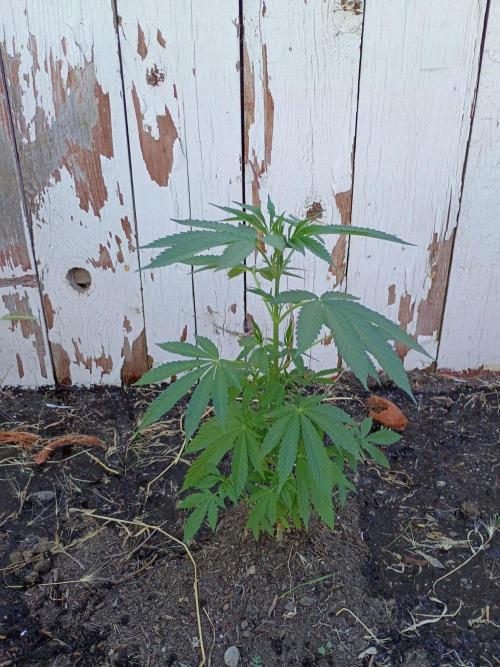
The July 8 original is the first RS11 image after the ground-transplant bridge. It shows a plant clearly established in the Moses Lake soil, with a stronger framework and more lateral growth than the June 26 transplant-day images. The visual height is about thirty-five inches. The separate Black Belts image from the same date documents a different pot crisis and is not mixed into this RS11 diary. RS11 remains vegetative here.
This week is supported by 1 dated original RS11 image, presented below in chronological order. The captions preserve the original date, source filename, and the reason each image was assigned to this plant. No placeholder was needed because original photo evidence survives for this checkpoint.
The plant-height field reads ~35 in. This is visual estimate from jul 8 original The container field reads In ground since Jun 26, and the substrate field reads Native ground soil; amendments not documented. Those fields distinguish the documented early soil/perlite container period from the permanent June 26 transplant into native ground soil. No exact soil/perlite ratio is invented where the original mix was not measured.
The plant was in Moses Lake, Washington. On the supplied aerial map, north is at the top, the brown outline marks the backyard, and the green dots identify the growing position along the west/left side near boundaries and structures. The geometry supports a useful morning-to-midday light window with probable fence or structure shade later. This is an exposure estimate from the map and photographs, not a PAR, DLI, or lux measurement.
The environmental fields—~88°F estimated daytime air temperature, ~33% estimated ambient humidity, and ~59°F estimated nighttime air temperature—are seasonal outdoor context for inland eastern Washington. They are not recovered sensor readings from the leaf surface, root zone, greenhouse, or yard. The natural-light schedule of Approx. 05:05–20:56 PDT (15.7 h daylight) describes approximate sunrise-to-sunset availability near 47.1°N; actual direct light at the plant is separately estimated as Estimated 8–9 h direct sun; ground plant receives long morning-to-afternoon window.
No fertilizer recipe, irrigation schedule, pest treatment, disease diagnosis, supplemental CO₂ use, or harvest-readiness claim is added unless the supplied record supports it. The purpose of this reconstruction is to preserve the dated visual story, make the weekly timeline practical for GrowDiaries, and label every estimate clearly enough that a future reader cannot accidentally mistake it for a contemporaneous measurement.
1 like
comments
Share
15
Week 15. Vegetation24d ago
96.52 cm
Height
16 hrs
Light Schedule
32 °C
Day Air Temp
Weak
Smell
32 %
Air Humidity
16 °C
Night Air Temp
MissLeonard94 This is GrowDiaries calendar Week 16, running Monday, July 13, 2026, through Sunday, July 19, 2026. The plant-age field is Day 102–108, using April 3, 2026 as Day 1. GrowDiaries counting is applied exactly as requested: Week 1 is germination, Week 2 becomes Vegetation Week 1, and the diary continues on a Monday–Sunday calendar. The stage for this entry is Vegetation Week 15.
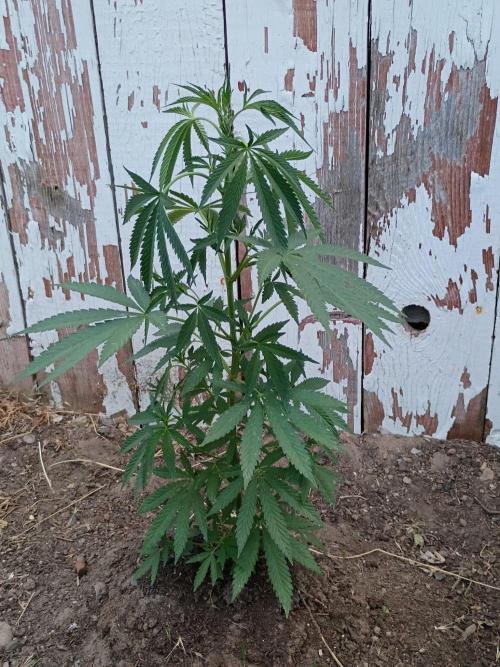
By July 15 RS11 was no longer simply waiting to recover from the transplant. The original shows additional side branches and a broader footprint. A visual height around thirty-eight inches is reasonable from the scene, though camera perspective and natural lean prevent precision. The plant is beginning to fill outward and build the compact, bush-oriented form that later separates her from the much taller Black Belts phenotype. Flowering is not asserted in this image.
This week is supported by 1 dated original RS11 image, presented below in chronological order. The captions preserve the original date, source filename, and the reason each image was assigned to this plant. No placeholder was needed because original photo evidence survives for this checkpoint.
The plant-height field reads ~38 in. This is visual estimate from jul 15 original The container field reads In ground since Jun 26, and the substrate field reads Native ground soil; amendments not documented. Those fields distinguish the documented early soil/perlite container period from the permanent June 26 transplant into native ground soil. No exact soil/perlite ratio is invented where the original mix was not measured.
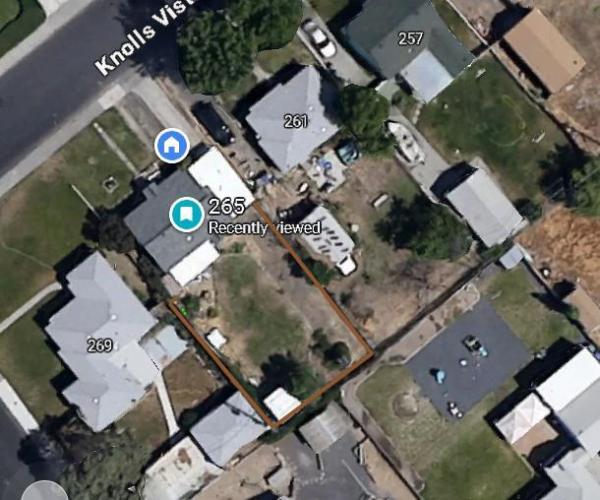
The plant was in Moses Lake, Washington. On the supplied aerial map, north is at the top, the brown outline marks the backyard, and the green dots identify the growing position along the west/left side near boundaries and structures. The geometry supports a useful morning-to-midday light window with probable fence or structure shade later. This is an exposure estimate from the map and photographs, not a PAR, DLI, or lux measurement.
The environmental fields—~89°F estimated daytime air temperature, ~32% estimated ambient humidity, and ~60°F estimated nighttime air temperature—are seasonal outdoor context for inland eastern Washington. They are not recovered sensor readings from the leaf surface, root zone, greenhouse, or yard. The natural-light schedule of Approx. 05:10–20:53 PDT (15.5 h daylight) describes approximate sunrise-to-sunset availability near 47.1°N; actual direct light at the plant is separately estimated as Estimated 8–9 h direct sun; backyard exposure with later boundary shade.
No fertilizer recipe, irrigation schedule, pest treatment, disease diagnosis, supplemental CO₂ use, or harvest-readiness claim is added unless the supplied record supports it. The purpose of this reconstruction is to preserve the dated visual story, make the weekly timeline practical for GrowDiaries, and label every estimate clearly enough that a future reader cannot accidentally mistake it for a contemporaneous measurement.
1 like
comments
Share
16
Week 16. Vegetation24d ago
109.22 cm
Height
15 hrs
Light Schedule
32 °C
Day Air Temp
Weak
Smell
31 %
Air Humidity
16 °C
Night Air Temp
MissLeonard94 This is GrowDiaries calendar Week 17, running Monday, July 20, 2026, through Sunday, July 26, 2026. The plant-age field is Day 109–115, using April 3, 2026 as Day 1. GrowDiaries counting is applied exactly as requested: Week 1 is germination, Week 2 becomes Vegetation Week 1, and the diary continues on a Monday–Sunday calendar. The stage for this entry is Vegetation Week 16.
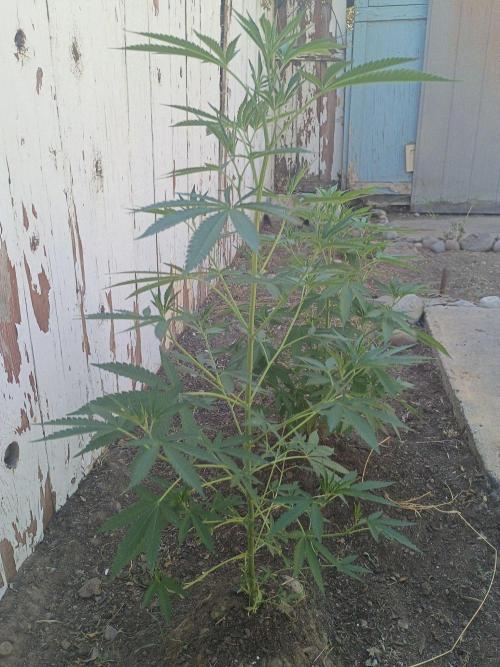
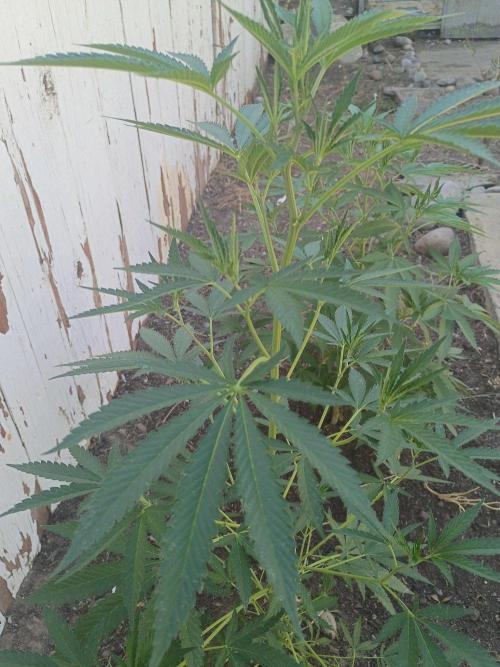
The July 24 pair makes RS11’s phenotype unmistakable. Instead of one tall central tower, she is developing a dense rounded framework with many lateral branches, overlapping fan leaves, and numerous active tips. The visual height is approximately forty-three inches, but canopy width and branching are just as important as the topmost point. These images are still vegetative evidence, not a confirmed flowering event.
This week is supported by 2 dated original RS11 images, presented below in chronological order. The captions preserve the original date, source filename, and the reason each image was assigned to this plant. No placeholder was needed because original photo evidence survives for this checkpoint.
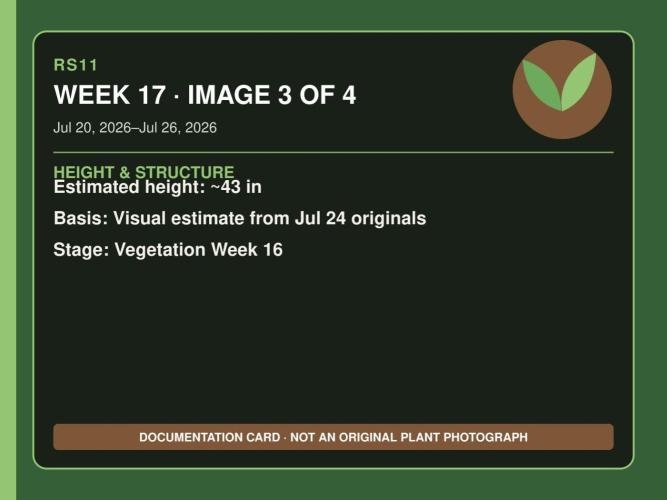
The plant-height field reads ~43 in. This is visual estimate from jul 24 originals The container field reads In ground since Jun 26, and the substrate field reads Native ground soil; amendments not documented. Those fields distinguish the documented early soil/perlite container period from the permanent June 26 transplant into native ground soil. No exact soil/perlite ratio is invented where the original mix was not measured.
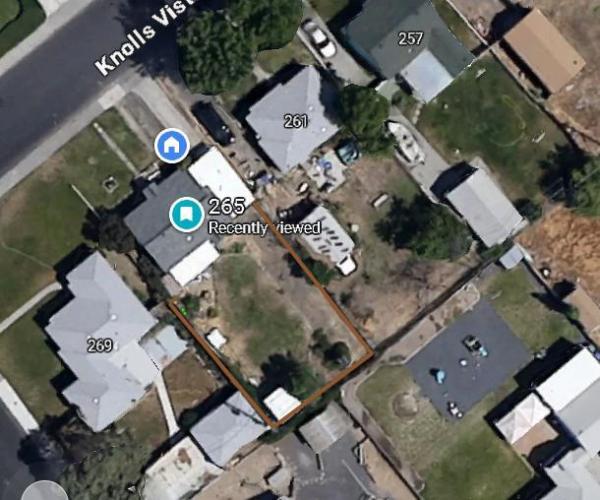
The plant was in Moses Lake, Washington. On the supplied aerial map, north is at the top, the brown outline marks the backyard, and the green dots identify the growing position along the west/left side near boundaries and structures. The geometry supports a useful morning-to-midday light window with probable fence or structure shade later. This is an exposure estimate from the map and photographs, not a PAR, DLI, or lux measurement.
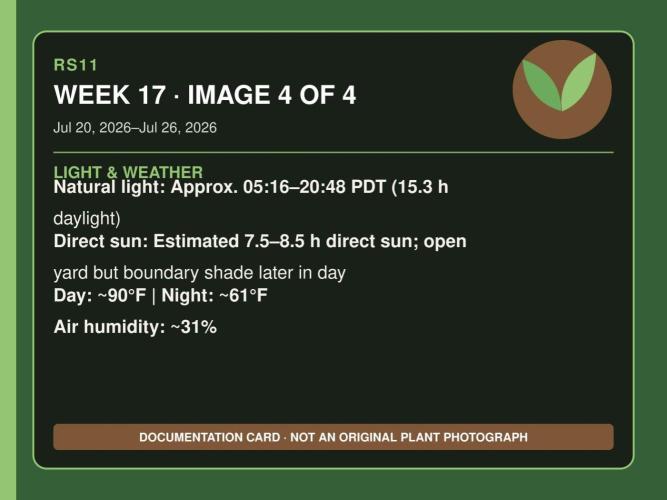
The environmental fields—~90°F estimated daytime air temperature, ~31% estimated ambient humidity, and ~61°F estimated nighttime air temperature—are seasonal outdoor context for inland eastern Washington. They are not recovered sensor readings from the leaf surface, root zone, greenhouse, or yard. The natural-light schedule of Approx. 05:16–20:48 PDT (15.3 h daylight) describes approximate sunrise-to-sunset availability near 47.1°N; actual direct light at the plant is separately estimated as Estimated 7.5–8.5 h direct sun; open yard but boundary shade later in day.
No fertilizer recipe, irrigation schedule, pest treatment, disease diagnosis, supplemental CO₂ use, or harvest-readiness claim is added unless the supplied record supports it. The purpose of this reconstruction is to preserve the dated visual story, make the weekly timeline practical for GrowDiaries, and label every estimate clearly enough that a future reader cannot accidentally mistake it for a contemporaneous measurement.
1 like
comments
Share
17
Week 17. Vegetation24d ago
109.22 cm
Height
15 hrs
Light Schedule
32 °C
Day Air Temp
Weak
Smell
32 %
Air Humidity
16 °C
Night Air Temp
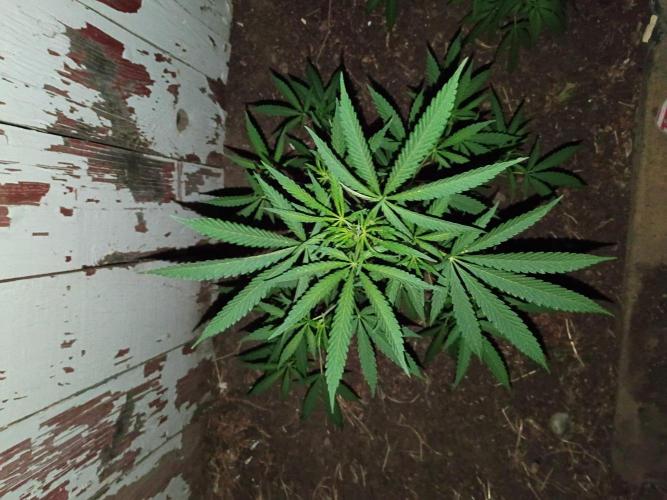
MissLeonard94 This is GrowDiaries calendar Week 18, running Monday, July 27, 2026, through Sunday, August 2, 2026. The plant-age field is Day 116–122, using April 3, 2026 as Day 1. GrowDiaries counting is applied exactly as requested: Week 1 is germination, Week 2 becomes Vegetation Week 1, and the diary continues on a Monday–Sunday calendar. The stage for this entry is Vegetation Week 17.
The July 27 original is a nighttime posture checkpoint. RS11’s leaves are lowered after dark, a behavior that becomes a recurring visual theme later in the diary. A height around forty-three to forty-four inches is supported by the image and the prior July 24 pair, but the nighttime frame should not be used alone to judge daytime vigor or call the plant wilted. No new flower marker is asserted here.
This week is supported by 1 dated original RS11 image, presented below in chronological order. The captions preserve the original date, source filename, and the reason each image was assigned to this plant. No placeholder was needed because original photo evidence survives for this checkpoint.
The plant-height field reads ~43–44 in. This is visual estimate from jul 27 nighttime original The container field reads In ground since Jun 26, and the substrate field reads Native ground soil; amendments not documented. Those fields distinguish the documented early soil/perlite container period from the permanent June 26 transplant into native ground soil. No exact soil/perlite ratio is invented where the original mix was not measured.
The plant was in Moses Lake, Washington. On the supplied aerial map, north is at the top, the brown outline marks the backyard, and the green dots identify the growing position along the west/left side near boundaries and structures. The geometry supports a useful morning-to-midday light window with probable fence or structure shade later. This is an exposure estimate from the map and photographs, not a PAR, DLI, or lux measurement.
The environmental fields—~89°F estimated daytime air temperature, ~32% estimated ambient humidity, and ~60°F estimated nighttime air temperature—are seasonal outdoor context for inland eastern Washington. They are not recovered sensor readings from the leaf surface, root zone, greenhouse, or yard. The natural-light schedule of Approx. 05:23–20:41 PDT (15.0 h daylight) describes approximate sunrise-to-sunset availability near 47.1°N; actual direct light at the plant is separately estimated as Estimated 7.5–8.5 h direct sun; daytime estimate only; nighttime photo shows posture.
No fertilizer recipe, irrigation schedule, pest treatment, disease diagnosis, supplemental CO₂ use, or harvest-readiness claim is added unless the supplied record supports it. The purpose of this reconstruction is to preserve the dated visual story, make the weekly timeline practical for GrowDiaries, and label every estimate clearly enough that a future reader cannot accidentally mistake it for a contemporaneous measurement.
1 like
comments
Share
18
Week 18. Vegetation24d ago
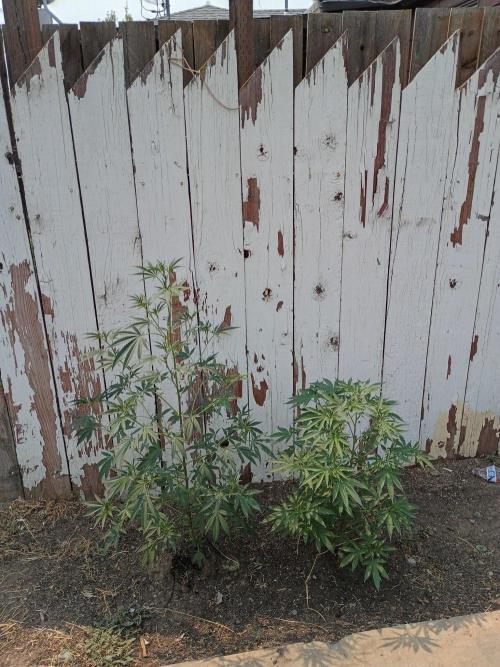
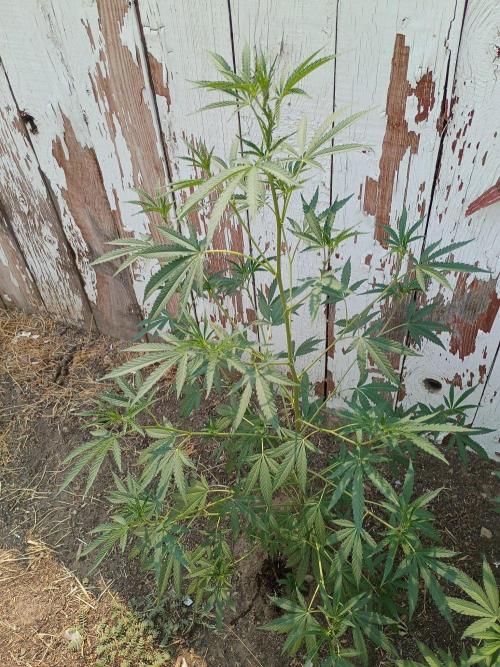
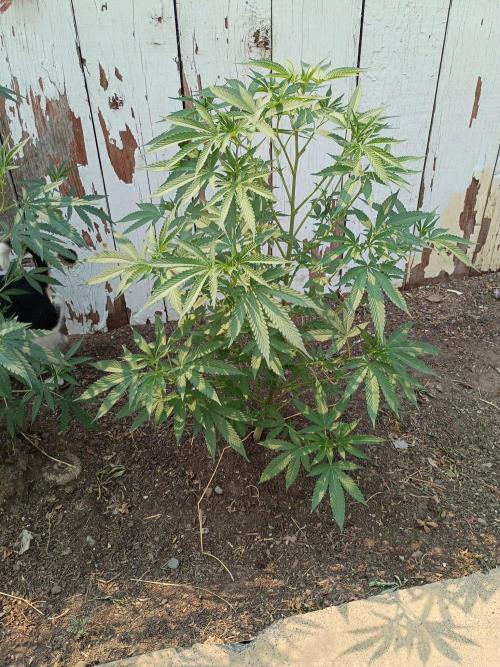
114.3 cm
Height
15 hrs
Light Schedule
32 °C
Day Air Temp
Weak
Smell
33 %
Air Humidity
16 °C
Night Air Temp
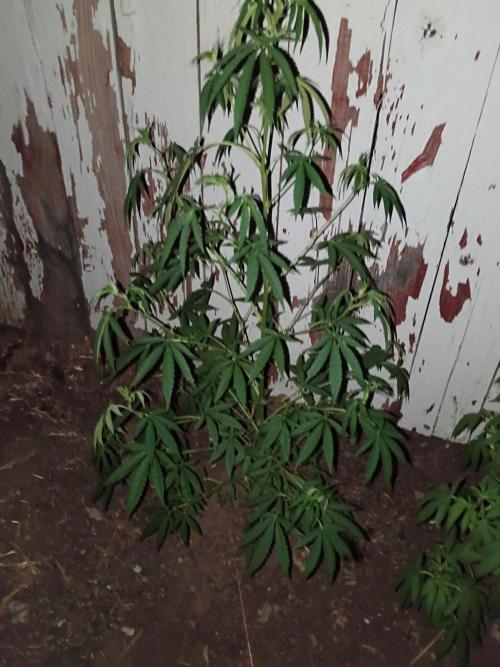
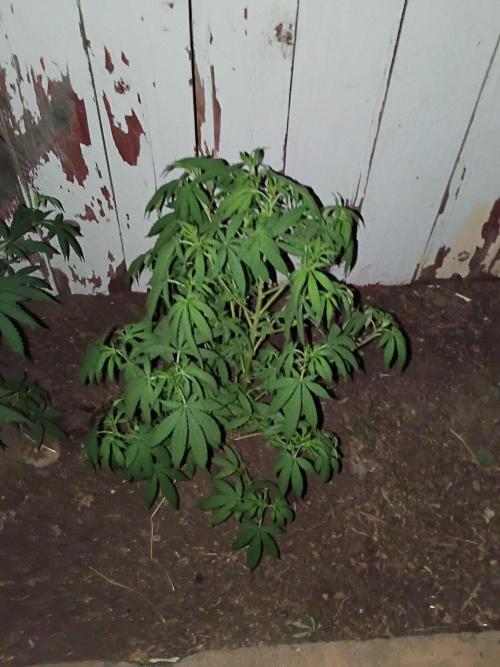
MissLeonard94 This is GrowDiaries calendar Week 19, running Monday, August 3, 2026, through Sunday, August 9, 2026. The plant-age field is Day 123–129, using April 3, 2026 as Day 1. GrowDiaries counting is applied exactly as requested: Week 1 is germination, Week 2 becomes Vegetation Week 1, and the diary continues on a Monday–Sunday calendar. The stage for this entry is Vegetation Week 18.
The August 4–5 sequence pairs dramatic nighttime droop with normal daylight recovery. The two images filed under August 4 were taken just after midnight and show nearly the entire canopy hanging down. The two August 5 daylight originals show the same plant upright again, with a broad dense canopy. The side-by-side comparison is included because it makes the contrast with the taller, airier Black Belts plant visible. This sequence supports recurring posture behavior, not a diagnosis or treatment.
This week is supported by 5 dated original RS11 images, presented below in chronological order. The captions preserve the original date, source filename, and the reason each image was assigned to this plant. No placeholder was needed because original photo evidence survives for this checkpoint.
The plant-height field reads ~45 in. This is visual estimate from aug 4 night and aug 5 daylight originals The container field reads In ground since Jun 26, and the substrate field reads Native ground soil; amendments not documented. Those fields distinguish the documented early soil/perlite container period from the permanent June 26 transplant into native ground soil. No exact soil/perlite ratio is invented where the original mix was not measured.
The plant was in Moses Lake, Washington. On the supplied aerial map, north is at the top, the brown outline marks the backyard, and the green dots identify the growing position along the west/left side near boundaries and structures. The geometry supports a useful morning-to-midday light window with probable fence or structure shade later. This is an exposure estimate from the map and photographs, not a PAR, DLI, or lux measurement.
The environmental fields—~89°F estimated daytime air temperature, ~33% estimated ambient humidity, and ~60°F estimated nighttime air temperature—are seasonal outdoor context for inland eastern Washington. They are not recovered sensor readings from the leaf surface, root zone, greenhouse, or yard. The natural-light schedule of Approx. 05:31–20:33 PDT (14.8 h daylight) describes approximate sunrise-to-sunset availability near 47.1°N; actual direct light at the plant is separately estimated as Estimated 7–8.5 h direct sun; backyard boundary shade likely later in day.
No fertilizer recipe, irrigation schedule, pest treatment, disease diagnosis, supplemental CO₂ use, or harvest-readiness claim is added unless the supplied record supports it. The purpose of this reconstruction is to preserve the dated visual story, make the weekly timeline practical for GrowDiaries, and label every estimate clearly enough that a future reader cannot accidentally mistake it for a contemporaneous measurement.
1 like
comments
Share
19
Week 19. Vegetation24d ago
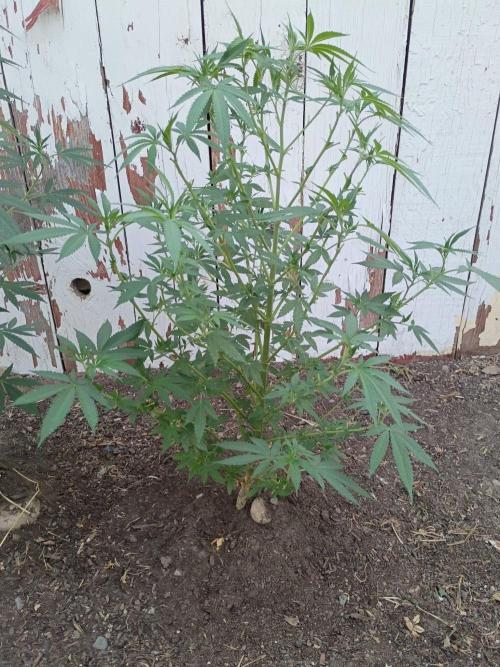
121.92 cm
Height
15 hrs
Light Schedule
31 °C
Day Air Temp
Weak
Smell
34 %
Air Humidity
15 °C
Night Air Temp
MissLeonard94 This is GrowDiaries calendar Week 20, running Monday, August 10, 2026, through Sunday, August 16, 2026. The plant-age field is Day 130–136, using April 3, 2026 as Day 1. GrowDiaries counting is applied exactly as requested: Week 1 is germination, Week 2 becomes Vegetation Week 1, and the diary continues on a Monday–Sunday calendar. The stage for this entry is Vegetation Week 19.
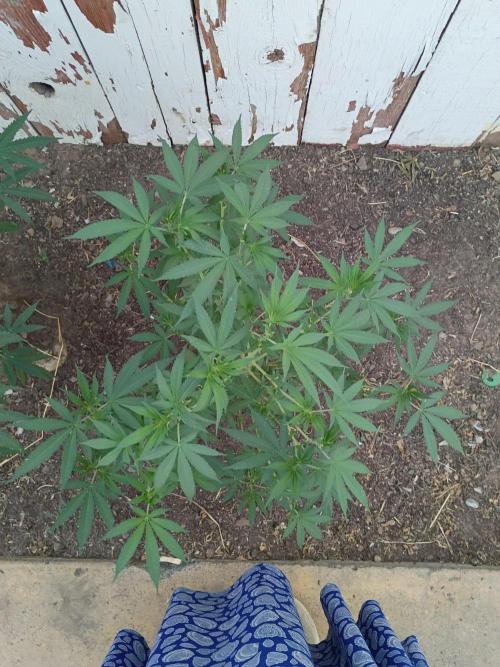
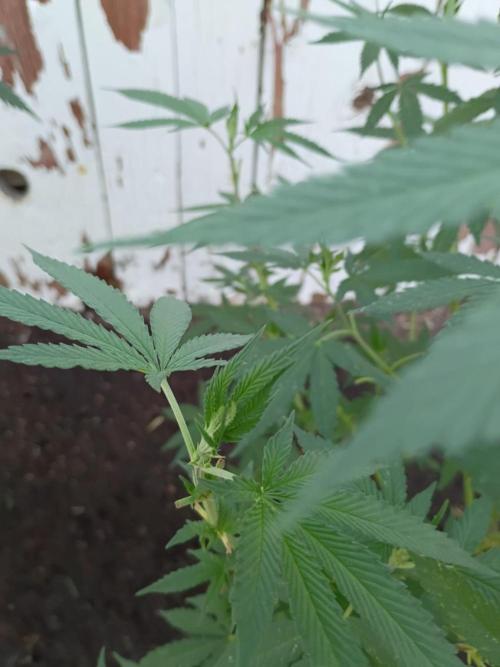
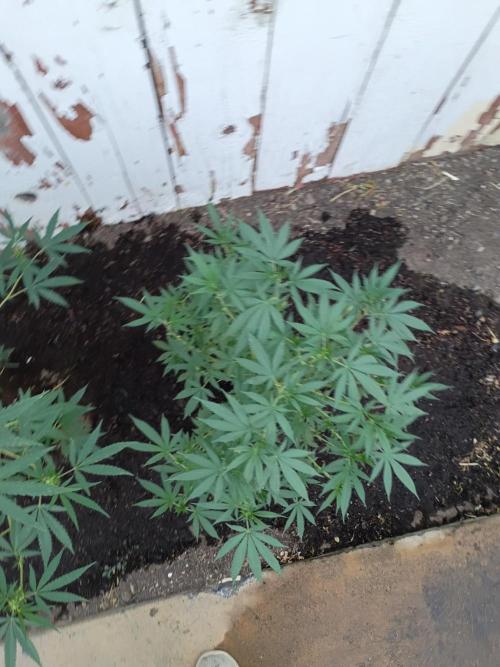
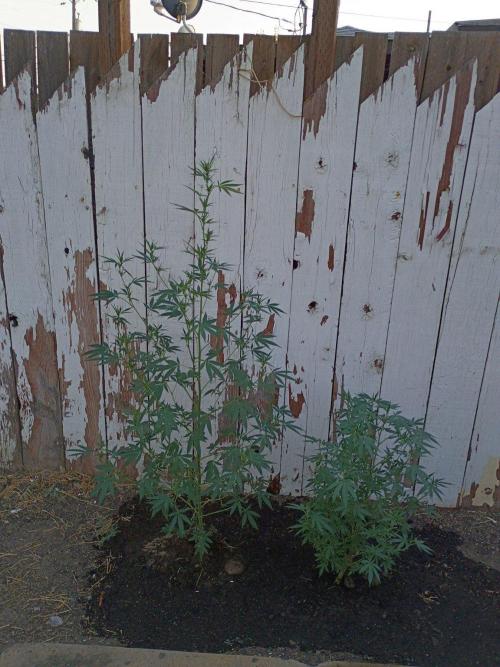
The August 11 originals show RS11 as a large dense bush with many similarly sized growing tips rather than one dominant leader. A visual height near forty-eight to forty-nine inches fits the views. The August 16 photographs are included in this week because the comparison shows the developmental split: Black Belts is already showing clearer flowering signs while RS11 remains compact and less advanced. This is a transition checkpoint for RS11, not a claim that her timing matched BB’s.
This week is supported by 5 dated original RS11 images, presented below in chronological order. The captions preserve the original date, source filename, and the reason each image was assigned to this plant. No placeholder was needed because original photo evidence survives for this checkpoint.
The plant-height field reads ~48–49 in. This is visual estimate from aug 11 originals and aug 16 comparison The container field reads In ground since Jun 26, and the substrate field reads Native ground soil; amendments not documented. Those fields distinguish the documented early soil/perlite container period from the permanent June 26 transplant into native ground soil. No exact soil/perlite ratio is invented where the original mix was not measured.
The plant was in Moses Lake, Washington. On the supplied aerial map, north is at the top, the brown outline marks the backyard, and the green dots identify the growing position along the west/left side near boundaries and structures. The geometry supports a useful morning-to-midday light window with probable fence or structure shade later. This is an exposure estimate from the map and photographs, not a PAR, DLI, or lux measurement.
The environmental fields—~88°F estimated daytime air temperature, ~34% estimated ambient humidity, and ~59°F estimated nighttime air temperature—are seasonal outdoor context for inland eastern Washington. They are not recovered sensor readings from the leaf surface, root zone, greenhouse, or yard. The natural-light schedule of Approx. 05:40–20:24 PDT (14.5 h daylight) describes approximate sunrise-to-sunset availability near 47.1°N; actual direct light at the plant is separately estimated as Estimated 7–8 h direct sun; morning-to-midday light with later fence/structure shade.
No fertilizer recipe, irrigation schedule, pest treatment, disease diagnosis, supplemental CO₂ use, or harvest-readiness claim is added unless the supplied record supports it. The purpose of this reconstruction is to preserve the dated visual story, make the weekly timeline practical for GrowDiaries, and label every estimate clearly enough that a future reader cannot accidentally mistake it for a contemporaneous measurement.
1 like
comments
Share
20
Week 20. Vegetation24d ago
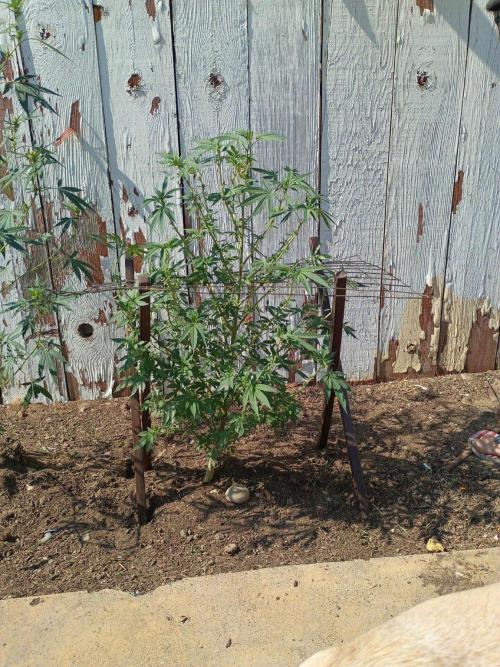
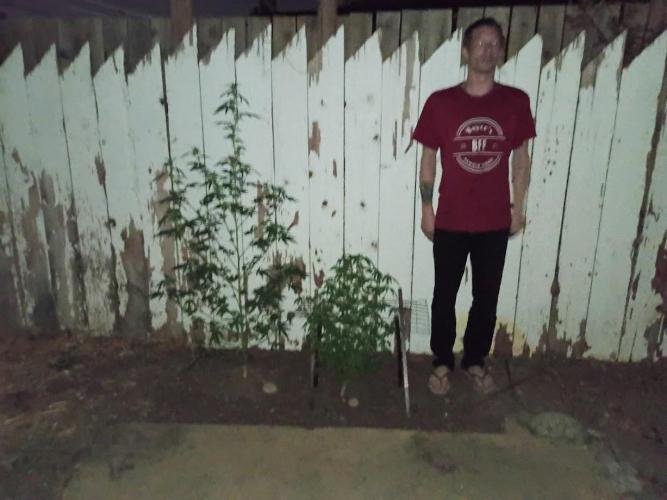
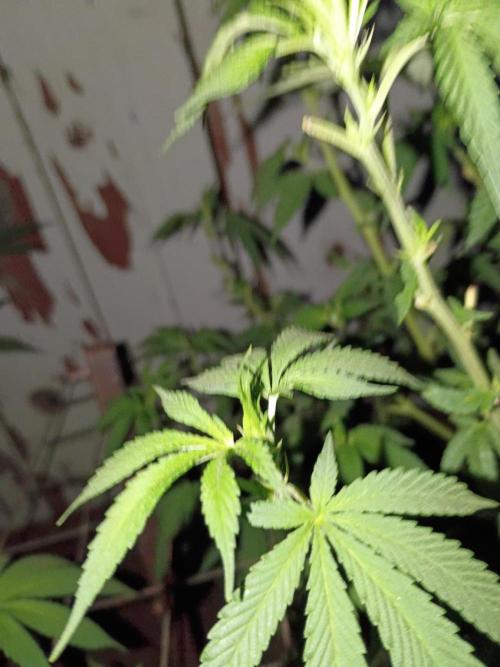
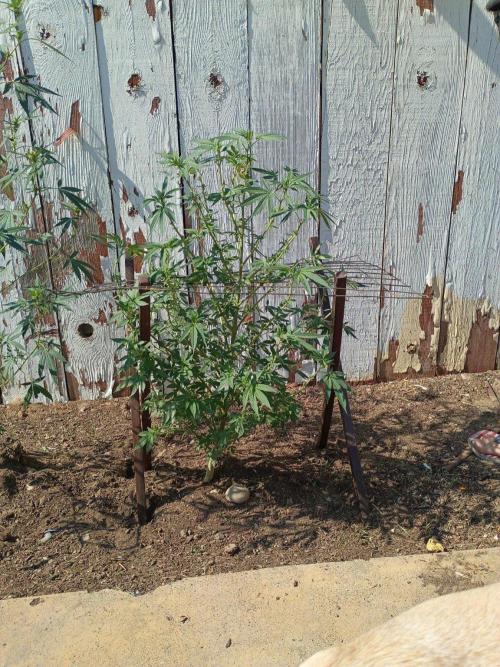
129.54 cm
Height
14 hrs
Light Schedule
30 °C
Day Air Temp
Weak
Smell
36 %
Air Humidity
14 °C
Night Air Temp
MissLeonard94 This is GrowDiaries calendar Week 21, running Monday, August 17, 2026, through Sunday, August 23, 2026. The plant-age field is Day 137–143, using April 3, 2026 as Day 1. GrowDiaries counting is applied exactly as requested: Week 1 is germination, Week 2 becomes Vegetation Week 1, and the diary continues on a Monday–Sunday calendar. The stage for this entry is Vegetation Week 20 / Flower transition.
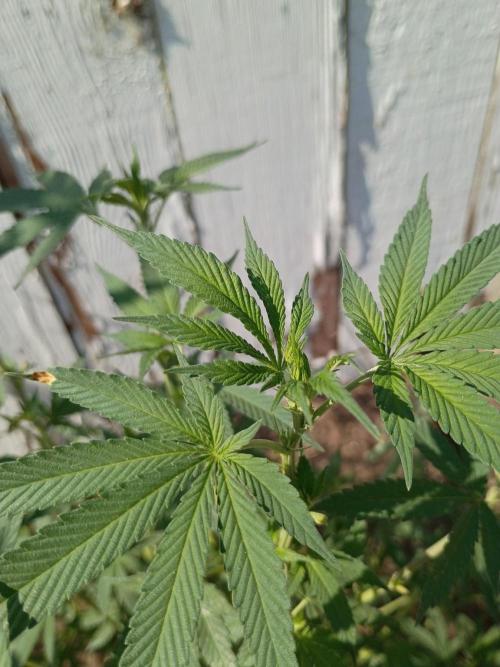
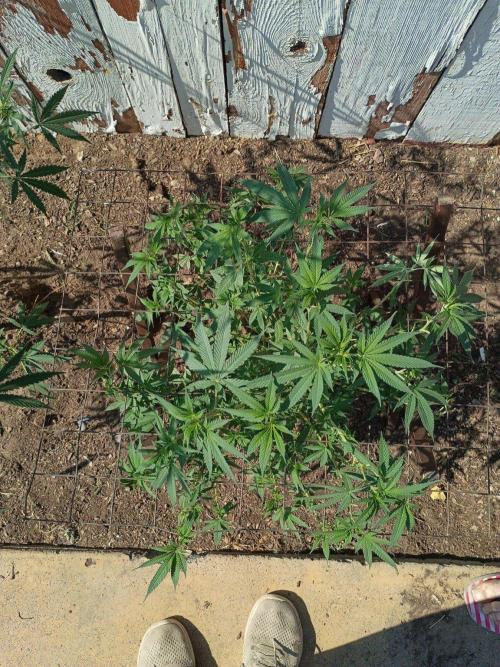
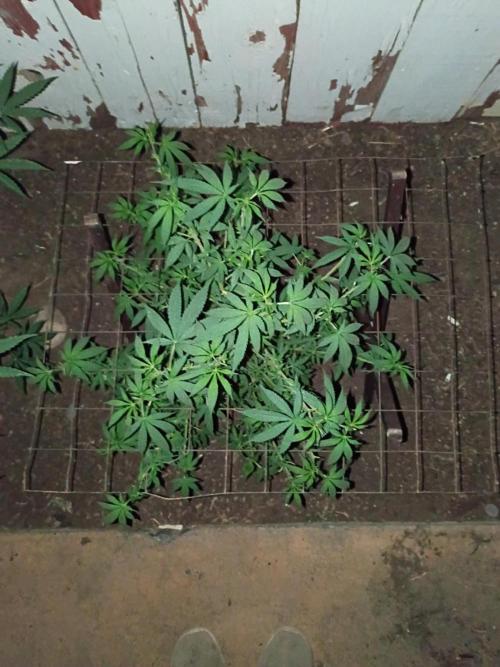
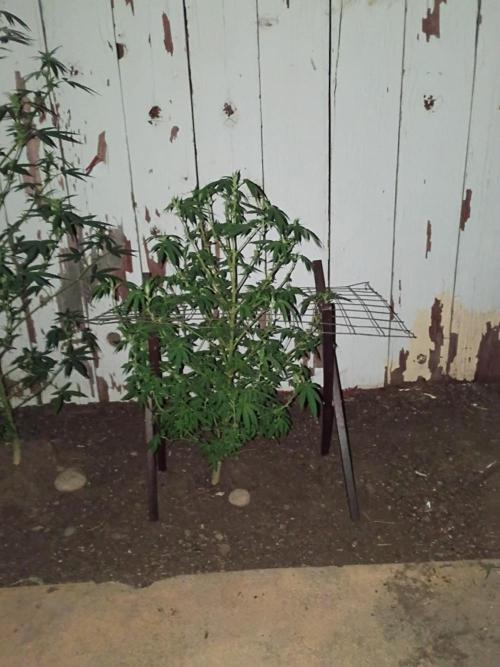
The August 22 and 23 originals document the point where RS11 moves from a purely vegetative story into a visible flower transition. The scale image supports a visual height around fifty-one inches, while the daylight set makes small early pistil clusters easier to see. RS11 remains behind Black Belts in maturity. The wire support spreads the dense canopy and makes the developing sites easier to inspect. This is transition or preflower, not full flowering yet.
This week is supported by 9 dated original RS11 images, presented below in chronological order. The captions preserve the original date, source filename, and the reason each image was assigned to this plant. No placeholder was needed because original photo evidence survives for this checkpoint.
The plant-height field reads ~51 in. This is visual estimate from aug 22–23 originals The container field reads In ground since Jun 26, and the substrate field reads Native ground soil; amendments not documented. Those fields distinguish the documented early soil/perlite container period from the permanent June 26 transplant into native ground soil. No exact soil/perlite ratio is invented where the original mix was not measured.
The plant was in Moses Lake, Washington. On the supplied aerial map, north is at the top, the brown outline marks the backyard, and the green dots identify the growing position along the west/left side near boundaries and structures. The geometry supports a useful morning-to-midday light window with probable fence or structure shade later. This is an exposure estimate from the map and photographs, not a PAR, DLI, or lux measurement.
The environmental fields—~86°F estimated daytime air temperature, ~36% estimated ambient humidity, and ~57°F estimated nighttime air temperature—are seasonal outdoor context for inland eastern Washington. They are not recovered sensor readings from the leaf surface, root zone, greenhouse, or yard. The natural-light schedule of Approx. 05:49–20:14 PDT (14.1 h daylight) describes approximate sunrise-to-sunset availability near 47.1°N; actual direct light at the plant is separately estimated as Estimated 6.5–7.5 h direct sun; west-side backyard with afternoon boundary shade.
No fertilizer recipe, irrigation schedule, pest treatment, disease diagnosis, supplemental CO₂ use, or harvest-readiness claim is added unless the supplied record supports it. The purpose of this reconstruction is to preserve the dated visual story, make the weekly timeline practical for GrowDiaries, and label every estimate clearly enough that a future reader cannot accidentally mistake it for a contemporaneous measurement.
1 like
comments
Share
21
Week 21. Vegetation24d ago
132.08 cm
Height
14 hrs
Light Schedule
29 °C
Day Air Temp
Weak
Smell
38 %
Air Humidity
13 °C
Night Air Temp
MissLeonard94 This is GrowDiaries calendar Week 22, running Monday, August 24, 2026, through Sunday, August 30, 2026. The plant-age field is Day 144–150, using April 3, 2026 as Day 1. GrowDiaries counting is applied exactly as requested: Week 1 is germination, Week 2 becomes Vegetation Week 1, and the diary continues on a Monday–Sunday calendar. The stage for this entry is Vegetation Week 21 / Late transition.
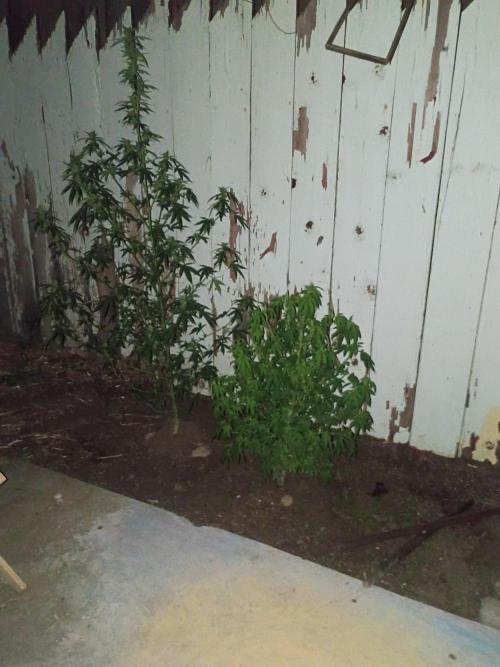
The August 29 nighttime original is a late-transition checkpoint. Flower sites are beginning to look more organized than the isolated early pistils from the prior week, while RS11’s compact outline remains easy to see. A height of approximately fifty-two to fifty-three inches fits the photograph and the preceding scale views. Because this is another nighttime image, lowered leaves are read as the established after-dark posture, not by themselves as a daytime health problem. Full flowering is not claimed yet.
This week is supported by 1 dated original RS11 image, presented below in chronological order. The captions preserve the original date, source filename, and the reason each image was assigned to this plant. No placeholder was needed because original photo evidence survives for this checkpoint.
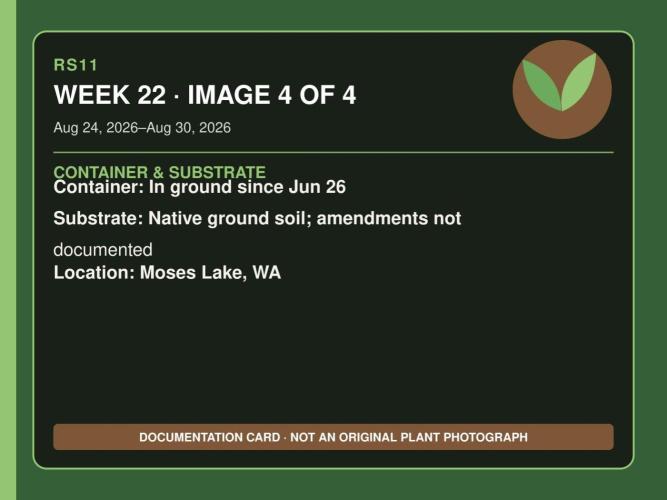
The plant-height field reads ~52–53 in. This is visual estimate from aug 29 original The container field reads In ground since Jun 26, and the substrate field reads Native ground soil; amendments not documented. Those fields distinguish the documented early soil/perlite container period from the permanent June 26 transplant into native ground soil. No exact soil/perlite ratio is invented where the original mix was not measured.
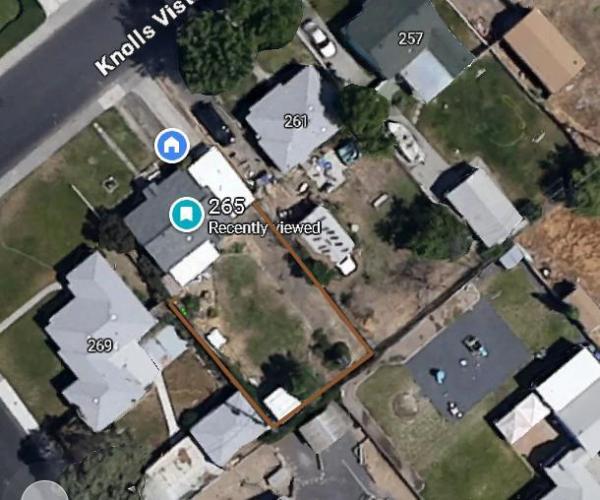
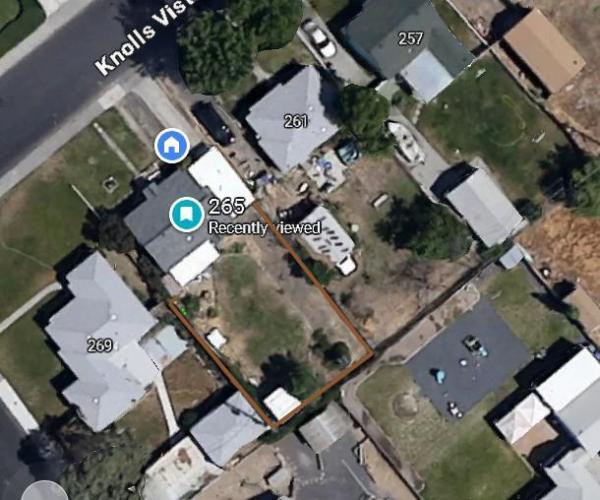
The plant was in Moses Lake, Washington. On the supplied aerial map, north is at the top, the brown outline marks the backyard, and the green dots identify the growing position along the west/left side near boundaries and structures. The geometry supports a useful morning-to-midday light window with probable fence or structure shade later. This is an exposure estimate from the map and photographs, not a PAR, DLI, or lux measurement.
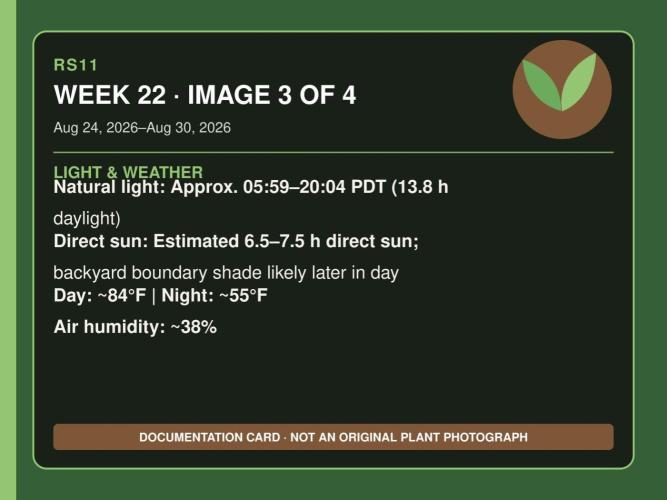
The environmental fields—~84°F estimated daytime air temperature, ~38% estimated ambient humidity, and ~55°F estimated nighttime air temperature—are seasonal outdoor context for inland eastern Washington. They are not recovered sensor readings from the leaf surface, root zone, greenhouse, or yard. The natural-light schedule of Approx. 05:59–20:04 PDT (13.8 h daylight) describes approximate sunrise-to-sunset availability near 47.1°N; actual direct light at the plant is separately estimated as Estimated 6.5–7.5 h direct sun; backyard boundary shade likely later in day.
No fertilizer recipe, irrigation schedule, pest treatment, disease diagnosis, supplemental CO₂ use, or harvest-readiness claim is added unless the supplied record supports it. The purpose of this reconstruction is to preserve the dated visual story, make the weekly timeline practical for GrowDiaries, and label every estimate clearly enough that a future reader cannot accidentally mistake it for a contemporaneous measurement.
likes
comments
Share
22
Week 22. Flowering24d ago
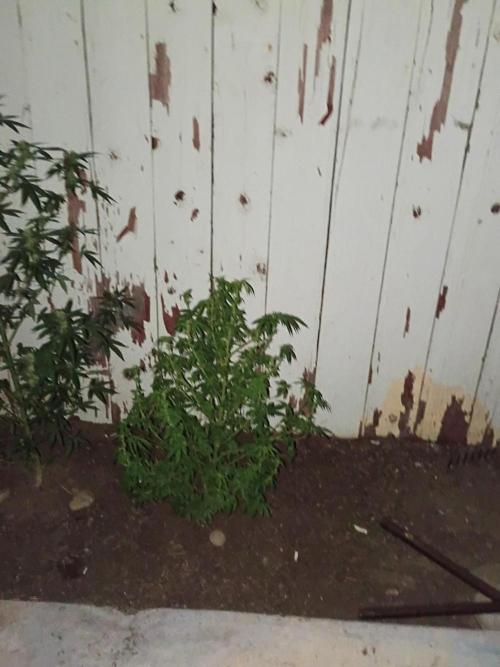
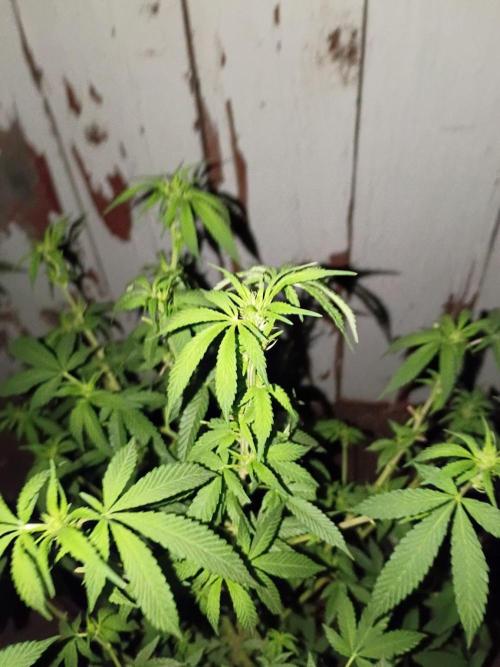
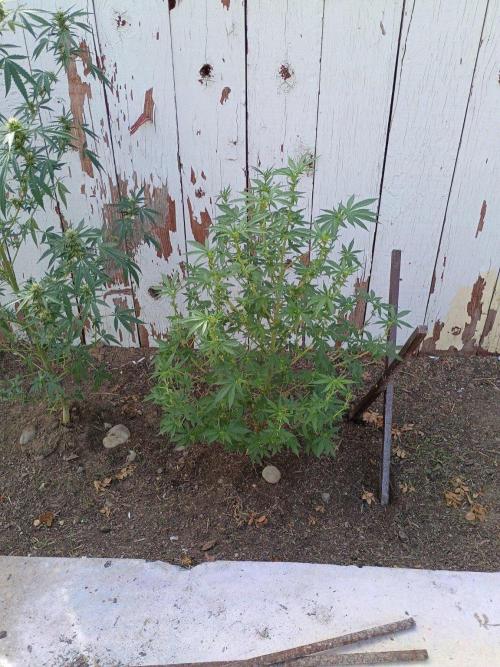
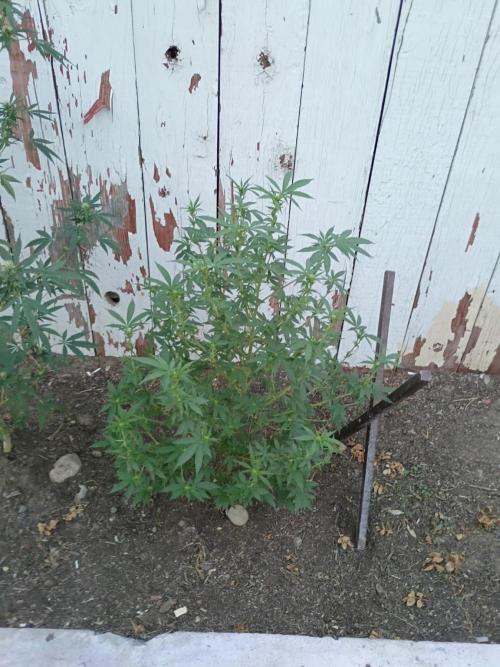
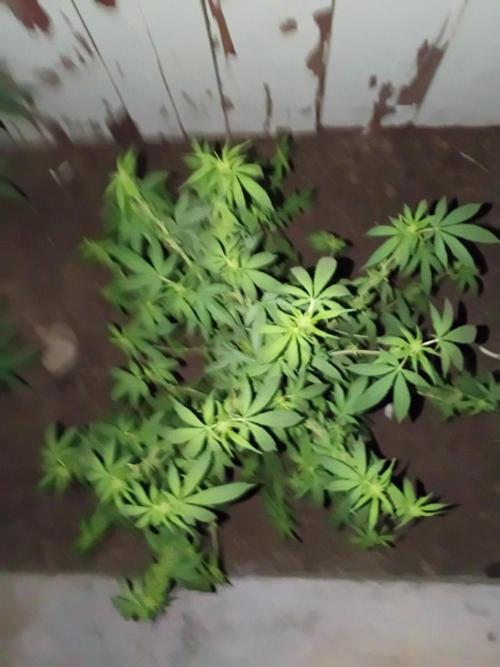
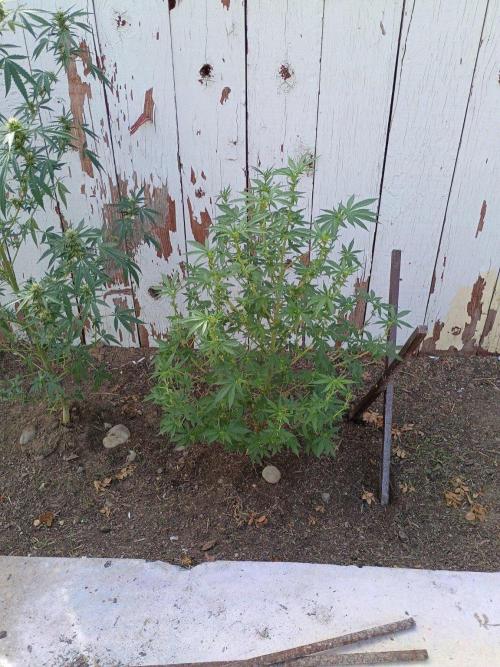
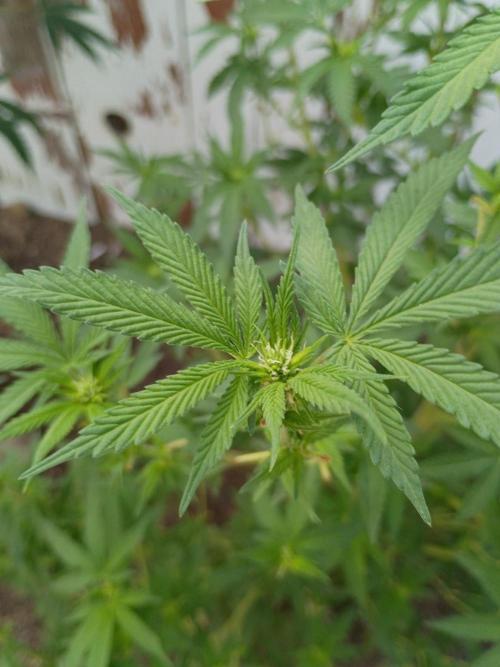
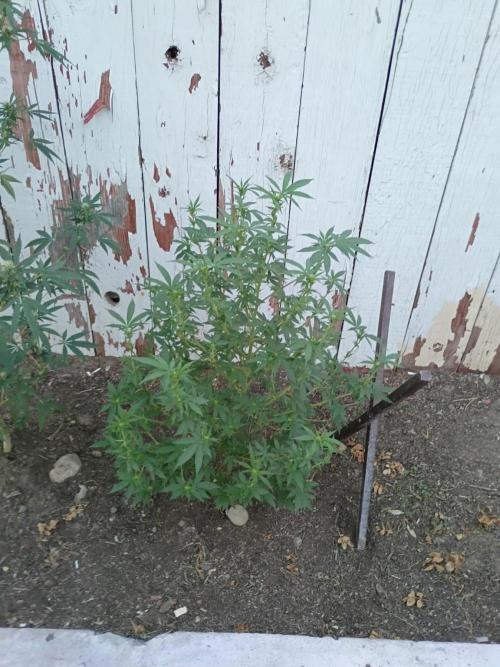
134.62 cm
Height
13 hrs
Light Schedule
28 °C
Day Air Temp
Weak
Smell
40 %
Air Humidity
12 °C
Night Air Temp
Nutrients 1
None
1.3 mll
MissLeonard94 This is GrowDiaries calendar Week 23, running Monday, August 31, 2026, through Sunday, September 6, 2026. The plant-age field is Day 151–157, using April 3, 2026 as Day 1. GrowDiaries counting is applied exactly as requested: Week 1 is germination, Week 2 becomes Vegetation Week 1, and the diary continues on a Monday–Sunday calendar. The stage for this entry is Flower Week 1.
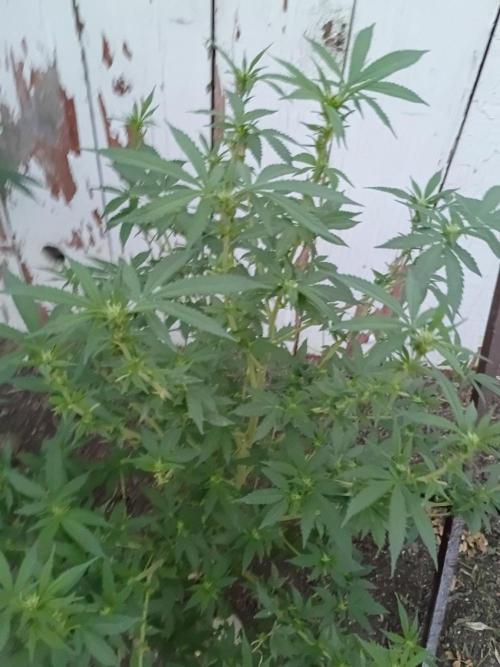
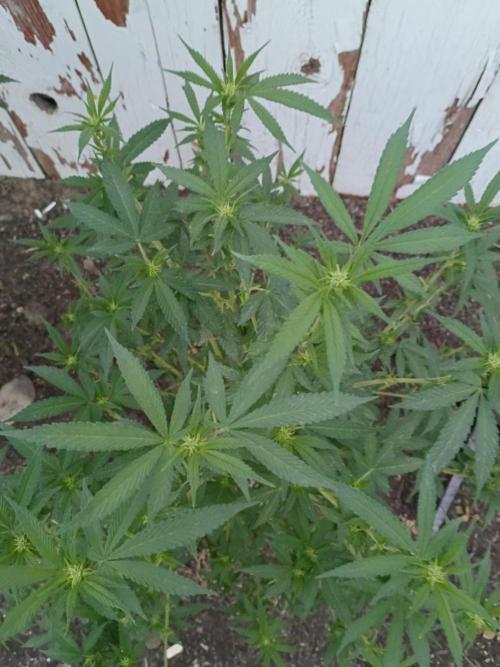
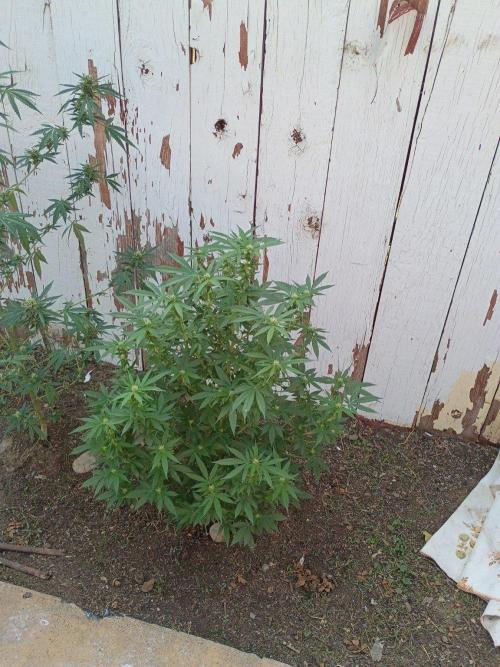
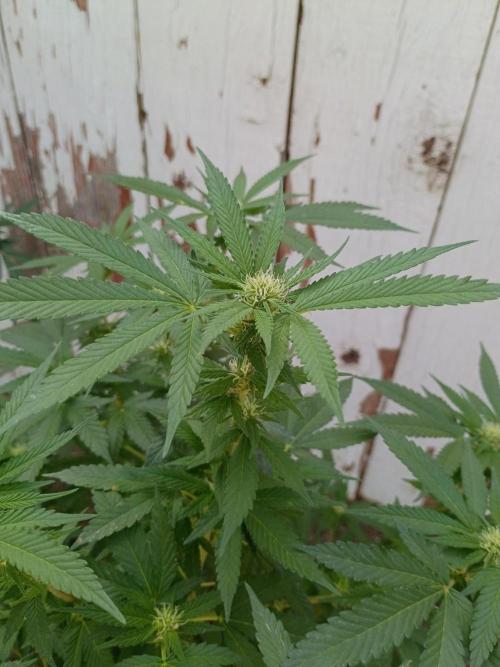
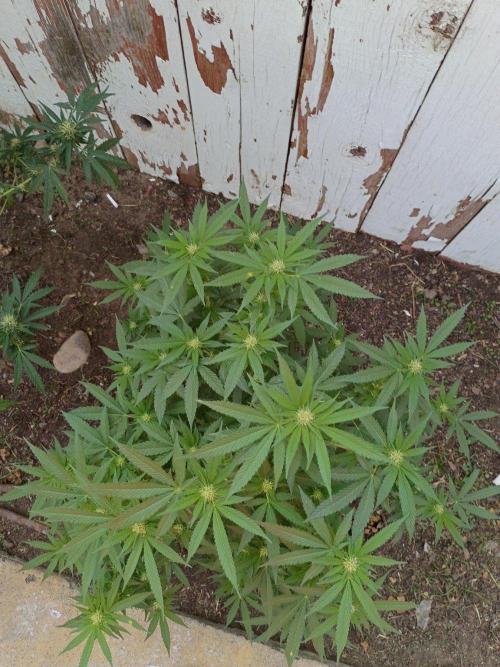
September 1 is the point used for RS11’s first unmistakable flowering week. White pistils are visible across numerous tops, and the September 3 and September 4 originals show the change distributed through the compact canopy rather than confined to one isolated tip. The visual height remains in the fifty-three-to-fifty-four-inch range. RS11 is still later than Black Belts, but she has clearly moved beyond vague transition into active early bloom. The dense branching produces many separate flowering points.
This week is supported by 8 dated original RS11 images, presented below in chronological order. The captions preserve the original date, source filename, and the reason each image was assigned to this plant. No placeholder was needed because original photo evidence survives for this checkpoint.
The plant-height field reads ~53–54 in. This is visual estimate from sep 1, sep 3, and sep 4 originals The container field reads In ground since Jun 26, and the substrate field reads Native ground soil; amendments not documented. Those fields distinguish the documented early soil/perlite container period from the permanent June 26 transplant into native ground soil. No exact soil/perlite ratio is invented where the original mix was not measured.
The plant was in Moses Lake, Washington. On the supplied aerial map, north is at the top, the brown outline marks the backyard, and the green dots identify the growing position along the west/left side near boundaries and structures. The geometry supports a useful morning-to-midday light window with probable fence or structure shade later. This is an exposure estimate from the map and photographs, not a PAR, DLI, or lux measurement.
The environmental fields—~82°F estimated daytime air temperature, ~40% estimated ambient humidity, and ~53°F estimated nighttime air temperature—are seasonal outdoor context for inland eastern Washington. They are not recovered sensor readings from the leaf surface, root zone, greenhouse, or yard. The natural-light schedule of Approx. 06:09–19:53 PDT (13.3 h daylight) describes approximate sunrise-to-sunset availability near 47.1°N; actual direct light at the plant is separately estimated as Estimated 6–7.5 h direct sun; morning-to-midday exposure, late-day shade likely.
No fertilizer recipe, irrigation schedule, pest treatment, disease diagnosis, supplemental CO₂ use, or harvest-readiness claim is added unless the supplied record supports it. The purpose of this reconstruction is to preserve the dated visual story, make the weekly timeline practical for GrowDiaries, and label every estimate clearly enough that a future reader cannot accidentally mistake it for a contemporaneous measurement.
1 like
comments
Share
Used techniques
Defoliation
Technique
23
Week 23. Flowering24d ago
139.7 cm
Height
13 hrs
Light Schedule
26 °C
Day Air Temp
Weak
Smell
42 %
Air Humidity
10 °C
Night Air Temp
Nutrients 1
None
1.3 mll
MissLeonard94 This is GrowDiaries calendar Week 24, running Monday, September 7, 2026, through Sunday, September 13, 2026. The plant-age field is Day 158–164, using April 3, 2026 as Day 1. GrowDiaries counting is applied exactly as requested: Week 1 is germination, Week 2 becomes Vegetation Week 1, and the diary continues on a Monday–Sunday calendar. The stage for this entry is Flower Week 2.
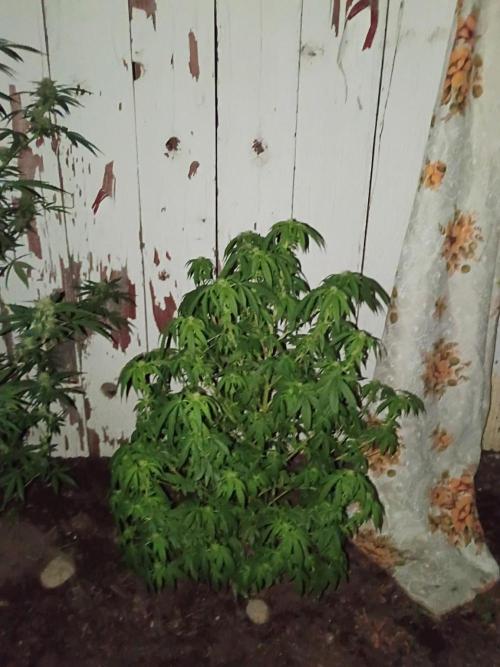
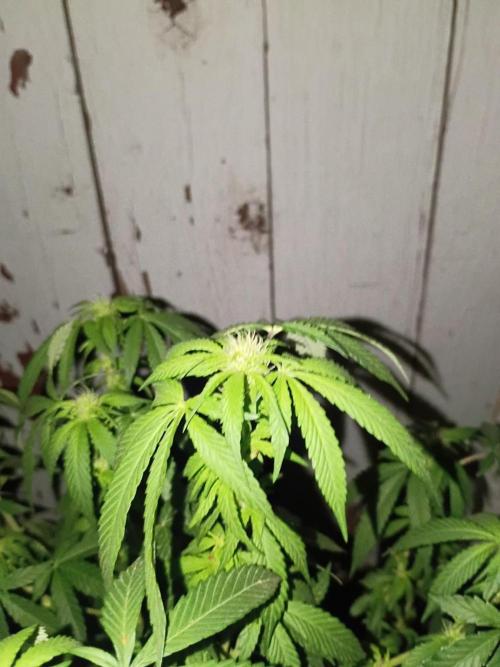
The September 9 and September 11 originals show RS11 continuing through early flower rather than approaching a finished harvest. Fresh white pistils remain abundant, and the interior of the compact plant contains additional sites that are easy to miss from the outside. A visual height around fifty-five to fifty-six inches is supported by the whole-plant views, but it remains an image estimate without a measuring stick. September 11 is Day 161 from April 3. The reconstruction ends at the last supplied checkpoint instead of inventing future harvest events.
This week is supported by 5 dated original RS11 images, presented below in chronological order. The captions preserve the original date, source filename, and the reason each image was assigned to this plant. No placeholder was needed because original photo evidence survives for this checkpoint.
The plant-height field reads ~55–56 in. This is visual estimate from sep 9 and sep 11 originals The container field reads In ground since Jun 26, and the substrate field reads Native ground soil; amendments not documented. Those fields distinguish the documented early soil/perlite container period from the permanent June 26 transplant into native ground soil. No exact soil/perlite ratio is invented where the original mix was not measured.
The plant was in Moses Lake, Washington. On the supplied aerial map, north is at the top, the brown outline marks the backyard, and the green dots identify the growing position along the west/left side near boundaries and structures. The geometry supports a useful morning-to-midday light window with probable fence or structure shade later. This is an exposure estimate from the map and photographs, not a PAR, DLI, or lux measurement.
The environmental fields—~79°F estimated daytime air temperature, ~42% estimated ambient humidity, and ~50°F estimated nighttime air temperature—are seasonal outdoor context for inland eastern Washington. They are not recovered sensor readings from the leaf surface, root zone, greenhouse, or yard. The natural-light schedule of Approx. 06:19–19:42 PDT (13.0 h daylight) describes approximate sunrise-to-sunset availability near 47.1°N; actual direct light at the plant is separately estimated as Estimated 5.5–7 h direct sun; late-season morning-to-midday exposure with boundary shade.
No fertilizer recipe, irrigation schedule, pest treatment, disease diagnosis, supplemental CO₂ use, or harvest-readiness claim is added unless the supplied record supports it. The purpose of this reconstruction is to preserve the dated visual story, make the weekly timeline practical for GrowDiaries, and label every estimate clearly enough that a future reader cannot accidentally mistake it for a contemporaneous measurement.
2 likes
comments
Share
Used techniques
Defoliation
Technique
24
Week 24. Flowering24d ago
139.7 cm
Height
13 hrs
Light Schedule
26 °C
Day Air Temp
Normal
Smell
42 %
Air Humidity
10 °C
Night Air Temp
Nutrients 1
None
1.3 mll
MissLeonard94 RS11 continued progressing steadily through early flowering this week. The September 15 photographs show a plant that is now fully committed to flower production, with developing buds distributed across nearly every major branch and growing tip. She still has the compact, heavily branched structure that has defined her throughout the season. Instead of concentrating most of her energy into one dominant central cola, RS11 is producing a broad collection of similarly sized flowering tops throughout the canopy.
The two close-up photographs show that her flowers have advanced noticeably since the September 11 checkpoint. What previously looked more like loose clusters of fresh pistils is beginning to develop recognizable bud shape and depth. The calyxes are stacking more closely around the nodes, and the individual flower sites are starting to connect vertically along the upper portions of the branches. The buds are still relatively young and airy, but they are no longer just isolated flowering points.
Most of the pistils remain fresh, white and extended outward, confirming that RS11 is still actively building new flower tissue. A small number are beginning to turn cream, tan or pale orange, but the overwhelming majority remain white. This is normal progression within the flowers and does not indicate that she is approaching harvest yet. Her buds still have substantial swelling, thickening and maturation ahead of them.
The whole-plant photograph shows how many flowering sites she has packed into a relatively small footprint. Her canopy is not perfectly level, but there are numerous upright tops at several heights, including many interior and lower flowers that are partially hidden beneath the outer foliage. This dense branching pattern may ultimately give her a large number of modestly sized buds rather than the long, individually separated flowers developing on Black Belts.
RS11 remains predominantly green in these photographs. I do not see obvious widespread yellowing, severe nutrient burn, bleaching, powdery mildew or visible bud rot. The leaves immediately surrounding the flowers appear intact, and the buds do not show obvious dead or discolored interior material. These photographs cannot rule out every possible issue inside such a dense plant, so the interior flowers should continue to be checked regularly for trapped moisture, damaged leaves or any soft brown areas.
Her estimated height remains approximately 55–57 inches. This is a visual estimate based on the September 15 whole-plant photograph and the earlier photographs that provided better scale. The steep overhead angle makes a precise measurement impossible, so the estimate should not be treated as a recorded physical measurement. She appears to have completed most of her vertical stretch and is now directing more of her energy into flower development.
The close-ups also show the beginning of visible surface frost on the small leaves around the flowers, although the photographs are not magnified enough to evaluate individual trichome heads or determine maturity. A proper harvest assessment will eventually require a much closer examination of trichomes on the calyxes rather than relying only on pistil color or the appearance of the sugar leaves.
Overall, this was a positive early-flower checkpoint. RS11 is not developing as quickly as Black Belts, but she does not appear stalled. Her progress is simply occurring on a later timeline. The important change this week is the transition from numerous loose pistil clusters into a canopy filled with small but increasingly defined buds. She still has several weeks of flower building ahead, but the final structure of the plant is becoming much easier to imagine.
Three original photographs were taken on September 15: two close flower views and one whole-plant photograph. These occupy the first three positions in the Week 25 four-image upload set. The fourth position can be filled by another RS11 photograph taken during September 14–20; if no additional original is taken, that position should receive a clearly labeled weekly documentation card rather than a fabricated plant image.😍
1 like
comments
Share
Enjoying this diary? Follow for more updates!
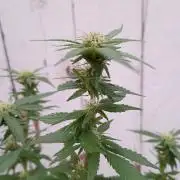
Prefer the old Diary view?
Go back to the old Diary view