


Random grow


DLR Mody XL
Delirium seeds

Lamp
85w Custom led
Light
Lamp
Custom Chinnese grow lamp
Light
VEG
LM301H EVO 85W Light Emitting Diodes/85W
Chinnese Brand


Soil
Local buy

Compost Other
Homemade

Perlite
Local buy

Indoor
Room Type
1 liters
Pot Size
Start at 1 Week
G
Germination1mo ago
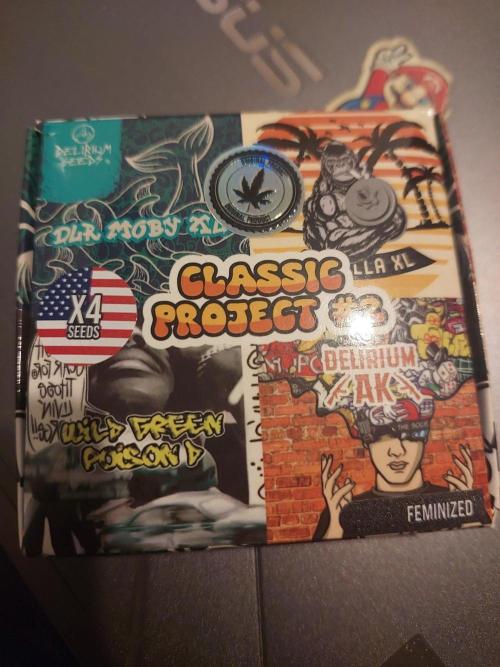
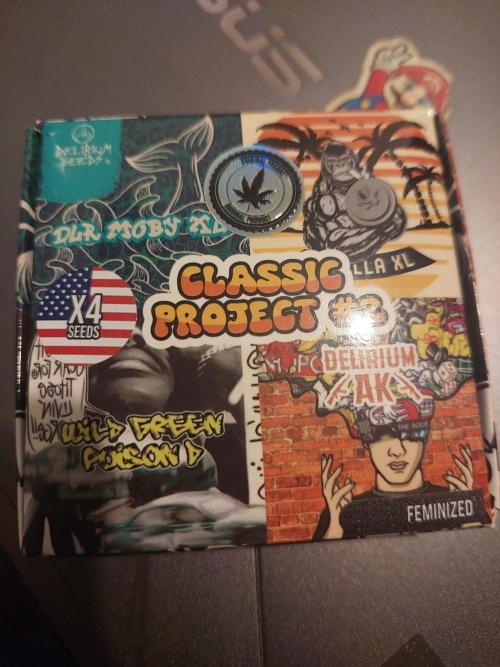
Arturok_320 The seed was placed in a cup of water that had been left to sit, with the pH adjusted to 6.2. Supposedly this doesn’t matter, but I wanted to take extra precautions. I don't take photos of this, my bad.
likes
comments
Share
Used method
Glass Of Water
Germination Method
1
Week 1. Vegetation1mo ago
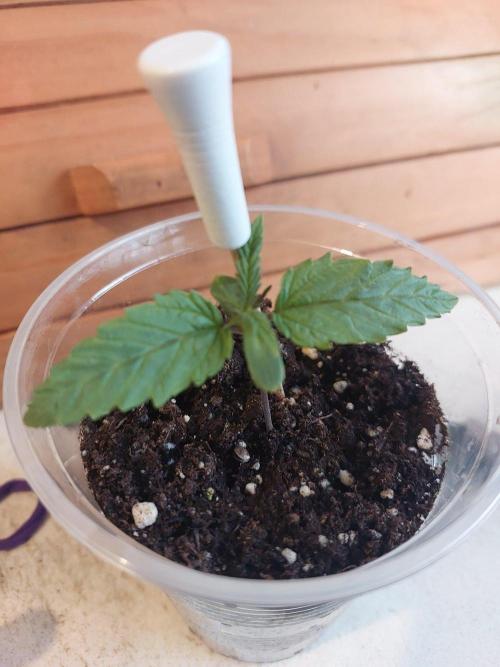
5 cm
Height
16 hrs
Light Schedule
20 °C
Day Air Temp
No Smell
Smell
900 PPM
TDS
22 °C
Solution Temp
15 °C
Night Air Temp
0.5 liters
Pot Size
20 cm
Lamp Distance
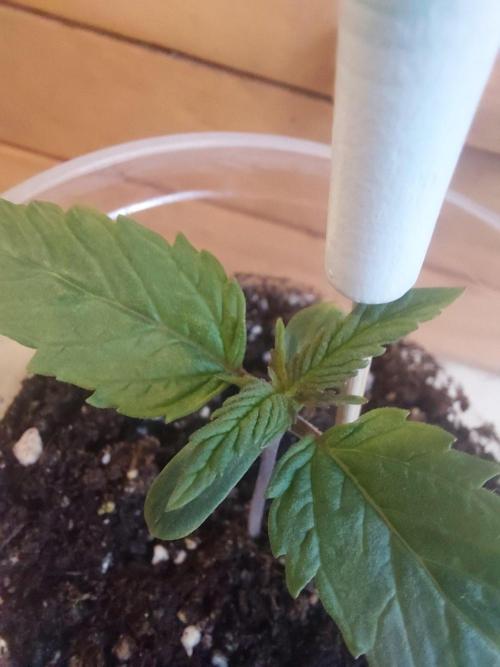
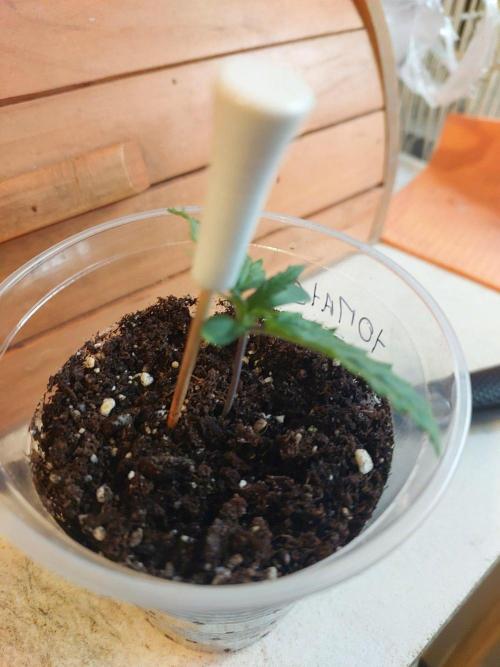
Arturok_320 I made a mistake: three days ago I watered with water that had been left sitting out, plus a bit of worm castings, also to remove chloramines—but I didn’t adjust the water’s pH. Knowing the usual pH of the area where I live, it must be at 7.5 right now. Even so, the leaves took a little hit, but it doesn’t really look bad.
The substrate was pre-inoculated, mixed, and watered the same day the seed was left soaking in water to germinate; this let the microbial life settle in. The inoculation included:
0.5 g Bacillus subtilis
0.5 g Bacillus megaterium
0.5 g Bacillus licheniformis
0.2 g Bacto Plus (Azospirillum brasilense, Agrobacterium pusense, Ochrobactrum pseudogrignonense, Meyerozyma guilliermondii)
and a little molasses, to feed all this life.
When the seed was planted, with a 0.5 cm radicle, an appropriate amount of mycorrhizae was added to the seed, with a humidity dome (a bottle cut in half, haha).
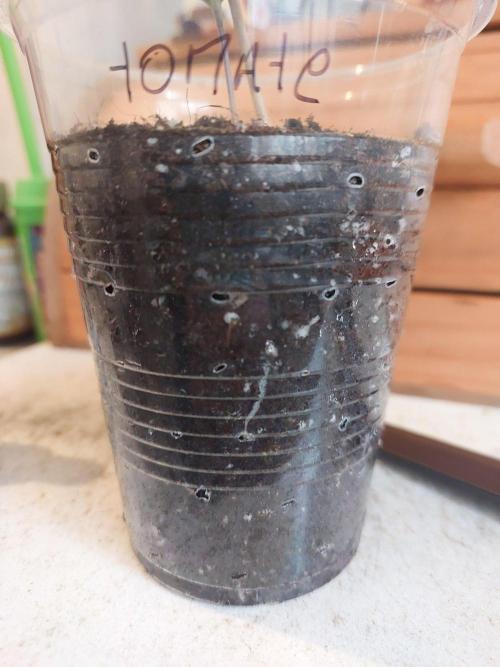
The cup has lots of holes made with a hot needle. I’ve planted in cups before, and sometimes the roots turn green over time from too much moisture. That never happens when I make holes in the cup like this. It also lets me water by submerging the whole cup in water. Why? Because many times, when watering different clear pots, I noticed that even if the pot is draining water out the bottom, the whole substrate isn’t always moist.
I have some odd Chinese products, including plant hormones and plant growth stimulants. I’ll be incorporating them over the coming weeks. Some of them are:
- Fish protein: amino acids 90%, humic acids 5%
- Amino acids: Aspartic acid, Cystine, Alanine, Glutamic acid, Glycine, Histidine, Isoleucine, Leucine, Lysine, Methionine, Phenylalanine, Proline, Serine, Threonine, Tyrosine, Valine, Arginine, Tryptophan. Total amino acids 25–30%, sulfur 15–18%, copper 0.6%, iron 3.8%, zinc 2.5%, manganese 1.1%, boron 1.1%, magnesium 1.6%, molybdenum/cobalt/selenium 0.03%. pH (1% aqueous solution): 5–5.5. Powder form.
- Kelp extract: alginic acid 40%, N-P-K 2-7-18, organic matter 50%, B, Mo, Cu, Fe, Zn, Mn... 0.2%. pH 5–8. Powder form.
- Seaweed extract: active ingredient: alginic acid 21%, potassium 18%, organic matter 45%, amino acid 2%, betaine 0.2%, mannitol 0.5%, B, Mo, Cu, Fe, Zn, Mn... 0.2%.
- Brassinolide 0.1% SP: natural brassinolide 0.1% SP
- Triacontanol
and some more standard market-brand products, like Biobizz, Advanced Nutrients, and Top Crop, plus, local buy thinks, like:
- Sugar Fulvic Composition:
Total humic extract: 45.9% w/v
Humic acids:
likes
comments
Share
Enjoying this diary? Follow for more updates!
Prefer the old Diary view?
Go back to the old Diary view